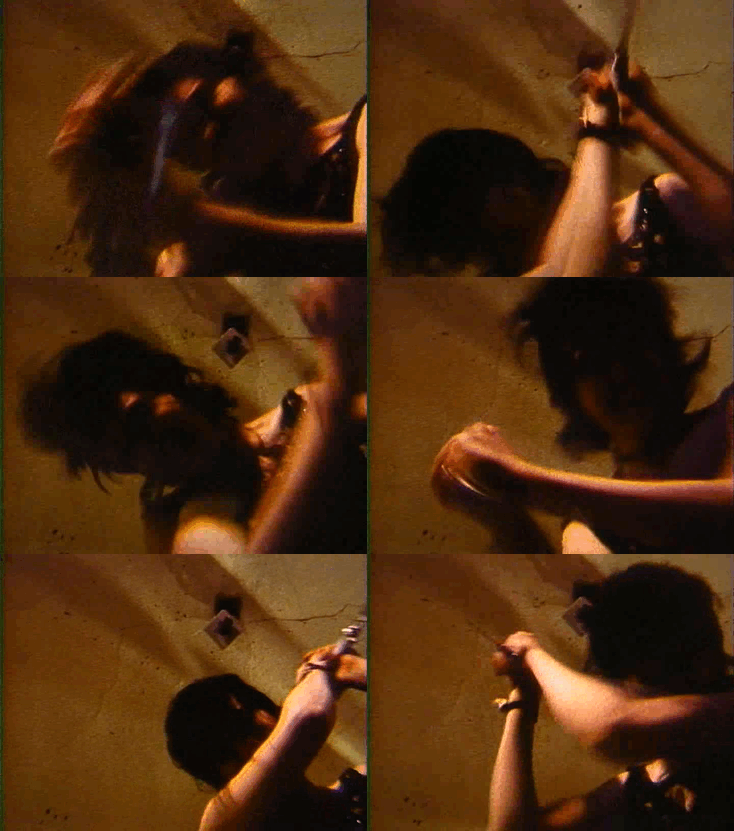
‘The nurse who takes care of Jimmy Stewart in Alfred Hitchcock’s Rear Window has a line that goes to the heart of the film viewing experience: “We’ve become a race of Peeping Toms.” Hitchcock’s movie about a voyeur who stares out the window at his neighbors has been taken as an allegory of spectatorship itself. The desire to look runs throughout Hitchcock’s work and is literalized in Psycho when Norman peeps through a hole in the wall at Marion Crane undressing for the shower. We look with Mr. Bates and we take the bait and become implicated in his voyeurism. In the same year as Psycho— 1960 –Michael Powell released the infamous Peeping Tom, a film about a filmmaker who literally kills with his camera as he records the action. This fascination with the dark side of looking– with the dynamics and aesthetics of voyeurism– is Richard Kern’s theme and it runs throughout his films and photography. In many ways, Kern’s work is a culmination of self-referential approaches to depicting the artist’s relationship to his “subject.” And his subject is looking.
‘The above invocation of mainstream films is important for a discussion of Kern’s early work because in many ways his movies are responses to popular film and commercial culture as a whole. Kern has made this relationship clear: “I take what interests me in the movies and put it in a shorter format so I don’t get bored. What interests the American public are sex and violence and the seamy side of life.” In his effort not to be bored, Kern moved to the Lower East Side and began a series of Super-8 films that eventually became associated with the Cinema of Transgression. His first Super-8, Goodbye 42nd Street (1983), is indicative of his approach to movie making: the camera moves down the fabled street of vice and takes in store signs and marquees of porno and exploitation movies. Spliced into this movement down the street are scenes of strippers in booths, a man putting a cigarette out on his face (Kern himself– the Auteur as Ashtray), various killings (a woman turns Buñuel on his head by stabbing her male lover in the eye) and suicides.
‘Kern’s early career was spent making his films– movies like Zombie Hunger (1984) which depicted a group of people shooting up and then vomiting– and screening them accompanied by outrageous performance pieces that created a Grand Guignol for the Lower East Side. In the tradition of Andy Warhol and John Waters, Kern employs actors from his social world and they reappear throughout his films; some of these denizens of the Kern Super-8 include Lydia Lunch, Clint Ruin (aka Jim Thirlwell), David Wojnarowicz, Lung Lee, Karen Finley and the filmmaker who is credited as the founder and first promoter of the Cinema of Transgression, Nick Zedd. What this evolving cast depicted in films such as The Right Side of My Brain (1984), The Manhattan Love Suicides (1984), You Killed Me First (1985), and the glorious dark ride of Submit to Me (1985) was nothing short of an assault upon the conventions of filmmaking and spectatorship. Submit to Me consists of a series of scenes depicting bondage, violence, sex, and suicide, many of which were suggested to Kern by the actors themselves.
‘As the underground reflection of Reagan’s America, Kern’s films embraced the subculture of the Lower East Side and the avant-garde impulse of those on the fringe of the established art world. However, a split occurred in Kern’s career around 1987 when he decided to quit the Lower East Side to remove himself from its drug culture. This split is depicted in The Evil Cameraman (‘87-’90), an allegory of Kern’s evolution as a visual artist. The first part of the film is made up of two segments depicting Kern “arranging a model” in provocative S&M scenarios; the imagery and music is dark and the threat of violence is palpable. Then the title “2 Years Later” appears and we are given two very different segments of a different Kern– back from his hiatus– who works with two “models” who do not play into his “control” as photographer. The film ends with a rejected Kern looking into the camera. This new relationship to the women in his films– playful, puzzling, rejecting the anticipatory action of “pornography”– colors his later films: X = Y (1990), Nazi (1991), Catholic (1991), Horoscope (1991), and The Bitches (1992). During this period Kern also shifted his attention to a different visual form.
‘Although he has continued work on his own films and on music videos, Kern has lately concentrated on photography. His pictures have moved from the gore and “splatter” effects of his early films to a concentration on the women he photographs. The pictures themselves are more fluid than his films: they easily cross over into the world of pornography (he has contributed work to magazines such as Hustler and Barely Legal.) But what distinguishes Kern’s pictures from prosaic porno is that his work is remarkably beautiful and, more importantly, it continues his play with the force of voyeurism. Each of Kern’s photographs is a mini-movie, a story the viewer steps into and “sees.” This “seeing” of a Kern photo is fascinating because after the viewer takes in the picture he/she must take in the effect of their looking. In his preface to New York Girls, Kern describes the feeling he has about taking pictures: “For me, nothing compares to the experience of building an environment with light then adding a living person as an unknown to make a temporal image.” The “unknown” here is a Kern model, but it is also the Kern viewer: we are the unknown looker encountering an image and trying to decipher its “story.” His pictures tell us we are voyeurs and we are then forced to look at our own looking. Each of Kern’s photographs tell a different story– his entire artistic output is The Story of His Eye— but all of them tell us something he once admitted in an interview: “The best part of anything is watching.”’ — Dictionary of the Avant-Gardes
___
Stills


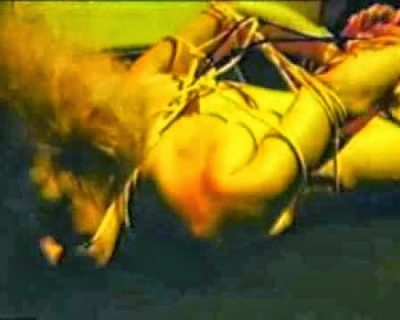

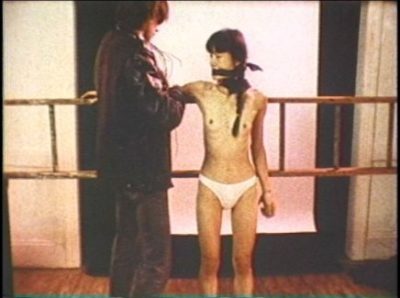
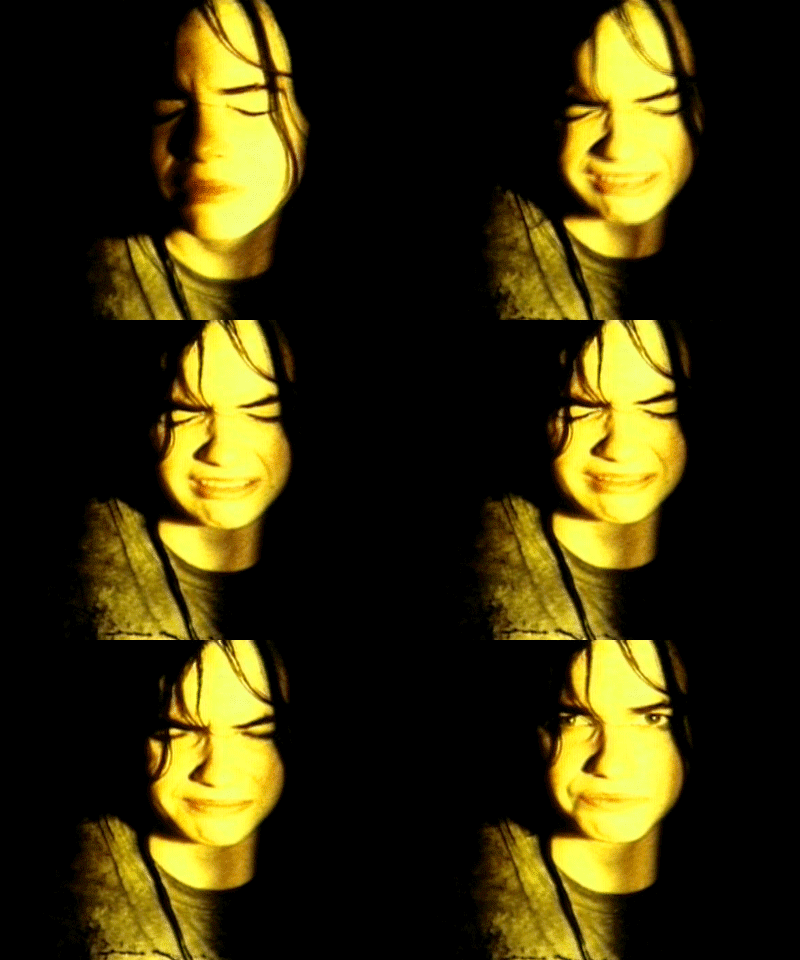
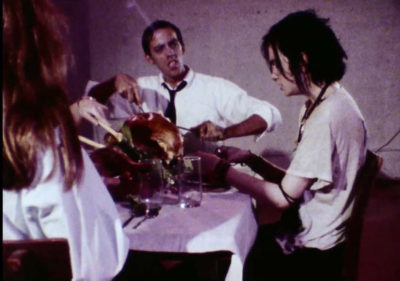





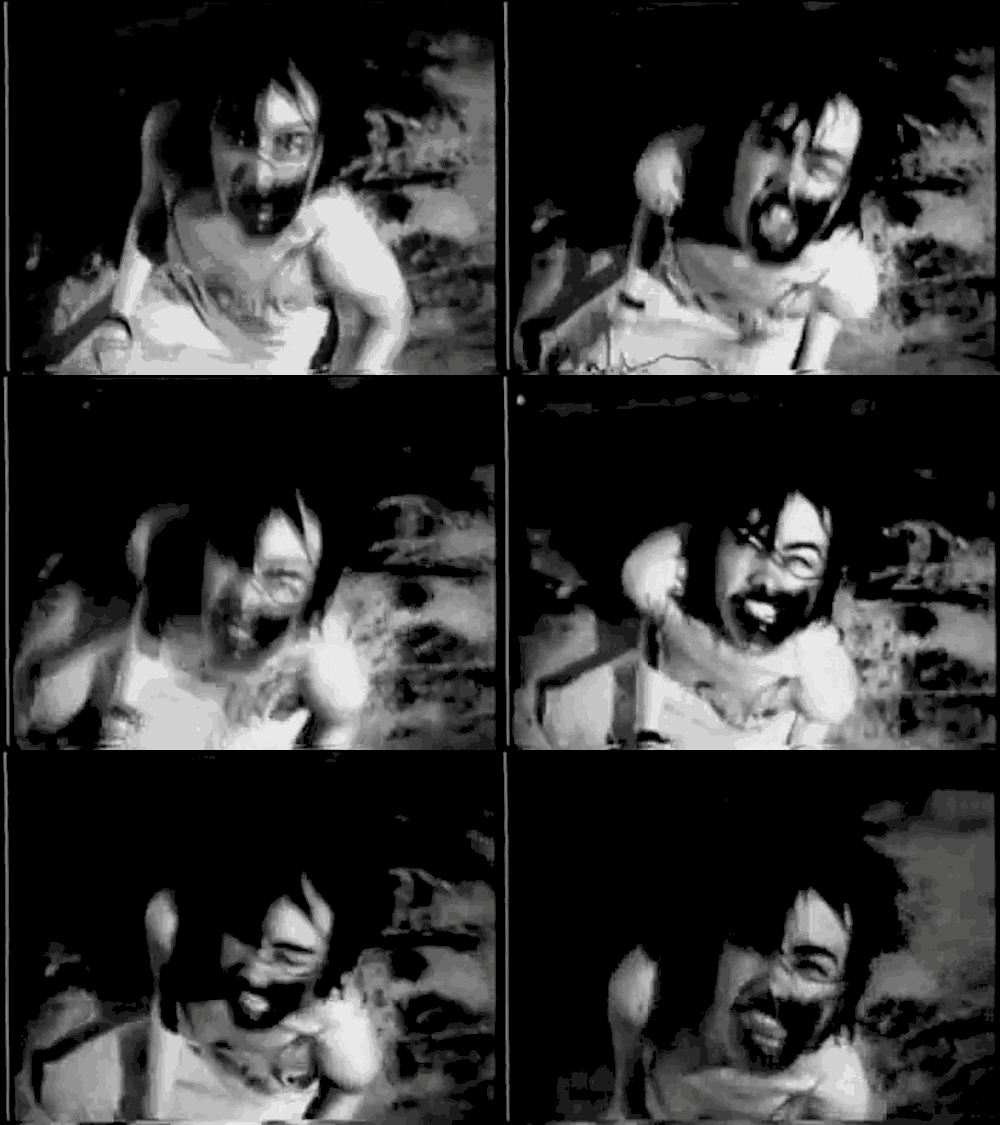

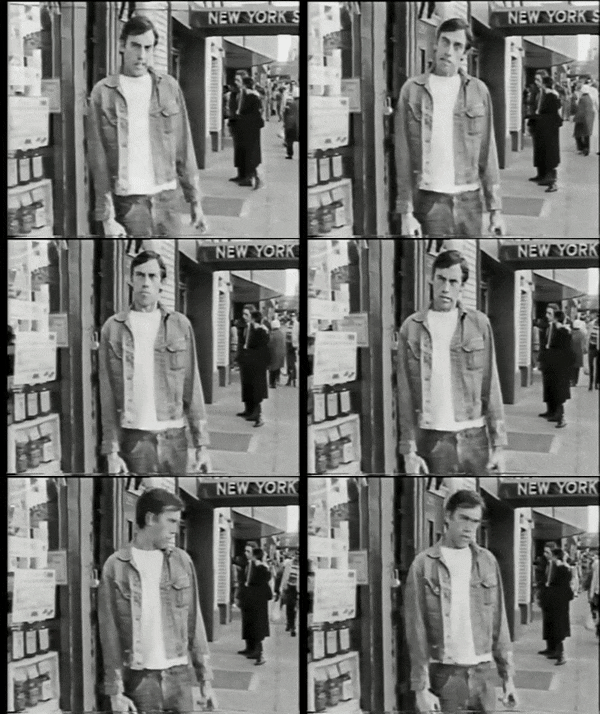
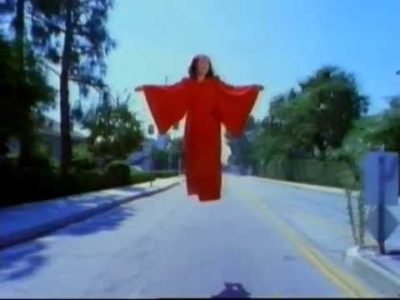

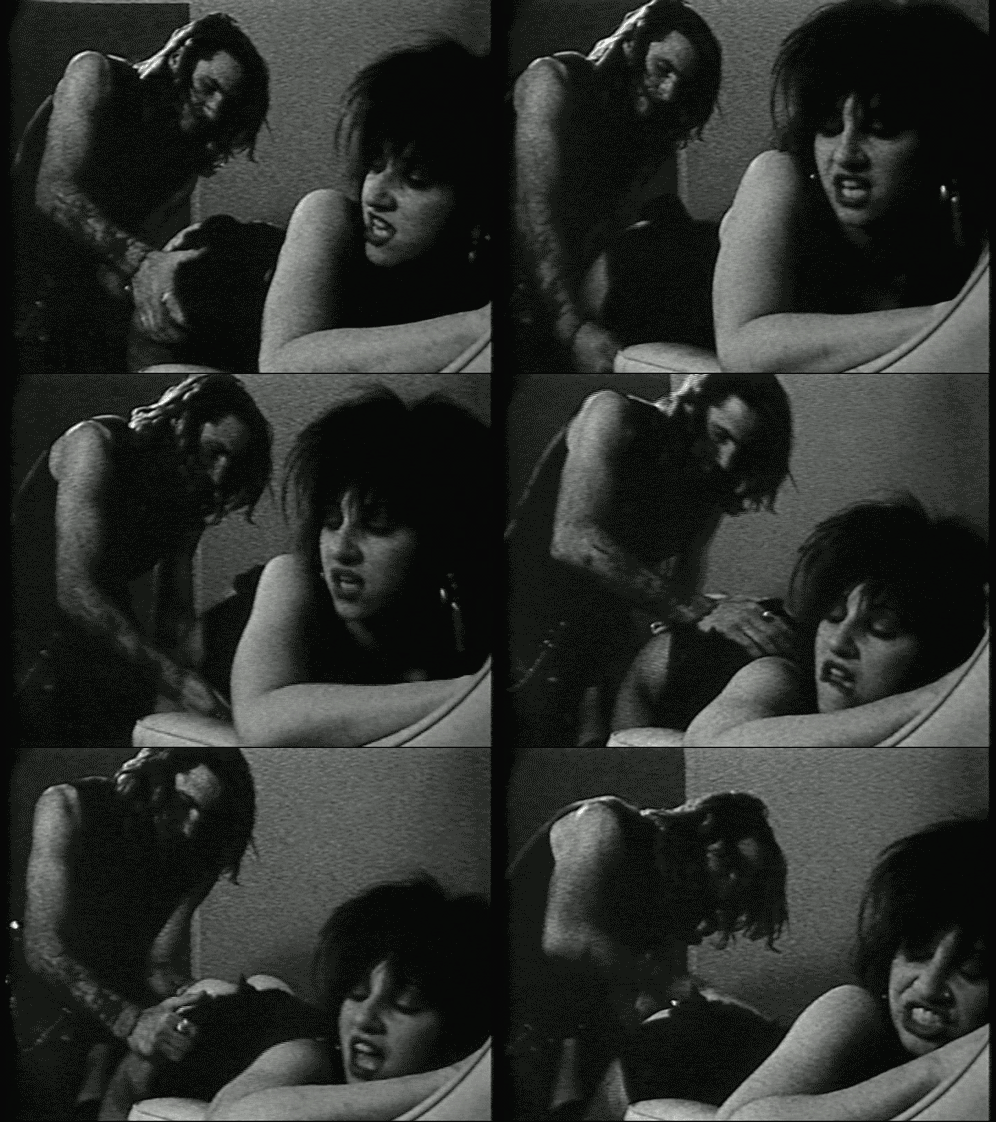


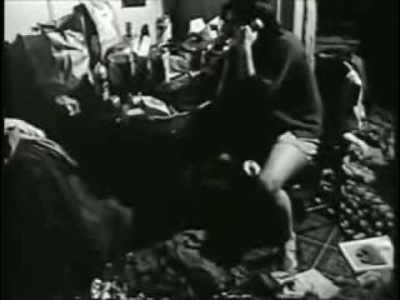
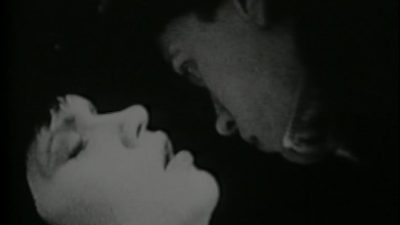


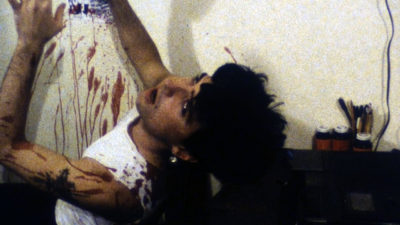










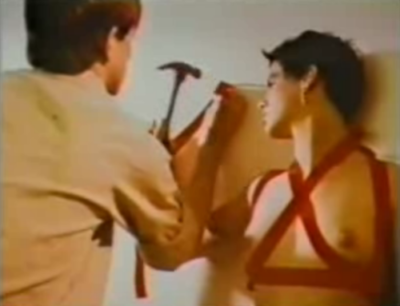


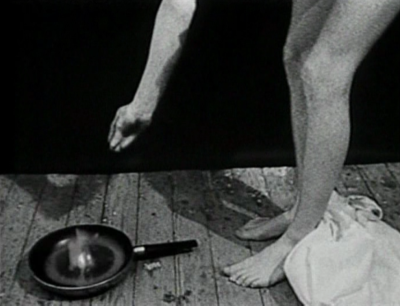
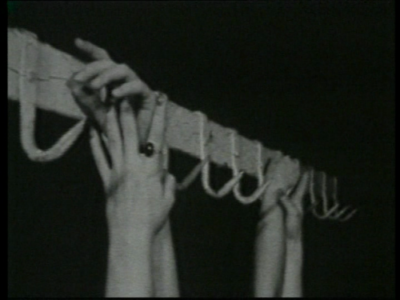


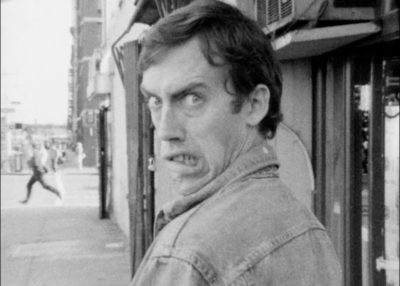
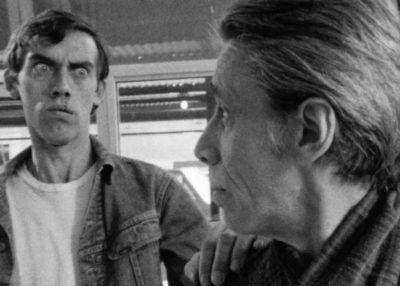
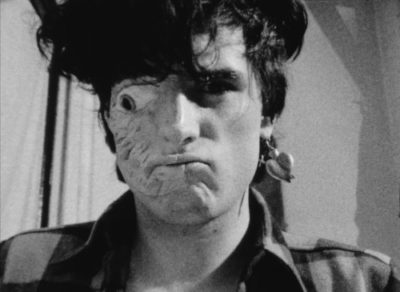


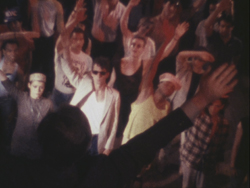


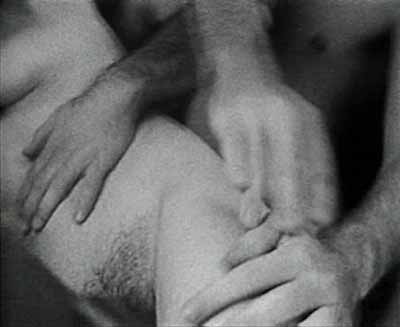
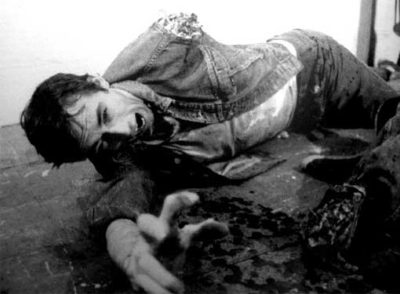




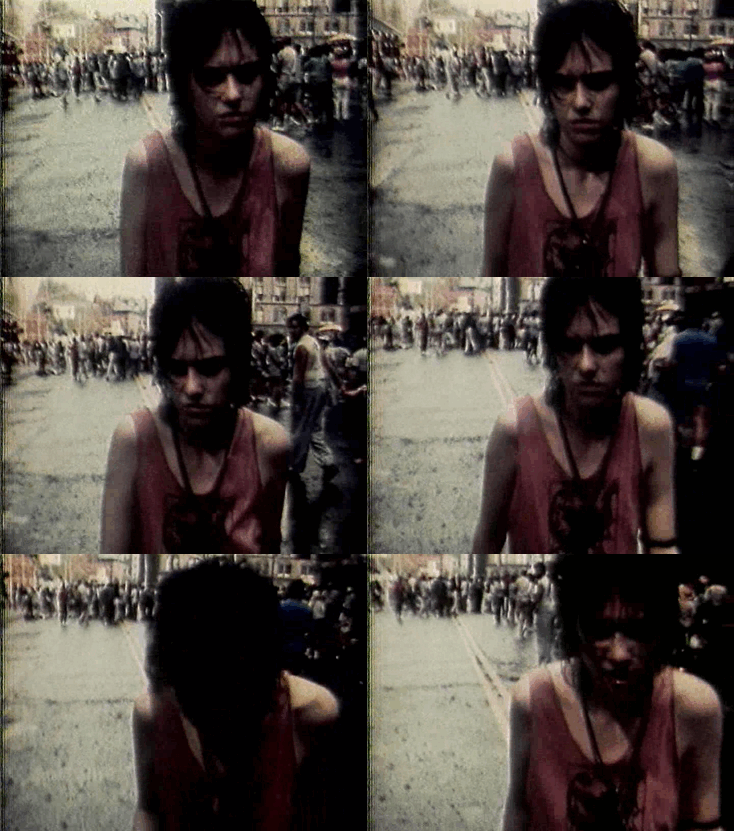
___
Further
Richard Kern Site
Portfolio: Underground New York through Richard Kern’s polaroids
Richard Kern @ IMDb
DVD: The Films of Richard Kern: Hardcore Collection Remastered
[RICHARD KERN] TRANSGRESSIF MON CUL
Richard Kern @ MUBI
Richard Kern @ UBUWEB
Richard Kern @ VIMEO
Richard Kern Interview: Decanting Transgression
RICHARD KERN ON THE GAZE IN THE INSTAGRAM AGE
Stick ‘Em Up
TRANSGRESSION CONFESSIONS: INTERVIEW WITH RICHARD KERN
____
Extras
1985 interview with Richard Kern
A Look Inside Richard Kern’s Apartment
Cinema Of Transgression | The films of Richard Kern
2016 interview with Richard Kern
_____
Interview
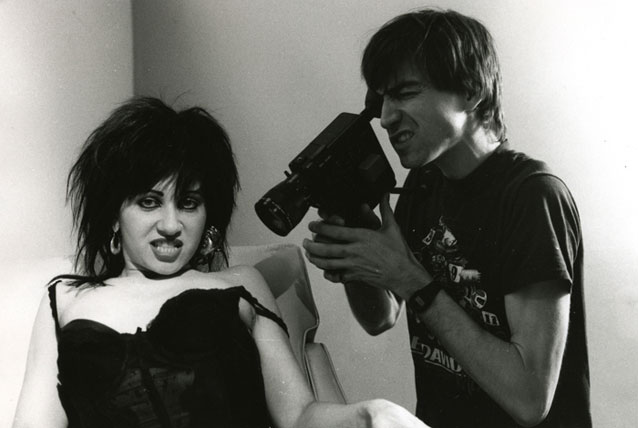
VICE: I was given a copy of the collection. I put it on the Blu-ray player at work and sat in the dark and watched all of it. There were some things that were hard to get through, to be honest, but it was definitely visceral and striking.
Richard Kern: And old, 40 years old.
What do you see when you watch the films today, now that the time has passed?
Pretty much the same as they were before, it hasn’t changed one bit. It’s like it was just yesterday, that’s the weird thing with time. It seems like yesterday. But I still look at it and wonder what people are seeing when they see it. There’s a couple of films I’ve got a really good idea of how the audience is going to react, but not in general. Like the very first one I made was Goodbye 42nd Street, that’s on there. The first time I showed it, I was really surprised people were into it. I just thought it was such a shitty Super-8 movie, but people responded well and that encouraged me. The first time it was at a screening, it wasn’t allowed to be screened. They immediately said, “You can’t show this.” That was also inspiring, to say “fuck you” to those kind people.
So you were part of Cinema of Transgression. Were you trying specifically to shock people and freak them out or was that an after-effect?
The group of films that immediately preceded it in the underground were all very boring. It seemed like one of the qualifications was to make it boring and slow and long. So our plan was to make it short, and make it non-boring, if possible. And that may not work now, but back then it did, and we just tried to break down any moral thing or taboo you could. One of my personal things was to fuck up relationships and fuck up people’s heads as much as possible. People were completely shocked by some of the stuff. But this was in the 80s, so I don’t know how they will react now.
Do you think it’s as shocking now as it was then?
There was this show in Berlin at the KW Institute of Contemporary Art in Berlin. They did this whole Cinema of Transgression month where they installed the films in this club-like atmosphere, like you would’ve seen back then, in different, weird rooms. People said it was really effective, and it was. I walked through and there was one film that I watched that a friend of mine made that I hadn’t seen since then and I couldn’t sit through the whole thing, it was just too fucking hardcore. So it’s definitely a negative attitude, everything was negative, everything was nihilist. It’s the whole belief, and it probably sounds stupid sitting here in this restaurant, but you have to destroy everything to start over again. That was the whole anarchist approach, which was pretty much the punk attitude. It was “fuck everything.” And I felt the only way you could really destroy and fuck with people was to fuck with their love life and their personal relationships. When you see something, it coarsens you. Every bad thing you see coarsens you. Think about video games, like playing Black-Ops—it fucks with your head. I don’t care what people say.
I was reading some of the reviews and one of the main critiques was that these people were shitty actors. Was that a secondary care for you?
It’s funny you just said that because I never thought about that. It wasn’t the same kind of approach, and if I was making one now, I still wouldn’t think about it. I never thought about that. But yeah, they are shitty actors. It’s all your state of mind when you’re looking at them, everybody in the movies is pretty real.
Yeah, the things they were doing were real.
Believe me, in Fingered, Marty Nation was exactly like that, no exaggeration. The guy who’s lifting weights, he was like that. Everybody was real. Lydia Lunch was like that. Lung Leg was like that. The story was based on Lydia and Marty’s travels when she was 16 and they would hitchhike and get picked up by somebody, and Marty would take his knife out and start stabbing and cutting up the upholstery in the car, looking at the guy. All those guys were really scary. The guy who’s lifting weights in it got killed about two years ago, somebody shot him finally.
You were pretty prolific in that time period, when these films were made. Were you just obsessed with making these films?
Yeah, it was what I did and I had a lot of ideas and I had all the equipment, which wasn’t much, it was a Super-8 camera and three lights and I had a big apartment to shoot in and plenty of people who wanted to do stuff. And I wouldn’t call them actors, I’d call them performer types. Nothing was scripted, the closest thing we had to a script was Fingered and You Killed Me First and those were just, “This is what’s gonna happen in this scene. You’re gonna say this. Or you say something like this.” Lydia and Marty in Fingered would just make up dialogue as they went. They would play off of each other. I would tell them what we were gonna shoot tomorrow and they could say what they wanted. It wasn’t traditional filmmaking by any means.
How much contact are you in with these people now?
I saw Lydia a few weeks ago in a bar in Williamsburg doing a reading. And she’s playing in Williamsburg again next Monday. But she lives in Barcelona, I see her occasionally.
I’m really interested in understanding the evolution from doing these nihilistic films to the stuff you do now, which seems a little bit more gentle and subtle.
Fingered was one of John Waters’ favorite films, and I hung out with him a few times and he said, “It’s interesting to be an angry young man when you’re young, but when you’re old you just look like an idiot to still be angry.” A lot of those films were made when I was a drug addict, and when I got clean the only thing I could afford to do was take photos. And I started taking photos of everybody I knew and tried to get them naked. And it just evolved into this other thing.
There’s some films I’ve made that are still like the old ones. There’s one I finished last year that was harder than anything I ever did. It’s just hard to watch. And it’s the perfect movie for me because it’s a documentary about a girl explaining why she cuts herself, and then she does it. I shot it with a shitty little video camera, I set the camera up and she sat there and talked about it. But it’s a really powerful movie. It was in a show here in New York at Maccarone, and at the opening it was just bumming people out like crazy. For me, that was a huge success. To be able to have that effect, and it wasn’t fake, it wasn’t set up, it was just a real thing that really bummed people out, and I was lucky enough to get it. It’s the same attitude. But then there’s these other films, Face to Panty Ratio for example. It’s a pretty film, there’s nothing bad going on, but you’re looking at girls’ panties, looking at their faces, it’s very hypnotic. But you realize, “I’m looking at girls’ panties.” A lot of people are into the movie, but it’s a little music video about girls’ panties. So other people think it’s perverse.
You can’t say it’s porn, because it’s not porn. It’s just focusing on two really interesting parts of a female, their face and their panties, and what’s wrong with looking at it? One of my things has always been to make no apologies for what you’re doing, and if you have some kind of perversion, it’s not a perversion. Guys like to look at girls’ panties, plenty of girls like to look at girls’ panties, but people act like it’s such a big fucking deal if they get caught doing it.
Everything’s a joke. Every film. A joke on the audience.
I thought I saw a bit of your work now in Submit to Me and Submit to Me Now.
I quit making films for like ten years and then around 2008 I started again and then I really started again a couple years ago. All this stuff is just random stuff I shoot when I shoot photos, it’s not completely random, I have these themes. Just this past summer I spent four months making ten or 20 films, all made up of all these pieces I shot. I just collected them for four years and then sat down and edited them. But that is not traditional filmmaking. I would just say to the girl, “OK give me a walk from here to here, this way to this way to this way.” I just shot a whole bunch of girls, like b-shoot photos, I was like, “We’re gonna shoot some video. You sit here, and I want you to cry. See if you can cry, can you cry?” They go, “Maybe.” And I just sit there and wait for them to cry, and if they cry I got it. Or I have them throw a fit. “Beat the bed, beat the couch,” and all this shit will end up in different movies. It’s not the traditional filmmaking or videos.
I think it’s interesting, especially in the Submit to Me stuff, they’re almost like moving photographs, there’s not a plot but they’re still very interesting.
I was looking for weirdness. Just trying to think of what weird thing can this person do. There was one guy with a really little dick and he said, “I really want to be in there.” He would just bug the shit out of me. And I said, “OK, you can just shave your pubes.” Which was a weird thing back then, if you’re a guy. So he said, “OK, I’ll do that.” And it was just really weird.
_______________
18 of Richard Kern’s 37 films & videos
_______________
You Killed Me First (1985)
‘A girl (Lung leg) bristles at the religious directives of her parents, asserting her right to personhood outside demure hairstyles and turkey dinners, constructing voodoo dolls and entertaining other manners of dark drawing in her dank emo-den. When confronted with the humanity and hypocrisy of her tormentors, the young antihero vanquishes their belief systems (and bodies) asserting, “You killed me first!”’ — letterboxd
the entirety
_______________
Submit to Me (1985)
‘Submit to Me Now is the only official sequel that Richard Kern has made, and being that this particular short has very little to live up to in terms of continuing or fleshing out a story, it’s honestly a low-stakes sequel all the more. Much like its predecessor, it’s a parade of images showing sadomasochistic tendencies, self-mutilation, male and female genitalia, and more raunchy images, all presented with blaring music from Kern’s favorite band Sonic Youth.
‘When it comes to a plotless Kern film, we come for the visuals and stay for the outright zaniness, and that’s exactly what Submit to Me Now provides. It’s a wild ride through the lunacy of 1980’s punk, showing Kern favorites like Lung Leg and the gorgeous Lydia Lunch how we love to see them – scantily clad and bloodsoaked. It’s a fun romp that works off of its predecessor thanks to its continued use of hardcore imagery and dizzying visuals, all of which work even for the questionably long runtime of eighteen minutes.’ — Steve Pulaski

________________
The Right Side Of My Brain (1985)
‘A woman goes through a series of sexual assignations that involve varying degrees of violence. A voiceover provides her musings on sex, violence, power and control.’ — IMDb
Excerpt

_______________
Stray Dogs (1985)
‘“Stray Dogs” concerns an artist being followed thru the streets by an obsessive young man (a terrific David Wojnarowicz) who tries to gain his attention. He follows the artist back to his apartment and begins literally tearing himself apart in frustration – at this point the artist laughs at him and begins to sketch his dying body.’ — Magazine of Contemporary Culture
the entirety
_______________
w/ Judith Barry Sonic Youth: Death Valley ‘69 (1986)
‘The video for “Death Valley ’69” was filmed in 1985 and was the first music video by Sonic Youth, directed by Richard Kern. The video features the majority of the band in various states of bloody dismemberment interlaced with live footage of the band. The video is the only one to feature both the recently departed drummer Bob Bert, and then new member Steve Shelley. “Death Valley ’69” is a song by rock band Sonic Youth and is the eighth and final track on their 1985 album “Bad Moon Rising.” The song was written and sung by guitarist Thurston Moore and musician Lydia Lunch.’ — Wikipedia
the entirety
_______________
King of Sex (1986)
‘In the first half of the movie Nick Zedd has a rough sexual playtime with two young women in In the second half, whilst dressed in drag, he attempts to fellate a too-drunk Rick Strange. All the while, Killdozer’s ‘King Of Sex’ grinds away on the soundtrack.’ — film affinity
______________
Submit to Me Now (1987)
‘A super-8 film directed by Richard Kern, set to the music of The Butthole Surfers.’ — MUBI
Excerpt
Excerpt
_________
Fingered (1988)
‘Always encased in the tightest fishnets money can buy (though, truth be told, I sincerely hope she shoplifts them), the supple legs attached to the torso belonging to the irascible Lydia Lunch (Vortex) will severely test the durability of the synthetic material that covers your pathetic crotch. Unless, of course, you’re wearing sweatpants. If that’s the case, may your bulge be large and fruitful. If, however, you happen to have self-respect, and are wearing real pants when you watch this film, then may god have mercy on your groin and its uphill battle to stay lukewarm and well-ventilated. Don’t worry, I haven’t forgotten about all you ladies out there. Dangling in a manner that will no doubt drive discerning lesbians wild with cunt-drenching desire, Lydia Lunch’s powerful, Smithsonian-worthy stems will surely compromise the impermeability of the fabric that surrounds your soon to be damp pussy. Either way, whether being poked with unplanned hardness or drowned in wave after wave of tepid vagina water, your stain-laden pants are going to have to be put in the wash after they get through watching Fingered, a sleazy, disgusting film that begs the question: Does Lydia Lunch moisturize her thighs, or are they just naturally creamy? Mmm, creamy thighs throbbing on my plate, oozing thickness from every pore. Um, yeah, anyway. I know, pants can’t watch movies (they don’t have eyes, or a central nervous system, for that matter). But they’re going to feel like they have after they experience the Lydia Lunch-a-thon that is this short but sweet trip to Scumbagville, U.S.A., population: Who gives a shit.’ — House of Self-Indulgence
Excerpt
Excerpt
___________
X Is Y (1990)
‘Experimental film consisting of images of young women handling automatic handguns and rifles.’ — IMDb
the entire film
____________
The Evil Cameraman (1990)
‘The Evil Cameraman playfully narrates a transition in the life and career of NY cult filmmaker Richard Kern. Shot between 1987 and 1990, the film is divided in two pairs of two segments, each pair depicting a different historical, geographical, social and artistic context in Kern’s trajectory. The first two segments, set in a bleak, low-lit past, introduce us to Jap Anne, an emaciated girl possibly to be included in the increasingly popular “barely legal” category, and Ice Queen, a lusciously cheap-looking blonde. Both are mercilessly subjected to the violent whims of this cameraman – none other than Kern himself – who seems to use his camera as a pretext for acting out his SM fantasies rather than the inverse. Though far from shocking by today’s standards, these segments have a psychological – rather than scenic – realism that can be disturbing for viewers less tolerant of erotic violence.’ — The Sound of Eye
Foetus’s score (partial)

_____________
Sonic Youth: Scooter And Jinx (1990)
‘Scooter and Jinx (Moneylove) is an experimental short film by Director Richard Kern based around the song ‘Scooter and Jinx’ by Sonic Youth.’ — MUBI
the entirety
___________
Pierce (1990)
‘Pierce is a documentary showing Richard Kern’s girlfriend having her nipples pierced.’ — MUBI

____________
King Missile: Detachable Penis (1992)
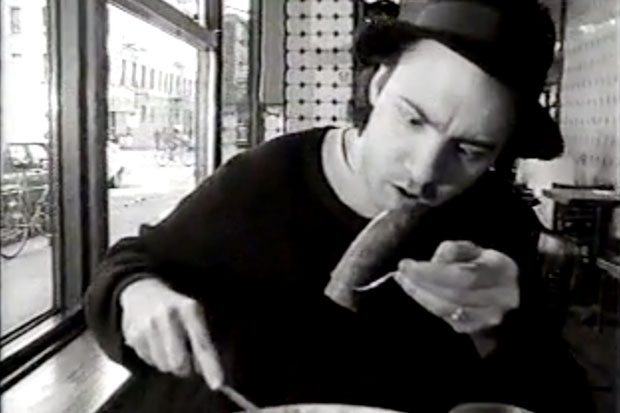
____________
w/ Spike Jones & Kim Gordon The Breeders: Divine Hammer (1993)
the entirety
_____________
Marilyn Manson: Lunchbox (1995)
‘A music video for the song was directed by experimental filmmaker Richard Kern and released in 1995. It depicts a young Manson played by a then-six year-old Richard Pierce. In the clip, the young Manson is tormented by bullies before becoming a rock star; another part of the video shows the band at a roller rink.’ — Wikipedia
the entirety
_____________
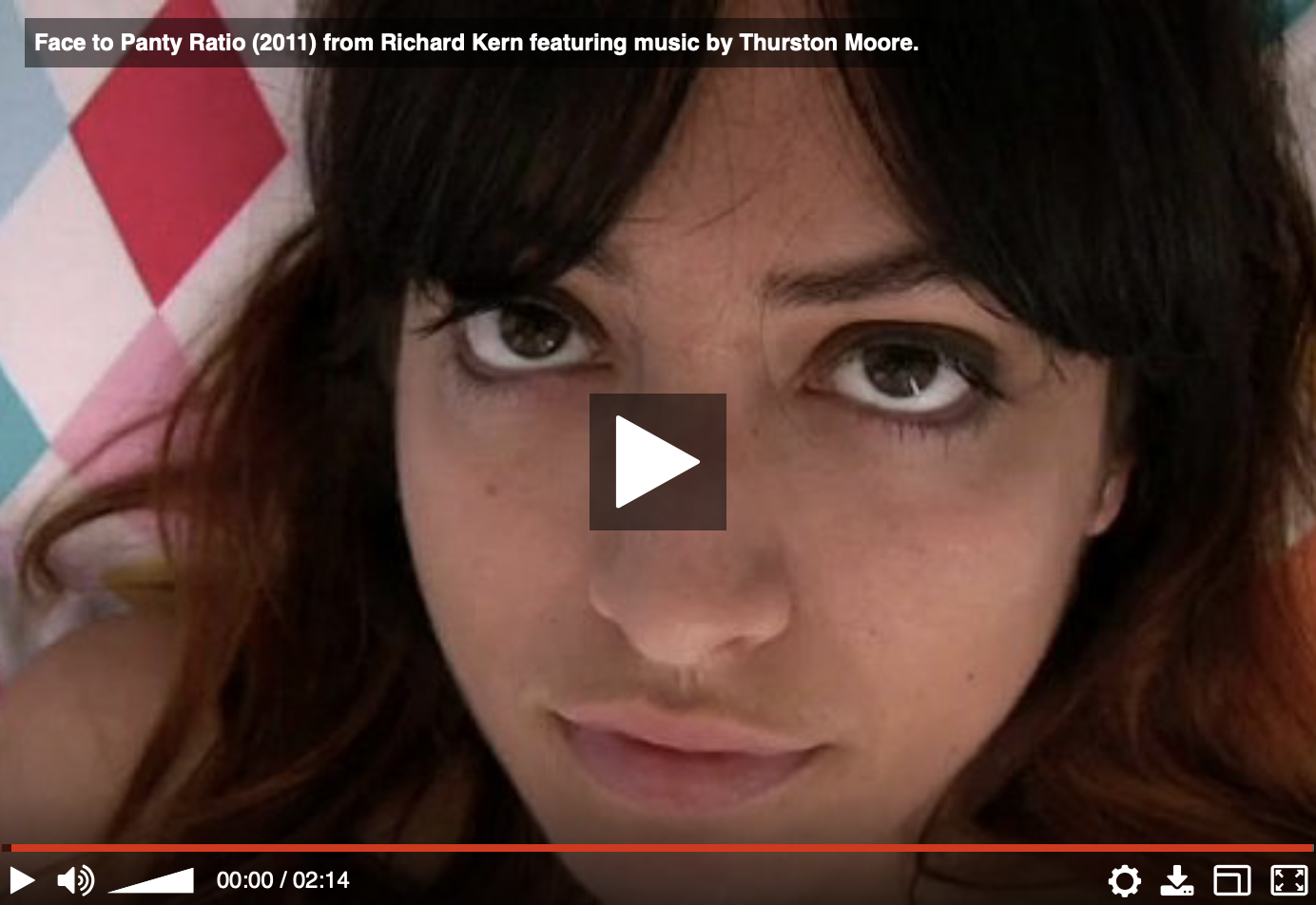
Face to Panty Ratio (2011)
‘Richard Kern just sent us a mesmerizing little video called Face to Panty Ratio. There’s not a whole lot to say about this one. If you like girls with pretty faces, camel toes, and asses, this is exactly what you need to get you through Wednesday morning.‘ — Vice
_____________
The Girl Who Followed Marple (2014)
‘Part showcase for the fashion label Atelier E. B., part infomercial for a particular brand of menstrual cup, “The Girl who follows Marple” envelopes it’s commercial underpinnings in the familiarity of a made-for-TV thriller and the complicit voyeurism that a collaboration with Kern entails.’ — STX
the entirety
_______________
Foot Fetish Party (2015)
‘In any pre-Fifty Shades discussion around fetishism, podophilia (or foot fetishism) tends to be the go-to reference. Our collective obsession with ‘other people’s’ foot obsessions is perhaps an understandable psychological projection given podophilia’s seemingly non-sexual nature. “I got completely sidetracked working on this film,” says New York-based photographer Richard Kern of a summer spent fixating on feet while compiling footage for FFP – or Foot Fetish Party which features a soundtrack by Kern’s collaborator, Simon Milner’s new project, Sälen. “Everything I was shooting had something to do with girls’ feet.”’ — Nowness

*
p.s. Hey. ** Dominik, Hi!!! Pleasure. November, yeah. Unfortunately very far in the increasingly scary future. Weekend? Looked at some art, lots of trying to catch up on emails, stuff like that. Okay but not so memorable. Ha. Love wanting to change his name and cursing when discovering that someone already took Lung Leg, G. ** Sam Farhi, Hi, Sam! Thanks! I’d love to read your novel. I think we’re mutual followers on Insta? If I’m right, I’ll send you my coordinates there. Take care. ** Antonia, Hi. Good to see you. I wonder about the translations too, but of course I have no idea. It’s interesting that the different translators of his different books basically adopt the same style, so I guess I feel like maybe the essence of his writing is present in the English if obviously distorted by nature. I’ve heard that about the translations of my earlier books in German. Sometimes publishers consult with me about the translations, but that publisher didn’t. I think or hope at least that the newer German books/translations are better. My work is very hard to translate in pretty much every case. My bad for working so intricately with American/ English language idioms. I love Bernhard too, of course. I hope you had most excellent weekend! And week ahead. ** Charalampos, Bernhard won’t let you down when you get him, I don’t think. ‘Hit The North’ in parts? Mm, I don’t think so? Try The Fall’s album ‘This Nation’s Saving Grace’. Both: notes and conversation. Hi from neutral Paris. ** Gustavo, What did you end up seeing? I saw ‘Protect Hail Mary’. I thought parts were cool and parts were disappointing and it was way too long. I think I agree with you about A24. Once in a while they’ll put out something pretty top notch. Like ‘Spring Breakers’ but that was years ago. You have faves? It’s good they exist. ** Nicholas., The good thing about the present is that it has the past in it too and the future as its goal. You sound tip-top. I’ve mostly been vegetarian for my life, but I do credit that with my solid health. Weight, maybe, but I know a number vegans who more than a little chubby, let’s say. Right, Puerta Vallarta (sp?) seems like a spot that would suit you at least for a short time. Too much sun for me. You living in a brownstone would be a good premise for a movie, don’t you think. Soon, sir! ** Tosh Berman, I’m chuffed if Benjamin and I turned you on to Bernhard. He kind of rules the roost. Haha, your ears! xoxo. ** julian, You might try ‘Wittgenstein’s Nephew’ because it’s maybe his shortest novel, so you can see if like his writing. And it’s great. The Electric Light Orchestra album is much stranger and much more interesting than anything ELO ended up doing. You’ll see/hear. I hope your weekend did the trick. ** rewritedept, I didn’t publish my first novel until I was in my late 30s, so no problem on the timing. Luck with your bass player’s possible crush. My mother’s other favorite movie was the much more predictable ‘My Fair Lady’. Thank you about ‘TMS’. Um, hm, I don’t know about that Alan post. Interesting. I’ll go see if it’s in the first blog’s ruins. Favorite Lynch is ‘Inland Empire’. My weekend was solid. Thanks a bunch about checking into the possible screening. That would be super swell. ** Steve, Indeed re: ‘PB’. That whole first Left Banke album is great. Everyone, Here’s Steve: ‘My latest “Radio Not Radio” show is now out. This one features Suicide, Gina X Performance, Shox Lumania, Kelela, Suitor, No Peeling, Gay Meat, Edward Skeletrix, Arlo Parks, Claudia Valentina, Theodora, Alizade, Jeune Morty, ANSIEDAD1000, sidepeices, weed420, People Like Us, Xaviersobased, Maryam Saleh, Fauna, Mary Rach Beisel, Daniel Pemberton, Mary Halvorson & Ambrose Akinmusire, Henriette Ellefson Trio, Francesco Fabris, Hoavi, Upsammy & Valentina Magaletti, Bagong Kussudiadardja, Sonny Sharrock and Sunn O))).’ That’s a helluva line-up. My weekend was alright, no complaints but also no life changers. ** _Black_Acrylic, Like I told someone up above, I tend to recommend ‘Wittgenstein’s Nephew’ as a good entry into Bernhard. ** Adem Berbic, Oh, hm, I’d need to think about that, the cruelty question. Sotos? I’ve never read Hegel. My bad. I’ve been to Brighton a few times, and I quite liked it. Cool bunch of people there too based on the lot with whom I fraternised. ** ⋆˚꩜。darbbzz⋆˚꩜。, Good morning to you! Oh, all the info on the Davidson College ‘RT’ screening is up in the blog’s right hand corner. It’s free, but you’re supposed to RSVP. There’s a link to do so. Sure, I get that sub-eyes heaviness sometimes when writing or wanting to. You just have to let it pass and be patient. It always passes, and it always just seems like a blip afterwards. For me. Great that the screening was cool and that you met some comrades. So important, that. You weren’t jumbled at all. The film script is mere days away from being finished, I think, I hope, and I’m holding off talking about until then because it’s still kind of growing/changing. But I’ll pony up about it when it’s cement. Superb Monday! ** HaRpEr //, Oh, no, you are sick. I hope it’s not Covid. Zac was just quite sick, but it was a relative quickie, so I hope you have that strain. ‘The Frenz Experiment’ is my #2 after ‘TNSG’. ‘Perverted by Language’ rules, of course. I’m good with that whole period. I even like ‘Bend Sinister’ a lot. Cool, let me know re: your novel’s readiness. I know very well how hard it is for young artists to be taken seriously, especially if you don’t fit in a category that springs immediately to the judger’s mind. I had that with my early works, and Zac and I are facing that with our films. But it’s a victory long term. ** Bill, The Taipei festival is just called Taipei Film Festival. It looks pretty adventurous in theory, so we have at least some hope there. I’ll see if I can find any video evidence of Emiko Agatsuma’s work. I have heard of D_Antidote Production, I think. I’ll check. Just yesterday I went to Palais de Tokyo to see the new ‘performative art’ show, and they were showing this kind of fascinating documentary about Steve Paxton who invented contact improvisation. Later, Dennis. ** Okay. Today I’ve put together an overview of Richard Kern, one of the founding filmmakers of the Cinema of Transgression genre/movement for you to have a possible look at. Proceed as you wish, please. See you tomorrow.


 Now available in North America
My friend Victoria is a big, big Kern-head. I think she’s shown me ‘You Killed Me First’ three or four times now. I think she does sort of take from him in her work, meets Lynch, meets mid-to-late-2000s Internet aesthetics – she’s trying to talk me into appearing in a short which involves taping dead fish to my hands and puppeteering them, among other things. And Sotos, yes, I think he’s a slaughterer of interpretation.
Hegel is a pain in the neck. I’ve not read much of him first-hand but there was a period where I was reading around him a lot, because I figured all the interesting French philosophers of the last century were either stealing from him or arguing against him. I still figure that, but my overall interest has waned. His whole point here is that even if the master controls the slave, the master’s identity is constituted by his relationship with the slave, so in a sense the slave controls the master. I guess it would have sounded more radical at the time.
I was flicking back through Closer last night and, god, I was so struck by shape, as in the shape of it at the paragraph level, and chapter, and whole-book, and other-books. As in, there’s such a careful interplay of what’s there and what’s not, and then a double-interplay of inside and outside _within_ the text versus inside the text versus outside (and therefore maybe being pencilled in by the reader). It’s diagrammatic, but not in a soul-sucking way. Not to play to type, but Beckett said once, “It’s the shape of the thing that matters.” Or, elsewhere, “the writing isn’t about something, it is that thing itself.” You said before a bunch about the intense planning and structuring and other prep – was that always your approach or had it kind of necessarily evolved into a part of the practice by the time you hopped from poetry to prose? Maybe it is just a discipline thing. Right now in writing I kind of blunderbuss my way through the ‘what’s there’ bit and then go back and maybe whittle out a few little bits that aren’t, but not in that way where the whole form feels like it’s doing something – I imagine that’s pretty painfully evident in the two stories in the pamphlet.
I was introduced to Richard Kern through Lydia Lunch, who I’m still obsessed with, so I’ve seen “The Right Side of My Brain” and the first half of “Fingered”, which I still need to finish, as well as “You Killed Me First” and a handful of his music videos. His photography is also super eerie and interesting. Are you a Lydia Lunch fan at all? I’ll keep your Bernhard recommendation in mind, for sure. I listened to the ELO debut and I agree that it’s miles better than what I’ve heard of their later work. It’s hard to comprehend that it’s the same band at all.
I’m familiar with Kern’s portraiture via his books Model Release and Soft but not so much with his films, so today’s showcase is much appreciated.
My brother Nick is running the London Marathon on Sunday to raise money for the MS Society. Obviously I am very grateful for this. On that day Leeds are also playing their FA Cup semi-final against Chelsea, so hotel space will be at a premium. Fortunately he booked well in advance.
Tonight, I’m watching Ulli Lommel’s THE TENDERNESS OF THE WOLVES, for a Screen Slate review. Since you named a short story after it, this must have made a big impact on you in the ’70s.
Is your eyesight back to normal?
I saw the Japanese film EXIT 8 yesterday. I’m not familiar with the video game it’s based on, but I know there’s no real narrative to it. The film really falls flat by inventing one, about a man struggling with the news of his partner’s pregnancy and the possibility she may abort the fetus – it’s reminiscent of SKINAMARINK in places, but without the experimentation or most of the open-mindedness.
Hi Dennis.
We ate some burgers and ended up watching The Drama, the occasion was fun. As for the movie, well, it is not a romantic comedy, it’s more of a “cringe” comedy on costumes and american culture, kinda reminds me of The Celebration by Vinterberg, and is about the uncertainty of whether or not you are dating a potential sociopath. I found it rather conventional in its format and style, and the “provocative” subject matter is not even the main point, I don’t get why people are being so sensitive about it online, the movie plays very safe. Anyway, not my thing, don’t think I recommend it.
Oh yeah, Spring Breakers is by A24, I totally forgot about it, I agree with you, it’s peak. I love how Harmony Korine has a way to overload the screen with that energetic trashiness. I guess the next would be A Ghost Story, this movie just impressed me when I was 13, didn’t know you could go so long with no dialogue. I usually have fun with A24 movies, but I never understood the appeal of Lady Bird and Moonlight, they feel a bit thin compared to the messy ones.
Didn’t know Richard Kern, definitely gonna add him to my list. Wojnarowicz mentioned.
Have a nice week.
Hey Dennis,
Been sleeping a lot, once again. It’s partly out of boredom, but primarily out of this need to recover from bouts of anxiety. I had a bad one today, but that was partly some sort of autistic(-esque) or adhd based meltdown due to forgetting my wallet at home and the dread of having to plead with the bus driver to let me on, and the 40minute walk that preceded it. I met up with this one guy who I’ve only briefly spoken to through Instagram — he’s from Kosovo but lives in France, and was here for a year abroad. Heading home in 3 weeks but we got to chat about poetry and literature and his recently released collection. He shat on a lot of cultural behaviours in Ireland, and not only did I agree but I was almost enthusiastic in seeing someone outside notice what I had been feeling for years.
That opening paragraph, voyeurism gets a real bad wrap nowadays! Now granted, with the mass amount of cameras and the internet, there’s this prevalent form of content that is random people being filmed in public and forcing them to be a pornographic focus when they have no idea nor would consent to that. I only just came across a reddit post earlier from a porn moderator talking about all the content he has to parse through that is women being filmed in public, a lot of the time girls, not women. I suspect most of that content will probably just develop into something even worse with AI; in 5 years there’ll probably be some whole fetish for watching AI porn of random people who happened to have a photo taken in public… I wish I could control all this stuff and bring voyeurism back to the days of watching cruisers fuck, or cucking, and if someone is perving on strangers at least they’re not exposing it to a whole world audience.
Having a procedure (well a colonoscopy) on Thursday, so I have to miss work, and take some laxatives on Wednesday. The naive part of my brain thinks “oh I’ll have time to focus on [blank]”, but I know I’m just going to be shitting my brains out. Maybe even just picking a singular simple goal will make it feel like an achievement and not an embarrassing write-off of a day?
Saw Spring Breakers mentioned and I have such a funny experience with that film; I think I was so depressed over my sexuality, and I was almost triggered by the naked women. Then I got so lost in the film and that real American soulless hedonism — how the film is almost just nihilistic and messageless and at the same time is so rich with subtext and ideas about morality and parallels to Christian ideas of the devil and temptation — that I just was enamored. The way Britney is used as a cornerstone in that film to reflect where the girls are in their journey (at first naive and seductive, later experienced and callous) really captured my 15 year old mind. I think it almost made me gayer!
Anyway, life ticking by with these ups and downs becoming less and less extreme. I am pretty assured in my plan to move, even if I only last a year in London. Excited for September, but trying to enjoy these last few months here.
A letterboxd reviewer for Fingered says: “This is the nightmare version of the out-of-control bad-time post-adolescent relationship taken to degree-zero exploitation film-making. Watching this fills me with raw terror, even now. […] But, really, don’t watch this.”
Consider me very intrigued.
Experimental film seems to be coming up a lot in my life recently. My friends keep suggesting that we should make cartoonish snuff shorts together. People kissing and then their heads exploding (represented by watermelons), chocolate syrup blood, stuff like that. I feel lucky to be around people who’ll make the suggestion and have the time to actually get the thing going, I’m too mired in academics to be the starter on creative projects like that.
Hey. I’ve actually seen some of the Sonic Youth stuff and ‘You Killed Me First’ already without knowing Kern. Thanks for the prompt to explore him further! I remember Wojnarowicz being a remarkably intense presence in ‘YKMF’.
I’m quite a sickly person, probably because I get over-excited very easily, if there’s even a correlation there. I’m pretty horrible right now, but it could be worse. A while ago I started this special journal project reserved for times when I’m sick where I write a little bit every day about being sick and being sick of having to think and abjection and stupid memories and things. Maybe it will become a years in the work project, but then again, I could forget.
I’ve done a bit of work on the novel, but I’m such a mess in the head and so finicky that it’s headache inducing to look at pages I’ve written and re-written countless times right now. Going back and reading that Bernhard interview in full was good company haha. To me he could be so funny at times, but the bluntness of his pessimism in that interview makes me think that it might have been unintentional.
‘Bend Sinister’ is a top tier fall album for me. It’s probably the moodiest thing they ever did whilst also being one of their catchiest. ‘TNSG’ might be their masterpiece for kind of summing up what they were all about. ‘The Wonderful and Frightening World’ is another of my favourites. So much great stuff. ‘The Unutterable’ is their late career highlight in my mind.
Do you think there might be an interesting parallel between Robert Pollard and Mark E. Smith? Sorry if that’s sacreligious, but I think their work ethic might have certain things in common (not just the drinking). With songwriting techniques I heard Pollard at one point used to half-watch tv and write down misheard phrases and things, and MES had similar methods. Maybe someone out there should write a joint study?
I remember Richard Kern in the late 80s/early 90s, but not so much recently. He’s still making films, wow. I’d have guessed you’ve already made a Kern day already, hmm.
Good luck with the Taipei submission!
Just got back to San Francisco, for some classic SF wet weather, sigh. Hope it clears up before my busy weekend.
Bill
Haha thanks you I do feel well so maybe it’s that. Actually went on a hike on some gorgeous trails be me saw a fox and passed a really sweet small memorial with toy brontosaurus and to a picture of a beaming smiling young girl in a ziplock tied gently to a tree base right at the entrance to the forest. I missed it my first jaunt in you know me I blaze for a moment haha then observe and get intune felt like it was her forest now and I thanked her for the serenity and peace and almost cried a little oh I got a Excalibur like walking stick too it was almost placed for me to find on some rocks. I eventually casted into a rushing lake for any warrior who actually needs a sword I just needed a walking stick and time will take it where it belongs it was. great mic too! I do a lot of insane singing outside cause I can and it generates my manifestations very directly like my writing triple threat privileges dancing helps with moving dimensions movement as a whole really. Not much else told you id be back soon also chubby Vegan sick band name or funny tee shirt saying I dig it and find actual chunky vegans even funnier cause its truly not the plants making them big ya know like LOL ttylxoxobrb.
hi dennis!!!
meep…sorry, been quiet. rough week :+((( but kern!!!!! gah i love him so. hope youre well! <3<3<3
Hi Dennis! AIFVF went well, I was only able to go to a couple days this year due to transport. A former prof of mine says she’s obsessed with Room Temperature now, just thought I’d let you know!
WOAH I didn’t know Richard Kern directed the music video for Divine Hammer- that’s one of my favorite songs by The Breeders!
Oh yeah, the guy I told you about wants to know if you like Chief Keef- he might comment on here at some point, I’m trying to get him to read your stuff (he’s looking for a physical copy of The Sluts currently).