‘The first question I asked Tony Tasset after looking at images of the five sculptures in his exhibition The Weight at Kavi Gupta in Chicago was: Do you draw? I was particularly interested in what precipitated the sculptures, which are completely dissimilar from each other in every way.
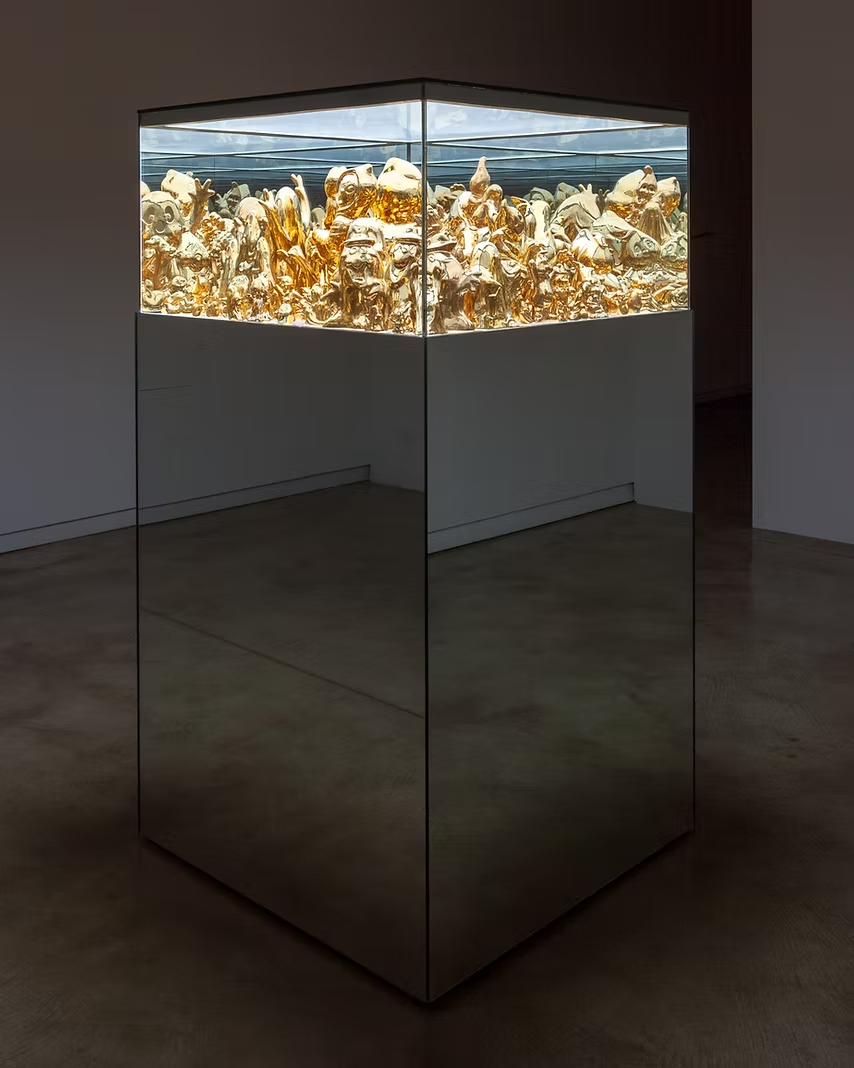
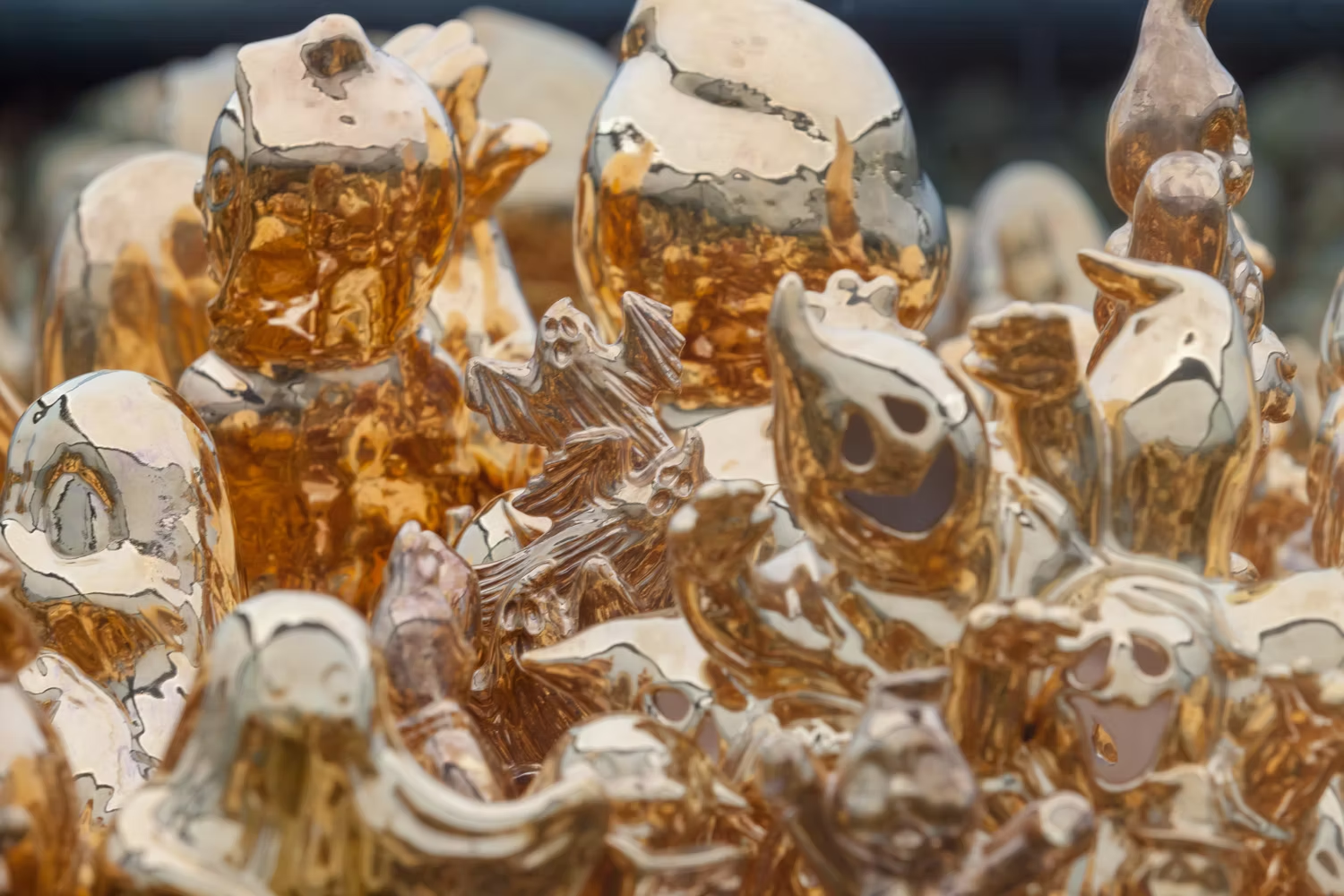
‘I was struck that Tasset seemed to have no formula; he was not making something based on an already existing commercial product, and he used different materials and processes for each piece in the show: “Eagle Head” (2020) is made of cast concrete; “Angry Sun” (2018, edition of three) of fiberglass, paint, and faux gold leaf; “Snakes (A monument to the eternal battle between truth and fiction)” (2020) of both plush and rubber toy snakes, taxidermied snakes, and aluminum wire; “Crow” (2020) of stained baltic birchwood and painted steel; and “Ghosts” (2020) is made of two-way glass, mirrored glass, LED lights, bisque ware, and 22-karat gold glaze.
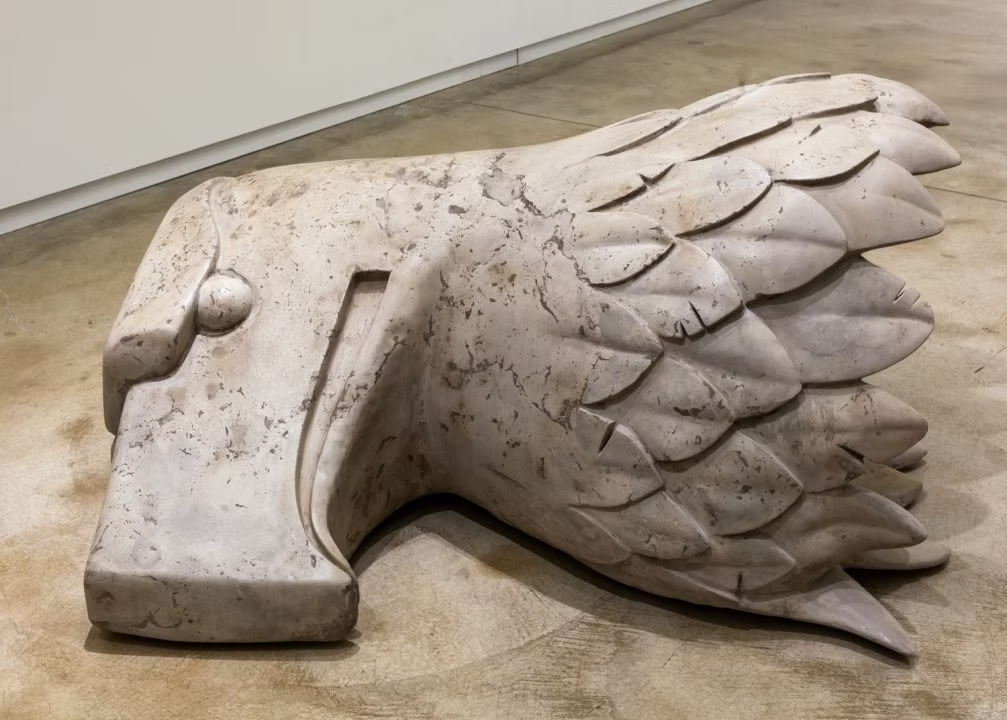
‘What is compelling about Tasset’s work is its absence of didacticism. I think “Eagle Head” evokes a fallen empire. Yet it does not pull viewers into a familiar, post-apocalyptic narrative so much as invite them to construct a story and test its probity. It invites viewers to question where the cast concrete head, now lying on the ground, was before.
‘At whom or what is Tasset’s sun angry? Do we read the sculpture within a narrative associated with climate change? In what public space would it belong? Especially since Tasset counteracts the rage with a cartoonish face.
‘What is compelling about Tasset’s work is its absence of didacticism. I think “Eagle Head” evokes a fallen empire. Yet it does not pull viewers into a familiar, post-apocalyptic narrative so much as invite them to construct a story and test its probity. It invites viewers to question where the cast concrete head, now lying on the ground, was before.
‘Not all of Tasset’s sculptures contain a current of humor. In a recent email, he sent me his drawing for a COVID-19 memorial. After describing the drawing (a glass cylinder on a circular plaza) he ended with: “this is another fantasy but it came to me and I had to draw it.” The sculpture would rotate and change color, and names of casualties would be added continually to the list.
‘Tasset’s sculptures do not simply occupy space; they also open up to new spaces. They convey a turbulent world of incipient danger, as opposed to most sculpture, which posits a stable ground, where it will sit contentedly forever. His work seems more in touch with Percy Shelley’s sonnet “Ozymandias” and the unavoidable effects of time than with the ideal of forever and notions of timelessness we associate with Michelangelo’s “David.” Forever is a long time, and Tasset knows it is an illusion.’ — John Yau
Further
Tony Tasset Site
Tony Tasset @ Kavi Gupta Gallery
Tony Tasset Viewing Room
Tony Tasset @ instagram
Tony Tasset by David Frankel
Tony Tasset Exposes the World’s Frayed Canvas
Treating a Tony Tasset Sculpture
Tony Tasset’s Three Story Eyeball
Monumental Moments: Tony Tasset
Book: ‘Tony Tasset’
Tony Tasset Interview – The Weight
Tony Tasset cuts to the bone
Extras
Art for the Public | Tony Tasset
The making of Chicago’s “Eye”
Conservation Update: Tony Tasset’s Deer
Tony Tasset
Interview

RACHEL SMALL: Major public commissions like this definitely seem like a career high point. But, going back, when did you start making art, and how did your style develop?
TONY TASSET: I’ve been an artist forever. I started when I was in the third grade. I drew drawings of monsters and I sold them to my classmates for a dime. I studied painting. Originally I was a design and illustration major, but I met this girl. Back then, if you were a designer, you were a real sellout, and she was a real hardcore painter. I knew she would never take me seriously unless I was an art major, so I switched majors to fine arts. Anyway, we’re married now. So it worked. How I got to my style? I’m a weird artist in that everything I do looks a little different.
SMALL: I feel like that’s the norm for a lot of artists.
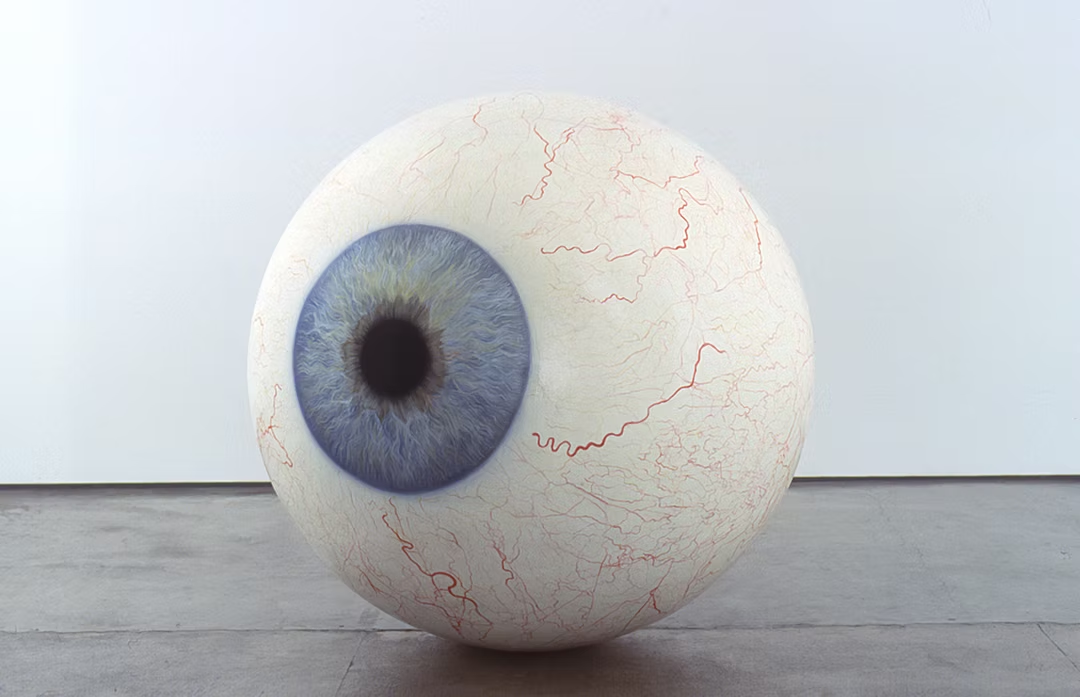
TASSET: It’s kind of the postmodern thing. I didn’t do that much sculpture during school. It just happened. So, as far as the big public pieces, every public commission is different. It’s different making art for a public, more difficult than for a gallery. I’m really trying to make art that speaks to the biggest audience possible. Take the Eye, for example. First of all I wanted to not decorate the space, but really activate the space. So, you put in a 30-foot eyeball and it turns the downtown into this surreal, funky set, and it makes you, the viewer, a participant in this weird stage set.
SMALL: Talk about interacting with art. You can’t really ignore this staring back at you.
TASSET: Right. An eyeball is just a classic. I try to make work that kind of keys into things that are already familiar. They know what an eye is like. There’s no mystery to it. Still people ask, “What’s it mean?”
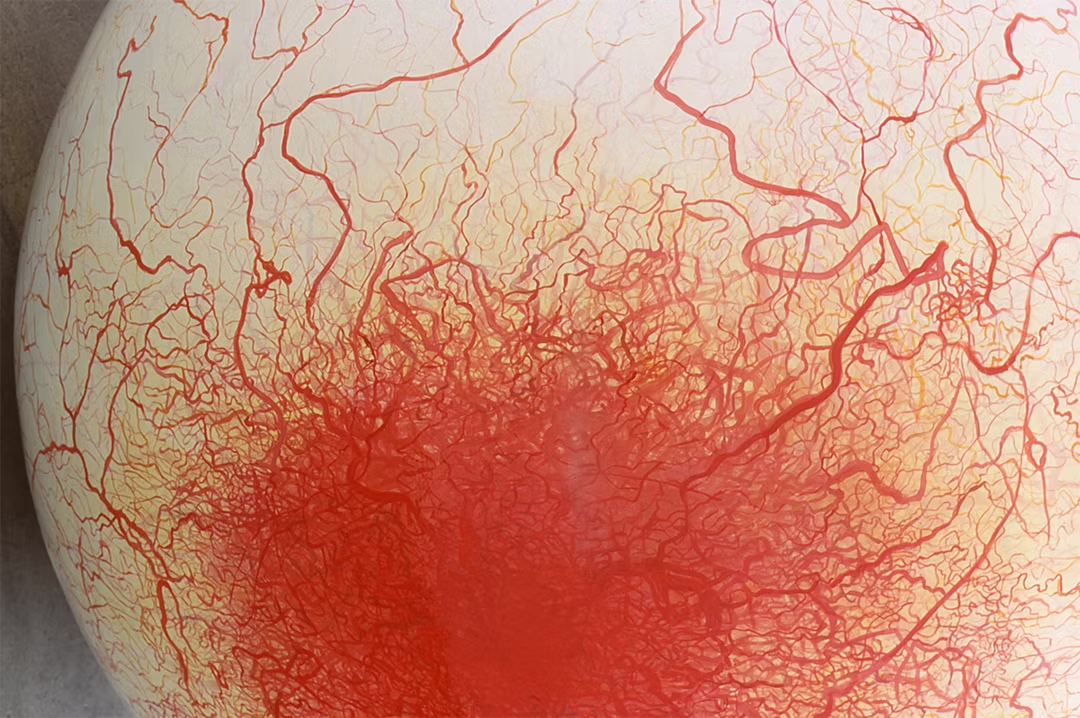
SMALL: An eyeball is an eyeball. It is a very large eyeball. I was looking at pictures of it. The veins are really pronounced. From one angle, it looks like marble, but if you turn it around, then you immediately recognize the iris, and register the red marks as veins.
TASSET: It’s just a little bit creepy. It’s based on a photograph I took of my eye. So, maybe my eyes are really bloodshot.
SMALL: So you’ve done a number of large-scale sculptors in cities Culver City, Pittsburgh, Chicago. How do you decide on objects for each city?
TASSET: I really try to be open. I don’t want to go there with the idea that I’m giving them a Tony Tasset. For Rainbow, I was just trying to make something really, really big that you can see for miles around. In my own little way, I wanted to compete with the Hollywood sign. They’re really trying to not be ignored.
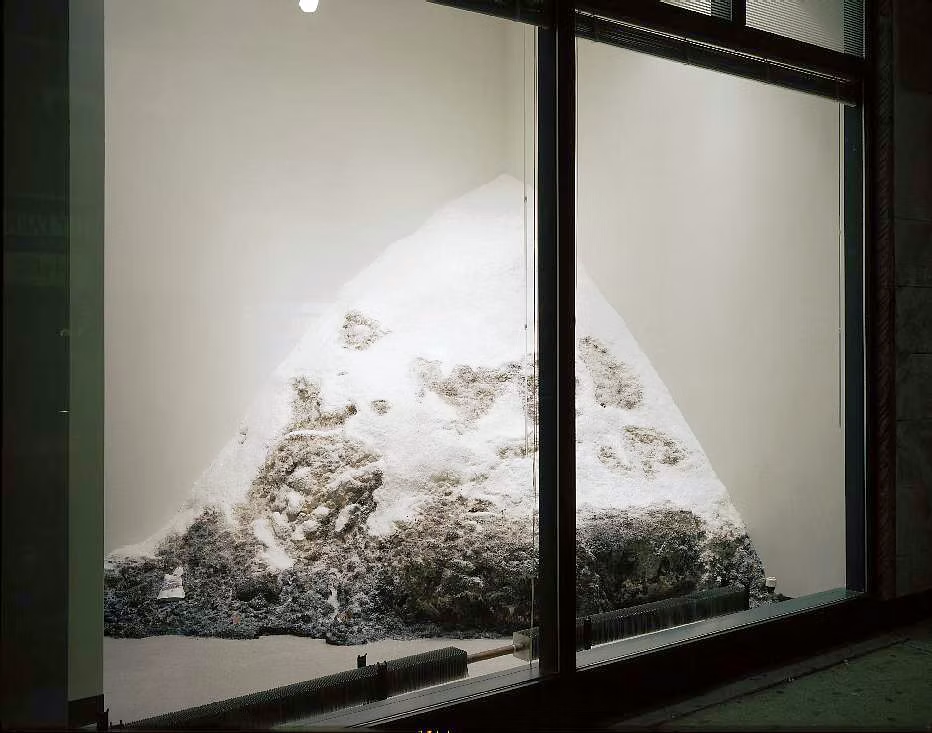
SMALL: You created a monumental pile of snow in Chicago called appropriately Snow Pile for Chicago, and you’ve also made a series of super-realistic dirty snowmen sculptures.
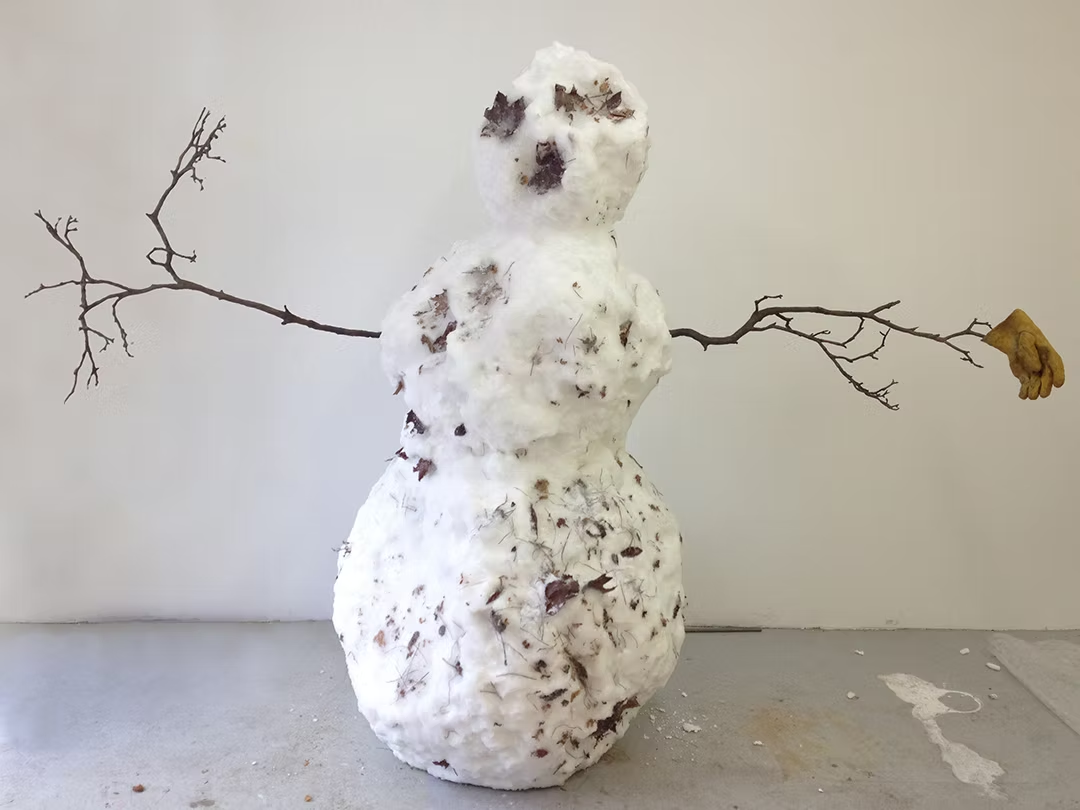
TASSET: I make work that tries to sort of connect with something really, really familiar. So, a snowman is a figurative sculpture that people make. I’m trying to blur the distinction between high art and low art. I think it puts the viewer on guard in a lot of ways. They’re not sure how to take this. With a snowman, I’m just trying to honor this almost folk tradition that people do. Anyway. So, in a way I make my snowman, but it has a connection with all the other snowmen that have ever been made. I’ve made a few snowmen, and the first one I made had a sad face on it. I made it right after we went into the Gulf War. To kind of try it out first, it had actually snowed in Chicago. So, I made this sad snowman [from real snow] with this sad charcoal mouth, and it was out in the front yard. That one was made out of real snow. That same day, people had snowmen all up and down the street. The next morning my snowman was knocked over, and the other snowman weren’t. I feel like making a sad face somehow was like sacrilegious or something. It somehow offended somebody on some weird level.
SMALL: What was the first faux object you made?
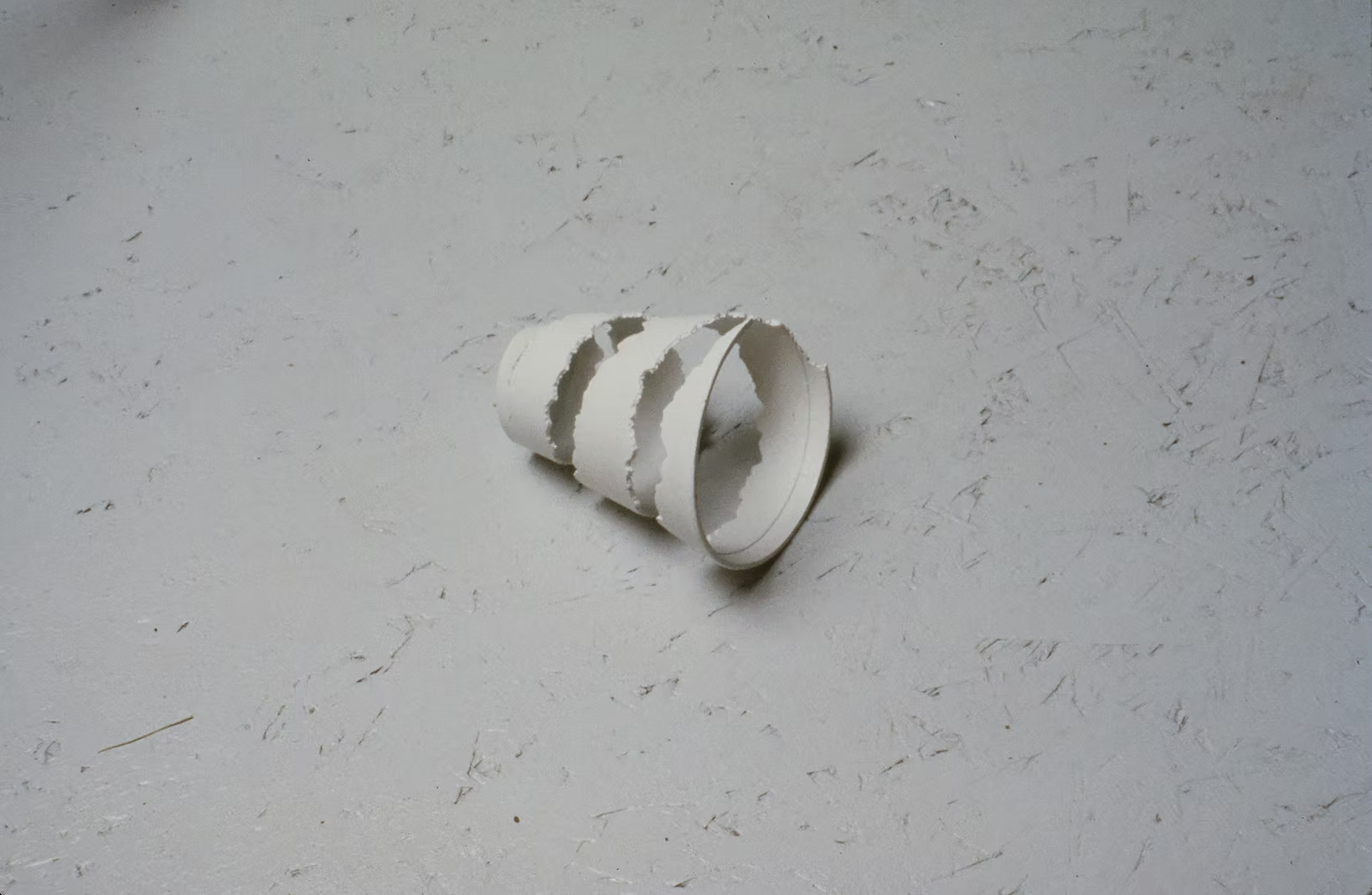
TASSET: It was just a Styrofoam cup, torn it into a spiral. I was thinking about making a mark of gesture, but again to be the most quotidian, most banal gesture that everybody makes. Anyway, I made this bronze cup, painted it white, and laid it on the floor of the gallery. People looked at it. They thought it was just garbage, and then when they realized it was bronze they loved it, thought it was great. It’s very classic. Art comes from artifice—the idea of remaking something is what artists do. It’s a classic thing.
SMALL: I feel like that forces you to rethink the object. It’s very witty, almost, especially because bronze is a more decadent material to shape into something that would be trash.
TASSET: It was either stolen or thrown out a couple times.
SMALL: It’s funny that one person would think to throw it out and another to would think to steal it. Going back to the Eye, the work was originally commissioned as a temporary installation in Chicago. Now that it’s in Dallas, have you noticed anything interesting about the way it sits in the city?
TASSET: It’s pointed at the Joule Hotel. [Owner Tim Headington] is the guy who bought it. From the hotel rooms, you look outside and there’s this big eyeball.
SMALL: I guess if you think about it, it really is sort of you looking out at this hotel. How else does location in cities play into how you design the sculpture?
TASSET: On one hand, I’ll go to Kansas, where I’ve been commissioned to do a piece in front of a federal building, and I’ll try to learn about the city or the area. In Los Angeles, when I realized The Wizard of Oz was filmed at the Sony studios, I felt like I had to acknowledge that. It’s funny because I try to make work that speaks to the public, but I don’t have town meetings with the public or anything. I trust my own instincts as to what will communicate. The Beat poets said that. Allen Ginsberg talked about “First thought, best thought.” Talk about Interview—Warhol’s attitude of “Whatever, I’m going to make something else tomorrow,” it’s refreshing. It freed me up a lot to not second-guess myself.
SMALL: Is Warhol an inspiration?
TASSET: Oh yeah. He certainly was the king of high and low. Look, I’m not going to say anything new about Warhol, but I do love his American egalitarianism. He both will make a painting of Marilyn Monroe, or movie stars, but then he’ll also take the drug addicts and lowlifes of society and he’ll make them into stars.
Show
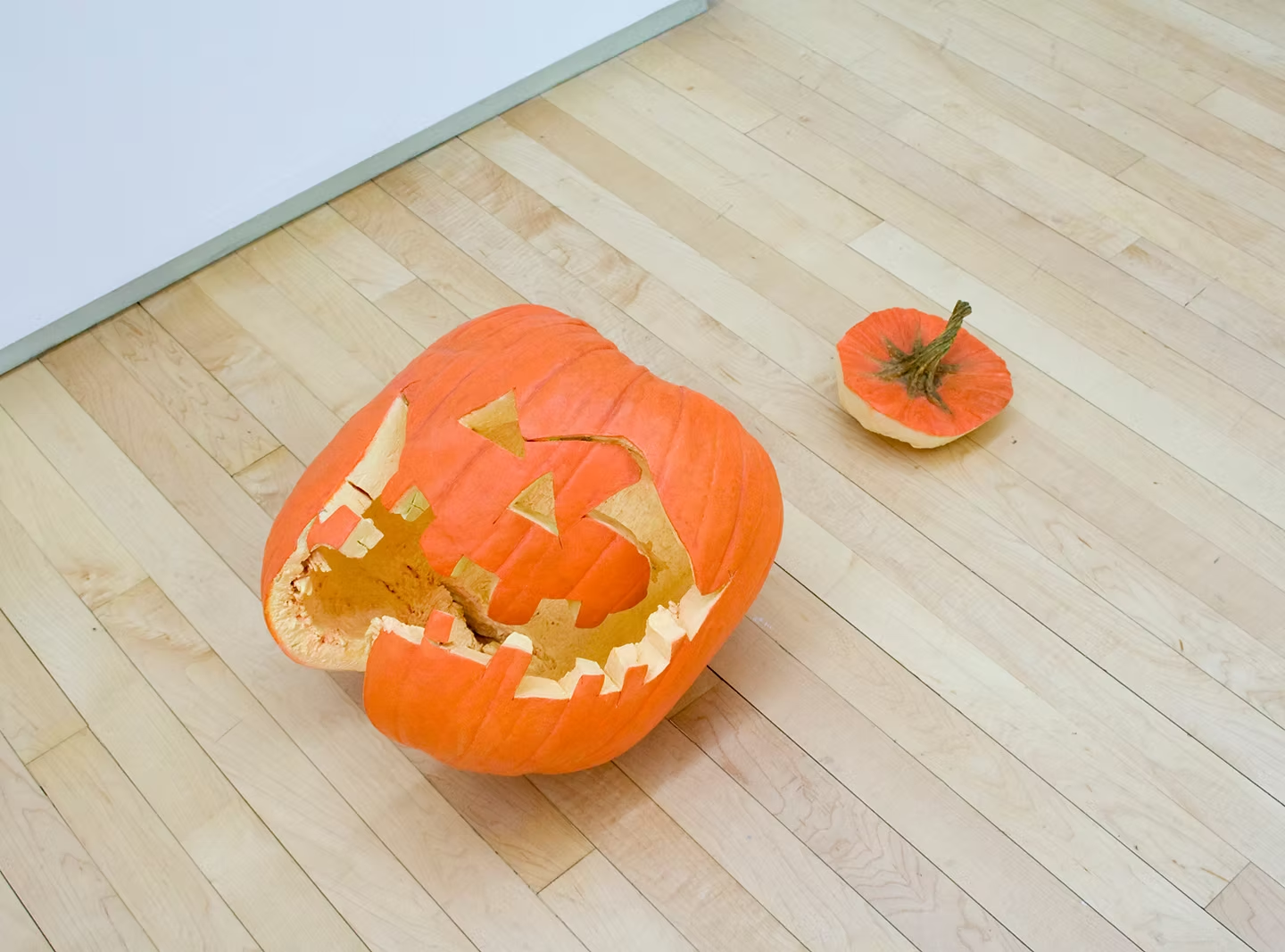
Smashed Pumpkin, 2008
solid cast bronze and enamel paint
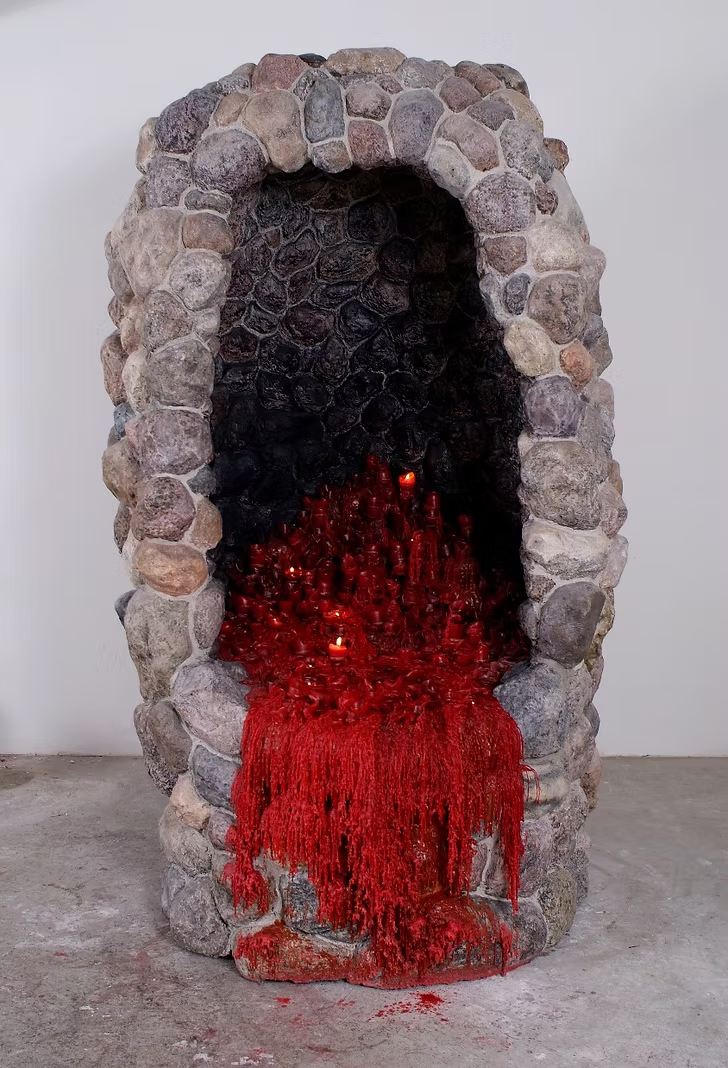
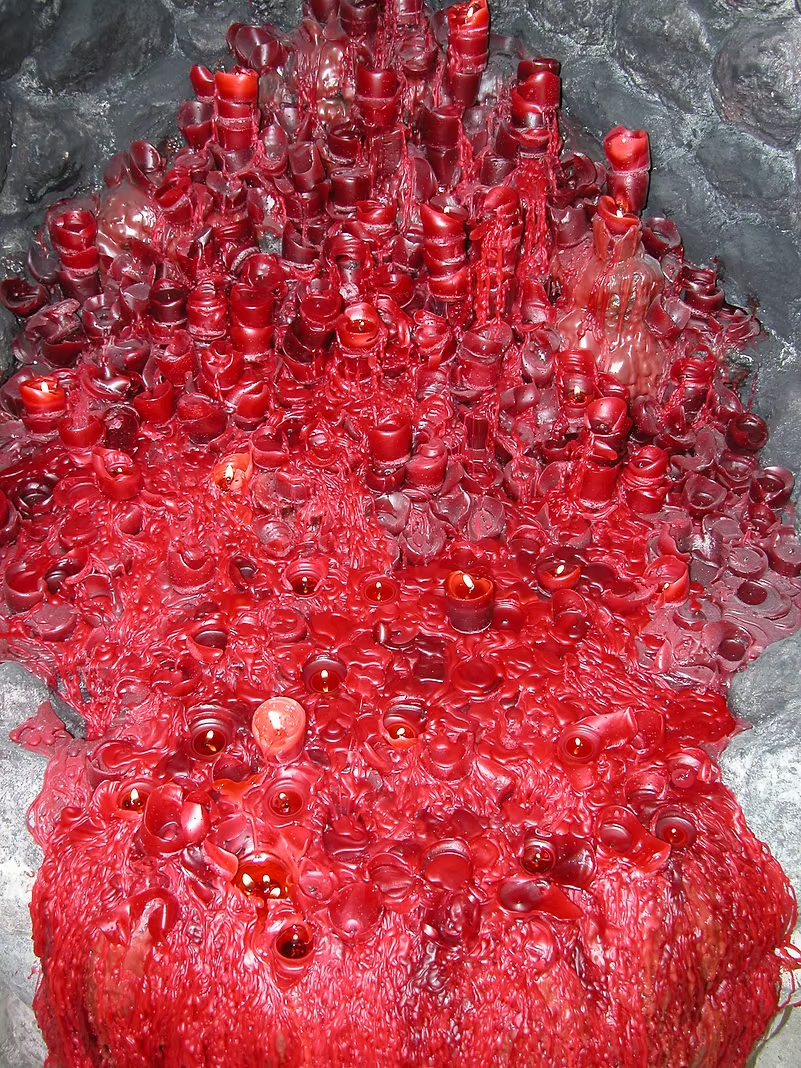
Grotto, 2008
plaster, foam, paint, and wax
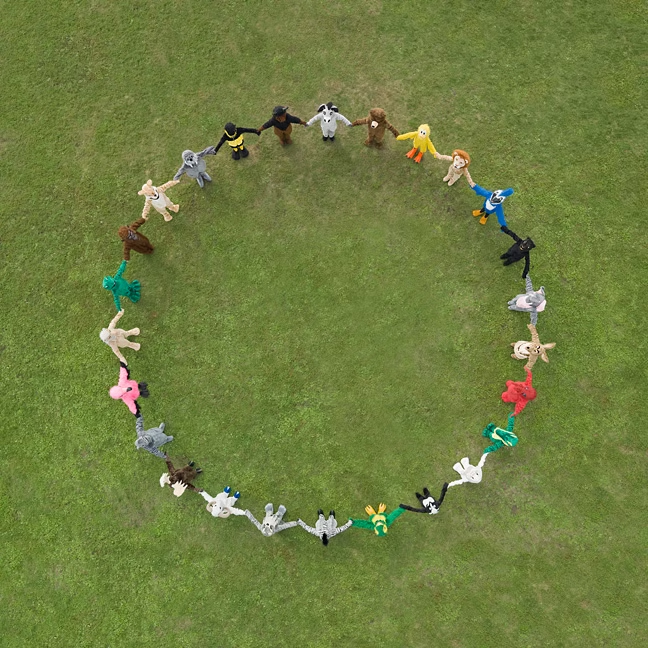
Why Can’t We All Just Get Along?, 2009
cibachrome photograph
Ghosts, 2020
two way glass, mirrored glass, LED lights,
bisque ware, 22 karat gold glaze
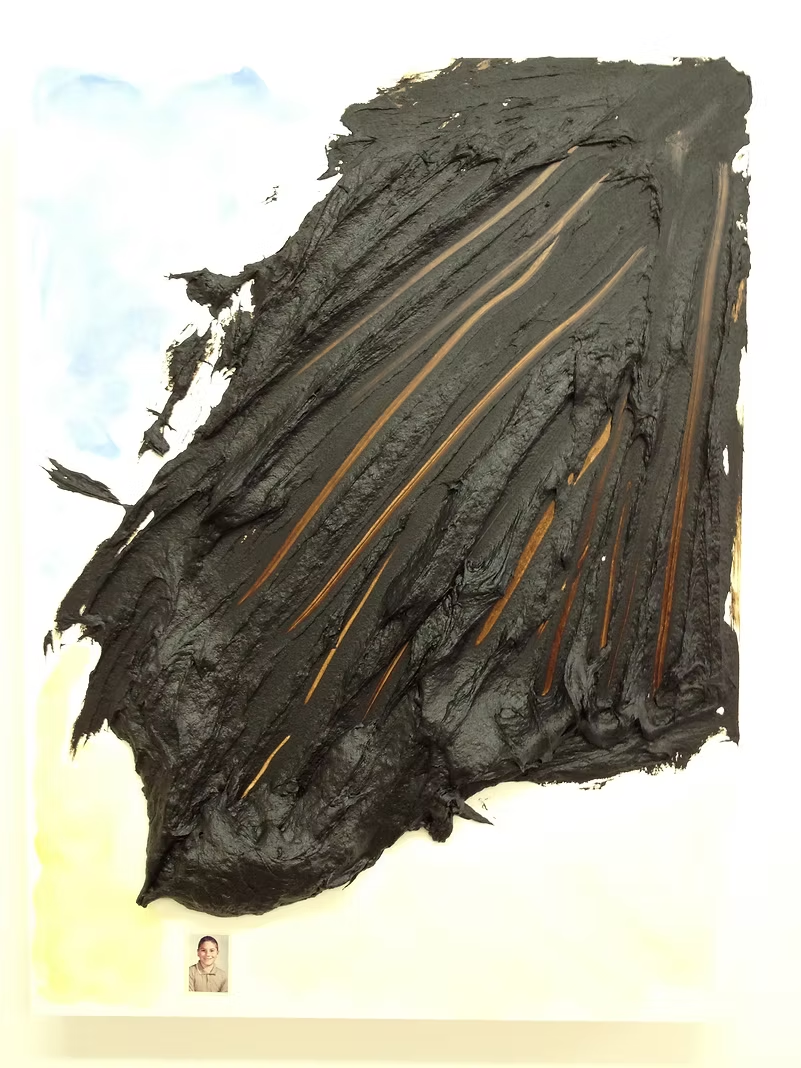
Graduation Day, 2012
mixed media on panel
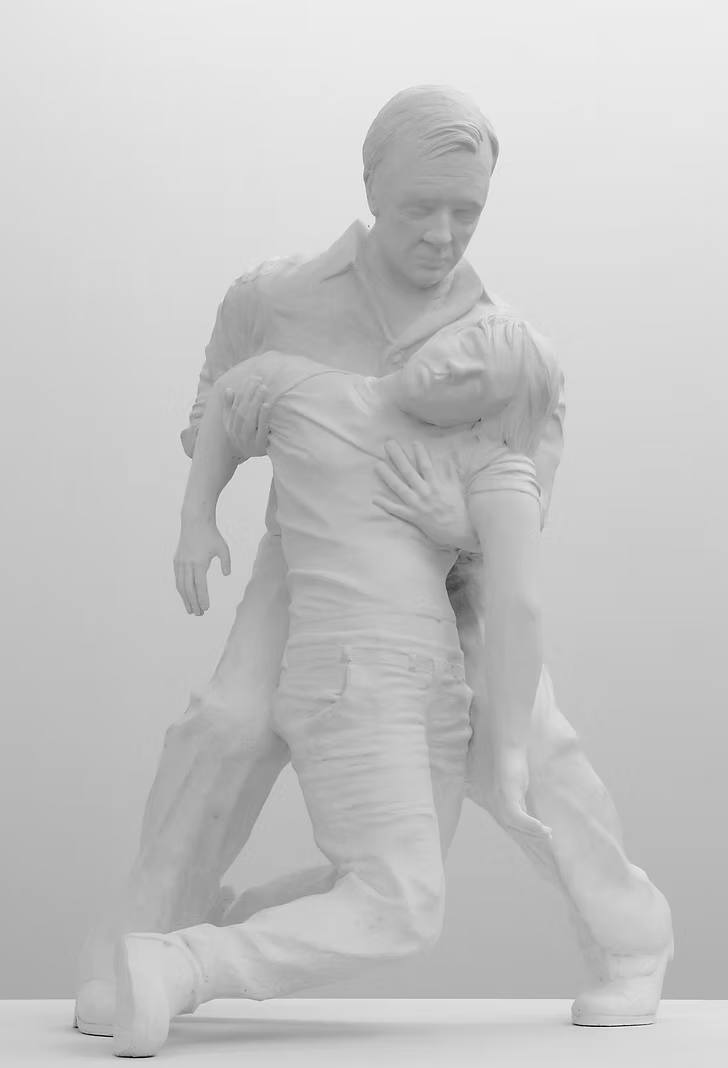
Pieta, 2007
cast hydrocal
Constellation (April 21st), 2013
inkjet on paper mounted and framed
Big-Eye, 2001
polystyrene, latex cement, acrylic paint
Hard Rain, 2006
lambda print
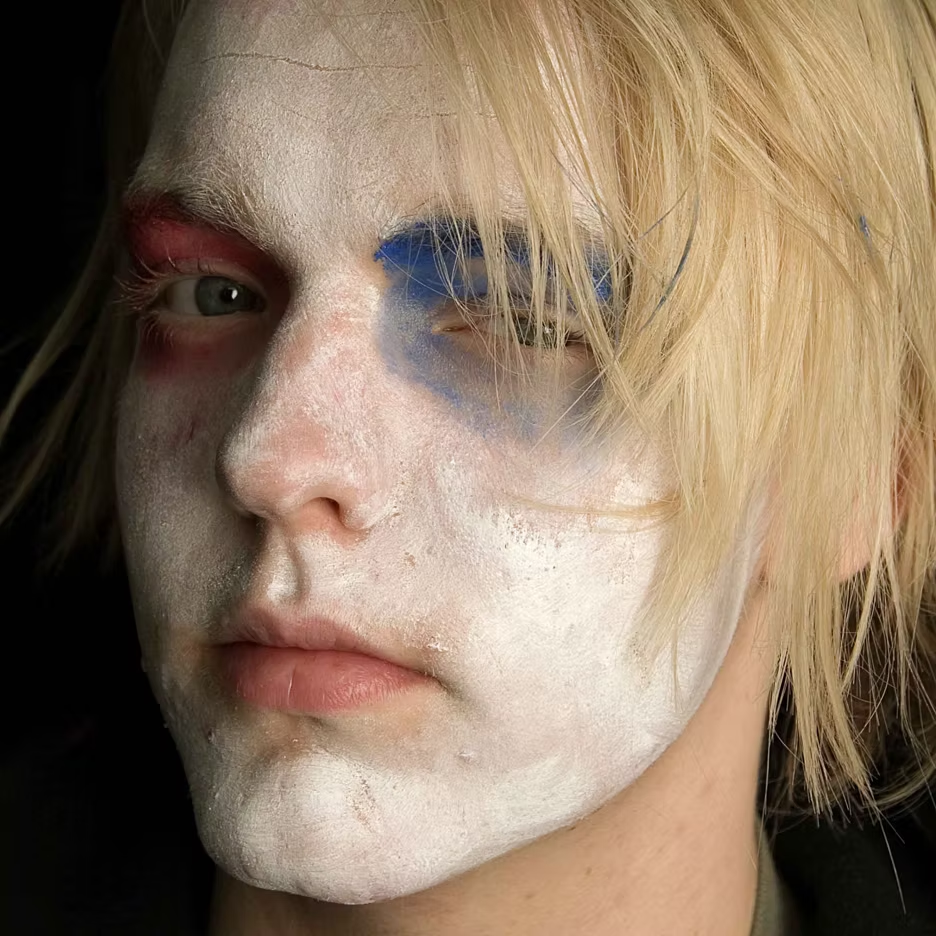
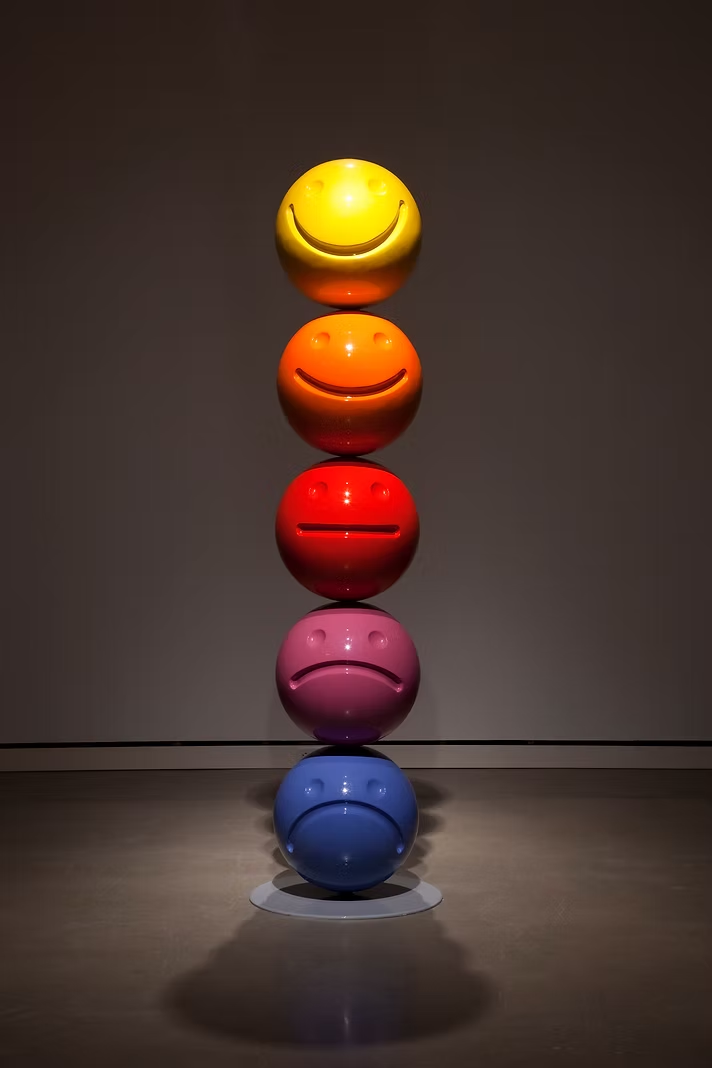
Mood Sculpture, 2011
fiberglass and paint
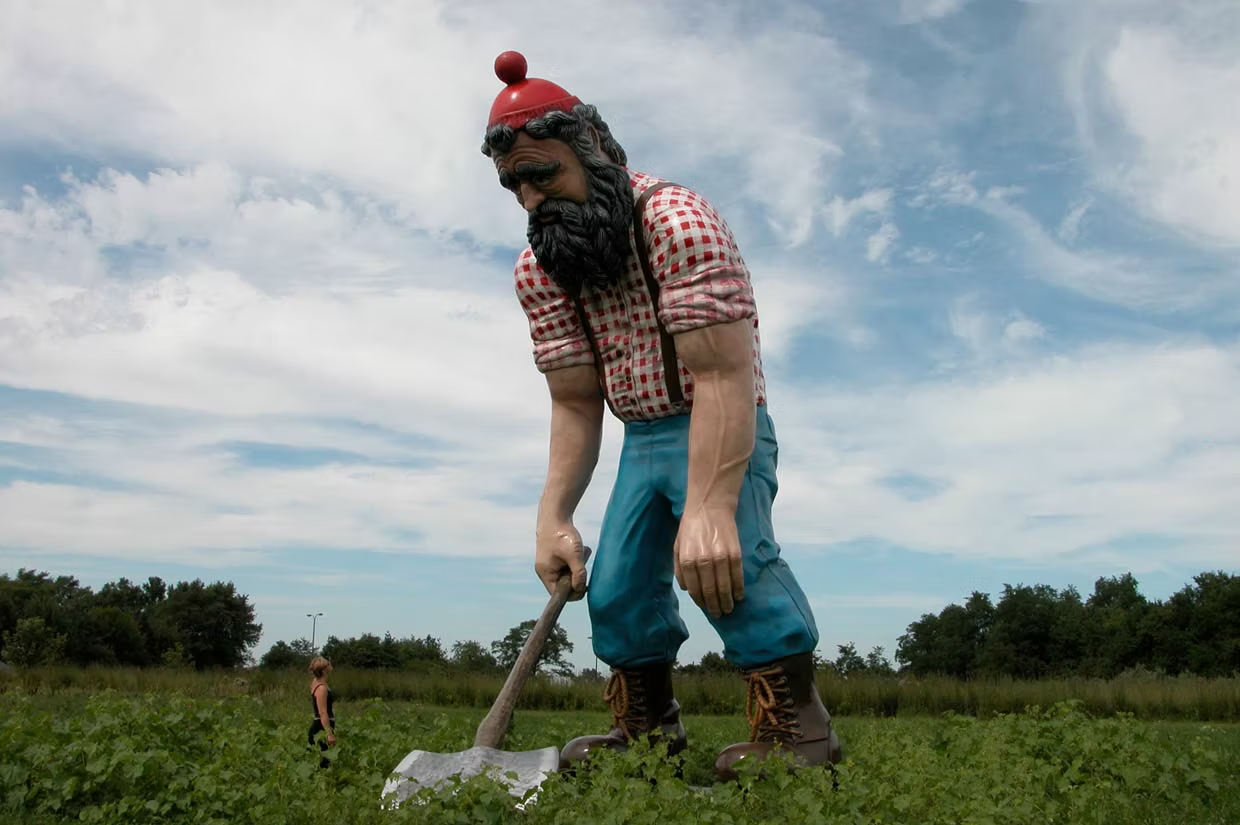
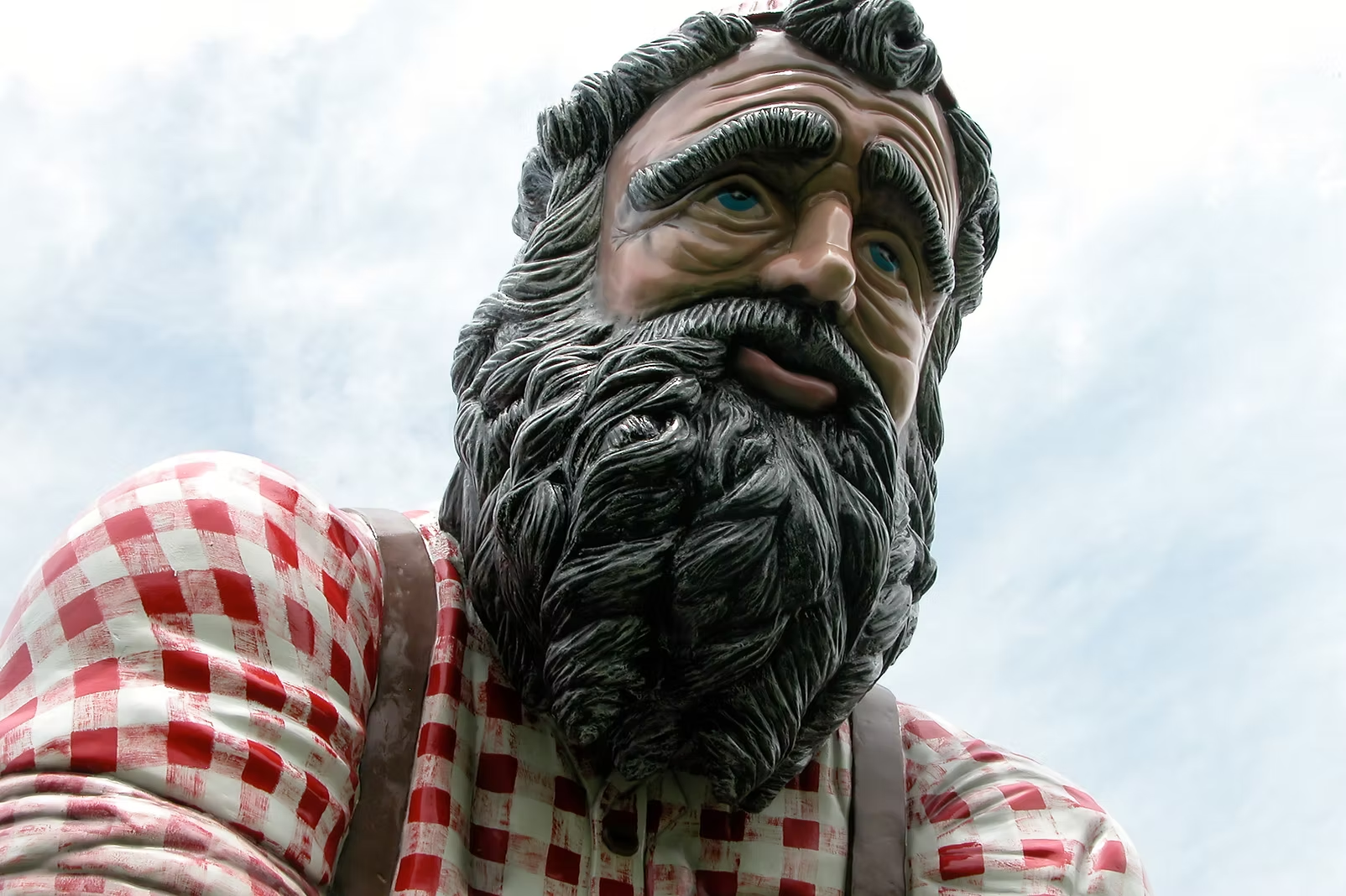
Paul, 2006
painted fiberglass over steel frame
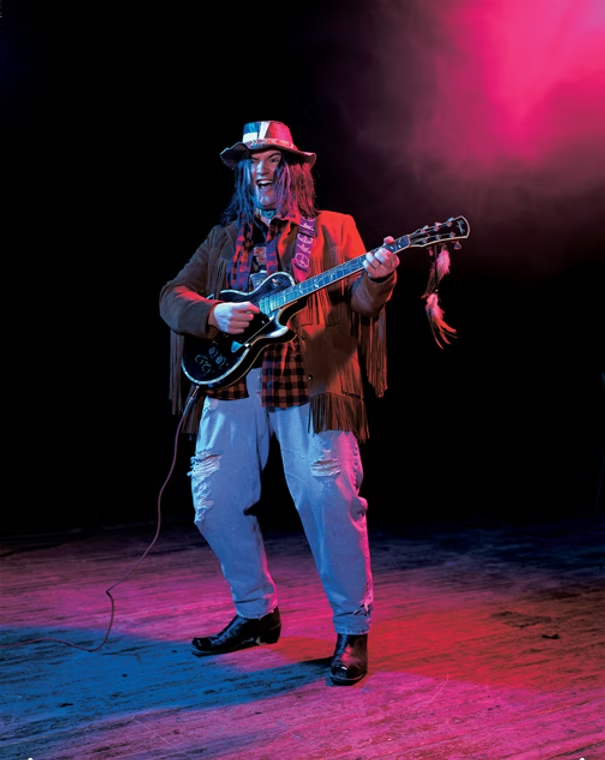
Neil Young, 1997
cibachrome
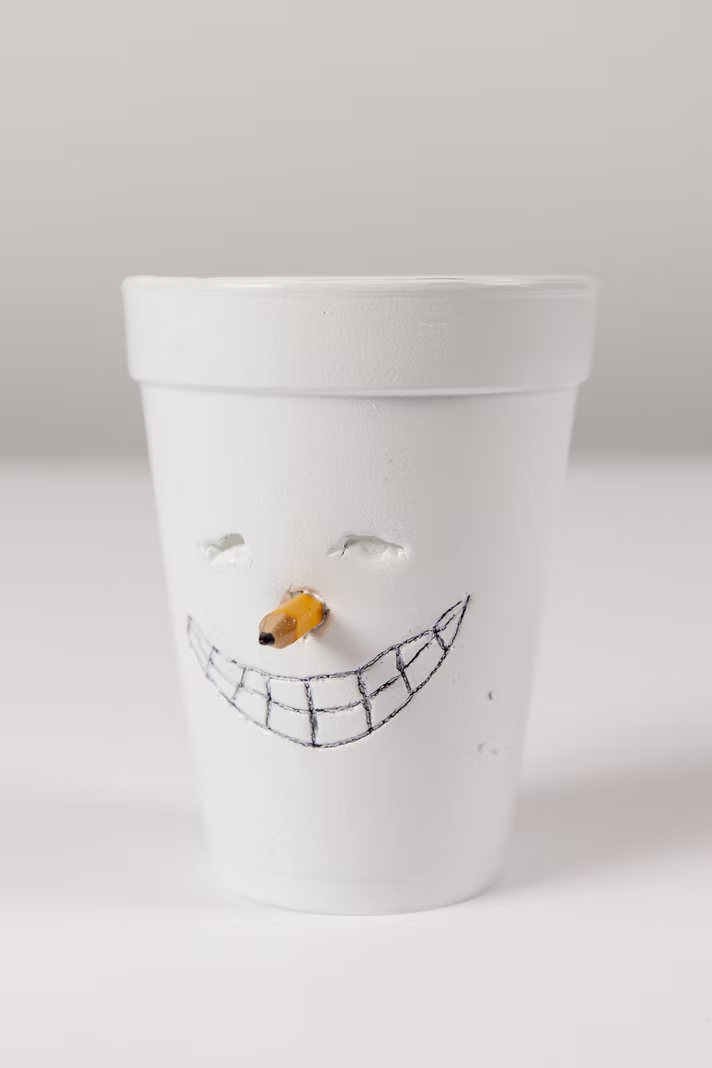
Cup Face (2014), 2014
bronze and paint
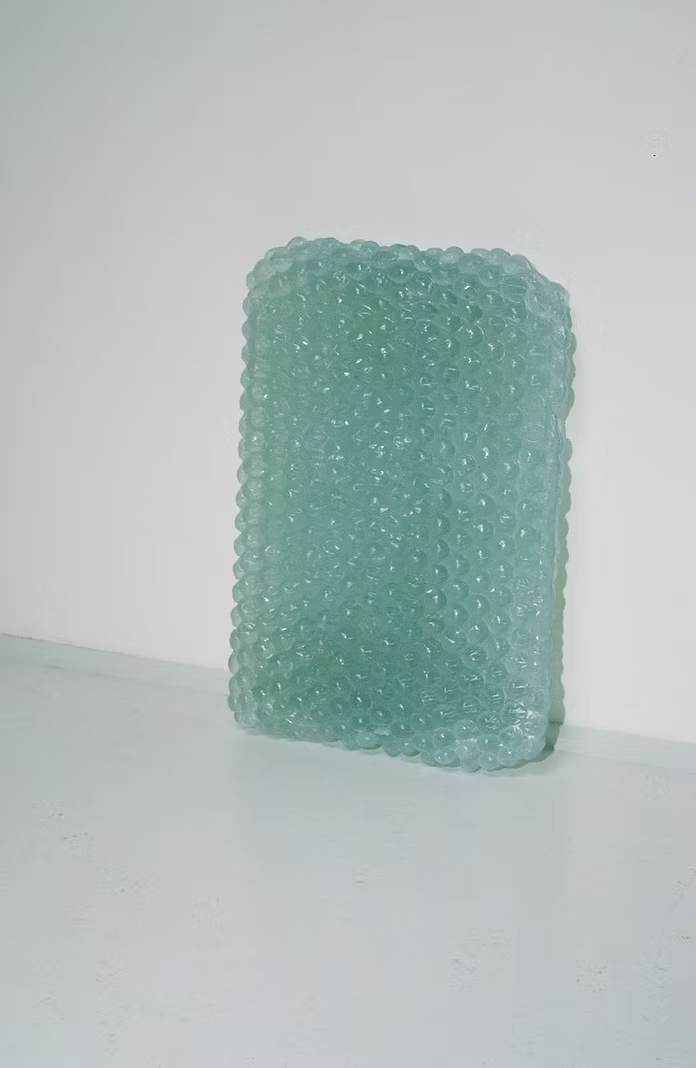
Bubble Wrap, 1991
cast glass
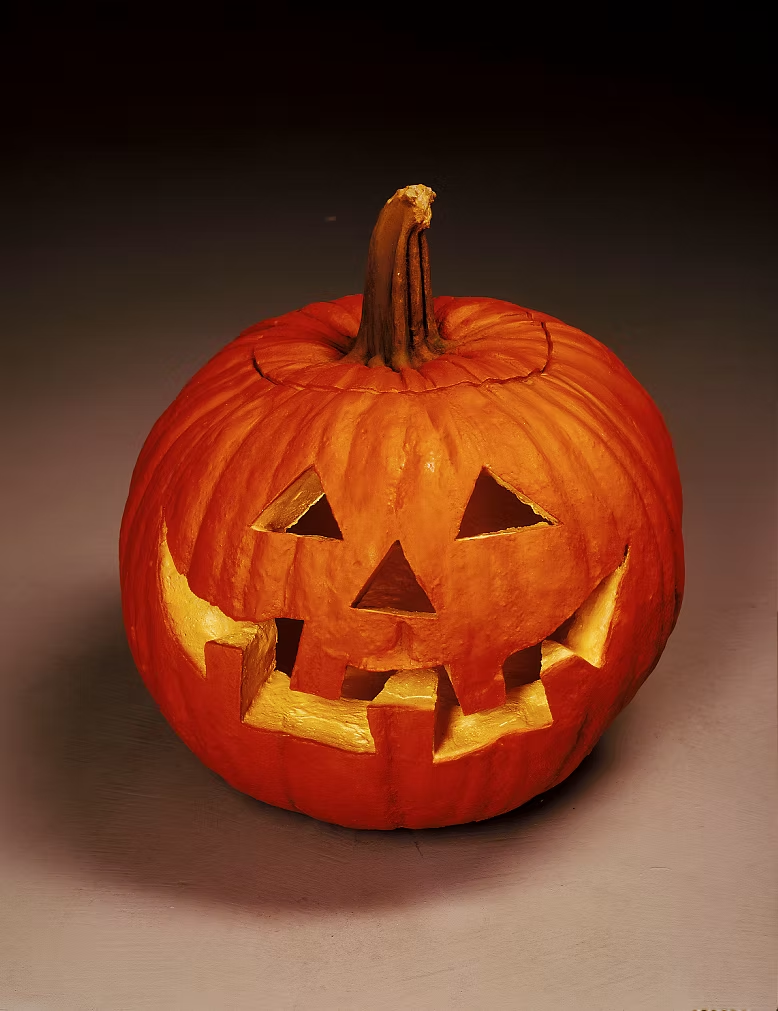
Jack O’Lantern, 1997
bronze, oil paint
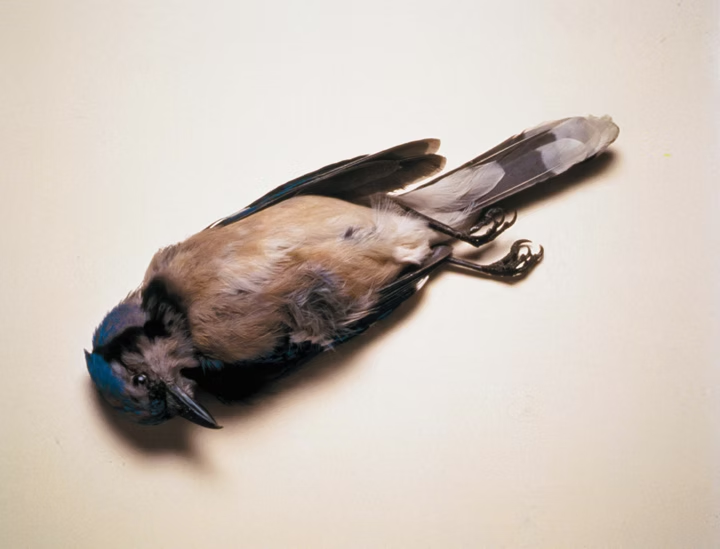
Dead Blue Jay, 1999
taxidermy blue jay
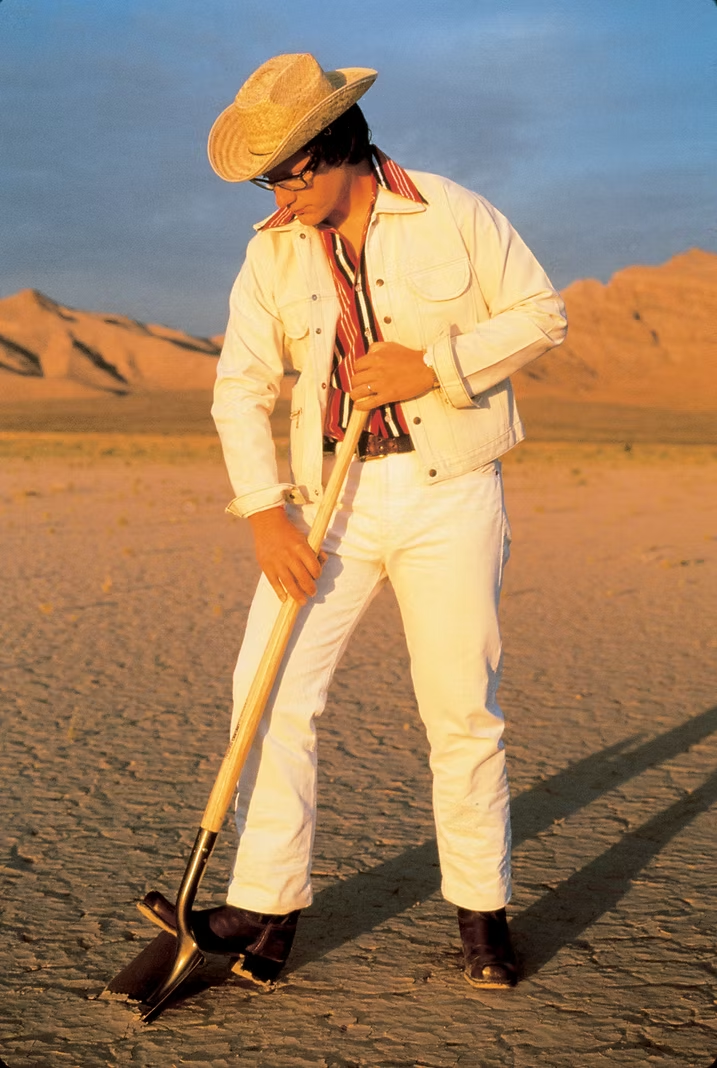
Robert Smithson (Las Vegas), 1995
cibachrome
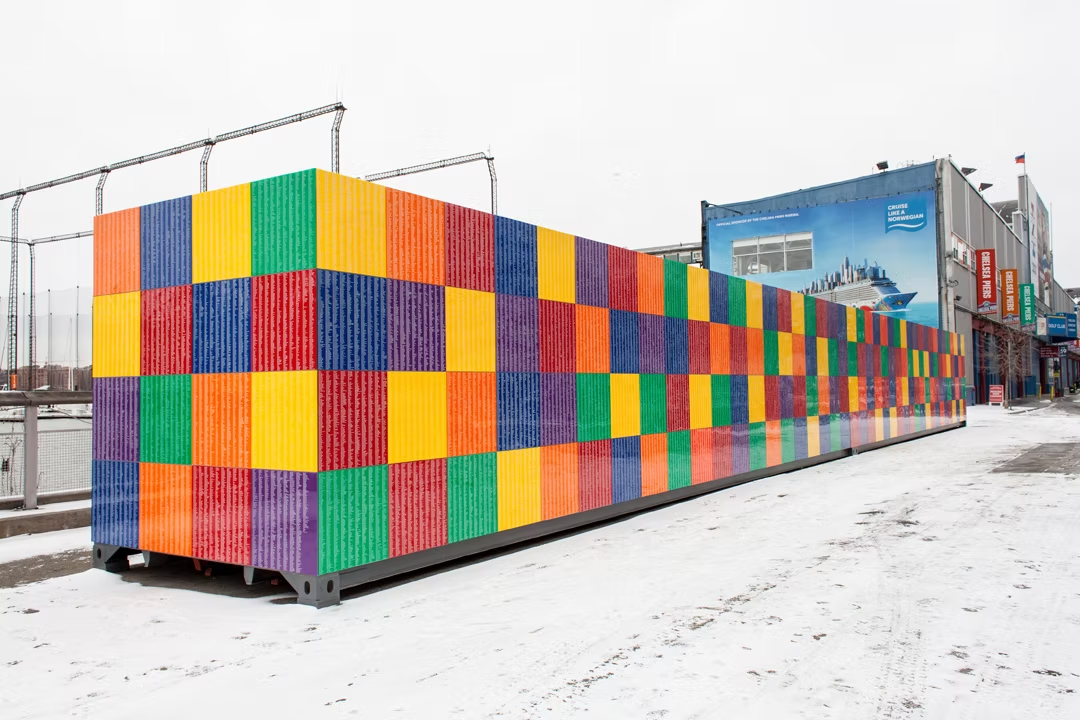
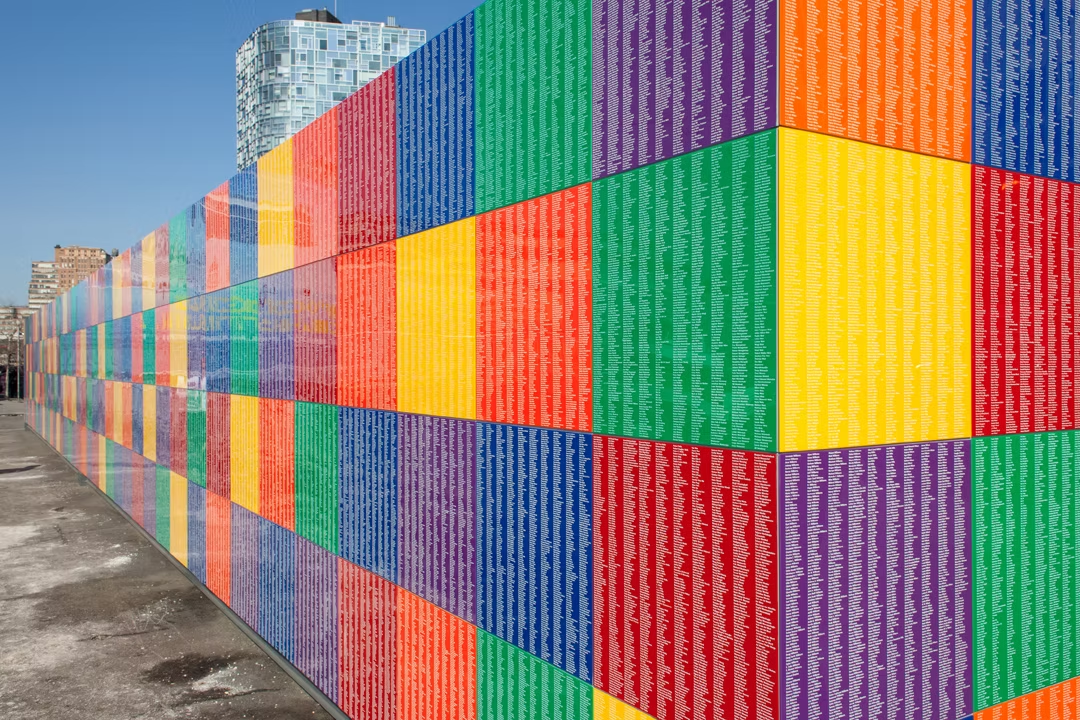
Artists Monument, 2014
enamel-filled etched acrylic, two steel shipping containers
Cup, 1990
cast bronze and paint
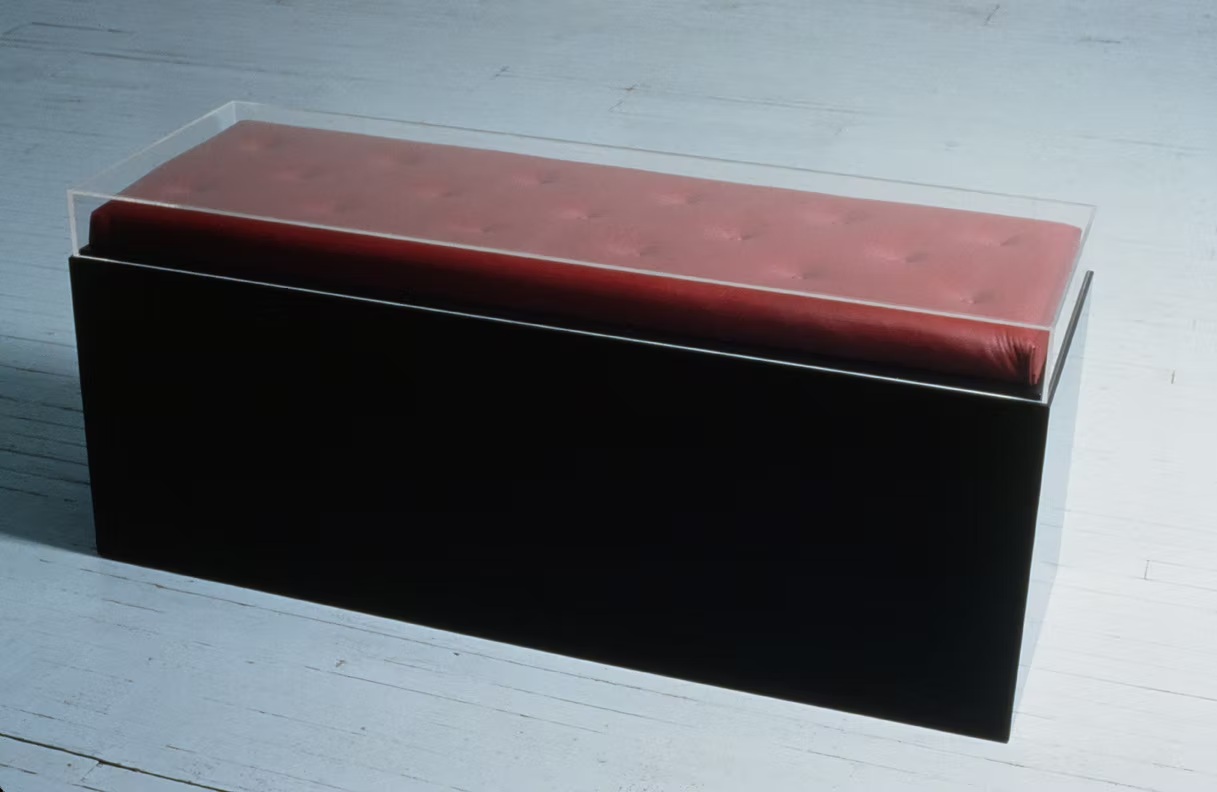
Sculpture Bench, 1986
plexiglass, leather, wood
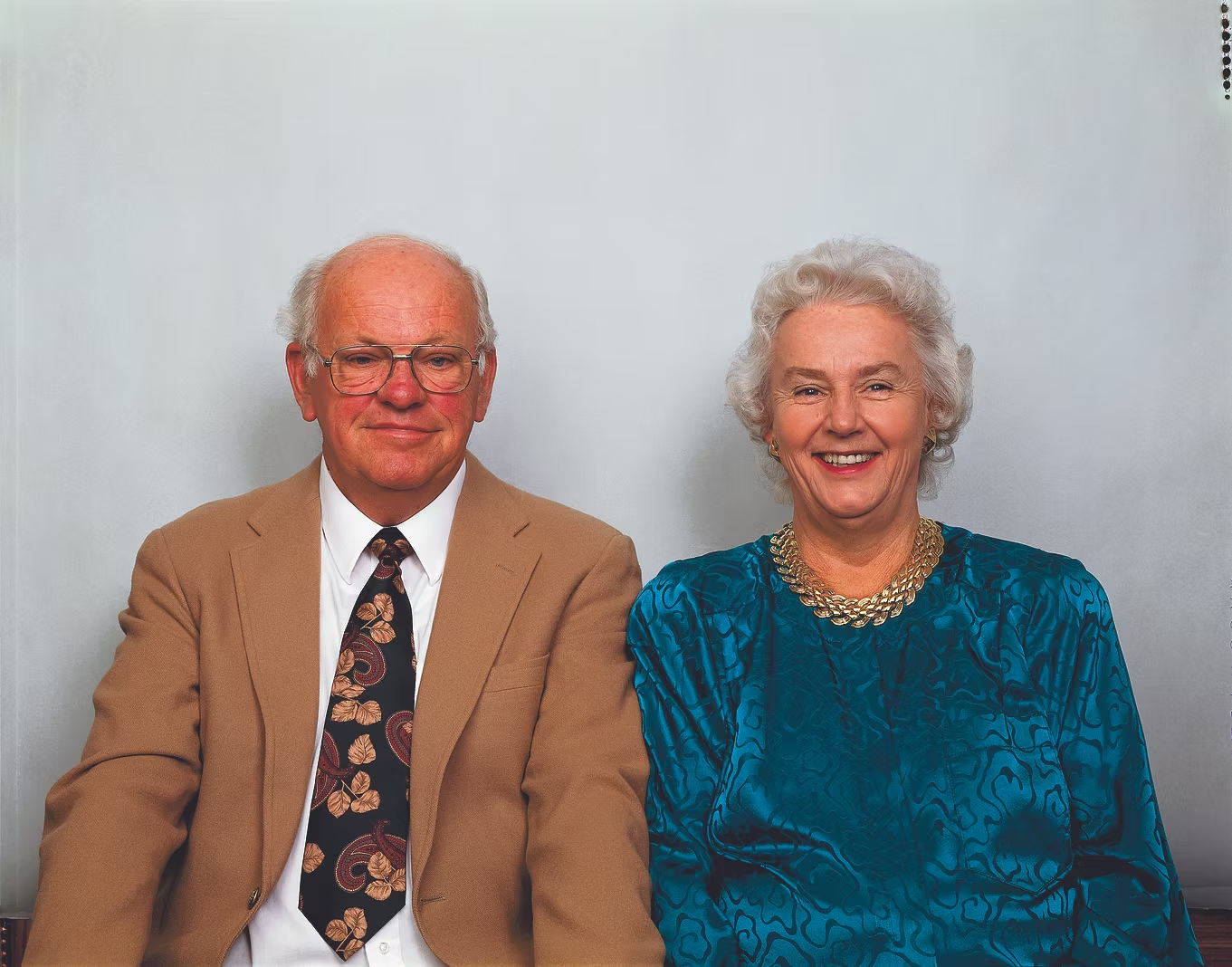
My Parents, 1994
cibachrome
Snowman with Yellow Glove, 2012
glass, resin, brass, enamel paint, poly-styrene, stainless steel and bronze
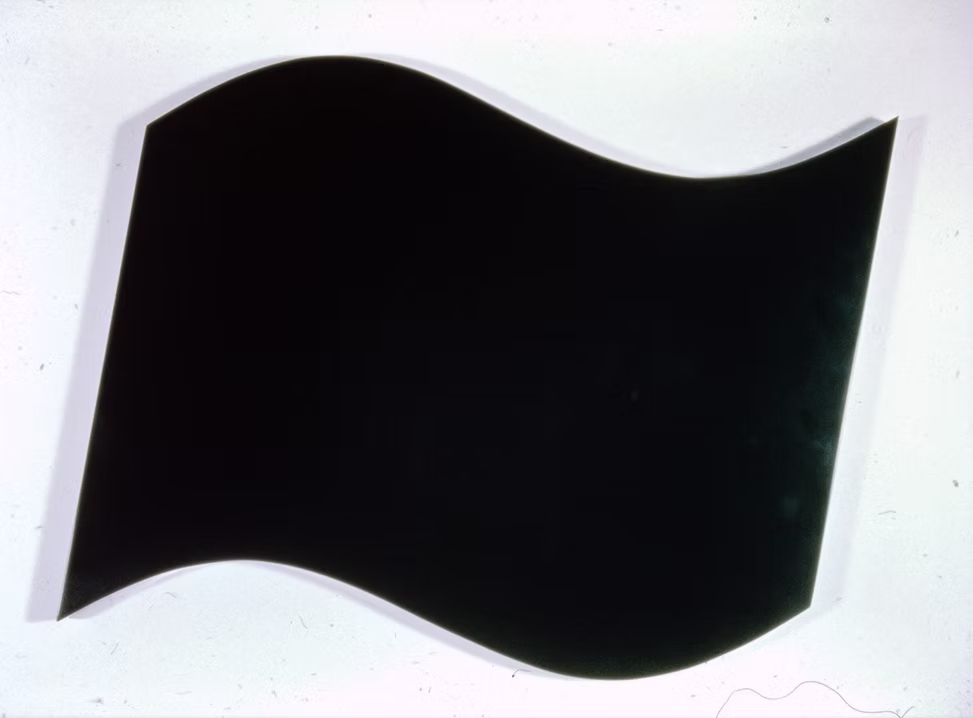
Untitled (Flag), 1990
paint on medite
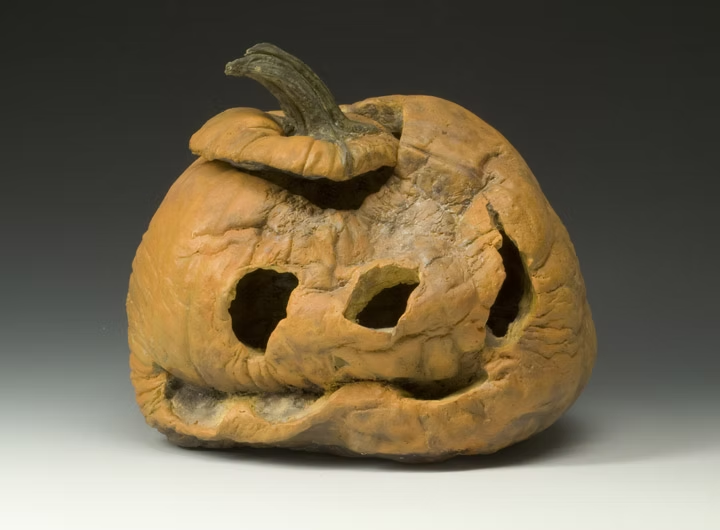
Rotting Pumpkin, 2006
bronze and oil paint
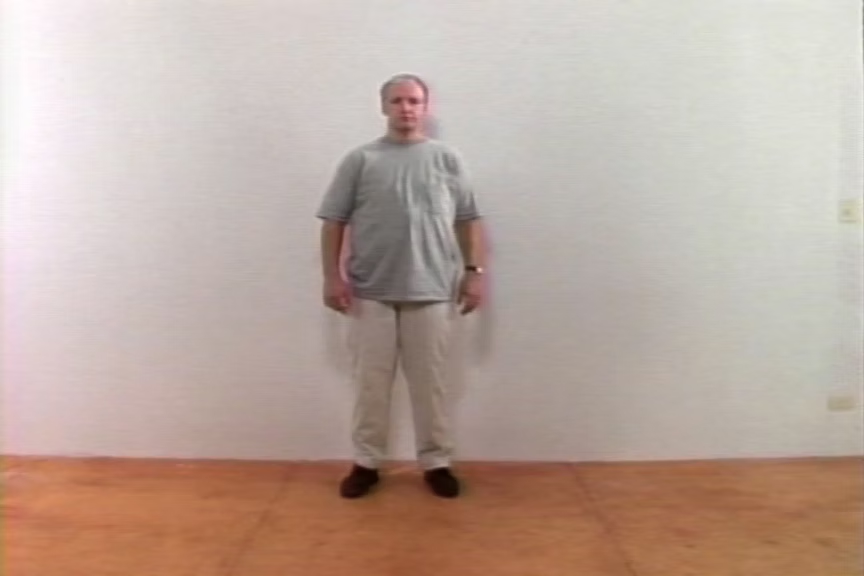
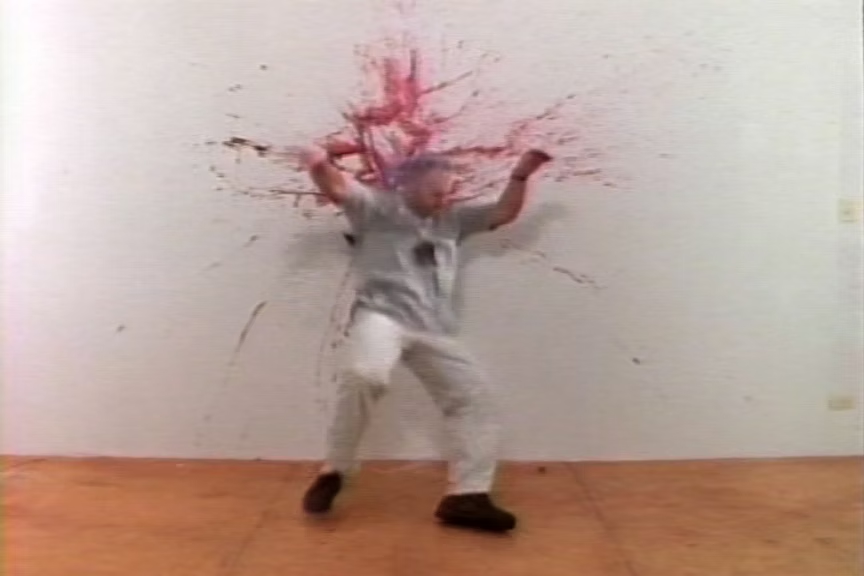
Squib, 1996
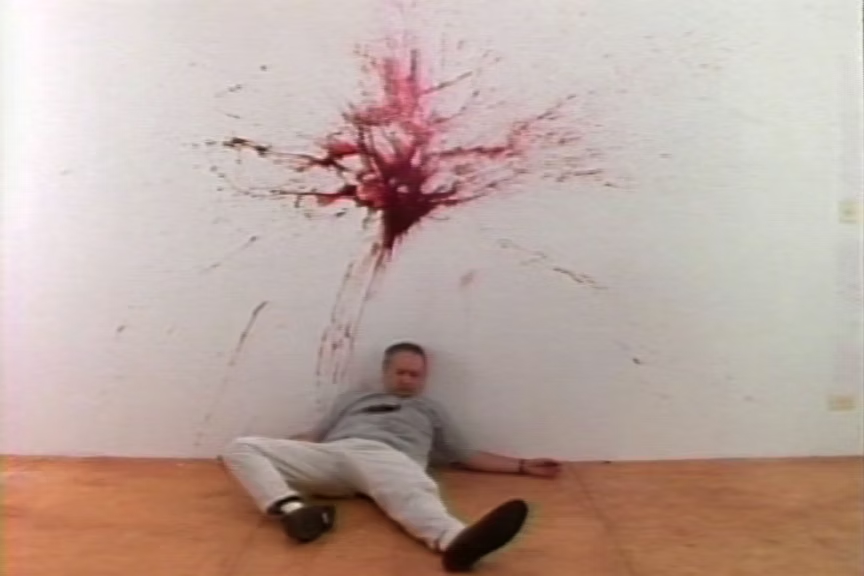
color DVD
Duration :35 second loop
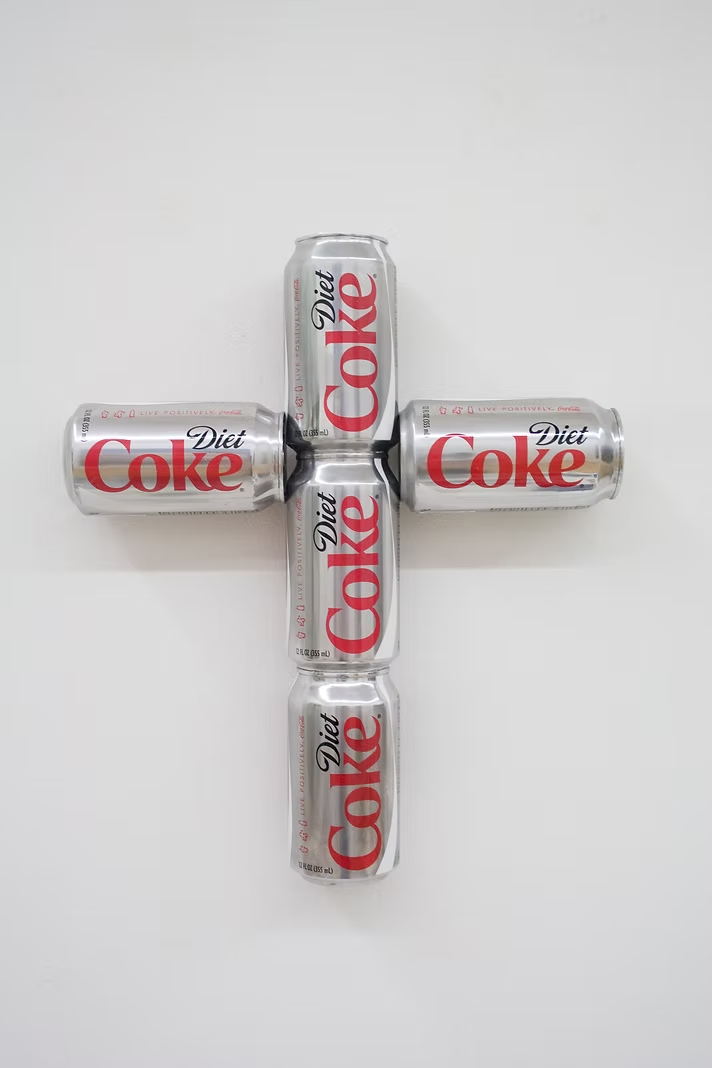
Diet Coke Can Cross, 2009
cast aluminum and paint
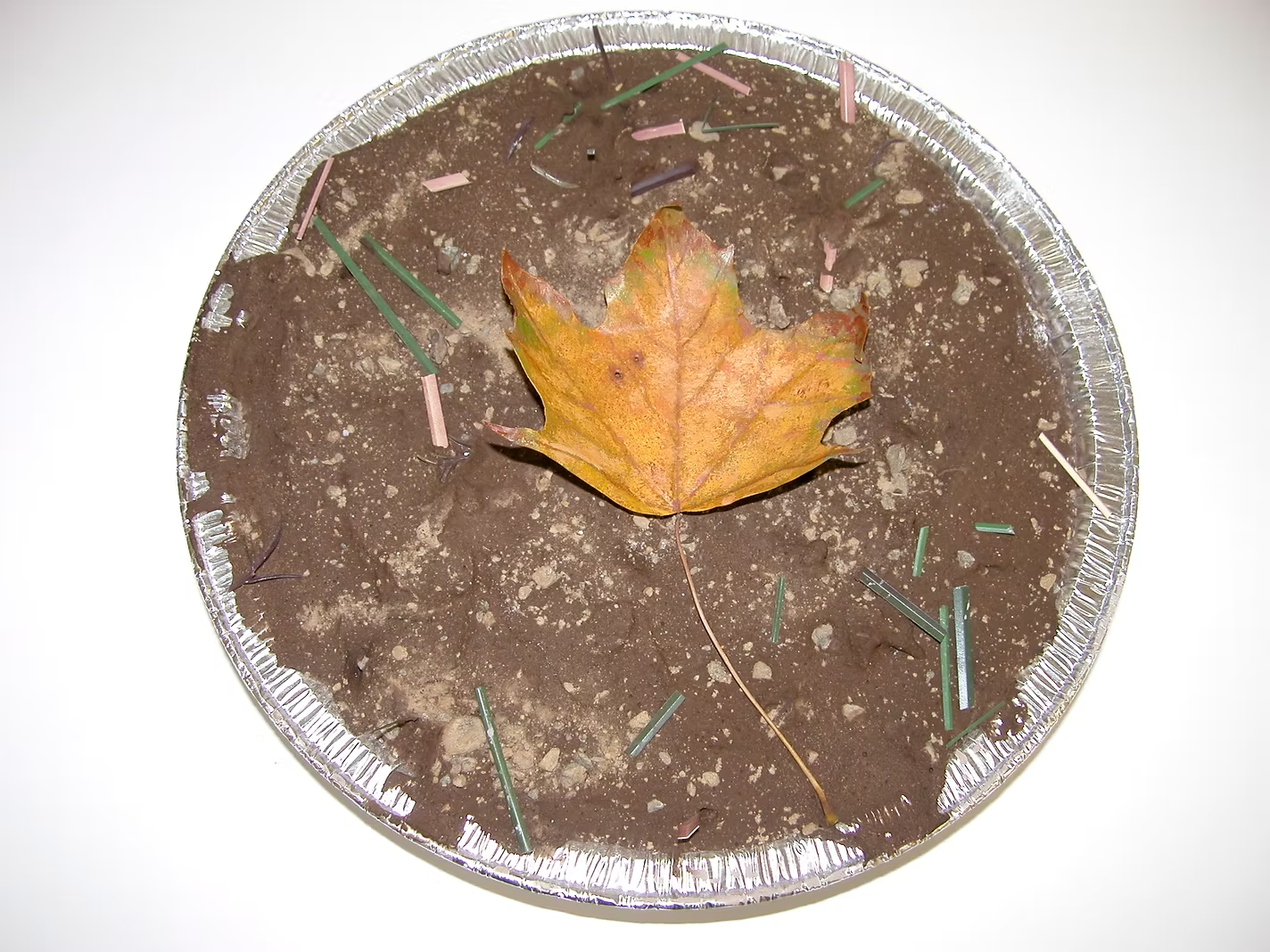
Mud-Pie, 2005
mixed media
Snowpile for Chicago, 2004
cast bronze, brass, fiberglass, resin, brass and oil paint
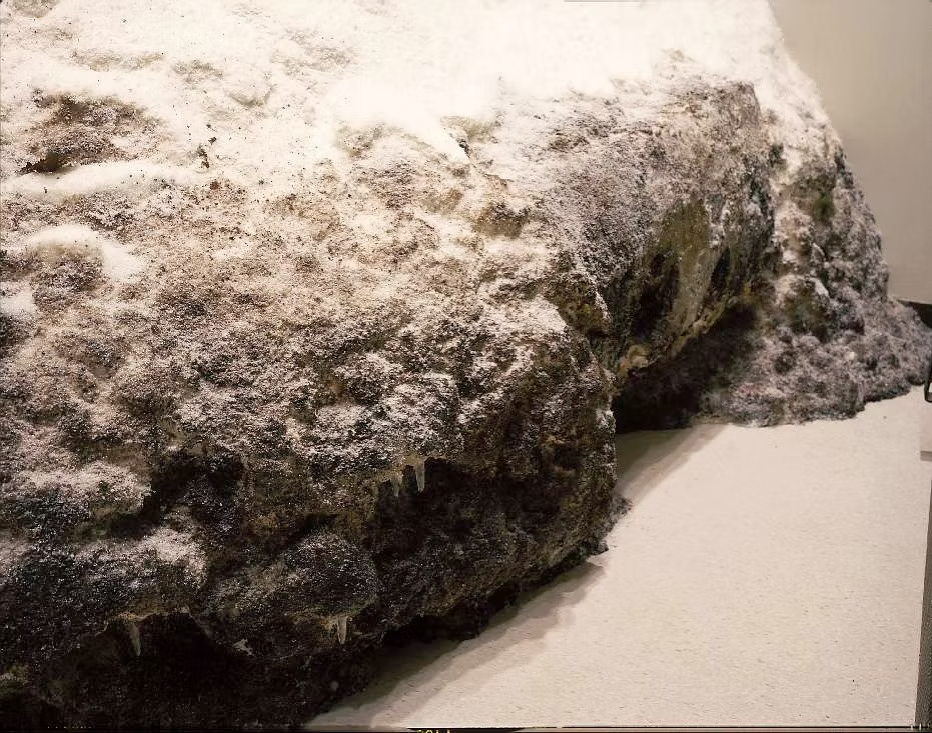
Eagle Head, 2020
cast concrete
Memorial, 2010
cast bronze and paint
*
p.s. Hey. ** _Black_Acrylic, You know, because of what happened before, I kind of thought or worried that the writing workshop wouldn’t happen again. How strange, though. Why? I think whoever organises that workshop needs to do better outreach. But enjoy the screen printing workshop, which I know you will. I totally get why that image fires up your artistry. Go for it. Very nice. ** Adem Berbic, A friend saw Ramleh here in Paris not long ago and his report was glowing. Good old Russell Haswell. He was a pal of Peter Rehberg and put things out on Editions Mego, and he always made a venue explosive when I saw him. I get the uplifting effect very easily. ** laura w., My boyfriend of the time was really into the Renaissance and stuff — late hippie period era — and coerced me into doing it. I had to learn how to play the Recorder, which was not easy and which I sucked at. They made you go to these workshops to learn how to look and seem medieval and say things like ‘Forsooth, my lady’. It sucked. I liked ‘Wise Blood’. I haven’t seen it since it first came out, so a billion years ago. Cool. Maybe I’ll peek back in. ** Steve, Luck that everything goes easily with the meet up. At least back then, so in 1971, I think, there was no DJ booth. I think they had a no electricity policy to make things authentic and all of that. ‘Celluloid Nightmares’ sounds familiar, the title I mean, but then it’s a pretty non-distinguished title. I’ll look for it. ** jay, Hi, jay. Thanks for the link. I will go listen to that pronto. And maybe his other water-related pieces too. I guess I know next to nothing about Chopin, it turns out. Good, a day trip, just what the birthday gods ordered. Whatever that means. Have a solid but mysterious day. ** Carsten, I’m a quite practical or pragmatic person when it comes down to it, so I have hopes but hopefully objective ones. That said, here I am presenting things I’m into to the world every day on this blog, so my optimism is apparently holding out. The protests are mostly over or have wound down to the point where it’s not news at the moment. In Paris, I mean. I think the kids are still fighting the fight in smaller cities. They weren’t technically near me. All the rebellious stuff happens across town at Bastille and Republique unless things get unusually explosive. I watched one episode of ‘Mindhunter’ back when, the one about Ed Kemper. I remember the actor was incredible. ** HaRpEr //, 120 pages is a nice size. I think that’s about as long as any of my novels have been. I think maybe the French interest in Jerry Lewis has died down. I haven’t noticed his films screening here particularly. His film ‘The Bellboy’ is great. I think that’s the film that got Godard excited. Among current American filmmakers, I would say the French are especially into Wes Anderson, Woody Allen, and Harmony Korine. ** Dev, Hi! Her novels do tend to be short, although her ‘big’ one, ‘The Years’ is rather long. Disney movies, of course. Amazing how Disney has remained the go-to entertainment for kids for so many decades. The first movie I ever saw when I was a little kid was ‘Bambi’. Take out … it probably depends on your location. Poquito Mas for Mexican. If you can get a deep dish pizza delivered from Massa, you’ll be happy. I hope LA can somehow entertain you through your windows. Seems possible. Have as much fun as your ensconcement allows. ** ⋆˚꩜。darbbzz⋆˚꩜。, Hey! Oh, you know, I’m craving Halloween stuff, home haunts and haunted attractions and stuff. And West Coast-style Mexican food always. I really like that line. What a promising book you’ve got going on there. Thanks about the post! Stay good busy. xo. ** Uday, Surely there’s some value in him being gay. Wait, you found it. There you go. I wasn’t that interested in Ernaux until I read that novel yesterday and totally got it. ‘Don’t you ever want to just *do* something?’ Uh, I think unless a thing I want to do is financially impossible, I’m pretty good at doing what I want. But is that what you mean? ** Okay. I gave a galerie show to an artist I like today. What else is new, I guess. See you tomorrow.



 Now available in North America
Leave a Reply