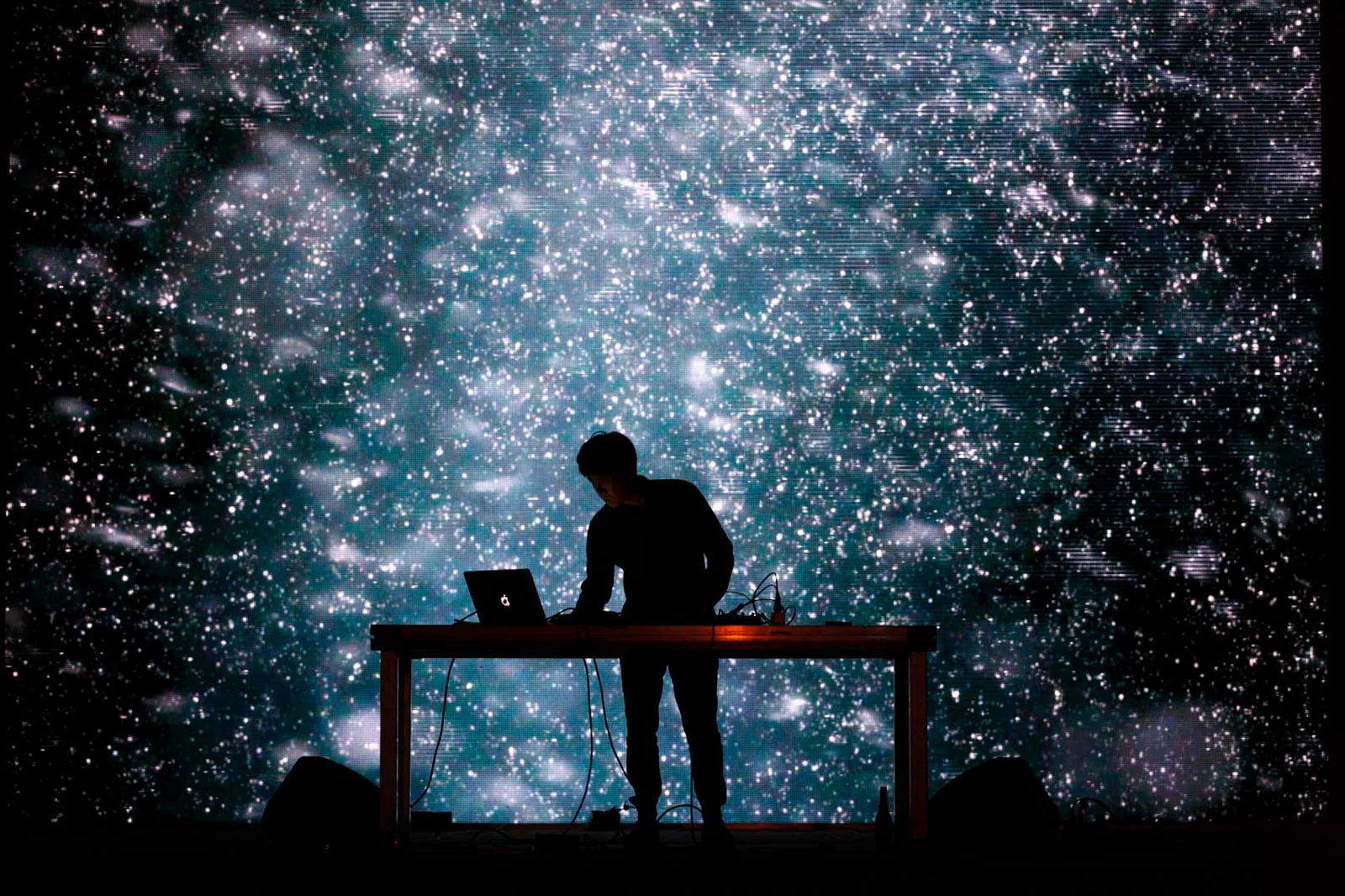
‘For nearly two decades, Japanese filmmaker Takashi Makino has been making entirely abstract films. For him, it seems, abstraction is less of an aesthetic mode and more of a philosophy, a way of creating a space for the viewer to engage with his sonic-visual material as they see fit, Some viewers may choose to actively participate in reading and shaping the meaning of the images he presents, while others will be more interested in passively receiving them and enjoying them on a sensorial or emotional level. What is important, is that in either case, the viewer feels involved.
‘As he writes on his website, “what fascinates me most about film expression is the potential for what is presented on the screen to collide with each individual viewer’s emotional landscape, and the new ‘image’ created inside the viewer’s mind resulting from this collision.” For Makino, abstraction offers a space for imagination, free from the limitation posed by direct representation, free from the imposition of applied or linear meaning. Abstraction offers freedom, and once experienced, freedom is hard to give up.
‘Most of his many films assume a somewhat similar form. He collects a mass of recorded material that he shoots himself—its origin kept a secret that only he and his collaborators are allowed in on, as is what he was thinking about when shooting it, what it might mean—and then edits its together, layering masses upon masses of individual images together to make a new plane of abstract “hybrid images.” He then adds an accompanying soundtrack, provided by a musician (Jim O’Rourke, Cal Lyall, or Carl Stone, for instance) or that he produces himself. The films are usually densely textured, colorful, and complex in appearance—big, dramatic cinematic canvases that have a real sense of scale and grandeur.
‘Since 2012 (2013)—in which a mix of celluloid and digital film sources are blended into a stormy, scratchy canvas that dilates alongside a dense drone—he has been experimenting with performance, and from Space Noise 3D (2014), with expanded elements too, using 3D glasses with one lens cut out to change the effects that his film produce, and the experience the audience has. Though each work is fundamentally similar, he continues to find ways to experiment and to further expand upon the ways the films are produced and presented.
‘In a Q&A at a screening some years back, he explained his style succinctly. “Most filmmakers make cinema with one or two layers,” he said, before pausing then laughing. “I am making one thousand layer cinema.” While avoiding revealing too many of his secrets—like any self-respecting magician of moving images should—in the below interview Makino explains some of what goes into making “one thousand layer cinema,” focusing on his latest work, Memento Stella. Having premiered it as a film at International Film Festival Rotterdam in January, he is now traveling the world with it, presenting the work in the form of a performance, most recently at Sheffield Doc/Fest and Filmadrid.’ — Matt Turner
____
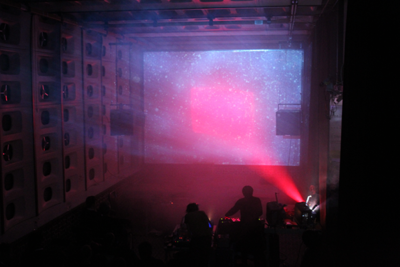
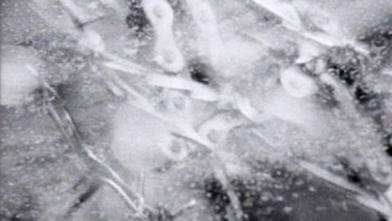
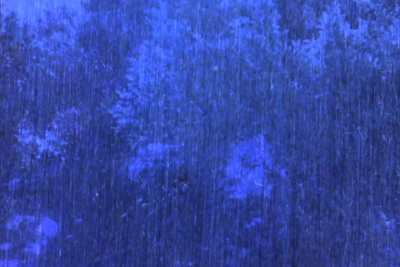
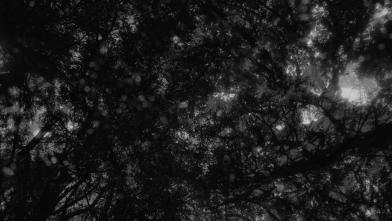
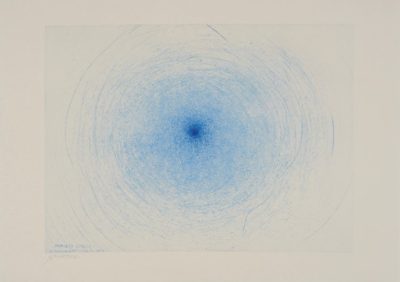
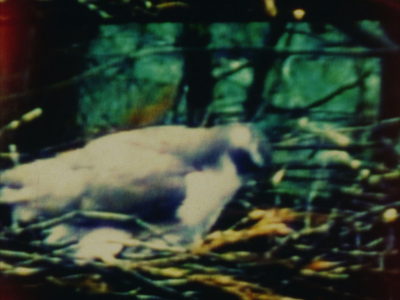
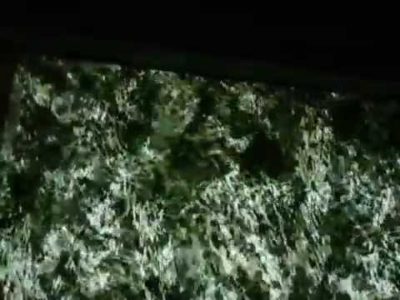
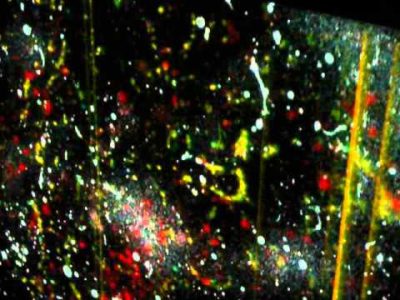
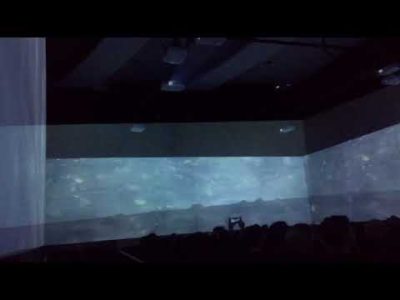
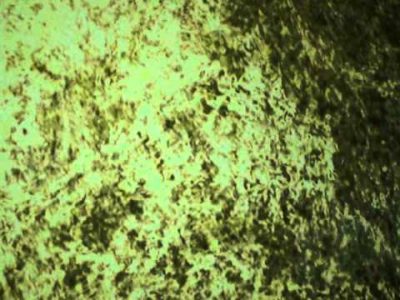
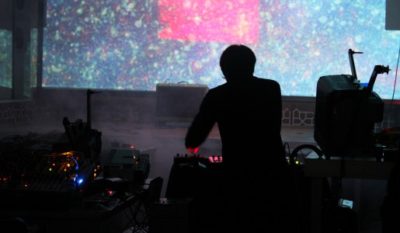
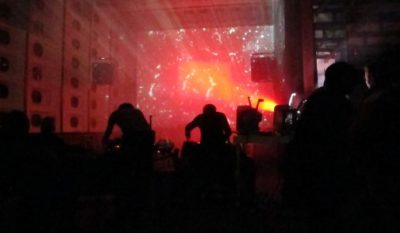
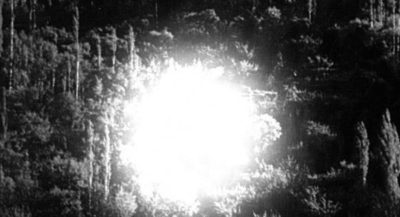
Stills

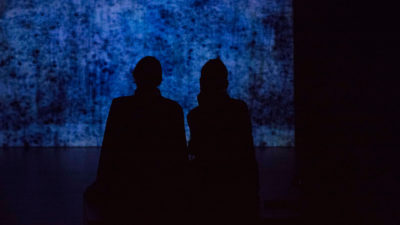
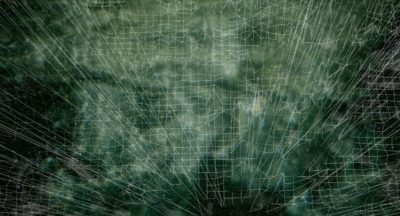
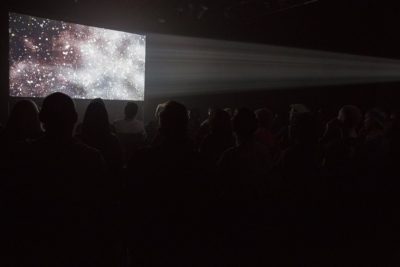
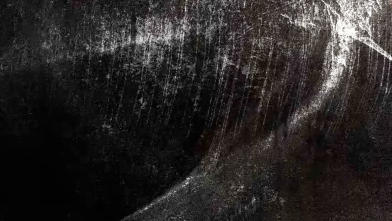

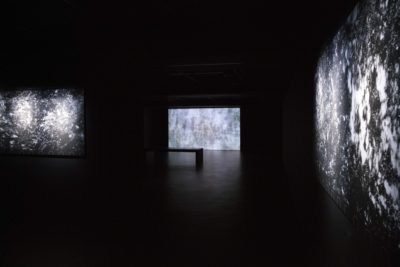

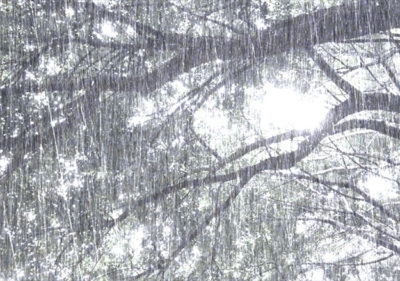
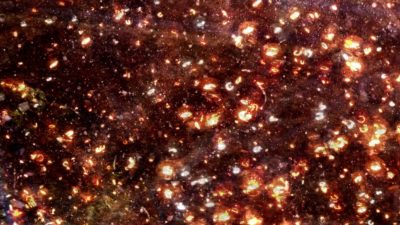
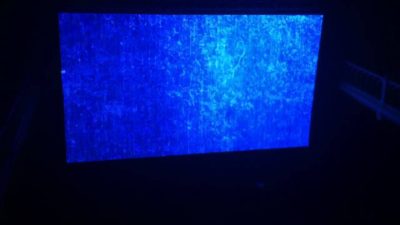
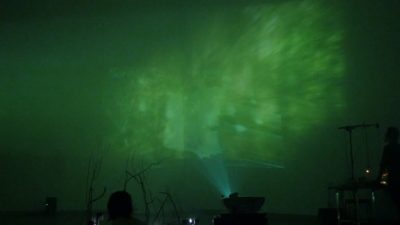
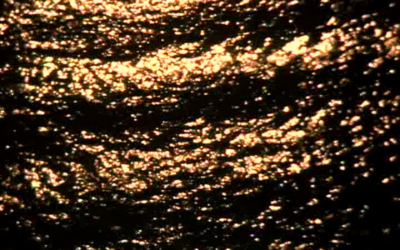
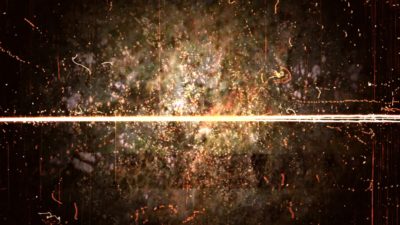

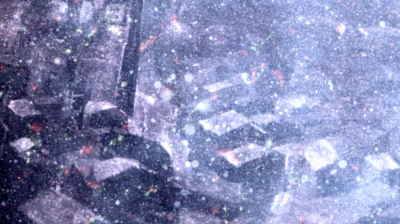
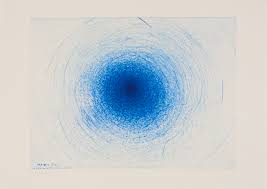
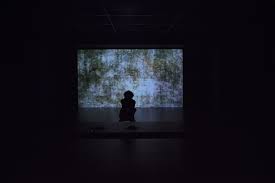
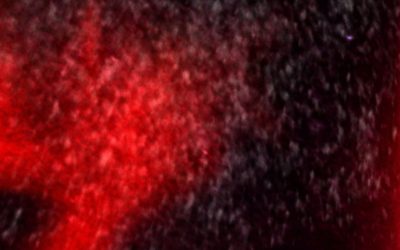
____
Further
Takashi Makino @ IMDb
Takashi Makino @ Lightcone
Makino Takashi @ Experimental Cinema
“I HAVE A BIG INTEREST FOR THE IMAGE OF DREAMS AND IMAGINATION”
DVD: Makino Takashi Film Works Vol. 1 With Jim O’Rourke
Makino Takashi: Entering a Noisy Cosmos
TAKASHI MAKINO / INTERVIEW
TAKASHI MAKINO – THIS LONG CENTURY
Le cinéma comme art abstrait : Takashi Makino
Hallucinatory and experiential, Takashi creates abstract cinematic worlds
My film looks like something very noisy and abstract, but actually, everything in it comes from our own world
Interview: Takashi Makino @ Film Comment
I saw a green horizon in the dark
Guest in Focus: Takashi Makino
Takashi Makino’s 2012 by Marianne Shaneen
LA REINCARNAZIONE DI STAN BRAKHAGE NEL CINEMA DI TAKASHI MAKINO
VIS SPOTLIGHT FEATURE: TAKASHI MAKINO
____
Extras
TOWARD THE TACTILE VISIONS Trailer
Entrevista Takashi Makino
Workshop_for Hallucination and documenta 14
_____
Interview
from MUBI
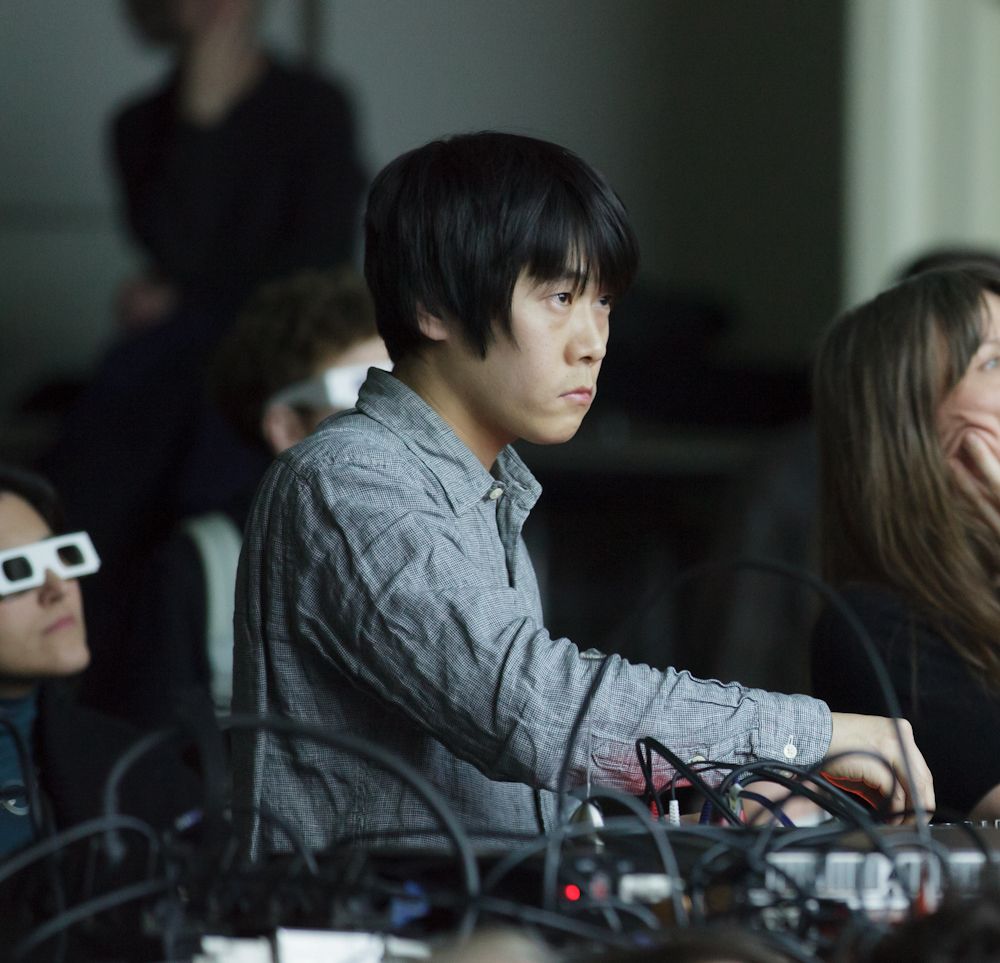
NOTEBOOK: Maybe you could start by describing how you go about making a film in general, and how what you do results in what we see?
TAKASHI MAKINO: I’ve made around 40 short films before. Memento Stella is the longest one. Each time I have an idea, or a background story, and then make an abstract film from it. My main purpose with filmmaking is to create a situation in which the audience and my film can collaborate with each other, and find a space for imagination. This is why I take an abstract approach every time. For me, abstraction is a very creative format to take, as you can see many different things within one single screen. I like facilitating this creative relationship between the viewer and the screen.
Up to around 2004, I only used celluloid materials, 16mm film and Super 8, but after that I used both of those, as well as digital materials.
NOTEBOOK: Why did you change?
MAKINO: I studied film in University in Japan, but I had no knowledge about video. In 2002, I started working for a company, the oldest Japanese development lab and post-production house. I was part of the first team that was using the HD telecine machine. Working there, I realized that I could use both materials, and that by fusing analogue film with digital video, I could make more work, and better work. When I used only film, I was experiencing technical limitations. If I wanted to shoot something over 100 times, with film, it just doesn’t work. But if I shot on film and edited digitally, I could do almost anything.
For me understanding this was very useful.
After 2015, I switched to a completely digital process. I could try many more things and experiment further. Recently, I’ve been interested in utilizing more lens work, and not just the camera’s sensor. By doing this I think I can make more creative, softer images, images that resemble film but that are achieved by using a completely digital toolset.
NOTEBOOK: Do you feel like you are trying to get back to the feel of celluloid film then, when you say about trying to recreate the look or the texture?
MAKINO: I really like the material—and the materiality—of film, but I feel if we use completely digital equipment, it will improve our knowledge of the gear. If you use a 4K sensor, and a flat GoPro lens, for instance, you can achieve a high resolution while countering the flatness of the digital image, and create something much more interesting. I like to make images that have a rich depth to them, and I think that lens work has been very helpful for achieving this: a richer depth, and a richer contrast.
NOTEBOOK: Within that, a rich image means more things for the viewer to find maybe. You touched on this a bit before, but is the viewer’s perception something that you are interested in exploring, how people see things differently? I’ve been watching Rainer Kohlberger’s films recently, and he is very interested in this, how his audience sees his work in different ways. I was wondering whether it was something you had in common?
MAKINO: His work is very hallucinatory. Our work is similar visually, but the biggest difference is that he creates every image with a computer. Even his computer he made completely by himself. All of my images come from the real world. They’re organic captures. But both of our images sometimes look similar, so we have an interest in each other.
NOTEBOOK: Related to this, I wanted to ask about your collaborations. Sometimes you work with a musician, such as Jim O’Rourke, and sometimes you make the music yourself. What decides this, and when you collaborate how does the relationship between image and sound come together?
MAKINO: Every time I make the image first. After I’ve completed the image, I start thinking about music. If I feel like I can make the right music myself, I do that. But If I think it’s going to be too difficult and I can’t make a soundtrack for the film, I start thinking about who might be the right person for the project. I’ve collaborated with Jim O’Rourke many times, eight times in fact. His soundtracks are very creative, because he doesn’t just follow the images. Sometimes he ignores the images entirely, which creates a different dynamism altogether.
When I collaborate with a musician, I always explain everything about the film. I tell them all the details behind my thinking, what images I’ve recorded, and why I’ve made the film. Sometimes I write a graphic score for them also. But I ask them to not just follow the image, because that’s not so interesting. I want a relationship, not just a soundtrack.
The other reason I collaborate with musicians is that I need a new view on my images. When I’m editing I’ve seen everything several hundred times, and everything is repeating and repeating, and I start to hear the sound in my head. I really enjoy the moment when I receive the soundtrack, to see if it matches with my expectation or not. Sometimes I don’t accept their vision at first, but I like having something I can’t control, and after watching my images with their sound several times, I usually see what they are thinking, and remember that I have to trust them or it won’t work.
NOTEBOOK: Do you ever worry that the music might affect the mood of the viewer too much? Music can be very emotionally manipulative, and with abstract imagery, it could influence the tone.
MAKINO: Recently, I haven’t made this mistake. I used to make it often though. It was very difficult to explain my feelings about the films, and this clear communication of the idea is key. If I ask them to make a super strong sound, and they make a really heavy soundtrack, the supplied file can’t be played in a cinema. Sound-mixing for film soundtracks is completely different than for normal music. I always check if the musician I’m working has experience making soundtracks, and If I work with someone who hasn’t had experience mixing soundtracks, I use a sound engineer.
NOTEBOOK: I wanted to ask about your performance-based work. You’ve also made a 3D film. What do these extra elements bring to your work, and what is it like to share the space with the people that are viewing your images?
MAKINO: For 2012 and also Space Noise, I used the Pulfrich effect. This way of making a 3D effect is very creative because it doesn’t happen in front of our eyes, but in our brain. That effect is almost 100 years old, discovered in Munich by a physicist called Carl Pulfrich. Each frame of my film has a different shape, and it’s also changing very quickly because I had to make it at 30 frames per second, because at 22, 24 or 25, it’s too slow. I tried the Pulfrich effect on it, and I found that if you hide one eye, the image turns to one side, but if you cover the other eye, it turns the other way. Each viewer can select how to watch my work, left eye, right eye, or without the glasses at all. This way, everyone can see several different films from a single screen.
NOTEBOOK: Would you make a film in virtual reality?
MAKINO: Yeah, I tried once. A 360 VR film, but the resolution wasn’t high enough for my work. Resolution is very important to me. It affects the canvas. If the canvas is large I can do many things, but if it’s smaller, I’m much more limited. I was told I could do a 4K VR image, but when I tried it, you can only see a portion of the 4K image, which isn’t the same. The resolution was too poor, and the frame rate wasn’t high enough, so I stopped making it.
NOTEBOOK: Maybe if the technology improves, Space Noise VR could still happen?
MAKINO: I like seeing my work in the cinema. Surround sound helps you to feel the depth of the space, and I like the sense of freedom the room has. VR is like a prison from which you cannot escape. I don’t know the future, but it’s not right for me at the moment.
NOTEBOOK: Do you feel like there is anything specifically Japanese about your work?
MAKINO: Rei [Hayama, Takashi Makino’s partner, and an artist and filmmaker also screening in Sheffield’s New/Japan strand] and I often talk about this. I am Japanese and I live in Japan. I cannot escape from myself. My purpose with filmmaking is that I want to make art which can go beyond borders and beyond races, countries and languages. I think that art can do that. I make films for this reason. I don’t care about “Japanese-ness” as such, however I think that my work is very strict, and sometimes too long, and I am often thinking about what it means to receive so much information at once. When we are overwhelmed by an abundance of information we turn towards nothing. All of these things are very Japanese.
NOTEBOOK: When somebody watches your films, do you want them to try to think about them, and try to work out what it means and what is happening? Or are you happy for them to be less active, and just let themselves be hit by the images, and have more of an immersive experience perhaps?
MAKINO: I don’t want to say anything specific to the audience. If I say something strongly, it is too much. Every way is okay for me.
____________
11 of Takashi Makino’s 30 films
____________
No is E (2006)
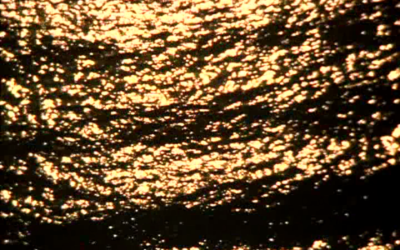
‘With the aid of a layered construction of the image, Makino has managed to capture the different reflections of light on the surface of water. The acoustic-noise-like music and the dancing particles of light move like swarms of microorganisms and in this way slowly cover the entire screen. With No is E, Makino won the Shuji Terayama Prize at the Image Forum Festival 2007 in Japan.’ — 25 FPS
the entirety
____________
Tranquil (2007)
‘“The rain” and “white noise” , “the outside of water” , “the inside of water” , everything become to together and drifting. A dark dark film in rain forest inspired by a music term to “Tranquil”.’ — letterboxd
the entirety
_______________
Still in Cosmos (2009)
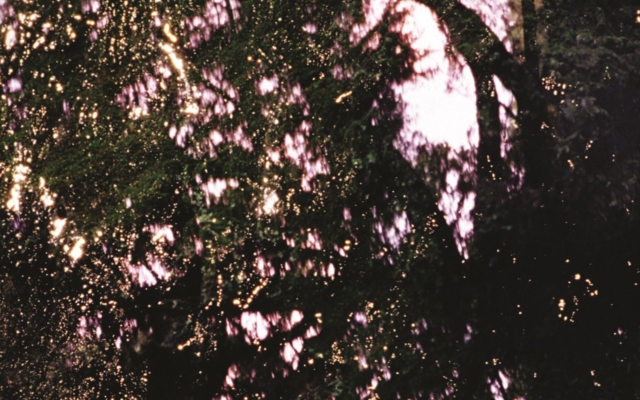
‘I do not think that the word “chaos” means “confusion” or “disarray”, rather I believe it refers to a state in which the name or location of “objects” remains unknown. For instance, if a bird escapes from its cage, the world it discovers outside will appear to be chaos, but if it joins with a flock of other birds, it will gradually learn to apply “names” to various places – a safe place, a dangerous place, etc., thereby creating cosmos (order). When watching a film, the viewers all sit down in the same darkness and receive the same light and sound but each sees a different dream. I believe that this symbolizes a reversion to their initial state, that when they look at total chaos through newborn eyes, they give birth to a new cosmos. I sincerely hope that the violent chaos that exists in Still in Cosmos will give rise to the same number of new cosmoses as there are viewers.’ — Takashi Makino
Excerpt
_________
2012 (2013)
‘Takashi Makino’s thirty-minute film 2012 drenches the audience with sounds of prolonged resonant scraped string textures and images of shimmering blue clouds of drifting particles. Panes of swirling atoms, scratched lines, and densely patterned fields rotate and pan in different directions, inducing an expansive sensory meditation on the nature of perception.
‘Drawn into whirling eddies of what could be microscopic realms of film grain, plasma cells, or subatomic particles, I’m then transported into cosmic immensities of galaxies, nebulae. I seem endowed with new sensory abilities—am I seeing sound? Is this how an insect sees?
‘2012’s shifting planes evoke tectonic plates, archeological strata, in a cinematic and sonic reverie of not-quite-remembered dream images, of personal and collective memory spanning multiple temporalities. This disorientation grants moments of recognition: glimpses of what might be leaves, sun-dappled water, sounds of birds, children, wind—but defamiliarized, as if seen upon returning to Earth after a long sojourn.’ — Marianne Shaneen, BOMB
Trailer

______________
Space Noise 3D (2014)
‘[Space Noise] is a performance in which the double 25 FPS award winner confronts high-resolution video images and 16mm live projection. A duel between the all-dominant immaculate digital and the irregular organic material dissolves in multiple layers of chaos. Enormous quantities of light movements from film loops capture the screen in thousands of pixels of digital projection and create new images in constant change and enhancement. The sound accompanying them live only repeats and spreads the noise, developing images by whirling speed. Noise, located on the tape as a constituent part of the film, becomes the aim of Makino’s quest – Noise-Image. This quest for a new film experience intensifies with additional effects – a smoke curtain reveals the fullness of the light beams’ rainbow spectrum, while a neutral single-eye ND filter creates a three-dimensional illusion.’ — 25 FPS
Excerpt
In performance (Excerpt)
Interview with Takashi Makino (Space Noise 3D)
______________
Phantom Nebula (2014)
‘Layering 10,000 film and video images, Phantom Nebula reveals changing forms that resemble both cosmic bodies and organic matter. Makino invites the audience to contemplate the similarities between cells and stars in this immersive film and sound performance.’ — M:ST Festival
Excerpt
_____________
w/ Floris Vanhoof Labyrinth (2017)
at Les Ateliers Claus – Brussels, Belgium – 2017-05-04
Excerpt
______________
At the Horizon (2017)
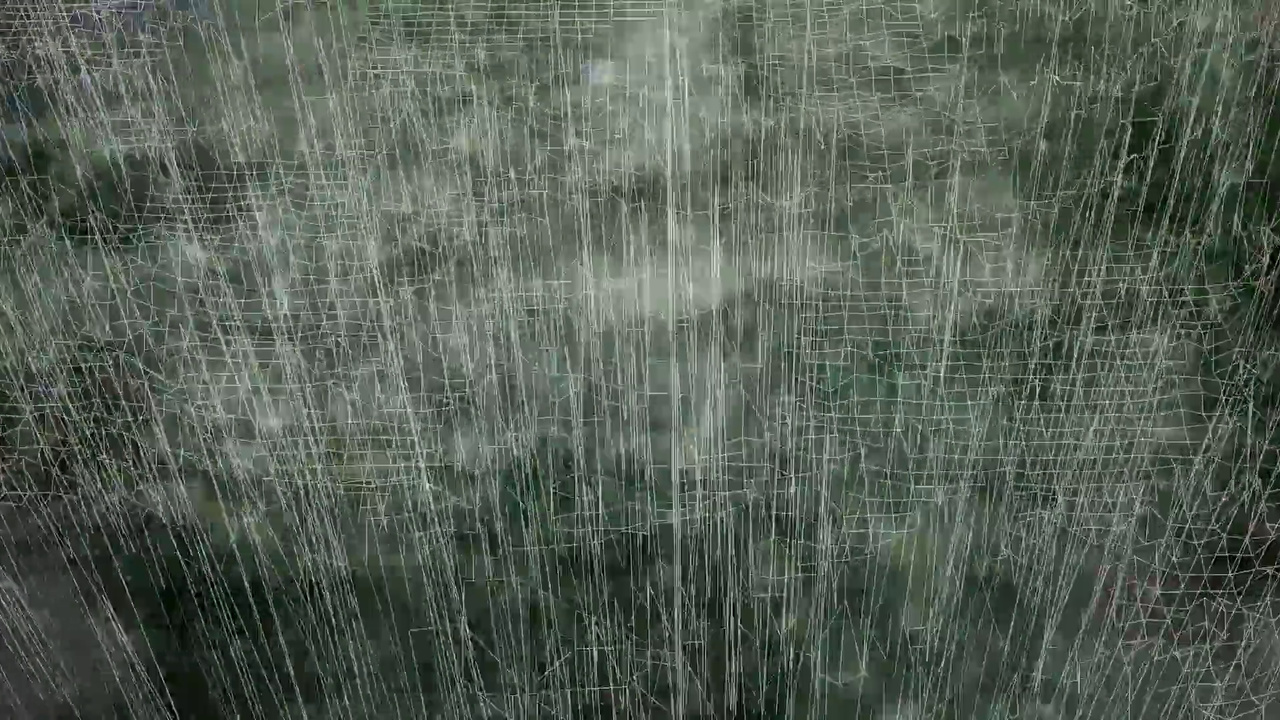
‘An audiovisual snow storm in front of a black ground, a white horizontal line that divides the image, grid planes, unfolding and folding dimensions. Set to atonal, techno, and orchestral sounds; an abstract (non-)world beyond comprehension, a visual experience that one must intuitively sense. Lost in space and time – the big bang of consciousness.’ — Letterboxd
______________
Memento Stella (2018)
‘In his latest venture Japanese artist Takashi Makino adopts a consistent process of creative intervention and adjustment in order to cleanse his shots until they become unrecognizable. Even though the images are devoid of any reference points, the piece brings to life something essential: some kind of elementary matter which gives rise to all living and non-living things – in a manner similar to Mark Rothko’s renowned black canvases. Memento Stella is a remarkable film with a compelling hallucinogenic rhythm that allows us to experience fundamental existential issues of consciousness and being. The accompanying electroacoustic soundtrack was written by Dutch avant-garde pianist Reinier van Houdt.’ — Hubert Poul
Trailer
Memento Stella Cinechamber Trailer
______________
w/ Cal Lyall Paracollider (2019)
Immersive Audiovisual Noise Spatialization Project
Excerpt
______________
w/ Liz Harris (Grouper) Live at The Lab (2019)
‘Under the name Nivhek, Liz Harris (Grouper) maps richly detailed inner worlds where enigmatic vibrations and voices glide dimly in and out of the void accompanied by a conducive video projection by Takashi Makino.’ –TheLabSF
the entirety
*
p.s. Hey. ** jay, Hi. Yeah, but I reworked and expanded it a lot. No, just short self-contained fictions. I don’t think I want to dissect the novels. Happy practically weekend. ** Adem Berbic, I’ve never been able to successfully meditate. My brain is too overactive. But I guess it works. Lynch, etc. Your launch is, like, really soon, no? Is it on the 20th? Can imagine it’s hard to escape thinking about it. I like the jib of those sentences you’re writing, naturally. ** Bill, Yes, it’s curiously quicksand-y. Yeah, they showed ‘Old Persons Home’ at the Pinault. It’s even better in person. Those two are pretty always pretty exciting artistically so far. ** Tosh Berman, I found Lutz through Benjamin Weissman. He had Lutz read at Beyond Baroque during his tenure. I’m in too, like Flynn. Or like Flint rather. ** Uday, Dude that shirt is nuts! Amazing. Unbelievable. You’re nuts. Thank you!!! Xing Xing, no. I just googled said monkey, and I do feel a rabbit hole coming on. One-armed monkey? Where are you? ** Steeqhen, I think if I saw ‘Fairyland’, I just be, like, ‘No, he didn’t, no, he wasn’t’ the whole time. I read that about Doctor Who, and of course I immediately thought of you since you’re the only Dr. Who person I know as far as I know. Sorry/congratulations? ** _Black_Acrylic, It certainly should be a word. The World Cup already started? I’m so out of it. Go Scotland! ** DonW, Hey. I’ve only seen ‘Loony Porn’ and ‘Do Not Expect…’. So far. Word on the street or rather amongst the judgemental film buff set isn’t very poz about ‘Fjord’. I will google The Merry Cemetery. How could I not? Mm, I would say the French look askance at non-French things but they reserve ‘down’ for special cases like apparently Romania? ** Matthew Doyle, Well, hello, Mr. Doyle. Happy summer’s dawn. Okay, I need to watch ‘Obsession’ obviously. I’ll see if it’s still in theaters or whether I have go minor online criminal to watch it. Thanks. Very nice of you to think of me. You good? I look forward to seeing you come Halloween if not before. All the best! xo. ** Laura, You made it! And you actually seem pretty much like the you I know. Good sign, surely. For some reason Garielle reminds of Jane Hathaway from the old ‘Beverly Hillbillies’ TV show, but I can’t explain why. Oh, very cool about ‘You Are Cursed’. Did she write it fast? Wow. I hope you feel as generally rarin’ to go as your prose does ultra-soon, pal. ** HaRpEr //, If that collection happens, and it’s still only a possibility, I would certainly have control over the contents or I wouldn’t do it. I made a suggested ToC already. Dorothy Parker <-> Lutz … that makes my brain prickly. In the good way, obvs. Very cool, ‘Left Hand’ is a serious keeper formally among its many virtues. Great characterisation, as always. ** laura w, That sounds intense: the ocd bouts. When I lived in NYC, I had a friend who had ocd but it was constant on some level 24/7. Like we’d be walking down the street, and we’d need to stop because he needed to count the windows in a building we’d just passed about 50 times before we could continue. But he was a brilliant writer and editor. I think he finally got a med that lowered the ocd to a more doable level. I couldn’t listen to Nick Drake for years because the real George was obsessed with his work. But then Gisele Vienne used a song by him — ‘Black Dog’ — in one of the theater pieces we made together, so I had to get over the block. I think I’ll probably have to die before Grove bundles the Cycle into a single book. They’d make less money that way, and that’s why they haven’t. Lutz is very worth reading, and I feel pretty sure you’ll agree. ** nat, Hi. You should go on that buying spree if you want my opinion. And if, you know, you have the bucks available. You have been busy. I need to get busier, or busier with useful things at least. Very excellent news about ‘Nosebleed Days’! I’m cheerleader central over here if you need conceptual nudges. ** Okay. How about you zone out meticulously with the films of Takashi Makino today? See you tomorrow.


 Now available in North America
Hey Dennis. Lovely to see someone I’ve heard of on the blog. “At the Horizon” is my favourite, I love intersecting lines and matrices. It’s a bit Saul Bass, or something. I love how much of his work is real stuff captured on camera, it feels like an illusion, or something. Really wonderful.
Hm… in terms of getting the cycle republished after you die, maybe you need to fake your death in a mega-budget practical effects extravaganza a la Final Destination, like being bisected by a falling bit of sheet metal, or something equally unlikely. Any method in mind? Jokes aside, I hope this collection happens. Your work is sometimes quite inaccessible, outside of .pdfs online. It’s nice you’re having a bit of a resurgence. Hope you have a lovely weekend, I’ll see you around!
RIP David Hockney. Bradford’s brightest star, which is very much this neck of the West Yorkshire woods. The guy always dressed spectacularly well.
Meditation is touch-and-go for me, and there’s no a-ha moment (except one time), but I find it helps, subtly. I’m a little more in control of my actions and I have a slightly better chance of remembering that my self-image is a fabrication. When writing, I can let the sentences mosey over to me instead of throwing my attention out at them like a harpoon, which tends to scare them off. I suspect you might have cheat-coded your way to meditation’s gifts back in your LSD days.
Correct, 20th, a week tomorrow. Everything’s done, it’s just a waiting game now, maybe a few more stories and messages here and there. Right now I don’t feel as nervy or doom-and-gloom as I might have expected, but that could change. Turnout is my main worry. It shouldn’t matter but it can’t not. If it all gets too much I’ll do a Takashi Makino-a-thon in my room to cool off.
Thank you. I think the style has an okay chance of achieving the intended effect, but we’ll see what happens on contact with my editing brain. Last night I got through writing what I’d like to think is the most precise rimming scene since, well, most of the second half of ‘Try.’ We’re way past just the word ‘penis’ now, my friend.
Do you have any thoughts on Clavicular? Pardon if you’ve been asked already. I’m so amused by how he both fails to believably embody the mask he puts on, and at the same time is rewarded for it. Case study of many things. I guess he’s too square for you, but smth very sexy obviously about how sad his life seems
Thanks for these, Dennis. Beautiful stills as well. I find them very active actually and I have my constant narrative going as I watch them. It’s like when I go to a friend’s interpretive dance performance and do just that. I have my own little story at the end I am convinced was intended (usually met with a polite nod and “I’m glad you are so into it!”)
Have a wonderful weekend!
Cool, I’ll keep note of Makino. I love video art that works with raw form like this. Layered and meticulous indeed.
Haha, I’ll die on the hill that Lutz is a sort of heir to Dorothy Parker. That link just clicked for me one day after I read that she used to be a devoted New Yorker reader since the editorial staff were apparently so extreme in their grammatical perfectionism before changing hands. Lutz is a very epigrammatic writer in a weird skewing of that old New Yorker style. Parker’s self-loathing is present in her but becomes totally abject and peculiar while still funny for semi similar reasons.
Today I’ve been reading ‘The Queen’s Ball’ by Copi and translated by the great Kit Schluter and am really really loving it. Dizzying and beautiful and formally unstable and the most hilarious thing I’ve read in a while. It has every emotion all at once, and the sentences are so crazy good. I seem to be reading a lot of great books lately, but I think I know my taste pretty well.
Schluter has also translated Copi’s ‘City of Rats’ which is about, well, rats. It’s surprisingly gone viral on goodreads due to a flood of increasing bad reviews, mostly revolving around a shocking paedophilia scene in the middle. People were expecting ‘Ratatouille’ in book form and didn’t know what they were getting into.
Hey Dennis,
Yeah I was thinking you would probably say that: the film had a large emphasis on her feeling neglected in favour of boyfriends. And yeah I’m very ambivalent towards this new hiatus of Doctor Who; strange that it’s finally happened (it almost happened in 2023, and potentially 2017 although maybe i’m wrong about that) as it’s been on tv (at least an episode a year) for 20 years, this year is this first year since 2004 that there hasn’t been a new episode out. I hope that when it is eventually revived — because of how IPs are the only way things get financed — it will have a format shakeup similar to the shakeup between the classic 20th century 20min multi-episode serials, and the revival’s Buffy-esque singular episodes that slowly build to a grand finale story. The new format will probably be the Netflix drop-based style, maybe a cross between the multi-ep serials of the past, with 40min-1hour long parts like the revival. I once worked on an idea for a reboot/return, that emphasized the time travel and mystique of the Doctor; each episode would be chronological for the companion, but for the Doctor it would be different points of their life, sometimes multiple encounters at different times in the same episode. Even having 2 or 3 actors playing the Doctor in the same season, and making it hard to trust the Doctor, as it may just be someone pretending to be them…
honestly i’m lucky compared to people like your friend!! it’s so easy to get swept away in things like that, and magical thinking and whatever. i got super into nick drake when i was depressed and in college but that was mostly just me playing pink moon on repeat, it wasn’t until fairly recently that i’ve expanded to his other stuff. black eyed dog is a beautiful song but incredibly bleak. i like five leaves left as chill-out music because it’s a little jazzy and sometimes feels almost… hopeful? i completely understand why you couldn’t touch him for years, though.
i was also able to finish a crochet project for the first time in months so things are looking up here (a bell bag from animal crossing)! on monday i shall search the stacks for lutz. in the mean time: i am contemplating finally reading the rings of saturn. it’s one of those books i’m so certain i’ll love that i keep putting it off for whatever reason. thanks for today’s post; it’s very relaxing. see ya later!!
Thanks for liking the shirt. Highlight from today’s post is the clause ‘Since 2012 (2013)—’.
Re Xing Xing: very fascinating phenomenon. There’s a whole side of the internet dedicated to this Tibetan macaque who escaped from her native range and lives with an old Buddhist nun colloquially known as Grandma, and spoken of in familiar terms; ‘Today Grandma gave Xing Xing some fruits’, (or variations thereof) is a very common one. I’m travelling across South Asia with some college funding right now, so only sporadic internet access. Monkeys are very common pests here, but I’m exceedingly fond of them. My grandfather’s nickname for me growing up was monkey, or the Hindi equivalent, but unfortunately none of my friends at college can call me that because of the connotations. Sad!
let’s see if i send this before the cutoff point, hey dennis!
i wanna say makino is someone i’ve heard about, though i would note that i’ve been watching a lot more experimental movies. i think that’s a cause of this blog. 2012 (which came out in 2013) is the biggest find for me here, insane experience. i like the interview a lot as well, the viewpoints on film and video and the general process talk.
went on the garielle buying spree, at least her work on calamari. only got the pdfs becuse *imagine a cartoon fly flying out of my wallet.*, oh well. when i make the big bucks, first thing on the agenda is to tithe 10% of my wages to derek and calamari archive.
i need to get busier with more useful things as well, i think. i’ve been meaning to get on the busy with more useful things for a decade now.
nosebleed days wise, which is useful at least. i’m currently debating on setting right now, my past self have several drafts set in way different settings (school, post apocalypse hotel, roadtrip, movie set. etc). i’m honestly just considering saying fuck it, and just mix and match them. the book is dreamy already enough. i’ll probably come to an answer while staring at the escorts over the weekend.
that should be all i think!
no wait, escorts is on monday. ignore that last point.
Hi Dennis – beautiful stuff by Makino, thank you. I am curious if you are interested in the projector performances of Bruce McClure, or have had the opportunity to see him perform. For me, his work is the apex of expanded cinema. Completely transfixing.
I’m intrigued by how you describe Makino’s approach to abstraction as a philosophy rather than just a style. It feels like he’s really challenging viewers to find their own meaning within his work, which I find both fascinating and refreshing. Do you think this makes his films more accessible or more demanding for the audience? interesting find
I’ve always found Makino’s approach to abstraction fascinating. It’s interesting how he creates space for viewers to interpret the material in their own unique way. Do you think this philosophy makes his work more accessible or does it risk alienating traditional film audiences? this one