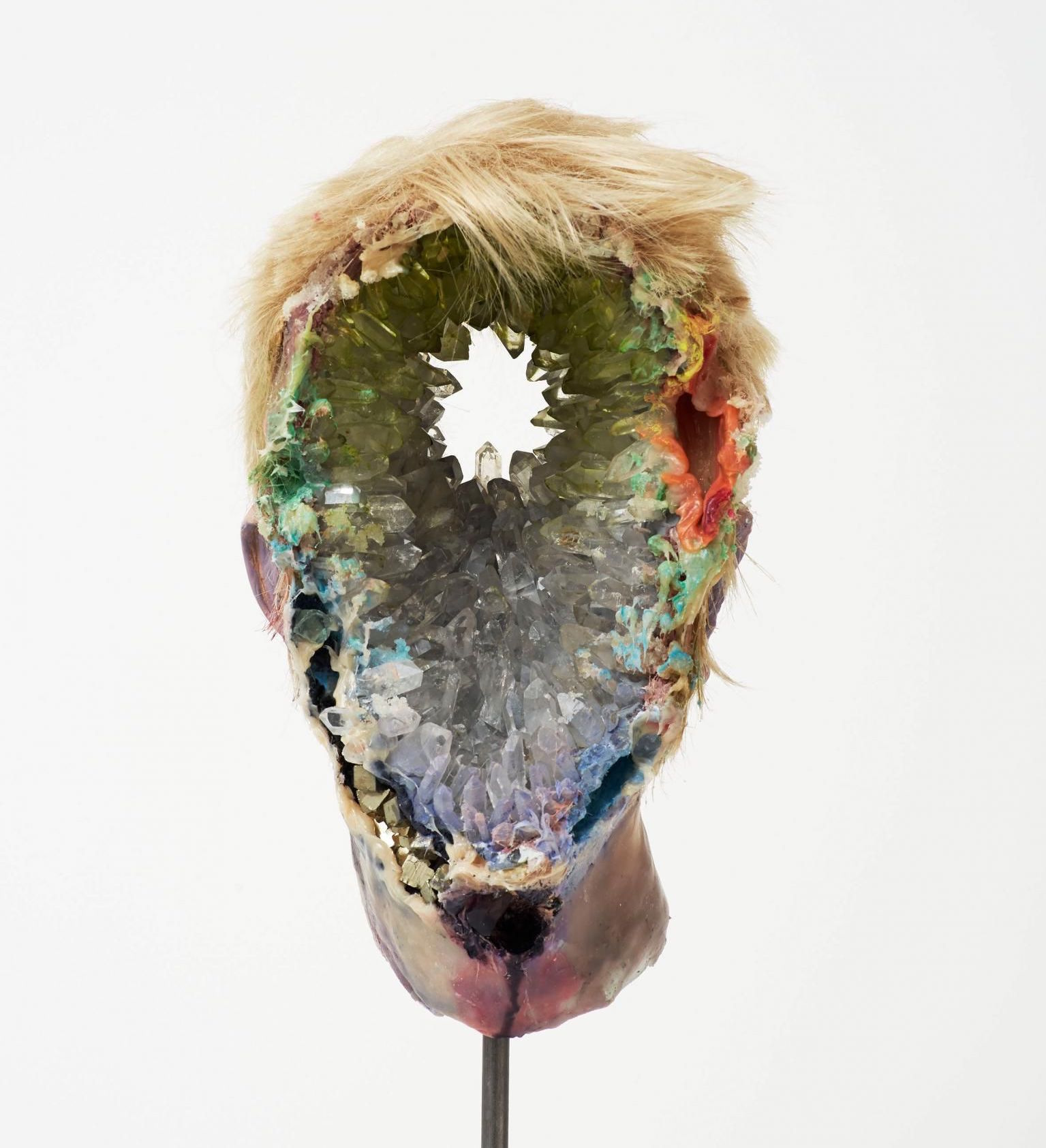
‘David Altmejd’s work is a unique and heady mix of science and magic, science fiction and gothic romanticism: a post-apocalyptic vision which is at the same time essentially optimistic, containing as it always does the potential for regeneration, evolution and invention.
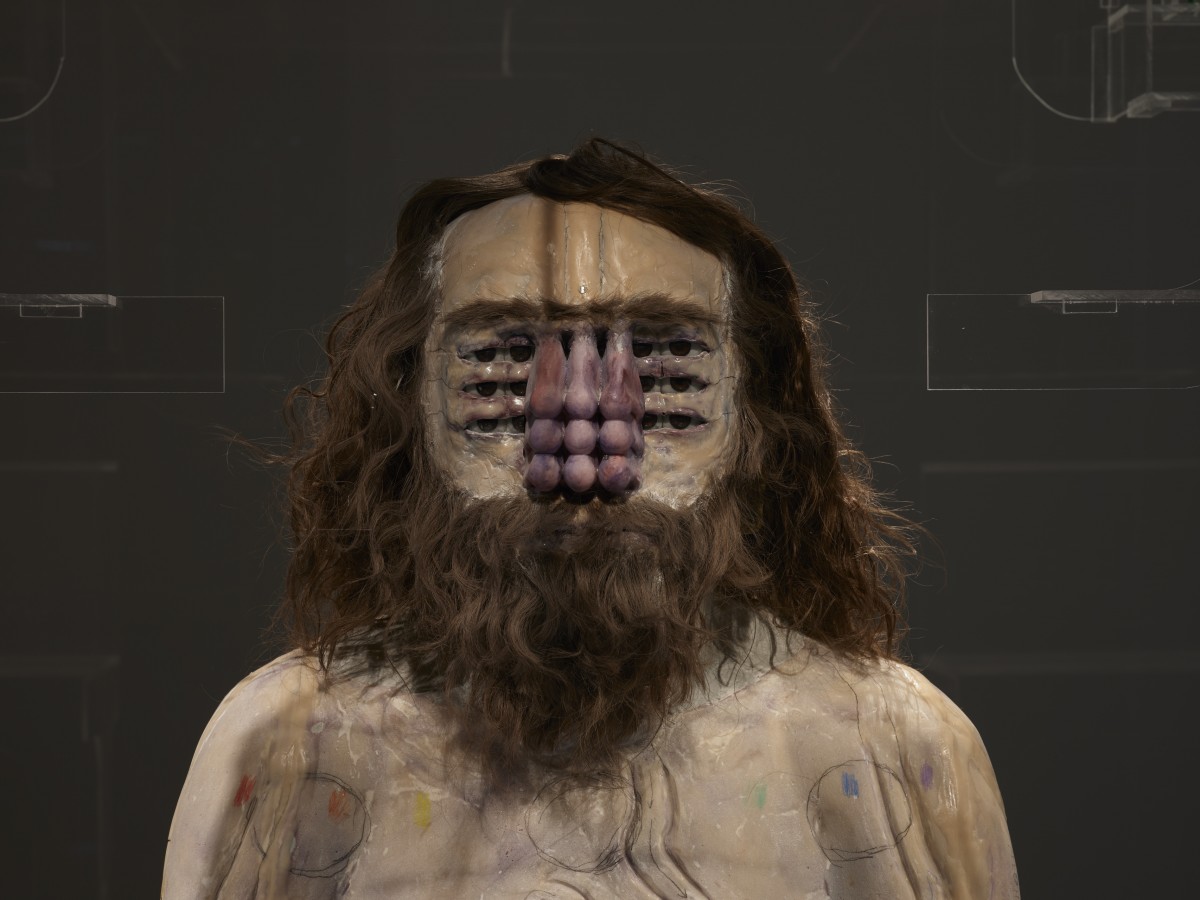
‘‘A perfect object for me’, the artist has said, ‘is something that is extremely seductive and extremely repulsive at the same time’. Decay exists in balance with regeneration, the exquisite in tandem with the grotesque. The sculpted heads that have been Altmejd’s recent focus provoke that shiver of the uncanny lifelike sculpture tends to induce, but skilfully realistic features are interspersed with crude expressionism, gobbets of raw matter or hanks of fur. They have a hallucinatory quality – vivid and startling. One head might sprout another, inverted, so that they they share a pair of eyes, or a face is split into a trio of profiles and half-a-dozen eyes, as if refracted by a kaleidoscope. In others the faces are gone, as if they have been scooped out, but the gaping wounds reveal cavities of dazzling crystal or the inside of a hollowed-out fruit, as if to collapse the categories of animal, vegetable and mineral. There is an immediate sensuality in the artist’s juxtaposition of finely-wrought realism with crude gesture; the proximity of crystals and delicate gold chains with fur and abject matter suggesting ever-present decay.
‘In counter-balance to the aesthetic of profusion is a sculptural impulse to containment and order, evinced in gridded forms and orthogonal mirrored structures recalling Sol Lewitt or Lucas Samaras. Some of Altmejd’s best-known works are his vast, labyrinthine vitrines built of Plexiglas, and often with mirrored elements. They play on the aesthetics of design and display as well as minimalism, but these structures are not simply a means to contain or protect the elements housed within. Rather, the entire structure is an organism or a machine, making visible the processes of growth and decay, generation and destruction that take place inside it. Movement is frozen, but sculptural elements are animated through repetition and incremental change, like the stuttering frames of stop-motion film.
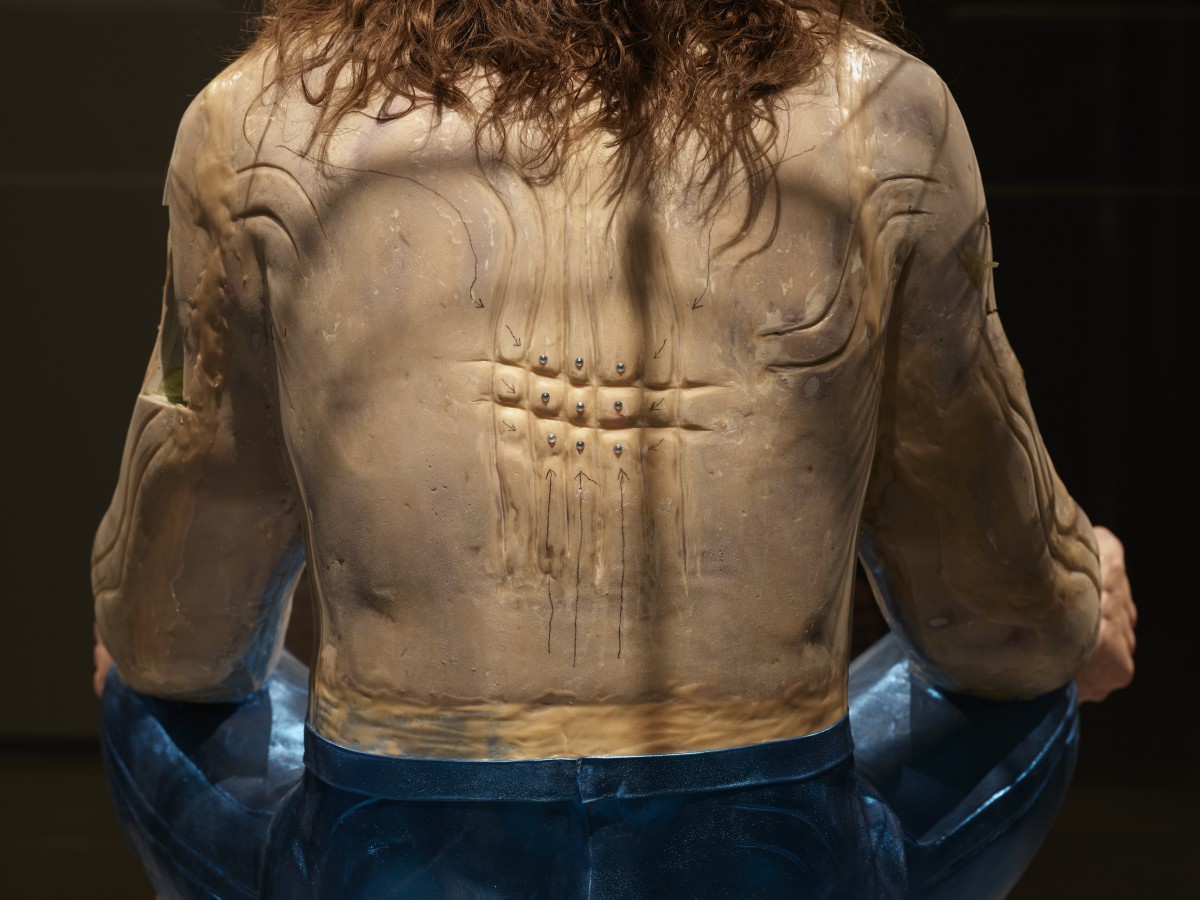
‘Altmejd described himself early in his career as a ‘process artist’. His works not only reveal the process of their making, but suggest that those processes have simply been paused in their unfolding. His monochrome relief panels are austere in comparison to the heads, focusing our attention on the plaster-like material and the actions wrought on it − where it has fallen in wet splats, where a brittle, chalky surface is scratched or fractured, where hands have gouged and clawed. Hands themselves, in cast form, appear and multiply in some of the sculptures, fostering the illusion that the works create themselves. Monumental figures, such as the ‘Bodybuilders’ and the ‘Watchers’, are similarly engaged in their own making or unmaking, sprouting hands that clutch and mould the very substance of their bodies.’ — White Cube
___
Further
David Altmejd Site
DA @ Xavier Hufkens
DA @ David Kordansky Gallery
DA @ Instagram
DA @ Twitter
Yeasayer + David Altmejd
Learning from Objects: An Interview with David Altmejd
David Altmejd, le prestidigitateur
Video: David Altmejd: The Heart is a Werewolf
In Conversation: David Altmejd
Video: Chaorismatique, David Altmejd sculpteur
La métamorphose dans l’œuvre de David Altmejd
Inside David Altmejd’s Crystal Palace
David Altmejd Creates Sculptures That Blur Concepts
David Altmejd’s New Busts Embrace the Real and Absurd
David Altmejd’s World of Pure Imagination
David Altmejd’s seductive yet repulsive sculptures
David Altmejd: la beauté du monstre
Dans les abysses mentales de David Altmejd
David Altmejd ou l’art du malaise absurde
Getting Lost in David Altmejd’s Hall of Mirrors
David Altmejd is Arresting
Ten questions for David Altmejd
____
Extras
The Desert and the Seed, 2015
David Altmejd at MAC Montreal
David Altmejd at MAC Montreal
David Altmejd: Heads | Art21 “Extended Play”
______
Interview
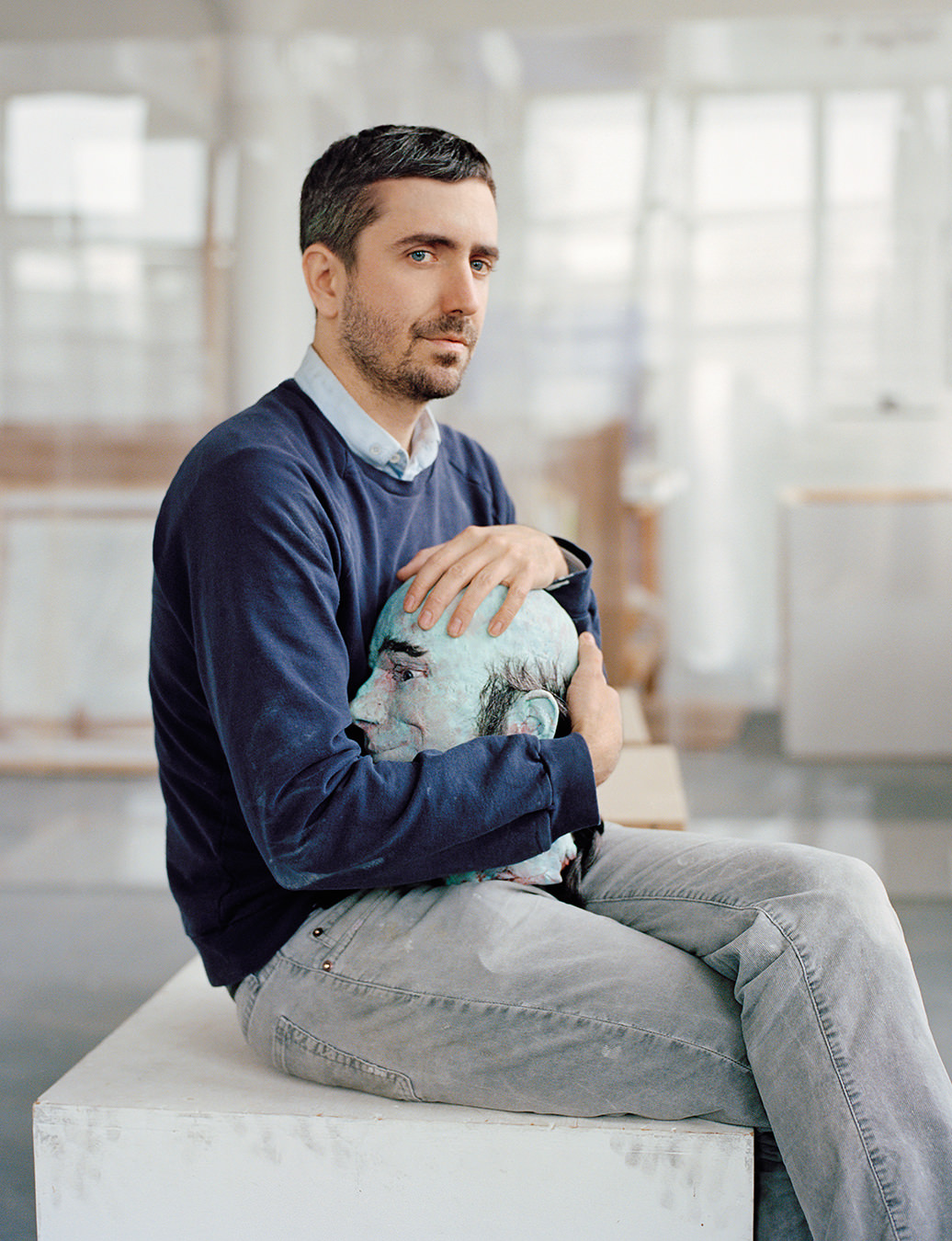
Philippa Snow: I wanted to ask you about how you got into using the werewolf motif.
David Altmejd: It was pretty intuitive. I think I just felt as though my work was a little too structural, very minimalist; I would use large light tables, I would use Plexiglas, so all the materials were pretty cold. I just thought at one point that these structures I was building needed to be infected with something. Then I started thinking, what would be the one object that would contrast with them the most? So I thought about a body part. Actually, I thought about a head, which I thought would be powerful enough, and would contrast with the coldness of the structure. I thought with a head, I could start creating a very particular energy.
But then I thought that maybe a human body part, the human head, was a little — not necessarily cliché, but certainly something that had become commonplace in contemporary art. Some of my favourite artists have been Kiki Smith, and Louise Bourgeois, and Robert Gober, and I love their work; but I did feel that following work like theirs, the use of human body parts in art had become more predictable. So I thought instead about referring to the body of the werewolf, which in my mind is the most humanlike monster: meaning the werewolf body part would be just as powerful to look at as the human body part. It’s possible for a viewer to identify with it. But at the same time, it’s weird instead of being familiar. And I really like that.
So that’s the reason I started using the werewolf body parts in my art. And very soon afterwards, once it found its place in my work, I started being conscious of ideas of transformation, and energy, and contrasts between light and darkness, and tension, and all these things, so I just decided to keep the werewolf as a kind of totemic figure in my work.
PS: It’s interesting that you mention the transformation aspect of it, because a lot of your work has the appearance of being…this is an odd thing to say about sculpture, but it almost has the look of something that’s in flux, or something that’s in development. It looks like an organic thing.
DA: Yeah, and it’s important for me to feel that the object, or the sculpture itself, is in the process of developing. One of the things I realised about sculpture that made it really amazing, and that gave it so much potential, is the fact that it exists in a real space. It doesn’t exist in the space of representation. So it exists in the world in almost the same way that a body does, or a person does, you know?
PS: Right. A photograph or a painting of a body that’s life sized is never going to be like a body in the same way as a sculpture of one at the same scale.
DA: And the body of a person is probably the most amazing thing that exists, for so many reasons. So the fact that sculpture inhabits the same space means that it has the potential for having the same kind of presence. Ever since I realised that, I’ve been trying to use the body of a person as a model; and one of the characteristics of a human body is that it’s constantly transforming. A person is never a finished object, and that’s part of what makes them amazing.
PS: And because a lot of the structures are quite dreamlike, there’s quite often the suggestion of a psychological transformation as well.
DA: Absolutely, yeah.
PS: Are there any filmmakers you’re particularly inspired by?
DA: There are certainly filmmakers whose work has excited me. Often I don’t like saying this, because I think that people consider it really, really obvious, but I love David Cronenberg.
PS: Oh, me too!
DA: But not necessarily because of his taste for the organic or the weird. I like him conceptually. I like the way he builds a movie. I like the way he understands — and this is my interpretation, I don’t know if it’s his, but I just have a feeling that he understands the film as being this independent object that develops its own intelligence, and its own language; its own logic, its own sexuality. I kind of like the fact that he steps back and lets the film develop by itself as if it was a body. Who else?
PS: I mean: David Lynch was the big one I was thinking of. But I’m always thinking about David Lynch.
DA: I would say that Lynch has been very, very important for me. Just as much as certain American visual artists from the eighties and the nineties are an influence — ones that still work today, but were very well-known then, like Cindy Sherman, Paul McCarthy, Tony Oursler, Mike Kelley — I see David Lynch the same way. They were very important for me at the beginning. I really admired that attitude; the space that they were exploring, which was somewhere between supercomedy and superdrama. You know how sometimes there are scenes in Lynch where you don’t know if you’re supposed to laugh, or to feel uncomfortable?
PS: I was thinking about it because of his being very interested in the fragmentation and the refraction of the human body — but especially in the head. There’s always a lot of stuff about head trauma, decapitation. Are you watching the new series of Twin Peaks?
DA: No, I haven’t been.
PS: Oh it’s amazing! I’m a Lynch obsessive anyway, but it’s really pulled me right back into the depths of that obsession.
DA: I do intend to watch it; I saw the first episode and I’m meaning to go back. I really loved the way the special effects are so clumsy, if I’m allowed to call them that?
PS: He loves that, I think.
DA: Because they could have been high-tech, but he obviously chose otherwise. That was amazing. That was completely his sensibility. Nobody else could have done that and actually pulled it off.
PS: No — it’s like the robin at the end of Blue Velvet. It’s an aesthetic decision.
DA: And so funny and not-funny at the same time. Personally, I like being uncomfortable. I think my favourite kind of laughter is uncomfortable laughter; and I think the best horror is the sort of horror that makes me want to giggle because I’m so uncomfortable.
PS: On an unrelated note (or maybe a related note, as we’re talking about uncomfortable laughter) — I read in an interview that you’re really into the Real Housewives?
DA: Oh my God! Yeah, yeah, absolutely!
PS: Because I’ve never seen the Real Housewives shows, but I did do a thing this year for which I had to watch every episode of Keeping Up With The Kardashians ever broadcast in one month. There are thirteen series of it, so that was intense.
DA: I’ve never watched Keeping Up With The Kardashians, but my idea is that it’s one family, so they’re all sort of together in this, right? They’re not all rivals? But the Real Housewives are so great because they’re all rivals.
PS: Is that inspiring somehow, because you’re watching — I don’t know, humanity play itself out?
DA: I mean: it’s hard to see the humanity.
PS: Really? It’s just totally inhumane?
DA: Totally inhumane. I think that it’s totally human, because even the producers are human, so it’s technically a product of humanity. So it’s human in that way. But the set-up is so unlike anything you could understand or experience. I can’t start to think or imagine what it would be like to have a camera on you all the time, or have people there encouraging you to drink wine all the time so that you’ll be in a volatile mood. And producers who will make more money if there’s a fight! It’s a horrifying set-up. It’s like putting a rat in a maze, a labyrinth: of course they’re going to act like rats. They’re in a context that’s kind of indescribable. So it’s hard to understand them. But it’s exciting to see human beings try to survive in such a weird, extreme environment.
PS: We could tie it into our earlier discussion by saying that Real Housewives is a constructed take on the organic. And there are a lot of physically constructed bodies in reality TV, also! Certainly in the case of the Kardashians.
DA: Yeah, you mean facelifts and so on?
PS: And really extreme body augmentations. I find that fascinating, as well.
DA: And it’s funny, because with the Real Housewives there are different — they call them franchises, but it means there are spin-offs in different cities. And they’re usually groups of women who have transformed their bodies in very different ways. For example, the Real Housewives of New York are a group of women who are transforming in one very specific direction, and then you go to Beverly Hills and the Housewives there are taking a totally different transformative route. They end up looking like different species, in the end. It’s amazing.
___
Show
First Werewolf, 1999

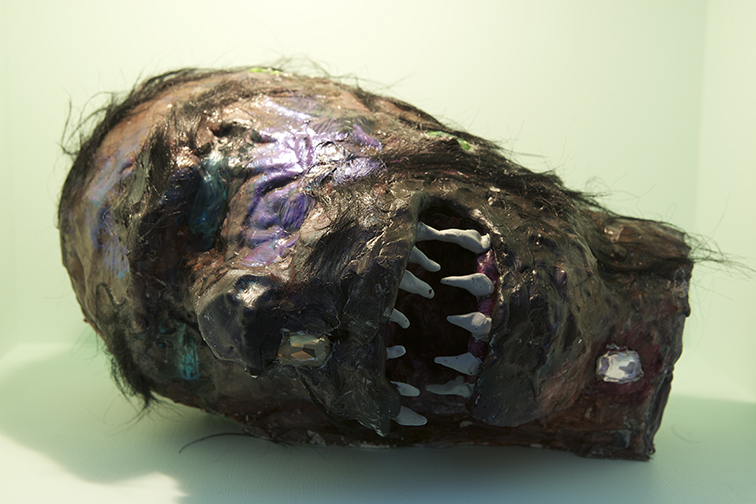
Untitled (Jane), 2003
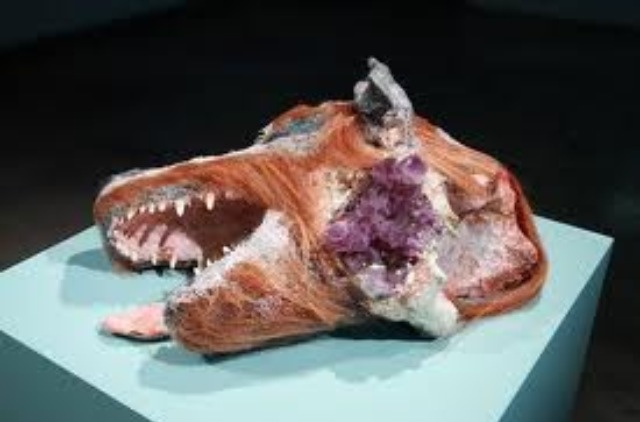
Untitled (Black), 2003

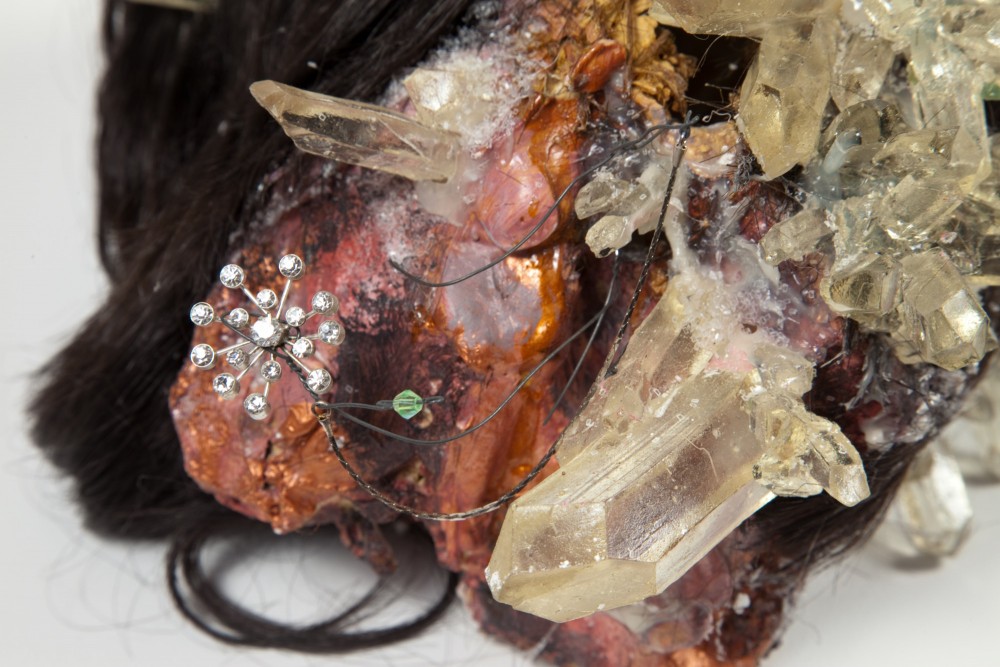
Untitled (Blue Jay), 2004
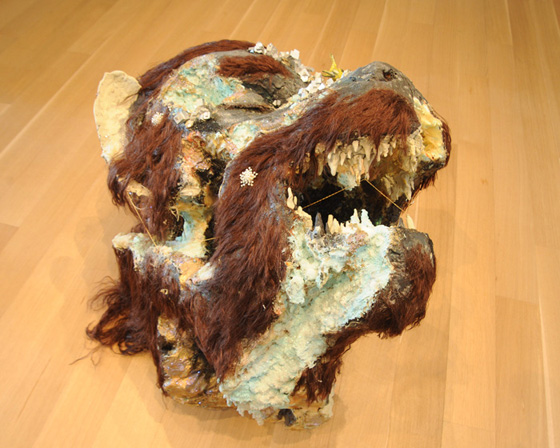
Untitled (Swallow), 2004
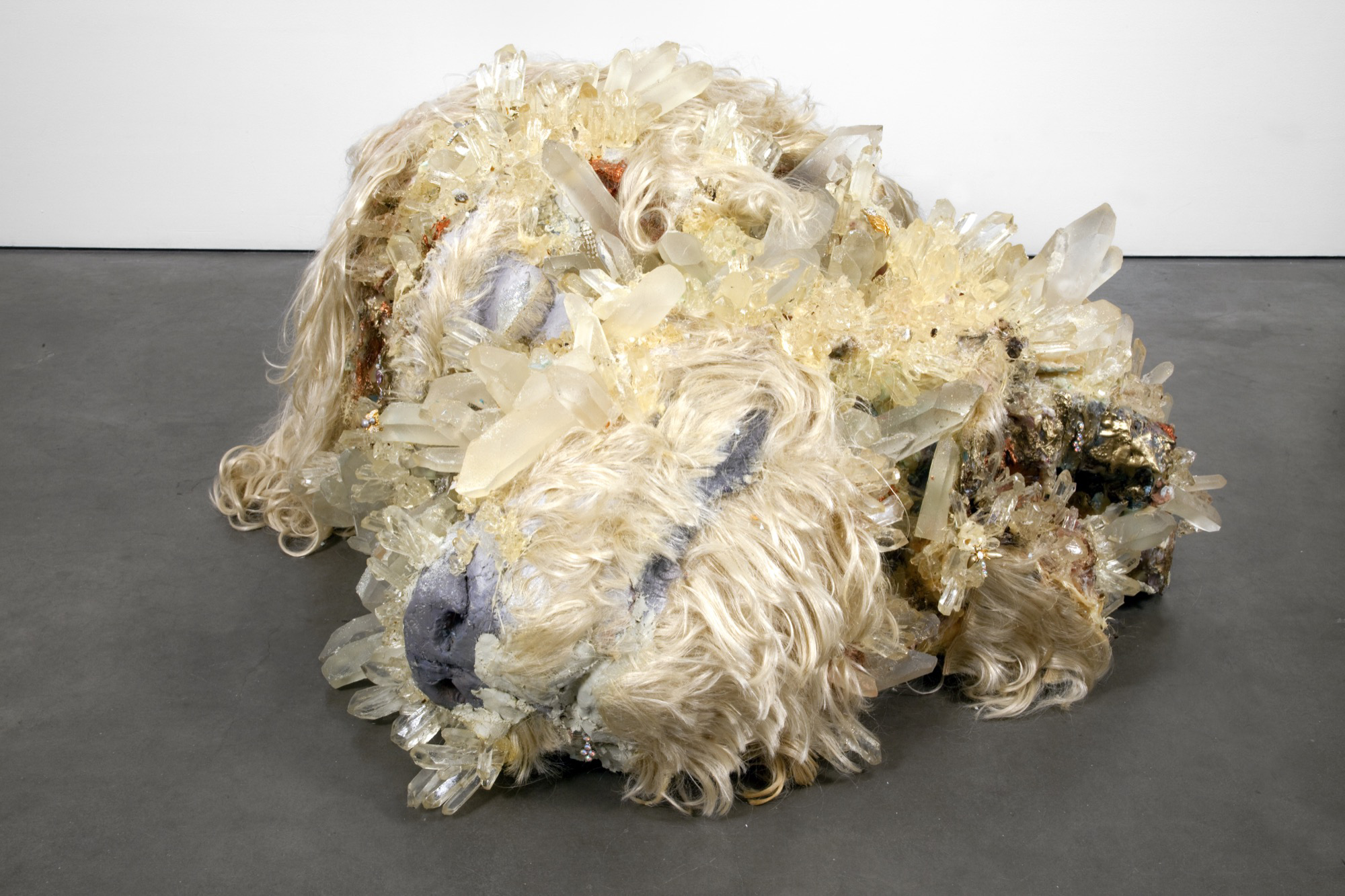
The Lovers, 2004
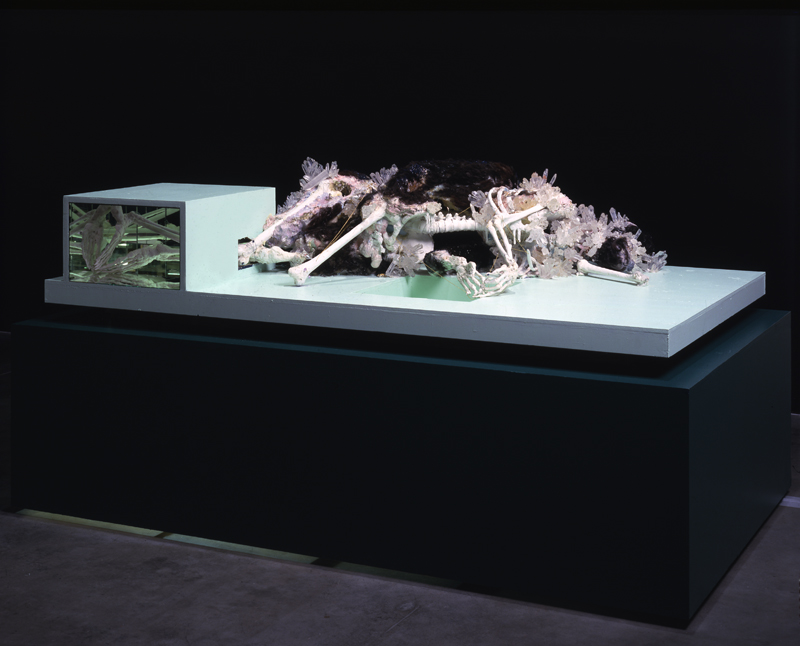
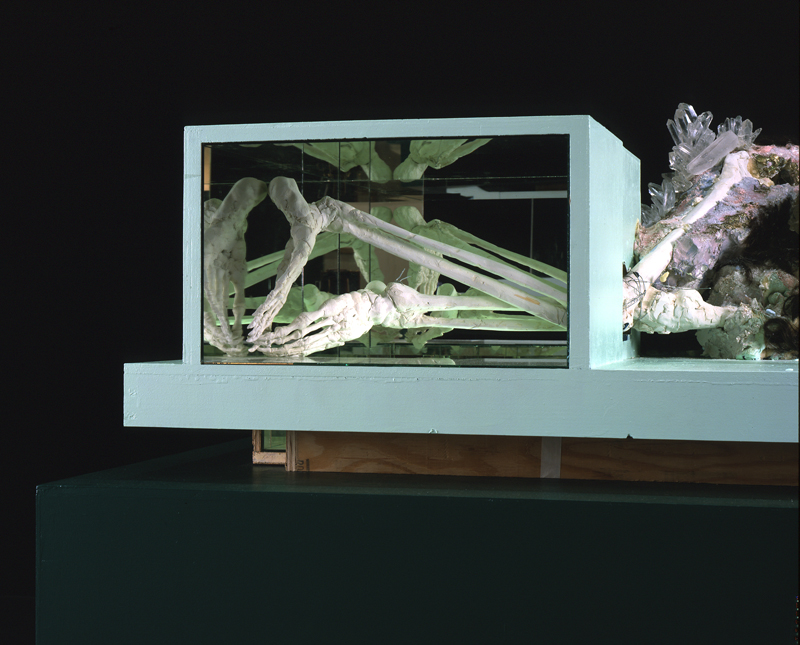
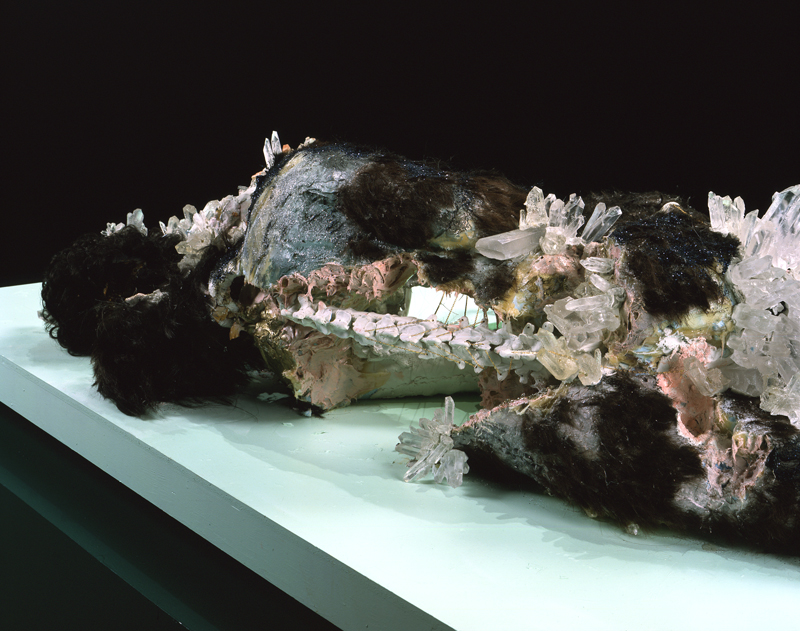
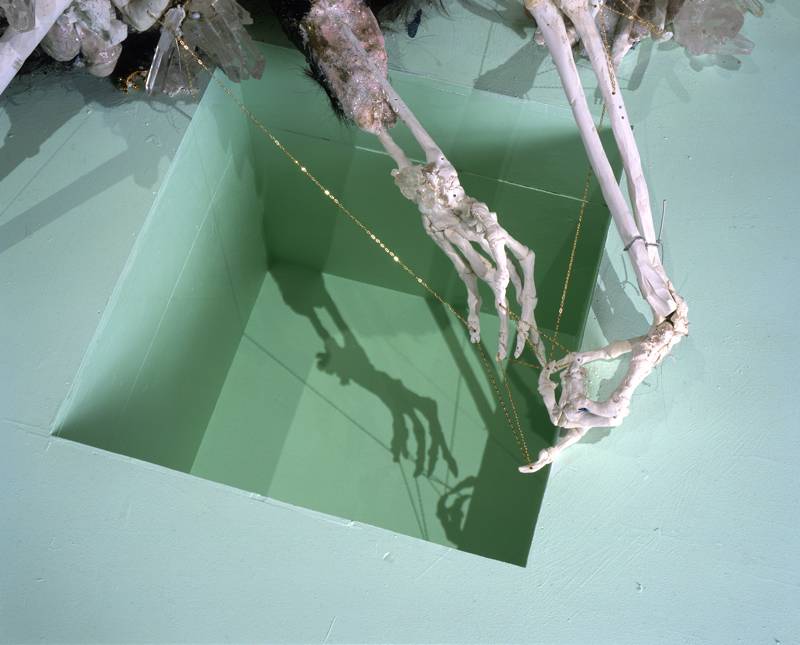
The Builders, 2005
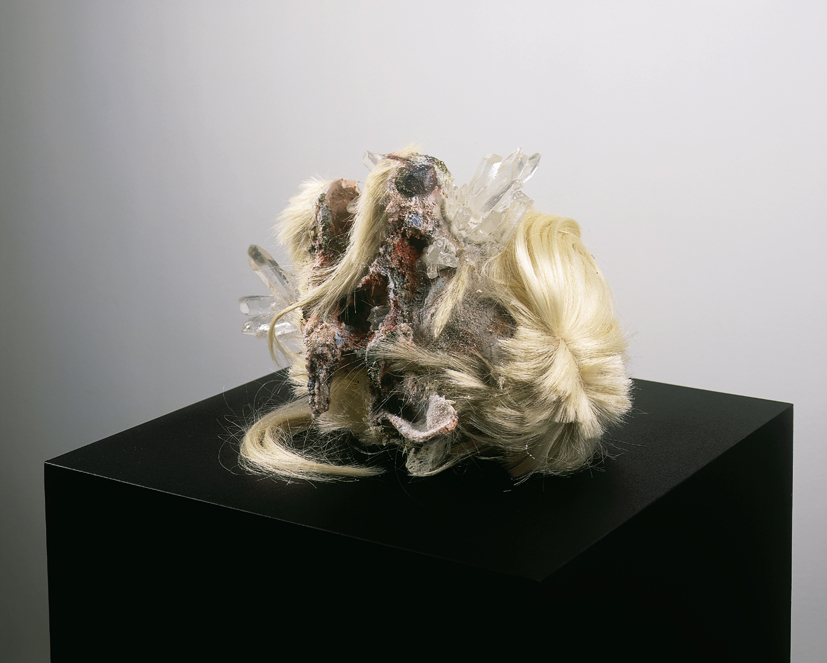
Untitled, 2006
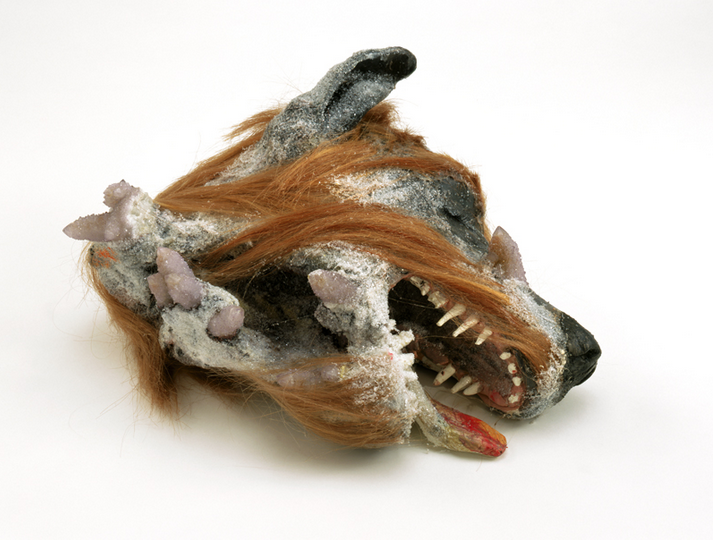
Untitled, 2006
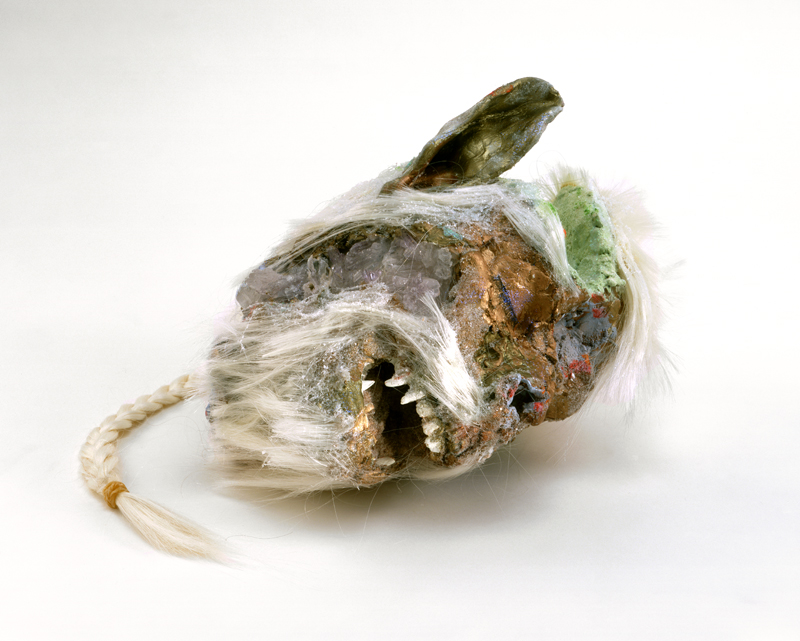
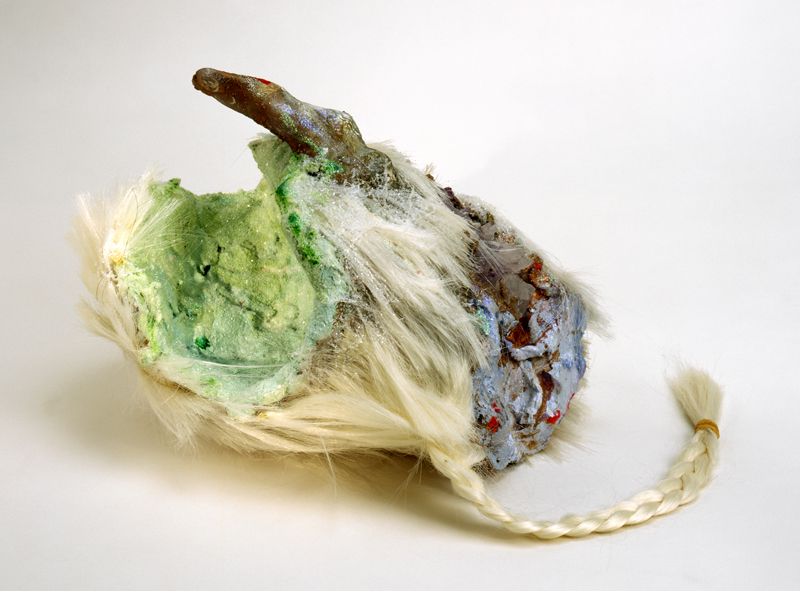
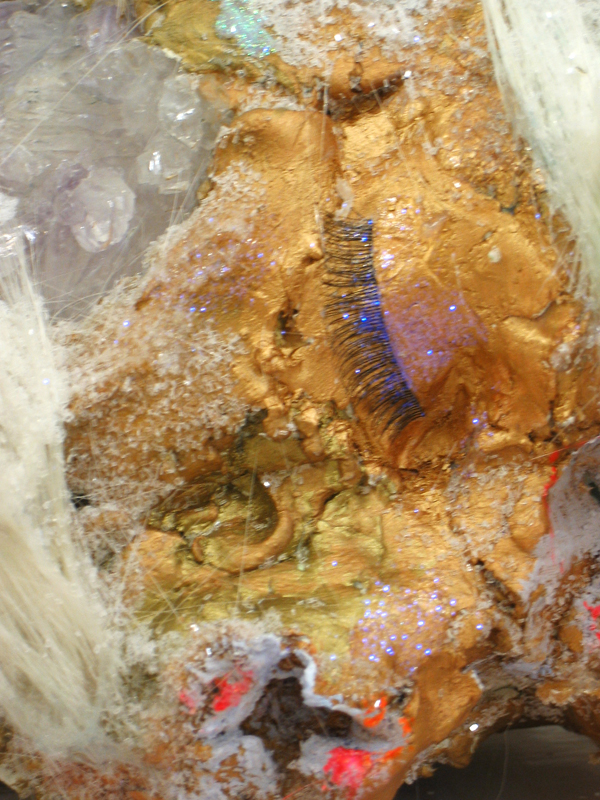
The New North, 2007
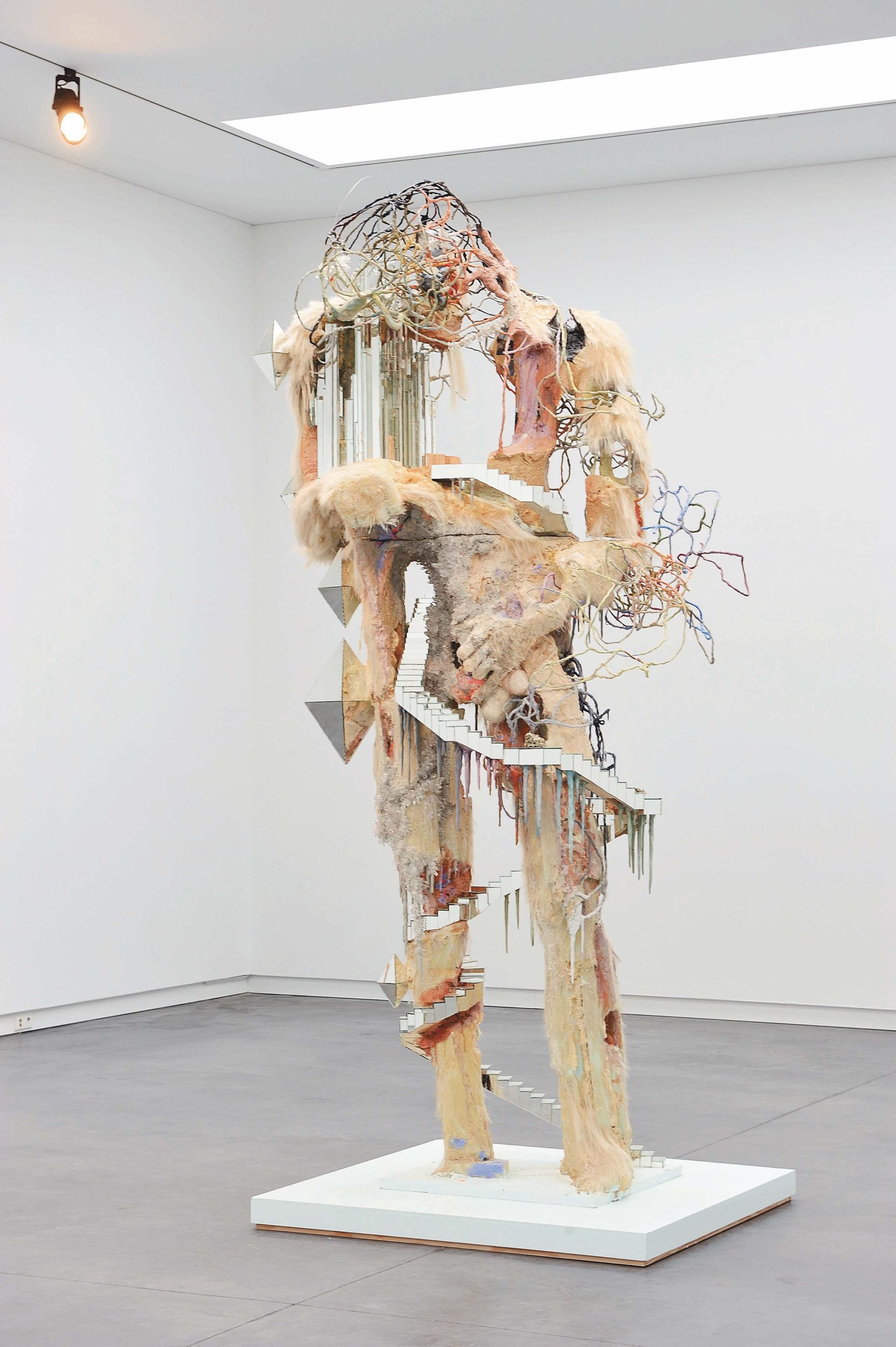
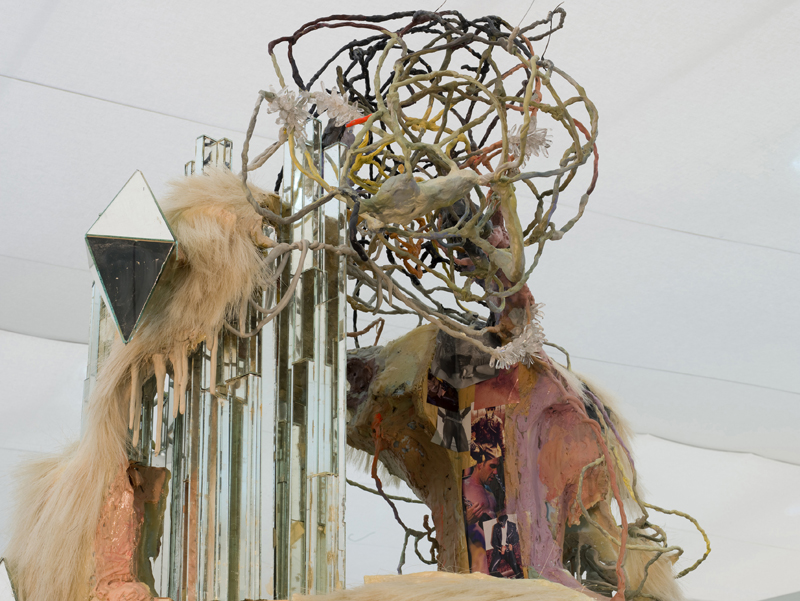
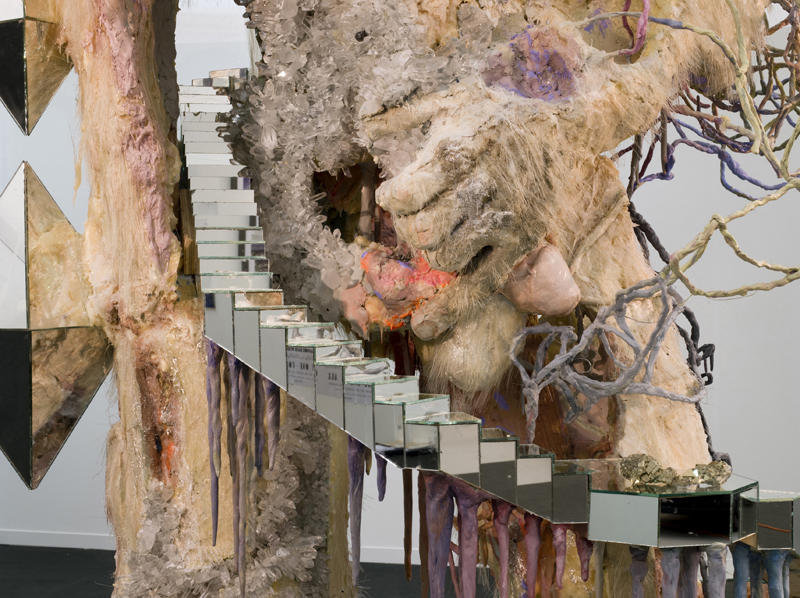
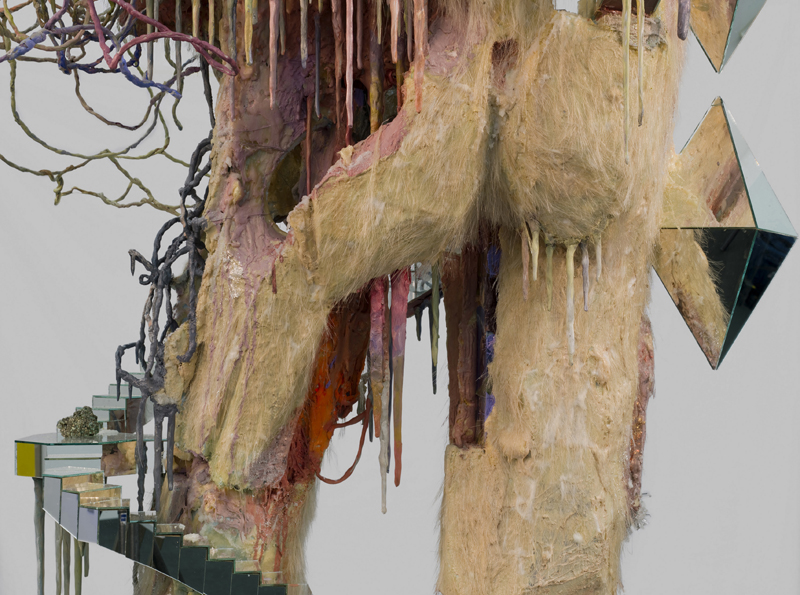
Untitled (Dark), 2008
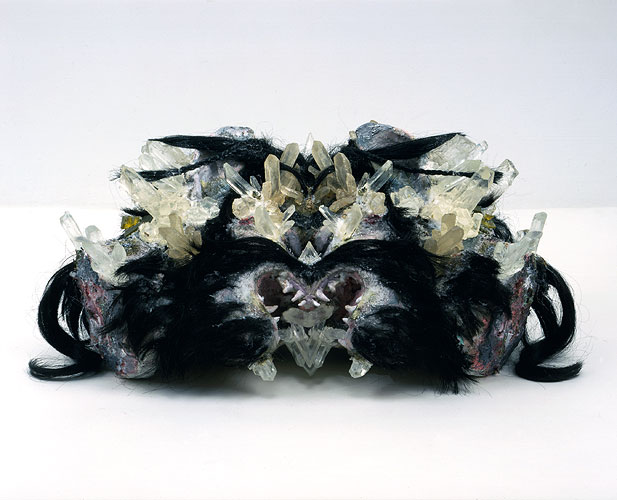
The Center, 2008
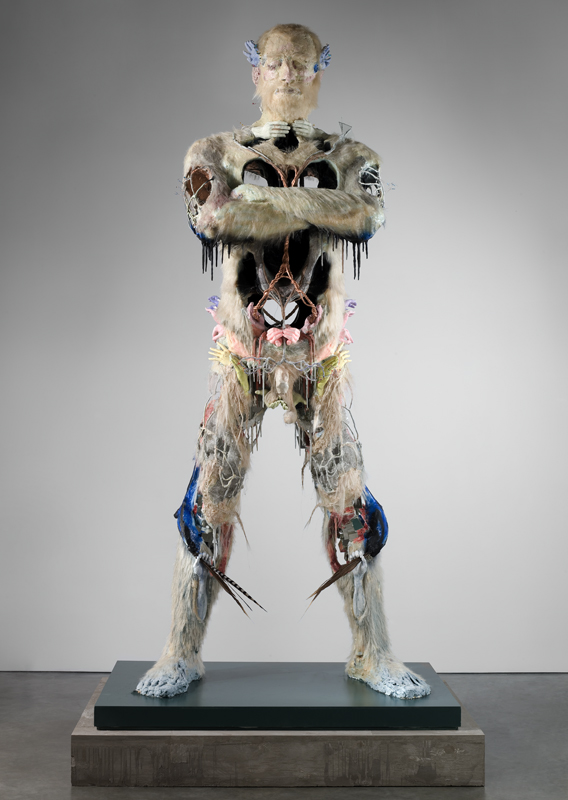

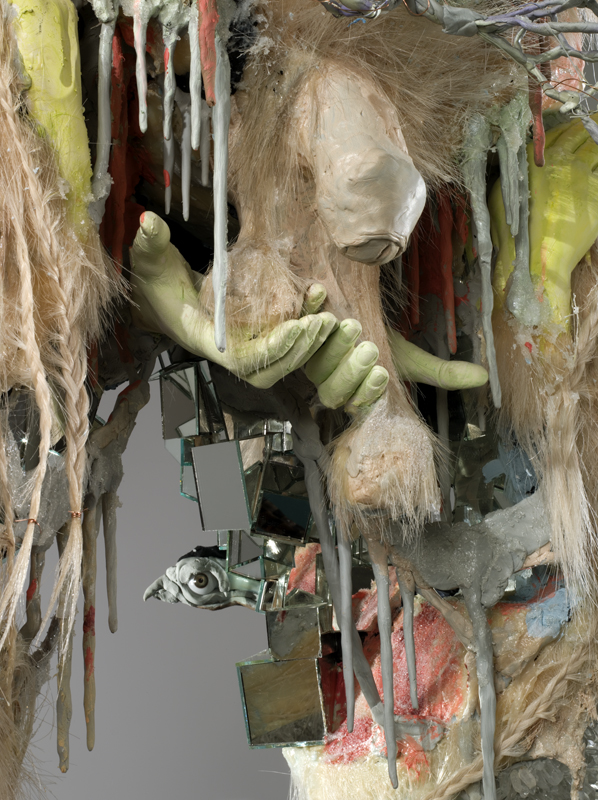
The Egg, 2008
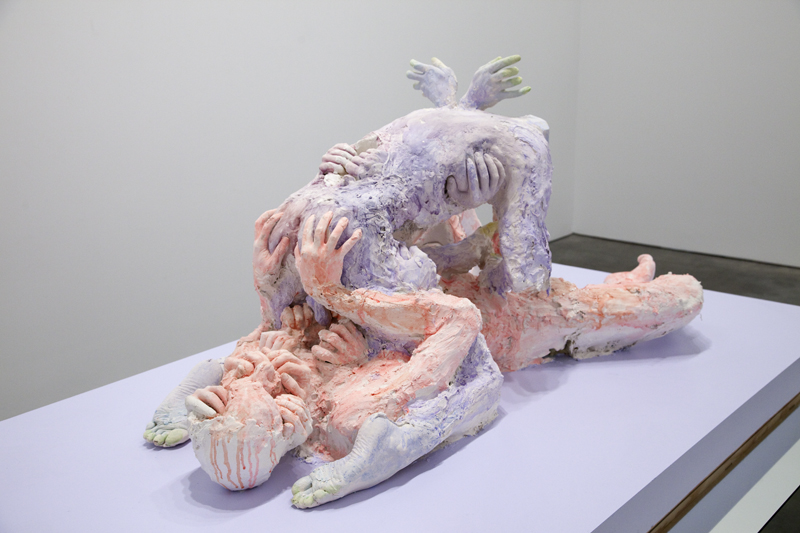
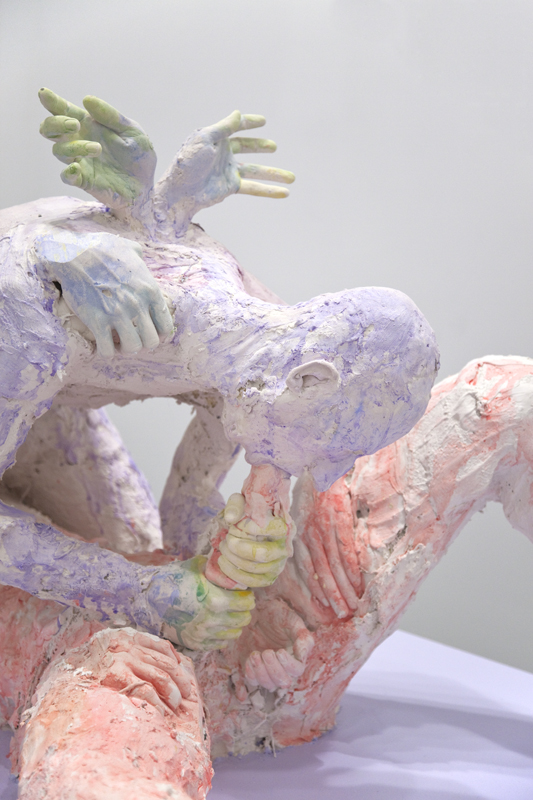
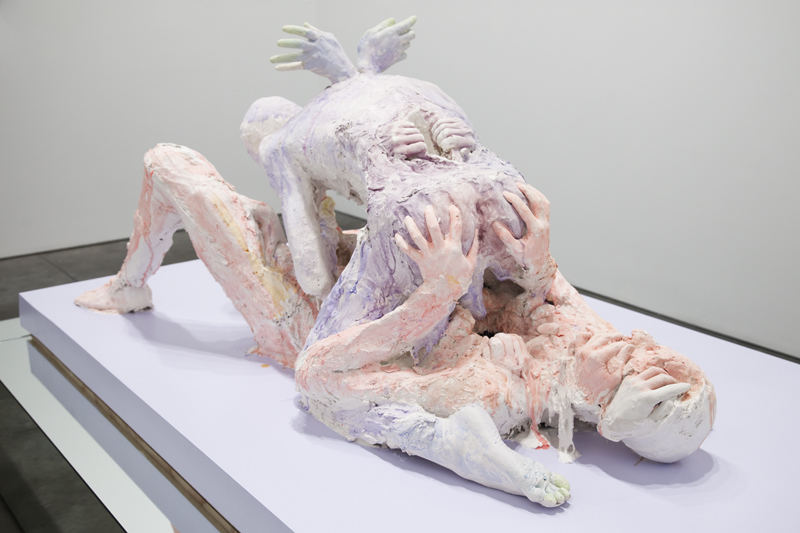
Untitled, 2010
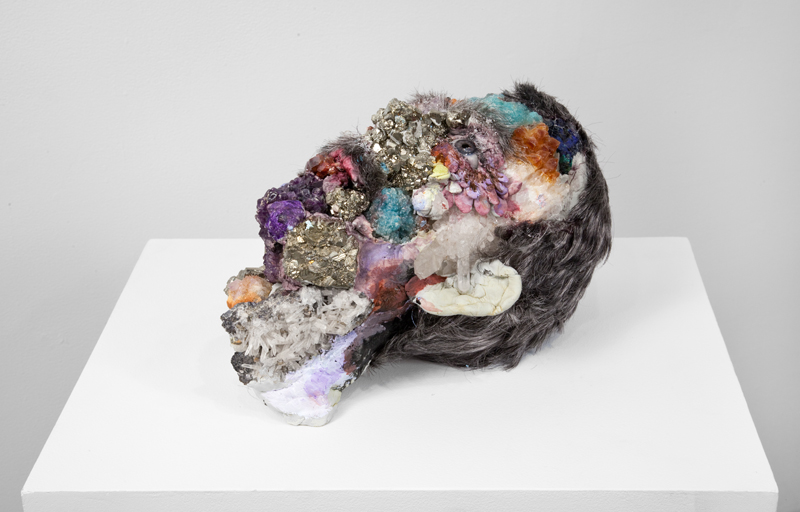
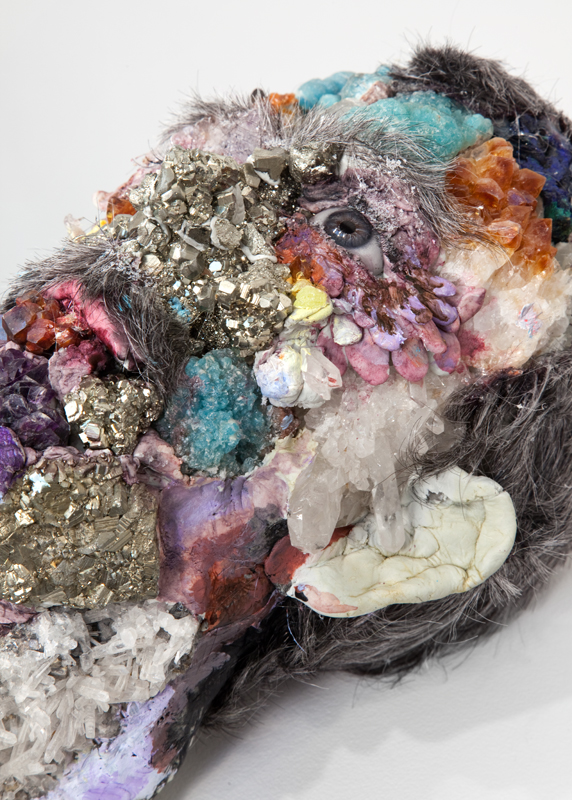
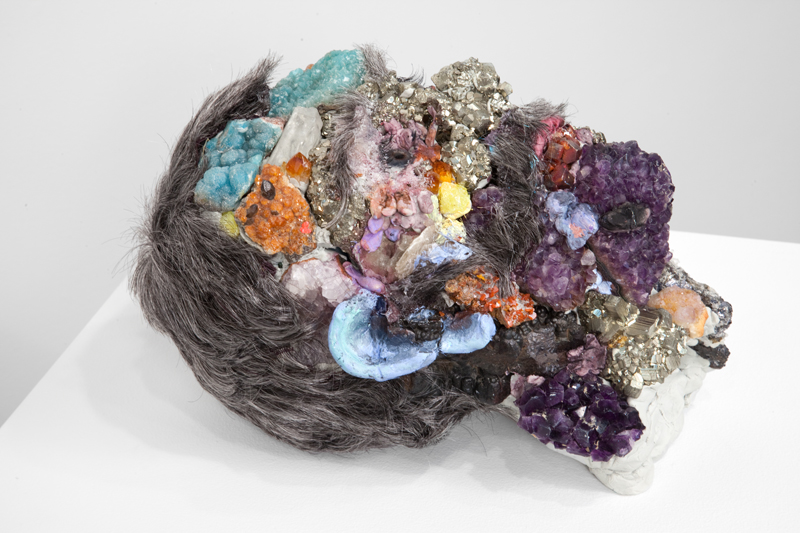
Untitled, 2011
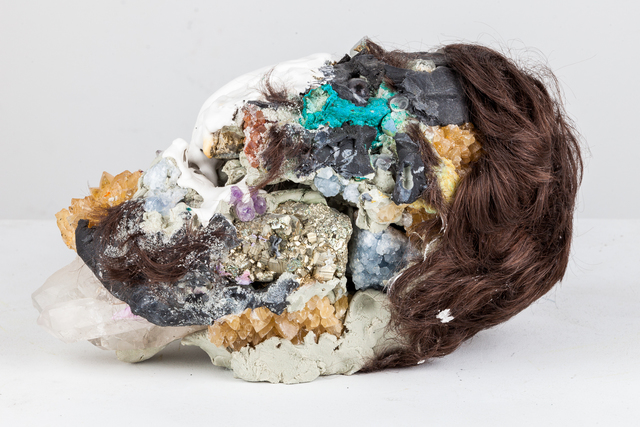
Untitled, 2011
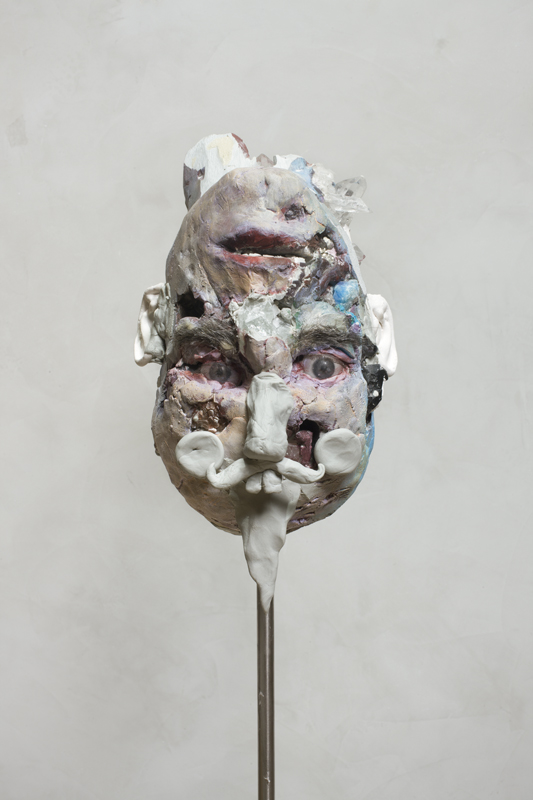
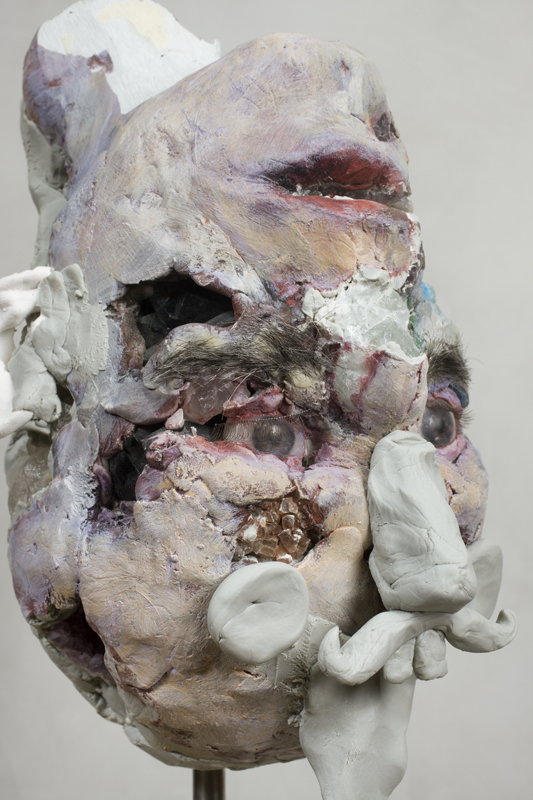
Untitled, 2012
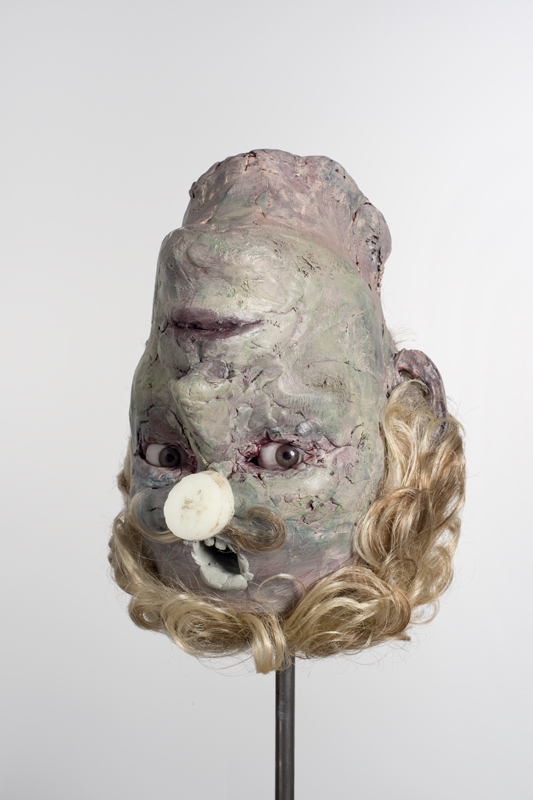
Untitled 3 (Rabbit Holes), 2013
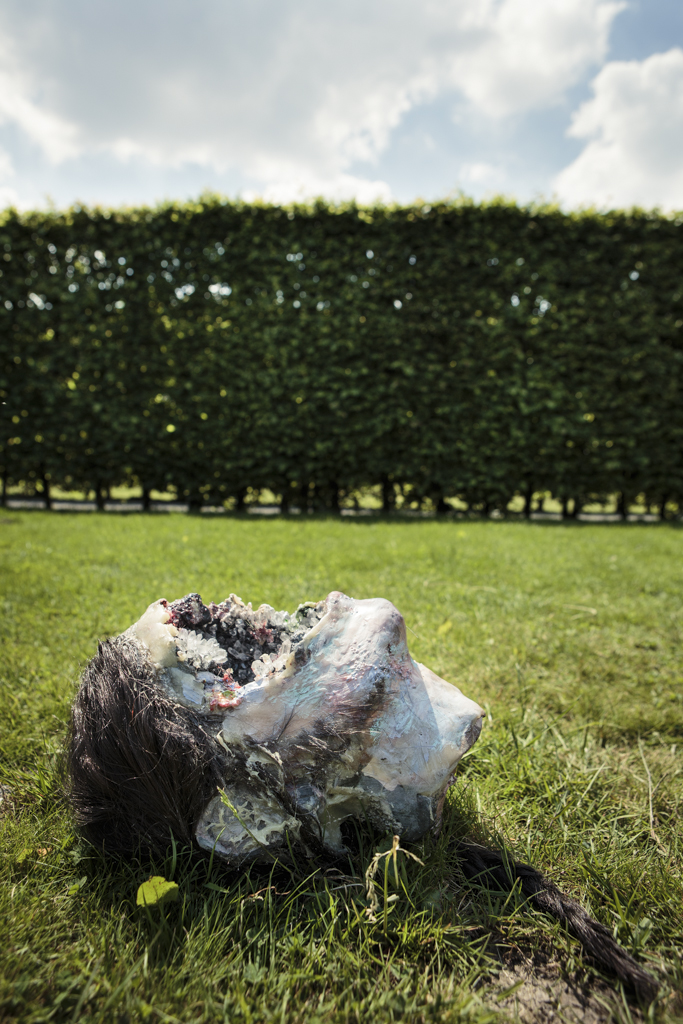
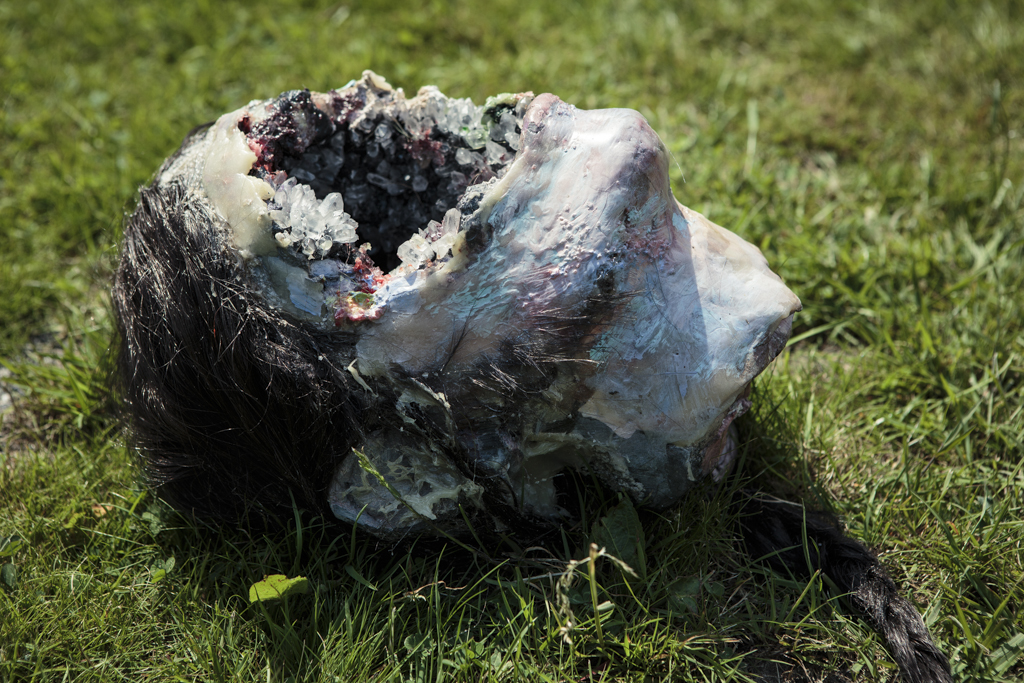
Untitled 5 (Rabbit Holes), 2013
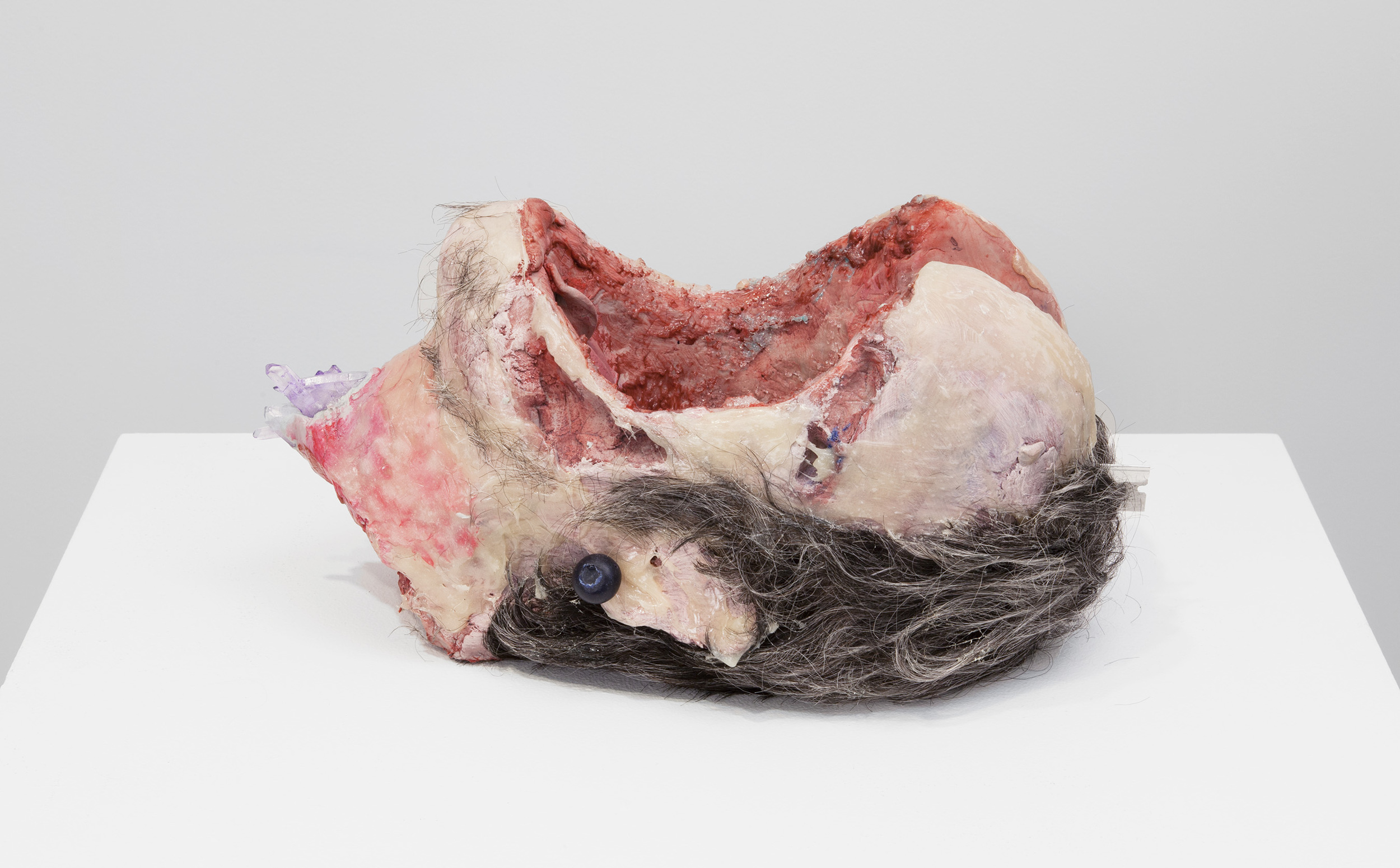
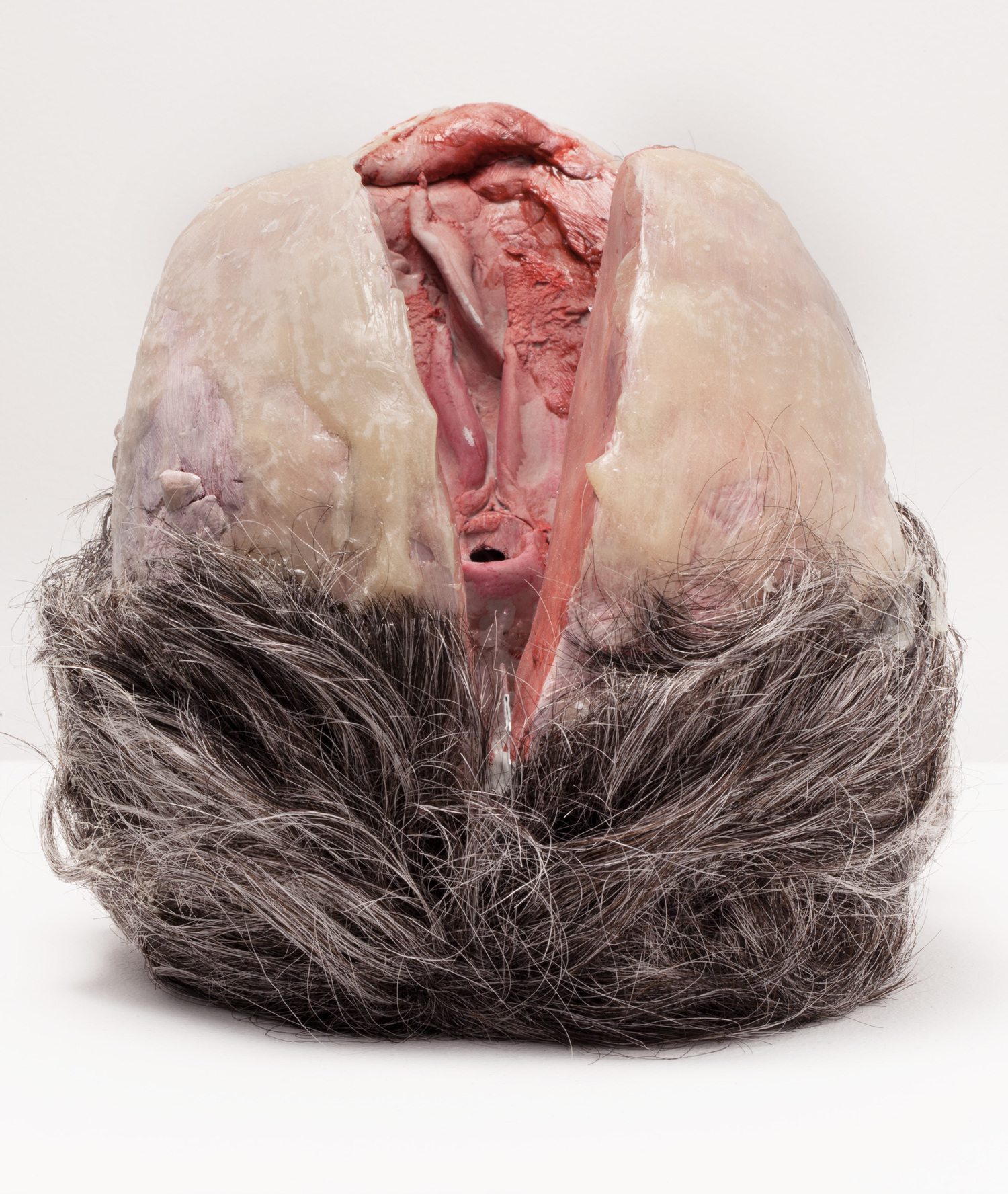
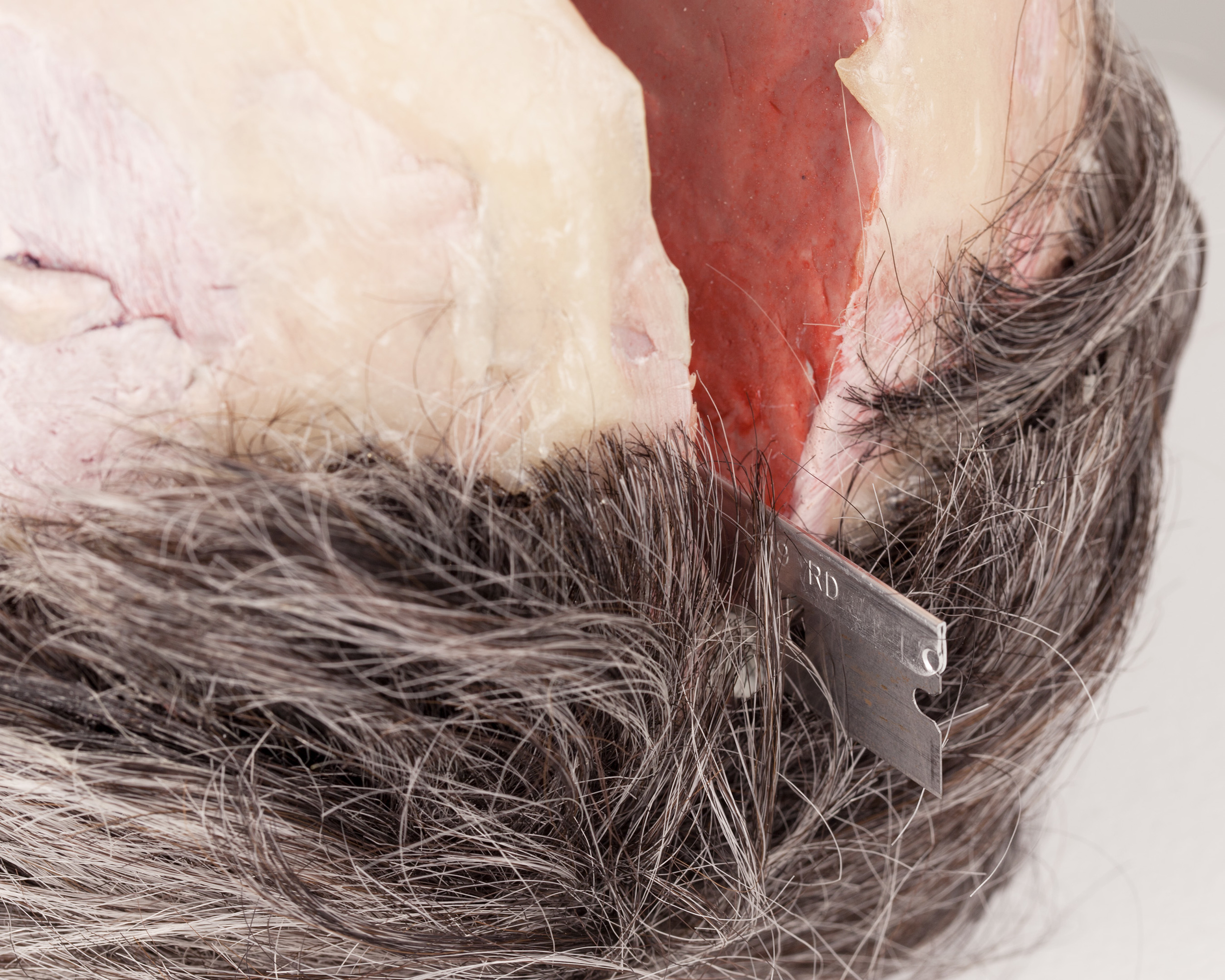
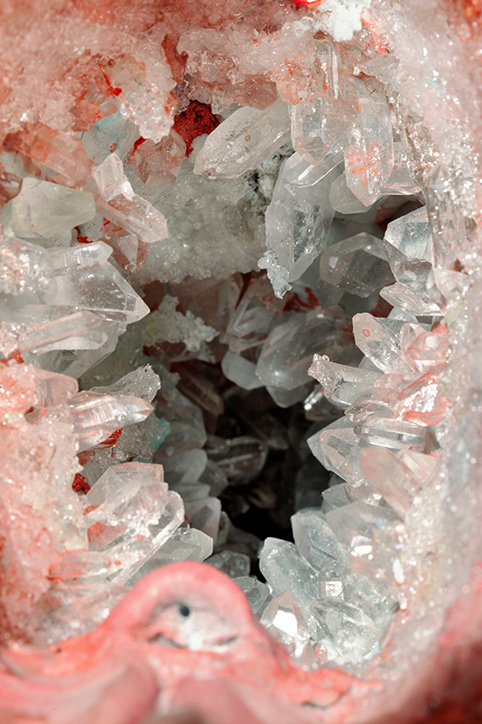
Untitled 6 (Rabbit Holes), 2013
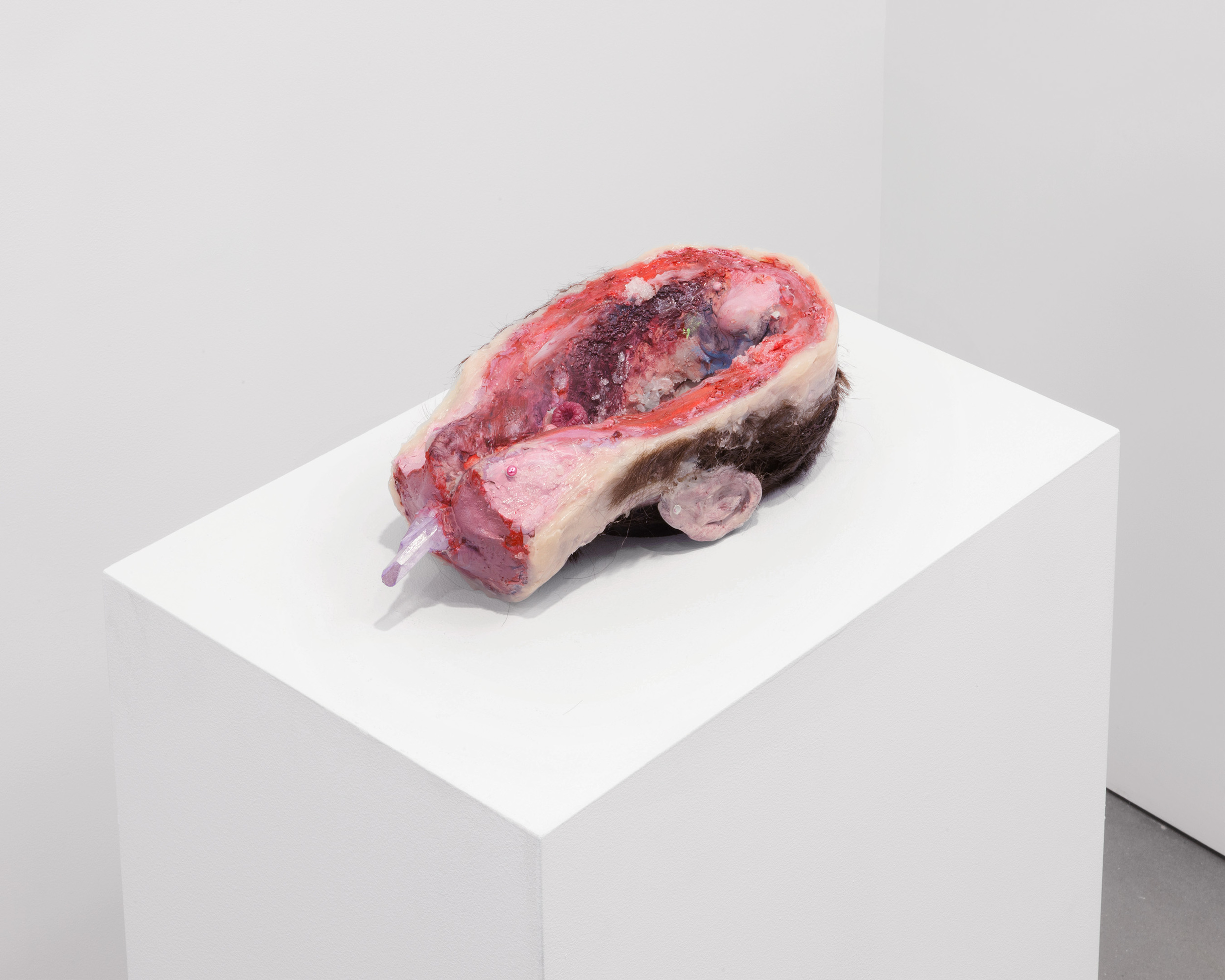

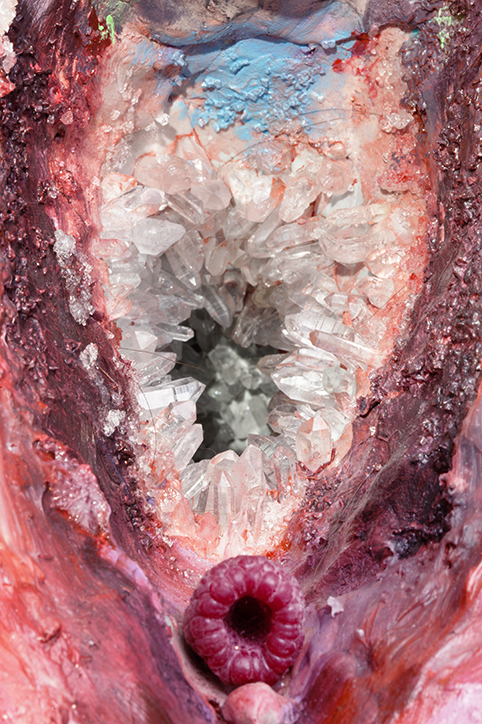
Untitled, 2014
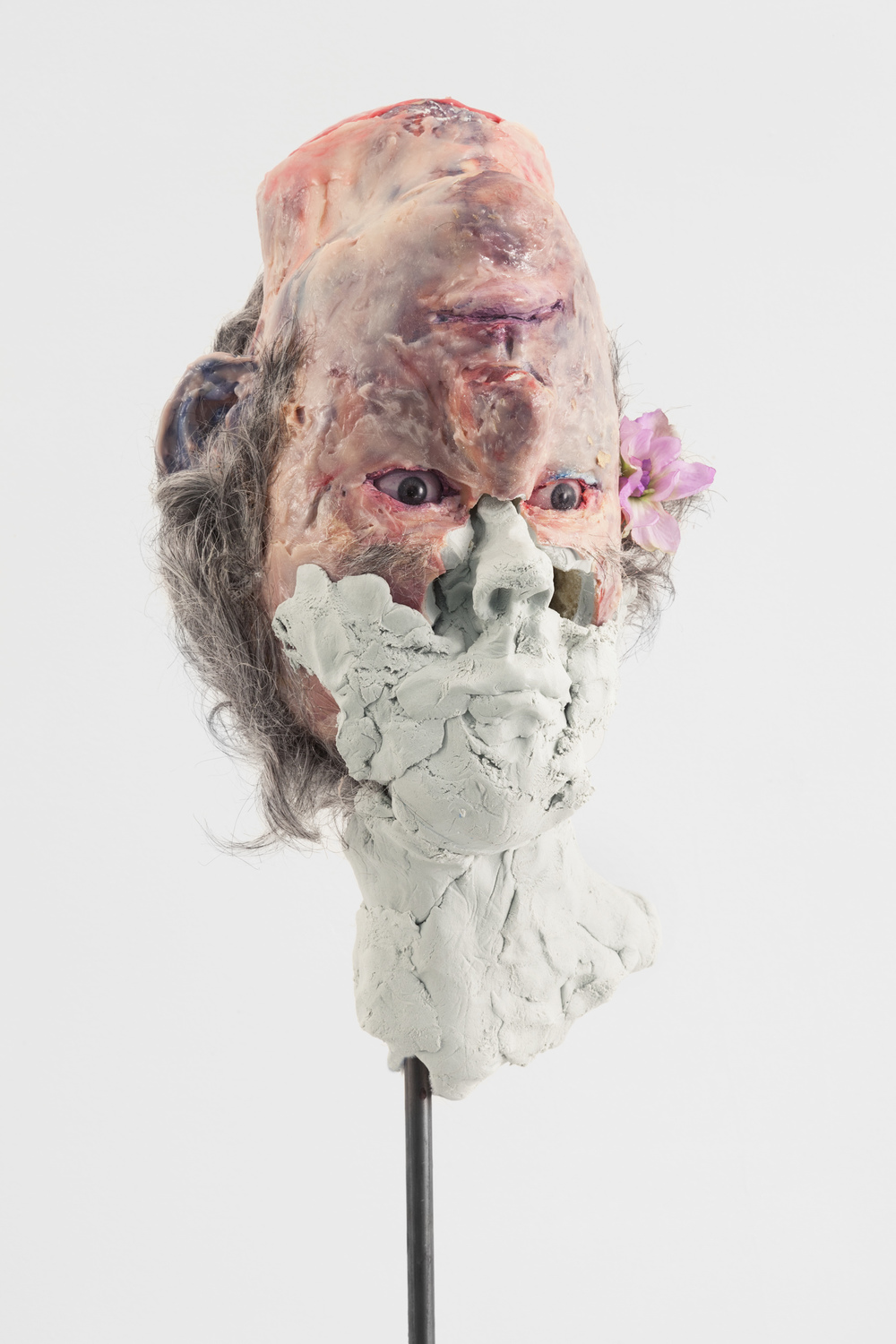
The Flux and the Puddle, 2014
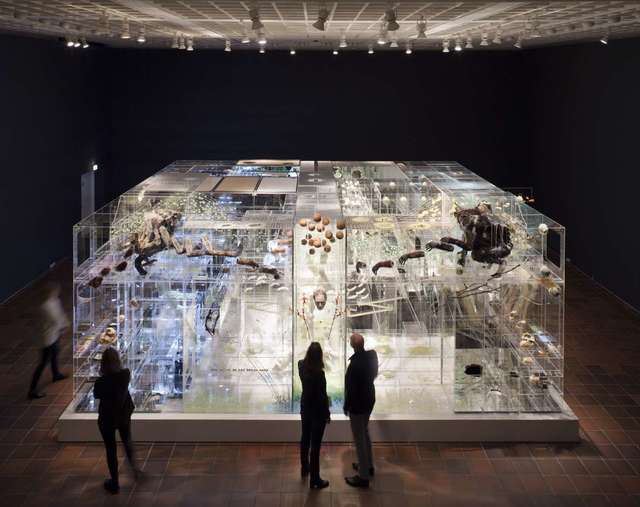

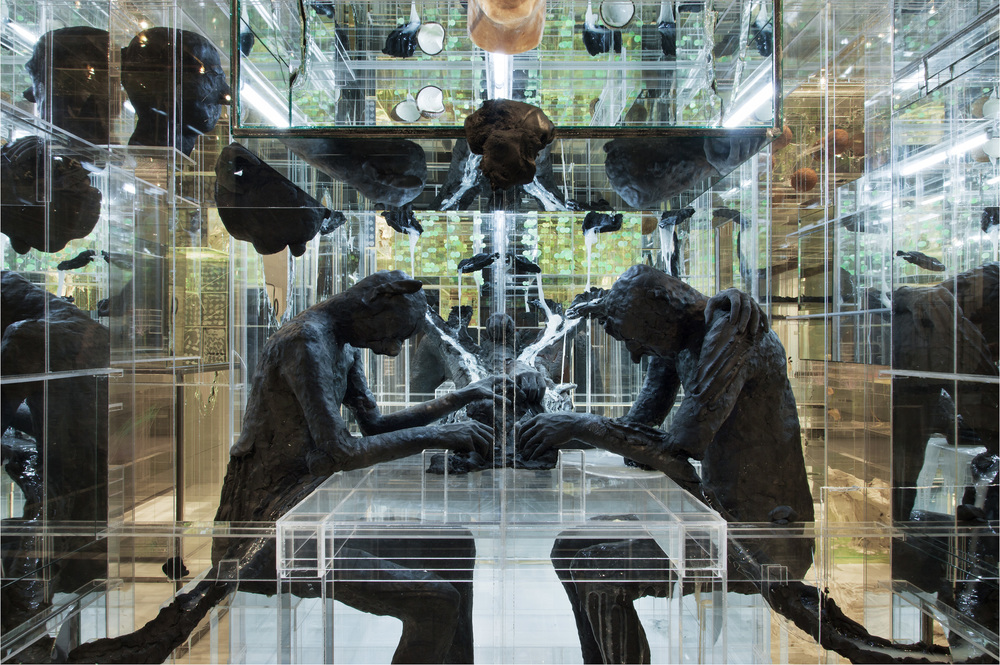
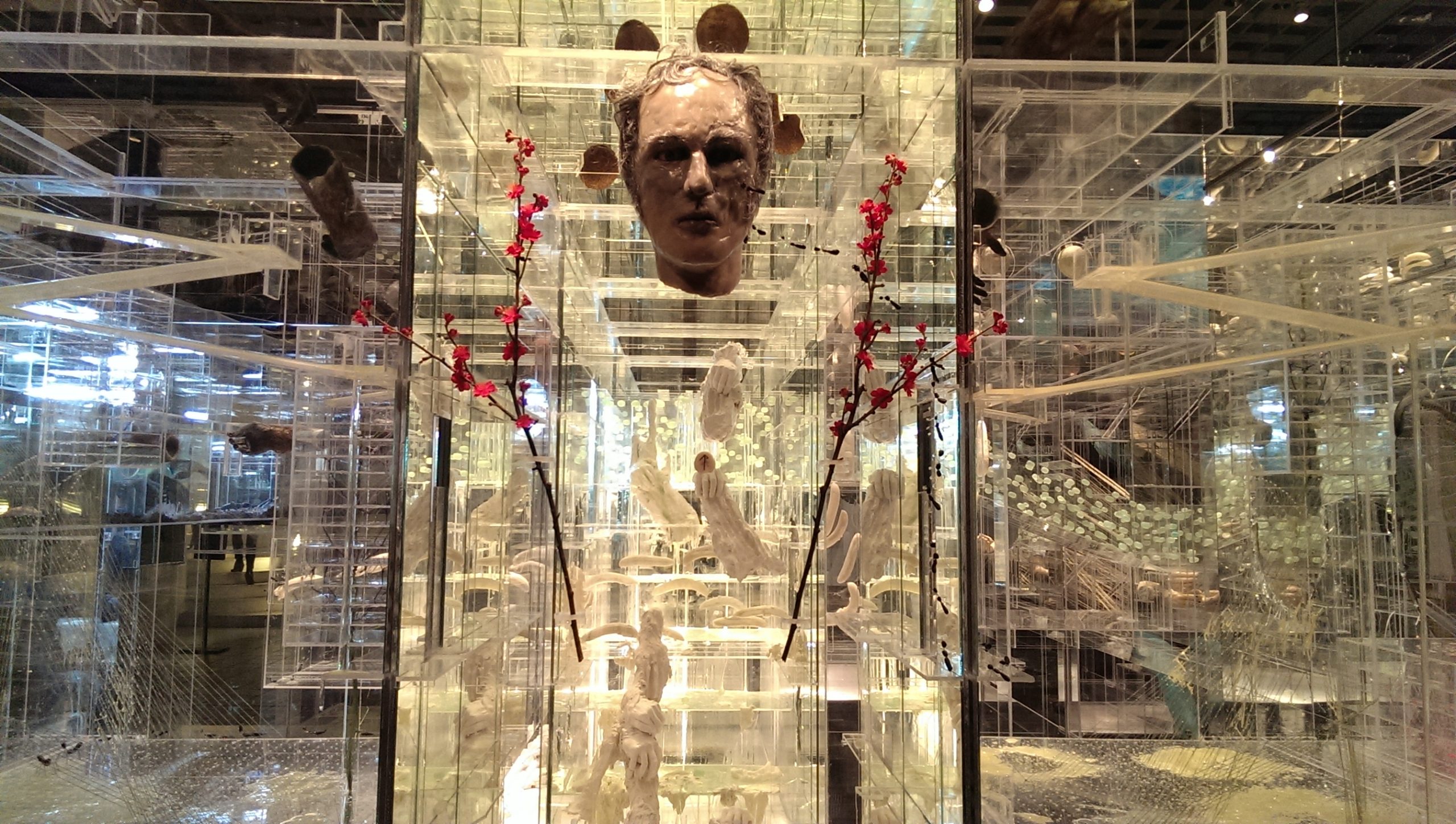
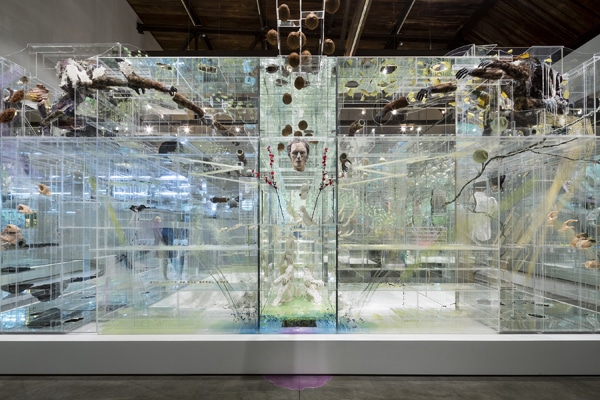
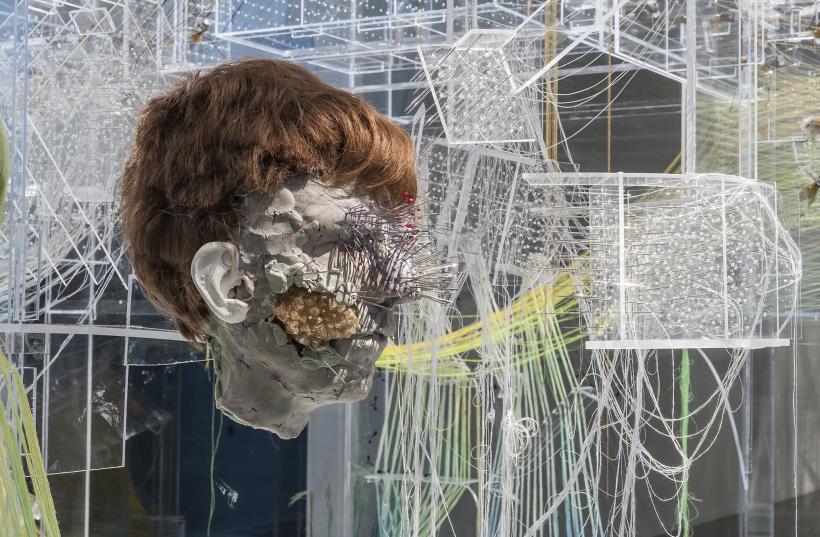
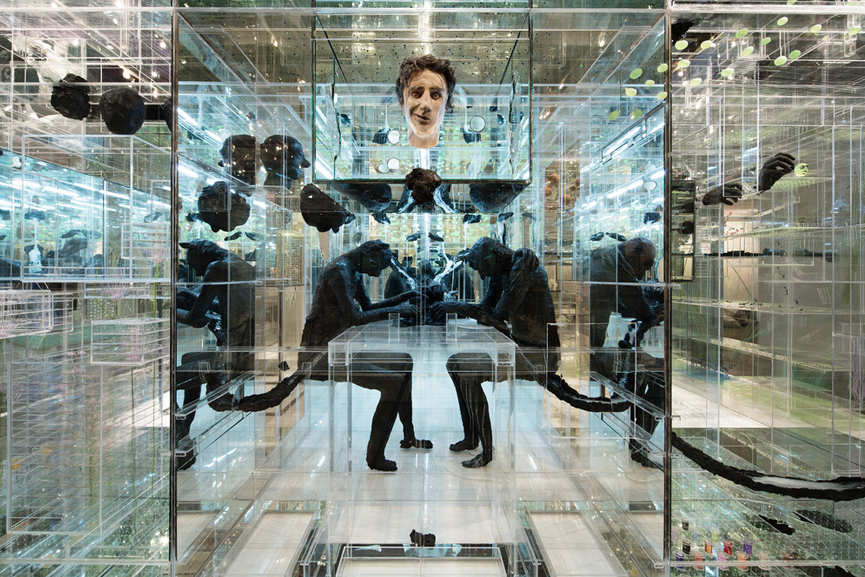
Eye, 2015
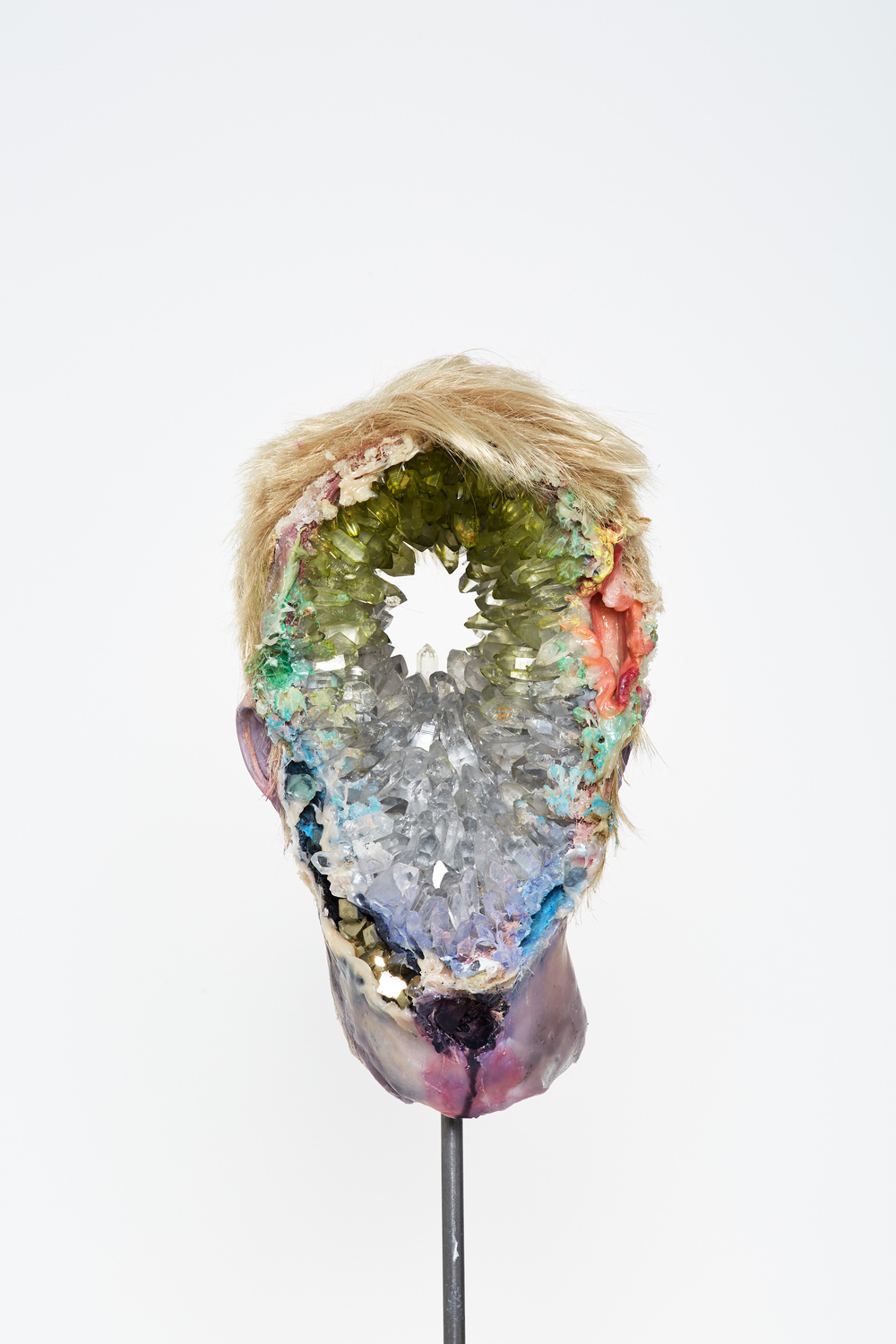
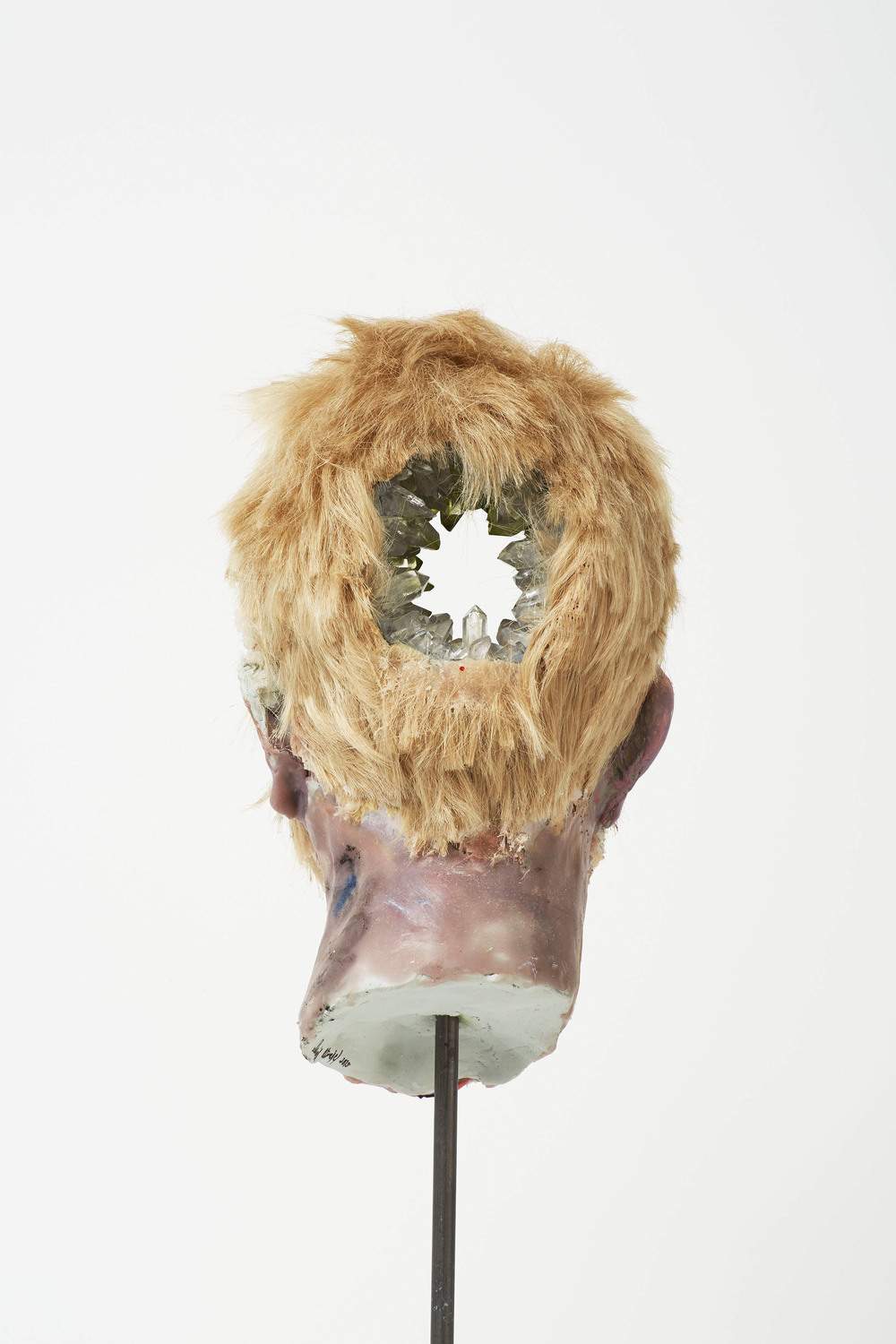
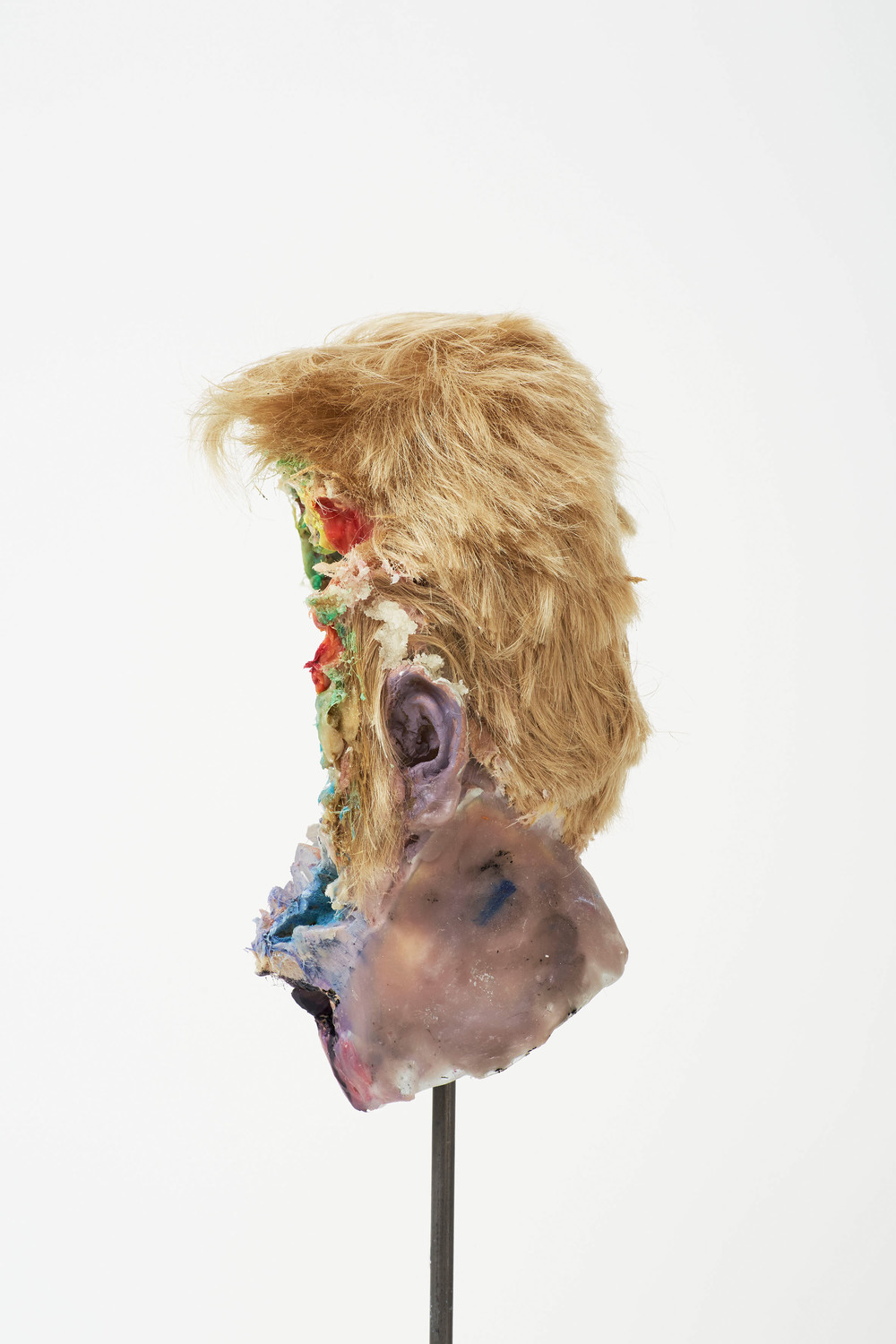
Le Grand Theatre, 2016
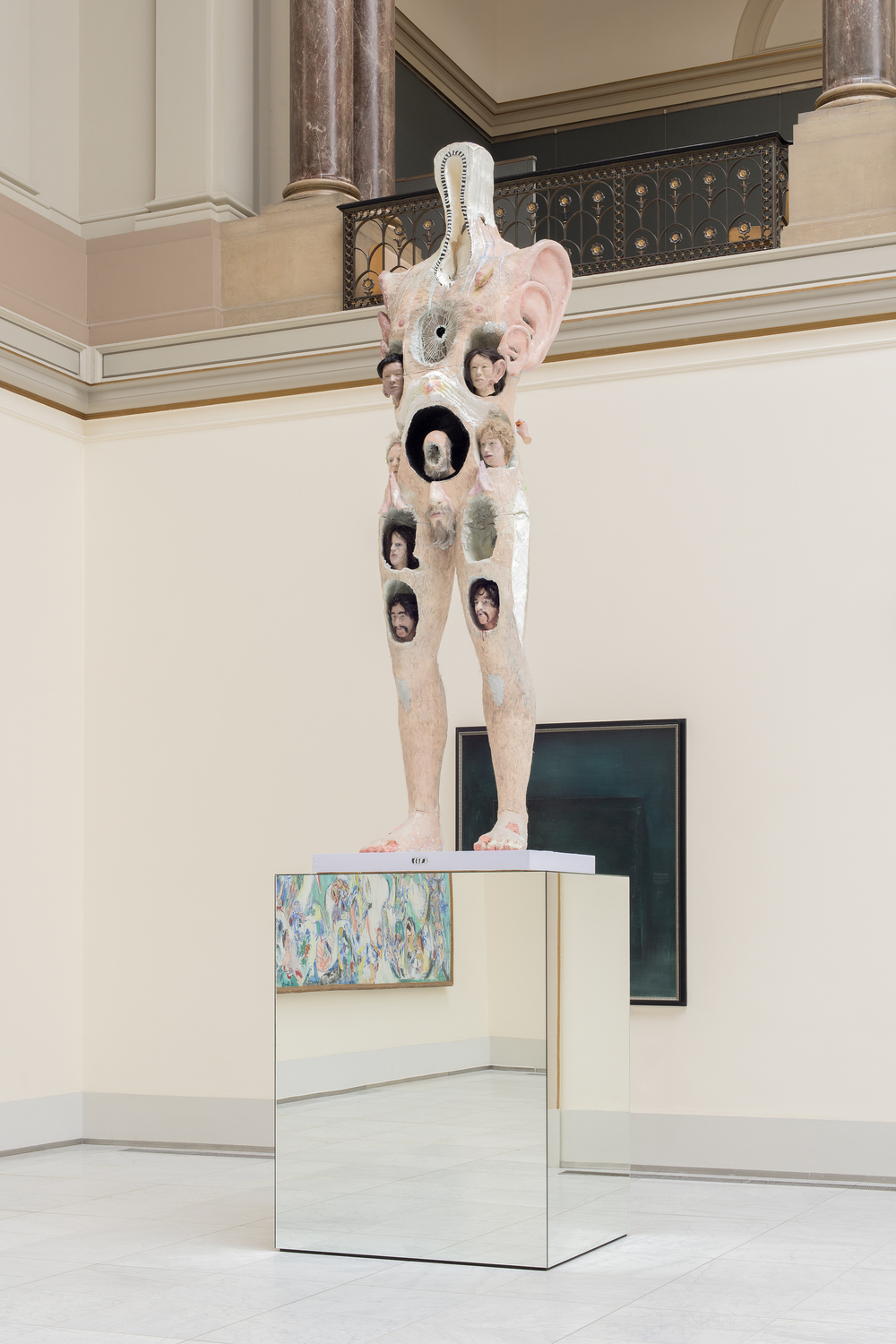
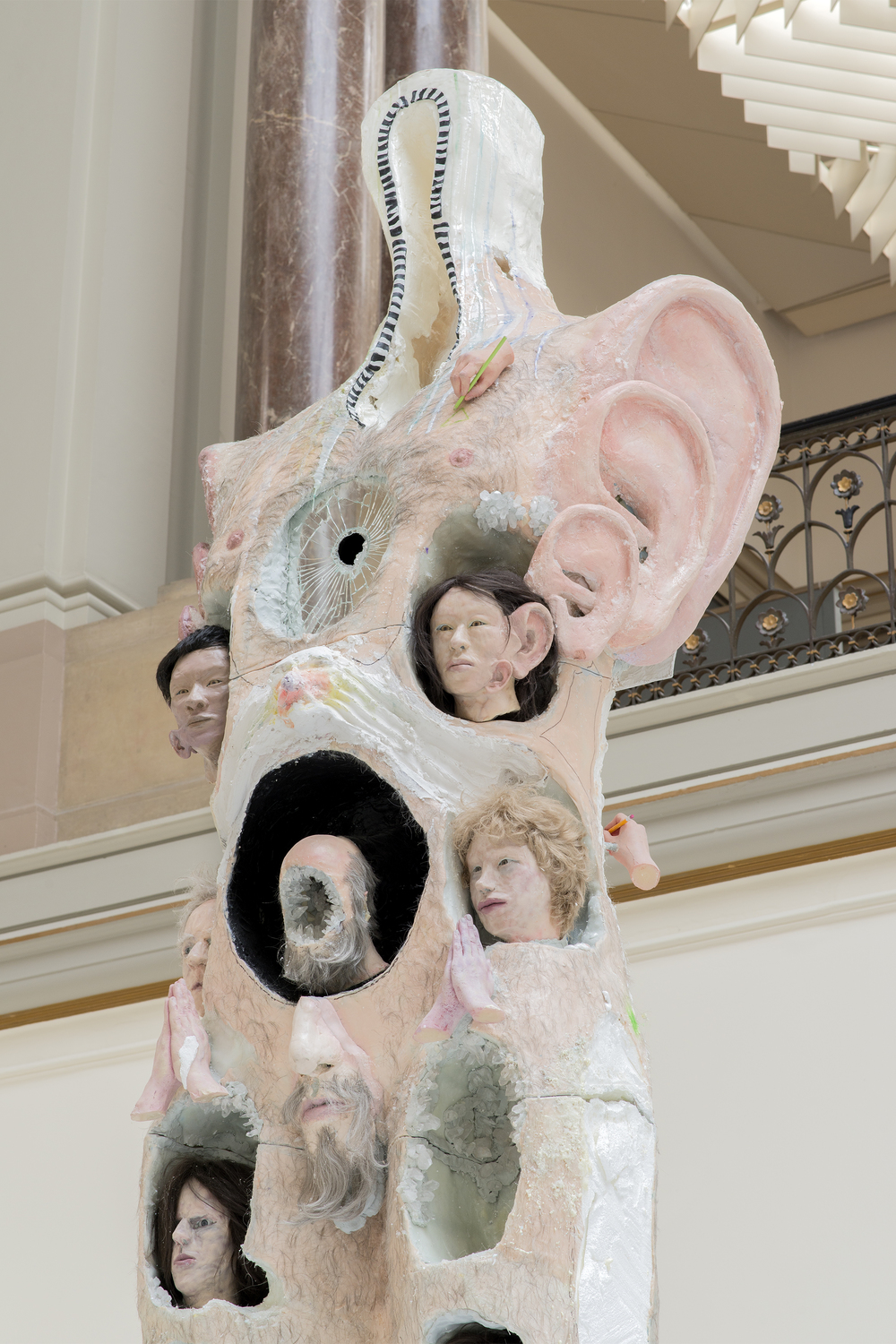
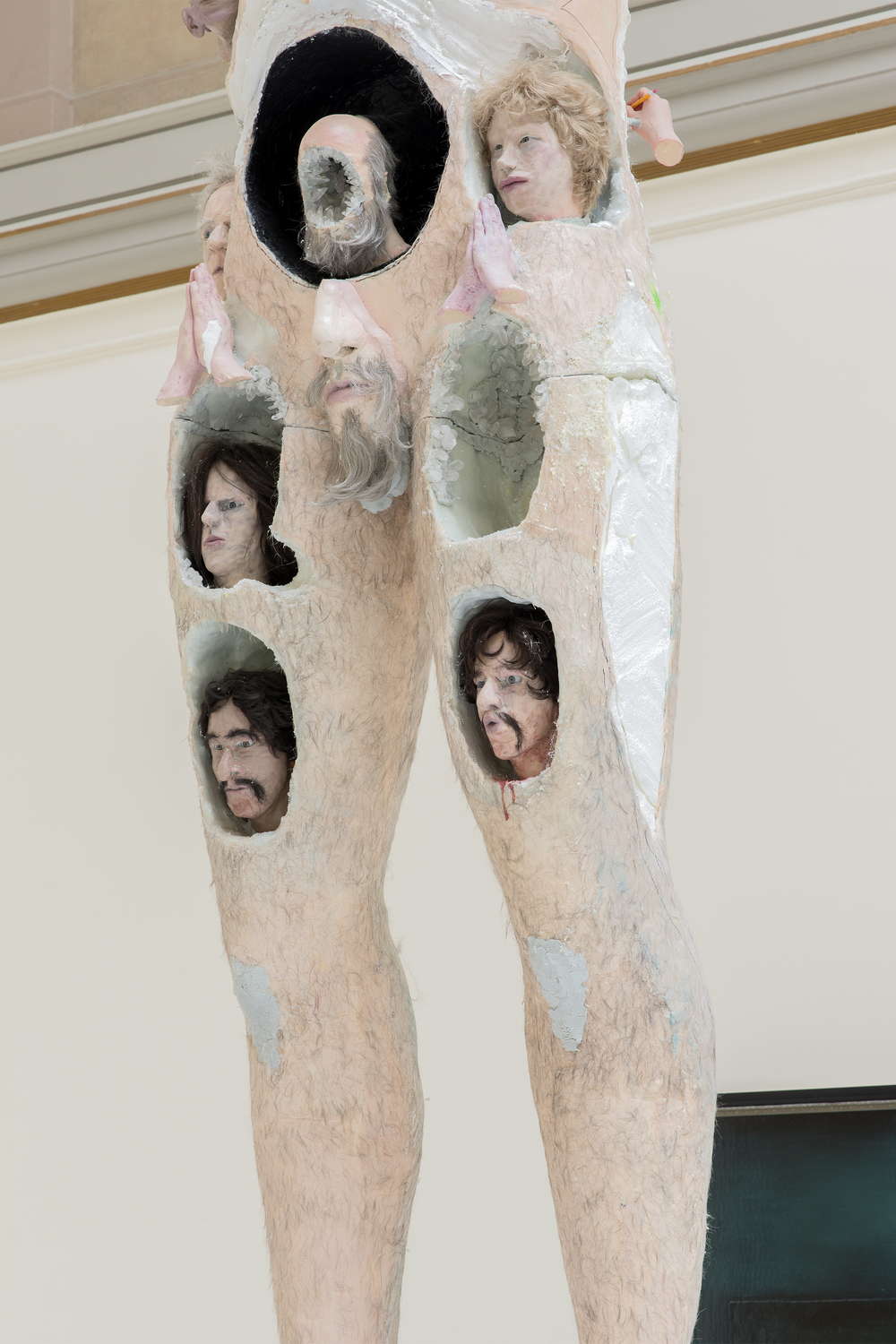
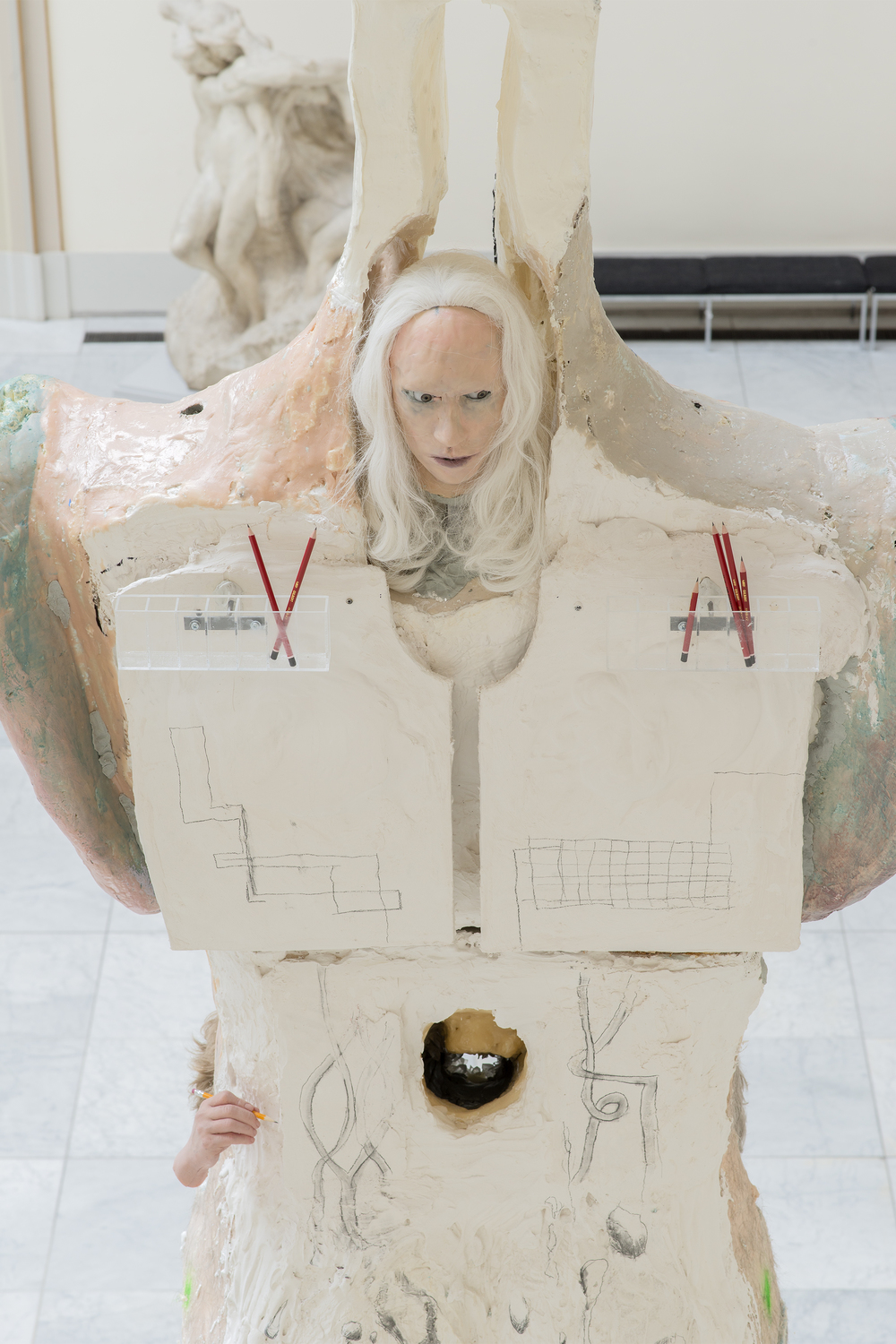
The Vibrating Man, 2019
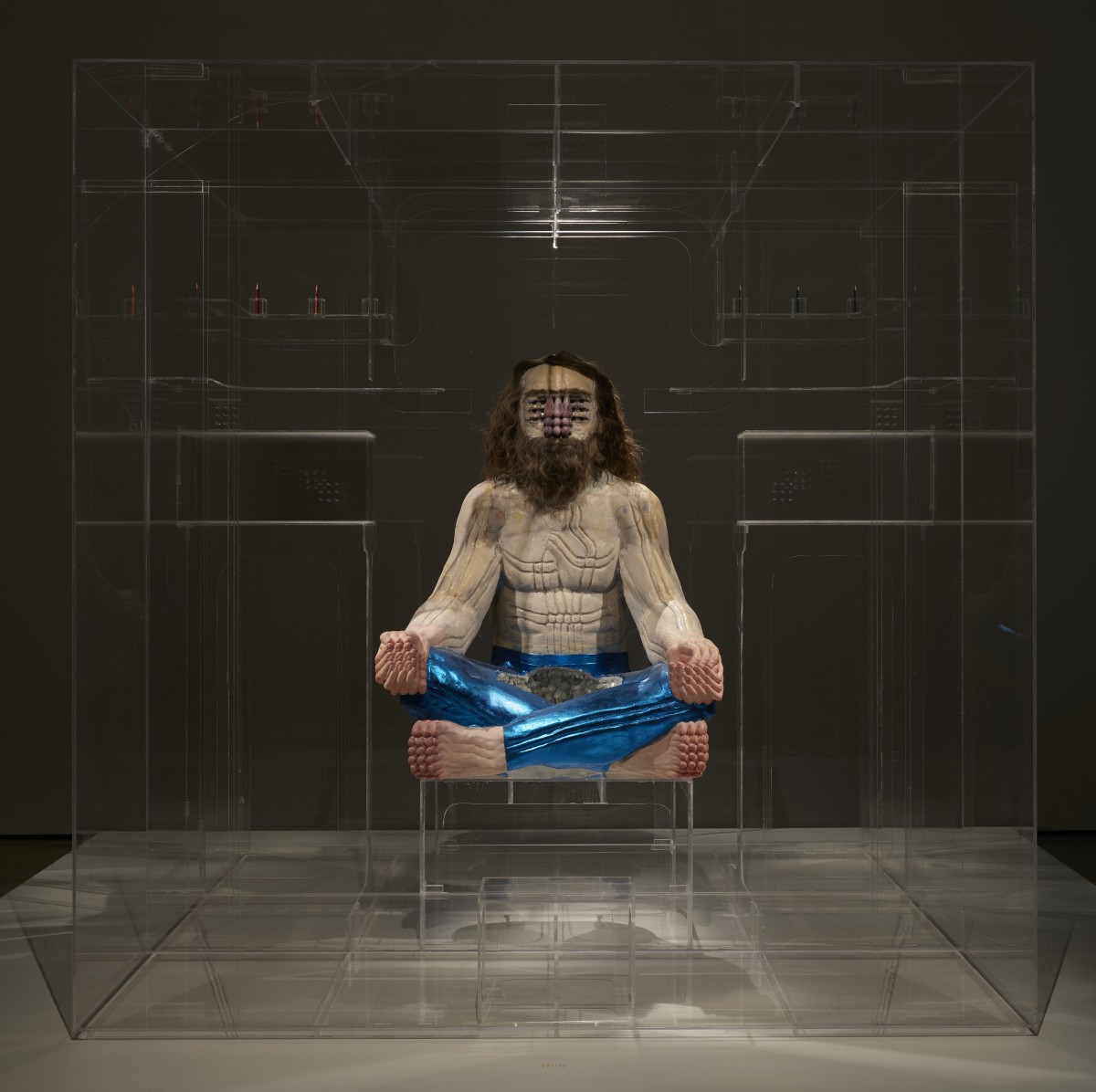
*
p.s. Hey. ** Adem Berbic, Or you might think, ‘Huh, that’s all?’ Negotiating omnipresent paranoia sounds noisy in the bad way. I think I just worry at worst? How does a paranoiac know they’re being paranoid? Isn’t that assumption inherently unreliable? If you can make others intuit that re: your new writing thing, you will be a literary god. ** Tosh Berman, My pleasure, Tosh, she’s worth a read for sure, I think. ** _Black_Acrylic, Even Sypha’s not curious? That’s something. Maybe you should start a ‘Shards’ Spy substack. Could be lucrative? ** Carsten, Hey. I have a strong aversion to Burning Man, and the religious-adjacent pontificating by its adherents doesn’t help, but I am tempted to watch that doc. It seems like a post-internet Rainbow Gathering kind of equivalent, and attending one of those back in the 90s was one of the miserable experiences I’ve ever had. But, yeah, I’ll try to watch the doc with open eyes. ** Don., Hi, Don.! I think I can imagine that transformative thing to some degree at least, and it does feel too deep and personal/complicated to get words to convey. Interesting. Aw, thank you for fighting for my talent. I’m not sure how to fight for yours, but if there’s a methodology, I’m ready. ** Uday, Déconfit is such a good word, isn’t it? The French do make excellent words. Even the simple ones. I think my favourite French word is ‘donc’, which comes out of French people’s mouths all the time. There’s something about it. Or how and when people say it, I guess. Interesting about veganism being the turf of the Hindu right. I guess a lot of people in the States who hate vegans think they’re snotty purists. ** Steve, The heatwave is creeping into being. Yesterday it started, today it’ll tick upwards, and tomorrow it’ll start blasting us full on for three days, they say. So the hatred of ‘ICM’ is mostly people scapegoating it within the general ‘AI is the boogeyman’ thing going on these days? I have a very faint memory of hearing a portion of that McLuhan album at the time. It was a thing in the late 60s to try to get hippies to think by slapping electronica or psychedelic jams behind the spoken words of relative brainiacs like McLuhan or Timothy Leary or Baba Ram Dass, etc. Same thing with Terrence McKenna especially in the early Rave days. ** laura w., After that frustrating losing battle, I think I’ll leave ‘Luigi 3’ to my imagination. I hate boss battles. When I lived in LA, I’d always make my gamer roommate win those fights for me so I could start wandering and poking at puzzles again. Thrilled that you loved ‘Four Nights …’. When I first moved to Paris I met and had a long, great conversation with the guy who played the main part in it. In real life, he was/is an astro-physicist. This had better be the last heatwave of the summer or I’ll … well, actually I can’t do a thing about it, can I? Smooth skies to you. ** HaRpEr //, ‘Nightwork’ is excellent. ‘Télex n° 1’, yes, that’s it. A friend of mine is the person who translated it. I guess it’s the most experimental by far of his novels, and my friend said it was a nightmare to get into workable English. Well, you can do like me and write an interconnected cycle of short books and have your cake and eat it too? Maybe? ** Thom, Cool. If our local fete foraine ever brings back its dark ride, I’ll hit audio record on my phone and send it to you. Week is looking scary scalding hot over here, but I’ll try to make it work. I hope yours is cloudy (but not humid). ** Okay. Today I decided to give David Altmejd a solo show in my galerie. Have a look around please. See you tomorrow.


 Now available in North America
The showcase is groovy. Opening up heads is an important image. Not just cutting them off, opening them up. I take note when a horror film or whatever is willing to present that. Did ‘Ice Cream Man’ open any heads? I don’t think I have, but I figure the mechanics are different in writing anyway.
Psychosis would be a plot twist. But no, as best I can tell, which is perfidious, it’s a different shade of paranoia — something to the effect of an irrationally low self-worth bordering on the delusional. Which sounds like garden variety depression, but it’s very matter-of-fact. At any rate I’ve never been offered antipsychotics, which English doctors seem to hand out like candy to any young person with stinking thinking. Yes, it is much noisier than I’d like.
I’m not sure if writing this thing is doing me much good, insofar as I’m keeping one foot in the headspace whose logic needs to be unfurled in the piece. I’m not sure I have the appetite to make it anywhere near as long as might be needed to unfurl that intuition properly, but let’s see. If one person can get an inarticulable glint, I’ll be happy.
Today is the final Croatian day. It was pretty good, notwithstanding there were a couple of jellyfish and I hate them. On my return London will somehow be hotter than it is here, which doesn’t bode any flavour of well whatsoever. I shall be in sweltering solidarity with you.
Did this guy once do the book cover for someone on this blog? Sure I have a copy here on my shelf or maybe I just hallucinated the whole thing.
Yeah, Derek McCormack’s ‘The Show That Smells’ if my memory serves me well
Better than my memory, so thank you for that!
I get your aversion to Burning Man, & I do share it in some ways, though partly for different reasons. On the rainbow gathering-aspect I think we agree. I’ve always hated the hippie-dippie peace-love-&-understanding part of the counterculture, for the obvious reason that it propagates a fairytale mentality about as far removed from real life (& its sacred structure) as it gets. Then there’s the gross commercialization of Burning Man. Like I said, I’m more interested in its roots in the Cacophony Society & their anarchic street theater & art of social disruption. There’s a section of the doc that deals with the so-called Renegade Burn during Covid, where the official organizers canceled BM & a bunch of purists sought to bring it back to its “dangerous” roots. I get the feeling that the old anarchist desert-freak-out contingent is dying out (or rather being priced out) & the Silicon Valley tech bros, oligarchs & influencers are taking over.
But my biggest personal beef comes down to my allergy for ignorant faux-paganism. As a student of pagan traditions & someone who’s dedicated a good chunk of their life to exploring & spreading them, I can’t stand the DIY make-your-own-religion bullshit that happens at BM & the New Age scene in general: symbols & images plucked out of all context & tradition & appropriated simply for personal “vibe”, stripping incredibly complex & sophisticated systems of thought down to whatever fits your particular “journey” & ignoring all the rest, & so on. I mean this is sadly common in our culture: this ignorant kind of buffet-style mashup of everything that makes you feel good & “empowered” without an ounce of rigor, respect or actual investigation. I mean, how is that different from the nazis misappropriating the ancient Hindu symbol of the swastika?
BUT: Burning Man is a legitimate outcropping of alternative lifestyle & community, & that alone makes it worthy of attention (especially in these times). I also have enough good sense to realize that I can’t sandblast my criticisms over a crowd of thousands of people, all of who have very different motivations to be there.
Sorry, this got long, but yeah subcultures & any reemergence of tribal community is a fascinating subject to me, partly because I can’t help but yearn for one that would suit my own weird soul.
I’ve only seen a few of the heads, maybe on this blog? So striking and fascinating. Would love to see the actual objects, but who knows when that will happen.
On that note, I’m reading about Paul Thek’s early work, and itching to see them in the flesh. I know I shouldn’t hold my breath. Will probably try to hunt down one of the big catalogs. Dennis, did you ever have a Paul Thek day? I thought you did, but Google is not coming up with one.
Hope the heatwave isn’t too ferocious…
Bill
Hey Dennis.
I agree with your take on “Donc” as the best French word. Personally, I like how germans pepper words with “ich”, it makes them sound like they’re going at their thoughts with an icepick.
I just got back from America last sunday and I’ve been acclimating myself back into the usual routines. Mostly just been drafting and writing everything down. I finally found a copy of “Hogg” so I’ll be reading that before passing it on over to Alice when I see her in London. I don’t know how you consistently go back and forth on plane rides, I always just feel drained for weeks on end after I’m done seeing other places and people. I’ve been translating Cioran’s notebooks in the meantime, just to ground myself back into the sense of actually writing something. How have you been?
Hey Dennis,
Cool David Altmejd post. I went to Brussels to see some of his recent stuff around a year and a half ago, and it was good, but there’s loads in this post I wish I could have seen. The ones I saw were all standalone pieces on pedestals, which aren’t as exciting to me as the huge interconnected things he’s done to fill bigger spaces. I also remember reading an interview he did with Derek McCormack in Believer Magazine, which was fun.
I’m currently swatting pretend-apartment-scams away like flies, with middling success. Today I showed up for a visit and there was no-one there. I guess they just wanted to steal my information… it’s so grim. I might have to get a sublet for September to continue my search.
I was gonna suggest coffee this weekend, but I think 39 degrees plus storms might make that unideal. Next week will be more clement hopefully. Do you have any upcoming travel? Cos I don’t.
I read God Jr. It was great! As someone who was very deep into the Cycle, it was disorienting, in an amazing way, to see how you applied yourself to such different subject matter. I’ll very probably read it again at some stage. Feel like there’s more nut to crack. Absolutely knockout last sentence, by the way. I’ve seen you write on here before that that final section is your favourite thing you’ve ever written, and as a fellow process junkie I simply have to ask why.
Last night I started The Voyeur by Monsieur Robbe-Grillet… which will be my first from him. I have a feeling and/or hope that it’s going to give me some kind of important technical insight.
take care, J xo
Re: cheap haunted rides —
I remember being like 6 or 7 at the kinds of places haunted rides might be at and being pissed off everything was ” kiddy shit “. I think the constructed consumer group of teenager came to Scotland later than America and, therefore, our cultural imports ended up being a bit flattened into ‘family friendly’. Tbh I think eventual emo subculture was maybe more just preemptive angst about the teenage consumer category being flattened into family friendly again than it was anything to do with like 9/11 or that.
I think there’s the cheapness in 20th century teen consumerist shit has a bit more of a texture/tooth than 21st century children’s consumerist shit; camp vs kitsch; cornershop vs tiktok shop. But being pissed off that companies use propylene instead of bakelite is actually a bit inane of me lol. The amount of conversations I have in a week about the quality decline of consumer products is probably a sign of hopelessness.
I think ekphrasis of teenage consumer ready-mades contributes a lot to the ‘Dennis Cooper Vibe’; could Temu and AliExpress ever have a place in your work? Why/why not ?
I bought a bootleg bart Simpson t-shirt off eBay for £6.99 (including shipping) to have a cute t-shirt for being an obnoxious tourist (I had to replace my identical t-shirt that got torn when I did T-Boy sock wrestling in the park).
Broke-up with a lover this week and decided to resize all my jeans by wearing them in the bath.
Particularly enjoyed the foreskin and it’s concealed head in The Centre 2008 !!
Hope you’re well darling !
an astrophysicist! incredible. do you remember him saying anything about what it was like to work with bresson? i’ve seen some articles and stuff that said he was kind of aloof but i also think that could have been expected given how aloof his films are, themselves.
it’s sunny and hot and humid here. it’s august. the lawn men appear to be on strike or smth because when i went out to eat my lunch in the courtyard i left with four bug bites from the very tall grass. i quite like the decaying crystalline corpses today, and the le grand theatre piece reminds me of junji ito surface-levelly but i find it more conceptually interesting than junji ito. been listening to a lot of joy division again, like i’m in college. i hope things are going smoothly over there despite the heatwave.
Haha well, I am working on a trilogy thing which actually has been my big book/project for a long time. I hate the phrase ‘conceptual trilogy’ for some reason, probably because it’s the only way lazy critics link a body of work that isn’t connected by plot or whatever, but I guess it is that. Maybe I’ll try and come up with a new phrase… A tricycle, there, I’ve got one. A stupid one, but it’ll do for now.
I really like Altmejd and found him after being intrigued by the cover of that McCormack book a while ago. I generally like artists who can put on a spectacle of contortions in a way that has something close to the allure of the forbidden parts of a museum.
I rewatched Antonioni’s ‘Red Desert’ tonight and forgot how much I love it. Its tonal consistency is so potent. Its use of sound too, to the extent that I think I get from it what sci-fi nerds get from sci-fi. It feels so apocalyptic and industrial and beautiful and I still feel its presence with me as I write this. And the sets too! That shack with the red room has to be one of my favourite buildings in any film. I love Monica Vitti so much. And now I want to go back and rewatch all of my favourite Antonioni movies.
There was a YouTube channel called “Meaningcore,” run by a producer who set Terence McKenna and Alan Watts (and Jordan Peterson, etc.) samples to techno. The album Leary made with Ash Ra Tempel is a curio. If you listen to these kinds of counterculture cash-ins on YouTube, the algorithm will recommend more than you ever knew existed.
Are you able to stay inside the next few days?
Good post, as usual I guess hehe, but this stuff is definitely speaking to me. “The Flux and the Puddle” kinda reminds me of that Eno/Fripp album cover… really lovely mix of textures tho with the heads, and def has that squirmy beauty thing very strong… love it! Especially the textures of the back of a head with the gaping holes. Im sure this stuff gives off a tingly feeling in person especially.
Yes, dark ride recording would be appreciated and fun. I should see if any are at all close to me, bring my stereo portable recorder. As an aside I think i should bring that thing on my california trip this weekend, been awhile since I’ve gotten good field recordings… For real tho, once I try compose a test run dark ride piece of original music, I will share… could be a good kick in the ass to get me trying new instrumental stuff.
Also I reconnected with an old friend whos giving me a fun web-browser-inspired poem and found an aquantance in industrial music scenes that is gonna give me some collage poems for Holobiosis, so thats fun, branching out etc. Doing movie night with Werckmeister Harmonies with some other writers I know thru my friend also. So fun times, potentially.
We’ve been lucky that smoke and heat has died down over here, but, damn, look after yrself over there man! Obvi keep cool and stay occupied however you can… hope you’re figuring a good week out despite heat etc! Byeee!!
The interplay of science and gothic romanticism in Altmejd’s work is fascinating! I love how it captures that post-apocalyptic optimism. Makes me think of how artists visualize regeneration through destruction. I often explore exhibition reviews on forums to deepen my understanding of such themes. That really helps!
The blend of science fiction and gothic romanticism in Altmejd’s pieces is really compelling! It’s intriguing how he evokes a sense of regeneration amidst this chaotic post-apocalyptic imagery. I often look for insights on similar themes through online art criticism forums where discussions bring new perspectives.
David Altmejd’s ability to weave together science and gothic romanticism creates such a surreal visual experience! I’m particularly drawn to the idea of optimism in his post-apocalyptic works—it really challenges our perceptions of chaos and rebirth. I’ve found that diving into similar art discussions on free art critique platforms can expand my understanding of these complex themes.
David Altmejd’s ability to weave together science, magic, and a sense of optimism in his post-apocalyptic vision is striking! The way he illustrates the potential for regeneration through evolution feels so relevant today. It’s refreshing to see art tackle such heavy themes with a sense of hope. I often turn to discussion forums dedicated to contemporary art to explore these ideas further.