* (restored)
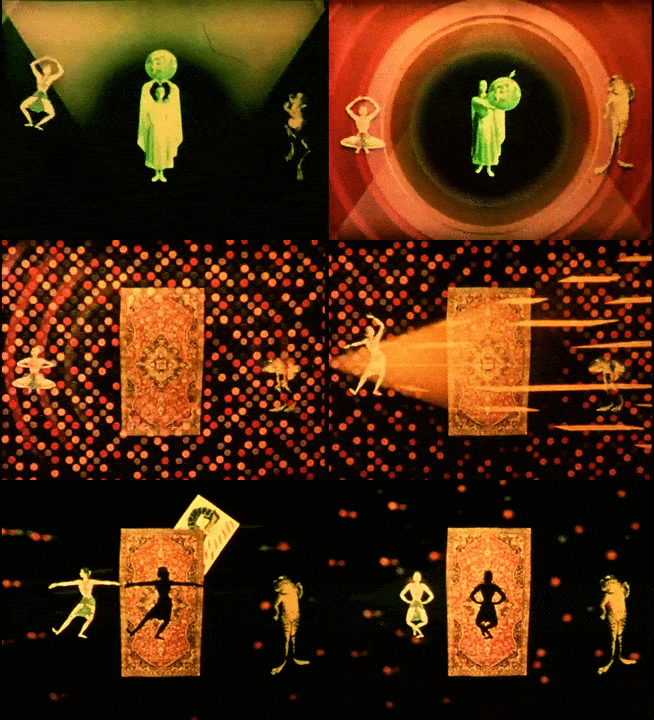
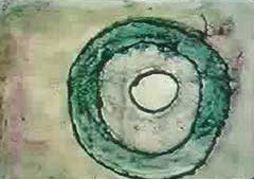
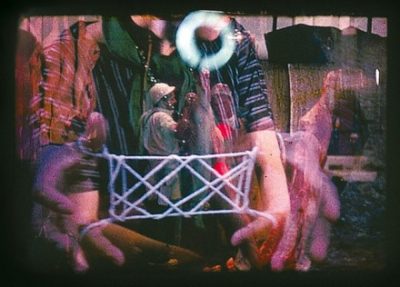
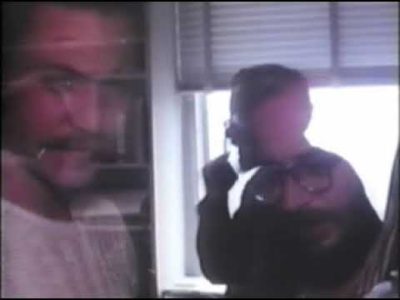
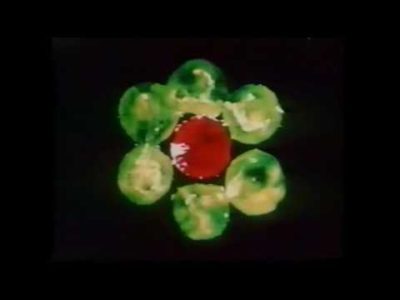
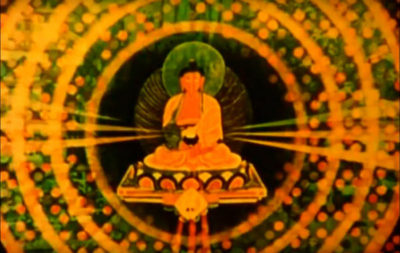
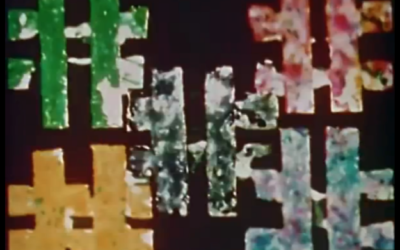
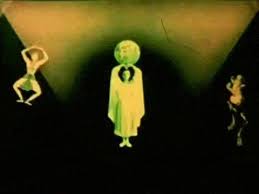
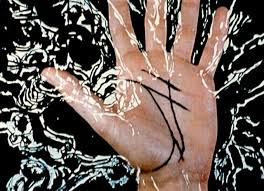
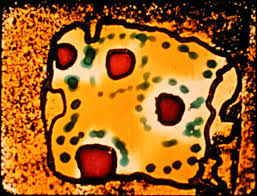
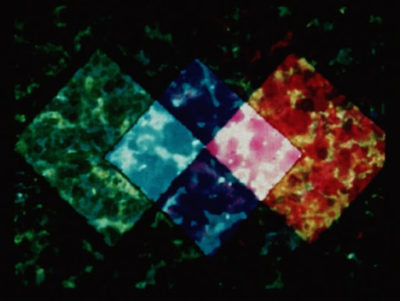
‘Harry Smith’s early films, known as Films #1-5 , 7 and 10 or Early Abstractions (or “the batiked films” as Smith was later to refer to them) were mainly made with Smith’s own elaborate technique of painting directly onto 35mm film, using a batik-like technique utilising stencils, tape, cutouts and layers of paint, dyes, ink and petroleum jelly. These amazing works were similar to Len Lye’s expressionist films but incorporating mystical elements of Native American art and encoded alchemical imagery. The films were re-edited, reprojected, and refilmed countless times resulting in work of great density and complexity.
‘All of Smith’s films seemed to be in a state of permanent reworking and re-editing through most of his life, and are therefore quite difficult to date. A film shown at a festival in 1947 may be very different from the version that is viewed today for example, and Smith did not seem unduly concerned with the conventions of giving his films “official” titles, dates and running times.
‘Harry Smith was, among other things, an enigmatic animator, painter, bohemian and magician, plus a curator of Native American culture and early American folk and pop music. In fact, producing major works in different disciplines (and having a common name) has meant that people reading about Harry Smith’s paintings may have no idea he is also the animator Harry Smith, or that he is the same Harry Smith who curated seminal compilations of rare folk music. Described by Kenneth Anger as “The Worlds Greatest Magician”, this was apparently another of his talents; Smith was said to have helped many people (such as Oskar Fischinger’s wife) with his spells, for instance. His frequent use of bizarre occult magic included leaving containers of his semen in the auditorium of his screenings to “absorb audience energy”. His incredible personal collections of objects included 30,000 Ukrainian Easter eggs and thousands of paper planes found randomly on the streets.
‘Harry Smith’s life story has been so mythologised, not least by Smith himself, that it’s hard to get a grip on the truth. His family were highly unconventional and encouraged his interest in philosophy, alternative religion and the occult. Smith claimed his father gave him a blacksmith shop when he was twelve and told him to try and convert lead into gold. As a teenager he would often sleep at the Indian reservation where his mother worked as a teacher and make recordings of Native American music and rituals. The story goes that Smith dropped out of college in 1944 after smoking grass and attending a Woodie Guthrie concert, moved to San Francisco for a bohemian lifestyle and never looked back.
‘Contrary to popular belief, however, “bohemian” isn’t necessarily a byword for inactivity. Not only having produced some of the twentieth century’s most remarkable abstract animation and being credited as a big influence in 1960s psychedelia, Smith is also famous for archiving and putting together one of the most important collections of folk and outsider music which, in its released form, became a huge influence on future musicians like Bob Dylan and Led Zeppelin. Similar to Len Lye in that he drew on his childhood connection with “primitive” American Indian art, Smith also associated with, and was influenced by, California-based artists including the great avant-garde pioneer Oskar Fischinger, an émigré from pre-war Germany.
‘Although said to be generous with what little money he had, Smith by his own choice lived for much of his life “as a bum” with no income, relying on benefactors and scrounging bits of money here and there which he would invariably spend on books, music, alcohol or other recreational substances rather than conventional necessities like food or rent. In short Smith was a maverick free spirit and his unique, freeform and often mesmerizing animation is as uncategorisable as the man himself.
‘While in San Francisco Smith studying painting he teamed with and fellow student Jordan Belson to organise some film screenings called Art in Cinema, which aimed to show all the greatest abstract and avant-garde films made to date. Smith traveled to Los Angeles to ask Oskar Fischinger and other avant-garde pioneers like John and James Whitney to be involved. Inspired by the brilliant Fischinger and also the films of Len Lye and Norman McLaren painted directly onto film stock, Smith and Belson began making films of their own. Having no equipment or money, Smith was helped by photographer and experimental film maker Hy Hirsh, using ink given to him by the Whitney brothers.
‘Smith’s early films were often made as a visual response to the great Jazz artists of the time such as Dizzy Gillespie, Charlie Parker, Thelonious Monk and Chet Baker. Later, Smith would screen this work in the nightclubs of San Francisco where these same musicians would in return create their music in response to the films. Smith’s working methods, enhanced by various intoxicants, are said to have been a form of Synesthesia, the phenomenon of overlapping senses, such as seeing sounds as colours and of images triggering internal sensations of sound.
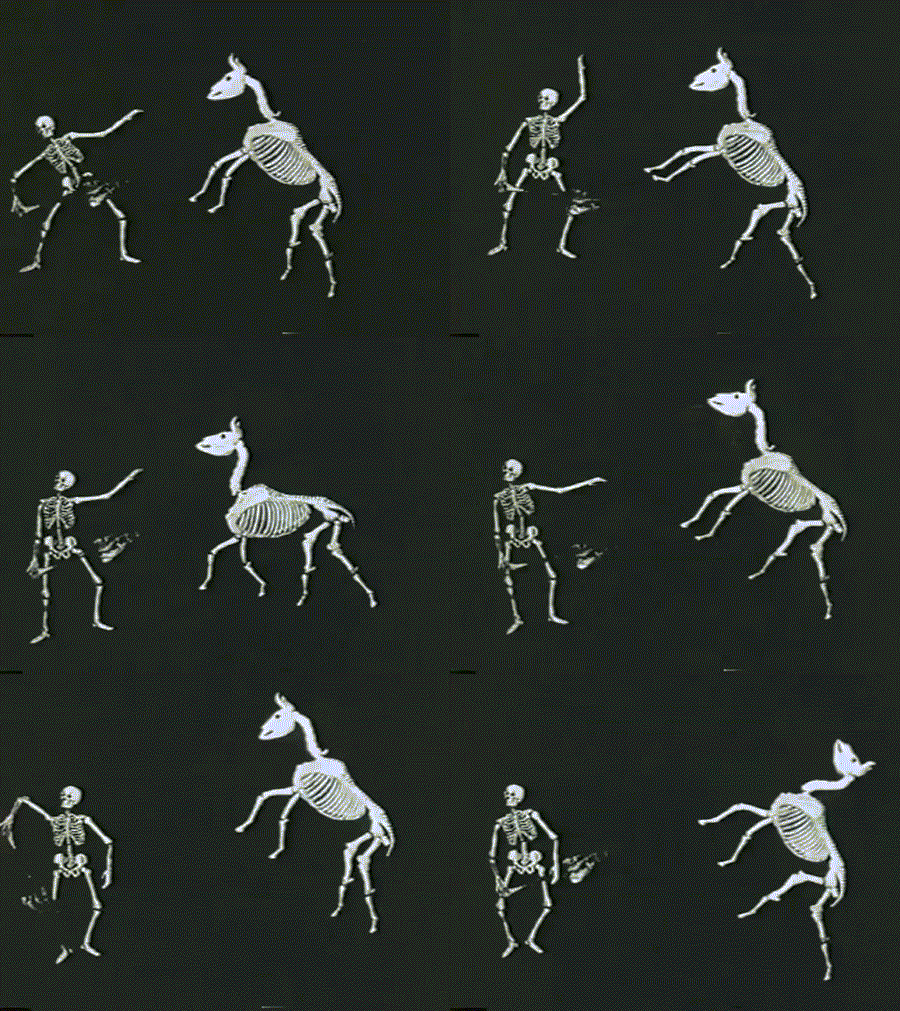
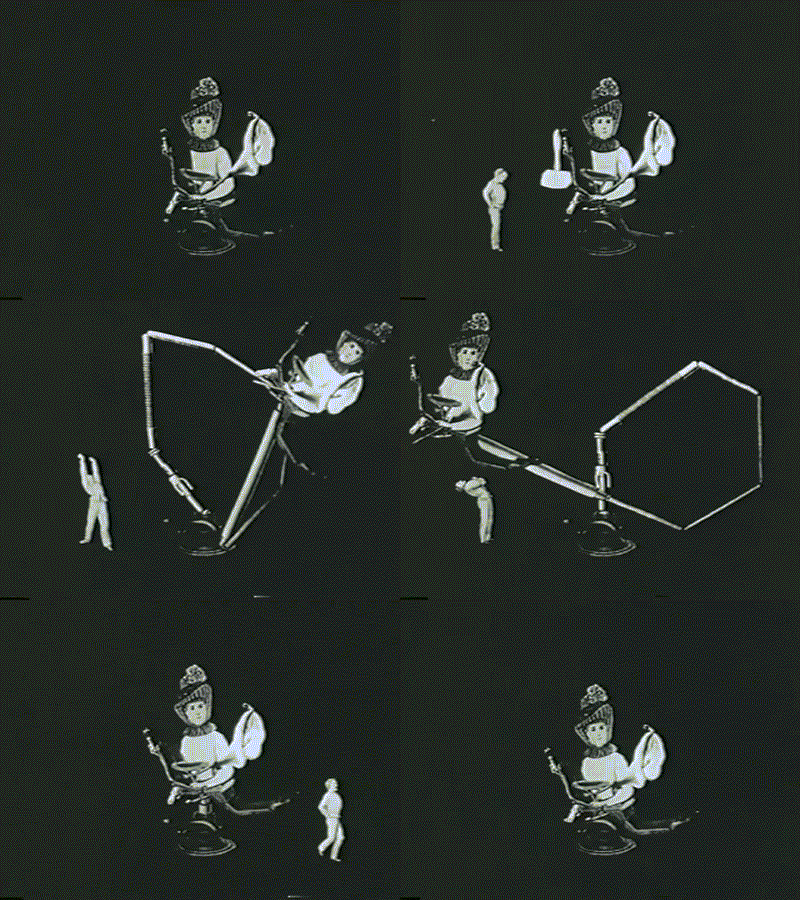
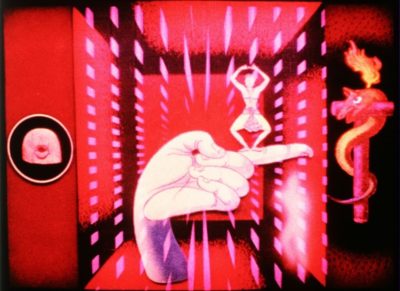
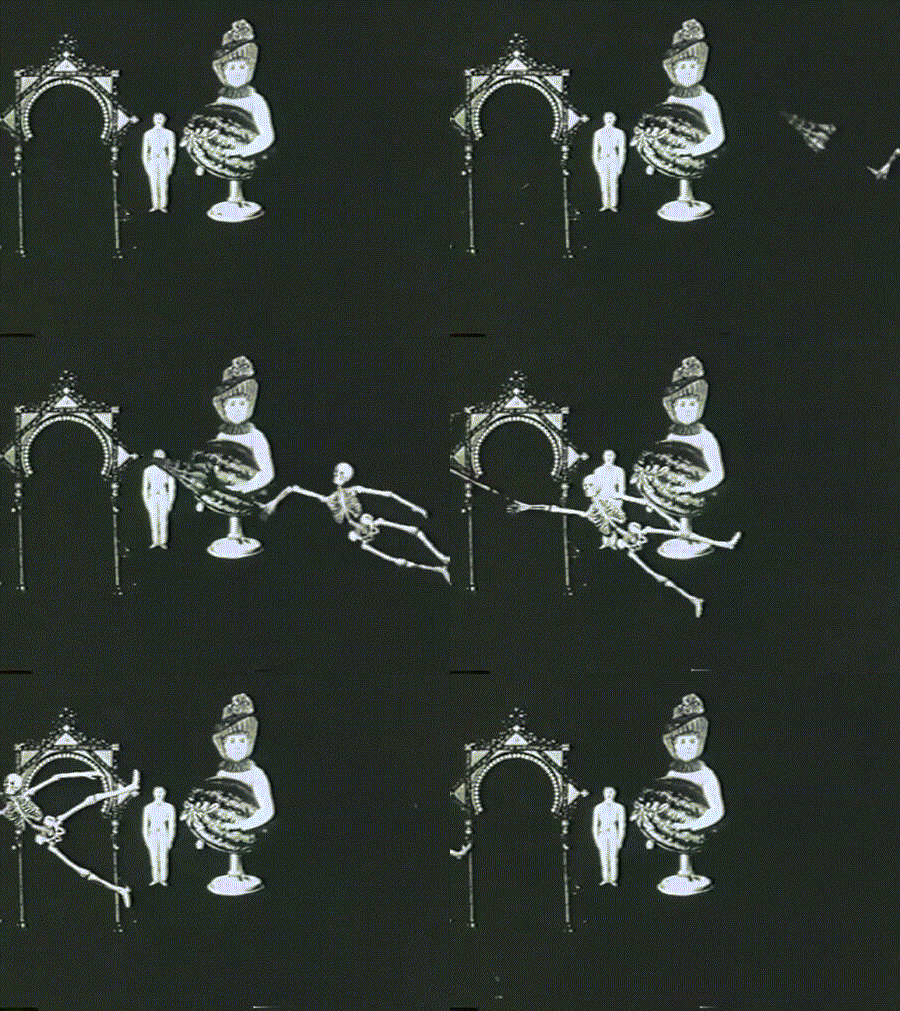
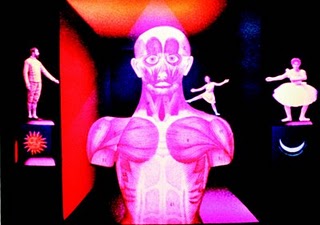
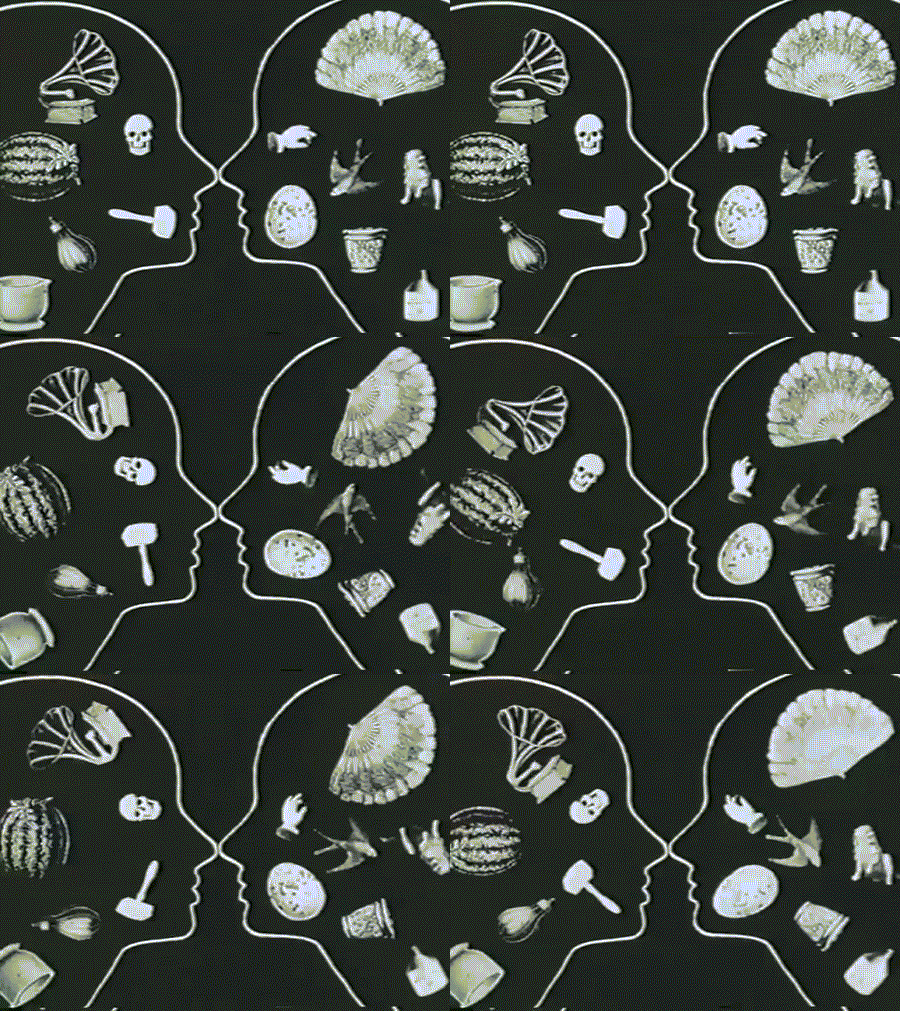
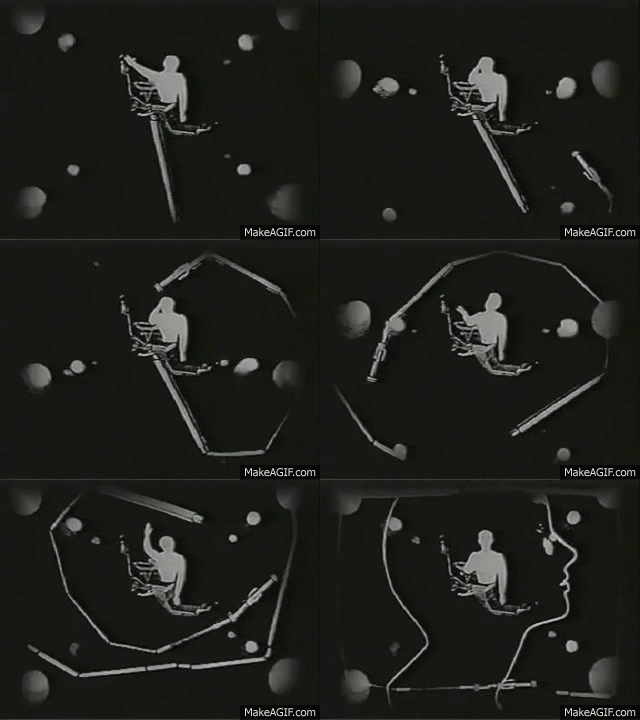
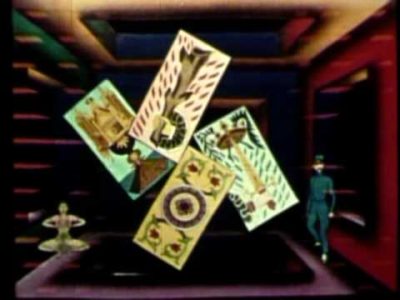
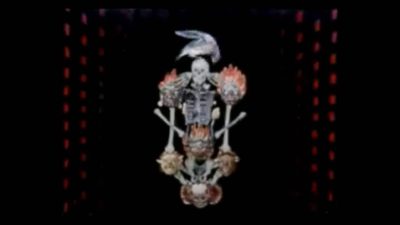
‘Harry Smith’s most famous work came in 1960, the mysterious spiritual cut out epic Film #12 (or, as named by fellow abstract film-maker and friend Jonas Mekas, Heaven and Earth Magic). The film seems to have been made between 1950 and 1960. During this process Smith often used sleep deprivation as a gateway to spirituality and the subconscious, a process of falling asleep, awaking and resuming work continuously next to his camera. In Smith’s words this was “to make the whole thing automatic…some kind of universal process was directing these so-called arbitrary processes”. Smith gave a typically mysterious summary of the narrative as follows: “The first part depicts the heroine’s toothache consequent to the loss of a very valuable watermelon, her dentistry and transportation to heaven. Next follows an elaborate exposition of the heavenly land, in terms of Israel and Montreal. The second part depicts the return to Earth from being eaten by Max Müller on the day Edward VII dedicated the Great Sewer of London.”
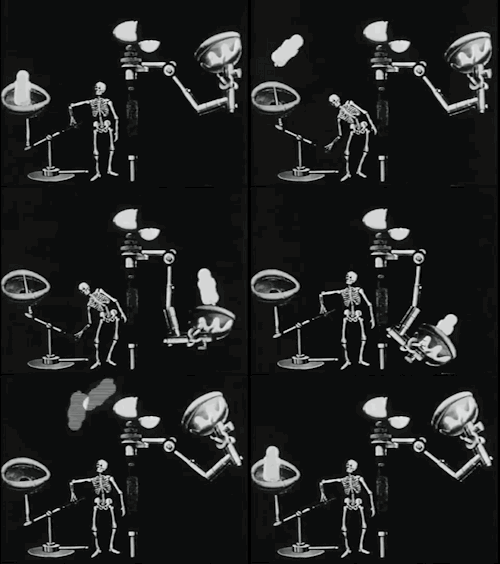
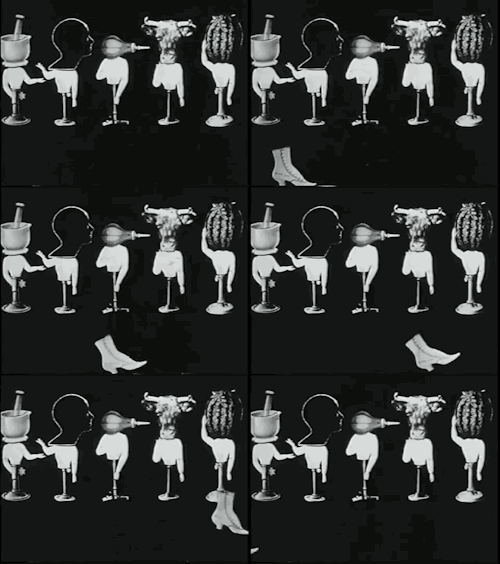
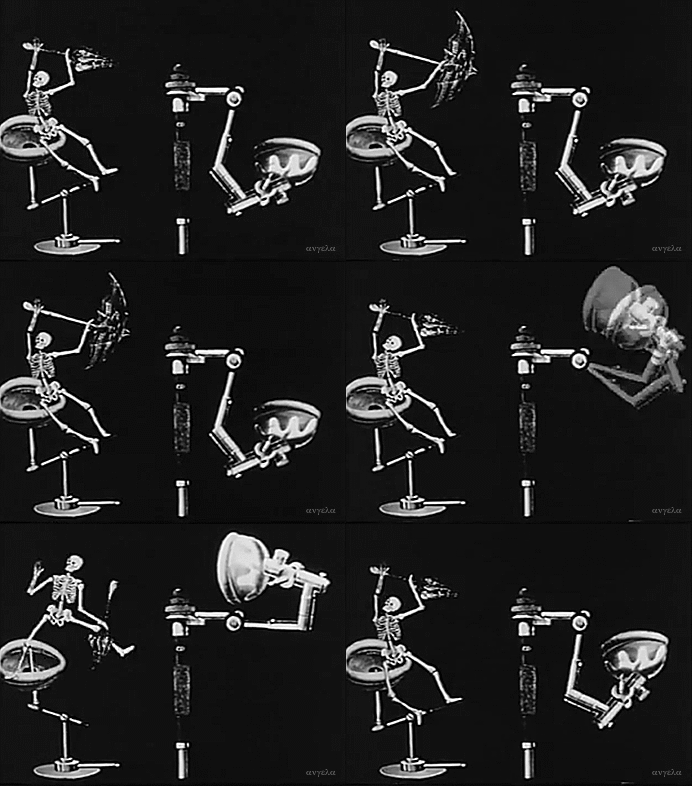
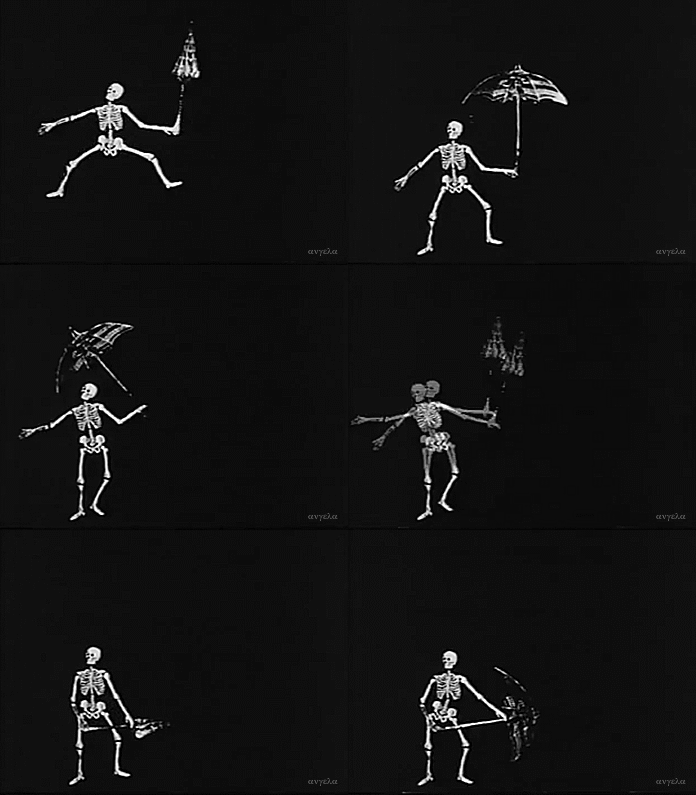
‘According to Smith, the original of Heaven and Earth Magic was made on on 35mm film with a running time of six hours, although if this version existed it now seems lost. What survives is an hour-long 16mm edit, in which for long periods small cutout figures, white against black, jerkily manipulate a variety of cutout or real symbolic objects. If the visuals in this disappoint compared to the richness of Smith’s early work, what should be remembered is that the film was designed to be enhanced with colour filters, lights, music and sound effects manipulated by Smith along with framing masks that transformed the screen itself to appropriate symbolic shapes. This would give the overall feel of an elaborate Victorian magic lantern theatre embellishing an animated shadow play. Also integrated into many of its legendary screenings was a whole other theatre of activity with Smith often letting off fireworks, giving a running “stream of consciousness” commentary, while fending off hecklers and scorning members of the audience who weren’t sufficiently appreciative.
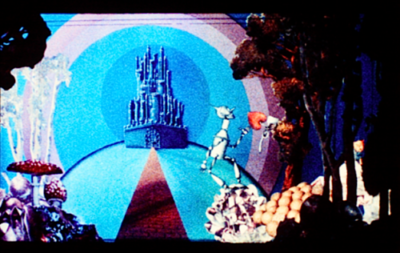
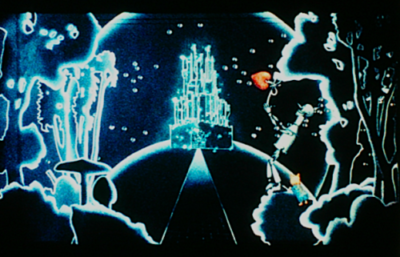
‘After this Smith would spend years developing a variety of even more ambitious film projects. Spending much of the 1960s trying to complete his unique mystical animated version of The Wizard of Oz entitled Film #13: Oz aka The Magic Mushroom People of Oz, Smith at first raised a budget (he later claimed to be a million and a half dollars) from a group of patrons and set up a large expensive film studio with a huge elaborate animation stand. After a year Smith had produced only nine minutes of usable film and when in 1962 one of the main financiers died of a drugs overdose, the others pulled the plug. Smith was locked out of the studio and most of the work was destroyed. What remains was edited with other material to form subsequent films. The first part of Film #16: Oz – The Tin Woodsman’s Dream for instance shows glimpses of the stunning film that never was.
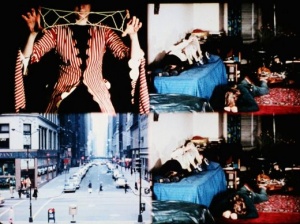
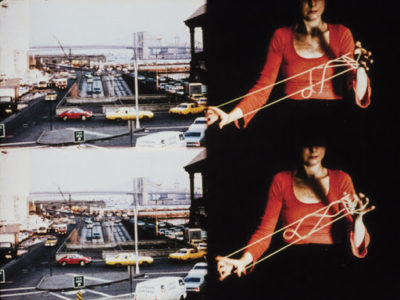
‘Film #18: Mahogony took Smith another ten years and was based on the start of Bertolt Brecht and Kurt Weil’s opera Aufstieg und Fall der Stadt Mahagonny. Smith took Manhattan as his version of the “Mahogony City” in the story, a parable in which “everything is permitted and poverty is the only sin”. Smith intended to create a new film language that would be equally understandable to all people on earth, by using his visual symbols to connect to a collective, spiritual subconscious. He used live-action and animation and filmed many scenes in The Chelsea Hotel where he lived, featuring friends like Allen Ginsberg, Jonas Mekas and Patti Smith as well as the random homeless people he befriended, as they came to visit.
‘In 1992 Harry Smith died of cardiac arrest in this legendary hotel, singing in his friend Paola Igliori’s arms. Poet and writer Igliori later made American Magus (2001), a documentary about Smith’s life. Smith was certainly one of the most legendary counter-cultural figures of the twentieth century and, if fellow abstract animator, artist and adventurer Len Lye was once said to be “the worlds least boring man”, then Smith must have run him a very close second.’ — Stephen Cavalier
____
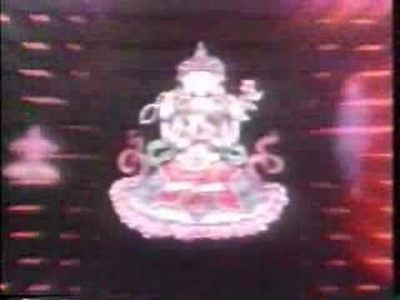
Stills

___
Further
Harry Smith Archives
The Collage of Perception: William S. Burroughs & Harry Everett Smith
Between Fact and Friction: Hanging Out in the Ozone with HARRY SMITH
Harry Smith Fan Page @ Facebook
Book: Think of the Self Speaking: Selected Interviews by Harry Everett Smith
A Thick Description of Harry Smith
A Harry Smith Seance
Summer Flowers
Strange dreams
Harry Smith @ Instagram
The Offbeat Paper Airplane Collection of the Brilliant Beat Era Artist Harry Everett Smith
HARRY EVERETT SMITH: JACK OF ODD TRADES
harry smith: the avant-garde in the american vernacular
Memorial Day – Harry Smith’s Birthday
____
Extras
Interview with Harry Smith and P. Adams Sitney (1965)
Harry Smith – BOY AM I IN TROUBLE
Thee Oh Sees with film by Harry Smith
Folk Mystic: The Eccentric Life of Harry Everett Smith
Harry Smith, American Magus, Directed by Paola Igliori
____
Interview: Jonas Mekas on Harry Smith
by Kevin Arrow
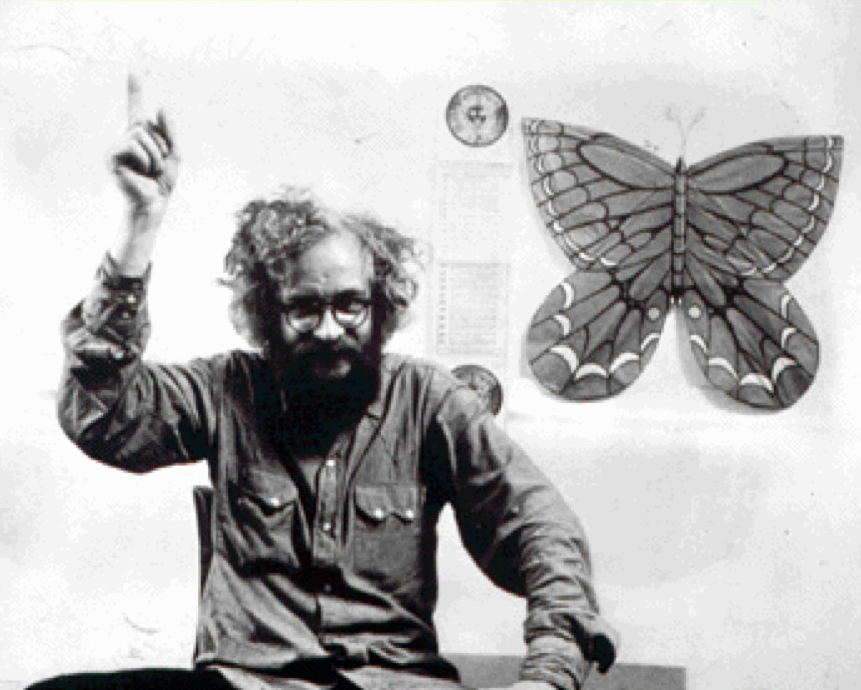
While in New York, I met with Jonas Mekas, the ninety-three-year-old filmmaker and founder of the Anthology Film Archives at his studio in Brooklyn to discuss Smith, Mahagonny, and the scene surrounding Smith at the time. Mekas has been watching films, writing about films, making films, and living films for longer that you can imagine. He was living and breathing and filming in the midst of the Velvet Underground’s first appearance, Judith Malina and Julian Beck’s Living Theater,the birth of Fluxus, Andy Warhol’s Factory, John and Yoko’s bed-in for peace, Cunningham, Cage, and Kerouac. It was as the founder of the Filmmaker’s Co-Op and Anthology Film Archives that Mekas first encountered Smith. He was once asked about their first meeting and, as I recall from the account in the book American Magus Harry Smith: A Modern Alchemist, Mekas described it as something like this:
Harry Smith walked in—I had never met him before, this was in 1962—I thought that he was sixty or seventy years old. ’I am Harry Smith and I hate you!’ he said. I said,’Harry, you don’t know me—do you know what it means? You are saying that you hate somebody?’ And I looked straight at him and said again, ’You know what you are saying?’ He looked at me, turned around, and walked out.
Smith proved himself to be irresistible to Mekas for the remainder of his life. Harry Smith practiced magic. I sat down with Mekas to discuss all this further.
KEVIN ARROW (MIAMI RAIL): The whole idea of Marcel Duchamp, mathematics, and The Large Glass sideswipes everything—I was trying to wrap my head around Brecht and Weill and was then trying to decipher the Duchamp reference and I don’t even know where to begin.
JONAS MEKAS: That’s Harry! That film is pure Harry. Don’t ask me about meanings!
RAIL: Did Harry ever say much about his films after they were made?
MEKAS: Whatever he had to say is in the Filmmaker’s Cooperative Handbook, he wrote the film capsules and didn’t talk much about his films.
RAIL: Is it true that people may have been intimidated to organize events with him to show his films?
MEKAS: He refused to go. I don’t know a single case when he would have accepted to appear after a film, but his room was always full of friends at the Chelsea Hotel.
RAIL: So he was good in informal sessions—would impart his knowledge to people?
MEKAS: No, he wouldn’t talk much, he would usually just insult them — he was not lecturing. He was a man of few words and would easily snap. They are a few recorded interviews with P. Adams Sitney. He also wrote a lot and he left behind a lot of scribbles.
RAIL: Regarding the film restoration project, who instigated the process?
MEKAS: The Anthology Film Archive has all his films, we are the only ones doing it, and not everything is preserved, because of money limitations.
RAIL: Apparently the right date and time and combination of factors arose and investors appeared?
MEKAS: Yes, but unfortunately they did not want to spend money preserving the individual films [of Mahagonny]. They wanted to put it onto one film, which was the wrong idea, but it’s OK.
RAIL: Are there additional films out there awaiting this same kind of a treatment?
MEKAS: They are all preserved except for the original materials for Mahagonny, we would need close to one hundred thousand dollars to do that.
RAIL: It does seem as if someone ought to do a frame-by-frame analysis of Mahagonny, if that is even possible.
MEKAS: Yes, that is the future.
RAIL: There is a 16 mm print of Early Abstractions in the Miami Dade Public Library, which I have watched countless times, and I have the Mystic Fire VHS tape as well. I am fascinated by themethods Smith employed to screen these films publically, in which he used slide projectors and was manipulating the images with crystals…
MEKAS: And colored gels.
RAIL: I understand that he used large lantern slides, some of which are reproduced in the book Experimental Animation Origins of New Art, by Robert Russett and Cecile Starr.
MEKAS: Yes, that projection instrument machine Harry destroyed. He made it himself. It was a contraption that you could take apart and put together and place a projector inside of and there was another place for different sized and shaped gels, and as you project you could do all those tricks. This was made especially for the film Heaven and Earth Magic (1962). Not for Early Abstractions, which was always shown straight, with no manipulation.
RAIL: I have Heaven and Earth Magic as released by Mystic Fire on VHS and it’s only in black and white. So when Smith presented this live, there were colored passages?
MEKAS: Yes. And you know, his paintings have yet to been seen and exhibited. We are currently trying to build a library, performance space, and a Heaven and Earth Cafe on the roof of the Anthology Film Archives. It will be for books, periodicals, and documentation and a lot of Harry’s art and paintings.
RAIL: So this is material that didn’t go to the Getty?
MEKAS: Most of his materials that have to do with music are at the Getty, and someof the paintings that came from individuals, but most of his paintings he left with me, which I deposited at the Anthology, but since we are not a museum and cannot care for them, we are selling them to build the library. We have forty Smith paintings, which we are selling for ten million dollars, which I consider to be the cost of one second-rate Warhol! With forty paintings from Harry Smith, we will build the library and the café, because we are really suffering right now and half of our paper materials are in boxes and we have more coming in, and since we are operating on a deficit, the café will help us break even, at least. So, I am forced to sell the paintings to build the library. The paintings have to be purchased and kept together–some foundation should buy them and deposit them in a well-established museum.
RAIL: I often tell people that Harry is the most important twentieth-century artist that you have never heard of.
MEKAS: Some people who know Harry’s work, like Henry Geldzahler, at the Metropolitan Museum of Art, he thought he was a much more important artist than Warhol, as a painter.
RAIL: I am sure Harry would have something to say about time cycles and that there needed to be this much time to pass before people would wake up and pay attention.
MEKAS: That is exactly what Henry told me, that he has to die and then people will eventually understand his work and he will be evaluated in the right way.
_______________
13 of Harry Smith’s 20 films
_______________
Early Abstractions (1946 – 1957)
‘The seven films that make up Early Abstractions are spliced together to be projected as a unit. “My movies are made by God; I am just the medium for them.” Harry Smith “Smith’s films can be watched for pure color enjoyment, or for motion – Harry Smith’s films never stop moving – or you can watch them for hidden and symbolic meanings, alchemical signs.’ — Jonas Mekas
the entirety
________________
A Strange Dream (1946 – 1948)
‘Hand-painted 35 mm stock photographed in 16 mm, color, silent, 2:20 or 5 min. Initially intended to be screened with and synchronized to Dizzy Gillespie’s Manteca or Guarachi Guaro. “…the history of the geologic period reduced to orgasm length.”’ — letterboxd
the entirety
_______________
No. 2: Message From the Sun (1941)
‘Hand-painted 35 mm stock photographed in 16 mm, color, 2:15 or 10 min. Initially intended to be screened with and synchronized to Dizzy Gillespie’s Algo Bueno. This film “takes place either inside the sun or in… Switzerland” according to Smith. To produce this film he used a technique that involved cutting stickers of the type used to reinforce the holes in 3-ring binder paper. These were applied to 16 mm movie film and used like a stencil. Layers of vaseline and paint were used to color each frame in this manner. The effect is hypnotic, psychedelic and is something like a visual music.’
the entirety
_______________
No. 3: Interwoven (1947-49)
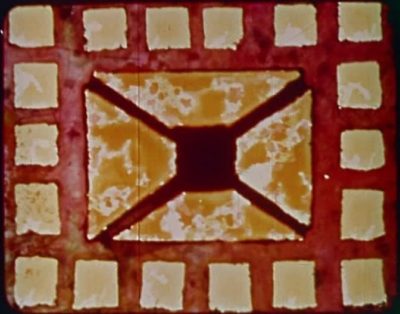
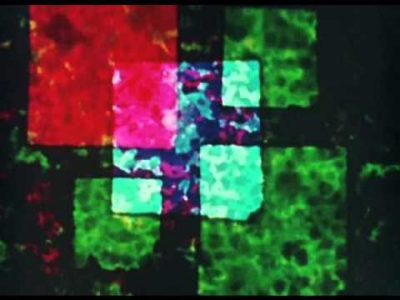
‘ Set to the music of Dizzy Gillespie, the film dances and bounces with jazzy rhythms, vaguely jiving to the same beat as the Gillespie tune but more just pulsating in sympathy with the music. The animation is geometric and colorful, with multicolored geometric shapes — mostly squares and rectangles, though a few circles and triangles show up towards the end of the brief short — shifting around the screen. Often, the quadrilaterals are arranged in tight grids, the internal boundaries of which are constantly shifting so that any given quadrant could pulse in size from a tiny box to spanning across nearly a quarter of the frame. These grids seem to be bouncing to their own internal groove, like there’s a rowdy party going on and the whole place is jumping to the beat.
‘It gives the impression of architecture in motion, the boundaries all temporary, the straight lines deceptive because nothing ever stays in place for long — whereas most grids give the impression of rigidity and formality, this grid is fluid and free. Like jazz itself, it’s structure in motion, structure with room for improvisation and movement, for unpredictability, for fun. It’s hard to imagine a better visual metaphor for the spirit of jazz, this tension between structure/rigidity and freedom/motion. When Smith’s shapes break out of the grid, dancing across the black space, momentarily suggesting bar graphs or rows of piano keys before returning to their abstract dance, it’s even more suggestive of total freedom, though that sense of structure is lost.’ — Only the Cinema
the entirety
________________
No. 4: Manteca (1947)
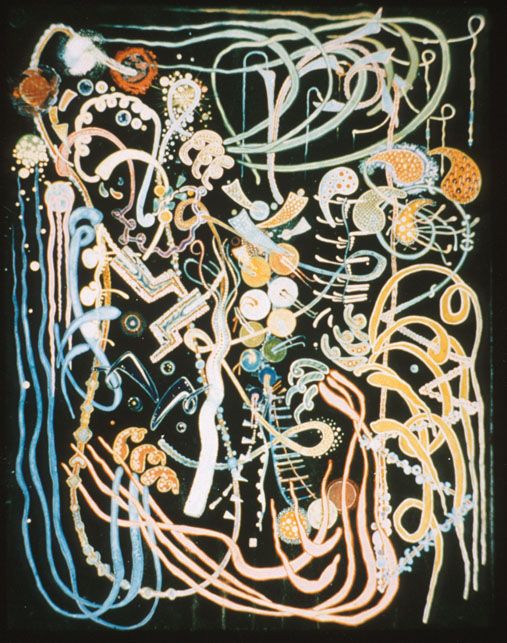
‘Silent though possibly intended to be screened with Dizzy Gillespie’s Manteca. The film starts with a color sequence showing Smith’s painting Manteca (ca. 1950) with which he tried to subjectively depict Gillespie’s song, every brushstroke representing a music note. The film concludes with black & white superimpositions.’
________________
No. 5: Circular Tensions (Homage to Oskar Fischinger) (1949 – 1950)
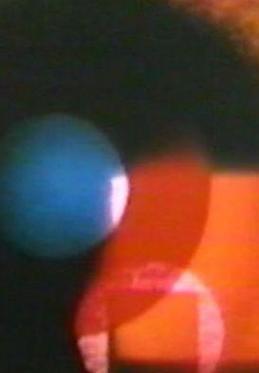
‘An experimental film from artist Harry Smith and part of his Number series of various animated scenes.’
________________
No. 7: Color Study (1950 – 1952)
‘Optically printed Pythagoreanism in four movements supported on squares, circles, grillwork, and triangles with an interlude concerning an experiment.’
the entirety
________________
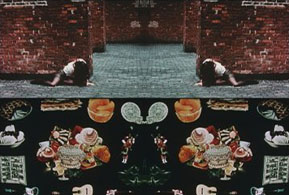
No. 10: Mirror Animations (1957)
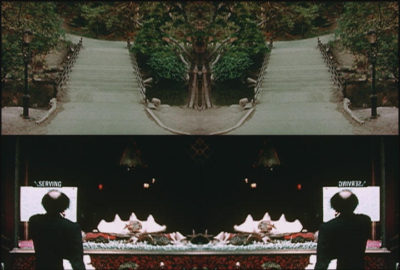
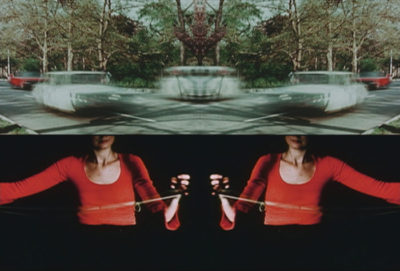
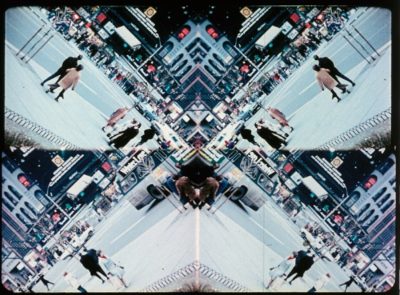
‘Film #10: Mirror Animations was included in his short film anthology *Early Abstractions*, which was selected in 2006 by the Library of Congress for preservation in the National Film Registry. While originally silent, Smith later used music by the Fugs (who were Smith’s friends) and the Beatles as the collection’s soundtrack; its video release in 1987 synced music from Teiji Ito (husband of another experimental filmmaker, Maya Deren), and more recent scores have been created by pianist/composer Philip Glass and the band Sonic Youth. Smith himself described *Film #10* as An exposition of Buddhism and the Kaballa in the form of a collage. The final scene shows Agaric mushrooms growing on the moon while the Hero and Heroine row by on a cerebrum. This soundtrack was created in July 2009 by the Shaking Ray Levis and Love, Execution Style. It was improvised and recorded in real-time, as the musicians viewed the film.’ — Shaking Ray Levi Society
the entirety
_________________
No. 11: Mirror Animations (1956 – 1957)
‘If, (as many suppose), the unseen world is the real world and the world of our senses but the transient symbols of the eternal unseen, ad limiting ourselves to the aesthetic experience’s well-known predilection for the eyes and ears, we could logically propose that any one projection of a film is variant from any other. This is particularly true of MIRROR ANIMATIONS. Although studies for this film were made in the early 1960s, the non-existence of suitable printing equipment until recently, my inability to locate the original camera footage until 1979, and particularity, the lack of an audience ready to evaluate L. Wittgenstein’s “Ethics and Aesthetics Are One and the Same”, in the light of H.C. Agrippa’s earlier, “there is no form of madness more dangerous than that arrived at by rational means’ have all contributed to delaying until now the availability of a print in the full mirror-reverse from originally envisioned. I hope you like it.’ — Harry Smith
the entirety
_______________
No. 12: Heaven and Earth Magic (1962)
‘Harry Smith describes Film #12 as follows, “The first part depicts the heroine’s toothache consequent to the loss of a very valuable watermelon, her dentistry and transportation to heaven. Next follows an elaborate exposition of the heavenly land, in terms of Israel, Montreal and the second part depicts the return to Earth from being eaten by Max Muller on the day Edward the Seventh dedicated the Great Sewer of London.” One of Smith’s most well-known works; this black and white collage film culled from cut-outs from nineteenth-century catalogues, the film traverses the landscape of an hermetic dream.’ — Harry Smith Archives
the entirety
_______________
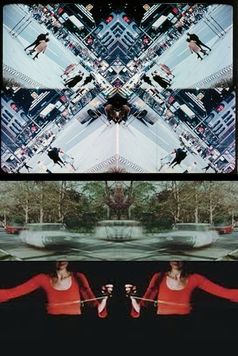
No. 14: Late Superimpositions (1963 – 1965)
‘Superimposed photographs of Mr. Fleischman’s butcher shop in New York, and the Kiowa around Anadarko, Oklahoma–with Cognate Material. The strip is dark at the beginning and end, light in the middle, and is structured 122333221. I honor it the most of my films, otherwise a not very popular one before 1972. If the exciter lamp blows, play Bert Brecht’s Mahogany.’ — Harry Smith
_______________
No. 16: Oz – The Tin Woodman’s Dream (1967)
‘Unfinished commercial adaptation of L. Frank Baum’s The Wonderful Wizard of Oz which was shelved after Smith’s close friend, the executive producer and primary financial backer Arthur Young died of cancer. From the reported three to six hours of camera test footage (rushes) only ca. 15 minutes, in the form of non-color-corrected rushes, is known to be extant. The only completed bit is The Approach to Emerald City, released under the current title.’ — HSA
the entirety
________________
No. 18: Mahagonny (1980)
‘Harry Smith’s final film; an epic four-screen projection. Smith worked on this cinematic transformation of Kurt Weill and Bertolt Brecht’s opera Rise and Fall of the City of Mahagonny (1929) for over ten years and considered it his magnum opus. The film was shot from 1970 to 1972 and edited for the next eight years. The “program” of the film is meticulous, with a complex structure and order. The Weill opera is transformed into a numerological and symbolic system. Images in the film are divided into categories— portraits, animation, symbols and nature— to form the palindrome P.A.S.A.N.A.S.A.P. The film contains invaluable cameos of important avant-garde figures such as Allen Ginsberg, Patti Smith, and Jonas Mekas, intercut with installation pieces from Robert Mapplethorpe’s studio, New York City landmarks of the era, and Smith’s visionary animation.’ — trakt.tv
*
p.s. Hey. ** Dominik, Hi!!! I would worry about saying ‘awww’ to macho guys, given their thin skin and everything, but luckily they don’t tend to want to talk to me/love. High five to love because I’ve never watched ‘Friends’ either and never will, although I do quite like Lisa Kudrow. Love almost wishing he had a pet parrot, G. ** Adem Berbic, Paris has the best tabacs. And I should know. My local go-to is called Le Cigarium, and I only have to open the door and whoever’s working there immediately grabs two packs of Camel Blue off the shelf. Thinking we probably won’t get to do Thorpe Park sadly, as our hosts are just bringing us in for two days/nights, and, if the Halloween screening sells out, we’ll add another on the 1st, and that would eat our time. Oh well. There might be some Ollier at Les Cahiers de Colette, arguably Paris’s greatest French language book shop, which isn’t far at all from where we’re coffeeing in a few hours. ** Tosh Berman, Cool, I love Mathieu Lindon’s writing. I can’t wait to get that. He and I share a French publisher, and he is super sweet and strange. Thanks. T. ** Bill, You never saw them or SY live? That’s sad, but that’s life. I missed a bunch of biggies too for distance and/or stupid laziness reasons: Pistols, Beatles, Sly Stone, Nirvana, … I might well follow you to that YouTube location. Have the swellest weekend. ** _Black_Acrylic, A bunch of the Nouveau Roman writers loved detective fiction. I guess maybe because it’s so plotty but also so dry in that way they liked? ** Carsten, Luckily or unluckily the woman who gave birth to my friend’s accidental triplets won’t have anything to do with him. So the triplets themselves remain his daydream fodder. Yeah, but making stuff for this blog i.e for anyone is pretty different than making something that’s designed to seduce people with money into forking it over. That’s not my forte, but we’re counting on corrections from our producer. I hate being reductive, but there’s other choice. Good weekend ahead or I guess already underway for you. ** Sarah Palmer, Hi, Sarah! Glad you had a good holiday. Southeast … okay, I think what that means. My friend Zac is originally from a small town by Nice. Does that qualify? Anyway, it sounds to have been quite art rich. I’ll see if Phoebe Hadjimarkos Clarke has been translated into English. And I’ll look into (La) Horde too. I haven’t gone to see dance in ages. I used to go all the time when I was working with Gisele Vienne. Cool, thanks. Any weekend highlights? ** Hugo, That does sound hectic. Ugh, sorry about the Alice job loss. I hope she’s okay. She seemed excited about that gig. Do let her know that our film only provides semi-levity. I hope things look totally up for you extremely quickly. ** HaRpEr //, ‘Un Femme Douce’ is about, mm, a little less than halfway down my fave Bressons list, I think. It’s great though. Like I said, I now doubt we’ll get to Halloween at Thorpe Park. I think we’re going to be a little too in-and-out to have the time. But who knows. As I think I’ve said, the only movie that has scared me as an adult was seeing ‘Blair Witch Project’ upon its release. Hard to believe now. I don’t remember that Vollman story, but I don’t think I want to back and read it. Yikes. ** laura w, The French really do like American detective fiction, and it’s been very influential on both fiction and readership here. Like they love Paul Auster’s hoity-toity ‘detective’ fiction offshoots. You mean ‘Purple Noon’? It’s very good in my memory. Disney is very wussy on the scare front, at least in their parks. They even went back and softened up their old Snow White ride so as not to offend anyone even though it wasn’t remotely scary to begin with. Doing a Tim Burton makeover of the Haunted Mansion for Halloween is their idea of being daring. I’m curious about ‘Coyote vs Acme’. This weekend: keep working on the deck, which is not finished. I have to finish reading a book I agreed to blurb. See a pal or two. Nothing too spectacular. You? ** Thom, Hi. Mm, Dalkey is gradually bringing their old stuff back into print, but I fear Ollier may be a top priority. But you can probably get ‘used’ copies. You ordered some great stuff there, obviously. Grove’s design department is not what it once was, that’s for absolutely sure. Very nice Nick Lowe cover. That ‘Jesus of Cool’ album is so good. By far his best, I think? I think my favorite Zelda game is ‘Windwaker’. I haven’t properly played the last two Zeldas, but everyone says they’re god. I do have a longtime fondness for ‘Majorca’s Mask’. Weekend galore to you! ** Okay. I’ve restored the blog’s oldish post about the mystical, odd, charismatic films of Harry Smith for you this weekend, and do have a look and poke and play around. See you on Monday.


 Now available in North America
I’m going to study up on Mathieu Lindon. I think his memoir about him, his dad, and the press is a must-read for you. Also, P.O.L. is mentioned frequently in the book. Harry Smith is amazing. What a force of nature that guy was. Los Angeles was hit with an exhibition and film showings recently.
Funny, I was just at a screening of Heaven and Earth Magic last night! It was Crossroads’ “live” program, with Jim Thirlwell doing the sound. The film was amazing of course. Thirlwell was as usual technically impressive, and had obviously put a lot of work into the project. But his music can be pretty heavyhanded, not a great fit for the playful visuals.
Yeah it’s very umm regretful that I never saw the Buttholes or Sonic Youth in their prime. And I would have loved to see Thirlwell/Foetus back when he was a troublemaker. I did see Big Black in a small church, and one of the first Rapeman gigs in a small restaurant.
A friend reported going to the Buttholes gig in Dallas in the mid-late 80s. They’d recently started projecting the penis surgery film; when that came on, my friend fainted and missed the rest of the show.
Bill
I tried posting here a few minutes ago, but the blog ate it.
Anyway, did you speak with your producer over the weekend?
I enjoyed COYOTE VS. ACME – Will Forte’s cheap lawyer fits very well into the WB cartoon world.
My latest “Radio Not Radio” show is up: https://www.mixcloud.com/callinamagician/952026-radio-not-radio/?fbclid=IwY2xjawUJoNhwZG9mAWV4dG4DYWVtAjEwAGJyaWQRMTBydGdpNlFIbndkVU5QamtzcnRjBmFwcF9pZBAyMjIwMzkxNzg4MjAwODkyAAEes3VmdgOXnbdrgkqBM4eKKrEvFwY6oG5sytsslQPfLk7_oNY_-D4H6wjGyAU_aem_scswVzAbMBPJXA3H2tVvcg. This one features RZA, The Architect, Czarface/Frankie Pulitzer/Method Man, Open Mike Eagle, Century Artists/Lavidaloca/TeeZandos, John Glacier, Myaap, Xyvrl, Sensational, evilgiane/$amaad, Cage, Fyore, Cities Aviv, Six Sex, Anysia Kim, Bby Goyard, pinponpanpon, DJ Exe/Cacau Chuu, Mc Lan, Marcelinho MeteBehla, Joey Beltram, Half Japanese, The Cramps, Koko Taylor, Alabama Shakes, Odyssey Cult, Funkadelic, Catalogue, Dos Santos, Um Jennifer?, The Bizarros, Elvis Costello, Upper Wilds, Ghost Dubs and Gregory Isaacs
Hello from the other side of that really interminable stretch of Line 8. Thank you for caffeine and summoning Zac. I’m really happy I got to see him. I mean, you too, obviously. I crawled Colette and the big Gibert on the Bd. Saint-Michel, but found no trace of Ollier. Talk about a deep cut, I guess.
In the end I didn’t go to the Baywatch thing, but I did make some headway with the piece I mentioned, the one that’s five pages of getting beaten up, which is arguably a better outcome. If I get it in shape, would you be happy for me to email it over? Of course, I don’t doubt it’d join the back of a long queue of blurb-hungry books and other more pressing tasks.
Hm, the aesthetics and mechanics of Smith’s movies do make me feel like they’re pressing some deep button or resonating somewhere primal, for want of a better word. But then I struggle to personally take stock in certain ideas of spirituality and ‘universal processes,’ as he puts it, so I can feel at a slight loss to conjuring that kind of deep effect, which I’d like to have in my arsenal. Does that make sense? I feel like your writing plays with left-field unfamiliarity in a slightly different way, maybe a slightly less familiar one, but that’s just me.
Harry Smith is the very definition of a polymath. An extraordinary character who had his fingers in a fair few pies.
My weekend has been a quiet one but still kind of ok. Transferring to a new mobile phone provider which is a Kafkaesque nightmare, and my brother deserves a Nobel prize for navigating his way through it.
something i’ve always thought about is an excerpt from gordon white’s the chaos protocols, where he talks about the necessity of finding new or different gods for commoners or other low-class folk to rely on — the heavy hitters across history (yhwh, zeus, jupiter odin et al) are royalty gods, meaning they’re not gonna give you the time of day just because you came calling. if you want to get noticed by them, you have to either prove yourself in this life or find some other god to help you, one who’s used to running between the cracks in foundations
all this is to say that mr. harry smith’s personal god must have been incredibly wily indeed
it’s been a minute since i could check in but i’m glad the rain eventually came back to you. hope your weekend goes well, i’m waiting very impatiently on a very personal guitar to be returned to me (one that was present at both of my parents’ deathbeds) — i hope it’s able to stand up straighter and cast off a bit of the shadows clinging to it
take care dennis + company
Hi!!
Macho guys often turn out to be surprisingly soft and gentle when there’s a dog involved. So I guess I’m in a somewhat safer position, haha.
Parrots are great! I really like the hoarse, screamy sounds they make. Have you ever had any other animal besides a dog?
Love finding his childhood diaries and realizing he hasn’t changed all that much over the years, Od.
Hi Dennis,
More (unfortunate) life events has transpired for me, my dad had to go into hospital after a complication with a surgery for cancer, he’s back home and fine now but my grandmother passed away last night. Last of my grandparents, wasn’t born and far too young when my dad’s parents passed away, and my nan was the only grandparent I really had a relationship with, and even then that was a very unconventional relationship due to family conflict and history. She had dementia for a few years and basically wasn’t herself anymore for a year; I never visited her in the nursing home as I felt it might just confuse her as in her head my mother was still a child. Part of me would regret it, but my last memory of her was when she lived in her own home, and I was an adult with my own relationship past anything that had happened with my mam and aunts and uncles. She was showing me a painting she did and even then I felt that this might be my last time properly being with her. Apparently she passed very peacefully, and had already made amends with any of her kids she had had a fraught relationship with so they were all there (bar one or two who were out of the country). I don’t know how to feel really, especially as she had basically been gone for a while anyway. Was with my friend last night who had broken her ankle, me and another friend were hanging out in her room and getting her anything she needed like groceries or tea and food. Was speaking to all of them about it, and how I’ve been in this depressive or negative state for a couple of months, and everything that’s happened (or in the context of time, what was about to happen) is just compounding upon it.
On another note, though still reflective of my frame of mind, I’ve been listening to a lot of Lana Del Rey’s early music, stuff I was listening to from like 10-16. That first album Born To Die is over 14 years old now, yet still feels fresh, and even in 2016 you could see how Lana had influenced a lot of pop music, but in 2026 it feels almost ubiquitous, as you have musicians now like Billie Eilish or Olivia Rodrigo who are around my age and had the same experience of listening to Born To Die at such a formative time in their lives. But what’s also interesting for me is going back through those older songs and realizing how many songs have literary references, the song Off To The Races basically has a direct Lolita quote in each verse or chorus, sometimes back to back, or her song Body Electric which is elements of Walt Whitman’s poem with her trademark Hollywood namedrops and Americana iconography. I’ve been re-reading a lot of the reviews at the time, it’s funny how dissected her alleged falseness was: her fake lips, her fake name, her switch-up in aesthetic and sound of the music she had made in 2010. It was all so frivolous and unimportant, but you’d imagine she was a politician with the scrutiny she was under. Most of the Born To Die songs as well have demos dating back to 2010, and she was the writer or co-writer with the producer of all the songs too so it’s not like she was just being handed the music by a team. And 14 years later and her progression to being far more open in her songs about her past sans metaphors and iconography, and all those songs that people questioned were glorifying abuse or drugs and seen as completely fiction actually align with a lot of situations in her life; I think there was a carry-on of 00s misogyny and not really being able to believe that a woman could both be beautiful and have a history of addiction and older men, and also be a competent artist. Like Born To Die isn’t a perfect album, it drags a lot in the section half and can veer too much into melodrama without the great songwriting at times in Carmen or Dark Paradise, but it was far better than most of the reviewers gave it credit for (and most of them have eventually admitted to being too harsh). Anyway, just rambling about it because it’s sweetly strange to have an album I remember coming out be “14 years old” and be a blueprint for so many artists today.
Yes yes yes yes yes!!! Have you ever had the chance to watch Mahagonny? I count myself as amongst the lucky few who’ve caught a screening (thank you Jeff Jackson!) and it’s in my top 4 movies of all time. Was just so blown away. It temporarily changed how I dreamed. Very glad to be back; figured out the browser issue that was preventing comments but then I got busy with grad school starting up. Everyone in my direct cohort is 26+ (I’ll be 26 when I finish the PhD) and I’m also the only one to not have gone in for a Master’s first. Intimidating stuff. But worst of all it’s kept me too busy to maintain an internal life. That and groceries, cooking, dishes on an endless loop. Hopefully by next month my pantry should be built up enough that groceries become rarer. Well. No longer on the no internal life stuff. I’m going to keep using precious few minutes to record a CD of Self Portrait in a Convex Mirror for a friend, and next week I head to Philadelphia to meet a friend and hopefully escape the millennials who seem to have a stranglehold over the city where I live, or at least my immediate neighbourhood. Any travel plans? Much love.
yes purple noon! i kept calling it “blue of noon” in my head before remembering that’s bataille. that would be a very different movie!
a lot of french writers do seem to love the american postmodernists, for whatever reason. they’ve never done much for me. i’m not against the straight american male author (i like cormac mccarthy despite my best efforts not to), but whenever i read delillo or auster i feel like i need a penis to properly appreciate it. i do like dfw and probably would also like pynchon if i could actually summon the courage to read pynchon, though.
weekend was okay! spent most of it watching movies, which is nice and something i never do. watched: the last unicorn, a gorgeous animated movie with an absolutely awful soundtrack (by america!); permanent green light (which was great btw, the funeral scene made me giggle a lot); hiroshima, mon amour; gates of heaven and vernon, florida, all three of which i also really enjoyed, esp hiroshima, mon amour. how was yours? also apologies about the frisk 4k remaster 😛
Hey! I saw that the venue for the London screening has been announced. It looks interesting and wasn’t on my radar. I haven’t been to that neck of the woods for a while either. Amazing! So cool that an arts space managed to pull through.
I don’t know Harry Smith’s films, but I remember being interested in his ‘Anthology of American Folk Music’ at one point. He produced The Fugs’ first album too, which I was into at the same time. Yeah, like Adem said, that hippy spiritual Ginsbergian stuff can be hard for me to bear, but I’ll check his films out for sure.
My writing is slow lately but I’m happy with the uncertainty that I’ve been managing to tap into. I did have this idea a while back that I want this book to be like a church without the religious connotations. Like how churches have these relics and displays and stained glass windows with stories on them and hidden little nooks with details that are only for God to see. I’m thinking a lot about writing as a kind of architecture. Not just plotting things out structurally like blue prints, but making certain sentences like locked doors or something.
Hi, Dennis! Given my inclinations, I mostly know Harry Smith thru his folk music anthology stuff, which of course is amazing, but he did a LOT, huh… Especially fascinated by the idea of work always in flux, hard to pin down “final versions”, etc. Seems to be frowned upon today, as filmakers etc. often get heat for altering their work after initial release, but it seems like it was once common? Like, across mediums? I think a Harry Smith deep dive is in order for me in any case, so great reminder.
Windwaker was one of the Zelda games I missed, even tho I played tons of em years back, so I played it for the first time this year. Loved it of course, impecable aesthetic and design, but I didnt properly utilize the map system until right near the end haha.
Oh, and I just watched Lord of the Flies from the 60s, and I totally see the impact it had on you. As an adult, its obviously not earth shattering, but some of those sequences remain haunting for sure. The frantic stuff in the firelit night, and some of the shots of the boys’ faces were affecting big time…
Anyway, Monday is still weekend for me, gonna clear out some books off my shelves (do I REALLY need Space Odyssey sequels on hand?) but I hope yr week is gearing up to be a good ride? Bye!!
Hey man. Sneaking in last minute, not sure if this comment makes the cut in time. Weekend was good, relaxed, nothing out of the ordinary. Finally found a good copy of Claire Denis’s “The Intruder” & watched that: it’s brilliant. Does everything I love about her work full tilt & with zero concessions to standard structures. Kind of a balm for me. Whenever she’s asked about how unusual her style is she always shrugs & says that’s simply how she experiences & perceives the world, which is where my affinity comes from. I get a feeling of sensory recognition from her stuff, it just makes sense & feels right on an instinctive gut level.
Oh Bob Holman got back to me with his blurb for my book, here it is: “If darkness could speak, it would sound like Carsten Czarnecki” Haha, what do you think? Surprised me a little, honestly, because I get the “man that’s dark” comment on occasion from pedestrians but wasn’t expecting it from a fellow poet. I guess he’s a cheerier man than I am. Anyway, certainly not a bad attention-grabber on the cover, right?
Hope your weekend was good & the deck isn’t too much of a drag. Yeah doing stuff to attract investors sounds like breeding ground for an ulcer, but I’m glad the producer’s there to offer advice. I’m beginning to understand what a producer’s function is, haha.