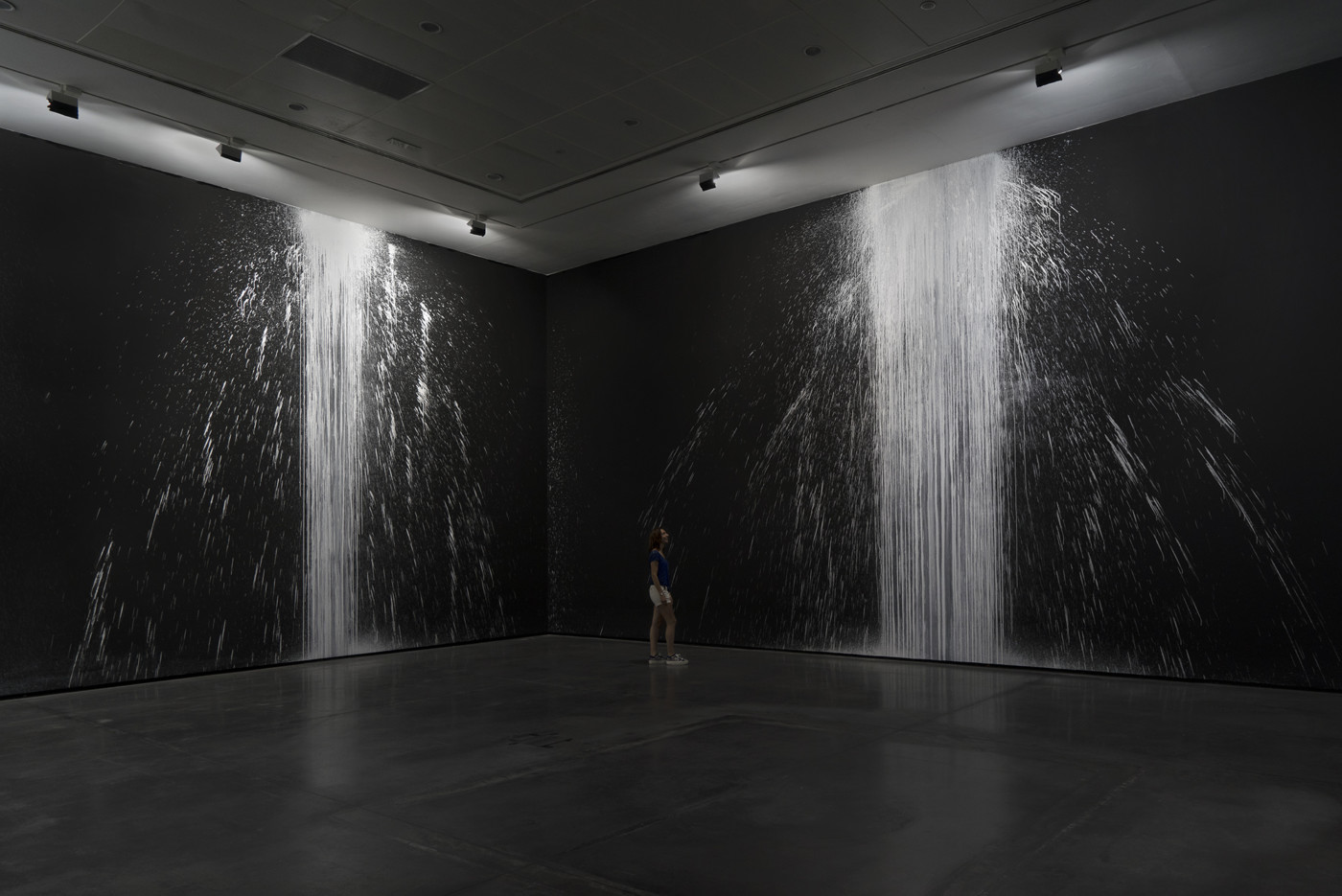
In Doug Aitken’s “Sonic Fountain” water drips from 5 rods suspended from the ceiling, falling into a concrete crater dug out of the gallery floor. The flow of water itself is controlled so as to create specific rhythmic patterns that will morph, collapse and overlap in shifting combinations of speed and volume, lending the physical phenomenon the variable symphonic structure of song. The water itself appears milky white, as if imbued and chemically altered by its aural properties, a basic substance turned supernatural. The amplified sound of droplets conjures the arrhythmia of breathing, and along with the pool’s primordial glow, the fountain creates its own sonic system of tracking time.
Howard, Kansas
weird ass water fountain
Christopher Madden: A very short video capturing the motion of water as it is ejected in pulses from a conventional garden hose spray nozzle with the head set to different spray modes. The brevity of the water pulses makes it possible to see patterns in the spray that are normally concealed or are absent when the water is ejected as a constant flow.
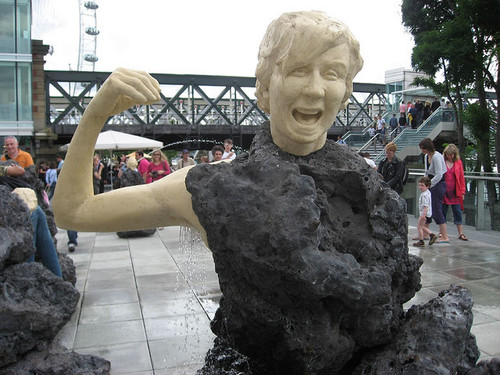
Klaus Weber’s fountain installation titled ‘The Big Giving’ was set up at the Southbank Centre in London, UK, in the autumn of 2007. The fountain includes a group of different figures displaying a variety of human bodily functions including sweating copiously from the armpits, urinating, and post-nasal drip.
‘Evil Eye of Water’, Longwood Gardens, Pennsylvania
Virginia Overton, “Untitled (Cement Mixer / Water Fountain)” 2019
Blood Fountain, Swansea, Wales
Cleveland, Ohio
If you’re in New York this summer there’s a rare chance to see one of Bruce Nauman’s largest ever sculptures. ‘One Hundred Fish Fountain’ is a fully functional fountain comprising 97 bronze casts of fish suspended throughout the air which noisily shoot water out of their mouths into a large basin below. Measuring 25 feet and 28 feet on its sides, the sheer scale of the work alone is impressive.
Maha Mustafa, Black Fountain, Wood and water fountain, 2009-10
Entrance of the Swarovski Headquarters, Austria
Suddenly, a 9-meter Sand fountain (geyser) apparead, in the Al-Ahsae City, Eastern Saudi Arabia. Immediately, Armaco geological teams and scientists hurry to deal with this strange phenomenon, but they did not succeed in explaining what happened.
Osaka, Japan
On a small square paved with dark basalt stone in front of a house built in 1763 Ettore Spalletti erected a fountain made of white marble. The fountain’s slender conical stem brought to mind Spalletti’s abstract vase-forms from previous years. Looking more closely, one could see that around the top rim of the column the artist had built a model architectural stage-set of a fictional piazza. Eleven simplified and tightly packed gabled houses encircled a round hollow with a miniature fountain bubbling at its centre.
WHAM-O Water Wiggle
Revolution (Martini Fountain), Alicia Frankovich, 2010, Martini Rosso, pool lining, tray, pump, piping, fixtures, silicon
Rome, Italy
Boise, Idaho
‘Electric Fountain’ is a public artwork by acclaimed British artists Tim Noble & Sue Webster. Inspired by the Plaza at Rockefeller Center, this 3-D light sculpture is in the form of a monumental fountain measuring 35’ in height and 30’ in diameter. The design and sequencing of the work, fabricated from 3,390 LED bulbs and 527 meters of neon tubing, replicates the movement of water.
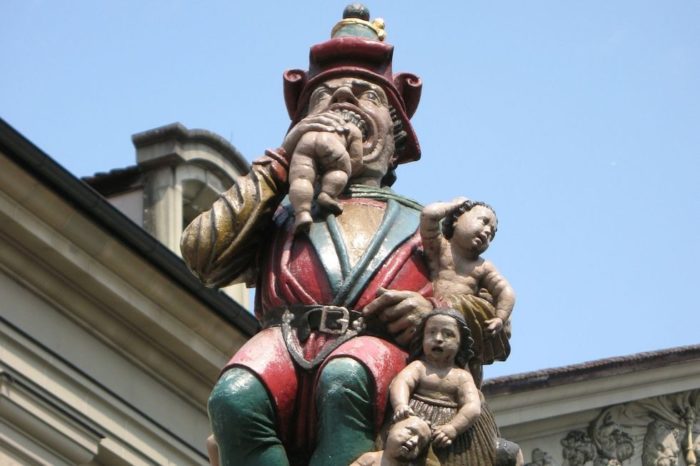
The ‘Kindlifresserbrunnen’ (Child Eater Fountain, in German) or Ogre Fountain dates from 1544 and is one of many Gothic fountains dating from Bern’s golden age. The ogre that sits atop a tall tower is depicted biting hungrily into the head of a squirming baby while other fearful infants peek out from the bag slung over his shoulder.
Alexandria, Egypt
teamLab, 2014, Digital Installation, Continuous Loop, H: 19000 mm
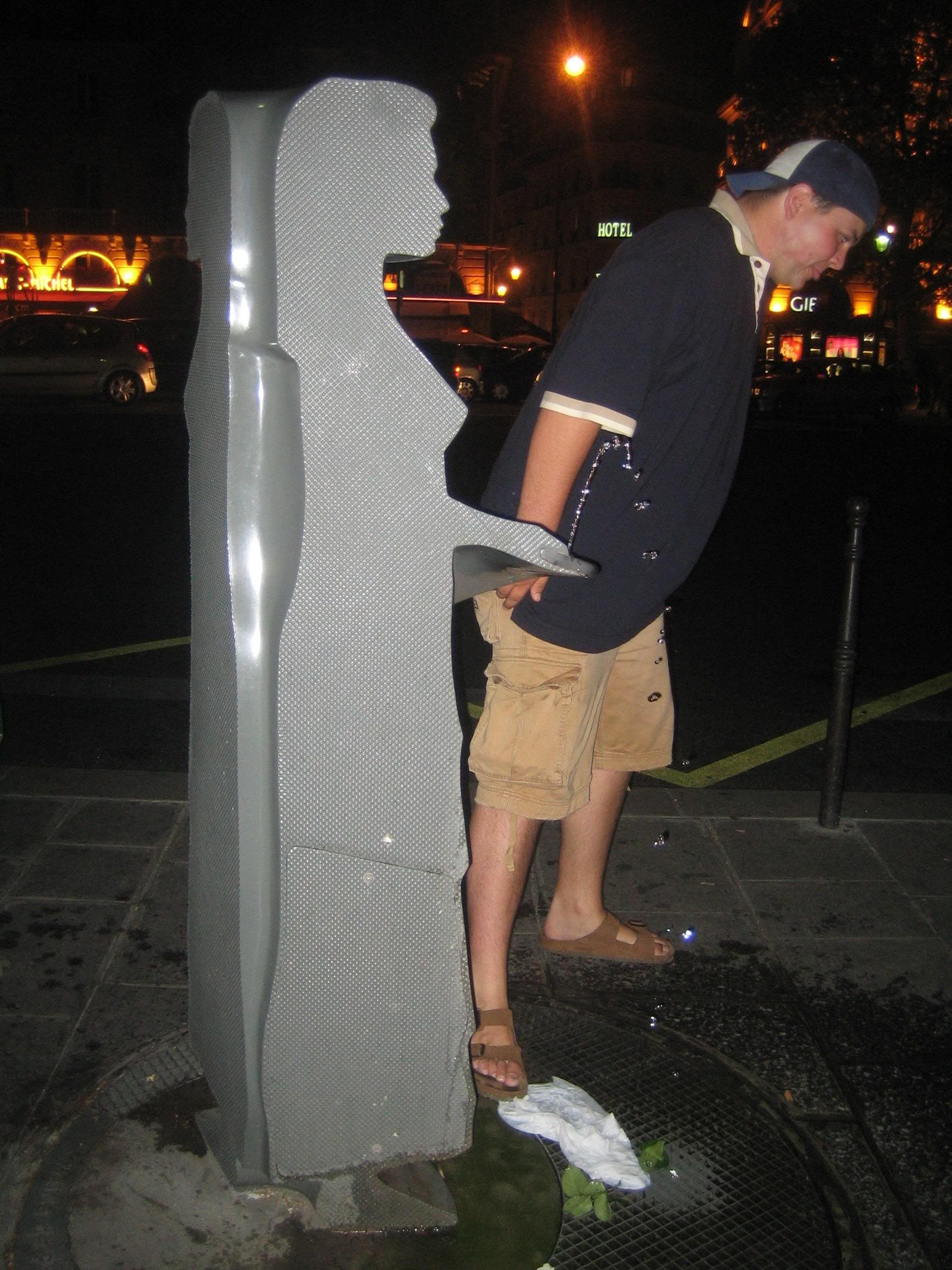
‘Piss Fountain’ displays two men with rotating dongs on either side while urinating. This statue is installed just in front of the Kafka Museum entrance in Prague. The robotic dongs make shapes in the water below in a pond that has the shape of the map of Czech Republic. You can get your own phrase or message typed in the water if you message on a special number.
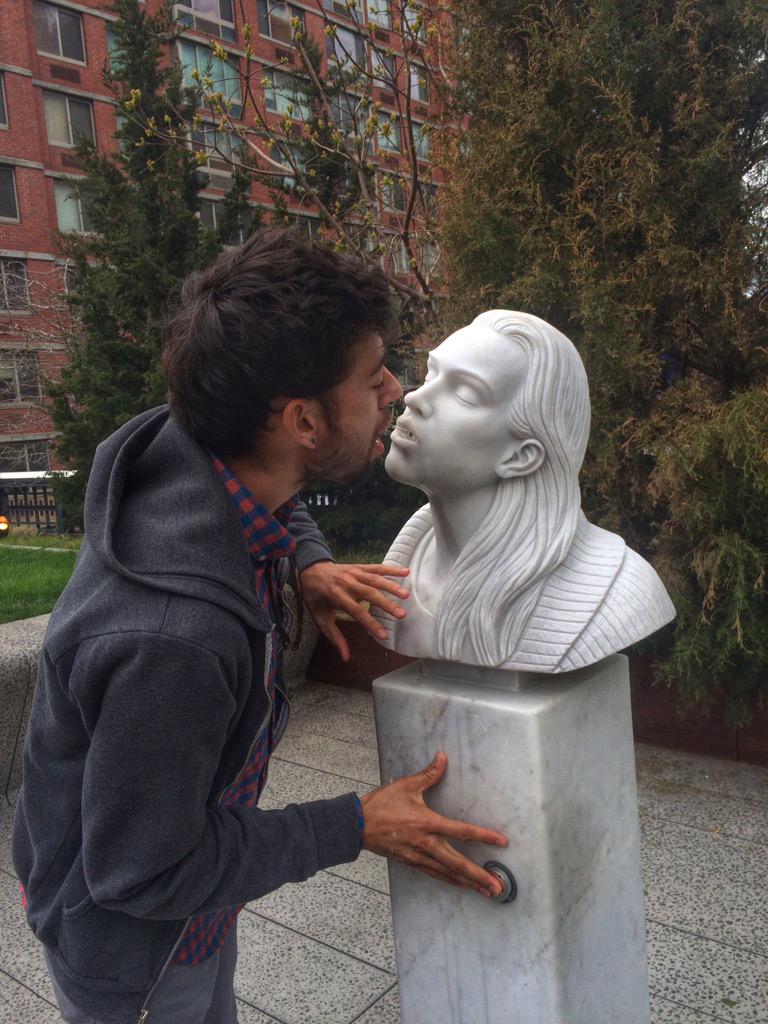
Bedside water fountain
Duisburg, Germany
Et pour finir en beauté, l’artiste japonais Fujiko Nakaya a réalisé une installation atmosphérique dans les bassins du square Jean Perrin, devant le musée. Son outil: des brumisateurs d’eau potable à haute pression qui pulvérisent de minuscules gouttelettes pour créer cette sculpture de brume. Retrouvez toutes ces œuvres au Grand-Palais à Paris dès maintenant et jusqu’au 22 juillet 2013.
‘Fontana del Facchino’, Rome
‘Shit Fountain’, Chicago, Illinois
‘Water Fountain of Burj Dubai Lake’ is the world’s most expensive and largest water fountain. It is over 900 feet (275 m) long and can spray jets up to 500 (150 m) feet high. The fountain can spray as much as 22,000 gallons (83,000 l) of water in the air. It has 6,000 super lights and 25 color projectors.
La Canada, California
‘The Neptune Fountain’, Bologna, Italy
Lisbon, Portugal
Nicolas Couturieux Untitled (Rome) (2016)
Plovdiv, Bulgaria
GTA weird fountain cheat
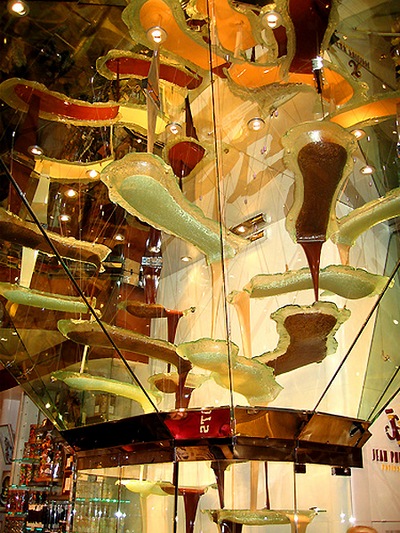
Chocolate fountain, Jean-Philippe Patisserie, Las Vegas
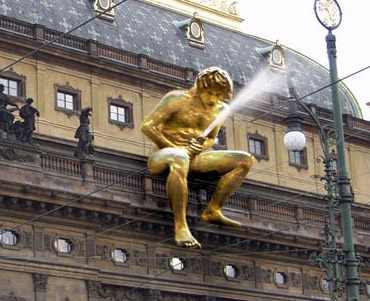
‘Nation for Itself Forever’ also known as ‘Narod sobe navzdy’ created by David Cerny is located in Prague atop the national theater. It was placed there in 2002 and shows the sculpture pleasuring itself and spraying water all over the city below.
Amazing Indoor Water Features Water fountains indoor for the home create the very best water fountains indoor that optional based on preferences in how to design and decorate home interior spaces. Outdoor water fountains for the home are now applicable into indoor home spaces and purchasing at Walmart will give you the very best references.
‘Charybdis’ is an unusual inverted fountain designed by William Pye for Seaham Hall in Sunderland, England. It is made of a massive transparent acrylic cylinder filled with water flowing in a circular movement, which forms an air-core vortex in the centre. One appears to be looking at a solid uncontained block of water as the acrylic seems to have no substance.
Arctic conditions have turned a geyser at Letchworth State Park in western New York into a five-story “ice volcano”.
Salt Spring Island, British Columbia, Canada
Quilpue, Chile
Greenville, Kentucky
Bern, Switzerland
‘Troika Rope Fountain’ by Eva Rucki, Conny Freyer and Sebastien Noel in the Hoog Catharijne mall, Utrecht, Holland.
Kosice, Slovakia
‘Mustangs at Las Colinas’ is a fountain by Robert Glen, that decorates Williams Square in Las Colinas in Irving, Texas. It portrays a group of wild Mustangs at 1.5 times life size, running through a watercourse, with fountains giving the effect of water splashed by the animals’ hooves.
Waterfall fountain at Dubai mall
Highway 71, Ohio
When I was driving across the greenest part of Holland, I stumbled upon a great piece of Bronze art by accident. Right there in a pond stood 4 statues of famous Dictators like Stalin, Franco, Louis XIV.. and they are all spitting in each others faces in a symbolic way by using water from the pond. The Spanish artist Fernando Sanchez Castillo is responsible.
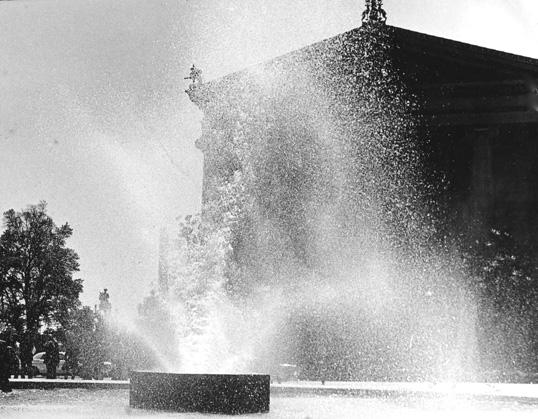
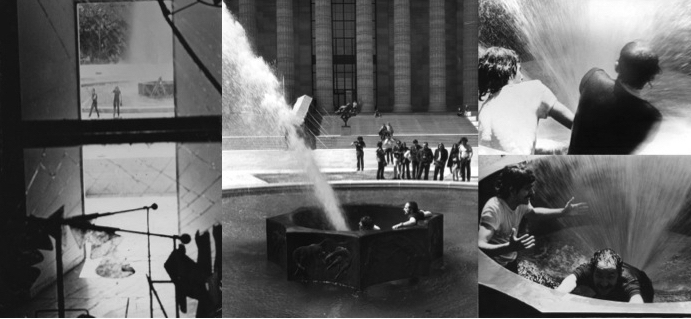
Rafael Ferrer ‘Deflected Fountain for Marcel Duchamp’, 1970: He diverts the spray of an outdoor fountain at set times, at the Philadelphia Museum of Art.
Donetsk, Ukraine
Recirculating ketchup fountain at Ronald’s McMansion, Dayton, Ohio
The University of California, San Diego (UCSD) recently lost one of its campus’s most subtle and unusual piece of public art. An untitled fountain by the late conceptual artist Michael Asher, created for the university’s Stuart Collection of site-specific art, was reduced to rubble earlier this month when a masked vigilante wielding a sledgehammer rampaged through the campus, San Diego 6 reported. During his spree, the perpetrator also broke eight surveillance cameras surrounding the campus’ Mandeville Center and left behind a message scrawled in golden spray paint that read: “YOU CAN PAINT OVER ME YOU CAN CATCH ME YOU CAN EXPELL [sic] ME I WILL STILL BE HERE.” The sculpture, a granite and steel replica of a generic indoor drinking fountain, subverted the conventions of outdoor fountain design while also serving a practical function for thirsty students.
*
p.s. Hey. There are a couple of new things online about Diarmuid Hester’s WRONG, if anyone’s interested. (1) An excellent piece about the book by Emily Colucci @ Filthy Dreams here. (2) The very fine writer Grant Maierhofer (subject of a recent ‘welcome to the world’ post here), interviews Diarmuid about the book here. ** JM, Hi, pal. No, I’ve never heard of Tender Wolves Society. The title ‘Tenderness of the Wolves’ was swiped from an old (1973) film of the same name by Ulli Lommel about a German serial killer. Begin your week inimitably! ** David Ehrenstein, Howdy. ** Sypha, If you play Mario Kart online you’ve probably raced against my friend Joel Westendorf who has been playing MK online several times a day for about 14 years. I can’t remember his player name. My obvious pleasure about the restoration. Seemed like it needed to be alive for all the fans and curiosity seekers out there. You’ve become so squeamish, James. Amazing that my books and you are still friends, ha ha. A few folks had comments directed to you over the weekend in case you didn’t see them. ** Bill, Hi, Bill. I heard the album Krazy Karl was out and have been naturally intrigued as I quite like NNAMDÏ, but I’ve yet to crease his new one. Will do. He seems almost, or sort of almost, as prolific as Pollard. Thank you, bud. And, really, thank you so, so much for those great words about ‘Zac’s Drug Binge’. The things you say about it are exactly the things that excited me about making it and that I hope are visible and exciting in some way to people reading it. Amazing, thank you, and so amazing to hear that from coming from the great you. I’m infinitely bouncy in my seat! Ha ha, if you know Zac, that title has an extra charming wrongness. Yes, the French citizens’ thus far dutiful behavior — the government just lifted the long state of emergency on Friday, which is quite something — will definitely be tested come Bastille Day. Eek. Very best of luck with the seemingly never ending nightmare of your version. Jesus. ** cal, Hi, Cal. It’s been ages since I read ‘OtR’, but I distinctly remember that the particular charge of his rushy, rambling prose ran out of charge pretty quickly, and I don’t think I made it through the whole thing, actually. I don’t know that book by his lover. I’ll see what I can find. Evicted, urgh, yeah, went through that the last place I lived. Super stressful, but it’ll be fine, I’m sure. Great about your novel’s preliminaries! That’s the best news. Hope the brews and the brawls were combustible. ** _Black_Acrylic, Hi, B. Oh, my god, that photo of you as a Whitehouse-r is great. Everyone, Click this to see a photo of Mr. Ben ‘_Black_Acrylic’ Robinson back in 2010 doing a visually uncannily Whitehouse-like performance of their ‘Just Like A Cunt’. I have that Lil Peep doc cued up on my laptop for today, actually, coincidentally enough. And I’ll go find out why Marcelo Bielsa is a god. Thanks for the gifts, man. ** Ian, Hi. I didn’t see the ‘Shaft’ remake, but the original is a pretty cool blast. I’ll put spit and art together in the blender of my weird imagination and see what shoots into view. Life’s pretty good here, yeah, and I’m happy it’s the same Montreal. You and I can definitely count our lucky stars. Thanks about the podcast. ‘God Jr.’ almost got adapted into a family friendly animated film by the great animation studio Laika, amazingly enough. They had it under option for about ten years, but it never happened. Bon day! ** Nick Toti, Hi, Nick! Sypha did a helluva job, yeah. I don’t know Blackhouse, which seems weird. But you can bet I’ll investigate them post haste. You good, man? Hope so. ** Steve Erickson, Hi, Steve. Happy day to ya. ** Right. I’ve got a whole bunch of fountains for you to look at and sometimes read about today. See you tomorrow.
‘John Singleton was only 3 years old when he went to see Shaft with his father in 1971. “My father used to always say, and he looked a lot like Richard Roundtree too, that someone saw him walking down the street and made that movie,” laughs Singleton. Singleton’s father wasn’t unique. The movie attracted large crowds across the country. Black men saw themselves in Shaft, they wanted to be him or be like him. Women of all races thought he was sexy. Even white men dug him; Shaft was the kind of brother they knew they could be friends with. The result was a crossover hit still popular today, and for director Gordon Parks, a legacy as the creator of one of the most culturally important films of the last thirty-five years.
‘When Parks died last March at 93 and his accomplishments were laid out in scores of biographies, it was clear that he had enduring influence as a filmmaker, a remarkable achievement since he made only five films, and none were nominated for a major award. He also started his movie career after being a successful photographer, writer and composer, at 55, an age when many people are thinking of retirement. But when Parks signed a contract to make a Hollywood film in the spring of 1968, he became the first black man to do so. To the people he inspired most, the young black filmmakers who came to Hollywood following in his footsteps–directors like Michael Schultz and Parks’ own son Gordon Jr. in the ’70s; Spike Lee, Robert Townsend and the Wayans brothers in the late ’80s; and John Singleton, Carl Franklin and Tim Story today–Parks’ movies are almost irrelevant to his legacy. What matters is that he did it. The minute he signed that contract, they finally had a role model within the studio system. “I didn’t know any other African Americans I could point to when I was at a very young age, saying I wanted to be a filmmaker,” Singleton says. And Spike Lee, who lists Shaft and Leadbelly as his favorite Parks films, argues it didn’t even matter whether he had seen those films. “Just the fact of who he was, what he did, that was the inspiration I needed,” says Lee. “You get inspiration where it comes from. It doesn’t have to be because I’m looking at his films. The odds that he got these films made under, when there were no black directors, is enough.”
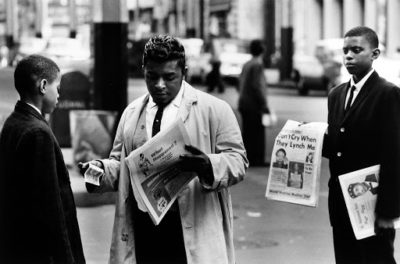
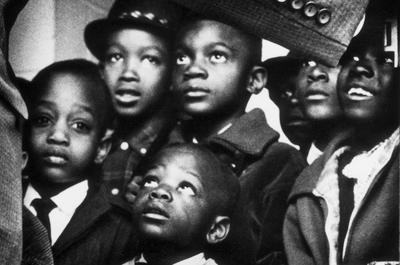
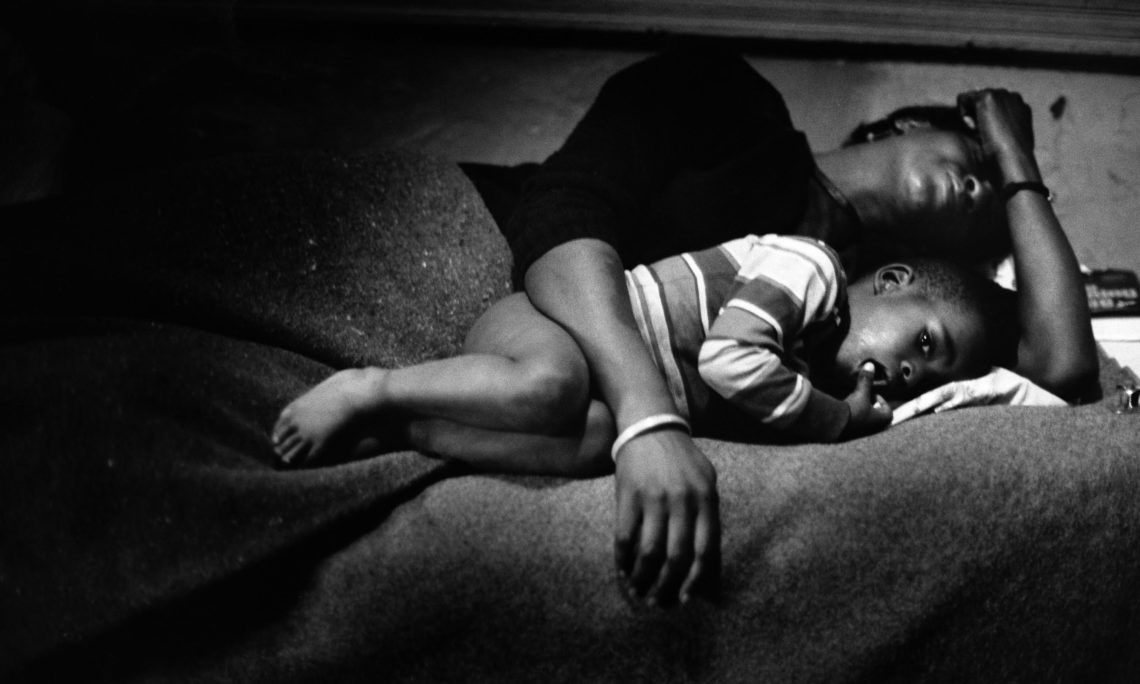
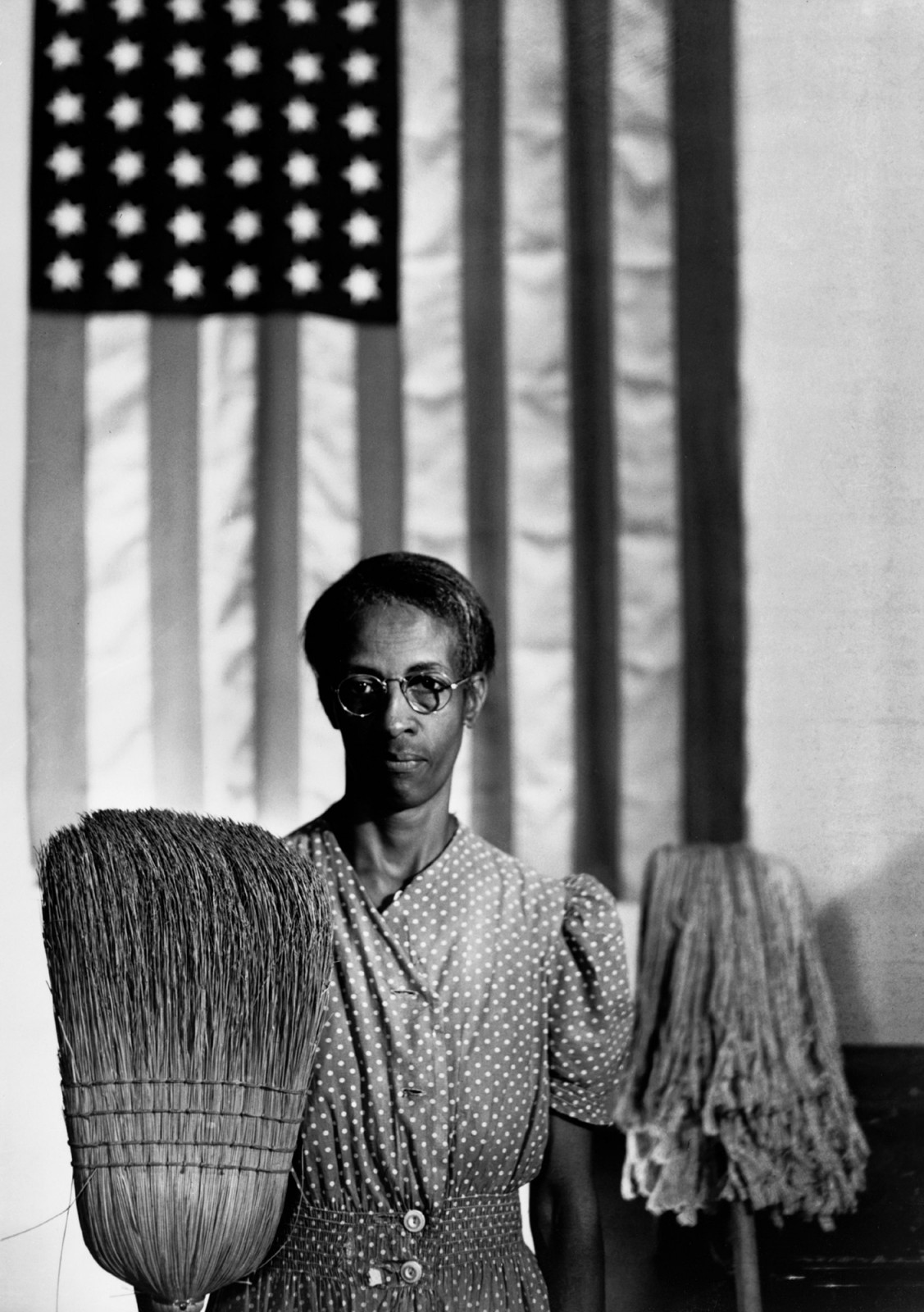
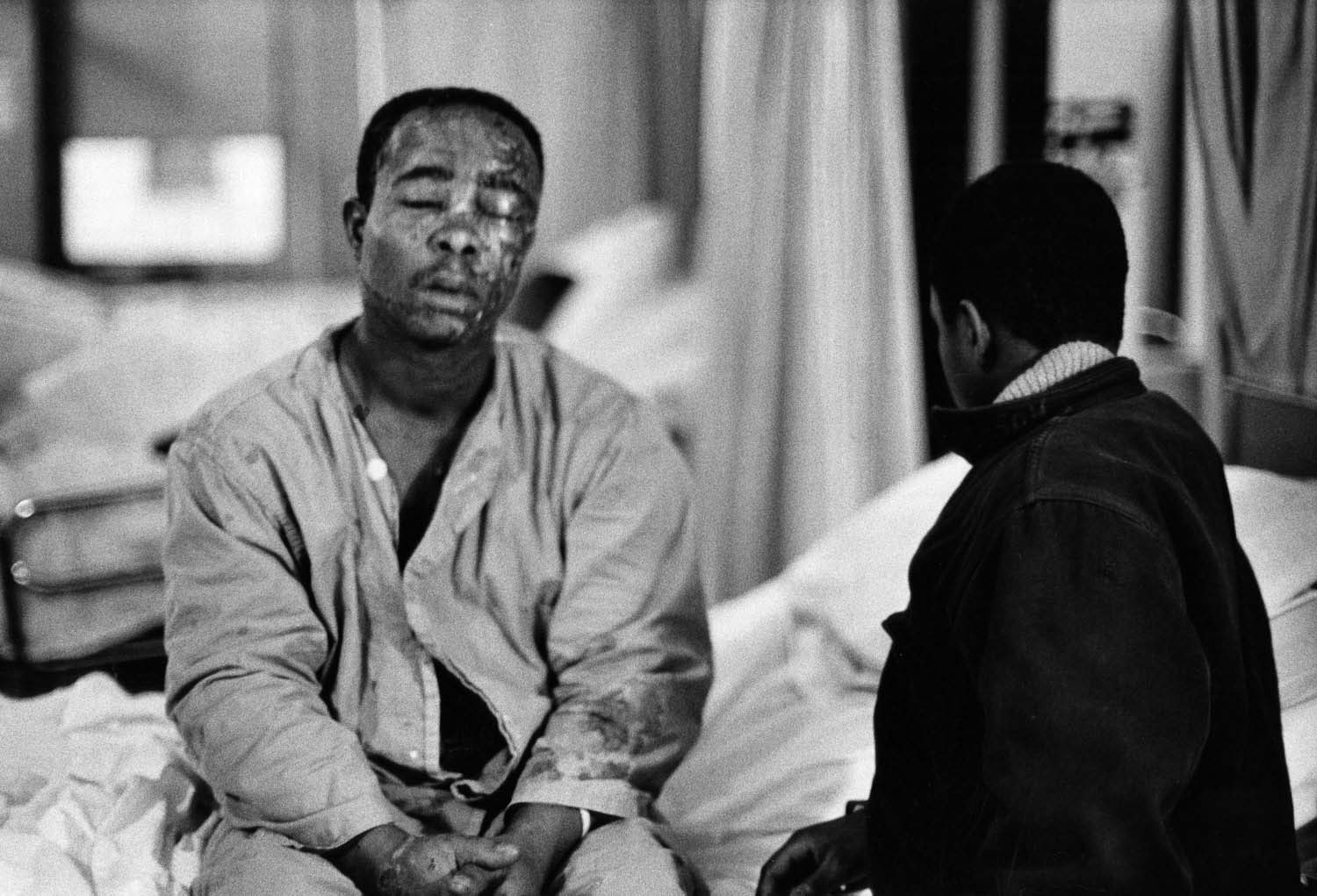
‘Parks’ obituaries also attest to the fact that he was first and foremost a photographer. His contribution to that field is wide in scope and deep in meaning. The youngest of 16 children, his mother told him “what a white boy can do, you can too–and no excuses.” Shortly after his mother’s death, when he was 15, Parks found himself homeless and on his own. What drove him in those early days, he later wrote, “more than talent or anything else, was my need to be somebody; to save myself from early defeat.” Inspired by the work of Dorothea Lange and the other photographers of the Farm Security Administration who documented the plight of the poor during the Depression, Parks bought a camera in a pawnshop for $7.50 and taught himself the craft. “It was to become my weapon against poverty and racism,” he said in his autobiography. He got his first big break working at the FSA on a fellowship from Sears Roebuck. He took “American Gothic,” his famous portrait of Ella Watson, the charwoman he posed in front of an American flag, mop and broom in hand, on his first day at the agency. It was his response to the rampant racism he found in Washington D.C.
‘Black parents used Parks, and his work, as examples for their children. “My parents would show me the articles and photo essays that were shot by Gordon Parks, so I knew about him much before The Learning Tree and Shaft,” says Lee. Director Tim Story’s (Fantastic Four) parents kept a stack of magazines that featured Parks’ photography. Story says he related to the photography and to Shaft before he knew who Parks was, so for him, as for many, the art came before the biography. “The only thing I can really pull from [Parks], throw into my work, is the art, the photographs, the films. If I were doing a project that dealt with the history of what he was going through, then I could put that in my work, but the only thing I can get something from is the art. Everything else is more about history.”
Parks started out in the days before the Civil Rights Act, during the struggle for equality, when there were few black professionals of any occupation, when role models were people who were simply able to build lives on their own terms. By those standards, Parks’ success seems miraculous.
‘Parks came to Hollywood for two reasons, the first was that he wanted to challenge himself, and making a film had been a goal of his for some time. He had already made a short documentary about Flavio da Silva, the subject of his earlier photo essay. After he published his autobiographical novel The Learning Tree in 1965, about a 15-year-old boy who lived in a Kansas town with fragile race relations, he spent two luckless years trying to attract backing to turn the book into a film with himself as director. One producer suggested making all the characters white. Another thought the solution was getting Gloria Swanson to play Parks’ mother.
‘Parks’ second reason for coming west was to break through the color barrier that still existed in Hollywood. Melvin Van Peebles recalls walking down the Champs-Elysées in Paris in 1967, shortly before his first independent feature, Story of a Three Day Pass, stunned the San Francisco Film Festival, when he ran into Parks, “my first black living legend,” says Van Peebles. “He talked about the film, the one that he wanted to do. And said he had not been able to crack the white barrier in Hollywood as a director. And I told him not to worry that I was going to let him in.”
‘Then in 1968, actor-director John Cassavetes read The Learning Tree and became determined to help. “There are two things that compelled Cassavetes,” wrote Parks in his memoir To Smile in Autumn. “He loved The Learning Tree and he wanted to see that barrier against blacks in Hollywood come down.” Cassavetes got Parks an interview at Warner Bros.
‘”Having been around the media for a number of years, he knew that motion pictures would give him some attention,” says filmmaker and historian Melvin Donalson, author of Black Directors in Hollywood. “He used his notoriety, in the best sense of the word, and his fame to make that transition.” Blacks had made and distributed independent movies in the early days of filmmaking, led by the prolific Oscar Micheaux, the first black man to write, produce and direct a silent film (The Homesteader, 1918) and a talkie (The Exile, 1931). But no black man had ever directed a studio movie. In the late 1940s, studios began to insert small scenes with black actors into big releases, a ploy that attracted black audiences to those movies, undermining Micheaux and his peers.
‘In the years immediately before Parks, the only blacks in Hollywood with any influence were the few actors who had attained leading-man status, like Sidney Poitier and Harry Belafonte (black actresses were not in the picture at all). There were no black studio executives, or even black crew. Hiring blacks, “just wasn’t done in those days,” says Kenneth Hyman, the head of Warner Bros. Seven Arts, whom Cassavetes had encouraged to back The Learning Tree. Hyman, of course, knew of Parks when the photographer walked into his office, and says he was “impressed by him.” Parks’ celebrity, and the fact that the movie he was going to make was inspired by his extraordinary life, appealed to Hyman who had more or less decided he wanted to work with Parks before the meeting. “He was a distinguished photographer, a distinguished man. There was no denying he knew about lenses and lighting and photographing people,” says Hyman.
‘Parks also had a story that could appeal to both black and white audiences. “It wasn’t a story that had a political edge. It showed racism but it did so in a way that it pointed the finger not only at the white characters but there were black characters that had some flaws,” says Donalson. At Hyman’s suggestion, Parks didn’t only direct The Learning Tree, he also agreed to write, produce and score the film. At Parks’ urging, Hyman hired nine black crewmembers. Once he had gotten inside, Parks immediately brought others with him. “Gordon was a master of the system,” says Warrington Hudlin, producer and host of the documentary Unstoppable: A Conversation with Melvin Van Peebles, Gordon Parks & Ossie Davis. “He figured out how to be right inside and make it work.”
‘Gordon Parks was adept at filmmaking, but the people who admire his movies don’t marvel at his technique. Parks visual style was evident in the way he composed frames like photographs, giving his films a gritty, journalistic feel. “At the time in my life when he influenced me the most it wasn’t about studying how he did this shot, it was about the emotion of the moment,” says Story. “It’s more about what made him so cool or what makes me smile when I see that scene.” Parks’ films were technically at least as accomplished as many then being shown. “In terms of moving black film forward, they looked as great as the other stuff that was in the theaters at that time, that’s almost as important as the stories that were being told,” says director Gina Prince-Blythewood (Love and Basketball), “because we had to prove we had the talent to make the same kinds of films that the white filmmakers were making, that they didn’t have to be second-class films.” The Learning Tree opened to mixed reviews, but it did well enough to launch Parks’ second career as a director. For black artists that meant Hollywood was open for business. Within a year, Van Peebles would make Watermelon Man for Columbia and Ossie Davis would direct Cotton Comes to Harlem for United Artists.
‘In 1971, MGM hired Parks to direct Shaft, his most influential film. John Shaft, “the black private dick that’s a sex machine to all the chicks,” as Isaac Hayes’ Oscar-winning theme song described him, solves a kidnapping by using connections within Harlem’s gangs and the NYPD, moving effortlessly between the two worlds. Parks didn’t think much of the script by J.D. Black when he got it, but after making The Learning Tree as a lyrical, picturesque morality tale, Parks wanted a movie that would prove he could be a commercial director. Also, Cotton Comes to Harlem and Van Peebles’ 1971 independent film Sweet Sweetback’s Baadassss Song had young blacks lining up at the cinemas and Parks wanted to be part of that. Parks also wanted to be an inside man, a real studio player, and he knew a moneymaker could get him there. In his autobiography Voices in the Mirror, Parks advised that black filmmakers who want success have to “broaden their horizons and prepare themselves for any worthy project that means survival.”
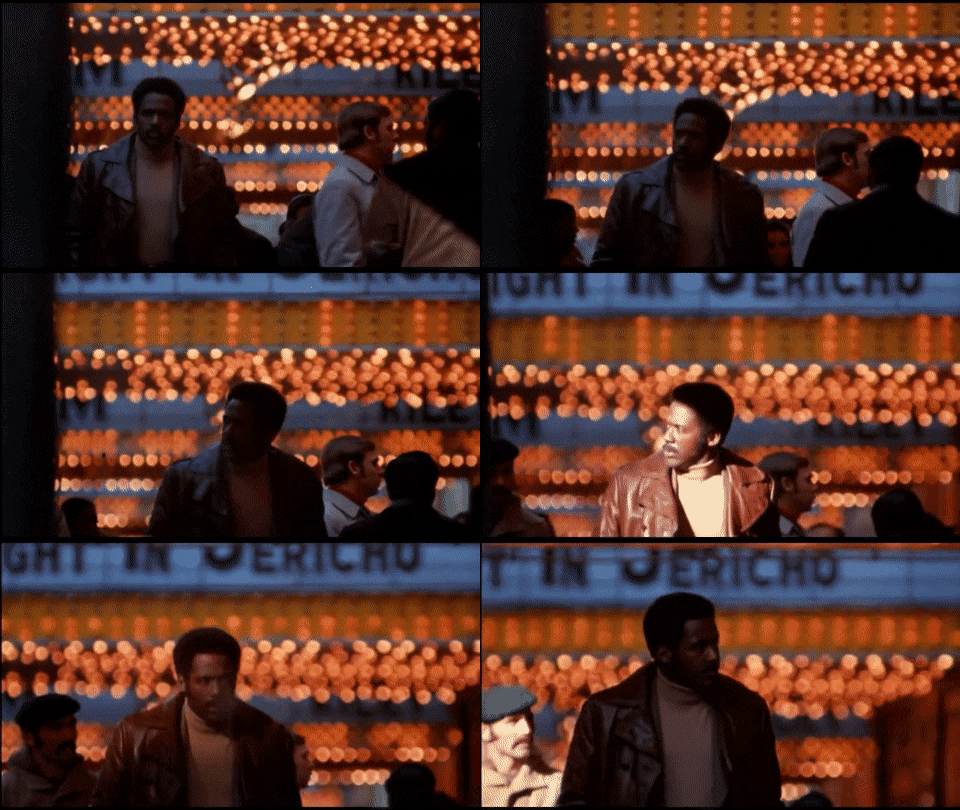
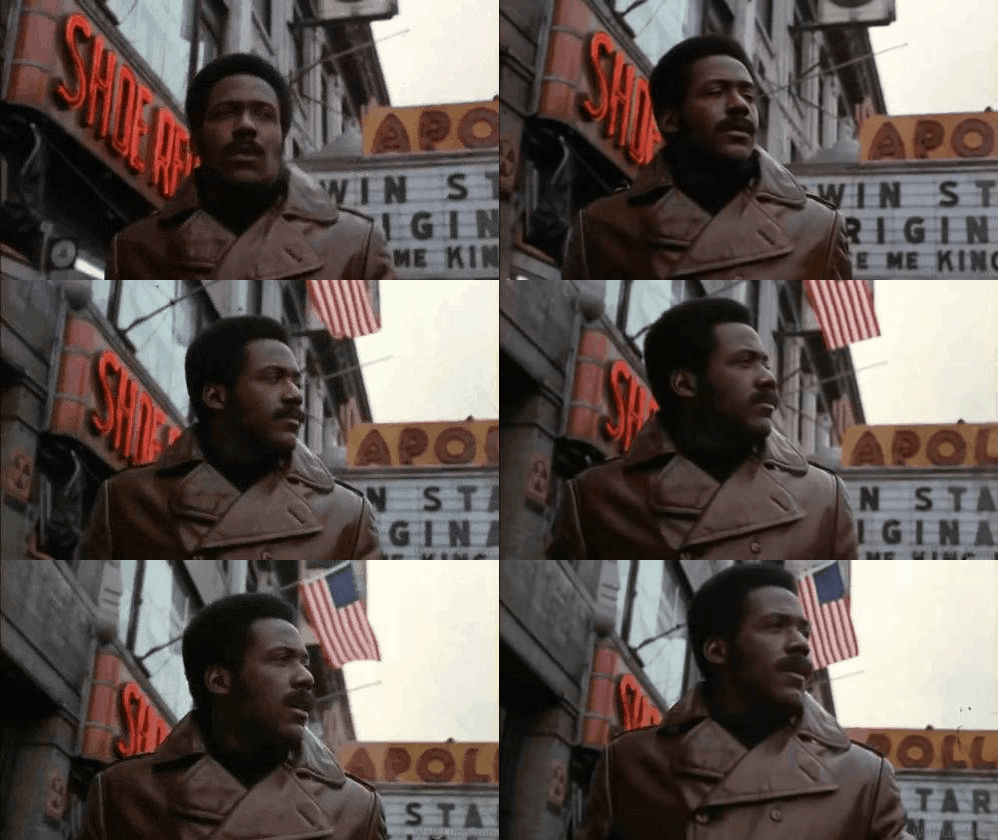
‘Shaft was not as much “a film by Gordon Parks” as The Learning Tree had been. Ernest Tidyman created the character, Black wrote the screenplay and Joel Freeman produced it. Hayes’ score is as famous as the movie itself. But Parks is in the details. The HBO documentary Half Past Autumn, which was produced in conjunction with a retrospective of Parks’ photography that toured the country between 1997 and 2001, includes a video clip of Parks working with Hayes on the music for Shaft. Parks is laying out the pace that the beats should keep as the music accompanies Shaft across Times Square in the movie’s opening sequence. Hayes, on the piano, and his guitarist start playing the familiar riff; as Parks’ vision comes alive, you can see how he made the scene work.
‘Parks also insisted that the movie be shot on location in New York, so that the street scenes would be authentic. A day before shooting was to begin, the studio tried to relocate the movie to a soundstage in Los Angeles, a decision Parks successfully resisted. It was Parks who decided that the first black man to bring all his pride, machismo and mastery to the screen would be Richard Roundtree, who was dark-skinned, ruggedly good-looking and, most controversial at the time, mustachioed–just like Parks. “I really pay attention to what people do and what happened before and after, and Shaft changed everything,” says Lee. “It was such a visionary thing to see this black detective kicking ass. An African American directed this film, that was huge. Would a white director thought of giving a chance to Isaac Hayes to do the score? Those are insights he brought as an African American director to the subject matter.” Shaft also capitalized on the political climate of the day. “If you look at the times and what was going on in terms of the early years of the black power movement, there was a sense of a new generation of younger blacks who were moving away from the Civil Rights era,” says film historian Donalson. “Sidney Poitier had been the dominant male figure from 1950 to 1967, so when Parks takes on Shaft he is really speaking to that newer black generation.”
‘Parks shot Shaft for $1.2 million; it took in more than $18 million at the box office, mostly from young blacks and their white friends. His use of contemporary music and authentic locations were copied ad nauseam in the blaxploitation films of the early ’70s which provided a windfall for cash-strapped studios but eventually degenerated into trashy fare, populated by bad actors playing stereotypes. But Parks’ vision wouldn’t be completely lost. Decades later, directors like Singleton, who remade Shaft in 2000, with Samuel L. Jackson in the lead role as John Shaft’s nephew, and Quentin Tarantino, who did his take on blaxploitation films with 1997’s Jackie Brown, would help keep the genre alive. In 2000, the Library of Congress gave Shaft its cultural seal of approval by selecting it for preservation based on its historical importance. (The Learning Tree was one of the first 25 films to receive the honor, in 1998).
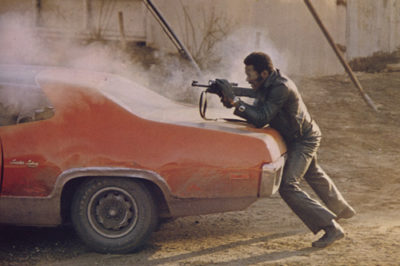
‘Parks made three films after Shaft, including the sequel, Shaft’s Big Score! (1972), and The Super Cops (1974). His final feature film, in 1976, was Leadbelly, which Roger Ebert called “one of the best biographies of a musician I’ve ever seen.” By then, the industry was at a turning point. A year before, Jaws had become the world’s first blockbuster and a new form of moviemaking was born. The following year Star Wars would solidify the trend. “Those are the films that told the studios they didn’t have to make films for any niche because everybody in the world is going to go,” says Lee. “Black folks were going to Jaws, to Star Wars, black folks were definitely going to see The Exorcist.”
‘Leadbelly also got caught up in a power struggle at Paramount. Before the movie could be released, the studio fired Frank Yablans, the exec who had hired Parks for the film, replacing him with Barry Diller. “There was no way I could protect it,” says Yablans. The film was well-received by critics and took the top prize at the Dallas Film Festival, but lackluster marketing and limited release from Paramount meant few people saw it. Parks believed Diller didn’t want the movie Yablans describes as a “favorite property” to be a hit. Parks was furious with Diller. “The unpleasant situation that developed between Paramount and myself,” as he described it, so soured him on Hollywood that he left, returning to New York.
‘Spike Lee, who came on the scene in the mid-’80s with a new kind of black storytelling focused on the complexities of race in a changing, integrated America, sees himself as a successor to Parks. Lee describes their connection as “a continuation. From Oscar Micheaux, Melvin Van Peebles, Ossie Davis, Michael Schultz, to myself and Robert Townsend, who brought about the so-called new wave, then John Singleton came up behind that and now you have newer cats. So it’s a lineage.”
‘Schultz agrees: “Without Gordon I don’t think there would have been a Melvin and without Melvin there wouldn’t have been a Michael Schultz and without Michael Schultz there wouldn’t have been a Spike Lee.”
‘”I think you’d have to identify Parks as a pioneering filmmaker in the most important sense of the word pioneer,” says Donalson. “He was able to enter into Hollywood when you really did not have a black presence behind the camera. What he does is he becomes a complete filmmaker with his first film. He opened that door.” Moreover, Parks opened it wide enough so that others could come through. Parks came from the generation of African American professionals who were acutely aware that all their achievements (and failures) would be judged as milestones for the entire race. “There was an urgency to progress the black community,” adds Donalson. “They knew they were doing something that not only spoke for themselves but carried the African American communities along with them.” In his autobiography Voices in the Mirror, Parks writes about how the accomplishment was bigger than one movie: “Extremely important to me were the number of blacks used in the crew. The number had doubled since The Learning Tree. Slowly it seemed the doors to blacks working behind the camera were opening up.”
‘Directors like F. Gary Gray (The Italian Job, Be Cool), Antoine Fuqua (Training Day, King Arthur) and Story (Fantastic Four) are living Parks’ dream of being able to direct any type of project, regardless of the genre or the color of the cast. “There are people I call ‘the immortals,’ and they are people who made such a difference and left so many tangible and intangible things behind that they never die,” says Hudlin. “Gordon Parks was the first black director to have a Hollywood contract, but his lasting legacy is that we cannot accept the limitations imposed by society. He worked at a time when it was repressive, yet he went to the very top. His illustration, by example, is his legacy.” — Desa Philadelphia
Kendrick Lamar recreated several of Gordon Parks’ works for his “Element” music video.
____ Gallery
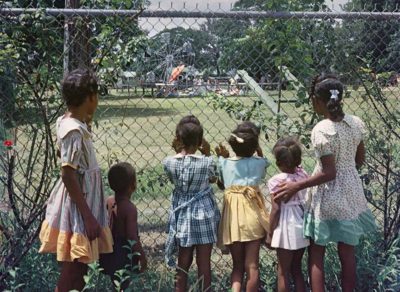
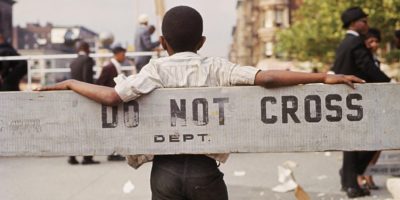
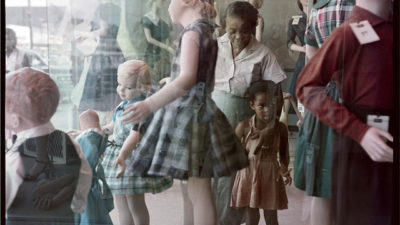
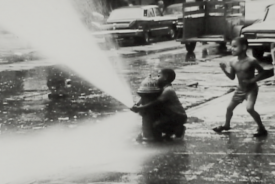
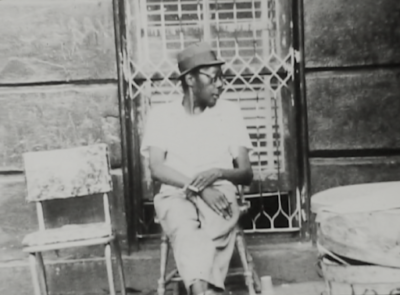
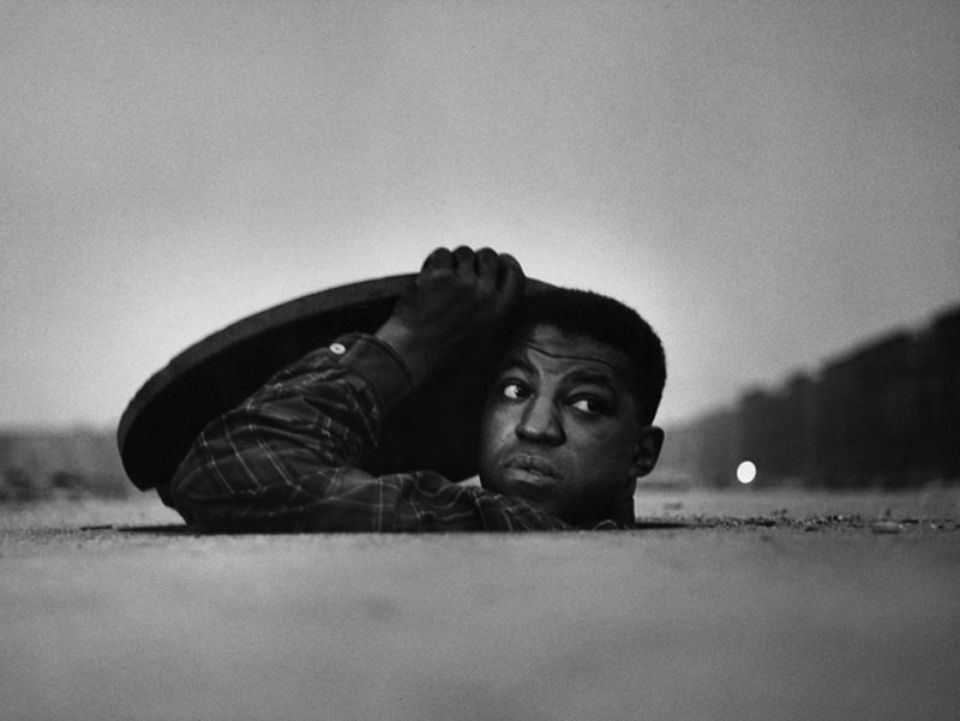
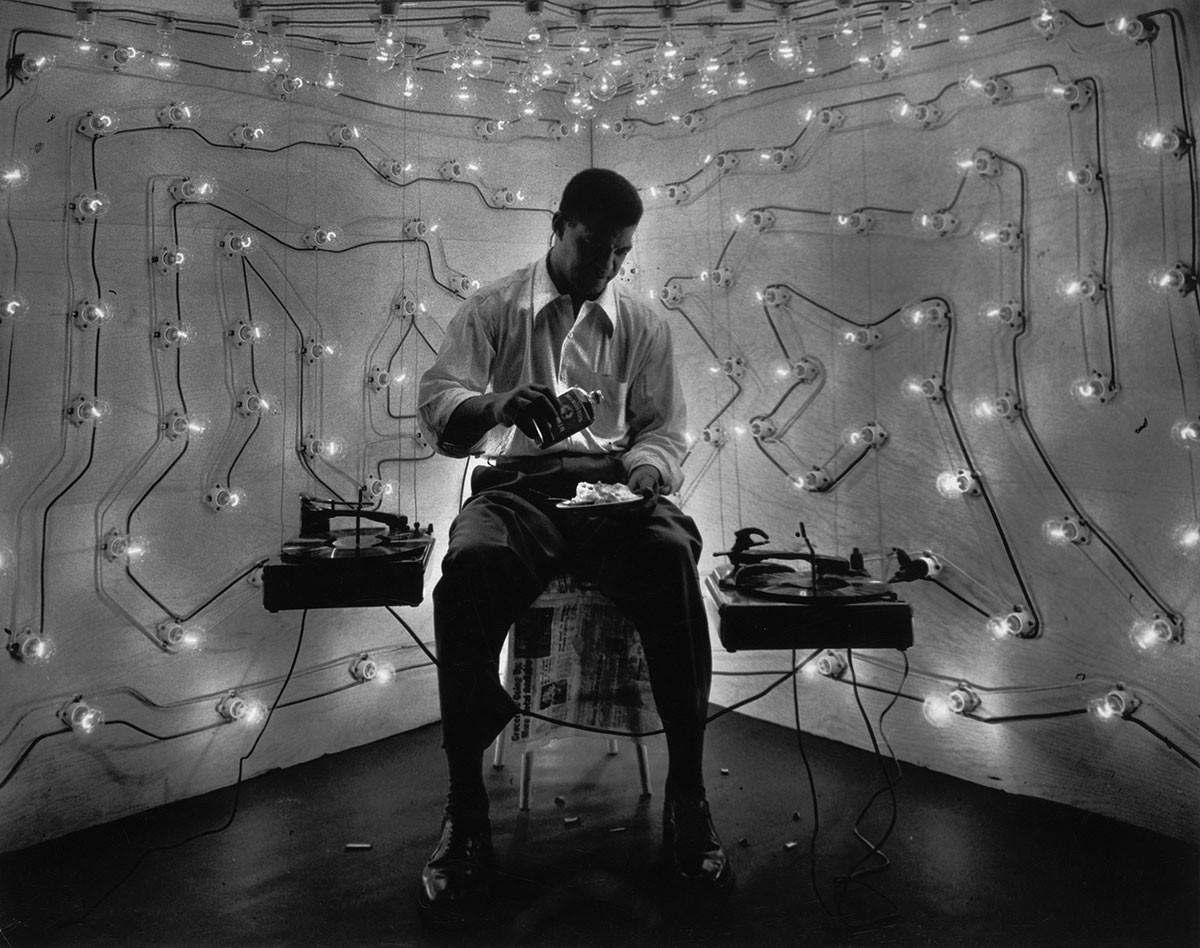
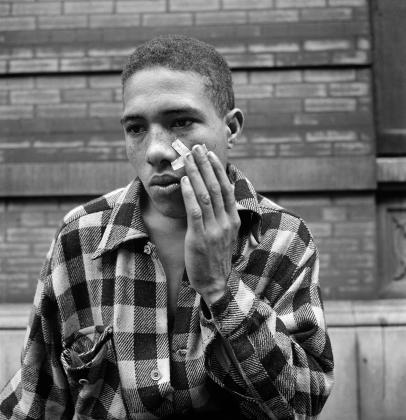
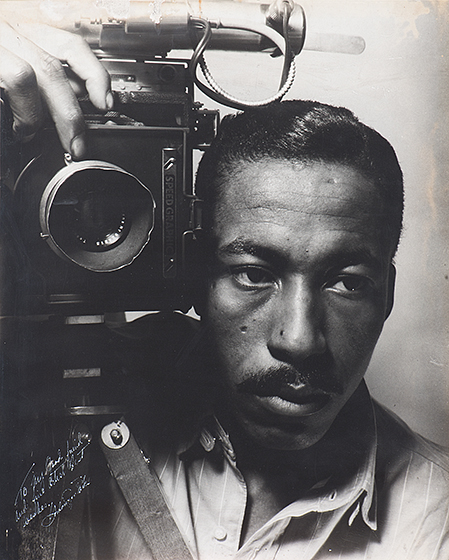
‘Gordon Parks’ earliest work as a professional photographer was shooting fashion for a department store in St. Paul, Minnesota. It was this professional experience that made it possible for him to photograph for local newspapers, prompting Parks to explore and document Chicago’s impoverished South Side. This series of photographs would win him a Rosenwald Fund fellowship in photography, allowing him to work with Roy Stryker’s renowned Farm Security Administration (FSA) team of photographers. When the FSA was absorbed into the Office of War Information (OWI), Parks had the opportunity to photograph the legendary Tuskegee Airmen Fighter Pilots. The combination of Parks’ experience shooting fashion as well as documentary photography informed his style and made him an asset at Life magazine when he joined their staff in 1948. He would continue to work as both fashion photographer and photo documentarian for the rest of his tenure there through the early 1970s.’— The Gordon Parks Foundation
_____ Malcolm X interviewed by Gordon Parks
“Is it really true that the Black Muslims are out to get you?” I asked.
“It’s as true as we are standing here. They’ve tried it twice in the last two weeks.”
“What about police protection?”
He laughed. “Brother, nobody can protect you from a [Black] Muslim but a [Black] Muslim — or someone trained in [Black] Muslim tactics. I know. I invented many of those tactics.”
“Don’t you have any protection at all?”
He laughed again. “Oh, there are hunters and there are those who hunt the hunters. But the odds are certainly with those who are most skilled at the game.”
He explained that he was now ready to provide a single, unifying platform for all our people, free of political, religious, and economic differences. “One big force under one banner,” he called it. He was convinced that whatever mistakes he had made after leaving Elijah Muhammad had been in the name of brotherhood. “Now it looks like this brotherhood I wanted so badly has got me in a jam,” he said.
Within the last year he had sent me postcards from Saudi Arabia, Kuwait, Ethiopia, Kenya, Nigeria, Ghana, and Tanganyika, and I thanked him for them.
“Everybody’s wondering why I’ve been going back and forth to Africa. Well, first I went to Mecca to get closer to the orthodox religion of Islam. I wanted firsthand views of the African leaders — their problems are inseparable from ours. The cords of bigotry and prejudice here can be cut with the same blade. We have to keep that blade sharp and share it with one another.” Now he was sounding like the old Malcolm: “Strangely enough, listening to leaders like Nasser, Ben Bella, and Nkrumah awakened me to the dangers of racism. I realized racism isn’t just a Black and white problem. It’s brought bloodbaths to about every nation on earth at one time or another.”
He stopped and remained silent for a few moments. “Brother,” he said finally, ”remember the time that white college girl came into the restaurant — the one who wanted to help the Muslims and the whites get together — and I told her there wasn’t a ghost of a chance and she went away crying?”
“Yes.”
“Well, I’ve lived to regret that incident. In many parts of the African continent I saw white students helping Black people. Something like this kills a lot of argument. I did many things as a [Black] Muslim that I’m sorry for now. I was a zombie then — like all [Black] Muslims — I was hypnotized, pointed in a certain direction and told to march. Well, I guess a man’s entitled to make a fool of himself if he’s ready to pay the cost. It cost me twelve years.”
“That was a bad scene, brother. The sickness and madness of those days — I’m glad to be free of them. It’s a time for martyrs now. And if I’m to be one, it will be in the cause of brotherhood. That’s the only thing that can save this country. I’ve learned it the hard way — but I’ve learned it. And that’s the significant thing.”
As we parted he laid his hand on my shoulder, looked into my eyes and said, “As-salaam-alaikum, brother.”
“And may peace be with you, Malcolm,” I answered.
________________ 8 of Gordon Parks’s 9 films
________________ The World of Piri Thomas (1968) ‘Of the almost 900,000 Puerto Ricans in United States more than 600,000 live in New York City in the ghetto called “el barrio.” Spanish Harlem. This film is an evocation of one man survival in and triumph over that ghetto. All the words, the thoughts, the experiences relived are his. The peaks and valleys that have made up the world of Piri Thomas.’ — GP
the entirety
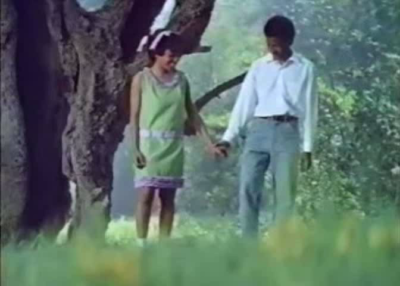
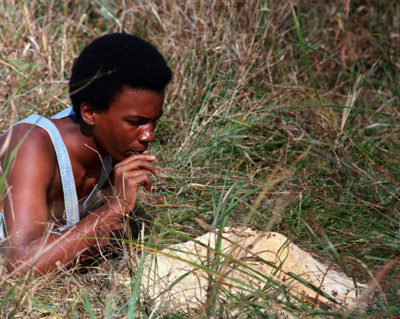
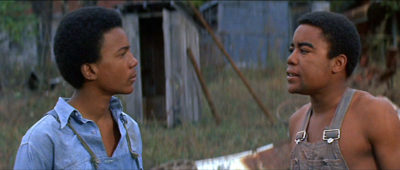
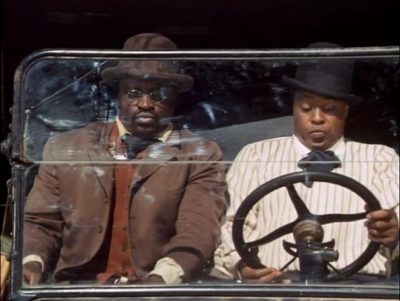
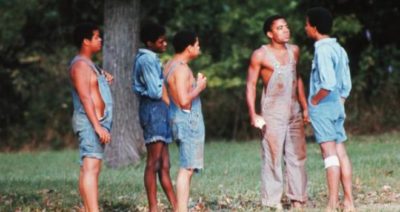
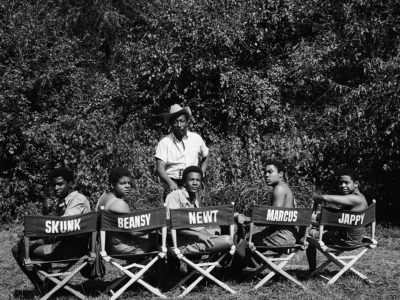
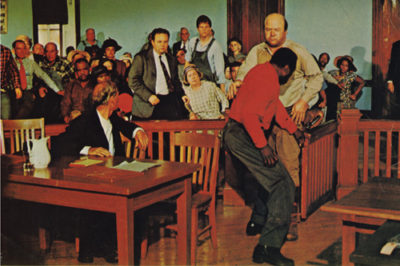
_______________ The Learning Tree (1969) ‘The 1969 drama is a coming-of-age story that illustrates growing up and facing racial discrimination in rural parts of Kansas in the late 1920s. “It’s one of the top films made in the twentieth century designated by the Library of Congress,” said David Parks, the son of the famed photographer. “The Learning Tree” was among the first 25 films placed on the national Film Registry of the Library of Congress.’— kmuw
Trailer
the entirety
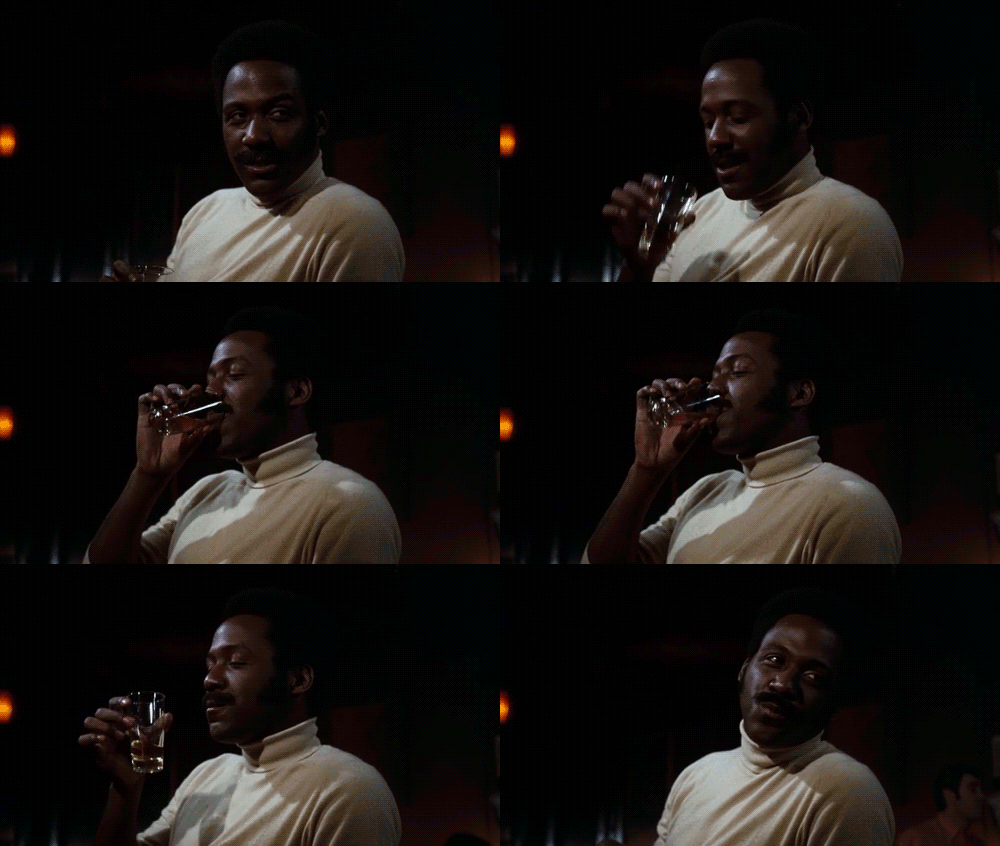
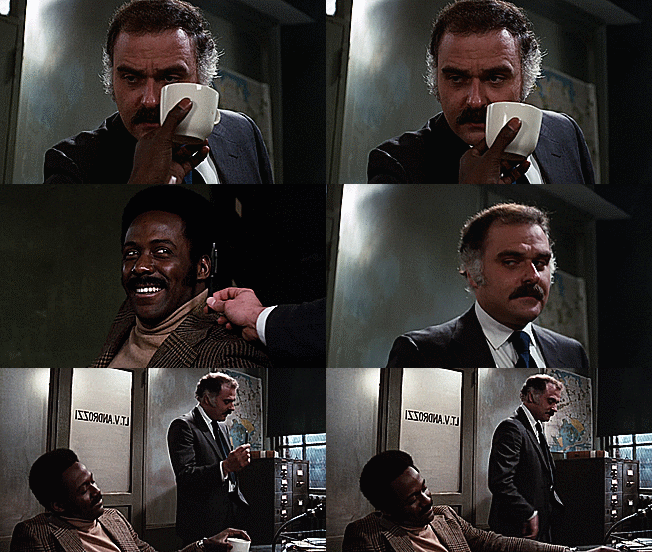
__________ Shaft (1971) ‘By directing The Learning Tree, Parks achieved great fame for being the first African American director that made a mainstream Hollywood movie. With his detective Shaft Parks introduced audience in cinemas to the world’s first black action hero: John Shaft. The film marked and inspired the beginning of series of movies that would come to be known as Blaxploitation; movies were initially specifically were made for a black audience, working with a black cast and urban storylines.’— foam
Trailer
Opening Credits
Excerpt
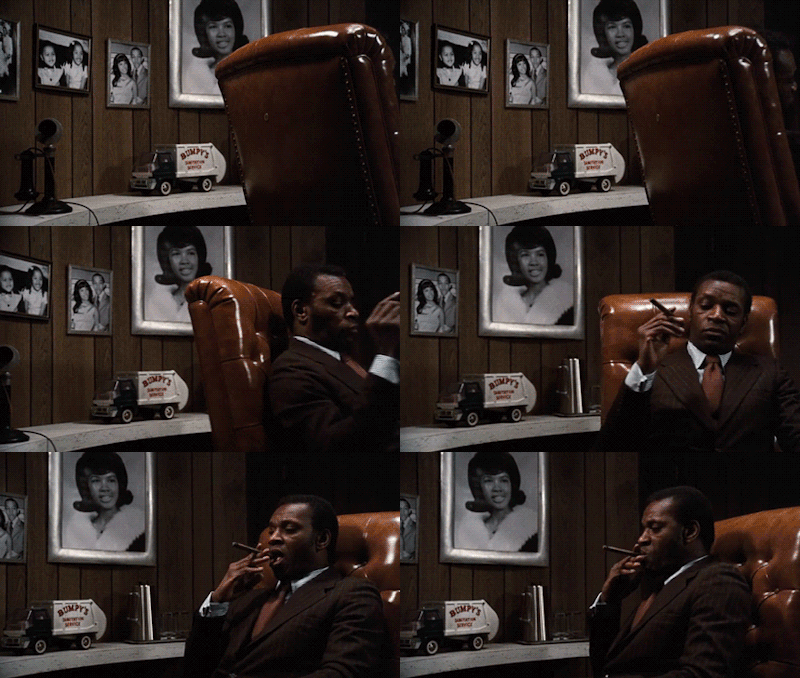
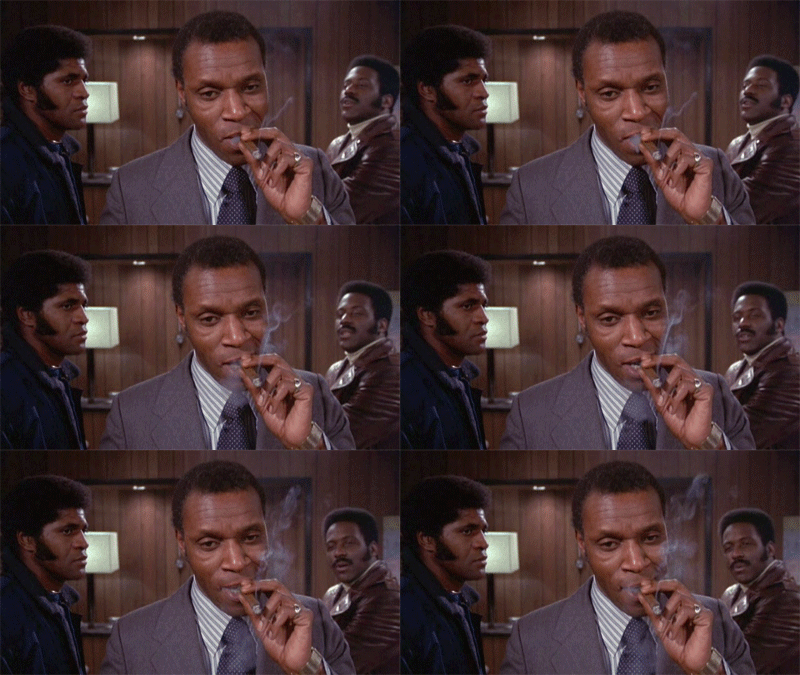
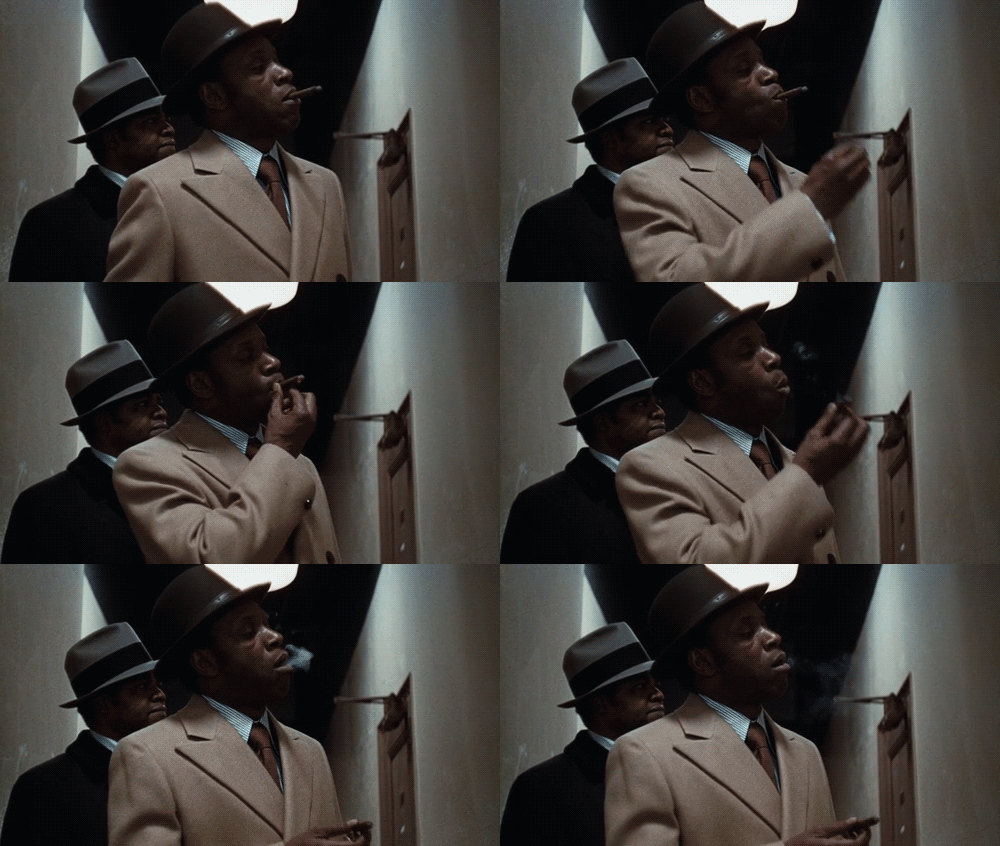
______________ Shaft’s Big Score! (1972) ‘Richard Roundtree reunites with the director (Gordon Parks) and screenwriter (Ernest Tidyman) of 1971’s trendsetting Shaft for Shaft’s Big Score!, the second of Roundtree’s three movie portrayals of the street-smart, leather-jacketed private investigator. This time, the blown-to-kingdom-come murder of a client plunges Shaft into a case that bounces him like a pinball between the 133rd Precinct and competing mobs. But the players are about to be played in this “rousing and entertaining thriller”’— Newsweek
Trailer
Title Sequence
Excerpt
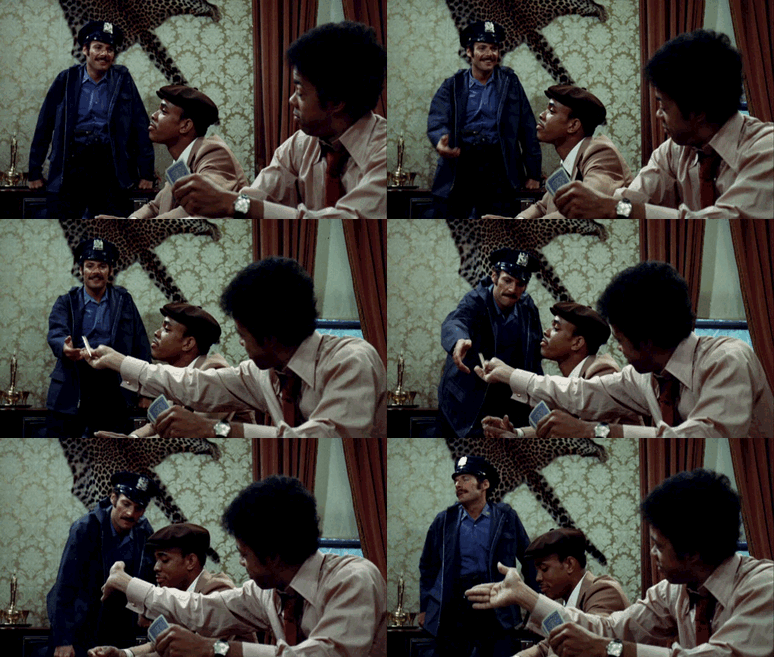
______________ The Super Cops (1974) ‘The Seventies produced a lot of great cop flicks with “The French Connection” and “Serpico” being the best. What gives “The Super Cops” street cred is that it is helmed by an African-American, Gordon Parks, who injects perspective and authenticity to the film. The film concerns two rookie cops, Greenberg and Hantz (Ron Leibman and David Selby) whose beat is the mean streets of Brooklyn’s Bedford-Stuyvesant where narcotics and guns are epidemic. When our heroes are not contending with the dealers, pimps, and pushers they have to concern themselves with the brass, Internal Affairs, and the then omnipresent Knapp Commission investigating corruption in the ranks of the NYPD. The film is fast, funny, and gritty. Leibman is the more colorful of the pair contrasting to the stoicism of Selby’s character. Doesn’t quite reach the heights of a typical Sidney Lumet police procedural but it’ll do.’— David E Williams
Trailer
Behind the Scenes making of SUPER COPS
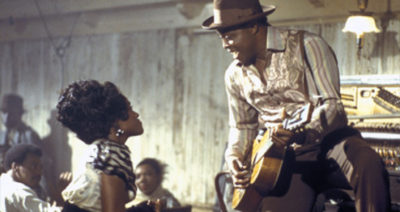
_____________ Leadbelly (1976) ‘No need to be embarrassed if you’ve never heard of Gordon Parks’ film “Leadbelly”. Practically no one has; not even the person the film is based on, so you can be almost forgiven. “Leadbelly”was first released 40 years ago in 1976, and barely received any kind of national attention. On top of that, the film has never been on top of anyone’s “must see” list, and that would be a shame since it is perhaps Parks’ finest film. After considerable success as a filmmaker starting in 1969 with his film “The Learning Tree,” based on his semi-autobiographical novel of the same name, and the first Hollywood studio backed (Warner Bros) film made by a black director, the famed renaissance man, after a few years, built enough clout to direct his long cherished dream project about the legendary blues/folk singer Huddie William Ledbetter, known as Leadbelly (though Ledbetter himself always separated the two words, calling himself Lead Belly – something that most people did not).’ — Shadow and Act
Excerpt
Excerpt
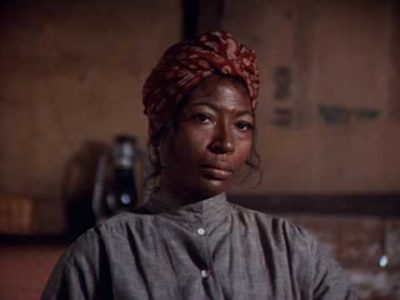
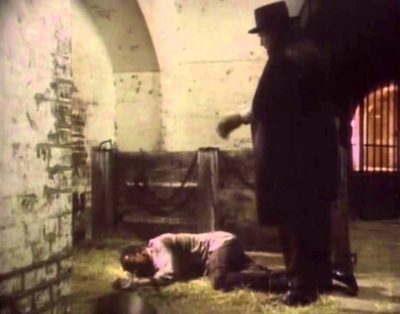
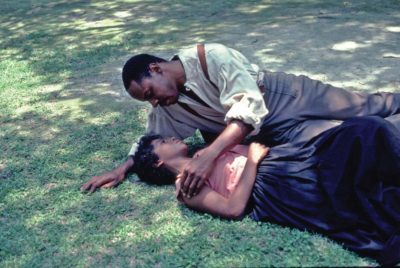
______________ Solomon Northup’s Odyssey (1984) ‘Based on the 1853 memoir of a Northern black man kidnapped into slavery, Gordon Parks’s Solomon Northup’s Odyssey predates Steve McQueen’s 12 Years a Slave by almost three decades. Made for television, with a modest budget, it is less brutal than McQueen’s version, and, as critic Bilge Ebiri wrote, it contains “a somber lyricism that’s hard to shake. The outrage is still there, just more muted and given more historical context.’— bamfa
Excerpt
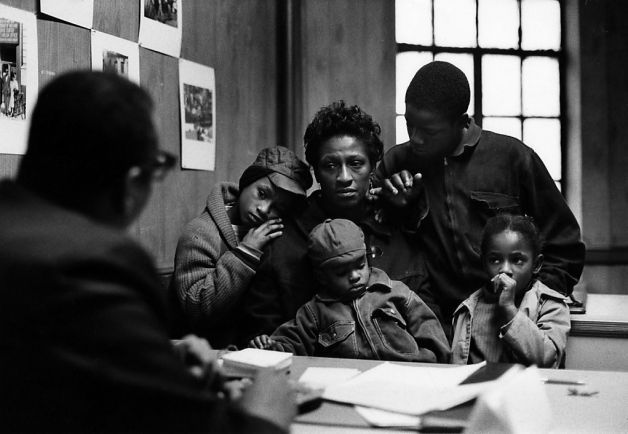
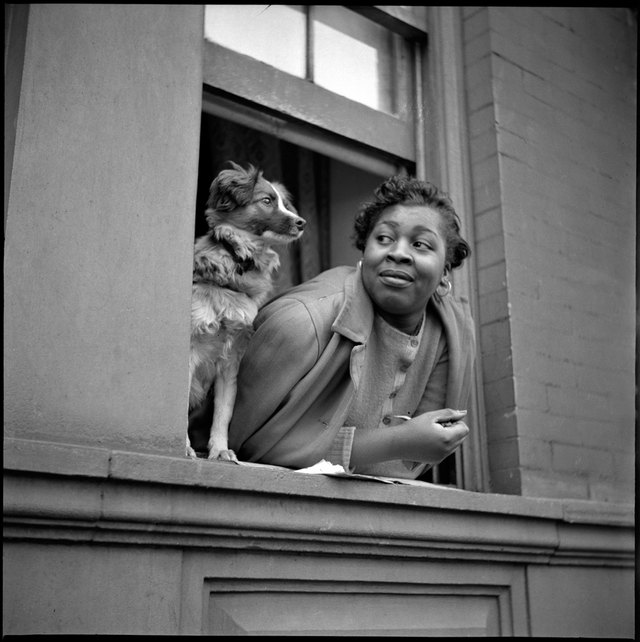
________________ Moments Without Proper Names (1988) ‘In this beautiful, expressionistic essay film featuring his photographs, writing, and music, Gordon Parks reflects on how America shaped him, from his childhood on a Kansas farm to his years in New York City, and from the Civil Rights Movement to the Vietnam War. It is preceded by two of his early short films—Flavio, set in a favela near Rio de Janeiro, and Diary of a Harlem Family—both of which stem from Parks’s work as a Life magazine photojournalist. Through black-and-white photographs, moving images, and diaristic accounts, Parks sensitively portrays the plight of two families living in abject poverty, with a core belief in the dignity and potential of every human being.’— bamfa
Excerpt
*
p.s. Hey. Diarmuid Hester talks about WRONG with Wake Island’s Paul Kwiatkowski on a podcast that you can listen to here if you’re interested. ** David Ehrenstein, Hi. Robert Graves: goodness gracious. ** _Black_Acrylic, Hi. Oh, yes, I don’t know why I didn’t think of that Deller/Pop project. Intense. And yet not. ** Steve Erickson, Hi. Everyone, Here’s a qualified hook up from Mr. Erickson: ‘I wrote a song today, but I made a mistake trying to do a fade-in effect on the volume at the start, and the entire song constantly fades up and down. When I couldn’t figure out how to undo this, I decided to embrace the disorienting quality and added digital delay and vinyl crackles, but I’m not sure if this is any good at all. I had Leyland Kirby in mind once I tried finishing it.’ I’m not on Instagram, but, yeah, I’ve heard. ** Corey Heiferman, Hi. Cool, glad to hear that. Even about the nightmares. The muse designation can be very fruitful in those circumstances in my experience if you can honestly bracket the person off like that. Not easy always. No, I don’t do Instagram. Between the blog and Facebook, that’s as much socialising as my desire to work and be IRL can handle. It’s true I’ve thought about setting up some kind of dummy account so I can experience there, but I suspect I’d end up fleshing it out and swallowing time. Dilemma. ** Hm, so quiet in the commenting arena of late. Interesting. Well, maybe people will feel inspired to say something about or propelled by Gordon Parks? In any case, see you tomorrow.





















































 Now available in North America