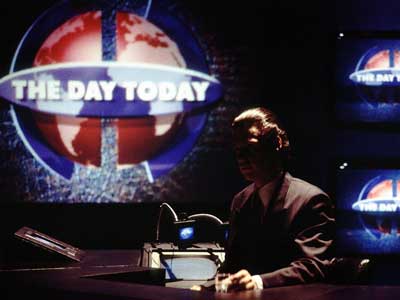
The true Greats in comedy are those who come up with something totally unexpected. Something that seems to have no obvious influence. Chris Morris first came to our attention with The Day Today. It was an exaggeration of the TV news programs of the day. Monty Python (there I’ve said it) did mini take-offs of TV game shows/continuity indents/presenters but The Day Today was not one of a million Python echoes. What made Python different was that the creators were in the right place at the right time – the end of the anarchic surrealist 60s (and were all immensly talented) . What made Chris Morris different was the same – his luck was to be there when a load of cheap new visual techniques became available. What made D2D different from anything that came before was, among other things, the visual pyrotechnics – allowing completely over the top versions of the form over content style of modern News programs.
There were also some great charicatures. All the different types of newscaster are there – Ted Maul, the ‘this really is the end of the world as we know it’ drama king, Morris as the Hard Man Interviewer (who once started shooting up over the credits), the sexy female presenter, flirting with Morris, the clichéd clod on the sports desk – ‘And that was Liquid Football ‘– ‘Alan Partridge’ – who went on to his own mainstream infinity and beyond – as did many of those from Morris shows – always a good sign.
Brass Eye followed. This got loads of pompous ‘celebrities’ to pontificate on drugs/sex with hilarious results. How they let themselves be duped like that just goes to show how desperate ‘celebs’ are for publicity.
Then there was Jam. Nowdays – at least in the UK – there are few pure comedy series being made, it’s all ‘comedy/drama’.Everybody thinks it began with The Office. In fact it began with Jam. Which is more comic,dramatic – and disturbing – than anything since.
Since Jam, Morris has done a 6 part sitcom satire on young media hipsters –Nathan Barley – which was good and at times brilliant – especially on the meaningless jargon and styles which that tiny self-important gang came up with to set themselves apart from everyone else. But it wasn’t in the same class as what went before.
Chris Morris has influenced just about every comedian that came after him. Our current greatest comedian – Russell Brand – would not have existed in his present form if CM hadn’t existed.
(The background links are for diehards. If browsing – best clips are Cake, Paedogeddon, Chopped up Man, First Intro)
BIO
Chris Morris (born June 15, 1962, Bristol, England) is an English comedy writer, satirist and radio DJ.
Morris grew up in Cambridgeshire; both his parents were doctors. He was educated at Stonyhurst College, a Jesuit boys’ boarding school in Lancashire, and studied zoology at Bristol University
Brass Eye is a series of satirical spoof documentaries which aired on Channel 4 in 1997 and was re-run in 2001.The series was created by Chris Morris as a sequel to Morris’s earlier spoof news programmes On The Hour and The Day Today.
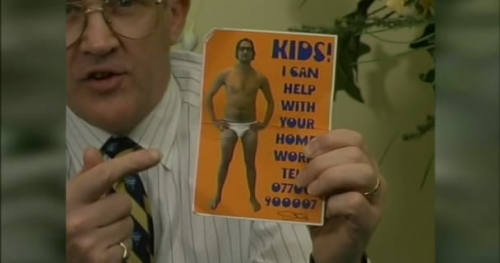
In 2001, the series was repeated, along with a new and entirely original extra show, which tackled the tricky subject of paedophilia and the associated moral panic prevalent in parts of the British media at the time following the death of Sarah Payne focused on the controversial ‘name and shame’ campaign of the News of the World. This included an incident in 2000, in which a paediatrician in Newport had the word ‘PAEDO’ daubed in yellow paint on her home.
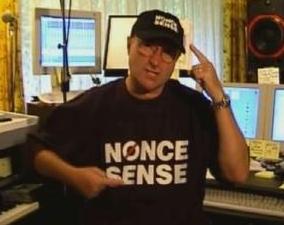
Celebrities including Gary Lineker and Phil Collins appeared in videotaped interviews, in which they endorsed a spoof charity “Nonce Sense” (“nonce” is a common British slang term for paedophile). Tomorrow’s World presenter Philippa Forrester and ITN reporter Nicholas Owen amongst others were tricked into explaining the details of “HOECS” (pronounced “hoax”) computer games, which online paedophiles were supposed to be using to abuse children via the Internet. These fairly simple plays on words were opaque enough that none of the guest celebrities understood that they were being lampooned until the show was aired, in spite of what often seems to the viewer like plainly absurd subject matter. The Capital Radio DJ “Doctor” Neil Fox, for example, informed viewers that “paedophiles have more genes in common with crabs than they do with you and me”, before qualifying his remarks with “Now that is scientific fact – there’s no real evidence for it – but it is scientific fact”. Viewers were also told by MP Syd Rapson that paedophiles were using “an area of Internet the size of Ireland”, and by Richard Blackwood that internet paedophiles can make computer keyboards emit noxious fumes in order to subdue children (Blackwood even sniffed a keyboard and claimed to be able to smell the fumes, which he said made him feel “suggestible”).
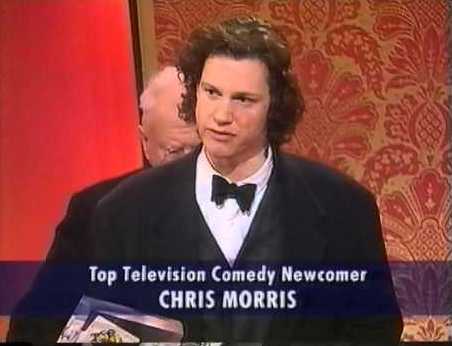
Around 2000 complaints (and approximately 3000 calls of support) were received.There was also a vociferous tabloid campaign against Morris, who refused to discuss the issue. The episode went on to win a Broadcast magazine award .
The show caused a furor among sections of the British tabloid press. The Daily Star printed an article decrying Morris and the show next to a piece about the then 15-year-old singer Charlotte Church’s breasts under the headline “She’s a big girl now”. The Daily Mail featured pictures of Princesses Beatrice and Eugenie, who were 13 and 11 at the time respectively, in their bikinis next to a headline describing Brass Eye as “Unspeakably Sick”. Defenders of the show argued that the media reaction to the show reinforced its satire of the media’s articifial hysteria and hypocrisy on the subject of paedophilia.
Paedogedoon
Blue Jam was an ambient radio comedy programme produced by Chris Morris. It aired on BBC Radio 1 in the early hours of the morning from 1997 to 1999.
The programme gained cult status due to its unique mix of surreal monologue, music, synthesised voices, heavily edited broadcasts and recurring sketches.
Jam was based on the earlier BBC Radio 1 show, Blue Jam, and consisted of a series of unsettling sketches unfolding over an ambient soundtrack.
Many of the sketches re-used the original radio soundtracks with the actors lip-synching their lines, an unusual technique which added to the programme’s unsettling atmosphere.
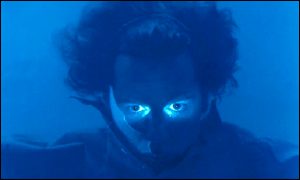
Jam is a sketch show like no other and the satirist’s darkest hour. Combining video, full wide screen film, distorted digital video images and even security camera footage Morris creates a twisted reality in which to tackle thought provoking issues, courting controversy and flying in the face of formulaic bland television output as he does so. Not as immediate as The Day Today or Brass Eye but ultimately more entrancing, in Morris’s own words, “It’s loneliness in the modern world, dreams of the ill in a vacuum: welcome in Jam”.
p.s. Hey. ** h (now j), Hi. Thank you, and you’re most welcome. ** Ferdinand, Hi. I did a post on a Leduc book. Let me find it, should it be of interest. Here. ** Thomas Moronic, Hi. It makes sense somehow that you would love the Schuyler novel too. Cool. Great news, obviously, on the start of a new novel. Such a great feeling, no? I need to start one. Rennes was good, very productive, made very good progress on Gisele’s new piece. Take care, sir. ** David Ehrenstein, Indeed. I am among the many millions who never read Chester Kallman despite his name popping ups in interesting contexts forever, and there’s obviously some kind of reason there. Exciting about your and Bill’s upcoming new photo book! Wait, it’s already out? Those were a speedy couple of weeks. Well, if you want to send me a ‘welcome’ post for it, do, and I’ll do my part. My email is: denniscooper72@outlook.com. ** _Black_Acrylic, Hope you dig the Diarmuid tome, B. I need one of those USB turntables. Huh. Have fun doing the translating. ** Adam Martin, Hi, Adam! Thank you so much for coming in, and I’m happy to meet you. Oh, yes, your exhibition was fantastic. I remember it well. Hm, I don’t remember how I found out about the show. Likely through artist friends, perhaps even a friend or two we both know personally? That’s a guess ‘cos I’m spacing on the means of my discovery. Thank you a whole lot for the video/link. I’ll watch it greedily as soon as I’ve finished this involving p.s. thing. Well, yeah, if you want to share more or ask a question that would be a boon for me. Have a really solid weekend. ** Misanthrope, It’s hard to imagine anyone not enjoying ‘What’s for Dinner?’ but I suppose there must be people who don’t. Any development on the David thing, externally or internally? ** Max B, Hi, Max! Yes, I loved the song, and I’m excited for more, and I can be patient and wait for the official release, no problem. Thank you again for clueing us/me in. Have an excellent one. ** Bill, Hi, B! Surges I know. I really like that new Eyvind Kang. Rennes was good. Not too many stories, as we spent the time in the theater rehearsing. The new piece is Gisele’s adaptation of a Robert Walser play that he wrote as a teen, and it’s very verbose and kind of didactic, so mostly I was there to do a pretty heavy edit on the text, which I did do, and which seemed to make a big difference, and to do my dramaturg thing on the piece as a whole. It was good, it needs a bunch of work, but it’s getting there. ** cal, Hi, Cal. The house is in this ultra-pretty valley/town called Sils St. Marie, mostly where people go to ski these days. They shot that old movie ‘Heidi’ there. Impressive location to be absolutely sure. ** JM, Hi, Josiah. I miss my turntable a lot. And I have a big stack of unplayed vinyl-only releases here. And yet I can’t seem to must up the whatever to buy one. Sorry you’re a little ill, but, yes, aren’t we all a little. Excellent about your new chapbook! Obviously hit us up when that’s gettable. And I’m honored/curious to see what part ‘Frisk’ plays, very naturally. I’ve always been too wary of teaching to go there. It def. does cut into and hamper some artists’ work who go that route, for sure. I do have friends for whom it has no effect on their ambition and output, but, yeah, I’m a ‘better not to take the chance’ type, so … understood Great, healthier weekend to you, sir. ** Daniel, Hi, Daniel! Always joyous to see you. Ooh, that Ashbery thing, Wow, I had no idea that existed! Jesus, it must cost beyond a fortune now. Hopelessly want! Thank you, kind sir. You good, I really hope? ** Steve Erickson, He’s somewhat less off the radar in Europe. There was retrospective here in Paris, oh, three years ago, I think? Trip was a good, productive, which was all it needed to be. Yes, travelling here is pretty non-stressful thanks to virtually everyone following the protocols. But we all know that could turn any day or week now, so we’ll see. Traveling in the US to the South … that does not seem like a great idea whatsoever, nope. ** Okay. This weekend I restore a post from ages ago made by onetime blog d.l. JoeM about the irrepressible British artist of the comedic Chris Morris. Enjoy the show, I hope. See you on Monday.
* (rerun)
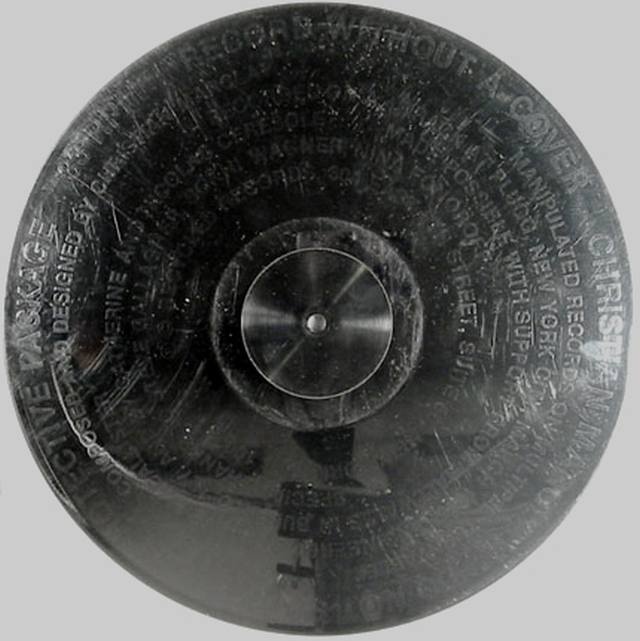
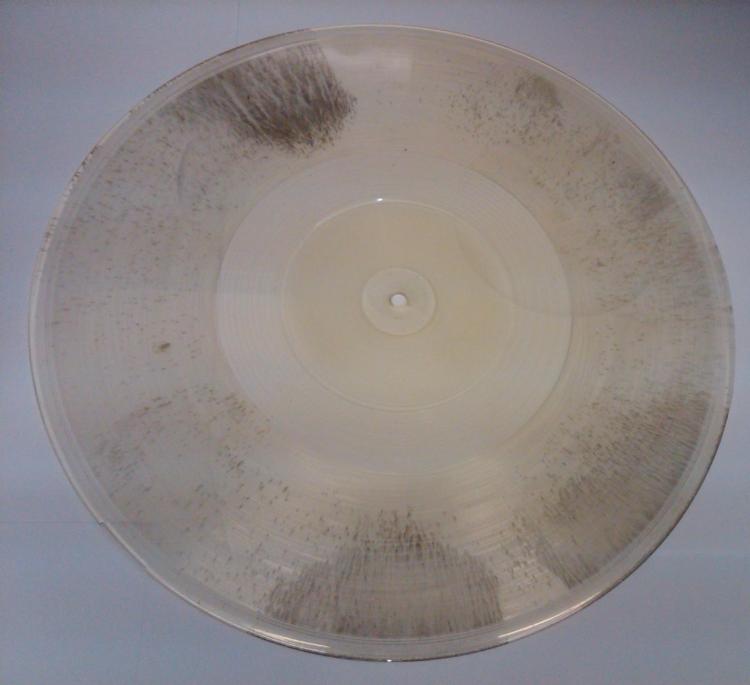
_______________ Turntablist and artist Christian Marclay created an album — using a 4-track in New York City, March 1985 — composed of other records. All seems pretty normal, but the thing is, Recycled Records’ Record Without a Cover was sold without a jacket or cover, and it even came with the instructions “Do not store in a protective package.” Marclay’s concept was to let the natural ageing process make each individual record unique. Through scratches, and dust caught in the grooves, the record’s deterioration make it constantly evolve. If it could be described, think: a warped history of the universe.
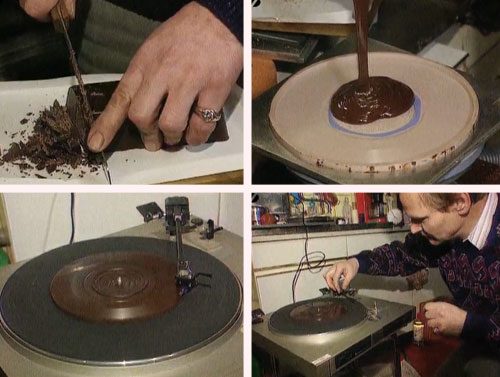
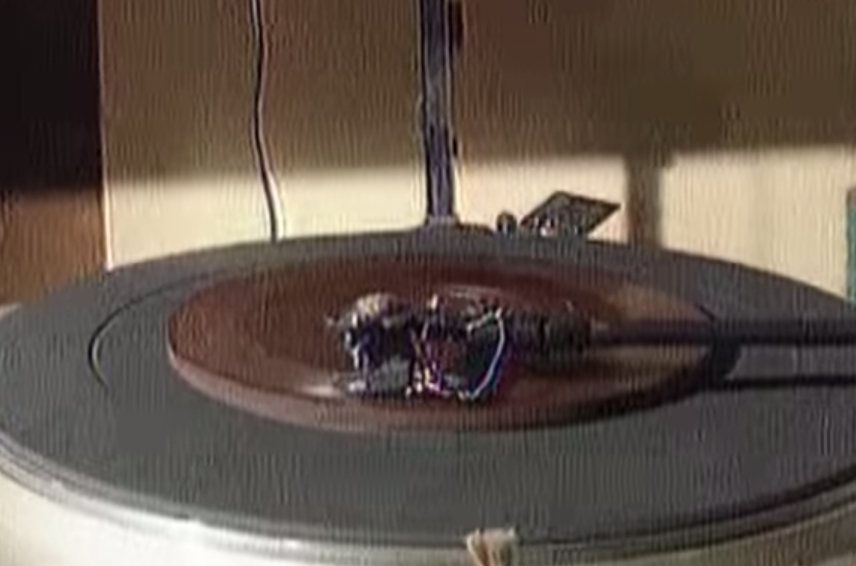
_______________ German genius Peter Lardong came up with the idea to create records out of chocolate and, believe it or not, they can be played on a standard phonograph. He creates the records by pouring his time-tested recipe of melted chocolate into a silicon mold of his favorite vinyl. He places it in the refrigerator to set and voila. Each disc can be played up to 12 times before it’s too worn out, and that’s when you eat it.
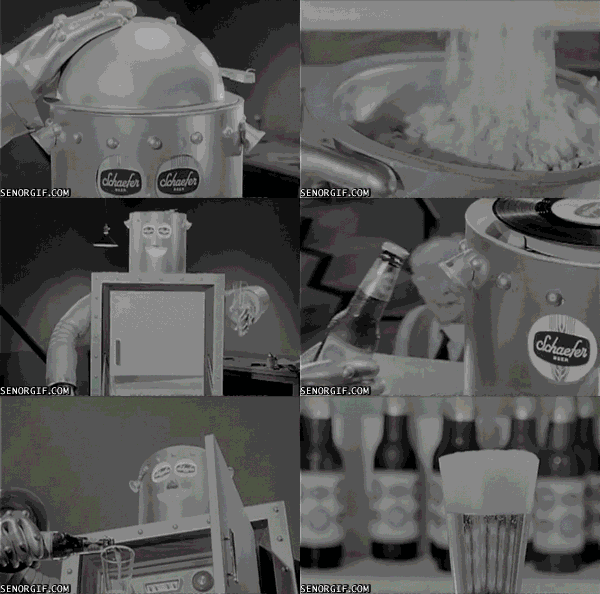
______________ Robot with record player brain
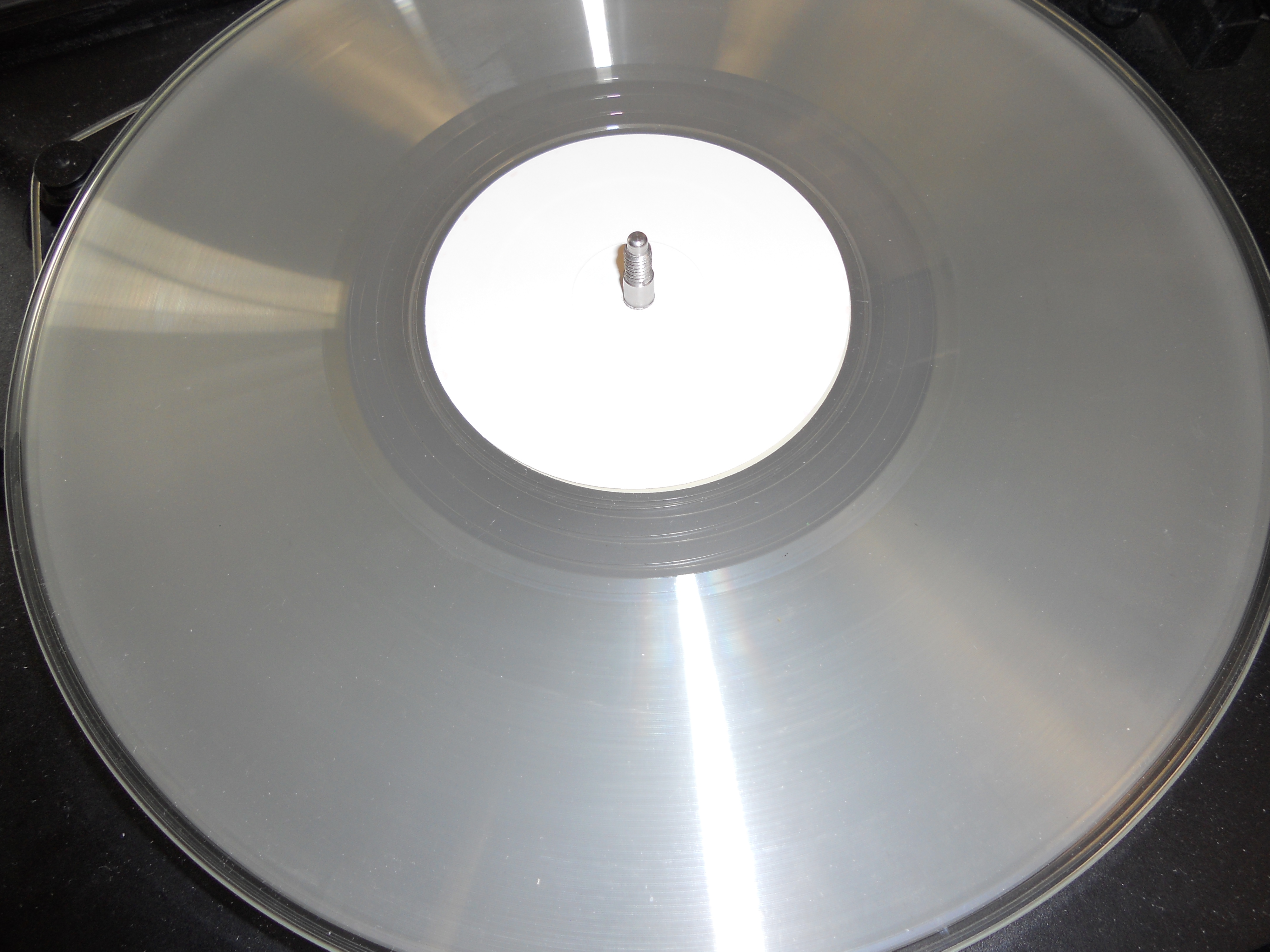
_____________ Buried in the midst of a load of LPs I recently bought was a clear virgin vinyl LP in a plain white jacket. The odd thing about it is there are grooves cut both sides with nothing on them. The dead wax on side one has inscribed NITTY GRITTY and BP 360 LP1 along with NW RTI 19724. Side two dead wax has 13875 and BP 000. Any ideas what this is and what it was for….we’d be interested to find out.
_______________ These are not a direct substitute for pressed records. These are 100% hand-made, in real time. If the record is 10 minutes long, it took 10 minutes to cut plus setup time. This labor, coupled with the maintenance and knowledge required makes these lathe-cuts more expensive (per piece) than a larger pressing of vinyl.
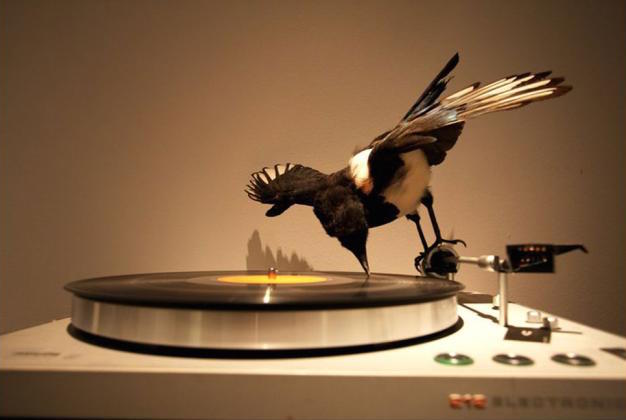
_______________ Jeroen Diepenmaat ‘Pour des dents d’un blanc éclatant et saines’ (2005), Record players, vinyl records, stuffed birds, sound. Dimensions variable.
_______________ Music lovers can now be immortalised when they die by having their ashes baked into vinyl records to leave behind for loved ones. A UK company called And Vinyly is offering people the chance to press their ashes in a vinyl recording of their own voice, their favourite tunes or their last will and testament. Minimalist audiophiles might want to go for the simple option of having no tunes or voiceover, and simply pressing the ashes into the vinyl to result in pops and crackles.
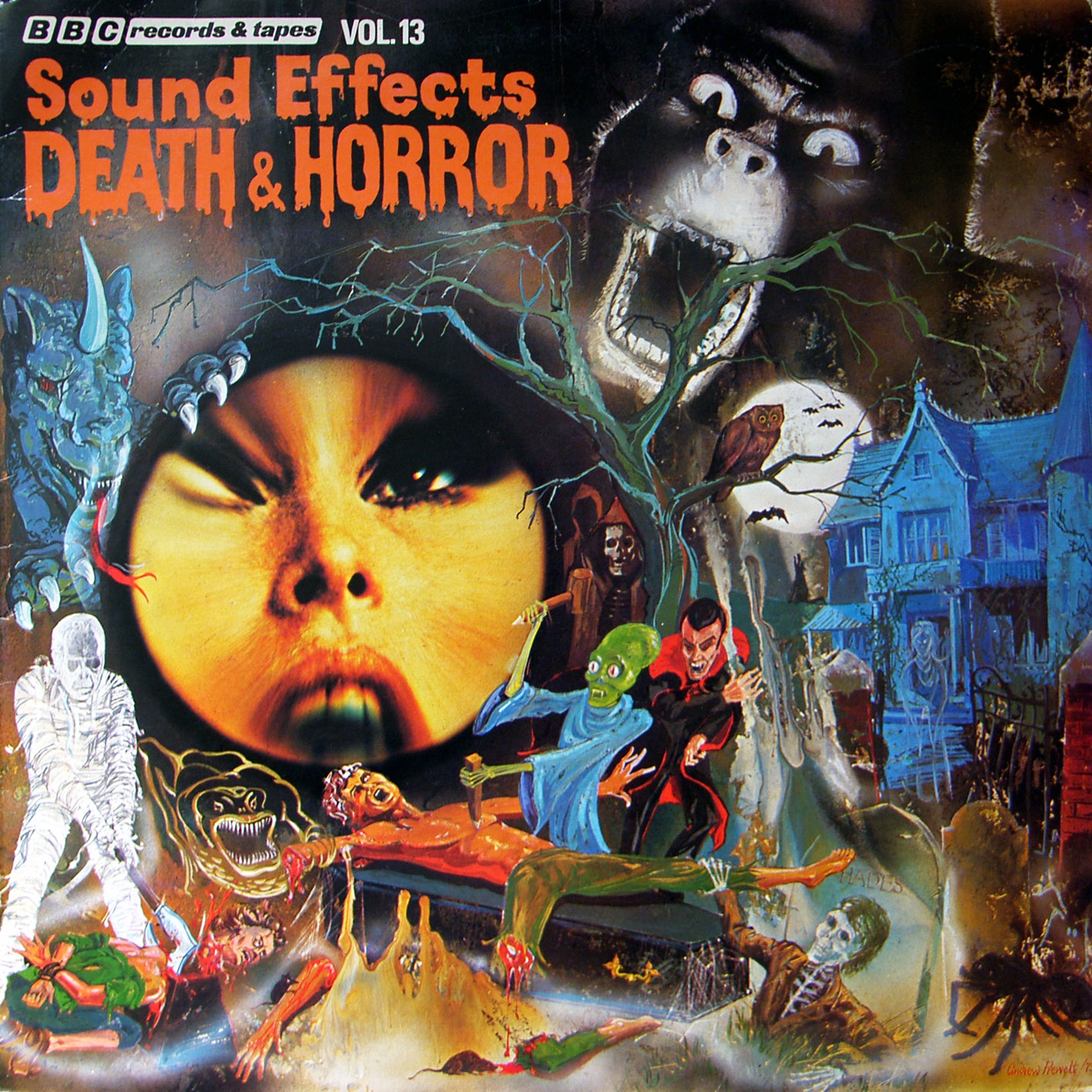
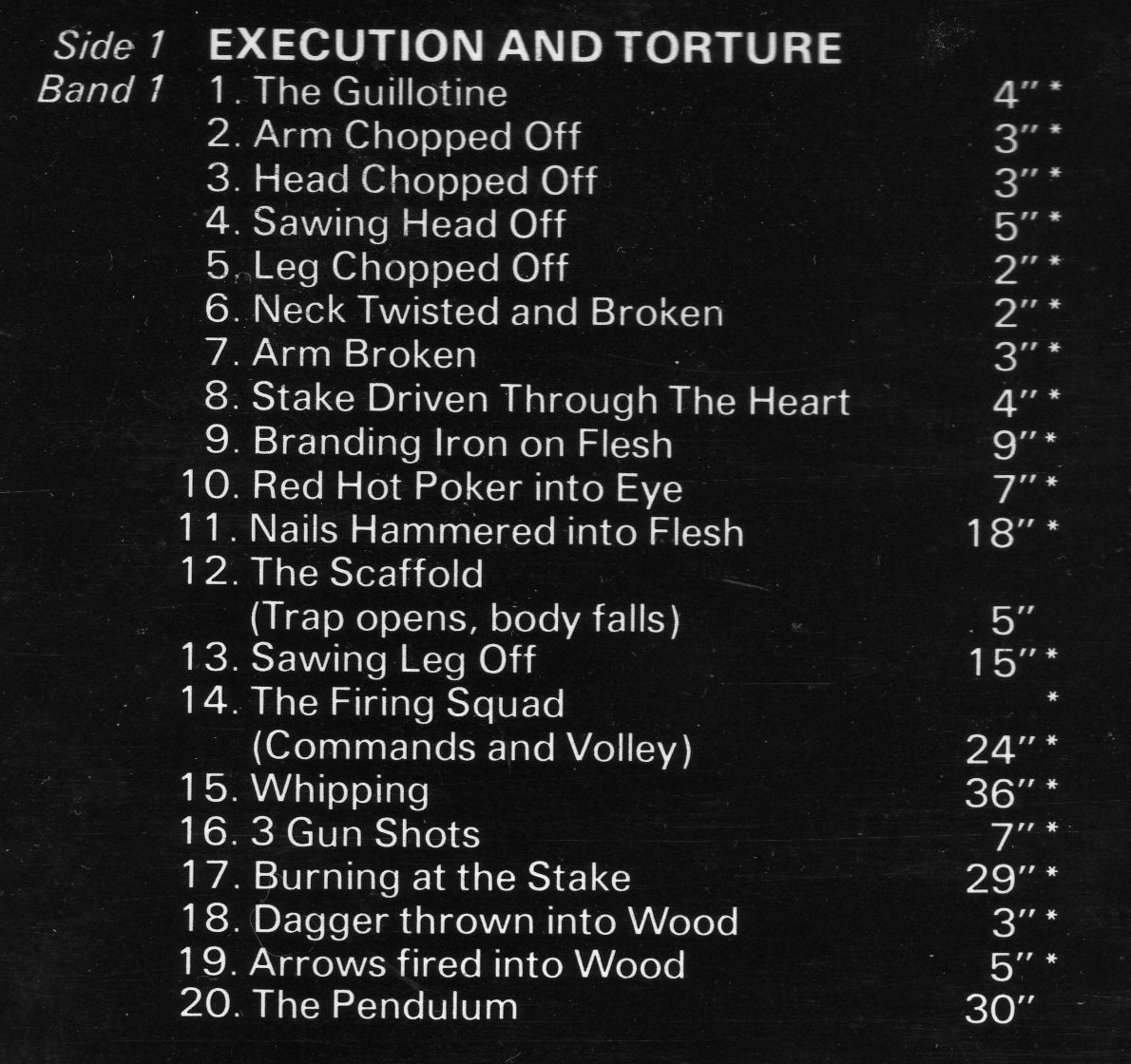
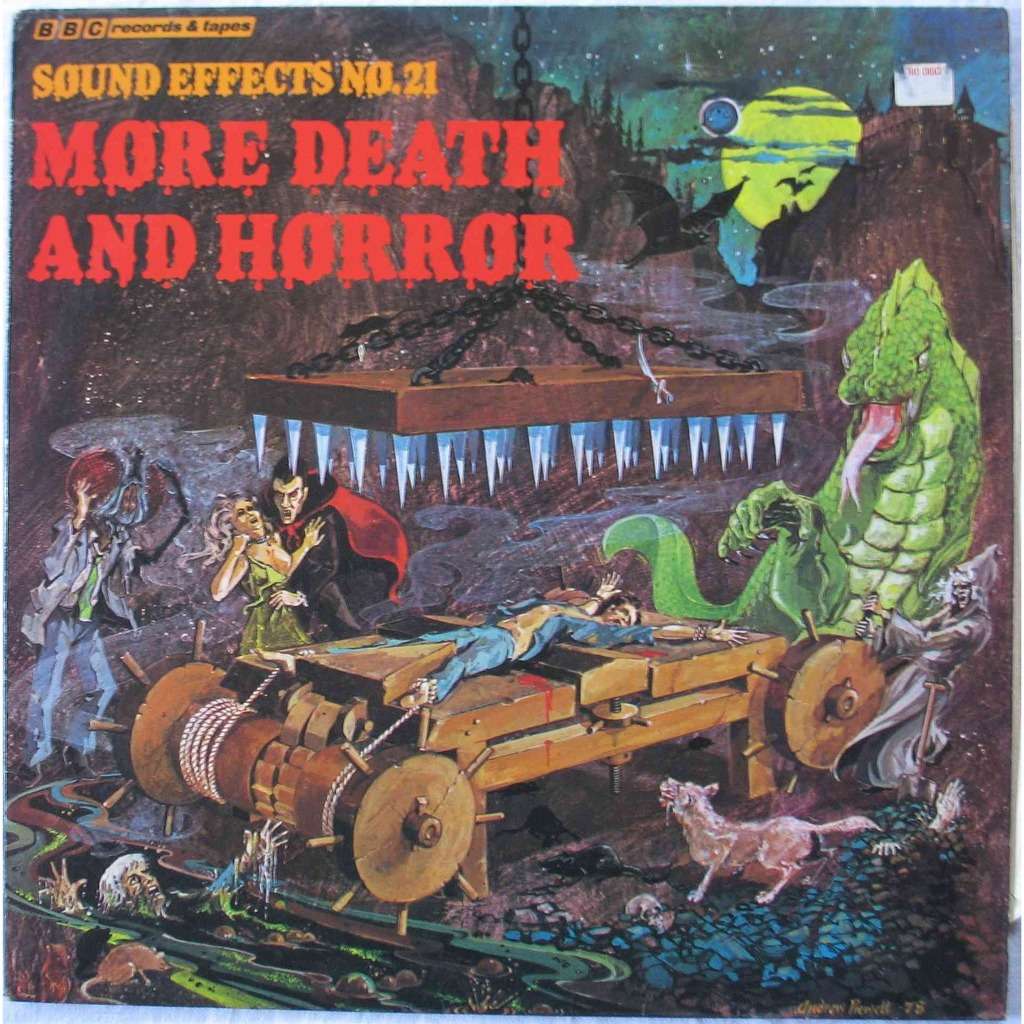
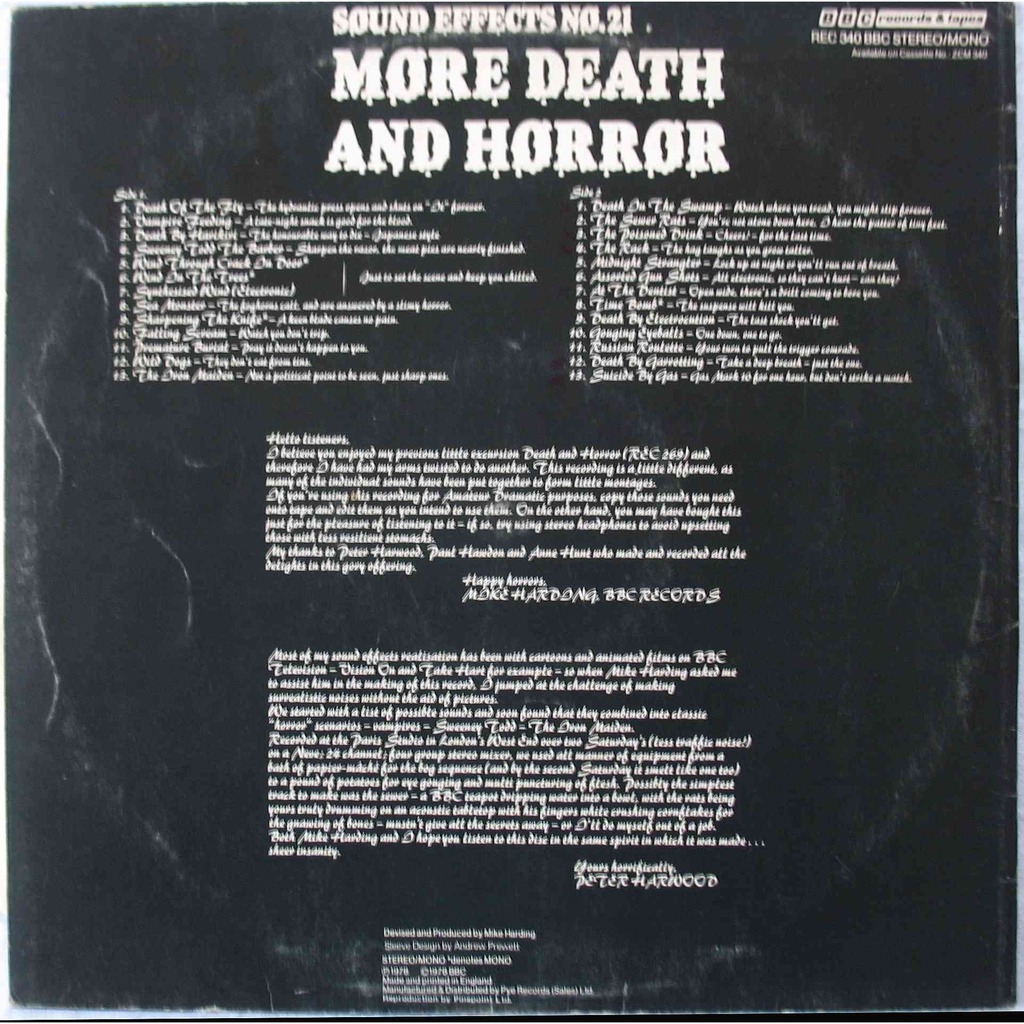
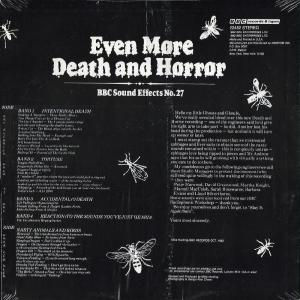
_____________ In 1967, the BBC created its own record label, designed to exploit the demand for commercially released TV tunes, comedy shows and, finding an unlikely niche in the market, sound effects, the best remembered being their three horror-related collections. Volume 1, Essential Death & Horror, appeared in 1977 and offers a dizzying collection of 91 different effects. Particular favourites of my own include an actually rather disturbing electronic workout, ‘Monsters Roaring’, and ‘neck twisted and broken’. Such was the success of Volume 1, a follow-up album arrived in 1978 – Volume 2: More Death and Horror. Rather more ragged than the first release, we are treated to even more inclement weather and death rattles – of particular note is ‘death by garrotting’. There was one final outing, the paltry twenty-five minutes of Volume 3: Even More Death and Horror. Easily the most startling record of the three, the methods of torture are truly imaginative; ‘self immolation’, ‘female falling from great height’ and ‘tongue pulled out’.
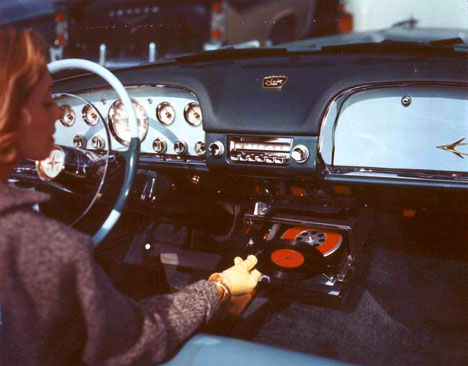
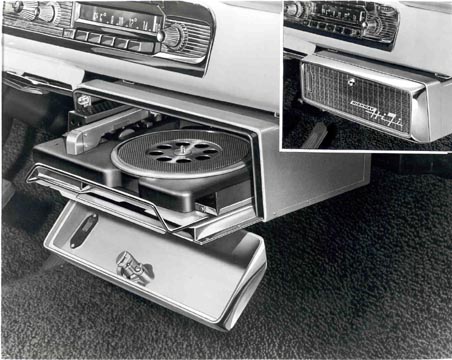
______________ Knowing how easy it is to scratch records or make them skip with the slightest bump, it might seem counter-intuitive to put a record player into a moving car. But the automobile record player, first introduced by Chrysler in 1956, contained a number of features that would keep the music going even when there were bumps in the road. Part of its downfall can be attributed to the fact that the Highway Hi-Fi required special records; you couldn’t simply pull a record off of the shelf and play it on your road trip. Rather, drivers had to purchase all of their music again in the new proprietary format. Since the machine was only available on new vehicles and not as an aftermarket accessory, there wasn’t a huge commercial demand for it. Moreover, the devices had the nasty habit of breaking often and Chrysler wasn’t thrilled with the cost of fixing all of those under-warranty units. By 1957, just one year after their initial introduction, Chrysler withdrew support for the ill-fated gadgets.
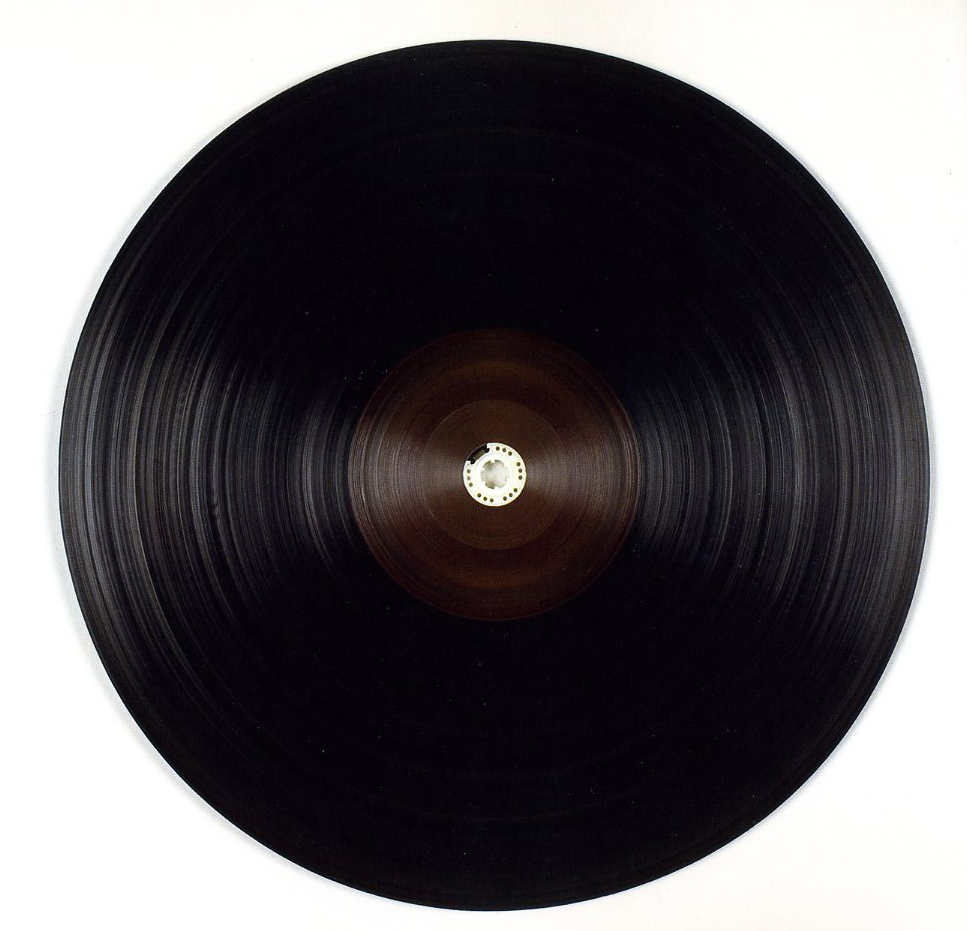
_____________ Glass disc recordings, produced photographically in the 1880’s by Volta Laboratory Associates – Alexander Bell, his cousin Chichester Bell and Charles Sumner Tainter. Smithsonian officials unsealed them in the presence of Bell’s daughters and a grandson in 1937.
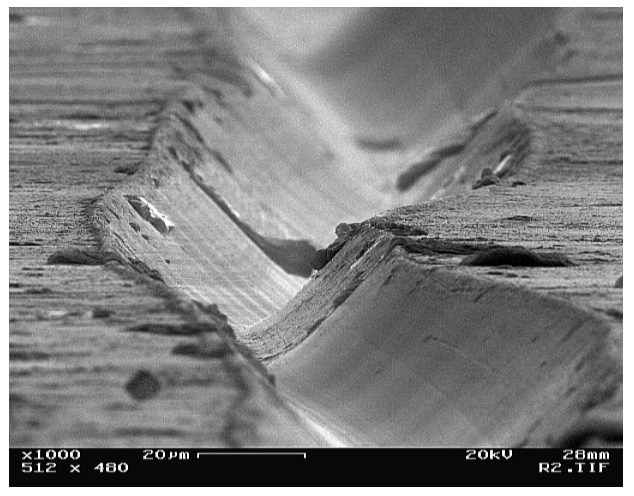
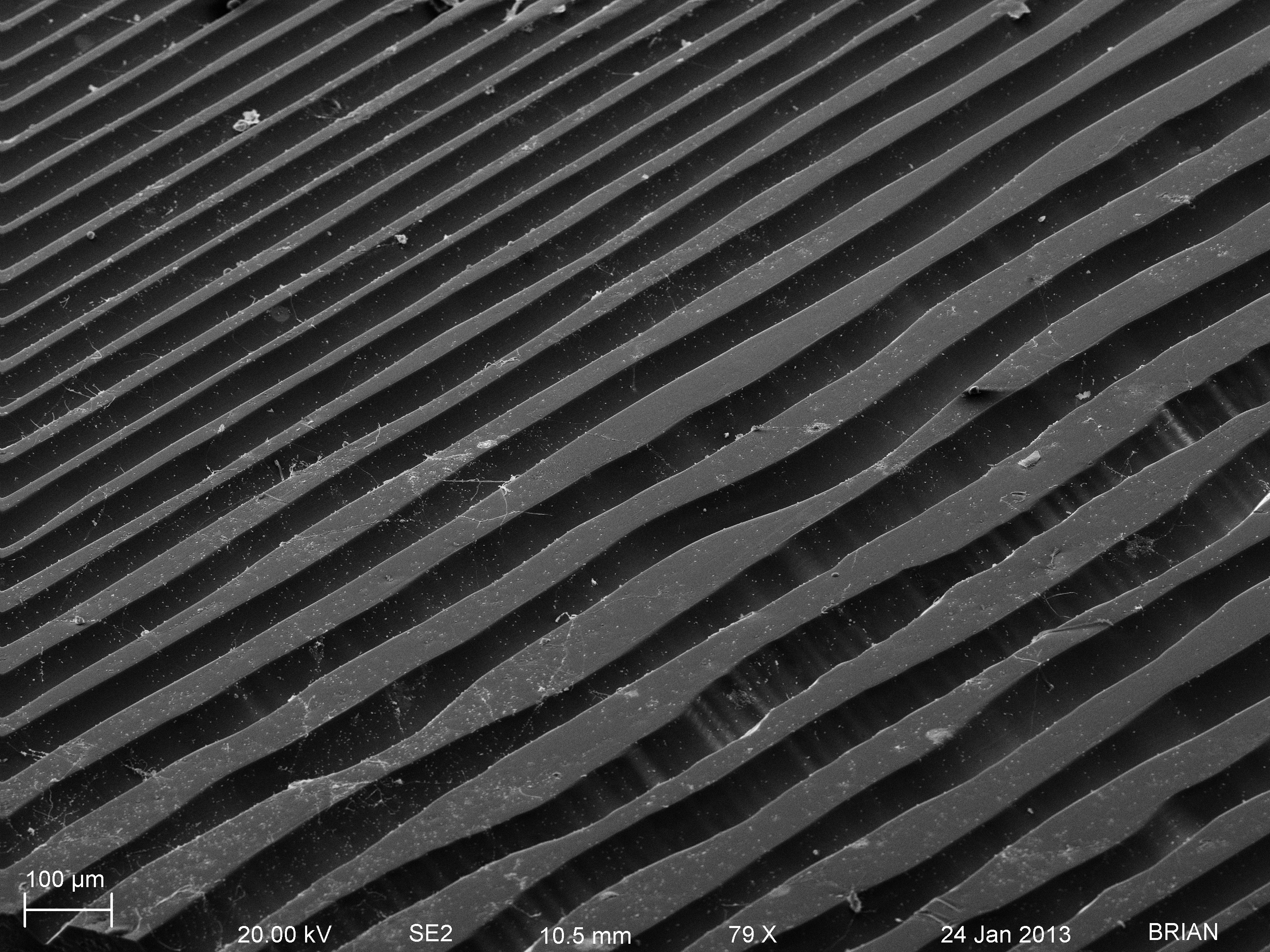
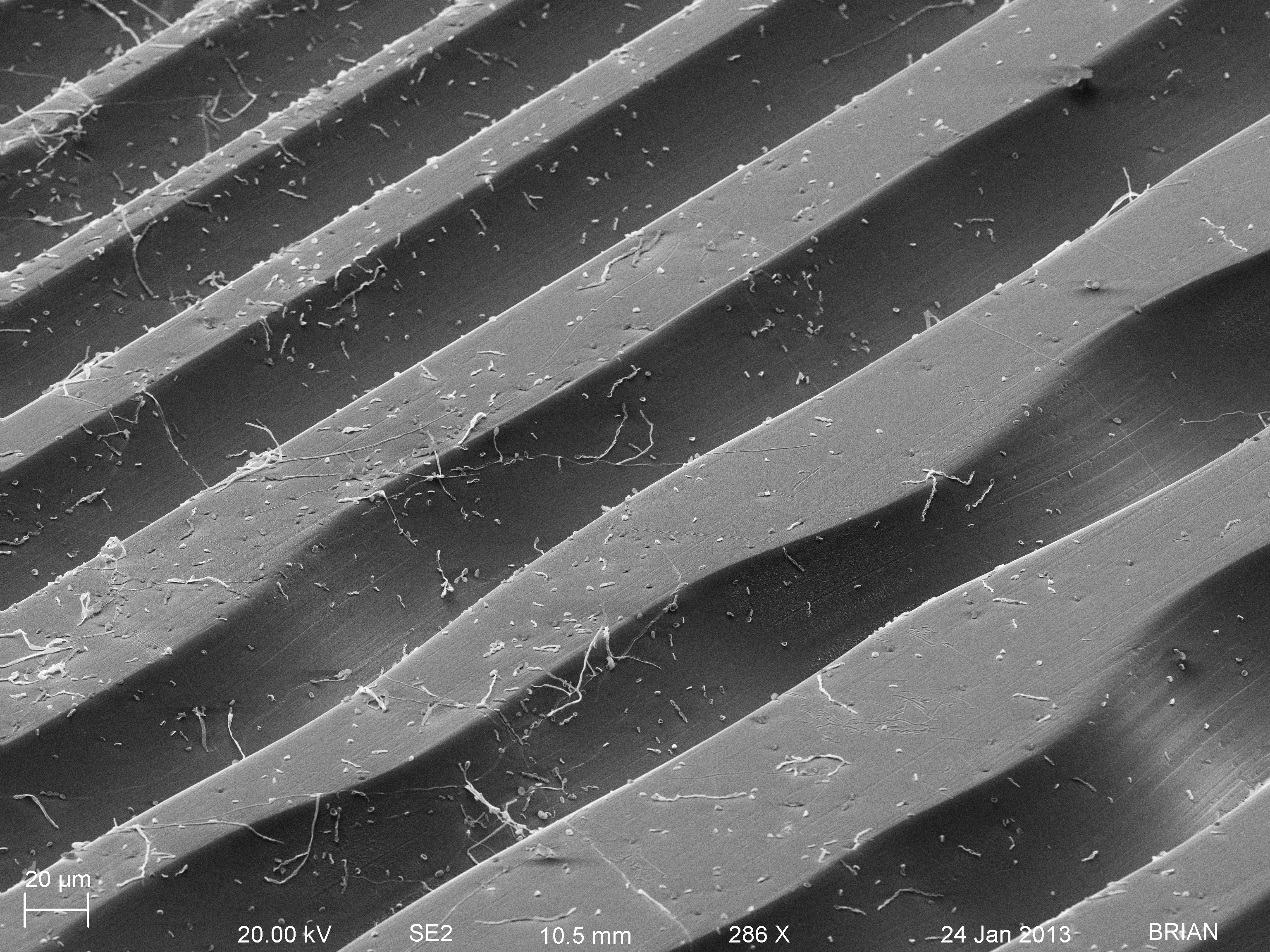
_____________ Chris Supranowitz has made some images of a record’s grooves using an electron scanning microscope. For the vinyl record sample, he simply cut a small section of a record and attached it to a sample stub via carbon tape. He then sputter coated approximately 90 Angstroms of gold onto the grooves. Since the sample was relatively thick (2-3 mm) carbon tape was applied along the side to ensure good conductivity. It’s finally clear what the grooves actually look like!
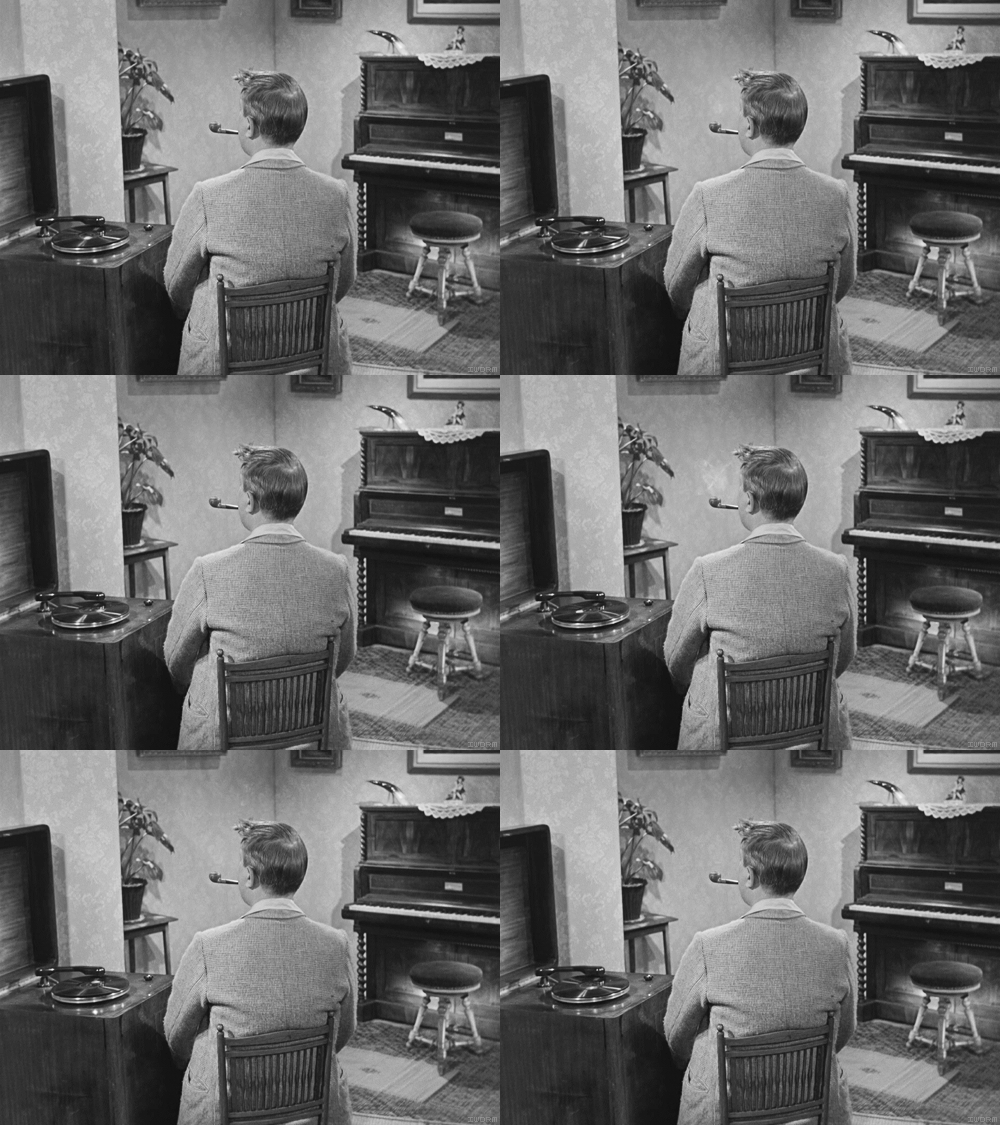
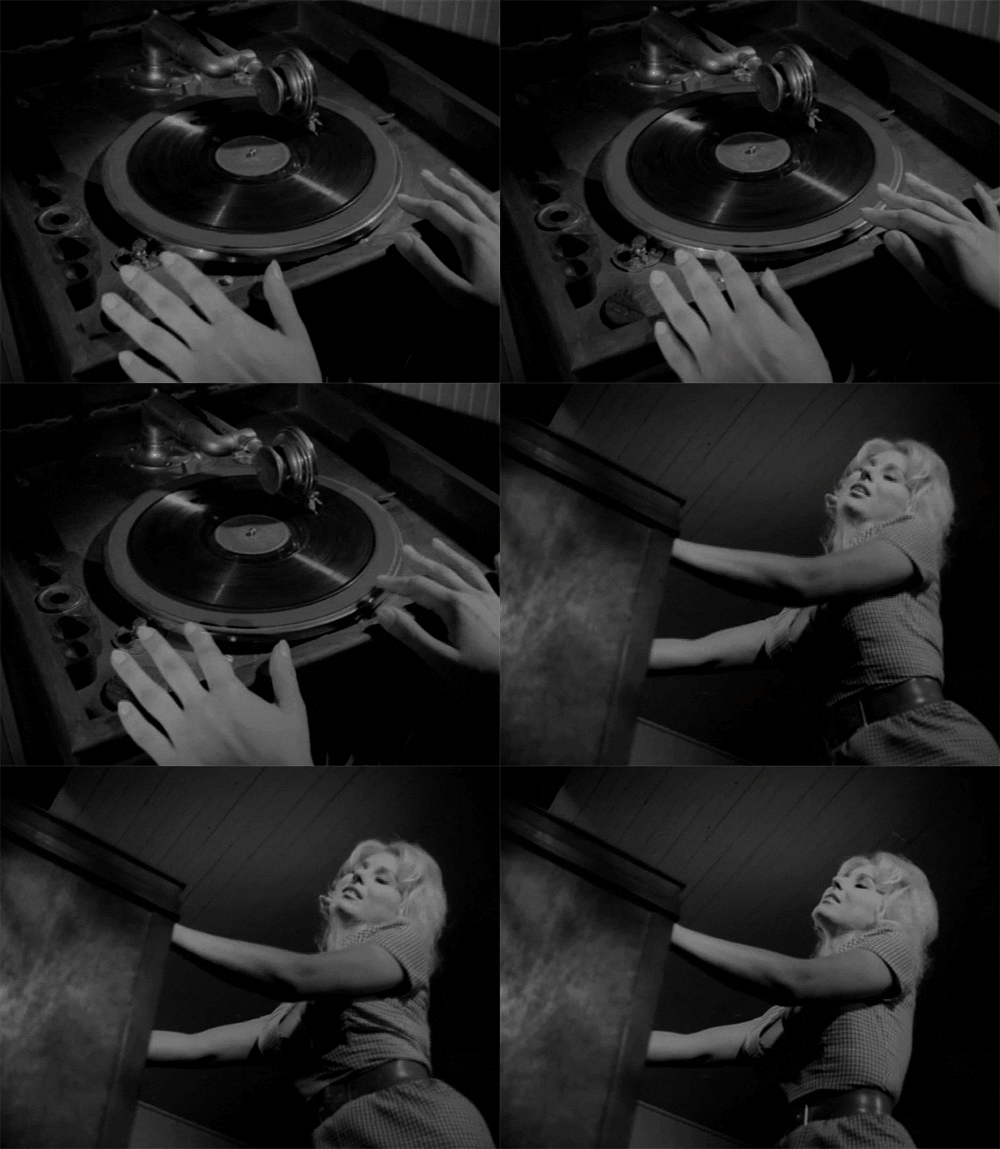
_______________ Jacques Tati with record player
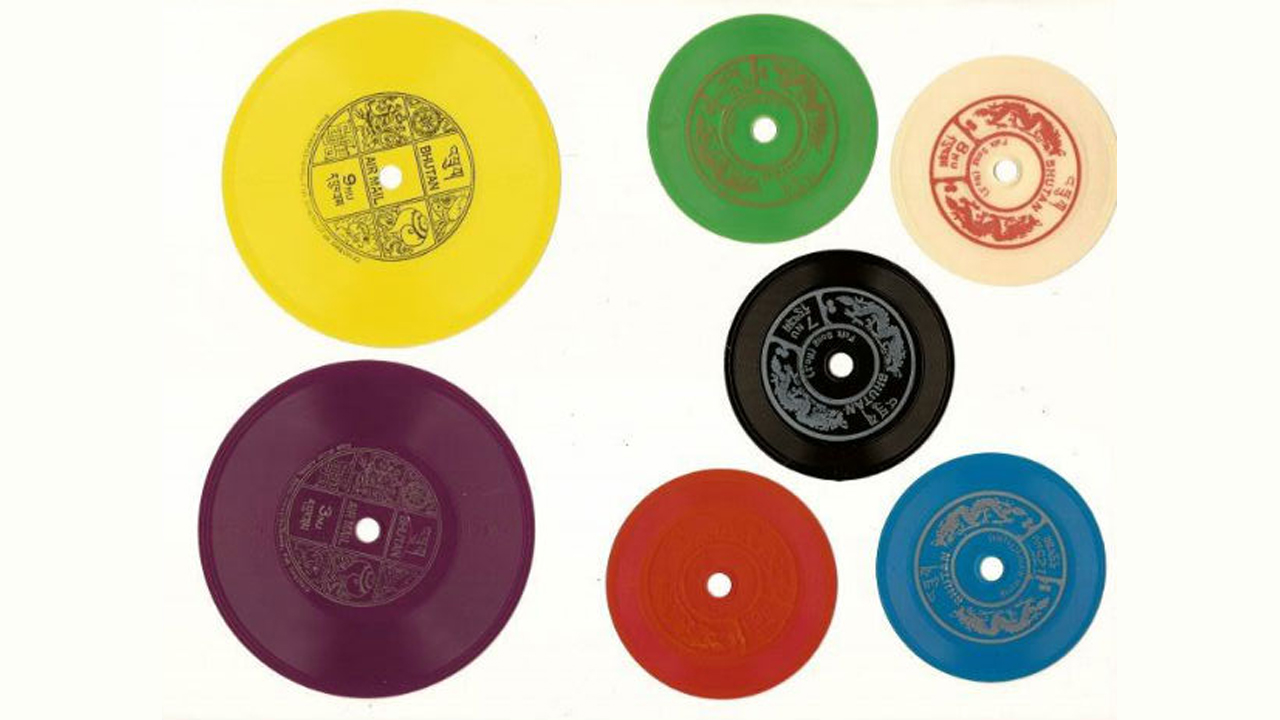
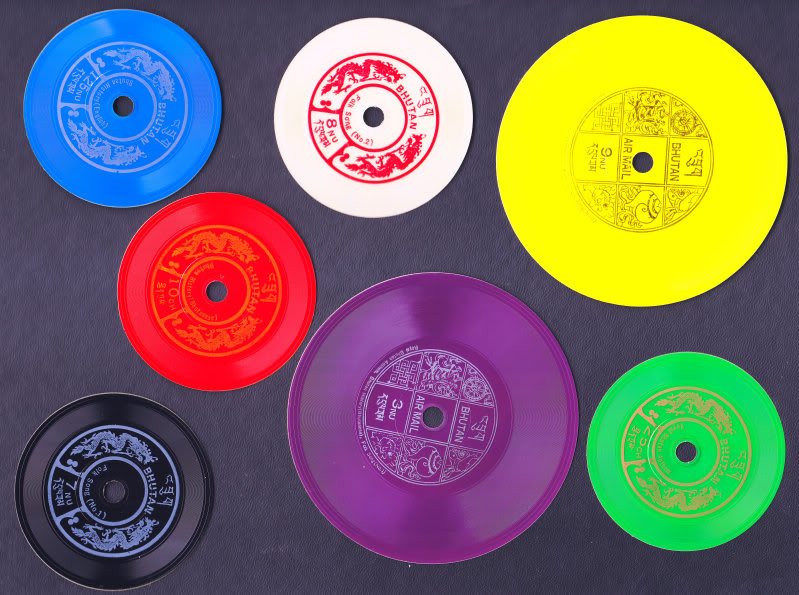
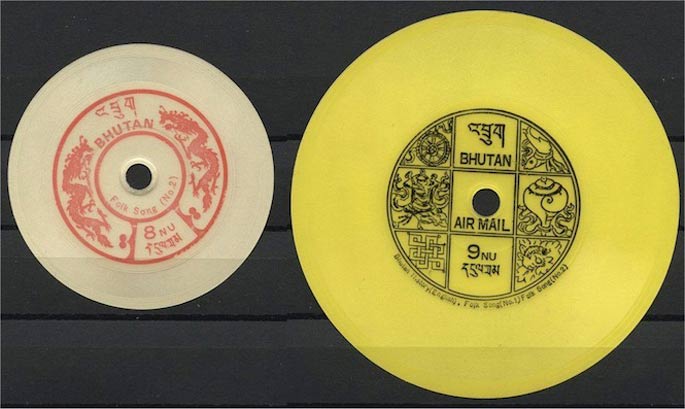
_______________ In 1973, the Kingdom of Bhutan issued several unusual postage stamps that are playable miniature phonograph records. These thin plastic single-sided adhesive-backed 331⁄3 RPM discs feature folk music and tourism information. Not very practical for actual postal use and rarely seen canceled, they were designed as revenue-generating novelties and were initially scorned as such by most stamp collectors. They are now fairly scarce and valuable and are sought after by both stamp and novelty record collectors. Their small diameters (approximately 7 and 10 cm or 2.75 and 4 inches) make them unplayable on turntables with automatic return tonearms.
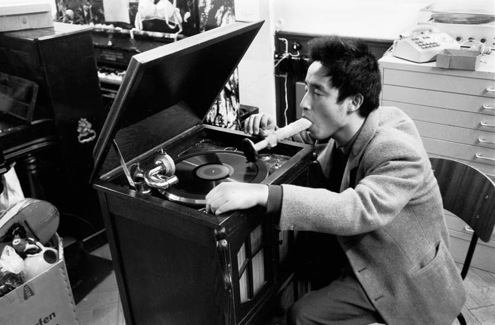
________________ Nam June Paik ‘Listening to Music Through the Mouth’ (1962)
______________ NON’s Pagan Muzak (Gray Beat, 1978) is a one-sided 7-inch with 17 locked grooves and two center holes, meaning each locked groove can be played at two different trajectories as well as any number of speeds. The original release came with instructions for the listener to drill more holes in the record as they saw appropriate.
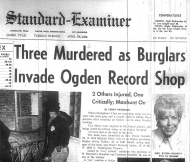
_______________ The Hi-Fi murders were the killings of three people during an armed robbery at a home audio and record store called the Hi-Fi Shop in Ogden, Utah. On April 22, 1974, three enlisted United States Air Force airmen, named Dale Pierre Selby, William Andrews, and Keith Roberts drove in two vans to a Hi-Fi store on Washington Boulevard, Ogden, just before closing time. They entered the shop brandishing handguns. Two employees, Stanley Walker, age 20, and Michelle Ansley, age 18, were in the store at the time and were taken hostage. Pierre and Andrews took the two into the store’s basement and bound them. Later, a 16-year-old boy named Cortney Naisbitt arrived to thank Walker for allowing him to park his car in the store’s parking lot as he ran an errand next door; he was also taken hostage and tied up in the basement with Walker and Ansley. Later that evening, Orren Walker, Stanley’s 43-year-old father, became worried that his son had not returned home. Cortney Naisbitt’s mother, Carol Naisbitt, also arrived at the shop later that evening looking for her son, who was late getting home. Both Orren Walker and Carol Naisbitt were taken hostage and tied up in the basement. With five people now held hostage in the basement, Pierre told Andrews to get something from their van. Andrews returned with a bottle in a brown paper bag, from which Pierre poured a cup of blue liquid. Pierre ordered Orren to administer the liquid to the other hostages, but he refused, and was bound, gagged, and left face-down on the basement floor. Pierre and Andrews then propped each of the victims into sitting positions and forced them to drink the liquid, telling them it was vodka laced with sleeping pills. Rather, it was liquid Drano. The moment it touched the hostages’ lips, enormous blisters rose, and it began to burn their tongues and throats and peel away the flesh around their mouths. Ansley, still begging for her life, was forced to drink the drain cleaner too, although she was reported (by Orren Walker) to have coughed less than the other victims. Pierre and Andrews tried to duct-tape the hostages’ mouths shut to hold quantities of drain cleaner in and to silence their screams, but pus oozing from the blisters prevented the adhesive from sticking. Orren Walker was the last to be given the drain cleaner, but seeing what was happening to the other hostages, he allowed it to pour out of his mouth and then mimicked the convulsions and screams of his son and fellow hostages. Pierre became angry because the deaths were taking too long and were too loud and messy, so he shot both Carol and Cortney Naisbitt in the backs of their heads, proving fatal for Carol but leaving Cortney alive. Pierre then shot at Orren Walker but missed. He then fatally shot Stanley before again shooting at Orren, this time grazing the back of his head. Pierre then took Ansley to the far corner of the basement, forced her at gunpoint to remove her clothes, then repeatedly and brutally raped her after telling Andrews to clear out for 30 minutes. When he was done, he allowed her to use the bathroom while he watched, then dragged her, still naked, back to the other hostages, threw her on her face, and fatally shot her in the back of the head. Andrews and Pierre noted that Orren was still alive, so Pierre mounted him, wrapped a wire around his throat, and tried to strangle him. When this failed, Pierre and Andrews inserted a ballpoint pen into Orren’s ear, and Pierre stomped it until it punctured his eardrum, broke, and exited the side of his throat.
________________ Gregor Hildebrandt’s ‘Kassettenschallplatte (Cassette Record)’ (2008) is a sculptural work composed of hundreds of feet of wrapped cassette tape, a fetish object for which one medium has been rendered useless to embody the equally nonfunctioning image of another.
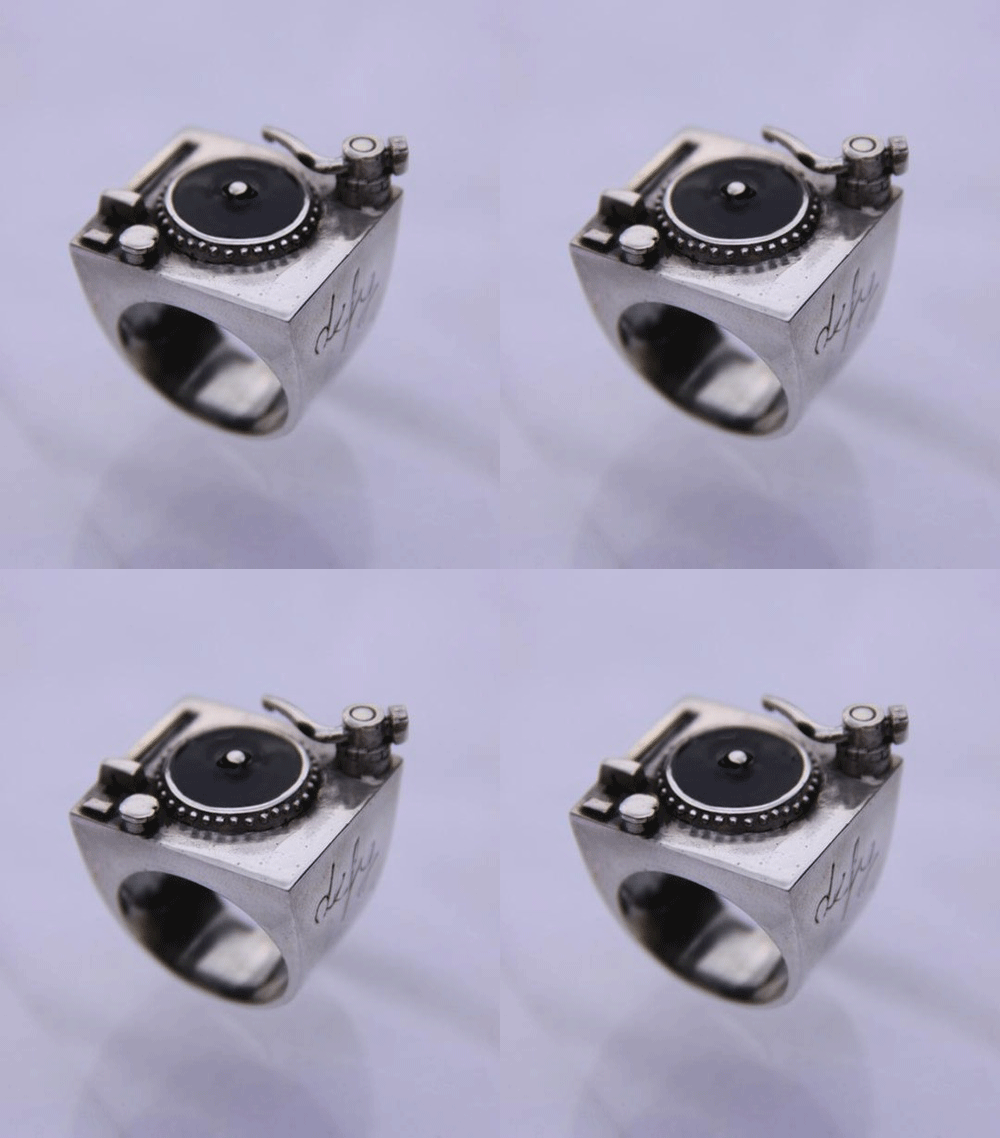
___________ Record player ring
_______________ In the late 1920s and early 1930s the Vitaphone sound system used large 33 1/3 rpm records to provide the soundtrack for motion pictures. The record rotated in the usual clockwise direction but the groove was cut and played starting at the inside of the recorded area and proceeding outward. This inside start was dictated by the unusually long playing time of the records and the rapid wearing down of the single-use disposable metal needles which were standard for playing lateral-cut shellac records at that time. The signal degradation caused by a worn needle point was most audible when playing the innermost turns of the groove, where the undulations were most closely packed and tortuous, but fairly negligible when playing the outermost turns where they were much more widely spaced and easily traced. With an inside start the needle point was freshest where it mattered most. Almost all analog disc records were recorded at a constant angular speed, resulting in a decreasing linear speed toward the disc’s center. The result was a maximum level of signal distortion due to low groove velocity nearest the center of the disc, called “end-groove distortion”. Loud musical passages were most audibly affected. Since some music, especially classical music, tends to start quietly and mount to a loud climax, such distortion could be minimized if the disc was recorded to play beginning at the inner end of the groove. A few such records were issued, but the domination of automatic record changers, and the fact that symphony movements, for example, varied greatly in length and could be difficult to arrange appropriately on 20-minute disc sides, made them no more than curiosities.
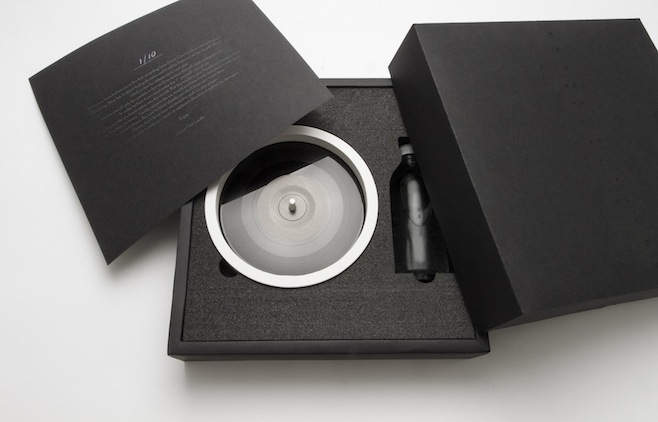
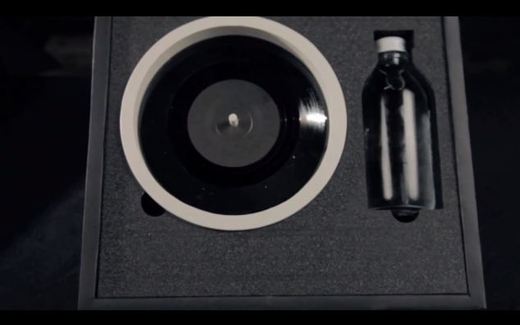
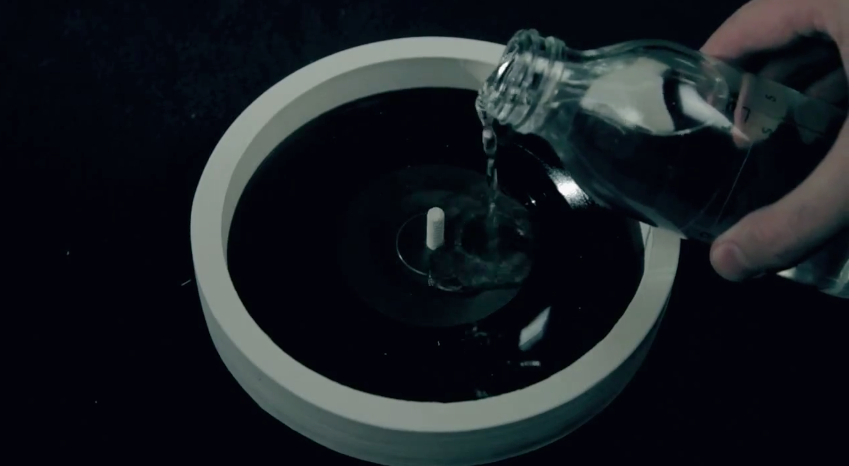
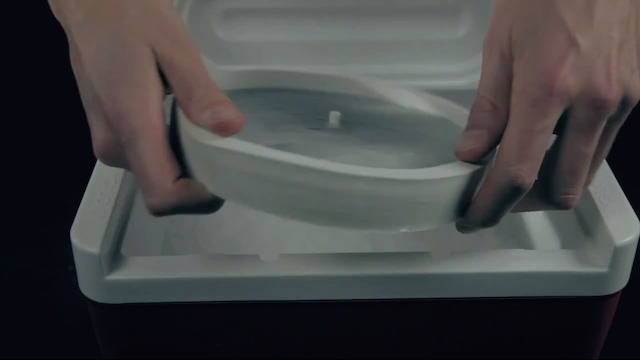
_______________ For their single “Blue Ice”, Swedish indie group Shout Out Louds came up with the idea of making a functional record on ice. 10 press kits consisting of silicon mold, a bottle of distilled water, and complete instructions were sent to select media and fans. Of course the record would only last in one play, and your needle is most likely to be ruined after, but the less-than-perfect crackling sounds have their own lo-fi DIY charms.
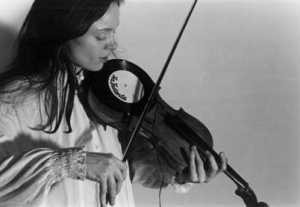
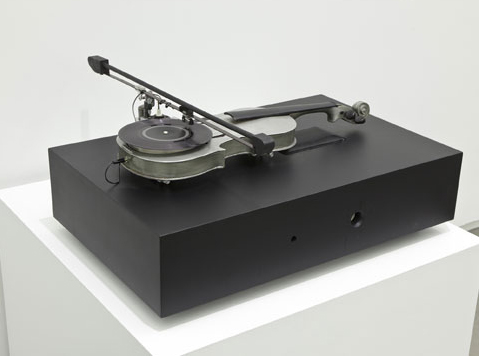
_______________ Performance artist and experimental musician Laurie Anderson invented the Viophonograph in 1976. Its violin body turns a custom 7-inch vinyl record which is played by a needle mounted to a bow, all fed into an amplifier.
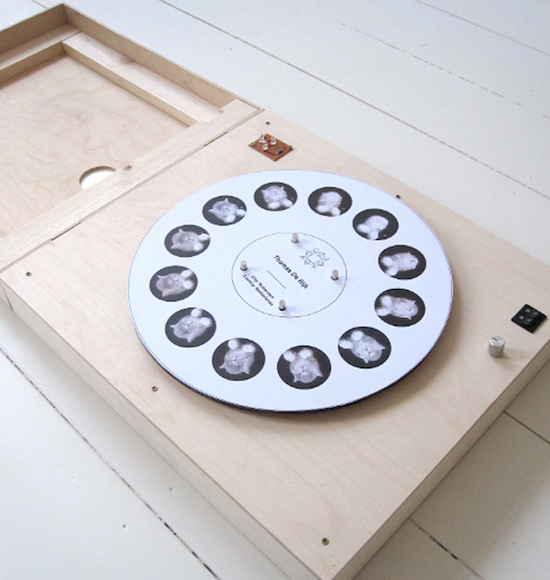
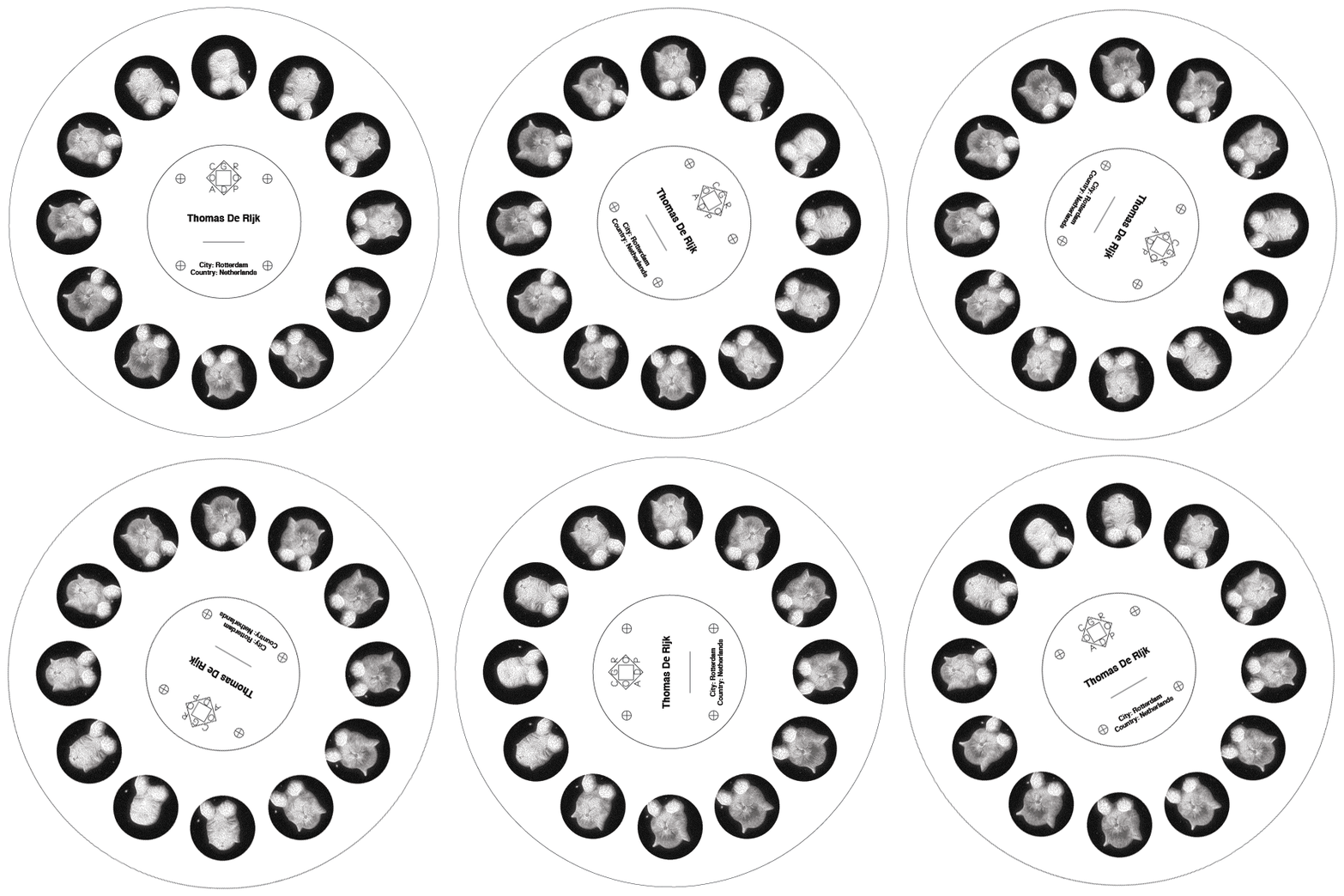
_______________ Artist Pieterjan Grandry has broken a major barrier between the unreality of the Internet and the rest of the real world. Grandry has successfully taken animated GIFs and made them analog. His device, based on a pre-film form of entertainment called a phenakistoscope, uses frames from a GIF printed onto transparent material as individual frames and placed on a wheel. Once spun and illuminated, the images form a single moving picture — in this case, a head bobbing cat.
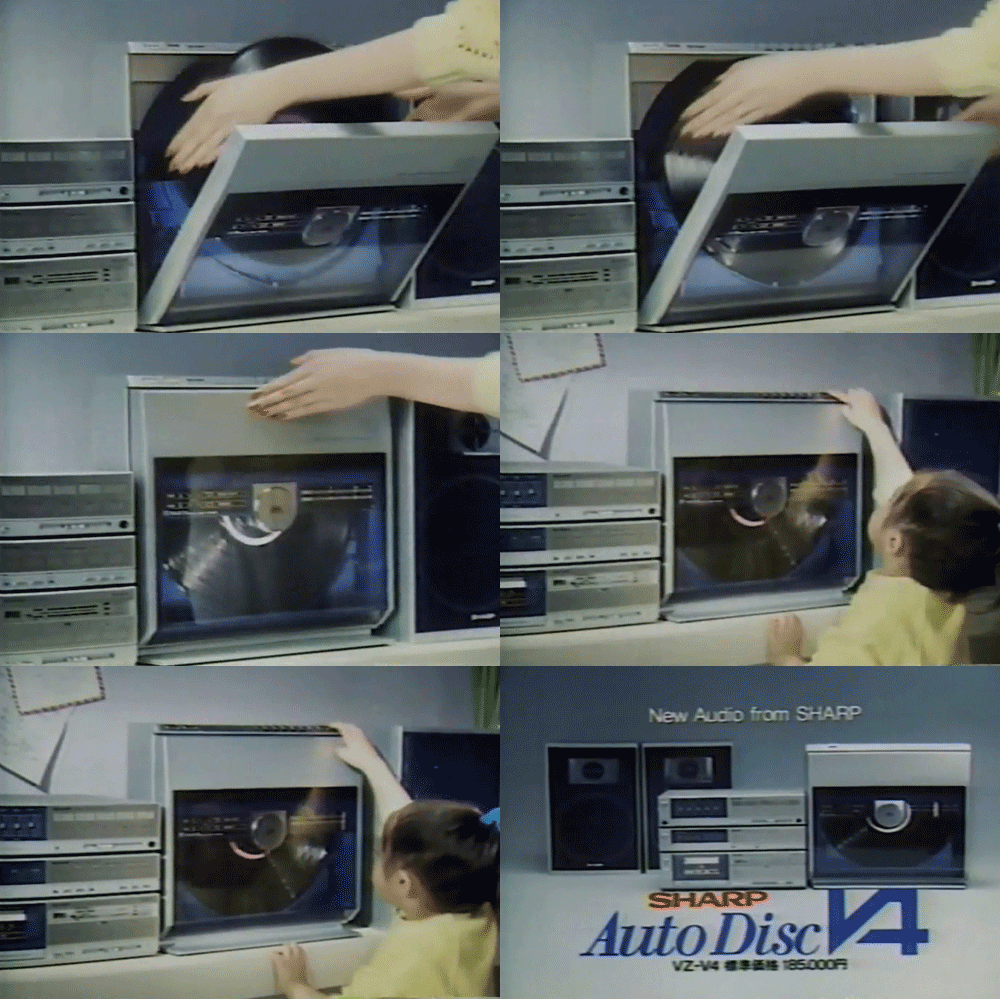
______________ A record album is stuck in record 3 of the 5 record changer in my Sharp Audio Disc A4 Player. How do I get it out? Record changer not responding. Disassembly may be required to get access to the stuck record and remove it.
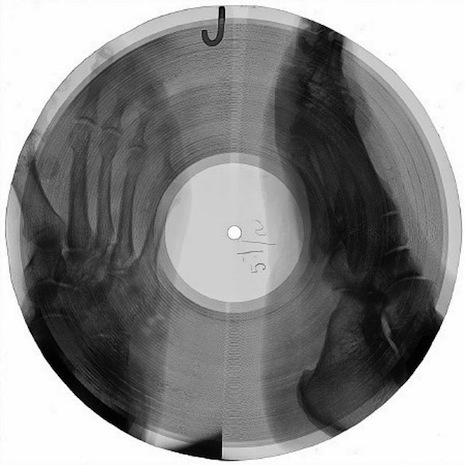
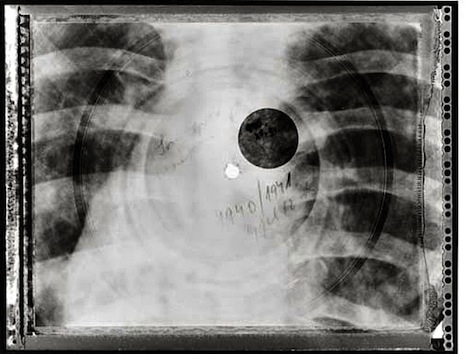
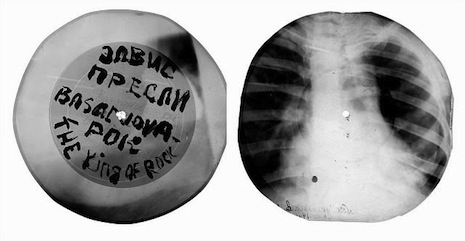
_______________ In the 1946-1961 era, some ingenious Russians began recording banned bootlegged jazz, boogie woogie and rock ‘n’ roll on exposed X-ray film. The thick radiographs would be cut into discs of 23 to 25 centimeters in diameter; sometimes the records weren’t circular. But the exact shape didn’t matter so much, as long as the thing played. “Usually it was the Western music they wanted to copy,” says Sergei Khrushchev, the son of Nikita Khrushchev. “Before the tape recorders they used the X-ray film of bones and recorded music on the bones, bone music.” As author Anya von Bremzen elaborates: “They would cut the X-ray into a crude circle with manicure scissors and use a cigarette to burn a hole. … You’d have Elvis on the lungs, Duke Ellington on Aunt Masha’s brain scan—forbidden Western music captured on the interiors of Soviet citizens.”
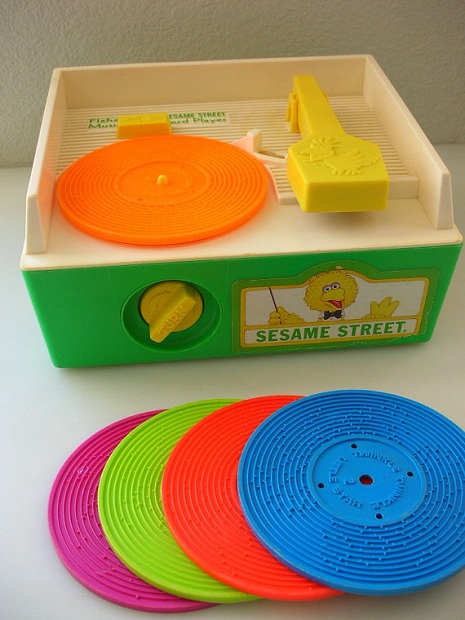
________________ Ottawa band, Hilotrons are releasing nuggets of their music on plastic records that only work for an all-but forgotten children’s toy. The Fisher Price record player is actually a simple wind-up music box, and each indestructible little plastic record is a spool that triggers different notes. What you get is the creepy, tinkling tones featured in the video below.
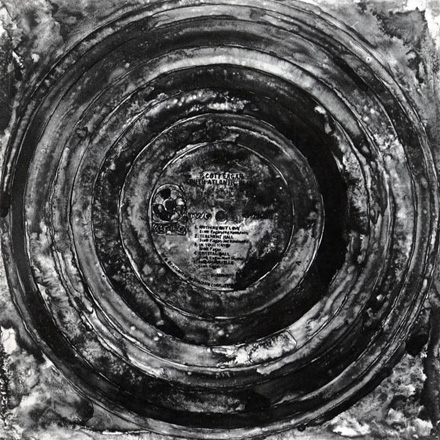
_______________ Jasper Johns’ ‘Scott Fagan Record’ (1970) is a lithograph of Scott Fagan’s ‘South Atlantic Blues’ record, released in 1968. Fagan is the father of The Magnetic Fields singer and songwriter, Stephin Merritt. Although they had not met, John’s ‘Scott Fagan Record’ was instrumental in reuniting Merrit with his estranged father. Writer Mark Swartz had posted an image of John’s lithograph on his Tumblr, which Fagan found while searching for himself on Google. He contacted Swartz, and a relationship eventually created an opportunity for Merrit and Fagan to reunite, along with Merrit’s mother, Alix. Fagan and Swartz created a Kickstarter to fund a tribute album of a man interpreting his son’s (Merrit’s) songs, to which Jasper Johns contributed. The sentimental nature of the work is also present in the imagery, recalling Johns’ early “Target” paintings.
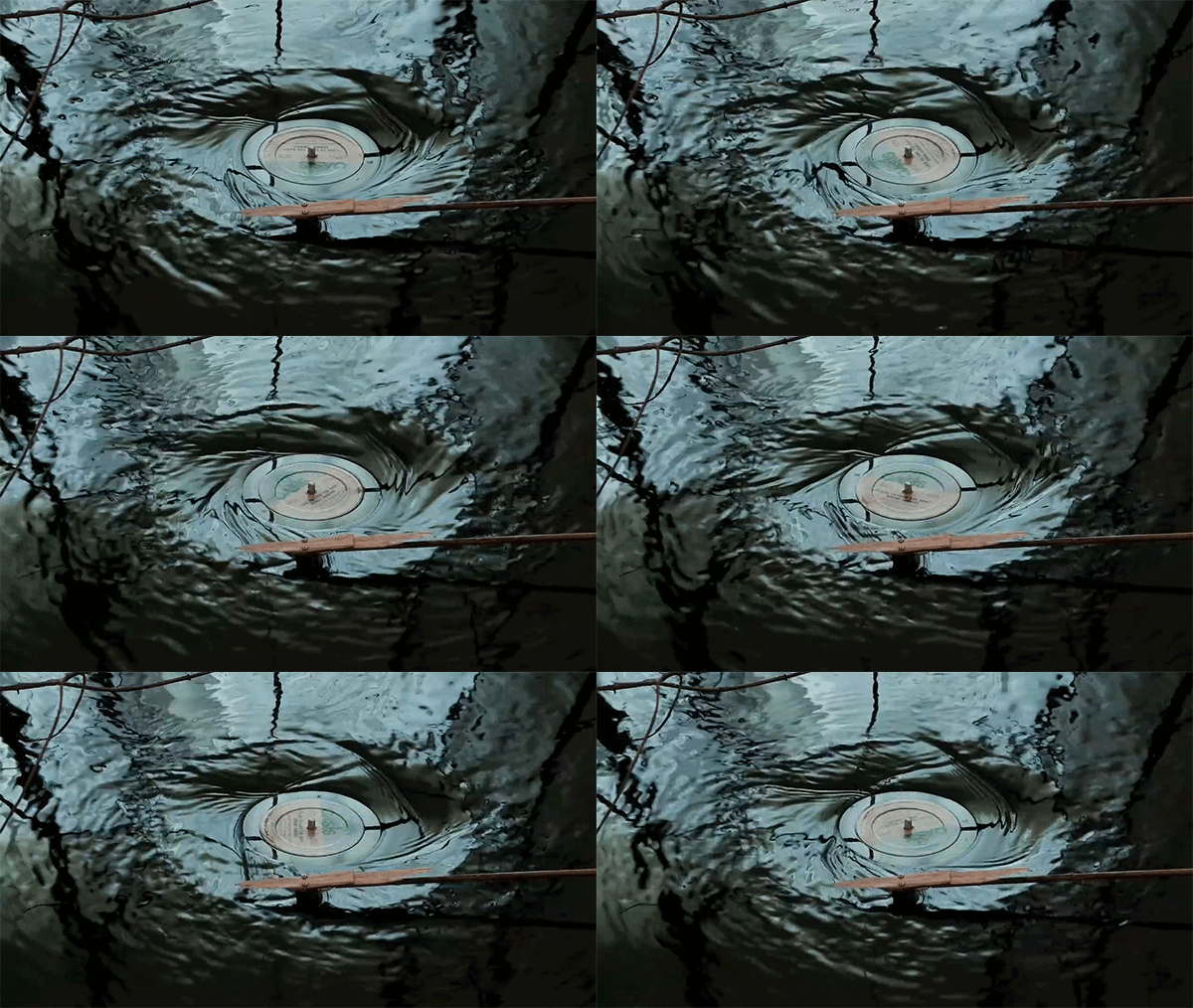
_______________ Evan Holm: There will be a time when all tracings of human culture will dissolve back into the soil under the slow crush of the unfolding universe. The pool, black and depthless, represents loss, represents mystery and represents the collective subconscious of the human race. By placing these records underneath the dark and obscure surface of the pool, I am enacting a small moment of remorse towards this loss. In the end however this is an optimistic sculpture, for just after that moment of submergence; tone, melody and ultimately song is pulled back out of the pool, past the veil of the subconscious, out from under the crush of time, and back into a living and breathing realm. When I perform with this sculpture, I am honoring and celebrating all the musicians, all the artists that have helped to build our human culture.
_________________ Imagine a turntable but instead of a needle, you have a pizza sauce spout, and instead of a record, you have pizza crust spinning so the red sauce can cover every inch. Imagine no more. That’s how pizzas get made at Costco. Workers put the dough on the turntable and the pizzas gets expertly covered in a controlled flow of sauce from the machines.
_______________ WOW is a vinyl record containing a single ultra-low frequency which will alter slightly depending on the mechanical components of your record player. Use more than one system to play several records simultaneously and the air around you will start pulsating. Play 33 ⅓ Hz on 33 ⅓ rpm or 45 Hz on 45 rpm. Feel free to use the pitch wheel or even touch the record to control the sub-sonic wave field. Your choice of record players, the number of records and the character of your room create your individual listening experience.
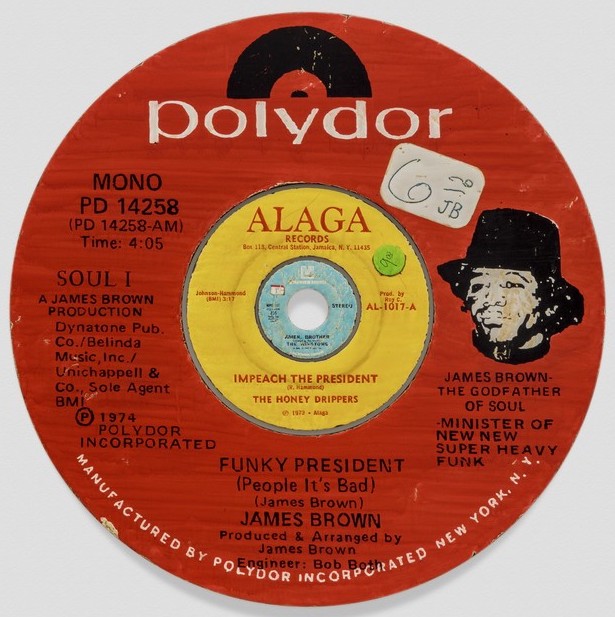
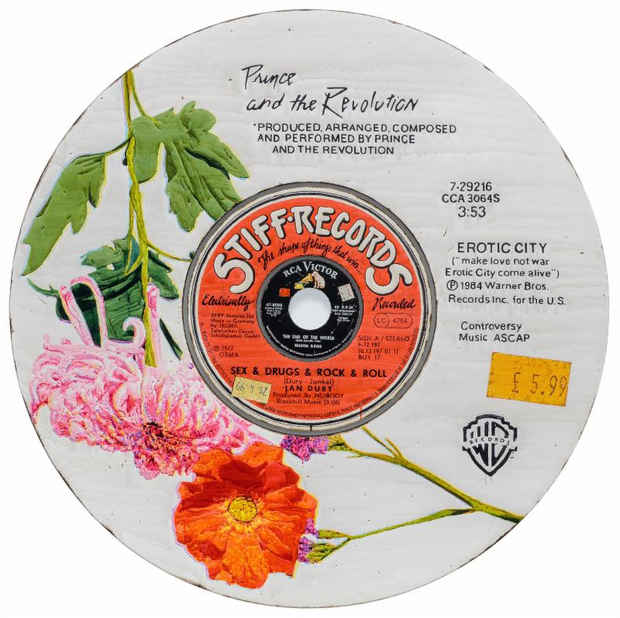
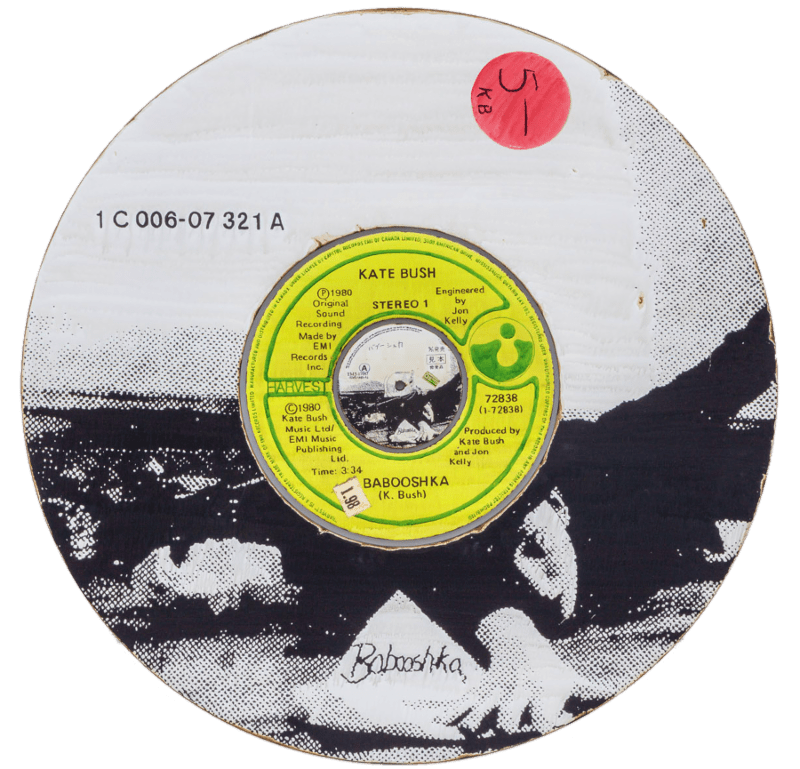
_______________ In over fifty new paintings depicting the circular labels of assorted vinyl albums and singles, Dave Muller draws upon his endless fascination and encyclopedic knowledge of music and its capacity to shape both individual and cultural identities. He culls resonant records from the ‘20s through the ‘90s, some familiar and others forgotten, tapping into shared poetic moments and a collective dialogue.
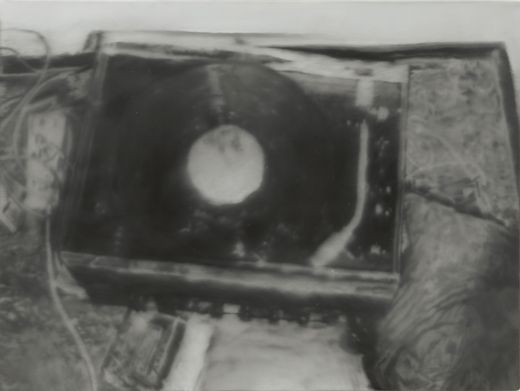
______________ A record player sits on the floor, shown from above. Slightly off-centre in the corner of a room, it lies surrounded by cables and a power strip. Through a transparent lid, the white label of a black vinyl disc catches the eye. This painting by German artist Gerhard Richter depicts the record player of Andreas Baader, member of the German terrorist group Red Army Faction (RAF), inside Baader’s cell at Stuttgart-Stammheim prison, and was painted after a police photograph.
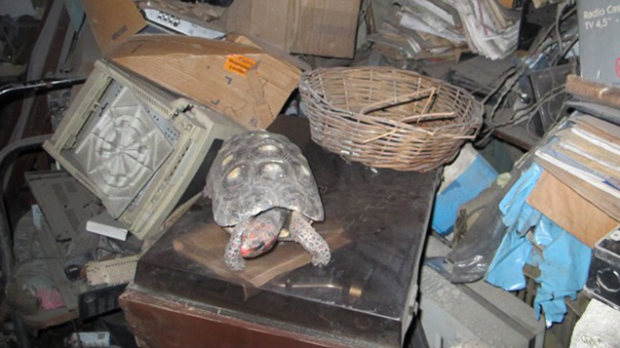
_______________ Many might say it is impossible for a tortoise to survive three decades living in a record player inside a filthy storage room. Those people would also be wrong. One fateful day 30 years ago, a pleasant Brazilian family lost their tortoise named Manuela. Manuela apparently got trapped in the storage room where the man of the house, Leonel Almedia, stored a variety of worthless junk, including electronic devices. Inside a record player is where Manuela the tortoise would call home for 30 years.
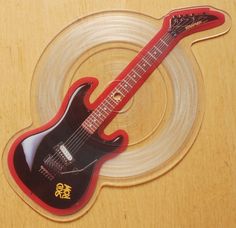
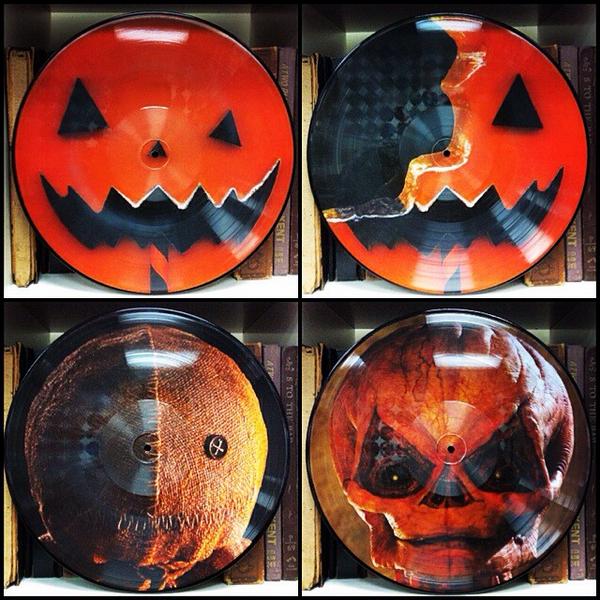
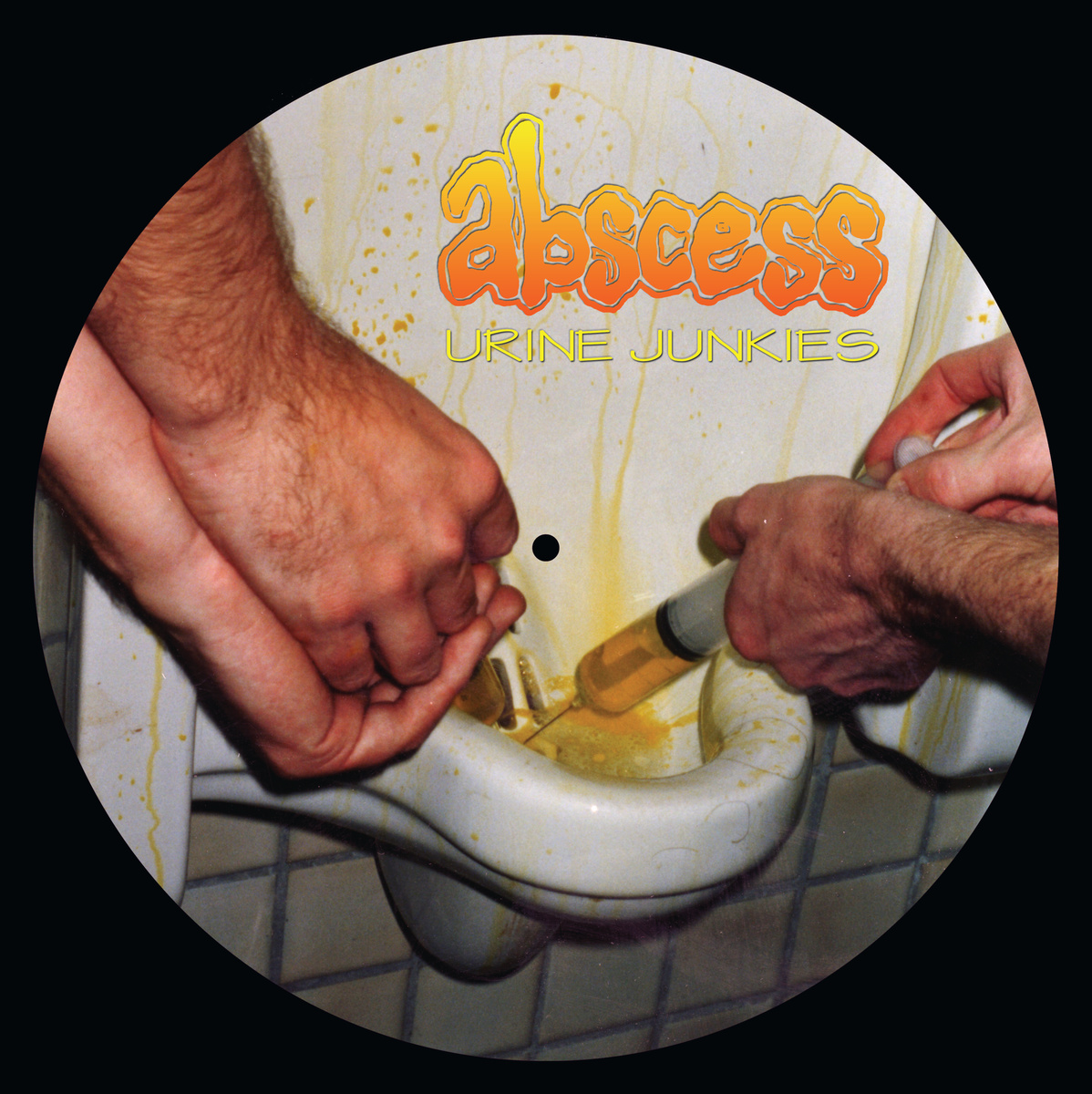
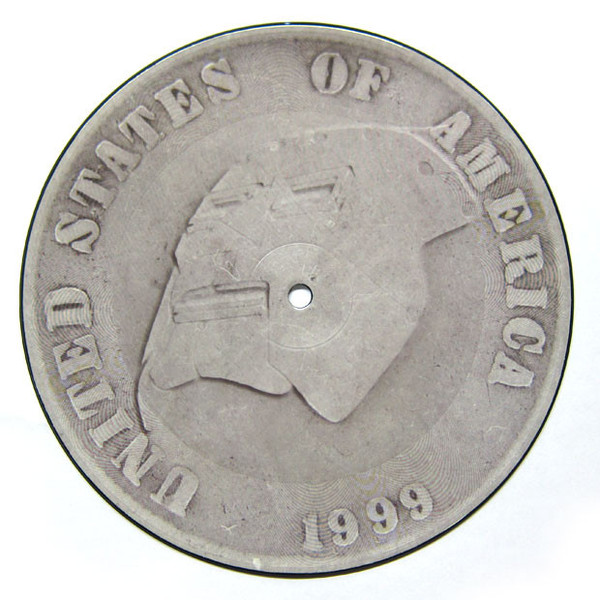
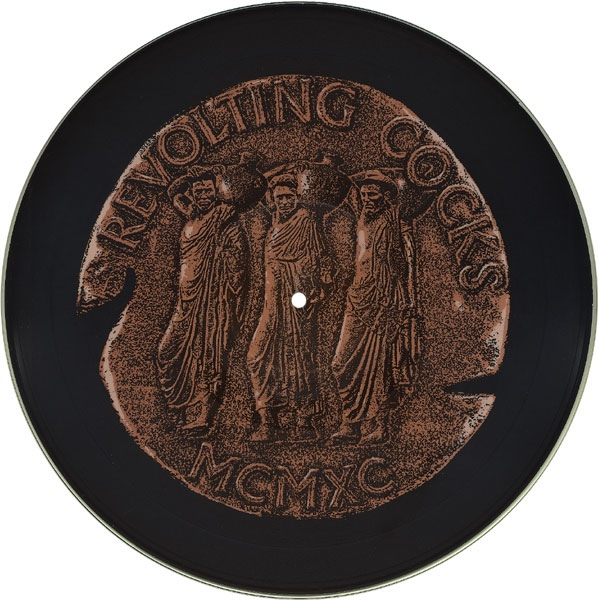
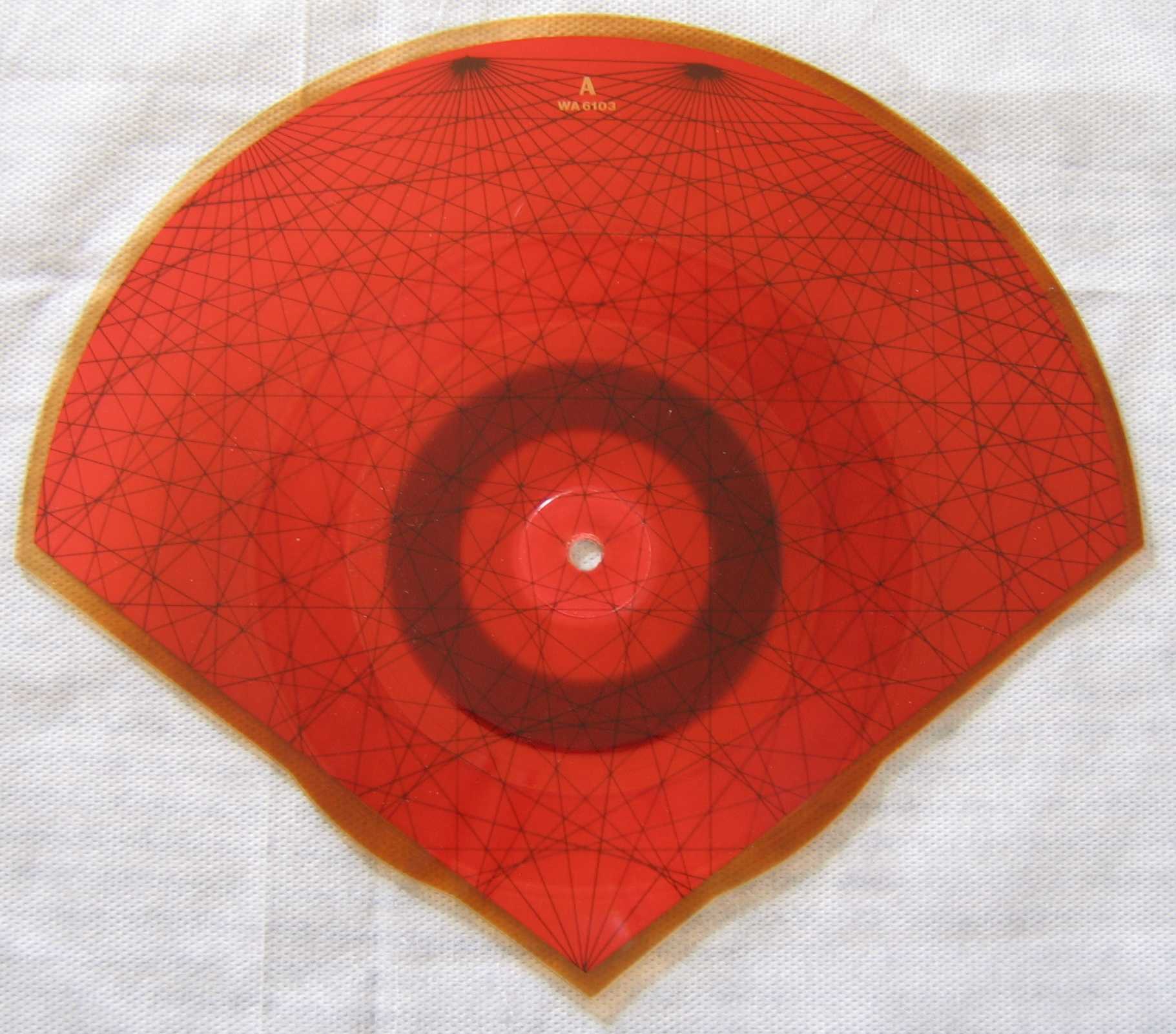
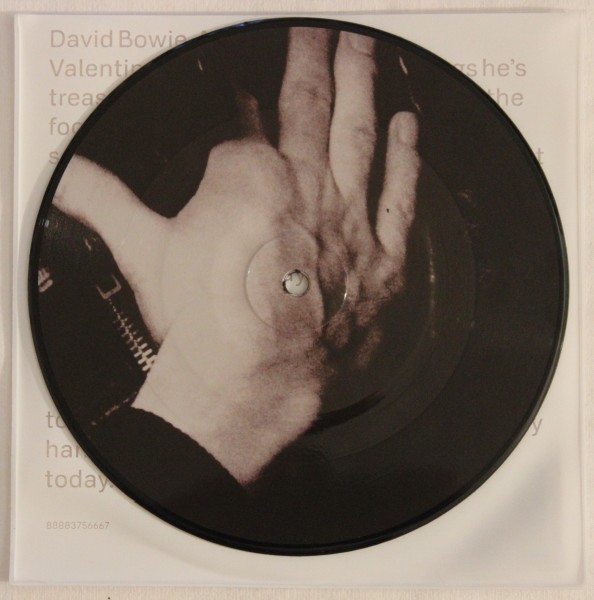
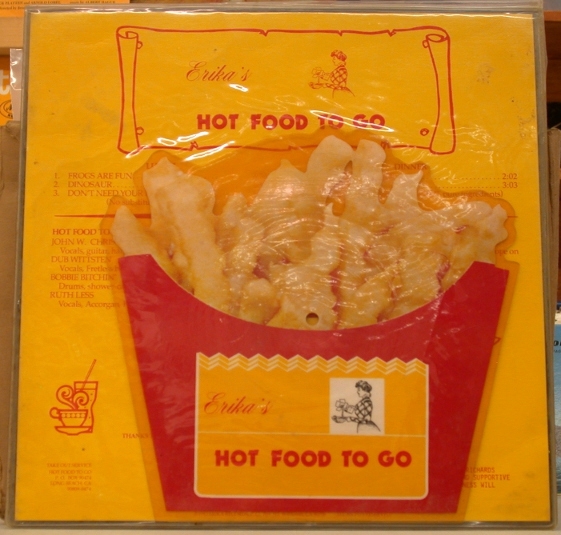
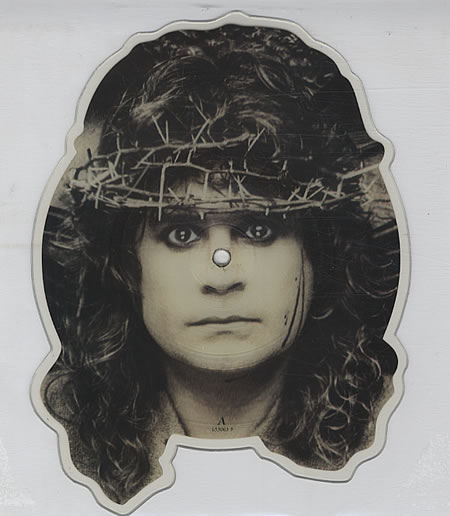
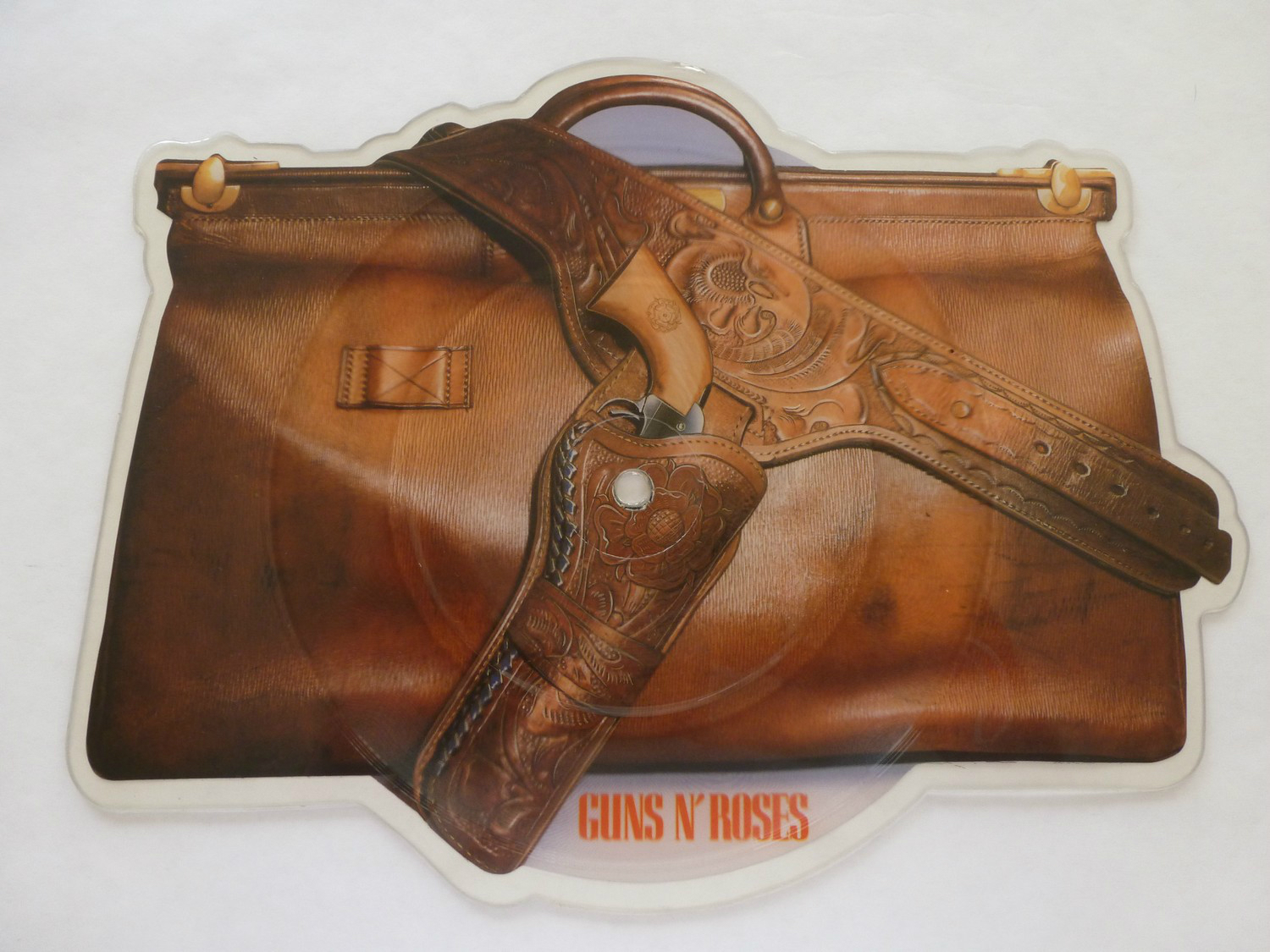
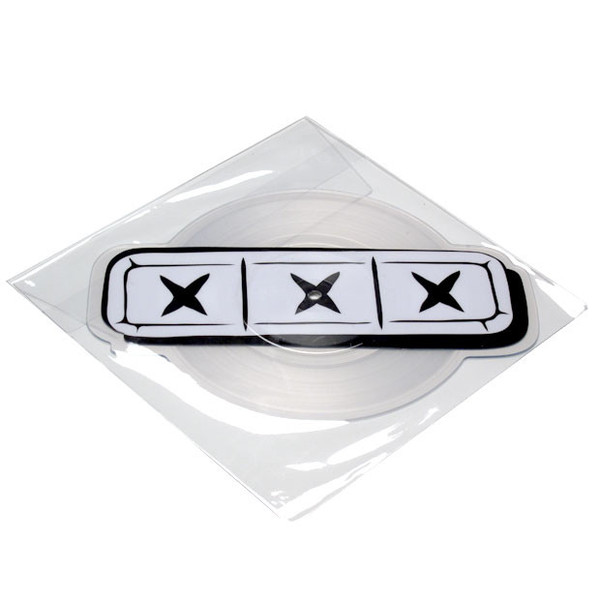
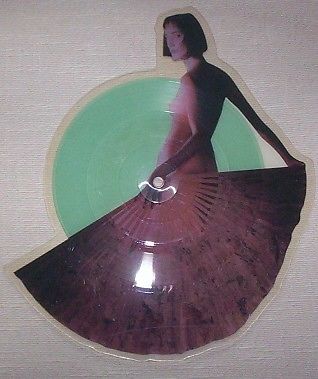
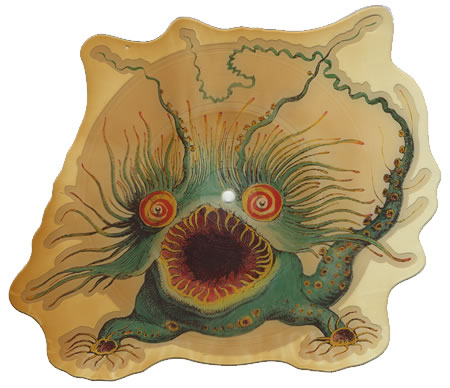
___________ 22 picture discs
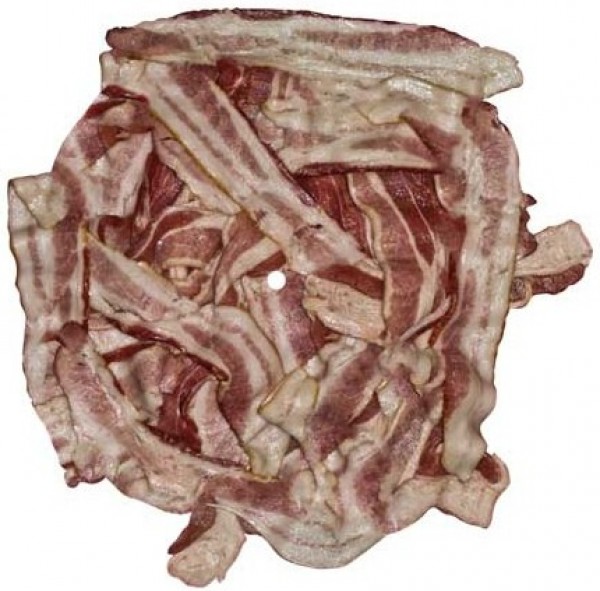
Anti-Flag ‘Bacon’
Skid Row ‘Youth Gone Wild’
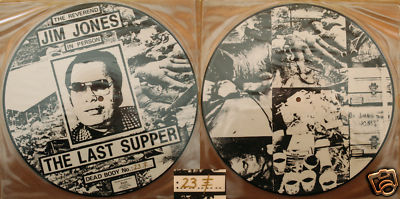
Rev Jim Jones ‘Thee Last Supper’ WSNS 1984-PSYCHIC TV/TG
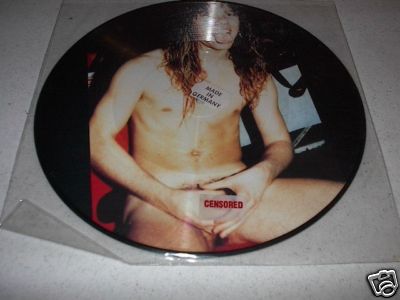
Metallica Interview LP
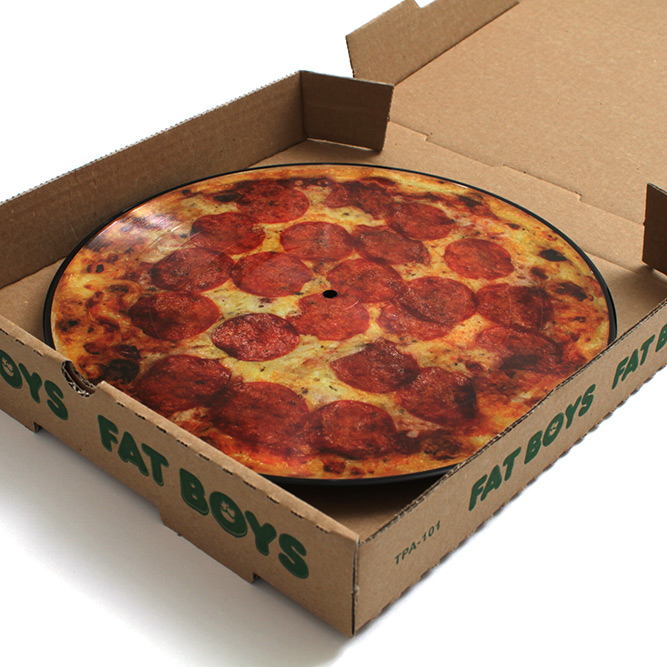
Fat Boys ‘Pizza Box Set’
Trick ‘r Treat Soundtrack Album
Urine Junkies ‘Abscess’
MF Doom ‘Rhymes Like Dimes’
J Dilla ‘Fuck the Police’
Sebadoh ‘Limelight’, ltd. ed. released to ‘honor’ Rush’s 40th anniversary
Revolting Cocks ‘Beers, Steers & Queers’
Uriah Heep ‘Backstage Girl’
Acid King ‘Busse Woods’
NZI 490004G605
David Bowie ‘Valentines Day’
Erika’s Hot Food to Go
Ozzy Osbourne ‘Miracle Man’
Guns n’ Roses ‘Nightrain’
Danny Brown ‘The OD’
Malcom McLaren ‘Madame Butterfly’
Queen ‘I’m Going Slightly Mad’
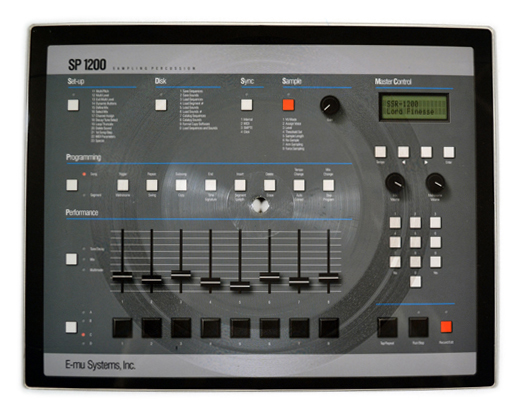
Lord Finesse ‘E-mu EP’
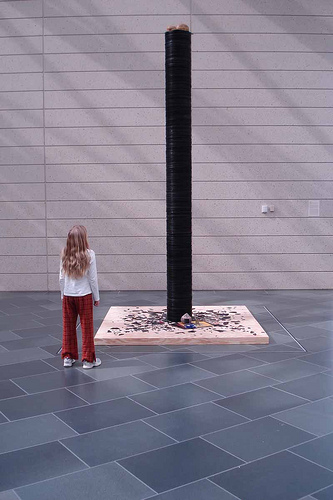
_________________ One of Afro-Peruvian artist William Cordova’s recent sculptures, “Greatest Hits (para Micaela Bastidas, Tom Wilson y Anna Mae Aquash),” is a 13-foot tower of 3,000 stacked records accented with pieces of broken discs. Inspired by historical movements such as Dada and Arte Povera, Cordova created the tower to recognize those who have been overlooked in mainstream music. He wanted the piece to acknowledge past artists who added to the genre even if they had not produced a “greatest hit.”
_______________ New five pound note plays vinyl records
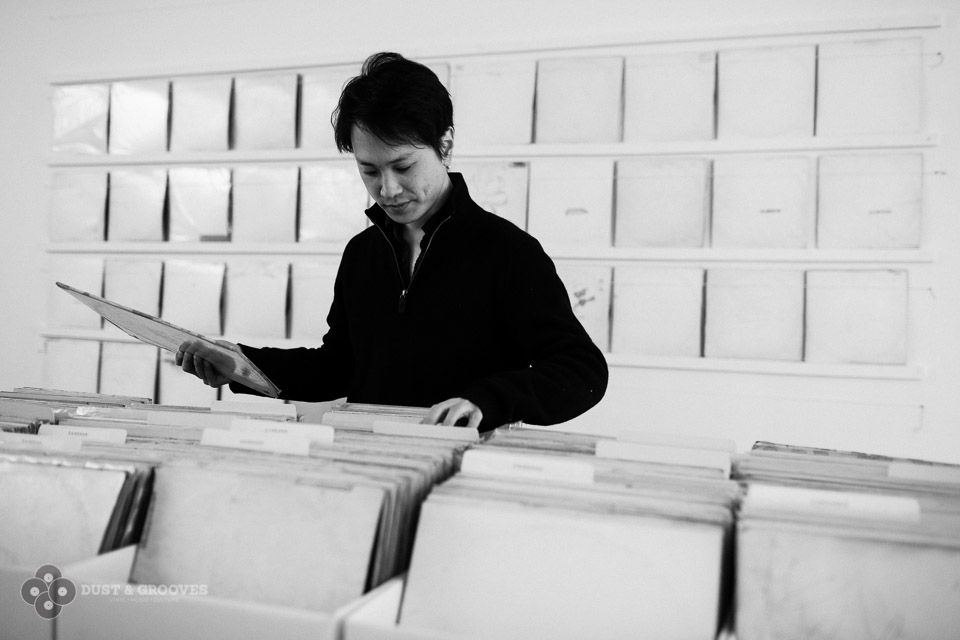
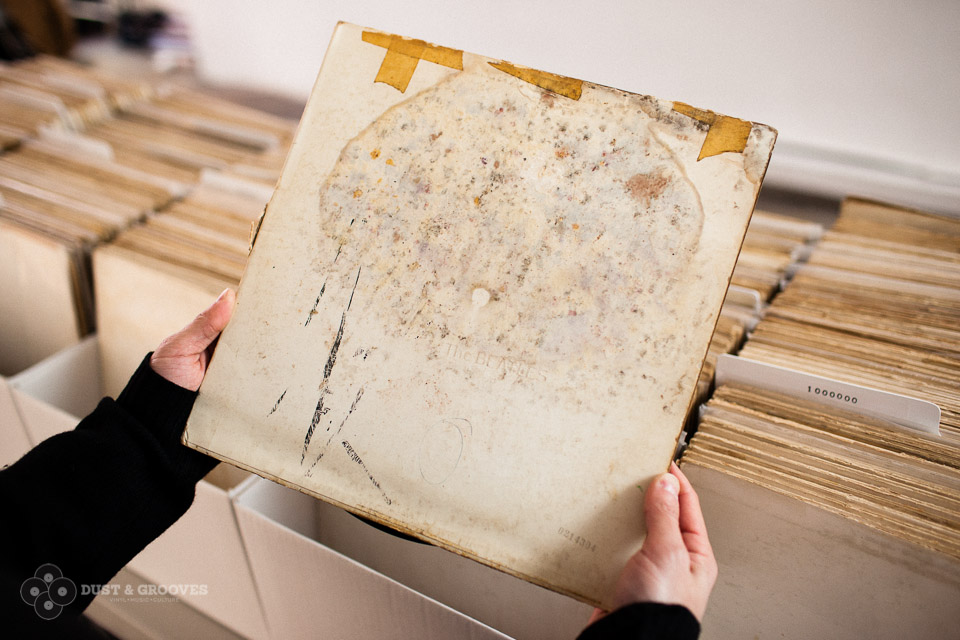
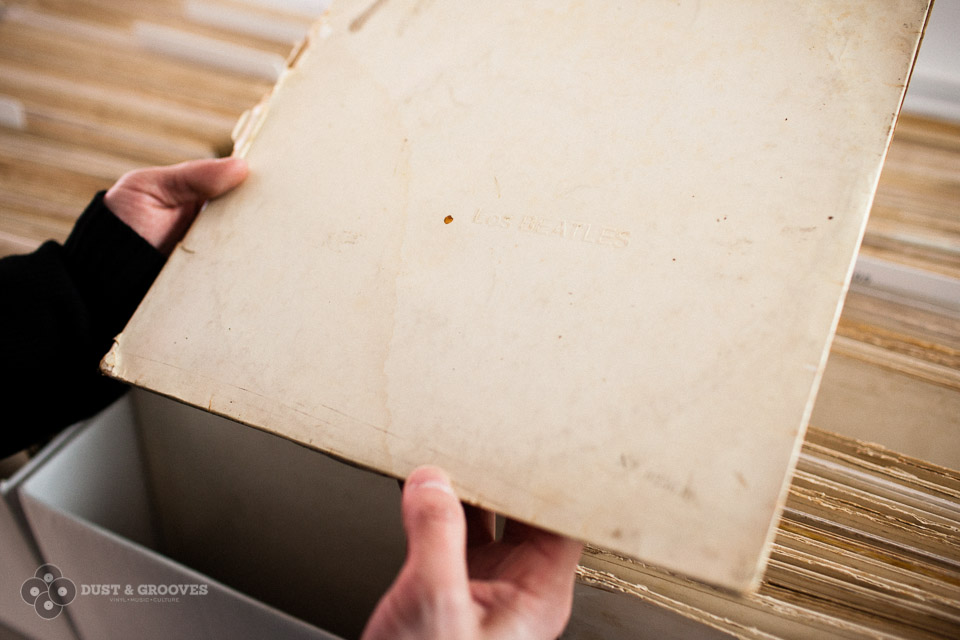
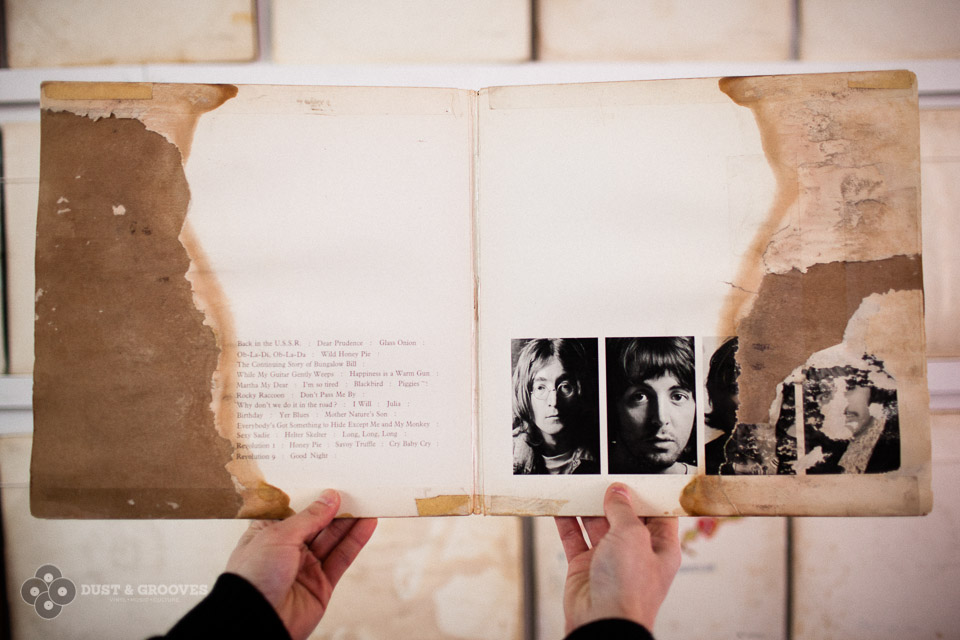
_______________ Rutherford Chang has a unique vinyl collection. He only collects the Beatles first pressing of The White Album. I interviewed him: Q: Did you grow up in a house of Beatles fans? When did you first hear about the Beatles? and about the white album? A: My parents are from Taiwan and didn’t listen to the Beatles, so I didn’t grow up with the music. I bought my first White Album at a garage sale in Palo Alto for $1 when I was 15 years old. Q: So how did you get familiar with the Beatles? A: They are the biggest band. Q: Are you a vinyl collector? A: Yes, I collect White Albums. Q: Do you collect anything other than that? A: I own some vinyl and occasionally buy other albums, but nothing in multiples like the White Album. Q: Why just White Album? why not Abbey road? or Rubber Soul? A: The White Album has the best cover. I have a few copies of Abbey Road and Rubber Soul, but I keep those in my “junk bin”. Q: Why do you find it so great? It’s a white, blank cover. Q: Are you a minimalist? A: I’m most interested in the albums as objects and observing how they have aged. So for me, a Beatles album with an all white cover is perfect. Q: Do you care about the album’s condition? A: I collect numbered copies of the White Album in any condition. In fact I often find the “poorer” condition albums more interesting.
____________ 50 Locked Grooves by Audio-Visual artist Haroon Mirza made from cardboard, tape, glass amongst other things. Double pack contains 2 identical 12″s designed to be played together. Play any loop with any loop to unlock the music inside.
___________ Aphrodisiacal record
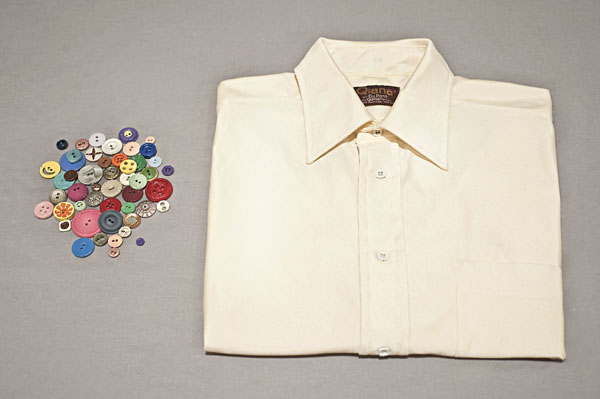
______________ In Dario Robleto’s ‘Sometimes Billie Is All That Holds Me Together’ (1998), several new buttons were crafted from melted Billie Holiday records to replace missing buttons on found, abandoned or thrift store clothing. After the discarded clothing was made whole again, it was re-donated to the thrift stores or placed back where it was originally found.
______________ C.C. Records (2013), an installation work by Duto Hardono is inspired by the city of Cairo & the most popular icon at the moment General Abdel Fattah Sisi himself, hence the title–if you’re an Egyptian, you might get it–the work stands as a satire comedy of the recent political life & situation of the country. The audiences create their own combination of the broken-into-half C-shaped Egyptian records & make their own mix of composition. Sometimes it creates a unique locked grooves that plays a loop over & over again. The audiences also choose their own speed whether it’s a 45 or 33 revolution per minute.
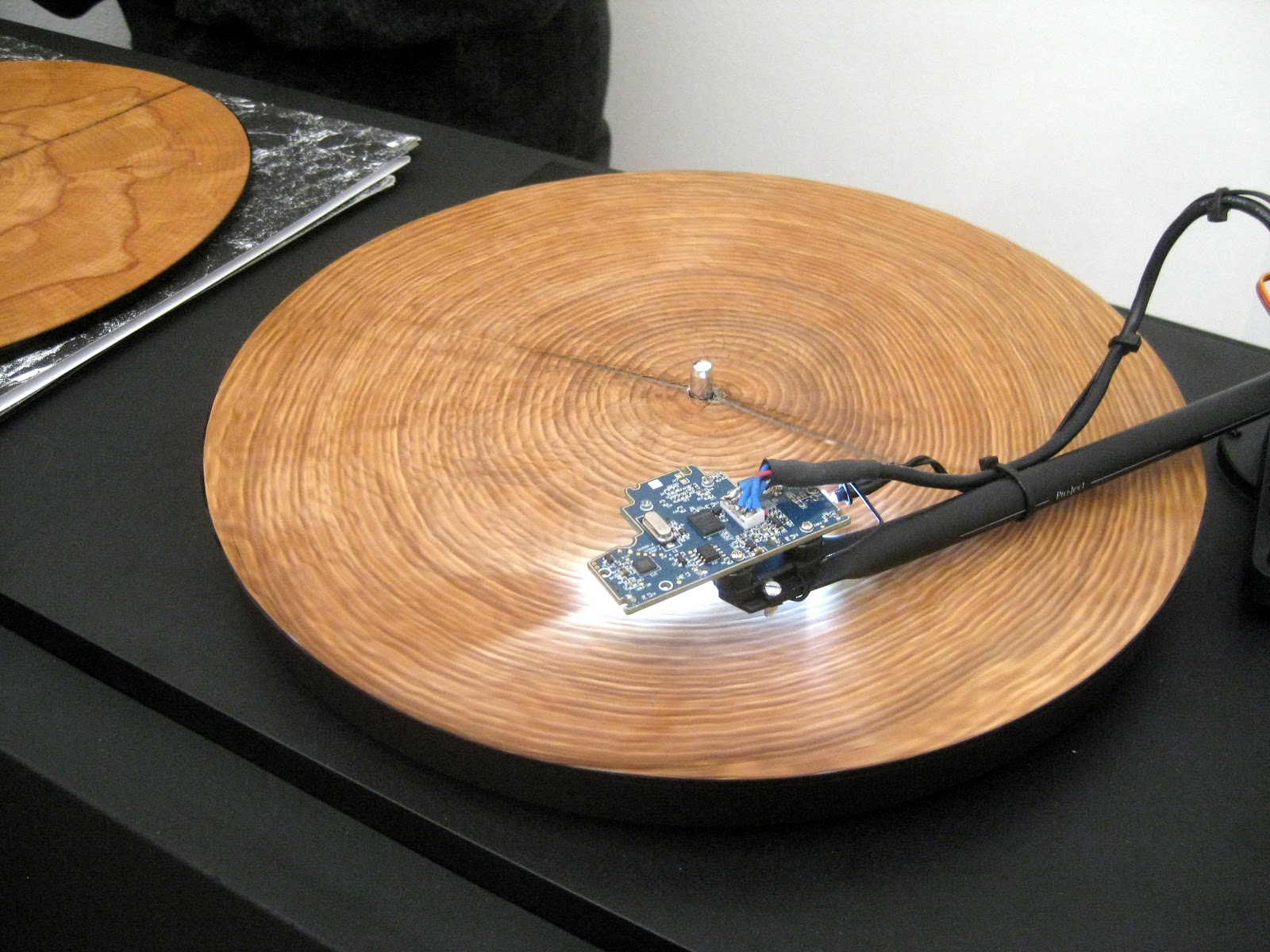
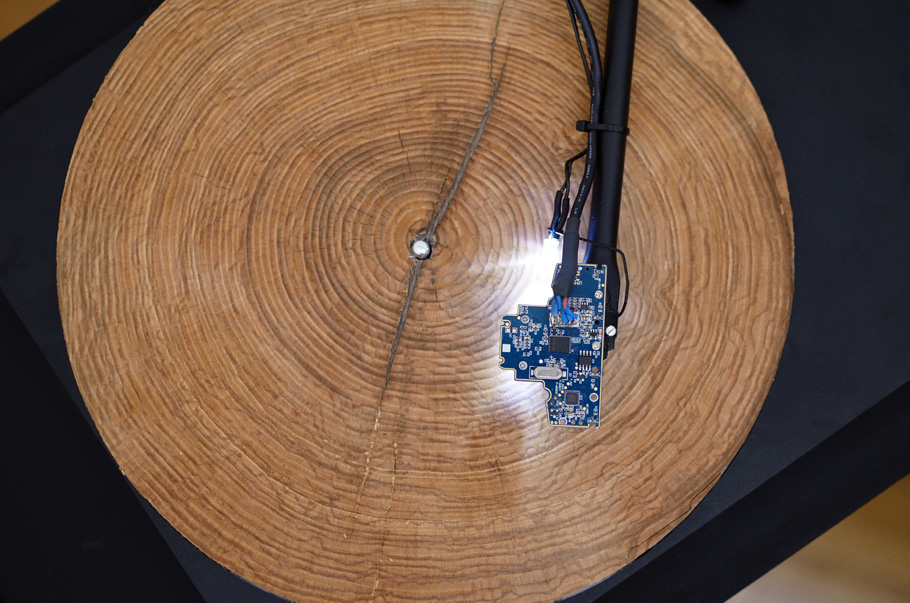
______________ For ‘Years, artist Bartholomaus Traubeck fashions a slice of tree trunk into the form of a vinyl record, with the tree-trunk’s rings resembling the spiral groove of the now-outdated audio format. Using a record player with a special sensor, computer software is used to translate the trunk rings into notes and then “play” them as melodies.
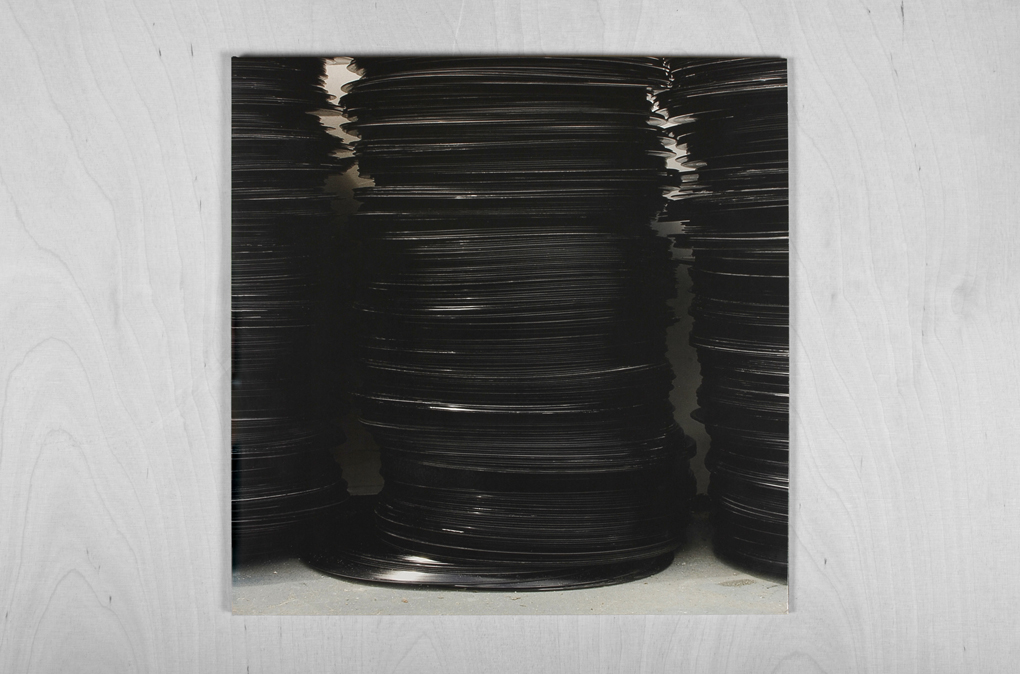
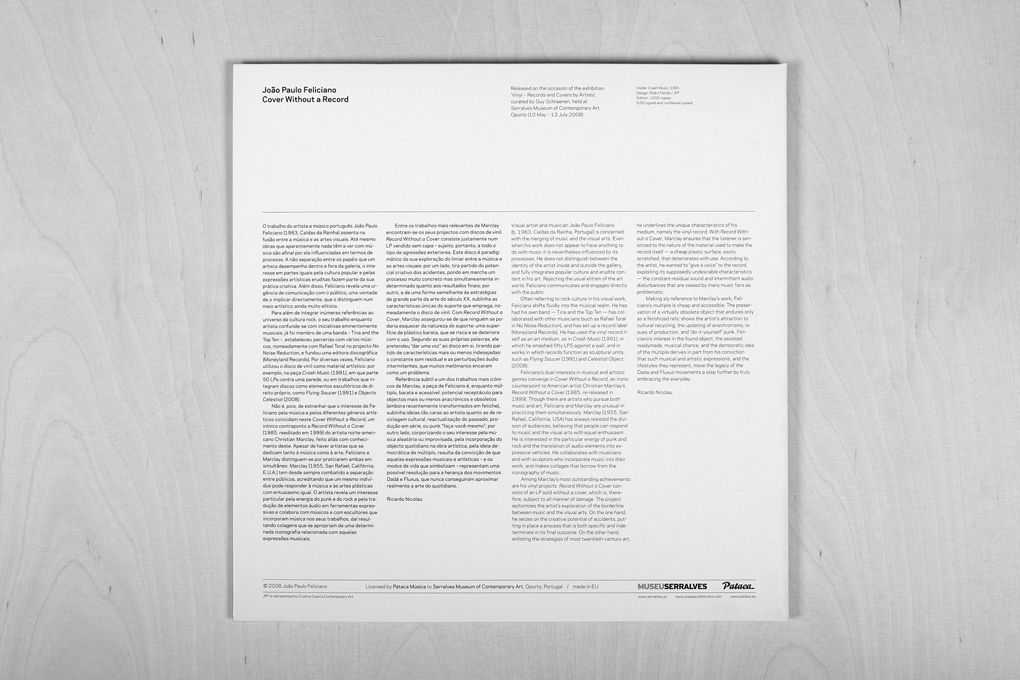
_______________ Making a comment on Christian Marclay ‘Record Without a Cover’ João Paulo Feliciano, together with the Serralves Museum of Contemporary Art, is releasing ‘Cover without a Record’. The object, a gate-fold album cover, is produced on a standard record plant on edition of 1000 copies.
*
p.s. Hey. I’m away from the blog today doing my IRL thing in the city of Rennes. Here’s a rerun post from the early days of this latest incarnation of my blog. Please enjoy or re-enjoy.


















 Now available in North America