* (restored/expanded)
—-
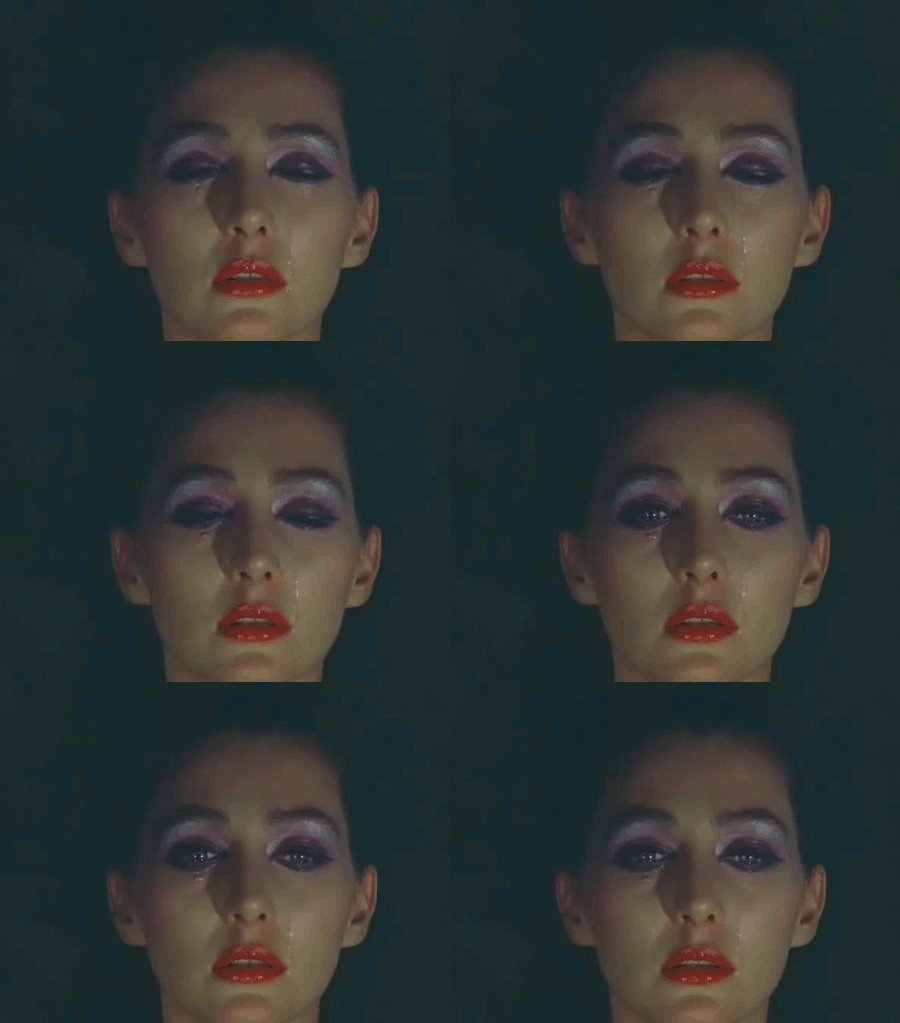
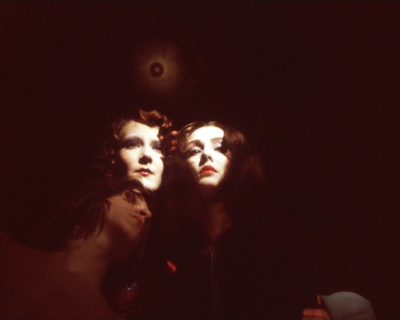
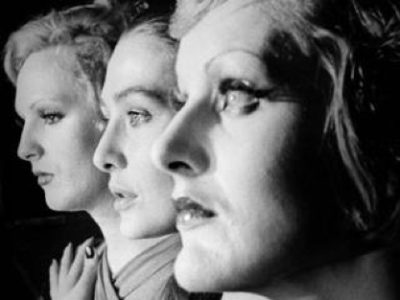
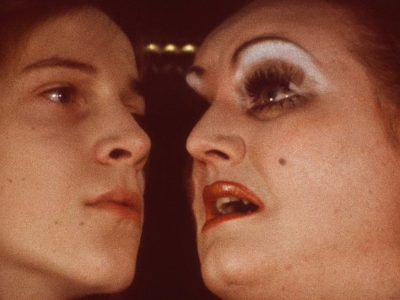
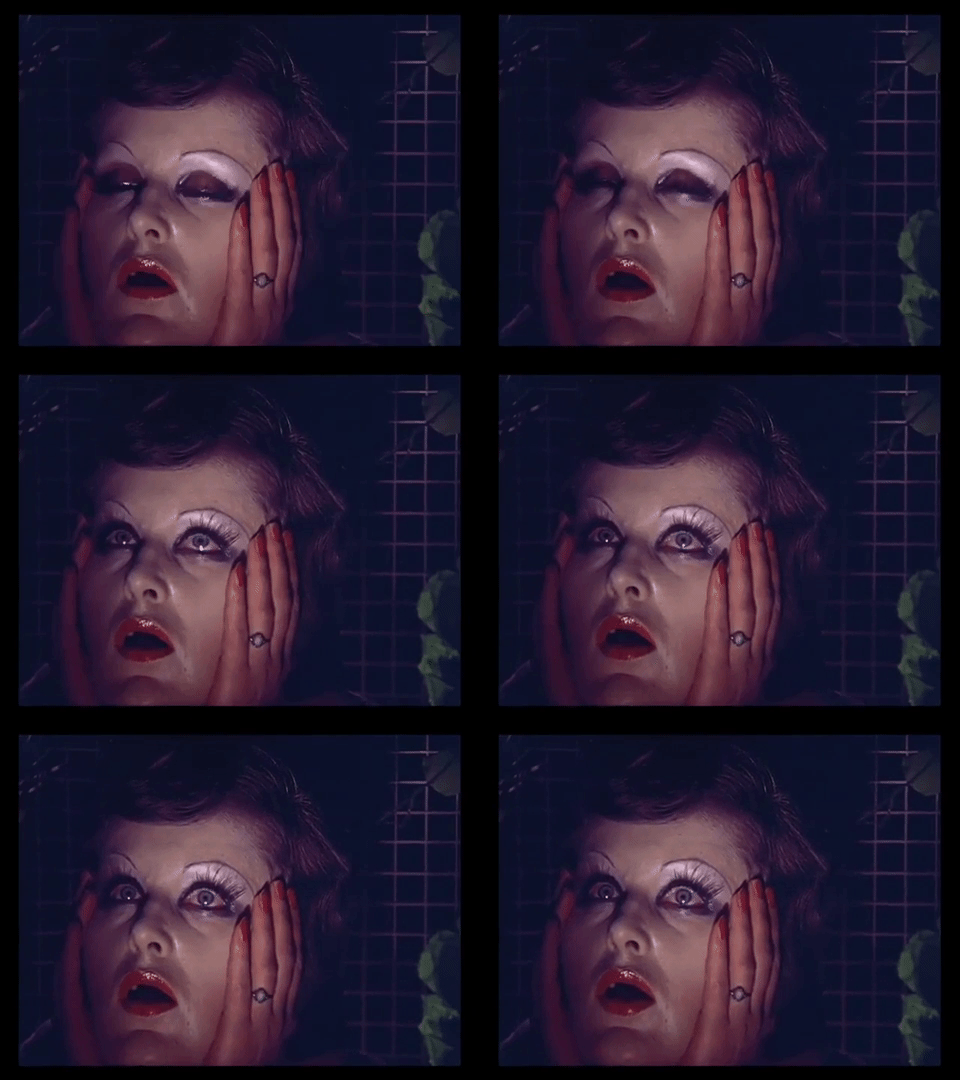
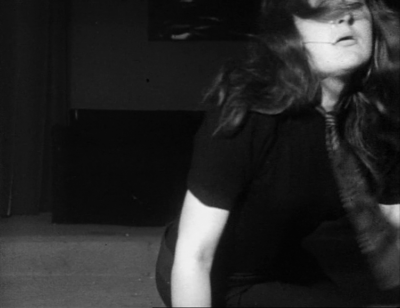
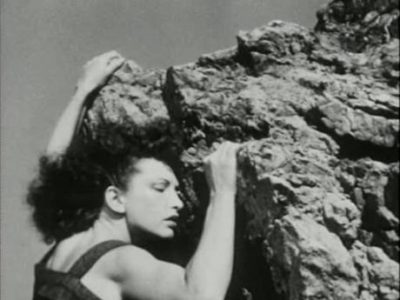
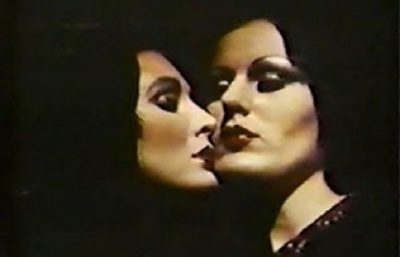
‘Like his contemporaries Fassbinder, Herzog, and Wenders, the late Werner Schroeter was one of the New German Cinema’s seminal figures, if far more marginal in terms of recognition. He started out as an underground filmmaker in 1967 before making a critical impact on the international festival circuit and winning a devoted cult following. His films, shot through with a predilection for operatic excess and artifice, defy categorization, and are infuriatingly obscure for some and entrancingly poetic for others. His cinema occupies a transitional space between avant-garde and art cinema, neither quite narrative nor quite abstract. In the second half of the Eighties he became widely known as a theater and opera director, staging a range of hyperstylized productions in Germany and abroad that outstripped even his films in their ability to provoke both intense admiration and hostility. His flamboyance and reputation for refusing to compromise with the mainstream attracted outstanding talents willing to work for little or no money, some of whom became his regular collaborators. Foremost among the performers was Magdalena Montezuma, the splendid German underground star and Schroeter’s muse until her death in 1985. Subsequently French stars such as Bulle Ogier, Carole Bouquet, and Isabelle Huppert gave him an additional art-house aura. Throughout his career and thanks to major retrospectives, including events in London, Paris, and Rome, Schroeter’s films kept garnering new, if select, audiences.
‘Schroeter’s stylized, performance-centered aesthetic draws on opera, pop music, stage melodrama, contemporary dance theater, and cabaret. His films consist of overt allegories and fables driven by the Romantic impulse, distilling moments of desire, loss, and death in all-consuming emotion. The central figure in Schroeter’s films is always the outsider—the mad person, the foreigner—and his major theme is ineffable longing for passionate love and artistic creativity. Although Schroeter was gay, homosexuality is rarely an explicit topic, though arguably the female protagonists who are foregrounded in his films become vessels for the displaced expression of gay subjectivity. Visually the characters are framed in sumptuous tableau compositions underscored by a highly manipulated post-synchronized soundtrack. Music is crucial to all of Schroeter’s films but more for the content than for the mood: it offers commentary and counterpoint, and one of his major strategies was the juxtaposition of classical and popular music. For example, he often puts the opera diva Maria Callas side by side with Caterina Valente, the German popular singer, blurring the hierarchical distinction between high and low culture, art and kitsch.
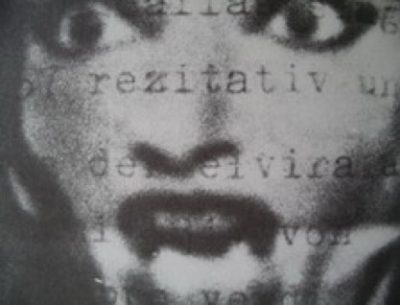
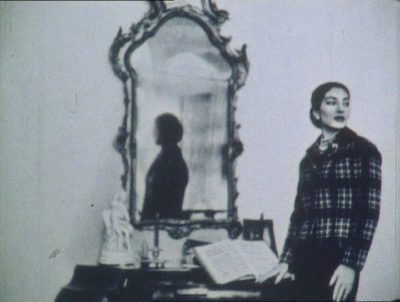
‘After attending the 4th experi-mental Film Festival at Knokke, Belgium, in 1967, the 22-year-old Schroeter started to make his first 8mm films, most notably Maria Callas Portrait (68), in which he animated stills of Maria Callas and overlaid them with a soundtrack of her singing. The figure of the diva, personified and immortalized by the voice and fate of Callas, became for Schroeter the embodiment of artistic creativity and intensity in his quest for the representation of emotions. In these early nonnarrative films, images, music, and sound are not synchronized; and their live performers mime to the lyrics or spoken words on the soundtrack in an exaggerated fashion.
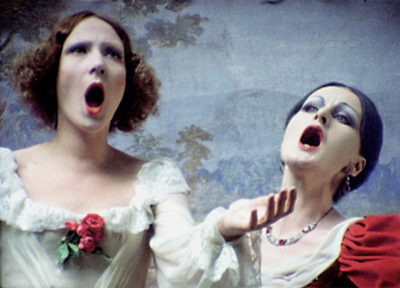
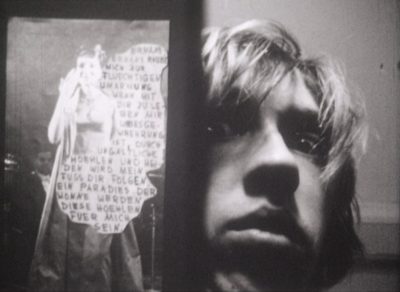
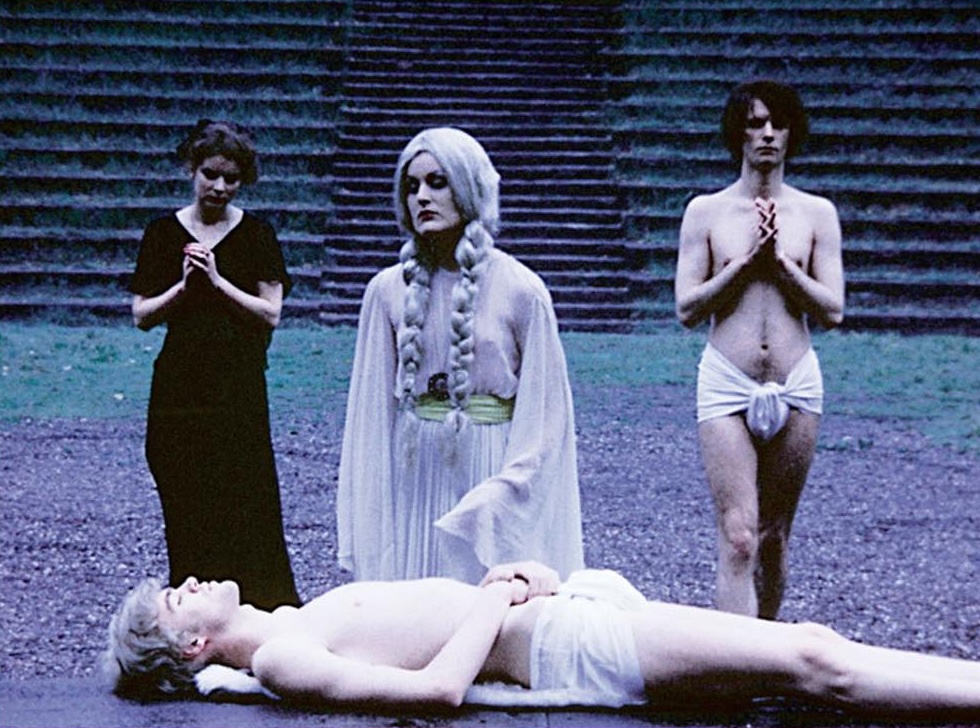
‘Eika Katappa (69), a radical 147-minute camp appropriation of opera, is arguably as spectacular as a Hollywood epic and features more musical climaxes than even a 19th-century Italian bel canto opera. Schroeter paraphrases the climaxes from such operas as Puccini’s Tosca and Verdi’s La Traviata, alongside pop songs and orchestral music. The various episodes are driven mainly by the lyrics and sometimes by tableaux such as St. Sebastian’s ecstatic death. The film exemplifies the tendency in Schroeter’s early period toward incorporating explicitly dilettantish performances of the Western cultural repertoire, staging them in makeshift sets, and linking scenes through complex montage (for example, there is a kaleidoscopic replaying of previous scenes from the film in the final section).
‘Eika Katappa, which was self-financed, won the Josef von Sternberg prize (for “the most idiosyncratic film”) at the 1969 Mannheim Film Festival and enabled Schroeter to break into television. Ironically, his “total cinema” films, which work more through spectacle than narrative, were almost exclusively produced by Das kleine Fernsehspiel (“The Little Television Play”), a small experimental department of the German public-service station ZDF. During this period, Das kleine Fernsehspiel supported some of Schroeter’s highly controversial projects, beginning with The Bomber Pilot (70), a grotesque parody of Fascist revue shows, which was probably the first German film to engage with the “cultural myth” of Nazism. Similarly, Salome (71), Macbeth (71), and Goldflocken (Flocons d’or, 76) provoked strong and contradictory reactions: critic Eckhard Schmidt called Schroeter “one of the most talented young filmmakers,” while others dismissed his films as trivial ritualistic exercises in appropriation.
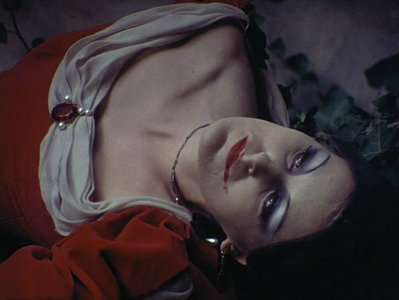
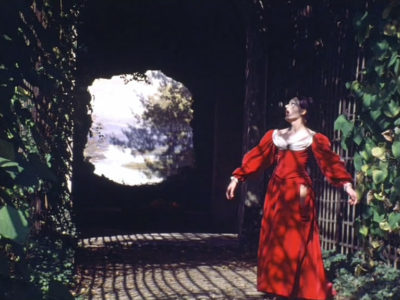
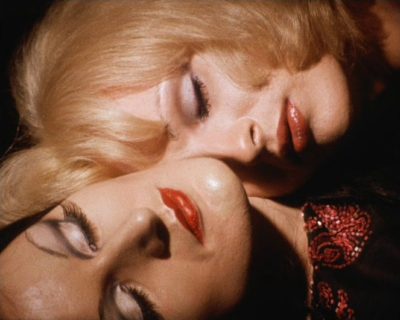
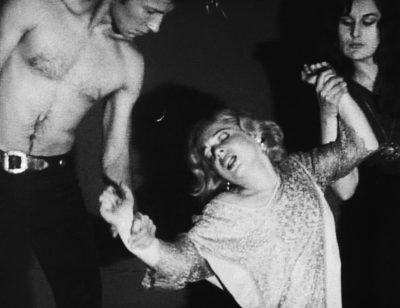
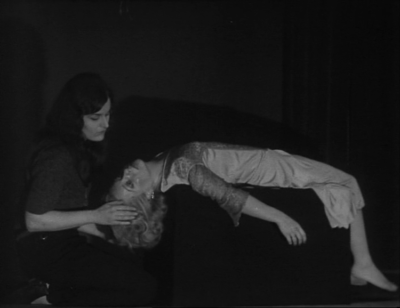
‘Sublime and bizarre, The Death of Maria Malibran (71) is considered by many, including Michel Foucault and Schroeter himself, to be one of his best films, but it’s also one of the most difficult. The tragic life of the eponymous 19th-century opera diva is merely a starting point for a dense network of references and allusions centered around the idea that artistic perfection is only attainable in death. The fragmentary and opaque narrative is conveyed through the intense stylization of gestures, poses, tableaux, and music. Malibran’s life is condensed into metaphorical and imaginary situations that reflect on an artist’s existence beyond the boundaries of a historical reality and gender identity. The life, or rather the death, of the singer is audiovisually refracted through prerecorded operatic arias, pop songs, literary citations, and romantic platitudes (ranging from Goethe and Lautréamont to Elvis Presley). Highlights include the passionate suicide of two female lovers, pastoral musical interludes, and performances expressing ineffable longing, despair, and madness.
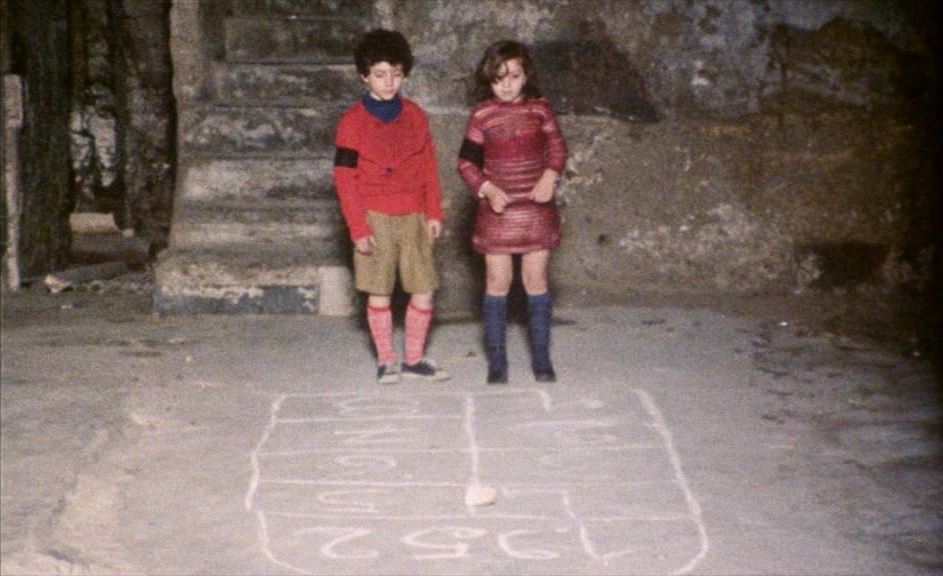
‘With Kingdom of Naples (78) Schroeter shifted toward more plot-driven art cinema, maintaining his hallmarks of pathos and melodrama but with more obvious narrative and political intent. Schroeter commented about this change “that it is much more radical to play with the content than with the aesthetics of the image. The era of independence is over. Our society has not fulfilled the promises hoped for around ’68-’70.” Greeted with an unaccustomed consensus of critical acclaim, Kingdom won many prizes in Germany and internationally, and became his first commercial release. Shot on location by Aguirre, Wrath of God DP Thomas Mauch with several nonprofessional actors and using local dialects, the film is reminiscent of Italian neorealism in its approach, and on first viewing, its chronicle of a poor Neapolitan family and their community, spanning between 1944 to 1977, appears to be grounded in conventional melodrama. Yet it is highly stylized and constructed in the manner of a 19th-century serial opera with music being used not only for its emotional power but as a form of critical commentary.
‘Schroeter was a great globe-trotter who took advantage of invitations to film festivals or Goethe Institut presentations of his work to make films. Many who regarded him as a maker of fantastic fables were surprised at the politically hard-hitting if still associative and nonlinear documentaries that resulted. Smiling Star (83) is an extraordinary collage documentary on Marcos’s corrupt regime in the Philippines, shot clandestinely while Schroeter was a guest of the Manila International Film Festival, while For Example, Argentina (83-85) is a denunciation of Galtieri’s military dictatorship: “First we kill the subversive elements, then the sympathizers, then their henchmen, and last of all the weak.”
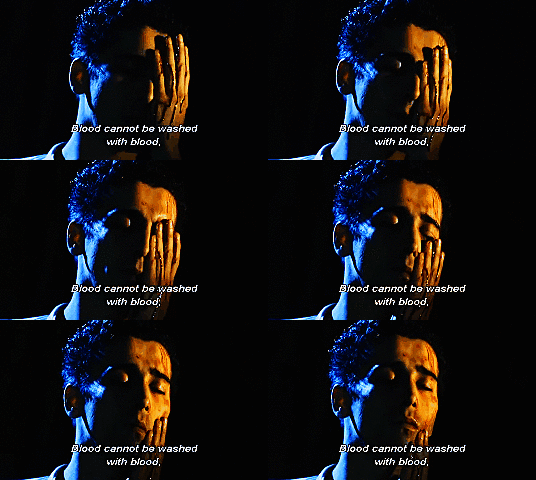
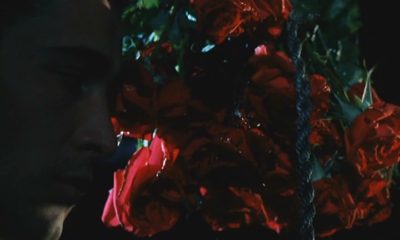
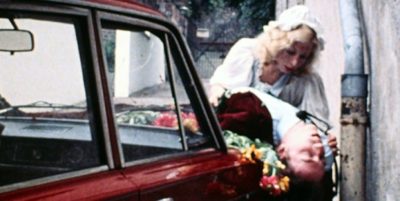
‘Schroeter’s gay sensibility is expressed as an aesthetic that could be described as high camp, since he insists on a Romantic and operatic vision of homosexuality. In The Rose King (86), an excessive and entrancing hallucinatory fable of perfect but doomed love, and his most explicitly gay film, the symbol of the rose is employed to signify love, passion, and perfection at the moment of death. The titular Rose King merges the ideal of the perfect rose with the body of his lover and at the sexually climatic moment grafts multiple roses onto him. This visceral scene of ecstatic mutilation, heightened by the rhythm of a Viennese waltz, is intercut with shots of fire, ink, water, and the sea washing over a nude male body. The juxtaposition of images and sounds is as horrific as it is beautiful.
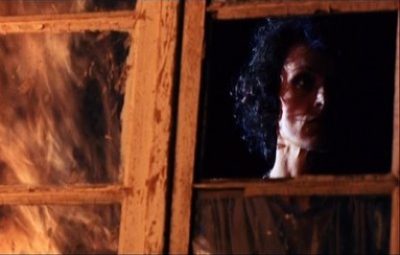
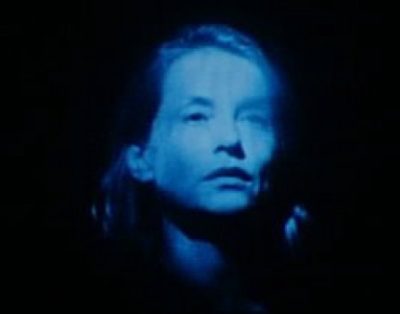
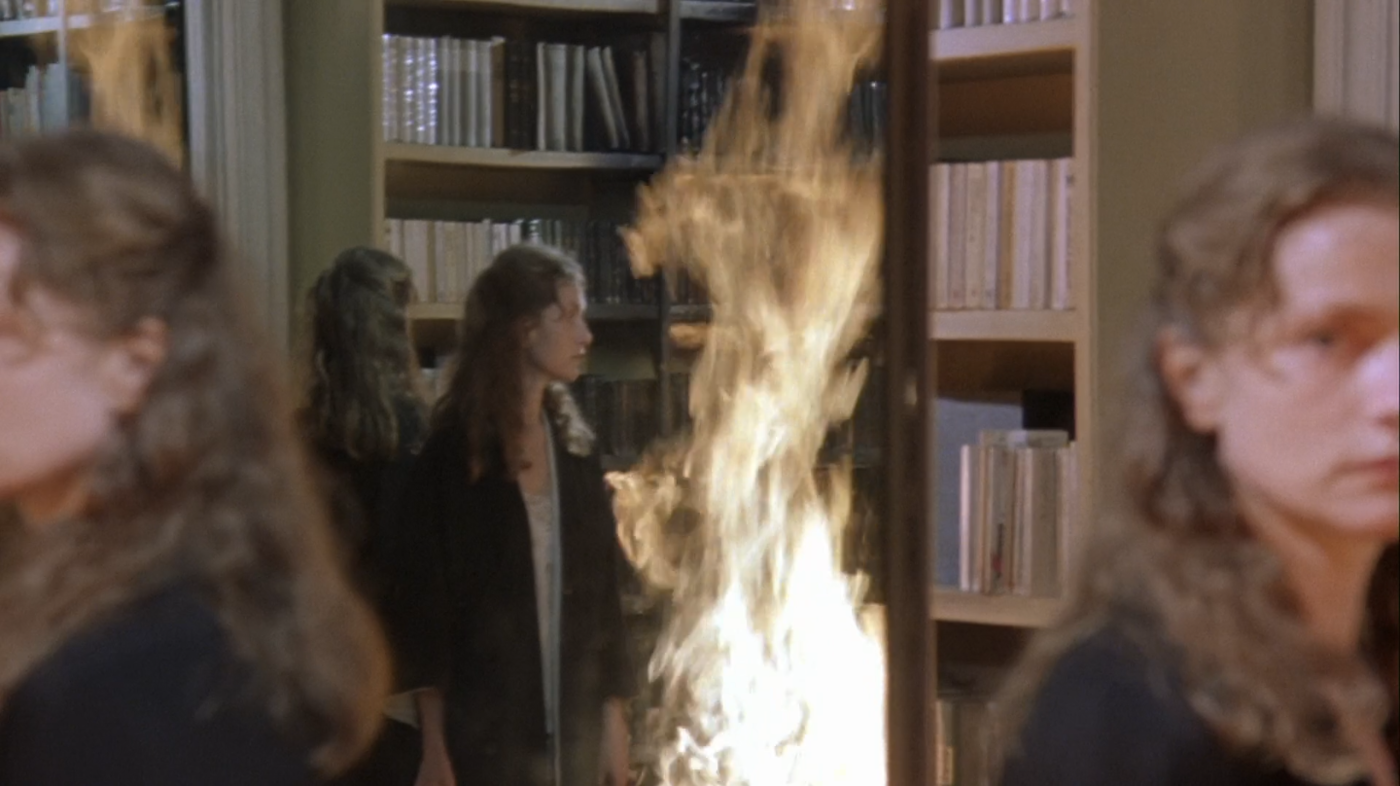
‘After his theater and opera productions in the late Eighties Schroeter returned to filmmaking in 1990 with Malina, a relatively high-budget literary adaptation based on Ingeborg Bachmann’s 1971 novel. Scripted by Elfriede Jelinek, and featuring an original avant-garde score by Giacomo Manzoni, it stars Isabelle Huppert as an unnamed female writer caught between passion and creativity, and between her platonic love for the rational Malina (Mathieu Carrière) and her consuming desire for the sensual Ivan (Can Togay). This is represented not as a conventional ménage à trois but rather as a visual and sonic staging of (literally) burning passion and glacial voids that lead to the disintegration of the writer’s identity. On a psychoanalytic level Ivan is a projection of a desire for absolute erotic love, while Malina represents the rational male alter-ego that clashes with the female emotional ego and finally obliterates the female identity—suggesting that it is only possible to be a writer at the expense of femininity and desire. Huppert’s tour-de-force performance of exaltation and self-destructive despair is familiar from Schroeter’s repertoire, and so is the film’s nonlinear narrative with its operatic climaxes—albeit now psychologically motivated as nightmares and hallucinations. With its musical cadences and its mise en scène of ornate mirrors and consuming fires, Schroeter’s Malina transforms Bachman’s literary text into an idiosyncratic spectacle and aural feast. Despite receiving mixed reviews in Germany, the film won the German Film Award in Gold, but internationally this sumptuous but difficult film was considered too obscure to win much acclaim.
‘With Love’s Debris (Poussières d’amour, 96) Schroeter re-engaged with the cult of the diva—this time employing living, breathing, but aging opera divas. He invited a few of his favorite opera singers, young and old, to a 13th-century French abbey, in an effort to understand what gave rise to the emotional intensity in their vocal performance. The most affecting scene centers on the 65-year-old diva Anita Cerquetti, who gave up singing upon losing her voice at the height of her career, when she was barely 30 years old. We watch Cerquetti listening and lip-synching to an old recording of her sublime vocal performance of “Casta Diva” (“Chaste Diva”) from Bellini’s Norma. This apparent sonic synchronization becomes a hauntingly nostalgic experience through the accompanying visual mismatch: the aging body cannot anchor the youthful operatic voice. The fleeting restoration of Cerquetti’s full, rich voice is followed by her recognition of its irrecoverable loss. It is a moment of great poignancy.
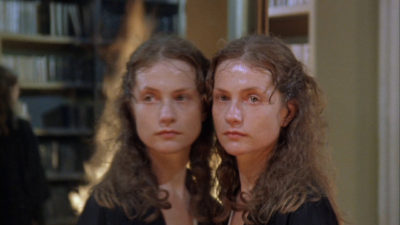
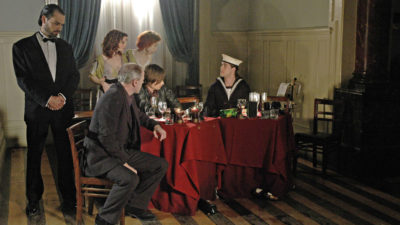
‘Schroeter’s penultimate film, Deux (02), was written for Huppert, and she provides another virtuoso performance playing contrasting twin sisters, separated at birth and unaware of each other’s existence. This surreal fantasy, with its dreamlike associative editing, literary citations from the Comte de Lautréamont’s 1869 verse novel Les Chants de Maldoror, gay iconography, and periodic arias is reminiscent of the director’s earlier episodic films. In its engagement with the myth of Narcissus and the German Romantic concept of the doppelgänger, Schroeter claims that the film contains autobiographical episodes that transfigure his own memories and dreams into art. The film premiered at Cannes where it received some praise, but failed to find a German distributor. Although at the core extremely subjective, Deux also contains references to European art history and literature, and this balancing act, while doubtless intriguing for dedicated Schroeter followers, is likely too opaque for the uninitiated.
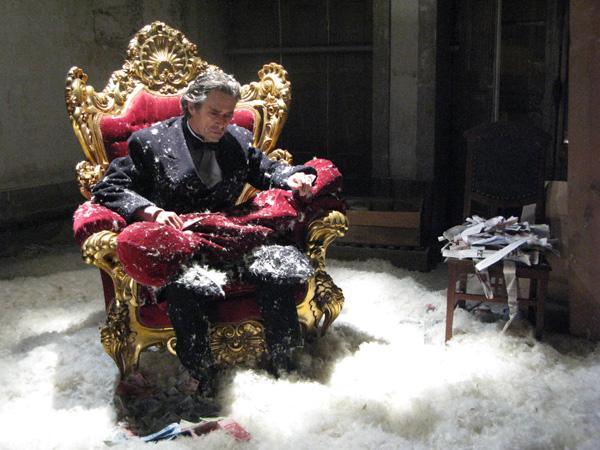
‘Schroeter’s swan song, Tonight (Nuit de chien, 08) was shot nocturnally on location in Porto (Portugal) while the filmmaker was enduring the debilitating effects of cancer. It is a dystopian fable about the failure of a revolution and a darkly luminous nighttime odyssey across a port city and its brutalized inhabitants. Christiane Peitz’s obituary of Schroeter describes the film as “a long journey into darkness, a hymn to life in the face of brutality and terror.” And Schroeter explained in his own posthumously published autobiography: “All my films, including Tonight, bear witness to my quest for a form that communicates vitality, the pleasure of creativity and beauty, which is a gift of our profession. In beauty, in recognition of beauty resides a hope—malgré tout, despite all. It expresses a hope even though the theme of the film deals with the darkest night aspects of existence . . . Without pain and a quest for truth there is no beauty.”
‘The nature of Schroeter’s lifelong quest is eloquently explored in the lyrical and elegiac 2011 documentary Mondo Lux: The Visual Worlds of Werner Schroeter by Elfi Mikesch, Schroeter’s close friend and collaborator. But a much earlier tribute was paid in 1979 by his friend and rival Rainer Werner Fassbinder, who welcomed the art-house release of Kingdom of Naples as Schroeter’s emergence from the underground. Fassbinder graciously acknowledged Schroeter’s decisive influence on himself and other German filmmakers, and suggested that the director’s very underground exoticism had kept him at the margins of film culture. Perhaps this continued detachment from the commercial mainstream makes Schroeter’s films that much more precious.’ — Ulrike Sieglohr
____
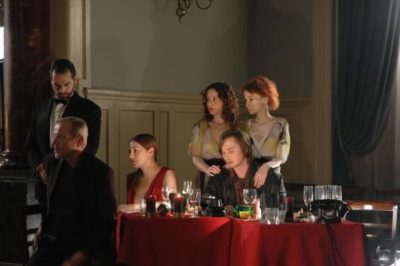
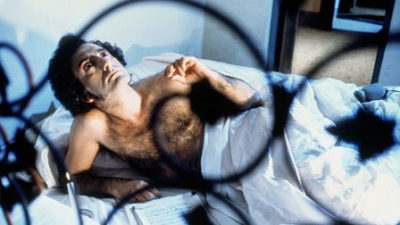
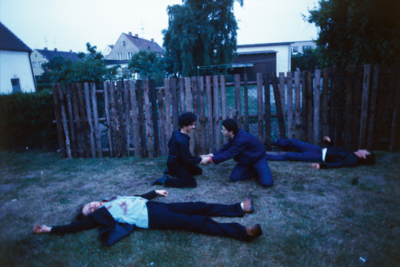
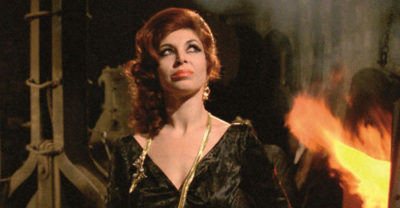
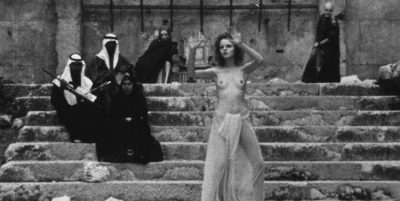
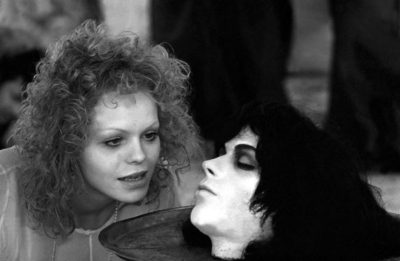
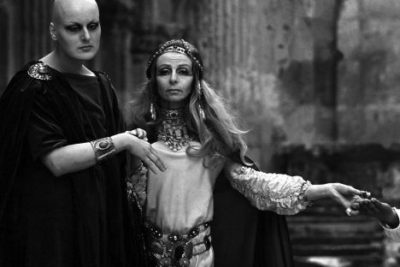
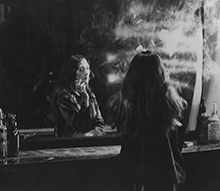
Stills

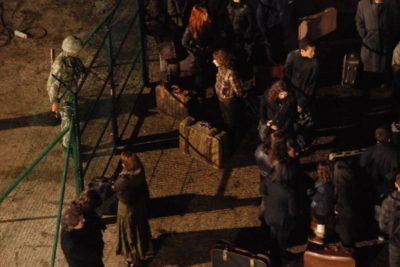
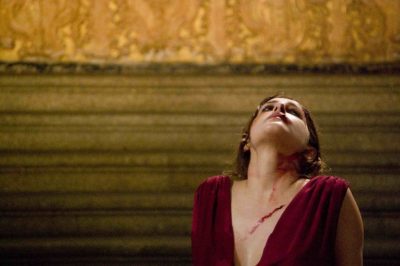


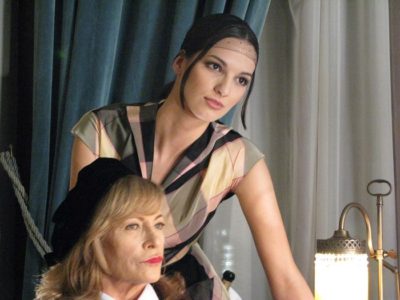
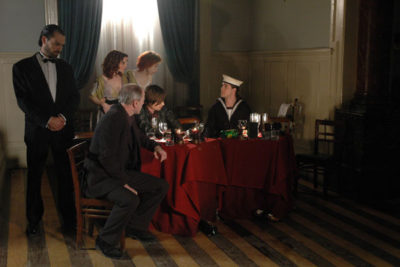
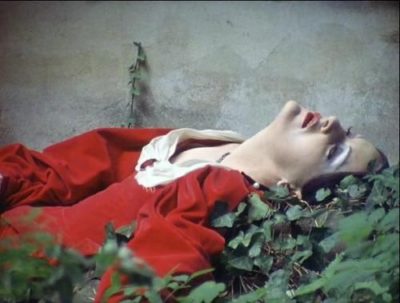


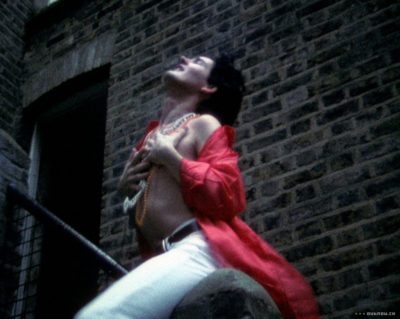





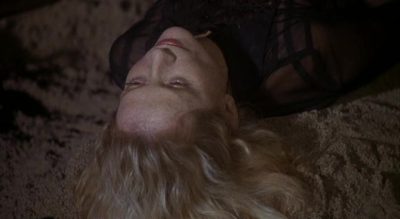
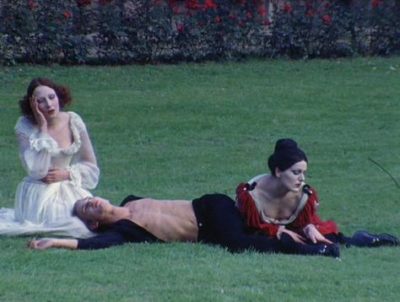

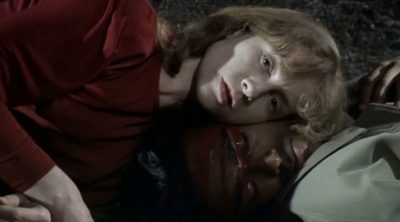

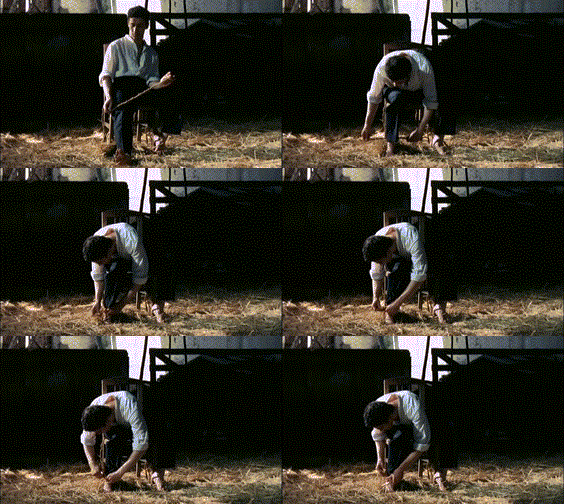


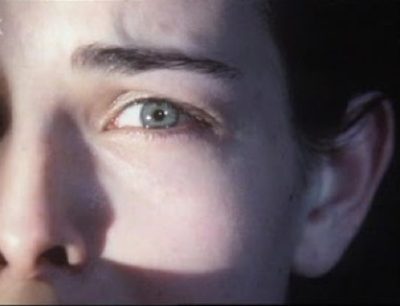

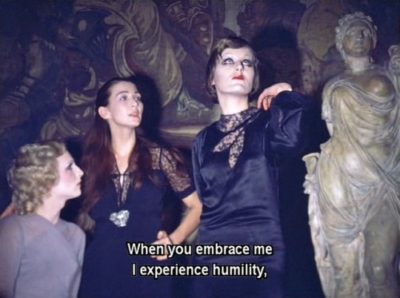
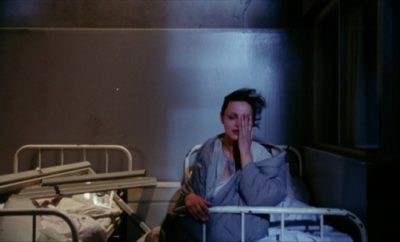
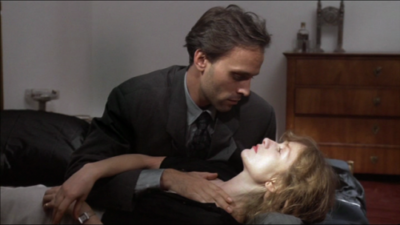


_______
Further
Werner Schroeter Official Website
Video: ‘Werner Schroeter, l’inédit’ @ Arte
‘Gifts After Death: Werner Schroeter’s Photos’
Conversation entre Michel Foucault et Werner Schroeter
Werner Schroeter @ Senses of Cinema
Olaf Moller ‘But Farewell: Werner Schroeter’ @ Cinemascope
Gary Indiana on Werner Schroeter
DVD: ‘Werner Schroeter Collection’
______
Extras
Young Werner Schroeter filmed by Fassbinder
Werner Schroeter speaks @ Venice Film Festival, 2008
In person: Werner Schroeter
_________
Interview
from Kulturchronik Magazine
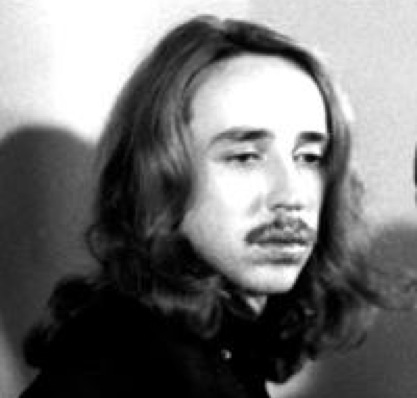
You like the philosophy of Michael Foucault, don’t you?
Werner Schroeter: Yes, I find him highly intelligent, and one could devote a life just to his work. Around 1973 when two of my films were shown in France, THE DEATH OF MARIA MALIBRAN and WILLOW SPRING, about which Foucault wrote an article in a film magazine, I came across his books for the first time and his definition of the vital differences between love and suffering particularly pleased me. I read him and was impressed by how close he came to my feelings on the philosophical level.
What role does France play for you?
WS: After initial difficulties I find interesting the contrast between life and art and the way in which the French live.
You also love Italy and Mexico City.
WS: Yes, I was always attracted by the harsh contrast, here the North and there the South. I yearned for Italy because it was there that I first really fell in love. Then came the passion for opera. Verdi’s BALLO IN MASCHERA constitutes an opposite to Wagner’s TRISTAN which consists of an abundance of subtleties and superimpositions. The one is as beautiful as the other, but during my youth I felt much more attracted to this linear Latin music.
And Mexico City?
WS: There I felt very much at ease. Such wellbeing is important for my creativity since I’m not a masochist in that respect. It was the people there who filled me with life. I once said on Mexican television that I feel myself to be a European. From Mexico City Paris is just around a corner but Los Angeles is a whole world away. I think Mexicans wonderful with their clear-cut passion and sensuous lives, coupled with Prussian discipline.
You make no secret of your homosexuality. Do you comprehend your gayness as a chance to make less conventional art?
WS: Certainly that is one advantage, provided that one has the necessary personal constitution and has the wish and the will for such expression. The unconventional way is certainly more fruitful than what is already laid down. Baudelaire already asked, why do something in a straight line if you can do it crookedly. More happens. That’s obvious since one must be ready for much more resistance. One also operates out of much greater internal friction. That’s certainly the case with all outsiders. However for someone who cannot really express themselves or has no chance of putting it to creative use, that can certainly be a great problem because he allows himself to be intimidated. But I certainly don’t feel myself to be an outsider since I’m always integrated in more extended social contexts.
Did you experience something like a coming out?
WS: Homosexuality was never a concern in my family, and there was a time when I alternated girl and boy friends, whereby the erotic ties with the boys were greater than with the girls – and I also slept with them. My father, who liked most of my friends both male and female, was convinced by the human rather than the sexual qualities. That was quite normal. I turned up with a boy friend and that was that. On this level I couldn’t be forbidden anything. I was calm and gentle and quiet but had a certain strength involving a kind of non-violent authority. In addition my mother was a loveable and loving woman, full of faults like everyone else. She struggled greatly for her children’s love. My father was an exceptionally liberal man whose tolerance seemed almost indifference when I was a child. Only years later did I discover that this was his form of social acceptance. As far as influence and behaviour are concerned, I believe that we are much more influenced by the family than by whether we are gay or not.
You had a special relationship with your grandmother, didn’t you?
WS: My Polish grandmother was a dynamo of imagination who shared her fantastic world. In 1951, shortly after the war when I was five, we lived in a rapidly developed workers settlement outside Bielefeld. Everything I could see outside was so alien to my sensibility that my grandmother and her dreams became my world. She, who had neither experienced repression nor practiced it, translated everything into fantasy. I still remember very well how she once suddenly transformed the rails used by Bielefeld’s trams into an Indian trail. A chair became a palace and a flower pot a jungle. This freedom in dealing with things captivated me, and there was a place for us in strange daydream reality.
For her a sense of reality was completely present in a vital irony. With her fantastic dreamworld she prepared us for a life of resistance. After all imagination is resistance and the only thing that can turn upside down the unbearability of reality. Without it there would be no revolution, which involves not only mass dynamics but also the development of fantasy regarding something so as to surmount it. With her kind of flight from the world my grandmother created a new reality which could take place everywhere. That is certainly the source of my freedom vis-à-vis what people nowadays call realistic depiction or naturalism. For me it goes without saying that with determination and imagination mountains –imaginary ones of course—can be moved.
What themes initially attracted you as a maker of films and theatre?
WS: Initially the mystery of woman in society and my great closeness to women on the level of friendship. During my short marriage I also sussed out the identificatory aspect. I am interested in women in art as sensitive beings, even a membrane, since women have a great talent for self-mastery. Then something shifted and a larger context was established.
You make no secret of your homosexuality. Do you comprehend your gayness as a chance to make less conventional art?
WS: Certainly that is one advantage, provided that one has the necessary personal constitution and has the wish and the will for such expression. The unconventional way is certainly more fruitful than what is already laid down. Baudelaire already asked, why do something in a straight line if you can do it crookedly. More happens. That’s obvious since one must be ready for much more resistance. One also operates out of much greater internal friction. That’s certainly the case with all outsiders. However for someone who cannot really express themselves or has no chance of putting it to creative use, that can certainly be a great problem because he allows himself to be intimidated. But I certainly don’t feel myself to be an outsider since I’m always integrated in more extended social contexts.
Your productions seem wonderfully connected with your vital force and that of the actors involved. They work on the basis of improvisation, demanding that the actor relies on him or herself.
WS: That’s impossible without the intuition. Theatre is community work where I am the originator and director of the performance. The actor must provide at least as much creativity as me. In order to get things moving I come with a very strict concept even though I know from experience that it will be thrown overboard after some days of rehearsal. So I gradually give up this concept because what is involved in the encounter with the actors leads it to pale into insignificance. But things don’t work completely without a concept. You must allow yourself the freedom to abandon what you thought up. Only then does there come into being something that is more vital than the preconceived idea. Basically I offer my ideas as motivation. However at the end of this process the original basic idea is redeemed in a more beautiful, advanced, and essential form than it would have been in working according to routine. I must accept the play I have chosen with all its weaknesses and other characteristics. What matters is to find a way of doing justice to it.
Underlying what you do is curiosity about something completely other.
WS: Yes, since I know anyway what I want. If I were only to force my will onto another person and press him into my form, allowing everything to cool down, it would be completely dead. Only a few forms of theatre really touch me. For instance the theatre made by Tadeusz Kantor, who unfortunately died some years ago. This man, who worked on productions for two years, certainly utilized a similar work process. Only he went much farther than me. He worked until an organic experience had occurred between the actors.
_____________
14 of Werner Schroeter’s 41 films
___________
Neurasia (1968)
‘NEURASIA is a silent movie with Carla Aulaulu and Magdalena Montezuma in the leading roles. “NEURASIA is a paradise of furious gestures. A Luna Park of emotions. On a black-gray stage-image-surface, infinitely repeatable particles of musical and melodramatic exaltations, extremely retarded gestures of adoration, love, despair, religion, insanity, and death are enacted.'” — Sebastian Feldmann
the entirety
_____________
Maria Callas Porträt (1968)
‘Animated stills of Maria Callas and overlaid with a soundtrack of her singing.’ — letterboxd
the entirety
_____________
Eika Katappa (1969)
‘Collage of dramatic scenes, some exaggerated to comic effect, with asynchronous sound from well known classic, operatic, and rock and roll music – with different approaches to love, suffering, and death.’ — Letterboxd
_____________
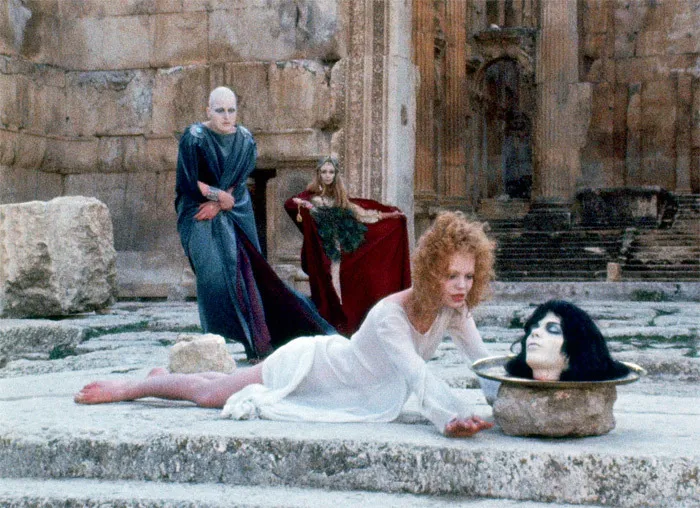
Salome (1971)
‘Schroeter’s film Salome, 1971, is one of the most beautiful adaptations of the text to film ever made. Filmed at the ruins of Baalbek in Lebanon, the decadent carnality of Gustave Moreau’s painting Salome is recalled in the jeweled costumes of Herod and Herodias, in the somnolent pallor of Salome’s face, in Magdalena Montezuma’s androgynous performance as Herod. Pans and zooms within long sequences, invisible cutting, Oscar Wilde’s hypnotic text, and a densely packed sound track form a seething tapestry of contradictory cues and visual blandishments.’ — Gary Indiana
____________
Der Tod Der Maria Malibran (1972)
‘Werner Schroeter’s hyper-melodramatic films tend to provoke either intense admiration or outraged hostility. He is one of the most controversial filmmakers associated with the New German Cinema. Der Tod der Maria Malibran , sublime and bizarre, is considered by many (including Michel Foucault and Schroeter himself) to be one of his best films, but it is also the most difficult. The historical figure of the singer Maria Malibran provides merely a starting point for a dense network of references and allusions encompassing Goethe, Lautréamont, Elvis Presley, and Janis Joplin.’ — film reference
Excerpt
the entirety
____________
Willow Springs (1973)
‘This is the only film which Werner Schroeter has shot in the United States. The scene is a lonely, dilapidated house with a bar on the edge of the Mojave desert; the house, like the place in which it is located, is called “Willow Springs”. The three Amazons sit in their lair, waiting for men to rob, love, and kill. But in this “feminist” counter-world, “male” power structures continue to function: the “master thinker” and priestess Magdalena (Montezuma) dominates the ethereal Christine (Kaufmann), who, in love with herself, is the sterile embodiment of an art grown unsensual. At the very bottom of the hierarchy is Ila (von Hasberg), the maid who says next to nothing. She not only finds sexual contact with the stranger Michael (O’Daniels), but also love. The two contrive to flee, but the murderous Magdalena kills them. “Art” also kills herself, before she goes out into the desert as the Black Angel, the title of Schroeter’s next film, which was made in Mexico in 1973/74.’ — Filmmuseum
the entirety
____________
Regno di Napoli (1978)
‘A brother and sister, both of whom grew up in the slums of Naples, communicate with one another periodically over the years from 1944 to 1976 as they go their separate ways. Through flashbacks, and as they grow reacquainted during their meetings, the story of each is told. The girl struggles to study her way out of poverty, learns English well enough to become an airline stewardess, and discovers the limitations of her success. The boy joins the communist party early on, ardently serving as another body in the movement on the picket lines and at demonstrations. Despite his dedication, the best job the party can deliver to him is a menial one, and he too feels betrayed.’ — Ken Pasternak, FilmStudies
____________
Die Generalprobe (1980)
‘An exhilarating, essayistic documentary about the 1980 festival of experimental theatre in the French city of Nancy. Werner Schroeter’s favourite of his own films. With Pina Bausch, Reinhold Hoffman, Pat Oleszko.’ — letterboxd
Excerpt
Excerpts
____________
Palermo or Wolfsburg (1980)
‘A french critic wrote that Schroeter was a great kept secret for cinephiles and it is true. Here you find clear traces of Pasolini and Fassbinder but the style is personal and never imitates. Schroeter also used to stage operas and you can see in the process how his baroque mannerism works – little touches of unexpected. In “Palermo oder Wolfsburg”, you never know what´s coming in the next shot and i love it.’ — Bilouaustria
the entirety
____________
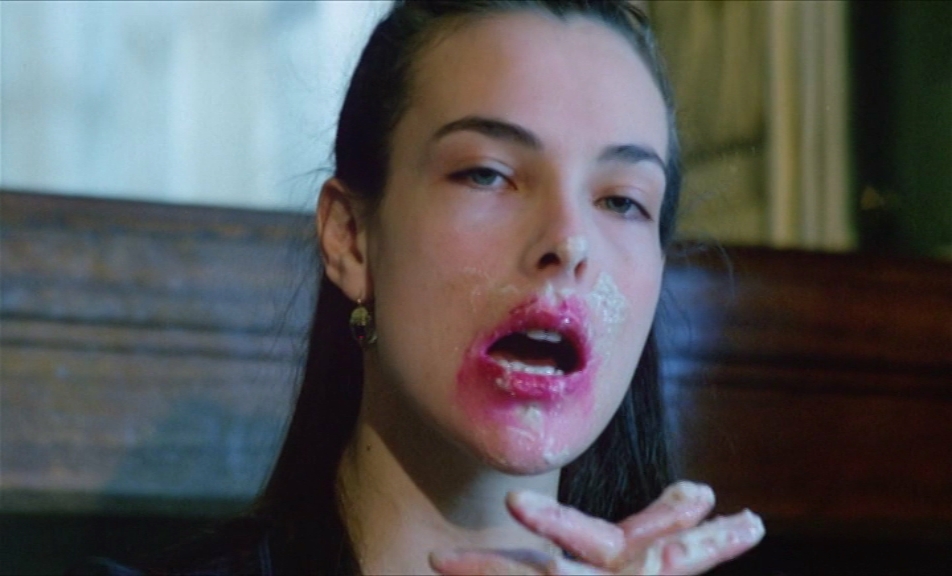
Der Tag Idioten (1982)
‘In this non-story of the mentally and emotionally impaired inhabitants of a clinic for the insane, the medical profession along with humanity is distorted into a long, filmic exhibition of sado-masochism, urination, and ample nudity for its own sake. Critics that support the avant-garde might feel that the lack of apparent purpose in each “idiot’s” (the title is “Day of the Idiots’) physical and emotional problems is a form of high art. The viewers will have to decide for themselves.’ — Eleanor Mannikka, Rovi
_____________
Der Rosenkonig (1986)
‘Schroeter’s gay sensibility is expressed as an aesthetic approach that could be described as “high camp.” His conception has frequently been compared to and contrasted with (not always favourably) Rosa von Praunheim’s much more militant stance. Schroeter insists on the romantic version of homosexuality. In most of his films we get the gay historical subtext, rather than thematic treatment. Der Rosenkönig , an excessive and entrancing hallucinatory fable of oedipal and homosexual passion, is his most explicit gay film.’ — Ulrike Sieglohr
Excerpt
the entirety
____________
Malina (1990)
‘In this movie, a woman is going mad, literally, with frustration. Based on a novel by Ingeborg Bachmann, Isabelle Huppert plays the distraught woman who feels that the choice between her uninspiring husband and her indifferent lover warrants ever-escalating displays of rage, distress and loss of self-control. Eventually her self-indulgence leads to her setting her now-demolished Viennese apartment on fire and burning herself alive in it while the movie score plays songs from grand opera to celebrate her dramatic departure from life.’ –– Clarke Fountain, CinemaDeutsch
Trailer
____________
Deux (2002)
‘Avant-garde director Werner Schroeter’s Deux (Two) is a willfully disjointed film about twin sisters played by Isabelle Huppert. As newborns, the two girls were separated. The film intercuts snippets from their lives. One of the sisters engages in some homosexual experimentation, while the other has ongoing conversations with a man (Jean-François Stévenin) who apparently resides in an opera house (opera being one of the director’s career-long obsessions). Bulle Ogier plays a woman who may or may not be related to the two women played by Huppert.’ — Perry Seibert, Movie Euro
Excerpt

____________
Nuit de Chien (2008)
‘Werner Schroeter directed this dark and surreal tale of a man determined to save a lost lover from a grim fate at the hands of a violent mob. The city of Santa Maria is falling into chaos as an armed military faction is poised to take power in a coup d’etat. Ossorio (Pascal Greggory) used to call Santa Maria home, and he has returned in its darkest hour to find the woman he loves, hoping to rescue her from the violence that is lurks around the corner. As Ossorio searches for his love, he meets Victoria (Laura Martin) in a shabby hotel, who in turn introduces him to her father Barcala (Sami Frey), who for the right price is willing to take Ossorio and another passenger away on his boat. While Ossorio is willing to pay Barcala what he wants, can he find the mysterious woman before the ship sets sail? Adapted from Juan Carlos Onetti’s novel Para Esta Noche, Nuit de Chien (aka Tonight) received its North American premiere at the 2008 Toronto Film Festival.’ — Mark Deming, Rovi
Excerpt
*
p.s. Hey. ** Laura, Hi. Um, as a friend, Richard is complicated, passionate, a bit thin skinned, inspiring and generally a boon. Thanks for the panning out and dough hopes. Processing structure is a highlight for me, usually. Happy week ahead. ** Carsten, Andalusia is such a rich word. Especially the lusia part. Barcelona news good or bad when we get it. Soonish. I really need to go get Spain’s lay of the land one of these days. Serious gap. ** Thom, That guy Kevin Sampsell who runs Future Tense is a cool guy. He used to curated the readings for Powells. Cool if your gig is indeed videotaped and then made somehow accessible. Wait did it already happen? I forget. Big week! ** toni, Hi toni, good to meet you. Hm, I’ll probably to think about the photographer question as nothing is springing to mind. It wasn’t Rineke Dijkstra, was it. She shoots girls in the woods, but I don’t think when they’re running. ** Steve, Thank you. What the hell is that ‘Nirvanna’ thing? I keep seeing things about it, but I can’t figure out what it is. The Iran thing is extremely beyond disgust. Bug chasing is quite a big thing these days, at least in the online realms I seem to end up in. ** jay, Hi! Viktor Wynd’s … huh, I’ve never heard of that. I’ll go hunt. Thanks! No, I think they were indeed a rather scary bunch. New Mitski: just read about that. Okay, on it. I want that new ‘Resident Evil’ super bad. As soon as my finances get stabilised. Gimme a review if you start playing it please. Love back from this place and a hearty bonjour! ** kenley, I can’t even remember a party where I didn’t quickly find a friend and go outside and talk with them and smoke for the duration. But, so, how was yours, and how did you deal with it? Gods are dangerously subject to conspiracy theories. No thanks. I just don’t quite get stand-up. I don’t know why, since its pleasures seem pretty straight forward. I like your thoughts about it. I’d like to sit on your audience. I did go see Richard Pryor and Phyllis Diller do stand-up when I was young, and they were pretty amazing, it’s true. Thanks re: money. Oh, I ended up watching ’28 Years Later: The Bone Temple’. For all its gore and violence, it sure was inert and disposable. I can see why it was a flop. And your eyes saw … ? ** Dominik, Hi!!! ‘Primate’, what a simple title. How was it? I watched ’28 Years Later: The Bone Temple’, which I can not recommend. Otherwise my weekend was pretty standard fare. Love has the biggest cock on a pedophile u will ever see, G. ** _Black_Acrylic, If only we could get word to him. Whew, about your brother and family getting out of Dubai. I saw some footage of the bombing there and actually thought worryingly about them. ** Bill, I wonder if the album cover slave got any bites? Seemed like a novel and doable strategy to me. I’ve exchanged messages with Laura Vazquez, but we haven’t met yet. She lives in Marseilles. I’m glad her book started sneaking up on you. ** HaRpEr //, Hi. My weekend was … lukewarm, but mine at least rarely live up to the hype. Yours? Moving forward always. The previous things are always still there waiting for the right time to live. David Trinidad is wonderful, yes. One of a kind. And he’s kind of exactly what you imagine a person who writes about those things in the way he does is like. Nice, yeah, Kit Schluter and ‘Cartoons’ in particular, I agree. ** nat, Hi back from me and theoretically from the slaves. Oh, shit, I had a lengthy sickness recently, and it was gross and so boring. Glad you’re on your way to rightness. Yello’s ‘I Love You’ is one of those songs I have to remember to not think about because if I do it’ll be revolving in my mind for weeks. I don’t think I’ve ever been fortunate enough to ever be in the same room with a drone human. I need to befriend some drone owning master maybe. ‘Headless’. Nice! I’ve been bugging Benjamin to put together another book for, like, twenty years or something. I didn’t know Asterism was hacked. Yikes, I would probably sort of wilt and die if there wasn’t an Asterism. Don’t get ill! That’s an order, not that I give orders. But, I mean, seriously, you’ve long since paid your dues. So … do you feel … better? ** Okay. Today I decided to take the blog’s old Werner Schroeter Day and dust it off and give it a little upgrade and place it back in front of you, Have at it please. See you tomorrow.


 Now available in North America
Hey Dennis! The new Resident Evil is amazing, from what I’ve played. It’s half “running around scared from a giant monster” horror, like Resi 2 and 7, and half “shooting a giant revolver and killing zombies with a chainsaw” a la Resi 4-6. They get the balance so right, so as soon as you feel stressed out or overly powerful, you swap over. I don’t know what people are going to make of it though, it really feels totally bifurcated. It’s genuinely a quite harrowing horror game on one side (the main actress is really, really good), and a campy arcade-y shooter on the other, with quips and one-liners and ridiculous magnum executions. It’s really, really satisfying, I’m looking forward to getting back into it after work today. Hope you’re well, if you need help with finances please let us know!
I watched the intro to Der Idioten a nd was getting quite into it. The ample nudity definitely helps I think! Will save the remainder for watching later in the week. Ingrid Caven being in this is a definite plus point, along with other New German Cinema trappings.
hi dennis!
ahh! another werner! and the one who made malina, no less! will add his other stuff to the ever-growing watchlist. your blog certainly isn’t helping me pare that down, you know 😜
so…funny story. i got dressed, did my makeup, flatironed my hair, and then decided i really didnt want to go. i mostly only wanted to go to make my serious-black-metal-boyfriend dance to shitty pop music, but he’s home sick with a sinus infection, so…meh. instead i stayed in and ordered sushi and watched some rohmer. fulfilled my weekend social quota on sunday by gossiping about local music scene drama with my friend in the urgent care waiting room (everythings fine! they just fucked up their finger a bit!)
pryor AND diller? all-stars! i can’t imagine they performed together, hahahaha. and…idk, maybe that’s just it. straightforward pleasure never ends up feeling very pleasurable. whats been pleasurable to you lately? (sorry that question sounds so weird lol but ykwim)
hmmm, yeah…that sounds kind of like a snoozefest. idk, the boyf loves the original 28 days later, so i might be getting dragged along to see that soon.
steve can probably explain the nirvanna thing better bc i havent seen it, but it’s the only thing anyone in toronto is talking about right now. we have a long and storied history of feckless white guys (kids in the hall, colin mochrie, rick moranis, kenny vs spenny, scott pilgrim), lol
hrm…watched some rohmer (the green ray and perceval le gallois, a little embarrassed i haven’t seen those 2 until now!), then finished godlike (kind of in love with it!), then started on chilly scenes of winter by ann beattie (are you into her?), the oppressive dryness of which i find strangely charming. at least, so far. umm…and then, took a break from working on my novel (it feels so weird to say “my novel”) and fixed up some song lyrics.
Hey Dennis,
Recovering enough that I’m intent on going to work tomorrow; I was actually really missing it. Started reading Wuthering Heights properly (as I basically skimmed through the first 100 pages for an essay in First Year of college) and I’m actually really loving it. I’m getting close to 75% finish (as per my book tracker app). I think I just love the epistolary form, the harshness, and how horribly detestable everyone seems to be. I’ve also been listening to Head over Heels by Cocteau Twins and Bloodflowers by The Cure which are pretty apt soundtracks for the novel. I’m hopeful I’ll finish it today but if not definitely by the end of the week.
I ended up playing RE2MAKE about 3 times back to front during the week, as I was achievement hunting; I’m waiting for RE Requiem to be Steam Deck verified as that’s become my go-to gaming device. I’ve heard great things though I’ve avoided any spoilers. I still havent played 7 or 8 though, so I have those to work through in the meantime.
Every day the news is so terrible, and everything seems to be shutting down or closing or changing or rising in prices, it has me scared for the future. Which is a terrible way to be when I’m already struggling with my present…
I’m playing Requiem on the Deck and it works pretty great without any adjustments, outside of some graphics twiddling! I also don’t think (?) you need to play 7 and 8 first, it’s kind of it’s own thing, it’s not connected to much outside of Resi 2.
Schroeter may not be my own particular cup of tea, but for going his own way & sticking to it he will always have my respect.
I only know the Southern curve of Spain but that alone is pretty rich & varied. Andalusia especially did it to me. It’s really its own country. It’s European alright, but also middle Eastern & African in ways that reveal themselves like a haze slowly clearing.
You probably already know my “Praises of Andalusia” (I shamelessly stuffed it into the Duende Day), but if not: https://carstenczarnecki.blogspot.com/2024/11/praises-of-andalusia.html?m=1
Just know that if you ever want to fill that gap on Andalusia, I’ll gladly serve as guide.
Finally caught the new Jarmusch last night (“Father Mother Sister Brother”). It’s a minor work I’m sad to report. Jarmusch in his mellow, subdued register (think “Broken Flowers” & “Paterson”), which I’m not crazy about. I’m more into Jarmusch gone bold & wild (“Dead Man”, “Limits of Control”, “Ghost Dog”). This is his most Ozu’esque work: tonally & formally very still, composed, with lots of breathing room; & thematically, with its focus on family relations, unspoken ruptures, awkward silences. The world it depicts felt weird & alienating to me though. It’s one I recognize from childhood but have since mostly left behind: forced family gatherings, done out of obligation rather than affection, always under the weight of knowing that you have nothing to say to each other, & stifled by a performance of polite courtesy & emotional restraint. I mean I have next to nothing in common with many of my ultra-conservative, arch-Catholic relatives in Poland, but even with them I manage to do more ice-breaking & actual conversation than anyone in Jarmusch’s film. I realize this stiff form of social torture is what “family” means to plenty of people, but I sure don’t recognize it. The film is composed of three segments, & the last one’s clearly meant to break the pattern set up by the first two (where the awkward families clash). The last one’s focus on two cool, caring siblings who clearly love each other & go around Paris digesting their late parents’ absence was the most effective to me. Most critics had the opposite opinion by the way. Anyway, I think you’d actually find a lot to like in it, so I would recommend it. But to me it falls short of Jarmusch at his best.
I will add though (without spoiling anything) that the transitions (or pillow shots as in Ozu) were probably my favorite thing in the movie.
I didn’t make it to NIRVANNA. Maybe next weekend. The concept is complicated, but it’s about a band trying to get a gig at Toronto’s Rivoli Theater. Director Matt Johnson edited footage shot in 2008, presented here as scenes of his characters’ time travel, with present-day scenes. There’s a connection to BACK TO THE FUTURE II.
Bandcamp Friday looms ahead on the 6th. I’ll be dropping a new song, produced from Eliane Radigue samples.
Can you tell if the bug chasers are just fantasizing? If they’re actually having sex with HIV-positive men, are they using PrEP?
My overview of “Rendezvous with French Cinema,” covering four films, is out now: https://gaycitynews.com/lgbtq-themed-films-rendez-vous-with-french-cinema/
Hello :))
Big on Werner Schroeter
Love Kingdom of Naples and Palermo oder Wolfsburg, somewhat overlooked films. Love his regular actor Antonio Orlando who was in Salo too and his collaboration with superstar Candy Darling and Werner’s appearance on Fassbinder classic Beware of a Holy Whore
I have his biography entitled
Days of Twilight, Nights of Frenzy where he explains all his career, bought it from Eye Film museum on Amsterdam Noord
His Willow Springs can make one feel like a Manson girl in heat and the cursed poetry is real in this one
Deux is also underrated I think. Pure early 00s awesomeness
Love Eika Katappa and Day of the Idiots is really super strong!
Huppert gives it her all in Malina, I think one of her very best works but since you said that the novel is better I wait to read it soon
I am only familiar with Ingeborg’s poems so far
Is Trinidad’s The Late Show a reference to the film of same title? Since he does a lot of filmic references? that is a very entertaining film btw
I have not read his poetry yet, I have the brilliant book he edited on Ed Smith. I still think of Ed’s poem Return to Lesbos and more of his work very often
Hi from Crete
Hope you get the financial stuff sorted out soon, Dennis.
I think Schroeter became a favorite right after you put up the original version of this post. Around that time, Pacific Film Archives was having a Schroeter retrospective! In the same month, I saw Der Rosenkonig and Flocons d’Or. (And amazingly enough, according to my notes, also Haneke’s Amour, and Shane Carruth’s Primer and Upstream Color. Whoa.) Really need to revisit some of these.
I don’t know what to say about the Iran situation. Big protest here hours after the news broke.
Bill
Hi. My weekend was normal for me, but I’m unemployed so I don’t really observe weekends like people who have their shit together haha. Just the normal aimless wandering around and writing stuff and opportunity searching. I did manage to score a ticket for the world premiere of the next ‘Castration Movie’ at the BFI though, so I’m thrilled about that.
I’m going to be trying for my own version of self-improvement this week. I’ve just been so fucking depressed for so long and I can’t get a job because nobody wants to hire me because they tell I don’t care and I also look insane, and conflicts come out of this, and for a while I was so exhausted with the whole thing that I just had to say fuck it and relax and work on my writing for a while, but I really just need to get ‘out there’ and I’m going to be stretching my brain for the next couple of days to see what I can do.
‘…Maria Malibran’ is one of my favourite films. Very moving for me considering my Candy Darling obsession. There’s a part where she has to play a man and I find it really devastating.
I really like the kitschy/rough around the edges aspect combined with the classical drama elements. And it’s still genuinely stark at points.
Matt Johnson (‘Nirvanna…’) was a rising star at the tail end of the mumblecore thing. Did you ever see his film ‘The Dirties’? It’s about two teenagers who make a film about taking revenge on their bullies. There’s a good/noteworthy scene where Johnson (starring in the movie) asks his real life mother (not knowing that she’s being filmed) if she thinks he’s insane, and she doesn’t say no.
so, I was just reading Jean Genet’s thief’s diary while listening to Lana Del Rey’s “Born To Die”
What a time to be alive.
HeY! So, I know your in Paris so this great news may be obsolete to you but tommrow at 6am til..7:30am? is a blood moon here. Im going to try to get pictures. What else. OH! Machine girl. Raliegh. 4 days. Yay!
Coincidently the blood moon falls a days after I had this terrible self-explosion from stress and the blood was so abundant I was a bit concerned I might’ve hit a wire. Just a confession nothing more, But I think if anyone knew the thought that came before the body’s intense desire to inflict pain upon itself it would realize that it really is quite a fragile and unalluring web of prosaic thoughts …to put nicely, not very cool or early 2000s.
Tried to hypnotize Frankie with my pocket watch, very sailor like
I like the line…ugh,nvm….im tired, I’ll send the Genet book line tommrow”
Hello!!
Just seen your up for premiering the video yayyyy I’m gonna try and start shooting it soon, it’s very minimalistic and lofi but fun and choreography based ,
Did you ever see the music video for keep the speed on my YouTube? What did you think? I’m curious to hear your thoughts on it. Also feel free to share it on the blog when you can I’m proud of that vid !!
Much love
ANGUSRAZE
wow, this is a filmmaker i dont know!! excited to dive into this stuff…
just played my lil set, opened with a La’s song and closed with A Crick Uphill hehe… if anyone filmed i can link it when i find it if you’d like. havent been playing shows as much so perhaps it was a bit sloppy, but acoustic house shows being sloppy isnt really a problem…
only got one day off this last week, but this next week is mostly just my main job… only one 13 hour day! more time to get zine goin, have most of the raw materials gathered…
enjoy your day!
One big PS: every version of Anna’s Archive I know about is down right now. Does anyone know a link which still works?
Big huge portal day tomorrow and look at this post apocalypse gay stuff I wrote war makes me moody I guess.
(If the world ended where would I go? Through ruble and ash id use the senses I had left the skin not burned away , the genes not yet changed and retrace my memories back to you. A sight seeing tour of a post apocalyptic wasteland first mayeb you’re doing the same or maybe you have been maybe you aren’t never did never will or can’t I won’t think like that I survived for a reason right? So ill walk we both liked that when it wasnt the main mode of survival/travel/marker of life lived. Maybe a club we went to still stands sorta blown back by time kinda perfectly on time given the circumstances. I’ll shift the ruins no cover this time haha. Find a piece of rebar that was once apart of something that was maybe the door once as a memento and new weapon lucky me! Then ill dance silently sorta mad
And sadly also joyously and humbly on the dusty dancfloor that’s completely outside now and there be no music or you but itll be so poetic something somewhere happens that lets me know you’re alive and ill keep walking cause im already outside anyway.)
So yes I can still write but its more so peering into another dimension for me haha or was I closed a lot of seams today also had wried dream and mr thick cock ghosted me after I asked him if he had aids so I guess I dodged some loaded bullets lucky me and what comedic timing for a ghosting I literally can’t stop laughing its like a sitcom. thoughts & later ttylxoxo.
(cutting it with how late im sending this, so ill make it all in one text block, hope you can understand)
heyo! thank you for the welcome back. i thought to myself that i didn’t know who werner was, until the movies came in and i went *oh i like that one*, *oh that one is cool*, and so forth. yeahh, illness bad. glad you are also back to the un-sick zone. lost again is the yello song that is looping in my head, that bassline…. it’s funny, due to gen z epidemic (or at least from what i’ve seen) of bottom-leaning switches, they take turns. so my friend might be a drone the first day or a master the other day. headless is really good! i’ll swear i’ll write in more, though i’ll probably have to imagine blog owner / gallery owner / gif meister dennis cooper is not editor of ‘headless’ dennis cooper. asterism’s stripe account was logged in and info may have been leaked, at least according to their email i got. i’m always a bit scared, though i might just shrug and get that book becuse oh boy that deal is killer. i wonder how many sales you traffic to them. i feel better! and that is all from me!