* (restored/expanded)
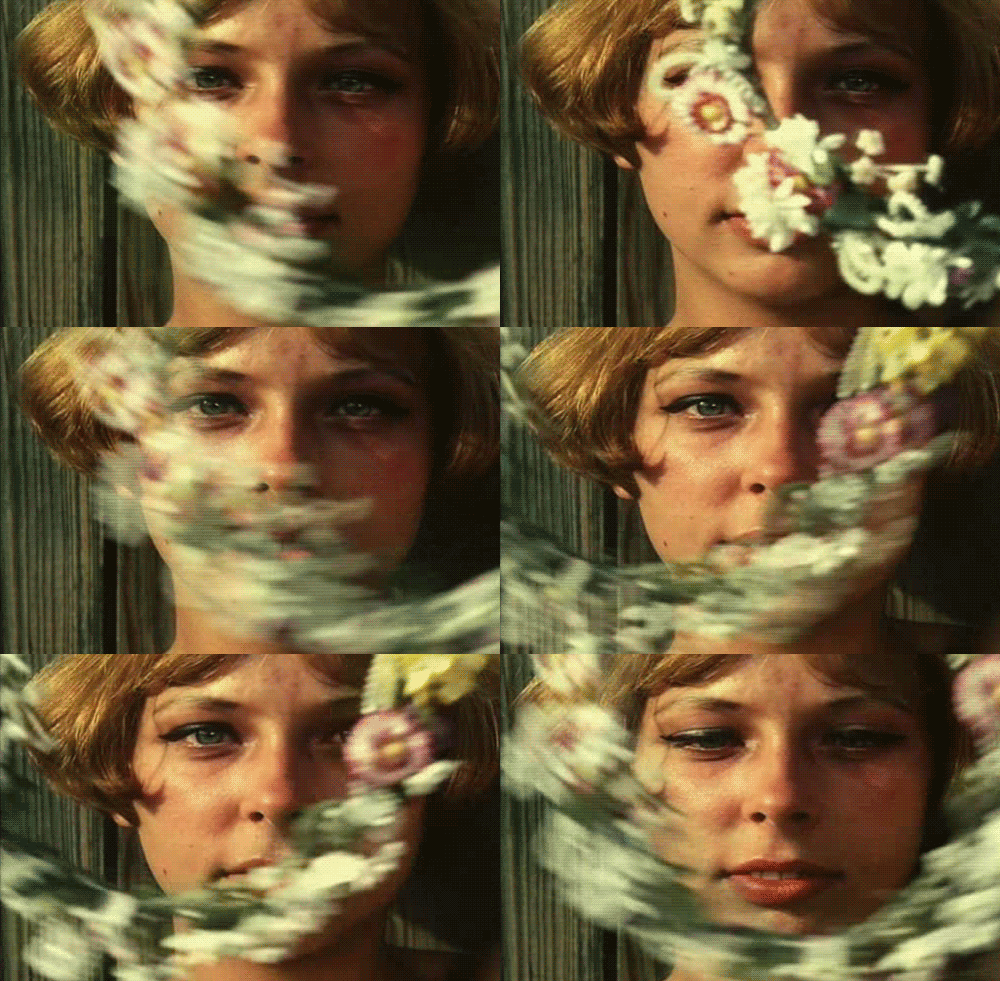
‘Věra Chytilová (1929-2014) was the first woman to study film directing at FAMU, the Film Academy in Prague, and went on to become an important member of the 1960s Czech New Wave. As a female film director, she introduced new approaches into Czechoslovak cinema, quite unusually for the times, giving voice to the views and experiences of women.
‘The 1960s in Czechoslovakia were an era of gradual liberalization, which eventually culminated in the media orgy of freedom during the 1968 Prague Spring, which was then stopped by the Warsaw Pact invasion in August 1968. While there were still some residual, weakening aspects of Stalinist practice, Chytilová’s fellow students at the Film Academy in Prague testify that the atmosphere at the Film Academy was starting to be very liberal in the late 1950s and early 1960s.
‘Chytilová began studying at the Prague Film Academy in 1957. Students were able to view modern classical films from Western Europe and use them as their inspiration. The Czech New Wave filmmakers including Chytilová were undoubtedly informed by the French cinema vérité approach, but their work was primarily influenced by their own personal experiences of living under the regime of post-Stalinism, in the stagnant era of 1950s Czechoslovakia following Stalin’s death. As a result of these experiences, the Czech New Wave filmmakers aimed to show that the prevailing official ideological discourse was mendacious. They did this by giving emphasis to authenticity. They paid attention to ordinary, unpretentious, casual aspects of everyday life. They also practiced formal experimentation.
‘Věra Chytilová made films in three different eras: in the liberal 1960s, in the post-invasion “normalization” regime of the 1970s and 1980s and in post-communism after 1989. Undoubtedly, the liberal 1960s were the most fruitful period for her. During this period, she made several highly innovative and experimental films which are primarily in the center of attention of international scholars. It was much more difficult for Chytilová to communicate her message through her films in the two later periods.
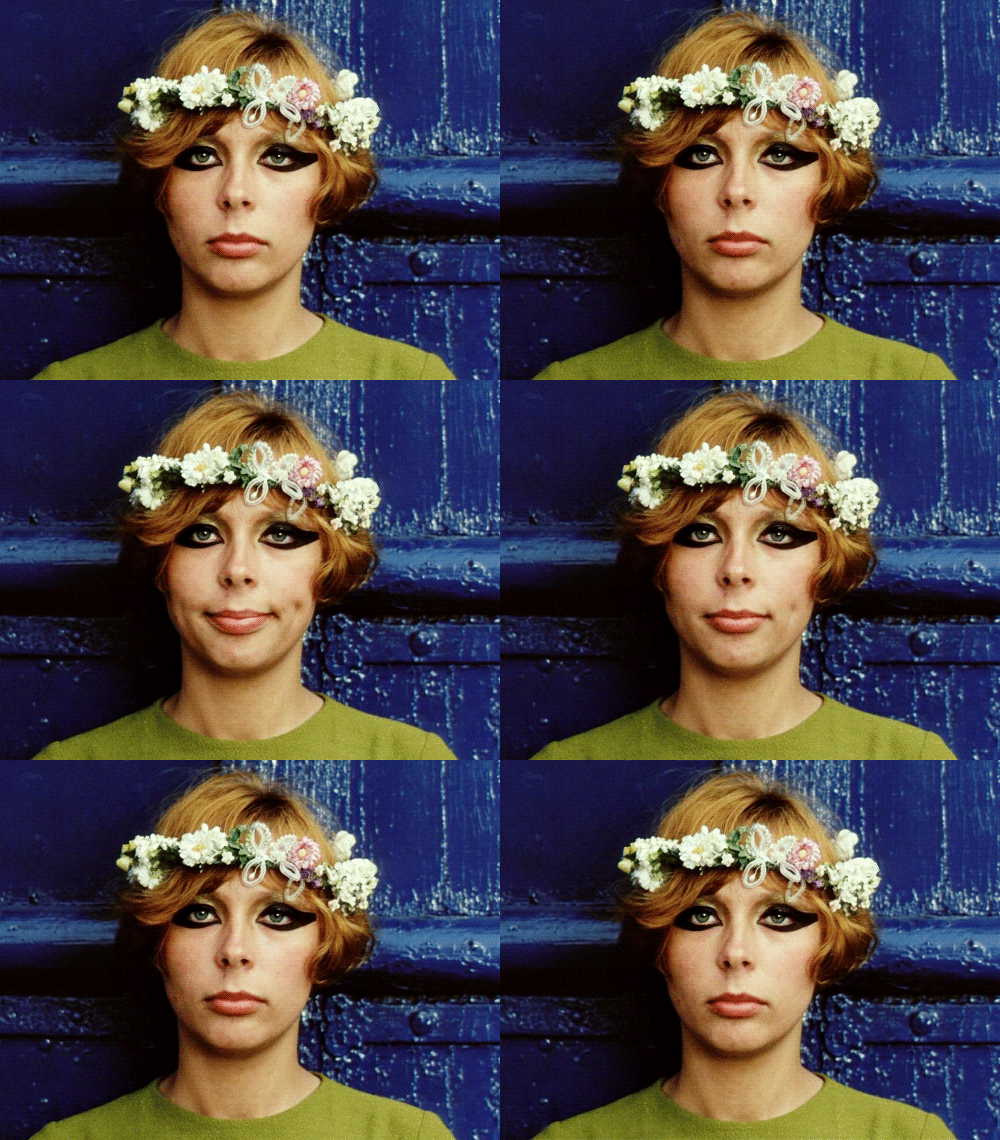
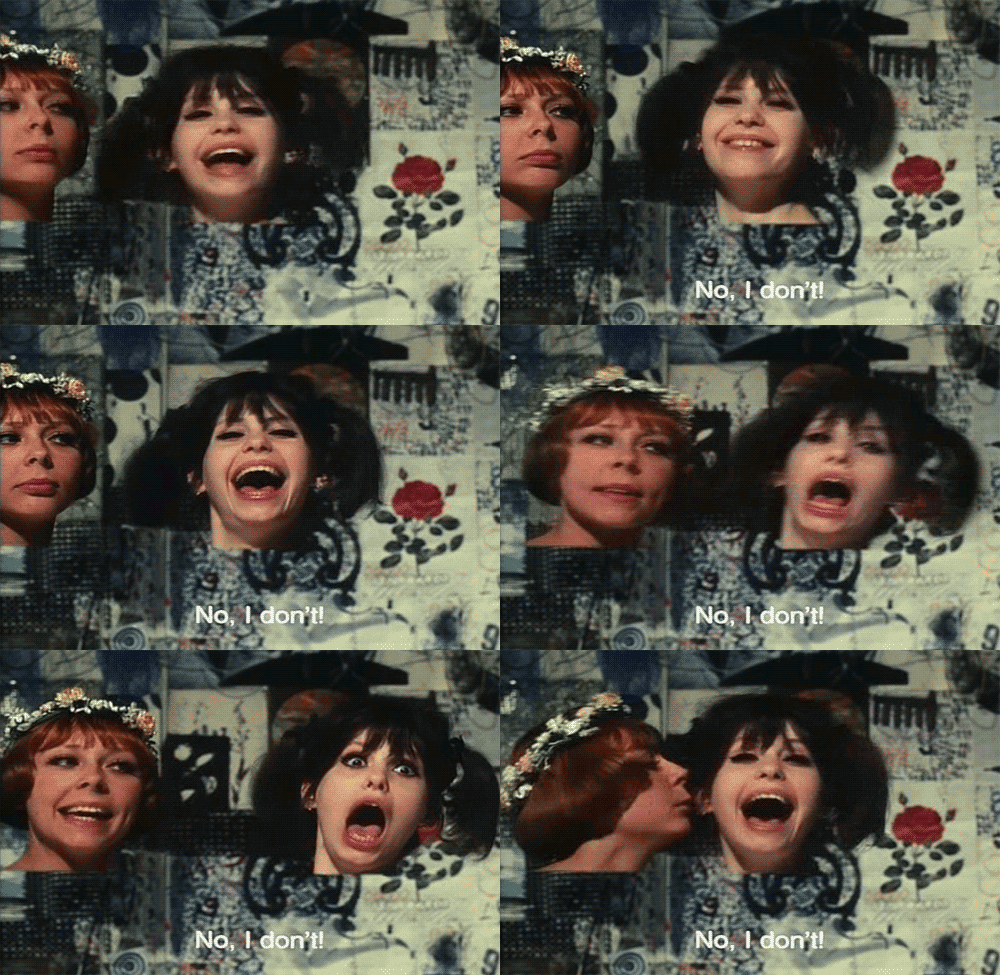
‘Chytilová’s film Daisies (Sedmikrásky, 1966) is the most frequently praised and analyzed part of her work. The film is an experimental portrait of two young women, Marie I and Marie II, who decide that “the world is spoiled”, and so they will also be spoiled and destructive. But they behave like puppets and their acts of destruction are fairly innocent and infantile, mostly concentrating on destroying food. There are a few sequences in the film which mock lewd behavior of older men towards young women. Many Western commentators have seen Daisies and other work by Věra Chytilová from the 1960s as feminist, but Chytilová rejected that characterization. Nevertheless, it has to be emphasized that the female gaze is omnipresent in her work from the 1960s: perhaps unlike anyone else, Chytilová allowed women to speak and to express their view of the world and its male domination. This does not mean, as she would point out, that she has not been fiercely critical of the behavior of many of the women her films portray.
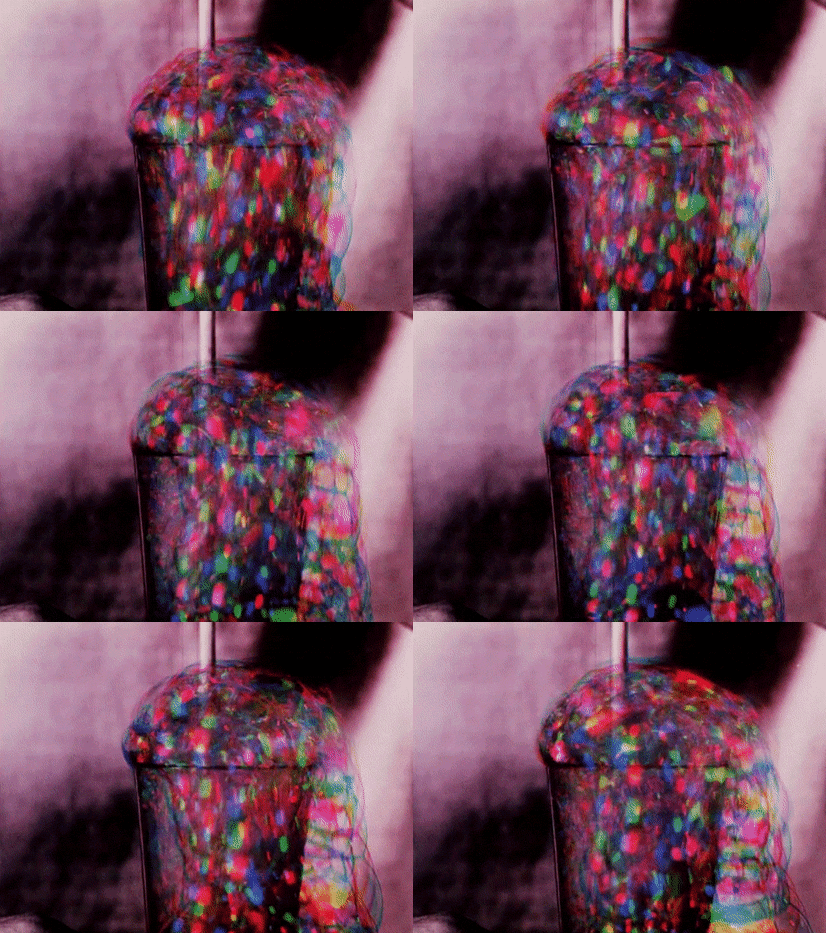
‘Daisies and especially Chytilová’s highly experimental film Fruit of Paradise (Ovoce stromů rajských jíme, 1969) were the result of the director’s collaboration with two innovative collaborators, her husband, cinematographer Jaroslav Kučera, whose background was in fine art and whose contribution to the visual creativity of Chytilová’s films was absolute, and script-writer and designer Ester Krumbachová, whose creativity and intelligence provided a theoretical background to Chytilová’s feature films from this period. Fruit of Paradise is a parody of a thriller, but it is pregnant with highly metaphorical meaning on many levels. The metaphorical meaning is communicated by means of visual experimentation which provides sophisticated links between the film’s motifs and themes.
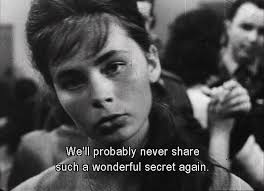
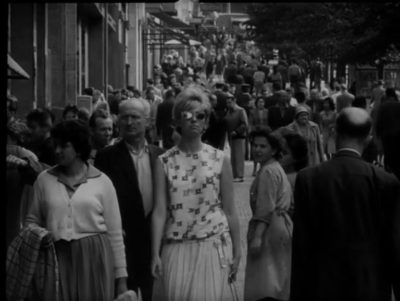
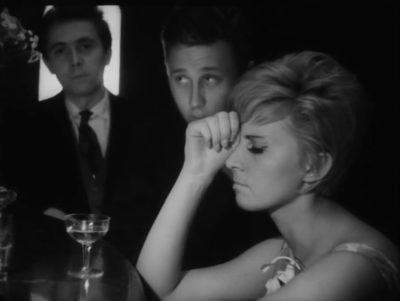
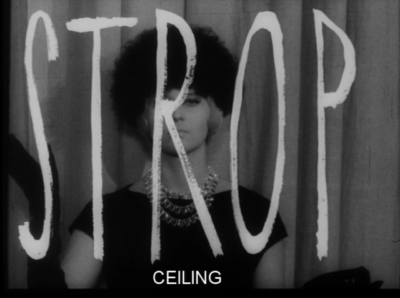
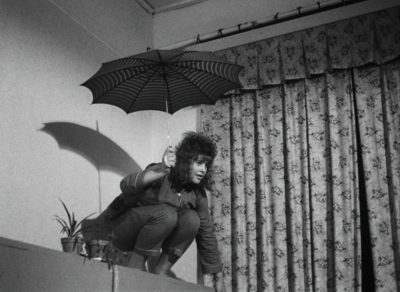
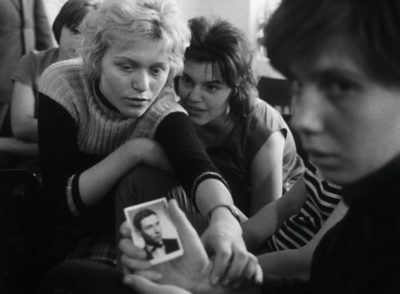
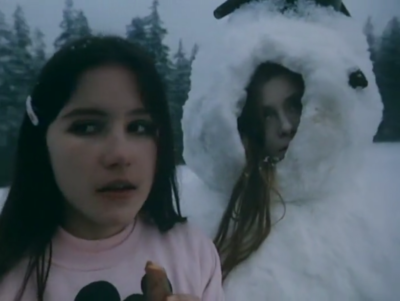
‘In the 1960s, as in the other two productive periods, Chytilová also made a number of significant documentaries, or “pseudo-documentaries”. She was praised for having created the genre of “sociological film” in Czechoslovakia, i.e. documentary filmmaking with a strong interest in social issues. Chytilová’s films such as Ceiling (Strop, 1961), depicting an ordinary day in the life of a young girl ogled by men, A bagful of fleas (Pytel blech, 1962), featuring the behavior and the views of a group of female apprentices – textile workers – living in a dormitory, and Something Different (O něčem jiném, 1963), which contrasted the futility of the life of a housewife with the futility of the life of a top gymnast, are all “pseudo-documentaries” – they were carefully scripted and acted out after Chytilová’s meticulous sociological research on their subject matters.
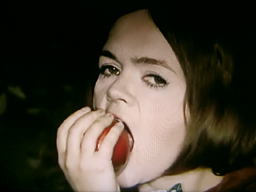
‘The period after the Warsaw Pact invasion in August 1968, which ended the liberal era of the 1960s, was a catastrophe for Chytilová. Just as many other liberal filmmakers of the 1960s, she was banned from filmmaking for seven years, only being able to occasionally make television commercials under her married name Kučerová – as a film director, she had been turned into a non-person. She also lost her two most stimulating collaborators: she divorced her husband and cinematographer Jaroslav Kučera, while Ester Krumbachová, her intellectual source of inspiration, was “banned forever” by the regime. It was not until 1976 that Chytilová was allowed to make another feature film – The Apple Game (Hra o jablko) – though its premiere was threatened: Chytilová was told that the film would not be released if she did not participate in a gathering condemning the human rights manifesto Charter 77 and its signatories.
‘It was much more complicated to make films in the post-invasion period of the 1970s and 1980s than it used to be in the liberal 1960s. The Communist Party of Czechoslovakia was fully aware in the 1970s that it was free intellectual debate which almost caused Czechoslovakia to leave the Eastern European Bloc in the 1960s, and so it made sure that space for creativity and independent thought was extremely limited in the 1970s and 1980s. The Czechoslovaks were supposed to conform, not to think, and for this they were rewarded with mild consumerism. Experimentation with style and ideas was now practically impossible. Under the circumstances, it was a bit of a miracle that Chytilová managed to keep a degree of independence even in her films made in the late 1970s and in the 1980s.
‘That said, regrettably, Chytilová was never again able to return to her visual and stylistic experimentation of the 1960s. Her films from the 1970s and 1980s occasionally include short inter-textual sequences which briefly remind viewers of her earlier style, but on the whole, she now needed to concentrate on her message, which was communicated in a much more conventional visual style.
‘Nevertheless, Chytilová did retain her active civic attitude, never giving up her fight for public morals. Elements of feminism are present in The Apple Game decades before the #MeToo movement. The Apple Game is a critical portrait of a philandering gynecologist who becomes a symbol of the overwhelming individualistic consumerism of the 1970s and 1980s. Chytilová draws a highly critical portrait of a selfish, self-obsessed and sexually promiscuous man who assumes no responsibility for the impact of his actions. The allegedly “socialist” society is portrayed in this film as remarkably class ridden and conservative.
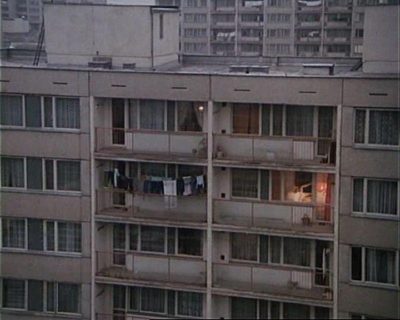
‘In Panelstory (1979) Chytilová reverted, up to a point, to her earlier technique of creating “pseudo-documentaries” by producing a study of life on a partially-built Prague high-rise housing estate. In a series of episodic, mosaic-like scenes, Chytilová convincingly captures the atmosphere and ethos of the post-invasion 1970s and 1980s in Czechoslovakia. People are aggressive, women are hysterical, and men are brutal. Chytilová notes that people have lost their capacity for compassion. Paradoxically, this type of behavior further developed after the fall of communism in the fundamentalist strand of capitalism after 1989.
‘In Emergency (Kalamita, 1981) Chytilová continues criticizing greed, selfishness and cynicism of Czechoslovak society of the 1970s and 1980s. The film is a story of a young man who leaves university without graduating because he feels he wants to achieve something meaningful in “real life”. He becomes a train engine driver on a branch line in the mountains, but he cannot really achieve anything due to the extreme levels of self-obsession and selfishness of all the people around him. His final train drive ends in a calamity when the train is buried in an avalanche. This is a metaphorical warning by Chytilová who argues that when people in a society are obsessed with their own individual needs, they lose their ability to act together to mitigate the impact of shared problems – the result is a catastrophe.
‘One of Chytilová’s major themes is the relentless passage of time. Since our lives are trickling irrevocably through our fingers, Chytilová asks anxiously whether we have used our time wisely and efficiently for the good of our community. She strongly warns against futility. This issue returns in her feature film The Very Late Afternoon of a Faun (Faunovo velmi pozdní odpoledne, 1983), an extremely scathing portrait of an aging bachelor who is foolishly trying to fight against the advance of old age by manically courting young girls. The film again warns against senseless consumerism and selfishness. Similar themes can be found in A Hoof Here, a Hoof There aka Tainted Horseplay (Kopytem sem, kopytem tam, 1987), a film that records a very strong sense of decomposition in the stagnant post-invasion regime of Czechoslovakia a mere two years before its final collapse. The most characteristic features of this film are again meaninglessness, consumerism and hedonism. The film features a group of young people who systematically indulge in sex with one another because there is nothing else to do in a society which has lost its purpose. Inevitably, they end up being infected with HIV/AIDS.
‘The post-communist period was, it would seem, the greatest challenge for Chytilová. Paradoxically, although she was ostracized and censored in the post-invasion era of the 1970s and 1980s, she managed to make seven feature films in the thirteen years between 1976 and 1989; in the period of freedom after the fall of communism, in the twenty-five years from 1989 until her death in 2014, she was able to make only four feature films.
‘State-owned Czechoslovak cinema was privatized after the fall of communism, despite protests by many famous Czech filmmakers of the 1960s, including Chytilová herself. Political oppression was gone, but commercial pressures immediately arose. What is more, Chytilová remained a highly critical commentator with regard to what was happening in the post-communist era and this did not go down particularly well, especially in the first years after the collapse of communism when everyone was expected to applaud the new “capitalist” regime. Chytilová did not do so.
‘Věra Chytilová’s last ever made feature film, Pleasant Moments (Hezké chvilky bez záruky, 2006) is again a scathing criticism of life in post-communist Czech Republic, this time concentrating on personal relationships. Chytilová collaborated with the psychologist Kateřina Irmanovová on the script, the film being a semi-autobiographical account of the psychologist’s experience. In the film, a psychologist passively records information about the file of her obsessive and extremely selfish patients.
‘By making this film, Chytilová complains that the foundations of contemporary Czech society have been destroyed, possibly irreparably. The reason is the deplorable state of human relations. People are almost obsessively selfish in their behavior: they indulge their own interests exclusively, they are incapable of empathy and their narcissism prevents them from seeing the world normally, which often makes them behave like madmen. This is the main message of this frenetic farce.
‘Věra Chytilová was one of the most courageous and inventive Czechoslovak film directors. In the 1960s, she was able to avail herself of the fertile environment of this highly creative era to make an important contribution to the history of world cinema, both in terms of her stylistic and thematic innovation. It was much more difficult to continue working as a filmmaker in the oppressive atmosphere of the 1970s and 1980s as well as in the new, commercial environment after the fall of communism. This meant that Chytilová had to give up most of her formal experimentation, but she never gave up her civic responsibility. A profound, critical engagement with the most salient features of the times has remained the characteristic feature of all her cinematographic output.’ — Jan Čulik
___
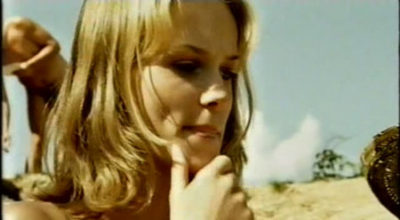
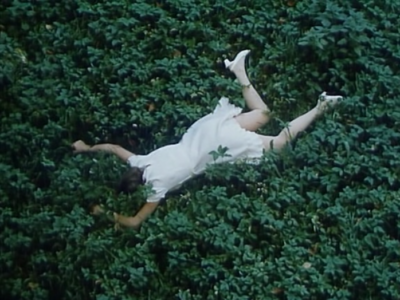
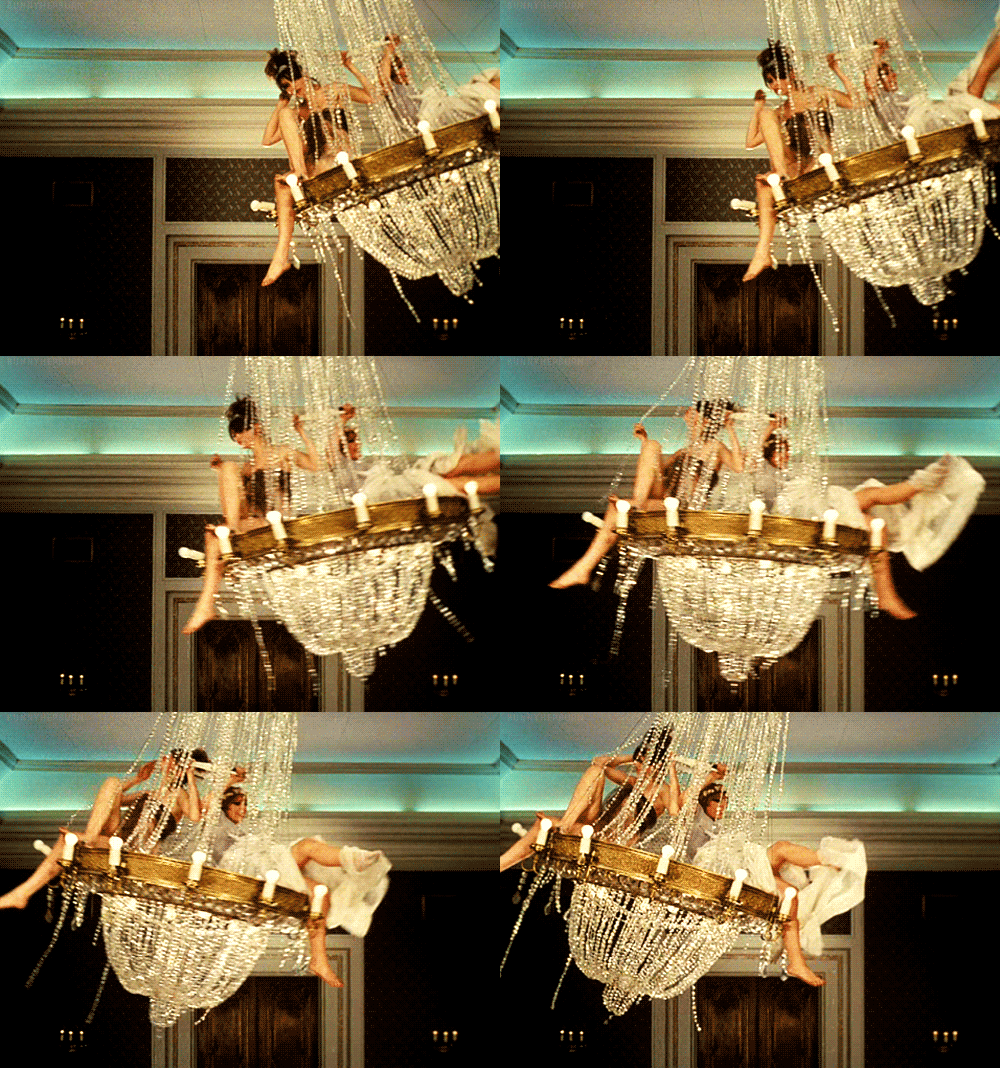
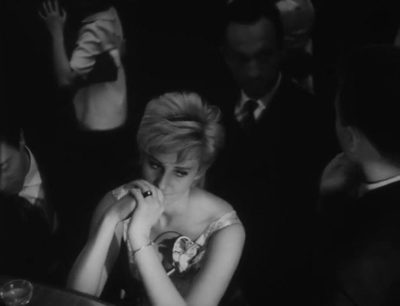
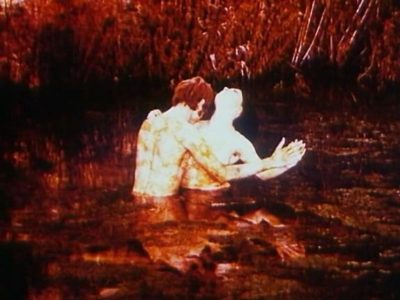
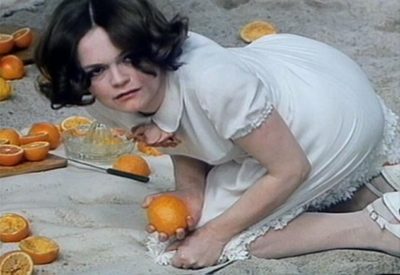
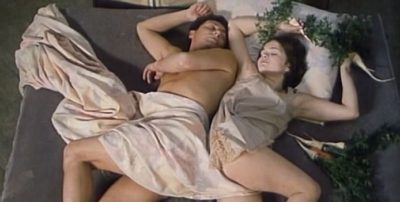
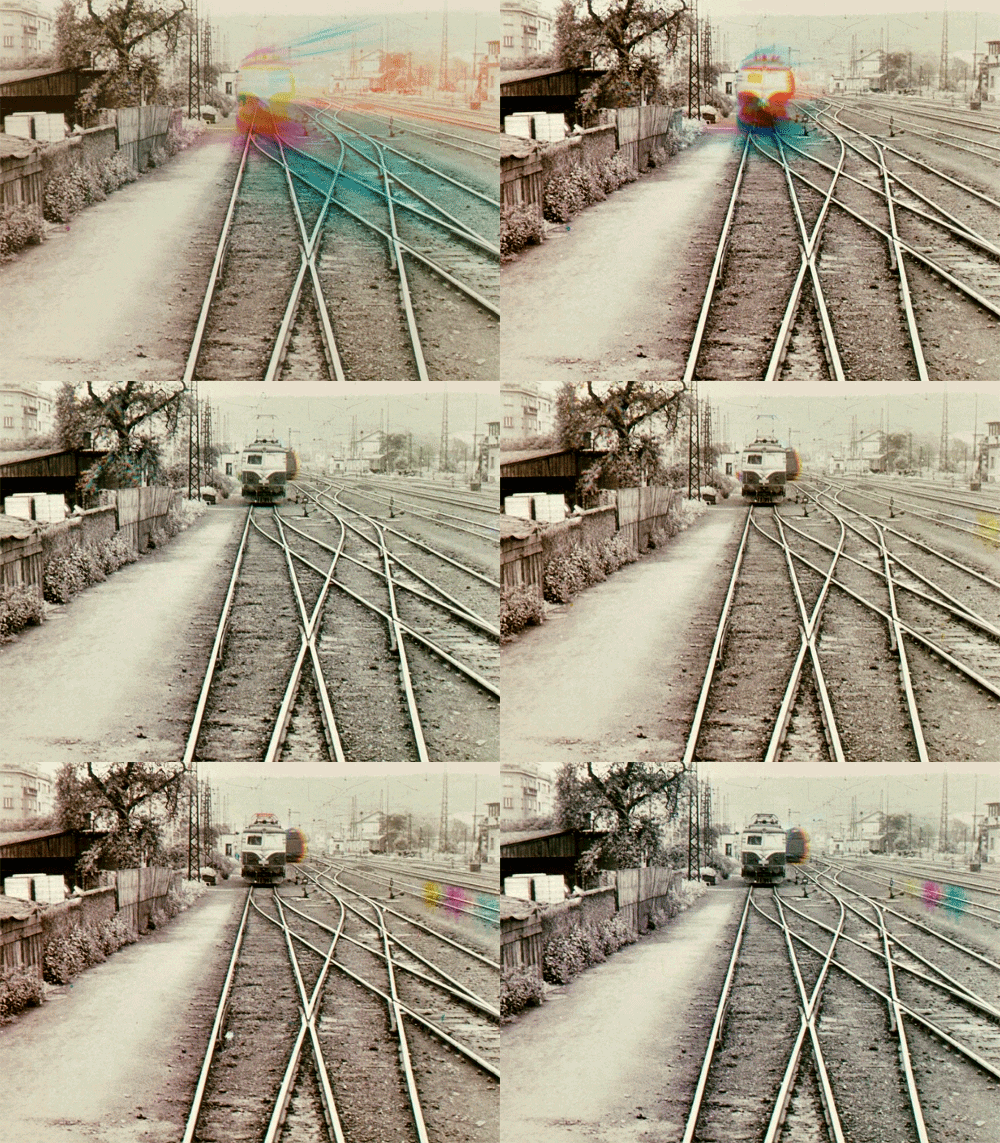
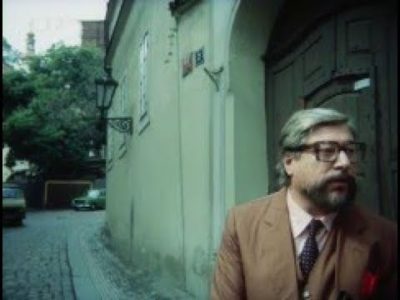
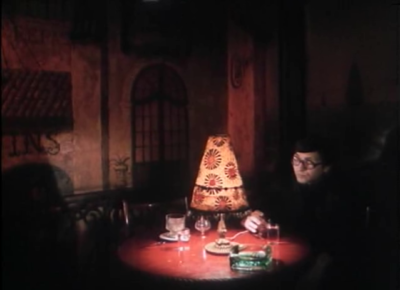
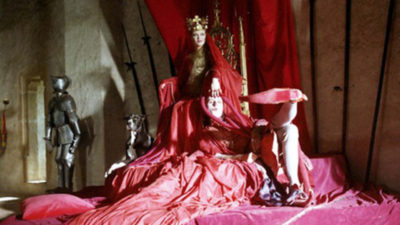
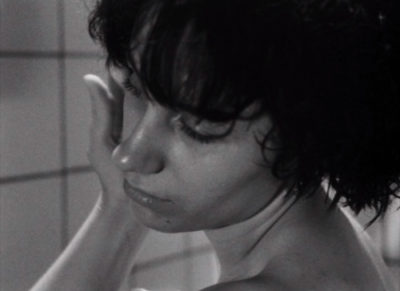
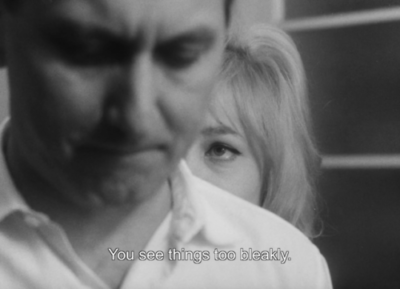
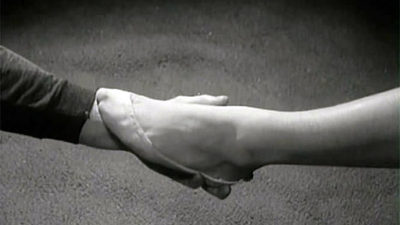
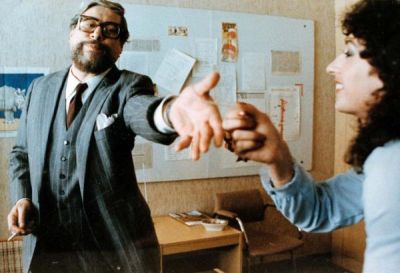
Stills

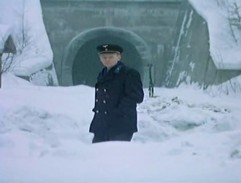
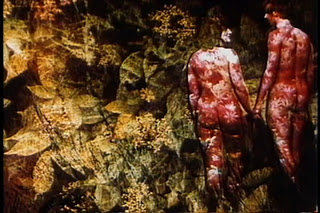


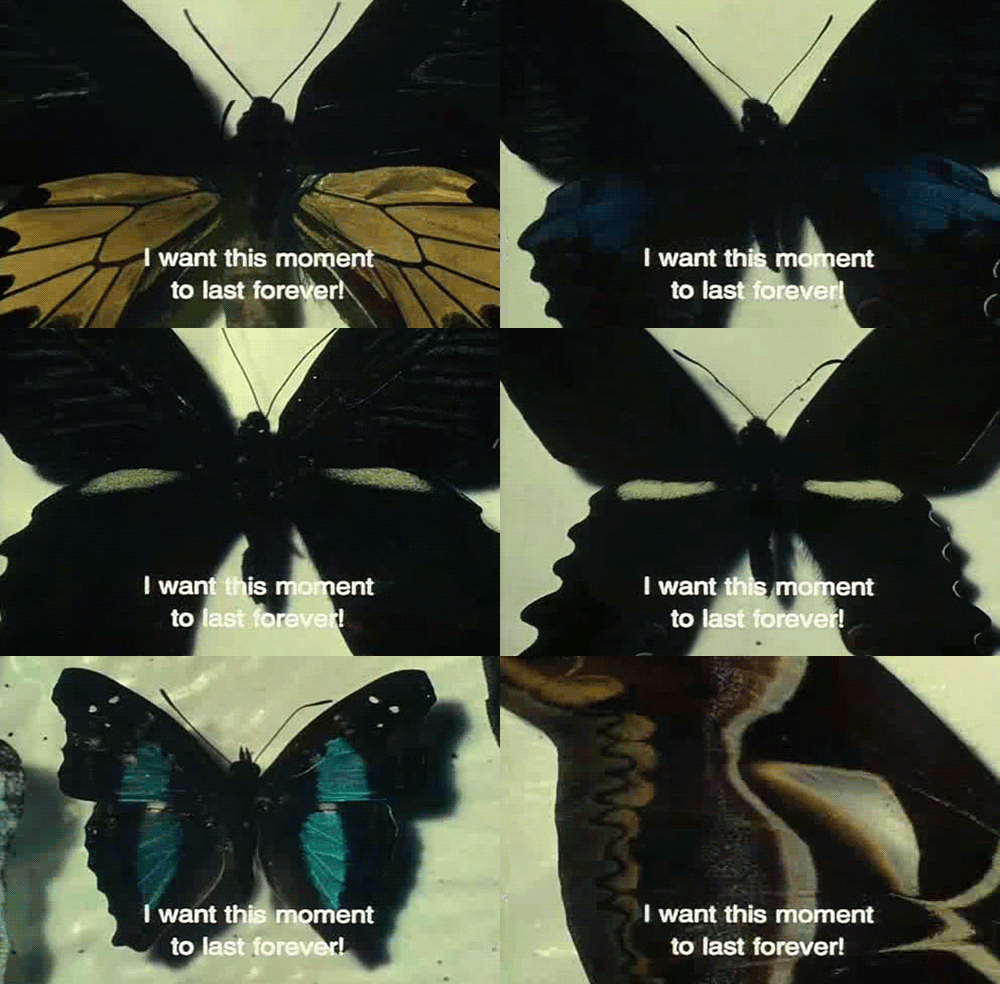
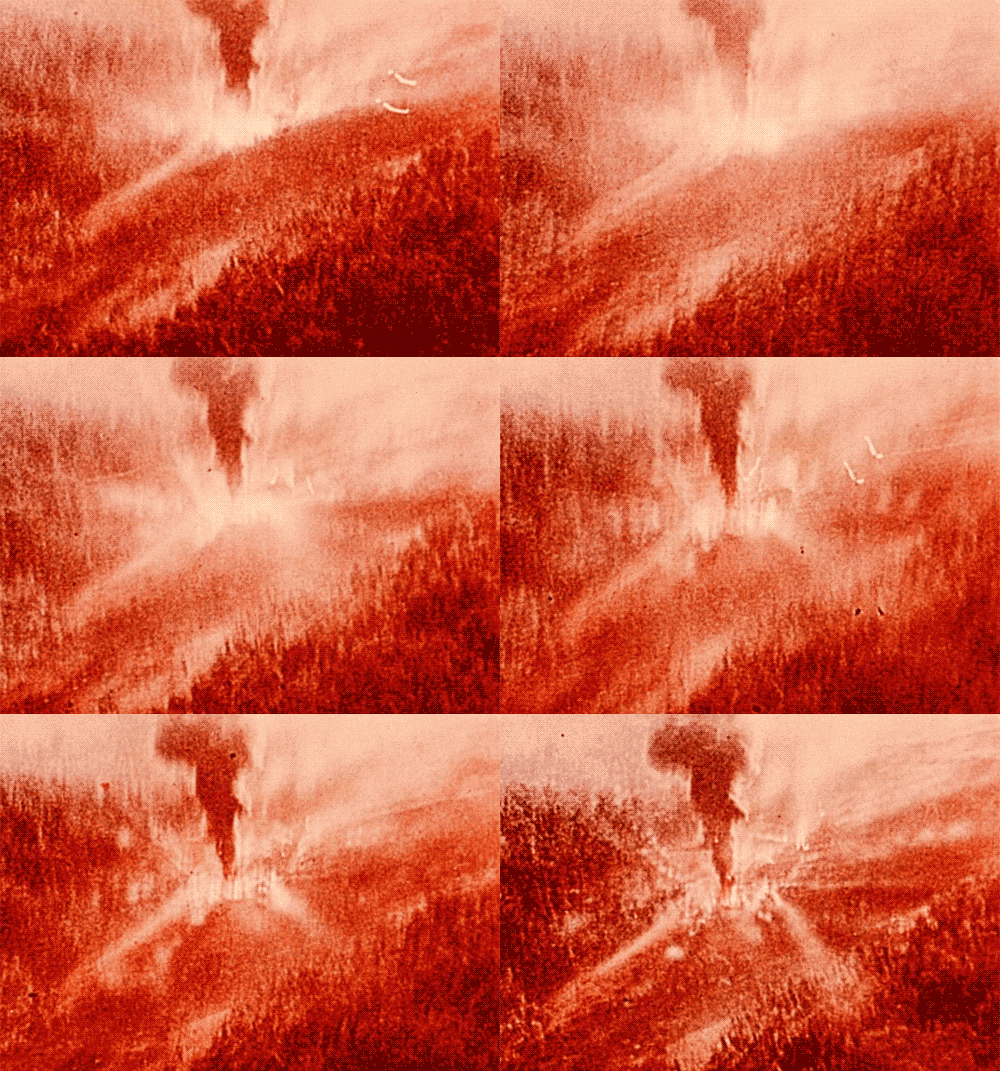
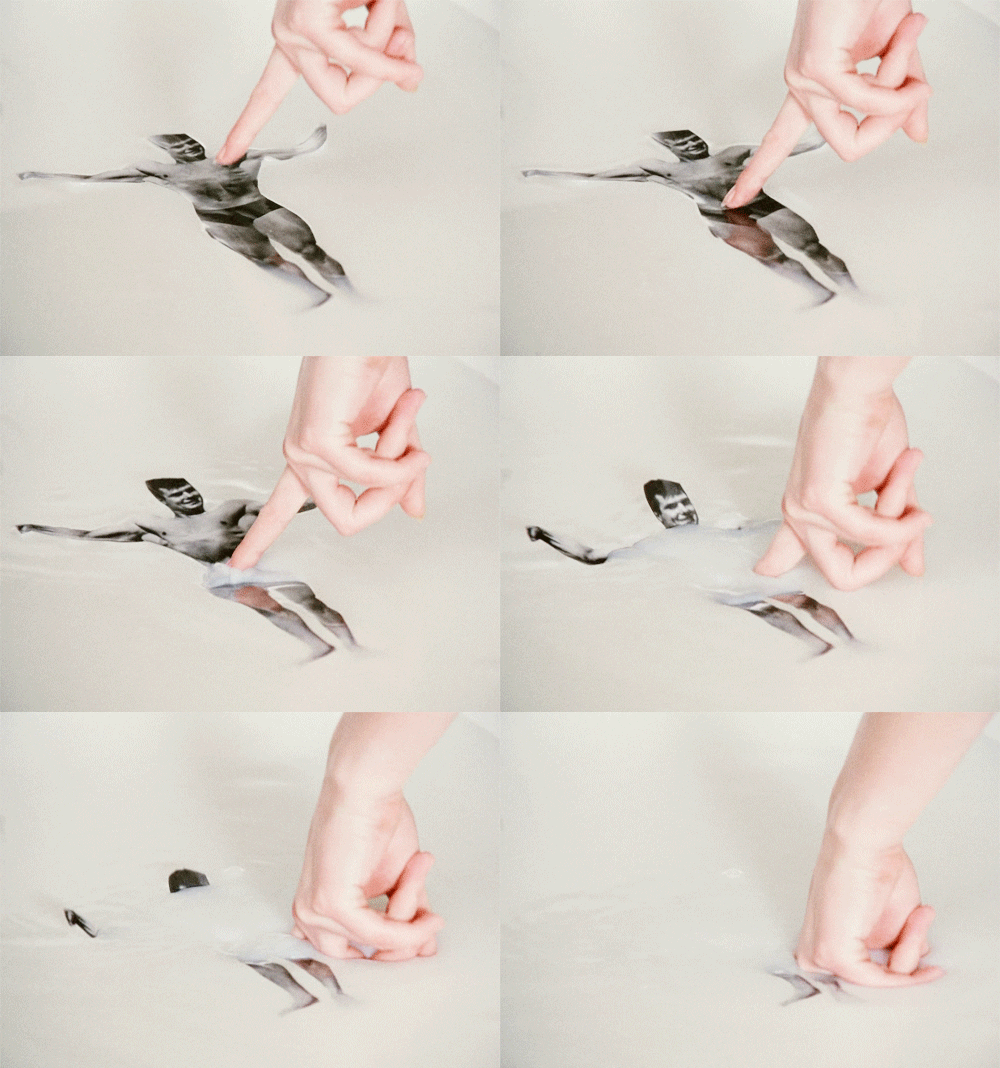
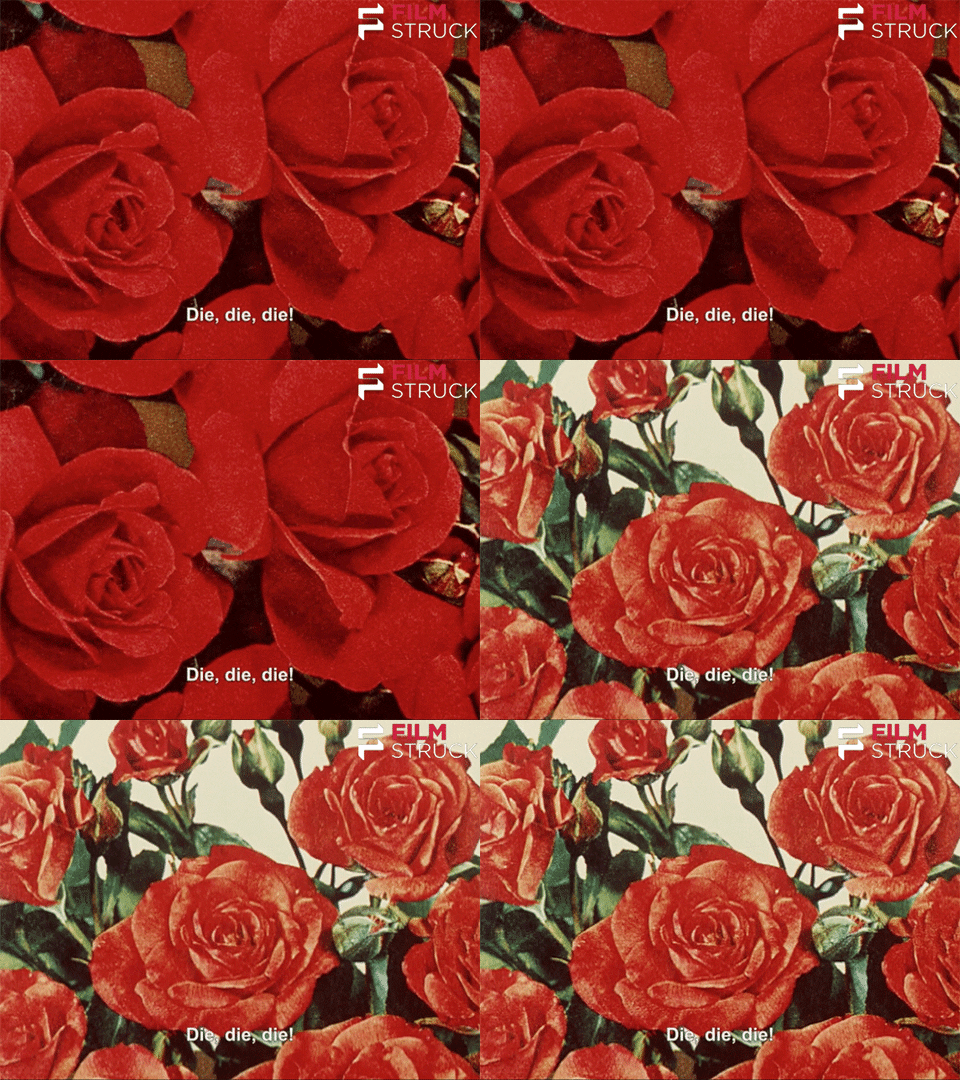



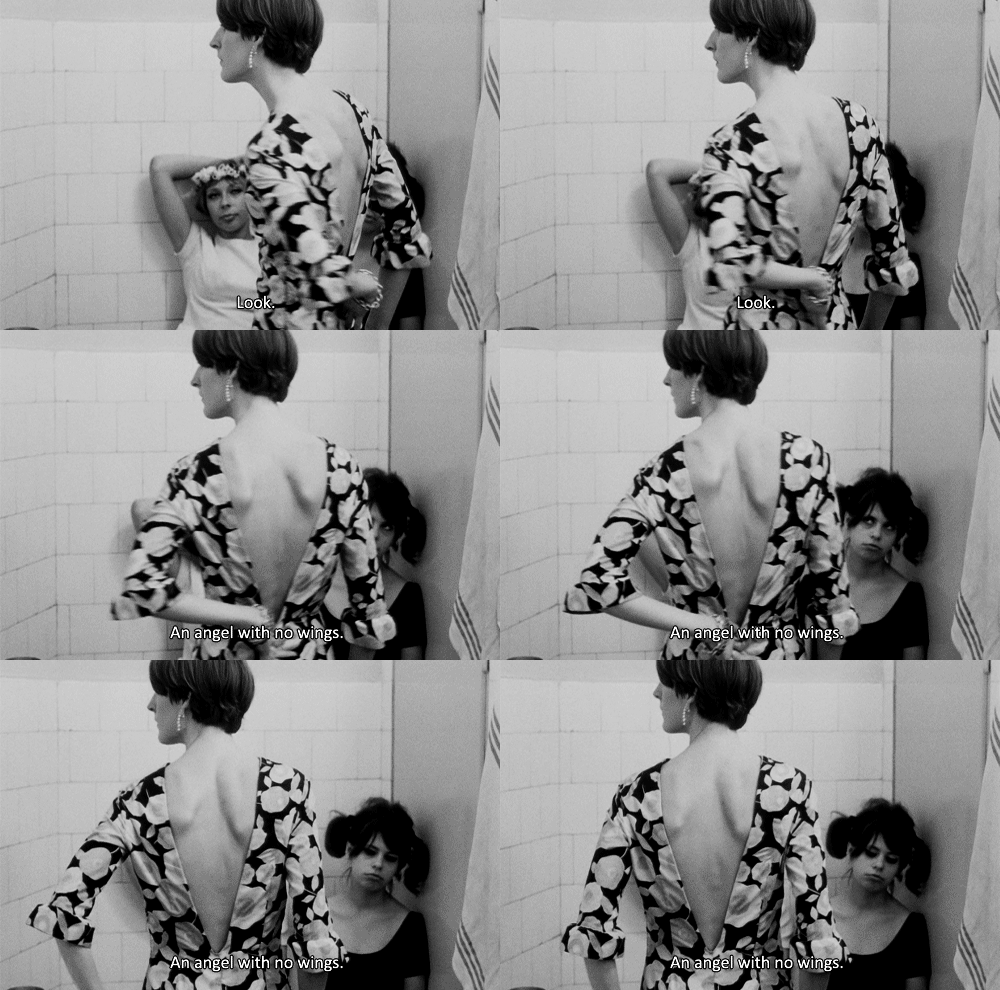
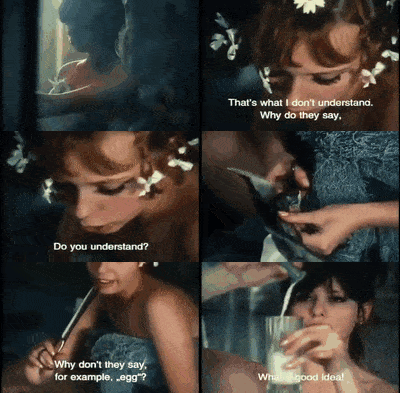
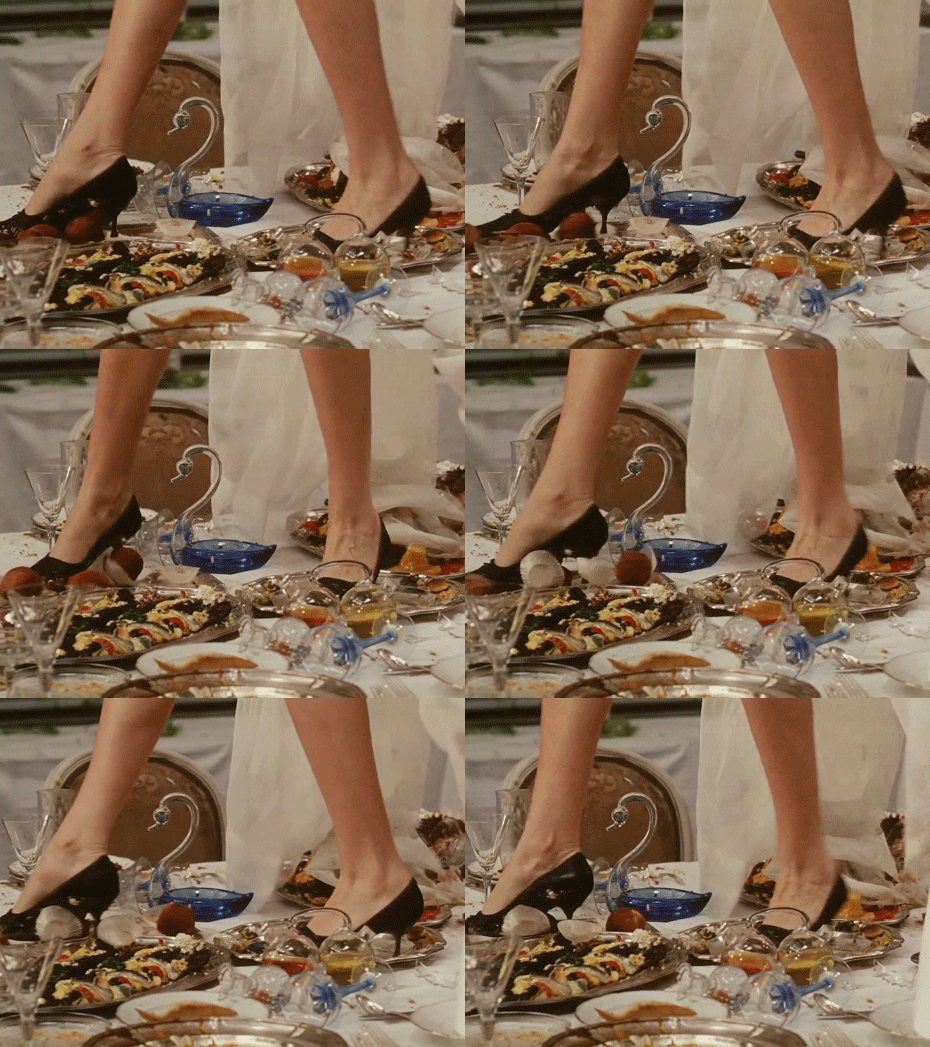
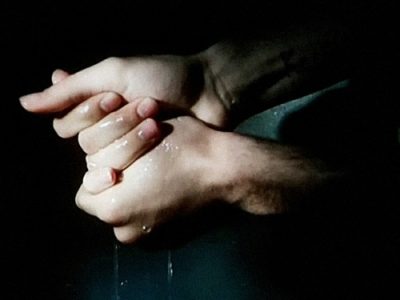
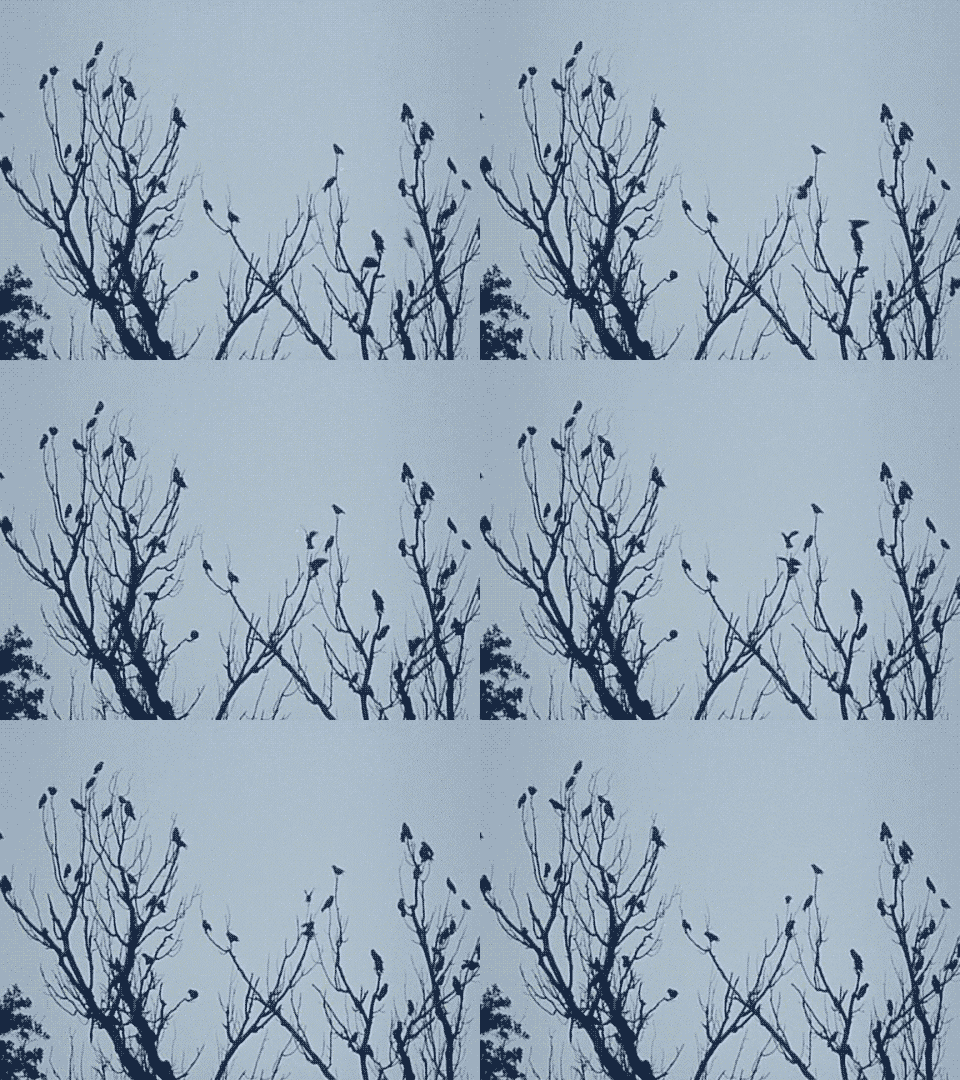
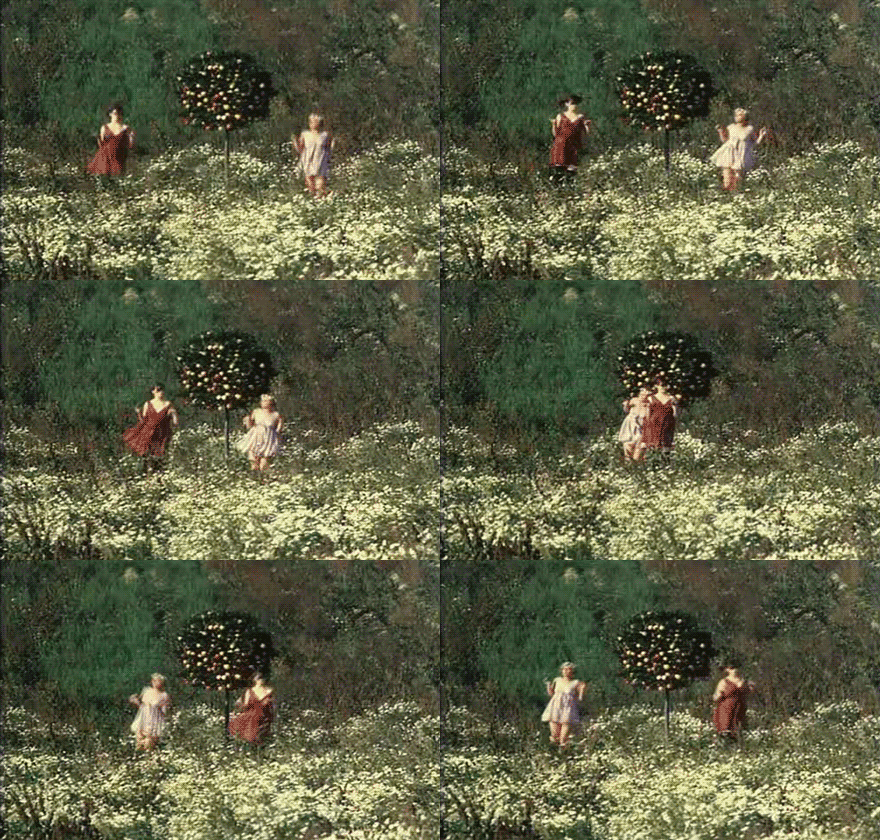
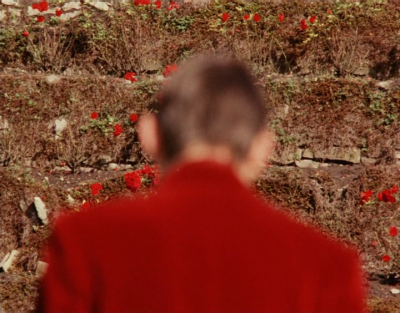
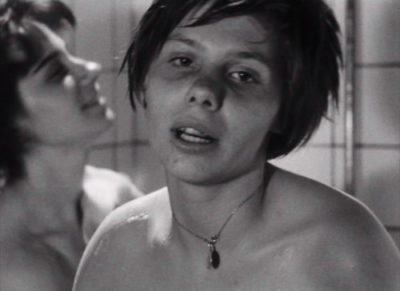

___
Further
Vera Chytilová @ IMDb
Interview with Vera Chytilova (1994)
A Courageous Voice from Central Europe
The Anarchic Cinema of Věra Chytilová
Summer with Věra Chytilová
Vera Chytilová for beginners
Vera Chytilová obituary
J. HOBERMAN ON VERA CHYTILOVÁ’S SEDMIKRÁSKY (DAISIES)
VC @ MUBI
VC @ The Criterion Channel
The films of Věra Chytilová
Review: Daisies by Vera Chytilova
Véra Chytilova, cinéaste rebelle, est morte
“IT’S STILL REVOLUTIONARY”
“I want to work”
Watch ‘Daisies” on Kanopy
The dA-Zed guide to Věra Chytilová
PETER HAMES ON VERA CHYTILOVÁ
A Czech Filmmaker Who Portrayed Eastern Bloc Life Through Women’s Eyes
In praise of Daisies
Věra Chytilová and the Czechoslovak New Wave
Czech New Wave Cinema and Věra Chytilová
_____
Extras
Vera Chytilová – São Paulo
Vera Chytilova Interview
Journey: A portrait of Vera Chytilová
Philippe Katerine à propos de “Les Petites marguerites” de Věra Chytilová
____
Interview
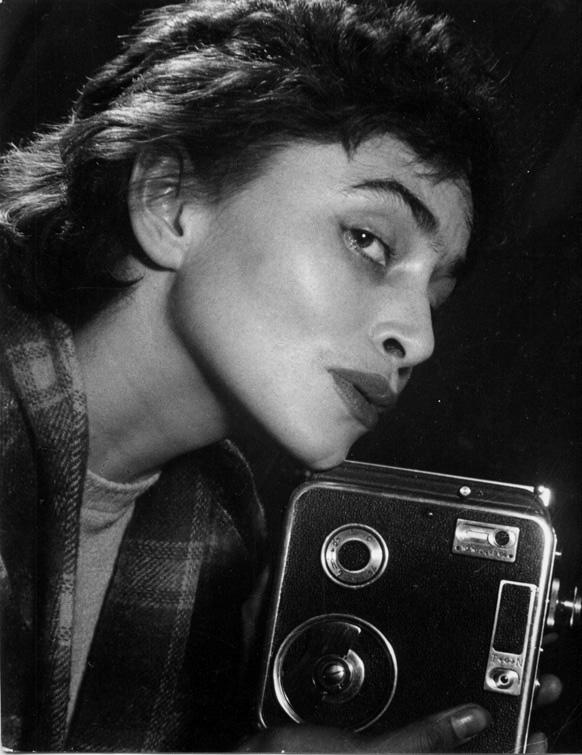
Vera, how do you feel about having a retrospective in London?
Vera Chytilova: It’s not just in London; it’s in the United Kingdom. It feels quite normal as I have retrospectives all over the world.
Why has it taken so long for Prague to be featured in a season like this, considering there have been so many films about or set in Prague?
VC: It took London that long to make it happen.
Even though you started making films in the 50’s, most people remember your first success as being Daisies. What are your recollections of the film, particularly it being well received?
VC: Daisies as well as most of my other films was made despite the protests of the authorities. We were trying for almost half of the year to get the permission to shoot this film, so eventually they let us do it.
Were there any influences in the making of Daisies, particularly in the formal approach?
VC: In the Cinematography, Daisies is not comparable with anything else. This film was created with thanks to, and because of, our team, which was in fact ideal. The camera was done by my husband (Jaroslav Kucera), and the artistic design was done by Esther Krumbochova. This film was my first project in colour and we wanted the colour to have its function, not really a description. The authorities were under the impression that it was a film about the Czech youth. What we wanted to make was an existential film and to use it as a protest against the destruction of the country. What was interesting was that the western part of the world perceived this film as being against all conventions. So it’s clear that it depends from what angle you perceive the film. So from one point you can see the things as liberating. We thought that the creativity as well as destruction was two sides of the same coin because people who are not capable of creation get their kicks from destruction. And at the same time there was some kind of protestations against the political rehabilitations that took place at the time the film was made, which is present in the film’s final scene. The film was laughing at them, ridiculing them, and I think they understood that. Therefore, the film wasn’t shown in Cinemas.
Aside from the political perceptions, were the Surrealists or animators an influence on you?
VC: Definitely there was an influence in the direction of the actors from puppets. It was highly, highly stylized in order to create a psychological approach to acting. But as part of that they were perceived on a psychological level. It’s very difficult to make the viewer accept the idea of the form and not be taken by the story.
Your next film The Fruit Of Paradise mixes allegory with the avant-garde, and also Ester Krumbochova was involved in the making of the film. Her presence in the mise-en-scene was very evident. What was it like working with her?
VC: Because of Daisies the western producer who wanted to make the film approached me. The whole creative team was approached. We wanted to try and do as much as possible with the film language. Because at the time we were occupied by the Soviet army, we had to use allegory about love, brotherhood and friendship.
In the mid-70’s you made The Apple Game and you (Dasha Blahova) were involved as well. What are your recollections of this film and working with Vera?
Dasha Blahova: The Apple Game was her (Vera’s) first film in a long time. It was actually the first film she was able to shoot. This film was actually quite a rocket in our country.
VC: It was a huge success in the cinema and, because of that huge success, it created some sort of a scandal because at the same time the Czech Cinematography was claiming that there was a crisis in attendances in the cinemas, and suddenly this came along and people went to see it even in the mornings, which was something very unusual at this time.
DB: This film wasn’t allegory but they saw it as allegory, the system you see. It took a while for it to be accepted by the authorities.
Had that paradox, that it did very well, make people also feel uncomfortable?
DB: No, there were all sorts of fors and againsts – there was births, hospitals, that it was something new for a Communist system, people who shouldn’t really be seeing things like that, like a naked body. Whatever excuse it was, it was.
VC: They did not let the film show for half a year as my Communist colleague marked the film as pornography. Also the depiction of giving birth was considered unsuitable. So, they initiated a query which was actually a question asked afterwards by the Soviet Embassy: ‘How is it possible that in the Czech Republic, these films are being made which are not suitable, or cannot be seen because it’s unsuitable for watching by the Soviet audiences?’
DB: By the way, the film was being shown and getting praises outside of the Czech Republic before it was being shown there. It got awards in Chicago, the Soviet Union, etc., a year before it was shown in our country.
Bringing us to tonight’s film, Prague: Restless Heart of Europe, it was a series of films on European cultural cities, how honoured did you feel to be asked to make the film on behalf of Prague?
VC: They did not address me, they addressed Jiri Menzel and Menzel was not able to do it, so he asked me to do it. So I said yes, but the Italian Producer who actually ordered this film to be made, had to agree with it. They agree with this, but after the film was made they put on the credits that the film was made by Jiri Menzel. Since then I have been to court with the Italian Producers and that Court Case still hasn’t finished. It hasn’t happened before, but you send your film abroad and they do different credits, and you can’t do anything about that. We approach the European Association of Filmmakers to help us with this case and nothing really could have been done about that. Italians are not possible to be killed. What was more complicated was that the whole series was meant to have been an exchange, so they would have to withdraw the copies and change all of the subtitles, the credits, and that obviously was bad, so now you have an opportunity to correct that…it’s true because even now, when I was looking at the web pages and the credits, many still have the film as being shot by Menzel. I have just found out that here (this festival) we are going to show the film with no credits at all, so I am not happy about it, I am enraged. Because now you are in partnership with those criminals (laughs). And if you are happy about this, you are an immoral person.
_____________
14 of Vera Chytilová’s 30 films
__________
Ceiling (1962)
‘Věra Chytilová’s Ceiling both presages this unique director’s later masterpieces and is a fascinating, fully formed, quite remarkable and unique film in its own right. Gaining unusual international and critical attention for a student production at the time of release, the 42-minute film – which Chytilová wrote and directed as her graduation project at the Prague Film and TV School of the Academy of Performing Arts – suffers none of the tentativeness of form, conceptual terrain, and authorial style that often plagues such ‘apprentice’ works. Instead, Ceiling is soaked through with what we would come to know and celebrate particularly in Daisies (Sedmikrásky, 1966) as Chytilová’s playful and concurrently radical approach to filmic, gender, thematic, and political material.’ — FCF
Trailer
Excerpts from ‘Ceiling’ & ‘Cléo from 5 to 7’
____________
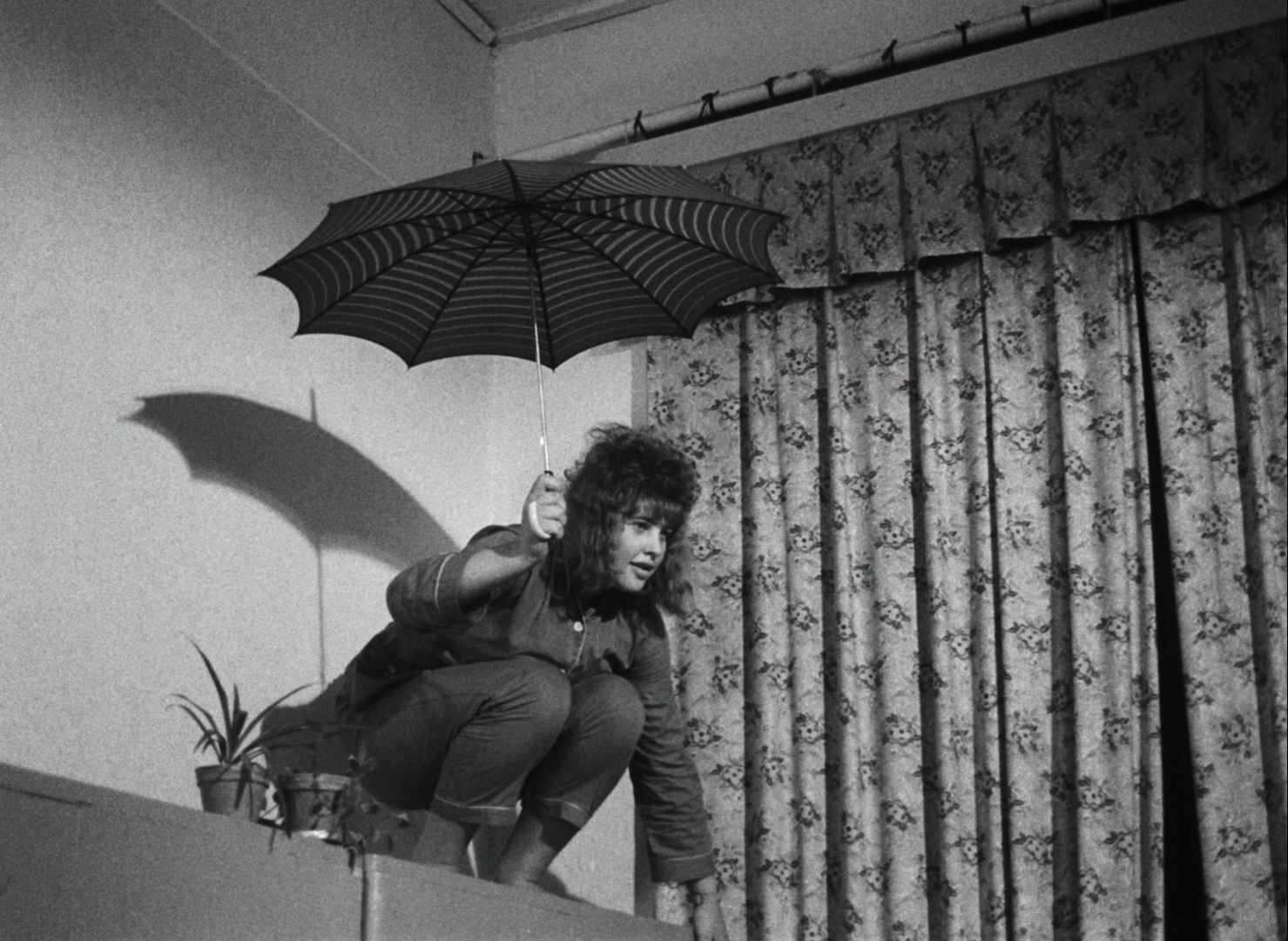
A Bag of Fleas (1962)
‘Věra Chytilová made her professional film debut with this 1962 fictional documentary set in the women’s boarding house of a textile factory, and told through the eyes of new apprentice Eva Gálová. The soft-spoken Moravian gradually gets to know her flatmates. She forms the closest relationship with Jana, who has discipline problems, and eventually receives a one-month ultimatum from the works council to improve her conduct. As part of the film’s experimental narrative structure, Eva remains invisible to the viewer – she does not step before the camera, and does not communicate with the protagonists of the story; but she does comment on events via internal monologues (this “invisible” figure was dubbed by Helga Čočková). The original, socially relevant story utilises a subjective cinéma vérité style courtesy of lighting cameraman Jaromír Šofra, coupled with an edgy, unsentimental, modernist script from writer-director Chytilová.’ — dafilms
Excerpt
______________
Something Different (1963)
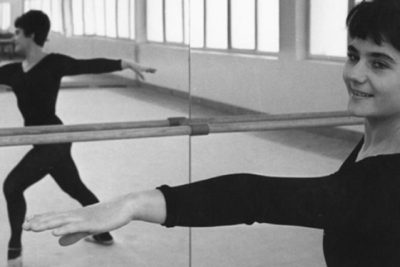
‘In 1963 Věra Chytilová debuted with this feature film based on her own story idea. It simultaneously tells the stories of two thirtysomething women who have never met but who at different levels have to grapple with the same problem. Feeling squeezed between the monotony of their everyday lives, and their desire for change, are Eva, a female gymnast, and Věra, an ordinary housewife. Eva is determined to round off her career as a top sports woman with some very substantial contests, while Věra grants herself some “respite” from caring for her husband and son through a love affair which, ultimately, requires a solution. In the end, however, neither of the protagonists take advantage of the chance that presents itself to them… The then 34 year-old Chytilová explores what would go on to long endure as her beloved theme: women’s emancipation. In the process, she combines, true to the spirit of the New Wave of Czechoslovak cinema, performances by both professional and amateur actors. Whereas the sports woman’s storyline approaches the documentary format – thanks to a cast that includes real-life gymnast Eva Bosáková and her fellow athletes – Věra’s story is purely fictitious and is grounded in the acting skills of Věra Uzelacová, Josef Langmiler and Jiři Kodet.’ — dafilms
Excerpt
Excerpt
the entire film
____________
Daisies (1966)
‘Maybe the New Wave’s most anarchic entry, Věra Chytilová’s absurdist farce follows the misadventures of two brash young women. Believing the world to be “spoiled,” they embark on a series of pranks in which nothing—food, clothes, men, war—is taken seriously. Daisies is an aesthetically and politically adventurous film that’s widely considered one of the great works of feminist cinema.’ — The Criterion Collection
Trailer
Excerpt
the entire film
______________
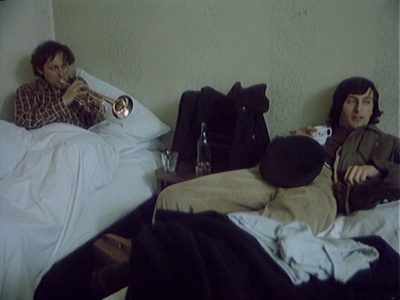
Fruit of Paradise (1969)
‘Following on from what is by far her best-known film, Sedmikrásky (Daisies, 1966), Věra Chytilová embarked on a new project, the production of which would be shaped by internal and external forces alike: on the one hand, by the director’s commitment to a kind of restless self-abnegation, the seeking out of a new style for each successive work; on the other, by the brief flowering and much longer withering of the Prague Spring, which ushered in the prolonged “normalisation” of Czechoslovakian society, and which would also see Chytilova barred from making another film until 1975. At first blush, Ovoce stromů rajských jíme (Fruit of Paradise, 1969) offers up a new take on the story of Adam and Eve, which also doubles as an allegory for the invasion of Prague by Soviet forces under the Warsaw Pact in August 1968 – the very month in which filming began. More in line with the unnamed dystopian spaces that gesture towards historical tragedy in Juraj Jakubisko’s Vtáckovia, siroty a blázni (Birds, Orphans and Fools, 1969) than with Jaromil Jireš’ direct criticism of party politics in Žert (The Joke, 1968), Fruit of Paradise avoids forthright political comment and so comes across as an unpredictable and capacious work of art.’ — Stefan Solomon
Excerpt
the entire film
_____________
Panel story (1979)
‘An old man is wandering around a badly signposted and as yet mostly under construction Prague housing estate looking for the high rise block into which he is supposed to be moving with his daughter’s family. The old granddad from the countryside likes chatting, nothing escapes his eyes and he wants to give everyone a helping hand. Six-year-old Pepíček Novák has escaped from his nursery school and in the middle of the mud and dust, he is searching for a present for his dad, whom he is soon to meet for the first time.’ — Screen Shot
Excerpt
_____________
Calamity (1982)
‘Almost straight forward as far as Czech sex comedies go–or Chytilova films, for that matter–this film has moments that reminded me heavily of Loves of a Blonde. I suppose there’s some subtext about sex and coming-of-age, and probably more than a little about the culture/society of the setting/source, but… mostly it seemed like a pleasantly silly little sex comedy.’ — Sally Jane Black
Trailer
Excerpt
______________
The Very Late Afternoon of a Faun (1983)
‘This film was made as a kind of a “protest-song” against the panic fear of getting old and also against flirtation. The main character (played by Leos Sucharípa) is an elderly man, admittedly competent, but not very responsible. In the continuous fear, he is trying to do as much as he can but, instead of confidence, he only finds out that in the real life one cannot just take but must give as well. Last but not least, one must be able to resign to his age.’ — KrátkýFilm
Trailer
Excerpt
______________
Wolfs Hole (1986)
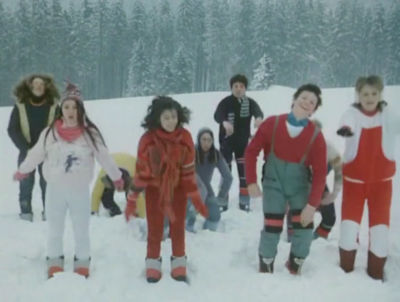
‘In this Czech political allegory-cum-sci-fi adventure, ten teens from different schools find themselves chosen to take part in a special skiing workshop in the mountains. On the day of the seminar, eleven young people, each bearing an invitation, arrive. A massive avalanche occurs and the ski-lodge is cut off from outside contact. Unfortunately, food supplies are limited and the three instructors strongly advise that the youths work together to make do or choose someone to leave. Time passes and soon the kids learn that their “teachers” are not what they seem to be.’ — letterboxd
Trailer
the entire film
______________
The Jester and the Queen (1988)
‘This delirious, politically barbed fantasia swings wildly between reality and illusion as the reveries of a caretaker at a medieval castle—played by famed Czech mime Bolek Polívka—unfurl in a rush of dizzyingly expressionistic images. According to critic Jonathan Rosenbaum, “this feature is probably Chytilová’s best since the 60s… As in Daisies, her fascination with power and gender roles projects a dangerous, Dionysian sexuality.”’ — BAM
Excerpt
_______________
The Inheritance or Fuckoffguysgoodday (1993)
‘I don’t know if I could fully recommend The Inheritance. Whereas Chytilova’s Daisies was light, funny and inventive, The Inheritance is bloated, forced and unimaginative, playing out interminable scenes of village folk being assholes well beyond their logical endpoint. Only the final scenes approach Chytilova’s inventiveness in her most famous film – but even that fleeting moment of surreal inspiration is quickly pissed away by the final moment of Polivka hammering the point home with his fourth-wall breaking final line.’ — Czech Film Review
Excerpt
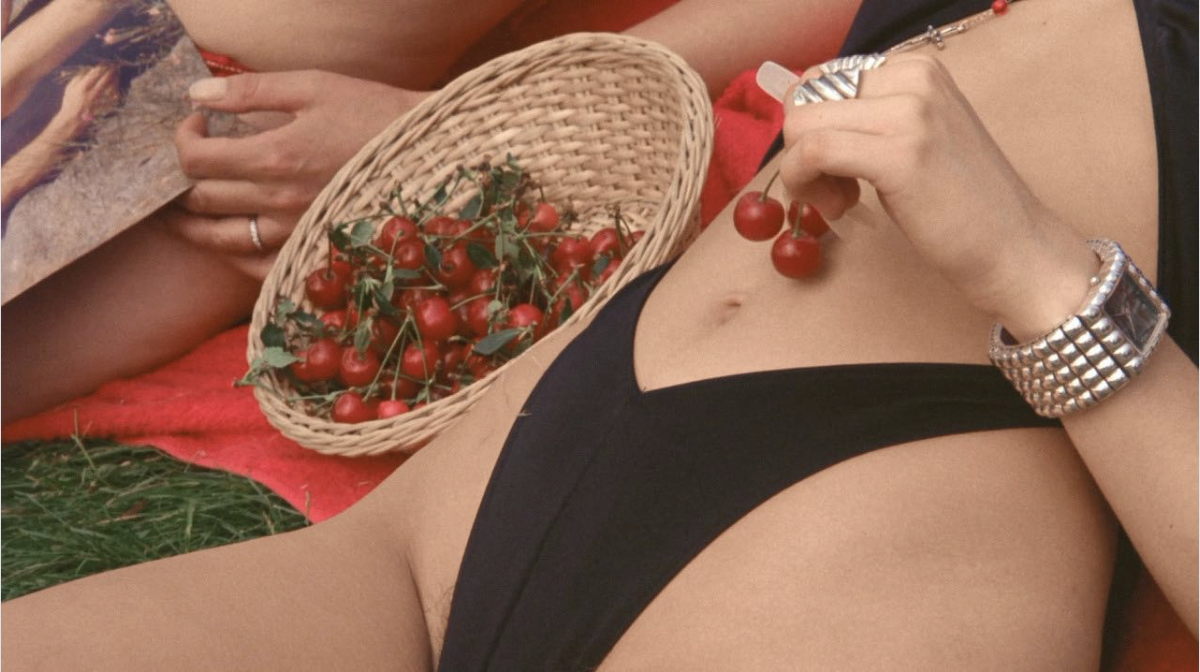
Watch the film w/o subtitles here
__________
Traps (1998)
‘Described as a ‘feminist black comedy’, Věra Chytilová’s post-communist film continues the director’s confrontational approach with the subject of a woman who is raped by two men. Unfortunately for them, she’s a veterinary surgeon practised in techniques of castration. Also a political commentary attacking male power, it shows Chytilová treating capitalist morality with the same enthusiasm previously reserved for ‘socialist’ compromise.’ — bfi
Trailer
____________
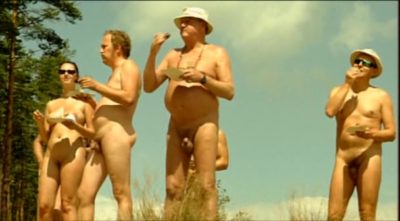
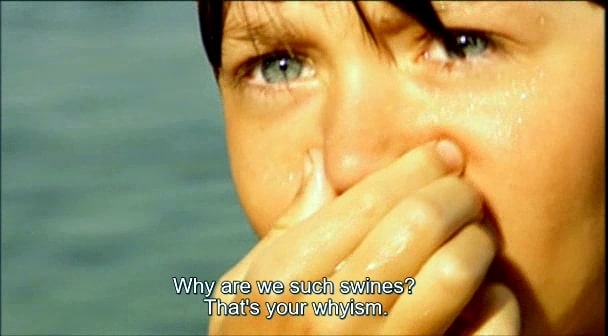
Expulsion from Paradise (2001)
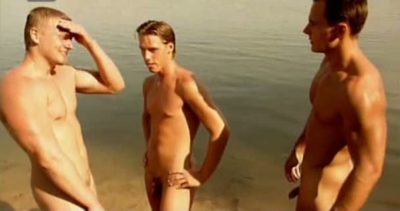
‘Longtime Czech cinema provocatrice Vera Chytilova, now 70, is back in the flesh with “Expulsion From Paradise,” a ruddy and intermittently funny yarn in which a director’s efforts to shoot an experimental docu about the difference between man and primate are complicated by 112 local nudists.’ — Variety
____________
Pleasant Moments (2006)
‘Pleasant Moments is a frenetic, freewheeling film that leaves one with the emotional sensation of having fallen down a stairwell for two hours, landing at the bottom thoroughly disoriented and pleased by the shake-up. A revolving door of panicked Prague protagonists with intertwined, overlapping lives are introduced, and introduced…and introduced, to the point you feel nearly overwhelmed as psychiatrist Hana (Jana Janeková), whose office they all end up in.
‘The full Czech title of the film is Pleasant Moments Without Guarantees, better suited to a limp romantic drama than this full-on sustained citywide freakout, and rendering Hana’s repeated, increasingly unbelievable suggestion love is the answer all the more ridiculous (especially given the film’s lackluster crop of men to choose from). Chytilová’s last feature film, Pleasant Moments is a perfect capper to a career cynical towards society while ever empathetic to the wretchedly human.’ — Screen Slate
Trailer
*
p.s. Hey. ** Bill, Hi. Nice about that bakery. Next time. I did an event with Tulathimutte in LA and hung out with him a bit, and my impression is that, for whatever reason, he doesn’t get laid very much. I liked ‘Rejection’, but, and you of all people will appreciate this, I thought it was a little verbose. ** _Black_Acrylic, Any excuse to eat toffee apples and burn stuff, right? That’s my policy. ** James Bennett, Hi, James. No, sadly, I was in the States with our film when the Pompidou thing happened. Big accidental regret. I haven’t read F. Scott since I was in college or maybe even high school. I don’t remember disliking it, but I don’t remember wanting to snap up all this books either. Huh, but now you’ve intrigued me. Maybe I’ll peek into ‘Tender of the Night. Thanks. Yes, I’m headlong into the new script revision. That’ll occupy some of my weekend. Otherwise, a friend’s gallery opening tonight and my biweekly Zoom film/book club on Sunday, this week featuring the film ‘Train Dreams’, which I will watch, and an excerpt from a not-yet published novel that I’m crazy about (Tracy Lynn Oliver’s ‘Magician’). And your weekend? ** darbz (⊙ 0⊙ ), Nice fireworks. Very minimalist. Oh, thank you for what you messaged me on instagram. That looked really cool, and I’m going to look into the artist’s other things. I hope the gig last night was way fun. I really don’t think ‘very weird’ would be a problem for SCAB. Big, rollicking weekend to you! ** Laura, Morning, L. I would have killed to see ‘Black Christmas Tree’. The script is vexing and exciting in equal measure at the moment. I don’t understand people who want to laugh during sex because it seems like it’s breaking the spell, but it’s very interesting that people want to do that at the same time. Which is to say your thing sounds most intriguing. I don’t want to have to think about what people are seeing when I talk to them. I just want to be a voice in a comfortable context. Strange, I know. Rockin’ weekend. ** Carsten, Hi. No, not the most environmentally damaging artwork in the world by a long shot. And even if it were, I think it’d be worth it. Yeah, good news about her saving the Highland Park theater. It’s been very sad to drive by its seeming corpse. And I’m the kind of guy who walks through the tribal collection in a museum at a fast clip like I’m a penniless person in a souvenir store. What a various world we live in, eh? ** HaRpEr //, If you can share that clip, that’d be awesome. If you can’t, I’ll find it somehow. It’s such a shock to wind up in some context filled with moronic assholes like the guys you described. Even for me who presents as joe blow. Their normalisation is so hateful. I’m so sorry, pal. ** kenley, Hi, kenley! I was a West Coast dude at heart for ages, but that didn’t stop me and even ended up coming in handy. Being wide-eyed is a gift. A cinematheque? Might be worth a try, although such places seem to often think new things haven’t proved themselves yet. I’ll investigate though. Have a great Saturday and even greater Sunday if that’s possible. ** Okay. For whatever reason I decided to ask you to spend this weekend with the films of the wonderful Czech filmmaker Vera Chytilová. See what you think. And see you on Monday.


 Now available in North America
Never saw any of her films, but I’m certainly aware of Chytilová’s impact. Interesting once again how the supposedly “freeing” incursion of capitalism stifled her. My parents, aunts & uncles all came of age in communist Poland & understandably hated it, but now they’re blind to how going into capitalist overdrive is destroying them. Same story in a lot of the Eastern European Bloc: going from one extreme to another.
OK, once again I’m probably ignorant of a lot of “event art” but what would be the most environmentally damaging artwork then? I genuinely have no idea.
Re. Kristen Stewart: has anyone in your circle seen her film of Yuknavitch’s “Chronology of Water”? I’ve heard good things about it.
Tribal art: I get it. Few of my friends share my passion for it. I will say that I gravitate most strongly to works from cultures that I already admire & have some deeper knowledge of (say Yoruba, Bamana, Aztec etc.) That kind of context adds an important layer to one’s appreciation. I mean I still feel a great kinship with the old Dadaists & surrealists who dug these works as is, ripped from all context. But knowing what a mask of the Bamana Kore society represents & how it’s used sure deepens my sense of wonder & awe for it.
Have a great weekend my friend!
Great choice to revive! Chytilova’s late films are rather underrated. In an alternate universe, she might’ve kept on working in the vein of DAISIES and THE FRUIT OF PARADISE, but the ’90s and 2000s films are pissed-off and deliberately ugly.
This weekend is our chilliest yet, even in the middle of a brutal winter. I’ve had to cancel Sunday plans to meet a friend for brunch for the third time in a row. Did you do anything?
I dropped HAVING A BLAST AT YOUR HUMILIATION RITUAL yesterday: https://callinamagician.bandcamp.com/album/having-a-blast-at-your-humiliation-ritual
My latest “Radio Not Radio” episode is now out: https://www.mixcloud.com/callinamagician/272026-radio-not-radio/. This one features DJ Skaytah, Danpapa GTA, J. Cordova, De Schurrman, Iga, DJ Anderson do Paraiso, xavisphone, Kenjox & Natozie, Shadow Wizard Money Gang, Kavari, Grace Jones, the Revolutionaries, Ghost Dubs, Shackleton, Surface Access, Harriet Tubman & Georgia Anne Muldrow, Robert Grawi, Shane Parish, Hans Reichel, Tashi Dorji, Bjorn Meyer, Rachel Beetz, Aram Guleyzan, Redrose and Krone & Time.
I enjoyed Daisies. Should definitely check out more Chytilova soon.
Interesting Tulathimutte impressions, Dennis. Maybe now that Rejection has gotten significant buzz, he’ll do better!
Saw Marie Loisier’s new “doc” on the Residents. Not much inside info on the band, but a pleasant 40 minutes hanging out with Homer Flynn.
Bill
I’m a longtime fan of Daisies and am intrigued to see what further viewing might await. Looks as though Wolfs Hole could well be next on the list. Thank you for this day!
Hey Dennis,
My weekend was a restaurant shift followed by a day of domestic labour. Today my housemates and I cleared a lot of junk out of the attic. This house has been a rolling one-in-one-out 6 person sharing situation since the late 80s apparently. So there’s just all this stuff that belongs to no-one. Some of it’s useful, like kitchen utensils etc. But the crap in the attic was starting to become a hindrance because we couldn’t store anything up there ourselves. Some of our finds today included: old skis, an iMac from the 90s, a disgusting mattress and a prop wooden sign from a Ricky Gervais film (Cemetery Junction – it’s the sign on the red bricks in this picture: https://railwaymoviedatabase.com/wp-content/uploads/2019/11/image-102-1024×425.png )
I also performed a minor cull on my own books, because they’re making my move a lot harder than it would otherwise be.
How was book/film club and what is it about “Magician” that has you so excited?
Ciao
xo J
Hey there Dennis!
Unfortunately I didn’t get chosen for the cinema job, though I think the interview was fine to get by. Bit strange because you tend to get dealt with an anonymous voice who tells you your outcome rather than any specifics. Sometimes I get lost in that abstraction, but lately I’ve been trying not to dwell on it. Just try to push ahead and try to find something else. Thankfully I did get booked into a trial shift for tomorrow. This time it’s just for a local Five Guys. Not really sure what to expect except the hope that maybe this is the one? We shall see
I appreciate your comments a few days ago when we were talking about Frisk. Suppose for myself that the subject of murder is one that I feel comfortable embracing a dissonant voice with. I mean this in terms of how the voices will be constructed around a sense of passivity. A kind of ineffable sensation that will be guided through how their perspective are able to deal with the circumstances. Of course, it touches on my personal experiences that I talked about when we met in Paris. I remember distinctly the coldness I felt, but also the realisation that all I had to navigate it is what was left for me. Only the words that were in access at the time. In some sense, this novel is self-reflective, but I’m interested in navigating the space of grief as something bound to conflict. Restless, but not always alien. Really, I’m curious to see what kind of language I choose to navigate this ambiguity.
Also, I thought I’d mention that I listened to Destroyer’s Your Blues for the first time. Adored it. I came to it through Permanent Green Light, and it’s been sitting with me since I’ve heard it today. Thanks for sending me on that direction
Hope the start of your week goes well! :3
Hey Dennis,
Just after my free film festival weekend. Saw 4 screenings: 3 features, 5 short films. The first was the Iranian-French production “It Was Just An Accident” which may be my favourite movie from 2025 now (although I didn’t see many). The other features today were “Christy”, an Irish film (specifically Cork, and specifically the area where my mother grew up) about the foster care system and youth care, and the titular Christy is is caught between the drug and violence of his family, and the community he finds with his half brother and neighbours. Was strange to see a movie with scenes in places I could see from outside the cinema I was viewing it in, but I enjoyed it, particularly due to the connection it had to not just my own life, but my family and friends. The last one was Sentimental Value, which I did enjoy, Don’t have much to say that hasn’t already been said by others, and plus I was so exhausted by the time it started that my brain hasn’t been able to fully take it in.
The shorts were interesting; the first was “Dull Spots in Greenish Colours” which was an animated short using Blender that was almost the chaos and intensity of the internet in imagery. I would definitely watch it again soon as it was pretty short, and had some pretty captivating visuals. The second was “The Spectacle”, a Hungarian short about a Roma boy who is able to do something extraordinary that I won’t spoil as I was pretty captivated when it happened. The third was “looking she said I forget”, which might have been my least favourite of the shorts, but still enjoyed it. About a long distance open relationship and language, with some use of colour and light that reminded me of Lynch, and a bit of a focus on poetry, which leads into the penultimate short: City of Poets. This is a documentary that is about a fictional/metaphorical city in Iran, and how the Iranian revolution stole the soul and light from the people. The final was Man Number 4, one that I feel is best watched blindly, but I will describe it as a zoomed in photo described in great detail.
All in all I’ve watched 8 films over this weekend, and I’m thankful for this event as it’s rejuvenated my love for the cinema and film. It kept advertising to submit films to the Cork International Film Festival, which I thought might be of note for you and RT, but apparently films in competition must be completed and premiered after 1st December 2025 (and films out of competition by the 15th of September). I could try get in touch with that other cinema I’ve been on about that was doing the David Lynch screenings — the old renovated church — if you would want to try and have a premiere here.
Hello I am writing to you from the UNCW library, where I was reading one of the “Nine stories” by JD Salinger for my College English class. Im sure you know, its one of those American book reads, it could be worse. Although after I finished the short story I flipped through some photography books, scanned through Darwin’s natural section, and then a book on abnormal physiology and cryogenics.
Didn’t retain too much on the cryogenics book although next time I come here im probably going to make a plan, like, study the microbiology books, or read Russian literature, or read about psyhc wards, , Learn about Japanese art, ya know?
Guess what I saw tho? The book “Psychotic art” by Francis Reitman, which if you may remember, was the book that mislabeled Louis Wains art as “psychotic” or at least assumed and sensationalized his diagnosis. I might give it a read.
I have to walk home, library closing soon, but i’ll finish this comment when I get there!
abnormal psychology, that is an important differentiation. Omg, thanks for appreciating what I sent on instagram.
Im not sure ive mentioned but sometimes I cant tell when people want to hear more, or want me to shut the fuck up, haha. Anyways, you should totally follow that page! They post so many similar if not just as more eerie/ interesting doll stuff + more.
Btw…did u happen to check out the image before? that I sent?
oh, news that may or may not interest you. So the nonbinary “crush” may no longer be
…a crush…
We shall see. 0.0
U know what I mean.
Hey Dennis – Nice post on Chytilová. I really like her early films – “Something Different” is fascinating, “Daises” is of course wonderful, and the gonzo “Fruit of Paradise” is probably my favorite. I haven’t seen many of her later ones though. Anything from that period you particularly recommend?
After recovering the lost Dorsky films, there were a few more crazy nail-biting setbacks including a temporarily broken projector, exploding water pipes, and heating issues. Somehow though, against all odds, the screening itself came off wonderfully. We used every single chair and had about 90 people gathered together for the movies. Everyone was remarkably attentive — and really seemed to enjoy them. The audience was a wide spectrum of ages and genders and Dorsky held them rapt at his dreamy 18 frames per second. A really encouraging evening.
Hey! Hope you had a good weekend.
A lot of people I know are really into ‘Daisies’ but I never got around to watching it. I think that film clicks with my generation for some reason. Thanks for the reminder!
Yeah, I’ve always been a pretty extravagant dresser. Transness aside, I have some kind of compulsive desire to search for perfection. I think a lot of people would call me vain for that but it’s more complicated. It’s probably something about trying to be understood. I’ve had a lot of self-image issues my whole life that don’t go away but just mutate. I think I had my first identity crisis about three minutes after I was born. I went through a period as a teenager where I was so disgusted by myself that I couldn’t look in the mirror, but I got over that and became a self-described aesthete. I genuinely feel like over the course of my life I’ve lived as several different people. I always have a lot of difficulty sharing ‘normal’ anecdotes about my childhood with people because it’s all sort of mixed up and foreign to me.
I want to call the book I’m writing ‘So Much Style That It’s Wasted’ after the Pavement line. I don’t know if I’ll be allowed to but I’ve always identified with that line so much.
I still haven’t got the clip. I’ll find it tomorrow finally. It might have been shared to social media by their official account. I’ll check.
oi Dennis!
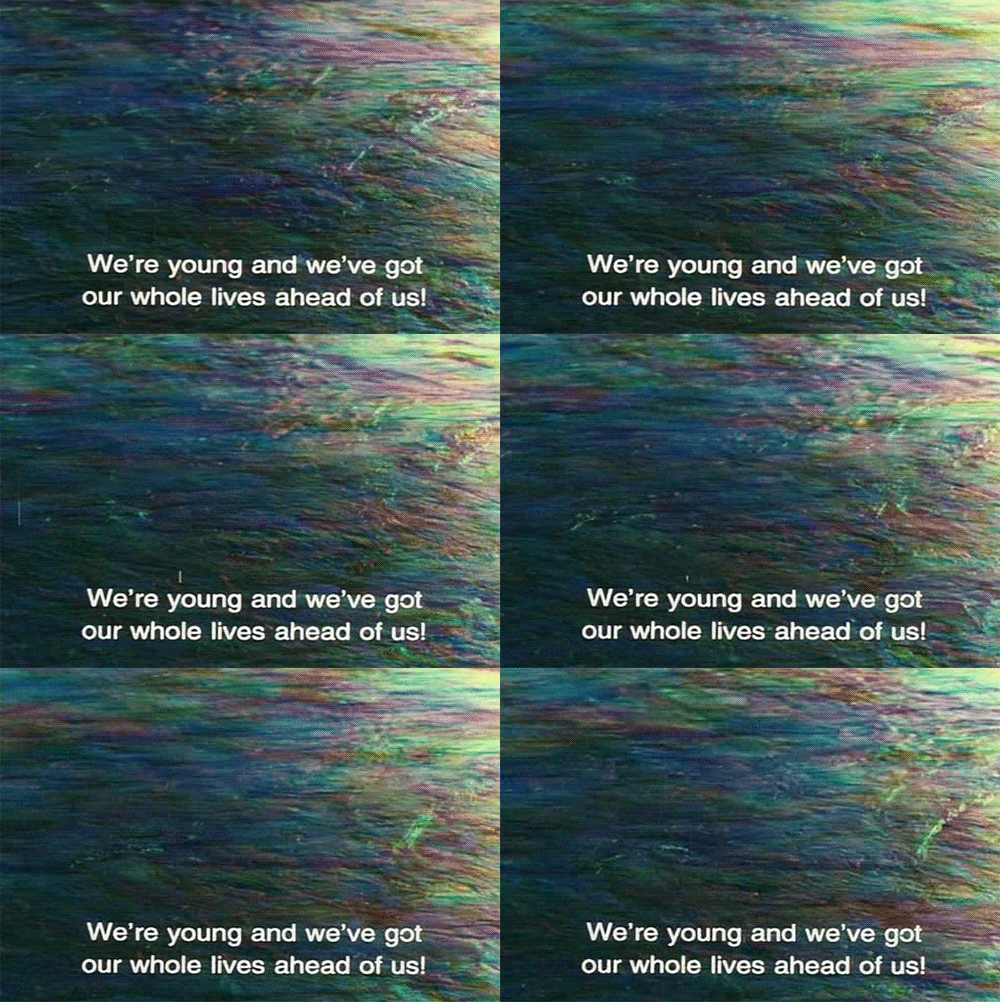
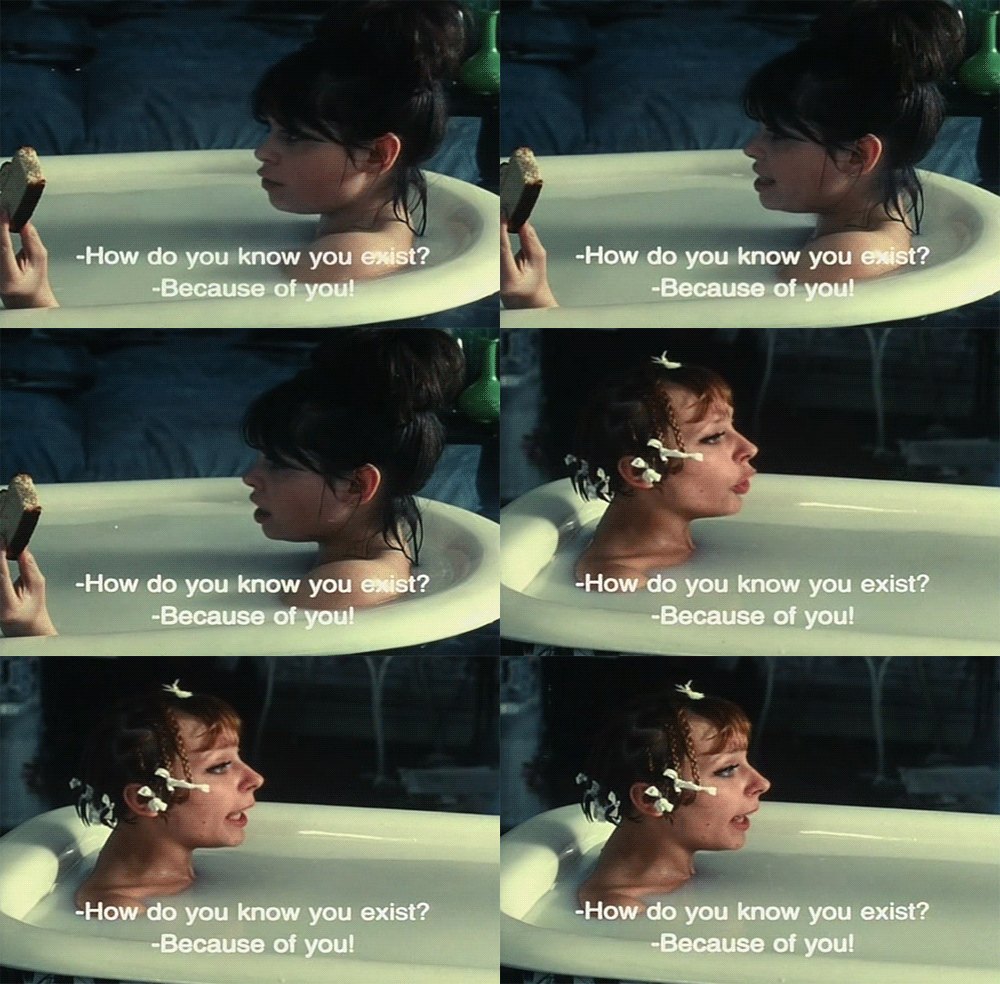
gotta give Chytilová a proper go, i saw Daisies and The Fruit of Paradise a long time ago and loved them both, then nothing again for some reason. still not totally sure what Daisies is about, i hear *a lot* that the Maries are supposed to represent tankie leadership ‘stealing’ for the people but i don’t get that vibe at all, imo they’re both basically p innocent quasi-anarchists vs communism, they fought the law and the law won etc. that bathtub scene is a bit Beckettish and super beautiful obvi, ‘how do you know you exist?’ ‘bc of you’ (i think). like it’s got this surface commie reading, right, anti-individualist, but clearly they mean smth which transcends… like, they’re puppets and stuff, but one on one they reflect human beings which is a v cool third option in between only community realises itself and only the individual realises themselves. the final dedication is such a burn too lol, like ‘we’re in this dictatorship and you’re rending yr garments over lettuce, fuck you <3’.
think i def must watch a bunch more before i can decide how i feel about her morality stuff. her female emancipation stuff seems promising and not quite preachy.
but hey how’s the script? i’m really identifying w your mixed feels rn. courage, etc.
last night i was like is this thing even worth anything lol, then i came up w a turn of phrase and was like ok, so, we continue. what is annoying you at present, if shareable?
now, my characters aren’t *quite* rofl-ing in that scene, but it is a weird situation which takes them in and out of the moment a bunch. me i’m not huge into hilarity during sex either, i mean i vastly prefer and probably require serious intensity, but if smth overtly funny happens, which it sometimes does, then we gotta laugh. i don’t make the rules =)
i think you’re doing quite well at the whole being a voice in a comfortable setting thing! this blog is such a golden opportunity, right? ^_^ but if i were you i’d want to be looked at loads bc you’re v look-at-able. gonna give you a big head here lol, but that’s unintentional.
totally get the ‘what are other people seeing’ thing tho, to me it’s about cameras, which is weird bc i really like acting. in that context it’s fine, and i like to be looked at alright in general, but having my picture taken, that kills me. i feel like some sort of glamour which won’t fool a machine or smth. idk. maybe it’s muslim superstition, tho i think there’s more lol.
i actually modeled twice, which is a minor miracle considering the above, plus the fact i’m 5’5, but i sort of look tall in isolation so i went there and God was it fucked up lol. like, the second time was alright, it was just some friends’ album cover art thing and i just remember everyone being chill and me being full-body oiled up and blindingly shiny, but the first time almost made me spit out my soul fr. massive slimeball of a photographer trying to get me starkers the whole time freebie-style, didn’t understand my face at all, almost gave me a complex lmao. think it was an ethnicity thing but yea, what do other ppl even see 🤐
think i’m finishing Closer tomorrow! it’s being such a treat. ^_^ you already know that everything about the been-there-done-that voyeur kid puking on that random dog is peak comedy to me, for which ta again, but this time there’s smth about the sort of mindless patterns, you know, school-home-home-school while this discreet forward momentum towards George the character develops, which breaks that pattern, i’m finding that super emotionally affecting. again, what the artist chooses to keep of the subject vs how we either reject or make our way to one another in the dark is v cool. the parallels w Period are uncanny too… like sure you could do later stuff a propos of Closer but some parts of Closer seem to come from Period even. how? just huh.
anyway, off to bed now, you’re probably zonked out already. good night! <3
I saw something of hers from somebody’s rec in the comments once. What did you think of her movie Daisies? Excited to see the day/get more context.
Still recovering from last night, when I had my third and final annual funeral (final except for the eventual one, I suppose). All my friends gathered and drank and listened to my Ethio-Jazz favourites and gave eulogies; it was sentimental and weepy and quiet and I had the best time. You can’t beat friendships. Even my relationship with my parents, I think, is much better now that it is structured more like a friendship. And one girl who I don’t know quite as well as I should like gave a very moving speech that I’m still recovering from.
Did you see the halftime show? I saw snippets and thought it was nice but not what I’d been hyped up into believing, which I should’ve known I suppose. Excited to maybe make V-day plans again this year (it provides a convenient excuse) and dreading knowing they’re going to be unsuccessful; trying to find a way to make the asking itself enjoyable. Would you wingman me if I asked? I think I would find a good match for you were you looking.
hi hi! hope your weekend was delightful. please do let us know what you got up to!
chytilova!!!! i LOVED daisies in high school. last time i watched it was during university, with this kinda sketchy french professor i was hooking up with. and i watched wolfs hole with the boyf not too long ago! im really inspired by how…gung-ho her films feel
ok, that description of tualathimutte made me giggle. i hear you on the west coast wide eyed thing. people are so awkward in toronto haha, i feel like a bull in a china shop sometimes