DC's

The blog of author Dennis Cooper

Page 822 of 1132

_Black_Acrylic presents … The Strange Case of Bobby Orlando *

* (restored)
—-
1.

“Bobby O is the Phil Spector of the 80s” — My friend and DJ colleague Scott Duncan aka Il Discotto

Robert Phillip Orlando is an American Hi-NRG record producer, and to me he is a musical genius. During a period of extreme productivity between 1982 and 1987 he made hundreds of records that, in my opinion, represent some the greatest dance music of all time. His influence is huge, and this is his story.


2.
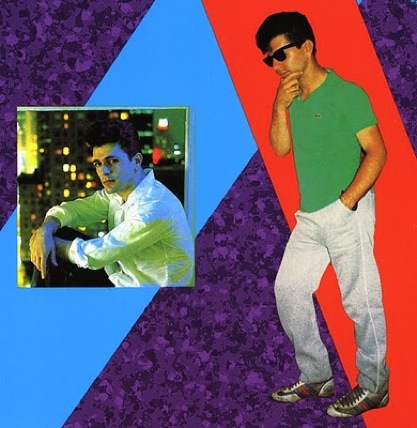
Bobby Orlando is a highly prolific music producer, songwriter, musician and record label impresario. During the 1980s he produced, composed and played on hundreds of music productions that he released under a myriad of record labels, including: “O” Records, Bobcat Records, Memo Records, Telefon Records, MenoVision Records, Beach Records, Plastic Records, Eurobeat Records, Obscure Records, Beat Box Records, Riovista Records, Intelligent Records, Basic Records, Knowledge Records and others. In the late ’80s, at the peak of his success, the one-man-band suddenly and inexplicably halted his extensive production output. Orlando is credited as one of the founding fathers of Hi-NRG pop-dance music. His productions are easily identifiable by their dense synthesizers, rolling bass lines, and resounding percussion. Orlando tracks showcase him playing multiple instruments including keyboards, guitars, drums, percussion and saxophone. The ringing cowbell percussion lines and robotic sequencers heard in “She Has A Way”, “The Best Part Of Breakin’ Up,” “Desire,” and “Native Love (Step By Step)” define the electrifying sound he pioneered. http://en.wikipedia.org/wiki/Bobby_orlando


3.
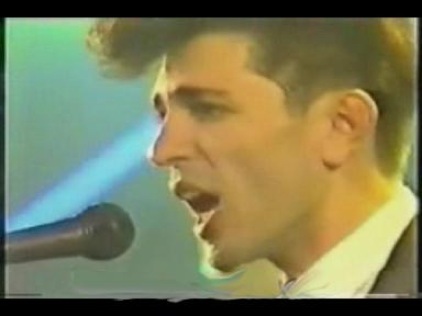
Whether you’ve heard of him or not, you’ve definitely heard his influence — he basically invented a lot of the dance music clichés of the 1980s and ’90s, and while you may not be as fond of said clichés as I am, you still gotta give dude credit for being so dang influential. That having been said, Bobby O is an incredibly strange dude — a complete contradiction on a lot of levels. He’s a hyper-macho, incredibly cocky, rampantly homophobic ex-boxer who made gay disco. He once backed out of a lease because he found out the previous tenant was gay, yet he produced legendary drag queen Divine, and discovered the Pet Shop Boys. Most of his songs are brazen odes to sex and partying, and yet he’s a fundamentalist Christian who penned a (still unpublished) book on creationism called Darwin Destroyed. He created some of the most original dance music of the 1980s, but he seemingly was just as happy to shamelessly plagiarize current dance hits, releasing a slew of blatant soundalikes and proudly referring to himself as “the McDonald’s of the dance record industry”. He was incredibly prolific, releasing dozens of records each month on the numerous labels he ran, and citing the Bible as his reason: “I’m being fruitful, I’m multiplying,” he told The Face in 1987. “I put out more records than anybody in the world; there’s nobody that puts out more records than me. If a producer has the ability to put out that many records and he doesn’t then he is disobeying God’s command.” DUDE WAS WEIRD. http://yearofmixtapes.blogspot.com/2009/07/week-8-bobby-orlando.html

An early Bobby O effort from 1980:

Producer Bobby Orlando became a legend in the ’80s through a multitude of disco and Hi-NRG records released on his independent label, O Records. The son of a Westchester, NY, school teacher, Orlando boxed straight out of high school and listened to Alice Cooper and T. Rex. He turned down a classical music scholarship, instead playing Johnny Thunders-style guitar in teenage glitter bands. Swept up by disco, Orlando engineered “Dancin'” by Todd Forester in 1977. The song featured the galloping bass line developed by synth-phenom Giorgio Moroder, who Orlando strove to emulate throughout his career. Orlando also developed a life-long fascination with the studio perfection of ABBA. In 1980, Orlando masterminded the excellent Lyn Todd album, before setting up O Records. The first releases, “Just a Gigolo” by Barbie & the Kens and “Change of Life” by I Spy, made Billboard’s dance chart. http://www.allmusic.com/artist/bobby-orlando-p111405/biography

For Vanguard Records he produced Lyn Todd, he also wrote and produced Free Expression’s “Chill-Out!” and he brought in Roni Griffith to the label. Roni was a young girl he had met in a restaurant and who he signed a 50/50 contract which was written on a napkin. The young two even became a couple for a while and in 1980 “Mondo Man” is released, but the year after the big break comes for both of them when Bobby writes and produces the song “Desire” which became a huge hit, specially in Europe but also in the US club land. http://www.disco-disco.com/artists/bobby-o.shtml


4.
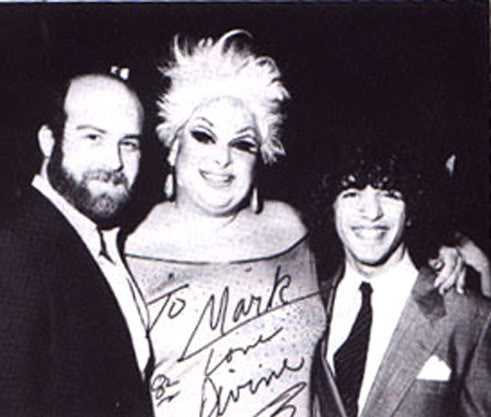
Well on his way as a recognized producer, (Bobby O) had had a lot of disco type hits which had done well in the American music industry magazine Billboard, and sold well through Europe; he had received three gold records by the time the female impersonator Divine was to use his expertise in 1980. Divine was already an accomplished artist and had been in numerous cult movies. Running a small but successful record company, Bobby saw the opportunity of working with Divine as yet another opportunity to boost his growing reputation. Viewing a partnership with Divine as a cute little gimmick, he agreed to take on the artist, at the time thinking it was going to be like a disco Amanda Lear, who was huge in Europe. The reaction from the public was immediate and tremendous, with big hits following. Despite this new found success, Bobby’s relationship with Divine was not as it might have been, with little warmth emanating between the two, although it was to prove a useful working relationship. Divine’s manager, Bernard Jay, was different again and he and Bobby got on far better together. According to Bobby, the success of Divine’s whole musical career can be attributed to Jay, being Divine’s right hand man, best friend and manager. Says Bobby, “My own relationship with Bernard had its stormy moments, but it was also very good, so because of that relationship the Divine thing worked out well.” www.italo-disco.net/programs/eBooks/Bobby%20O%20&%20PSB.pdf

This owes a big debt to Blue Monday by New Order:

“I failed as a hippy because I was too much of a capitalist.” Says Bobby O, swivelling in his chair to view the mirrored building that is now partly his. “I mean I had a chequebook, no hippy ever had a chequebook, so I was a total failure. But glitter rock, oh I was a real glitter boy. I had very long hair – you just wouldn’t believe. I was very pretty, exceedingly like real very pretty. And with glitter rock you didn’t have to take drugs and it was OK to be a capitalist. I mean platform shoes are expensive, right?” He didn’t have the balls to wear make-up but the romance with the high camp has yet to end. New York Dolls, Divine, same difference. The fast talking, intensively macho exhibitionist is also a voyeur. A homophobe who once pulled out of buying an apartment after discovering that the previous owner was gay, he has built a career on making music for a predominantly gay audience.

Bobby O’s history of working relationships reads like a Bel Air alimony lawyers’s casebook. One of his most successful associations ended understandably abruptly when he claimed he could “cure” the artist of his homosexuality, but men continue to be mesmerized by the electric vitality of this irresistible, impossible character. Women, too, are oddly tantalized by a man fixes his dark eyes to theirs over dinner, tells them just how he likes to make love, and what a great lover he is, and then kisses them goodnight on the cheek only to call at midnight to ask if they are naked. The technical skill involved in such heavyweight flirting requires not only a core of pure narcissism but an ability to use the power of sexuality without feeling the surge of any real lust. http://www.globaldarkness.com/articles/bobby_orlando_bio.htm


5.
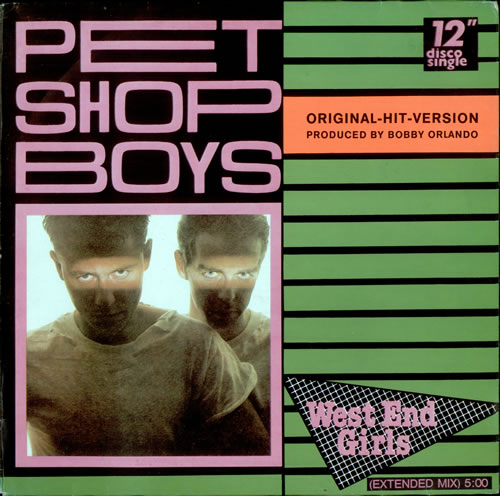
Bobby Orlando produced Pet Shop Boys earlier in their career. They had admired his work for quite some time, and when they began writing songs, had patterned their sound after songs he had recorded with Divine and others. While working at Smash Hits Magazine, Neil was sent to New York to interview Sting, and decided to seek out Bobby Orlando and play him some of the demos he had done with Chris. Bobby decided to take them on and they began recording songs together. The contract was signed at the Apple Jack restaurant on August 19, 1984. .. They did release two singles under Bobby O’s direction; West End Girls and One More Chance’. They did fairly well on the charts, and satisfied the duo’s initial fantasy, which was to have a hit single in the trendy London record shops. http://petshopboys.wikia.com/wiki/Bobby_Orlando

I said, “This whole pretty boy glamour thing is nice; it works, but in your case I think, instead of trying to buck it, I think you should look like guilty Catholics. That would be the perfect look. Look intellectual, and look guilty. The world would relate, because the world is guilty. Leave your glasses on. The cuteness will come through if it is packaged right. The last thing it should look like is an attempt to look like pretty boys.” It just wasn’t going to happen. It was better for it to look like what it was so that they would almost be respected as higher thinkers… I never looked at them in the sense other than that I felt that they had a particular look that would benefit them if they adhered to that look. I advised them continually to always be as radical as they could be in whatever they say publicly, always put the big boys down. www.italo-disco.net/programs/eBooks/Bobby%20O%20&%20PSB.pdf


6.

The Flirts were a female trio from New York City who had several dance hits and music videos on MTV in the early eighties when the channel was still in its infancy. The group was created and masterminded by American producer, Bobby Orlando aka ‘Bobby O’, an artist in his own right… The Flirts also went through numerous lineup changes; with almost every album release, some girls left the group while others stayed. http://en.wikipedia.org/wiki/The_Flirts

The Flirts were a Menudo-like creation devised by Hi-NRG mogul Bobby Orlando. This bubbly female trio sang his songs while he performed most of the instrumentation and kept the girls on the album sleeves looking young. The ambitious New York producer released several Flirts records on his independent O Records label, which shot out a ridiculous amount of wax in the early ’80s. http://www.answers.com/topic/the-flirts

Italo Disco Interviews with Linda Jo Rizzo from The Flirts:

When and how did you meet Bobby Orlando? What was Bobby O like?
I met Bobby at a dinner in NY together with some old music producers that I had worked with in Milan while I was modeling. They told me I had nice a nice voice and that he should try me out in the studio. We started working together right away. He was a fast and energetic worker. He did not waste time.

One of the interesting things with Bobby Orlando was that after he had success with some artists, he had problems with them, and those problems were taken to court. The exact situation was with Divine and the Pet Shop Boys. Can you tell us your thoughts about this please?
I loved working with Bobby but as it often happened in the earlier days of one’s career, our contracts were not very generous for the artists. After all costs of production, management, choreographers and studios were taken, there was very little left for us. http://www.italo-interviews.com/LindaJoRizzo.html

Orlando produced and penned numerous hits that span multiple genres in mostly self-created groups and aliases, often just consisting of Orlando himself. His productions were released as: Ian Darby, The Beat Box Boys, Spooge Boy, Something/Anything, New Breed, Jonny Bankcheck, Hotline, Banana Republic, Oh Romeo, Teenrock, The New York Models, Hippies With Haircuts, Girly, Barbie & the Kens, Wow, 1 plus 1, The He Man Band, The Boyd Brothers, Nancy Dean, Ian Darby with Ya Ya, Cha Cha featuring Don Diego, Yukihoro Takanawa, This is House, Joy Toy, Dressed To Kill, Band Of South, Dynasty featuring Dexter D, Darlene Down, The Fem-Spies, Gangsters of House, Girls Have Fun, Zwei Maenner, Gomez Presley, Gringo Lopez, Patty Phillipe, Malibu, Lilly & the Pink, Miss Tammi Dee, Mc Fritz and the P-Rockers, Charlene Davis, Claus V, Ronnie Goes to Liverpool, The Bang Gang, Bubba and The Jack Attack, Fascination, Free Enterprise, Sandra Ford, Future Generation, Citrus, The College Boys, Condo, The Bigalows, Free Expression, Lola, Lifestyle, I Spies, Latin 1, Kinski Music, Gina Desire, Beachfront, Vision 1 and others. http://en.wikipedia.org/wiki/Bobby_Orlando

Orlando’s songs frequently deal with philosophical themes such as “Try It (I’m in love with a married man),” which was given a contemporary twist when it was re-recorded by Pet Shop Boys in 2003. Many of Orlando’s lyrics describe unrequited love, private despair, personal angst and a truth-seeking perspective. Orlando frequently etched philosophical maxims into vinyl records featuring his songs; these adages being literally cut into the grooves near the “lead out” and “lock grooves” of the vinyl. Many of these are rare and are now collector items often selling for hundreds of dollars. Orlando’s musical influence on many present day artists is vast and the sound he created routinely surfaces on Euro, Techno, Italo-disco, Electro and Hi-NRG releases throughout the world. He has a large international following and is often cited by music historians for his immeasurable contribution to dance music. http://www.ask.com/wiki/Bobby_Orlando

‘You have to focus on whatever you want to do in your life. From 1980 to 1987 I had one goal and one goal only – to be the McDonalds of the record business. I wanted to release more records, like they release hamburgers, than anybody could have. I didn’t care if they sold or if they didn’t sell. I wanted to be a part of the Bobby O story and when 1987 came and I had finally reached that goal and my company released over one thousand records I said, “That’s it. No more”.’ By then Bobby had sold off a good part of his company. He wrote a book that he had been working on for three years called Darwin Destroyed, which refutes the theory of evolution. The book was a key turning point in what Bobby wanted to do with his own life. He sent the [Pet Shop] Boys a copy of the book. They never responded. ‘At that time the book was my tunnel vision, and then I was going to decide what I wanted to do for the Nineties. Now [1990] I am really one year away from making the final thrust into what I am going to do with my life,’ he says. Prior to entering the music industry, Bobby had attended pre-law school. Now back with his studies, he plans on taking the Bar exam in summer 1991.He is also a registered lobbyist.” http://rainy-80smusic.blogspot.com/2007/05/bobby-o-story-of-o-part-v.html

Bobby Orlando discography at Discogs

Bobby Orlando discography at Passagen
—-


*

p.s. Hey. ** David Ehrenstein, Hi. If you mean because of the ‘transgressive cinema’ tag, that was an external imposition on Kern’s work that I think he accepted as a fait accompli just as I accepted the ‘transgressive fiction’ tag on my stuff even though I had no intention of announcing anything via my work. But I mean … if a film is announced as a ‘horror film’, can it then be actually horrifying? Apparently. ** wolf, Dude! I did do that Day. Thanks for all those cool words about all of those well intentioned posts. I’m okay, and, hey, we’re gonna vocalise and visualise our respective ‘okayness’ together this evening! Looking forward! Love, me. ** Milk, Hi, Milk! Happy to have helped fill in that blank. I think I only feel nostalgia for times and places I don’t know. The other personal past-based kind of nostalgia is too dangerous to me. You hanging in there? Good to see you! ** Sypha, I think you’re speedy. You qualify as speedy by my standards. But you’re not the only one. And I am rather laborious. Is Justin speedy too, i.e. have you finished the collab story yet? ** Bill, Cool beans.I hope your weekend served its/your purpose. In case you weren’t able to see the comments, schlix wrote back to you. ** Thomas Moronic, Hey, T-man. I might even remember you buying that DVD or something akin. I’m all right, fed up, but all right. Yeah, not seeing friends takes a big toll. At one time, Zac and I were going to be in Japan right now. Drat. I think Texas is one of those states that’s getting freed up a bit even though it’s a bad idea, but maybe, since Philip is there, that might have the silver lining of getting your book out of solitary. I’m glad to hear you’re being productive on the in- and output fronts. Love, me. ** _Black_Acrylic, Surprise! I’ve become friends with Lucy McKenzie, as I think you know, and it wasn’t for months and months that it finally dawned on me that I had seen her in Richard Kern’s work. Enjoy your Day! ** Misanthrope, Hi, G. I’ve been nowhere too. Surprised we didn’t run into each other. Yeah, I just don’t see the point in feeling doom and stressed out about all of this. It seems totally unproductive. And there’s a lot of fascinating things about this whole nightmare. That’s where I’m hanging. The freeing up has started in your neck, eh? Man, I don’t know about that move. We’ll see. ** Dominik, Hello there, Dominik!! I think I was totally fine yesterday afternoon, whatever I was doing. Probably sitting where I’m sitting right now doing different things in the same internet that I am glued to at the moment. I’m very happy that the Kern post made you happy and hit home! That’s interesting. I’m still just thinking about my new fiction idea. I should start putting stuff down ‘on paper’. Maybe I will, maybe today. Mm, it involves taking something that was written for another project in an entirely different medium that looks like it isn’t happening and seeing if that stuff can be ‘adapted’ into a work of fiction. Or that’s the starting point. Kind of vague, sorry. Still sorting through the possibilities. So I mostly worked on GIF stuff. Because there’s all this interest in the GIF work being shown in galleries, I have this idea to try making a series of GIF sequences that would be individually framed, in iPads or something, and hung on the wall together, and whether they would interact well as a group in that format, sort of like a group of photographs would be. So I’m working on GIF sequences thinking about them appearing in that way. And I still haven’t quite nailed down what they would need to be and how they work to allow that to happen successfully, if that makes any sense. That’s mainly what I was working on. And the rest of the weekend came and went, I guess. It’s a blur. How did Monday start for you? More SCAB, writing, getting out and about, adventures with your bro, … ? Ha. Love like this. ** schlix, Hey, Uli! Yeah, they’re wonderful. I spent quite a bit of time this weekend luxuriating in his videos. Very beautiful work. And great that you guys worked together. Blank City documentary … gosh, have I seen that? Maybe. It sounds so familiar. I’ll go find out if I have or not and rectify the absence if not. I do so, so look forward to doing what you hope for me. And it won’t be too, too long. In the meantime, keep relative freedom warm for me please. Love, Dennis. ** Steve Erickson, Hi. I liked the first Black Dresses remix. Very surprising! Everyone, Mr. Erickson has done a second Black Dresses remix a la the one I linked you up with the other day. This one is entitled ‘Makeout Music For Pinhead And Candyman (Black Dresses ambient remix)’. Please give yourselves the no doubt pleasure. Here. I think you should write that article, but I’m not into prescribed ownership issues based on collective identity-based so-called rules, so I’m not sure if I’m the one to green light you. Wasn’t Perfume Genius’s through-line and coherer his life/past back when he launched? ** Kyler, Morning, K. Glad you enjoyed, bud. I know Stephen Spender’s work, yeah. I didn’t know him personally. He was already really old when I was young. Although I did know his pal Christopher Isherwood. I remember when Grove published that book. I think I was still a Grove guy then. ** Corey Heiferman, Hi, Corey. Always happy to make an introduction. Oh, man, I would kill for a simple espresso. Paris reopening to a degree is great, but Paris without cafes is not going to be really Paris. Thanks re: the grant stuff. Have a swell week starter. ** Okay. Today I have restored an old and excellent guest-post made by the writer, editor, DJ, and so much more aka Ben (_Black_Acrylic) aka (Jack Your Body) Robinson. Have fun. It’s fun. You’ll have fun. See you tomorrow.
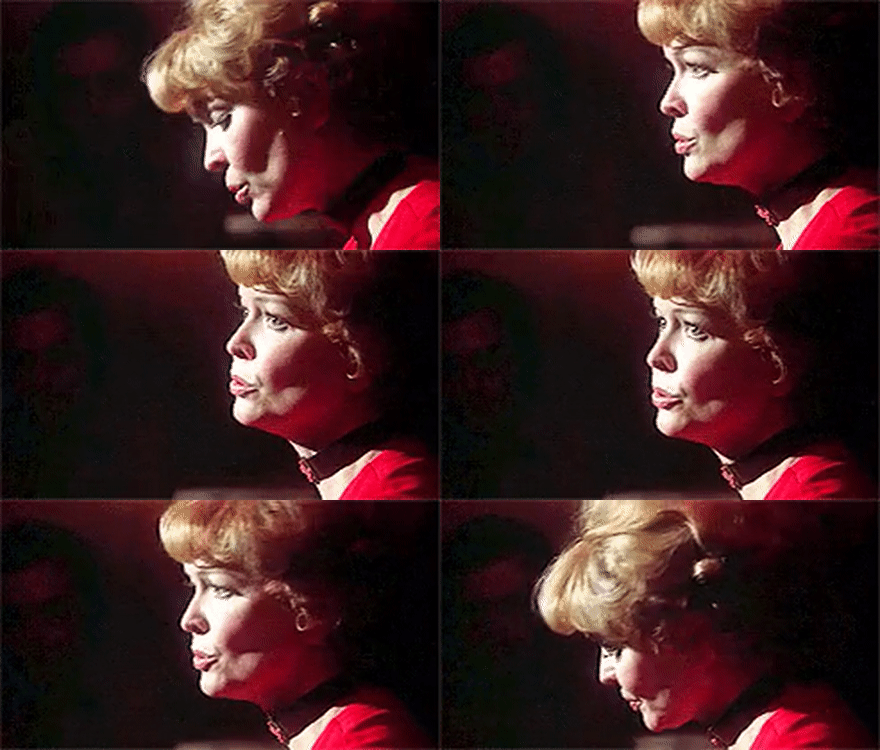
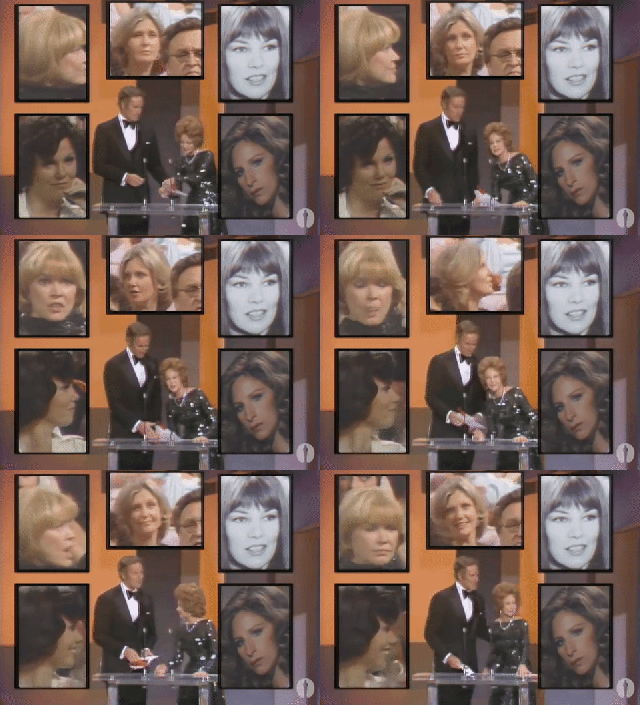
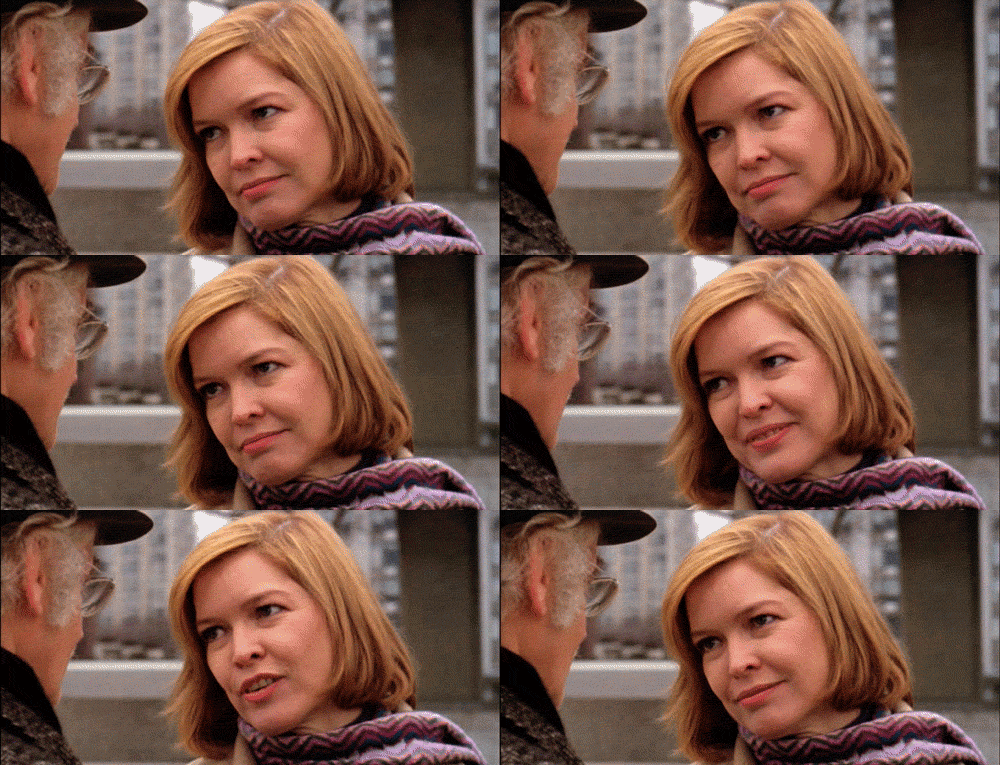
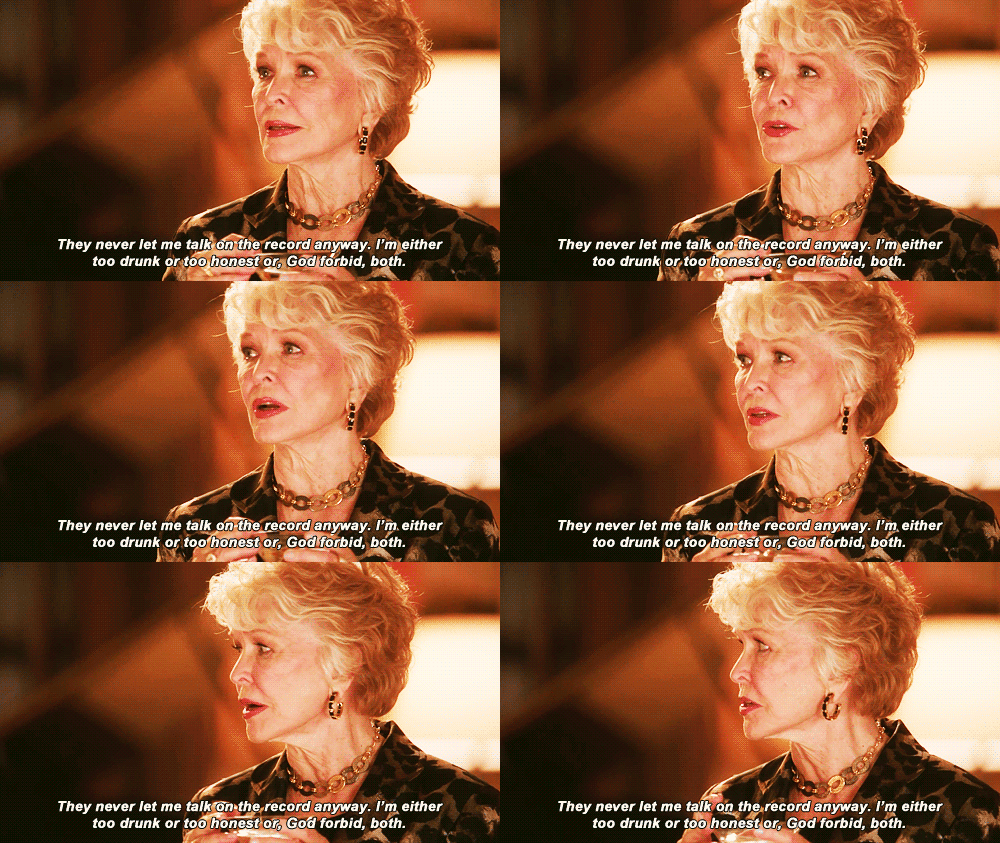
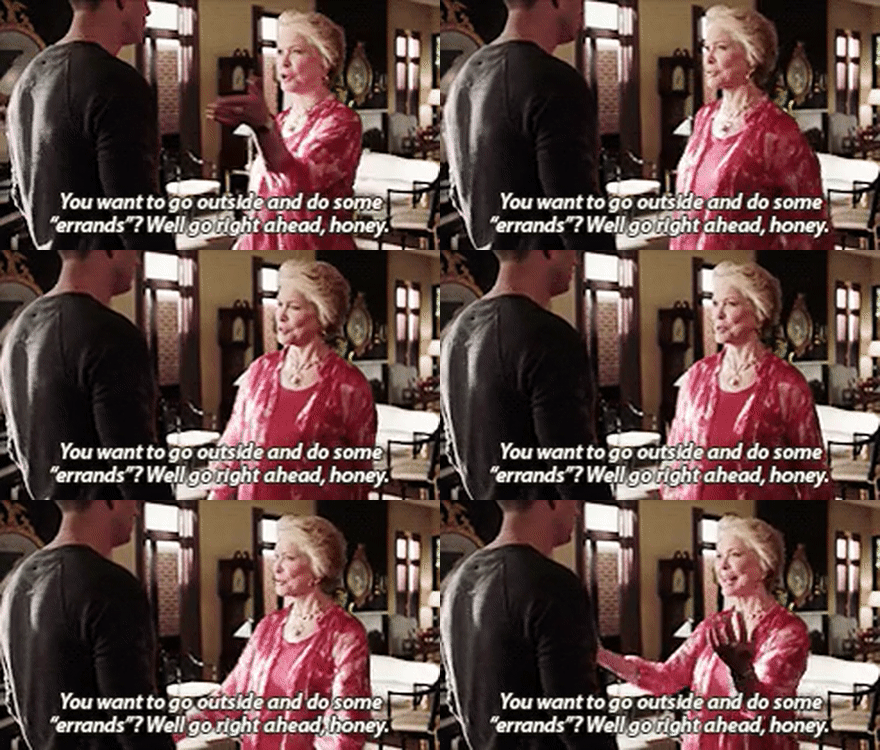
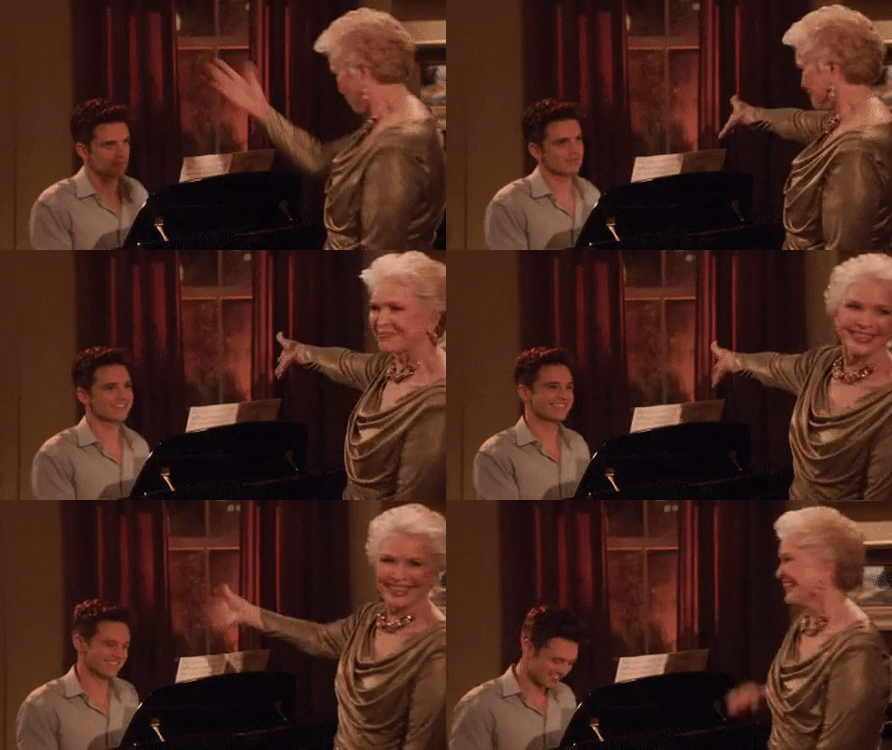
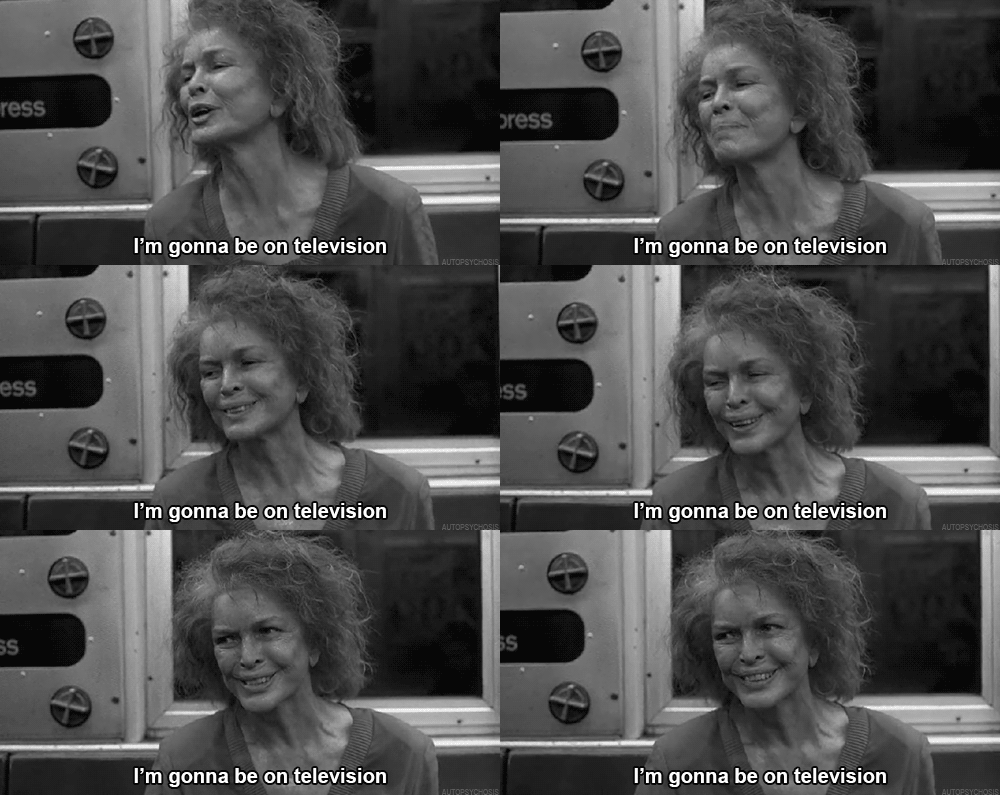
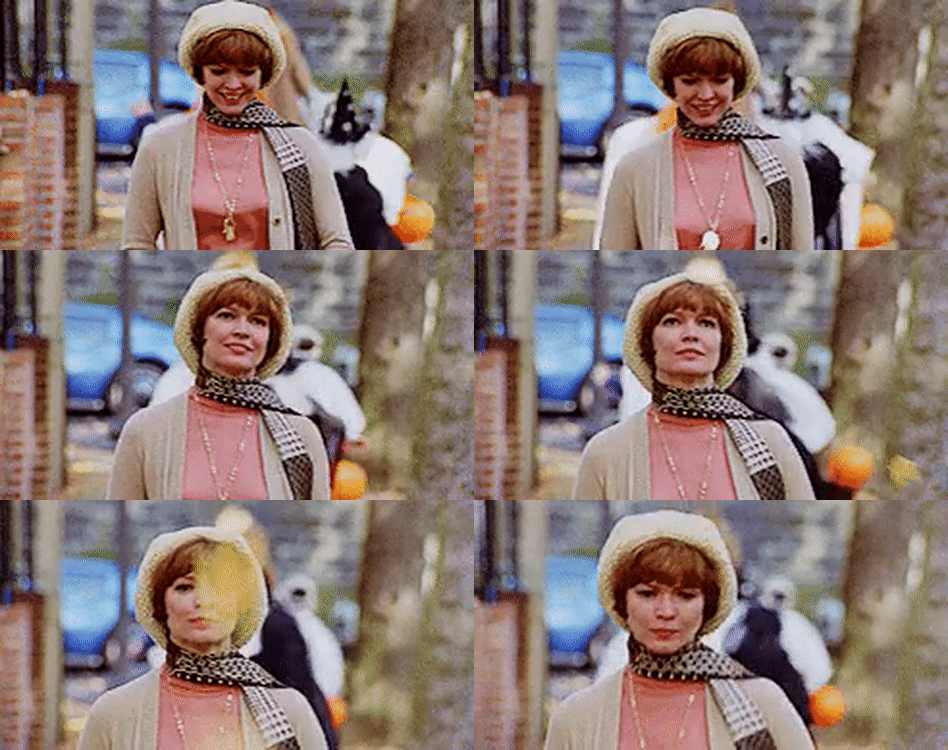
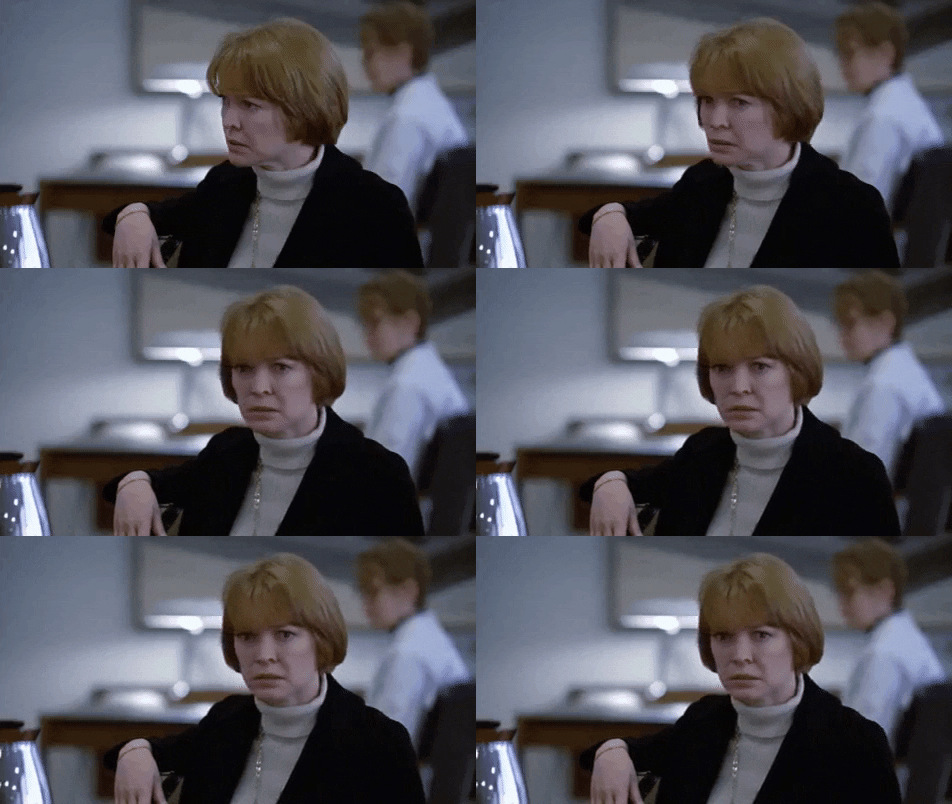
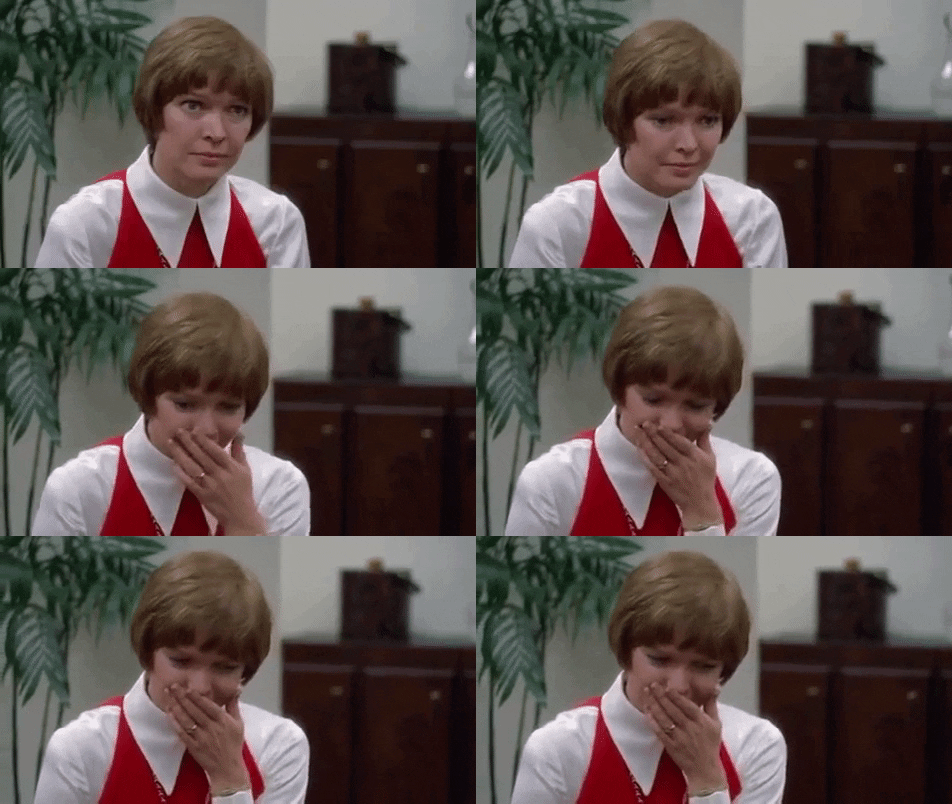
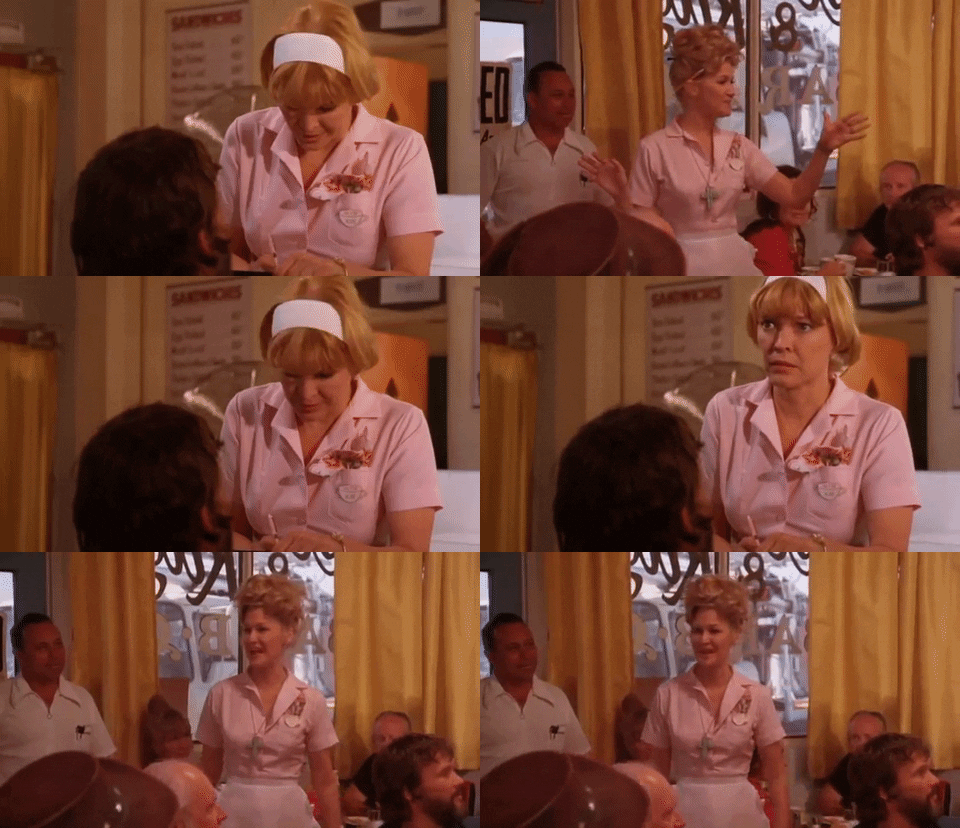
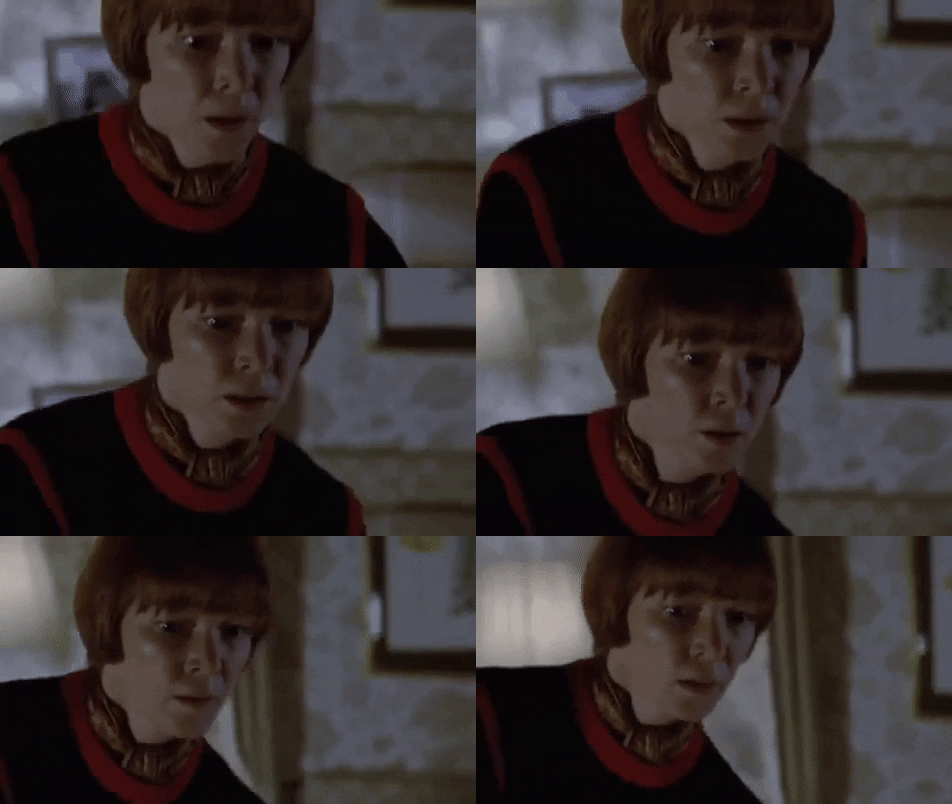
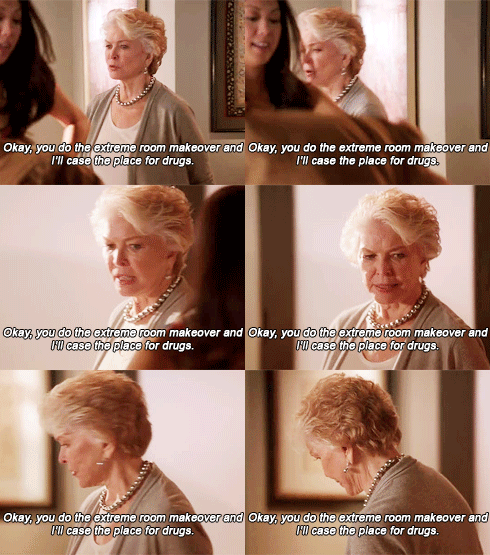
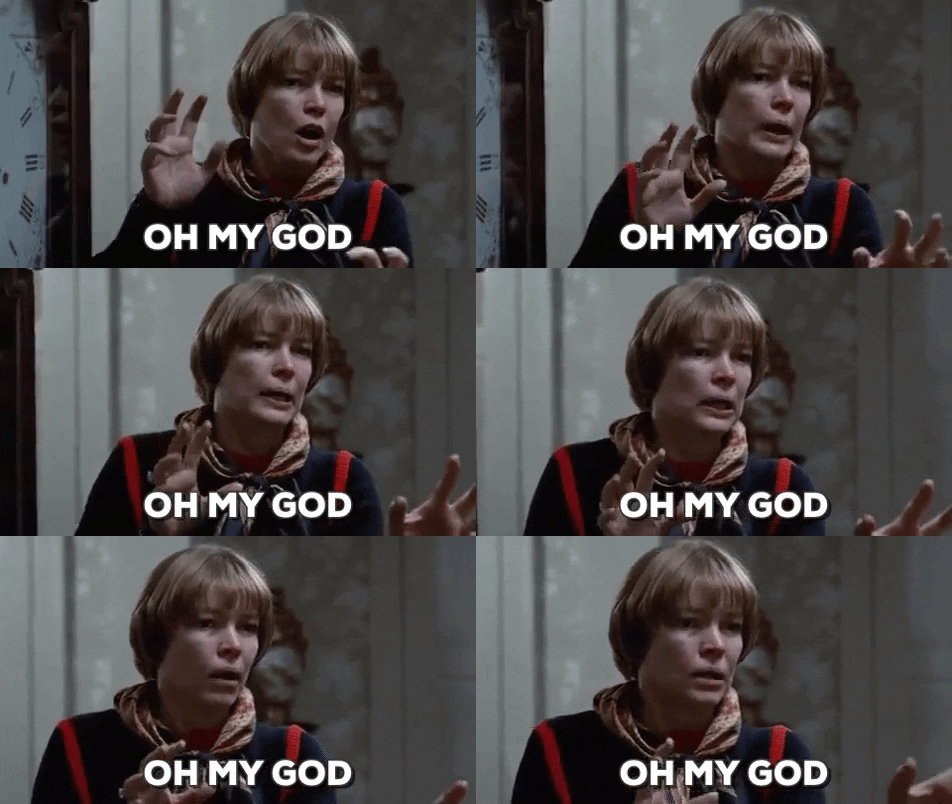
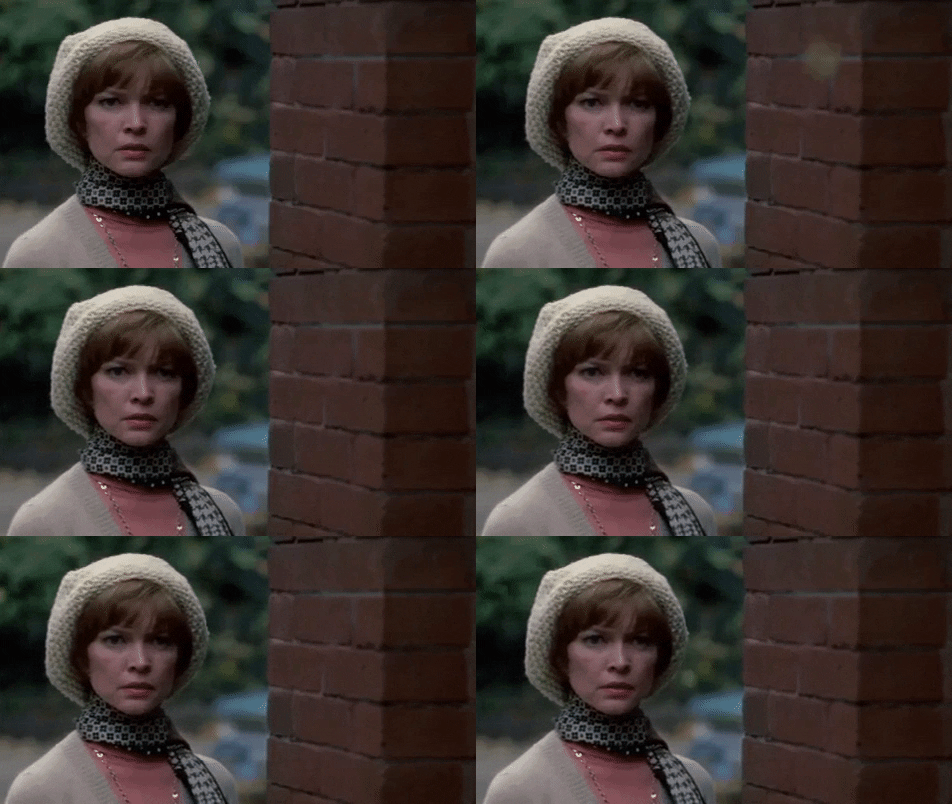
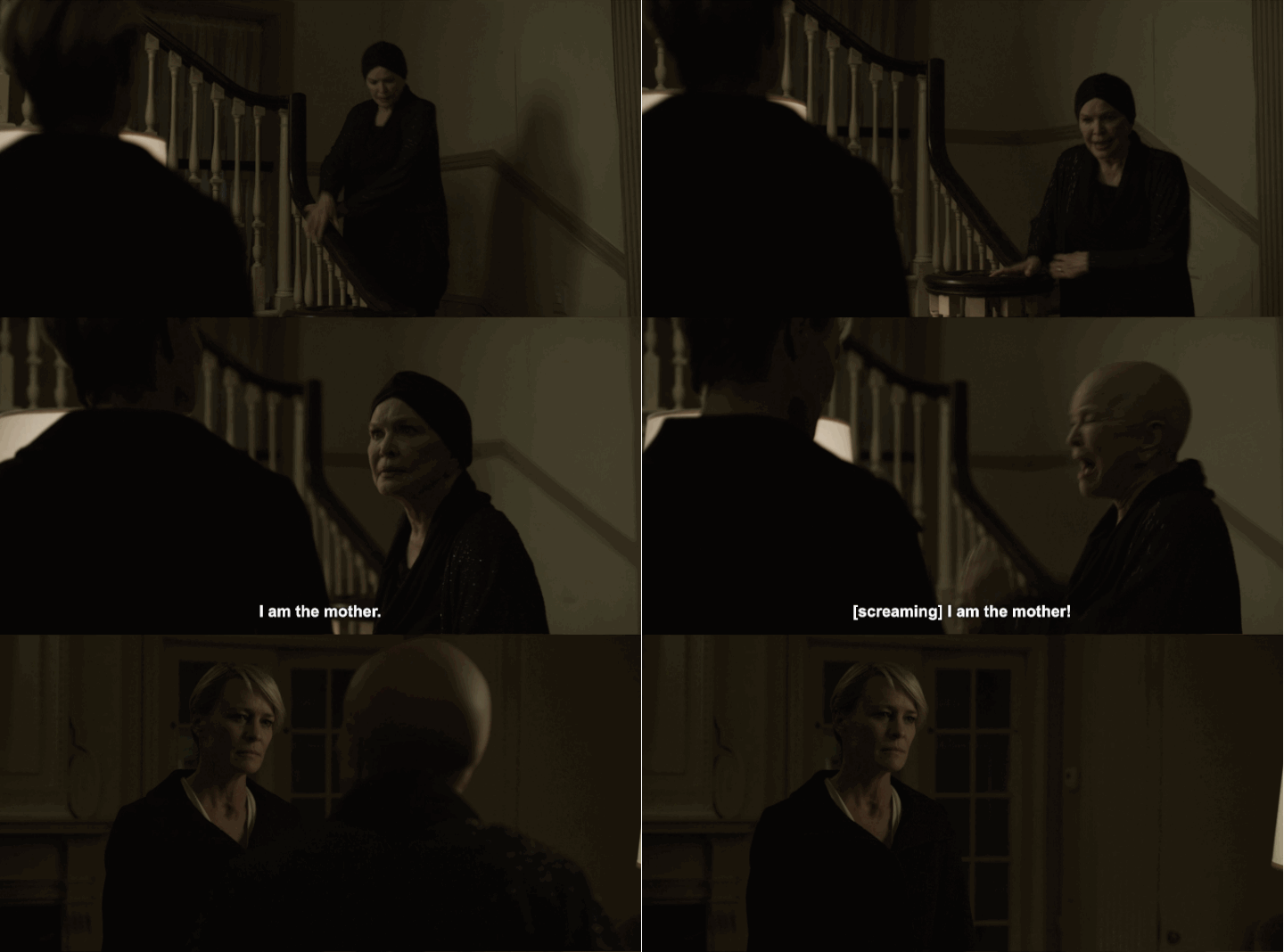
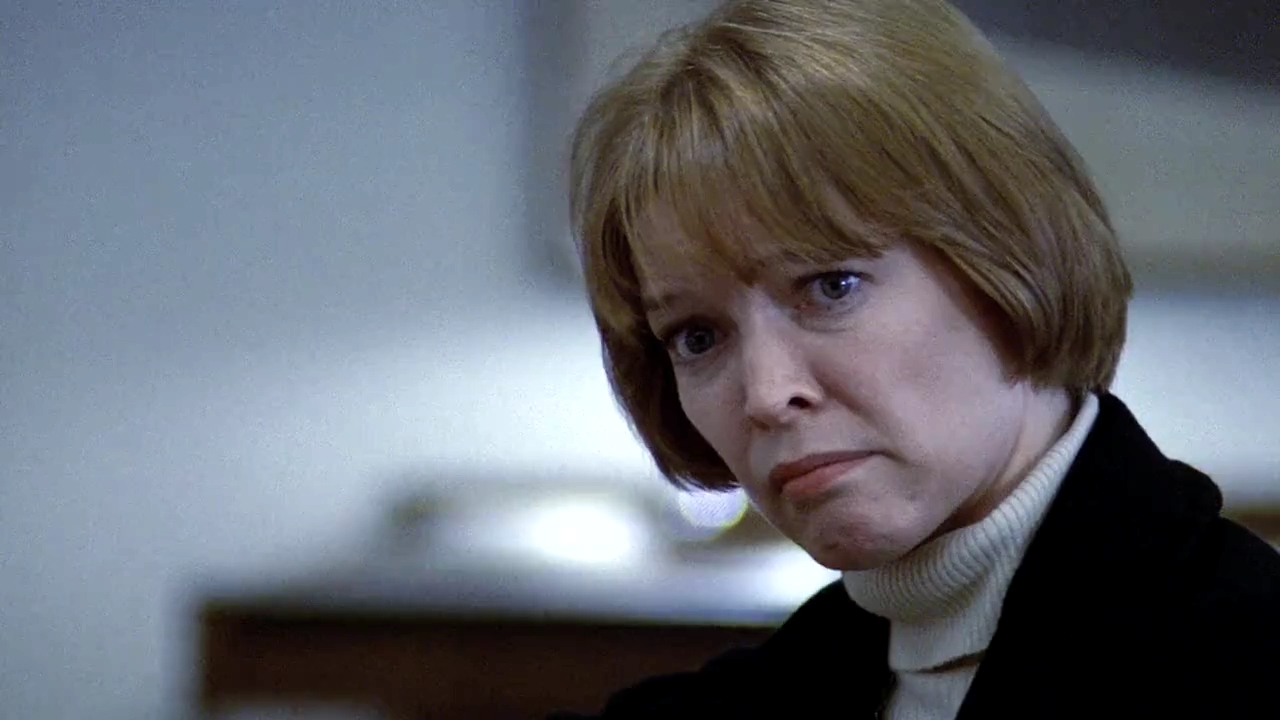
Ellen Burstyn Day

—-


‘When compiling a list of the greatest film actresses of all time, it is hard to deny the sterling work actress Ellen Burstyn has compiled over the last 30 years. While not reaching the same level of popular success as Meryl Streep or Jane Fonda, Burstyn never the less has created a name for herself as an actor’s actor, providing stunning performances in film, TV, and the theatre.

‘In 1957, Burstyn made her Broadway debut in Fair Game. The 1960’s would see her appear in a variety of television shows such as The Doctors, Perry Mason, Maverick, 77 Sunset Strip, and Gunsmoke. After studying at the Actors Studio, she got her big break in Peter Bogdanovich’s The Last Picture Show (1971), which garnered her Golden Globe and Oscar nominations for best supporting actress. This would be followed by another supporting role next to Jack Nicholson in The King of Marvin Gardens (1972), and a second Oscar nomination, this time as Best Lead Actress, in the ground breaking horror classic The Exorcist (1973).

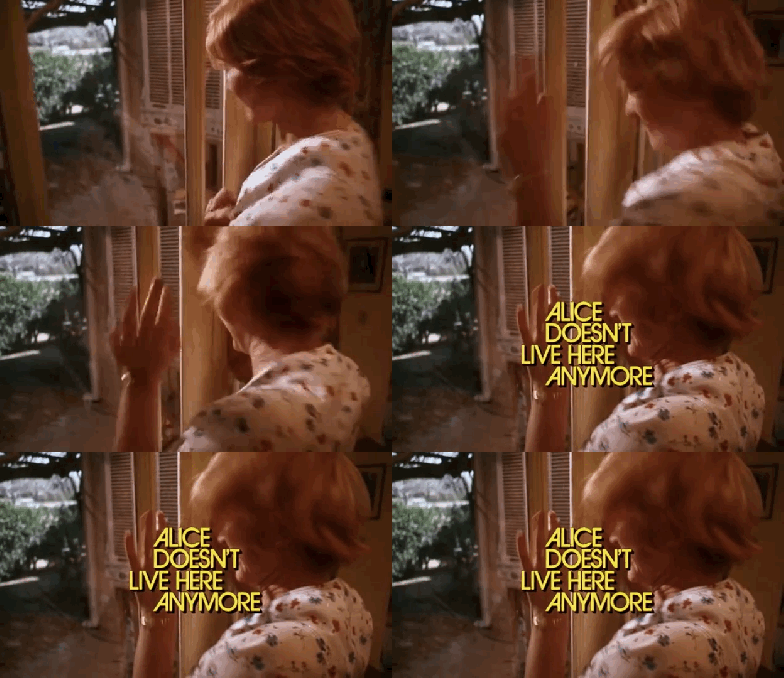
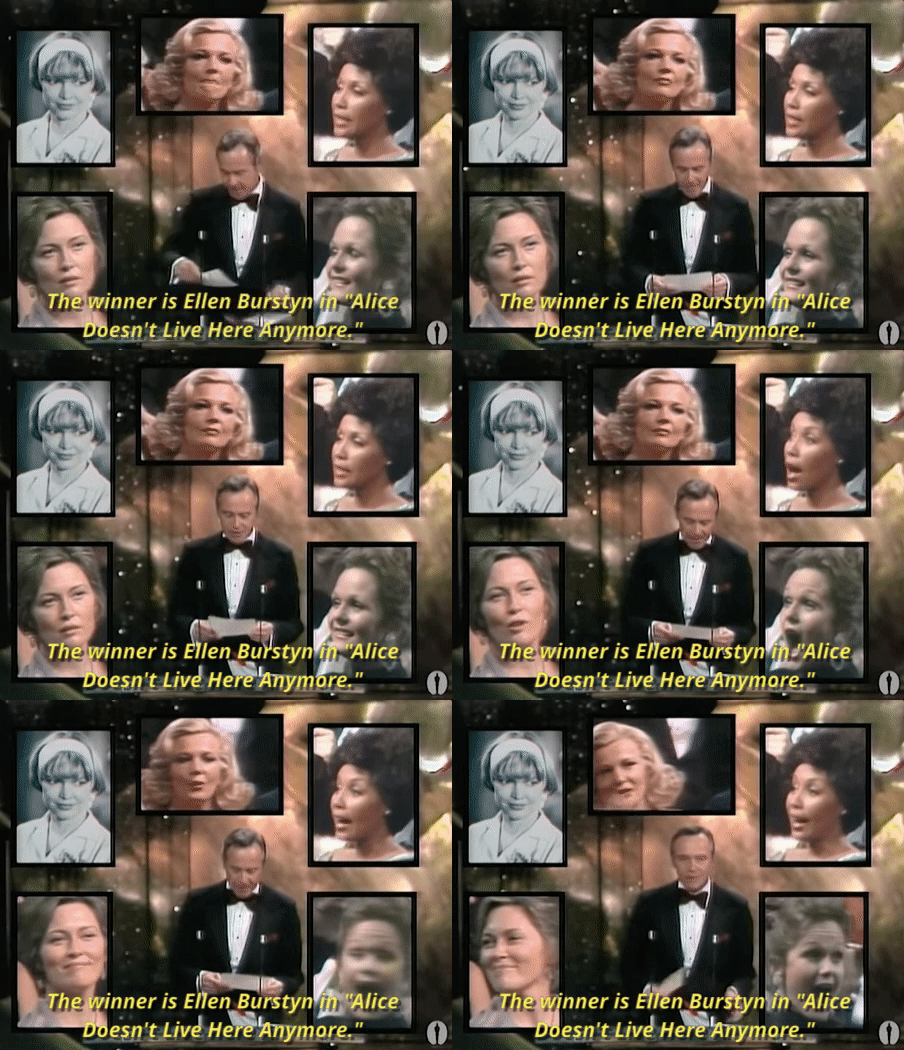
‘Burstyn would go on to finally snag the Oscar for her role as a single mother in Martin Scorsese’s Alice Doesn’t Live Here Aymore (1974). That same year, she would also win a Tony Award for Same Time, Next Year, a role she would reprise for the big screen 1978, and would once again be nominated for an Oscar. Another nomination would follow for Resurrection (1980). Despite her success in the 1970’s, Burstyn would find it hard to find work in Hollywood during the 1980’s, and opted to for roles in TV productions instead, receiving Emmy nominations for The People VS Jean Harris (1981) and Pack of Lies (1987), and also starring in her own sitcom titled The Ellen Burstyn Show. It would only last one season.

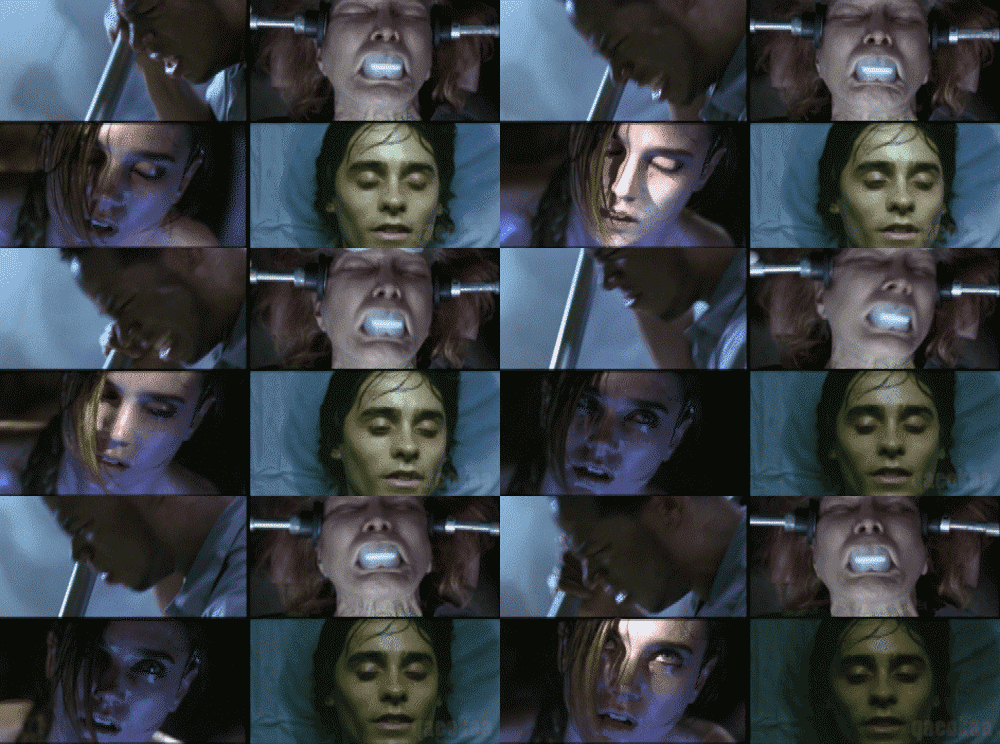
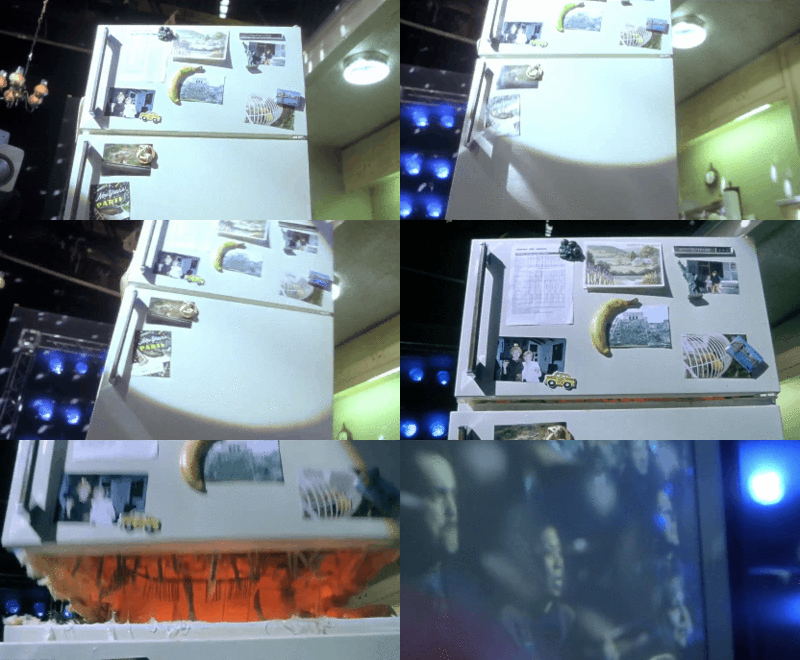
‘The 1990’s and onwards would see Burstyn play supporting roles – usually as a maternal figure – in films such as How to Make an American Quilt, The Spitfire Grill, and The Divine Secrets of the Ya-Ya Sisterhood. However, Burstyn would prove to have at least one more powerful performance left in her, with a startling portrayal of a speed addicted elderly widow in Darren Aronofsky’s potent anti-drug film Requiem for a Dream. Burstyn is remarkable as a lonely widower who – after given the news that she will appear in a future episode of her favourite TV show – decides to lose weight in order to fit into her favourite red dress. She would be robbed at the Oscars by Julia Roberts in her role as Erin Brokovich.’ — filmdime.com


____
Stills


______
Further

Ellen Burstyn @ IMDb
Ellen Burstyn @ Wikipedia
Ellen Burstyn @ film reference
Ellen Burstyn: U.S. Acting ‘Needs Some Help’
‘The Big Interview: Ellen Burstyn’
‘Remain in Light: An Interview with Ellen Burstyn’ @ PopMatters
Ellen Burstyn Facebook page
Ellen Burstyn Knowledge Base
Book: Ellen Burstyn’s ‘Lessons in Becoming Myself’


______
Extras


Ellen Burstyn signing autographs


Julia Roberts vs. Ellen Burstyn


Ellen Burstyn interviews Hubert Selby Jr. (w/ Russian voiceover)


Conversations with Ellen Burstyn


_______
Interview

from The Guardian


You went to the Actor’s Studio. Can you say a little bit about that experience, and what you think you drew from that.

Ellen Burstyn: I went to Los Angeles – not because I wanted to, but because my husband dragged me there, and I was working in television and I did some films, and my career was sort of advancing. And then I got a good part, a co-starring part, not a starring part, in a movie called Goodbye Charlie, with Debbie Reynolds and Walter Matthau and Tony Curtis.

I was sitting on the set one day and I had been sort of assembled. I was wearing an old wig of Shirley MacLaine’s and Debbie Reynolds’ brother Bill painted my face in a way that I almost recognised and I had this lovely dress, and I felt kind of put together to fit this character. And I was sitting on the set, Vincente Minnelli was the director, and I looked around, it was at 20th Century Fox, and I said to myself, ‘Alright. This is it. This is the big-time’, the next step would be to play the Debbie Reynolds part. And a voice in my head said, ‘I don’t want it.’

And I was absolutely startled. There was no thought process that led up to it at that time that said I didn’t like the path I was on. It was just at that moment. I knew I didn’t like the way my career was developing… not just my career, but my talent. So when the film was over, I packed up my things and left California and went back to New York and met Lee and started his private classes. I didn’t go straight into the Actor’s Studio, I studied with Lee for several years before I auditioned for the Actors’ Studio and got in – and working for him was one of the most important experiences of my life.

That period during the early 1970s we now tend to see as a very significant time for American cinema. A time when there was a sense of there being a new energy. Did it feel like that then?

EB: Well, you know, I remember a couple of years ago reading something in a newspaper about the ‘golden age’ of cinema in the 1970s and I thought, ‘Was it? I had no idea. Someone should have told us when we were doing it!’ But it was a very fertile and fervent time in America. It was the time of the Vietnam war and the protests and everybody was very fired up – with LSD too – and Watergate, and all of the things that were going on at the time in the country.

And we were all very active with this new energy. I think that somebody said once that only a small percentage of the population needs to do something like take LSD and everybody goes into an altered state. And I think that happened in America at that time. There was a sense that we were really contributing to culture and government and to what was happening. So I think that the cinema reflected that. I don’t think that it was only happening in the cinema, but what was happening in the cinema was in the context of the time.

Can you tell us about working with Alain Resnais on ‘Providence’?

EB: He’s so wonderful! I guess more than any man I’ve ever known he’s a gentleman. He’s so elegant. He has a very unique way of directing. He casts the film and then brings the actors together for two weeks, you rehearse every day and go over the script and you say if you want anything re-written. Then the script is finally finished – no more changes – and all the scenes have been played. Then he goes away for two days and edits the film in his head.

So he only shoots exactly what will be on screen. So there is nothing on his cutting room floor. So in a scene where I’m talking and he’s going to show Sandra nodding and shaking her head, he’ll only shoot that and I’m heard off camera. I’ve never worked with any other director who works like that. It’s completely unique to him.


_____________________
19 of Ellen Burstyn’s 161 roles

_______________
Joseph Strick Tropic of Cancer (1970)
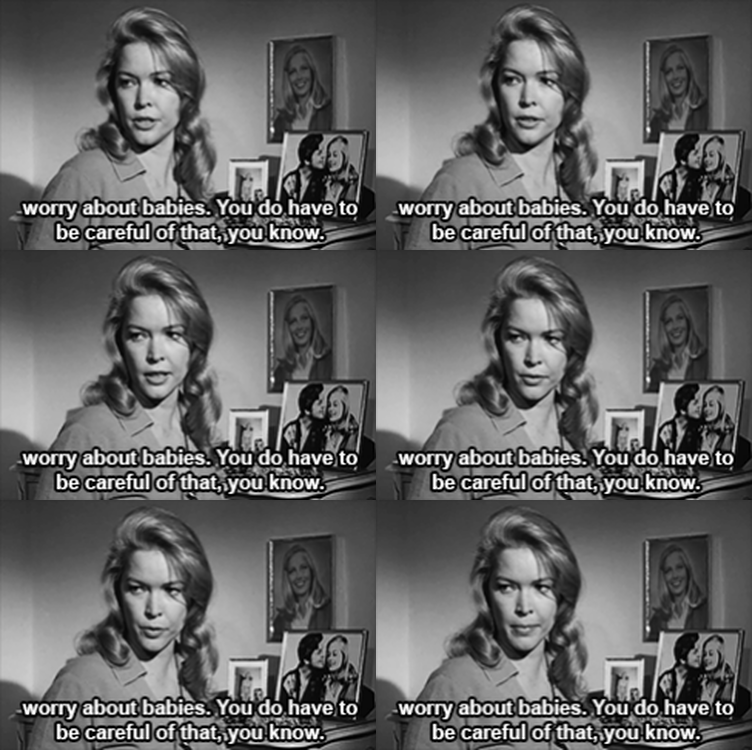
‘Three years after cinematizing James Joyce’s long-censored Ulysses, Joseph Strick mounted an adaptation of another racy literary work — Henry Miller’s Tropic of Cancer. The movie had difficulty synthesizing Miller’s sense of sacred and profane in harmony. The film tried to evoke its literary roots, now with a Rip Torn voice-over consisting of Miller’s actual prose, then with some poetic shots of the beauty of Paris, but it never really seemed to succeed. The late 60s and early 70s were a time when filmmakers were casting off their yokes and flexing their muscles in terms of explicit sexuality, and this film was one of the most daring American films of the era. It is also shocking to see Ellen Burstyn in such a flagrant display of nudity. I suppose you know that she has been nominated for six Oscars, winning one for Alice Doesn’t Live Here Any More. All of those more modest roles came after her total frontal nudity in this movie. Tropic of Cancer has value as a historical curio, some of the locales are accurately evocative.’ — scoopy.net


Opening


___________________
Peter Bogdanovich The Last Picture Show (1971)
‘When The Last Picture Show opened in 1971, it created a sensation. I saw it on its first engagement in New York, where audiences crowded in with the eagerness reserved, these days, for teenage action pictures. It felt new and old at the same time. Bogdanovich, a film critic and acolyte of Welles, shot in black and white, which gave the film a timelessness, then and now. He used a soundtrack entirely made up of pop songs, which was something new (Scorsese had tried it with his first film, in 1967). It was mostly Hank Williams who provided the soundtrack for these lives, and Bogdanovich used real sources in the scenes for the music — radios, jukeboxes — where “Cold, Cold Heart” and “Why Don’t You Love Me (Like You Used to Do)” commented directly on the action. The film has an unadorned honesty that came as a jolt after the pyrotechnics of the late 1960s. While the Easy Rider generation was celebrating a heedless freedom, Bogdanovich went back to the directness and simplicity of Ford, who he admired no less than Welles.’ — Roger Ebert


Trailer


Selected scenes


____________________
Bob Rafelson The King of Marvin Gardens (1972)
‘For his electrifying follow-up to the smash success Five Easy Pieces, Bob Rafelson dug even deeper into the crushed dreams of wayward America. Jack Nicholson and Bruce Dern play estranged siblings David and Jason, the former a depressive late-night-radio talk show host, the latter an extroverted con man; when Jason drags his younger brother to a dreary Atlantic City and into a real-estate scam, events spiral toward tragedy. The King of Marvin Gardens, also starring a brilliant Ellen Burstyn as Jason’s bitter aging beauty-queen squeeze, is one of the most devastating character studies of the seventies.’ — The Criterion Collection


Excerpt


Excerpt


____________________
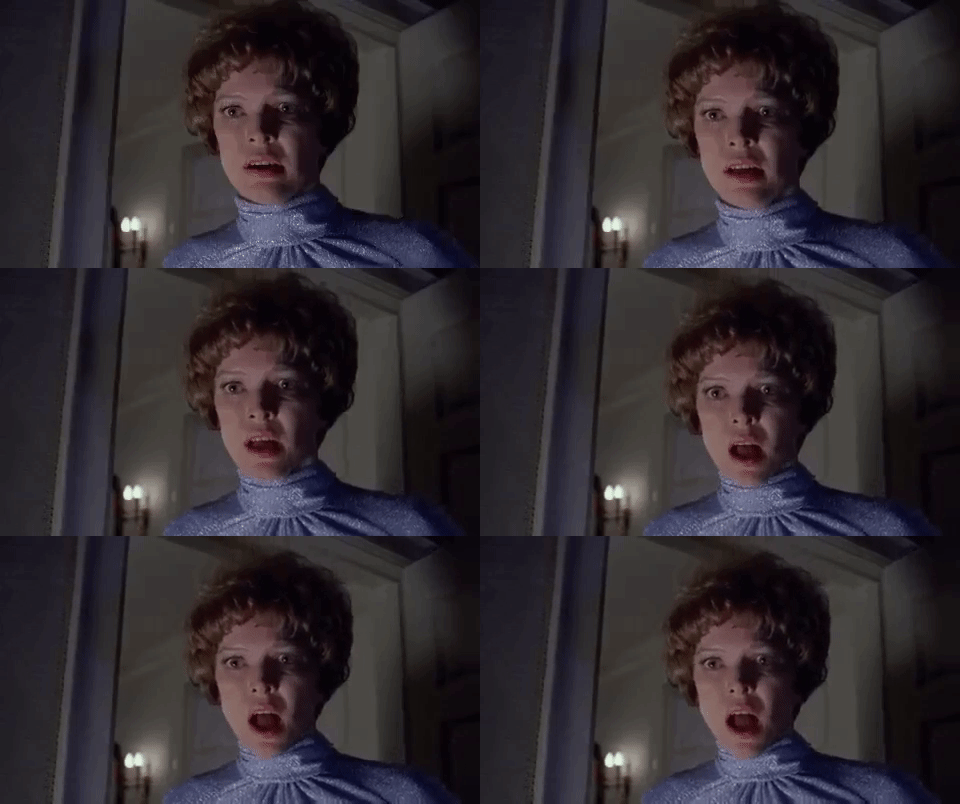
William Friedken The Exorcist (1973)
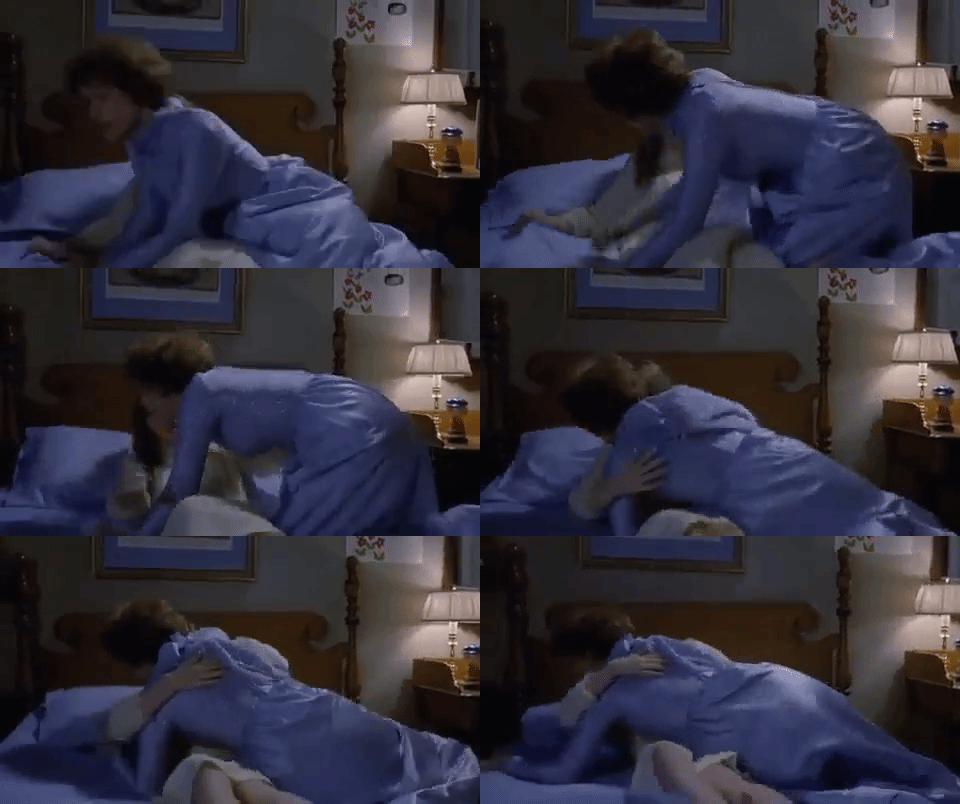
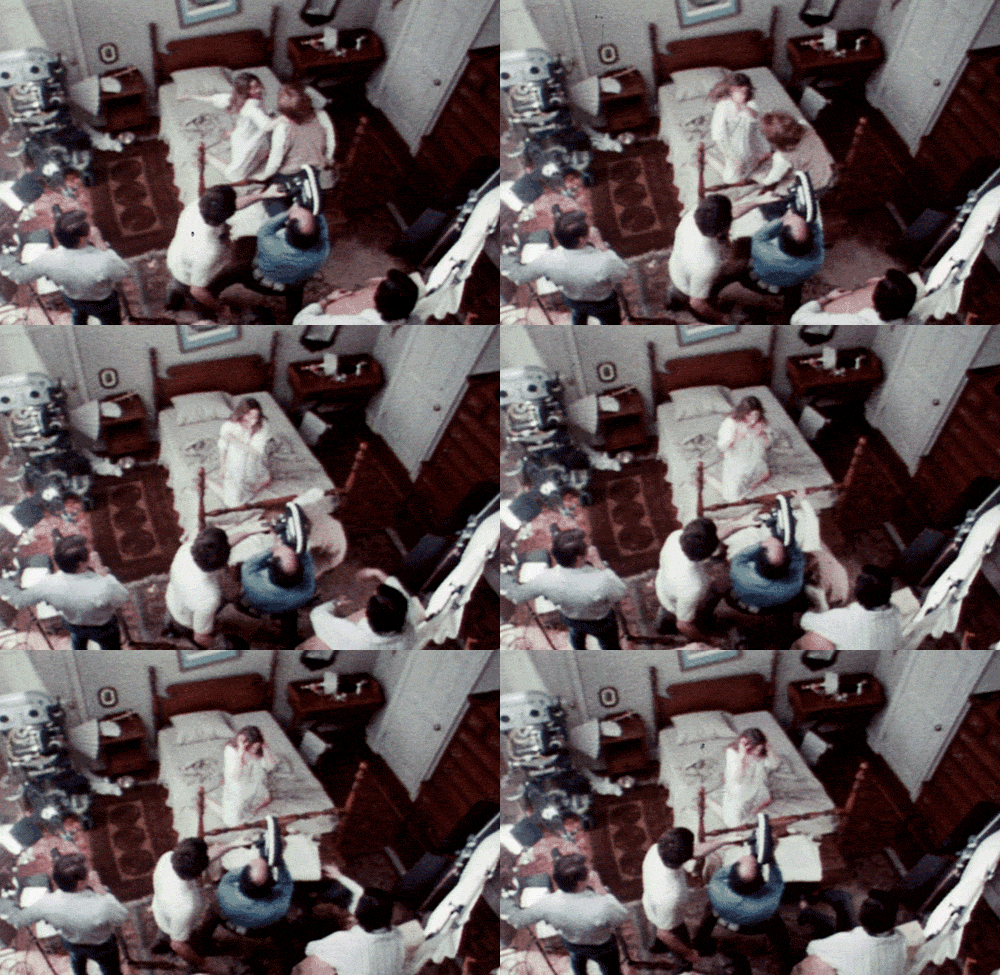
‘I think for the most part, The Exorcist is a drama (which it succeeds at) about a mother trying to figure out what is the matter mentally with her daughter. It’s really up to Ellen Burstyn to set a dramatic foundation for the film, while Linda Blair adds the horror foundation. Actually, Ellen Burstyn does alot in this film, besides fighting the demon inside her daughter. I was quite surprised when I originally watched The Exorcist, and saw that Ellen Burstyn really took her work seriously here. She adds little ticks and facets to Chris, making her caring, if a little high strong woman who doesn’t like being under pressure. She’s holds nothing back, even in her quietest moment, Burstyn grabs hold of Chris’s grief and utter confusion.’ — Sage Slowdive


Ellen Burstyn on why the film is still scary


Remix


______________________
Martin Scorcese Alice Doesn’t Live Here Anymore (1974)
‘The film is an American comedy of the sort of vitality that dazzles European film critics and we take for granted. It’s full of attachments and associations to very particular times and places, even in the various regional accents of its characters. It’s beautifully written and acted, but it’s not especially neatly tailored. At the center of the movie and giving it a visible sensibility is Miss Burstyn, one of the few actresses at work today who is able to seem appealing, tough, intelligent, funny, and bereft, all at approximately the same moment. It’s Miss Burstyn’s movie and part of the enjoyment of the film is in the director’s apparent awareness of this fact.’ — Vincent Canby


Excerpt


Excerpt


______________________
Alain Resnais Providence (1977)
‘Over a drunken, tormented night, dying writer Clive Langham (John Gielgud) struggles with the plot of a novel. The characters are based on Langham’s own family, who are depicted as spiteful, treacherous and decadent. Langham makes these people interact in a variety of settings – courtrooms, mortuaries, werewolf-haunted forests. The film contains a unique variety of visual techniques which illustrate Langham’s internal editing of his material. We watch one scene evolve, and after several minutes, Langham decides that the dialogue is all wrong. The scene is performed again with different dialogue accompanying the basic actions of the scene. The most unusual example of internal editing is a scene between Dirk Bogarde and Ellen Burstyn. Burstyn enters the frame on the left side through a door. The camera then follows the characters in one continuous shot as they walk to the other side of the room, as their conversation progresses. In the end, Burstyn returns to the side of the room where the door was. Now the door is gone, and she must descend a flight of stairs for her exit from the scene.’ — Wiki


Trailer


the entirety


______________________
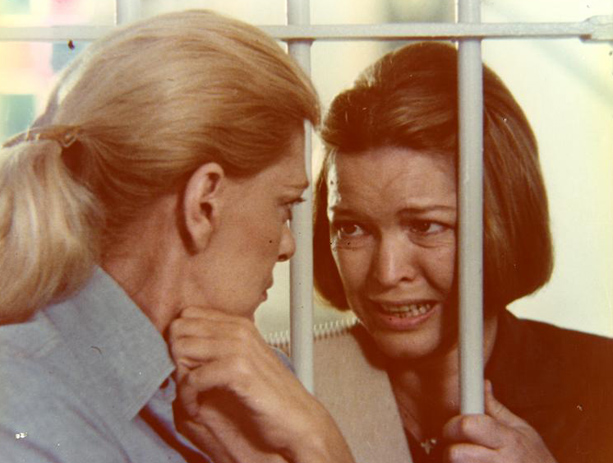
Jules Dassin A Dream of Passion (1978)
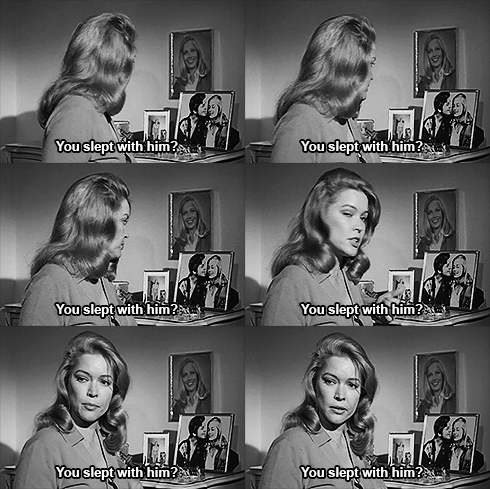
‘At a time when most movies try so little, there’s something to be said for a movie that tries to do too much. Some of Dassin’s indiscriminately aimed darts manage to hit the bull’s eye. Mercouri is more restrained than usual, and she has riveting moments… However, the most effective moments belong to Ellen Burstyn as the simple, uneducated housewife who went berserk when she learned that her husband planned to leave her for a younger woman. Burstyn makes the monstrous comprehensible. In contemplating the tragedy of a woman who built her life around her husband, we feel both pity and terror. In its horrific, extreme way the film reflects all the recent questioning of the religion of domesticity.’ — Stephen Farber


____________________
Daniel Petrie Resurrection (1980)
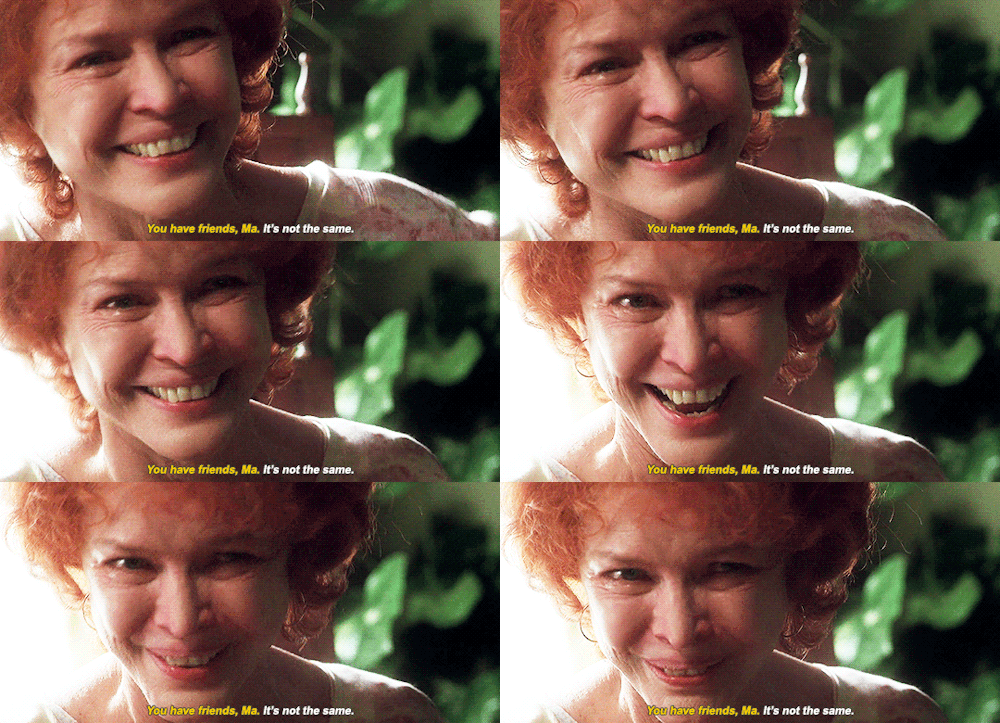
‘Released at a time when psychic auras, near-death experiences, and Kirlian photography were all the rage among early New Age proponents, Resurrection achieves a spiritual depth rarely found in Hollywood movies. In one of her finest performances, Ellen Burstyn stars as Edna McCauley, a transplanted farm girl who develops healing powers following an accident that left her widowed and paralyzed. Returning to her Kansas homeland, she attracts awe and controversy, performing healings while deflecting any pretense of religion. Resurrection tenuously mixes spiritual significance with John Ford’s homespun tradition, but for the most part it works: Burstyn superbly conveys Edna’s heartfelt determination, and both she and stage veteran Eva LeGallienne (in a rare and final film performance, as Edna’s grandma) deservedly earned Oscar nominations.‘ — Jeff Cannon


Near-death sequence


Excerpt


_________________
George Schaefer The People vs. Jean Harris (1981)
‘Jean Harris’s 1981 trial for murdering her famed cardiologist boyfriend captivated the nation and inspired several telefilms. Hollywood grabbed on to the national event; the telefilm The People vs. Jean Harris, a two-part, four hour film, premiered in 1981, and earned star Ellen Burstyn both Emmy and Golden Globe nominations for her turn in the title role.’ — Hollywood Reporter


the entirety


_________________
Lee David Zlotoff The Spitfire Grill (1996)
‘“The Spitfire Grill” won the audience award at this year’s Sundance Film Festival, which says less for the audience than for the movie. It’s an unabashedly manipulative, melodramatic tearjerker with plot twists that Horatio Alger would have been embarrassed to use, and the fact that it’s so well acted only confuses the issue.’ — Roger Ebert


Trailer


Excerpt


_________________
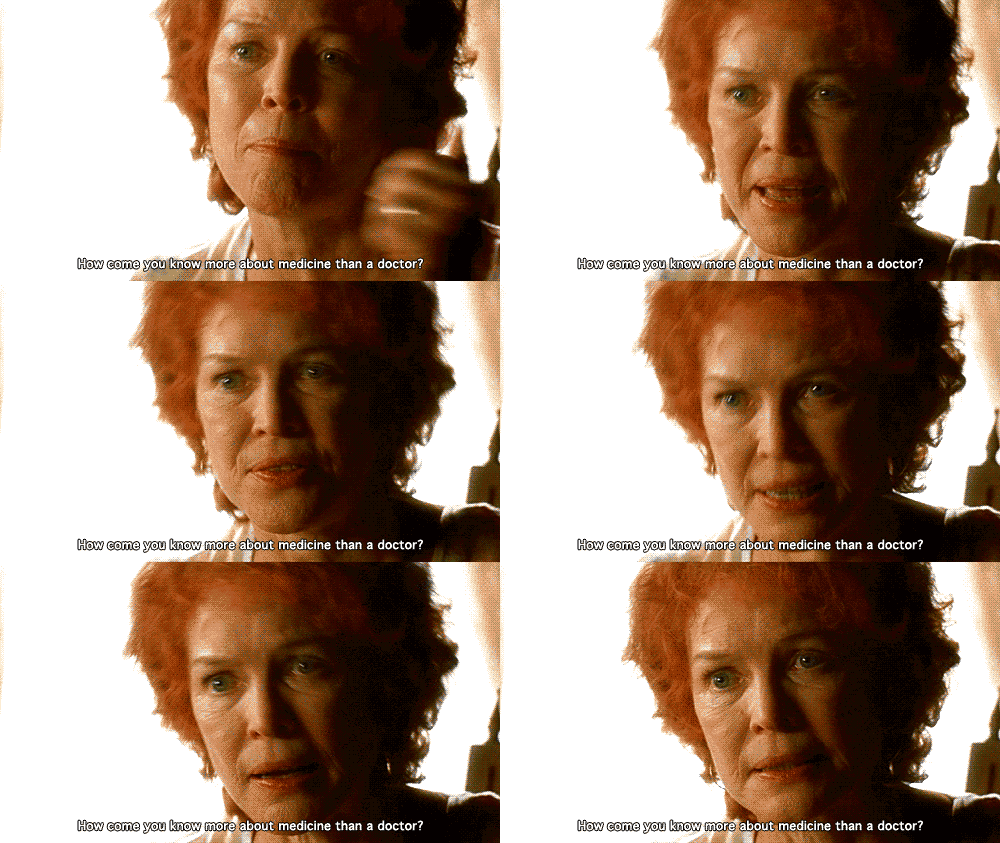
Darren Aronofsky Requiem for a Dream (2000)
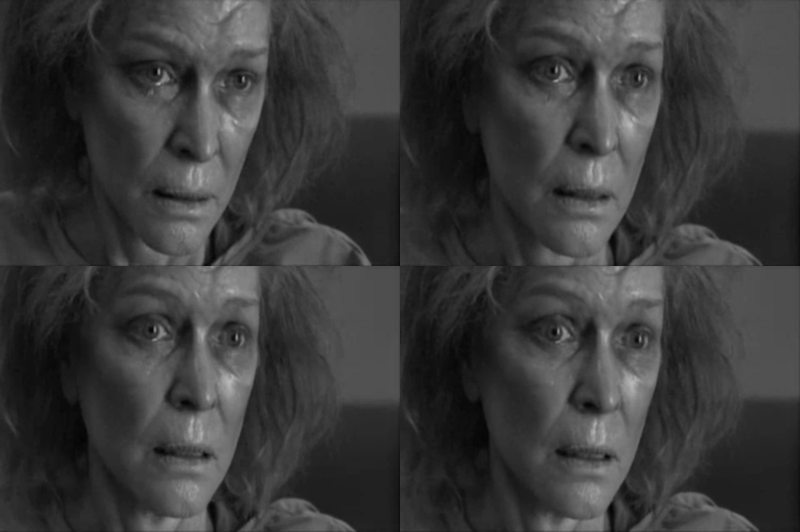
‘Strapped into a fat suit, she is so bloated that her walk becomes a waddle. Her hair, expressed by a grotesque series of wigs, eventually turns into a crinkled bride-of-Frankenstein nimbus. As her character goes insane, her eyes dart and squint and finally wash out into a dead daze. ”Unflattering” is too wimpy a euphemism to describe Ellen Burstyn’s transformation into tormented diet-pill addict Sara Goldfarb in Requiem for a Dream. She disintegrates in front of your eyes. ”Here’s a woman in her 60s who allows the camera to be an inch from her face — without makeup, or with makeup making her look worse than she does,” marvels director Darren Aronofsky. ”You find me a 22-year-old actor who doesn’t have an issue with that.”’ — Entertainment Weekly


Excerpt


The monologue


_____________________
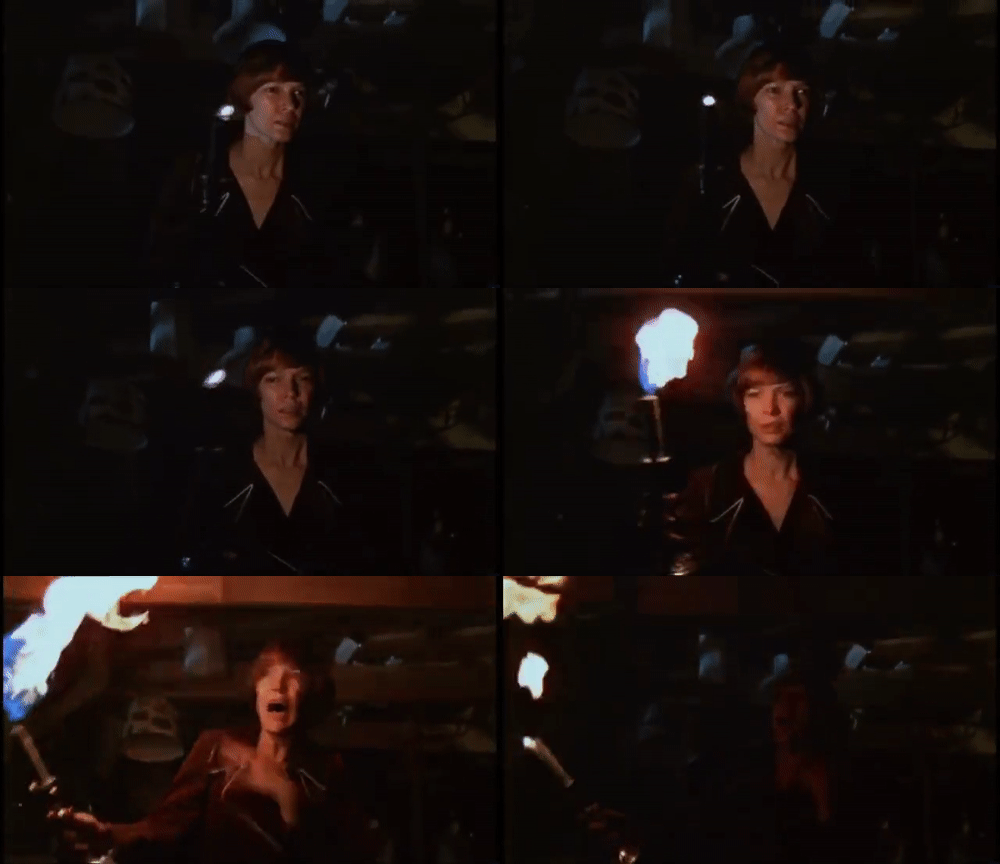
Neil LaBute The Wicker Man (2006)
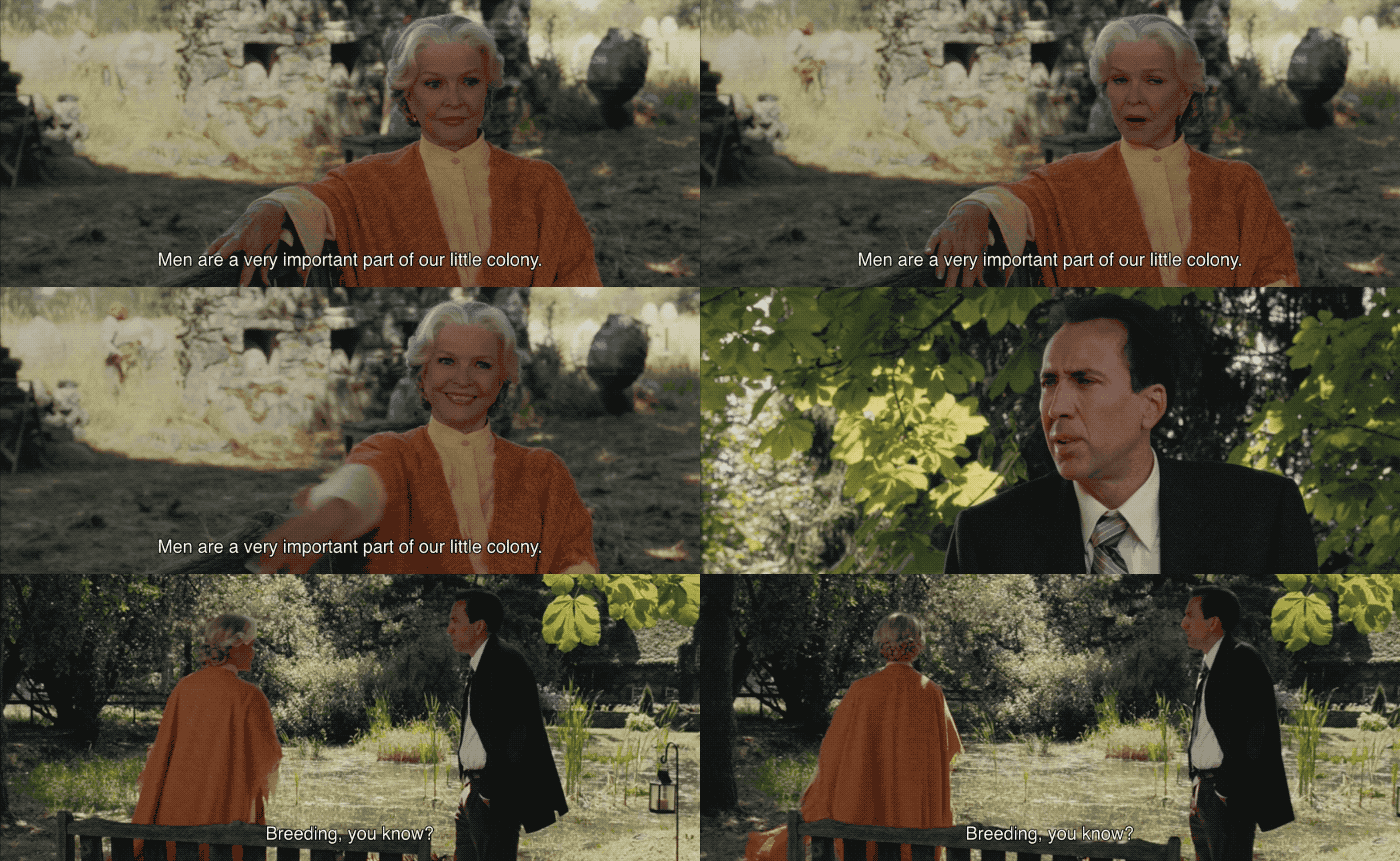
‘How fun to take a nearly throwaway comment by Julius Caesar with zero corroborating evidence and stir up an entire mythology about it leading to a brilliant twisty British film of 1973 that gets updated and remade into a USA mystery thriller in 2006. For the update, directed and written by Neil LaBute, we have California police motorcycle officer, Edward Malus (Nicholas Cage) who is depressed and forlorn because he was unable to rescue to victims of a horrendous car crash from their fiery death, being called to a tiny island in Puget Sound by his long, lost fiancée to find her missing daughter Rowan. Upon arrival at the secret refuge colony under the charge of Sister Summersisle (Ellen Burstyn), he finds this bee-deviled island ruled by women with men in strictly subservient positions and used mainly for procreation. Ellen Burstyn turns in a delightfully wicked portrayal as Sister Summersisle, the island’s matriarch and direct link to Mother Earth.’ — movieEVERYday.com


Trailer


Weird montage of EB’s scenes w/ techno overlay


______________
Darren Aronofsky The Fountain (2006)
‘Critical reception for The Fountain has been nothing short of bloodthirsty, with Cannes audiences booing, but there are elements to enjoy here, even if the premise throws one for a loop. Ellen Burstyn (who earned an Oscar nomination for Requiem for a Dream) delivers a typically solid performance as Jackman’s boss in the present day sequence, and special effects (most done without the benefit of CGI) are also impressive given the film’s low budget (spurred by a mid-production shutdown after original stars Brad Pitt and Cate Blanchett ankled the picture). And science-fiction fans whose tastes run towards the metaphysical (Asimov, Le Guin) will appreciate the attempt to present the genre in a serious light.’ — Paul Gaity


Trailer


______________
Oliver Stone W. (2008)
‘Oliver Stone’s latest effort is largely defensible, but – really – is George W. Bush? (That’s mostly a rhetorical question.) Besides, a defense of Bush isn’t what Stone’s after either. His film is “sympathetic” insofar as it concedes that Bush is, in fact, a human being – who likes sports and country music and has some family issues – and it’s “critical” insofar as it re-enacts, or alludes to, Bush’s greatest misses, from his notoriously less-than-impressive pre-political career to the on-going quagmire in Iraq.’ — Josh Timmerman


Excerpt


Ellen Burstyn on Being Barbra Bush in Oliver Stone’s W


______________
Deborah Chow Flowers in the Attic (2014)
‘Last night, Lifetime aired its ridiculous adaptation of V.C. Andrews’ pulp tale of incest and other parenting no-nos, Flowers in the Attic. It wasn’t wrong. Over six million people watched Heather Graham’s crazy eyes and Ellen Burstyn’s scenery chewing.’ — Rich Juzwiak


Trailer


_____________
Matthew Barney River of Fundament (2014)
‘When Norman Mailer released Ancient Evenings in 1983, critics were not kind. Words like “disaster” and “ludicrous” were tossed around; its tale of reincarnation in ancient Egypt was accused of providing “unintended hilarity.” In basing his new work, a three-part filmed “opera” called River of Fundament, loosely on this novel, Matthew Barney surely knows he’s inviting the same response: Overlong, willfully obscure and scatologically extreme, the film will elicit a variety of negative responses despite offering some individual elements that, on their own, would surely impress any of Barney’s admirers. Characters are played both by actual members of Mailer’s orbit — Dick Cavett and Fran Lebowitz are among the artists and writers at the wake — and by actors: Paul Giamatti is a pharaoh; Maggie Gyllenhaal and Ellen Burstyn play two versions of Hathfertiti, the human conduit for Mailer’s rebirths.’ — Hollywood Reporter


Excerpt


______________
Christopher Nolan Interstellar (2014)
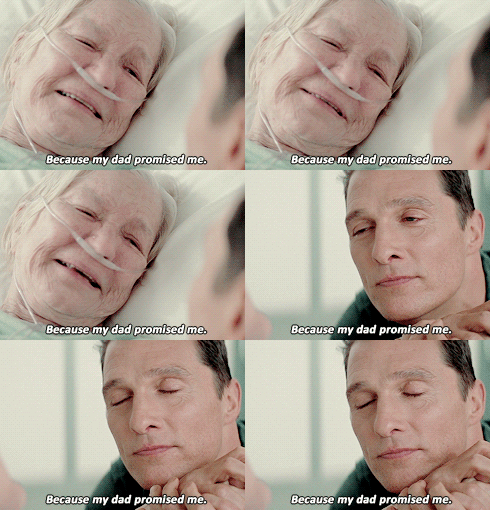
‘If you’ve taken up the search for juicy plotlines from Christopher Nolan’s much-anticipated film “Interstellar,” you’re probably going to be out of luck. Ellen Burstyn joked Friday on HuffPost Live that cast members had to “sign in blood” to seal their commitment to safeguard details. “We have all promised we would not say a word, so there’s not very much I can say, except to tell you that I have a pretty small part in a very big film,” she told host Ricky Camilleri. “Don’t expect to see a lot of me.” She did make a point of mentioning that she had “not been cut out,” which she learned after seeing Matthew McConaughey at this year’s Emmys. The actor also told Burstyn the film is “fantastic and wonderful.” Other than that, the 80-year-old “Exorcist” actress and “Bathing Flo” director couldn’t share much more about the film. “It has to do with space. That’s safe enough. [And] it’s big,” she said.’ — Huffpost


Trailer


Excerpt


______________
Todd Solondz Wiener-Dog (2016)
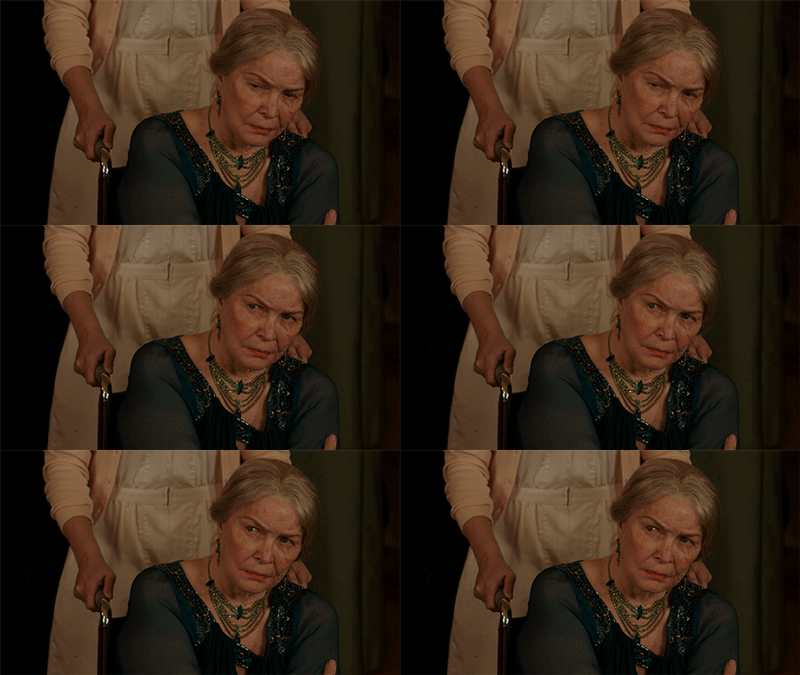
‘If the “will” is the “thing that makes you you,” then breaking that will is tyrannical. Maybe a broken will is necessary to the social contract, as well as a part of the human condition, but there’s hardly any comfort in that. Todd Solondz doesn’t care about the audience’s comfort and his films have a ruthless, unblinking stare, almost refreshing in their uncompromising attitude (especially in comparison with the industry’s pathological desire for happy endings). Solondz rarely provides escape hatches. He presents reality, or reality as he sees it. Reality can be hilarious, absurd, touching. It can also be an exercise in futility. With all its humor (and there is a ton), “Wiener-Dog,” following the journey of a dachshund as it is shuffled from owner to owner, is one of Solondz’s sharpest visions of futility. Ellen Burstyn is the final owner of the dog. An invalid, hidden behind dark sunglasses, she tolerates the visit of her twitchy anxious granddaughter Zoe (Zosia Mamet), artist boyfriend named Fantasy (Michael James Shaw) in tow. Zoe is eager to please, on the edge of tears, babbling about Fantasy’s art (“I’m interested in mortality,” announces Fantasy) and afraid of her formidable humorless grandmother (as well she should be). The scene, and the one that follows, is sweeping and surreal in its evocation of regret, loss, and roads not taken.’ — Roger Ebert


Trailer


Excerpt


______________
Mark Pellington Nostalgia (2018)
‘Nostalgia wins all the awards for good intentions, but the film rarely hits a note that isn’t false.’ — Daniel Barnes


Trailer

—-

*

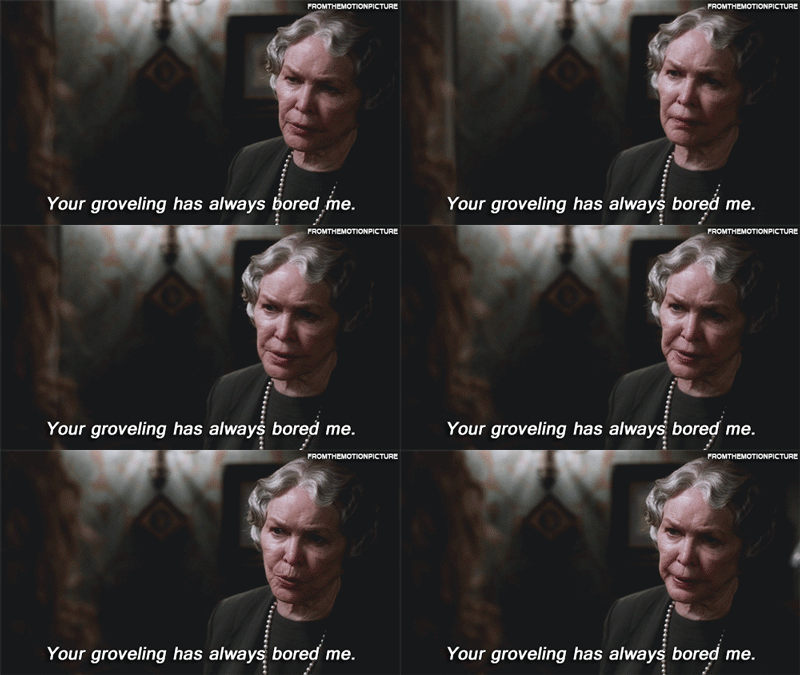
p.s. Hey. ** David Ehrenstein, Hi. Our art is our only shot. It’s a crapshoot, but … I don’t know of Joseph Epstein, but, yeah, he sounds like a real charmer. Everyone, Mr. E has memorialised the late photographer and bon vivant Peter Beard on his FaBlog here. ** Tosh Berman, Hi, Tosh. So great, and the way he works with photographs, incredible, yeah. I’ll certainly try the new Apple, but I think I’ll wait until after almost everyone keeps typing raves re: it into my FB feed every 10 seconds ‘cos I can feel the chip growing on my shoulder. Sounds curious in your report though, I’ll say that. The Shangri-Las are a magic word for sure. ** _Black_Acrylic, Hi. Thanks a lot for listening to my blab with Chris, and of course for getting stuff out of it. Chris is so great and such a pleasure too speak with. Oh, wow, David Robbins … I haven’t thought about him in a while. That’s interesting. Bon day, bud. ** Corey Heiferman, There are more of us late blooming scribes than one would imagine. I’ll eat pretty much any style cold sesame noodle, or rather shovel it in, but I am picky if I have a choice. Zac’s are sublime. My ultra-favorite is Szechwan style. I could die just thinking about eating them, so I should stop thinking about them. I like tahini of course, and, under the current circumstances, I mean I would eat cold sesame noodle that’s just cold noodles with a jar of peanut butter mixed probably. Terrible that a screenplay is supposed to sell a film. That’s why 90% of films suck. If there is indeed a lot of Joni Mitchell in the Apple album I am almost certainly going to hate it. Tiny Mixtapes is hugely missed. I really hope they come to their senses and restart. There isn’t really another site with that kind of auterish, wacked out, irritating (occasionally in quotes) music crit that I’ve found. I’m relying on The Wire and a bunch of groups on social media dedicated to experimental new music and the tips of likeminded friends. But, yeah, TMT really should exist. ** Bill, He’s a biggie, that’s for pretty much sure. Ooh, I need to go experience more Peter Woods. I will. Oh, its an eBook. No sweat then. I mean, 80% of what I read over here are pdfs and eBooks. Cool. Will do. Thanks! ** Raymond, Hi, Raymond! Welcome back! Excellence to see you! Good move on the internet judiciousness. I’m so bored under lockdown that I don’t I could save myself in that fashion at the moment. How are you? What’s up? What have you been researching? ** JM, Hey, Josiah! Thanks for propping ‘Closer’ on you-know-where. That was heartening. Good, good about April 28th. The degree of reopening sounds sensible. We have yet to be told precisely what our May 11 reopening will allow. I think we’ll get the actual low-down in a week or two. I wouldn’t be surprised if ours is much like yours. You guys famously have the best Prime Minister in the world, or almost everyone outside of New Zealand seems to think so, and I’ve seen not a shred of evidence to counteract that rep. I think I’ll make it through these last three weeks. I’m a busy body, so I always find something. It’s been great for the blog. I’ve got posts set up well into June now, which is unprecedented. Find interest and memories in your last locked down days. For sure this is a thing that all of us will remember with heaviness and psychological richness galore. Love, me. ** Dominik, Hi, Dom!!! You have to find the right cold sesame noodle to be abducted into its religion. When you eventually make a trip over here to Paris, I know Zac would be happy to make you his version, which is very persuasive. No, we love our film producer. He’s great and wonderful. The problematic producer(s) are the TV project one(s). Yeah, technically he looked right for porn stardom, but he was so intensely self-conscious and uncomfortable, which is why his porns only work as documentary footage parts of his story. Your day sounds it rocked hard enough. I … walked, bought cigs and food. I Skyped with a gallerist who wants to show my GIF stuff. I ate cold sesame noodle, which was the best part. Zac and our producer and I finished the video thing and sent it off to the grant committee. We’ll see. Unless the committee is super conventional and wants to fund really normal films, which is possible, I think we sold our film in a strange but persuasive way. We’ll hear one way or another next week. I can’t remember what else happened. What day is it … Tuesday. Anything excite or get under your skin in the past 24 hours? Ha ha, nice love. Love that’s 14 years old and lives in LA and starts simultaneously crying and dancing like a maniac when this song/video suddenly starts playing, Dennis. ** schlix, Hi, Uli! Oh, wow, cool that the original posting of yesterday’s post stuck in your head. When I restored it, I thought, ‘Why did I call it the ‘ghostly novels … ‘, and I couldn’t figure it out, but I thought, ‘Okay, I have to trust that I knew what I meant when I made the post’, so I let it stand. You guys are getting released over there in Germany, right? That must be at least tentatively so relieving. Three weeks to go for us. Take care, buddy. ** Steve Erickson, Hi. I did not see ‘Deerskin’, no. I should, since Adele is in it, but I sort can’t abide Jean Dujardin, and I think that’s why I slipped it originally. Everyone, Mr. Erickson has reviewed the, by all accounts, very disappointing Spike Jonze Beastie Boys documentary BEASTIE BOYS STORY over at Slant aka here. ** Misanthrope, Sebald is someone to read and to have read. I, of course, have no idea what ‘Ozark’ is. There so many ‘really good studies’ out there that often contradict one another, and I have given up on all of the rampant speculation and hopes and fears roiling the online world, and I’m just doing what I have to do technically based on where I live and then gain the freedoms I’m allowed because that’s literally the only thing I can realistically, and everything else turning people’s heads into COVID news addiction centers just seems like stress triggering marginalia to me. But that’s just me. There’s no right way to deal with this. Yep, concentration is a precious and elusive thing right now, which is super inexplicable and weird. ** Right. I’m housing within the blog space the work and career of the fine actor Ellen Burstyn today who’s been in quite the variety of amazing films and/or films by interesting directors from Scorcese to Resnais to Solondz to Matthew Barney … , just to start the impressive list. Experience her thing today, won’t you? See you tomorrow.
« Older posts Newer posts »

© 2026 DC's

Theme by Anders Norén — Up ↑