—–
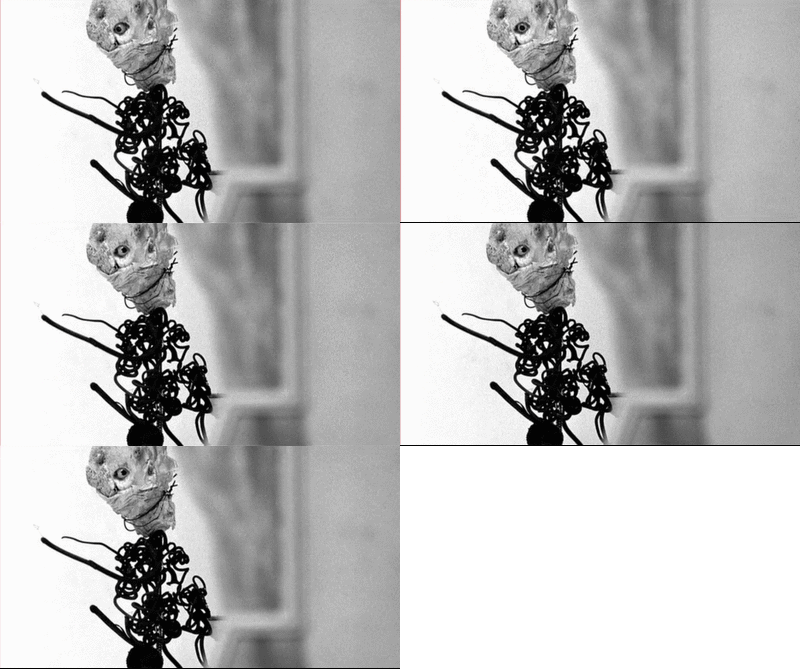
‘Trained as illustrators, the Brothers Quay’s films give greater attention to mise-en-scène and the marginal, and are more associative than narrative: “We demand that the decor act as poetic vessels and be foregrounded as much as the puppets themselves. In fact, we ask of our machines and objects to act as much if not more than the puppets … as for what is called the scenario: at most we have only a limited musical sense of its trajectory, and we tend to be permanently open to vast uncertainties, mistakes, disorientations (as though lying in wait to trap the slightest fugitive encounter).
‘Their films reveal the influence of Eastern European culture: whether inspired by animators, composers, or writers, a middle European esthetic seems to have beckoned them into a mysterious locus of literary and poetic fragments, wisps of music, the play of light and morbid textures. Certain films can be considered homages to filmmakers whose work they admire (The Cabinet of Jan Svankmajer), others present their own intuitive and visionary encounters with authors, artists and composers whose writings and compositions are transformed into the cinematic medium: Street of Crocodiles, is loosely based on Bruno Schulz’s short story, “Rehearsals for Extinct Anatomies,” and was inspired by a print by Fragonard.
‘In scenes of elusive cinematic and literary reference which identify the Quays’ films, one is obliquely reminded of silent filmmakers Kirsanov, Murnau, the surrealist Buñuel and the Russian film poet Tarkowsky; of Kafka (who was greatly influenced by Walser) and of essential myth and fairy tale. Continuing collaboration with the Polish composer Leszek Jankowski supports and counterpoints their careful visual choreography, whether of puppets, exquisite objects or actors. Like Lisa Benjamenta, the images are simultaneously fragile and immortal. The films evade a postmodern context or interpretation, and their epiphanic moments and dreamscapes provide a momentary orientation, but are themselves even greater enigmas within the film’s poetic fabric.
‘Seen as a whole, the Brothers Quay’s works are independent of any definable genre; indeed, the imitation of their unique style which can be observed in films of other animators are a complimentary gesture to the auteur style they have developed. Throughout their opus, a continuity can be observed Quays’ devotion to the marginal, the nobody and the unnoticed, elevated into the sublime.’ — Suzanne Buchan, Shifting Realities
Interview (3:51)
____
Some links
____
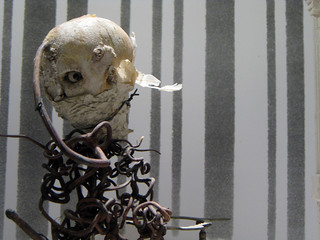
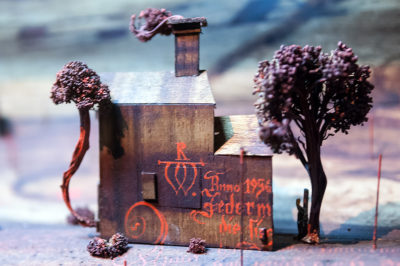
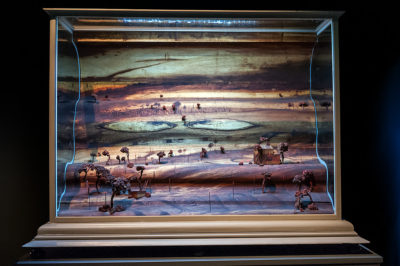
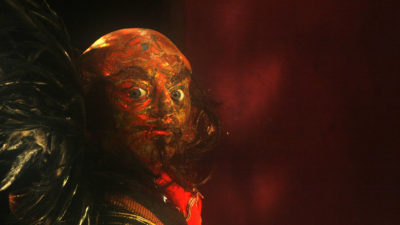
Some imagery
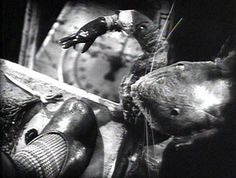
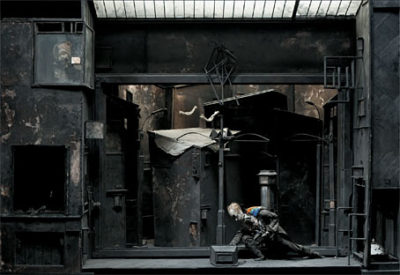
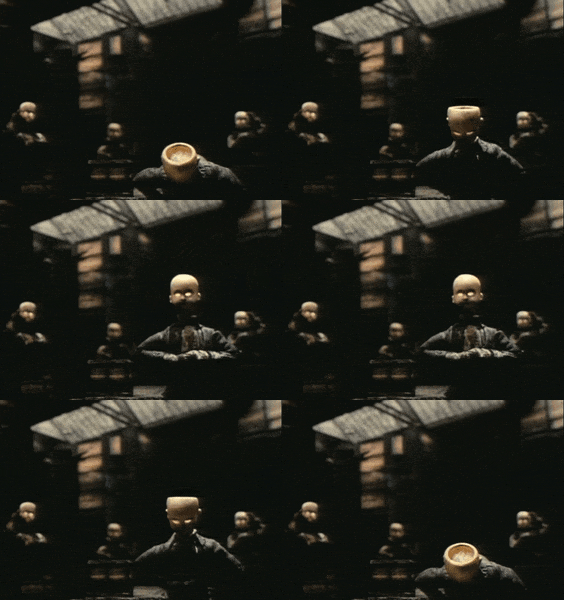
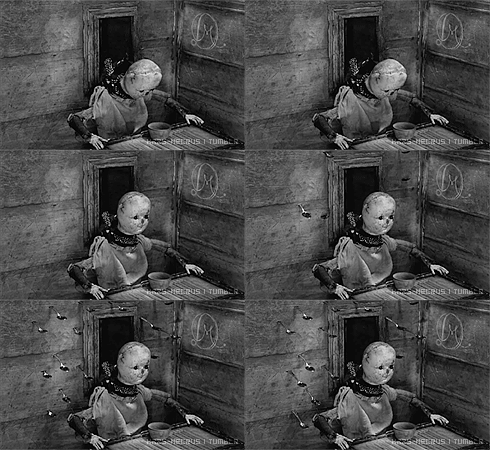
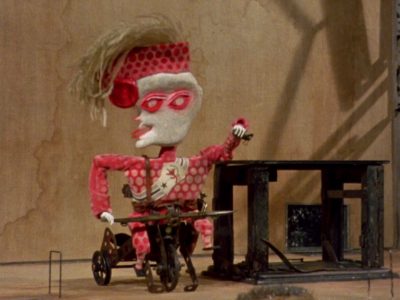
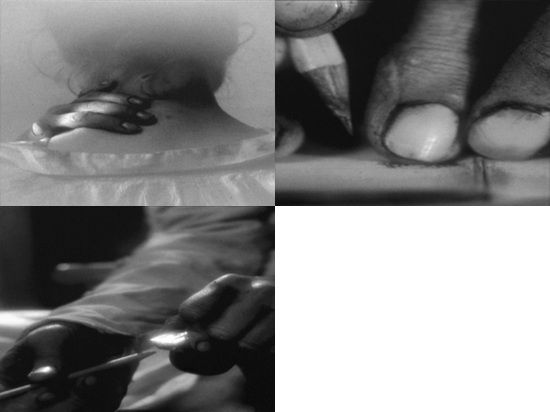
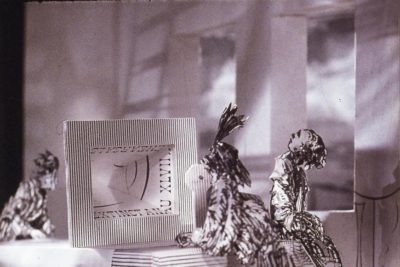
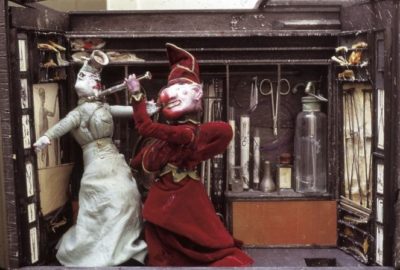
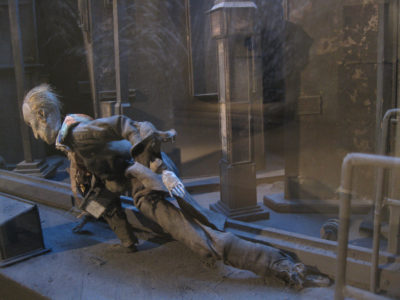
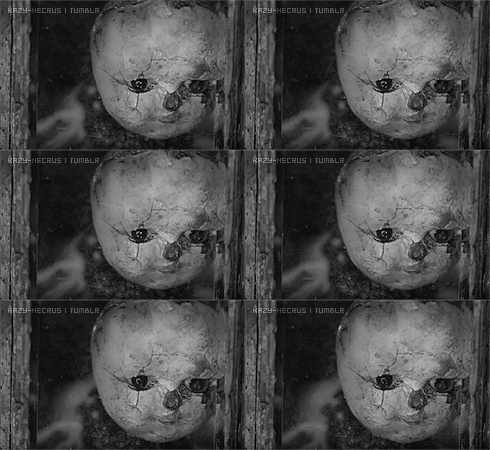
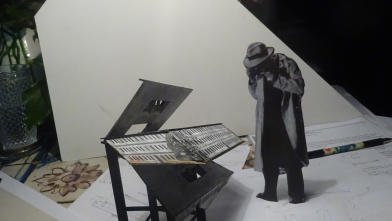
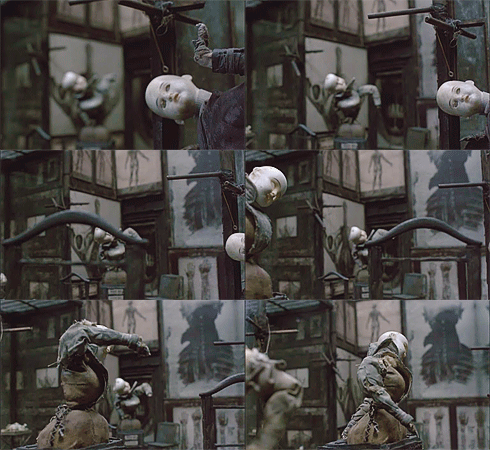
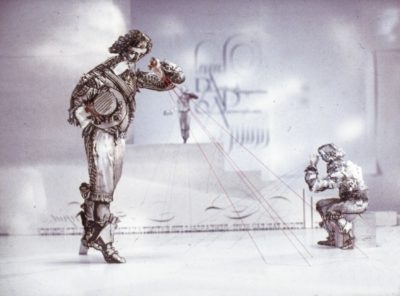
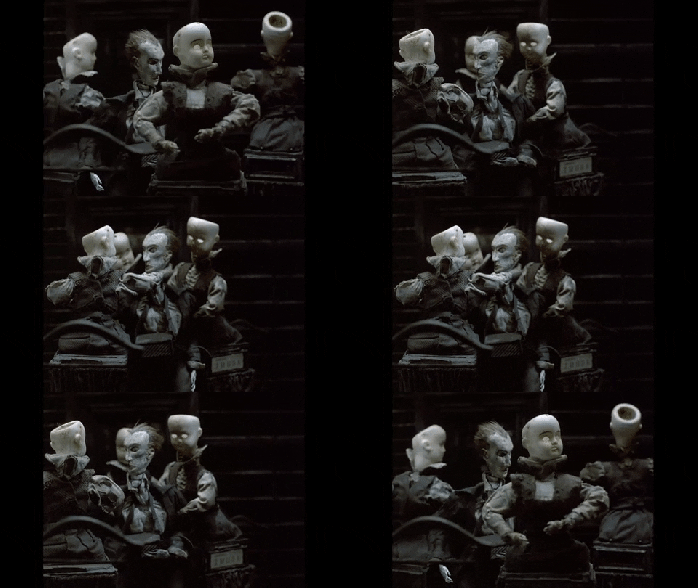
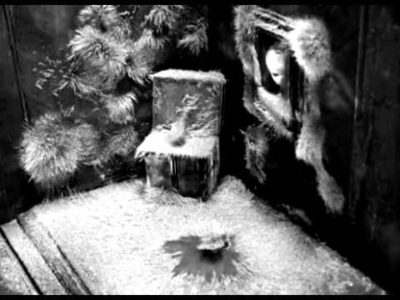
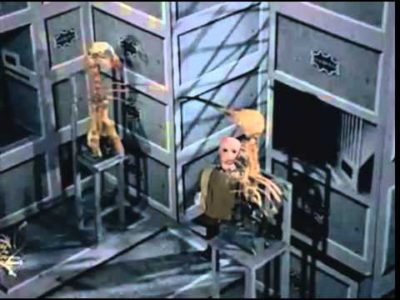


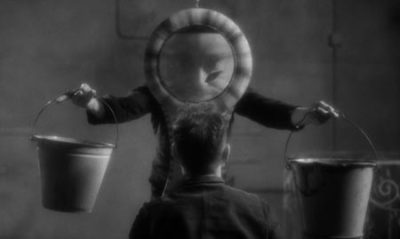
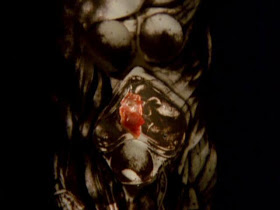
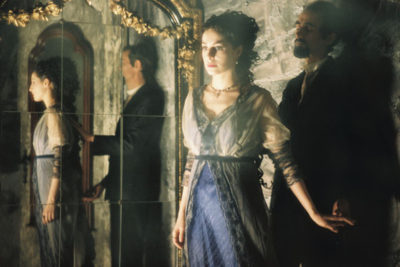
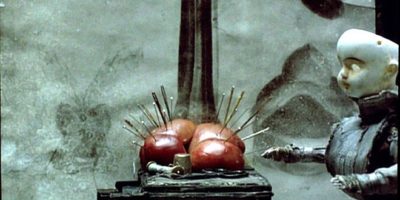
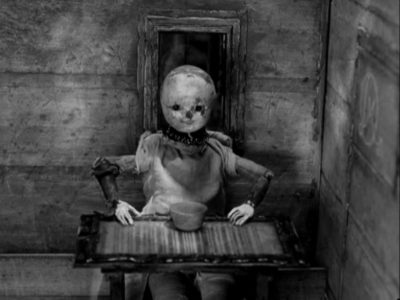
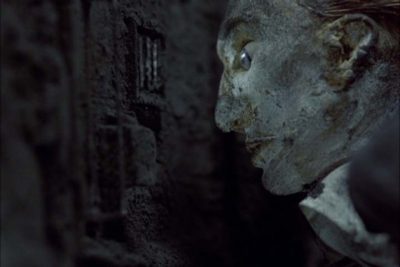

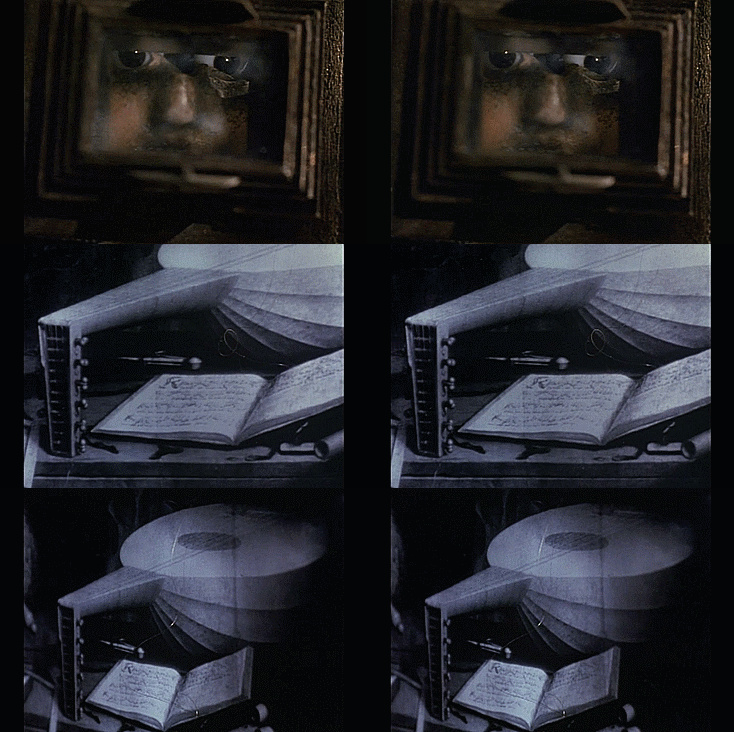
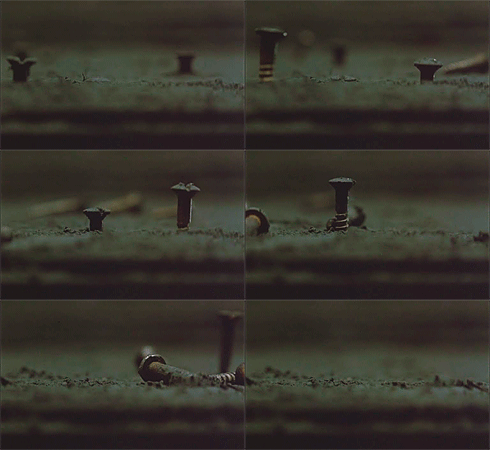
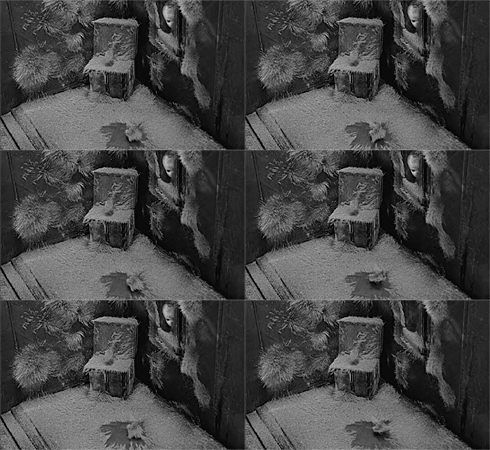
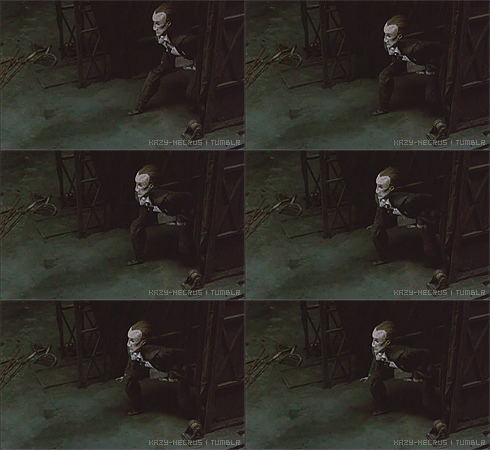
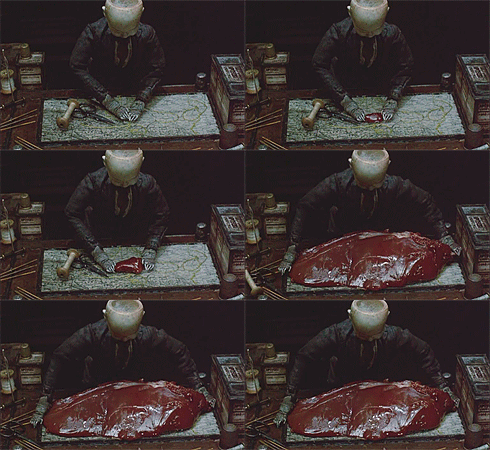
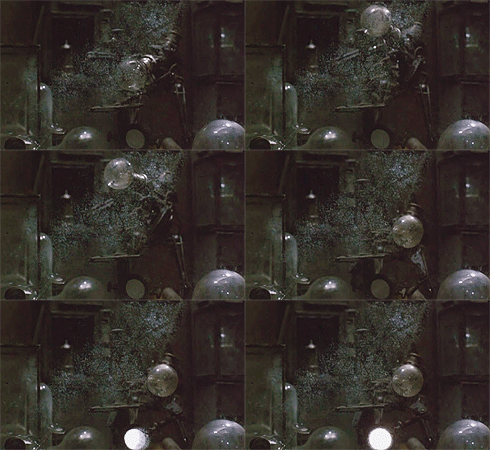
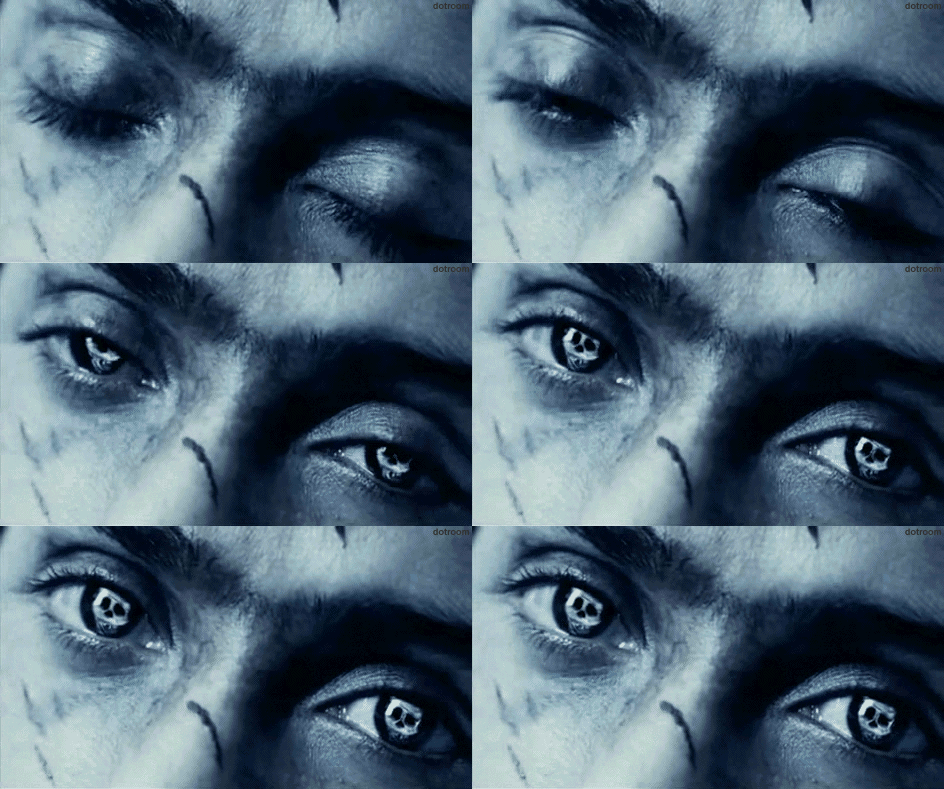
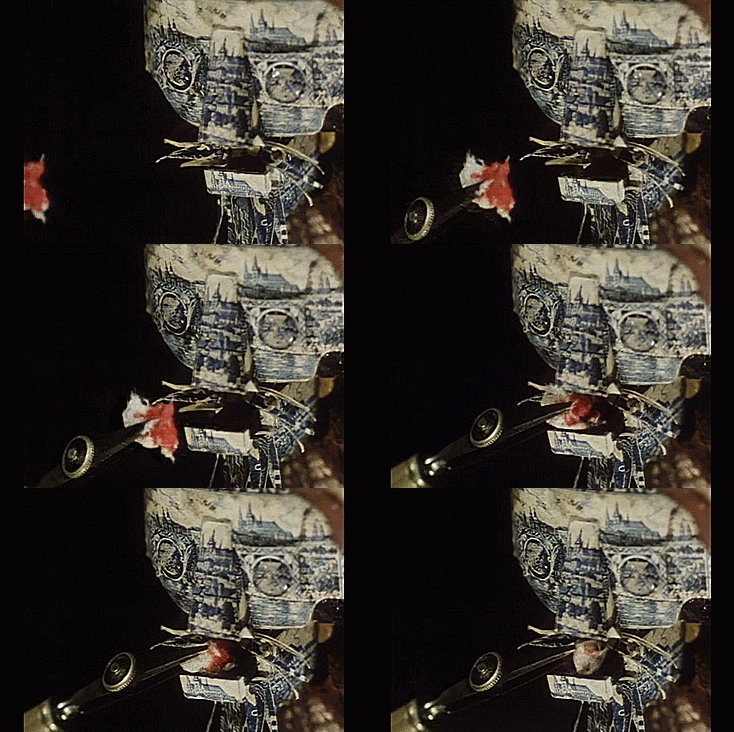
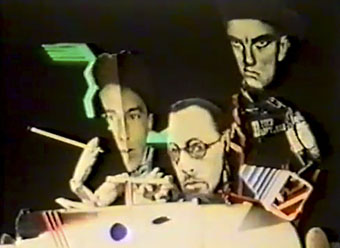
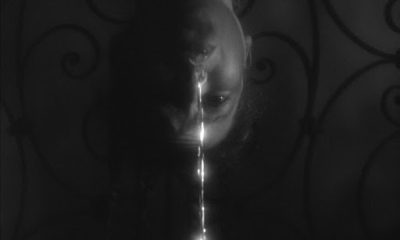
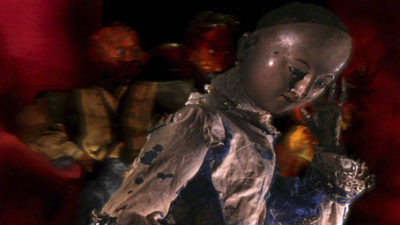
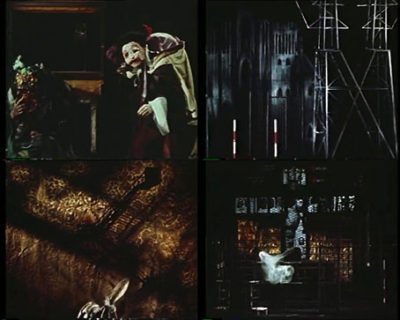
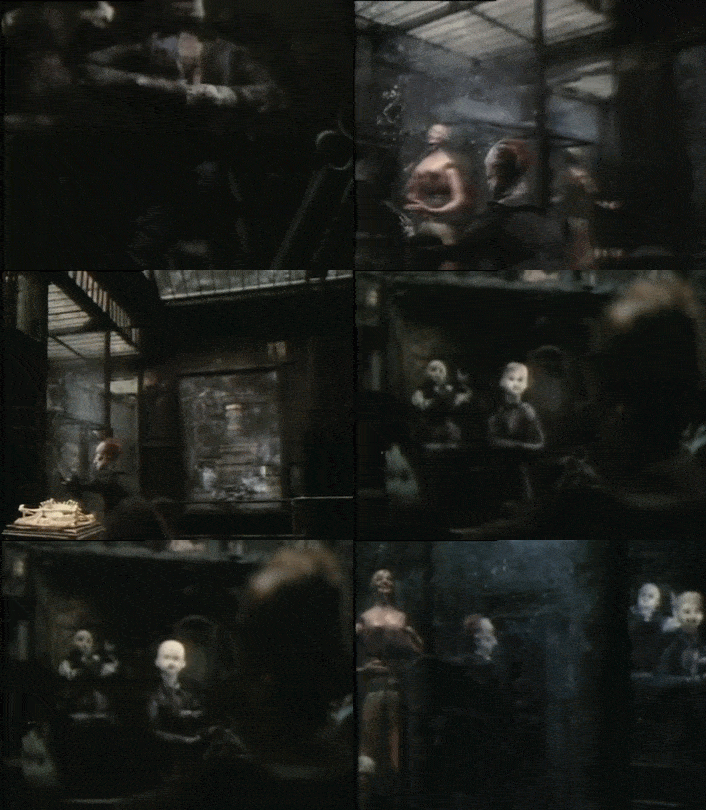
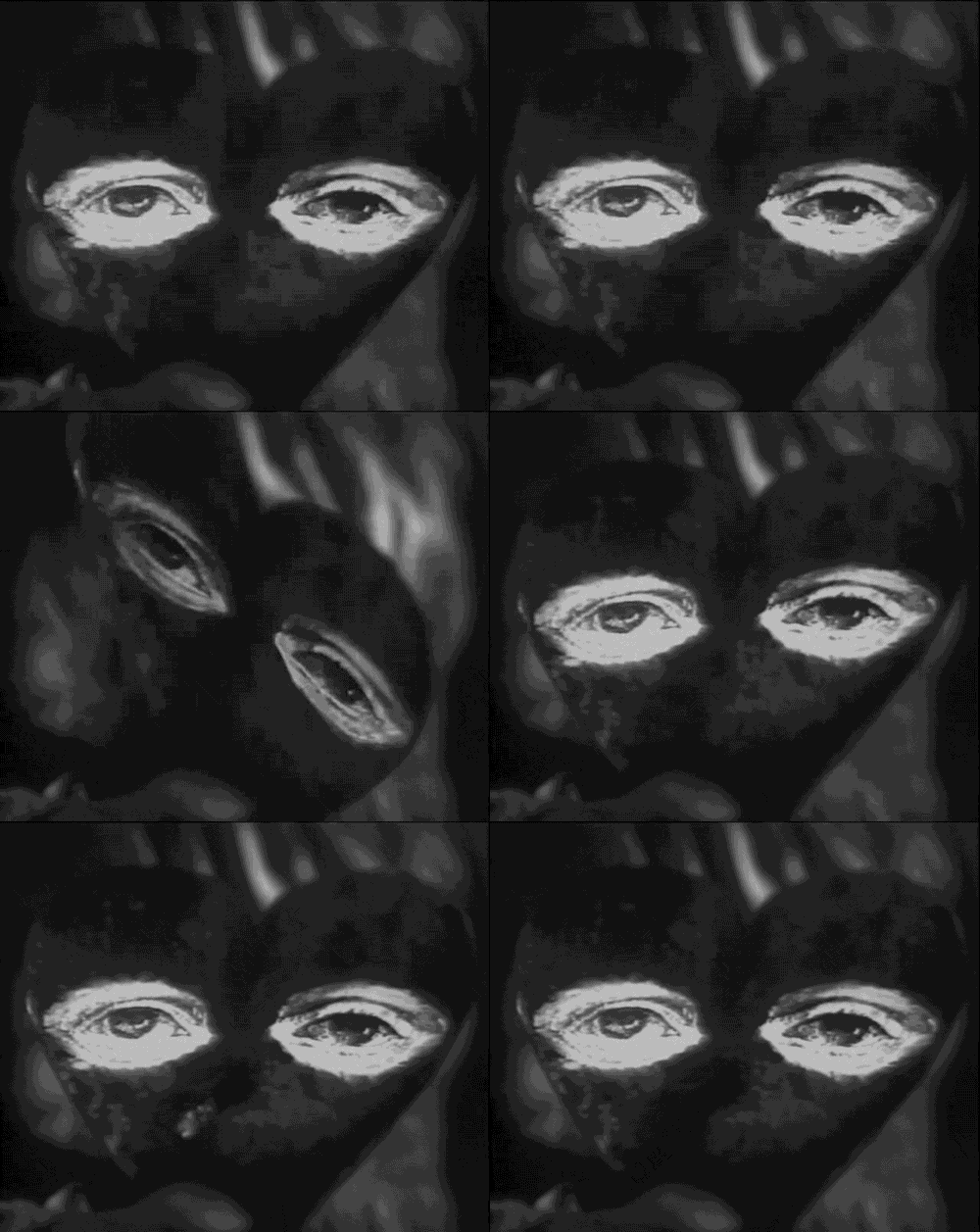
_____
Some words
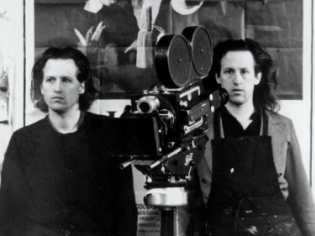
With the new addition of Maska, Through the Weeping Glass, and Unmistaken Hands to your Blu-ray, is there anything left to add?
The Quay Brothers: Apart from the three new films, and a musical score restored to The Phantom Museum, yes, there are a few others. But these have been left out, as they work better with live performances of the music of Witold Lutosławski, Leoš Janáček, and Bela Bartok, which is how they were commissioned.
Taking in the breadth of your work over time, what kind of statement have you made about independent animation, and staying true to your vision, however dark and singular?
The Quay Brothers: You’d have to admit that at the beginning when we first started out, some of the commissioning bodies like the British Film Institute, Channel 4, or MTV were quite willing to take chances on us, by commissioning projects that clearly were going to explore the marginal realms that appealed to us. But now, having gained a bit more of a reputation, it seems even perversely harder to convince these very same bodies, or newer bodies, to support our newer projects. That perhaps already tells you, and us, a lot that the routes that we’ve taken are decidedly not the routes that these people want to be seen supporting any longer. Our three new films were disparately supported by The Polish Cultural Institute in London, The Mutter Museum in Philadelphia, and the Wexner Center in Ohio.
Even today, I still see arguments that stop-motion is for kids, or isn’t proper animation. What do you think of that? Meanwhile, Shaun the Sheep Movie has been compared to Charlie Chaplin and Buster Keaton, while Charlie Kaufman’s R-rated Anomalisa could be up for an Oscar.
The Quay Brothers: We’re not sure we understand the notion, as we’ve never heard that stop-motion is not considered animation. But we’re very happy to be enlightened. Although we have yet to see Anomalisa, from our own experience puppets and eroticism are very fascinating territory that we too have explored.
Although a good portion of our films may use puppets, we’ve never exclusively courted this domain. We have always incorporated and blended live-action, pixilation, time-lapse, object animation, and traditional stop-motion animation, to the point where, in some of our films, one would be sometimes hard-pressed to know where one realm gave off into the other. And that’s not even mentioning the two feature films we’ve already done.
What have been the struggles, and triumphs, you’ve experienced in pursuing your art and vision through the decades?
The Quay Brothers: The crucial element in our journey has been to know how to stay small, and how to keep the all-important studio going. Because it’s there where our worlds get fabricated, where we have the chance to explore, experiment, and discover. There will always be the huge corporate side of animation, but there will also always be the more artisanal side of animation, with more individual voices. The history of animation has amply proven this.
____
Some films
_____________
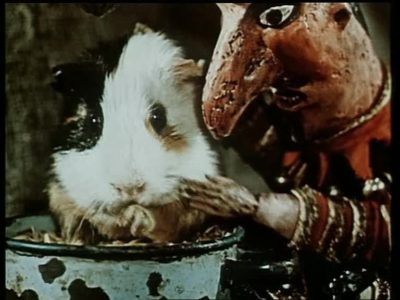
Punch And Judy: Tragical Comedy or Comical Tragedy (1980)
‘Following Punch and Judy from their malevolent medieval personas through their much-mollified assimilation into English folklore, this film finally restores the odd couple to their rightful roles as hair-raising anarchists. It is a stunning mixture of mime, mask, painting, crudely animated documents and mischievously reanimated newsreels, as well as the demonic atonalities of a modernist opera by Harrison Britwistle brought to “life” in a puppet fantasy/nightmare.’ — apartbrut
Entirety
________________
Leoš Janáček: Intimate Excursions (1983)
‘In a similar vein, but more successful, is this portrait of Czech composer Leos Janácek. This uses the same cut-out character style but places the composer in Eastern European settings similar (down to the floating tram pantographs) to those seen in the very first Quay film, Nocturna Artificialia (1979). Among the other puppet characters there’s one figure singing an aria who later appears as Enkidu in This Unnameable Little Broom (1985).’ — John Coulthart
Entirety
________________
The Cabinet of Jan Švankmajer (1984)
‘The Cabinet of Jan Svankmajer is the Quays most explicit interpretation of influence as it is a direct homage to the Czech master animator. Constructed as a sequence of nine lessons, the narrative features a puppet Svankmajer who teaches both a puppet child and the viewer “the importance of objects in [the animator’s] work, their transformation and bizarre combination through specifically cinematic techniques, the extraordinary power of the camera to ‘make strange’, the influence of Surrealism on [his] work, and the subversive and radical role of humour”.’ — Senses of Cinema
Entirety
_________________
The Epic of Gilgamesh, or This Unnameable Little Broom (1985)
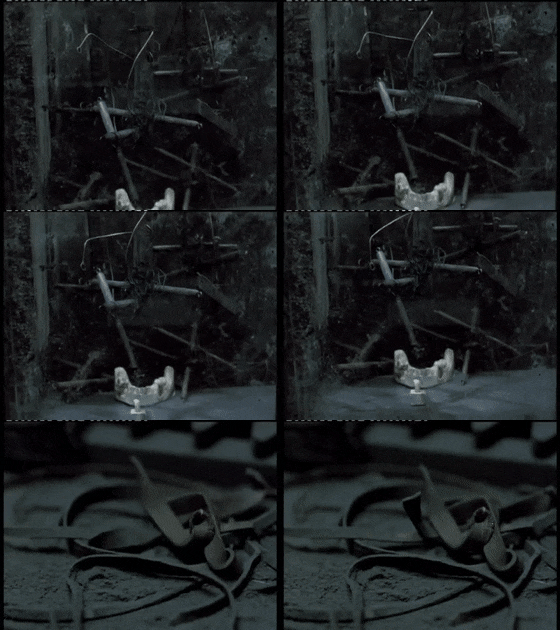
‘The film takes some of its key visual motifs and develops them into a series of complex constructions: the use of drawers and tables as devices and as mechanisms, the transformation of meaning within an object through juxtaposition and the influence of Surrealism to create a psychosexual drama. Unlike Svankmajer’s ordered, clean white library of objects and meaning, the Quays describe Gilgamesh’s kingdom as one that is “an entirely hermetic universe literally suspended out of time in a black void”. The pale yellow shadow-mottled walls are inscribed with calligraphic text and its seemingly vast expanse is randomly broken up by square holes from which medical hooks occasionally project. A table – a mechanism and a trap – concealing female genitalia within one of its drawers, stands at the centre of Gilgamesh’s domain. High above this space are strung high-tension wires, vibrating in the wind, one caught with a broken tennis racquet.’ — Senses of Cinema
Entirety
_________________
The Street of Crocodiles (1986)
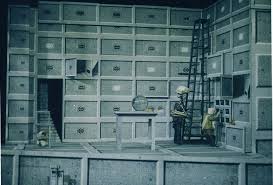
‘The Street of Crocodiles is a piece of unsurpassed filmmaking. Aside from the delicate and disturbing movements of this ghetto’s inhabitants, it demonstrates the Quays’ reflexive approach to the process of animation itself. Often referred to in articles and interviews as the liberation of the mistake (for example, in Suzanne H. Buchan’s “The Quay Brothers: Choreographed Chiaroscuro, Enigmatic and Sublime”), the brothers developed a range of visual strategies which not only seek to complicate the physical space in which the characters move but also to extend the mise en scène of the narrative. The Street of Crocodiles develops their use of the camera as “the third puppet” by creating a parallel between the protagonist and the camera itself. Through a combination of macro lenses, shallow focal planes and fast pans, the majority of the images within the film appear as point of view shots. By allowing the camera to become the protagonist’s vision, the environment and its inhabitants slowly shift into uneasy forms, where the furtive glance of the camera echoes the protagonist’s sharp turns, catching glimpses of occurrences that hover on the edges of the frame: unsure of his – and, by implication, our – position within this darkened warren, the film has a palpable paranoia.’ — Senses of Cinema
Trailer
Excerpt
__________________
Rehearsals for Extinct Anatomies (1988)
‘As a subtle theme within the Quays’ work, insanity quietly drifts through their narratives. Appearing in both a physical form, as in Rehearsals for Extinct Anatomies, and as source material itself, madness seems to further the emotive quality of their work. It almost appears as another texture, another layer in the abstraction of the images and the narrative. This is, perhaps, most evident in RfEA; the film is shot in a combination of black and white and colour, live action and animation, and features another lone figure, this time a woman who repeatedly writes a letter with a broken piece of lead. Outside her window, the constantly changing lighting conditions intimate her emotions. In conclusion, the Quays dedicate the film to “E.H. who lived and wrote to her husband from an asylum.”‘ — Senses of Cinema
Entirety
_________________
Stille Nacht I, II, IV, V (1988- 2001)
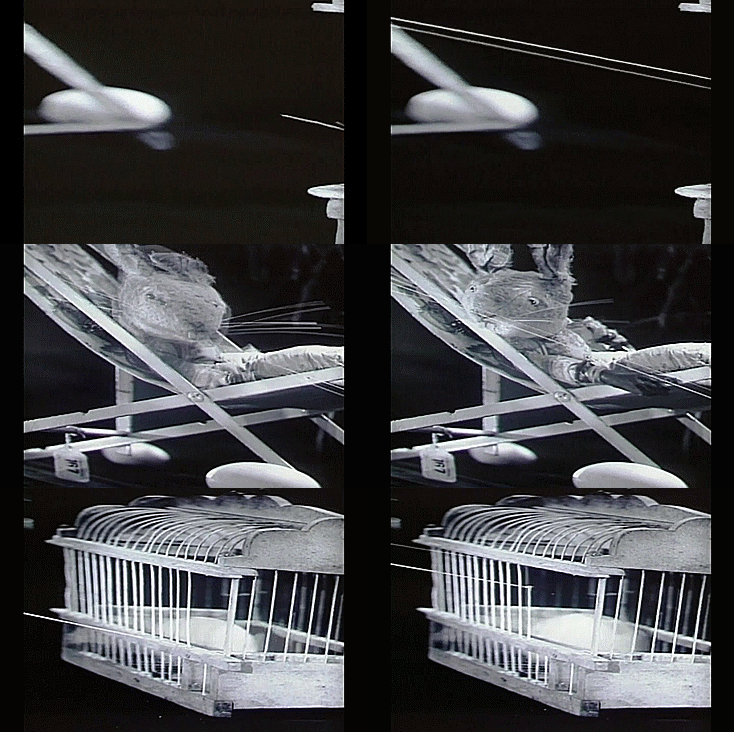
‘Of these works, the Quays have said that they are, in some way, connected to their personal output with “just the same dark drift, basically inscrutable. It’s gently mysterious”. Michael Atkinson describes the Stille Nacht series of music videos as “shorts [which] seem to function as working junk drawers, using up whatever the Brothers couldn’t squeeze into their larger films”. Atkinson continues by stating that the music video Can’t Go Wrong Without You (Stille Nacht IV) “may be one of the Quay’s most disturbing pieces, a bizarre Easter suite with the resourceful stuffed rabbit from Stille Nacht II battling the forces of evil (a pixillated human in horns and skullface) for the possession of an egg”.‘ — Senses of Cinema
_________
Unmistaken Hands: Ex Voto F.H. (1989)
‘An extremely obscure minute-long short by the Brothers Quay in 1989. Animation appears to be done in ‘Cutout’ style, is abstract and plotless – more a moving painting than anything else. Featured on the ‘Inner Sanctums’ blu-ray boxset featuring a vast collection of shorts by the Quay brothers.’ — letterboxd
Trailer
________________
The Comb (From The Museums Of Sleep) (1990)
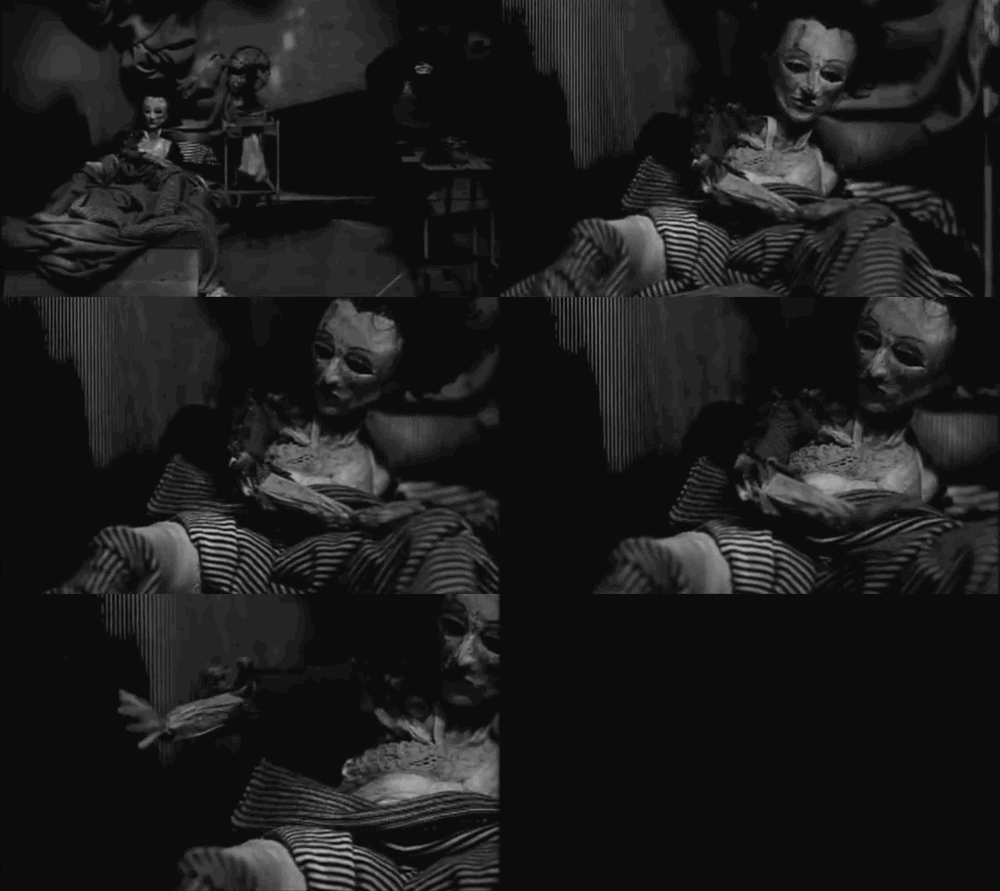
‘The Comb opens in the shadowy bedroom of a sleeping beauty and seems to enter her mind and burrow into her dreams. Based on a fragment of text by the Austrian writer Robert Walser, The Comb is an exploration of the subconscious visualized as a labyrinthine playhouse haunted by a doll-like explorer. A mesmerizing and resonant blend of live action and animation, The Comb is set to a sensuous score of violins, guitars and attic room cries and whispers, and bathed in a gorgeous golden glow.’ — Zeitgeist Films
Entirety
______________
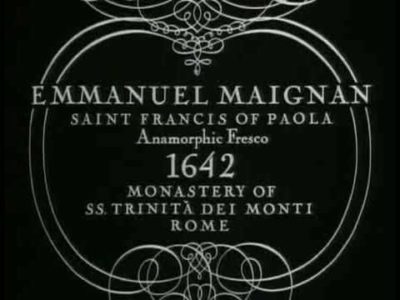
De Artificiali Perspectiva, or Anamorphosis (1991)
‘Uses animation to explore anamorphosis, a method to put hidden images within an artwork, by distorting it using the rules of perspective.’ — IMDb
Entirety
____________________
The Calligrapher (1991)
an ident commissioned for the BBC2 television channel, but never broadcast
___________________
Institute Benjamenta, or This Dream People Call Human Life (1995)
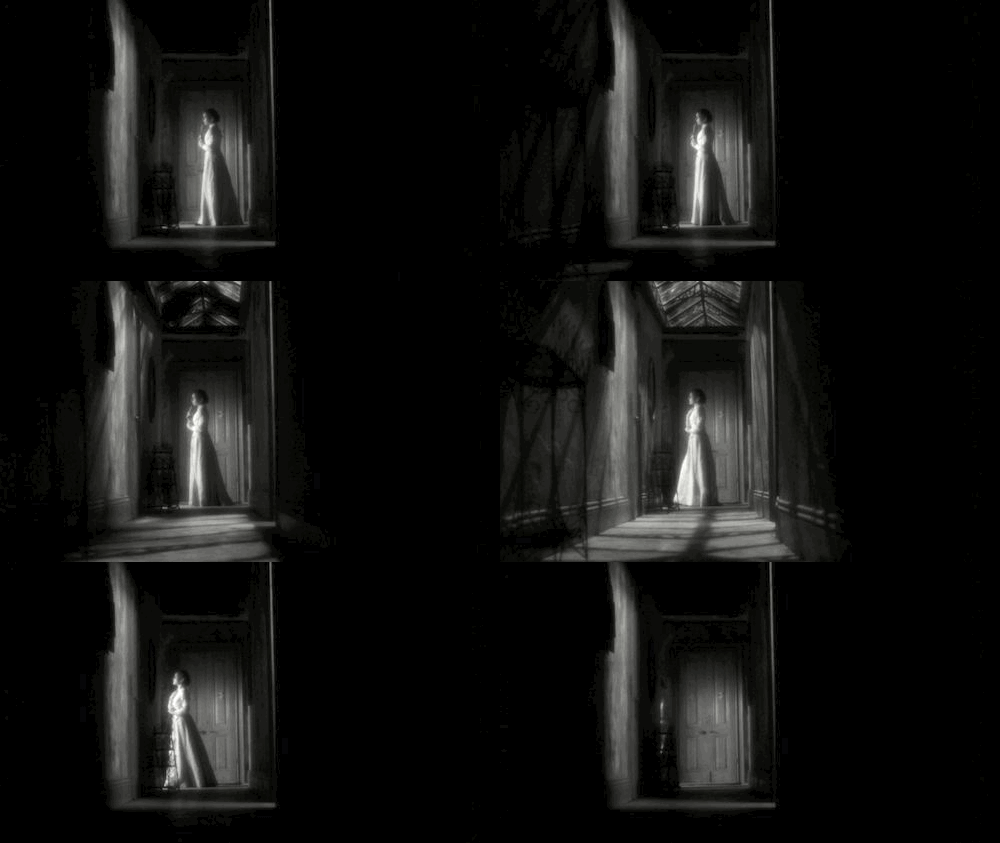
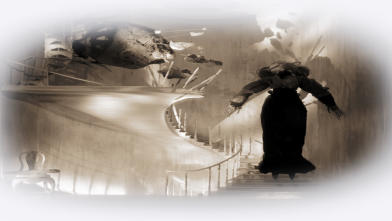
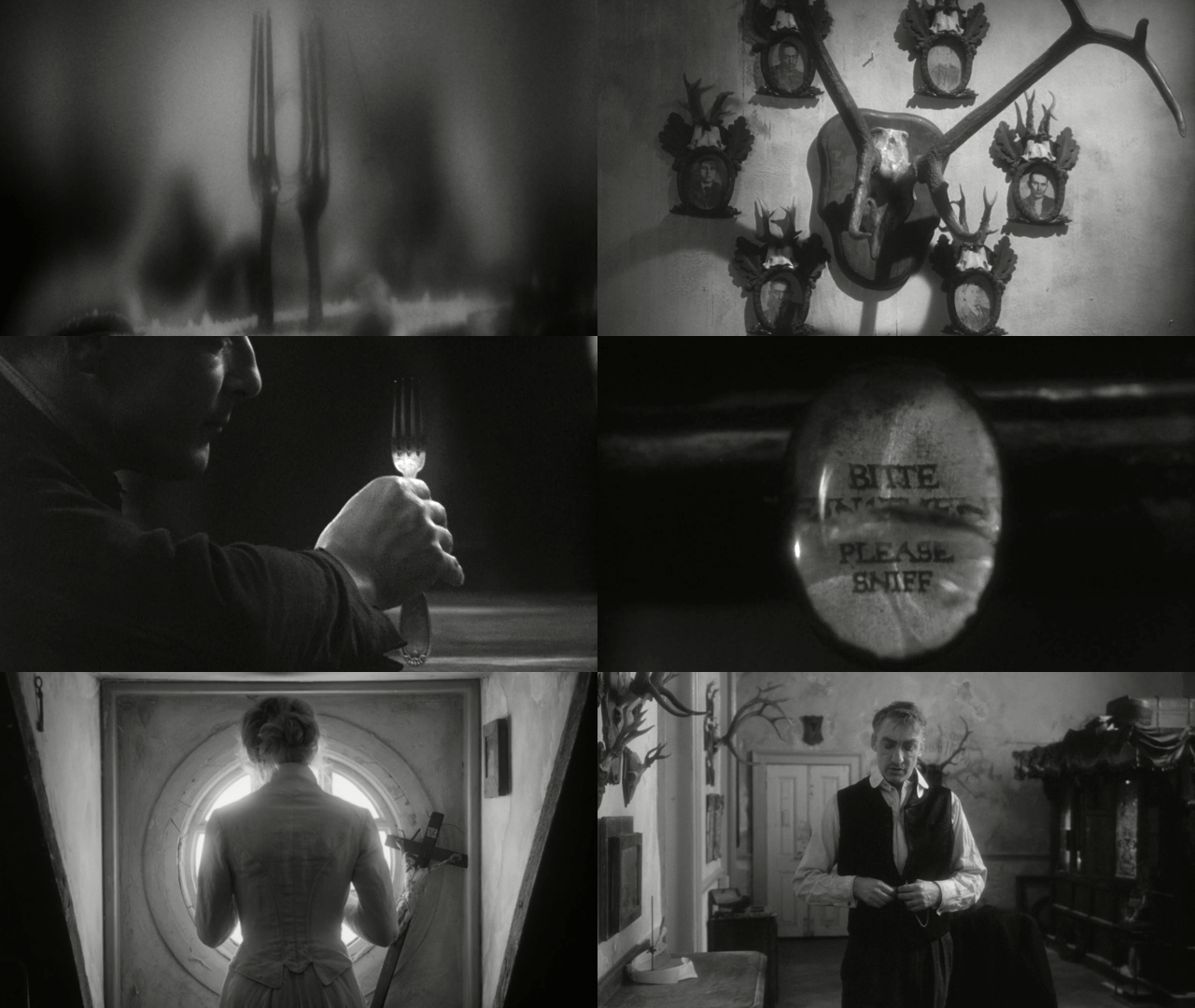
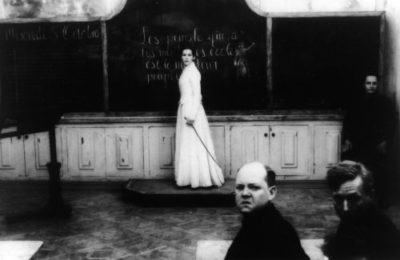
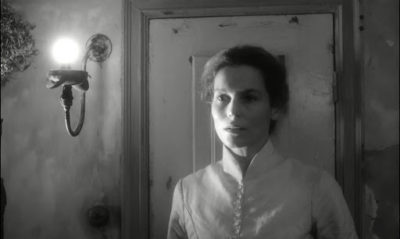
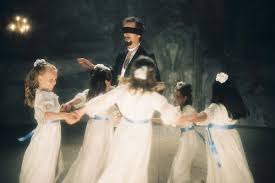
‘For their first live-action film, the Quays adapted Robert Walser’s novel Jakob von Gutten into Institute Benjamenta. Apart from the obvious relationship between Jacob’s lessons and the physical act of animating an object for film, Institute Benjamenta’s sublime moments once again play out the obsessions of the Quays. Like the Unnameable Little Broom, the Institute is a symbolic structure that is infused with latent sexual tension, most obviously, within the growing attraction between Jacob and Lisa Benjamenta. Further moments lie within a vial containing powdered stag semen and in the anamorphic representation of rutting deer on one of the Institute’s walls. To return from the dead, to be reanimated, is the essence of the Quays’ work. Taking found objects and constructing them into new forms with new meaning is only the beginning of their dark material. In their fictions narratives need not move as smoothly as we would like and nor should their imagery be as obvious. In all, these films are like their makers: identical enigmas, a life within a life, and a dream within a dream.’ — Senses of Cinema
Excerpt
Excerpt
Excerpt
_____________
Songs for Dead Children (2003)
‘Another short, grainy film from the Quay Brothers. This one has funny singing in it.’ — letterboxd
Entirety
___________________
The Piano Tuner of Earthquakes (2006)
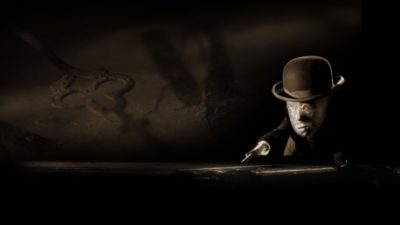
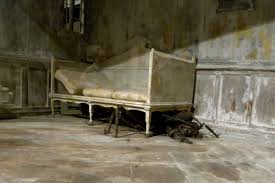
‘Their second live action film, The Piano Tuner of Earthquakes (2005), satisfies this possibility in many ways. Like a true auteur, the Brothers consistently return to similar themes, similar narratives and to similar techniques, with each film not necessarily being different from but an extension of their primal narrative. For the Quays that primal narrative is tragedy, a failed attempt to escape from beautifully sinister and arcane mechanisms. When such a narrative is sited within a world constructed and populated by the lost, the lonely, the rejected and the damaged, then an intense melancholy descends and the dream becomes a complex shifting of realities: narrative is given over to imagery and story dissolves into timeless myth. It is here that The Piano Tuner of Earthquakes exists, a film that surrenders its narrative to the beauty of the image in order to create the mythical.’ — Senses of Cinema
Trailer
The Making of “The Piano Tuner of Earthquakes”
___________________
Inwentorium śladów (‘Inventorium of Traces’) (2009)
‘In the Renaissance castle of the Polish count – Jan Potocki – in Lancut, the modern traces of a past glory persevere and become visible again at the tones of Krzysztof Penderecki’s music and Brothers Quay’s imaginary animation.’ — ligotti.net
Trailer
__________________
Maska (2010)
‘Maska is a 23-minute digital animation based on Stanislaw Lem’s short story, The Mask (1976), which the producers have recently made available on YouTube. It was perhaps inevitable that if the Quays were going to venture into science fiction they’d use an Eastern European source. Lem’s story concerns a sophisticated technological society which is nonetheless still a monarchy. The narrator is an artificial woman who the aristocracy have created for a special mission; her human exterior conceals a robot interior, but this is no Maria from Metropolis. Midway through the story the robot breaks free of its human shell and is revealed to be a mantis-like creature. … Vast budgets demand simple-minded narratives with mass appeal so it’s left to animation and low-budget films to venture into areas that would be off-limits elsewhere. Maska is an impressive film, one of the best Quay shorts I’ve seen for some time.’ — John Coulthart
Entirety
_____________
The Metamorphosis (2012)
‘The Quay Brothers’ interest in Franz Kafka goes back to their days as design students at the Philadelphia College of Art in the late 1960s, and they originally conceived the notion of adapting Kafka’s best known story to film in the mid-1970s, in a series of drawings currently on view in the Quay Brothers gallery exhibition. Shot in digital video, The Metamorphosis by Franz Kafka is an avant-garde combination of stop-motion animation, puppetry, and live-action pantomime that recalls the Quays’ earlier encounters with the music of Janáek, the theater of Michel de Ghelderode, and the experimental storytelling strategies used in their British television documentaries with Keith Griffiths in the early 1980s.’ — AWM
Entirety
—–
*
p.s. Hey. This weekend a thus far silent, very generous reader of this blog who has decided to call themself ClicketyClack gifts you all with a very finely wrought Brothers Quay Day. Please give some portion of your weekend over to exploring or even scouring the goods on display and put forward your thoughts therewith in the commenting arena, thanks. And ClicketyClack, you’re a kind and fine upstanding human if there ever was one, thank you. ** David Ehrenstein, The Japanese are pretty much the masters of the form or so it seems to me. ** Tosh Berman, Oh, yes, Tosh, I visited Kappabashi more than once. I went there planning to buy a favourite, but there were so many hundreds of genius fake foods that I couldn’t decide. It was like walking on the sidewalks of heaven in so many words. Definitely making a beeline back there the minute Tokyo becomes a possibility again, and this time I’ll just go eeny-meeny-miny-moe if it comes to that. ** tomk, Hi, Tom! Yes, I well remember and miss C. It’s sad that so many beloved d.l.s are so long lost and untraceable. But such is the nature of this beast. Slatted Light is on Facebook, so I see his ongoing thoughts there once in a while. Teasers, I don’t know. I hadn’t thought about it. There’s a piece of it in an anthology that Chris Kelso edited called ‘I Transgress’. But otherwise it’s pretty interconnected, and I’m not sure pieces of it would really work on their own. But we’ll see. Thanks for wanting. Off the top of my head and knowing almost nothing, it would seem like moving to the UK might be a really great idea, at least in the sense that you’d be less isolated and more connected up, not that I have any idea that you feel disconnected, etc. Hardened can be helpful as long as it doesn’t transmute into despair. Hm, interesting post idea. The commenters here these days aren’t the tight knit group we had back in the days when I did group posts, but let me throw your idea out there and see what happens. Everyone, The excellent writer and longtime blog d.l. tomk aka Thomas Kendall has an idea/proposal that he would like you to consider. Will you? If you’re interested, give shouts. Here’s Tom: ‘I’ve an idea for a day. If people are interested. Everyone submits one sentence. One sentence of something they’ve written that they like. Totally context free. Maybe an image. Anyone up for it?’ ** _Black_Acrylic, Ha ha, I love Haribo, and I especially love the Haribo candies that are lightly brushed on one edge/side with marshmallow, but that’s a helluva lot of marshmallow, so I don’t know. ** G, Hi! I always think of Sabrina the Teenage Witch when I hear that name, but I guess a lot of people do. I wish I’d met your Sabrina. My Sabrina, like me, is a huge fan of dark rides and haunted attractions. Painting your radiator! I don’t know why that sounds fun and exotic because I’m sure it isn’t. I stupidly banged my foot against something yesterday and broke my little toe, which is now very swollen and purple and painful, so I’m not sure how much I’ll get out and about in a pleasurable way this weekend, but I intend to try/hobble. Mm, well, I’m betting people out there will be totally into your non-fiction piece, and they’ll either not even think about the delayed appearance or else the timing will even enhance the piece. I can’t wait to read it. Oh, gosh, that’s super kind and a true honour that you’re writing about my stuff. Thank you so much, that’s amazing. Ha ha, I like long comments, no sweat. I hope your weekend is joyful in some/every shape and form. ** Misanthrope, If I was rich and had a huge mansion, I think I would collect fake food. Mark Mothersbaugh of Devo collects fake food, or used to at least, and I hear his collection is world class. Well, from what I understand from the news and talking with my LA friends, the mask mandate has not in fact been widely followed, so there’s one reason. And besides that, all but the most pro masks leak a little and are not perfect protectors. Pretty much everyone in France wears masks as commanded, and our cases are starting to go up too, so there you go. ** Thomas Moronic, Hi, T! Yeah, I like fake everything too pretty much. But I think the discrepancy between looking at something that triggers a wish to put it in your mouth -> stomach and the thing itself being a chunk of plastic has a special kind of transgressive charge or something? Oh, the podcast was awesome. So happy to see all the really great attention for ‘Alone’. I hope you’re happy. I sure am. ** Steve Erickson, It’s not a huge surprise that your eyes need time, I think, especially since they’re constantly in use. Hang in there. No, I haven’t heard or read anything re: that controversy about ‘Cuties’. I don’t think it’s caused any kind of fuss whatsoever over here, or maybe a very marginal one that didn’t make the headlines. ** Okay. I leave you all in the capable hands of ClicketyClack and the capable visual fodder of the Brothers Quay. Have some kind of blast. See you on Monday.



 Now available in North America