The blog of author Dennis Cooper

Category: Uncategorized (Page 783 of 1130)

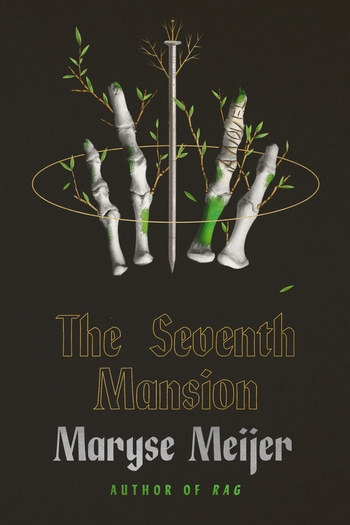
Please welcome to the world … Maryse Meijer The Seventh Mansion (FSG Originals)


How to Fuck Your Neighbor

‘Last year, Fred Rogers enjoyed a moment. The debut of the documentary Won’t You Be My Neighbor? was preceded by an unusually stirring trailer that went viral on YouTube, spawning dozens of “reaction” videos in which people — mostly men — watched and wept, while we watched and wept. The film has garnered rave reviews, and the publicity surrounding the 50th anniversary of Mister Rogers’ Neighborhood has led those of us who grew up with the Land of Make-Believe to indulge in some serious nostalgia. I myself saw the film twice, surrounded by hundreds of Rogers fans, singing and weeping together in a communal orgy of adoration, all the while wondering: What is this about? Why this man, and why now?

‘For me — and, I suspect, for many others — my crush on Rogers has something to do with seeing a man play, and make-believe, and talk openly about his feelings; it’s about what it means to see a man not acting like “a man” at all. And the excitement of that — political, ethical, and, yes, sexual. What would it be like, I wonder as I watch Rogers, to fuck a man who rejects masculinity? How does Rogers, embodying this alternative, make us think about sex, about who it is safe to do it with, and how, and why, and who we become when we fuck, and what hurts when we do, and what might feel good, and what never did, and why our sex is so often marked by violence, physical or mental or emotional. The Rogers phenomenon is about what masculinity might look like if one rejects its patriarchal construction; it’s about the fear of — and intense desire for — a radical alternative.

‘But before we think about what it means to be a man, let’s remember what it meant to be a young person. If you can remember being a child, you can remember, on some level, what it’s like to be a woman, if you aren’t one already. Children are children first and foremost; they aren’t girls first, or boys first, but not-adult — meaning: not yet fully human. The same is true for women under patriarchy; we are first seen, politically, as women, not as humans. “Men” and “man” are the generic, supposedly all-inclusive terms for the human race, our (now increasingly challenged) shorthand for person. Still, let’s think about who else is excluded from these universal terms: children. There are no children in Mankind or even Peopledom, only grown-ups. And you knew this when you were young; you felt, deep down, that you were excluded from the institutions of power that had absolute dominion — economically, politically, legally — over your body, your desires, your being. And you hated it.

‘Rogers remembered what it was like to be a child; he built a television empire out of this knowing. What he offered his viewers was a glimpse of a world in which they, as children, were first-class citizens of a neighborhood that sought to dignify childhood and its experiences by speaking not only to but with children. When Rogers called you “my neighbor,” and then called Mr. McFeely “our neighbor,” he did not make a distinction between you in terms of age. In fact, he made no distinction at all, except occasionally to say that you were on the other side of the TV screen and everyone else was not. But there was no power difference between you as a neighbor and all the other neighbors in the Rogers world. His guests were often young people, unaccompanied by their parents, given no lines to read, no set scenes to enact. And those young guests were treated in the same way Rogers treated his older ones: as interesting, capable, lovable folks. By refusing to act like a man — or, most of the time, like an adult — Rogers was speaking to the oft-unuttered desire of both men and women for an alternative to patriarchal masculinity. He embodied a radical way of being in relation to children — and, by extension, to women.

‘Andrea Dworkin, second-wave feminist anti-icon, writer, and literary critic, might be on the cusp of enjoying a moment of her own, having recently been the subject of a New York Times op-ed and a new edition of selected works, Last Days at Hot Slit. If Rogers performed a radical masculinity, Dworkin claimed a radical femininity, refusing to perform her gender in order to satisfy the patriarchal palate; she was loud, fat, indifferently dressed, un-made-up. She didn’t ask for permission to speak; she simply spoke, when and about what and to whom she wished. She demanded. She insisted. She refused to be “a woman” while insisting on framing her experience, sexual and otherwise, as being shaped most fundamentally by the female-ness of her body, by the hatred and violence directed at that body from deep within patriarchal culture. For Dworkin, women’s (and, ultimately, men’s) survival depended on the acknowledgment of this hatred and the consequent rejection of patriarchy.

‘There are no half-measures for Dworkin; either dismantle, entirely and completely, the conditions under which it is possible to imagine male supremacy, she urged, or die. And I think we may be in a sexual-political moment where more of us, men and women, are realizing that mere resistance to patriarchy isn’t enough. We’re hungry for a reassessment of figures like Rogers and Dworkin, who called out destructive constructions of gender by embodying an alternative. They asked, directly or indirectly, these questions: How were you hurt? How have you hurt yourself? How have you hurt others? Can you stop? Do you want to stop?

‘Rogers wanted children to feel that they were cherished, respected, precious to someone. He wanted you to feel that way. If only we could all remember this, as we type and read and “talk” through our screens — that there is always someone on the receiving end of our actions, and that that person wants to be seen, heard, respected, and cherished. Rogers made that clear to us every time he walked through his front door. He knew you were scared shitless on a fairly regular basis; he spoke directly to that fear, but also to the power he knew was inside you to confront that fear, to express it, to let it go. He knew you could grow with it inside you and still be okay. That you would be okay. That anger and rage and sadness and failure and desire are, as he put it, “mentionable and manageable.”

‘To all of us who feel trapped inside ways of being and thinking that degrade and constrain us, I would love to say: you will be okay. But I don’t know that you will be, that we will be. But I do believe that, as Dworkin and Rogers showed us, simply mentioning our pain is a first step toward liberation. Saying aloud that you are afraid. That you will never have good sex. That you will never be a real man. That you will never be a real woman. That you don’t know what you are or how to be or where you belong. That you are bad. That you are, and always will be, alone … ‘ — Maryse Meijer

(continued)


___
Further

Maryse Meijer Site
“MOST OF MY WORK UNSETTLES ME”
Maryse Meijer’s Rag by Daniel Felsenthal
Maryse Meijer Thinks You Should Track Down These Books by Women
INTERVIEW: MARYSE MEIJER
Maryse Meijer Just Keeps Creeping Us Out
CONVERSATIONS WITH CONTRIBUTORS: MARYSE MEIJER
Fiction Book Review: The Seventh Mansion by Maryse Meijer @ PW
DISTURBING POETRY
A Smile So Wide It Swallows
‘Fugue’, by Maryse Meijer
On Rag by Maryse Meijer
Rag, by Maryse Meijer @ The Believer
‘Evidence’, by Maryse Meijer
Maryse Meijer Sketches the Figure of Cruelty
‘ALICE’, BY MARYSE MEIJER
Fractured Fairy Tale
REFUSING TO FLINCH
Maryse Meijer on the Frivolity and Necessity of Clothing and Books
Buy ‘The Seventh Mansion’


___
Extras


Book Chat: “Northwood” by Maryse Meijer


This record will be a song by song response to a book of short stories written by Maryse Meijer called HEARTBREAKER


Maryse Meijer – short stories and article


____
Twinterview
from Electric Eel

 

When giving interviews leading up to publication of Heartbreaker, my debut collection of stories, I found myself answering the same handful of questions over and over again, leaving a trail of cookie-cutter sound bites to clutter up the interwebs. At a certain point, you might as well get a robot to do the job for you. So for this piece I decided to ask my twin sister, Danielle Meijer—an adjunct professor in the philosophy department at DePaul University, social justice advocate, dancer, and muse—the questions most writers dread. The result? A fascinating conversation full of inside jokes and egregious mutual admiration. Welcome to The Twinterview.

Maryse: When did you first realize I was a writer?

Danielle: I always knew you were going to be a writer, but I knew you were going to be a good writer around middle school, maybe? I remember how every time I read something of yours I had this excited feeling like, wow, this was written by my twin. I know there were things before that, in grade school, but I can’t recall specific stories.

M: I think up until the sixth grade it I was just doing stuff about cats and Star Trek characters. Then something happened—maybe reading Anne Rice and Kathe Koja—and things got a little more interesting.

D: There was a vampire story you wrote that was such a weird twist on the traditional concept, that demonstrated this insightful approach to themes of desire and loss and memory, something your average young person would not be writing or thinking about—or your average anybody, for that matter. It was just like, where the hell is this coming from? And your power of description was present at the start, too. I think that has always been the most striking aspect of your writing for me. I still don’t even know how you come up with those images—do you walk around and visually interpret the world that way or does it just happen when you sit down and write and you’re trying to think of how to describe something?

M: You mean how do I come up with metaphors and similies? That’s such a non-writer question to ask.

D: I’m not a writer!

M: It’s more the latter—when I’m working I’m trying, you know, to describe things. It’s not like there’s a rainstorm and suddenly I turn into Nabokov and think “oh, now the rain is crepitating on the leaves . . . ”

D: I have tried to write and have tried to describe a scene, and I literally cannot do it. It is a mysterious kind of skill. I get chills reading your work. We share almost 100% of our genes and so I should know more about how you are so good at writing and where it’s coming from, but I don’t.

M: Except you kind of do, because you are my muse, my editor—you’re the co-creator. You know exactly how it works!

D: I don’t actually think I am a muse. I don’t even think I contribute that much to your writing.

M: That’s so dumb, though. Because while I’m the one who might be doing the actual writing, you’re the one who is—and has always been—entering into the fantasy world with me, coming up with great storylines, characters, ideas…not to mention all the editing you do on every draft of everything I write.

D: We should probably discuss our paracosm here because I think that’s where the muse thing is coming from—two of the stories in the book are based on or inspired by our paracosm (which is a fancy term for fantasy world—The Brontes had one, for example). We’ve had paracosms off and on our whole lives, and what makes it special is that we’re in them together.

M: It’s a collaboration. And it plays out more in real time.

D: It feels more worthwhile and interesting than just sitting around day-dreaming. You never know what element the other person is going to introduce, or how they’ll use what you’ve created and turn it around. It’s like actual work of some kind is being done.

M: It’s totally work! We’ve probably created hundreds of storylines and thousands of characters over time. And I have to say that while I love writing, working a paracosm is even more involving, because I feel that I am the people we are creating. When I sit down to write—even if I’m playing off of characters or an idea we’ve developed together—it’s much more distant. As a writer, I’m an observer. Which is a role I relish. But I’m never in my characters’ heads, though I try to get close. The distance is always there. Maybe I became a writer because I wanted to legitimize, somehow, my obsession with fantasy and escapism. There’s nothing very glamorous about telling someone you really enjoy spending hours pretending to be other people with your twin sister. And no one will pay you to do it . . .

D: It’s funny how the adult world is intolerant of fantasy that isn’t commodified—you can’t have an intense fantasy world as an adult without being perceived as immature at best, or crazy, at worst. But if you create a video game, novel, poem, film, or you’re an actor—that is, if you are able to share your fantasies with the public and get paid for it—then that’s not only acceptable, that’s something to be respected and admired. And of course people love engaging in the fantasy worlds other people have created through video games, plays, movies, books etc.

M: This whole paracosm thing has taught me how to see as writer—gestures, expressions, a whole visual language. It’s even taught me, in many ways, how to feel. It’s like I’ve lived all these different lives, and there’s also the fact that I’ve had the great pleasure of seeing you create all these incredible people and dialogues and situations that I’ve learned so much from. I can’t get there through writing (or reading, for that matter) alone. I need to have you to play off of, I need to be challenged by you, to be inspired. So, I still hold that you are the muse. Accept it!

D: Well, fine, you’re welcome. I do think I’m a good cheerleader—maybe I push you to focus on certain themes, to develop or deepen your focus on something. Say you write about some girl flipping out, and I encourage you to write about more women flipping out, because the way you write about these women flipping out is working, and so when other people tell you to stop writing about women flipping out you don’t listen, because my voice telling you MORE FLIPPING OUT is way louder than the voices telling you to quit. And I think I generally steer you in the right directions (pats self on back).

M: That’s definitely true. Especially in terms of edits—if you tell me to cut something, I sure as hell better cut it, because if I keep it in I’m only making more work for my editor, who then has to tell me what you’ve already said. I always resist a little at first, because, like most writers, I’m sentimental about what I do, but I’ve never known you to be wrong.

Now that the stories are being pushed from our nest and out into the world, what do the initial responses/reviews get right? What do they get wrong?

D: I think people might overhype the “badass-girl” thing, maybe because they’re responding to the feminism that is very present in the book, and they (rightly) want to comment on it. There’s this tendency to want every girl to be a hero in order to counterbalance all the tragic stereotypes about women that surround us . . . but I don’t see any of your characters, male or female, as being role-models. Most of them are losers.

(continued)


__
Book

Maryse Meijer The Seventh Mansion
FSG Originals

‘When fifteen-year-old Xie moves from California to a rural Southern town to live with his father he makes just two friends, Jo and Leni, both budding environmental and animal activists. One night, the three friends decide to free captive mink from a local farm. But when Xie is the only one caught his small world gets smaller: Kicked out of high school, he becomes increasingly connected with nature, spending his time in the birch woods behind his house, attending extremist activist meetings, and serving as a custodian for what others ignore, abuse, and discard.

‘Exploring the woods alone one night, Xie discovers the relic of a Catholic saint—the martyred Pancratius—in a nearby church. Regal and dressed in ornate armor, the skeleton captivates him. After weeks of visits, Xie steals the skeleton, hides it in his attic bedroom, and develops a complex and passionate relationship with the bones and spirit of the saint, whom he calls P. As Xie’s relationship deepens with P., so too does his relationship with the woods—private property that will soon be overrun with loggers. As Xie enacts a plan to save his beloved woods, he must also find a way to balance his conflicting—and increasingly extreme—ideals of purity, sacrifice, and responsibility in order to live in this world.

‘Maryse Meijer’s The Seventh Mansion is a deeply moving and profoundly original debut novel—both an urgent literary call to arms and an unforgettable coming-of-age story about finding love and selfhood in the face of mass extinction and environmental destruction.’ — FSG Originals

Excerpt

Back to school. Glossy red brick, high ceilings. Fresh beige paint on the doors. Someone flicking a cigarette in Xie’s path as he comes up the steps, hood up. The cigarette hits his knee. Little spray of ash. Fucking psycho. He doesn’t look to see who said it. Picks up the butt, puts it in the trash. Locks his bike to the rack, the small of his back damp with sweat, too warm for the hoodie but he wears it anyway, every day, the same with his sneakers, no longer white at the toes, canvas showing holes at the sides. Too late to meet with FKK, the girls already in class so he checks his schedule, slides into the back of homeroom. Even the teacher’s eyes on him. Ratty pants and black hair and bright white patch on his bag that says Take Nothing, Leave Everything. Smell of linoleum, Lysol, chalk. Mountains beyond the windows. The teacher hands out some papers; he doesn’t look at them. Knee jumping beneath his desk. Shuffle to another class. Pants falling off hips. Didn’t you get enough to eat where you’re from. Something wet shoved down the back of his hoodie. Laughter. He goes to the bathroom, shakes raw hamburger from his clothes. Squiggles of meat on the floor. Tiny spot of blood. He scrubs himself with a damp paper towel, picks up the meat, folds it into the trash. Back in class, English, Mr. Matthews again. Xie opens his notebook. Last year he handed in an essay written in pencil: Meat is Murder. Matthews was furious. Why haven’t you formatted this per my directions? Long silence. Xie fingering the strap on his bag. Computers are toxic and they waste electricity. Was this acceptable at your school in California? No. Then why would you think it’s acceptable here? Xie didn’t answer. Well. No college anywhere is going to accept essays written in pencil. Handing the paper back. I’ll give you until tomorrow to turn it in according to the format specified in the syllabus. Next time it will be an automatic F. Xie got the F, then another, then another, until his father convinced the school to let Xie turn in handwritten homework, citing some doctor’s note from years before that said computer screens made Xie’s dyslexia worse. It didn’t matter. He cut as much class as he could get away with, reading in the bathroom, sleeping in the grass beneath the bleachers. Doing just enough work to keep from getting expelled but this is new, the cigarette butt, the meat; at worst last year he had been ignored, little cocoon of silence, fuck with no one and no one will fuck with you; but they all know, now, about the summer, about the farm, about Moore. He can still feel the hamburger on his skin, flesh against flesh; he shifts, folding his arm around his notebook, smudged skull beneath his thumb. Crown of leaves. Drop of water against the bone. At lunch he checks his bike: both tires slashed straight through to the rims. Wincing as he rubs his thumb over the torn rubber. Leni jogging up to him. Hey, we missed you this morning, where were you? Late, he says, and she sees the bike, flinches. Holy shit, she says, pink hair cut jagged to her chin, pale lips stretched across her slight overbite as she frowns, looking over his shoulder to see who’s watching. Nobody. Do you want to go to the principal? He waves his hand. Nah, it’s okay. They make their way to the parking lot. Jo already on the wall, hair shaved at the sides, plaid pants ripped at the thigh, sucking water from a Nalgene bottle as she checks her phone. Hey whores, she says. Leni hoists herself up on the wall, skinny ass next to Jo’s heavy one. Someone messed with Xie’s bike, Leni says. Jo grunts, unsurprised. I told you, you should’ve let me drive you. Xie shrugs, leaning against the wall. Eats trail mix from the pocket of his hoodie. They threw meat at me. Jo chokes out a laugh. They what? Hamburger, he says. Like, a pound of it. Raw. Faint unhappy smile. Disgusting motherfuckers, Jo mutters, shaking her head. A swig of water. Was it organic, at least? Leni elbows her. It’s not funny. Opening a pack of chips, frowning as she chews. I think we should tell someone. Jo snorts. Like anyone gives two shits about his bike. What are they going to do, call the police? We could, Leni insists. Jo rolls her eyes. Xie chews a handful of nuts. Wind blowing his hair into his face. Last year, on his first day, he’d stood in this same place, eating cold oatmeal from a thermos, when they’d walked up to him, Jo’s hand out: We’re FKK. They never explained the origin or meaning of that name; he thought it might be some dyslexic abbreviation of fuck. We saw you reading Frances Lappé, Leni had said. Are you vegan? He’d just nodded, speechless, as they took their places beside him, the same places they occupy now. The mountains gray beyond the lot. Jo rips a peanut butter sandwich into pieces. Gonna rain, she says, eye on the horizon. First fat drop plump on the hood of a white SUV. The bell rings. They slide off the wall. Tuck their trash in the bin. Xie goes up the steps. James Moore’s eyes on his back. Big banner on the brick: Welcome Back.

* * *

They had parked Jo’s car in the lot of an abandoned Waffle House and walked on foot, 1:00 a.m., to the Moore farm. Head to toe in black. Heavy gloves. Knit masks tight and hot on their heads. At the base of the mountains hardly any houses. No light on at the Moores’; easy to slip to the back, skinning beneath the windows. Do they have guns? Leni whispered. Of course they have guns, Jo scoffed, they all have fucking guns. Leni rolling in her lips, half a step back. Looking over her shoulder. Jo stopped at the gate, bolt cutters poised. Look, do you want to do this or what? It was Leni who’d sat in class with James Moore while his uncle gave a presentation about genetics and mink farming, highlighting their own fur production at a facility only fifteen miles from the school; Leni who’d cried while describing the picture of Ryan Moore and his nephew beside a pile of fresh silver pelts; Leni who said they should do something about it. But it was Jo who had thought of this—no petitions, no letters, no protest. Direct action. Do you? Jo asked again. No, I do, Leni said, wiping her mouth on her sleeve. I’m fine. Sorry. Jo glancing at Xie; he looked back, adjusting his gloves, pure acid in his gut. They cut through the chain. Slither of metal against metal. Behind the gate a huge concrete lot covered in straw and shit. God, Leni breathed. Whisper of fur in the dark. Slow steps closer. The mink curled in mesh-wire cells no more than ten inches wide, stacked on row after row of wooden platforms stretching a hundred feet or more to the back of the farm. They’d seen the aerial maps, had known what to expect, but it stopped them anyway, for a moment, to see in the flesh just how many animals there were. Jo put her hand against the front of a cage; the mink shifted inside, hissing. Smooth shine of eyes. Hi, babies, Jo whispered. We’re not here to hurt you. Slow hard press against the metal clips at the top of the box and the door sprang open, nearly hitting her chin. Come on, she said, reaching for the mink, go! The mink hurtled up the arm of her glove before leaping to the ground, scattering straw, claws against concrete. Xie and Leni running, each to the head of a row, snapping back the clips. Even through the gloves you could feel how soft those bodies were. Silver ghosts swarming beneath the gate. Xie’s hands so fast on the clips, trying to balance speed against silence. Sneakers slipping on straw, on shit, breath wet in the mask. He couldn’t see the girls but he heard them, felt them, moving in the same rhythm, the three of them a single machine. In the last row a mother and her babies, five or six, teeth bared; they would not leave their cage and Xie shook it, hard, trying to rattle them free, stifling a shout as one leapt at his face, the cage rocked free of its stand. He fumbled to right it but it fell, too loud. Fuck. Jo pointing to her watch, eight minutes up, Leni already sprinting to the road and Jo following but at the gate Xie stopped, turning to make sure they’d emptied every row, flashlight jumping in the dark. Faint scent of fur and the most. Beautiful sight. Pockets of night in the open mouths of the cages. The barn a black shadow against the mountains. Breeze stirring the straw. The almost alien sensation of joy: We did it. And then he was down, cheek straight to the concrete, Moore’s hard breath in his ear. Don’t move, motherfucker. Spit of blood catching in the black hairs of Xie’s mask, rattle of air and groan. Pain somewhere in the distance, waiting for him to feel it, but he felt nothing. Run, he thought, closing his eyes. Run. Run.


*

p.s. Hey. Today the blog is very pleased to help mark the occasion of the birth of the brilliant wordsmith Maryse Meijer’s new novel. Maybe you’ve read her work? Her story collection ‘Rag’ is a super big recent favorite book of mine. She’s a fantastic writer, and I greatly recommend that you investigate the evidence of her new novel and get your hands on it. Thanks! ** _Black_Acrylic, Hi, B. Ooh, look at you in Rome, so suave, man. And, yes. weirdly I had no idea yesterday was Argento’s birthday when I chose that day to relaunch Frank’s post. So that’s a curiosity right there. ** David Ehrenstein, I imagine Frank saw your thankful comment, and thank you from me. I hadn’t put two and two together about the ‘Inferno’ Leigh McCloskey being ‘Alexander’. Huh. ** Tosh Berman, Hi, T. I was sweating profusely and in existential pain about LA’s heat even way over here. I read that same issue of Mojo on my train ride back and forth to Rennes. I hear it has cooled down just a little there, and may that persist. ** Misanthrope, Hi. Yeah, you know me, nostalgia is one of my big enemies. Oh, right, sorry to have brow beat your poor mom about the traveling distance. I forgot. Utterly understandable. I need a haircut badly, come to think of it. ** Bill, Howdy. The one screening of the Cronenberg at the film festival was sold out, yeah. I guess it will get a theater run here too, though? I guess LA’s skies mercifully dipped into the temperature realm that you guys in SF are currently suffering from. What a world. ** Jeff J, Hi, Jeff. The play is a huge mess at the moment. I think I figured out why, and I just spent a couple of hours on the phone with Gisele giving her my advice about how to try to salvage the piece, and she seemed to agree. The piece had become a kind of empty style/atmosphere exercise, which is always a stage Gisele’s work passes through at some point because she concentrates on that and forgets about the content/text, but I think the balance can be righted. It’s not an unfamiliar problem/stage in her works’ development. At the moment, I think the TV series is a deader than dead duck, but we will know for sure on Monday, so the feature film is the plan now. My revision greatly simplifies and reduces the script to a point where it would be hugely less costly to make. Zac and I are hoping to get the script — which is sort of more of a cross between a treatment and a proper script — to her by this weekend, and then we’ll see what she thinks. I feel strangely very positive about it. Not sure about whether it will work as a fiction piece. Maybe. I’m concentrated on the script revision aspect, so I’ll have to go back and think about its possibilities as a stand alone text later. Yes, I’m going to get/hear the new Julien Calendar today. Excited, Everyone, Mr. Jeff Jackson: ‘Speaking of Dario Argento, Julian Calendar — [Jeff’s band] — released a new EP with a song inspired by his movie ‘Deep Red.’ There’s also tunes loosely inflected by disco, trip hop, and no wave. You can check it out here.’ Do that if you know what’s good for you. I think I only know the earlier Joan Jonas work, and I do like it, yes. But I haven’t looked back into that work for a while. Maybe I’ll start with the doc. Thanks, Jeff. ** JM, Hey, bud. I avoided the Guadagnino remake like the veritable plague. Nothing I heard about it did anything but dissuade me. ‘Circles’ is real! Everyone, the mighty Josiah Morgan’s new book ‘Circles’, as recently previewed here in the  SELFFUCK Day, is now available for your purchasing pleasure. Grab it here. Seriously. It is undoubtedly immensely grabbable. Congrats, sir! ** Steve Erickson, Frank’s Argento post originally appeared on February 17, 2011. Thanks for the Goblin hand-off. Everyone, Mr. Erickson discovered a video of Goblin performing the title theme to DEEP RED on Italian TV, and he is thoughtfully passing it along. ** Okay. Please glory in the textual pleasures of Maryse Meijer’s new novel until further notice. See you tomorrow.
Goners Worldwide *

* (restored)
—-

St. Louis
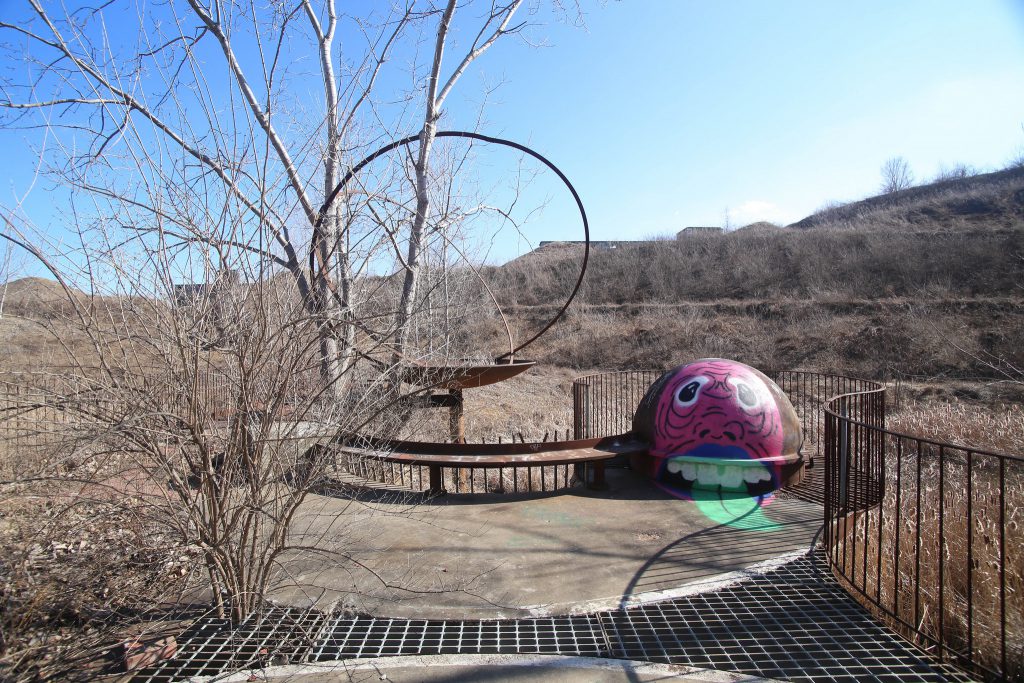
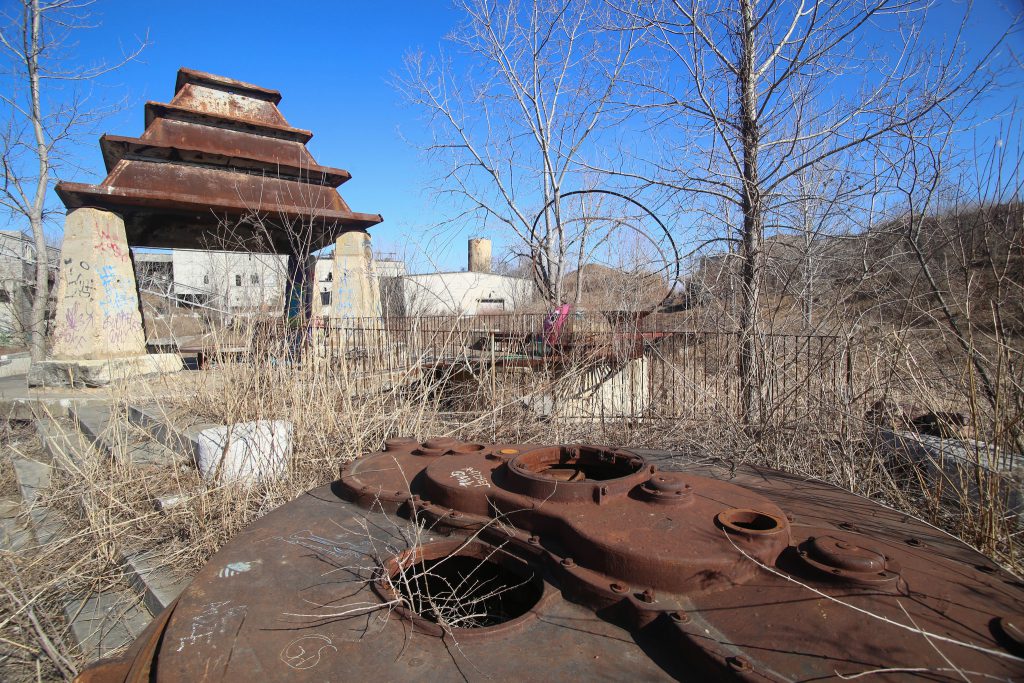
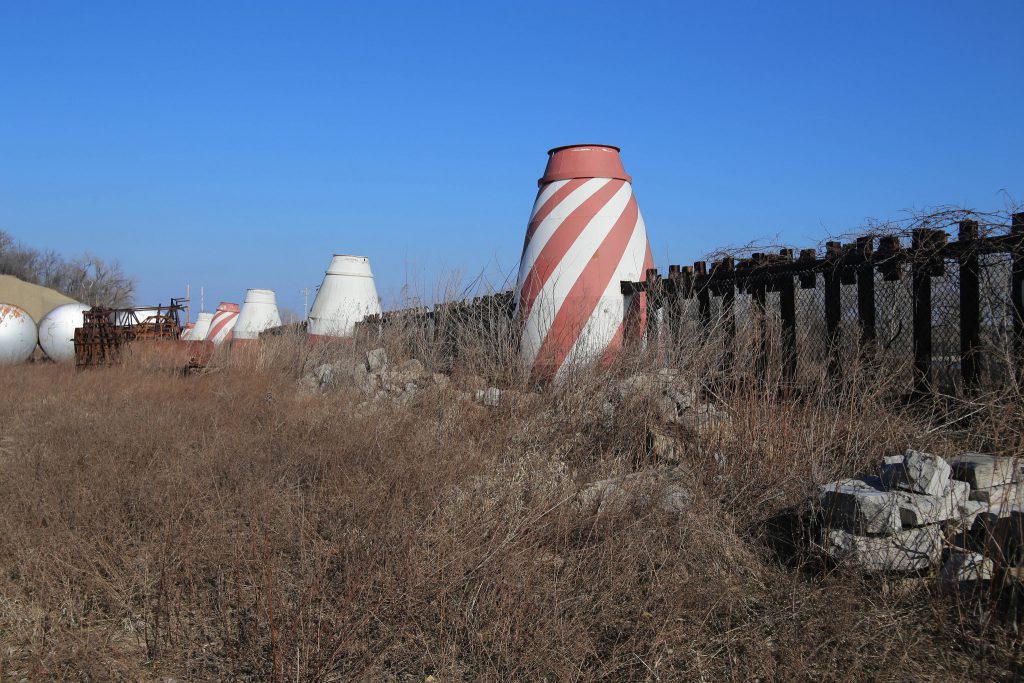
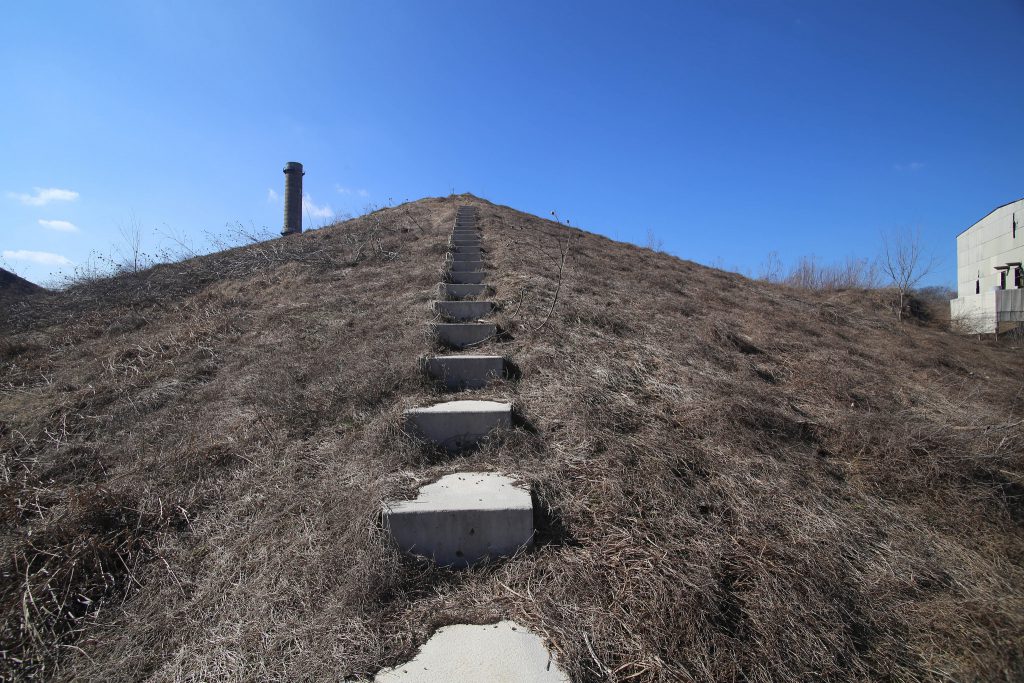
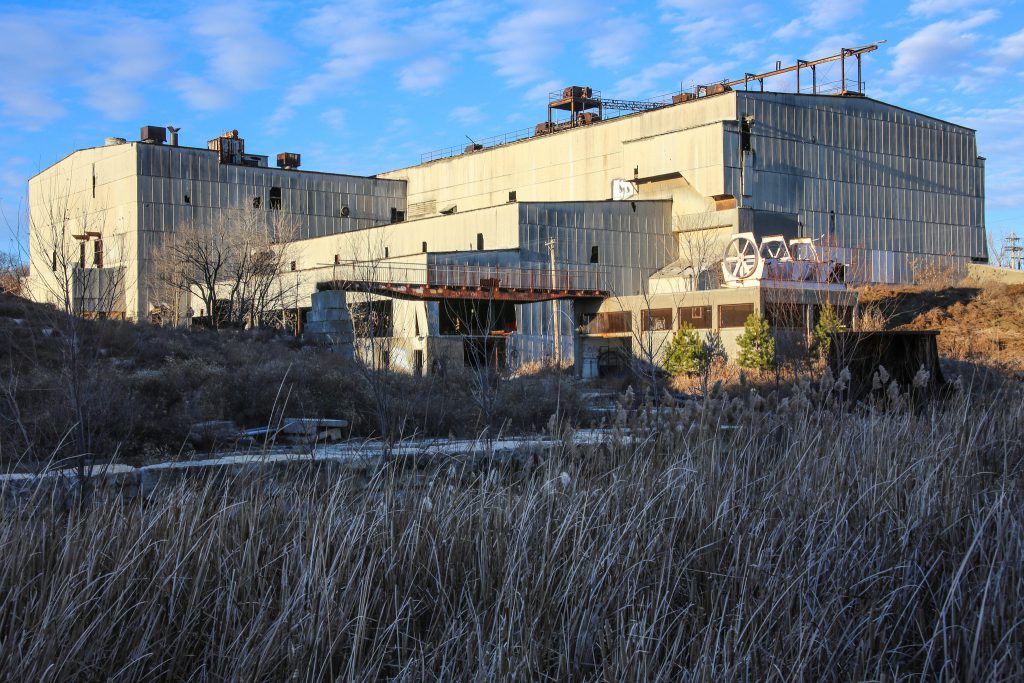
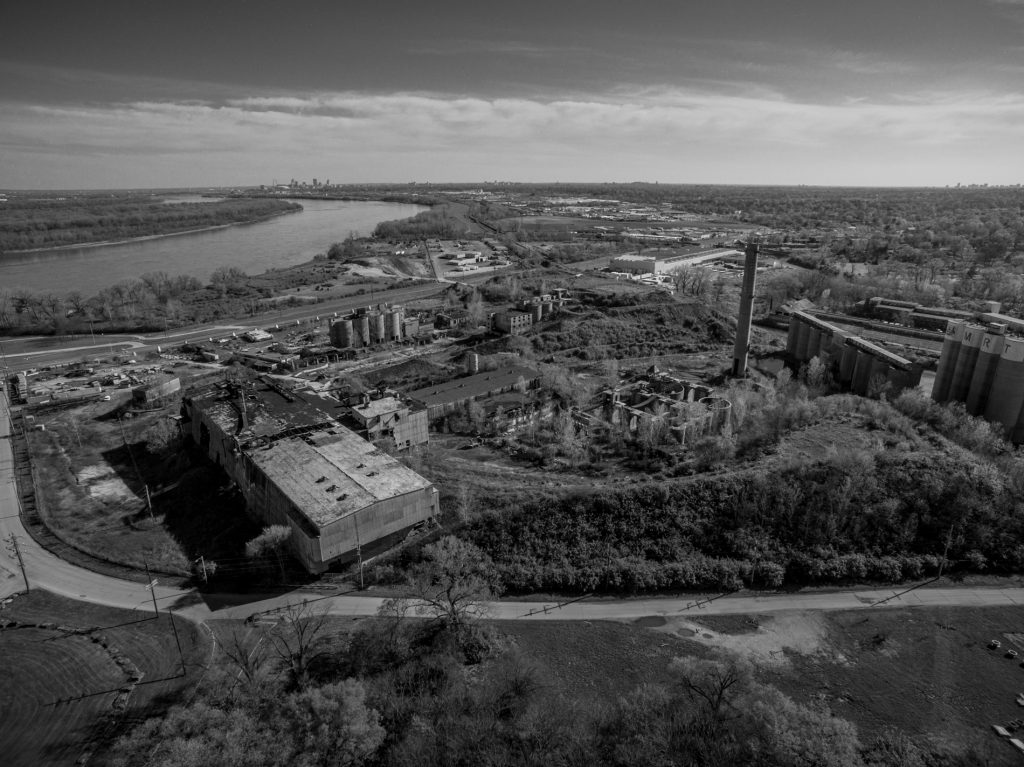
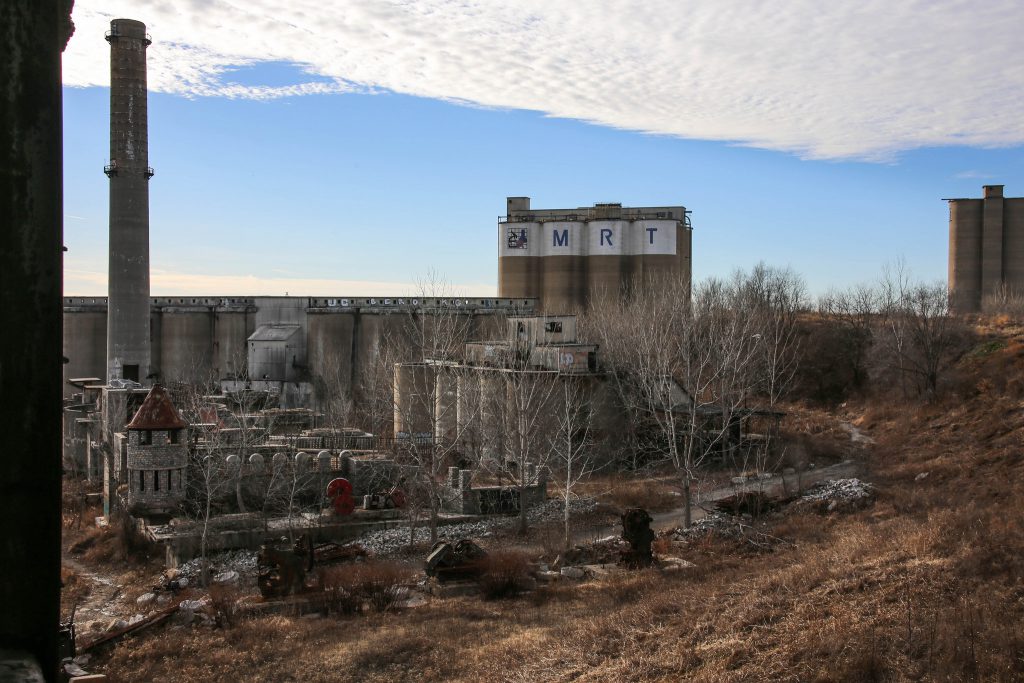
‘It was once the trash heap of local industry. An abandoned and run down former cement factory, the decrepit lot on Riverview Drive had become a common site for local construction crews to dump truckloads of excess dirt and rock. The old factory meant so little, no one cared or tried to reroute them.
‘But when sculptor and visionary Bob Cassilly looked at the site, he saw something more. He saw an art amusement park celebrating the history of cement production in St. Louis, filled with statues and sculptures and old machinery turned into fascinating attractions, and that’s what he began to build in the space.

‘So he got a bulldozer and combined it with his artistic ambition. Cementland, as he named it, would fit right in with his long history of whimsical, playful sculptures and projects, all hinging on the intersection between childhood nostalgia and subversive counterculture. He invited the construction crews to keep dumping their leftover dirt — it was simply more material for him to play with. To create with.

‘Before long he had created a castle of sorts out of the old factory, with a courtyard of sculpted creations made of cement, rock, metal and antique machinery. Bridges spanned spillways and depressions where water would collect into pools to form moats and ponds. In short order, people caught notice, and couldn’t wait to see what the project, still in its infancy, would eventually become.

‘Unfortunately, in 2011, Cassilly tragically died when the bulldozer he was operating allegedly tipped off of an unstable ledge and rolled over, although his widow and several medical experts believe he was intentionally beaten to death, the bulldozer accident simply being a cover-up. Regardless, he died doing what he loved, but what he loved was far from finished.’ — atlas obscura


Managua

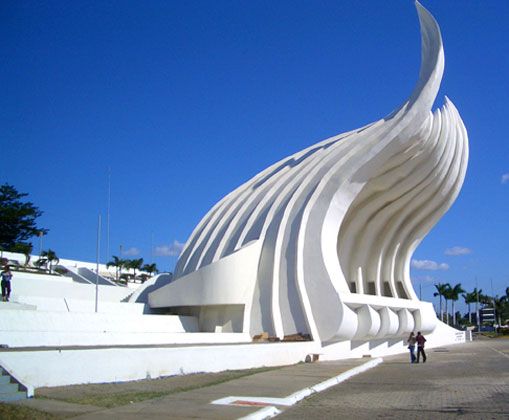
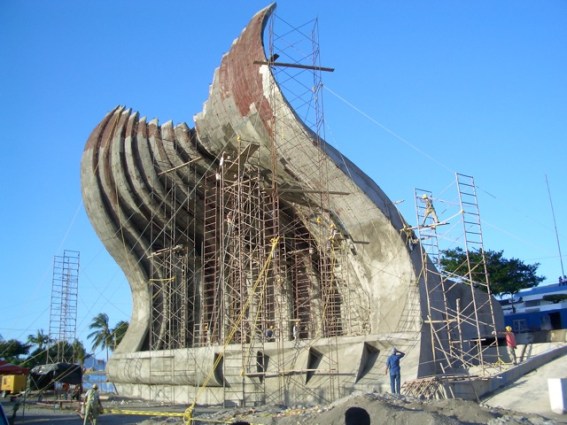
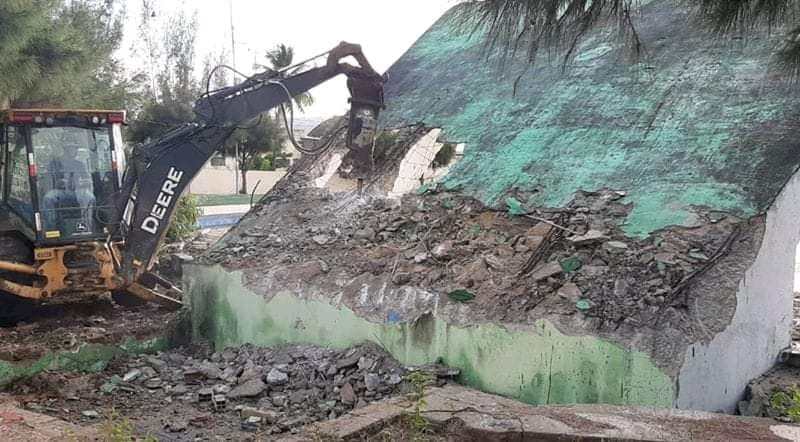
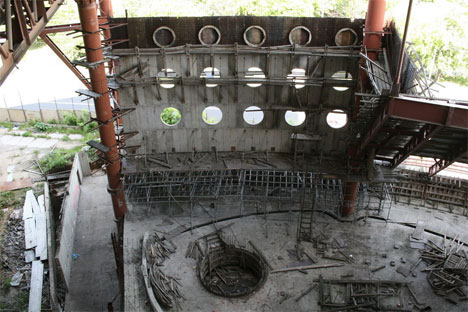
‘After a week of huffing and puffing, the Sandinista government finally managed to blow down Managua’s iconic “Concha Acústica,” the elegant shell-shaped structure that for the past decade overlooked the lakeshore Plaza de la Fe and served as a backdrop for free outdoor concerts and July 19 political rallies. Originally commissioned by popular Managua Mayor Herty Lewites, a Sandinista dissident who died of a heart attack while challenging Daniel Ortega for the presidency in 2006, the Concha Acústica was one of most graceful and apolitical monuments in Nicaragua. The government’s official excuse for the demolition was that the steel-and-concrete monument, which sat alone in an oft-empty concrete field, was a shaky contraption at risk of falling in the next earthquake. That theory was quickly debunked when the Sandinista wrecking crew spent several exhausting days banging on the structure to little effect, and repeatedly snapping steel cables as they tried to pull it down with a crane. Finally, after five days of undeterred destructiveness, the demolition team managed to wrestle the resilient structure to the ground, where it can never threaten anyone ever again.’ — World Architecture


Tsibli

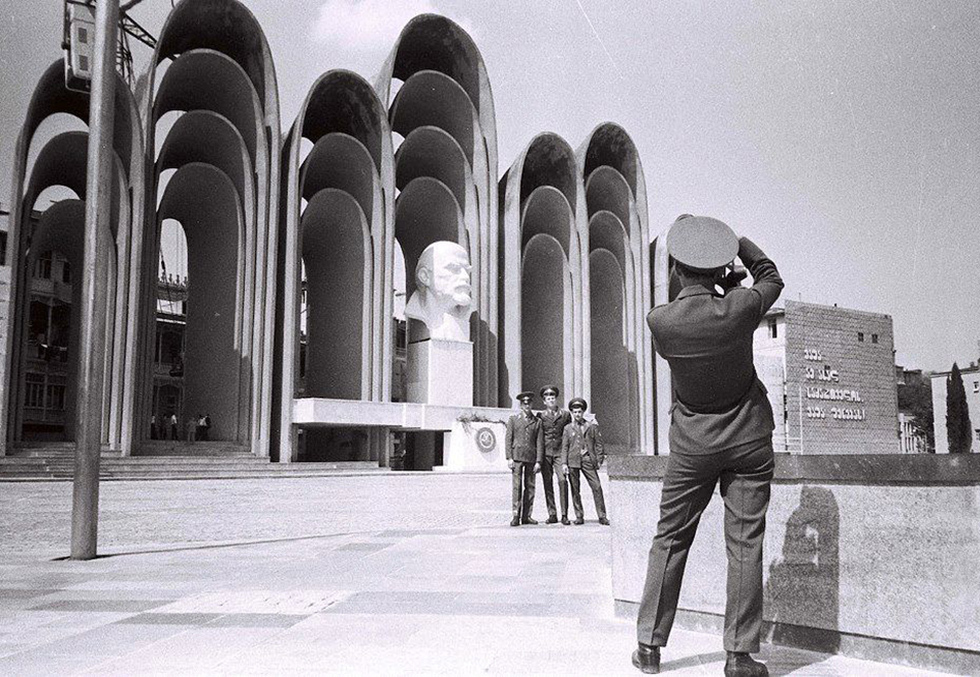
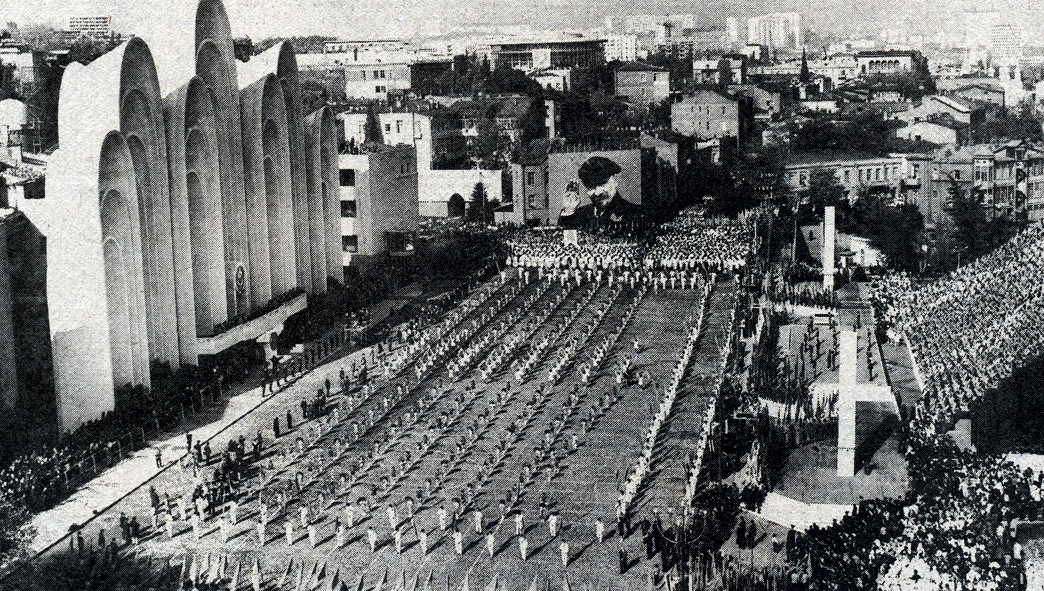
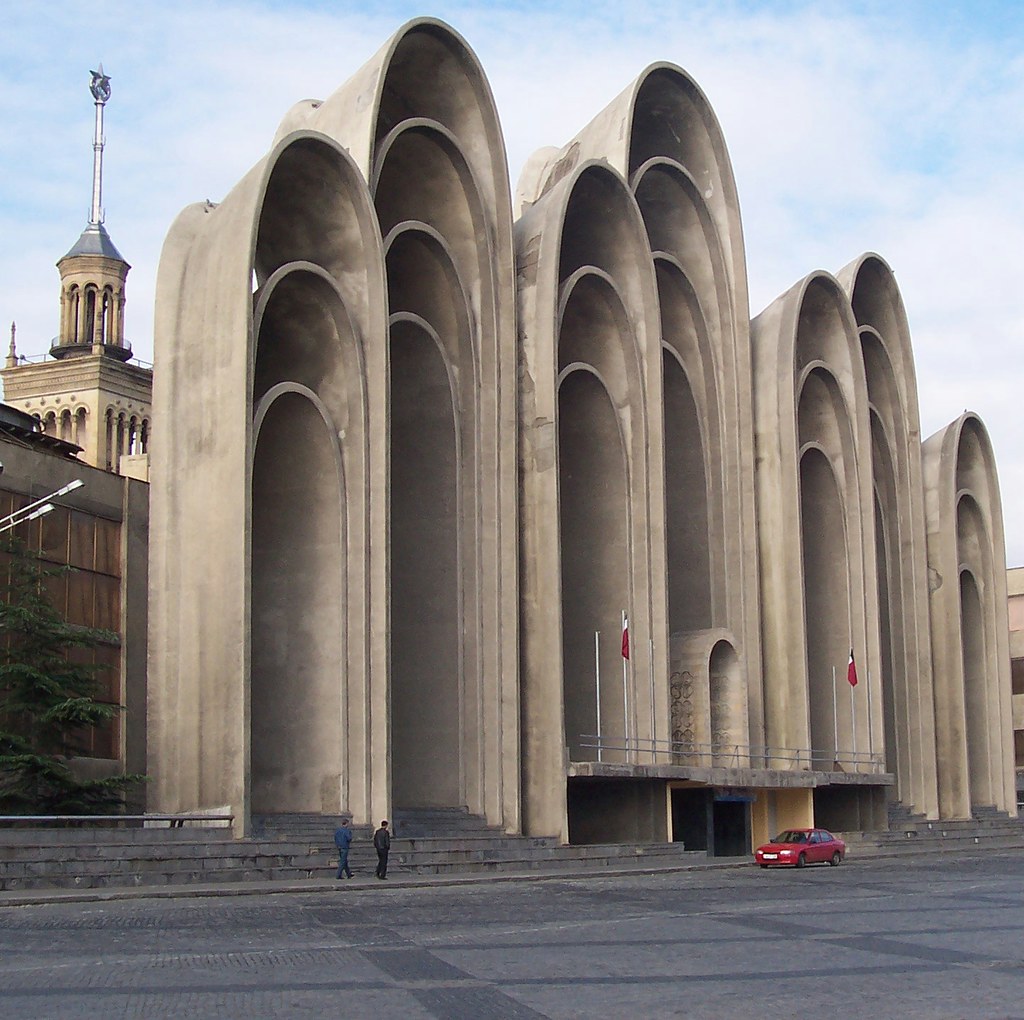
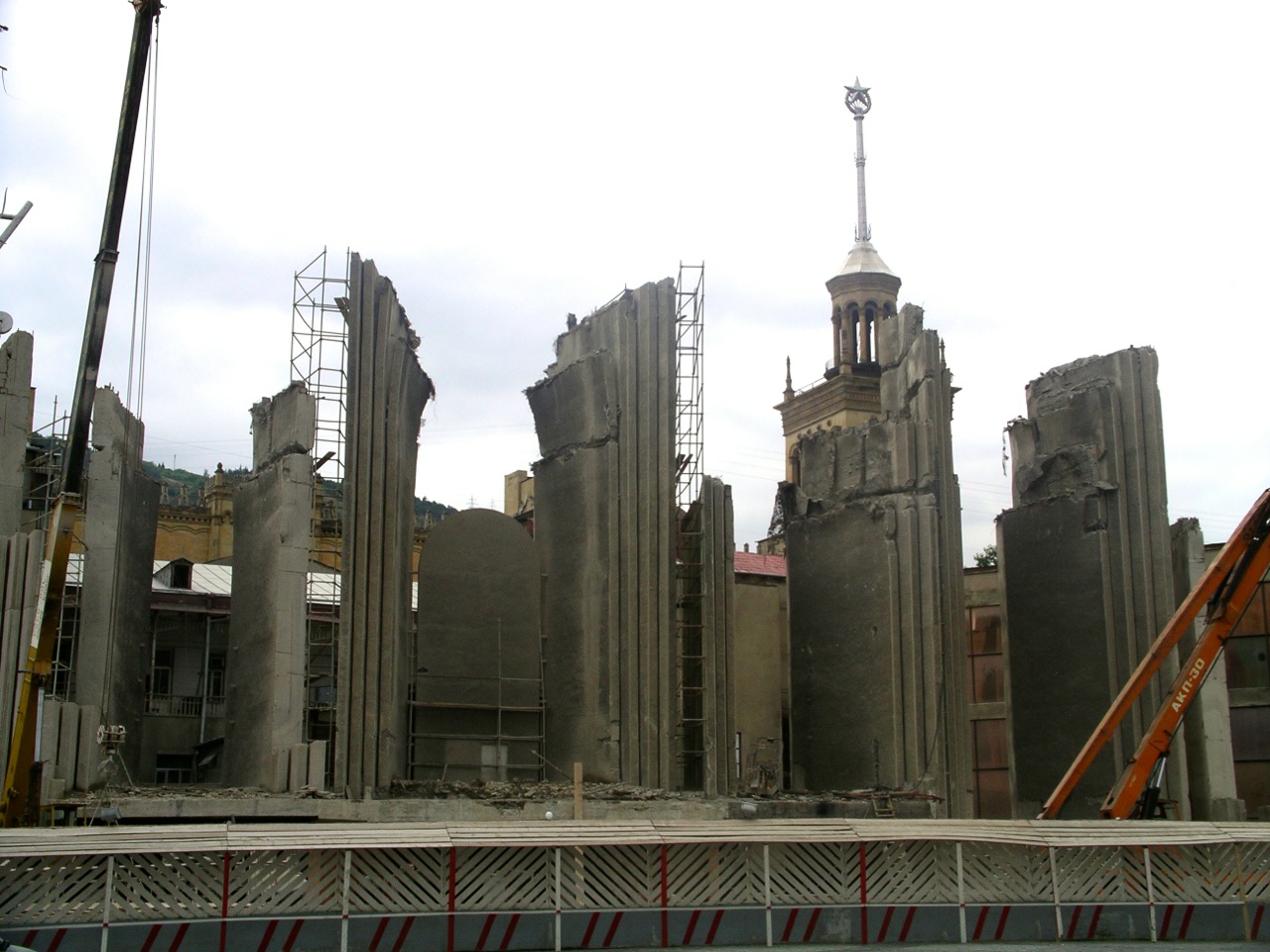
‘The concrete arches known as Andropov’s Ears were built in 1983 by O. Kalandarishvili and G. Potskhishvili in Tbilisi for an official visit by the Chairman of the Presidium of the Supreme Soviet. They were demolished after independence in April 2005 and the President Saakashivili inaugurated himself their destruction. However, the foundations and some parts of the concrete arches are still visible today, because the complete demolition had to be stopped for static reasons.’ — architectuul


Toronto

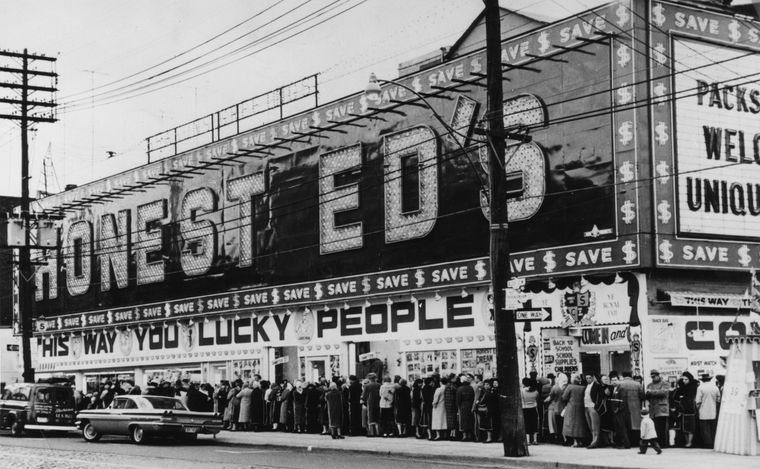
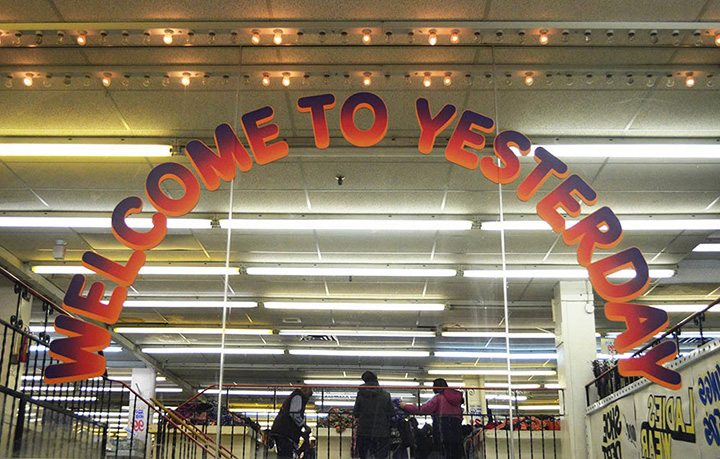
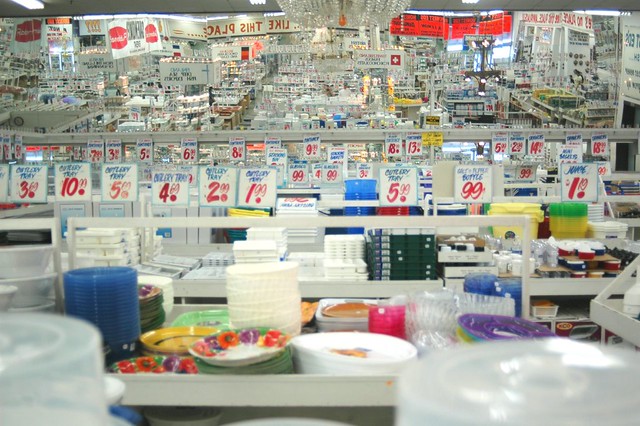
‘Honest Ed’s was located at the corner of Bloor and Bathurst Streets, extended the full length of the block west to Markham Street. The exterior was covered with huge red and yellow signs advertising the store’s name, lit up like a theatre marquee. The store sign used 23,000 light bulbs. The outside facade was covered with puns and slogans such as “Come in and get lost!” and “Only the floors are crooked!” The store consisted of two buildings connected by a walkway that links up the west building on Markham Street and the east building on Bathurst Street. The interior was modest, with simple displays of low-priced merchandise from vacuum cleaners and winter coats to kitchenware, toys and grocery items. Much of the store’s decor consisted of posters and photos from old films and stage productions from Mirvish’s theatres in Toronto and London, England, and of actors and musicians who performed in them (many inscribed to Ed Mirvish). Every piece of store signage was hand-painted. The new owners have demolished the structure as of March 2018.’ — wiki


Manchester

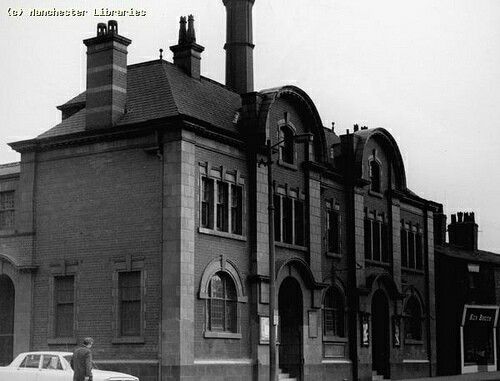
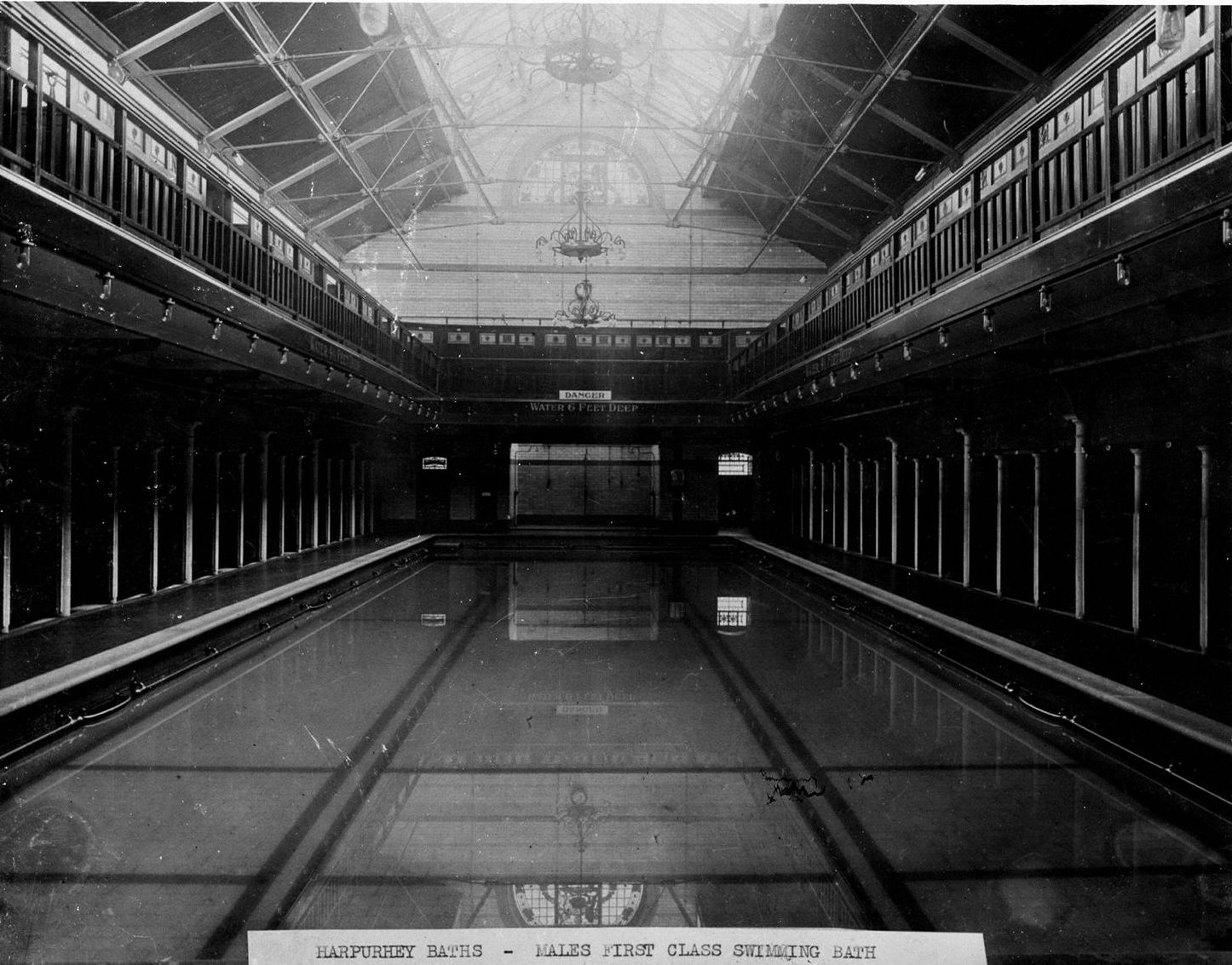
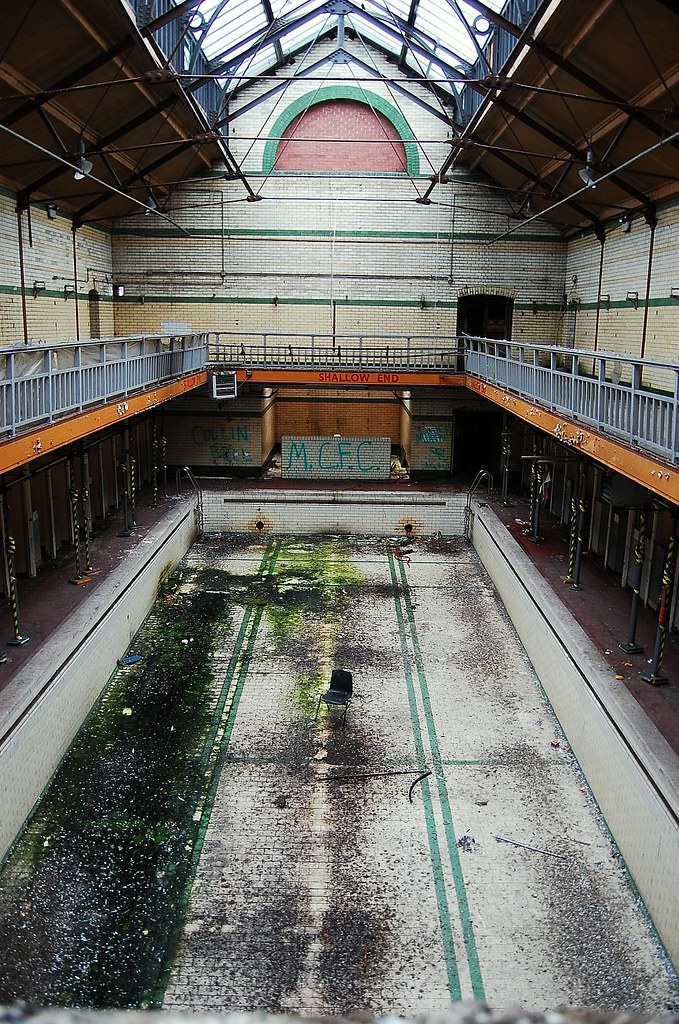
‘Harpurhey Baths in Manchester, UK were shut immediately during a routine inspection in 2001 amid major health and safety fears when it was discovered there were serious defects in the building’s walls and machinery. Cracks in the baths’ walls repaired five years earlier had widened beyond repair, and the walls were bowing. There was also problems with the baths’ steam boilers and the drainage system. On seeing the consultants’ report the council then asked there own architects to carry out an examination. Their conclusion was that the building should be closed as It had gone beyond the point of being tired and was at the stage where it could be considered a danger to public safety.’ — 28dayslater.co.uk


The Balkan Mountains

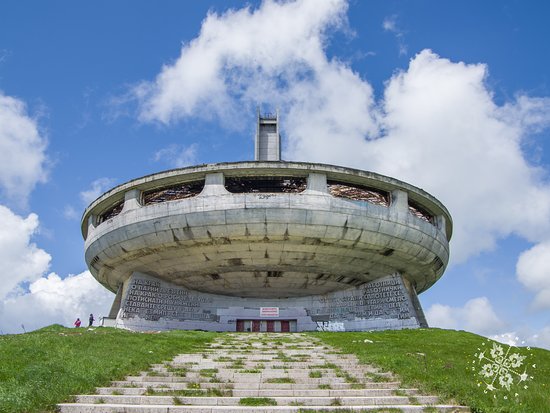
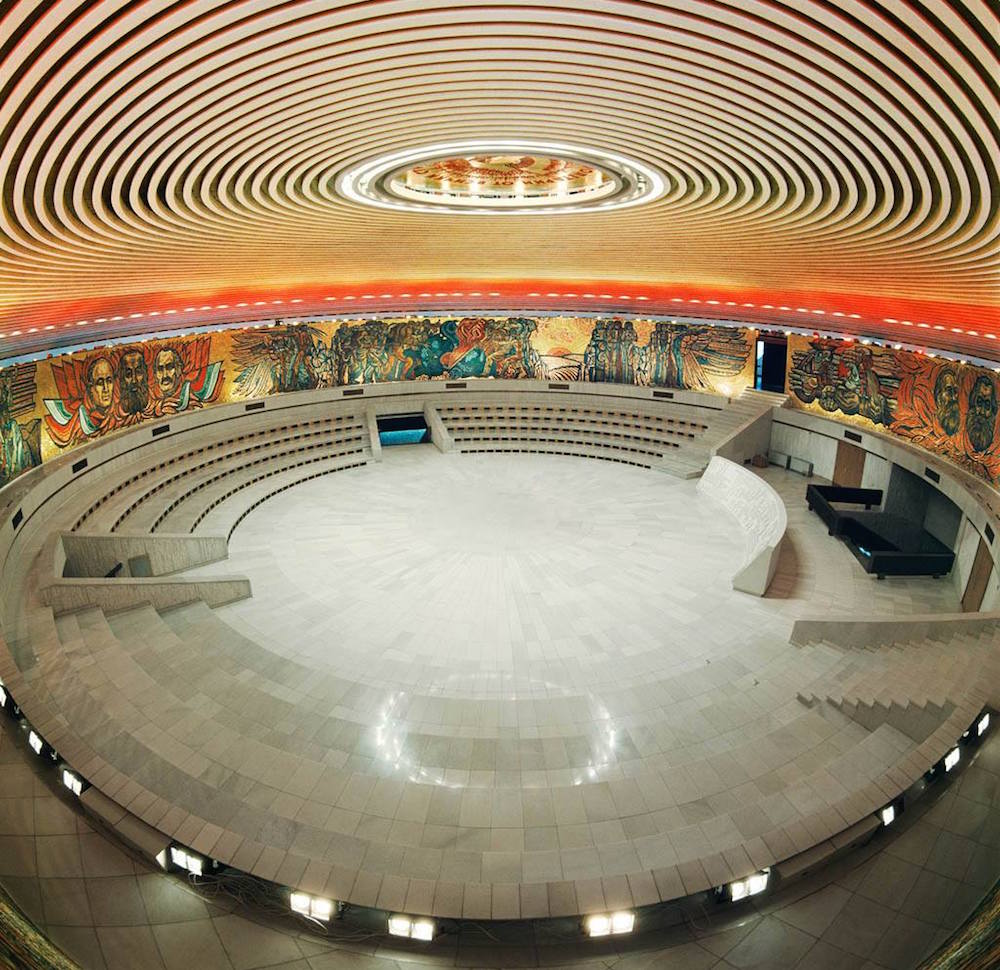
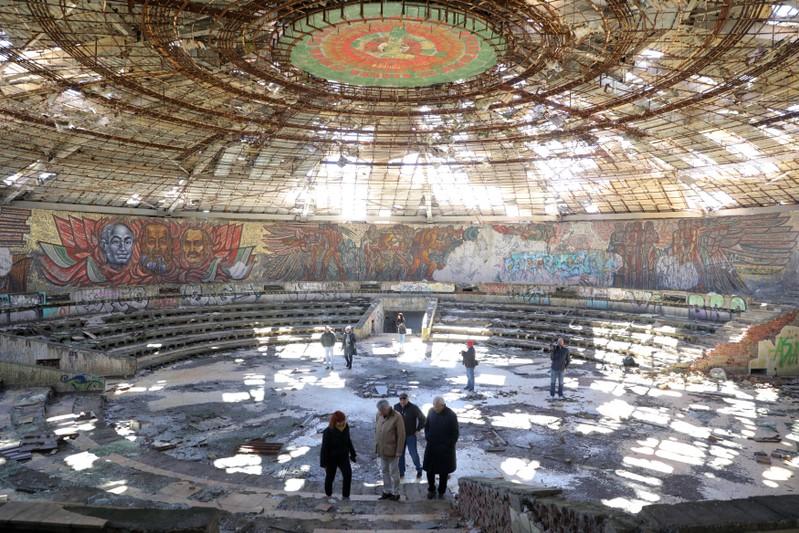
‘From far, it looks like an abandoned flying saucer sitting on top of the hill but the Buzludzha monument is an enormous construction built on Bulgaria’s Balkan mountains to mark the site where the Bulgarian Communist party was founded in 1891. Buzludzha opened in 1981 but after the fall of communism it was left abandoned by the Bulgarian government. Since then it has been heavily vandalized.’ — collaged


Okayama

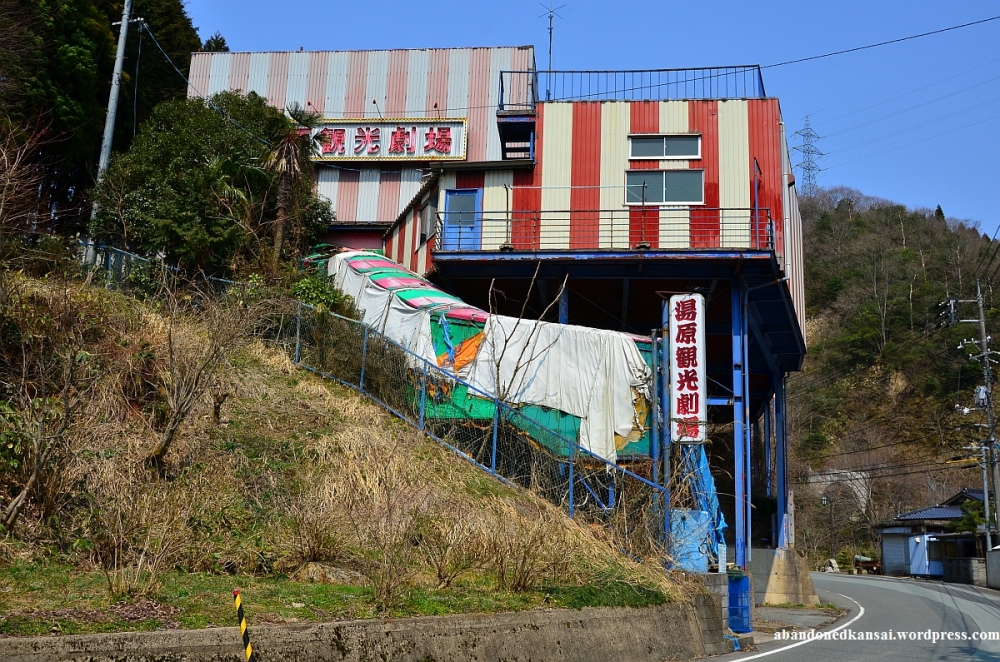
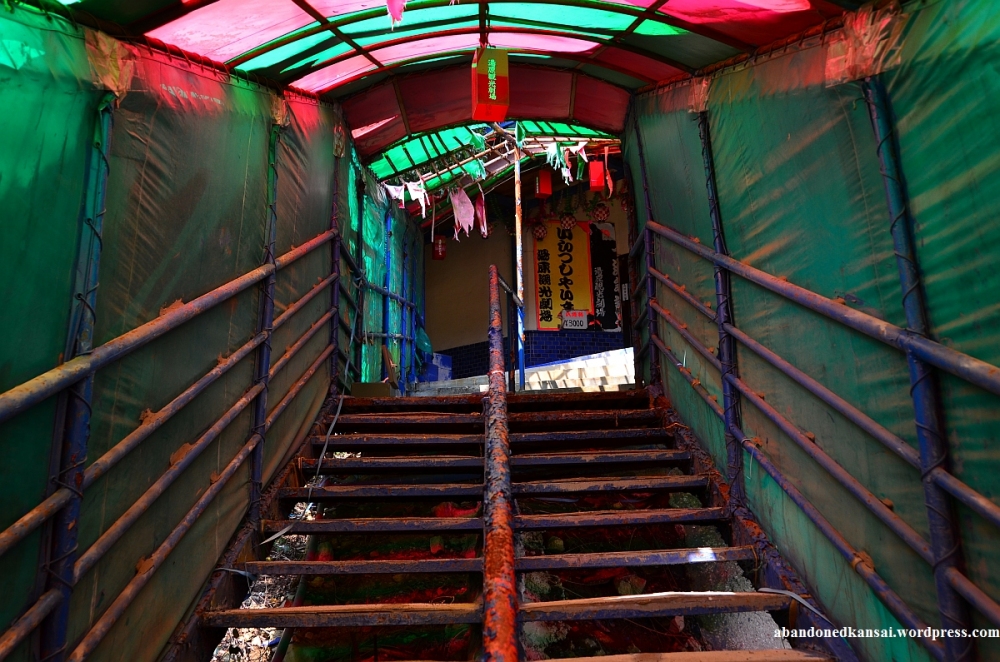
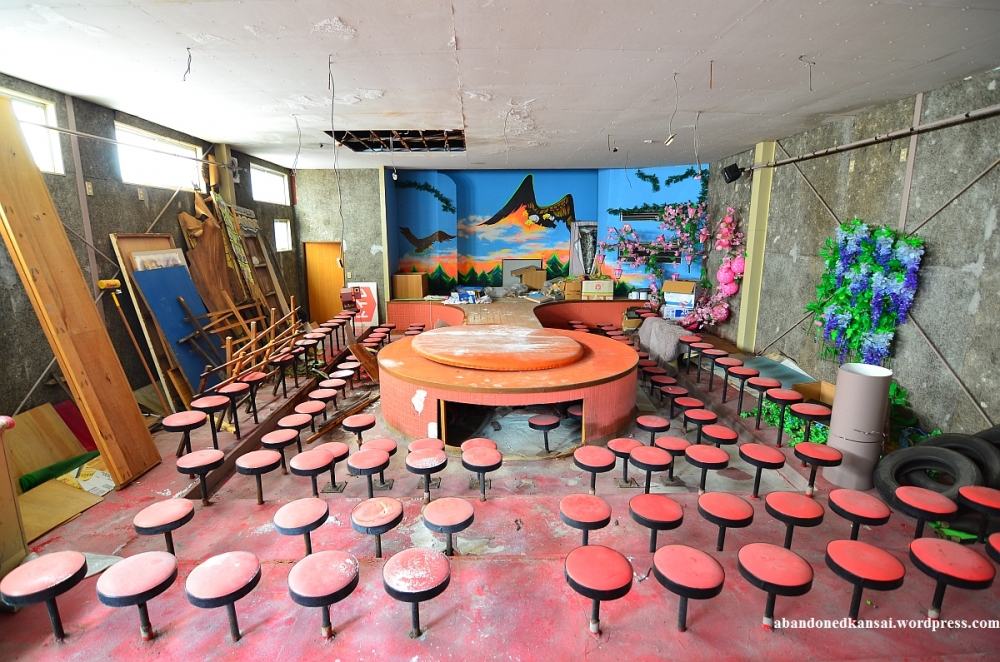
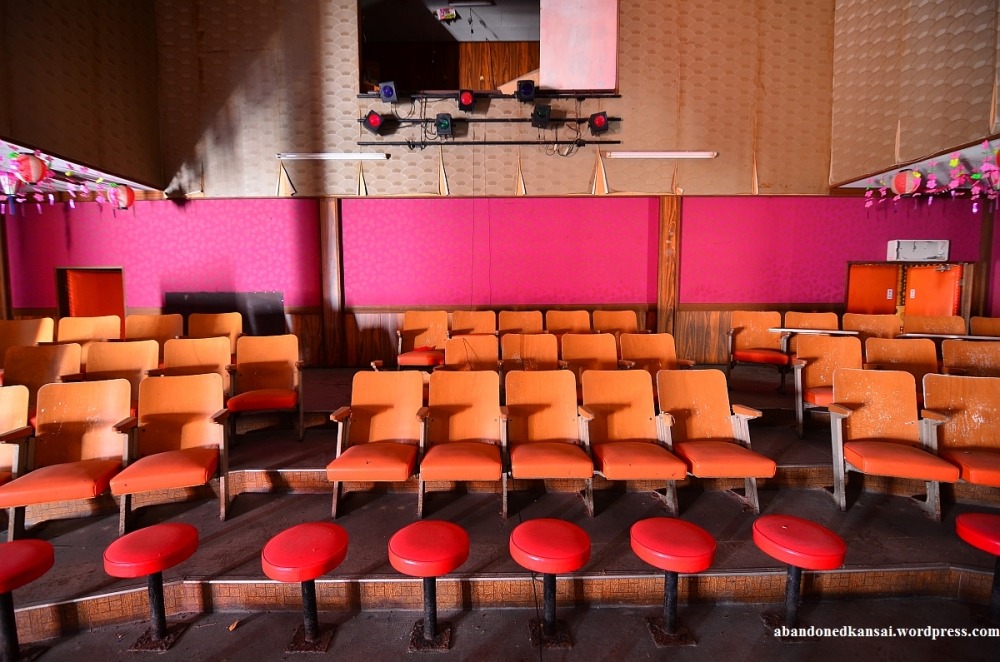
‘This abandoned Japanese strip club was discovered somewhere around Okayama prefecture by blogger and urban explorer abandonedkansai. Little are known about the place besides its name “Sightiseeing Theater”, an euphemism. The photographer describes his exploration: “It seems like the entrance fee was 3000 Yen […] To the right was a side entrance that lead directly to the oh so known strip room with its orange stage and the countless tine stool bolted to the ground. Well, countless, I guess there were about 150 of them, sometimes as little as maybe 15 centimeters between them. […] Behind the stage was a small room with a bed and from there a dark, narrow hallway with an uncomfortably soft floor lead to another part of the building, a part that was actually even closer to the locked main entrance. When I got out of the dark I stepped directly… onto a stage. A stage way bigger in a room way bigger than I just left. While the first location was a little bit shabby and tacky with plastic flowers everywhere and gigantic eagles painted on the wall the second room was… actually pretty similar; just bigger, more spacious and in better condition, probably thanks to the wallpaper that was missing in the other room. Close to the stage were the same tiny little stools bolted to the ground, but with a little bit more distance between them. The last three rows reminded me of old cinema seats – of way better quality […] This room was so cliché 70s porn it was tough to wrap my mind around it. The cheap pink plastic decoration was so horrible I felt a little bit embarrassed just looking at it, but I guess when it was dark and you focused on the stage it didn’t matter. Sadly it wasn’t completely dark in there. Just almost, with bright light coming in from a door leading outside.”‘ — abandonedkansai


Bedrock City

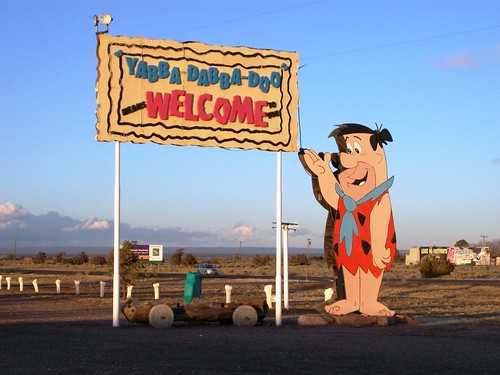
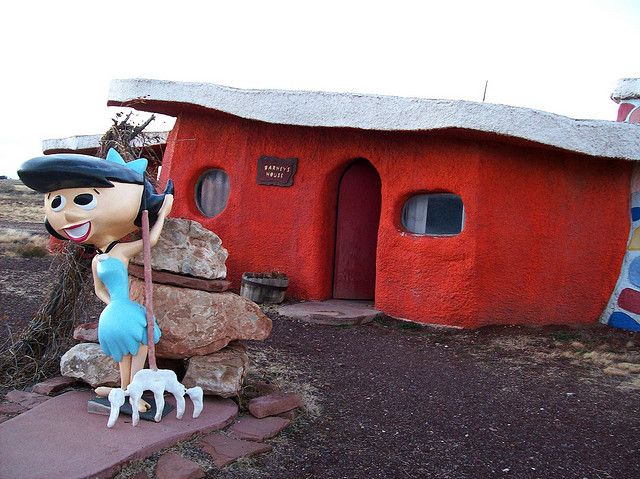
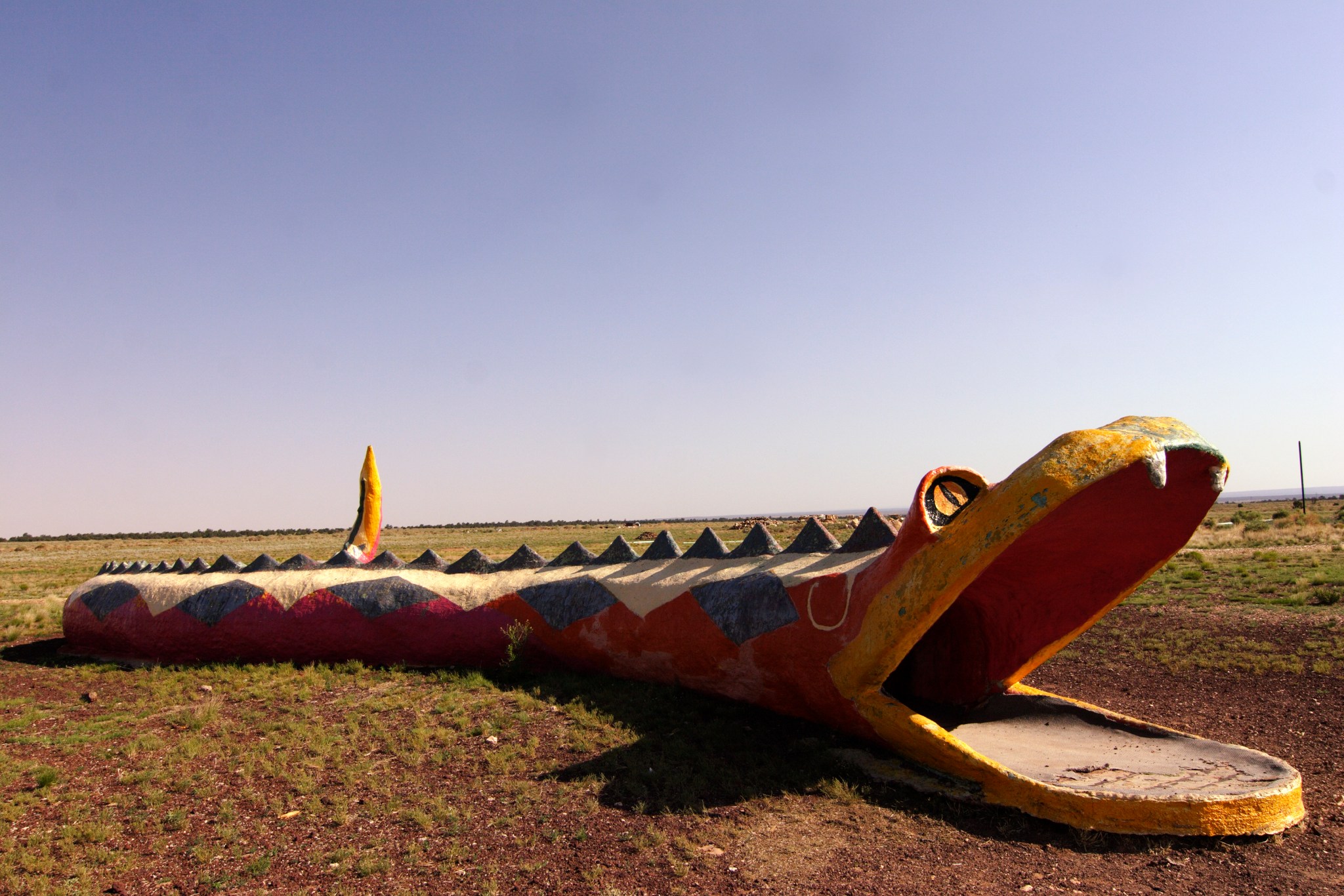
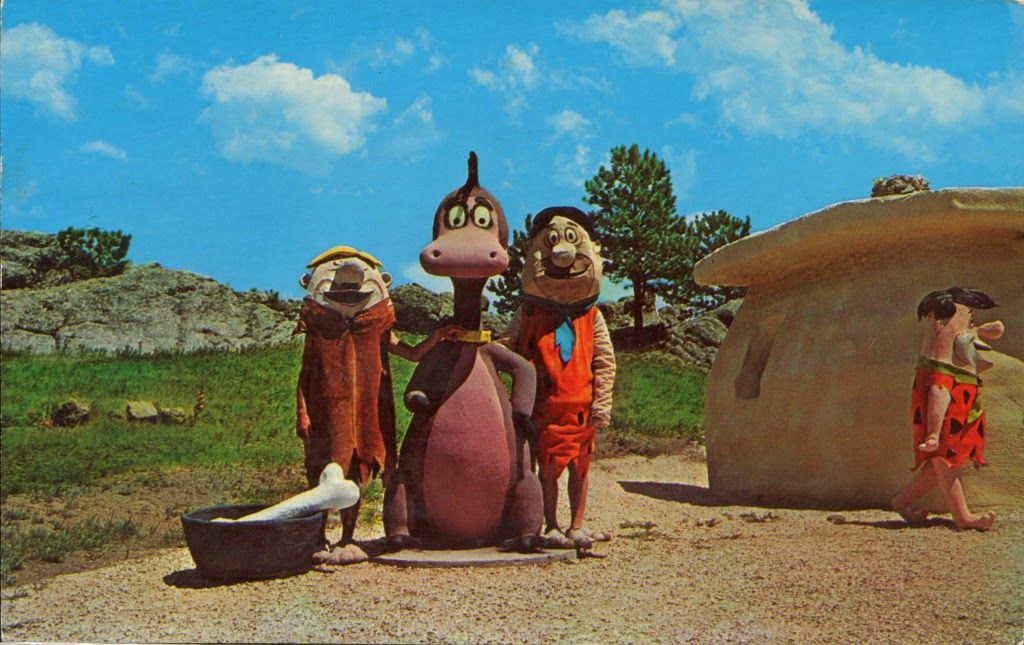
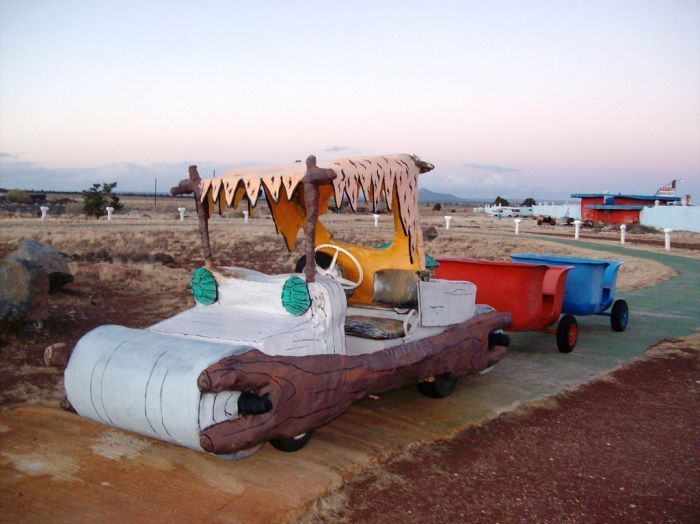
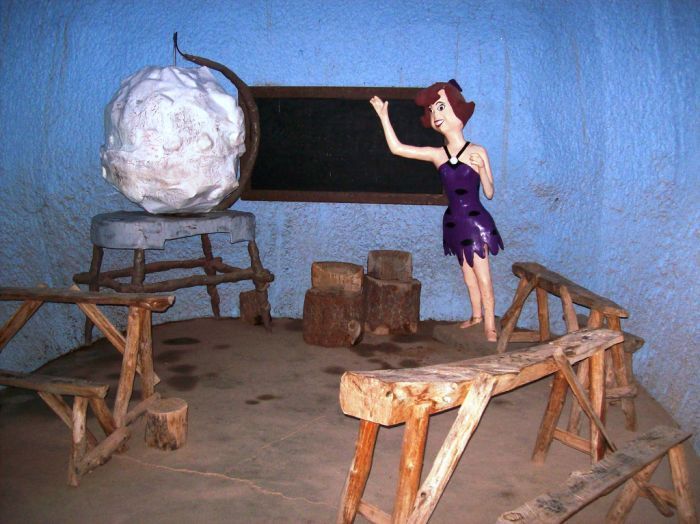
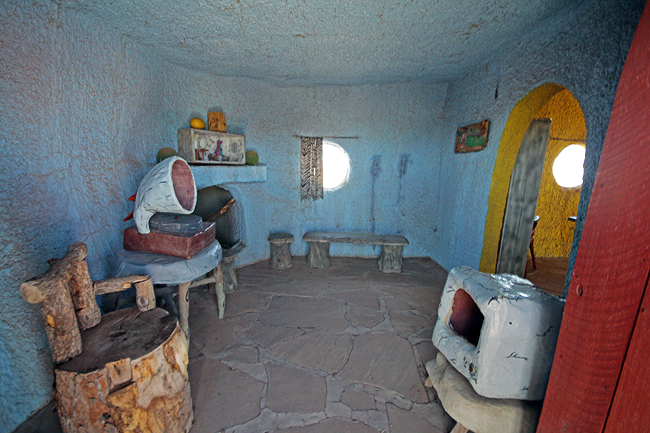
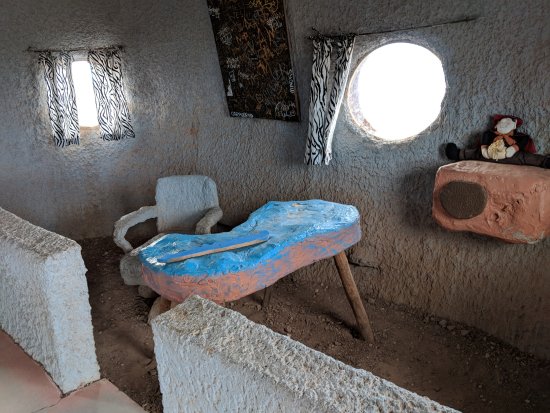
‘This abandoned Flintstones amusement park is located in Bedrock City, Arizona. There are weirdly distorted statues of all the main characters, and everything looks like it was done in the 1960’s-1970’s. After doing some research, this place opened in 1972, and it shows. I crawled through the giant snake on my hands and knees, only to discover that the exit was essentially me being pooped out of the backside of said giant snake. There were a ton of pebbles in there (and not the baby or cereal kind), and I cut my knee.’ — collaged


Pyongyang

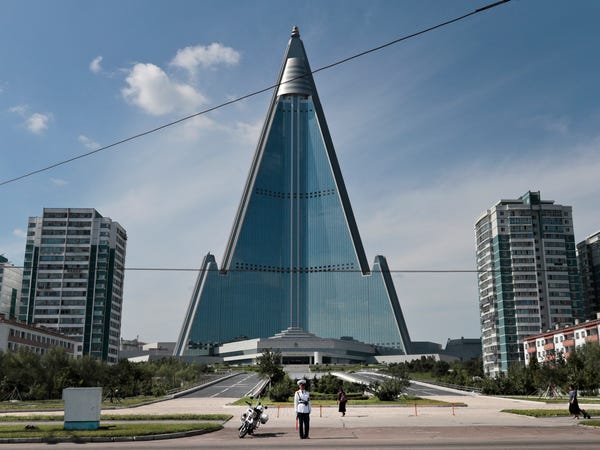
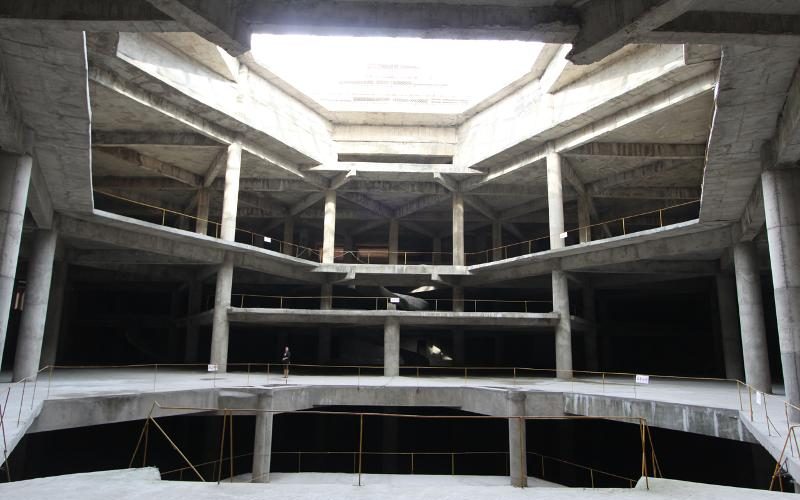
‘The Ryugyung Hotel in Pyongyang, North Korea is one of the 20th century’s greatest architectural failures. Initially designed as a beacon of progress and power for this misunderstood peninsula nation, the Ryugyung Hotel was unable to sustain construction when the North Korean government simply ran out of money. Ground was broken in 1987, construction was halted in 1992, and the pyramid-style spire sat dormant and empty for sixteen years.’ — TCL


Gaffney

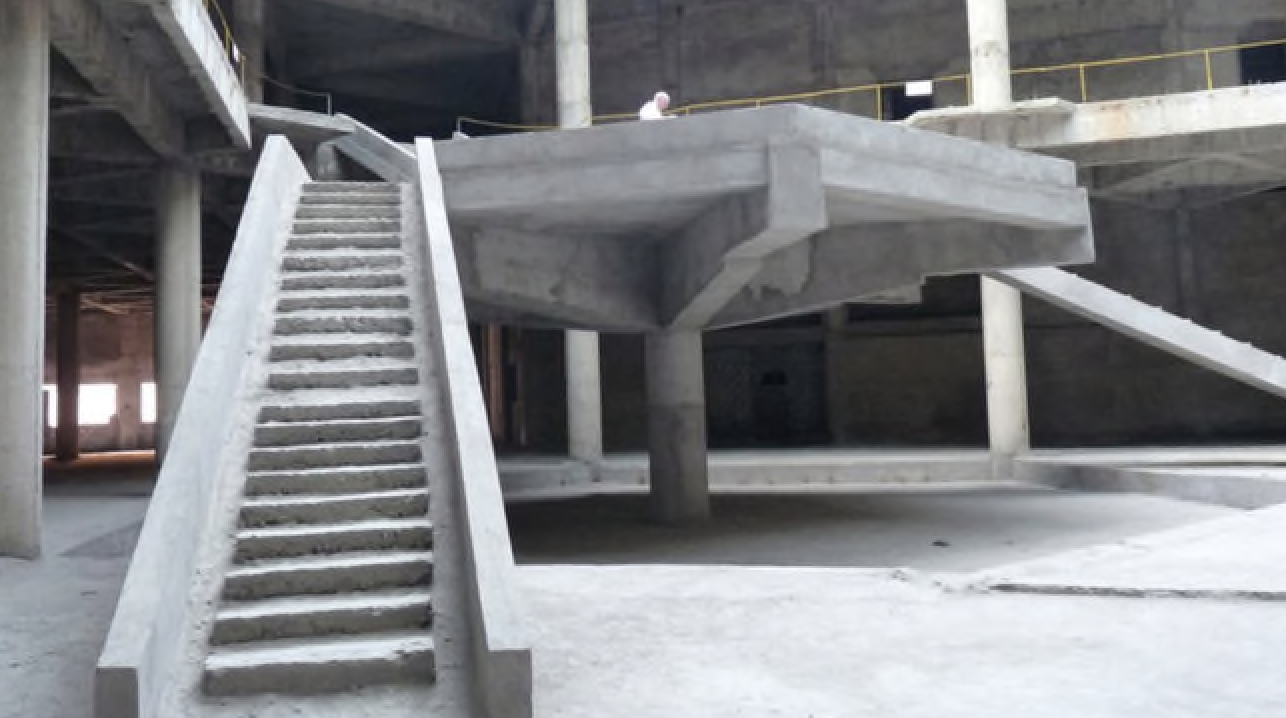
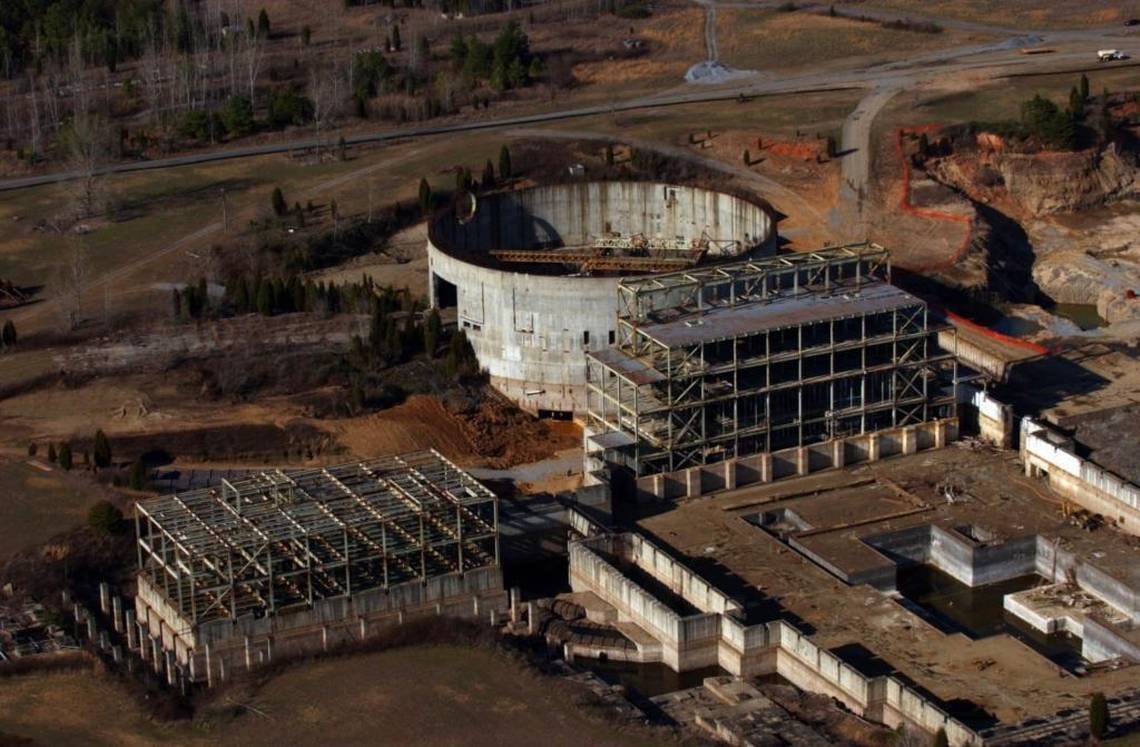
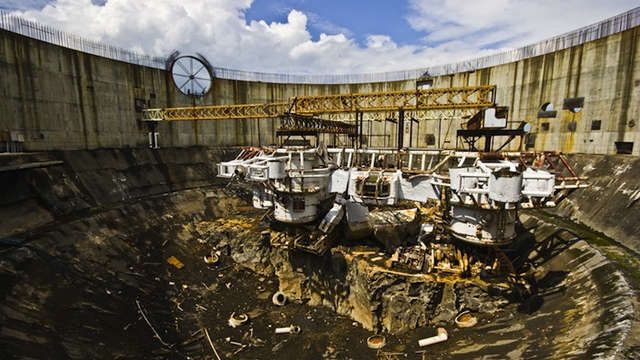
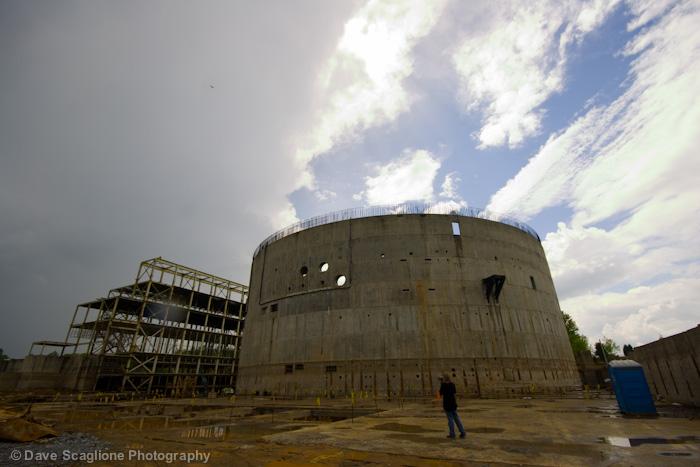
‘The location used for the filming of the 1989 science fiction film ‘The Abyss’ was Cherokee Nuclear Power Plant, an uncompleted nuclear power plant on Owensby Road, near Gaffney, South Carolina. There, director James Cameron constracted the largest underwater filming set ever built. It took 7 million US gallons (26,000 m3) of water to fill the tank to a depth of 40 feet (12 m). After filming, the set was left abandoned, as the cost of deconstruction was considered too high.’ — DP


Los Angeles

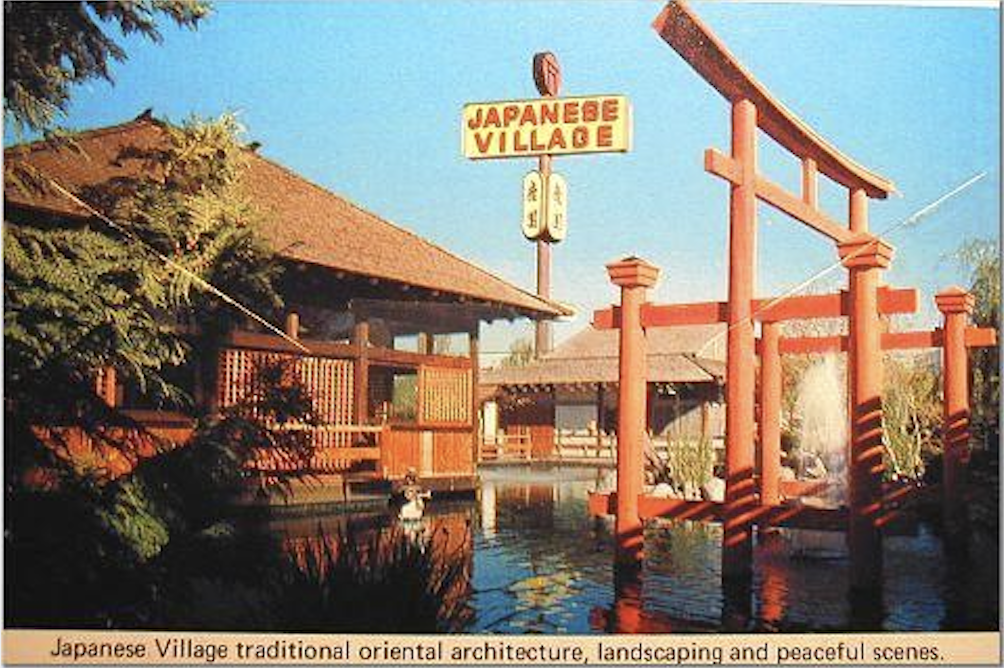
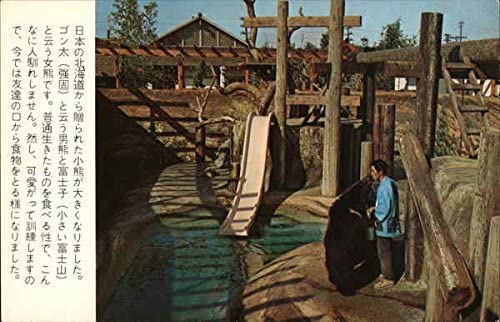
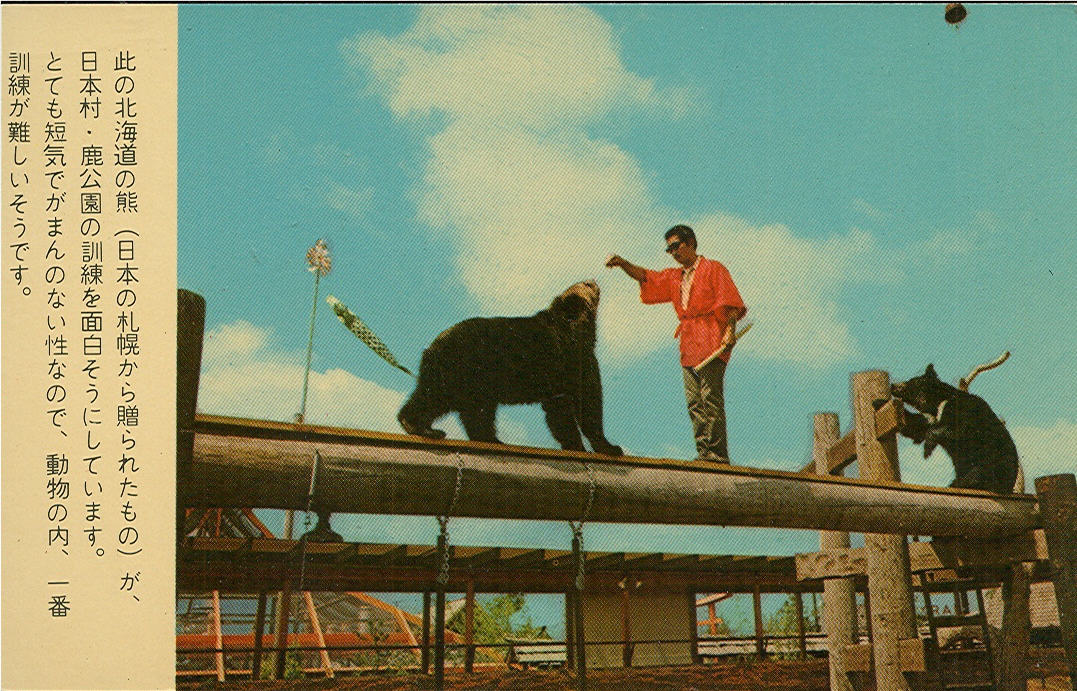
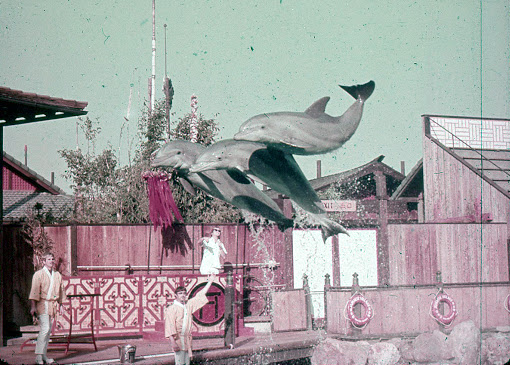
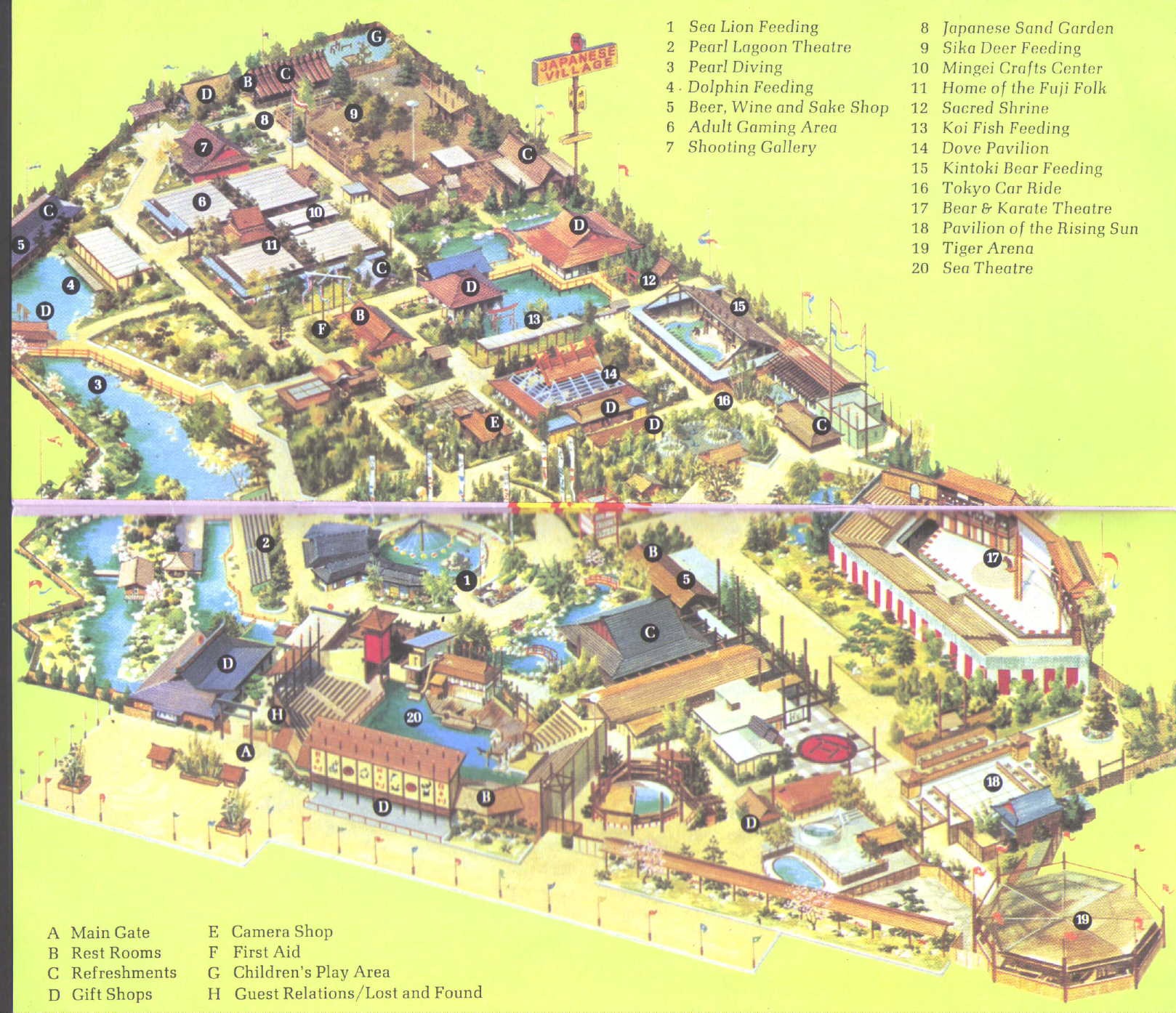
‘Japanese Village and Deer Park (top) first opened at 6122 Knott Ave in Buena Park. It was a Japanese-themed amusement park that featured shows and traditional Japanese buildings in an environment where deer roamed free (inspired by Nara Park). The park’s gate featured a torii. The park closed in 1975. Facing mounting red ink, the owners began giving the park’s deer lethal injections, claiming the animals had tuberculosis. Almost 200 deer were euthanized before authorities ended the practice. After the park closed, a second amusement park, called Enchanted Village (bottom), opened on the site in 1976. Animal trainer Ralph Helfer was a partner and served as chair. The park was, for a time, home to Oliver the “human” chimp. The 32-acre park was South Pacific-Tiki themed and featured trained animal shows, a traditional-styled Polynesian show, and a few ride attractions. Enchanted Village closed in fall, 1977. The area has been developed into a business park and nothing remains of the ponds and locations of the successive parks.’ — Wiki

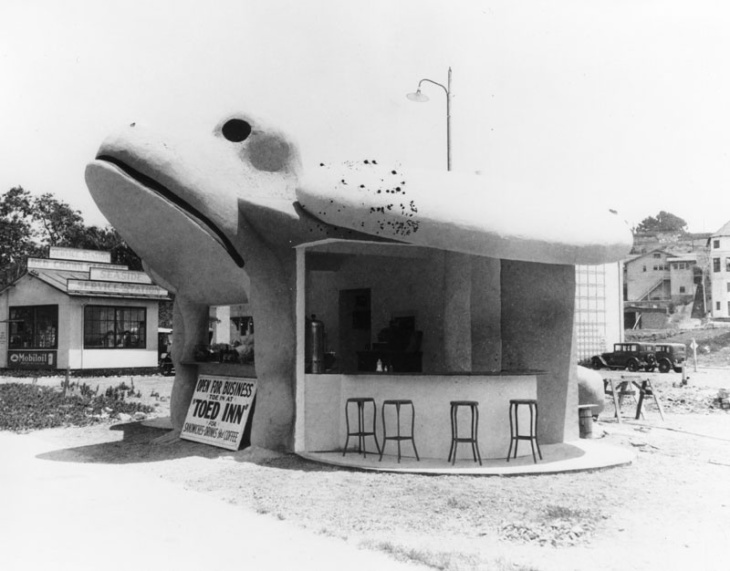
‘The Toed Inn, shaped like a frog, was originally located on on Channel Road in Santa Monica. After it was damaged by a flood in 1938, it was moved to 12008 Wilshire Boulevard in Westwood. (1920)’ — LAist

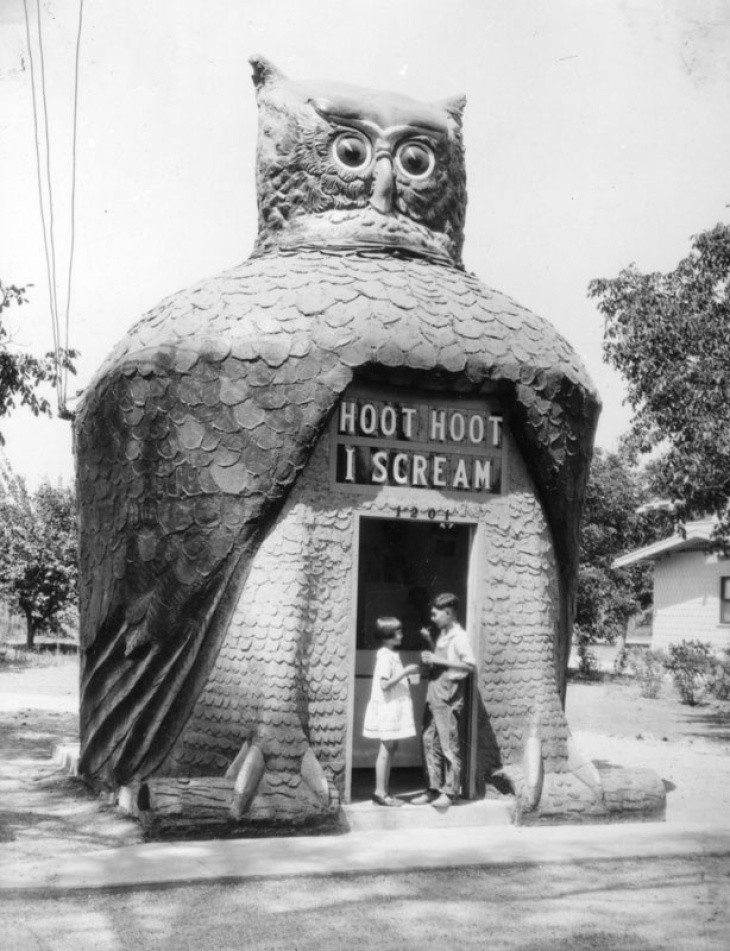
‘Shaped like an owl, the Hoot Owl Cafe had a head that rotated, blinking eyes made from Buick headlamps and a sign that read: “Hoot hoot, I scream.” It was designed by Roy Hattrup in 1926 – 27 and for more than 50 years, his wife, Tillie, ran it. It was originally located in Rosemead but was moved to two subsequent locations, both in South Gate, before being demolished in 1979.’ — LAist

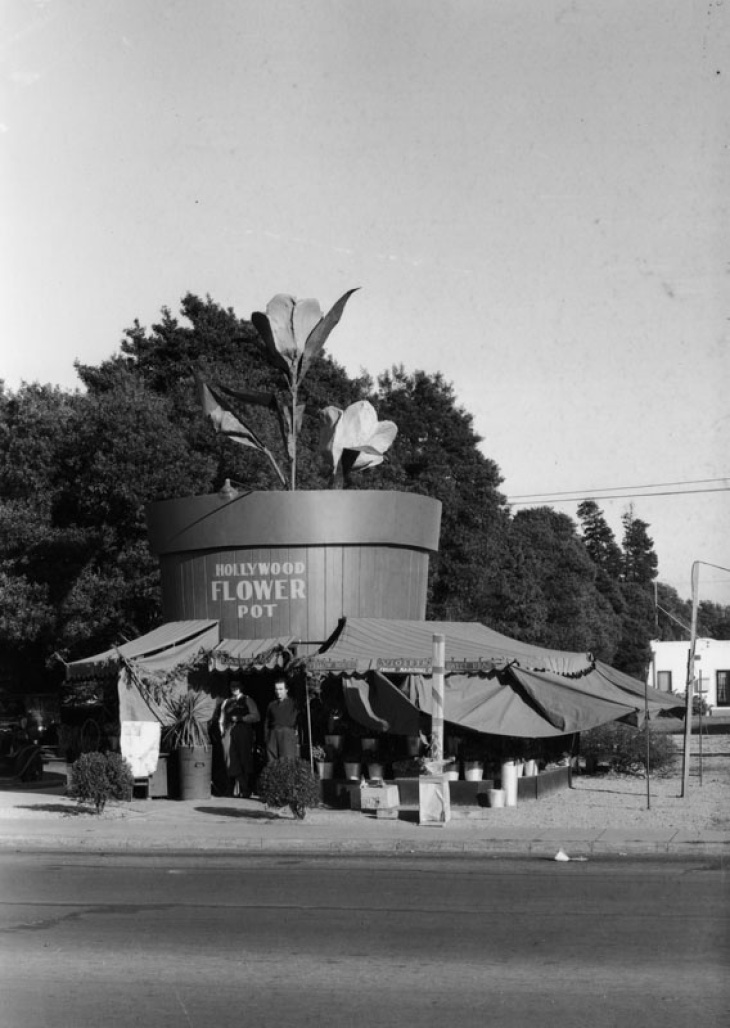
‘Located at 1124 Vine St. in Hollywood, the Hollywood Flower Pot is both the name of this flower shop and an accurate description of its facade. (1930).’ — LAist

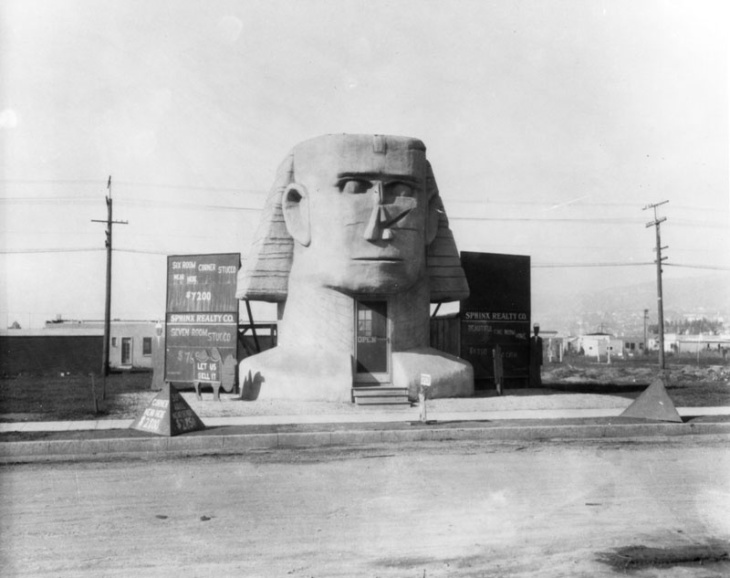
‘This photo of the Sphinx Realty Company, located at 537 N. Fairfax Ave. across from where Fairfax High School now stands, supposedly dates to 1920, so it’s too early for it to have been inspired by the Egyptology craze that swept the U.S. after Tutankhamun’s tomb was discovered in 1922. Notice the signs listing nearby properties for sale. Back then you could buy a six-bedroom, corner stucco house for $7,200.’ — LAist

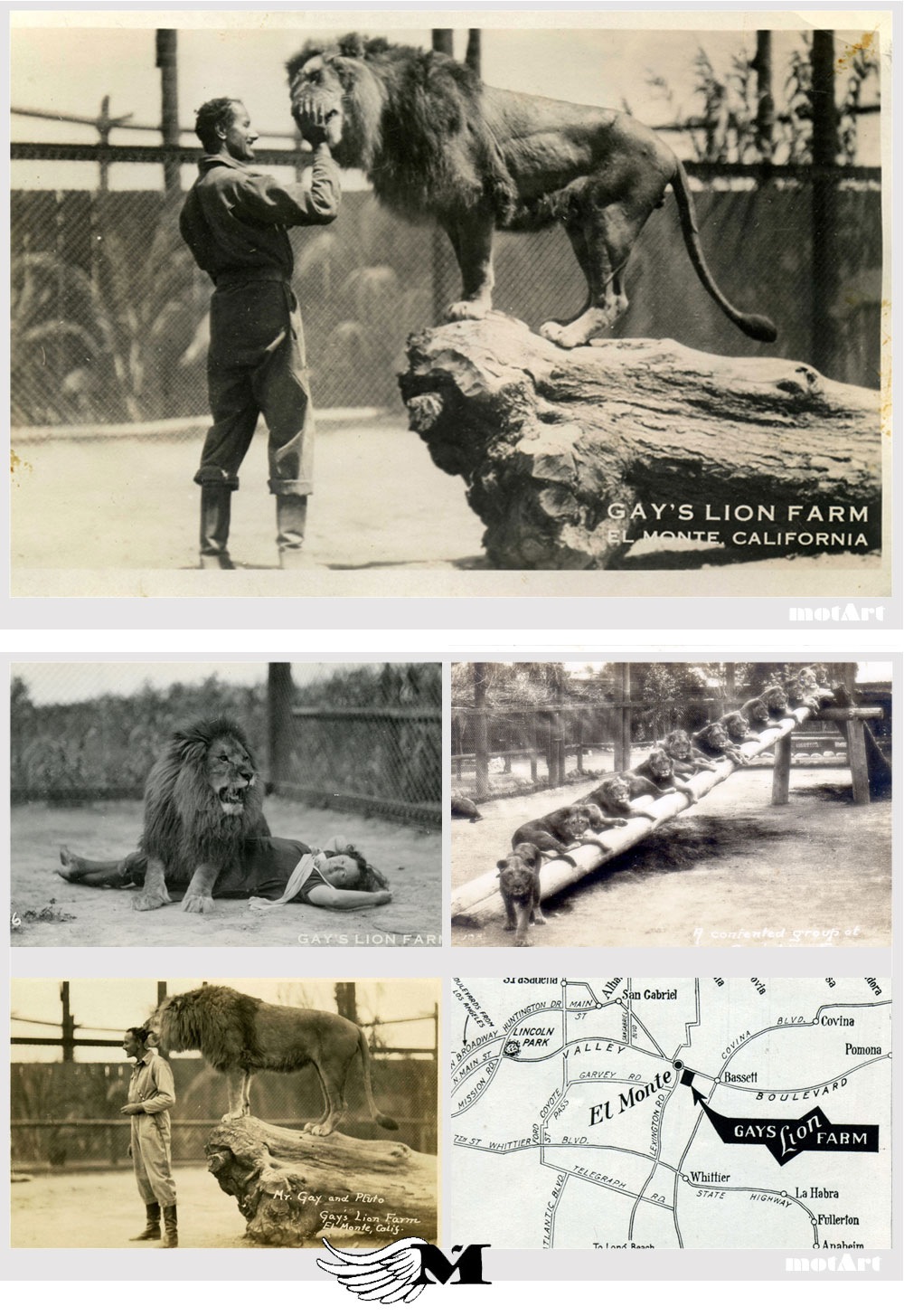
‘Gay’s Lion Farm, once a defining symbol of El Monte, has left relatively few traces in today’s city. El Monte High School may be the home of the Lions, boasting a statue of a lion that was once part of the Farm, but a perfectly unexotic McDonald’s now stands on Valley Boulevard, where the entrance to the Farm once saw fancy cars and tour buses disgorging their passengers to visit the tourist attraction. About three hundred yards west, on the southeast corner of Valley and Peck Road, an overpass of Interstate 10 looms like a conqueror over a memorial to the fallen Farm. (The construction of the freeway paved over the erstwhile Farm’s vacant land in the 1950s.) The memorial is easy to miss for drivers hurrying through the intersection; it’s also unlikely to be visited by pedestrians since the space is next to a busy intersection and below a freeway with no convenient parking nearby. The lion stands behind the fence, neglected by contemporary El Monte. Across the intersection, near a bus shelter on the northeast corner, is another ignored commemoration of the Lion Farm in the form of a marker placed by the city. The glass plating on the marker is scraped so badly that it renders the text almost entirely illegible.’ — ket.org


Glasgow

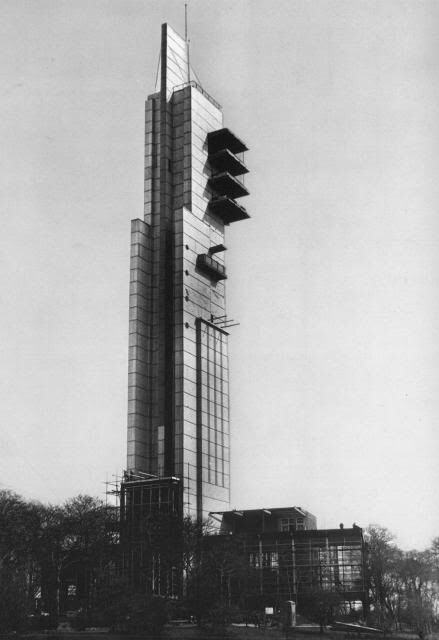
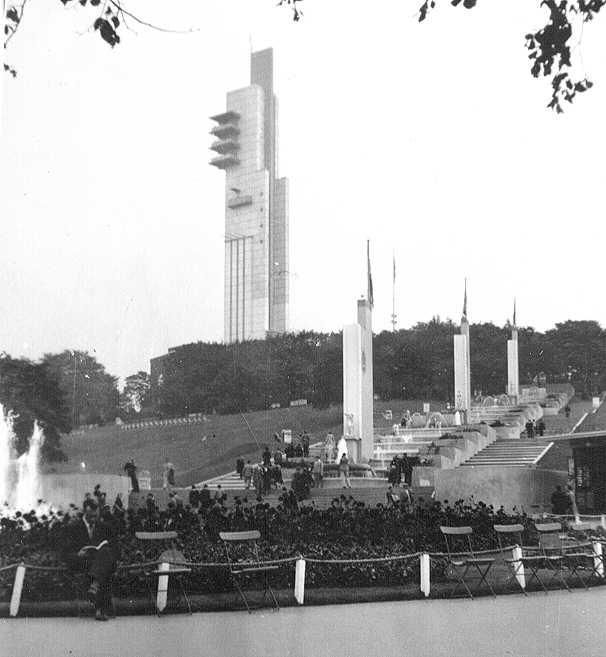
‘Tait Tower was a tower in the art deco style constructed at the summit of Bellahouston Hill in Bellahouston Park in Glasgow in Scotland as part of the Empire Exhibition, Scotland 1938. It was designed by Thomas S. Tait, stood 300 feet high (91.44 metres) and had three separate observation decks which provided a view of the surrounding gardens and city. Due to both the height of the tower and the hill it was built on, it could be seen 100 miles (160 km) away. Although it was to have been a permanent monument to the exhibition, orders were given to demolish the tower in July 1939, allegedly because it would provide a beacon for enemy bombers in the expected war with Germany. Only the foundations now remain.’ — Wiki


Wall Township

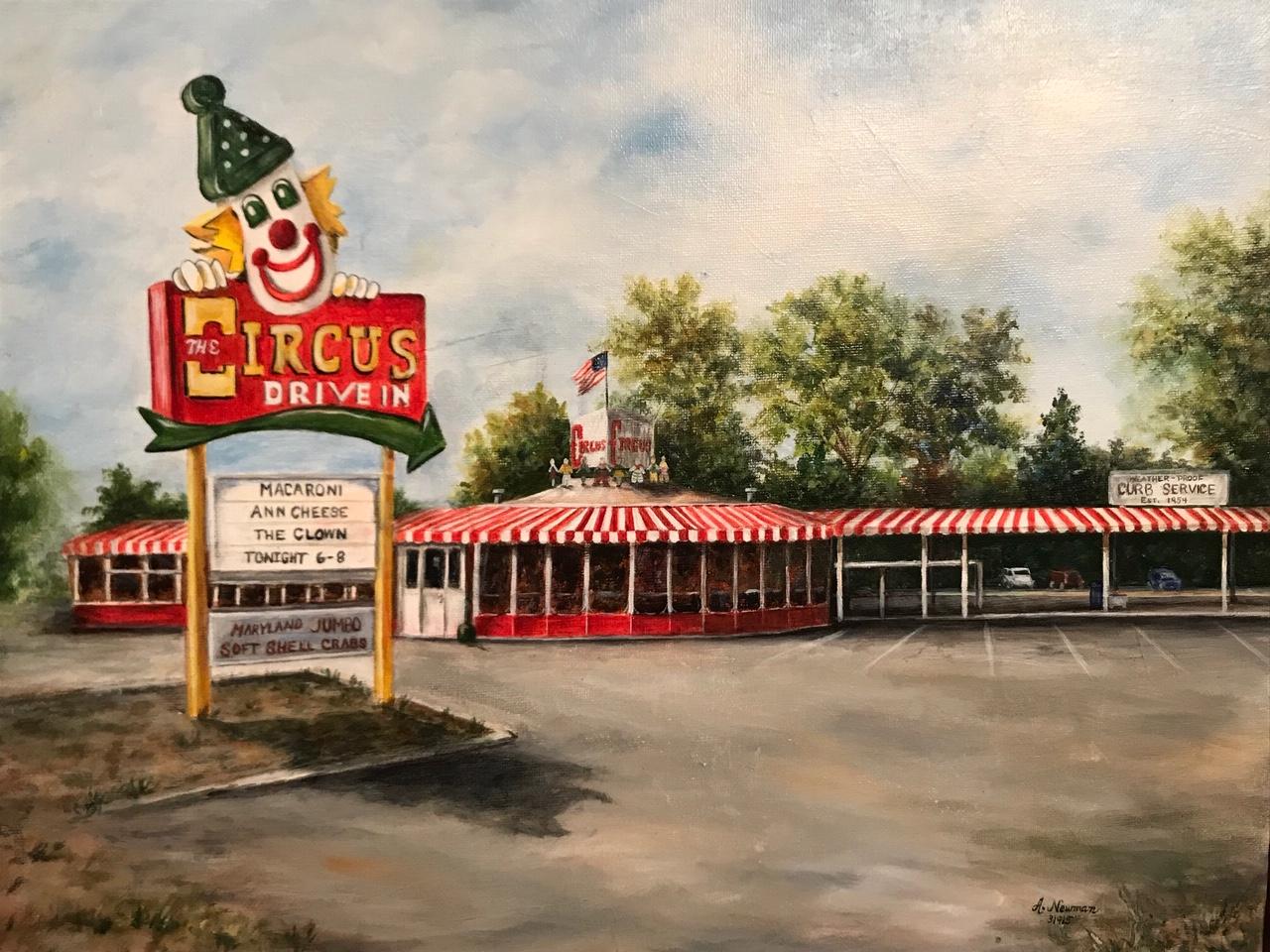
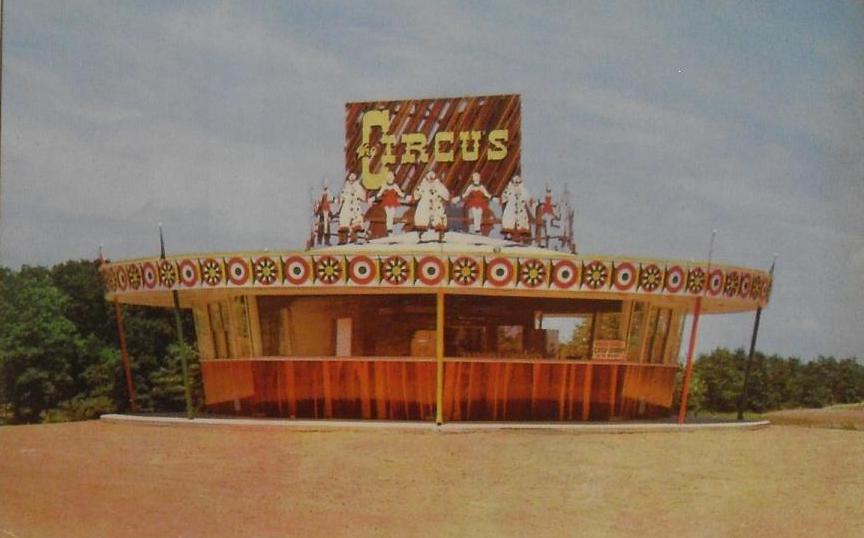
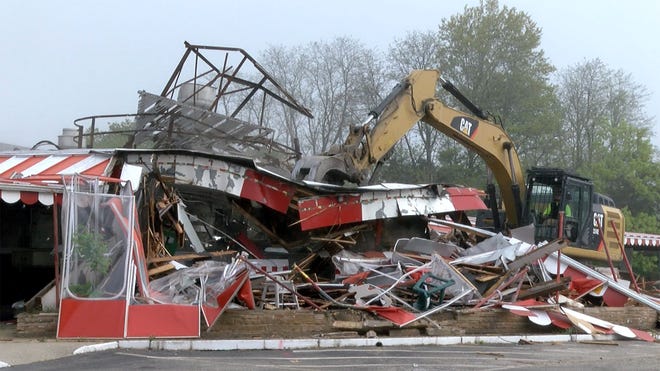
‘The Circus Drive-In was a fast food hamburger drive-in restaurant located in Wall Township, New Jersey that opened in 1954, and operated until 2017. Cars originally pulled up and parked around the round building, which remained until its closing as an open-air indoor seating area. There was also a partially covered drive-in aisle where cars could pull up to experience classic drive-in service. Besides standard hamburger fare, the Circus was known for its batter-dipped onion rings, fried Maryland softshell crab, and a newer addition of New England Lobster roll.’ — Wiki


Buffalo

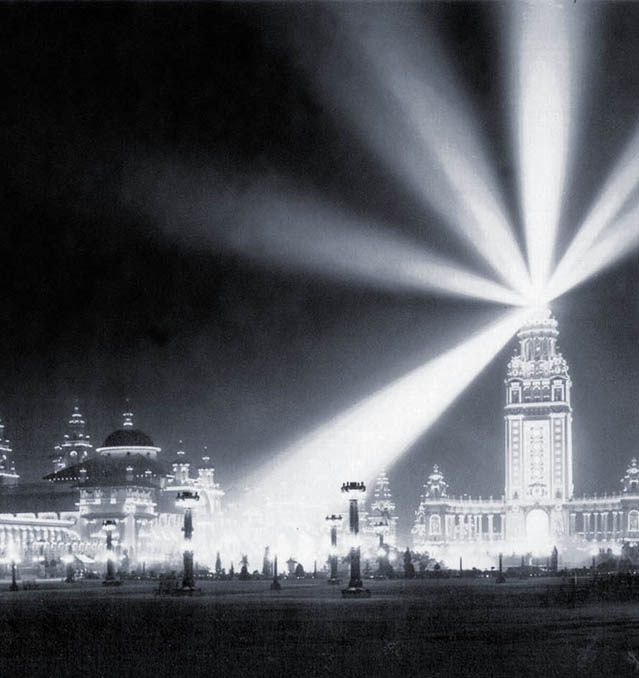
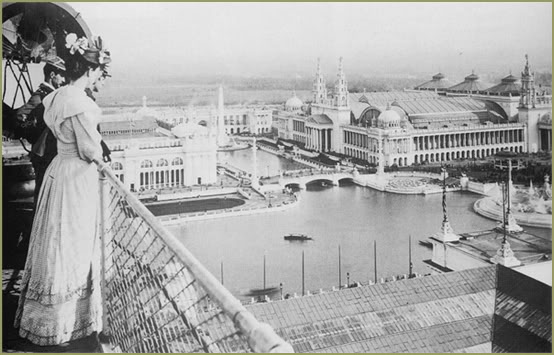
‘The Pan-American Exposition was a celebration of many sorts. It opened its gates on May 1, 1901. The most prominent of its buildings was the Electric Tower which rose to a height of 391 feet. It was said that the Electric Tower could be seen from downtown Buffalo. The Electric Tower was colored deep green, with details of cream white, blue and gold.’ — buffalohistory.com

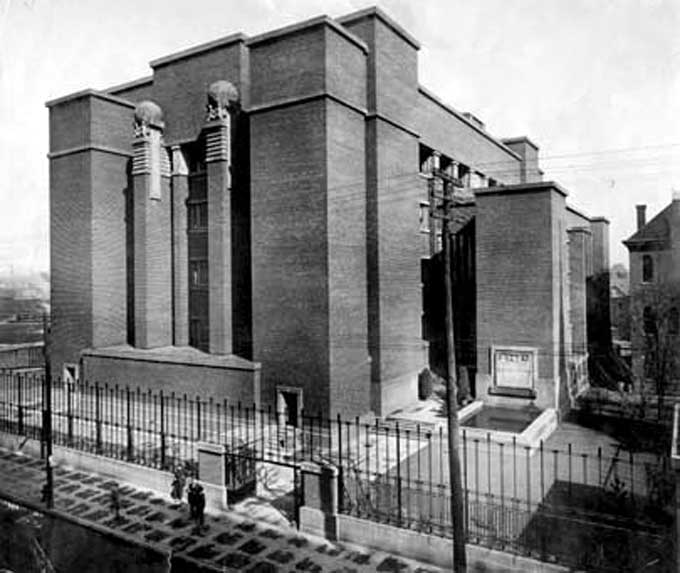
‘The Larkin Building was designed in 1904 by Frank Lloyd Wright and built in 1906 for the Larkin Soap Company of Buffalo, New York. The five story dark red brick building used pink tinted mortar and utilized steel frame construction. It was noted for many innovations, including air conditioning, stained glass windows, built-in desk furniture, and suspended toilet bowls. Located at 680 Seneca Street, the Larkin Building was demolished in 1950.’ — Wiki

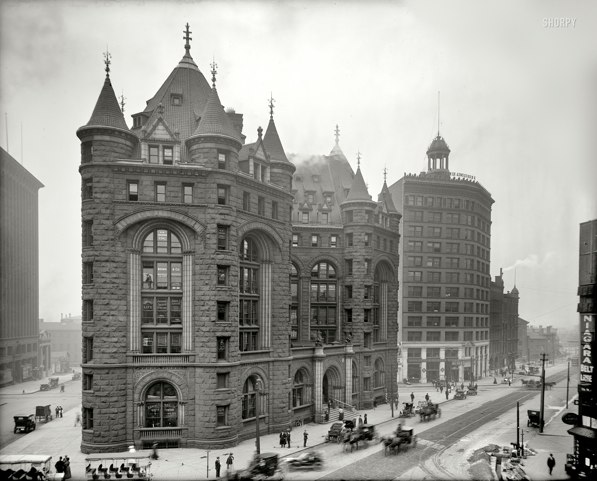
‘Erie County Savings Bank was constructed between September 11, 1890, to June, 1893 and was designed by George B. Post – the winning architect in a competition among twenty-four architects. As with most of Buffalo’s great architectural masterpieces, the Erie County Savings Bank was demolished in 1968 to make way for a truly spectacular, agem, piece of architecture – the Main Place Mall.’ — The Buffalo History Works


Tokyo

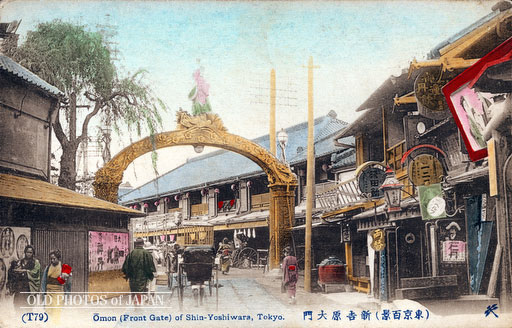
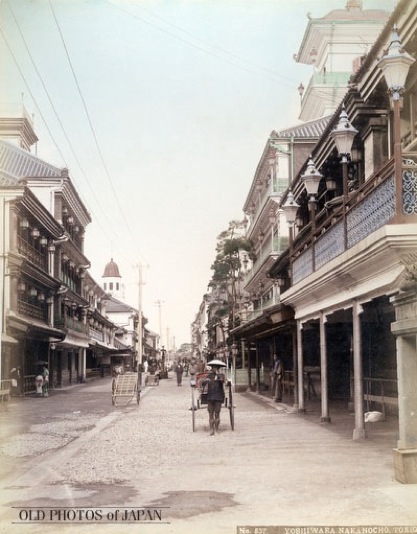
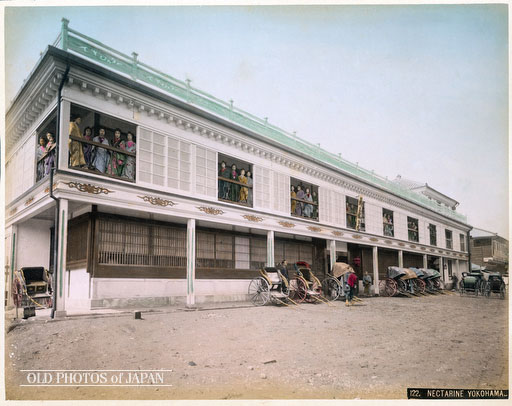
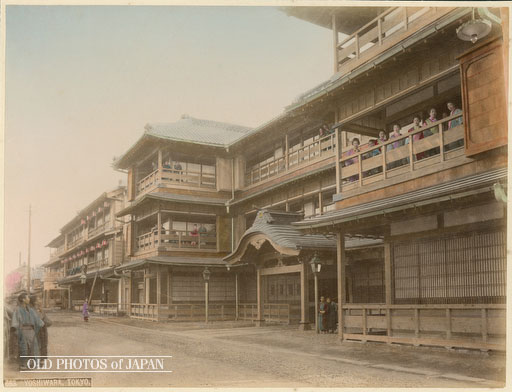
‘The red-light district Yoshiwara [Good Luck Meadow] was “established in 1617 on the edge of the city [Edo now known as Tokyo] to gather all legal brothels in an out-of-the-way spot, the Yoshiwara was relocated in 1656 following Edo’s rapid expansion. It burned down a year later in the Meireki Fire and was rebuilt in 1659, this time out past Asakusa. Officially renamed Shin (New) Yoshiwara, it was now permitted to carry on night time operations, which were prohibited in the old quarter. It existed in one form or another until the early 20th century when the area was demolished.’ — procon.org


Rotterdam

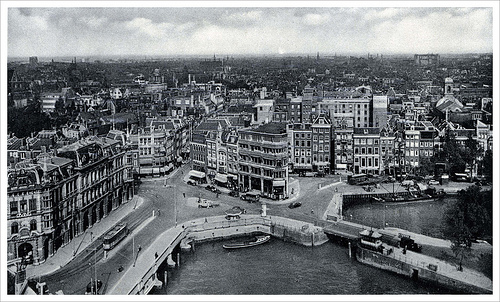
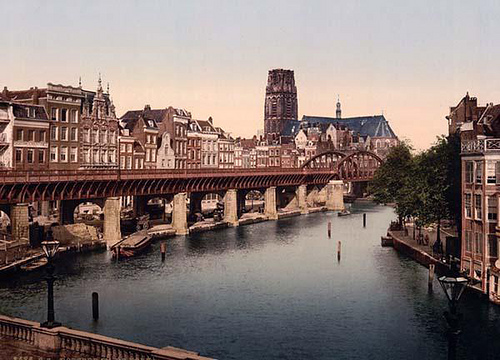
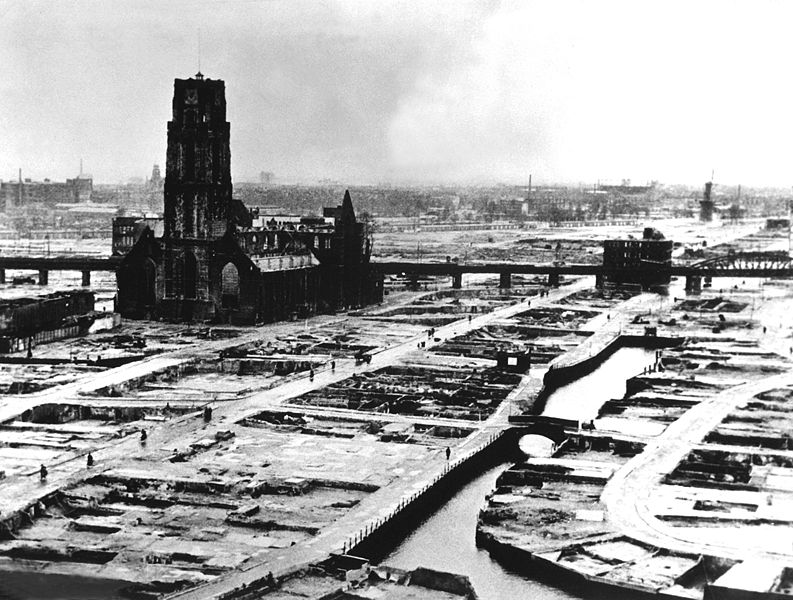
‘The German bombing of Rotterdam, also known as the Rotterdam Blitz, was the aerial bombardment of Rotterdam by the Luftwaffe on 14 May 1940, during the German invasion of the Netherlands in World War II. The objective was to support the German troops fighting in the city, break Dutch resistance and force the Dutch army to surrender. Almost the entire historic city centre was destroyed, nearly 900 people were killed and 85,000 more were left homeless. The psychological and physical success of the raid, from the German perspective, led the Oberkommando der Luftwaffe (OKL) to threaten to destroy the city of Utrecht if the Dutch command did not surrender. The Dutch surrendered in the late afternoon of 14 May, signing the capitulation early the next morning.’ — Wiki


Monaco

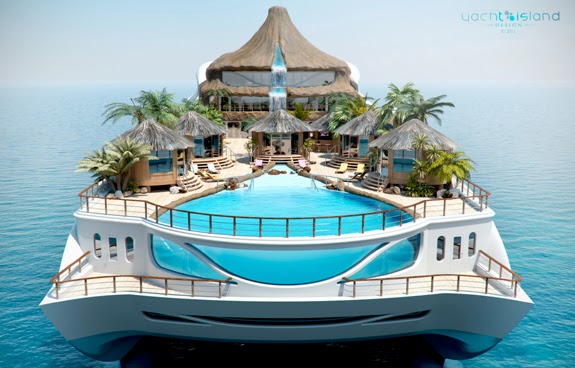
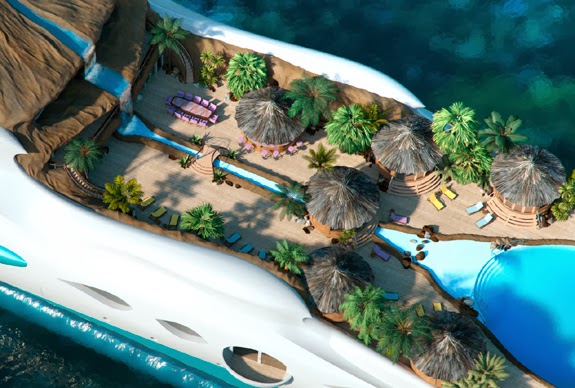
‘The same architectural group that brought us a Monaco-Shaped yacht, later presented the Floating Desert Island. A billionaire eccentric from the United Arab Emirates with doubtful exquisite taste purchased the private island yacht in 2016 for $250M and got more lost at sea than he bargained for when the yacht sank to the irretrievable depths of the Atlantic Ocean.’ — Architect Journal


Sydney

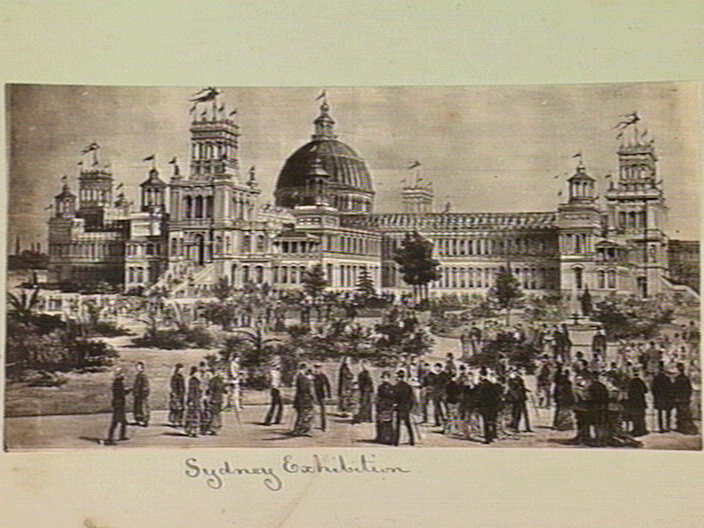
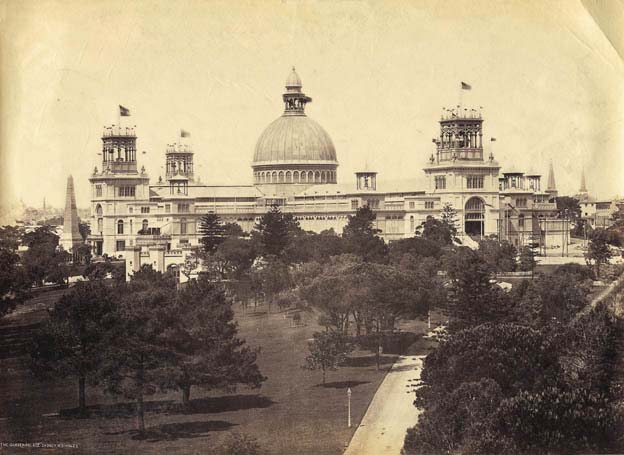
‘The Garden Palace was a large purpose-built exhibition building constructed to house the Sydney International Exhibition (1879). It was designed by James Barnet and was constructed at a cost of 191,800 Pounds in only eight months. A reworking of London’s Crystal Palace, the building consisted of three turreted wings meeting beneath a central dome. The dome was 100 feet (30.4 metres) in diameter and 210 feet (65.5 metres) in height. It was constructed primarily from timber, which was to assure its complete destruction when engulfed by fire in the early morning of September 22, 1882.’ — absoluteastrononmy.com

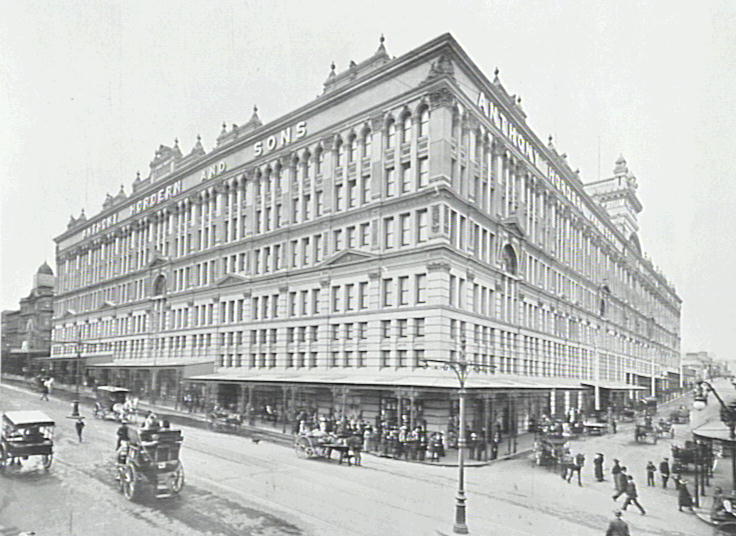
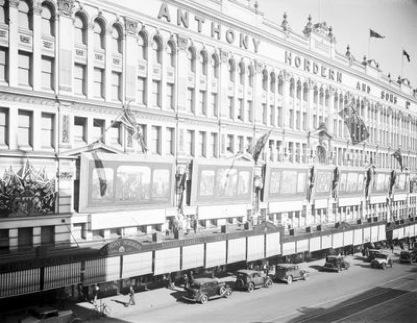
‘Anthony Horderns was the largest department store in Sydney, Australia, which was originally established by a free immigrant from England, Anthony Hordern, in 1823, as a drapery shop. By the early 1960’s Anthony Hordern and Sons, began to accumulate yearly losses instead of profits. The development of American-style suburban shopping malls during the later 1960s, coupled with fiercer competition in the city, is said to have sealed the fate of the store. For many years it stood idle, and eventually part of it was made into a car park. It (and surrounding buildings) was controversially demolished in 1986 for the infamous ‘World Square’ development, which remained a hole in the ground for nearly twenty years, before finally being completed in 2004.’ — Wiki


Miami

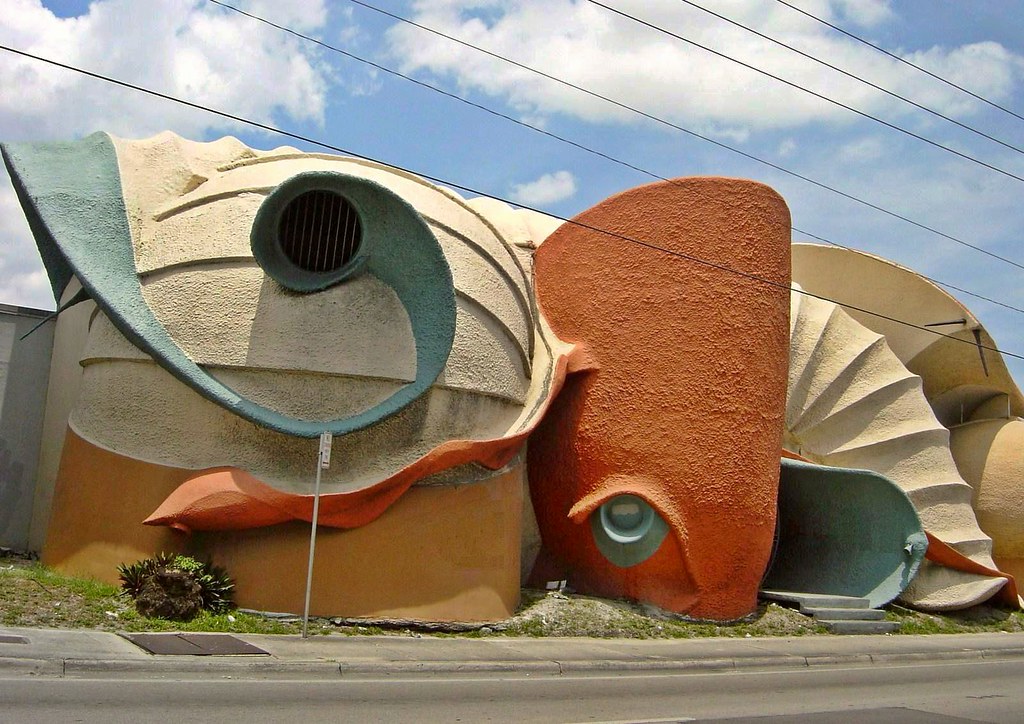
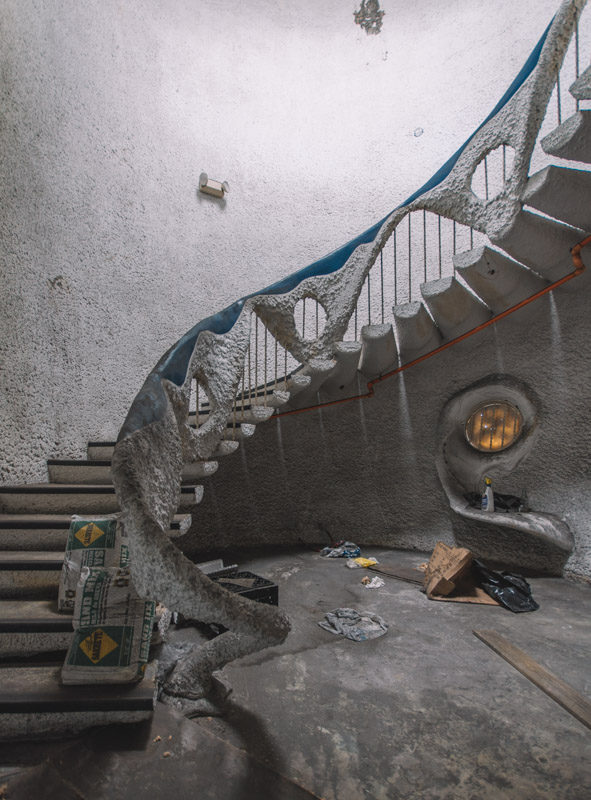
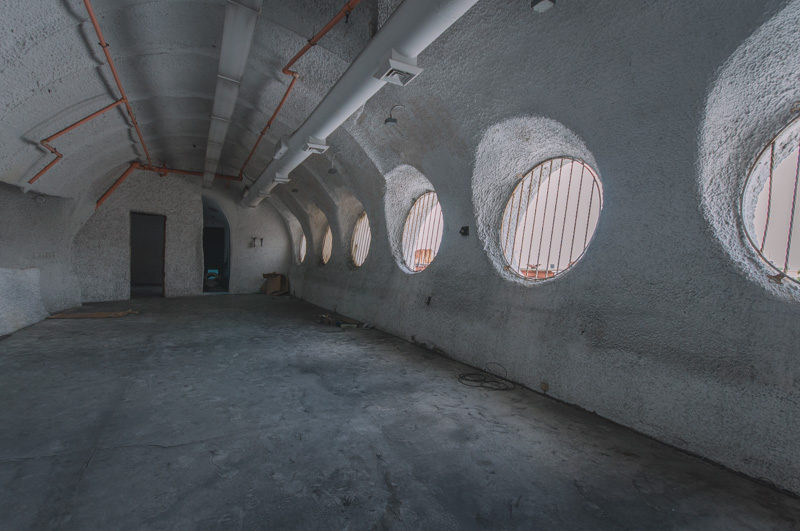
‘In 1967, architect Chayo Frank was tasked with designing an office building for his father’s architectural woodworking and store fixture manufacturing business, Amertec-Granada Inc. With the use of sprayed concrete construction, he was able to have his design plan realized which involved a combination of free-form aesthetics; parts of the building were completely free-form such as the water flumes on the exterior while curved rebars were used to form the large geometric shapes. Chayo Frank had a love for nature and while the building was being painted, he began developing an idea. He wanted his design to transcend architecture as a building and become what he called, an “organic entity” which involved a combination of all aspects of design to resemble an object of nature. To achieve this, he used metallic paints that enabled sunlight to reflect off the textures on the exterior of the building, giving it a more life-like quality to it. The building was demolished in February 2017 to be replaced with a medical clinic.’ — abandoned.fl


New York

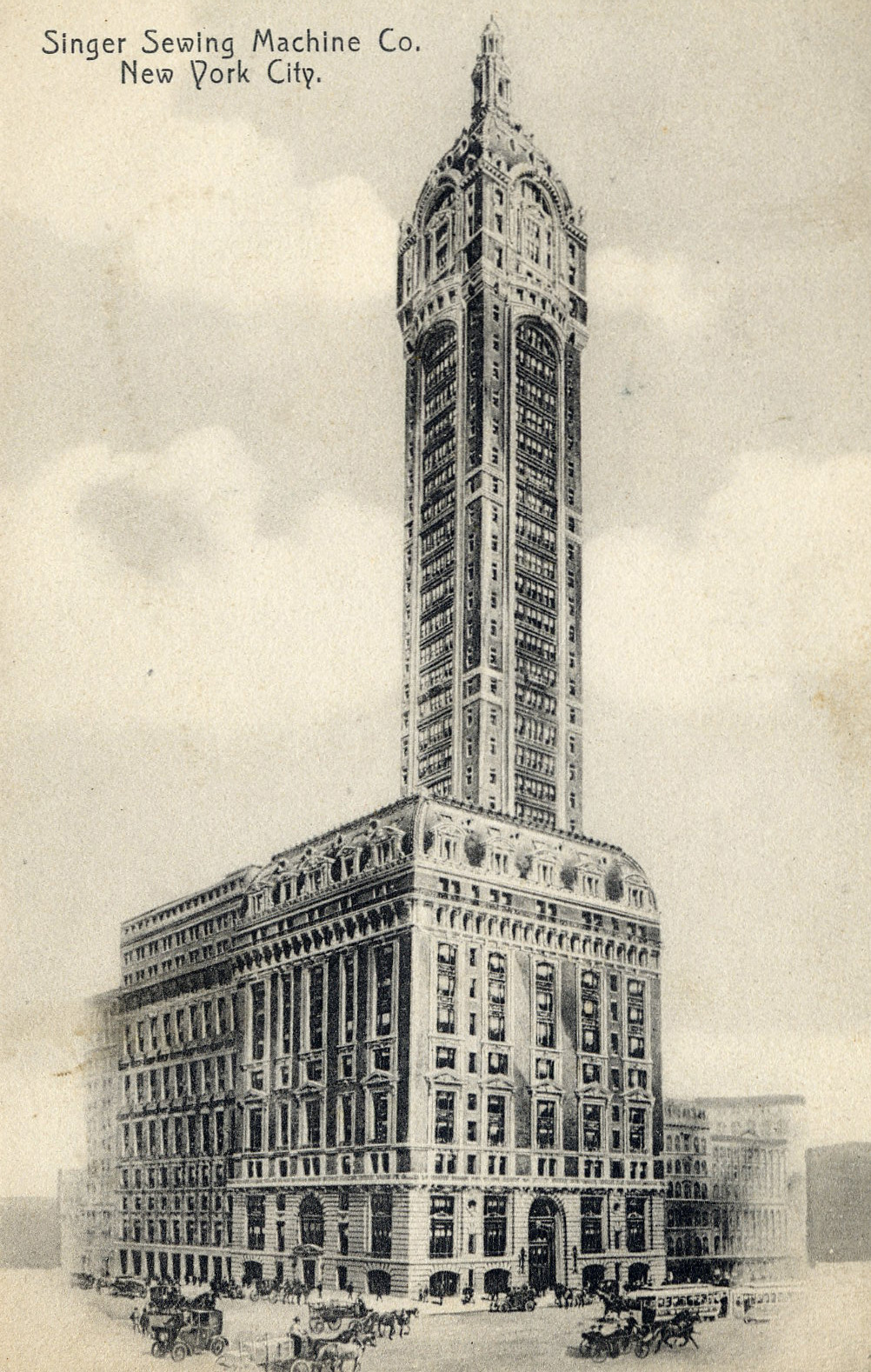
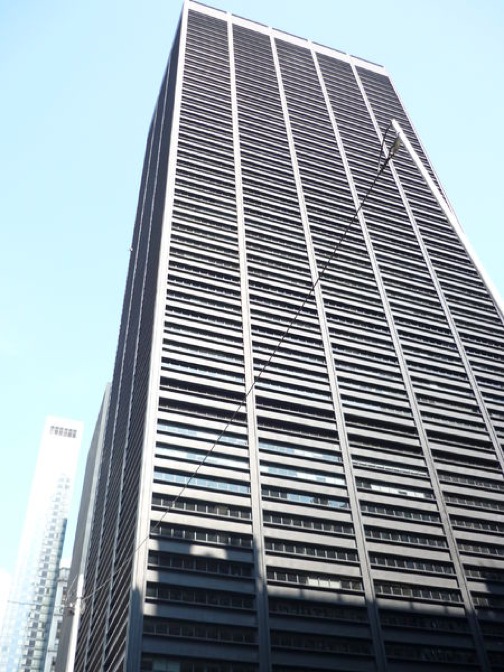
‘The Singer Tower (or Singer Building) (top) was located at 149 Broadway in Lower Manhattan and was completed in 1908. This building was designed by Ernest Flagg and stood 612 feet tall with 47 floors. Singer held title of World’s Tallest for 18 months until Met Life Insurance Company Tower was built. Singer Tower was demolished in the late 1960’s to make way for 1 Liberty Plaza (bottom).’ — replicabuildings.com

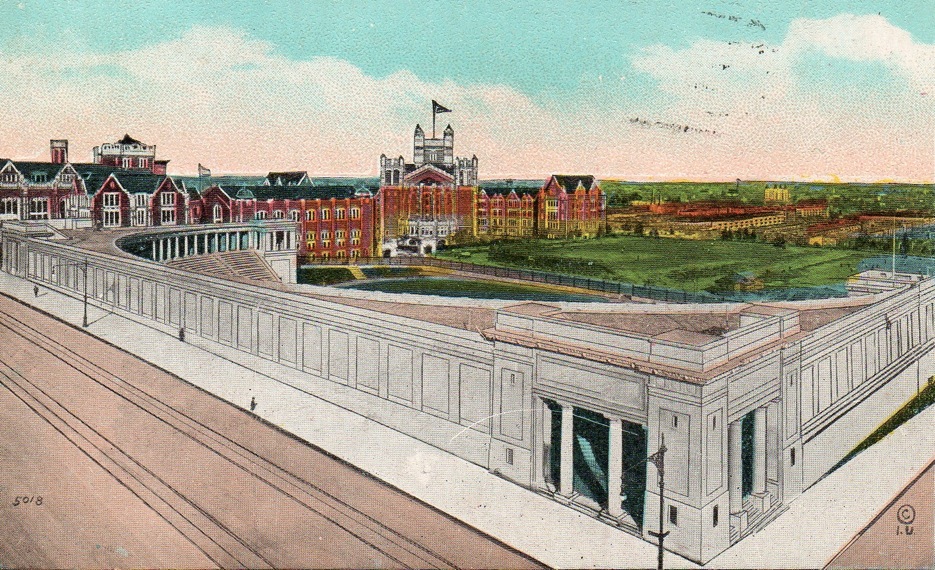
‘Lewisohn Stadium was built in 1915 between Amsterdam and Convent Avenue and 136th and 138th Streets in Harlem. It served as home field for CUNY’s sport teams and was also a concert venue featuring performers from George Gershwin to Pete Seeger. It was demolished in 1973 and replaced by a large, architecturally bland academic center.’ — Ephemeral New York


Snippet from Serpico (1973)

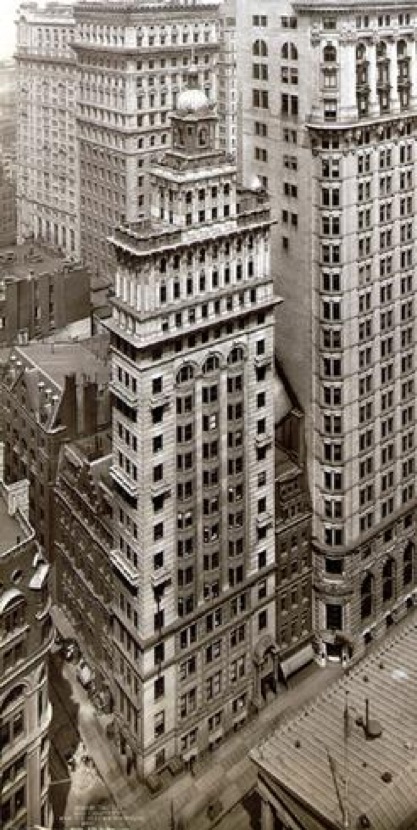
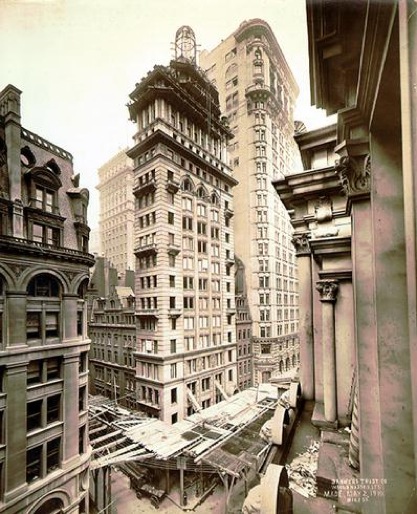
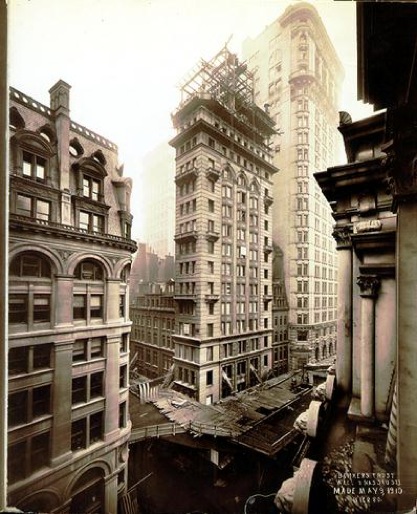
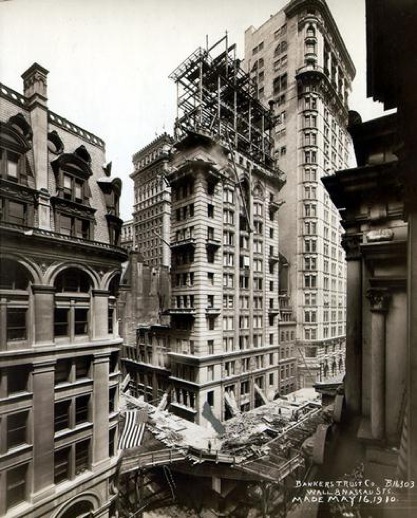
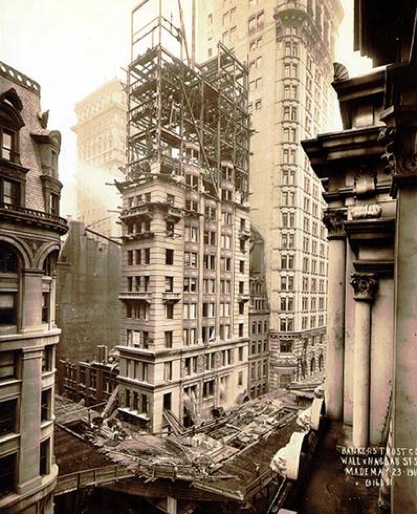
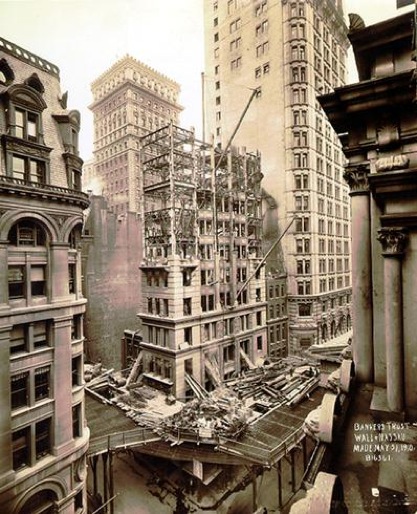
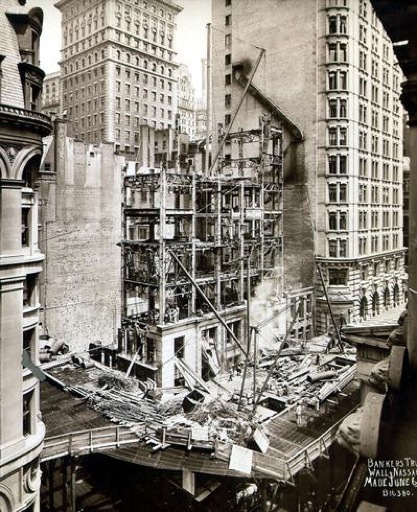
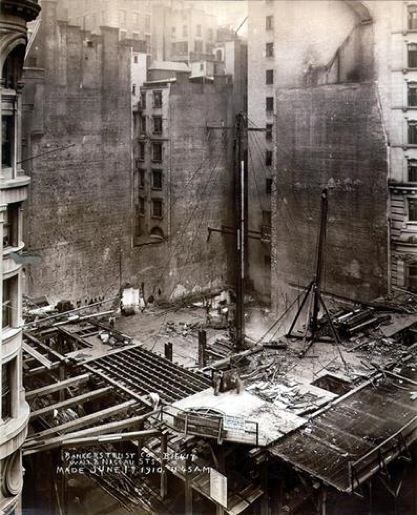
‘Probably the world’s very first voluntarily demolished skyscraper, the 22 storey Gillender Building. When built in 1897 it was the fourth tallest building in New York City. As a testment to the incredible growth of NYC, demolition of the Gillender Building began in 1910! One of the tallest buildings in NYC had only stood for 12 years! It would be replaced by the 41 storey Bankers Trust Building.’ — skyscraperforum


Cantwell

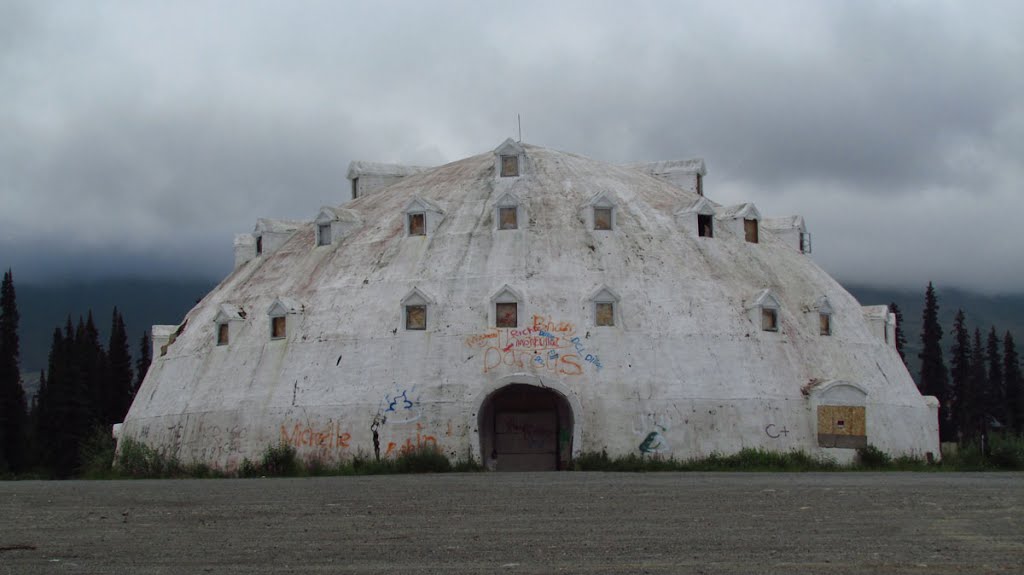
‘Igloo City was built as a hotel. As suggested in its name, the facility is built to resemble a giant igloo. The building is fairly recent, having only been built in the 1970s. However, the hotel never got into business due to it not conforming to building codes. Today, it sits completely abandoned and really creepy due to the remoteness of the location.’ — ghostsngghouls


Rome

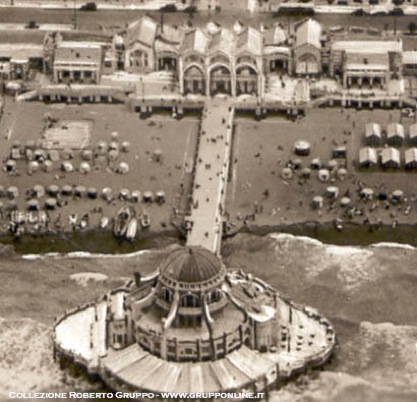
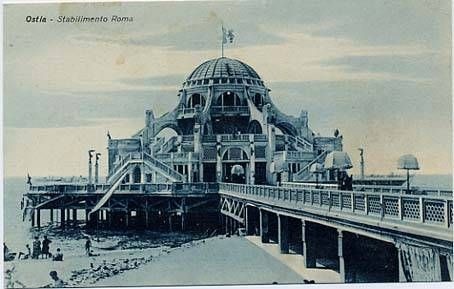
Stabilimenti Balneari Beach Club


Beijing

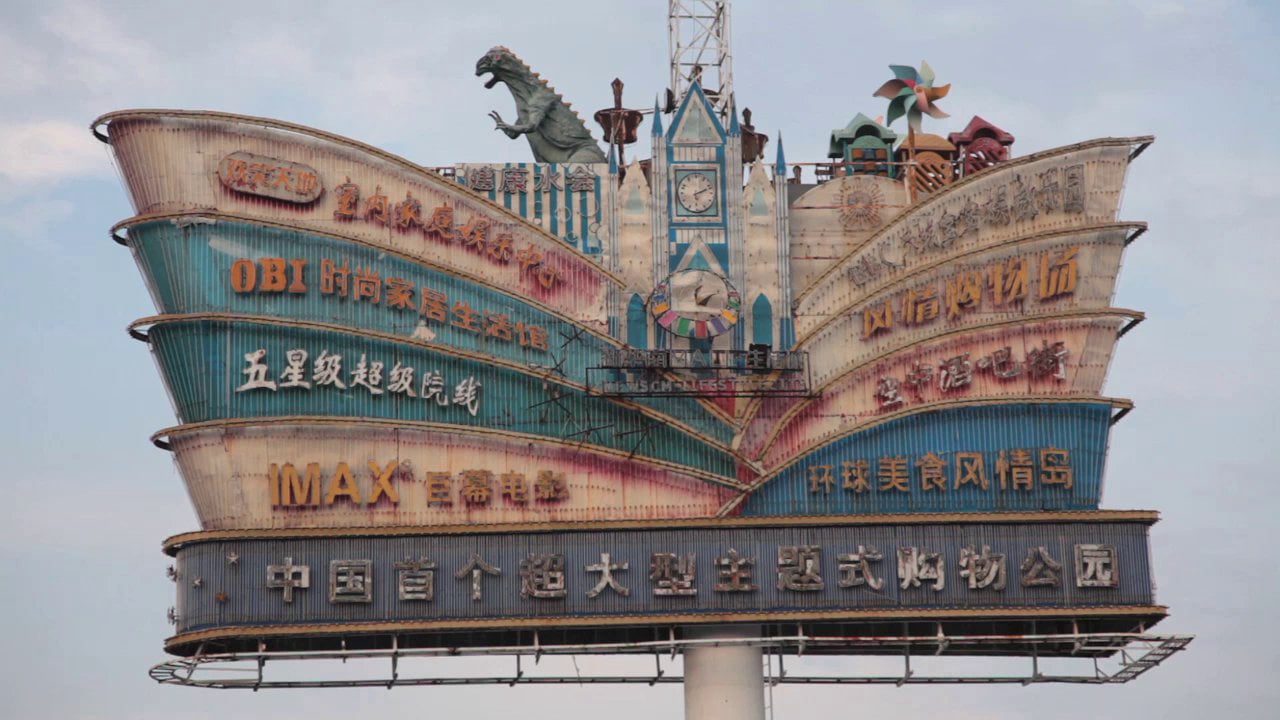
‘Wonderland was supposed to be the Chinese version of Disneyworld. The ruins of what would be the biggest theme park in Asia are situated just 45 minutes outside the center of Beijing, on a 100-acre plot of land. Construction begun in 1998 by the Reignwood Group (a Thai-owned property developer) but it stopped around the year 2000 after disagreements with the local government and farmers over property prices. Developers briefly tried to restart construction in 2008, but without success. Property prices in China have risen 140% since 1998. Today, the abandoned theme park lies surrounded by fields of corn while signs warn visitors to proceed at their own risk.’ — collaged


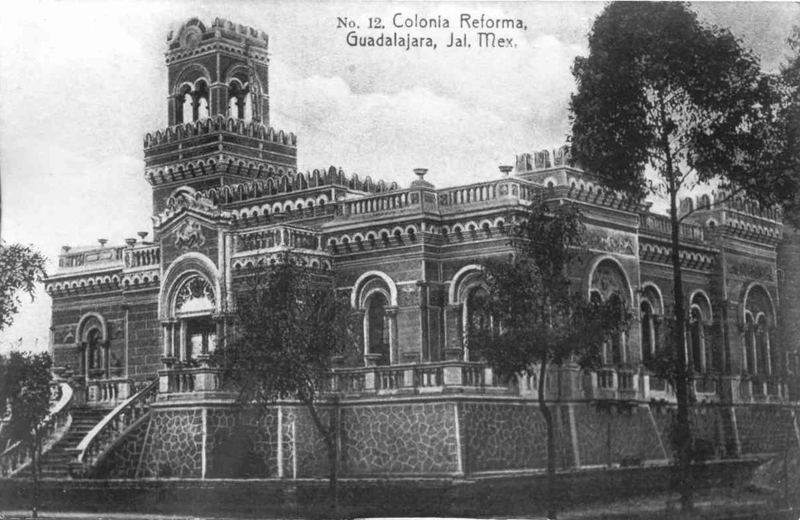
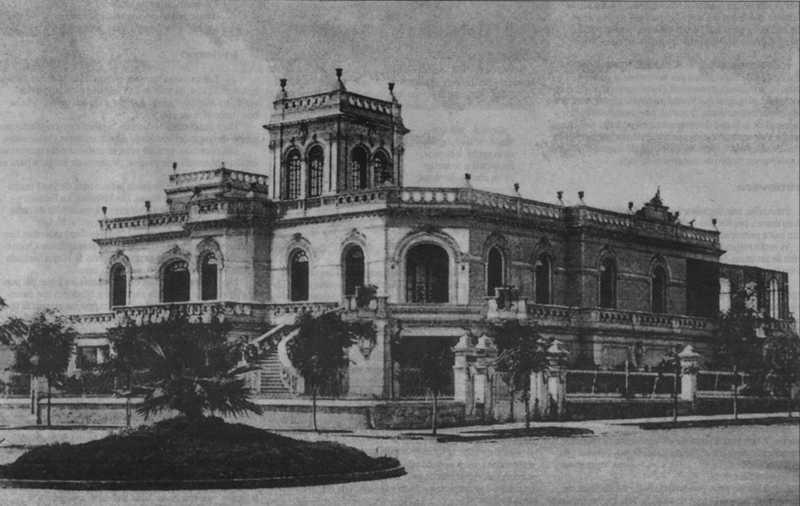
Guadalajara

Various

*

*


Paris

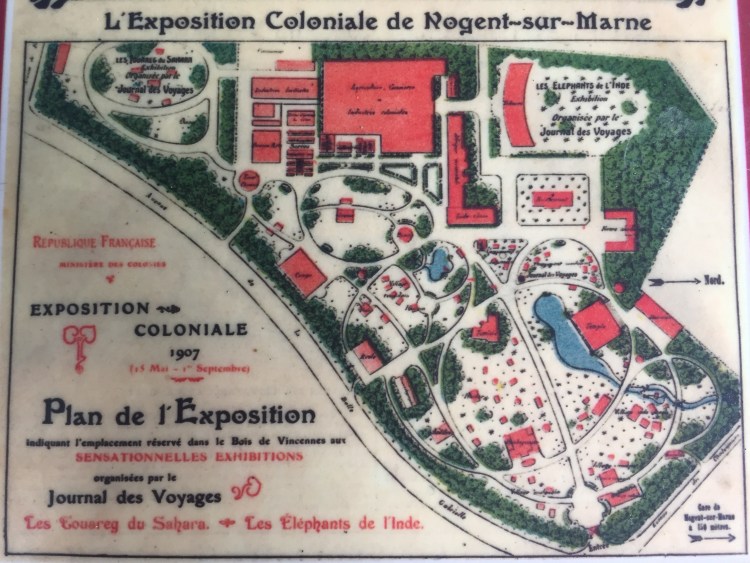
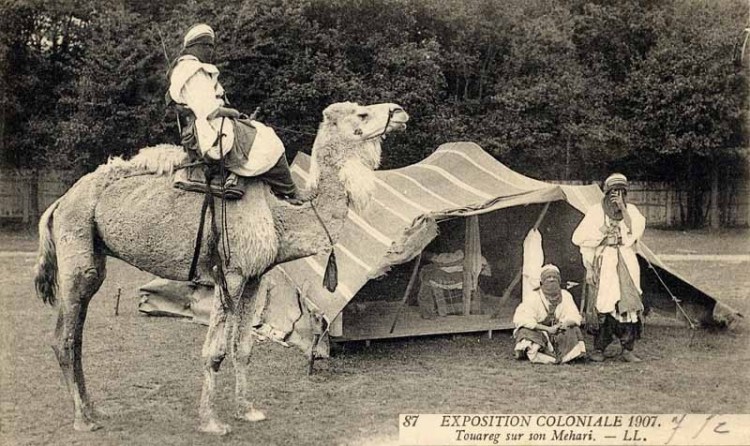
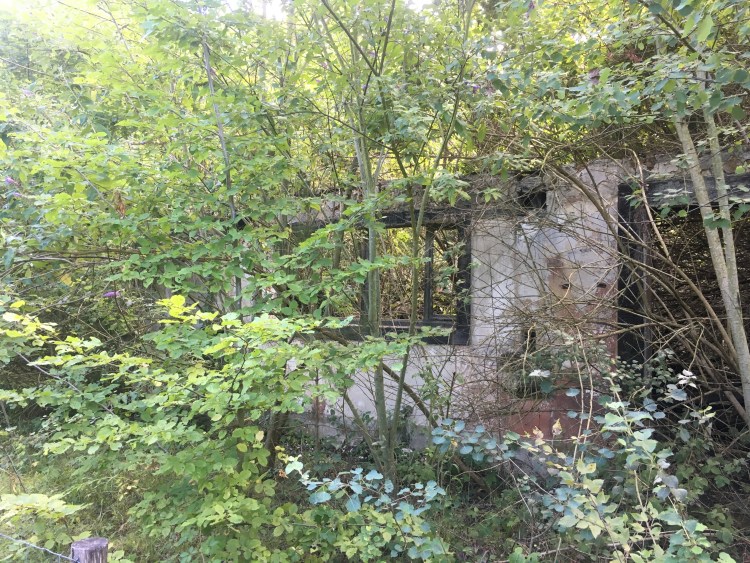
Did you know there’s an abandoned ‘human zoo’ in Paris? Over a century ago – in 1907 to be exact – the French opened an attraction at the far eastern edge of the Bois de Vincennes forest that brought curious onlookers flocking. It was the Exposition Coloniale in the Jardin d’Agronomie Tropicale and appears to have been the exhibition of the decade. At this exhibition, there were buildings in the style of at least six former French colonies such as Morocco and Madagascar, and they housed people from the respective colonies who had been plucked from their homelands and paraded in front of the visitors. These people were made to dress, eat, and live like they supposedly did back at home, all as a kind of live art exhibition so Parisians could get a glimpse into life in the colonies. And the Parisians loved it. One historian says that up to a million people came to see the spectacle in the single summer that it was open. The “zoo”, as some refer to it today, was closed down at the end of the season and left to ruin. And it stayed this way for almost 100 years, way out at the edge of the woods getting slowly swallowed by the undergrowth and the shame.’ — The Earful Tower

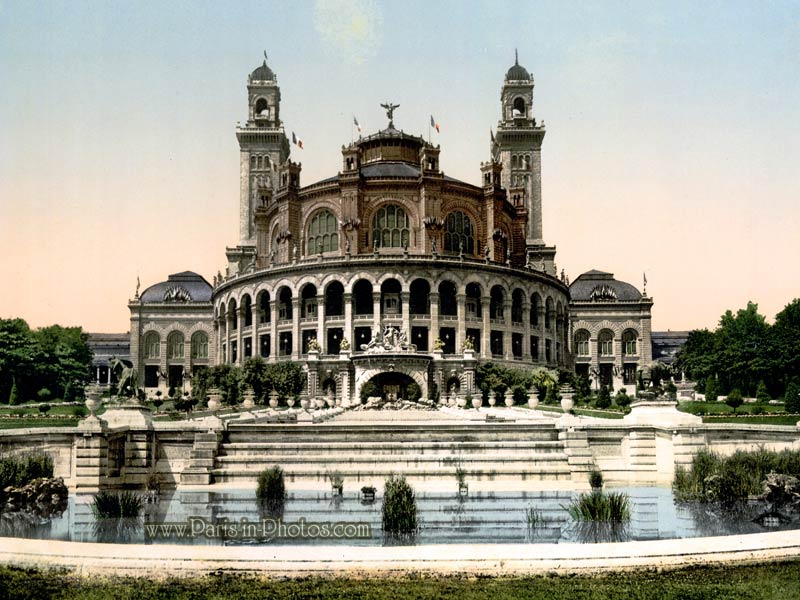
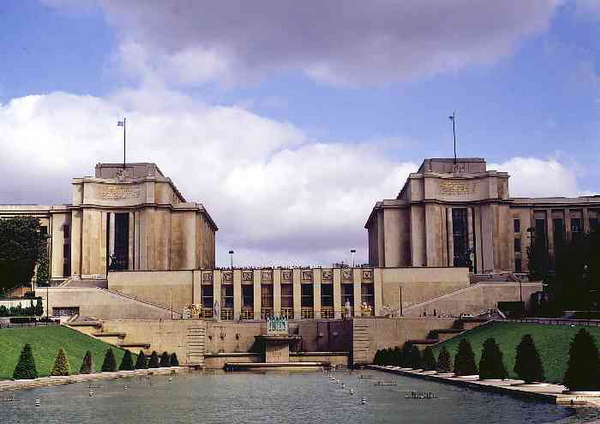
‘The Trocadéro Palace (top) was built in order to accomodate meetings of International Organizations that participated in the 1878 International Exhibition. The shape of the palace was that of a large concert hall: its style was a mix between a genre normally called “Moresco” (with historical and exotic references) and Byzantine elements by the architect Gabriel Davioud. Despite the high costs incurred for its construction, the building was not welcomed by the population and was demolished after only 50 years and replaced by the Palais de Chaillot (bottom).’ — halldis

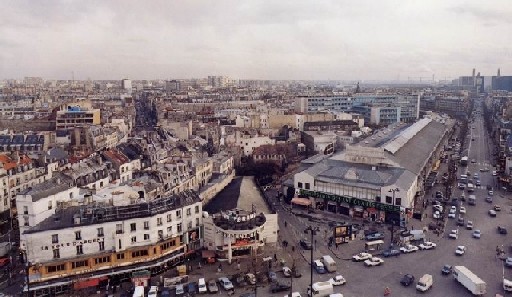
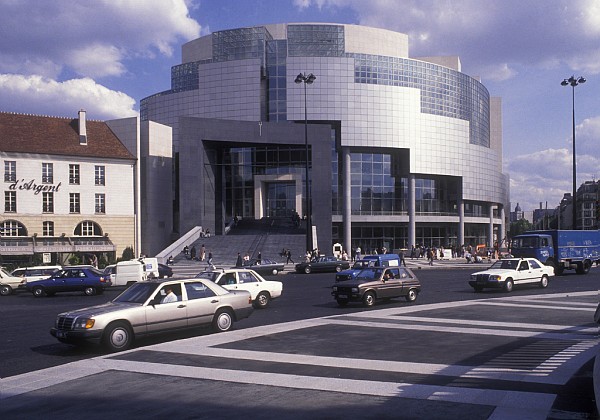
‘Gare de La Bastille (top, right) was a station in Paris. The station was opened in 1858 and served as the terminus of the 54.1 km long line to Vincennes and Verneuil-l’Étang. The line was opened only to serve the Fort de Vincennes and was extended in 1859 to La Varenne and in 1874 to Brie-Comte-Robert. Part of the line was included into the RER A on 14 December 1969. The station was demolished in 1984 so that the Opéra Bastille (bottom) could be built.’ — RightHealth

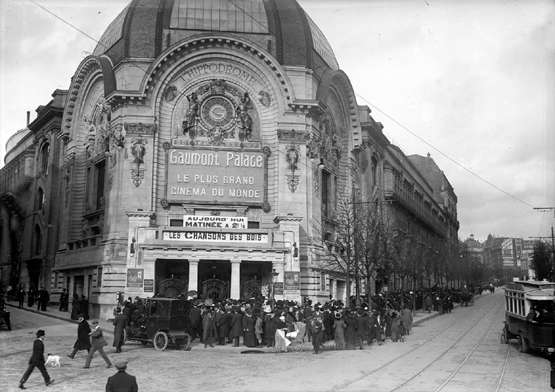
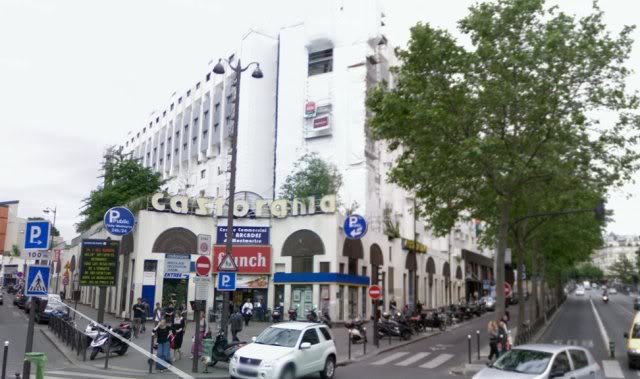
‘The Gaumont Palace was the biggest movie theatre in Europe. Located in the Clichy district of Paris, t was a re-construction of the Hippodrome Theatre (1900) which had 5,500 seats. Another re-construction of the Hippodrome took place in 1930 when architect Henri Belloc created a fantastic super cinema in an Art Deco style, named Gaumont Palace (middle). Seating was provided in orchestra and two balcony levels. It was converted into a 3-strip Cinerama theatre from 17th September 1963 until 13th October 1964, after which it was a 70mm cinema. The Gaumont Palace closed in 1970, the last film to play was Martin Balsam in “Tora, Tora, Tora”. It was torn down in 1972 and replaced by an outlet of the Castorama chain (bottom).’ — Cinema Treasures

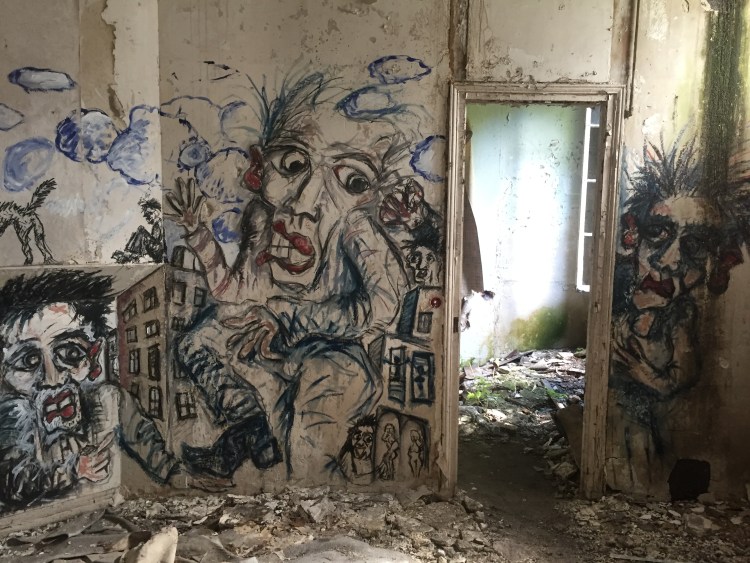
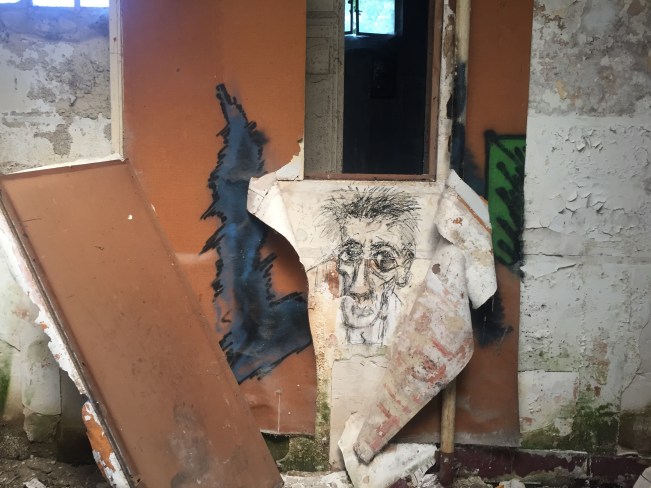
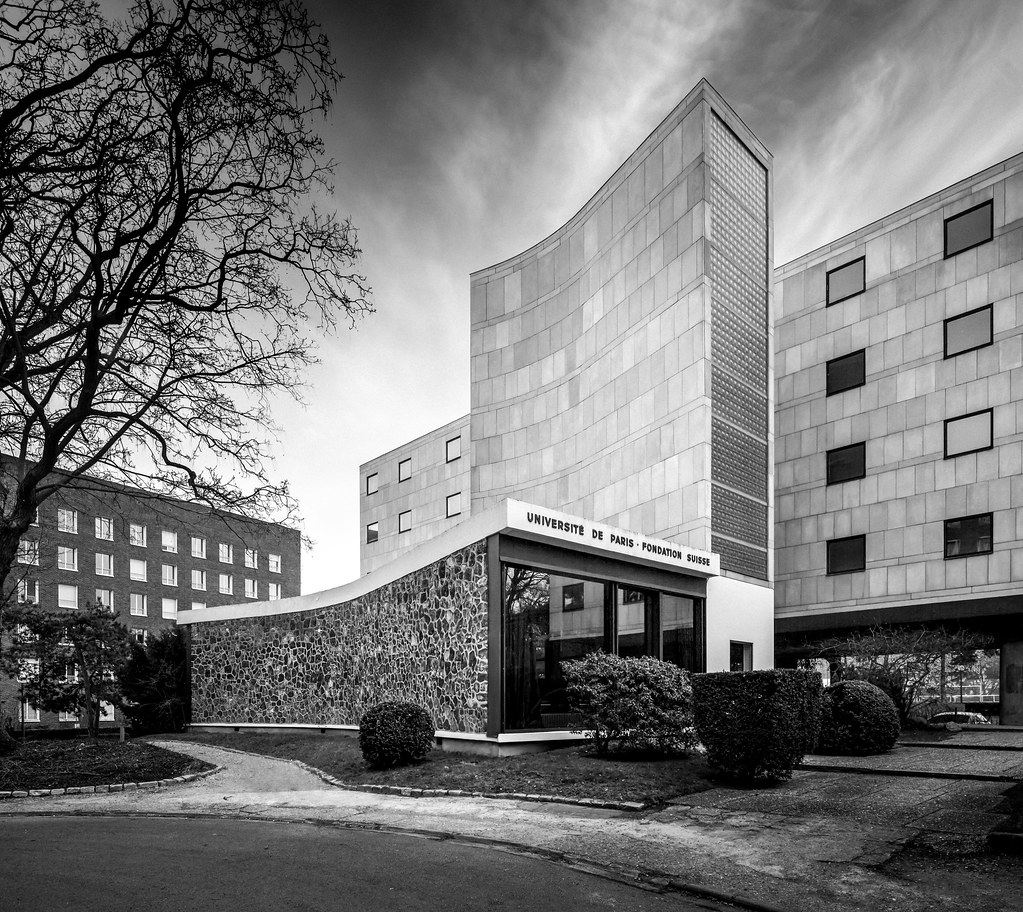
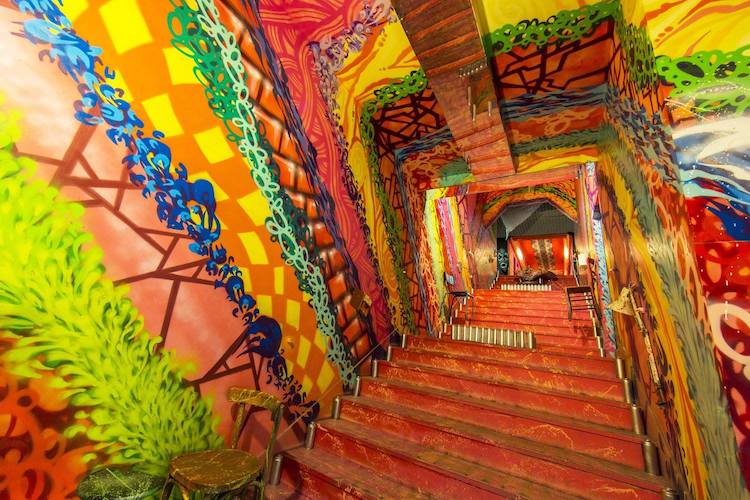
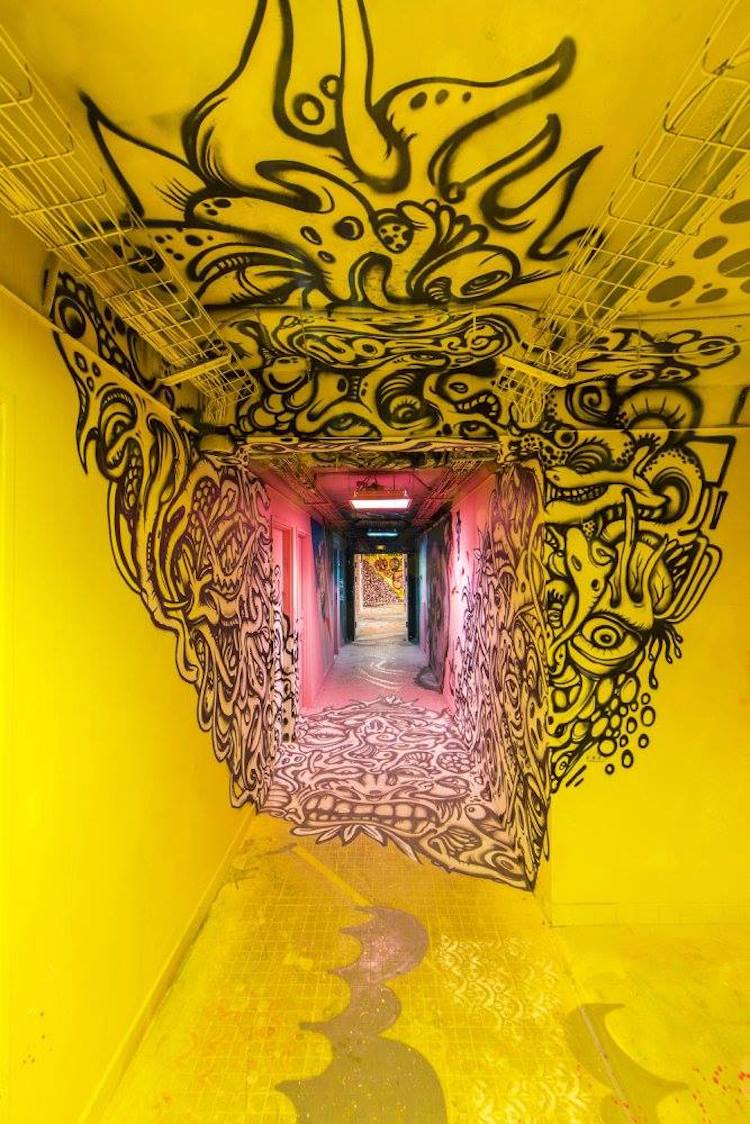
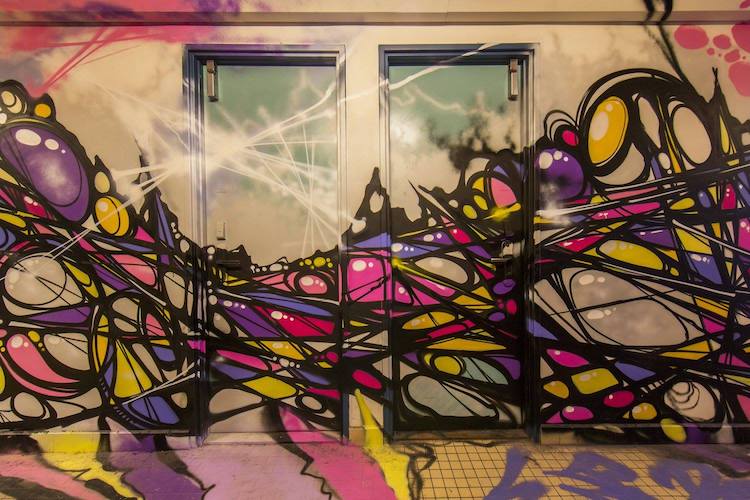
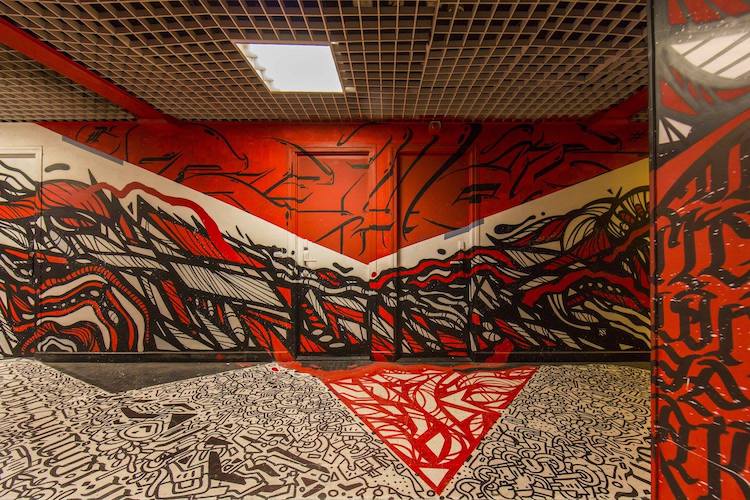
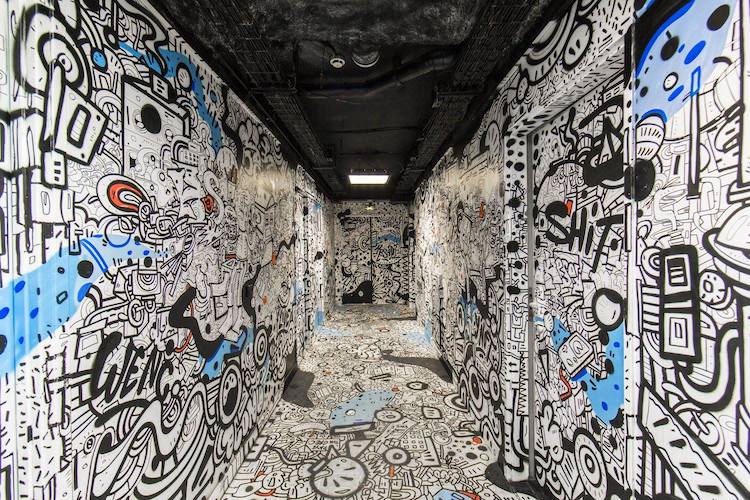
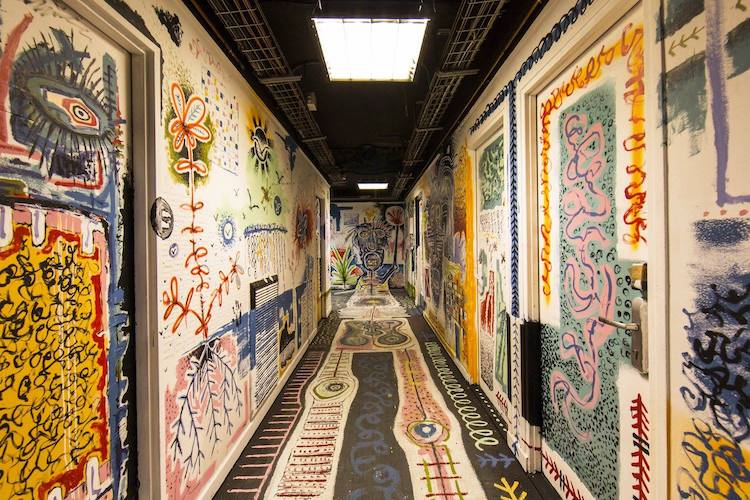
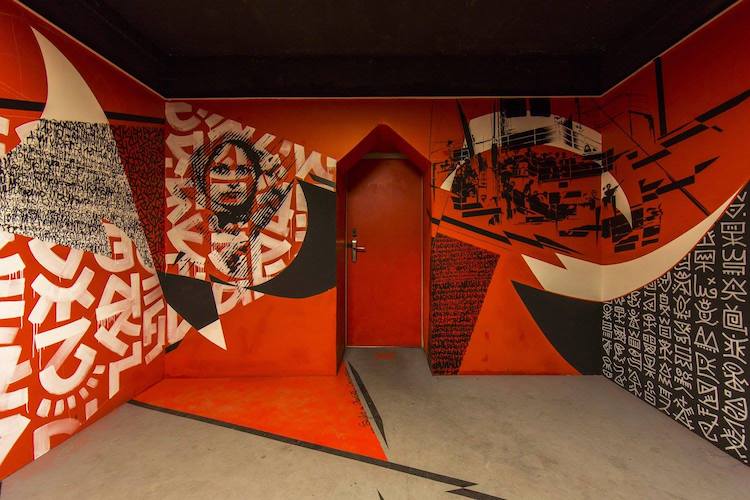
‘100 artists were given the opportunity to paint the interior of a soon to be demolished student residence at the Cité Internationale Universitaire in Paris, making it their canvas. Although the dormitory and all the works were destroyed when the dormitory wass renovated, several photographers extensively documented the space, creating a lasting visual document.’ — Art Fido


Witley Park

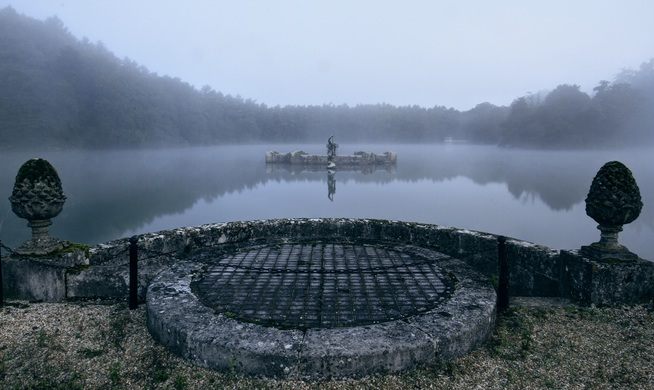
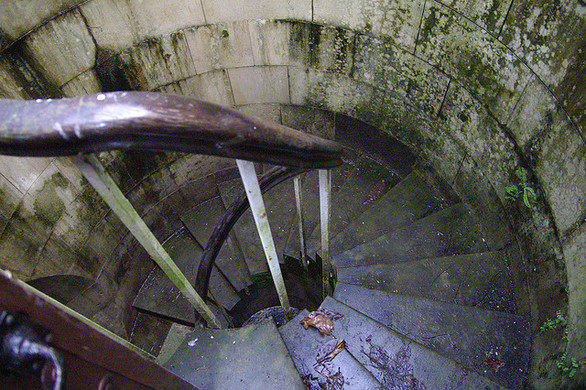
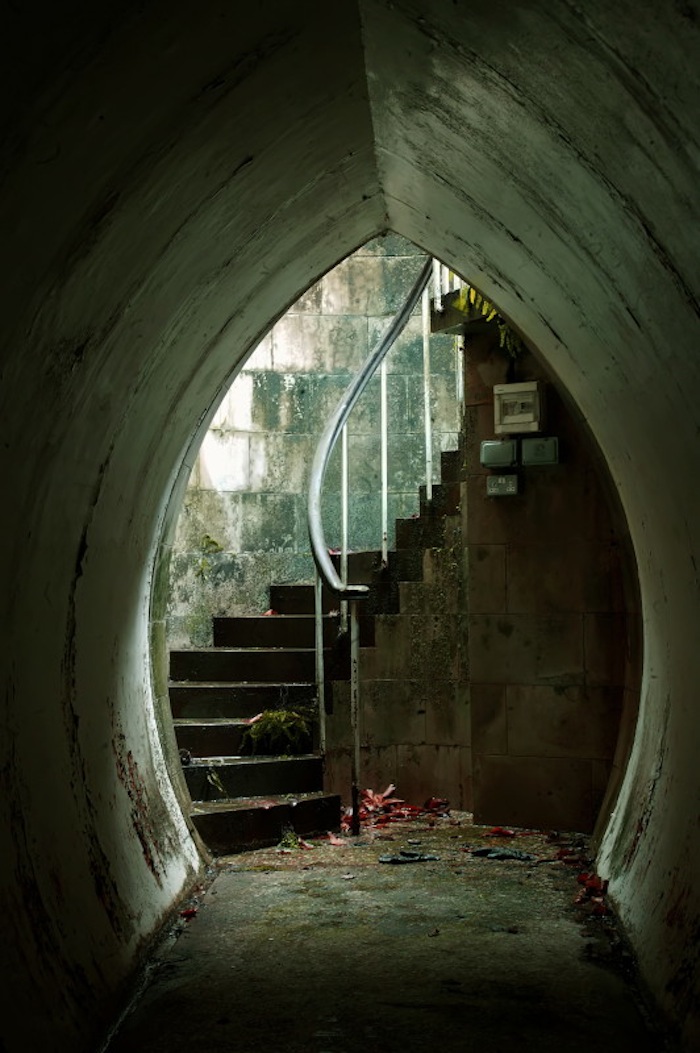
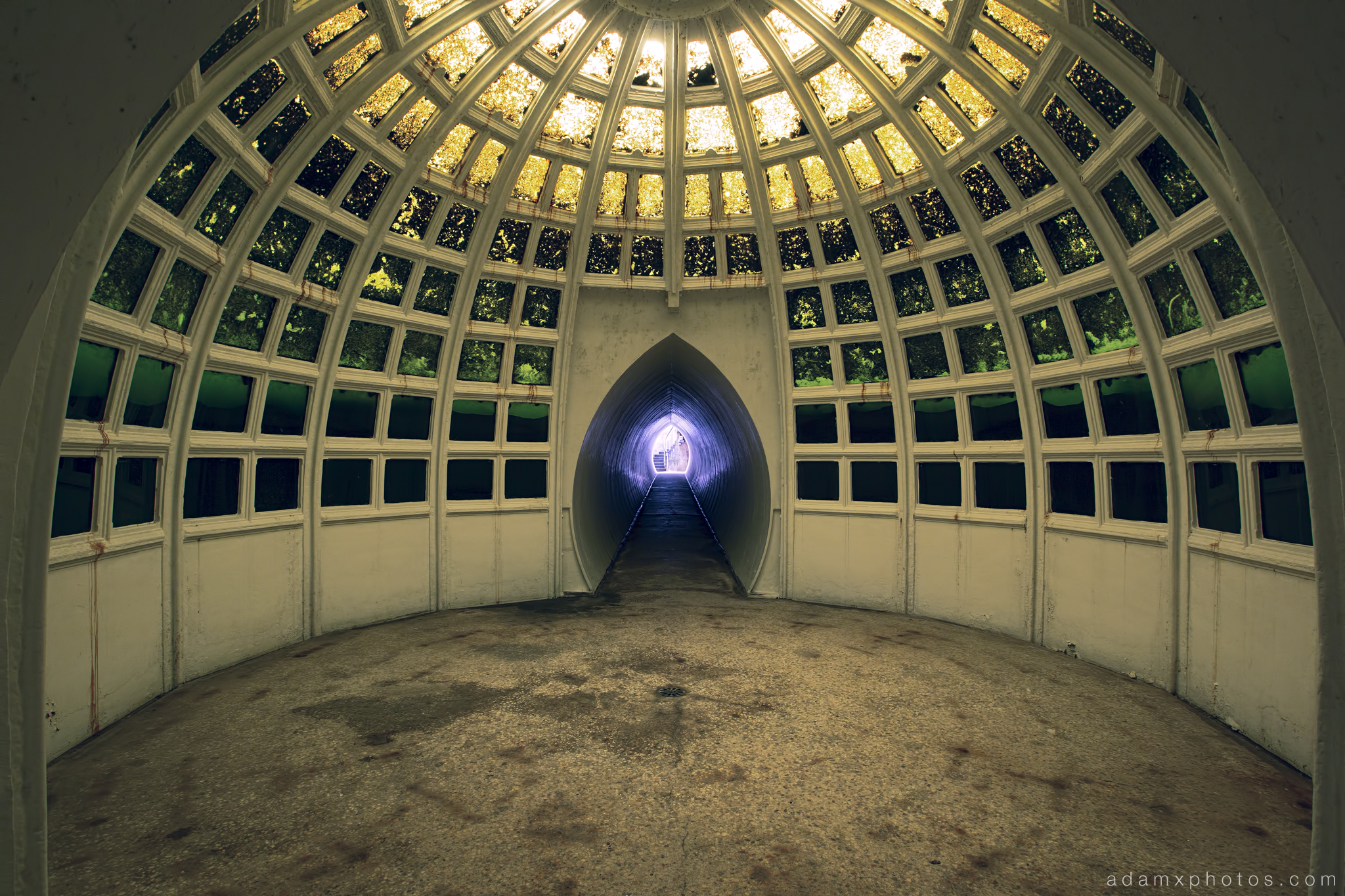
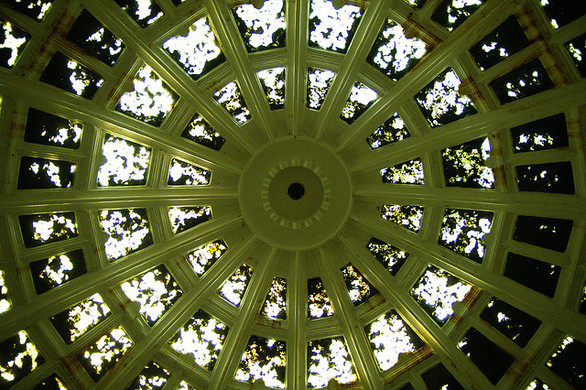
‘As awesome additions to your home go, a billiard room hidden under a lake sounds like the kind of place any self-respecting geek should covet. Turns out, the concept isn’t new; J. Whitaker Wright, a trader, engineer and convicted fraudster, lavished masses of money on Witley Park back in the 19th century, a 32 bedroom mansion which extended into various labyrinthine underground passages and a beautiful underwater room. Unfortunately the house – once owned by the UK National Trust, but then sold off privately – isn’t open to the public, but that hasn’t stopped some photographers from getting in and taking photos of the eerie mansion.’ — Slash Gear


Seattle

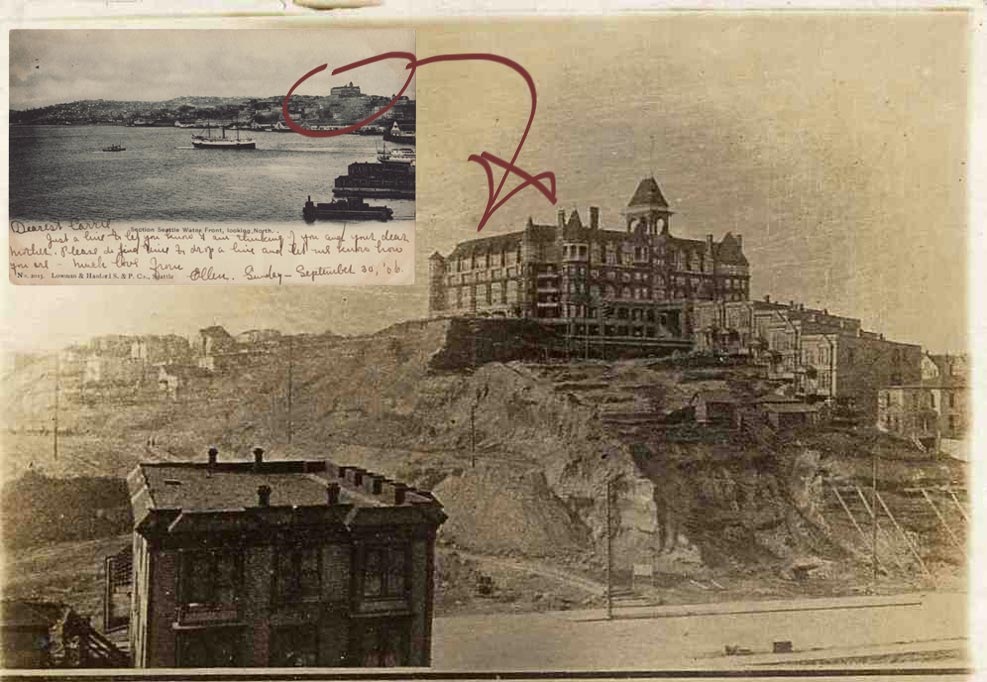
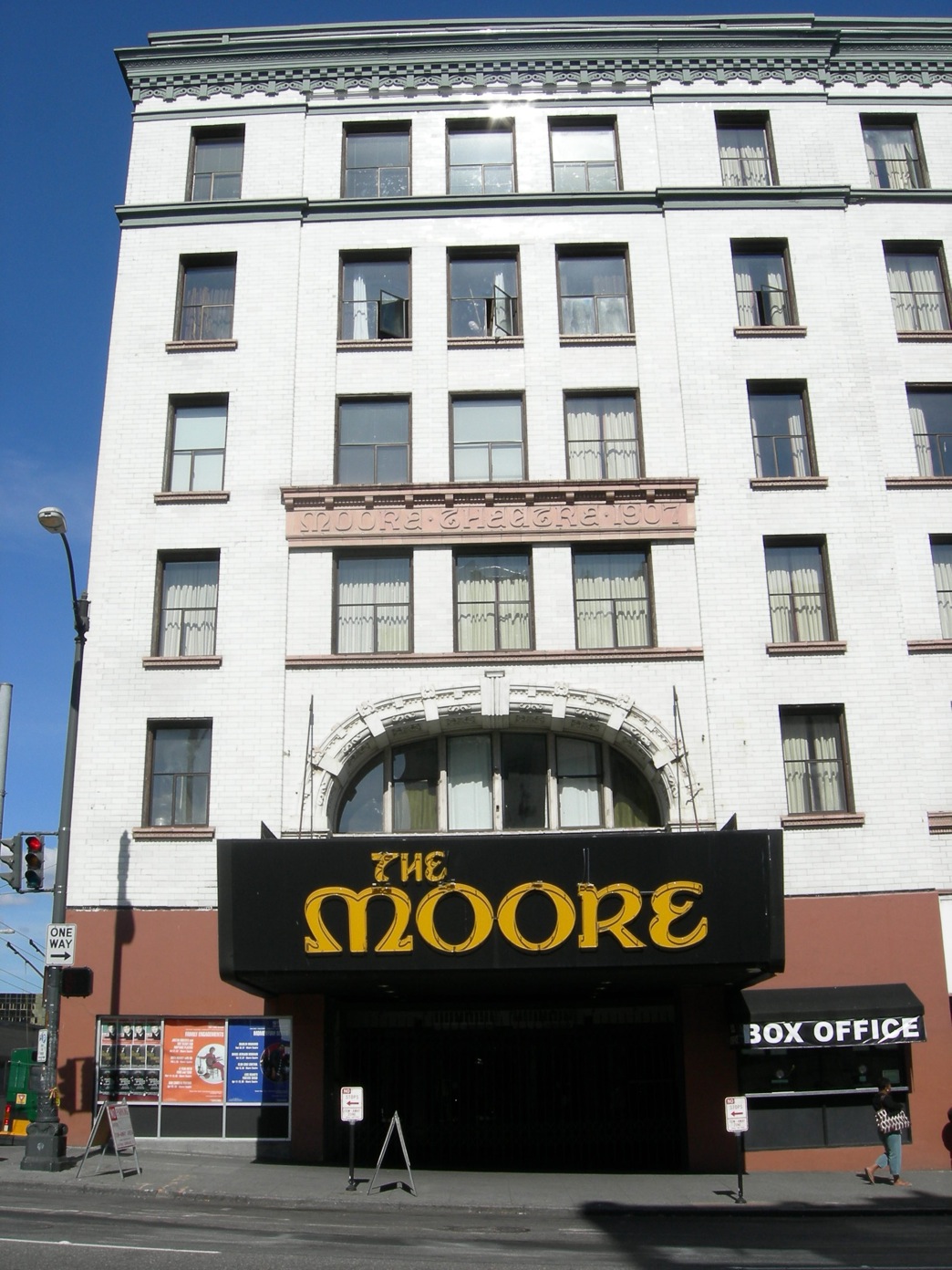
‘The Denny Hotel (top, circled in red) was built in 1889 by developers including Arthur Denny but in-fighting and market woes kept it unfinished until 1903. That year (renamed the Washington Hotel) it had a remarkable guest in Teddy Roosevelt and enjoyed brief success before being torn down for the Denny Regrade in 1907 in which the hill was literally flattened. The hotel stood where the Moore Theater (bottom) is today.

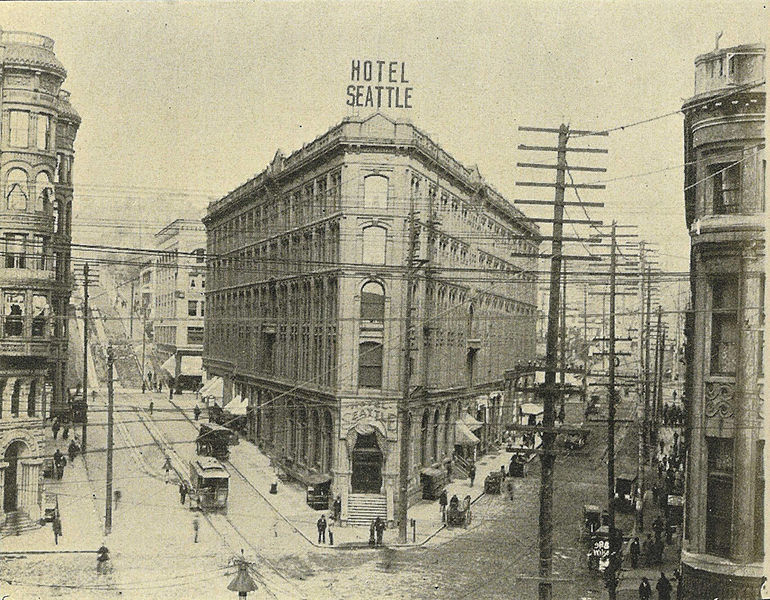
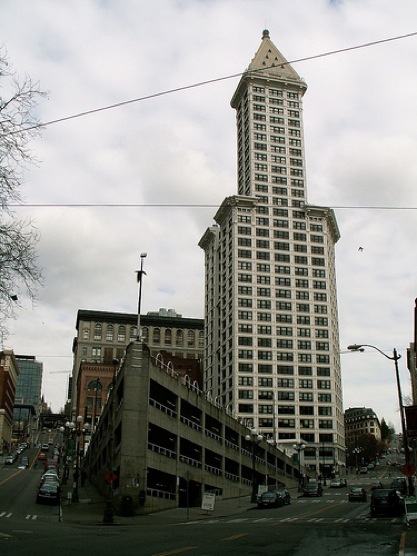
‘The Seattle Hotel (also known as Hotel Seattle) (top) was the third of three hotels located in Pioneer Square in a triangular block bound by James Street to the north, Yesler Way to the south, and 2nd Avenue to the east, and just steps away from the Pioneer Building. It was a triangular-shaped building (much like the Flatiron Building in Manhattan, New York), with its narrow face located at the junction of James and Yesler. Abandoned by 1961, the Seattle Hotel was torn down and replaced with a parking garage, derisively called the “Sinking Ship” (bottom) as part of the initial stages of an urban-renewal plan that would level all the old buildings in the district. The old hotel’s demise kicked off a preservation movement which led to a revival of the Pioneer Square district.’ — Washinton.edu


Montreal

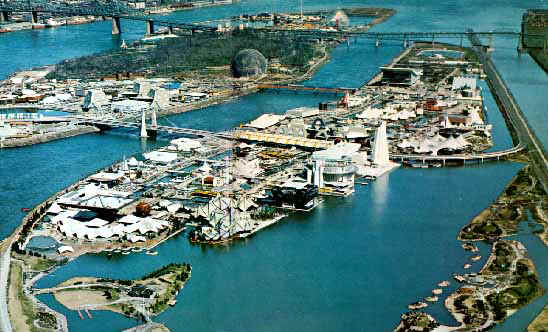
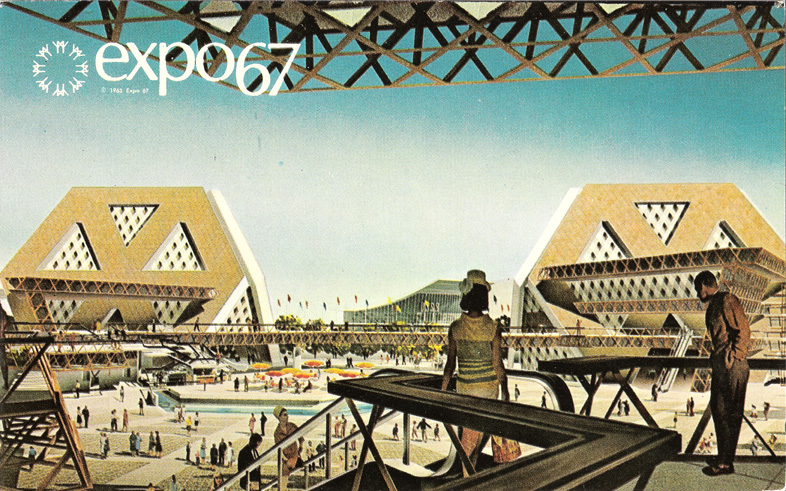
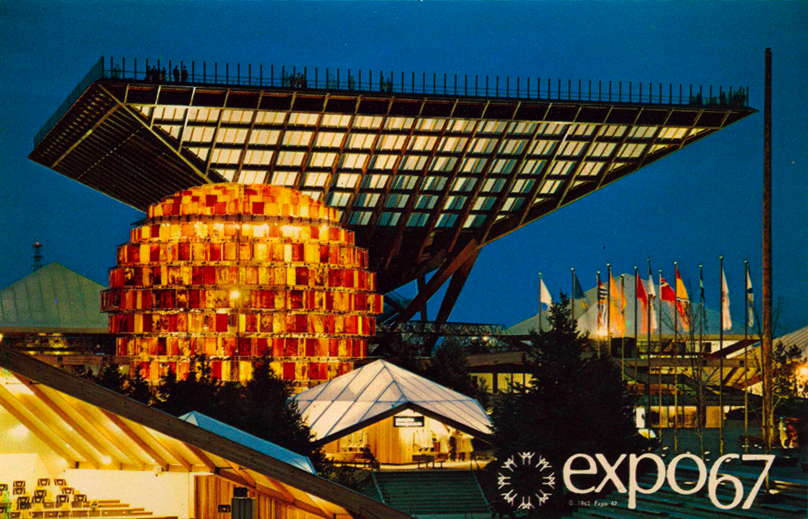
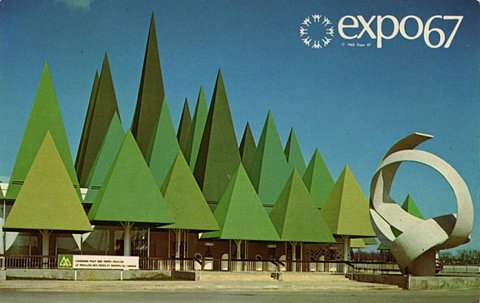
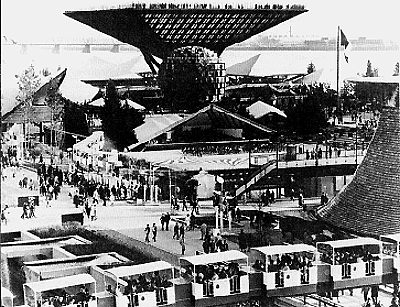
Expo 67 (the abbreviated title of the Universal and International Exhibition of 1967) was open from April 28 to October 27, 1967 in Montreal, Quebec, Canada. The site consisted of two islands and a peninsula in the middle of the St. Lawrence River. The admission ticket was referred to as a passport. Single-day, seven-day and season passports were sold. When purchased at the expo a single day passport was $2.50 for adults and $1.25 for children; seven day passports were $12.00 for adults; and season passports were $35.00 for adults. All passports entitled the holders to free entry to all pavilions as well as unlimited use of the mass transit system — Expo-Express. Pages in the passport could be filled with “visa stamps” at the various National Pavilions. The original site was demolished to make way for the rowing course of the 1976 Olympics Games’ — alamedainfo.com


Hashima

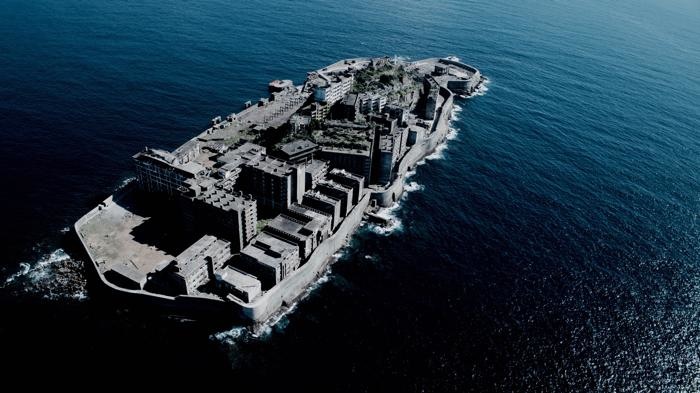
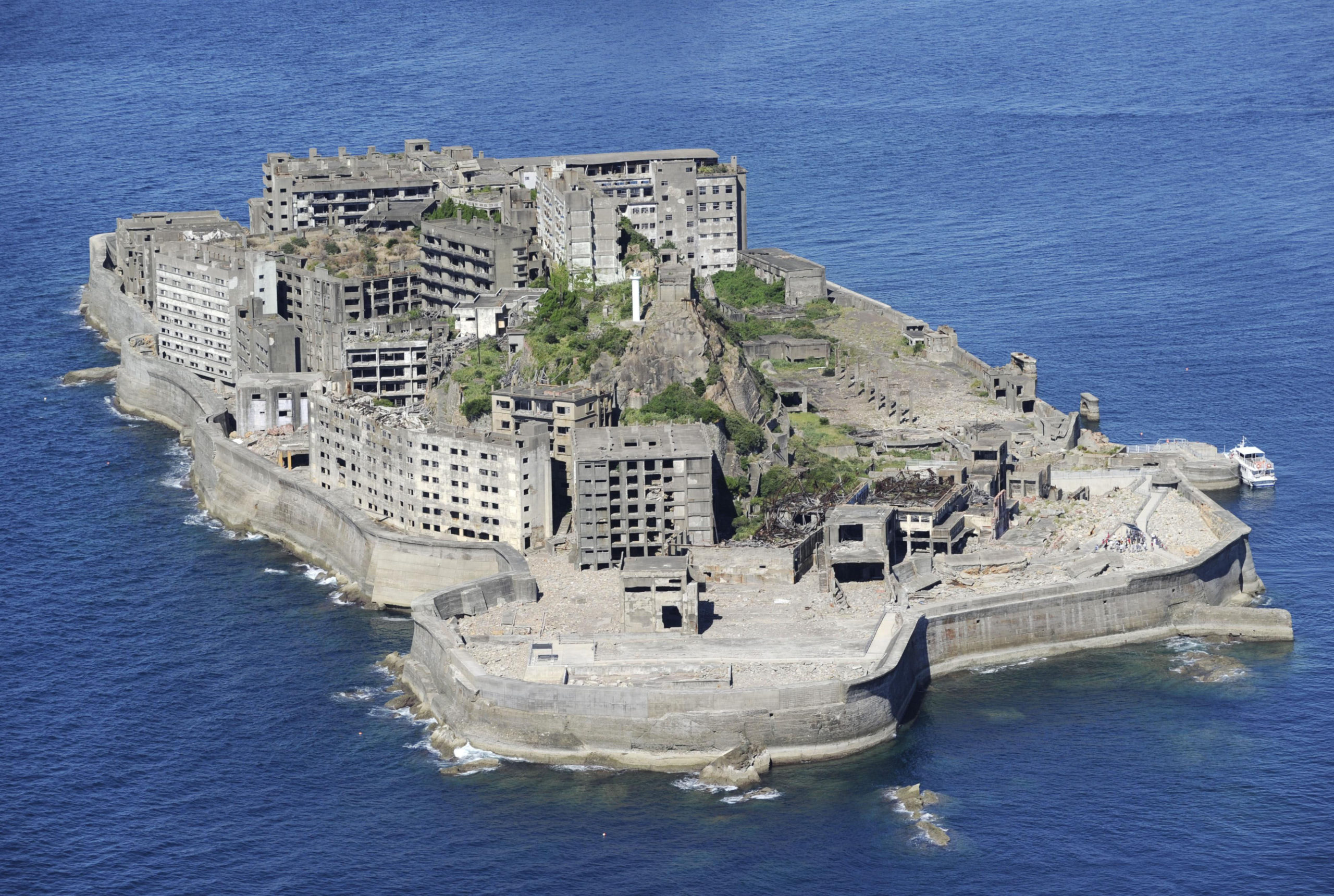
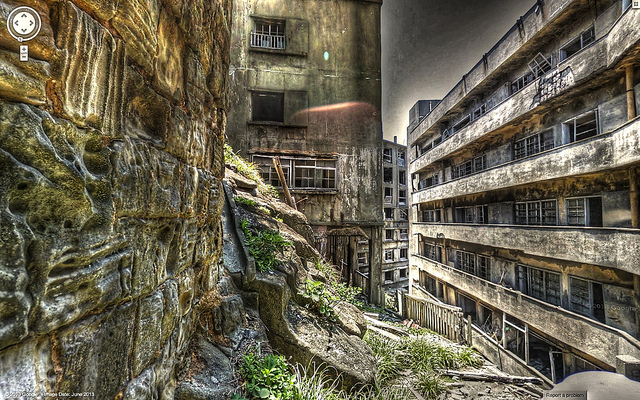
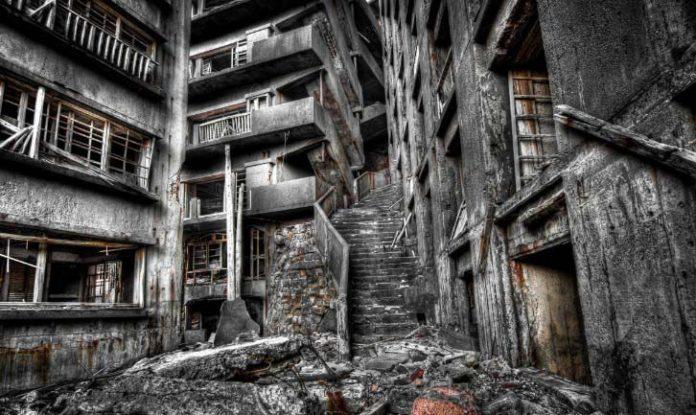
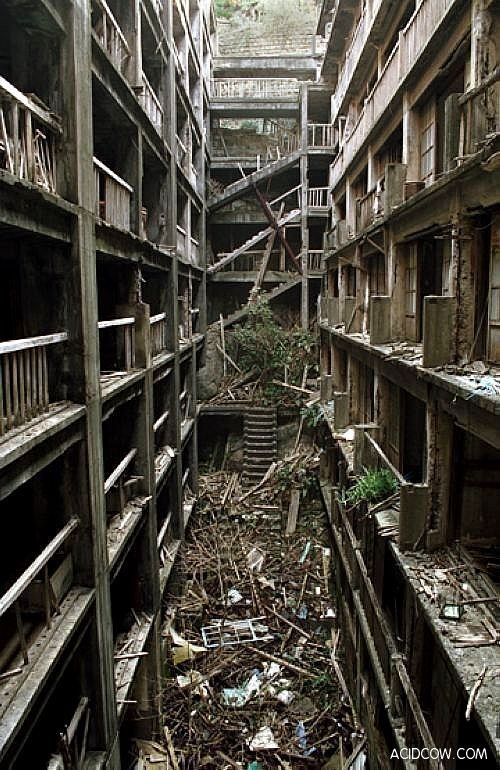
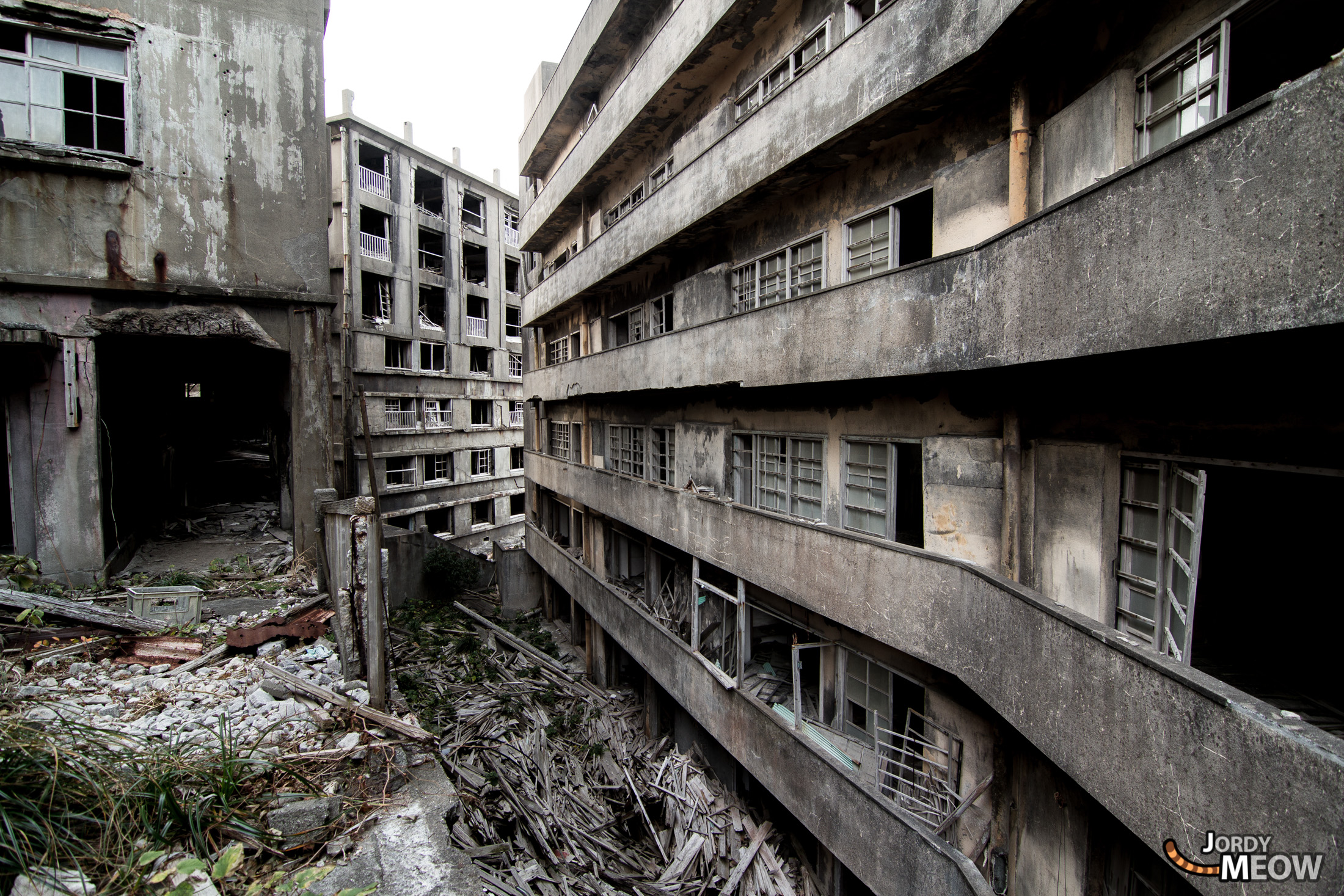
‘Hashima is an abandoned island an hour away from the port of Nagasaki in Japan. Mitsubishi bought the island in 1890 to use it as a base for an underwater coal mining facility. There, they built Japan’s first concrete building (9 stories high) in 1917 to accomodate the workers. In the following decades, Hashima became the most densely populated place on earth, with a population of over 5,200 people, or 83,500 people per square kilometre of the whole island. The island shut down in 1974 as a result of the decline in coal industry during the previous years. Since then, it was left abandoned. Hashima was featured in the 2012 James Bond movie, Skyfall.’ — collaged


Zurich

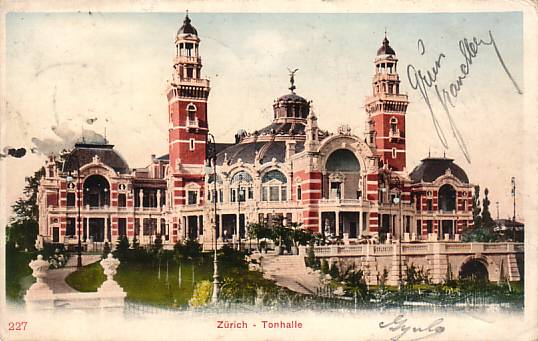
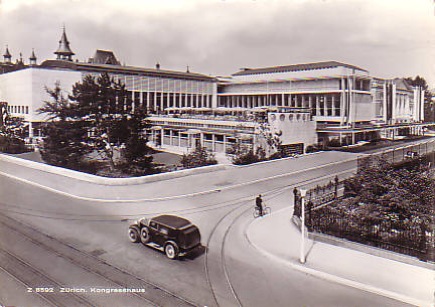
‘Zurich Tonhalle (top) was considered one of the top live music venues in Europe and played host to the major composers and orchestras of the late 19th century and early 20th century. It was demolished, despite a major outcry from preservationists, in the mid-1930s and replaced in 1937 by the Zurich Kongreshaus (bottom) which, with around 4,800 m2 of exhibition space – twelve rooms plus foyers – can accommodate up to 3,000 people, and is now the setting for business conferences and trade fairs.’ — chandos.net


St. Louis

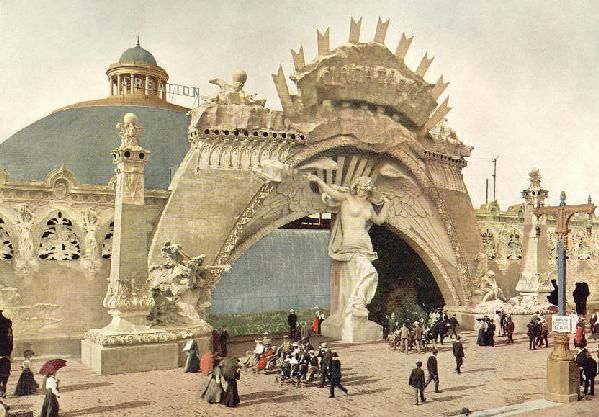
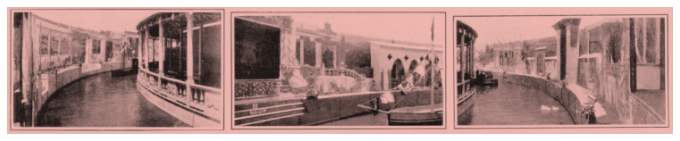
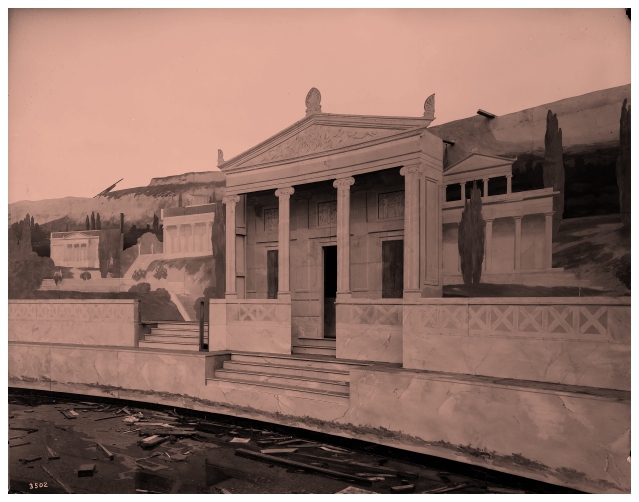
One of the most elaborate facades on any attraction at the 1904 St. Louis World Fair was Creation. Created by Henry Roltair, a popular and successful dime museum illusionist, who replicated his famed Coney Island attraction. The ride began as a 1,000 foot backwards glide to begin the 1/2 mile gondola ride through the biblical storyof Creation. After the boats landed, visitors were directed to another `cave’ that displayed illusions of a living woman, cut in half, a talking black man set atop of a pitchfork. Upon ascending a dark staircase, they entered the viewing platform of a vast cyclorama depicting Venice and Rome in the first century. Then a six-foot wide circular moving platform led patrons onto stationary boats which bobbed in the illusionary water as painted panoramas rotated. Riders would then be moved to a grand amphitheater that seated approximately 400 spectators. After soft thunder and various celestial backdrops, a booming voice spoke- “Let there be Light!” Choirs, lighting effects and artwork illustrated the beginning of the earth. Lightning booms from high above, a volcano erupts as rivers of lava pour down. Each day of ‘Creation’ was dramatically illustrated with different painted backdrops, pyrotechnics, projections, and other marvelous effects. After the final day, a calm ensues, forests and animal life appear (including dinosaurs), then audiences could make out an actor playing the part of Adam, lying on a bed of roses. After losing a rib, Eve can be seen. The exhibit closed with four angels standing at the head of three stairways in dramatic splender. Flowers illuminate. The entire Creation attraction took two hours to experience. The show was extremely popular as well as profitable.’ — At the Fair


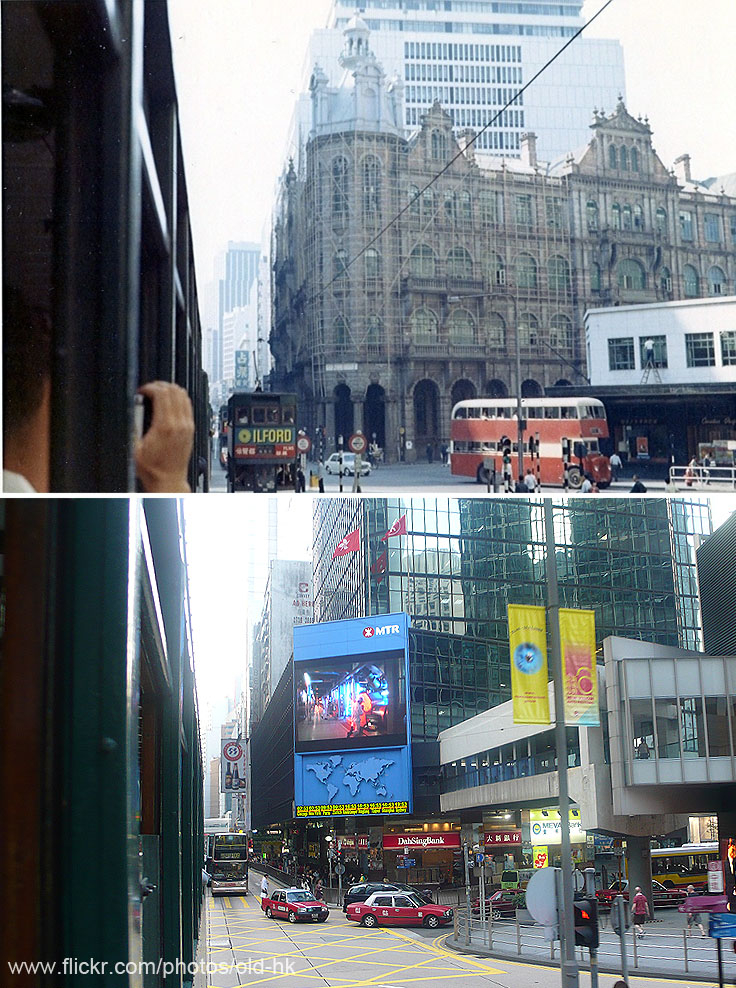
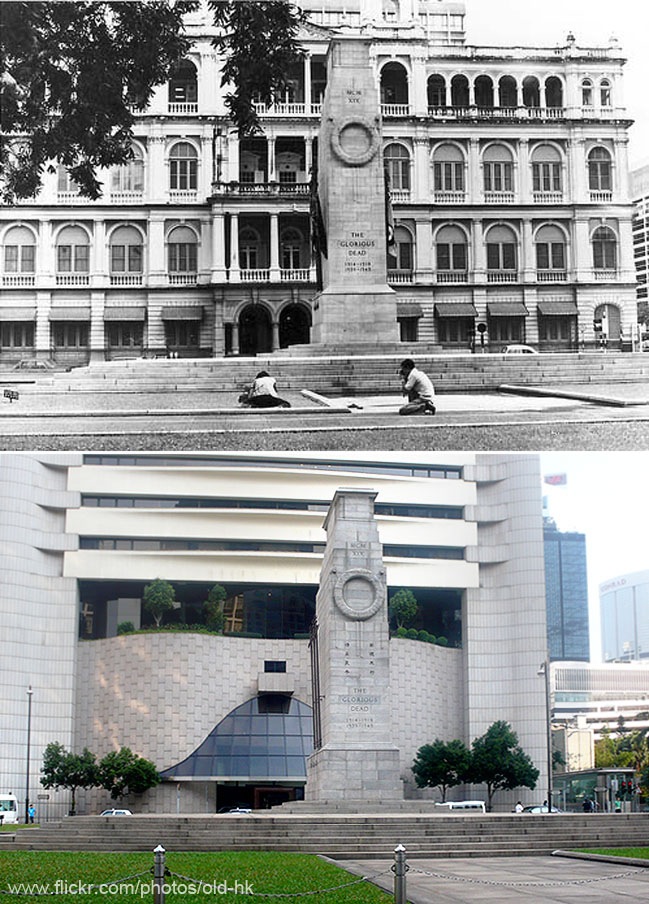
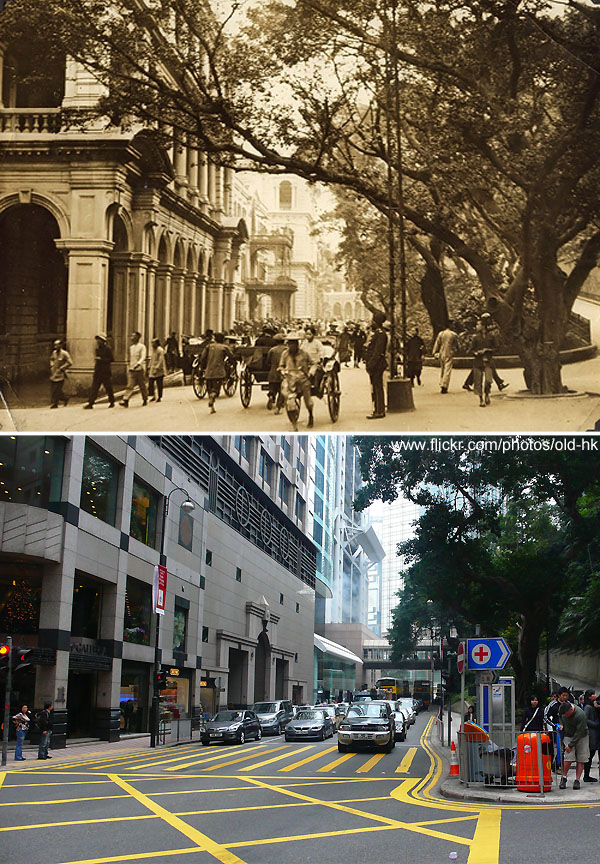
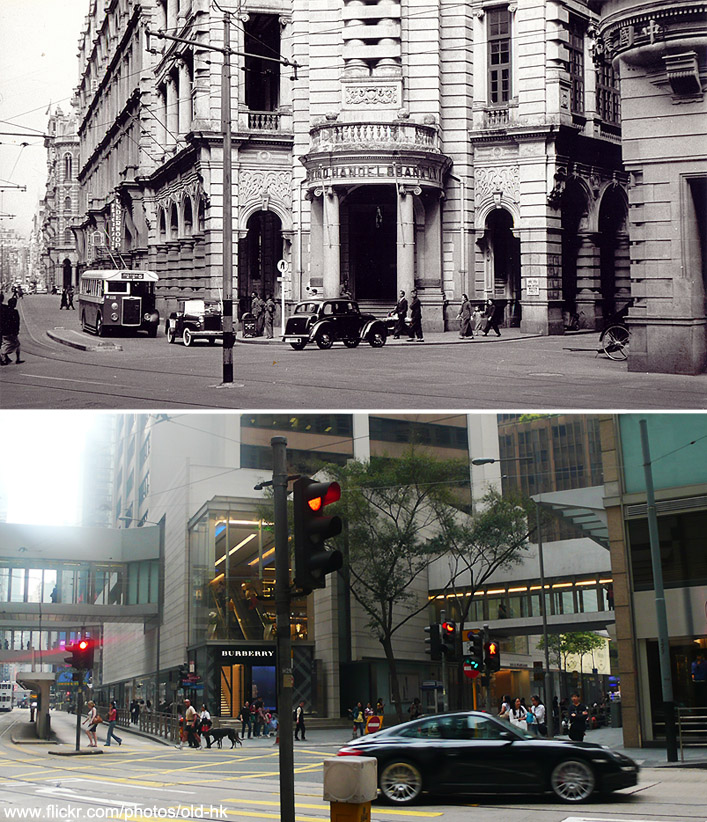
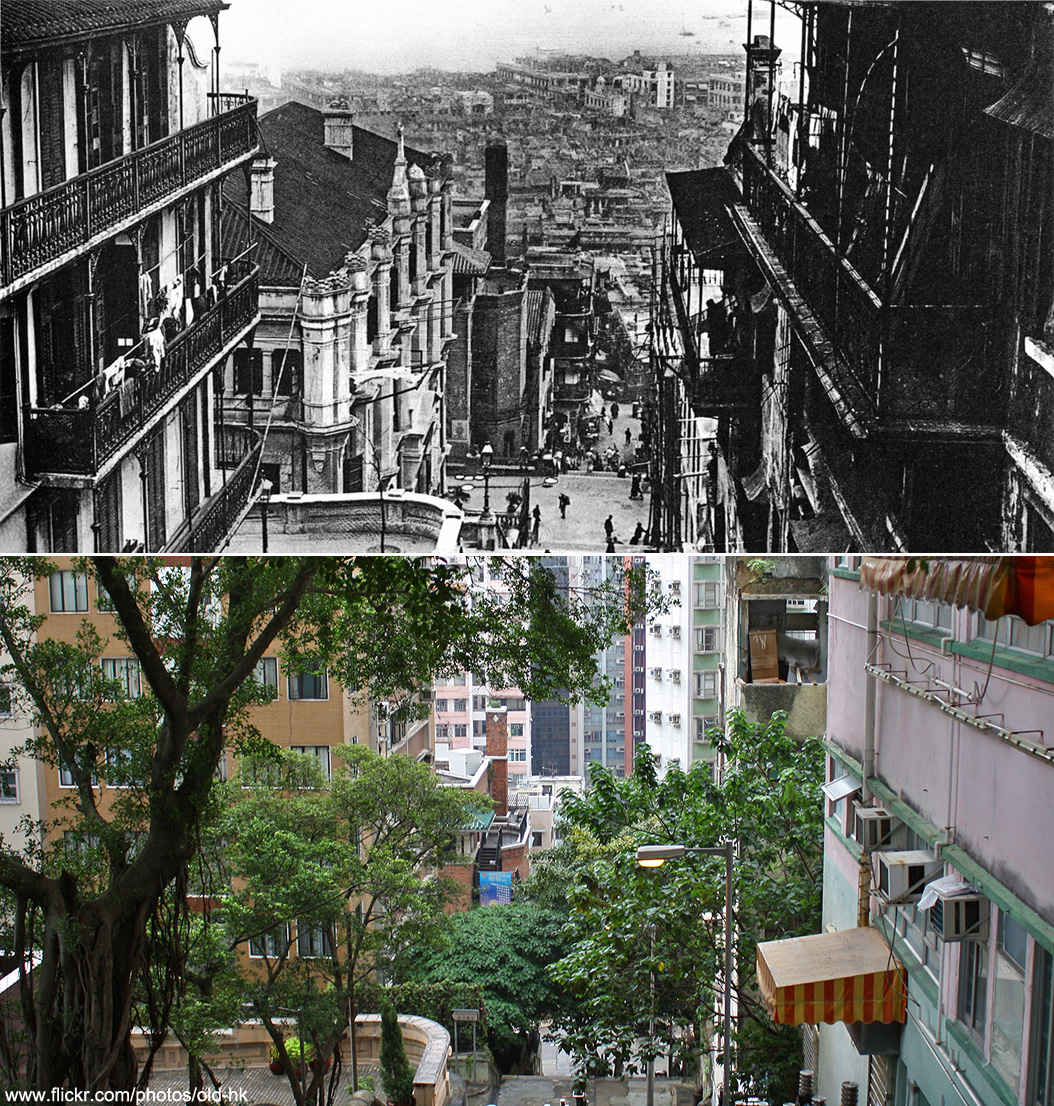
Hong Kong

*

*

*

*


Cocoa Beach

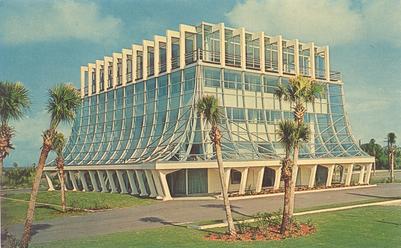
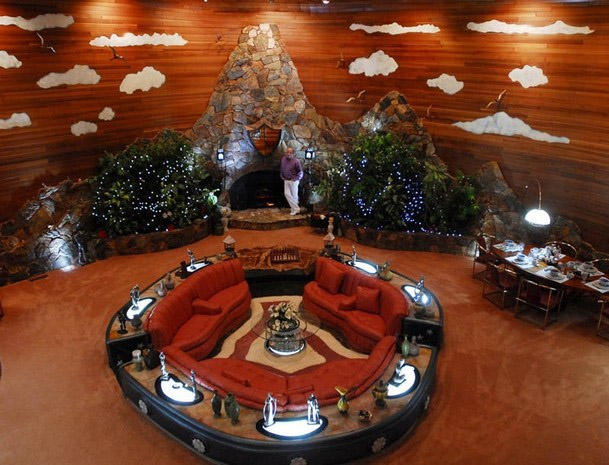
‘In the 1960s the American Space Program was quickly transforming Cocoa Beach, and overall modernization bled into the city’s architecture. One of the crown jewels of this metamorphosis was the First Federal Savings and Loan Association of Cocoa Beach. Thirty-eight year-old architect Reginald Caywood Knight, a graduate of Harvard and veteran of M.I.T.’s department of architecture, was tasked with designing the building in 1960. Construction began that year and would continue throughout 1961. The grand opening was in April of 1962. First Federal Savings and Loan occupied the majority of the retail space at 505 North Orlando Avenue in Cocoa Beach, Florida, but over time residents would come to know the five-story structure with parabolic curves as the “Glass Bank.” On the top floor was the Sky Room, a restaurant with 360-degree views of Cocoa Beach.

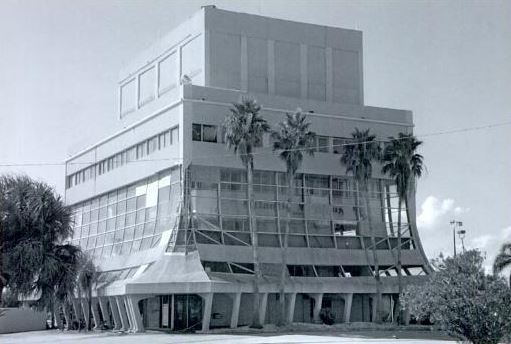
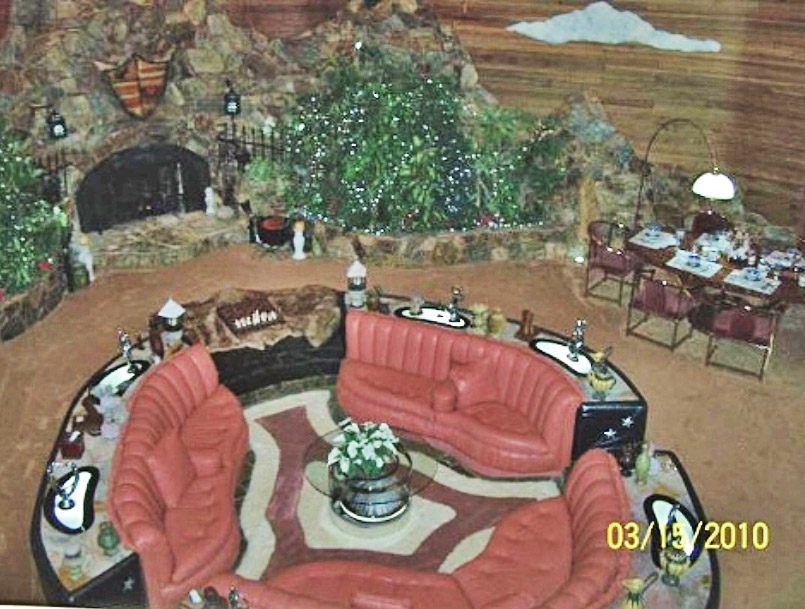
‘Cocoa Beach resident and attorney Frank Wolfe wasn’t yet fifty years old when he purchased the rights to the penthouse space of the Glass Bank in the early 1980s. Wolfe was an aggressive attorney who enjoyed an illustrious career spanning such positions as city attorney to chairman of the famous Ron John’s surf shop. Wolfe transformed the look of the Glass Bank building with radical modifications that shifted the building from glass to stucco. Following the brutalist ethos, the building now appeared fortress-like, with concrete in place of glass. The penthouse restaurant was expanded to the perimeter of the building, removing the skywalk. Smaller rectangular portholes took the place of the former floor-to-ceiling windows. In an irony of ironies, Wolfe had erected a two-story windowless penthouse on top of the Glass Bank.

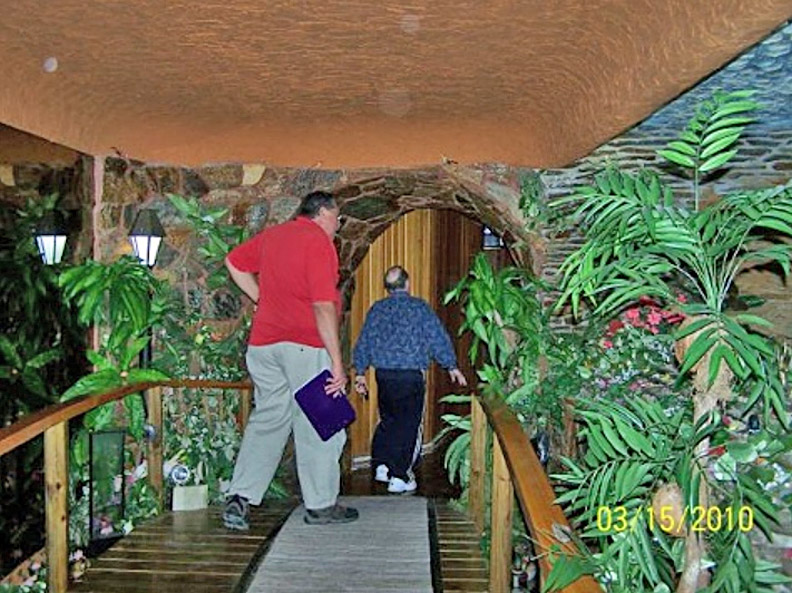
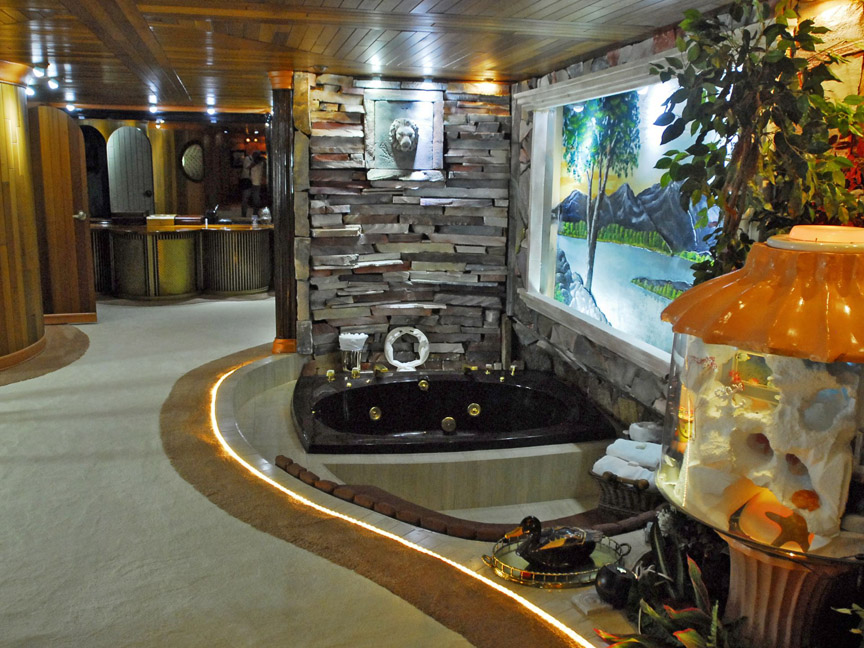
‘It just so happens Frank built his man cave atop a mid-century glass-walled landmark. Entry to the apartment is made via the exterior express elevator. Upon disembarking, visitors step into a nature-themed foyer sporting a small foot bridge with access to the arched entry to the penthouse. The sound of running water explains the foot bridge. It spans a small artificial stream fed by – what else – an extravagant indoor fountain on the right wall, doubling as a waterfall for the room’s 100 square-foot ecosystem. Once across the foot bridge and inside the front door, the small foyer gives way to an enormous windowless two-story, several-thousand square-feet space. Rich wood paneling lines the walls and ceiling. Clean recessed can lights illuminate the main room from above. Against the far wall, a faux-stone mountain is the room’s centerpiece. At its base, a giant fireplace added ambiance to gatherings and took the edge off coastal winter nights. The edges of the indoor mountain reach to the far sides of either wall, each slope with its own forest illuminated by Christmas lights. The absence of windows did not deter Wolfe from creating his own sky. More than a dozen faux clouds dot the walls on either side of the mountain.

‘But few glass structures of this vintage could stand in the way of a motivated category four storm. The 2004 hurricane season was especially unkind to Florida, showing its east coast more major hurricanes than any year since 1964. Few buildings escaped the wrath of all three storms. The Glass Bank was no exception, although the penthouse, with its lack of windows, was spared. Windows now broken and yielding to the elements, the building’s outer layer had been breached. Exposure introduced mold, mildew, and an accelerating rate of decay. If the environmental breach wasn’t enough of an uphill battle, the Glass Bank was afflicted with another issue common with buildings of this vintage: asbestos. The final tenants of the Glass Bank building were Huntington Bank on the lower level, Nautilus Fitness on the mid-levels, and Frank Wolfe’s personal condominium in the penthouse. All except for Wolfe left after the 2004 hurricane season. Frank’s world began to quickly unravel in the summer of 2013. The ailing Wolfe had temporarily returned to Maine to be with family; six months later, in January of 2014, the city moved forward with its grievance filing and submitted to the courts an agreement signed by the Glass Bank Condominium Association. The very next day, on February 5th, 2014, the court approved the demolition order for the Glass Bank.’ — Sometimes interesting


London

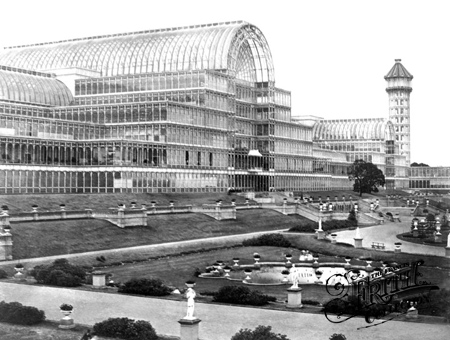
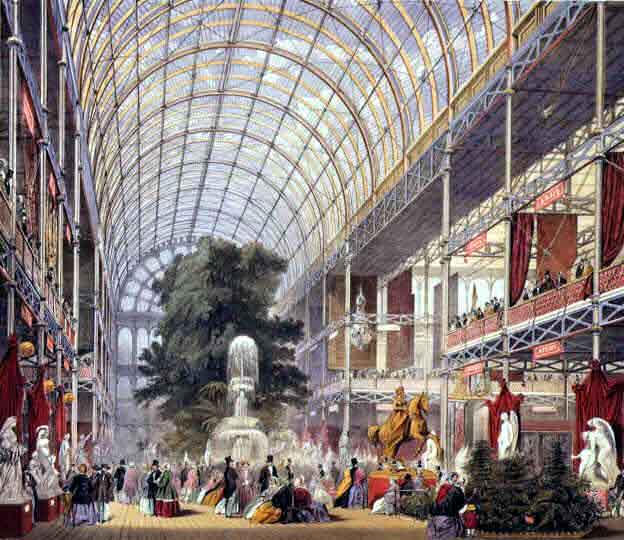
‘The Crystal Palace was a cast-iron and glass building originally erected in Hyde Park, London, England, to house the Great Exhibition of 1851. More than 14,000 exhibitors from around the world gathered in the Palace’s 990,000 square feet (92,000 m2) of exhibition space to display examples of the latest technology developed in the Industrial Revolution. Designed by Joseph Paxton, the Great Exhibition building was 1,851 feet (564 m) long, with an interior height of 128 feet (39 m). The Crystal Palace was enlarged and stood in the area from 1854 to 1936, when it was destroyed by fire.’ — Wiki

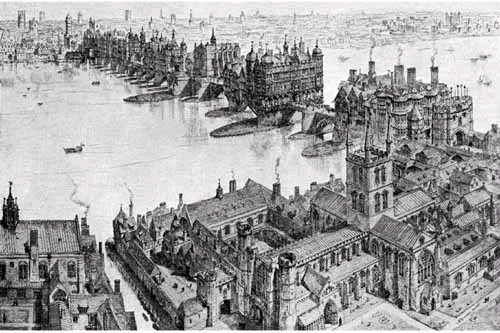
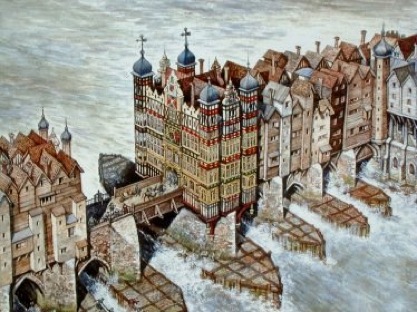
‘The medieval London Bridge had 19 small arches and a drawbridge with a defensive gatehouse at the southern end. Contemporary pictures show it crowded with buildings of up to seven stories in height. The narrowness of the arches meant that it acted as a partial barrage over the Thames, restricting water flow and thereby making the river more susceptible to freezing over in winter because of the slower currents. The decision of King John to allow shops to be built on London Bridge slowed down the traffic crossing the river. Nearly 200 places of business lined both sides of the narrow street. Various arches of the bridge collapsed over the years, and houses on the bridge were burnt during Wat Tyler’s Peasants’ Revolt in 1381 and Jack Cade’s rebellion in 1450, during which a pitched battle was fought on the bridge. In 1212, perhaps the greatest of the early fires of London broke out on both ends of the bridge simultaneously, trapping many in the middle and reportedly resulting in the death of 3,000 people. Another major fire broke out in 1633, destroying the northern third of the bridge. Finally, under an Act of Parliament dated June 1756, permission was obtained to demolish all the shops and houses on London Bridge.’ — oldlondonbridge.com

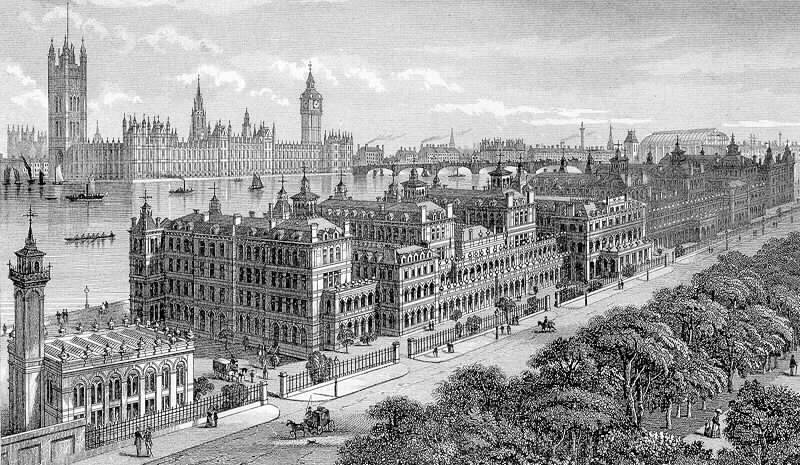
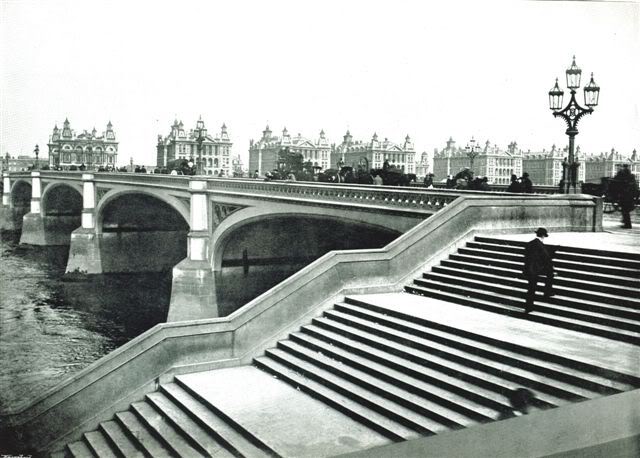
‘St. Thomas’s Hospital was described as ancient in 1215. It was a mixed order of Augustinian monks and nuns, dedicated to Thomas Becket which provided shelter and treatment for the poor, sick, and homeless. The hospital was located in Southwark, just south of London Bridge. It was in the grounds of the Hospital in Southwark that the first complete translation of the bible into English was made. In the Second World War St Thomas’s was badly damaged, and the pavilion type buildings were demolished in the 1960’s. What was built in its was a large completely out of scale white tiled box, probably perceived as modern at the time but completely wrong for such a location opposite the palace of Westminster. We lost what was one of the most wonderful compositions of architecture of the age.’ — concrete overpass

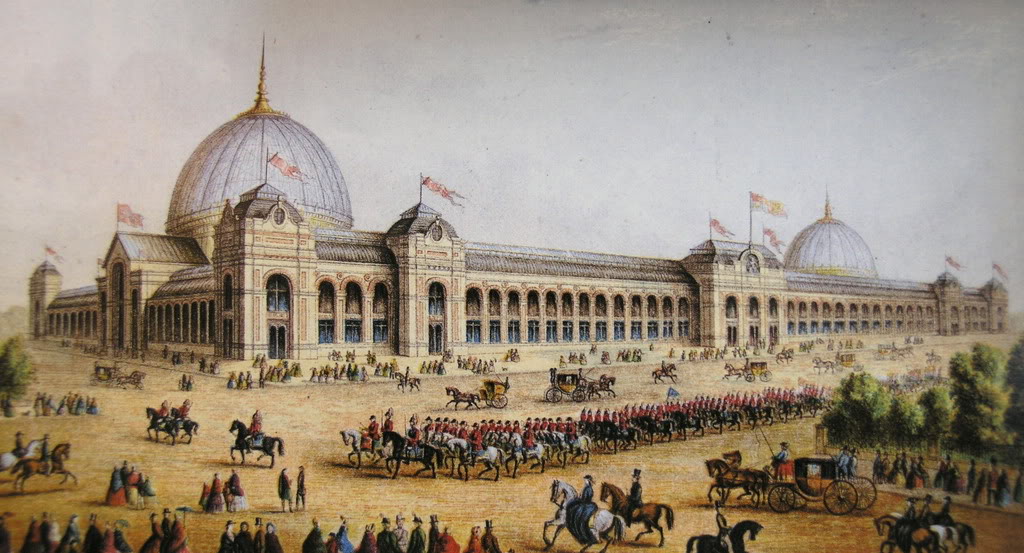
‘The International of 1862, or Great London Exposition, was a world’s fair. It was held from 1 May to 1 November 1862, beside the gardens of the Royal Horticultural Society, South Kensington, London, England, on a site that now houses museums including the Natural History Museum and the Science Museum. The building consisted of a main structure with two adjoining wings set at right angles for machinery and agricultural equipment; the wings were demolished after the Exhibition. Its main facade along Cromwell Road was 1152 feet (351 m) in length with a triple-arched entrance located at the centre, and ornamented by two crystal domes, each of which was 260 feet (79 m) high. Parliament declined the Government’s wish to purchase and save the rest of the building and the materials were sold.’ — Wiki


Chicago

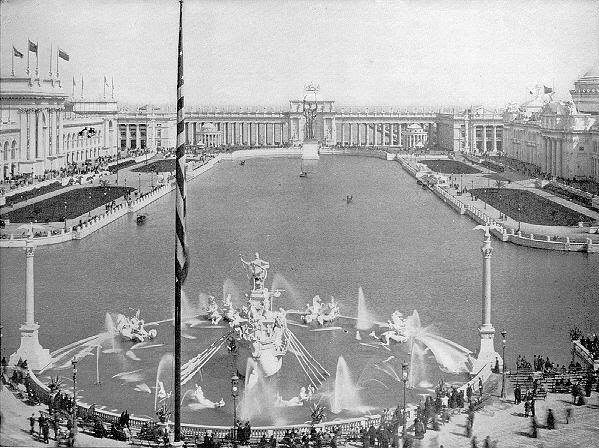
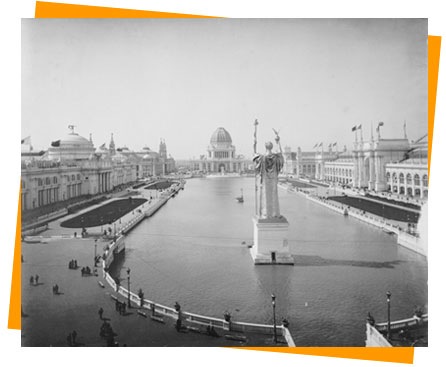
‘Even though some of the 1893 World’s Columbian Exposition massive buildings took more than a year to construct, they were designed to be temporary. Faced in a stucco-like product called “staff” (made of plaster and horse hair), they could hardly be expected to stand up to years of Chicago winters! Consequently, little remains of the 1893 Chicago World’s Fair which once graced Jackson Park, south of the Loop.’ — firehow.com


Dongguan

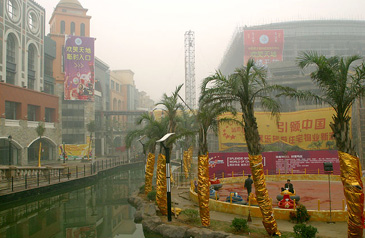
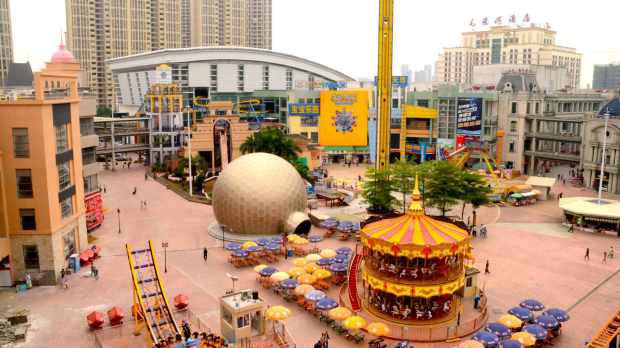
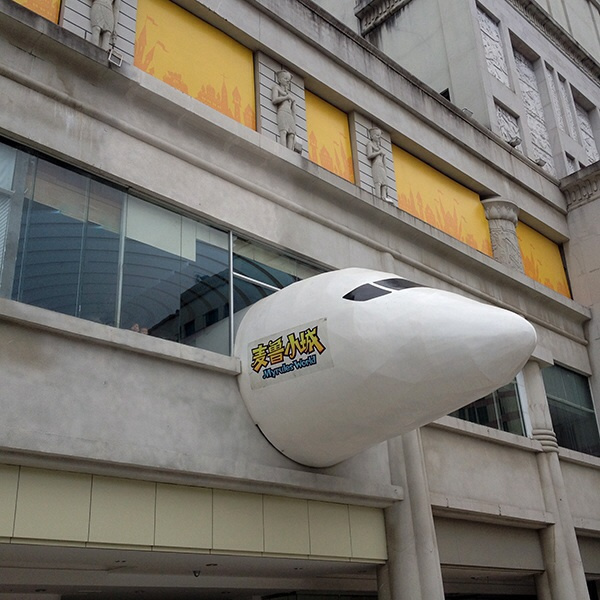
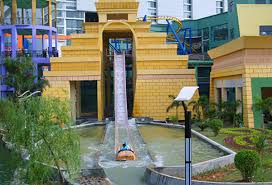
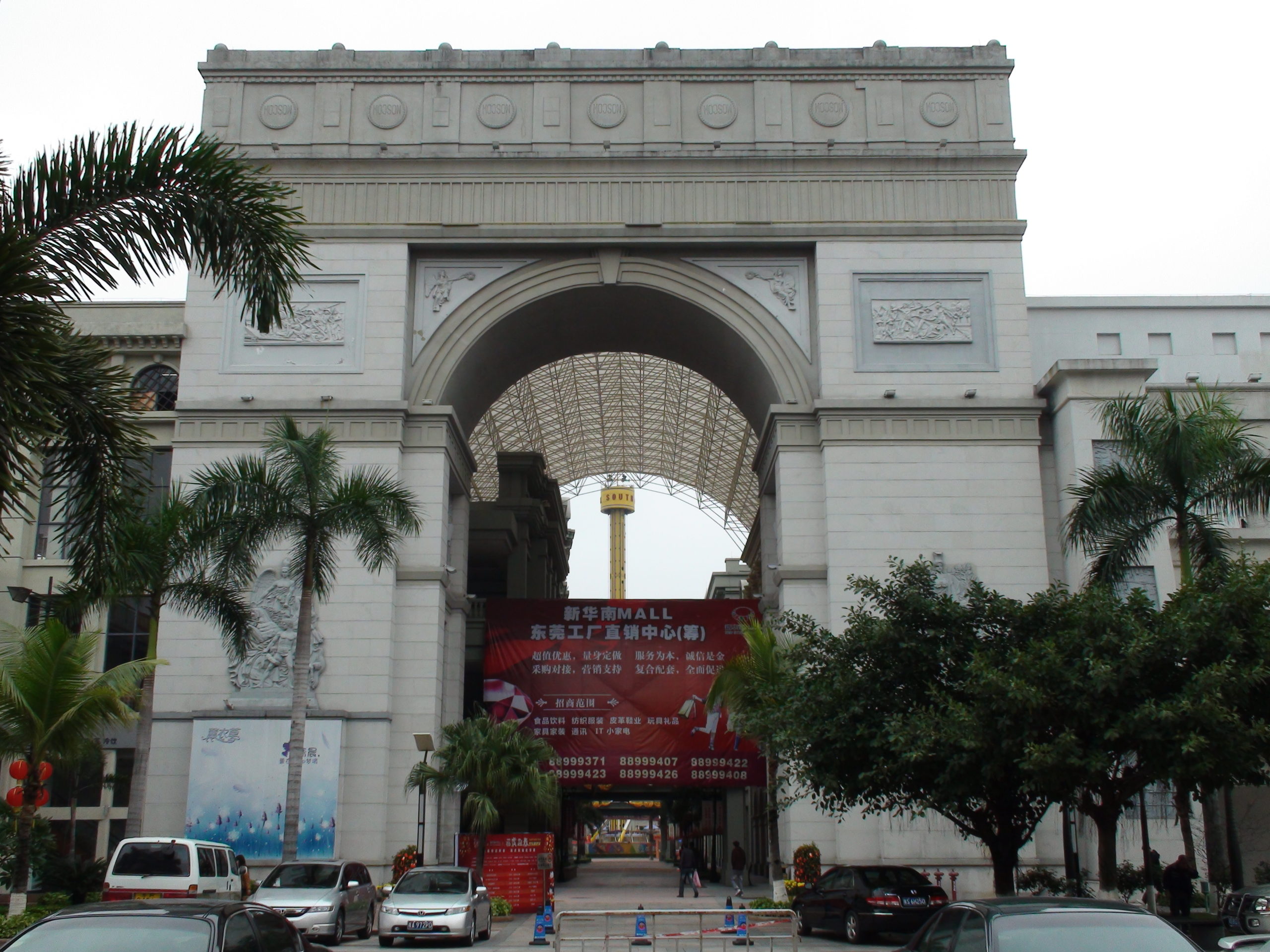
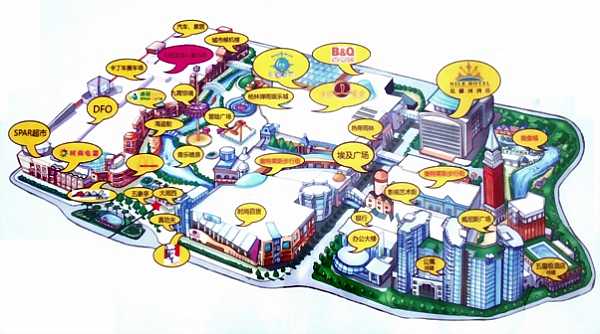
‘New South China Mall located in Dongguan, China has both the title of the largest shopping mall in the world based on gross leasable area and also the world’s emptiest one. Today, out of its 659,612 square metres (7,100,000 sq ft) of leasable space -and 892,000 square metres (9,600,000 sq ft) of total area- only about 1% of it is occupied, leaving the areas away of the building’s entrance deserted. The mall has seven zones modeled on international cities, nations and regions, including Amsterdam, Paris, Rome, Venice, Egypt, the Caribbean, and California. Features include a 25 metres (82 ft) replica of the Arc de Triomphe, a replica of Venice’s St Mark’s bell tower, a 2.1 kilometres (1.3 mi) canal with gondolas, and a 553-meter indoor-outdoor roller coaster. While the mall has 2350 leasable spaces, only 47 are occupied. The low occupancy of the world’s largest mall is blamed on its location, away from the city’s center, and the difficult access as there is no highway close to the mall and it’s only accessible by car or bus.’ — collaged


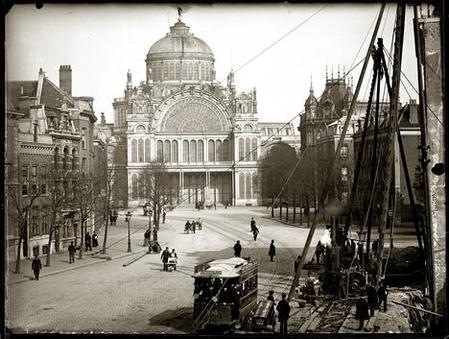
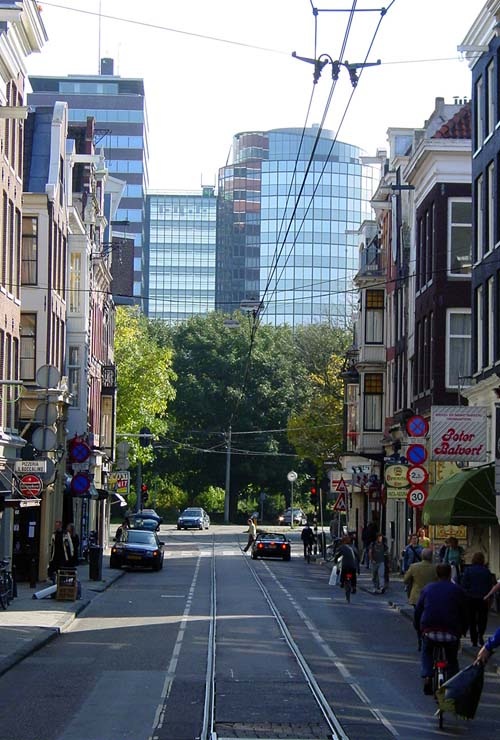
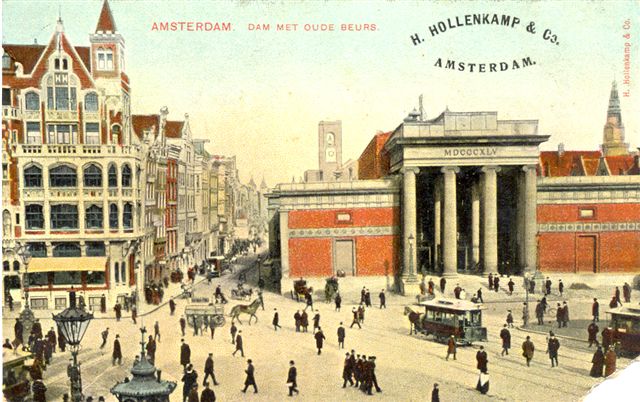
Amsterdam

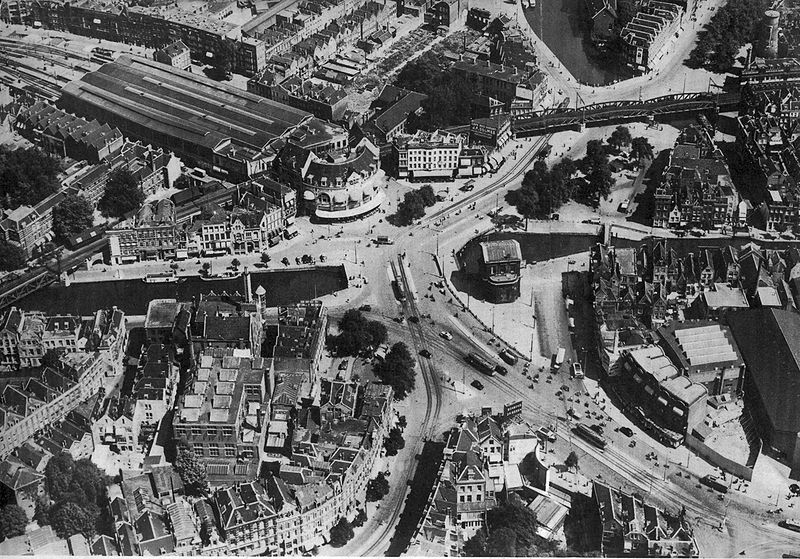
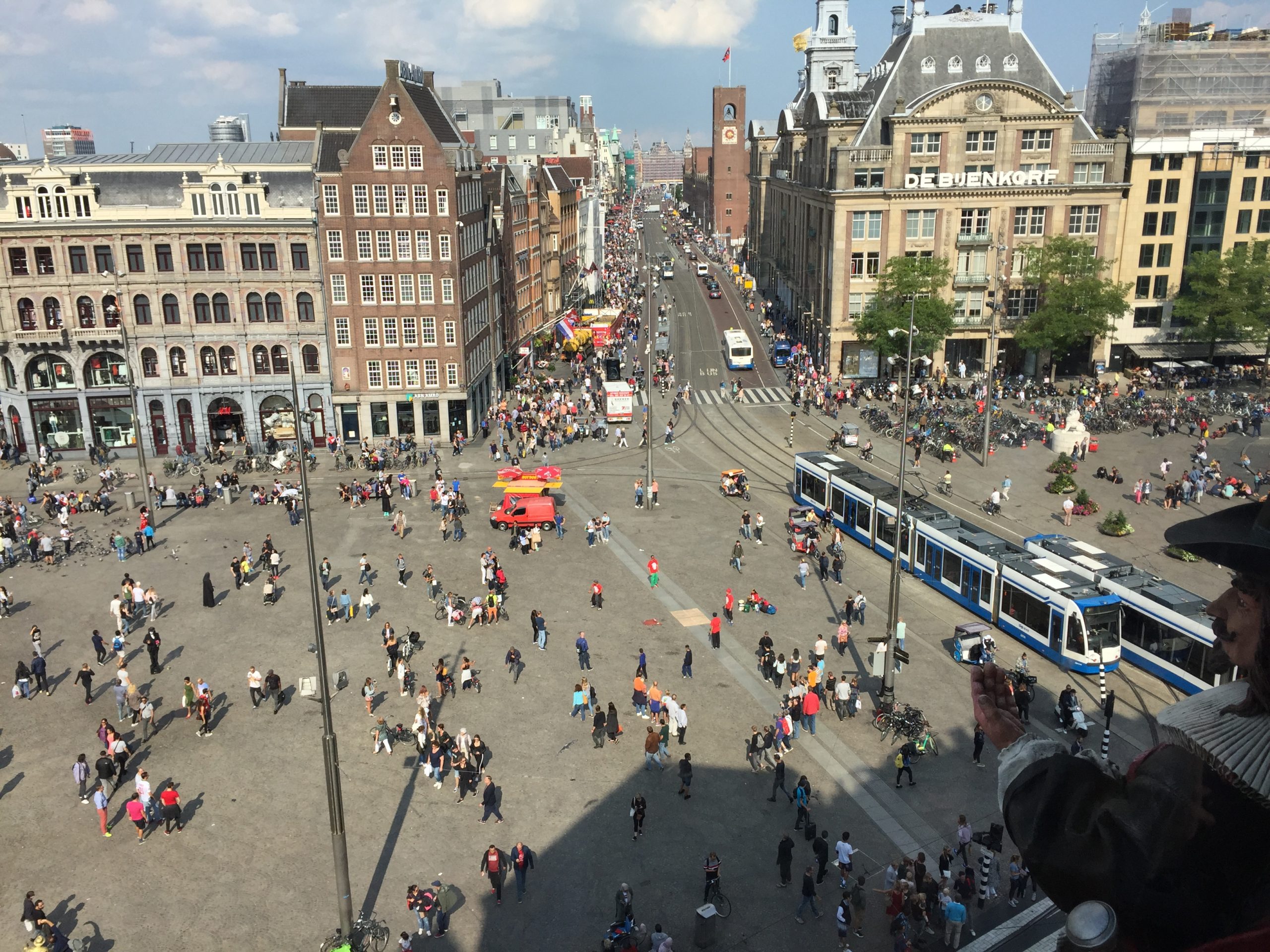
Paleis voor Volksvlijt (top) and its replacement

*


Warsaw

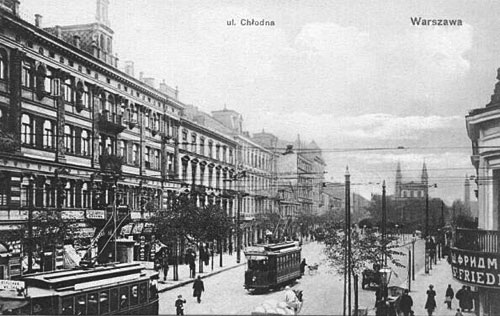
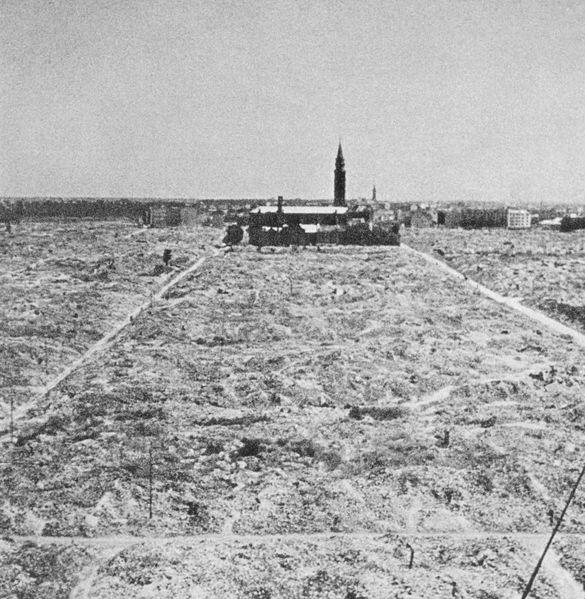
‘In the 19th century Wola became a major industrial/blue-collar district of Warsaw (top). During German occupation, part of today Wola District became a part of the Warsaw Ghetto, and was completely demolished (middle). In the ruins of Wola, during Warsaw Uprising 1944, Germans, RONA, and Cossacks committed mass murders on civilians. In the Uprising died 200 000 civilians. Now, after decades of negligence, Wola District is one of the major booming areas of Warsaw (bottom).’ — Skyscraper.forum


Murmansk

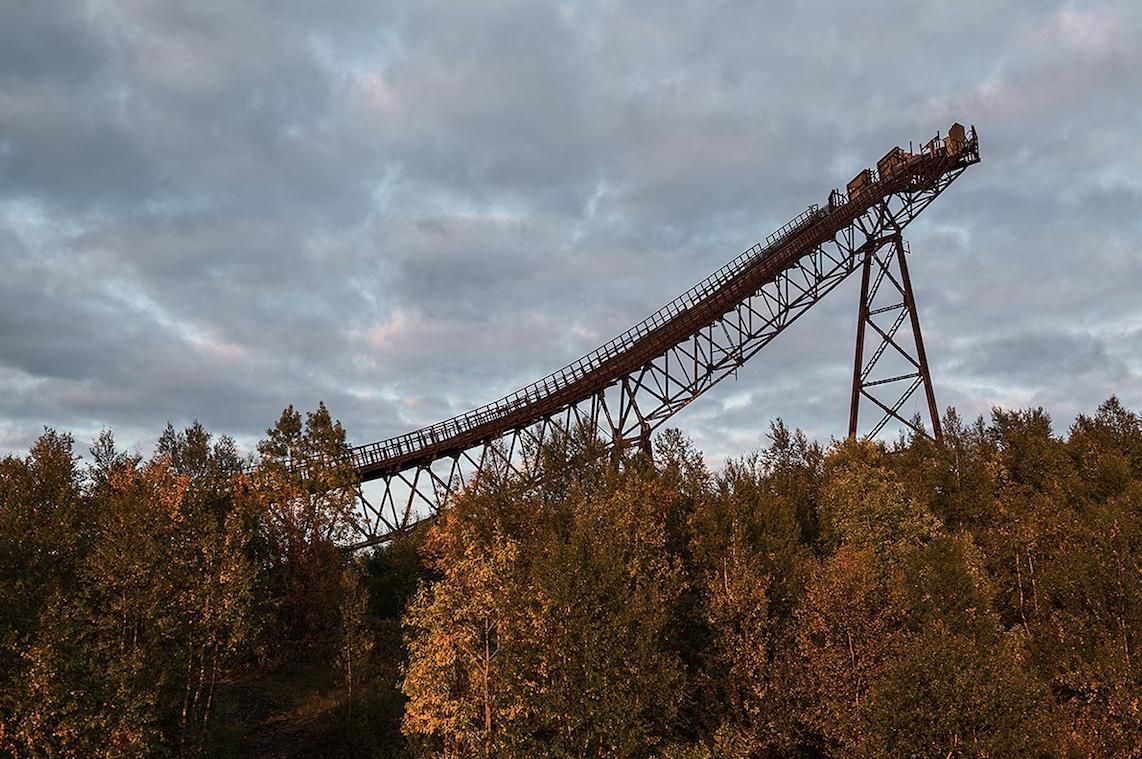
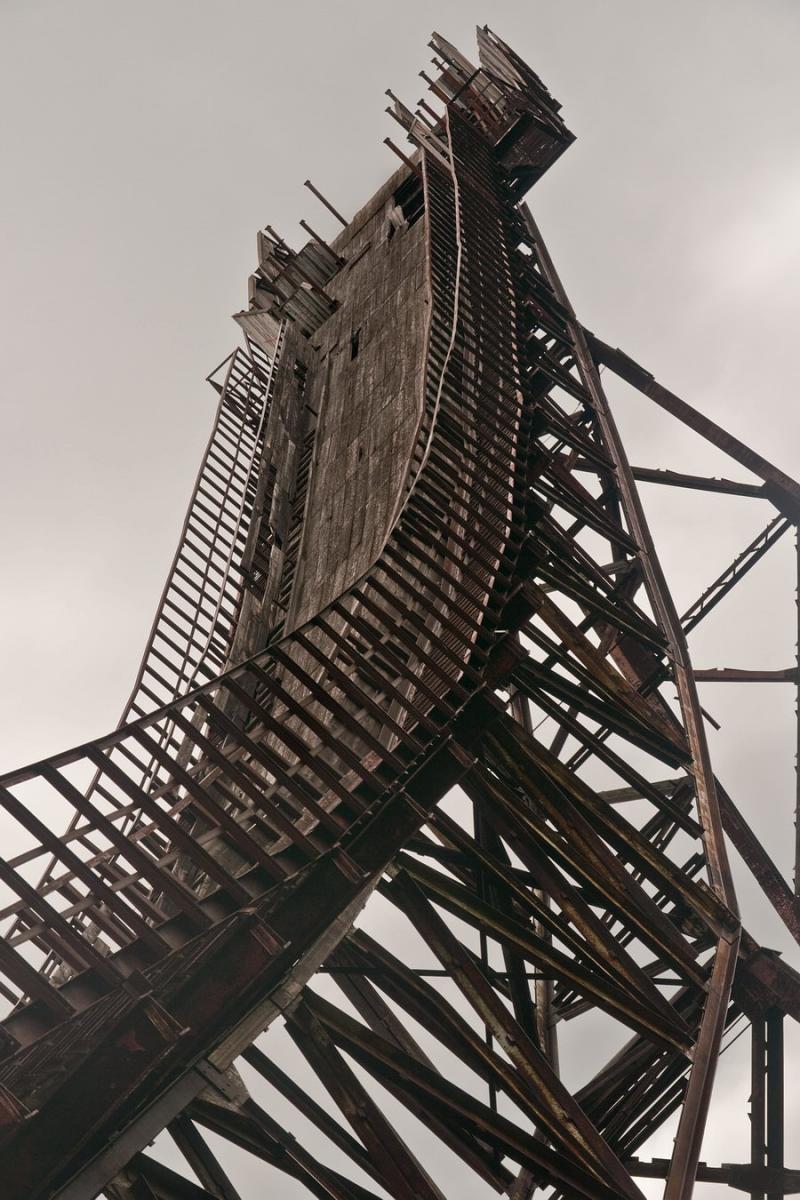
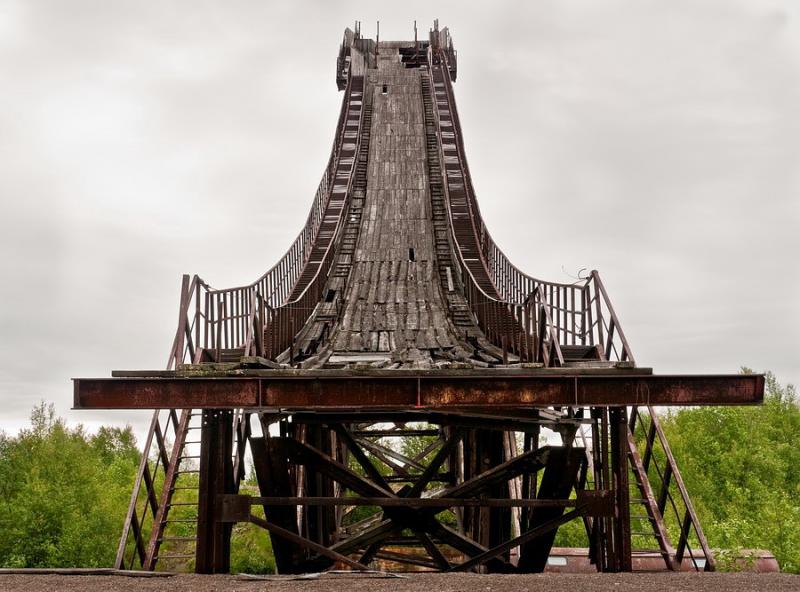
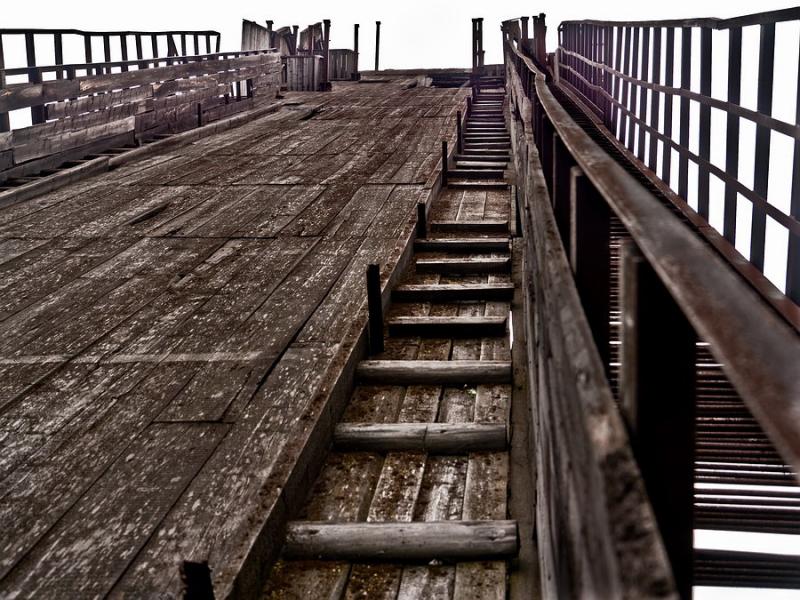
‘Take-off ramps for ski jumping are pretty complicated to maintain and their construction is pretty expensive. There are dozens of active take-off ramps which are used for their purpose but, here you can see one located in Murmansk, Russia which has been abandoned for long time.’ — Zuzu Top


Melbourne

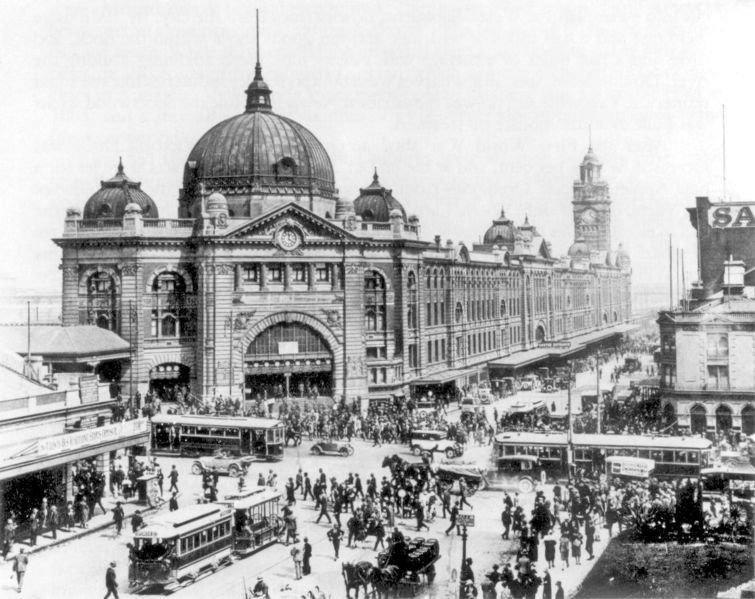
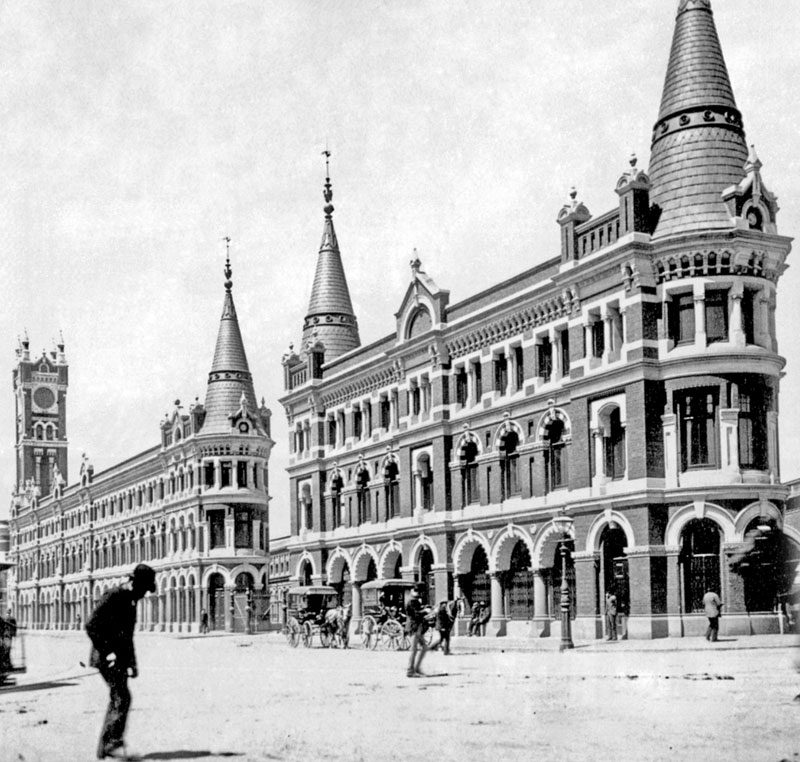
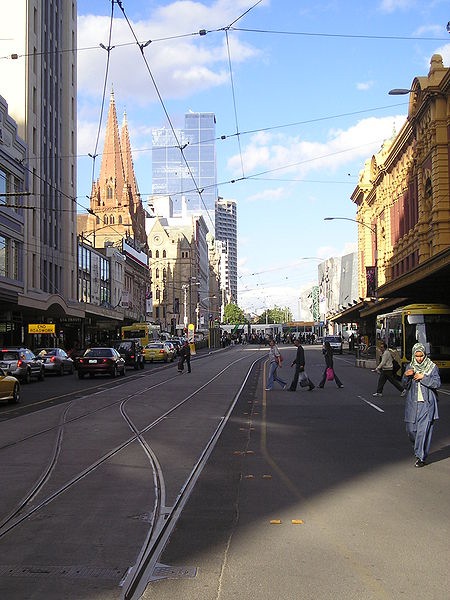
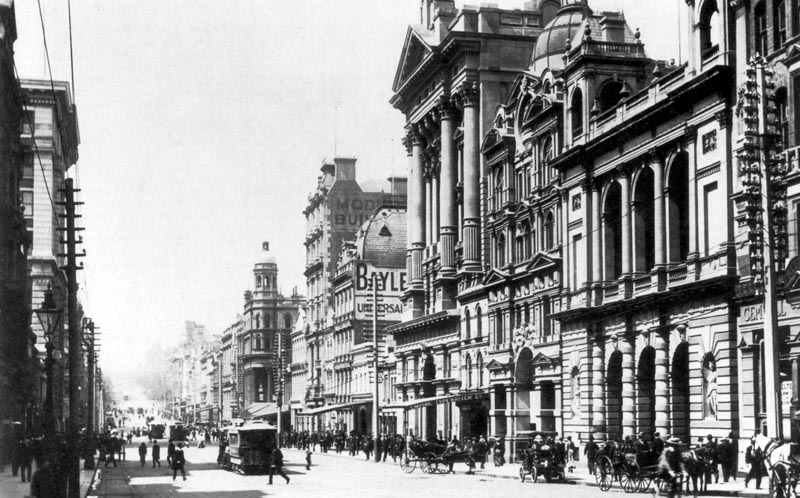
‘Flinders Street (top, bottom) is a notable street in Melbourne, Victoria, Australia. Running roughly parallel to the Yarra River, Flinders Street forms the southern edge of the Hoddle Grid. It is exactly one mile (1609.344 m) in length and one and half chains (30.1752 m) in width. It was once home to the Melbourne Fish Market (middle), an ornate building constructed in 1890, covering 23,000 square metres, and of similar design to Flinders Street Station. The market was demolished between 1958 and 1960 after which the site became a public carpark.’ –Wiki

*

*

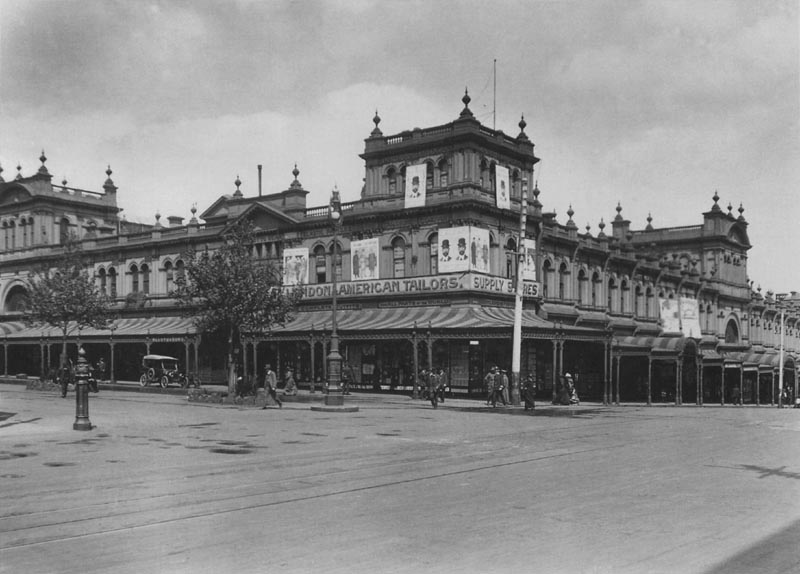
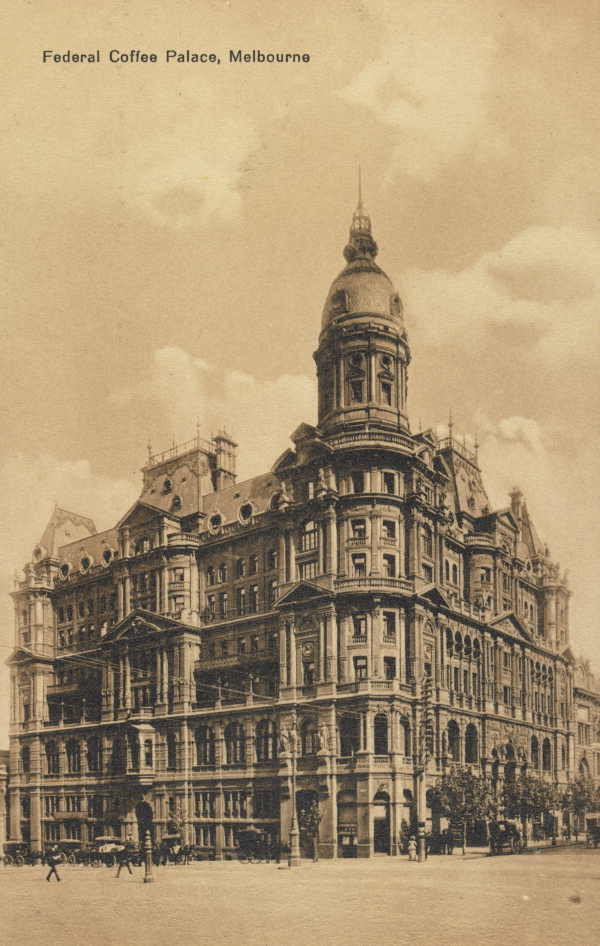
‘The term Coffee Palace was primarily used in Australia to describe the temperance hotels which were built during the period of the 1880s although there are references to the term also being used, to a lesser extent, in the United Kingdom. They were hotels that did not serve alcohol, built in response to the temperance movement and, in particular, the influence of the Independent Order of Rechabites in Australia. The Federal Coffee Palace was the largest and tallest building in Melbourne when it was built in 1888. The building became a hotel in the 1950s. It was proposed as a possible option for Melbourne’s first casino however was instead demolished in 1972 to make way for an office development.’ — Wiki


Transvaal

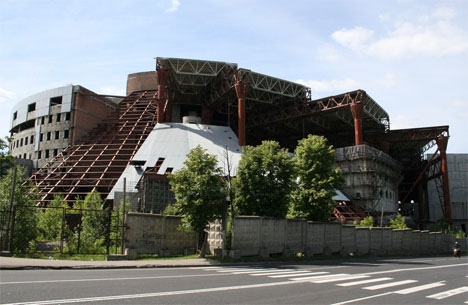
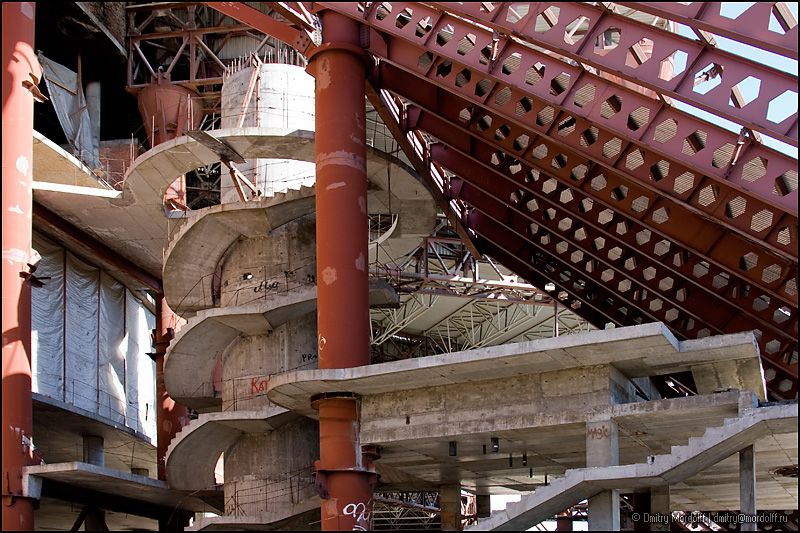
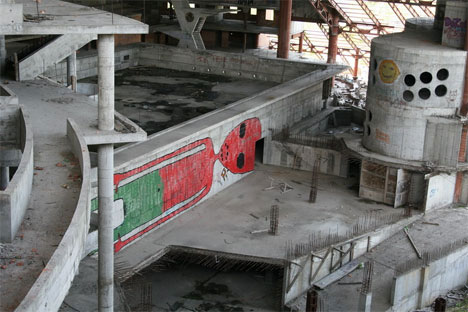
‘This abandoned Russian water park was under construction when a deadly accident at another Russian water park killed 28 people. At this point, construction was halted due to safety concerns. This 12-story structure was to include 3 underground floors, 5 pools, water slides, an athletic arena, a sports gambling palace, a hotel for nonresident athletes, offices, cafes, a medical center and a sports medicine center. The site was purchased in 2007 to make way for a shopping center, but it has yet to be demolished.’ — WU


Orlando

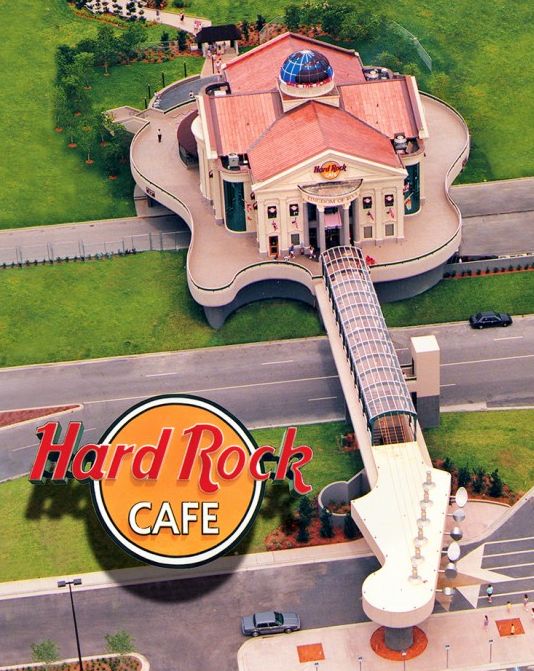
‘The original location of the Hard Rock Cafe was adjacent to the Universal Studios park, and guests could enter the Cafe directly from within the park. The building when seen from above had the shape of a guitar. The bridge of the guitar used to cross two roads at Universal to the Cafe’s parking lot. The restaurant itself was in the tall building on the body of the guitar.’ — Attractions Magazine


Pine Hill

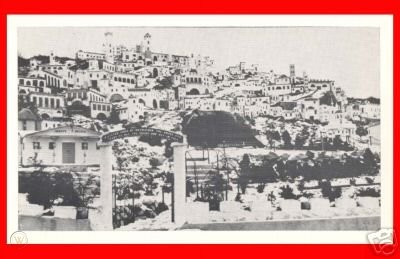
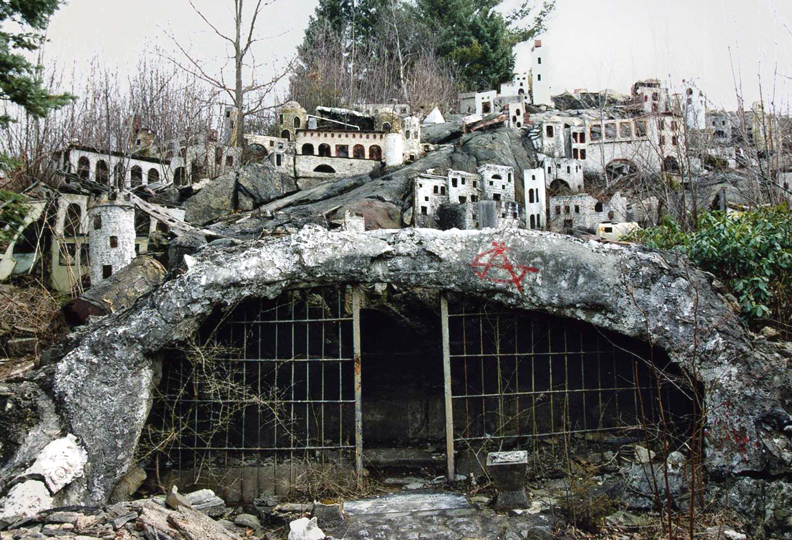
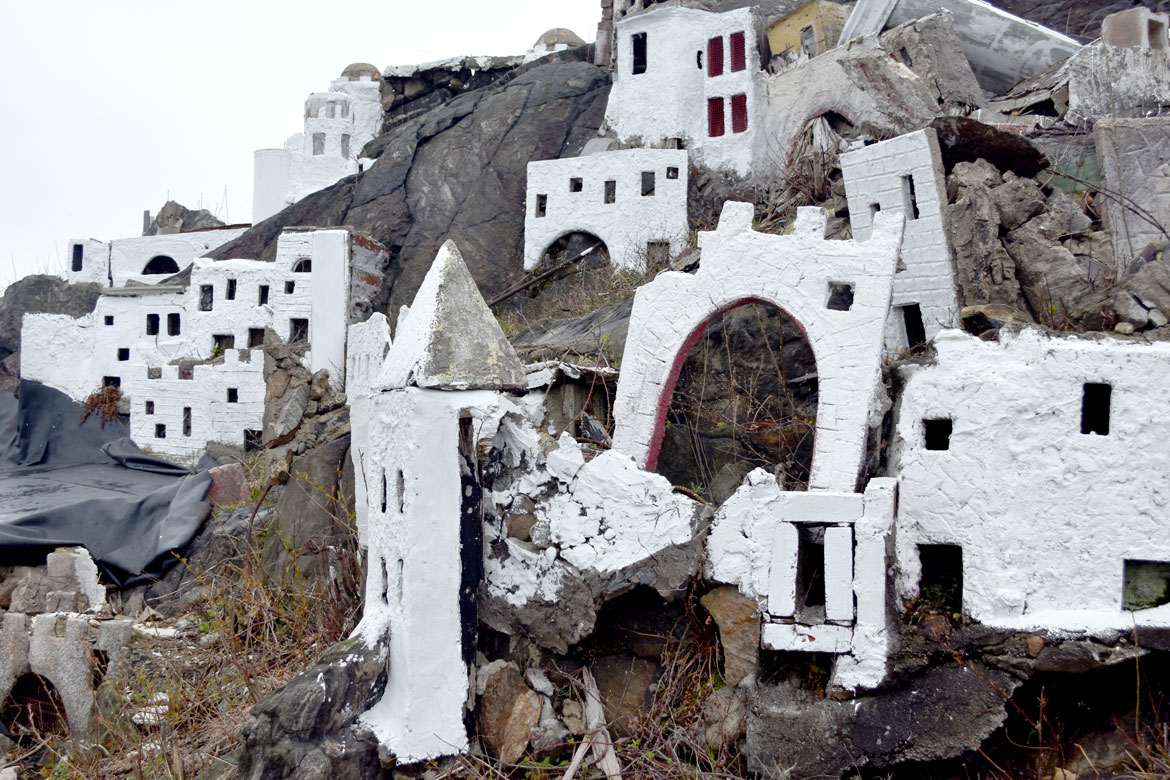
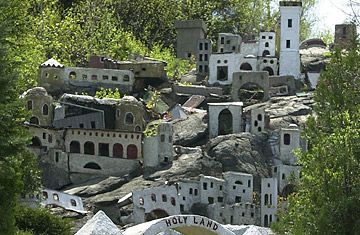
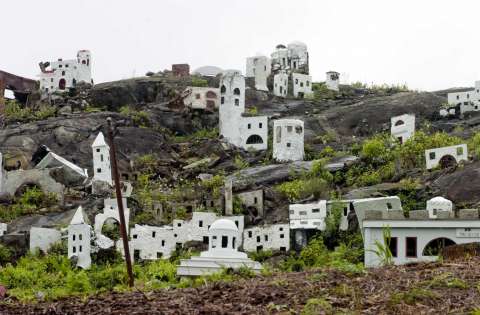
‘Holy Land USA burst onto the rocky slopes of Pine Hill in the early 1950s, when lawyer and evangelist John Greco responded to a personal message from God (or perhaps a broadcast message also received by the builder of Alabama’s Ave Maria Grotto, Iowa’s Grotto of the Redemption, and other 20th century divine labors). He directed volunteers who built hundreds of structures, grottos and educational dioramas, using discarded plywood, tin siding, chicken wire, cement and fragments of religious statuary. Holy Land USA was a legitimate vacation destination for families in the 1960s and ’70s, drawing as many as 44,000 visitors a year. It was a must-see stop for church groups and pilgrimage busses. Today, evidence can be found of a large parking lot, remnants of a gift shop, and assorted outbuildings. The 17-acre attraction had begun its long slide into the Pit, closing a few years before Greco’s death in 1986, at the age of 91. For two decades, Holy Land USA has been a post-nuclear Road Warrior vision of the Holy land, perched on a bluff overlooking Waterbury. It’s a fascinating and horrifying wonder of neglect — a miniature Bethlehem, impenetrable assemblages of junk, creepy tunnels and blasted out buildings, stories of gang murders and a mysterious order of nuns.’ — roadsideamerica.com

—-


*

p.s. Hey. ** Ferdinand, Well, you had a Friday of note all ready to go there. Give it time: the car crash piece. Let yourself figure it out. You’ll learn stuff you can use over and over again. Angling for safety over here, yes, you too. ** David Ehrenstein, I hope you get some big bites. ** _Black_Acrylic, Hey, B-man. Glad you dug it. Have an eventful and uneventful weekend. ** G, Hi, pal. It’s a lovely book. And it looks exciting on the page too, as I guess you could see from the facsimiles. Hooray about Evan accepting your poems! That’s awesome! Use at least a little bit of your weekend to celebrate, no? ** Bill, Hi. Thanks. It should be fine: Rennes. Two hours train ride, watch rehearsals and a run-through for four hours, two hour train ride back. As much train as Rennes. I stocked up on magazines to read on the journey yesterday. That book is hard to find? Huh. She’s really good pretty much always, but I do like the pre-‘Citizen’ ones best, a bit more playful. Oh, right, the bandcamp weekend thing. I didn’t take advantage last time. Thanks for the tweak. Fun, some kind of fun, any kind of fun in your neck and future this Saturday/Sunday? ** Steve Erickson, Hi. Oh, if I’d known that about the Atlantic thing I probably would have delayed that post. I aways prefer the blog to be at least slightly out of step. I don’t know if this is appropriate under those circumstances, but you know the old trick that if you have a fan turned on, even in the lowest mode, and if you’re in the the area the fan is blowing towards, you won’t get mosquito-ed because they can’t fly in even the mildest breeze? Everyone, Steve Erickson types/speaks: ‘Here’s my review of FEELS GOOD MAN, which traces Pepe the Frog’s transformation from benign cartoon character to malevolent meme.’ I just read something promising somewhere about Drakeo the Ruler’s new album that made me inclined to test it which surprised me. Now with your ‘up’ too, okey-doke. Yeah, Rennes is close to Paris, so I’m training. I’ll be taking my first COVID-era flight next weekend to Marseilles and back. Dreamy weekend! ** Okay. I’ve restored this old post consisting of a very tall stack of ex-buildings and attractions from around the world for you to peruse and respond accordingly. Enjoy maybe, ideally. See you on Monday.

« Older posts Newer posts »

© 2026 DC's

Theme by Anders Norén — Up ↑