The blog of author Dennis Cooper

Author: DC (Page 767 of 1130)

If you don’t speak French, you’ve likely never read — or, if you only speak English, even heard of — Roger Laporte, so, for future reference … *

* (restored)
—-


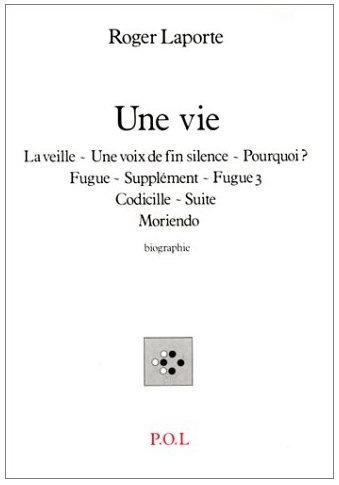
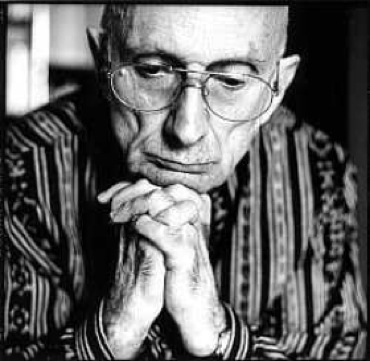
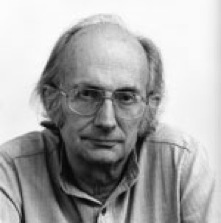
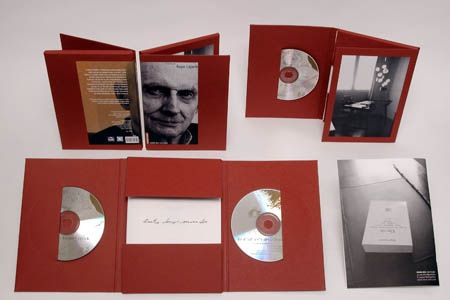
Laporte, Roger (1925-2001). A philosopher by training, Laporte is primarily known as the author of a series of unusual works (including La Veille, 1963; Fugue, 1970; Moriendo, 1983) where attention focuses on the activity of writing itself, to the virtual exclusion of other subject-matter. Assembled in one volume (Une vie, 1986), the nine separate texts are experiments in a new genre, labelled ‘biographie’ (see Carnets, 1979; Lettre à personne, 1988), where the writer’s self is apprehended in its primordial relationship to language and utterance. Austere but rigorous and elevating, Laporte’s work often invokes kindred spirits such as Mallarmé, Artaud, and Blanchot, on whom he has written with penetration (Quinze variations sur un thème biographique, 1975). While a number of Laporte’s essays on contemporary philosophers have been published in periodicals and anthologies in the UK and the United States, only a very few fragments of his own vastly significant writing have been translated into English. Nonetheless, the scholar Ian Maclachlan’s brilliant and acclaimed book length study of Laporte’s work, Roger Laporte: The Orphic Text, was published by Oxford University Press in 2000. Laporte died in 2001.


‘Roger Laporte’s Fugue takes away
in advance all metalinguistic
resources and makes of this
quasi-operation an unheard
music outside of genre.’
— Jacques Derrida


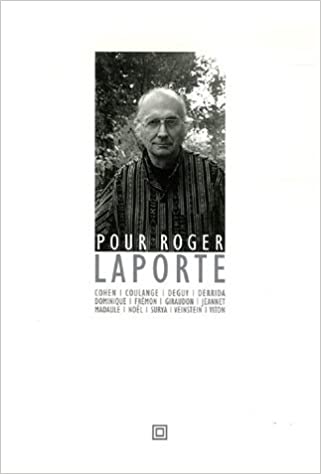
a tribute to Roger Laporte by Derrida, Giraudon, Deguy, & others
 

‘A pure reading which does not call
for another writing is incomprehens-
ible to me. Reading Proust, Blanchot,
Kafka, Artaud gave me no desire to
write on these authors (not even,
I might add, like them), but to write.’
— Roger Laporte


_____________


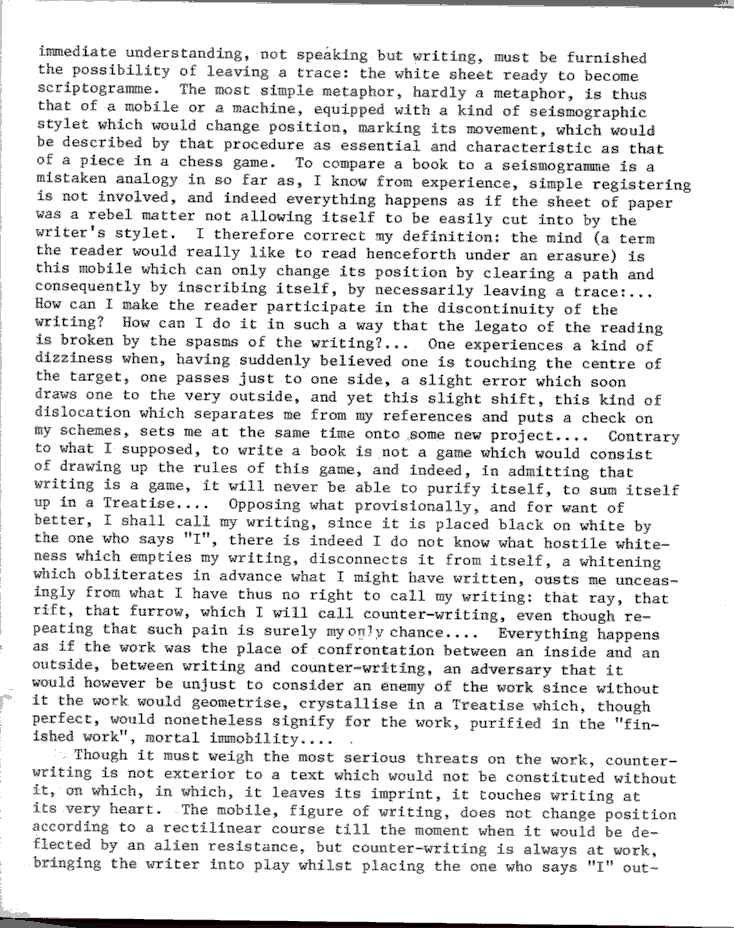
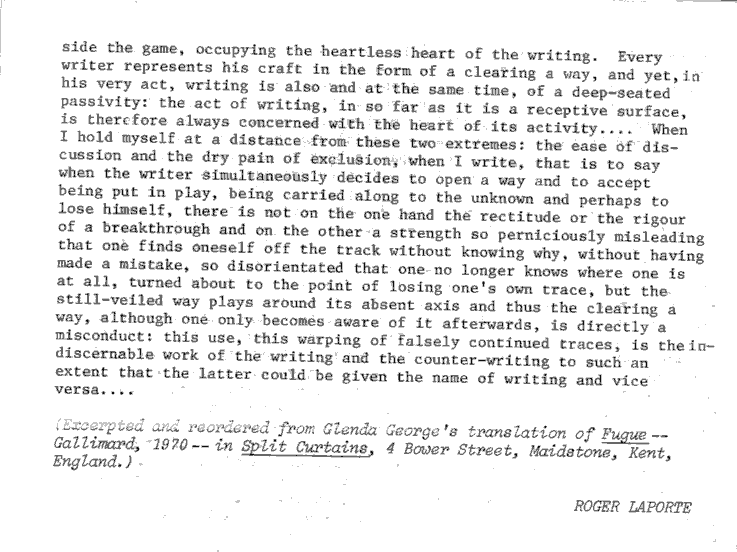
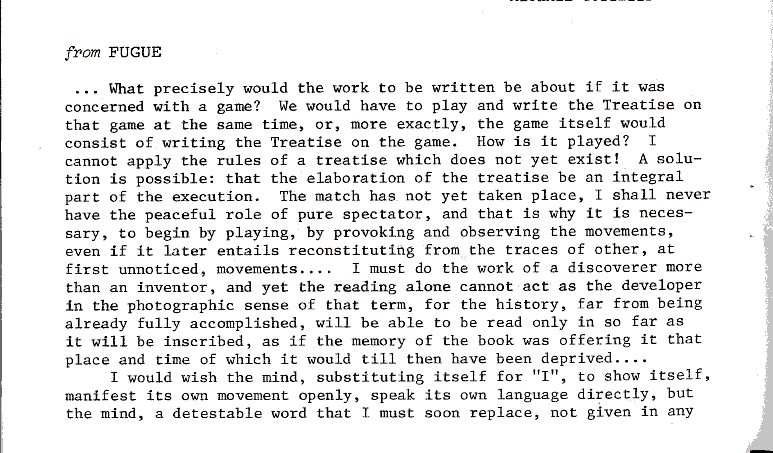
A rare translated fragment: from ‘Fugue’ (1970)

‘Fugue is a long monologue in which a narrator proposes to write a novel that would expose his experience of writing in its immediacy, that is, as he sets his hand down to write on the blank page. The narrator states that his purpose “is to write a book that would be its own content, a book that would produce and register its own elaboration”. His project is dictated, he says, by his intention to “reveal the inner workings of the thought process”. The metafictional theme of writing is maintained throughout the novel. It is in fact its fundamental organizing principle.
—-”In the fugal structure and in the novel, a single theme is present as a unifying element. In both, it is a base element that is “searched out”. In the case of the fugue, it is the multiple entries of, and variations on, the theme that expose its musical potential. In the novel, the narrator proposes various models that he hopes will shed light on the question “What is writing?”. Thus the fugal theme or subject, as it is also called, and the novel’s theme can be projected onto each other as counterparts. Particular features — both are monothematic compositions whose themes have a unifying function and provide the potential for exploration and development — are recruited to participate in the construct of a blended space.’

from Frederique Arroyas’ ‘When is a Text like Music?’ (read the entirety)


____________


for our French speakers

Extrait du chapitre consacré à Marcel Proust

On peut en revanche essayer de comprendre pourquoi chez Proust les expériences de mémoire affective s’accompagnent toujours d’un tel sentiment de félicité que sa propre mort, véritable hantise, lui devient indifférente. – Une expérience majeure, constante, partagée par Swann et par le narrateur, est celle de l’oubli. Donnons un seul exemple, mais particulièrement probant on sait quelle longue et très cruelle souffrance fut pour le narrateur le départ, puis la mort d’Albertine. Le temps passe. Le narrateur est à Venise. Il reçoit un télégramme : la signature, à la suite d’une erreur de la poste, ne porte pas le prénom de Gilberte, mais celui d’Albertine…. ce que le narrateur accueille avec indifférence, car son amour pour la jeune fille en fleur est complétement mort. Proust a raison de penser que non seulement nous oublions le passé, mais que notre moi d’alors, le moi par exemple de celui qui aimait Albertine, n’existe plus, du moins en apparence. Il n’est pas question de mésestimer le temps retrouvé, mais nul mieux que Proust ne nous apprend que 1a mort ne coïncide pas avec la fin de notre existence, qu’elle ne se réduit point au trépas, mais que nous ne cessons de mourir tout an long de notre vie ». Sans doute la mémoire affective qui s’accompagne toujours d’une bouleversante félicité, ne vaut-elle que pour Proust lui-même, mais qui, plus que lui, a souffert de l’oubli! A un ami qui part pour un long voyage, Proust écrit “il est triste de leur séparation, mais qu’il est encore plus triste à la pensée que dans un certain temps il sera devenu indifférent. Si Proust avait été moins vulnérable, moins sensible à l’oubli, à la mort de soi, il n’aurait pas éprouvé une immense joie en retrouvant un moment du passé complètement oublié, perdu en apparence à jamais, en ayant ainsi la preuve que la mort, n’existe pas dans la mesure où il se retrouve lui-même tel qu’il était alors. A présent nous sommes mieux à même, non de partager l’incommunicable, mais de comprendre la félicité proustienne.


Extrait du chapitre consacré à Georges Bataille

S’il on est Balzac, on peut s’aventurer, avec plus ou moins de bonheur, à résumer La Chartreuse de Parme, mais aucun des trois récits majeurs de Bataille ne saurait être repris en peu de mots; même faire des citations est impossible et d’abord serait ridicule. On peut seulement dire avec Marguerite Duras:

« Edwarda restera suffisamment inintelligible des siècles durant… le sujet d’Edwarda se situant en deçà ou au-delà des acceptions particulières du langage, comment en rendrait-il compte! »

Par je ne sais quelle inconséquence, quel manque de lucidité cruel, il est arrivé à Bataille d’écrire de volumineux, d’ennuyeux ouvrages de sociologie ou d’anthropologie, par exemple L’Erotisme, Histoire de l’érotisme… sans parler de La Part maudite, mais ces ouvrages ne nous touchent guère, car ils parlent de l’érotisme, mais précisément ils ne font que parler de l’érotisme, à jamais extérieur au livre. Chez Bataille, non pas l’auteur des traités d’anthropologie (auxquels il a consacré beaucoup de temps!), mais l’auteur de textes érotiques, comme chez nul autre, même chez Sade, l’érotisme et l’écriture sont « coextensifs » pour reprendre la judicieuse remarque de Denis Hollier. Ces récits sont inséparables de leur trajet, de leur mouvement – celui d’une « crue », bien mise en lumière par Lucette Finas -, de leur caractère excessif, de plus en plus outrancier : aucune barrière ne limite la fiction. S’imaginer qu’écrire de tels récits érotiques est une partie de plaisir est une naïveté et d’abord un contresens, car l’acte d’écrire, touchant à l’extrême, rencontre le danger, que naturellement Bataille ne fuit pas, mais tout au contraire recherche. Ici encore Denis Hollier voit juste lorsqu’il écrit :

« Pour Bataille, l’écriture est une pratique réelle de déséquilibre, un risque réel pour la, santé, mentale. La folie est contamment en jeu dans ce qu’il écrit. Mais la “folie” est précisément l’inimitable écriture sans règle ni modèle . »


Extrait du chapitre consacré à Maurice Blanchot.

Si écrire est lié, au silence comme à son destin, si « le silence est la seule exigence qui vaille, “ on comprend que Blanchot ait pu dire : « … de cette écriture toujours extérieure à ce qui s’écrit, nulle trace, nulle preuve ne s’inscrit visiblement dans les livres. – N’arrive-t-il pas à Blanchot de nuancer cette affirrtiation ? Dans un texte dont E. Levinas souligne qu’il a été écrit « d’une façon prophétique plus de six mois avant Mai 68 », on peut lire ces lignes de Blanchot : « De cette écriture toujours exitérieure à ce qui s’écrit, nulle trace, nulle preuve ne s’inscrit visiblement dans les livres, peut-être de-ci de-là sur les murs ou sur la nuit, tout, de même qu’au début de l’hommes c’est l’encoche inutile ou 1’entaille de hasard marquée dans la pierre qui lui fit, à son insu, rencontrer l’illégitime écriture de l’avenir, un avenir non théologique qui n’est, pas encore le nôtre”. Puisque le silence doit passer par l’écriture pour s’accomplir n’est-ce pas lui qui devient impossible ? Dans La Part du feu , commentant encore une fois Mallarmé, Blanchot cite ce texte : « L’aramature du poème a lieu parmi le blanc du papier, significatif silence qu’il n’est pas moins beau de composer que le vers. » Blanchot remarque que ce blanc matériel « est peut-être le dernier vestige du langage qui s’efface, le mouvement même de sa disparition, mais il apparaît davantage encore comme l’emblème matériel d’un silence qui pour se laisser représenter doit se faire chose, ce qui reste ainsi le scandale du langage, son paradoxe insurmontable ». Blanchot résume ce paradoxe en cette formule : « Tout proférer, c’est aussi proférer le silence. C’est donc empêcher que la parole redevienne jamais silencieuse. De cette impossibilité, Mallarmé ne s’est jamais affranchi. » On peut ajouter: de cette impossibilité Blanchot ne s’est jamais affranchi. Il y a chez Blanchot une nostalgie de l’effacement, un amour de la discrétion, une passion pour le silence qui n’échappe à aucun lecteur, mais, par une contradiction insurmontable, ce désir d’une parfaite absence ne cesse de se montrer, de se dire, sans pouvoir par conséquent jamais s’accomplir. « Si le propre du langage est de rendre nulle la présence qu’il signifie », mais si le silence parfait est inaccessible, que peut faire l’écrivain ? Se tenir dans cet entre-deux, aussi près que possible du silence, et c’est pourquoi Blanchot donne la préférence, en particulier dans son oeuvre de fiction, à toutes les formes de langage qui font penser au silence. Lisons dans Au moment voulu ce que le narrateur dit de Claudia « cantatrice sublime » : « Des voix liées harmonieusement à la désolation, à la misère anonyme, j’en avais entendu, je leur avais prêté attention, mais celle-ci était indifférente et neutre, repliée en une région vocale où elle se dépouillait si complètement de toutes perfections superflues qu’elle semblait, privée d’elle-même. Cette voix, que fait-elle entendre ? Contrairement au « pathétique des registres graves », la voix de Claudia laisse très peu entendre. Son amie lui disait : « Tu as fait ta voix de pauvre » on bien « tu as chanté en blanc “.

« Lorsqu’on a commencé à faire sa part au silence, il l’exige toujours plus grande »…

Excerpt (in English from Ian Maclachlan’s Roger Laporte: The Orphic Text


Roger Laporte @ Wikipedia
Roger Laporte @ Editions P.O.L.
Roger Laporte @ Éditions Fata Morgana
Roger Laporte @ Gallimard


_____________


ÉCRAN DE NUIT #031 | ROGER LAPORTE


FRÉDÉRIC-YVES JEANNET – UCHRONIQUE 50: ROGER LAPORTE


Roger Laporte Heidegger


*

p.s. Hey. ** David Ehrenstein, Hi. Thank you very much for the Nico personal backgrounding. I was at that Whisky show too, and  the indifferent reaction to Hardin was painful, yeah. As I’ve said before, I met Nico once. I was at the Pyramid Club in the early 80s. Jim Fouratt brought Nico and Ari into the club. He introduced her to me. She was visibly jonesing for dope and a sweaty, unwell looking mess. She immediately started pumping me as to whether I knew where she could score heroin. I said I didn’t know, and she lost interest in me and moved on to someone else. ** _Black_Acrylic, Hi. Thanks for thanking Jane! Glad you liked the post a lot. Oh, your Maggie Broon video is beautiful! Everyone, Go watch a short psychedelic video that Ben ‘_Black_Acrylic’ Robinson made about Maggie Broon, The Broons’ glamorous daughter in the DC Thomson comic strip, back in 2008, here. It’s surely not a surprise to you that I really like your flash fiction’s inspiration and title. ** Misanthrope, Thanks for thanking Jane. Well, we need govt. permission to leave our homes here too, and a serious reason to, and only for an hour, and only with 1 km of our abodes. The vast majority of businesses and eateries and all museums and galleries, etc., etc. are closed, so it’s not that it’s all that less stringent. The main difference is that it feels less post-apocalyptic because this time Parisians are determined to get out and have some kind of life rather than staying in hiding like last time. We had our version of Veterans Day yesterday too — Armistice Day. Same occasion, same deal, a day off, wreath laying, some pomp, no big. ** Sypha, Hey. I’ve always heard vague stories about Nico’s racism, but I’ve never heard a specific example laid out, which doesn’t mean there aren’t any. I would say ‘The Marble Index’ is my favorite of hers too, but I also have a big fondness for ‘The End’. ** Ferdinand, Hi, F. I’ve only seen ‘Nico Icon’, which I didn’t think was all that great, but lots of people seem to. ** Steve Erickson, ‘Nico 1988’ does not seem like a must-see. I agree about ‘The Inner Scar’. I understand he’s bit difficult about his earliest and best work, or can be. But the restoration, etc. is inevitable. I don’t know that Julianna Barwick, but the Enya comparison is not exactly an impetus to rush towards it for me. ** Gus, Hi, Gus! Oh, have I not responded did to an email from you. I’ll go find it. I am slow, and my laptop broke, and I had no email for several days, so I am behind more than even usual. Things are okay. I’m feeling a little under the weather today, which is eerie under the circumstances, but otherwise working and hanging in there. You? Still totally down to have that chat. I’ll go find the mail from you that I seem to have missed, and let’s sort out when and how to do that. ** Armando, Good morning to you. Mm, I think I maybe did one total Nico post on my dead blog, but this is the first extant one. Of course she features in posts about related filmmakers and stuff. The zoom chat with my old friend was very nice. He’s a composer, musician and sound engineer. We’re the two members of our high school gang who succeeded at what we dreamed we would do artistically. The Rennes trip was good, good to get away, gave Gisele feedback on the current incarnation of her new theater piece and then straight back to Paris. A quickie. ‘Victoria’ sounds awfully good. I’m on it. Today my plan is reverse course on having woken up feel just slightly sickly. And buying cigarettes and food. Pretty much it. You, yours? ** Okay. Today’s restored post is quite old, and, sadly, Roger Laporte remains as overlooked now as he was all those years ago. So here’s my second attempt to do what little I can to try to reverse that neglect. See you tomorrow.
Thomas Moronic presents … An interview with a former writer of Hanson fan fiction *

* (restored)
—-


I was doing some research recently for a piece of fiction that I was thinking about doing in the future, about a character who wrote fan fiction on the internet. I read through some of the various slash fiction sites that are scattered around the web for ideas. I remembered that a good friend of mine once said that when she was younger, she wrote fan fiction about the band Hanson. So I asked if I could interview her about the motivations behind writing that particular type of thing, it’s place in her life at the time and teenage obsessions. I find anything related to obsessions and fandom really interesting so I thought I’d post the piece here.

Also, this piece is dedicated to my friend and distinguished local, the incredible artist, Michael Salerno aka Kiddiepunk. He’s used Hanson as inspiration and muse for various pieces of his work, so I thought he might dig this.

Enjoy, TM x


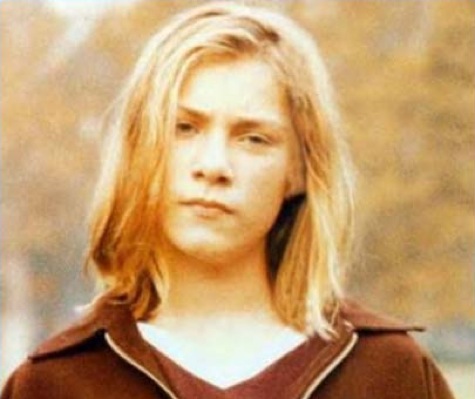
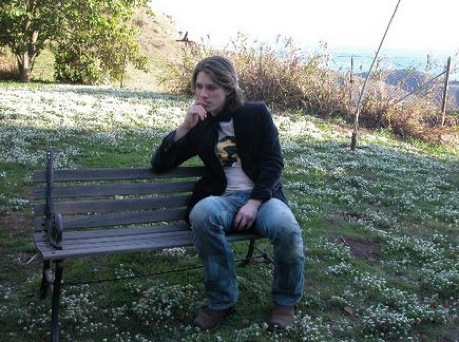
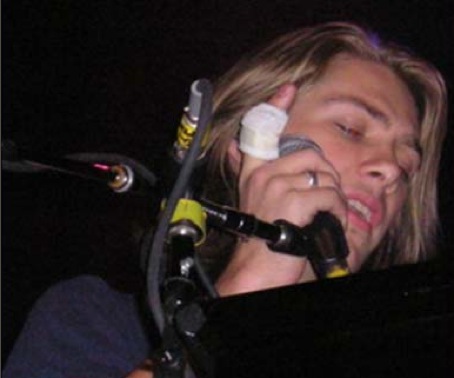
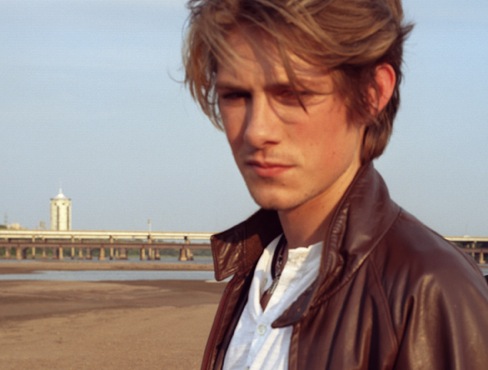
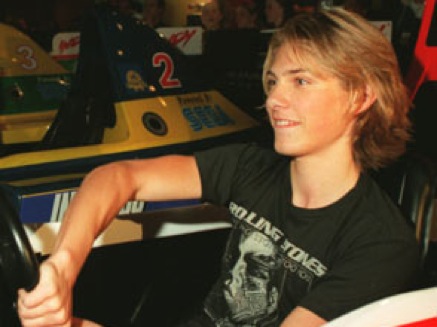
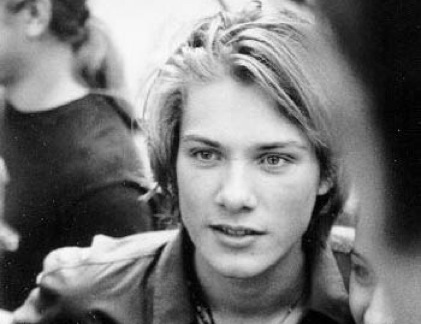
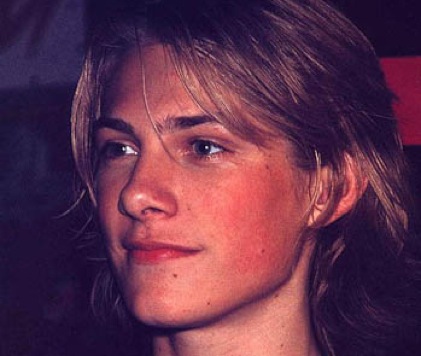
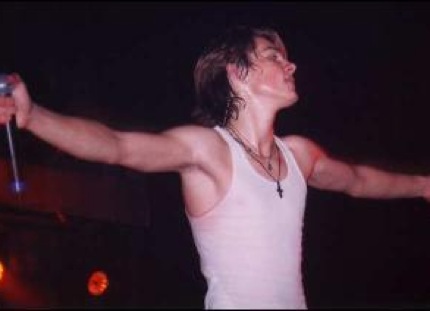
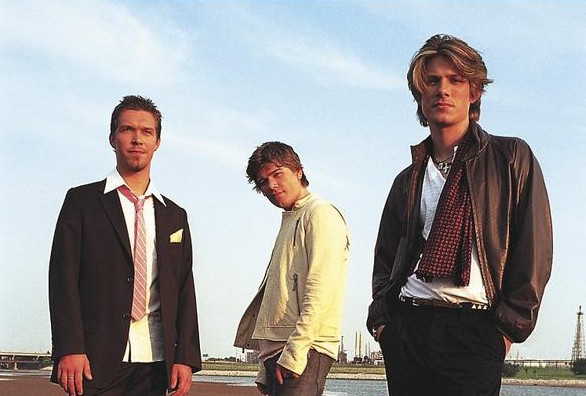
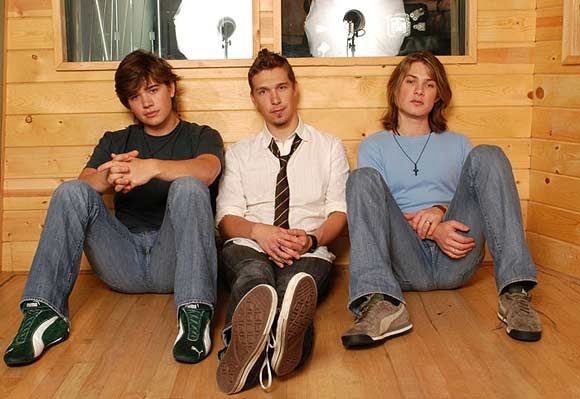
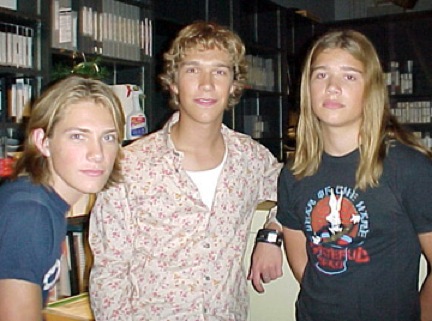
Hanson in the early days


So how did you get into fan fiction?

I stumbled onto it, I mean, gosh, it was the birth of the internet really, like 1996 maybe, 1997.

So you were 13, 14 or something at the time?

Yeah. My parents had just got AOL at the house, and so I was learning about chatrooms and all those things and I was just curious.

Did you read other people’s fan fiction before you did your own? Is that what made you first think about writing some?

Yeah. It was all the same kinda genre. It mean, it was all Hanson orientated. I didn’t read about other subjects. It started in May 1997 when I was in my 8th Grade Social Studies class. It was the very end of school, and we were all kinda restless and that’s why we were able to put on MTV, in the classrooms, ha.

You mean it was the end of term?

Yeah, because in Texas we finish at the end of May. And so it was the end of May and MMMbop came on and I remember just really liking it and thinking that the boys were cute and everyone else was making fun of them and saying that they were girls, and I was just like “why are you saying that? They are not!” Hehe. I just really liked them. That’s when I took an interest.

In high school I was listening to fairly different music by then but I remember I secretly buying that single because I liked the picture of Taylor Hanson on the front.

Yeah, he was my Hanson of choice, too.

When I was younger I’d listen to an album that I really liked, and just stare at the artwork on it, and take in every little detail about the liner notes, and I always felt like that wasn’t enough in a way. Because I would love the music so much and it would mean so much to me that listening wouldn’t do it – I guess because I loved it so much I wanted to feel more a part of it, you know? I mean when I was a teenager I really loved Hole, and I’d sit and listen to their records and write out all the lyrics to each song, just because it seemed like a way for me to do something extra, show how much their stuff meant to me or something – I mean it wasn’t much, but I guess it made me feel less passive in the whole thing, you know? I wonder if that’s similar to what you were doing with the fan fiction maybe?

Yeah, it makes you feel closer to it or something. And I think when you feel connected to something, you somehow want to give back to it almost and become involved with it. And I knew that I’d never get to see them in concert. I was down in South Texas, and they wouldn’t tour down that path. They’d play maybe Houston or Dallas, but I knew none of my friends would want to go with me and I didn’t want to go with my mom. So I knew I wouldn’t see them. So the fan fiction was part of me connecting with them in some way. You know I could rattle off to you thousands of facts, birthdays, and things that I still remember about them, really weird things like their favourite colours.

What were their favourite colours?

Taylor’s favourite colour was red.
Isaac’s was blue.
Zac’s was green.

When was Taylor born?

I think it was like March 13th or something, because he was only a few months older than me. We were both born in 1983 and that was very significant. I mean when you’re 13 or 14 years old you’re not going to date someone much older. At least where I come from. Taylor would have been in my grade at school, you know? It was like, he could be someone that I would know.

So the age of the band was something that attracted you to Hanson?

Yeah, definitely and just their success in music, and I just really liked their songwriting.

I know you play music yourself, right?

Yeah but at that age I hadn’t. I’d only sang in Church choirs and stuff at that point. My mother was a music teacher, so I did grow up around that stuff, but in terms of Hanson, I’d never listened to a lot of bands. I mean, my parents would put on stuff like Simon and Garfunkel but that was the extent of it. I guess I’d mainly had a typical southern upbringing with Christian and country music. I wasn’t one of those kids that totally identified with like, Guns N Roses or something like that, you know? I didn’t really care about pop stuff, I didn’t really care about pop groups, so Hanson were my gateway into other music.


Yeah and I guess in some ways that Gateway band always stays with you. I remember the first punk type thing I ever got was this album called Troublegum by an Irish band called Therapy? And that led me in a lot of other directions, like I’d read interviews with them that led me to stuff like Sonic Youth or Husker Du, but I still remained really fond of that album because it had, as you so rightly put it – they acted as a “gateway” for me. And I guess anything like that, in your formative years or something, your first experiences of certain things, I mean musical, sexual, whatever – the first time you experience something it leaves an impression that can last a really long time, indefinitely almost.

Yeah I definitely think it is that. Like that first time you have a major crush on someone, for me it was Taylor, and the him being involved with a band. And those feelings were all really new and I was experiencing them for the first time. I think that was maybe why I was writing about them too, because I wasn’t actually experiencing them in real life even though I had all these feelings about them. So for me it was a way to investigate those feelings and explore them, kinda secretly for myself. But I was able to put it out there and also hide behind the wall of the internet, behind my screename. It started off with me and my friend Katie, because she liked them as well which is how it all started. We formed the beginning of the first novel. I ended up doing two novels and beginning a third.

Novels?

Yeah, well whatever a novel is for a 13 year old. I mean, just like a hundred pages or something.

Wow. I hadn’t realised how big the pieces were. I thought you’d just done a couple of Hanson related short stories or something.

I’d post new chapters each week. Sit at home and work on them on Microsoft Word, you know.

Where are the novels now?

There is one hard copy of each, but I guess they’re back in Texas.

Are they still online, too?

I really don’t know. I mean I know that in some ways everything in cyberspace exists forever but I’m not sure if anyone could still access those things.

So people read your stuff regularly?

Yeah, I had people subscribing and I’d post new chapters each week. It was a regular activity for me. But I kept it all very secret because I was so ashamed, because I was made to feel ashamed for liking that band so if anyone every knew how much I liked them, and that I was actually involved in their online community and I was linked to a billion different Hanson sites, you know? I had lots of people emailing me about the stuff. And the third novel which I think would have been really interesting: I had different people email me profiles of themselves and I was going to turn them into characters in the book, so they could get to interact with Hanson. But I never got round to finishing that because I was about 16 by that point and I was growing out of it and I was actually experiencing really dating a guy and it started to feel like you know – I didn’t need that stuff anymore. I guess when I started to feel more like I had my own life and had my own relationships I felt like I didn’t need to compartmentalise this other secret stuff. But I’d been so ashamed of it. I mean, I was such an ungrateful child, like one Christmas my dad got me this Hanson T-shirt and I was just mortified and so ungrateful and I said something like “You think I’m going to wear this? Why would you buy this for me?” and my dad said “Well you know, you could just sleep in it or something? You don’t have to wear it out” and I was like “I will never wear this shirt”. I was so ashamed. This band was just a joke to my peers and if I liked them it would almost make me a joke. Anyway of branding myself publically with Hanson was not good.

Can you tell me about what happened in your novels?

The first one involved this main character, I can’t remember her name, and she had very tight nit nuclear family similar to what mine was like. There was a car accident and the parents died and the sister was in a coma. My character got sent to live with an aunt in Tulsa, Oklahoma, and the sister was sent to a hospital there. And the Hanson family moved in next door, and that’s a family with seven kids and the three oldest were the guys in the band. So they moved in and the novel was about this relationship being built with the new neighbours. It was very real, and so I wrote that the band had to go on tour and stuff. The sister woke up out of the coma and we all made friends and relationships began and my character started dating Taylor, I really identified with the main character obviously, haha. My sister started dating Zac. I don’t even remember how it ended, I think it was just a happy ending, probably very loose. The next novel was a bit more interesting to write. Hanson were discovered at the South By South West music festival which is in Austin. And I was in Austin, I was a kid in Austin when they were discovered. When they got big I was in a different city, I was in Corus Christi. So I used them being discovered in Austin and I used the fact that my dad was a Methodist minister, in the story. In the story they were there for the festival and their family decided to take them to church one Sunday, so they turn up at my father’s church. That story started with them at a younger age, and my parents invited the family over to our house for dinner, and I mean there was no sexual thing in it at all. And then the band went off on tour, and they’d come back when they were a little older and that’s when the relationships would form. I think my character actually died in that one. I got electrocuted in a pool.


Woah…

Yeah, haha. Well I think I just needed to end the story. So I wrote that I was in a pool and there was a thunderstorm and lightning struck the pool.

So you were Taylor’s girlfriend in that story as well?

Yeah and there were all these storylines about the struggles of them being on the road and trying to keep a relationship through that.

It’s interesting. I mean with the first novel it seemed like maybe it was more about just the process of writing it – a big splurge of you writing about Hanson. And then as you were growing older and starting to think about that stuff more the stories starting using Hanson as a way for you to work through your feelings more.

Yeah.

But you never completed the trilogy.

No. I mean looking back I think that the reason I had so many readers was that we were all a bunch of girls around the same age all wanting the same thing, with the same desires and urges. You hear it all the time that men are more visual and women are more emotional, and I think it was a way for us to cope with those certain emotional needs. And Hanson were really clean cut, you know? It was very middle American, very happy music. So I mean, I wasn’t fancying Jarred Leto or whoever, or the bad guy, the rebel, the type of guy who my other friends were fancying at the time. Taylor seemed really positive, so it made sense to like Hanson.

Did you ever meet up with any of your online Hanson friends?

No. It was all online. Nobody knew about it, not even my best friends. It was years before I told any of my close friends, haha. It was a big secret for a long time.

You finally got to see them play in the UK, right?

Yeah I saw them play in Glasgow. So I went, having never seen them when I was really into them. I met all these girls who were my age who had had similar teenage obsessions, and had probably gone on websites and had probably written their own stuff. So it felt very dorky and it satisfied that need that I had from such a long time ago. And I’ve never had that need to go and see them since.

I guess it was like reconciling something with the teenage you? You know, accepting part of you. Which I think is important, whatever the subject matter. I mean, I used to struggle when I was a teenager, but I think as you get a little bit older, if you can feel some sympathy for your teenage self then that can be a really helpful and positive thing.

Yeah, I was accepting that part of myself, being honest with myself. I mean people still made fun, hehe, but it was nice you know? It didn’t matter. There’s always that cringe factor. But I mean, getting to see them in my 20s was like closure on a teenage part of me.

The fan fiction had given you a space outside of yourself to work stuff out.

Yeah. Well the first novel was called Almost Perfect. And that’s what I was doing, writing about ideals.


Hanson today

—-


*

p.s. Hey. ** Ian, Hey, Ian. Thanks a bunch. I haven’t read ‘Lila’, but ‘TPART’ is great. James M. Cain’s prose is so chewy and awesome, never more so than in that novel. Excellent about the progress with your story and the launching of the new one. My imaginary champagne is being uncorked at the finish line. And thanks about my trip. Heading off in about an hour. Take care. ** David Ehrenstein, Hi. Ah, yes, thank you ever so much for your knowledge and the sharing of your experiences with Clarke. I hadn’t know you knew her so well, that’s amazing! I believe we all have power, whether it’s confined to one and one’s house pet and/or within a tight circle of friends or whether it’s vast and effects the world like Trump’s. I think it’s important to acknowledge and gauge one’s power as a means to handle it responsibly. ** Dominik, Hi, D! Yeah, normally my life is pretty asocial or at least doesn’t involve large gatherings of people, so I feel pretty protected. But I guess the odds of getting COVID on a train ride must be very low, so I’m going to just stay tightly masked and bury my face in a magazine. I haven’t read ‘2666’, mainly because Bolano was such a big deal and talking point for a while there that it kind of put me off, but that’s settled, and I think everyone I know who’s read ‘2666’ thinks it’s genius or close to that, so I need to get on that. Soon. Let me know what your verdict is if you stick to it. Goes without saying that your love is greeted with my head upturned and mouth very wide open. Love like a magic, wish-fulfilling wand that fits in your hand like a lit cigarette fits in mine. ** _Black_Acrylic, Hi, Ben. Ah, interesting to see the building that anchors all that beauty. March, wow, yeah, centuries ago. ** JM, Hi, Josiah. And I guess it goes without saying that said actor can’t be replaced because otherwise he would be. Ah, man, so no clear cut solution other than to hope the audience doesn’t notice? ** Bill, Thanks, man. There are some excellent films amidst her work’s body. Okay, ‘Possessor’ sounds doable then, and I won’t expect revelations. I don’t know ‘The Dark and The Wicked’. That title’s a little warning sign-like. It’ll be nice to get out of Paris today if nothing else. Been (and will be) stuck here for fucking forever, it feels/seems like. Bon day, pal. ** Right. Today you get a golden-locks-ed but possibly still relevant oldie from quite a few years back created by the supreme writer and d.l. Thomas ‘Moronic’ Moore. See you tomorrow.

« Older posts Newer posts »

© 2026 DC's

Theme by Anders Norén — Up ↑