* (restored)
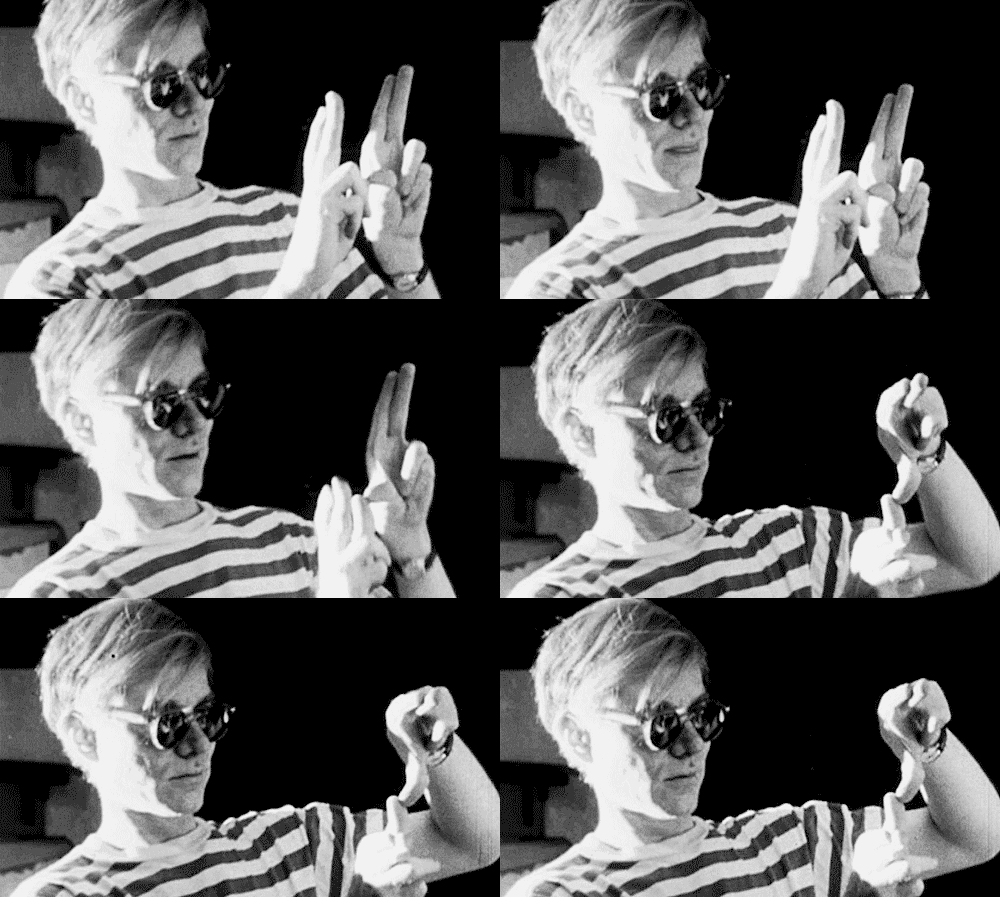
‘More talked about than seen, more emulated than admired, Andy Warhol’s films will probably survive as legends rather than as living classics that people will want to see again and again. Currently, there is a fairly broad consensus that he is among the most important, provocative and influential filmmakers of the sixties. To the general public, he is best known as the originator of the marathon motionless movie, whose petrified camera dutifully records an inactive image, and as the purveyor of voyeuristic nudity, obscenity, homosexuality, transvestitism, drugs and various other X-rated activities.
‘But to art and cinema connoisseurs Warhol has scored many conceptual coups and stylistic innovations: some see him as a “primitive” who has taken cinema “back to its origins, to the days of Lumiere, for a rejuvenation and a cleansing” (Jonas Mekas); others see him as an especially gifted recorder of “the seemingly unimportant details that make up our daily lives” (Samuel Adams Green). A lot has been made of how scrupulously he records ordinary events “as they are,” and of his beneficent inclination to let his performers just “be themselves.” Finally, there has been a great deal of emphasis on his equation of real-time with reel-time – if it takes a man three minutes to eat a banana, that slice of life is filmed and projected for three minutes without cuts. But far from being literal transcriptions of reality, Warhol’s films are more inventive, artificial and art-directed than some of his admirers would like to believe.
‘Warhol made his debut as a filmmaker with fortuitous timing. Being familiar with avant-garde painting, sculpture, music and dance, he was able to approach film with a broader and more sophisticated outlook than was available to most “underground” filmmakers. Some of his initial experiments in 1963 were with single-frame shooting (photographing one frame at a time with a hand-held camera) a stylistic technique already employed by several independent filmmakers, such as Stan Brakhage, Gregory Markopoulos and Taylor Mead. But he soon realized that long takes were the antithesis of what was by then an accepted convention and so he began making “motionless” movies. Bringing movies to a standstill had less to do with investigating the fundamental nature of film than it had to do with the exploration of a then-emerging esthetic – the Minimalist esthetic. He had already experimented with monotony in paintings made up of images identically repeated in regimented rows; and his Minimalist inclinations were reinforced by his awareness of several musical works: John Cage’s notorious “silent” composition, 4’ 33″; La Monte Young’s “eternal” drone music; and the eighteen-hour performance in 1963 of Erik Satie’s Vexations, an eighty-second piano piece repeated 840 times.
‘The first phase of Warhol’s quasi-fantastic vision was of a spaced-out, slow-motion world in which people really do sleep eight hours, while others devote nearly as much time to such lethargic inactivities as eating a mushroom or smoking a cigar. This is a silent world, rendered in contrasty black-and-white, and stripped of any incidental interest and climax. It is usually inhabited by a single performer, seen frontally and in close-up, whose luxury and torment it is to while away an eternity of time on some simple, relatively meaningless task. The camera is stationary, the image seldom varies within the frame, and any movement, action or facial expression is decelerated to such a sluggish pace that it begins to exert a trancelike effect on the viewer – who, like the person on-screen, feels victimized by torpor. The effect is of a microscopic detail that is senseless in itself but acquires significance through magnification and persistence. Staring at the immobile and inexpressive face on screen, the viewer may think of all the worthwhile things he should be doing instead of sitting here bored out of his mind. Suddenly, the face on screen is charged with melodrama; the performer has uncontrollably blinked or swallowed, and the involuntary action becomes a highly dramatic event, as climactic in context as the burning of Atlanta in Gone with the Wind. (Warhol once said his best actor was someone who blinked only three times in ten minutes. Question: Aren’t you confusing blinking with acting? Warhol: Yes.)
‘The notion of introducing stillness to movies was a radical idea. No one had to see Sleep to be provoked by the very concept of such a movie. The fact that Warhol’s early films are still talked about more than they are seen can be interpreted as their strength, demonstrating the power of the idea, or as their defect, suggesting they do not transcend the idea. However, anyone who has actually sat through the films knows how words fail to convey the experience. Consequently it would be wrong to say that Warhol’s films are so conceptual that they can be adequately described or experienced in words.
‘After the outraged reception of Sleep, Warhol deliberately set about filming movies of exaggerated length. In most movies, time is compressed so that lengthy activities appear of much shorter duration; but in a Warhol movie, inconsequential activities are prolonged so that the minutes seem to drag like days. To begin, with, the duration of the filmed action was totally artificial. Who in his right mind spends forty-five minutes eating a mushroom? Warhol instructed his performers to remain as motionless as possible, and to prolong their actions as long as possible. To stretch out the time even further, Warhol frequently films the scene at sound speed (twenty-four frames per second), then projected it at silent speed (sixteen frames per second), so that whatever movement the image might be capable of was shown in protracted slow motion. “When nothing happens, you have a chance to think about everything,” Warhol explained.
‘The second phase of Warhol’s vision began in 1963, when he started experimenting with sound, color, camera movement, action, narrative and editing. In this phase, the performers became interesting as personalities. Warhol presented a highly selective gallery of gorgeously gaunt, stylishly garbed and imaginatively barbered young men and women who languorously display themselves, but seem reluctant to put their often appealing bodies to any constructive or even self-satisfying use; they spout tedious monologues, as if unwinding from some pent-up paranoia that can be dispelled, or maintained, only through the recital of all their problems, past and present. These sometimes droll, sometimes pathetic monologists seem quagmired in unsatisfactory roles or situations, and apparently the only way they can sustain their gossamer fantasies is by trying to convince us of their veracity. But their self-image is askew and, like some manic individual striving to keep a grip on reality, they maintain an obsessive stranglehold on their only audience – the camera. Their whole world threatens to slide into oblivion at any moment, and even the riveting gaze of the camera cannot seem to secure it.
‘The manufactured chitchat and confessional soliloquies seem endless. During the screening of Sleep, members of the audience sometimes ran up to the screen and yelled in the slumbering man’s ear: “Wake Up!” The interminable chatter in the later movies makes people want to scream: “Shut up!” But suddenly, the interminable story trails out in mid-sentence, just a few words before the possible punch line, as the over exposed and lank end of the reel passes through the projector. We are left wanting to know the conclusion of the monologue we could not bring ourselves to listen to. We are made to feel the regrettable transience of what had seemed an excruciating boring scene. Those ridiculous people with their tiresome sagas emerge in retrospect as poignant creatures who deserved more of our sympathy and attention.
‘The feeling of impermanence is one of the strongest impressions left by Warhol’s films. No matter how static the image, no matter how lengthy the monologue, no matter how tedious and unendurable the movies seem while we watch them, we are left with a sense of their brevity.
‘Even the physical record of Warhol’s cinematic achievement is beginning to look impermanent. From 1964 through 1967, Warhol’s film production was prodigious. Scores of movies were shot, but entire reels and projects were abandoned, and only what was felt to be successful was publicly shown. No authoritative record was ever kept of titles, dates, number of reels, cast and collaborators. Reconstructing the data now is largely a matter of guesswork, although a few attempts have been made to catalogue the oeuvre. The studio film library presently consists of miscellaneous cans of prints randomly stacked in steel cabinets at the rear of the Factory. (Warhol has put the original films in storage, where they are probably in even greater disorder.) Nevertheless, many of the films have been damaged, or have totally vanished; even the original print of Sleep is missing. In other cases, such as the twenty-five-hour-long **** (Four Stars), cans of films are present, but nobody has any idea in what sequence they were originally shown. The casual attitude toward shooting the movies carried over into their projection. Even in regular screenings at commercial theaters, the reels were inexplicably jumbled, or one reel was deleted from one showing but not the next, leading to such wholesale variations that some reviewers began citing the date and hour of the performance they had attended. It is unlikely that very many of the films will ever be accurately reconstructed as they were originally screened – which is symptomatic of the “benign neglect” with which Warhol treats all of his work.
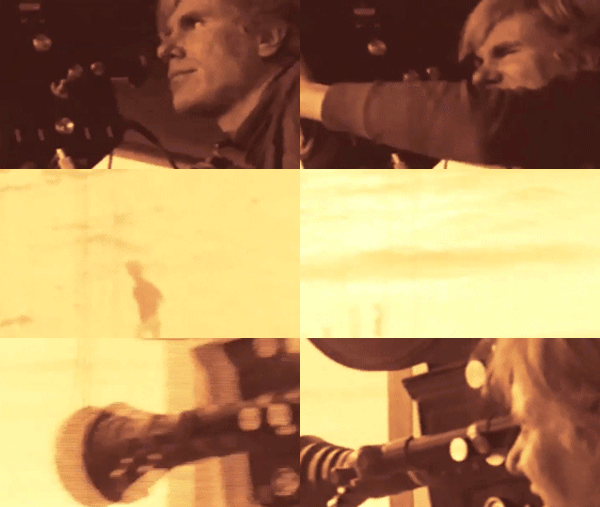
‘From the beginning, Warhol was a shrewd and canny photographer who knowingly got the effects he wanted. He expended considerable thought and effort on the proper lighting, angle and setup. In the early movies, he favored strong sidelighting with harsh shadows, and most often concentrated on the frontal image (the most informative and iconic angle), which he centered and tightly framed. Once he had a satisfactory setup, he could turn on the camera’s motor and walk away. Later he experimented with zooms and pans. “His zooms are perhaps the first anti-zooms in film history,” according to to Andrew Sarris, for whom “Warhol’s zooms swoop on inessential details with unerring inaccuracy.” They seldom correspond to any ostensible narrative or presumed story-line, and seem deliberately inattentive to the on-screen action, often missing significant moments. During the shooting of one scene of Lonesome Cowboys in Old Tucson, Viva was nearly urinated upon by her antagonist’s horse and then, losing her footing in the mud and falling against the hind legs of her own horse, nearly trampled upon. Warhol missed both events because he was zooming in on a storefront sign across the street.
‘The sound in Warhol movies, though steadily improving, is still below professional standards. Warhol claims that the bad sound was at first done deliberately, because clear sound was too expensive. More likely, good sound was never really considered a desirable virtue. When Sleep was first shown, the accompanying sound was provided by two transistor radios on stage, tuned to different rock stations. When Warhol was invited to show four films at the 1964 New York Film Festival, he commissioned La Monte Young to compose a taped soundtrack that could be used for all four – the droning sound of a bow being played over a brass mortar. Now that Warhol turns the camera off and on during a sequence, he does it without regard for what the performers are saying, so that dialogue is arbitrarily punctuated and blipped without concern for content.
‘At first, Warhol refused to do any editing. Entire reels might be deleted, but there were no internal cuts within a reel. All the reels were spliced together, end-to-end, including the blank film leader, so that the image was interrupted every three minutes or so by over-exposed reel ends, and then flashes of clear light, which became a kind of dynamic interlude between sections of the static image, giving a sense of structural rhythm to the film. Later, he began turning the camera off and on during a sequence to make the film look cut and also, he says, “to give it texture.” Purists, who admire the unedited reality of early Warhol, are distressed that he now stops the camera. “Since everyone says I never stop the camera,” Warhol said, “I stop it now, start and stop, and that makes it look cut.” To make certain it looks cut, he does not splice out the frames of blank film between scenes that a professional filmmaker would delete. Consequently, when the movie is shown, there are intermittent white flashes, accompanied by a screech on the soundtrack. The strobelike effect has been dubbed the Warhol “strobecut,” although technically it is not a cut at all. Like the zooms, the strobecuts do not necessarily relate to anything at all on-screen, but they often make us suspect something has been deliberately eliminated or censored. For the past few years, real editing has been performed on Warhol films in a attempt to make the movies faster-paced and more entertaining.
‘Over the years, scores of people have contributed their ideas and services to Warhol’s movies. In addition to being unusually receptive to other people’s suggestions and talents, Warhol has always demonstrated an unstinting willingness to let others collaborate with him. The most enduring and therefore most important collaborator is Paul Morrissey, an independent filmmaker until he joined forces with Warhol in 1965. Morrissey served as executive producer, scriptwriter, editor, one-man crew and business manager, and in 1968 began making his own movies under the aegis of Andy Warhol Films, Inc. Morrissey’s influence on Warhol productions has been stabilizing and conventionalizing. Under his guidance, there has been a greater emphasis upon narrative (erotic stories with “redeeming social value”), technically competent camera work and sound, better-paced editing – and more routine ambitions. Morrissey’s own films, Flesh and Trash, are slick, formularized versions of Warhol’s films – but more professional, and more entertaining. Both Flesh and Trash have achieved commercial success.
‘”My influence was that I was a movie person, not an art person,” says Morrissey. “An art person would have encouraged Andy to stay with the fixed camera and the rigid structure. Andy’s form was extremely stylized, and people though the content was very frivolous. My notion was that the content is what is said by the people and how they look. The emphasis now is less or very minimally on the form and all on the content. And of course modern art is completely concerned with form and the elimination of content. In that sense, Andy is completely against the grain of modern art, and more in the tradition of reactionary folk art. You can only be a child so long and be revolutionary, and Andy served his apprenticeship as a revolutionary in the art world and in the movie world. But it’s pathetic to see a person not develop and not grow.”
‘Although schematic plot outlines are usually decided upon in advance, Warhol’s performers are expected to improvise their own dialogue. “Professional actors and actresses are all wrong for my movies,” says Warhol. “They have something in mind.” According to Morrissey, it is television that has eliminated the necessity of speaking written lines in front of the camera. He marvels that movie actors are able to speak freely on television talk shows, yet freeze before a movie camera because they are unaccustomed to working without a script. There is complete unanimity in the Warhol company that performers should be capable of making up their own lines. “How can people read other people’s words?” Warhol asks. “It sounds so phony.” Morrissey, who is more doctrinaire, declares, “If an actor can’t make up his own lines, he’s no good.” Viva, a supreme monologist who describes herself as “the last dying gasp of verbosity,” reminds listeners that “Mae West also wrote her own lines.” As Viva puts it: “Men seem to have trouble doing these non-script things. It’s a natural thing for women and fags – they ramble on. But straight men are much more self-conscious about it.”
‘It is sometimes assumed that Warhol simply pushes people in front of the camera and “lets them be themselves.” This impression is seemingly corroborated by his statement quoted by Gene Youngblood: “I leave the camera running until it runs out of film because that way I can catch people being themselves. It’s better to act naturally than to set up a scene and act like someone else. You get a better picture of people being themselves instead of trying to act like they’re themselves.”
‘But very few people manage to be “themselves” in front of a camera. Warhol lets his performers be “themselves” in roles that correspond to their own characters. He selects people whose looks and personalities almost – but not quite – coincide with the characters he wishes to create. Most often, it is the discrepancies in the the behavior of a person trying to impersonate someone similar to himself that register most vividly. Warhol has a ringmaster’s ability to make his egocentric superstars expose their private selves. But his most diabolical ploy comes into effect when he deliberately goes one step too far, by asking the performer to do something that the performer thinks is degrading or contrary to his nature – for instance, getting slapped around, or fondling someone of the opposite sex.
‘”People always think that the people we use in our films are less than something,” says Morrissey. “Actually everybody we use has to be a thousand times extra to stand up to our kind of filmmaking. Our people are more than actors..”
‘Perhaps the only viable generalization that can be made about Warhol’s people is that they do not represent a broad cross-section of Middle America. The range of personality types is surprisingly narrow, and apparently conforms to certain Factory stereotypes. The male roles generally fall into three groups: (1) handsome brutes with splendidly faceted face planes and good muscular definition (Joe Dallesandro, Louis Waldon, Tom Hompertz); (2) raunchy but comical homosexuals who talk as if they had ravenous appetites for sex and drugs but look physically incapable of obtaining either (Taylor Mead, Ondine); and (3) transvestites (Mario Montez, Candy Darling, Holly Woodlawn). The female roles are only slightly more typical: (1) idealized, immaculate beauties who do not have much to say (Nico, Edie Sedgwick); (2) bawdy beauties who talk too much (Viva, Jane Forth); and (3) overweight and overstimulated grotesques (Brigid Polk, Lil Picard, Tally Brown). Most of the characters depicted in Warhol’s movies exist on the fringe of society, being societal dropouts or rejects who go on having middle-class values and aspirations. They are not even good at what little they can do. The best-looking men tend to be impotent, and the best-looking women had trouble bedding any man at all. And the transvestites are tacky, with make-do hairdos, runs in their stockings and no falsies.
‘Often condemned for advocating nudity and homosexuality in his movies, Warhol now finds himself scorned by a younger generation which demands even more sexual liberation. He has managed to antagonize both the Women’s Lib and Gay Liberation movements, which lump him among their many reactionary foes. According to Morrissey, “Andy is despised by Gay Liberation and the Women’s Revolt, whatever it is, because Andy just presents it and doesn’t take a position. An artist’s obligation is not to take a position ever, just to present. Andy’s basic position on every subject, if he has any, is comical. The absence of a position necessitates a comical attitude to make it bearable. And the most serious position a person can take is the frivolous position.”
‘Warhol recently completed a film on the subject of Women’s Lib that will not endear him to that movement, because the cast is comprised almost entirely of transvestites, at least one of which impersonates a lesbian. Around the Factory, this role reversal is considered quite amusing. “It’s hard for Andy or any of the female impersonators to put down the movement,” says Morrissey, “because it’s a subject that neither Andy nor any of the female impersonators have the vaguest notion about. I don’t know anything about it either. I hear a little bit about it on the talk shows – equal pay, etcetera, blah blah. But the logical extension of what they obviously want is to be a man, so why not have men represent them?”
‘Warhol’s interest in film appears to be fading: he is less productive and his few film projects are less ambitious. It is difficult to determine whether his present lethargy is a temporary rest period, or a lasting consequence of the monstrous murder attempt of 1968. He exhibits almost none of the creative drives and ambitions that motivated him before he was gunned down. Despite his camerawork on Blue Movie and the unreleased Women’s Lib movie (the last films he has photographed himself), he increasingly presents himself as an executive producer, a remote movie mogul whose chief interest is the supervision of an efficient and profitable production company. (Jed Johnson, an intensely quiet young man from California, who has worked at the Factory for three years, now edits and photographs some of the new films.) But when Warhol is not gloating over his supposed retirement from active movie-making, he makes vague murmurs about wanting to do something experimental again.
‘For a few years in the mid-sixties, Warhol displayed such incredible energy, produced so many paintings, sculptures and movies, that it seems almost unreasonable to expect more from him. From 1964 to 1967, he went through a rapid turnover of cinematic styles – from the stately Giottoesque stability of the early films, to the baroque superimpositions of the middle period, to the episodic sex narratives that culminated in the suppressed Blue Movie. In his early films, Warhol deliberately innovated certain conventions for extending and redefining our notion of reality through his unique treatment of the duration of time. But to my mind, the later works are more vibrant, intellectually more challenging and visually more satisfying. His camerawork reached a creative height in **** (Four Stars) with superb color photography and brilliant in-camera editing that he has not yet surpassed.
‘It is a tribute to his originality that his films have had an overwhelming effect upon an entire generation of younger experimental filmmakers, and that they have also had an influence upon such strongly individualistic filmmakers as Jean-Luc Godard, Agnes Varda, Norman Mailer and Shirley Clarke. But more important than the matter of influences is the fact that from the hundreds of reels that passed through his camera there emerged so many dazzling images and memorable scenes – a fragmentary but nonetheless valuable contribution to cinematic art.’ — David Bourdon
____
Stills

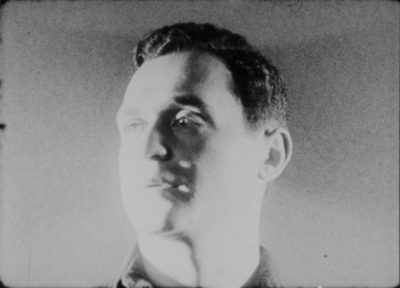
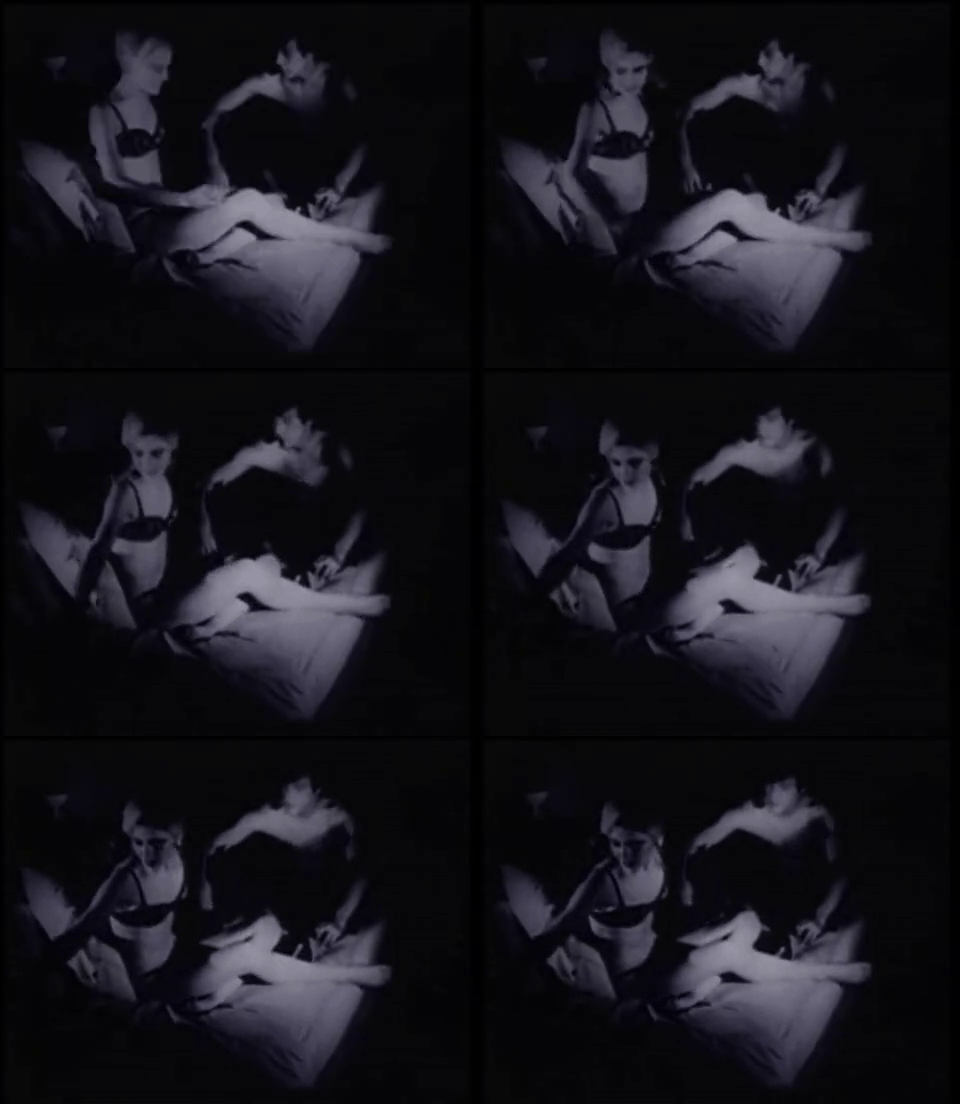
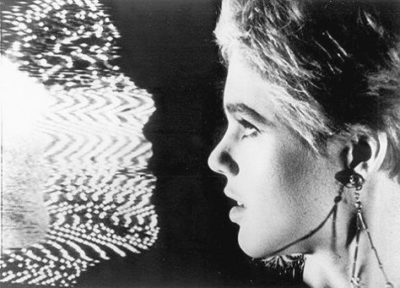
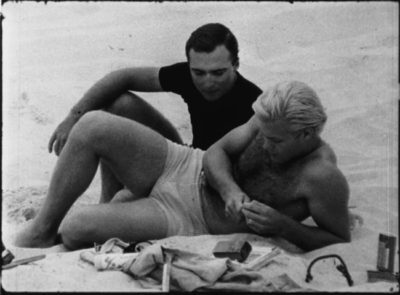

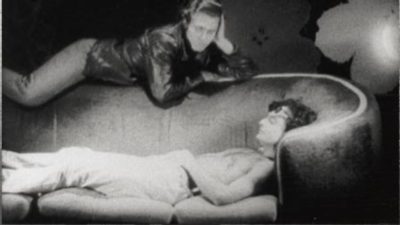
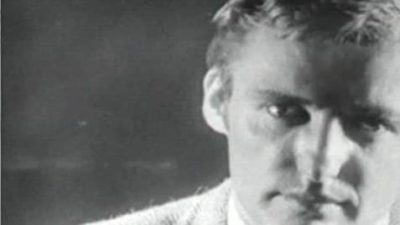
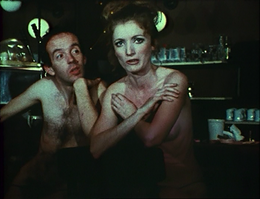
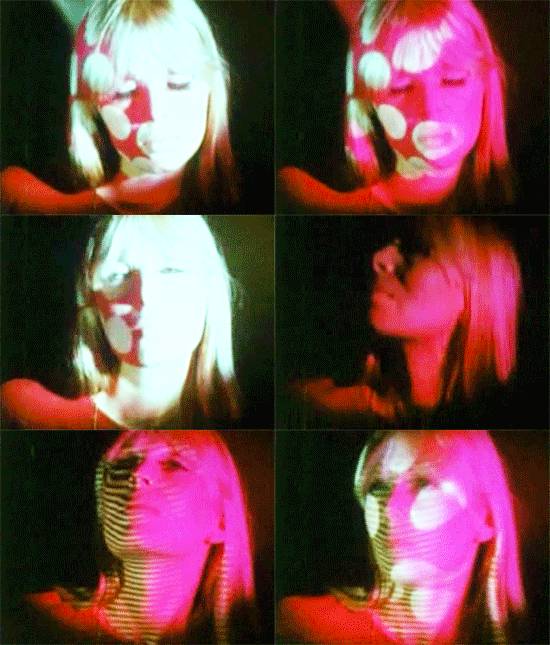
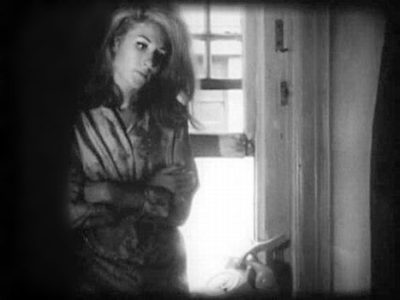
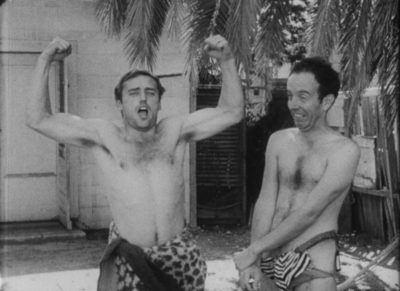
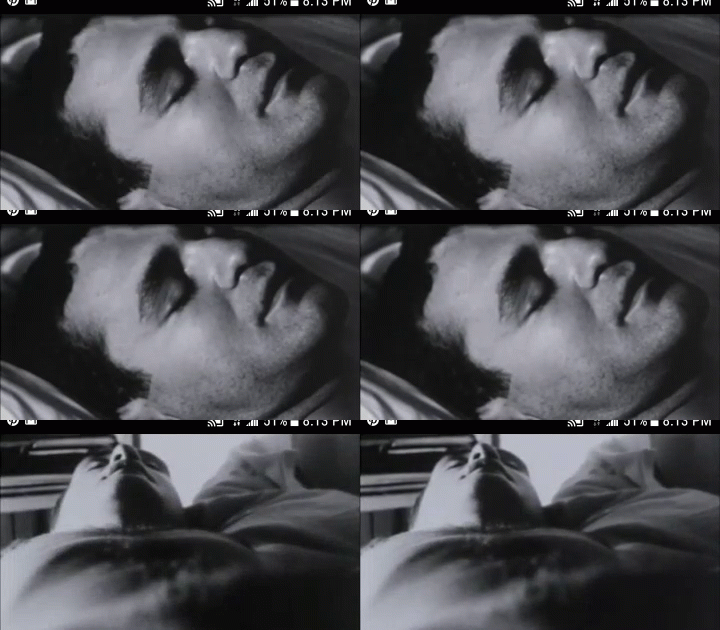
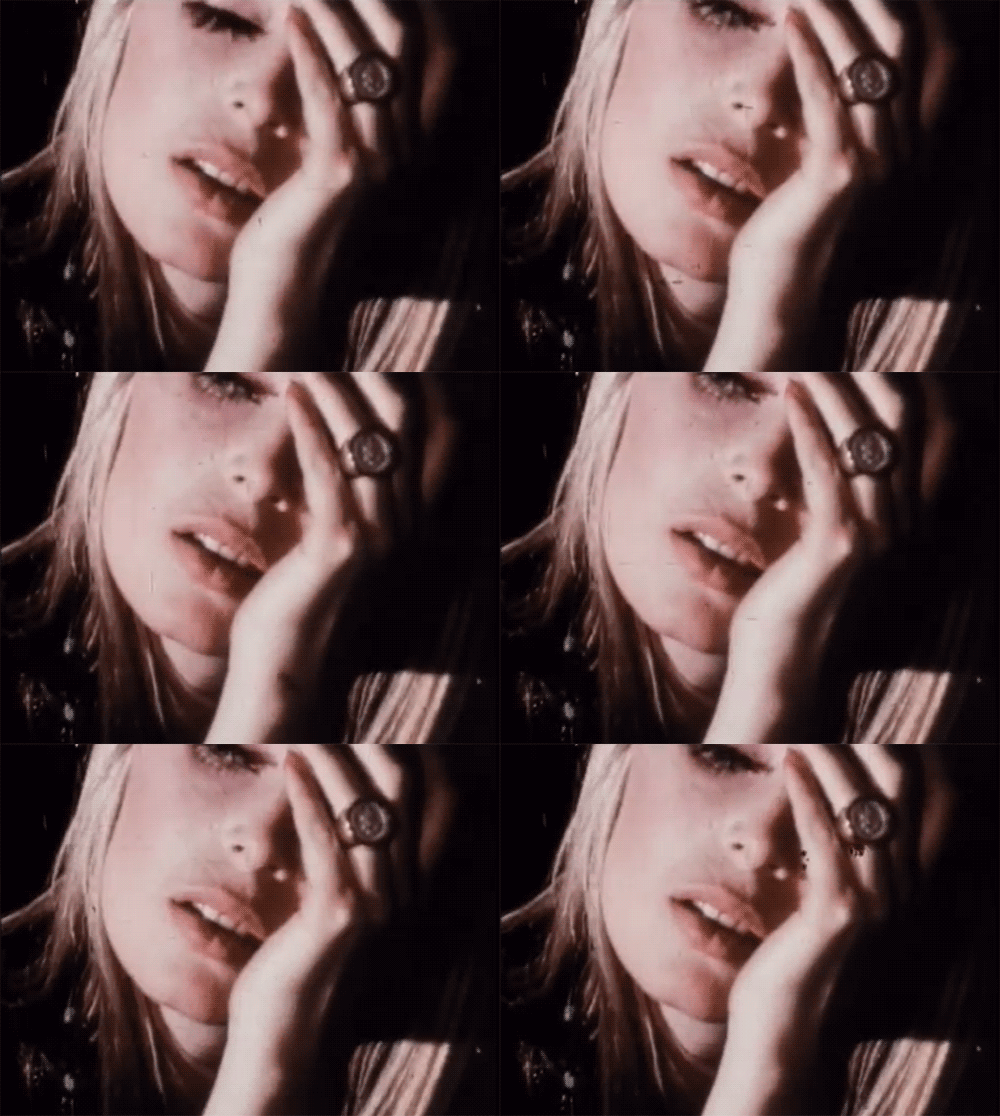
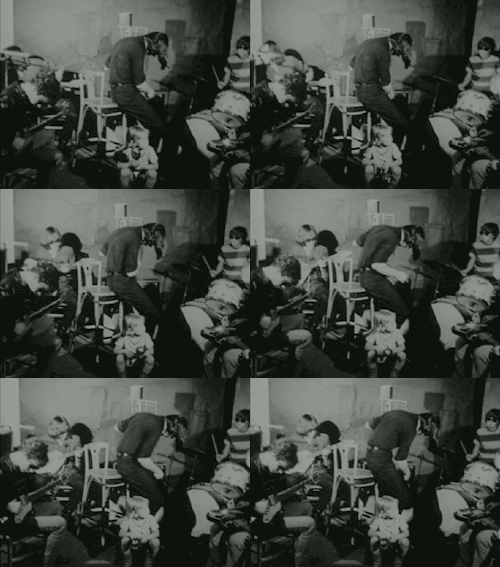
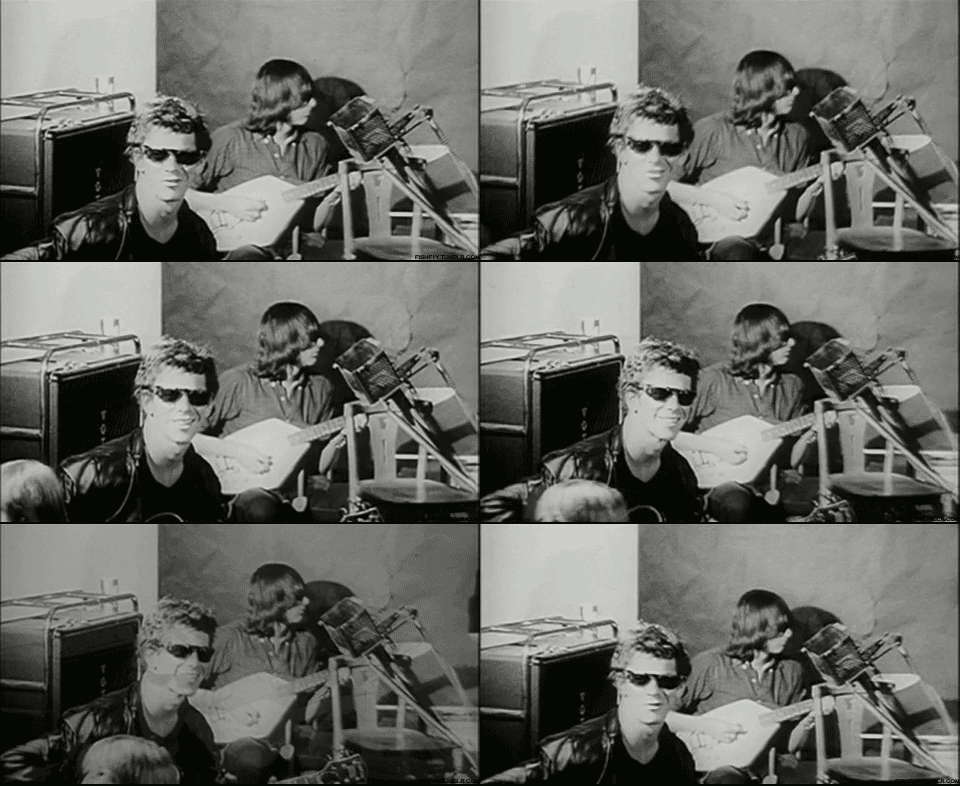
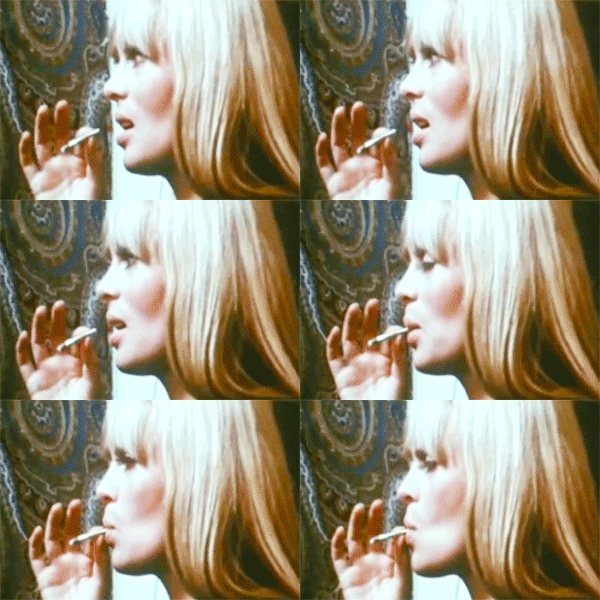
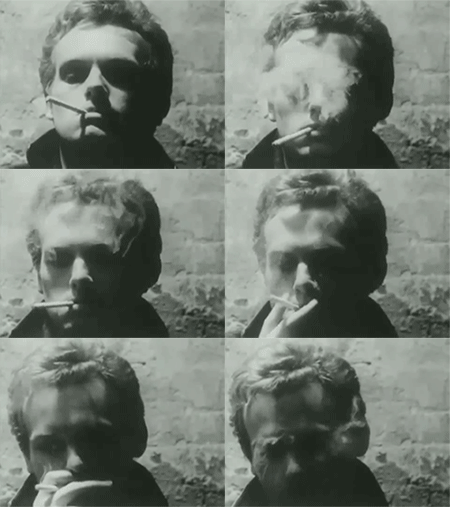
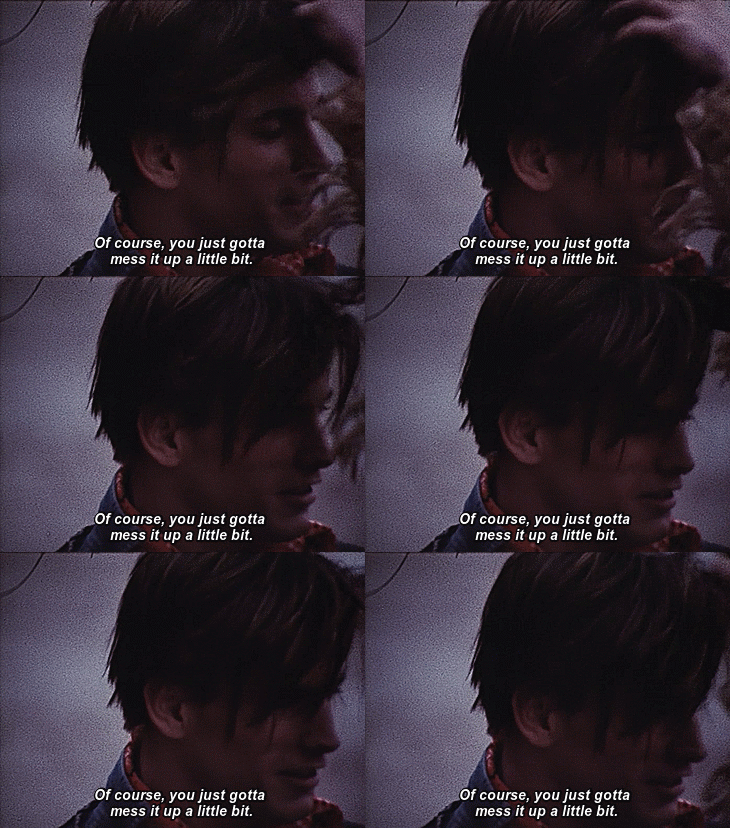
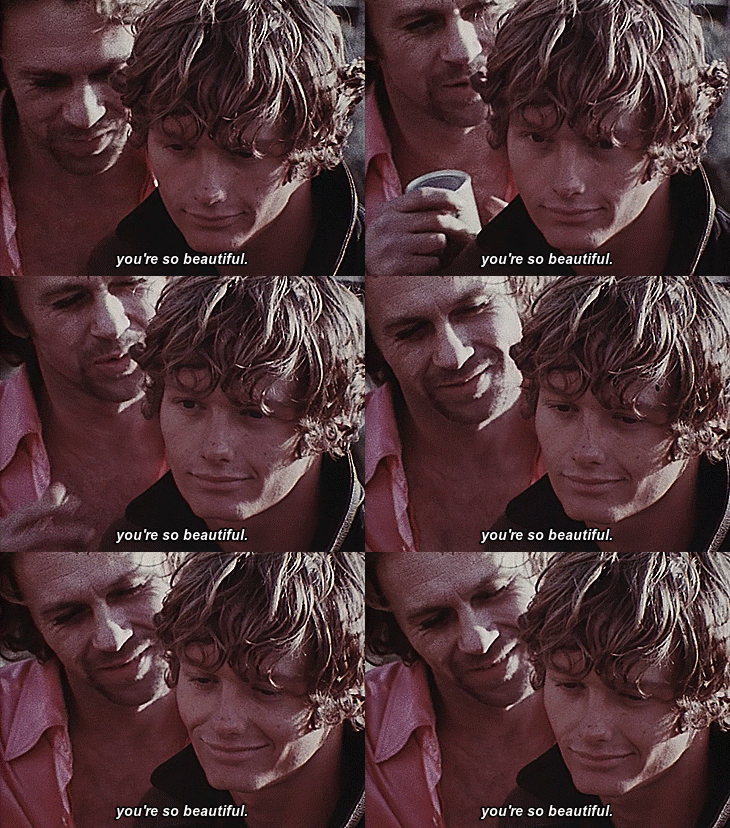
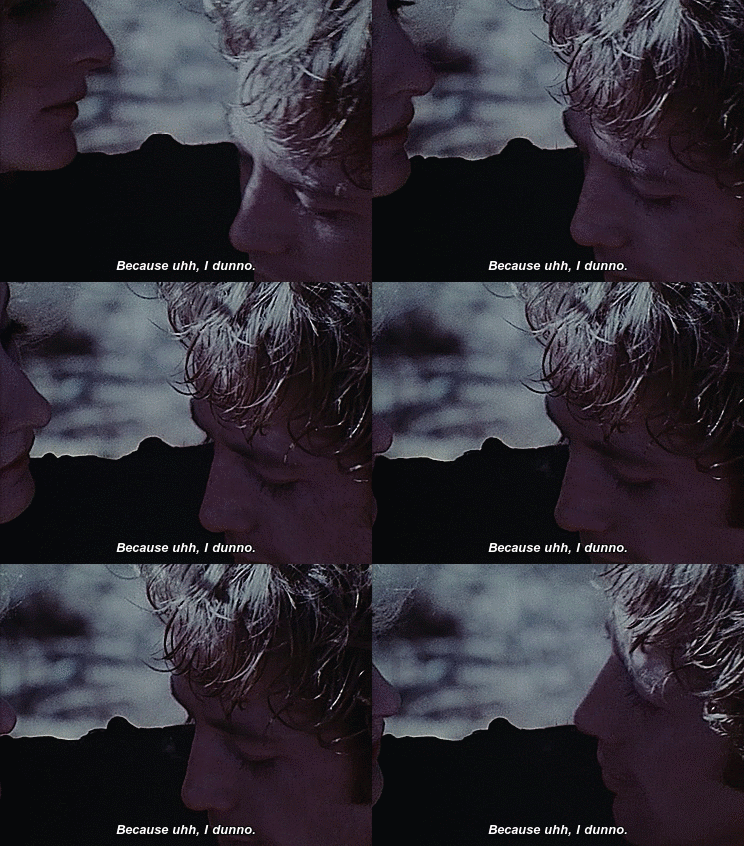
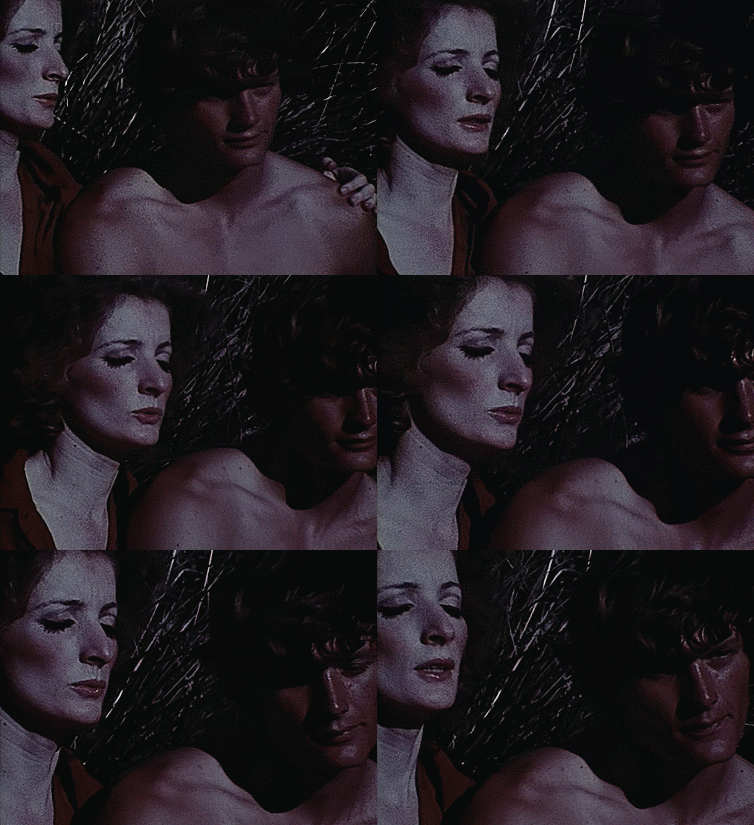
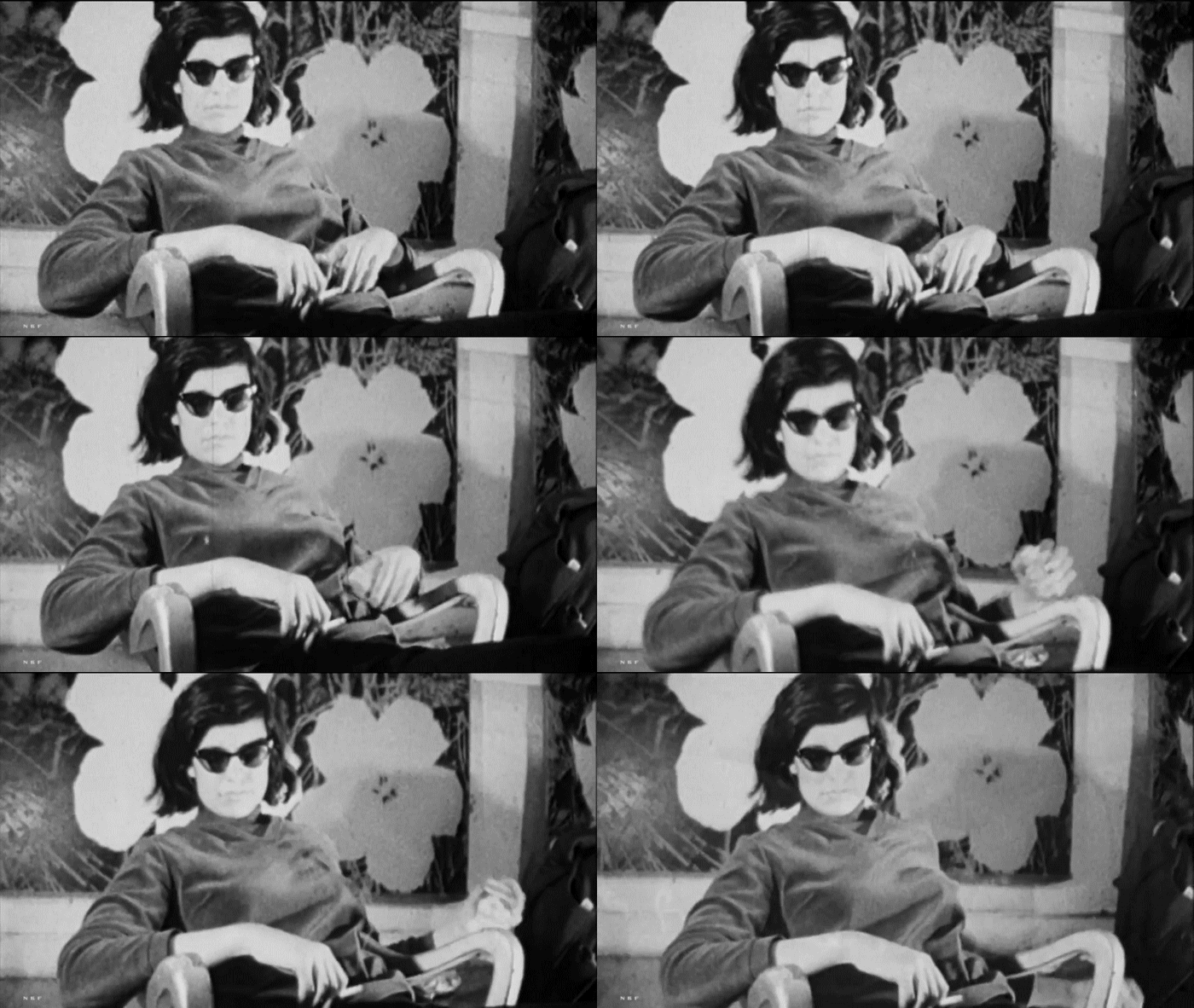
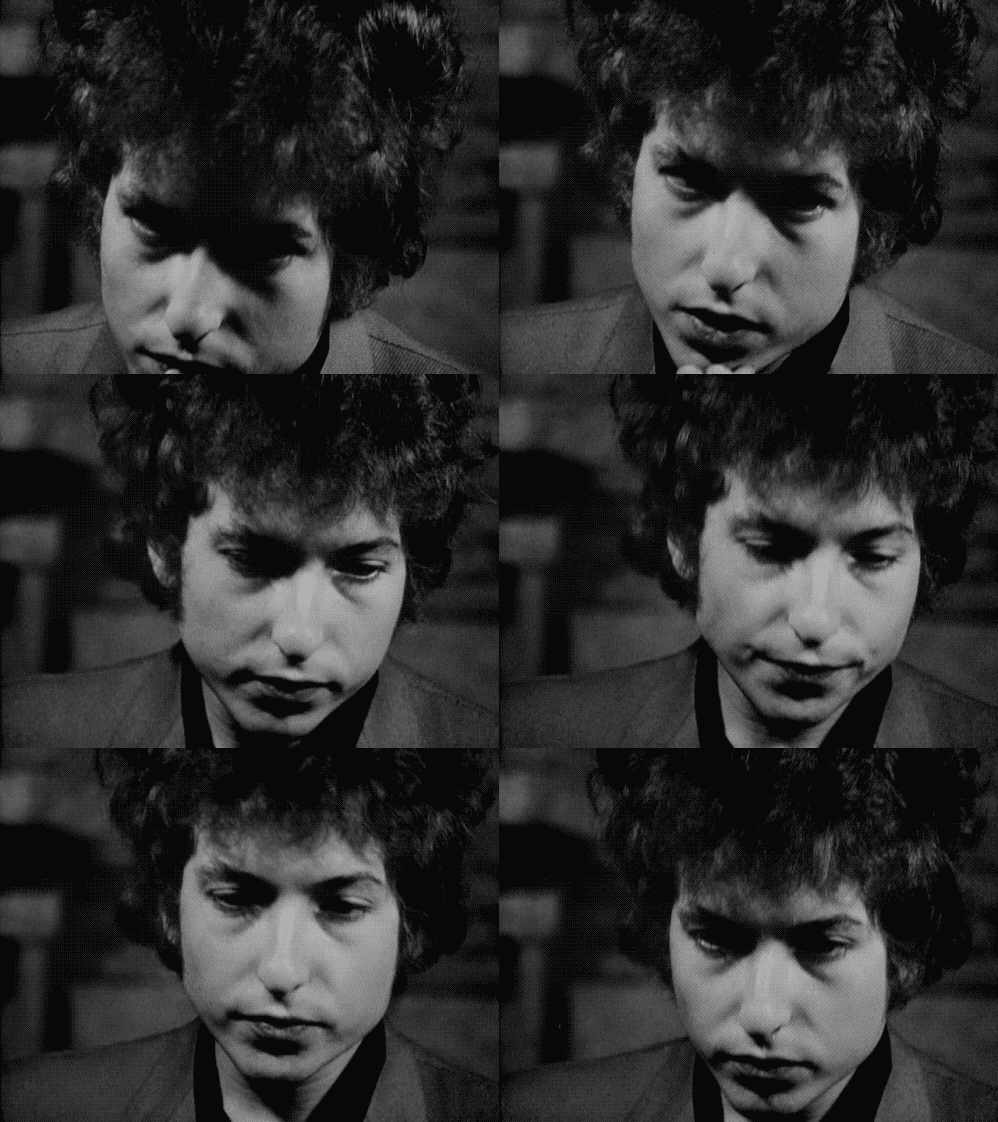
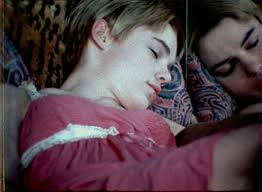
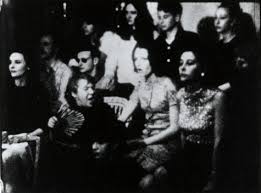
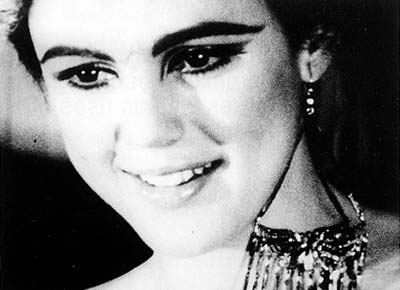
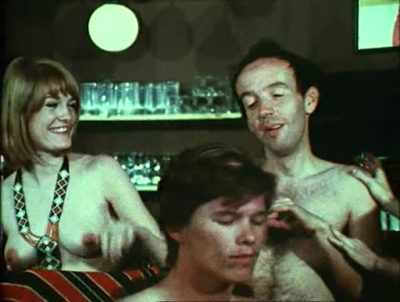
____
Further
Andy Warhol @ Senses of Cinema
Andy Warhol Made Hundreds of Movies During His Career. Here Are the 9 That Changed Film History
Andy Warhol, Filmmaker Without Qualities
The man who got Andy Warhol into filmmaking
Andy Warhol @ IMDb
A guide to Andy Warhol’s films, from personal shorts to …
andy warhol as filmmaker
6 Filmmaking Tips from Andy Warhol
Early Exposure: The First Films of Andy Warhol
Book: The Black Hole of the Camera: The Films of Andy Warhol
THE RELEVANT QUEER: Artist, Filmmaker & Producer Andy Warhol
Jonas Mekas: The Making of Andy Warhol’s ‘Empire’
Andy Warhol interviews Alfred Hitchcock!
Andy Warhol Films Go Digital
A Little About Andy Warhol’s Films
Boredom Revisited, or How Andy Warhol Predated Slow Cinema
THE UNBEARABLE DURATION OF ANDY WARHOL’S FILMS
_____
Extras
Unproductive Time in Andy Warhol’s Films
The Life of Andy Warhol
Vous avez vu les films d’Andy Warhol ? – Blow up – ARTE
_____
Interview
by Roger Ebert
Andy Warhol forgot to come to Chicago again Thursday. “It’s a funny thing,” the pop artist and underground filmmaker said. “It’s like I keep forgetting to come to Chicago.”
Warhol was supposed to spend Thursday through Saturday here promoting the opening of his movie, “Chelsea Girls,” at the Town Underground Theater.
Warhol is the artist who created the Pop Art movement out of paintings of Campbell Soup cans and Brillo boxes.
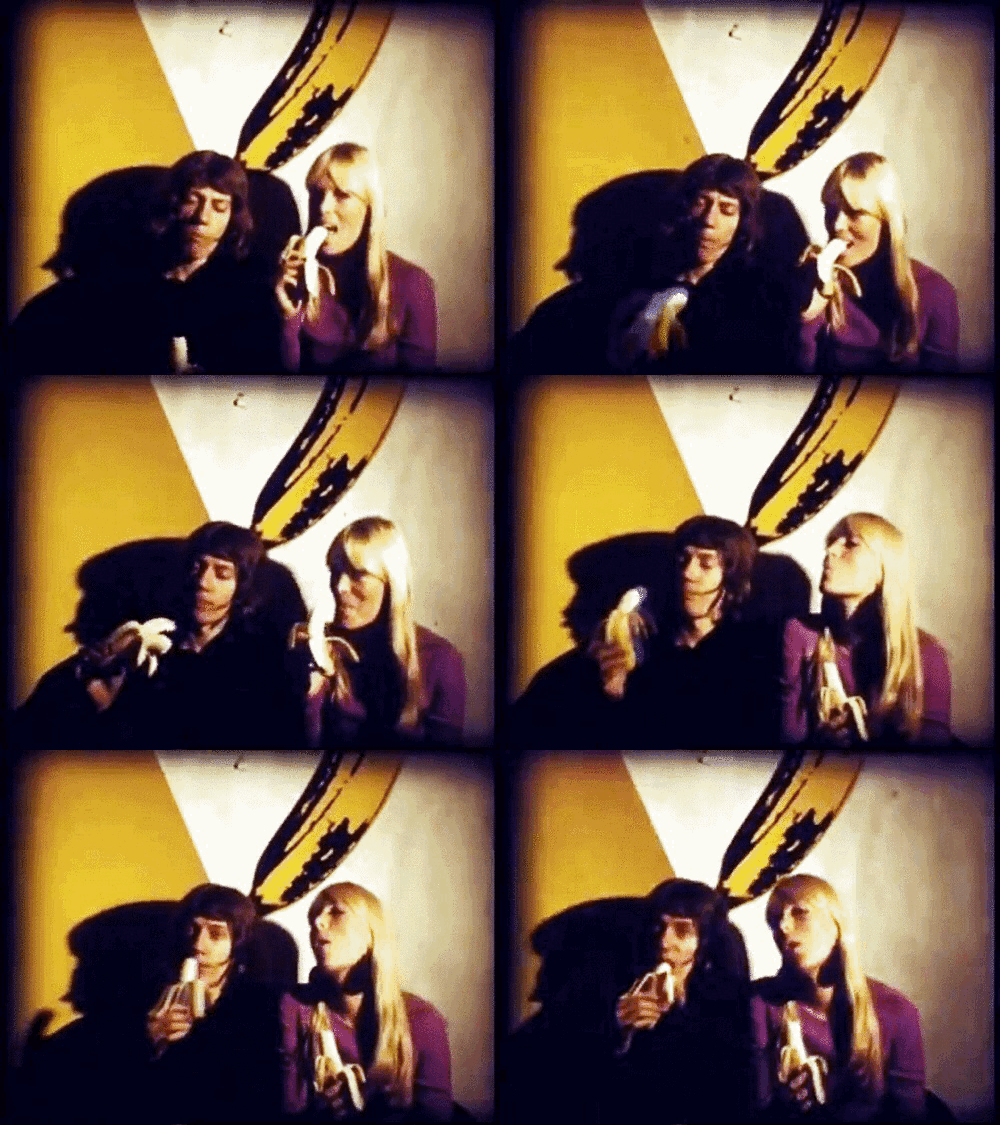
In the last two years he has moved to underground movies, including “Sleep,” an eight-hour study of a person sleeping; “Empire.” a day-long study of the sun’s shadow moving across the Empire State Building; and “Mario Banana,” in which an actor named Mario Montez eats a banana.
“Chelsea Girls” is a four-hour film using a split screen to show simultaneous action in various rooms of the Chelsea Hotel in New York City.
His agent promised that Warhol would bring along Ingrid Superstar and Nico, two of the leading players in the movie. They were supposed to arrive late Wednesday night or Thursday morning.
“We kept getting these calls saying Andy was coming, Andy was on his way, Andy was rounding everybody up,” said John West, a spokesman for the Town Underground.
“I spent all night at O’Hare, meeting every plane – but, no Andy.”
Warhol’s agent, Lester Pierske, told The Sun-Times Thursday he guessed Andy just didn’t get around to catching a plane.
A call to Warhol reached him at The Factory, which is the name of the New York Studio where he paints and films.
“Oh, yeah,” he said. “Chicago, I guess I just forgot. I have all of these things to do, see. I’m making this full-length feature called ‘Since.’ which is going to be 25 hours long. So you can see there’s a lot of work involved in it, and I really wanted to get it finished this weekend.”
Warhol was reminded that he also failed to show up in Chicago last September for the opening of his”Exploding Plastic Inevitable.”
“Yeah, I guess I did at that,” he said. “We had just come back from California and everything was…”
His voice drifted off.
What about Nico, the blond actress who has been romantically linked with him?
“Oh, Nico would love to come to Chicago,” Warhol said.
“Do you think I should send her? She’s out in Monterey at the folk-rock festival. I was just talking to her.”
And what about Ingrid Superstar?
“She’s right here,” Warhol replied. “Say hello, Ingrid.”
____________
20 of Andy Warhol’s 104 films
________
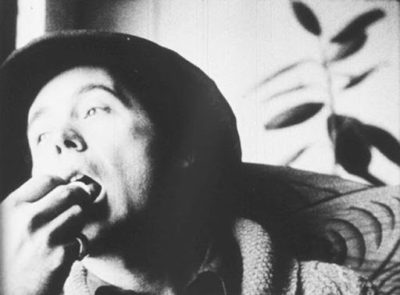
Eat (1963)
‘Eat (1963) is a film created by Andy Warhol and featuring painter Robert Indiana, filmed on Sunday, February 2, 1963 in Indiana’s studio. It is filmed in black-and-white film, has no soundtrack, and depicts fellow pop artist Indiana engaged in the process of eating for the entire length of the film. The comestible being consumed is apparently a mushroom. Finally, there is a brief appearance by a cat.’ — Cody Carvel
the entirety
____________
Blowjob (1964)
‘Blow Job is a silent film, directed by Andy Warhol, that was filmed in January 1964. The film depicts the face of an uncredited DeVeren Bookwalter as he apparently receives fellatio from an unseen partner. While shot at 24 frame/s, Warhol specified that it should be projected at 16 frame/s, slowing it down by a third.’ — dm
the entirety
__________
Sleep (1964)
‘“The first real movie I made was, I put a camera on somebody sleeping, and that’s how it all started…. It just seemed so easy to do.” That was how Andy Warhol remembered the genesis of his film called Sleep. On several nighttime visits in the summer of 1963, Warhol trained his new Bolex camera on his lover John Giorno, a gorgeous young poet who happened also to be the world’s deepest sleeper. Warhol edited his series of three-minute takes—as much film as the camera would hold—into a movie that lasted more than five hours, meant to be screened in (slightly) slow motion.’ — The Brooklyn Rail
Trailer
Excerpt
_______________
Soap Opera (1964)
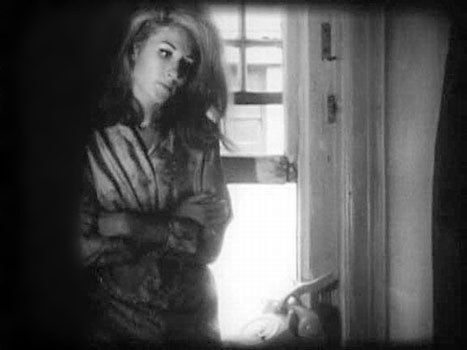
‘…Soap Opera, filmed over P.J. Clarke’s, the Third Avenue pub. It was subtitled ‘The Lester Persky Story’ in tribute to Lester, who eventually became a movie producer. Lester introduced the hour-long commercial on television in the fifties that had Virginia Graham showing you all the different ways you could use Melmac, or Rock Hudson doing vacuum-cleaning demonstrations. Lester let us use footage from his old TV commercials, so we spliced sales-pitch demonstrations of rotisserie broilers and dishware in between the segments of Soap Opera.” The TV ads have loud volume and the Warhol filmed sections are silent.’ — Djangobelize
________________
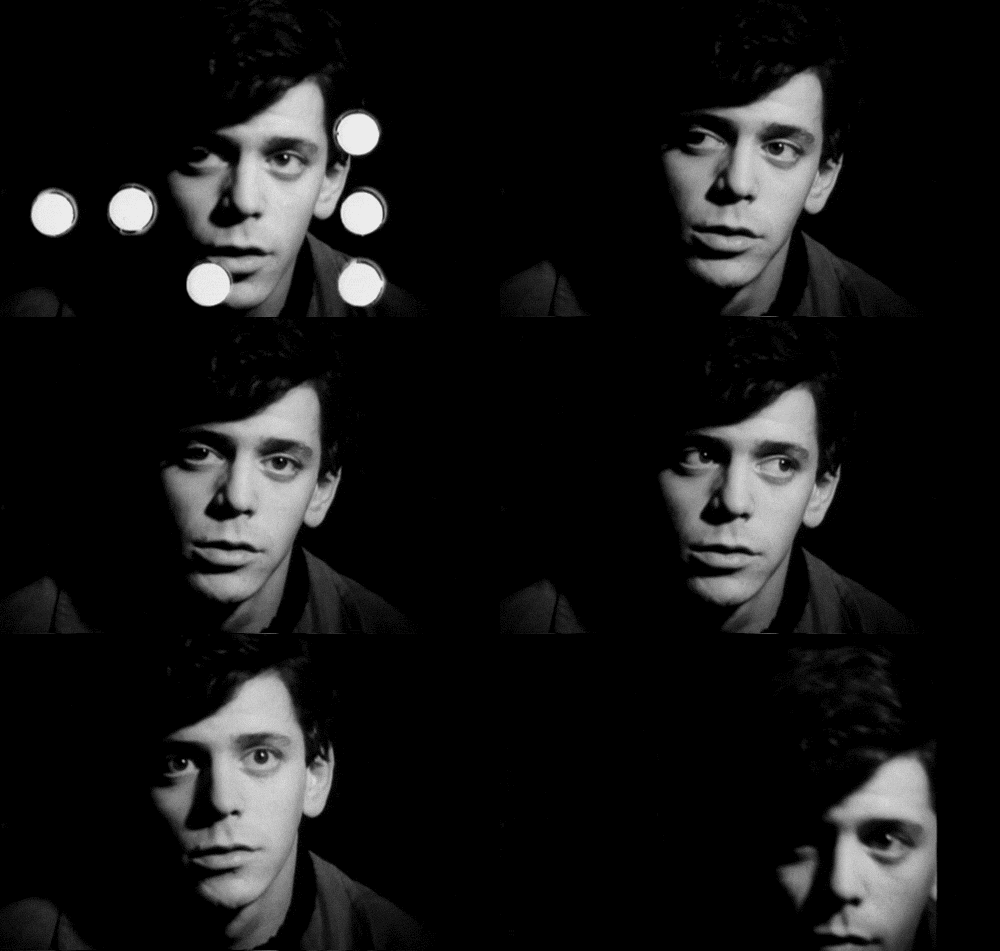
Screen Tests (1964 – 1966)
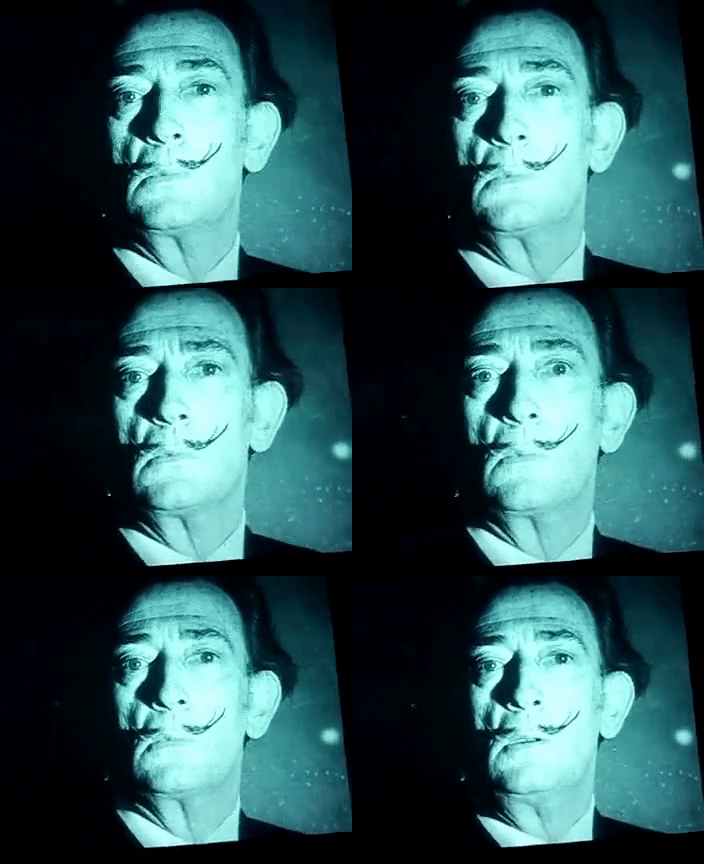
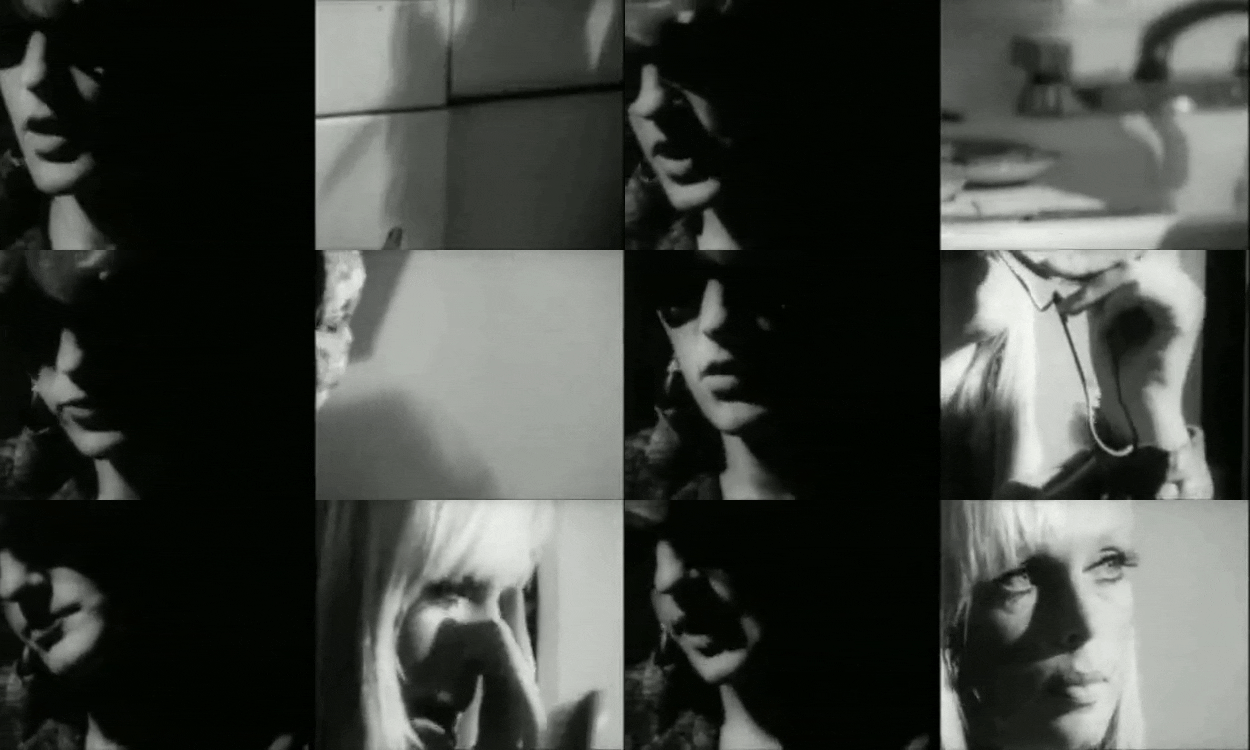
‘Warhol’s Screen Tests are revealing portraits of hundreds of different individuals, filmed between 1963 and 1966. In these short films, Warhol created his own cache of Superstars. Superstars are actors interesting enough to carry a film on their own—not by playing a particular role but simply by being themselves. His subjects included both famous and anonymous visitors to the studio, including poet Allen Ginsberg, actor Dennis Hopper, and artist Salvador Dalí. When asked to pose, subjects were lit and Warhol filmed them with his stationary 16mm Bolex camera on silent, black-and-white, 100-foot rolls of film. Each Screen Test took exactly three minutes to create, lasting as long as the roll of film took to spool through the camera. The standard formula of subject and camera remaining almost motionless for the duration of the film results in a “living portrait.” When Warhol showed the films, he slowed them down slightly, extending their run time to about four minutes each, imparting a dreamy, slow-motion effect to the finished works.’ — Warhol Foundation
Various
___________
Empire (1964)
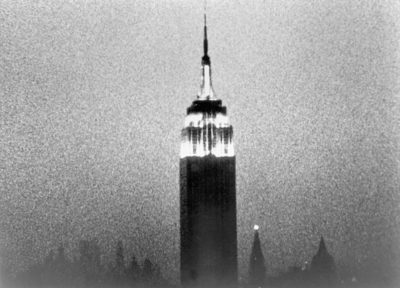
‘Empire is a 1964 black-and-white silent art film by Andy Warhol. When projected according to Warhol’s specifications, it consists of eight hours and five minutes of slow motion footage of an unchanging view of the Empire State Building. The film does not have conventional narrative or characters, and largely reduces the experience of cinema to the passing of time. Warhol stated that the purpose of the film was “to see time go by.”One week after the film was shot, experimental filmmaker Jonas Mekas (who was cinematographer for Empire) speculated in the Village Voice that Warhol’s movie would have a profound influence on avant-garde cinema. In 2004, Empire was included in the annual selection of 25 motion pictures added to the National Film Registry of the Library of Congress being deemed “culturally, historically, or aesthetically significant” and recommended for preservation.’ — collaged
Excerpt
Excerpt
full 7 hour version
__________
Kiss (1964)
‘An hour-long paean to the art of the kiss featuring fourteen couples, from passionate participants to lethargic lovers, engaging in the intimate act.’ — ok.ru
the entirety
_______________
Batman Dracula (1964)
‘Starring Warhol’s fellow experimental filmmaker Jack Smith in both title roles, Batman Dracula pits the Caped Crusader of comic-book fame against the vampiric Transylvanian count of legend, the millionaire vigilante who seems to fear nothing but bats against the immortal recluse who spends much of his time in the form of a bat. Smith may bear a faint resemblance to Christian Bale, Nolan’s Batman, but there all aesthetic resemblance to the “real” Batman movies ends. Shot in black and white on various rooftops around New York and Long Island as well as in Warhol’s “Factory,” Warhol’s unauthorized approach to the material seems to get as abstract and spontaneous as most of the cinema put together by his coterie — or at least the surviving footage makes it look that way. Though Warhol did complete Batman Dracula, he only showed it at a few of his art shows before DC Comics called and demanded an immediate end to its screenings.’ — Open Culture
Excerpt
Excerpt
Excerpt
__________
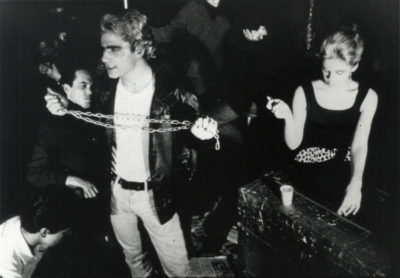
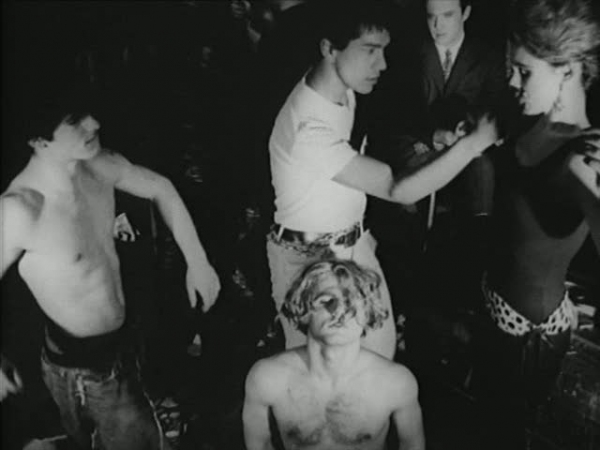
Vinyl (1965)
‘“Vinyl is such a loose adaptation of the source novel that even people who have seen it should be forgiven for not realising that it is built on Burgess’s literary scaffold,” says the web site of the International Anthony Burgess Foundation. “The film is presented as a series of images of brutality, beatings, torture and masochism all performed by a group of men under the gaze of a glamorous woman. In its preoccupations with pornography and violence, it bears many of the oblique hallmarks of Warhol’s work, along with a familiar cast of Factory regulars such as Gerard Malanga, Edie Sedgwick and Ondine. The finished film is disturbing, contains unsimulated violent acts and is not very audience-friendly.” Either a strong disrecommendation or a strong recommendation, depending on your proclivities. And if none of that draws you, maybe the soundtrack including Martha and the Vandellas, The Kinks, The Rolling Stones, and the The Isley Brothers will. Did Warhol pay to license their songs? Given that he certainly didn’t look into obtaining the rights even to A Clockwork Orange, something inside me doubts it.’ — Open Culture
______________
Poor Little Rich Girl (1965)
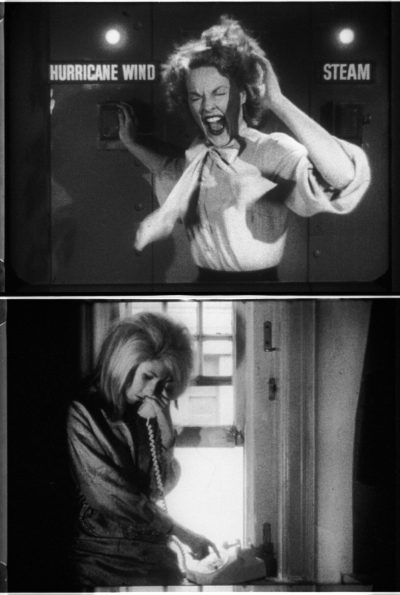
‘A young, jobless woman stays in bed, reads, talks on the phone, smokes cigarettes, makes fresh coffee, and tries on some clothes from a large wardrobe.’ — letterboxd
Excerpt
Excerpt
______________
Beauty #2 (1965)
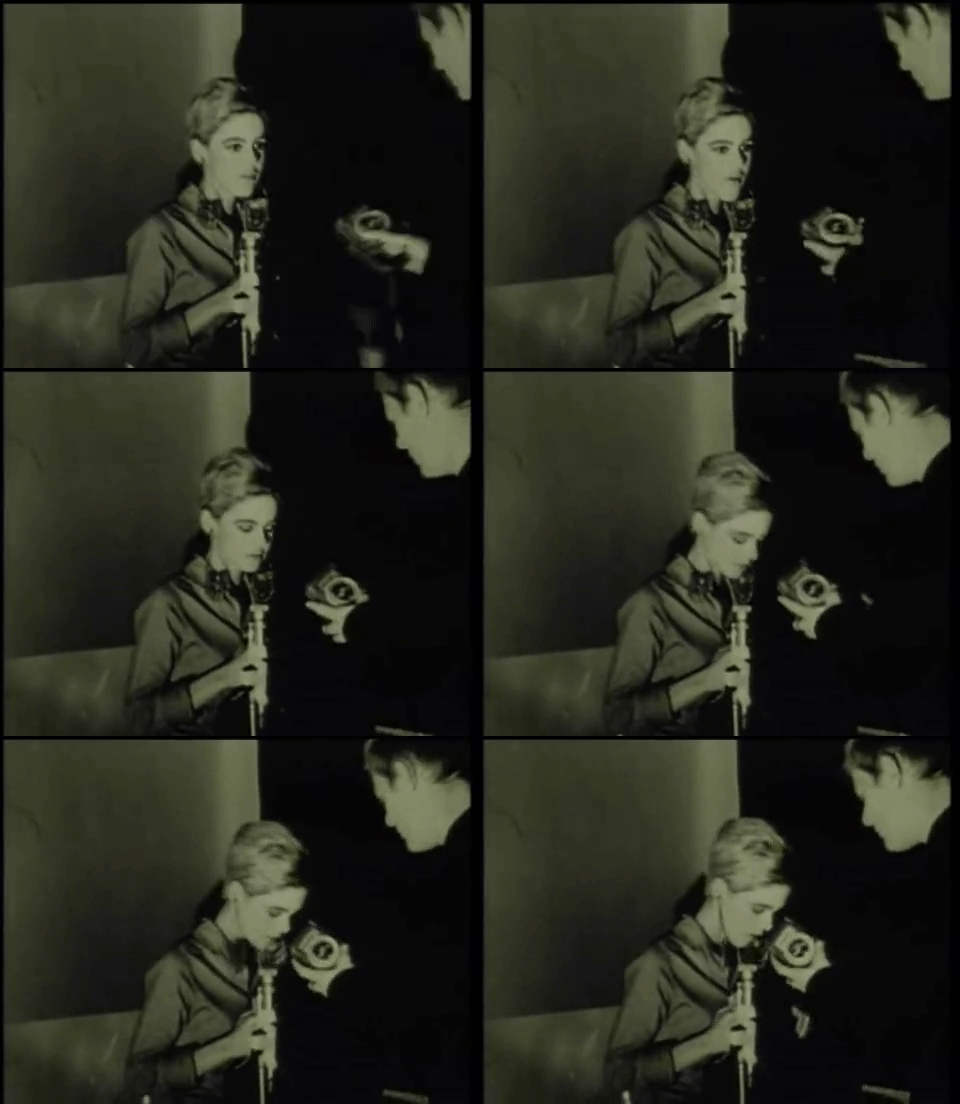
‘The movie has a fixed point of view showing a bed with two characters on it, Sedgwick and Piserchio. Chuck Wein is heard speaking but is just out of view. Sedgwick is wearing a lace bra and panties, and Piserchio, wearing only jockey shorts, engage in flirting and light kissing. Wein asks Sedgwick questions seemingly designed to harass and annoy her. Piserchio is more or less a bystander not interacting with Wein. The dialogue seems created adlib and no conclusions are reached in the film. The only conceivable climax is when Sedgwick finally becomes so mad, she throws a glass ashtray at Wein, breaking it.’ — ANNA TELEVISION
the entirety
_______________
Taylor Mead’s Ass (1965)
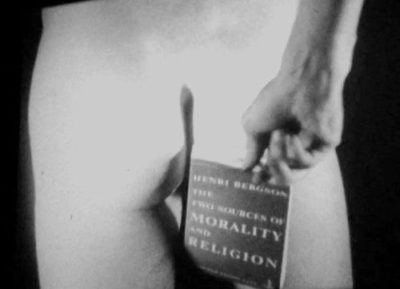
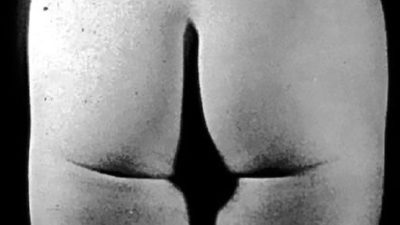
‘Taylor Mead’s Ass is a film by Andy Warhol featuring Taylor Mead, consisting entirely of a shot of Mead’s buttocks, and filmed at The Factory in 1964. According to Watson’s Factory Made: Warhol and the Sixties, Taylor Mead had achieved a degree of fame that “inspired a backlash.” One example was a letter to the editors at The Village Voice in August 1964 which complained about “films focusing on Taylor Mead’s ass for two hours.” Mead replied in a letter to the publication that no such film was found in the archives, but “we are rectifying this undersight.” Two days later, Warhol shot the “sixty-minute opus that consisted entirely of Taylor Mead’s Ass,” during which Mead first exhibits a variety of movement, then appears to “shove a variety of objects up his ass.” The film was Mead’s last for Warhol “for more than three years”, at the end of 1964, “Mead felt betrayed by Warhol for not showing the film.”‘ — Wiki
Excerpt
______________
The Velvet Underground and Nico (1966)
‘The film depicts a rehearsal of The Velvet Underground and Nico, and is essentially one long loose improvisation. Lou Reed and Sterling Morrison play their electric guitars (Gretsch Country Gentleman and Vox Phantom respectively), Maureen Tucker plays her 3-piece drum kit consisting of a rack tom, snare drum, bass drum and single cymbal, John Cale plays his electric viola and Nico bashes a single maraca against a tambourine. Cale subsequently switches to bass and at some stage, he creates feedback on a wooden frame from a piano while Nico plays on Cale’s Fender Precision Bass. Cale soon switches back to his viola and near the end of the film, the rehearsal is disrupted by the arrival of the New York police, supposedly in response to a noise complaint. The film was intended to be shown at live Velvet Underground shows during setup and tuning.’ — Wiki
the entirety
_______________
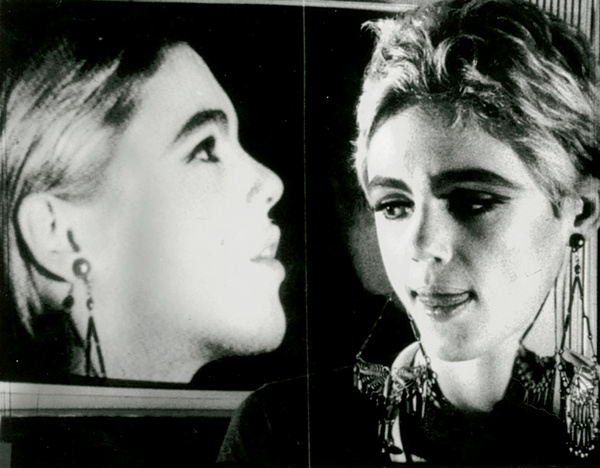
Outer and Inner Space (1966)
‘Shot in August 1965, ‘Outer and Inner Space’ is Andy Warhol’s first double-screen film and an important transitional work, since the double-screen format was very important in his later cinema. First exhibited by Warhol at the Filmmakers Cinematheque in New York City in January 1966, it was screened on only a few other occasions in the 1960s. Outer and Inner Space had not been seen in over 30 years until it was restored by The Museum of Modern Art in New York in 1998 and premiered as an installation at the Whitney Museum of American Art in October 1998.’ — Interalia Magazine
_____________
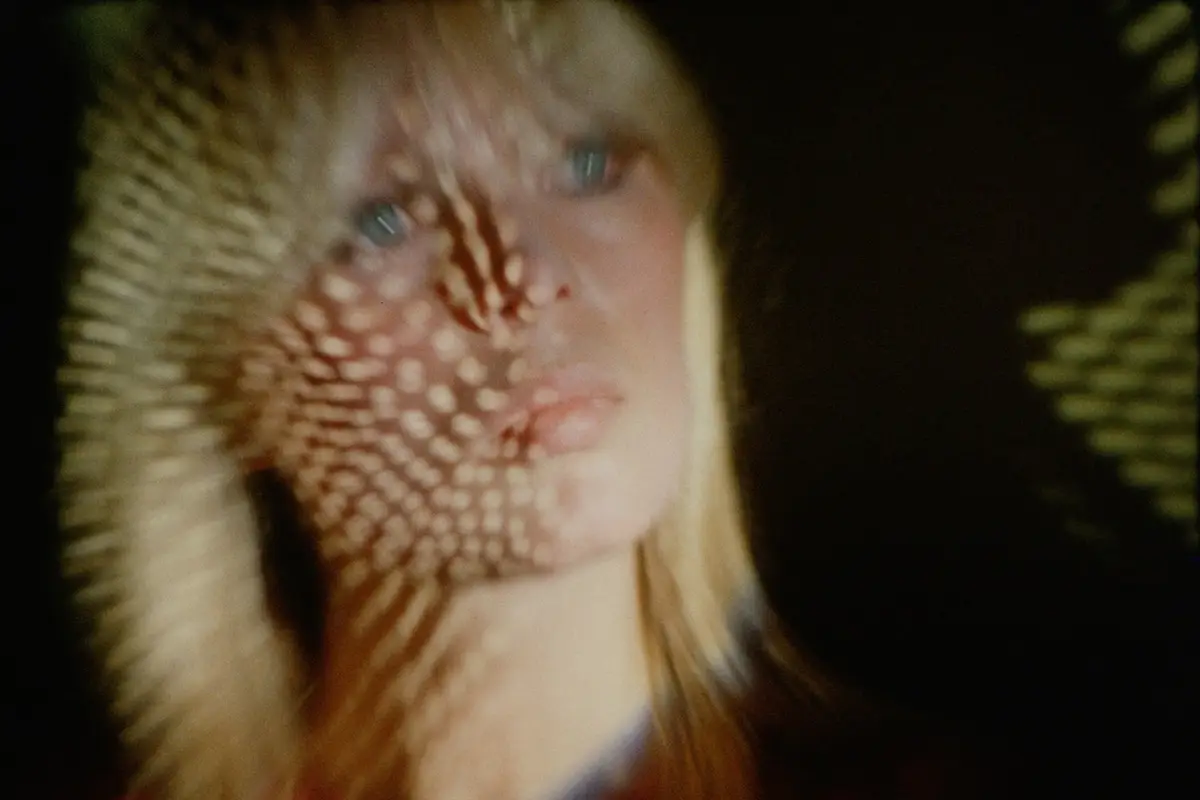
The Chelsea Girls (1966)
‘On September 15, 1966, Andy Warhol’s epic double-screen film masterpiece The Chelsea Girls premiered at the Film-makers’ Cinematheque and offered the world a genuine glimpse into Warhol’s New York underground of the 1960s through film tableaux featuring beauty, sex, drugs, and danger. Earlier that year, after shooting several films featuring his Superstars and friends, Warhol got the idea to unify all the pieces of these people’s lives by stringing them together as if they lived in different rooms of The Chelsea Hotel. The twelve reels of the film were chosen and shown with two projectors so that two different reels could be seen side by side on screen at the same time. The Chelsea Girls, one of Warhol’s most ambitious and commercially successful films, is a brilliant example of the artist’s signature technique of assembling complete reels of unedited film in various ways.’ — Warhol Foundation
_________
Lupe (1966)
‘Lupe is a 1966 film directed by Andy Warhol. With Edie Sedgwick as the film star Lupe Vélez who killed herself in 1944 and with Billy Name doing Edie’s hair.’ — MowgliX
Excerpt
___________
I, a Man (1967)
‘I, a Man is a 1967 American erotic drama film written, directed and filmed by Andy Warhol. It debuted at the Hudson Theatre in New York City on August 25, 1967. The film depicts the main character, played by Tom Baker, in a series of sexual encounters with eight women. Warhol created the movie as a response to the popular erotic Scandinavian film I, a Woman (1965) which had opened in the United States in October 1966.’ — Wiki
Excerpt
Excerpt
_____________
The Nude Restaurant (1967)
‘Andy Warhol shot two versions of The Nude Restaurant on the same day in October 1967 at the Mad Hatter restaurant. The original concept was to edit both versions into one final product. One version contained footage of an all-nude, all-male cast and was never released publicly as an independent film. The other version, with the actors and Viva wearing G-strings, was shown at the Hudson Theater on West 44th Street as one of Warhol’s series of sexploitation films, or nudies as he liked to call them.’ — Andy Harding
Excerpt
______________
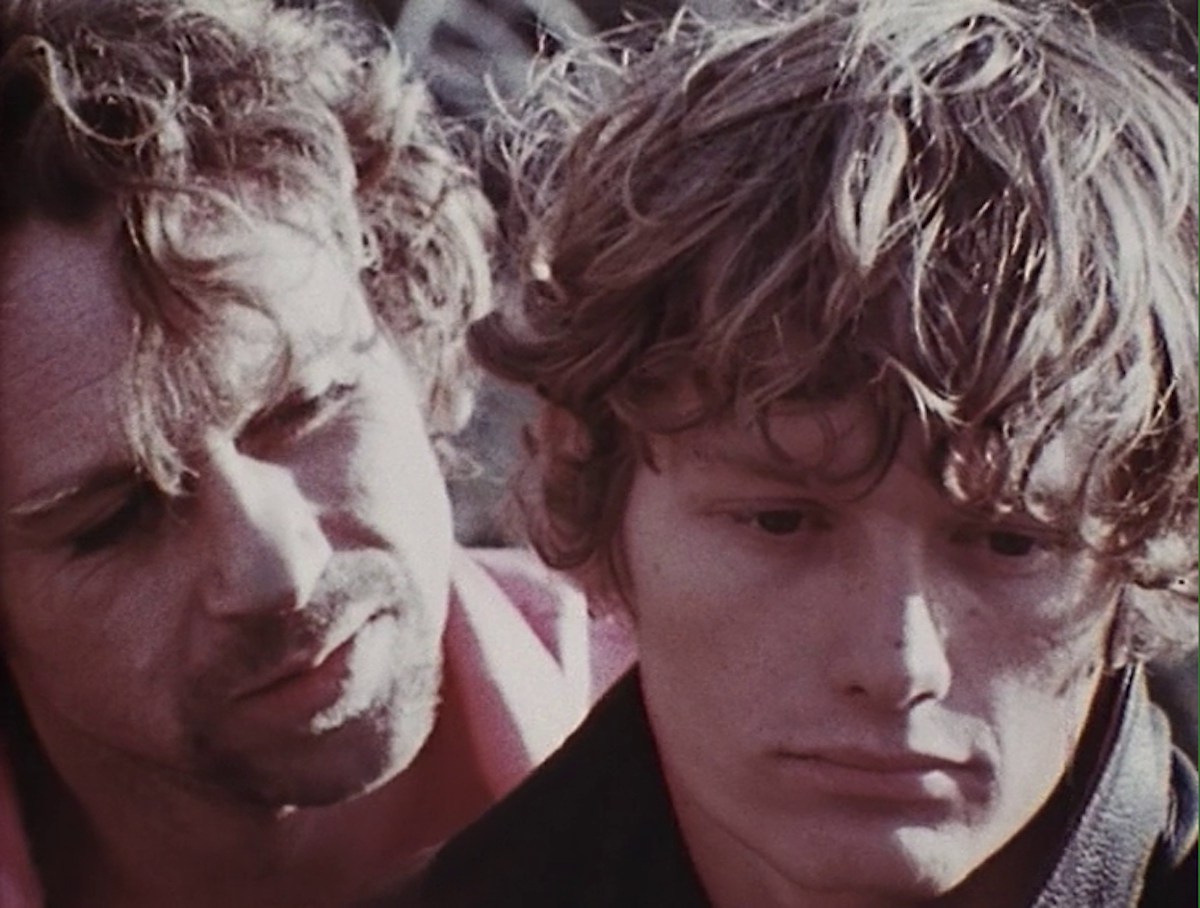
Lonesome Cowboys (1968)
‘This has long been my favorite film of one of my favorite directors. Watching it this time, I was reminded again how ugly and brutal it is: for a movie I often recall as a radical gay Western, it’s surprisingly (and very knowingly) misogynistic, and it always portrays sexuality and the naked body as boring and alienating, never liberating. Which is all the more horrifying because he intentionally casts characters who are unable to articulate the simplest thought — because Warhol cannot conceive of human beings with any interiority. And with all that, it’s still hilarious and goofy. Taylor Mead’s performance here (not acting, really; just drug-induced dandyish lisping) is one of the greatest in the history of the cinema. So much more daring, exhilarating, godawful boring, and terrifying than EASY RIDER or MIDNIGHT COWBOYS. A beautiful piece of shit — and I mean that in the best way.’ — Doug Dibbern
_______________
San Diego Surf (1968)
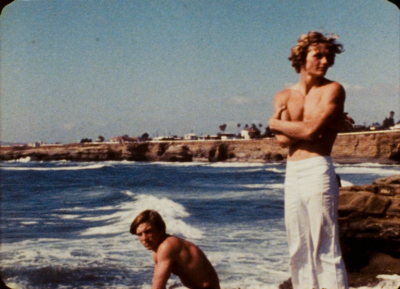
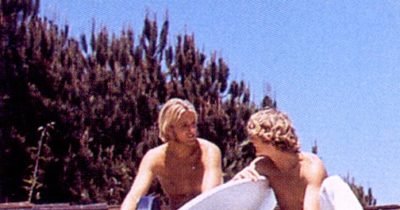
‘Shot in May 1968, a few weeks before Valerie Solanas’s failed assassination attempt, San Diego Surf proved to be the last film Warhol would have a direct hand in shooting. The film existed only as a loosely assembled rough-cut until the Andy Warhol Foundation commissioned Paul Morrissey to complete it based on the original editing notes. The result is an important and welcome addition to the legacy of its co-directors and a fitting tribute to the comic talents of its two stars. Viva and Mead’s largely improvised, hilariously inspired performances speak to something elemental about Warhol and Morrissey’s cinema, a shared aesthetic that, in the ensuing years, would culminate in the movies Morrissey would direct on his own. In their films, “plot” is the device through which nominal actors externalize psychic processes and conditions, making the inner self audible and visible before the impassive eye of the movie camera. What makes Warhol and Morrissey’s films so remarkable (and relevant) is that, in their loose, unrehearsed style, fiction becomes documentary, the motif of their cinematic reality/illusion game. In the Warhol canon, San Diego Surf comes closest to anticipating the low-budget camp of early John Waters. Its punkish negation of good taste is balanced by its aesthetic intelligence, one that flagrantly breaches the boundaries between moviemaking and life.’ — Film Comment
Trailer
Behind the scenes
*
p.s. Hey. The blog will be giving you a long weekend starting tomorrow. That’s because I’m flying to Stavanger, Norway in the morning to host a ‘Room Temperature’ screening at a festival there. I’ll be back in Paris on Sunday, so you will see the blog and me again starting on Monday. ** jay, Hi, jay! The prose in ‘MC’ is really delicious. I think you’ll take pleasure. I rarely go into bookstores whose front tables aren’t full of odd things, but I did enter the big mainstream English language bookstore here yesterday, and, yeah. I was, like, Julian Barnes is still publishing books? Etc. New Porpentine, I should be able to locate that, cool, thank you, pal. I’ll brace myself for the later pages’ disappointment. Happy long weekend. Are you hopefully fit and up and about again? ** Noah, Hi. Try ‘House’. It’s crazy. I would be surprised if you aren’t taken by it. Yikes on the dog attack. Get a tetanus shot if you’re worried. Well, I guess to a terrier you’re just another one of the human skyscrapers. Our weather started turning hot here again yesterday, major ugh. Actually I think it’s a great time to be a new novelist. There’s such a wealth of small and indie publishers out there, at least in the US, and daring ones in many cases. When I was starting out, you basically had to aim to get one of the major publishers or you were pretty doomed. There were a lot of small presses for poetry back then, but barely any for fiction. And there used to be the promise that being published by a big, established publisher meant you could possibly get pretty decent money for your book and have a direct line to getting reviewed in places like the New York Times. But that’s not true anymore. Everything’s online and about word of mouth, and it’s just as helpful to get published by a smaller press as by a big one, if not more so. Plus you don’t have the pressure to be ‘commercial’. I wish it had been like it is now when I was starting out. So, yes, absolutely keep hope. There’s every reason to. May I ask about your writing? What are you working or how would you describe your work, only if you feel like it. Have an excellent weekend. ** _Black_Acrylic, Hi. I wasn’t taken with the ‘MC’ film. I was very disappointed by it. But I really should try it out again since its director has made other interesting films. ** Steve, Interesting that you think it’s her best. I’m not sure, but I see what you mean. Hm. The rise of Queer Film and Queer Music pretty much killed off Gay Lit, since, as you said, books weren’t the only art mirrors for queer people anymore, which was all for the best, I guess. I never met Armistead Maupin, no. In fact I think I’ve only read maybe a page or so of his books. His stuff wasn’t really thing, no surprise. ** Sarah Palmer, It’s a very good, kind of luscious book. It’s even worse for French writers being translated into English. Americans are so self-centered. There was a vogue for French literature in the US from the 60s -> 80s, but not anymore. Or very rarely. I’ll have to figure what Paris gallery shows De Bruyckere and keep an eye out. Cinematic plans: We’re doing some last screenings of ‘Room Temperature’ before it goes to BluRay, DVD, streaming. And we’re starting the early work on our next film, and that will be consuming. Otherwise I’m impatiently awaiting the return of all the great film programs in Paris, as they’ve been on holiday for the past months. What you most looking forward in your coming near months? ** Dominik, Hi!!! I wish mosquitos could talk and explain themselves. Plus their little itty-bitsy voices would probably be nice to hear. McDonald’s ice cream … I would never have guessed that. Huh, dare I? Love making Paris’s unpleasantly heating up skies stop with that retro bullshit right fucking now, G. ** Dev, It’s a good book. And short too! Surgical rotation, that sounds giant. Wow, congrats. I can’t begin to imagine. Right, Mardi Gras. Obviously not celebrated over here, although I imagine there’s some Frenchified equivalent. Have fun. Are you parading or just watching and smiling beatifically. I’ve been fine, I think. Yeah. Yes, we’re just beginning the long process of raising the money to make our new film. The worst part, by far, but what can you do. Feels hopeful so far. Enjoy whatever’s left of your vacation stint. ** laura w., One senses that there was a time when the Iowa Workshop turned out the occasional great writer. These days … I’d have to do some research. There are really good fiction writers who got MFAs, but they’re the rebellious outliers, I think. I just feel like those kinds of writers like Lerner and whoever are operating in a different world than me and the writers I like. Why stress about them. Well, the third demise has happened — Yayoi Kusama — so I think you can relax? ** HaRpEr //, Yeah, the Dolly Parton loss is big. I have a dream that losing her will cause redneck Americans who loved her to wake up to how purely ugly and nasty and etc. Trump is by contrast, but that won’t happen. I thought the ‘Morvern Callar’ film was a big letdown. The book is so much better. I think maybe if Pete Burns had done all that surgery while remaining popular and successful people would think different about it? ** Thom, The book is much better than the film, in my opinion. That festival sounds very cool. Silly … like formally worked out silliness or improv silliness or … ? Have all the fun. ** Okay. I could very happily live the rest of my life without seeing a painting by Andy Warhol ever again, but he’s a great filmmaker, and his films are infinitely less easy to see, so I’ve restored this opportunity to see or at least contemplate seeing them because filmmaking is where his truest talent lies, if you ask me. See you on Monday.


 Now available in North America
Hi!!
I love Andy Warhol’s early drawings and Polaroids and his films (the ones I’ve managed to hunt down), so this is going to be a most pleasurable long weekend for me here. Thank you!
Aww, I’d love to hear mosquitoes’ tiny human voices!
I never eat at McDonald’s, but they have this very simple vanilla ice cream with chocolate syrup that I find upsettingly delicious, haha.
Paris will be all fall by the time you get back. I just know it.
Love, as always, making sure your trip goes smoothly and just as planned (at least a few hours in Kongeparken included!), Od.
Have a great screening in Stavangar, Dennis!
It’s been eons since I caught a Warhol screening. Maybe Bike Boy? Will definitely check out/revisit some of these. Probably not the full version of Empire though!
After the rise of Queer Film and Music, queer comix also seems to be exploding these days. I wish I was more enthusiastic about the work I come across though. I went to a queer comix mini “expo” maybe a year ago, and there was very little that was to my taste. But apparently there’s quite a fanbase.
Bill
Hello! Thank you again for this post, which gives us the chance to discover more about Warhol’s films, which tend to disappear behind his “celebrity” image. Steven Parrino made a very beautiful “tribute” to Warhol’s installation Silver Clouds; he imagined the balloons deflated and crumpled on the floor in “Aluminium Clouds (Crush), for Drella (by the way, kiss my ass you wigged corpse) or Lost Hope and the End of Painting”. He was an artist of great intelligence, sadly killed in a car accident on New Year’s Day. Oh dear, what a shame that the United States can’t seem to turn to foreign literature… Despite this lack of translations, have you come across any contemporary French authors whose work is worth following closely?
The gallery representing Berlinde de Bruyckere, at least in Paris, is Galleria Continua!
Oh, that’s great news about the screenings! Enjoy Norway, and I can’t wait to discover your new film projects! I hope some screenings will be organized outside Paris, elsewhere in France, and that your film will get a good distribution!
Yes! I’m also looking forward to Paris’s cultural life getting back into full swing in September! I’m eagerly awaiting the Festival d’Automne: have you spotted any performances that you’re particularly interested in? I’m intrigued by Hiroshi Sugimoto’s work, and I’m waiting for tickets to go on sale for Salopes at the Odéon Theatre. As for cinema, I’m really looking forward to “Minotaur” and “1949” by Paweł Pawlikowski!
Enjoy your stay, and have a great time with the screenings. I look forward to reading your next article on Monday!
Hi Dennis! I googled House, it seems tempting! I’ll definitely watch it – thanks for the recommendation! Your insight was interesting, I hadn’t thought of things from that perspective before.
Currently, I’m working on a thriller covering two students who go to Hong Kong to study, but they realise they have been scammed by Triad gangs, leading to an unravelling of their lives and intersecting revenge arcs, psychological breaks and personal debts, playing out over 96 years from 2006 until 2102. But I’m not sure if I should publish it or not.
I’ve almost finished it, on the last few chapters (272 pages done, revised where necessary etc.).
I wouldn’t say my interests are only in thrillers, but certainly the psychological elements in such novels interest me deeply.
I was wondering about Amazon KDP publishing, or smaller publishing houses, but am still considering.
One often gets the sort of grey feeling that their work isn’t up to standard, whatever that standard is: I hold myself to it, but I’m not quite sure what it is!
Thanks for your advice!
Have a great Thursday!
Some years back, not that long, I did see Warhol’s “Empire” at MOCA. It was the greatest time I have ever spent at a film screening. I only stayed for three hours, and I could have stayed longer, but I either got hungry or had something else to do that day. But the moment the fixed camera on the Empire State Building shifted from daylight to night, with its lights turned on, was an emotional rush. The audience, of five or so, all gasped at the same time. And I also was in “Tarzan and Jane Regained Sort Of…” I wrote about that in my memoir. And I agree about Warhol being a great filmmaker.
Hey Dennis,
Another fantastic burst of rain today! I was walking around gleefully and gratefully underneath it for a while.
I managed to see a rare film print of The Chelsea Girls on the massive screen at the BFI in London last year, which was really cool. Some great stuff in it, even if I personally found it a little too long.
Apart from the Cinematheque, do you have any recs for places in Paris to see experimental/adventurous films?
I’m reading Joy Williams at the moment (“The Quick and the Dead”). Really enjoying it so far, and want to get my hands on a copy of “Breaking and Entering” too. The way she arranges her fictional worlds is super interesting. Plenty to get inspiration from. Do you have a favourite book of hers?
Bon voyage and I hope you have a fruitful and fun time in Norway.
xo James
Hello Dennis
Oh gosh I have to admit the death of Curry and Dolly, although heavy, have not shattered me as hearing of Kusamas death this morning while watching a movie on vampires.Oh gosh this so so devastating. Im not sure if I told you how much I aadmire and adored Kusama, her death is as heavy as the day Daniel Johnston died.
Oh god!!! I love your blog and this post so dont take this critically, but what an awful coincidentl that this Andy Warhol post happened to fall on the day of Yayoi Kusuma’s passing (Knowing how terribly wrong Warhol did her in a male-dominated art world) To be fair, I think I made a reference to Andy Warhol comparing something to “a gyrating camera spinning around the room” in my book.
My heart was truly shattered when I heard of her death this morning.
I even dedicated a quick morning blog to her memory right here:
https://xyzdarbz.wordpress.com/2026/08/27/kusama-to-infinity-my-mourning-post⋆⁺₊⋆-☾⋆⁺₊⋆/
Yesterday I learned Paris has a saint deidicated in your name…”Saint Denis” and he was known to hold his decapitated head (or some recent debate on wether it was the right person, regardless) Eerie…werent you almost beheaded, well to put creatively, like that time when you were a child with the bush incident “beheaded” air qoute, well in some way shape or form. I hope that wasnt an insensitive way to put it for you. Admittedly, I chuckled at the coincidental finding.
Im realizing that im actually very unfunny and unsmart and the only thing that can make up for it my empathy and kindness which looks more like weakness. Or maybe I shoudlnt let classes and my slow fucking brain make me feel this way when I seem to..i think…do good when the learning is in my control…hopefully i’ll bleed soon, if thats what all this emotional pain comes down to. Ew how dysphoric.
gasp
FRIEND! (important question below)
If you allow it, like, your not already stacked, Can I do either a:
A)
an Anne rice post for an upcoming halloween theme blog post
or
B) A vampire post!!
the vampire post actually sounds ideal. Trust me, theres so much vampire knowledge, altohugh I do fear you mightve done a post on that before? Maybe I can find some especially secular esoteric things.
?It would be very in theme with Halloween season!!
TO be straight up blunt and not sugar coat, ive been having these terrible suicidal urges back mixed with a “restlessness” and the death of Kusama this morning just reminded me that life will always go on and that death never releases us,
and the blood that poured so prolifically from my arms last night, could have held the essenese of Kusama,
the mushrooms sprouted on wet grounds last night that I saw this morning on my walk following the discover of her death and my own desire for the ceasing of this restless pain, could have held her too!!
which is why when we make that mortal pass from this ephermeal world into a spiritual essence, we must go into it with stride, faith, love and a feeling of absoluteness.
TO end this life now when the thousand expanding partcles of love within me have yet to execute my most marvelous and nourishing instillations, books, art markets, friends, music shows, any way in which an artist can provide their creativty into another, and yes, love and human connection is an art, ive learned from how the imprint of memories, people still linger in some canvas far in my mind and what is evoked is a unending expression constantly needeing to be exercised like a muscle, practiced and refined like an art. But, never forget, it will always be messy. Art is. And so is life. Art is life. We must live life to finish this masterpiece
I dont believe anything about myself anymore. Are you even human if you cant articulate the things that mean most to you? I open my mouth to talk and the things I feel passion for are turned into incoherent fragments of a person who, the witnessing friend can only assume, has no grounds for basic intellect and has no genuine passion for the things they so claim they do. that was a side-tangent. Anyways—ignore that, or dont, i dunno up to you.
I hope it isnt insensitive to bring this up but I thought of that letter you had on ur blog for “I Wished” given by George Miles. Its a really beautiful qoute that stuck with me.
“To give is to love. Things have to be hunted for and found. Nothing is a promise.”
I cant remeber if I ever told you how much those words meant to me at the time of first discovering the blog following my discovery of the book. I think I might have been embarassed, weirdly enough.
I remember when I told you that I had written something on the back of the book ,my own ending, and I was so shocked that you asked to read it, I literally didnt reply for 2 days.
I still think of that, and I think of alot fo things ive forgotten and realize how life saving it was I got “The Silent twins” aswell as the book “Frisk” in the mail at the same time. (I hadnt known it was a series at that time)
I dont think i’ll ever bring the truth out of this current person of interest, and im tired of waiting, and maybe there never was love…or there is…I think we’ve had this very beuatiful moment of silencetyfjdfdjcg ahhh I just typed a long sentence and deleted it sorry.
everything sounds so grand and enlightening right now so im going to stop rambling,
Ok, have a Good Friday. Are your toes crinkling at the thought of the approaching spooky season??
Oooh i’ll have to get some spooky project ideas!!!
idk what im saying. I enjoy their companionship until they feel comfortable enough to express wether they feel love or just simply admiration for me.
They are a jazz musician, if that explains. Probably somewhere on the same spectrum of peculiar behaviors as me. They sent me their script to read and I enjoyed it.
I am fine with emotional absence, as long as I know it is because they are intensely fixated/focused on some craft/ current project. After all, im the same!
Hope I’m not commenting too late, but: yeah we’ll just be watching the parade. Midsummer Mardi Gras is basically a Christmas in July sort of thing; the real Mardi Gras is in Feb/March. My daughter loves parades (as do I!) so we try to go to as many as possible.
Good luck with the film funding quest. Hope it’s relatively painless at least!
He’s hoping Stavanger has been a blast for you guys! Funny, right now I’m rewatching the Warhol Diaries via Netflix which is another Ryan Murphy joint and again I’m enjoying it a great deal. Remember on my return to Chicago in 2003 they screened Vinyl at the Art Institute. Remember there were a fair few workouts by outraged conservative punters not expecting such behaviour from any canonical artist type.
Speaking of Ryan Murphy, I’m still enjoying the Shards. Seems to have righted itself after the diabolical dance-off episode and we’re back to something that resembles the book again. Was talking to my brother’s wife yesterday and they’re both enjoying it a great deal. Even my carers are now on board. The show is top of the streaming charts and is breaking through to a mainstream audience.
Tomorrow I’ll be attending the induction for the Leeds Print Workshop. Will be there about an hour and I’m expecting just to be advised on fire safety and stuff like that. The course starts September 22nd and I’m looking forward to it lots.
Bonjour-hi. I guess you must be back in Big P by now, in which case, how was the voyage, and how was the screening? I think I’ve already said that I’m lukewarm on the little chunks of the Nordics I’ve been to, but I’m not familiar with Stavanger, so you’ll have to be my TripAdvisor.
I met up with politekid. Kid was polite. Very, very good conversing. It feels very walking-on-air gratifying whenever I meet someone new and we get to talking about intricate aspects of writing off jump. We talked Schoenbrun as well – did you find the time to watch ‘Miasma’ yet? At this point so many of my friends have such a range of takes that I’m not sure what I think myself.
So I saw the ‘Cleansed’ production. At one point I thought, ‘this feels like someone’s drowning Sarah Kane’s brain in a bucket of stupid.’ It did the thing so many of the (not numerous) productions I’ve seen recently do, of sort of giving up any desire to poke at whatever specific possibilities theatre might offer as a form, and instead just chasing after the aesthetics of movie trailers. Super zippy, super disengaged from considering its overall texture, super artificial but not in a way that engaged with or interrogated or justified its being so.
Speaking of artificial theatre, maybe 20 years ago, a scholar (I think Forrestier) put on some productions of Racine staged the way his research indicated they would have been in his lifetime. So the performances were alien and stilted and governed by all these rules – emotion A means deliver your line looking stage left, action B means exit stage right, and so on. I think there’s a nonzero chance seeing that would have given me a sublime encounter with the nature of form, or something.
This is perverse, but I’m looking forward to Paris being toasty when I’m there next weekend. I wouldn’t be feeling that if London hadn’t spent the last couple weeks existing as a moist, grey sludge. Shout me if you and Z are moseying. That’s most of what I’ll be doing.
Fully agree on Warhol. His twisted reputation reflects very poorly on the attention avant-garde film gets in the culture-at-large. Only that explains how he can be known for his forgettable prints & paintings rather than the much more imaginative film work. Film is where his natural networking talent blossomed into the shape of art. Where he could be both void & magnet, drawing in all these fascinating personalities, then giving them only rough perimeters but no more. And the performers take over. I guess one could argue about how much credit an artist deserves for being so hands-off as to basically hand the work over to his performers. But it’s the result that matters. Not one else worked that way & I think the freedom his non-interference gave the performers is what makes the work special.
You may remember me talking about some vague ideas for a poetry film project here in the past. Well they kind of came together the other day & now I have a more solid vision of the shape such a thing could take. The realization of how to tie these loose strands together came, oddly enough, from the ending of one of my own poems. I’ll just say this much for now: it has something to do with Lumumba & Guevara, though in a very weird & not at all historical way. Anyway, more on that as it develops.
Hope you had a good time in Norway. How was it? First time there?
warhol is kind of an epicenter. i wonder how the latter half of the 20th century, culturally, would have turned out had he either not been around or had he stuck to illustrating cookbooks etc. perhaps punk etc would have been inevitable without him, or perhaps another artist of the same ilk would have taken his place or perhaps perhaps we’d have been stuck with those turgid masculine types from the 1950s as our big cultural touchstones. it’s useless but slightly interesting to speculate, i guess.
i always thought it kind of funny that he was a big truman capote fanboy but truman capote didn’t like him at all.
i finished the past and present!! excellent, excellent novel. i love novels with very abrupt tone shifts- the first two-thirds were very funny, and then the last third was so startling and beautifully sad. and i love it for the ways that it theorectically shouldn’t work- how dialogue-heavy it is, how circular the dialogue is, the obvious descriptions. i found it very refreshing! i think i might pick up barbara comyns next?
i hope you had a lovely time in norway and that your screening was well-attended! and the weather in paris stays lovely for what little remains of the summer…
What was Stavanger like? Have you ever traveled there before? Did the film go over well?
I wonder why Warhol’s films have remained so hard to see. You’d think Criterion discs of MY HUSTLER, Chelsea Girls and LONESOME COWBOY would do well.
Ebert thought Nico was sleeping with Warhol? Heterosexuals are weird.
Hey! I hope the festival went well and the audience was receptive, and that Stavanger was interesting, of course. In the UK I’m overjoyed because it feels like autumn is finally here. I’m not a rain person but it rained all day yesterday and I had to stop myself from running out to dance in it.
I agree that Warhol’s films were his best work. They changed my life I think. The first I watched was ‘Flesh’ and then ‘Chelsea Girls’ and they blew my mind for a number of reasons. Too many reasons to put succinctly. ‘Women in Revolt’ is easily one of my five favourite films of all time. Candy Darling is sort of a religious figure for me, which I’ve said before.
A curious Warhol film that a lot of people don’t talk about is ‘Soap Opera’ which is mostly comprised of edited soap operas and commercials, and is a fascinating blip in his oeuvre, because he made very few films where editing was implemented in the same way.
I’m currently in the process of typing up old drafts I wrote and editing them to make them good, things that were written in my early teens that I’m integrating into a specific part of the book. I’m sort of ‘translating’ them for what I didn’t have the ability to do at the time. I did have this rush this week finally realizing that things might just be coming together with the novel. I can finally get down to business without anxiety, and that’s so amazing to feel.
I don’t even know whats been going on but im back! Dolly died and well ugh It sort of ruined this praying for death thing ive been doing lately. Its not a sadness thing more so a cure to boredom a summoning of purpose or attempts at handing the universe an ultimatum. This has happened before id ask to die and spend the whole day having cars materialize and wizz by me completely just taunting me. The prayer is If I dont belong here and dont get to do anything with this life simply end it and let me return to the ether by dying in my sleep! Only it just will not end so I’m attempting to force some guidance with the prayer bargaining because if I keep waking up it must mean something right? I almost get a distinct no response every time so its clear I’m onto something perhaps? I’m also so disproportionally happy every time I hear think of or sing “Matcha” by Heidi Montag its such a cute simple cheesy banger and so in line with hum what I thought id be doing my whole life ill leave you with some of its Lyrics.
“Pick me up, let’s go get matcha
Drive around, get caffeinated, and go faster
Take my heart and make it b-b-b-b-b-b-b-b-beat
Baby, don’t make it too sweet (let’s go)
Let’s go get matcha, I wanna get matcha with you.” Ugh maybe ill start asking for this idk whats up with you. Ttylxoxo heart.
woops almost forgot to comment, been busy, if its too late i’ll copy paste…
festival was fun! our set was sorta improvisistional silliness (as neither of us are good improvisors), but a bit of formal silliness too (the intro Robbe-Grillet piece was a brooding slow burn, then there are short songs with dinky keyboard sounds in the middle portion, with another brooding drone song outro). i dont think the silliness of our duo setup comes accross so strongly to other people tho, cuz its mostly the fact that we just have soooo much fun making this shit and laughing out of sheer joy i guess? our last set was more overtly silly, whole last 10 minutes was a sorta sample freeform shit with heavy drums and ice cream truck songs and BOING! sound effects… people surprisingly loved it tho!
didnt get a weekend, had to work my second job both days, so that sucked! the busy stretch is over, and i am contemplating resuming progress on this album i started years ago, one that actually pulls from my personal life, which is odd but i felt like i had to get some stuff out (albiet in a semi-fictional way) maybe the distance will help me focus on structure/arrangements etc?
hope weekend and all was good, and yes, i totallly agree that warhol was a better filmmaker than most everything else he did…