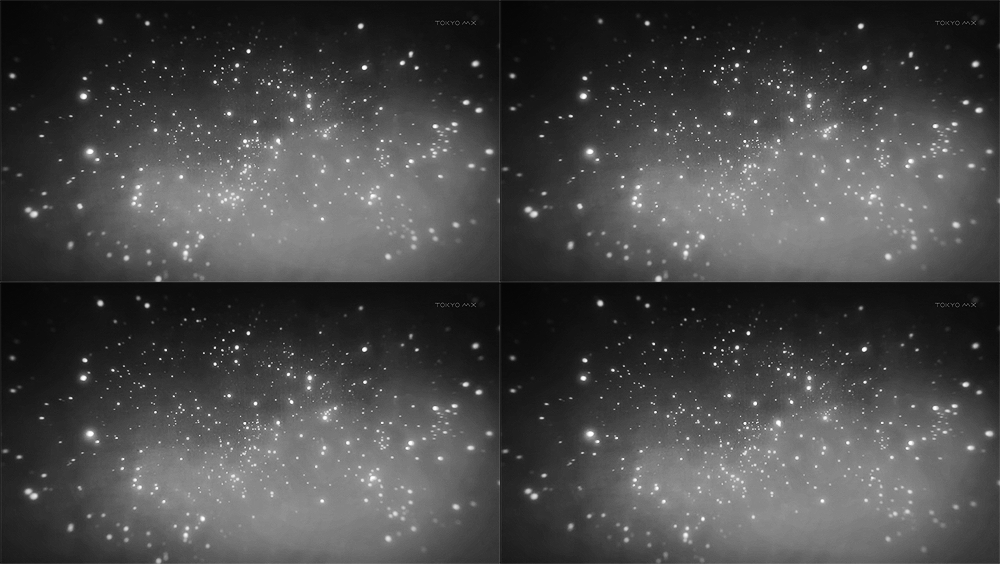
‘Roger Ekirch claims that before modernity, humanity was humbled by the night but also liberated by it. In the dark, men and women cut free of tightly-corseted social convention acted on impulse and desire. Now, Ekirch argues, nighttime has since become the forgotten half of human experience.
‘When Ekirch extends his sympathy from preindustrial folk to their occult practices, an interesting and worthwhile discussion of practical protections against the dangers of night — domestic fortifications and such — descends into a consideration of magical prophylactics, like the practice of “suspending the heart of a bullock or pig over the hearth, preferably stuck with pins and thorns,” to guard against demons coming down the chimney. Practices like this, he maintains, “made ordinary life more susceptible to human control — especially in the hours after sunset when the world seemed most threatening.”
‘He proclaims that “despite night’s dangers, no other realm of preindustrial existence” — meaning, presumably, morning or afternoon — “promised so much autonomy to so many people.” From slaves and servants to indigents and thieves, the underclasses indulged in a frenzy of self-realization. Even prostitutes found “a rare measure of autonomy in a trade that defied patriarchal authority.” It was ill advised to take two steps out of doors after nightfall, but the ample time for self-reflection resulted in an “enhanced self-awareness” among people blessed with “unprecedented freedom to explore their own individuality.” Even if, after sunset, “rogues and miscreants, like wild beasts, emerged from their lairs seeking fresh quarry,” and roving street gangs raped at will, it wasn’t all so bad: “Deflowering young women, at its heart, savagely mocked the established order.”
‘Ekirch’s argument is less a history of night than a bizarre sort of elegy for it. He expresses deep reservations about modernity’s profligate illumination. “With darkness diminished,” he warns, “opportunities for privacy, intimacy and self-reflection will grow more scarce.” While others blame television or video games for our cultural decay, Ekirch thinks we’re on an apocalyptic slide into fluorescence.’ — collaged
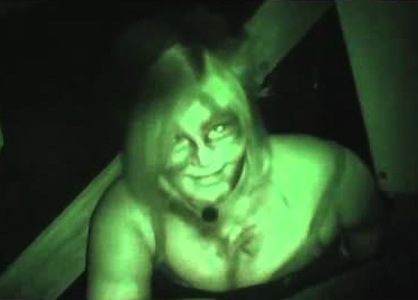
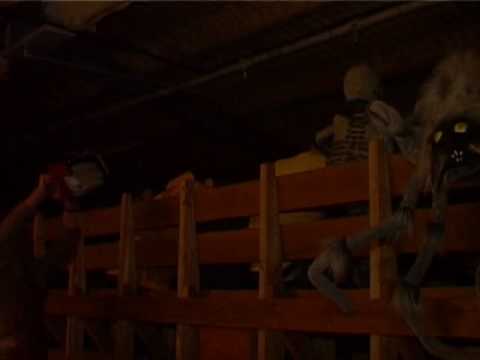
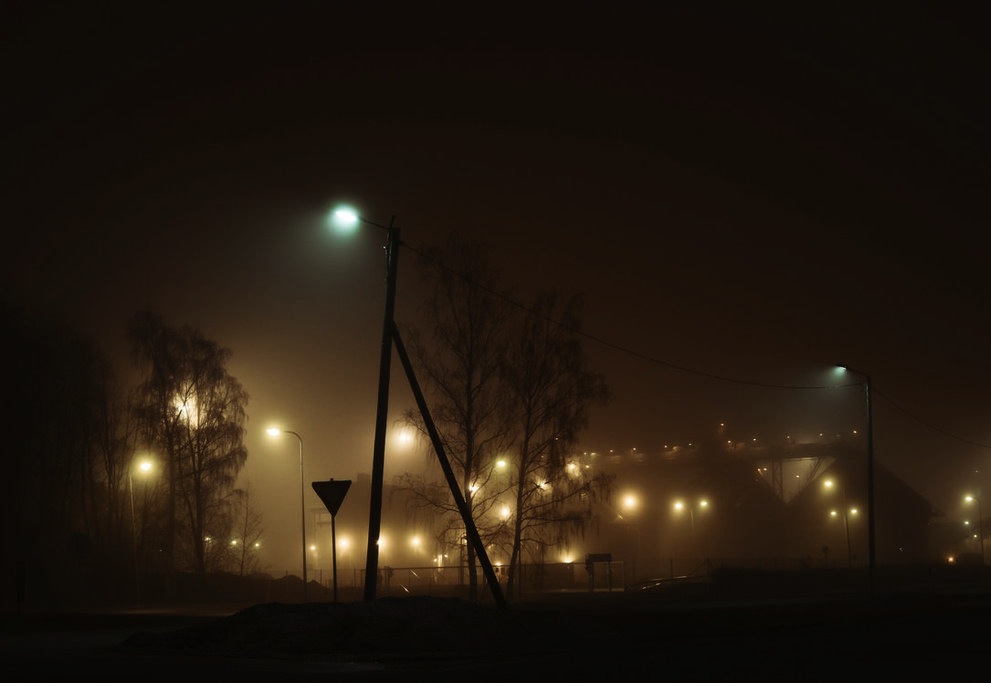
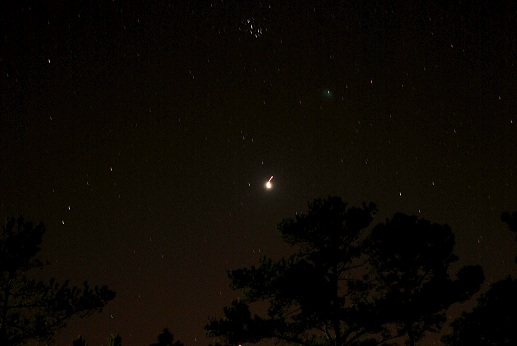
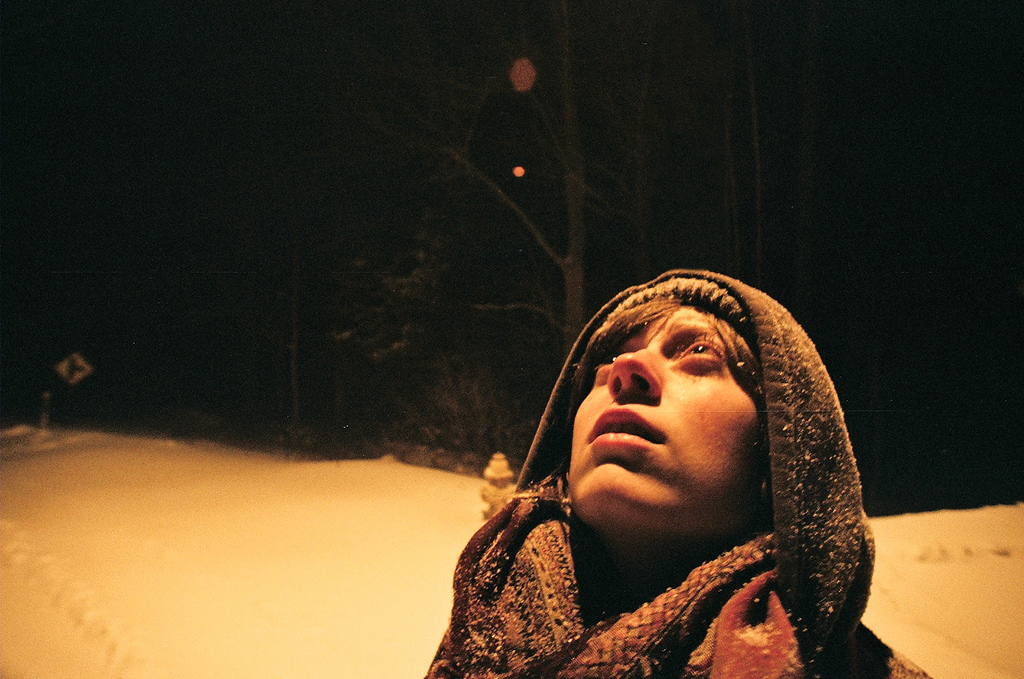
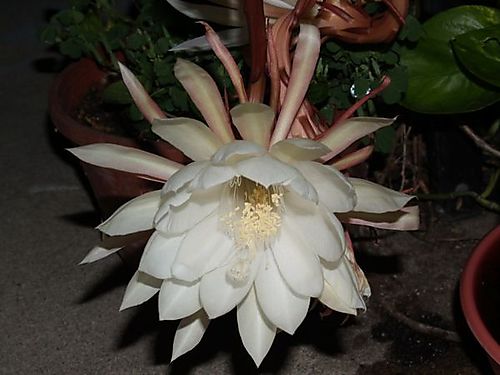
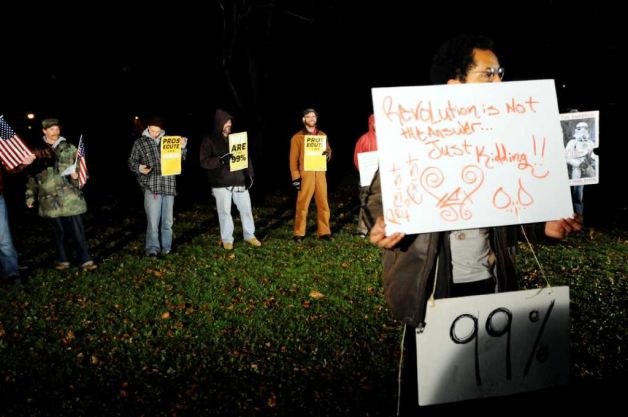
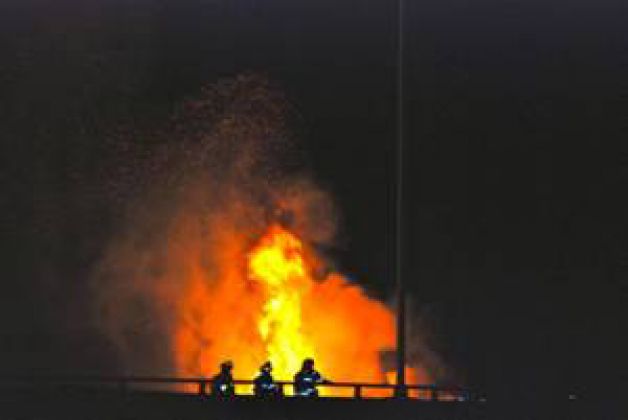
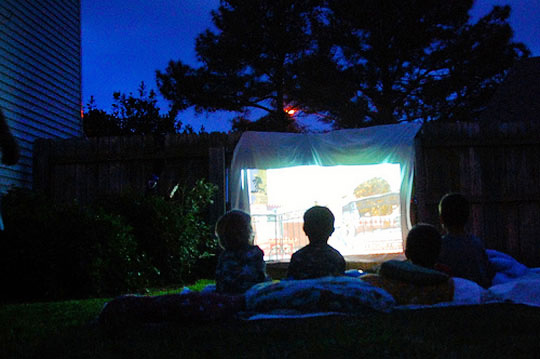
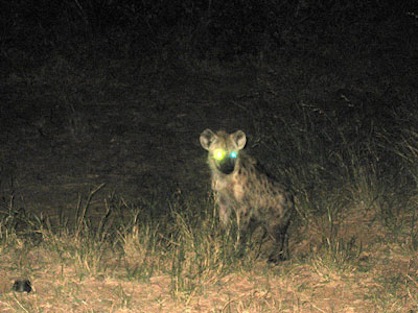
‘If humans were truly at home under the light of the moon and stars, we would go in darkness happily, the midnight world as visible to us as it is to the vast number of nocturnal species on this planet. Instead, we are diurnal creatures, with eyes adapted to living in the sun’s light. This is a basic evolutionary fact, even though most of us don’t think of ourselves as diurnal beings any more than we think of ourselves as primates or mammals or Earthlings.
‘Our eyes sense light with two different types of cells: rods and cones. Cone cells can perceive color in bright light. Rod cells perceive black and white images and work best in low light. Rhodopsin is a chemical found in the rods. Rhodopsin is the key to night vision — it is the chemical that the rods use to absorb photons and perceive light. When a molecule of rhodopsin absorbs a photon, it splits into a retinal and an opsin molecule. These molecules later recombine naturally back into rhodopsin at a fixed rate, and recombination is fairly slow.
‘So, when you expose your eyes to bright light, all of the rhodopsin breaks down into retinal and opsin. If you then turn out the lights and try to see in the dark, you can’t. The cones need a lot of light, so they are useless, and there is no rhodopsin now so the rods are useless, too. Over the course of several minutes, however, the retinal and opsin recombine back into rhodopsin, and you can see again.’ — collaged
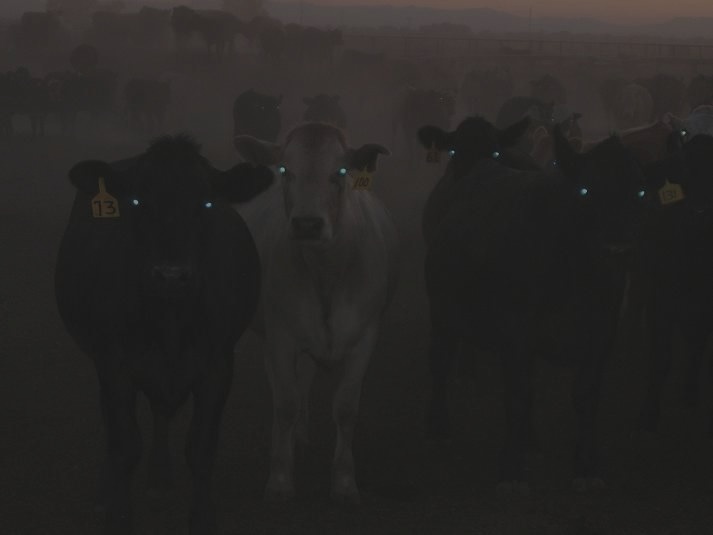
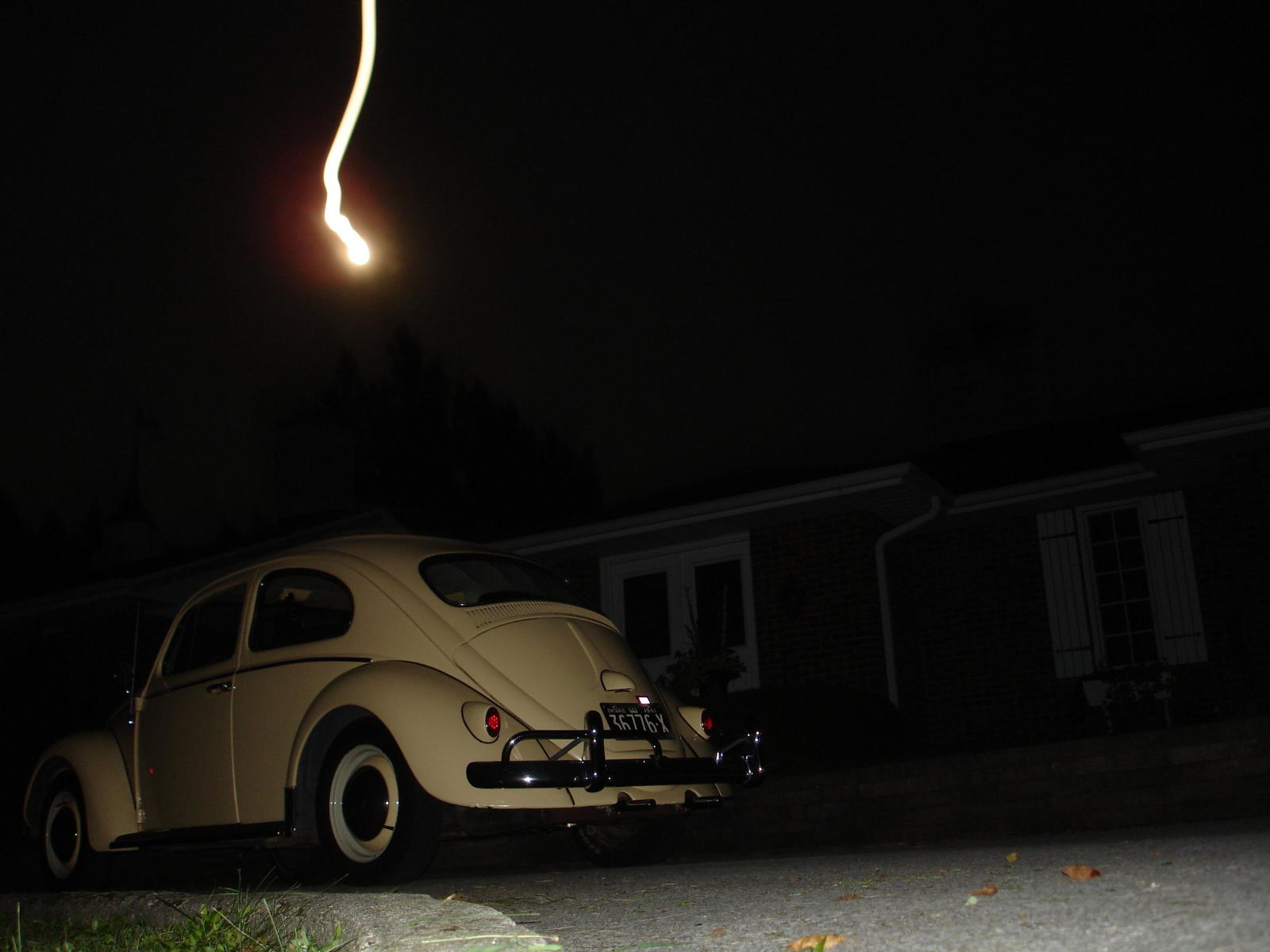
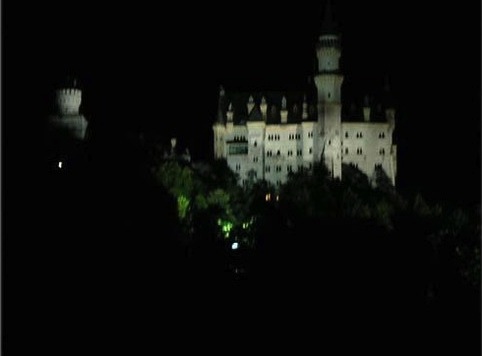
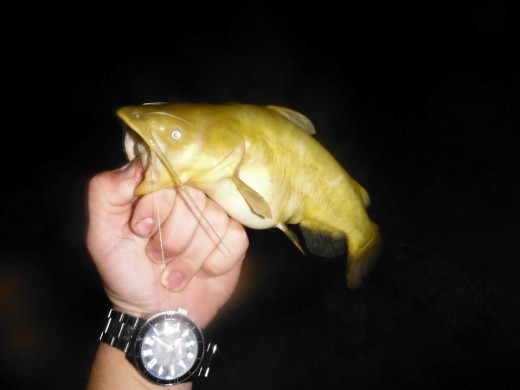
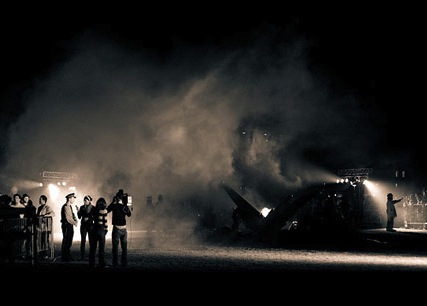
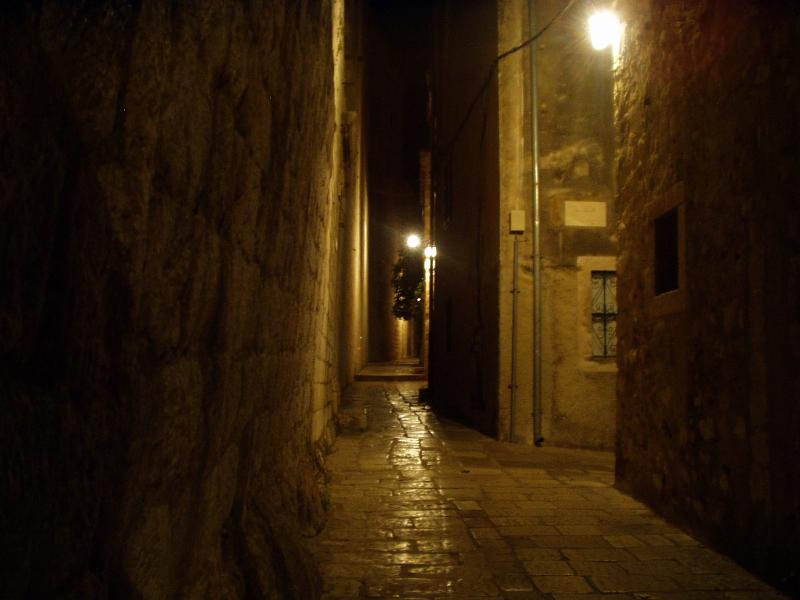
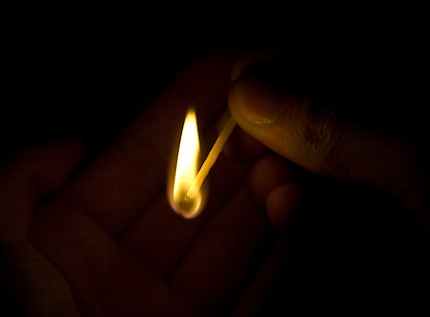
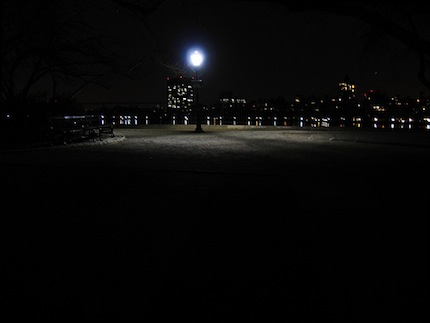
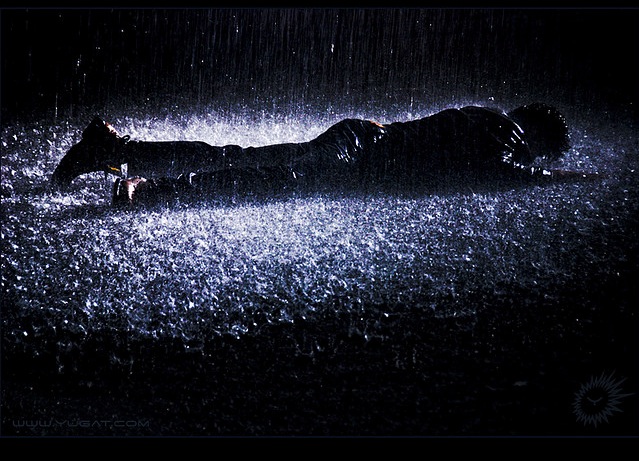
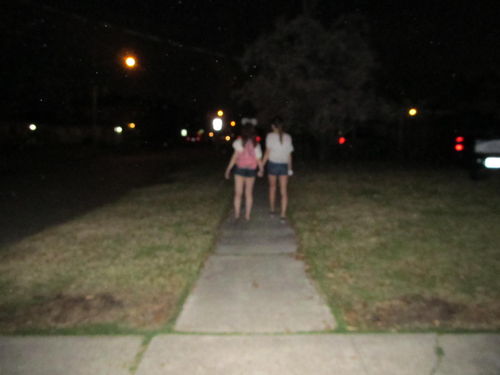
Through the course of generations
men brought the night into being.
In the beginning were blindness and dream
and thorns which gash the bare foot
and fear of wolves.
We shall never know who fashioned the word
for the interval of darkness
which divides the two half-lights.
We shall never know in what century it stood
for the starry spaces.
Others began the myth.
They made night mother of the tranquil Fates
who weave all destiny
and sacrificed black sheep to her
and the rooster which announced her end.
The Chaldeans gave her twelve houses;
infinite worlds, the Stoic Portico.
Latin hexameters molded her,
and Pascal’s dread.
Luis de León saw in her the homeland
of his shivering soul.
Now we feel her inexhaustible
as an old wine
and no one can think of her without vertigo,
and time has charged her with eternity.
And to think that night would not exist
without those tenuous instruments, the eyes.
— Jorge Luis Borges

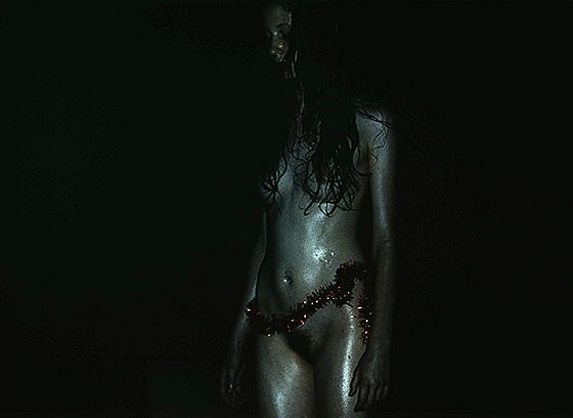
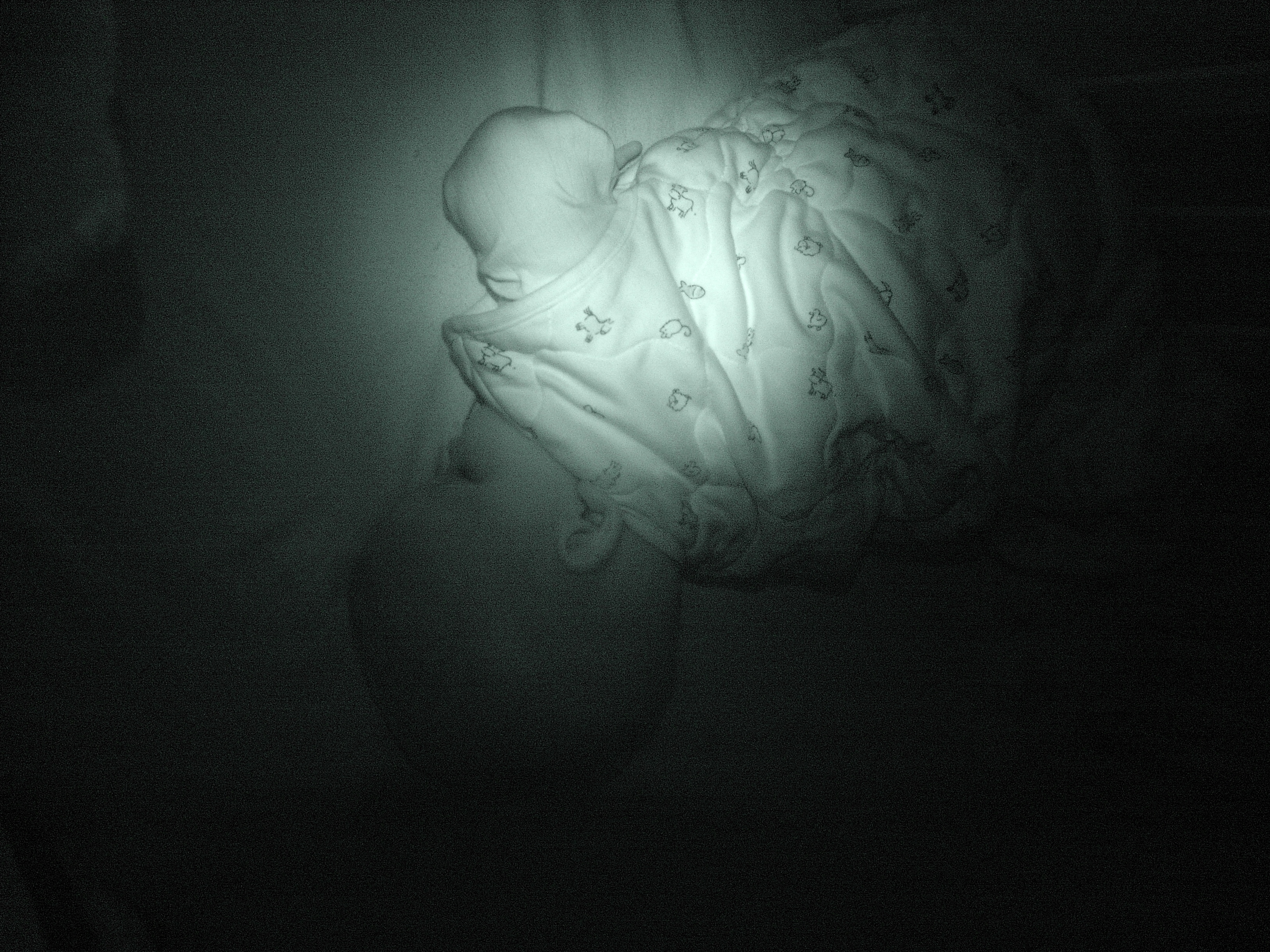
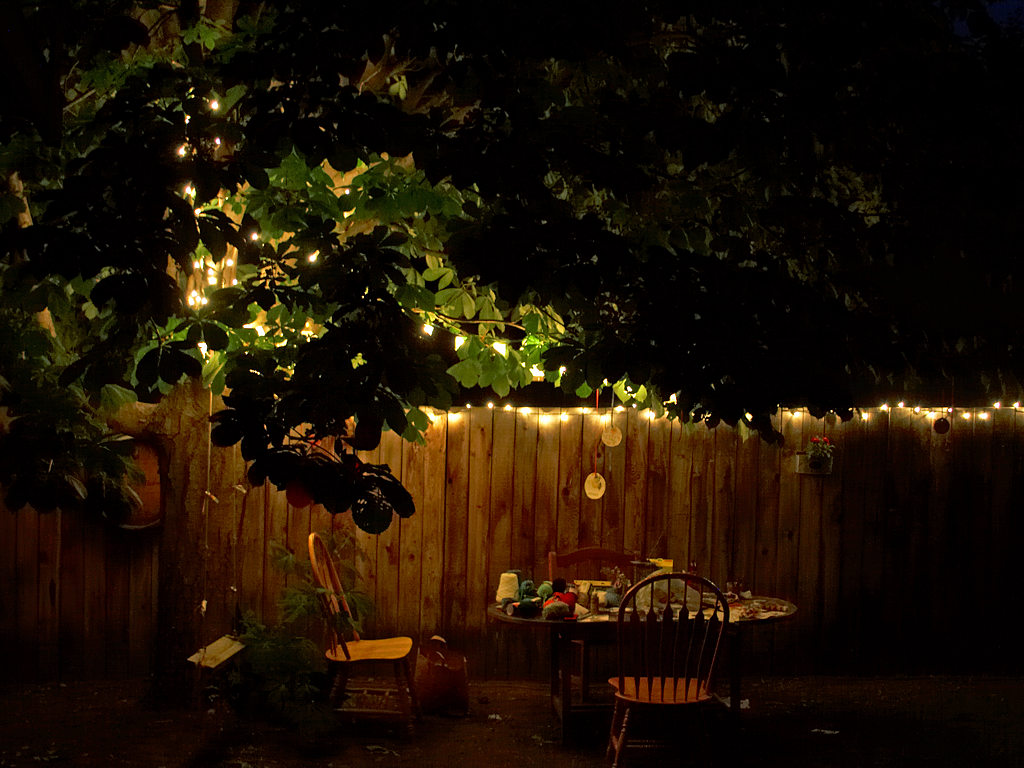
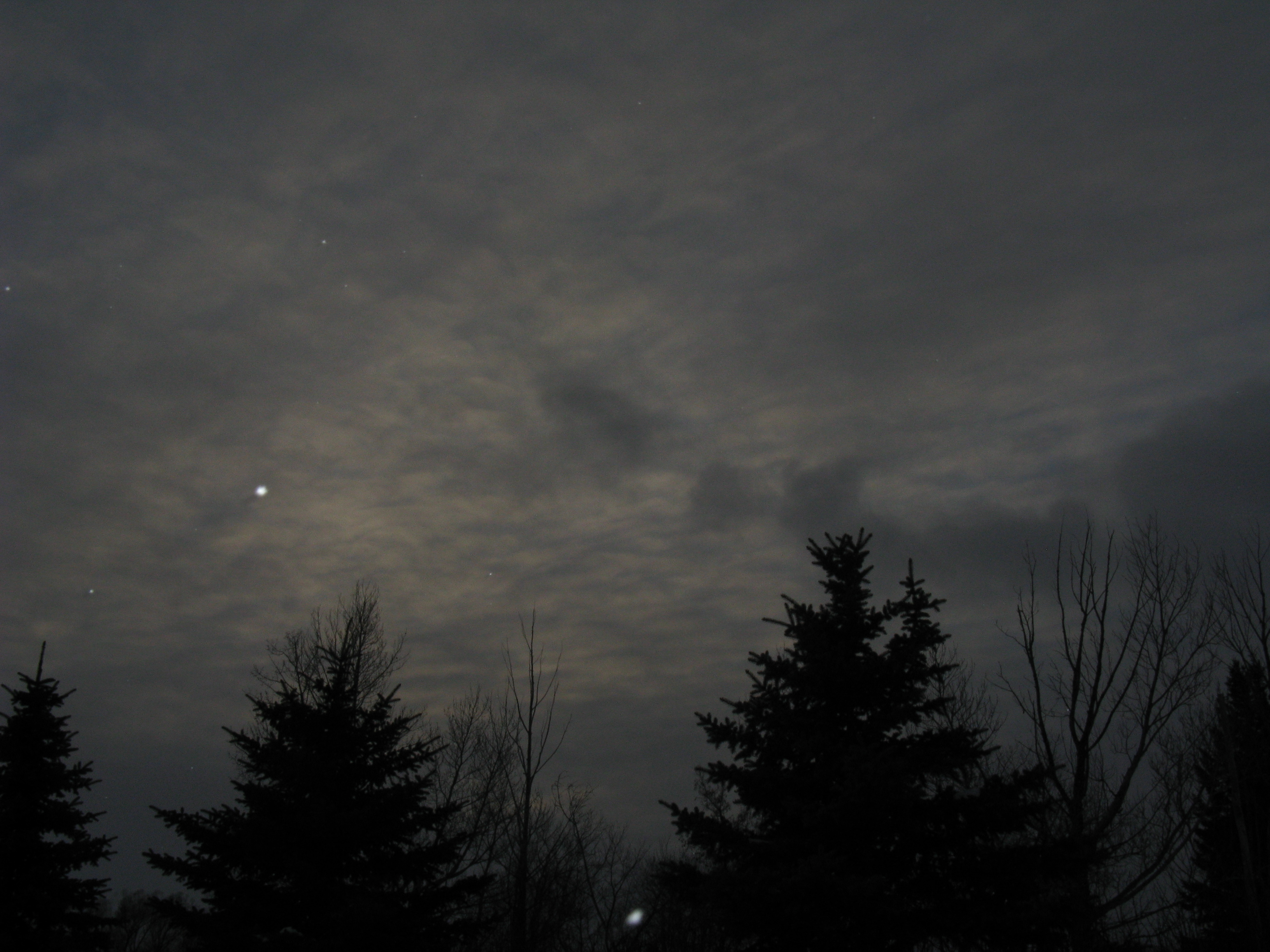
‘In 1710, Richard Steele wrote in Tatler that recently he had been to visit an old friend just come up to town from the country. But the latter had already gone to bed when Steele called at 8 pm. He returned at 11 o’clock the following morning, only to be told that his friend had just sat down to dinner. “In short”, Steele commented, “I found that my old-fashioned friend religiously adhered to the example of his forefathers, and observed the same hours that had been kept in his family ever since the Conquest”. During the previous generation or so, elites across Europe had moved their clocks forward by several hours. No longer a time reserved for sleep, the night time was now the right time for all manner of recreational and representational purposes. This is what Craig Koslofsky calls “nocturnalisation”, defined as “the ongoing expansion of the legitimate social and symbolic uses of the night”, a development to which he awards the status of “a revolution in early modern Europe”.
‘At the heart of his argument is the contrariety between day and night, light and dark. On the one hand, the sixteenth century witnessed an intensification of the association of the night with evil – “Night, thou foule mother of annoyaunce sad / Sister of heavie Death, and nourse of Woe”, as Edmund Spenser put it. In part this derived from the excited religious atmosphere. While Hans Sachs hailed Martin Luther for waking humanity from the darkness of superstition, Thomas More repaid the nocturnal insult by identifying Lutherans with the dark night of heresy. Closely linked to confessional strife was the intensification of disputes over witchcraft. The witch-hunter’s manual Malleus Maleficarum of 1486 had paid little attention to the night; a century later the night was well and truly diabolized. The Devil was now believed to be responsible for all “phantoms of the night”, especially those resulting from sorcery, so witchcraft confessions typically focused on two nocturnal acts – the diabolic pact, often consummated sexually, and the Witches’ Sabbath, also a riot of sexual licence. Peter Binsfeld, the suffragan Bishop of Trier, explained in 1589 that after his expulsion from Paradise, the Devil became dark and obscure and so performed all his foul deeds at night.
‘Henry III of France, who was assassinated in 1589, usually had his last meal at 6 pm and was tucked up in bed by 8. Louis XIV’s day began with a lever at 9 and ended (officially) at around midnight. The ladies of his court – and plenty of the men too – adapted their maquillage to take advantage of artificial lighting to draw attention to their rosy cheeks, white bosoms, jet black eyebrows and scarlet lips. As with so much else at Versailles, this was a development that served to distance the topmost elite from the rest of the population. Koslofsky speculates that it was driven by the need to find new sources of authority in a confessionally fragmented age.
‘More directly – and convincingly – authoritarian was the campaign to “colonize” the night by reclaiming it from the previously dominant marginal groups. The most effective instrument was street-lighting, introduced to Paris in 1667, Lille also in 1667, Amsterdam in 1669, Hamburg in 1673, Turin in 1675, Berlin in 1682, Copenhagen in 1683, and London, where private companies were contracted to provide the service, between 1684 and 1694. This had little to do with technological progress, for until the nineteenth century only candles and oil lamps were available. Most advanced was the oil lamp developed in the 1660s by Jan van der Heyden, which used a current of air drawn into the protective glass-paned lantern to prevent the accretion of soot, and made Amsterdam the best-lit city in Europe.
‘At the end of the street is the reassuring sight of a nightwatchman, now able to see and protect the respectable citizens. They were the great beneficiaries of the great illumination; the victims were those to whom the streets had belonged when darkness ruled – students, the young in general, servants, vagrants, prostitutes and drinkers. All those, in other words, who had prompted Milton to write: “when night darkens the streets, then wander forth the sons of Belial, flown with insolence and wine”. It was not a victory the authorities won easily (if indeed they ever did). The previous occupants responded with a Kristallnacht of lantern breaking, for which draconian penalties were inflicted – the galleys in France; amputation of a hand in Vienna (where twelve nightwatchmen were murdered between 1649 and 1720). Yet gradually European towns and cities became safer places when the sun went down, and this security promoted forms of social activity beyond whoring, brawling, gambling and drinking. As Koslofsky very reasonably argues, almost all the work on the public sphere has concentrated on locations and institutional forms, and has neglected time.’ — Tim Blanning

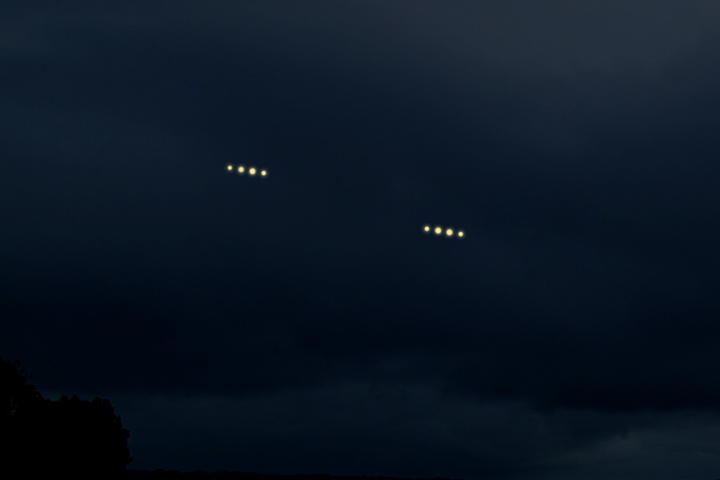
At night the states
I forget them or I wish I was there
in that one under the
Stars. It smells like June in this night
so sweet like air.
I may have decided that the
States are not that tired
Or I have thought so. I have
thought that.
At night the states
And the world not that tired
—-of everyone
Maybe. Honey, I think that to
—-say is in
light. Or whoever. We will
—-never
replace You. We will never re-
—-place You. But
in like a dream the floor is no
—-longer discursive
To me it doesn’t please me by
being the vistas out my
window, do you know what
Of course (not) I mean?
I have no dreams of wake-
—-fulness. In
wakefulness. And so to begin.
—-(my love.)
At night the states
talk. My initial continuing contra-
—-diction
my love for you & that for me
deep down in the Purple Plant the oldest
—-dust
of it is sweetest but sates no longer
—-how I
would feel. Shirt
that shirt has been in your arms
—-And I have
that shirt is how I feel
At night the states
will you continue in this as-
—-sociation of
matters, my Dearest? down
the street from
where the public plaque reminds
that of private
loving the consequential chain
—-trail is
—-matters
At night the states
that it doesn’t matter that I don’t
say them, remember
them at the end of this claustro-
—-phobic the
dance, I wish I could see I wish
—-I could
dance her. At this night the states
—-say them
out there. That I am, am them
indefinitely so and
so wishful passive historic fated
—-and matter-
simple, matter-simple, an
—-eyeful. I wish
but I don’t and little melody.
Sorry that these
little things don’t happen any
—-more. The states
have drained their magicks
—-for I have not
seen them. Best not to tell. But
—-you
you would always remain, I
trust, as I will
always be alone.
At night the states
whistle. Anyone can live. I
can. I am not doing any-
thing doing this. I
discover I love as I figure. Wed-
—-nesday
I wanted to say something in
particular. I have been
where. I have seen it. The God
can. The people
do some more.
At night the states
I let go of, have let, don’t
—-let
Some, and some, in Florida, doing.
What takes you so
long? I am still with you in that
—-part of the
park, and vice will continue, but
—-I’ll have
a cleaning Maine. Who loses
—-these names
loses. I can’t bring it up yet,
—-keeping my
opinions to herself. Everybody in
—-any room is a
smuggler. I walked fiery and
—-talked in the
stars of the automatic weapons
and partly for you
Which you. You know.
At night the states
have told it already. Have
—-told it. I
know it. But more that they
don’t know, I
know it too.
At night the states
whom I do stand before in
—-judgment, I
think that they will find
me fair, not
that they care in fact nor do
I, right now
though indeed I am they and
—-we say
that not that I’ve
—-erred nor
lost my way though perhaps
they did (did
they) and now he is dead
—-but you
you are not. Yet I am this
—-one, lost
again? lost & found by one-
—-self
Who are you to dare sing to me?
At night the states
accompany me while I sit here
—-or drums
there are alwavs drums what for
—-so I
won’t lose my way the name of
—-a
personality, say, not California
—-I am not
sad for you though I could be
—-I remember
climbing up a hill under tall
—-trees
getting home. I guess we
got home. I was
going to say that the air was
—-fair (I was
always saying something like
—-that) but
that’s not it now, and that
that’s not it
isn’t it either
At night the states
dare sing to me they who seem
—-tawdry
any more I’ve not thought I
loved them, only
you it’s you whom I love
the states are not good to me as
I am to them
though perhaps I am not
when I think of your being
so beautiful
but is that your beauty
or could it be
theirs I’m having such a
hard time remembering
any of their names
your being beautiful belongs
to nothing
I don’t believe they should
praise you
but I seem to believe they
—-should
somehow let you go
At night the states
and when you go down to
—-Washington
witness how perfectly anything
in particular
sheets of thoughts what a waste
—-of sheets at
night. I remember something
—-about an
up-to-date theory of time. I
—-have my
own white rose for I have
—-done
something well but I’m not
—-clear
what it is. Weathered, perhaps
—-but that’s
never done. What’s done is
perfection.
At night the states
ride the train to Baltimore
we will try to acknowledge what was
but that’s not the real mirror
—-is it? nor
is it empty, or only my eyes
—-are
Ride the car home from Washington
—-no
they are not. Ride the subway
—-home from
Pennsylvania Station. The states
are blind eyes
stony smooth shut in moon-
light. My
French is the shape of this
—-book
that means I.
At night the states
the 14 pieces. I couldn’t just
walk on by. Why
aren’t they beautiful enough
in a way that does not
beg to wring
something from a dry (wet)
—-something
Call my name
At night the states
making life, not explaining anything
but all the popular songs say call
—-my name
oh call my name, and if I call
it out myself to
you, call mine out instead as our
—-poets do
will you still walk on by? I
—-have
loved you for so long. You
—-died
and on the wind they sang
your name to me
but you said nothing. Yet you
said once before
and there it is, there, but it is
—-so still.
Oh being alone I call out my
—-name
and once you did and do still in
—-a way
you do call out your name
to these states whose way is to walk
on by that’s why I write too much
At night the states
whoever you love that’s who you
—-love
the difference between chaos and
star I believe and
in that difference they believed
—-in some
funny way but that wasn’t
—-what I
I believed that out of this
fatigue would be
born a light, what is fatigue
there is a man whose face
changes continually
but I will never, something
—-I will
never with regard to it or
never regard
I will regard yours tomorrow
I will wear purple will I
and call my name
At night the states
you who are alive, you who are dead
when I love you alone all night and
that is what I do
until I could never write from your
—-being enough
I don’t want that trick of making
it be coaxed from
the words not tonight I want it
—-coaxed from
myself but being not that. But I’d
—-feel more
comfortable about it being words
—-if it
were if that’s what it were for these
—-are the
States where what words are true
—-are words
Not myself. Montana. Illinois.
Escondido.
— Alice Notley
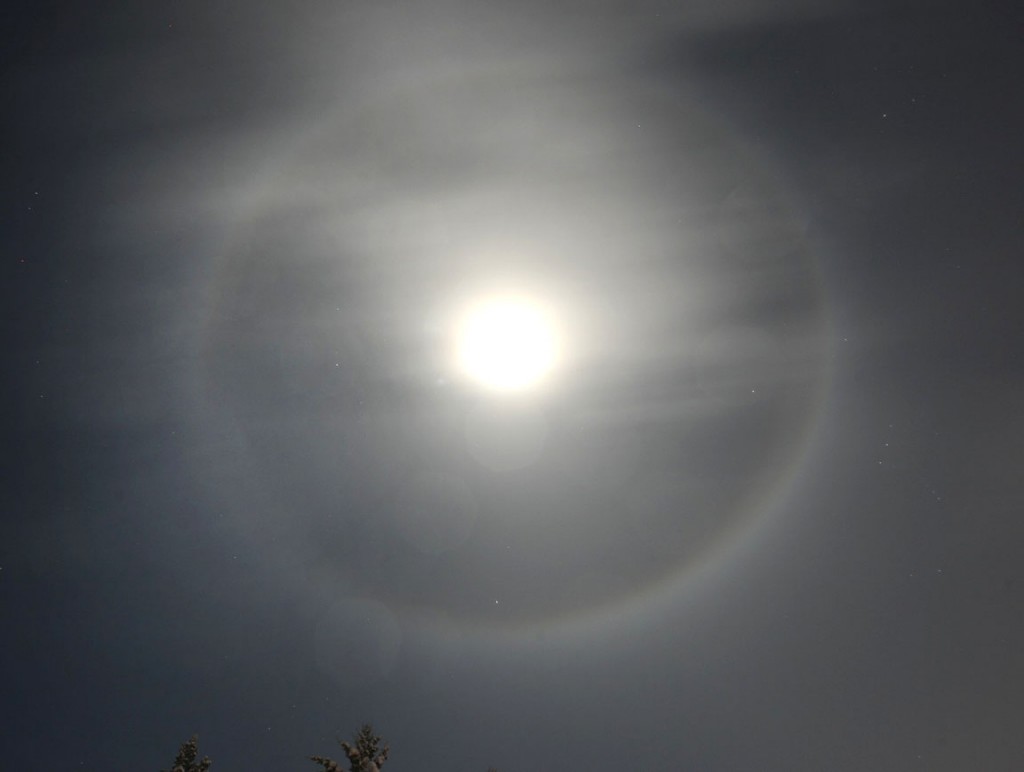
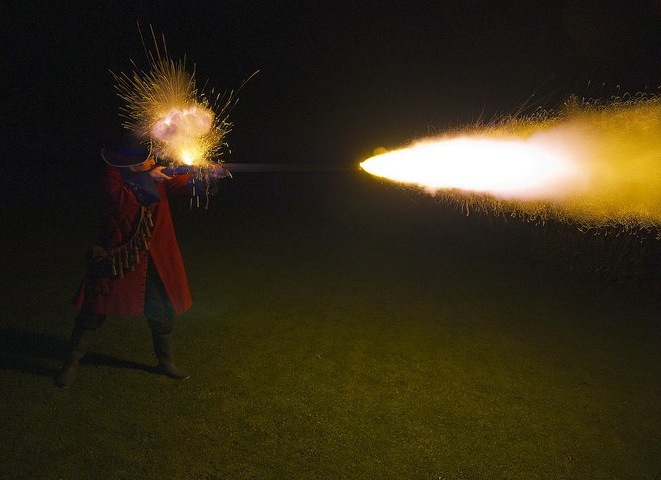
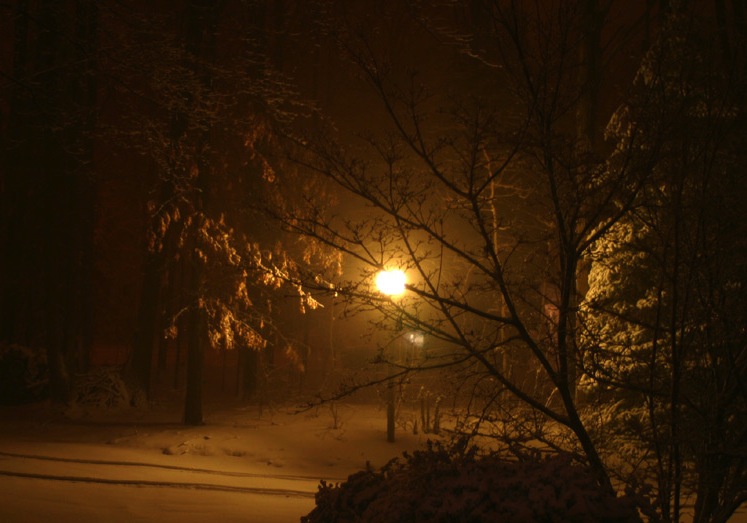
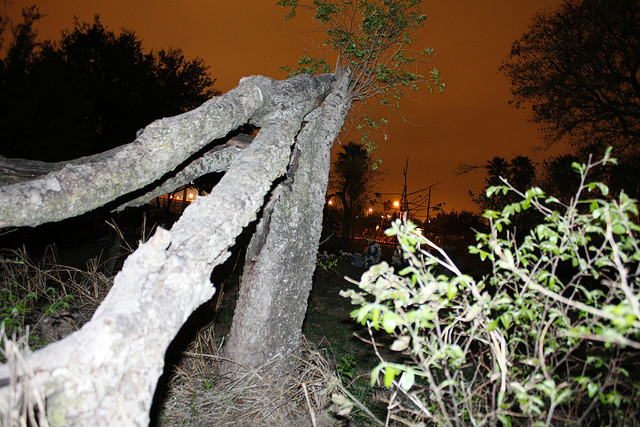
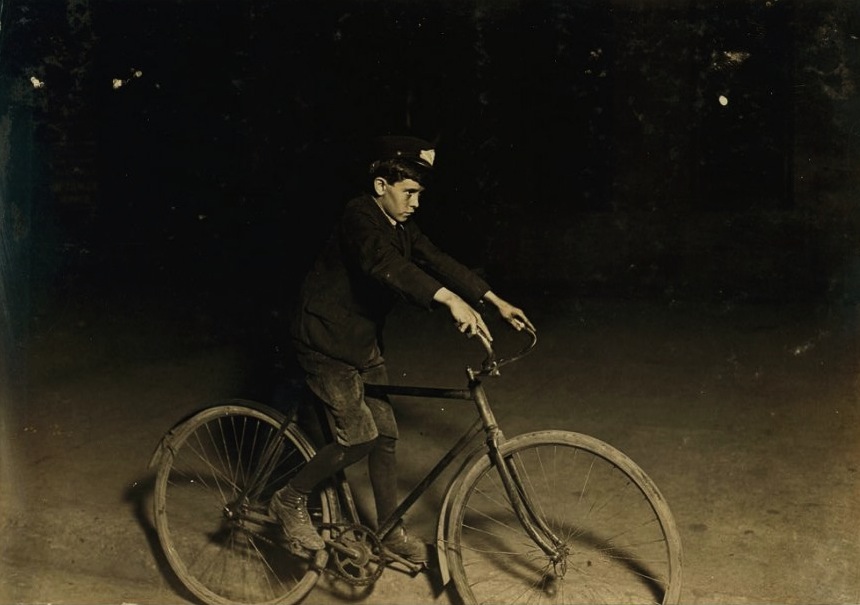
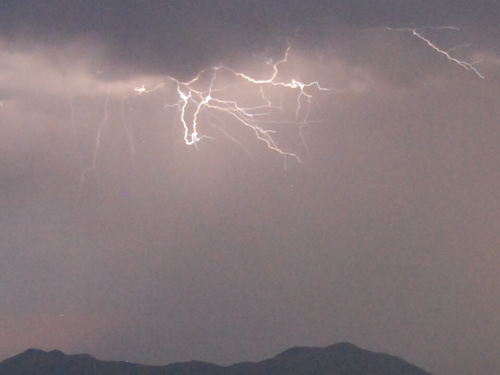

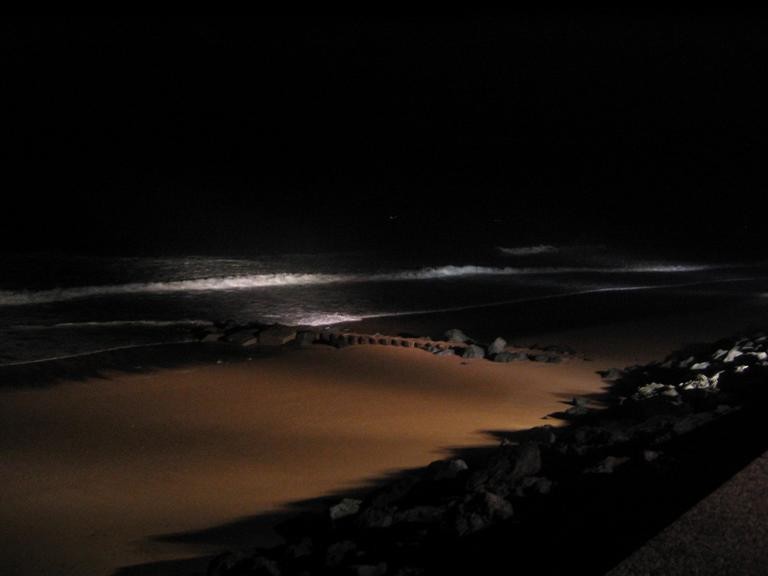
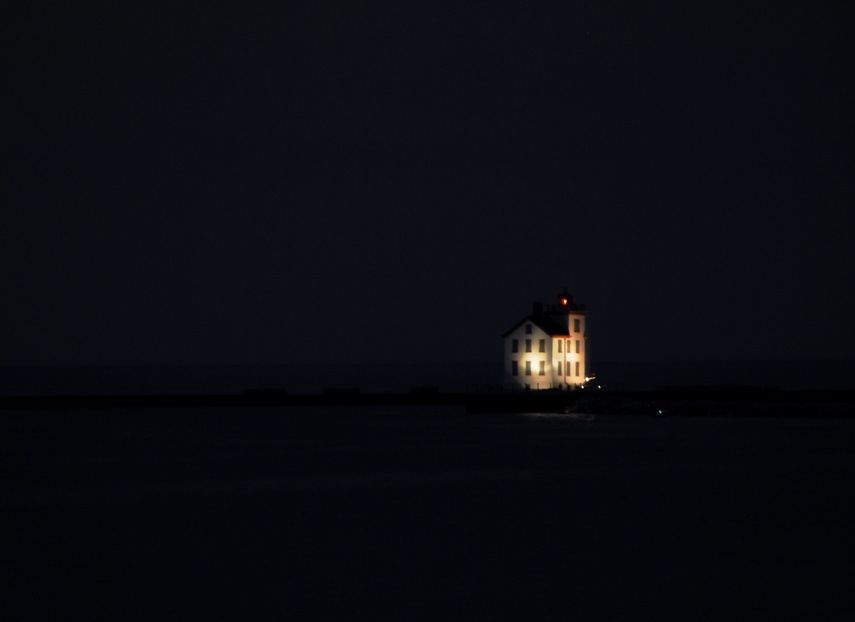
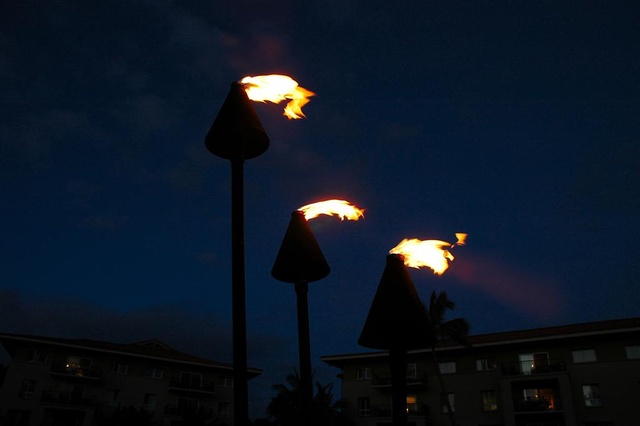
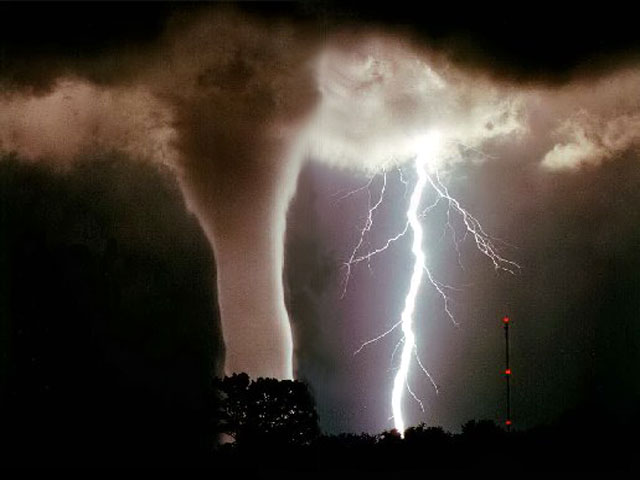
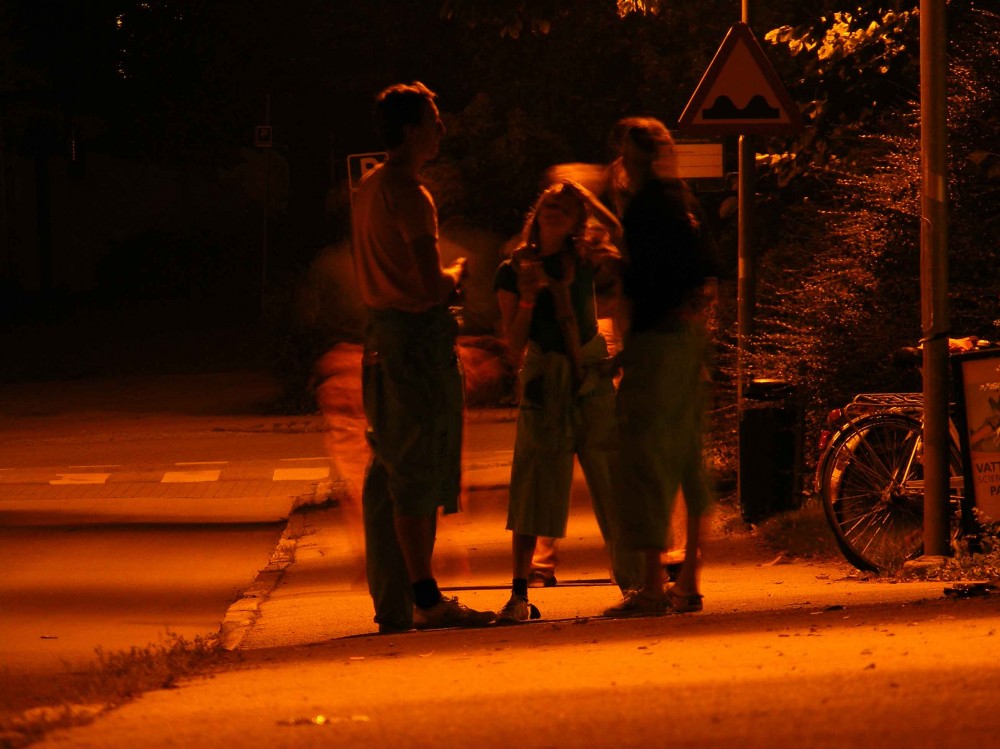
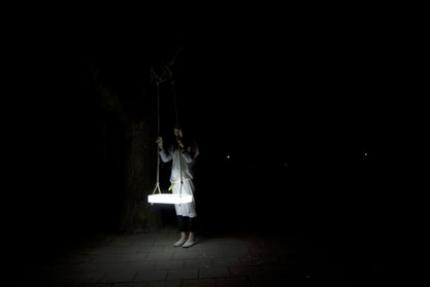
‘We all know it when we see it, but can we define glare and can we measure it? How do we address it and its control in policies and ordinances? How does it arise? Where do we see it? From what type of installations and sources? When do we see it? How to address it and minimize it? Who to address is and cure it? How to assure it doesn’t arise in future installations? How to retrofit installations to eliminate it or minimize it? Intensity of the source? Local or surrounding contrast with the background?
‘Glare is one of the most obvious forms of economic and environmental waste. We see it every night in the form of bright orange blobs of light in the sky. This light obscures views of the night sky and reduces enjoyment of the wonders of blackness. Research has shown that excessive light at night has a negative biological effect on animals and humans. Glare is easy to identify, but is very complex. For example, what are the different types of glare? Discomfort, disability, annoying, blinding, obtrusive. How does it depend on the locale or lighting zone? By surrounds and background? By source size (arc source or large sources) Dependence on viewers age and eyes?
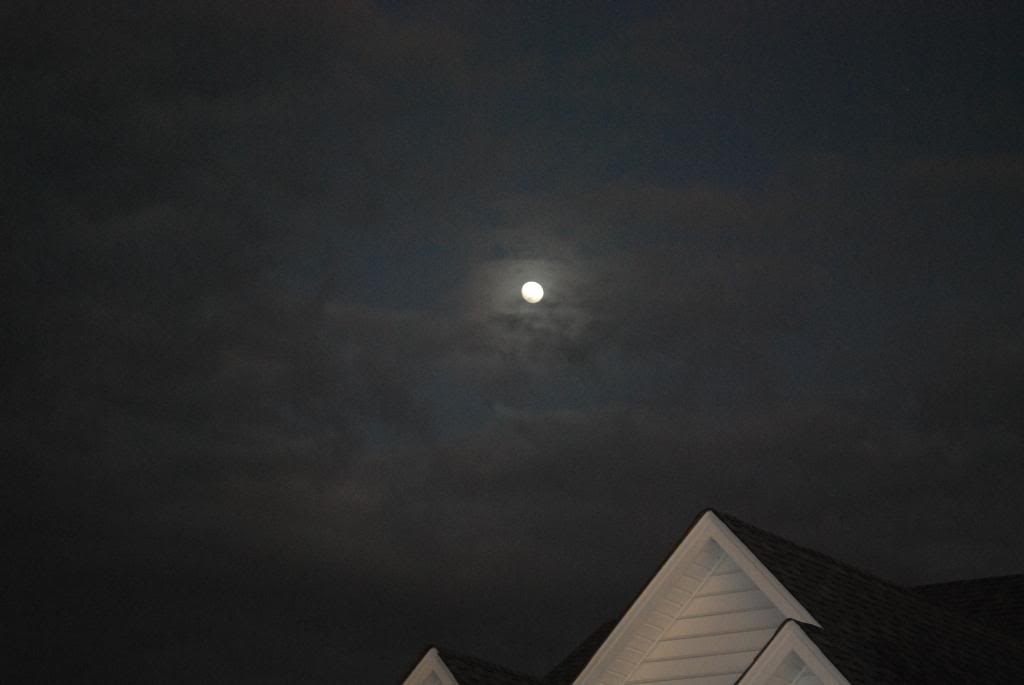
‘A view of the night is a view of our natural heritage. Dark night skies are a declining resource, threatened by development and the effects of intrusive artificial lighting. To help protect our natural environment we aim to achieve International Dark Sky Reserve status for the entire earth, an award administered by the International Dark Skies Association. Through careful management of artificial lighting the darkness of the night can be protected with benefits to wildlife, people and our natural environment.
‘There is a plethora of reasons to embrace the night sky, not just as a convenient cover for a romance with a spouse, but because of the aesthetics it promotes. Just think about the rich night-inspired contributions of Amadeus Wolfgang Mozart, Vincent van Gogh, or Robert Frost, not to mention Albert Einstein and Edgar Allan Poe. Light pollution is growing at the rate of 4%- far faster than the population. As developing countries embrace the use of electric light, light pollution promises to get even worse. There is a solution!’ — collaged
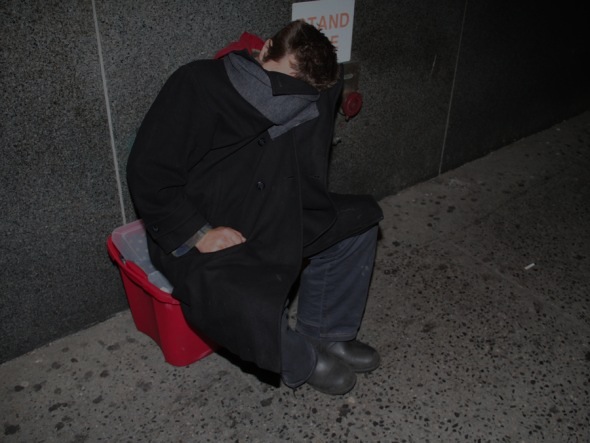

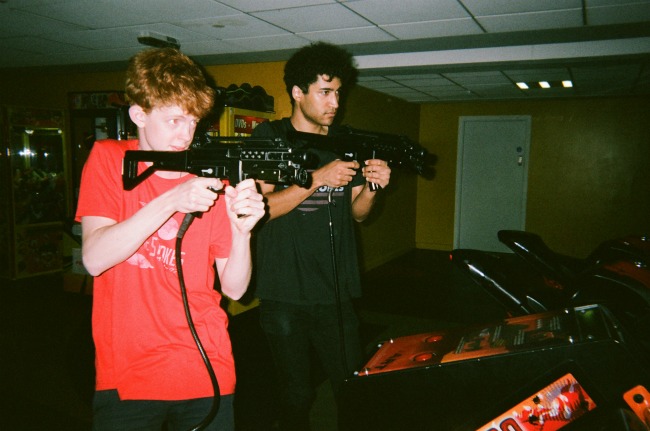
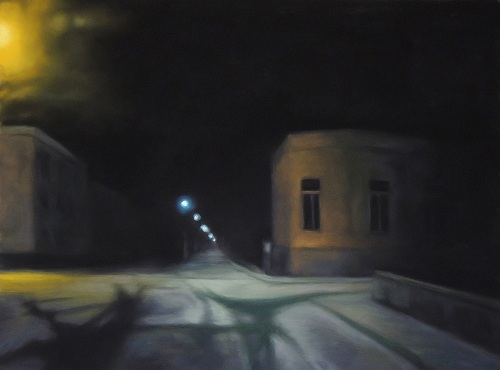
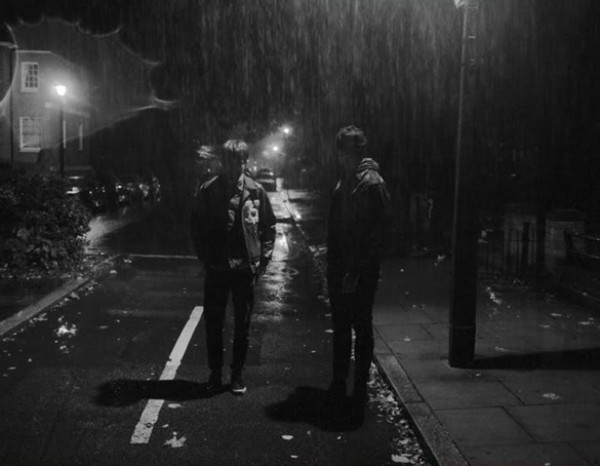
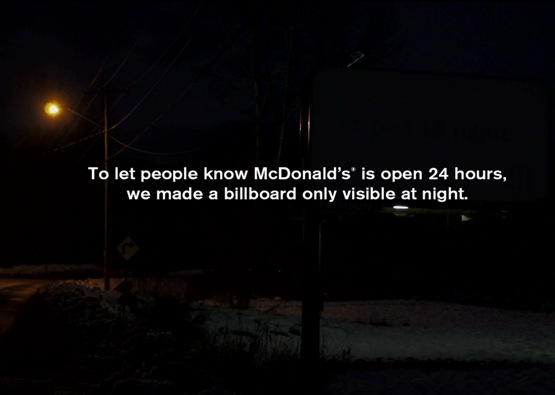
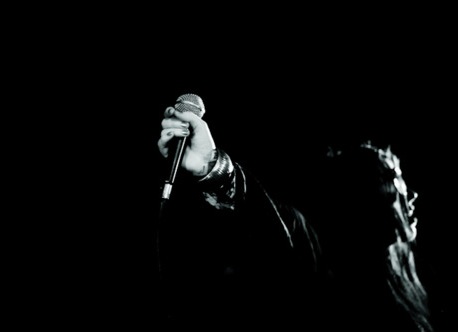
‘From the start, the night has had a bad rap. The first words of the West’s great monotheist God were, “Let there be light”. Having found “that it was good”, he “divided the light from the darkness” and named the former day and the latter night. Light was good and dark was bad, and not surprisingly God’s great arch-rival soon became known as The Prince of Darkness.
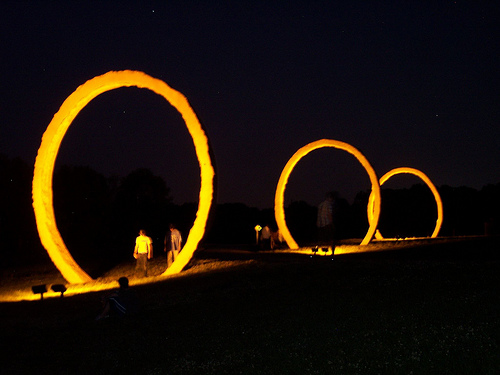
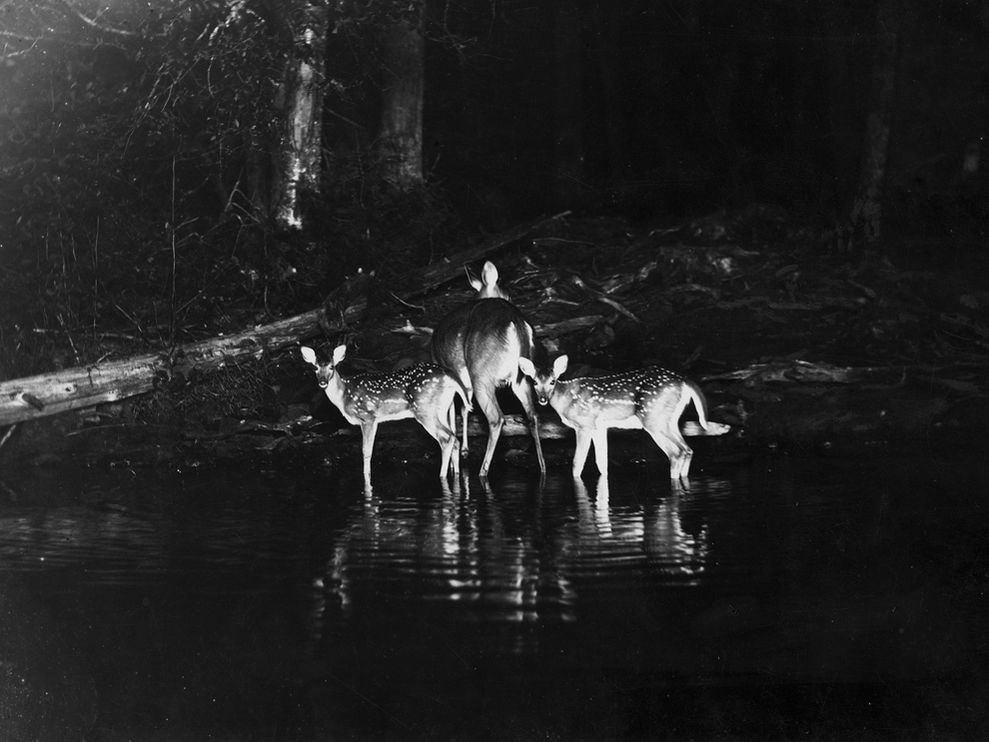
‘The human race has found many ingenious ways to ward off the night and, by 1829, it started to be drummed out of our cities. The first gas lamps were planted along the Champs-Élysées that year; by the 1870s, electric street lights were placed in Manchester. By coincidence, photography was invented at around the same time, allowing a new breed of artist to “write with light”. Doing so in the dark sounds almost like a contradiction in terms, but the first night photograph quickly appeared.
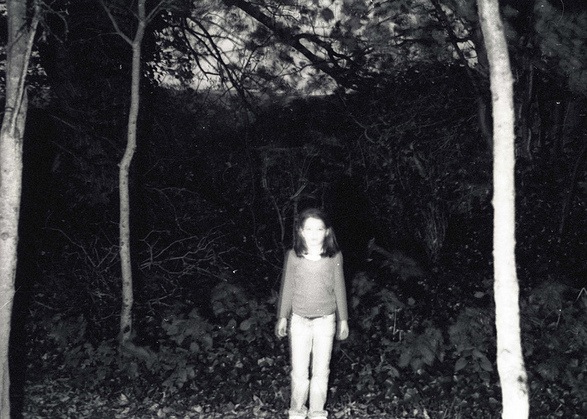
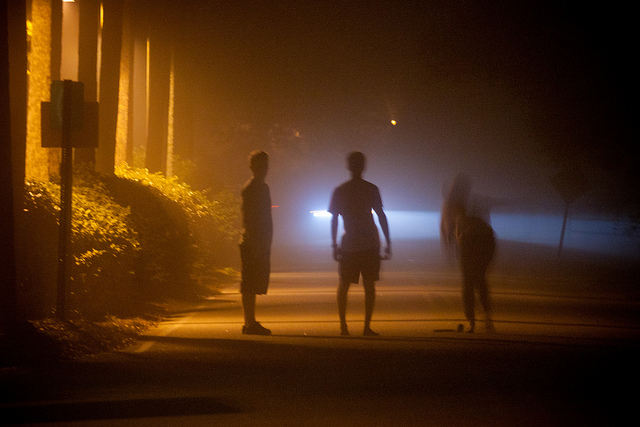
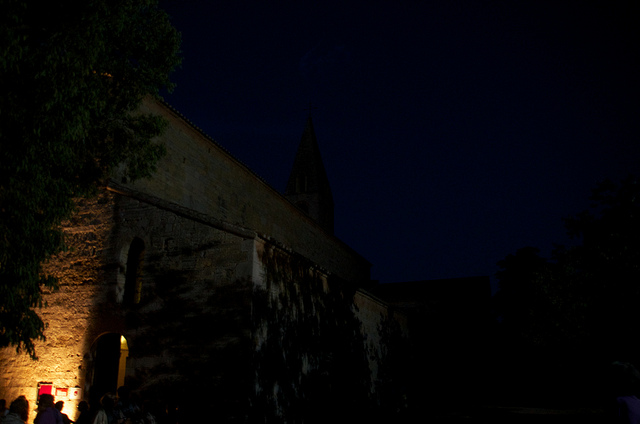
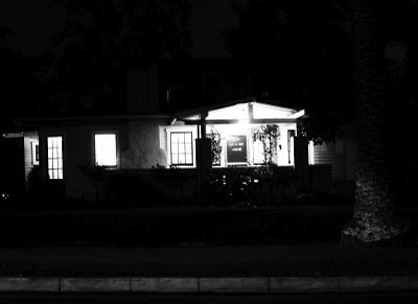
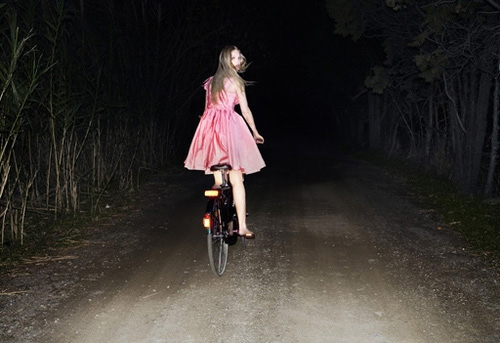
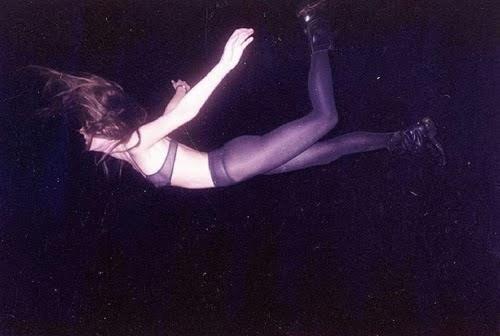
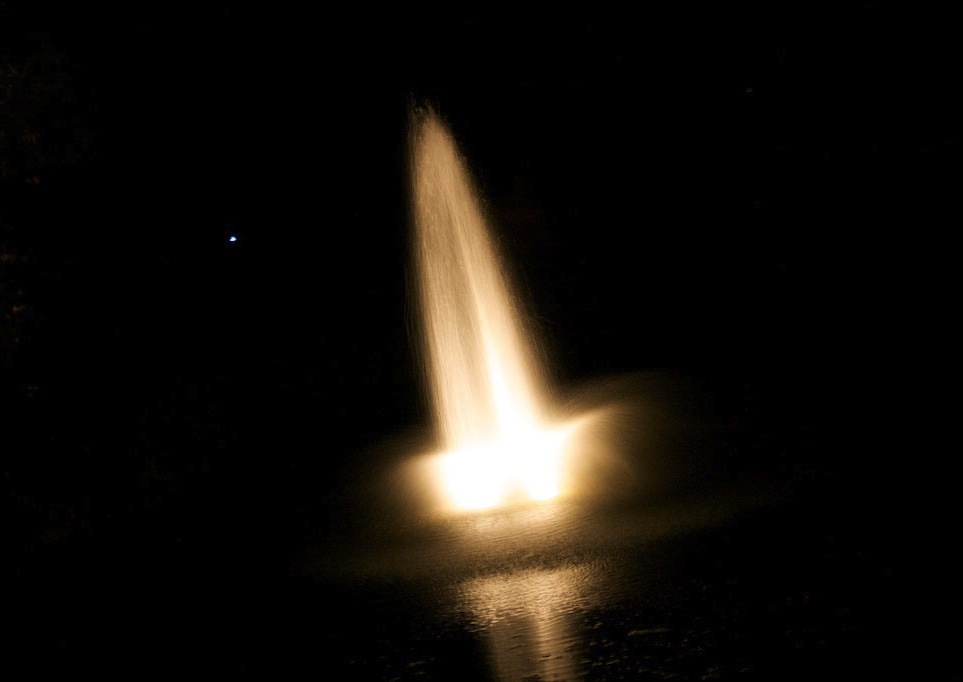
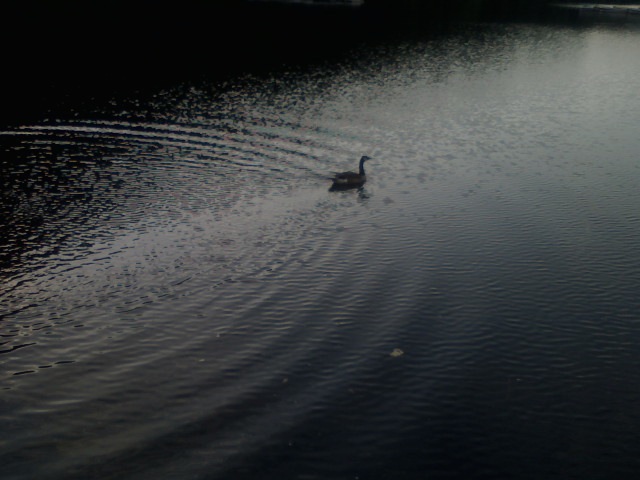
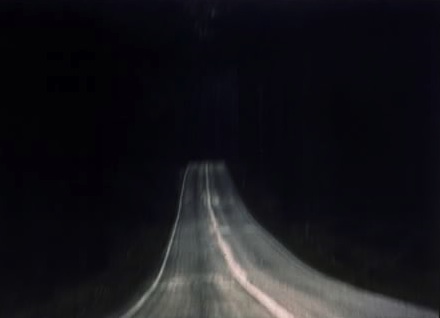
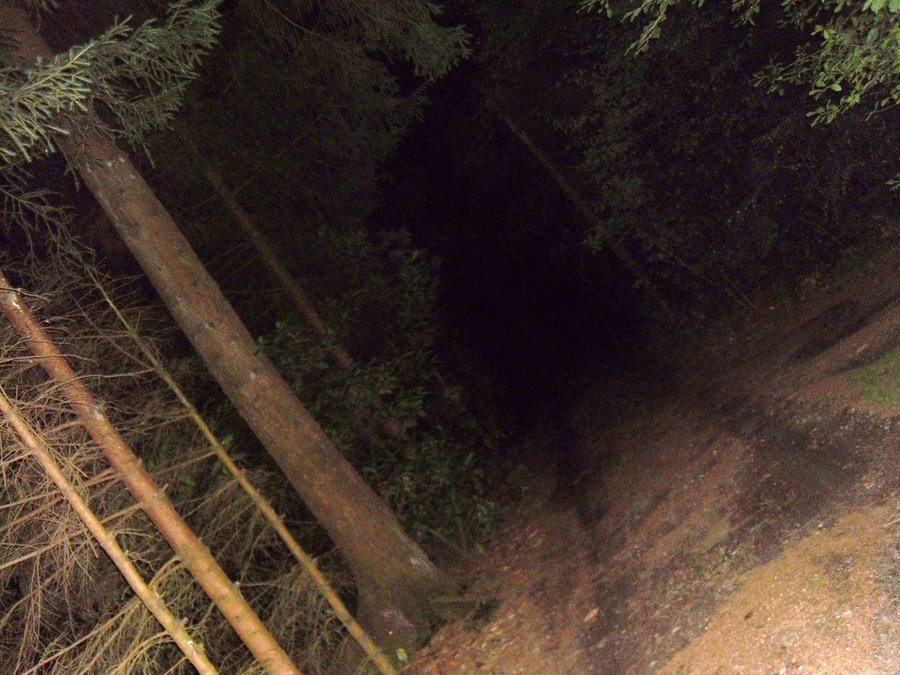
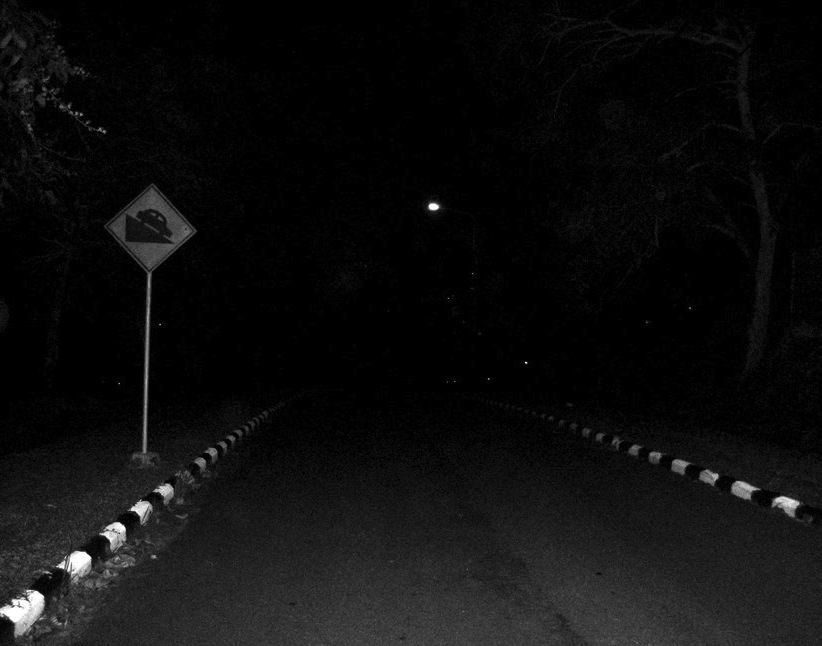
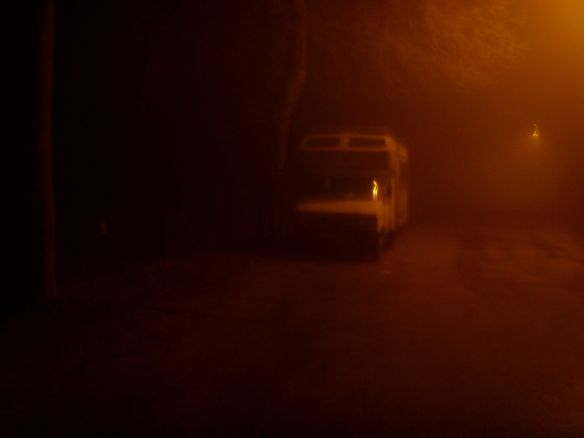
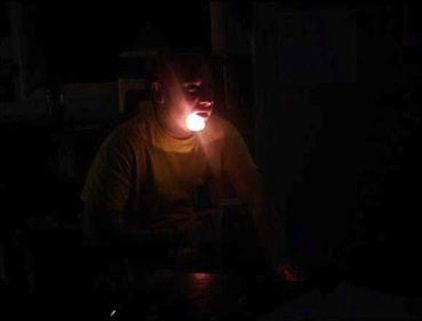
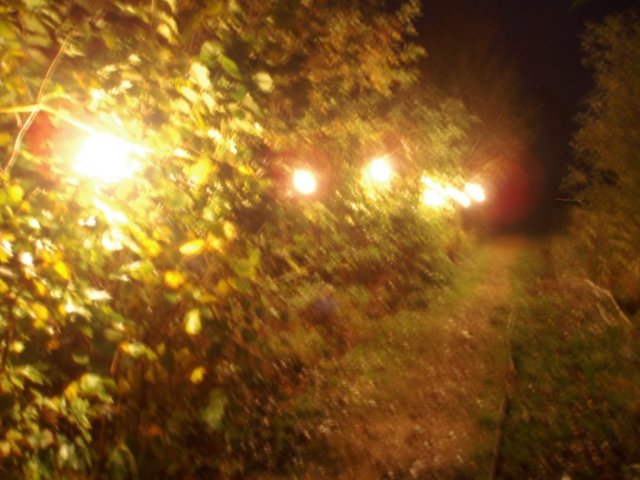
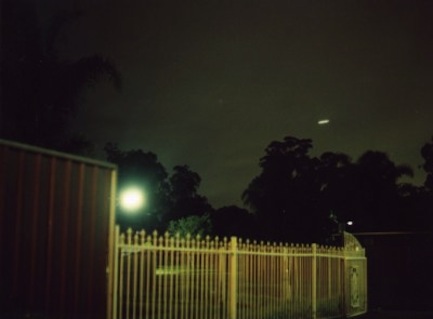
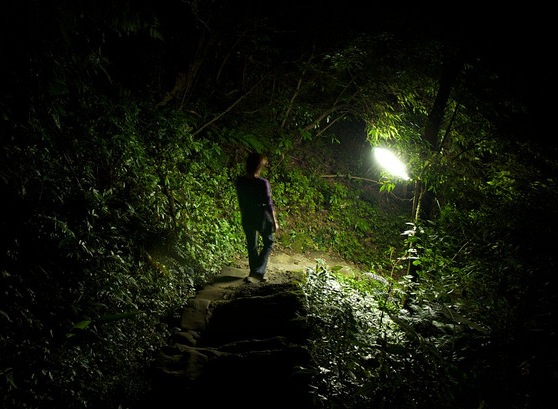
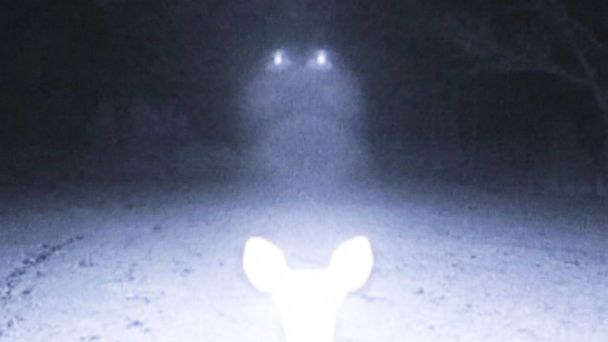
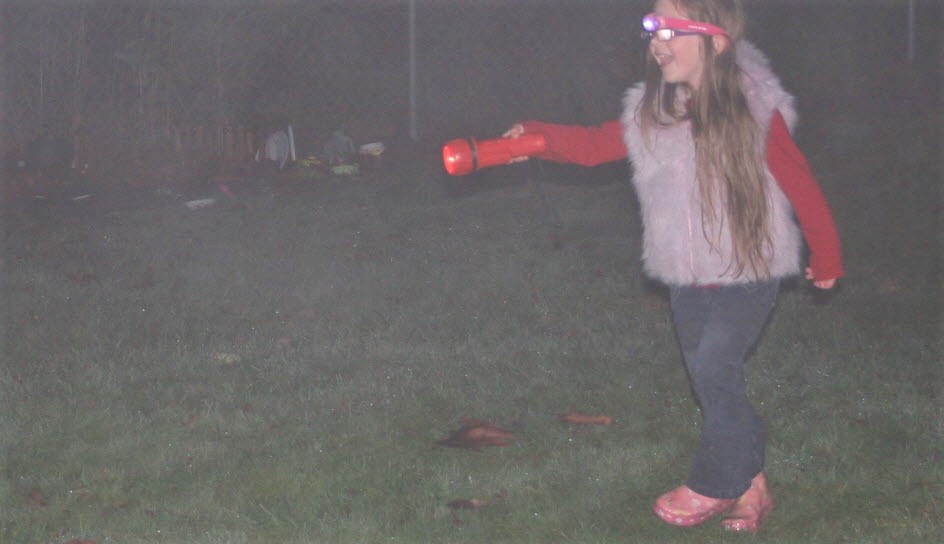
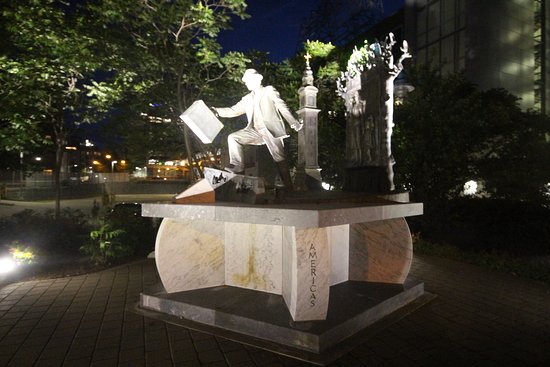
‘There is something magically seductive about a creative process that is not fully in our control. Much of what happens during night photography is like that. Long exposures, from seconds to hours, make images unpredictable. While the shutter stays open, objects and elements may move at any time, and the Earth is moving all the time relative to the planets and stars. Colour and contrast may shift to reciprocity failure and the idiosyncrasies of particular films and digital systems. Weather systems may vary or change dramatically. Light can appear in many forms and from unseen and multiple directions. Deep shadows invite our curiosity.’ — collaged

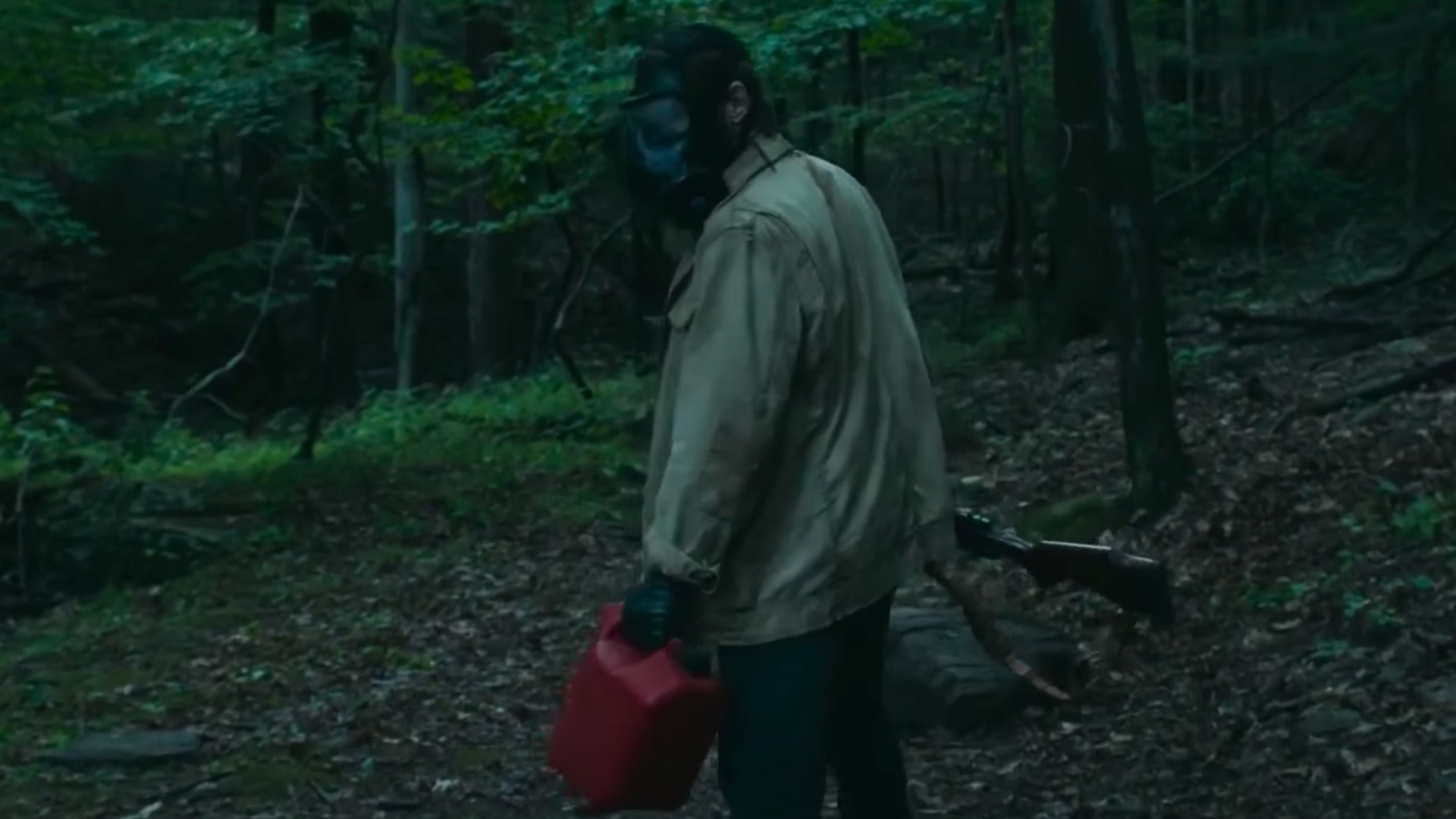
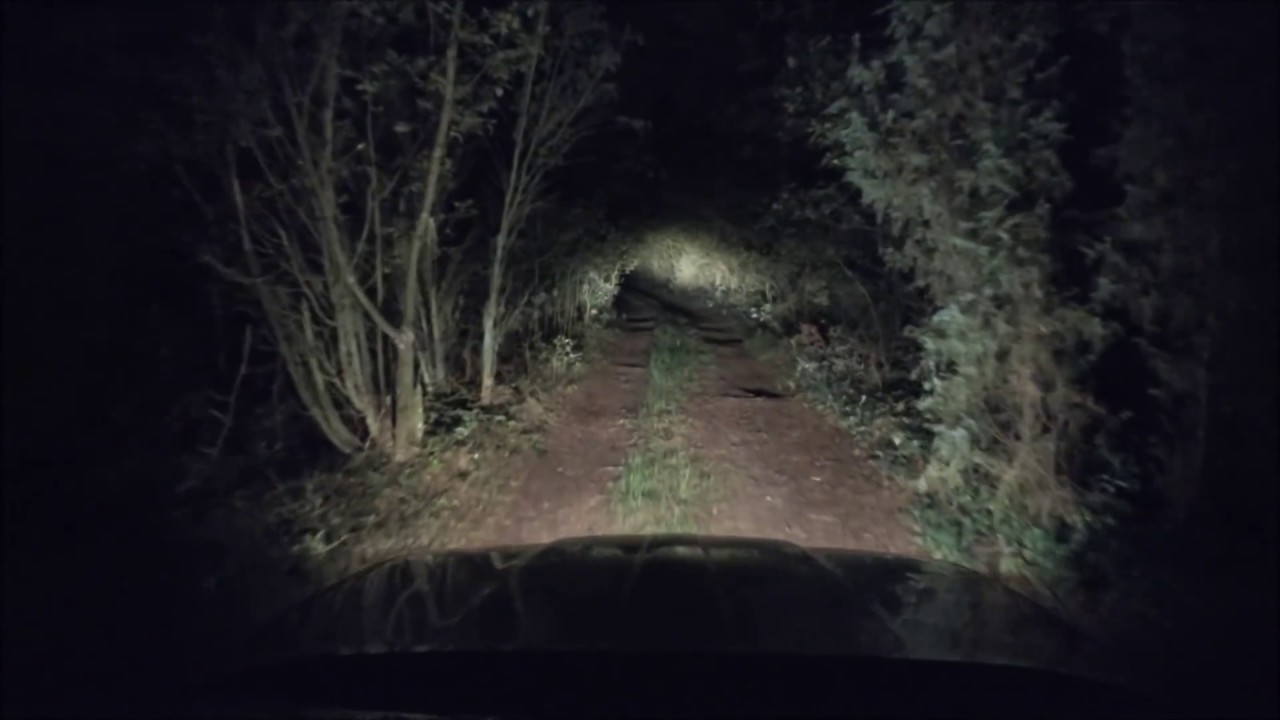
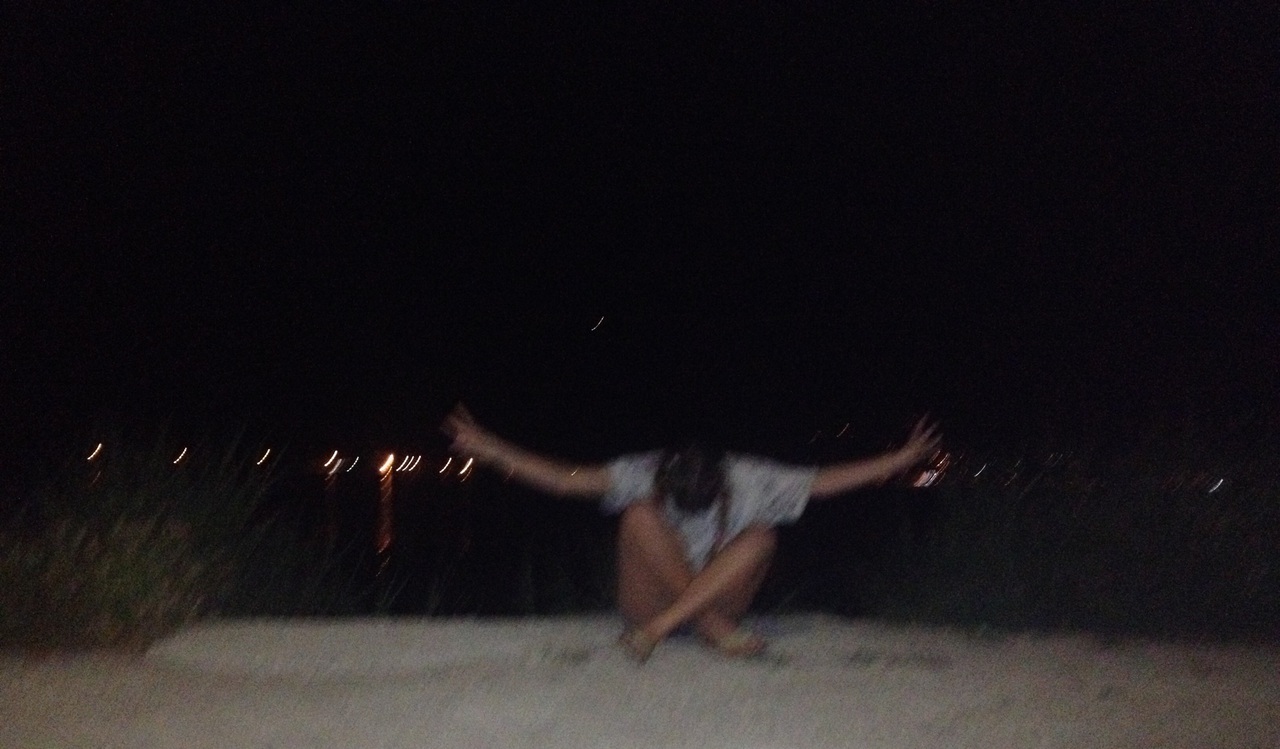
The summer demands and takes away too much
But night, reserved, reticent, gives more than it takes.
– John Ashbery
*
p.s. Hey. ** Dominik, Hi!!! Oh, cool. Sadie’s great. And they’re the offspring of the genius filmmaker James Benning too. Well, I’m quite a fast, hard worker and can get things finished rather swiftly when I’m locked in. Zac, on the other hand, is far more measured and slow, so, when we work together, I’m always nudging and nudging him to get things done. I guess that’s mostly why I said that. I don’t think I’ll even watch ‘The Odyssey’ on a long flight with hardly any other options. That’s how sure I am that it would just anger and bore me. I would guess that most memoirs are full of fiction, so it sucks that love got found out. Love wishing crystal balls were real and inexpensive, G. ** Sarah Palmer, Hi, Sarah. Thanks a lot for the link! I’ll use it. Potemkine is so dreamy, the store, I mean. Well, in general too. I didn’t know about Lasco Project. Wow, that’s very cool. I love thePdT space so much. I used to curate art shows, and I dream of curating a show there. I even looked into it at one point, and they are sadly not very open to outside weirdos with non-commercial ideas like me. When I was working with Gisele Vienne we almost got them to let us make a walkthrough haunted house in the basement, but they chickened out. I believe Salle 37 was originally part of the Cinematheque back when it was located in that building. No, it seems Imhof is going for the bucks mostly nowadays. Money is the ruination of art. Or, well, collector money. I think there’s lots of exciting art being made, but actually seeing it is, yes, tough, given institutions’ combination of timidity and tracking of the current trends. Interesting about your dissertation. Did you publish it anywhere? Thank you, and rock your day. What do you do for enlightening input in your daily locale? ** _Black_Acrylic, I was into Britpop at the time, or aspects of it, but it really hasn’t aged well. The Gallagher brothers should be chained to wall in the Tower of London for all eternity for their taste-making crimes. ** Jay, Hey there, Jay! I’ve been okay. I really enjoyed that video of you playing that you shared last time you were here. Physical dictionaries are cool entities. I also really like thesaurus books, which have gotten rather hard to find, it seems. I don’t think childhood anxieties ever vanish. They just gentrify and find increasingly far flung hiding places. If you ask me. Sorry, though, stay bucked up. Very cool about the cute guy and idiosyncratic pianist. Nothing, or, well, almost nothing is more boring than someone telling you their dreams. To me. Your friends should be so lucky. Love back! ** Tosh Berman, News about Nolan’s older brother. Please don’t become his biggest fan. If that happened I would have to seriously question either your or my own sanity. ** Steve, When/if I make a serious study of Del Rey, I will start in one or both of those spots, thank you. An old friend of mine was the Production Designer on ‘Memento’ and I think one other of Nolan’s films, and she did tell me some weird stories about him, but unfortunately I can’t remember them. ** Carsten, A great editor is truly a great thing, congrats! I too would have thought that image would be in public domain, strange. I mean chances are no one would raise any kind of fuss, but still, yeah. The scary part is the fund raising, yes. I don’t know that Zac and I would actually meet with the investors since ideally our producer would handle that, but I guess it is likely that they might want a face to face. We did that last time, so at least we have some idea of how to try to try to charm such people. I saw your email, but I haven’t gotten to it yet because I’ve been out working in the deck. Again today, but I’ll to get it. ** laura w, It is. If one is into Halloween stuff, that store is pretty heavenly. Being over here, I would kill to have even a Spirit Halloween in reach. I just did a search to find novels in the second person, and pretty much all I could find were junk books, romance novels and low rent-seeming horror. I saw about that ‘Bell Jar’ movie. To be directed by Sarah Polley. Hm. Strange that it’s taken so long to be adapted. I almost always think adapting novels, or, rather, really good novels into films is a bad idea. What’s great about a novel has to do with a reader building something of their very own from the words on the page entering their brain. Although it has happened successfully on rare occasions. If we’re lucky we’ll finish the deck today, but I’m a little suspicious. Happy day, pal. ** HaRpEr //, I love Bejar’s voice too. And there are few if any better lyricists in existence. ‘Theatre piece being constructed’ makes sense to me, yes. I agree about the internet du jour. I’ve just stopped clicking on the comments sections of anything I see, and that helps a little. ** Uday, I think this is the Chris Dankland post you were talking about? ** Thom, You’re most welcome, and thank you. That’s a billion dollar question. I can only really speak for myself. I’ve been compulsively making things that could maybe be considered art in some sense since I was a little kid. Writing, drawing, making collages, Home Haunts, started a theater company in my parents’ attic, zines, Super8 movies, etc. I have no idea why, but making things is what I do. Everything else in my life has always seemed peripheral to me. I can’t imagine who I would be if I didn’t do that. It’s the entirety of my identity. But why, I really don’t know. I wish I did. So, no real answer there but that’s the answer. Why do you make stuff or need to make stuff? Do you know? ** Okay. I had terrible insomnia the other night, and in my ultra-spaced out-ness and delirium the next day, I made today’s post for better or worse. See you tomorrow.
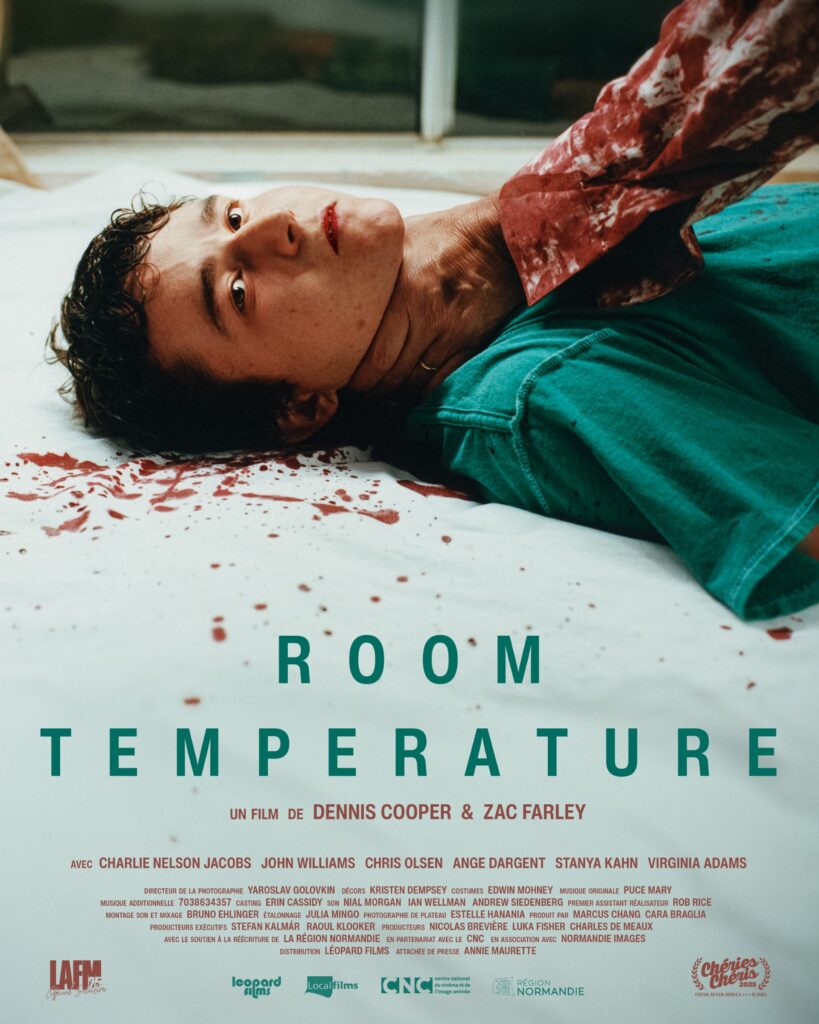


 Now available in North America
Leave a Reply