* (restored)

‘How can a director invent the female action heroine, change Hollywood’s attitude to race, launch the career of a future Oscar winner and yet still remain anonymous? These are questions that have troubled fans of exploitation genius Jack Hill for years. Pick up a copy of Halliwell’s highly-regarded Who’s Who In The Movies and you will not find an entry for the filmmaker, yet his debut offering, 1968’s Spider Baby, has recently been turned into a musical and is also lined up for a remake, while at the same time Halle Berry continues to express interest in updating his blaxploitation classic Foxy Brown. Recent retrospectives of Hill’s work in Belgium, France and Los Angeles, and a fanbase that includes Hollywood luminaries such as Quentin Tarantino and Joe Dante, would indicate that he is a man who is about to be appreciated by a wider audience. Having retired from the motion picture industry in 1982, the low budget maestro Tarantino once called “one of America’s greatest living directors” has found his acclaim, and recognition, slow in coming…
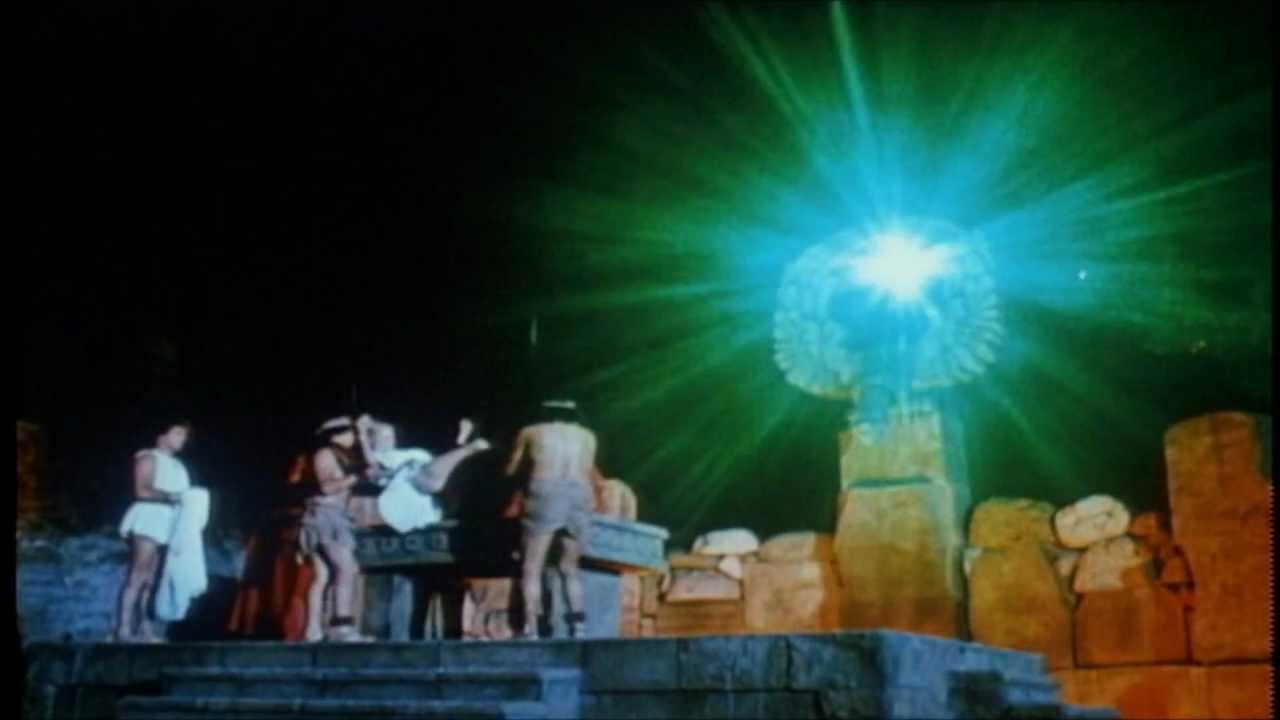
‘Born in 1933, Jack Hill studied filmmaking at UCLA alongside his close friend Francis Ford Coppola and the two even worked on each other’s student features. Interestingly, Hill’s effort – dubbed The Host – would end up being recycled by Coppola as the third and final act in the iconic Apocalypse Now (1979).
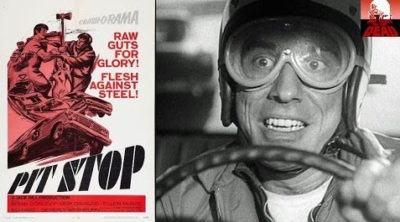
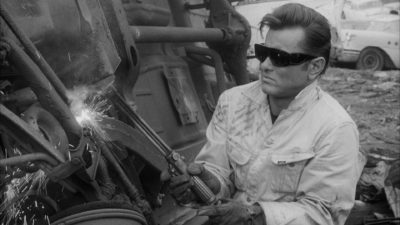
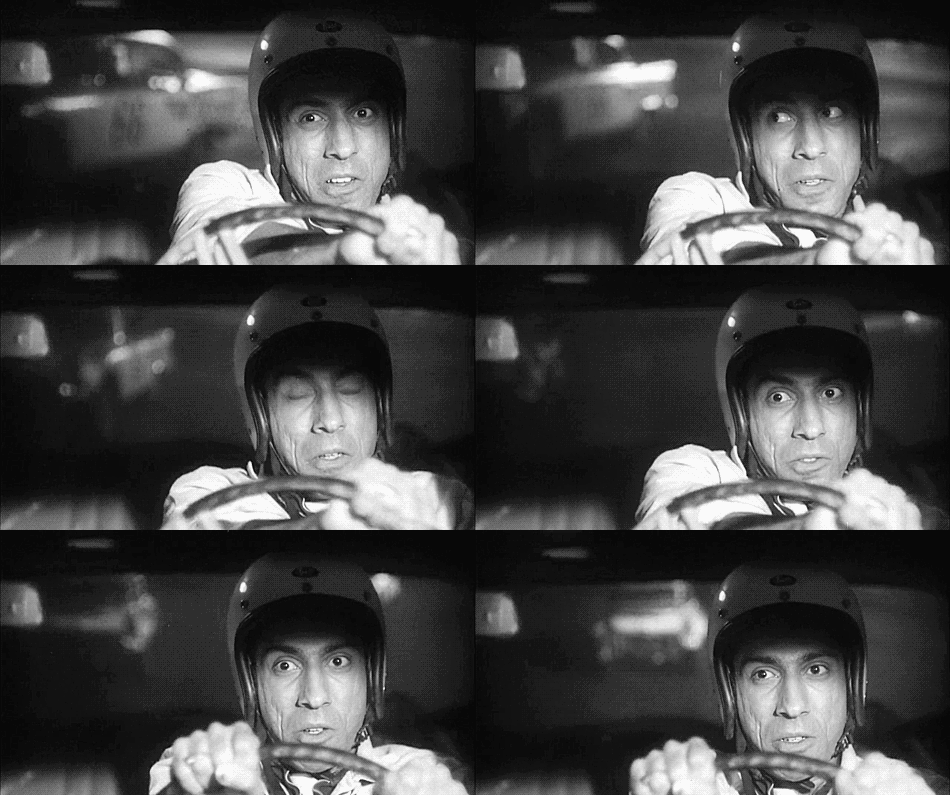
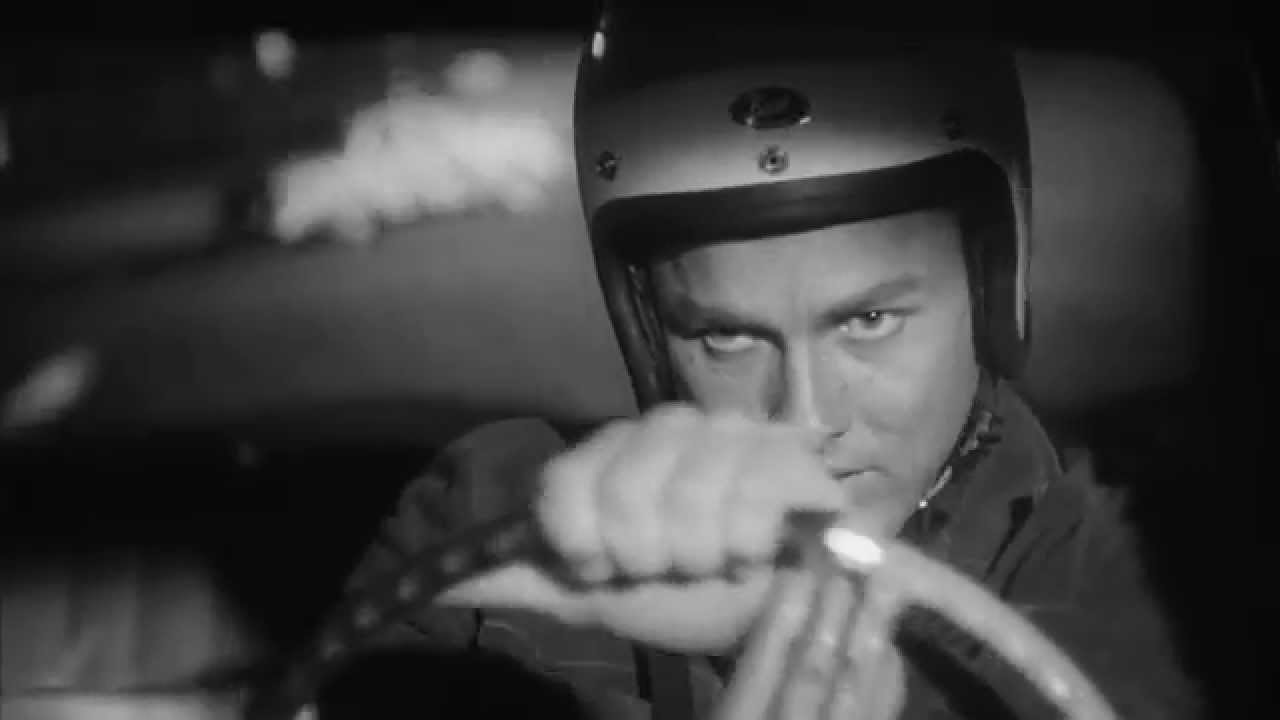
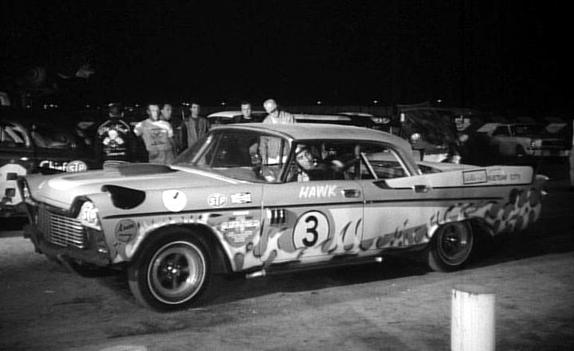
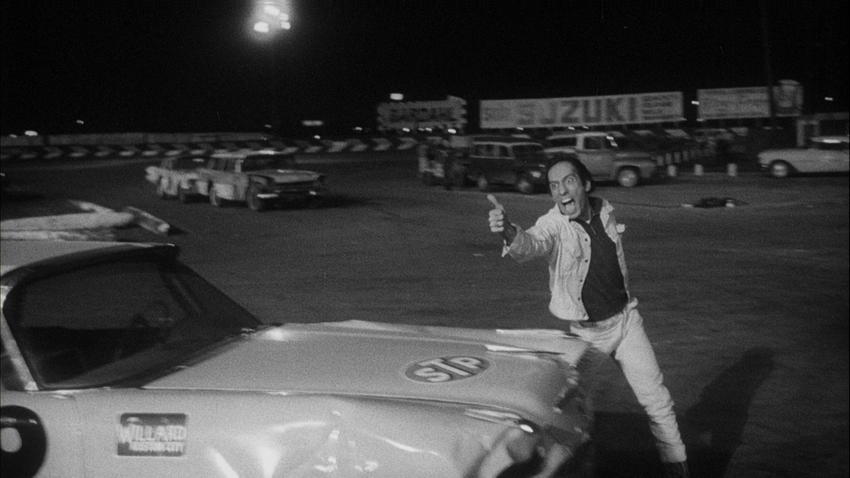
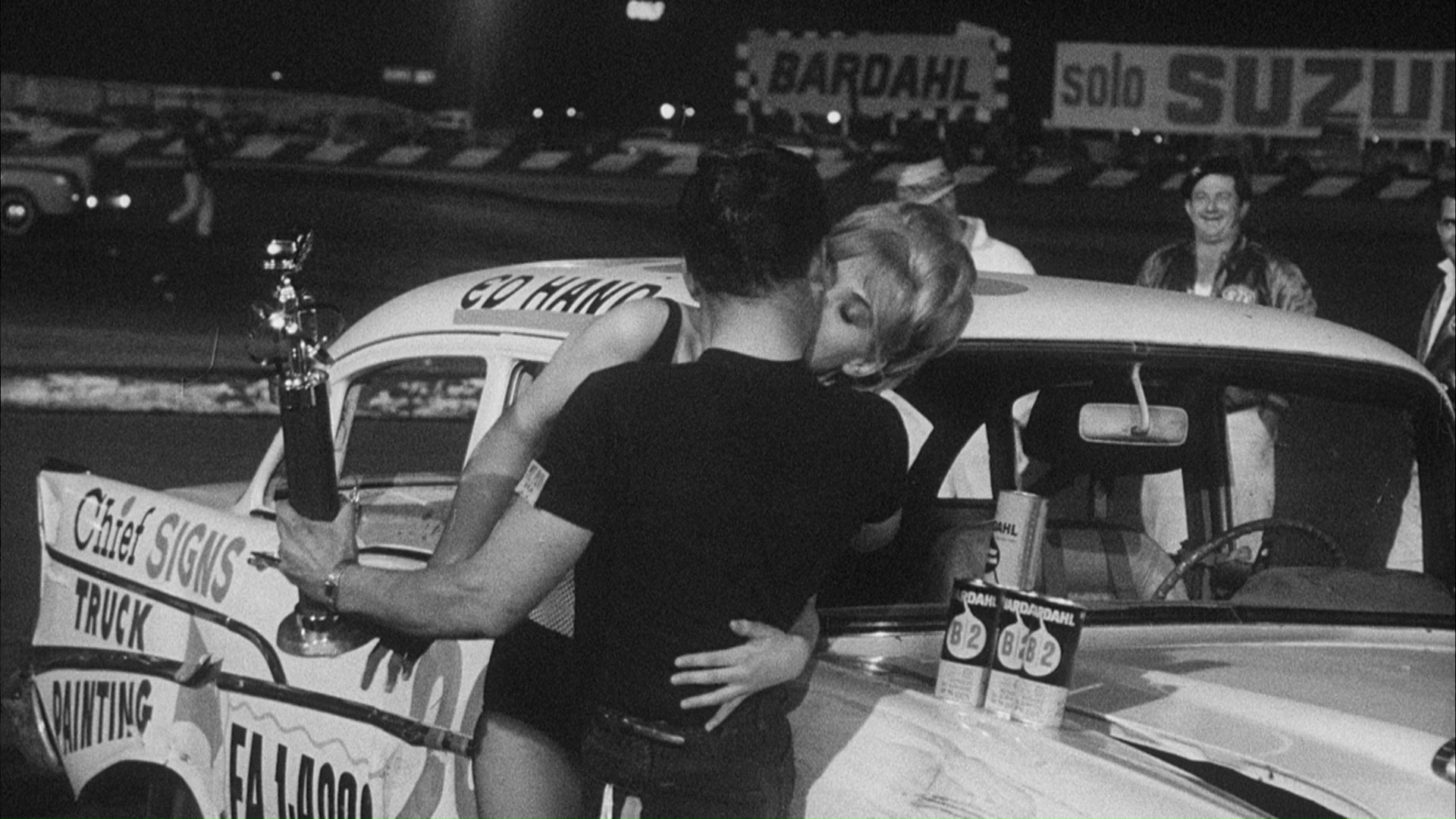
‘“A guy called Steve Burum was my cameraman on The Host and he also did the second unit work on Apocalypse Now,” says Hill. “He told me that he and Coppola were out in the Philippines joking about how they were doing Jack Hill’s student film.” Indeed, Tarantino was so impressed by The Host that he paid to have it finished, re-mastered and released to the general public (it was finally included on the DVD of Hill’s 1975 girl-gang epic Switchblade Sisters). However, just as Hill would inspire Coppola, it was the future Godfather director that got his classmate his first big break. When the young Coppola was hired by Roger Corman, he took Hill along with him – and the two would work together on outings such as 1962’s 3D sex romp The Bellboy and the Playgirls and 1963’s tawdry terror opus Dementia 13. However, when he was finally let loose to make his own productions, Hill would discover new talent and instigate new trends at the box office. For example, his 1967 film Pit Stop, which is set in the competitive world of figure-eight racing, gave Ellen Burstyn her first leading lady role – allowing her to catch the eye of Peter Bogdanovich, who would break her into the big time with The Last Picture Show (1971).
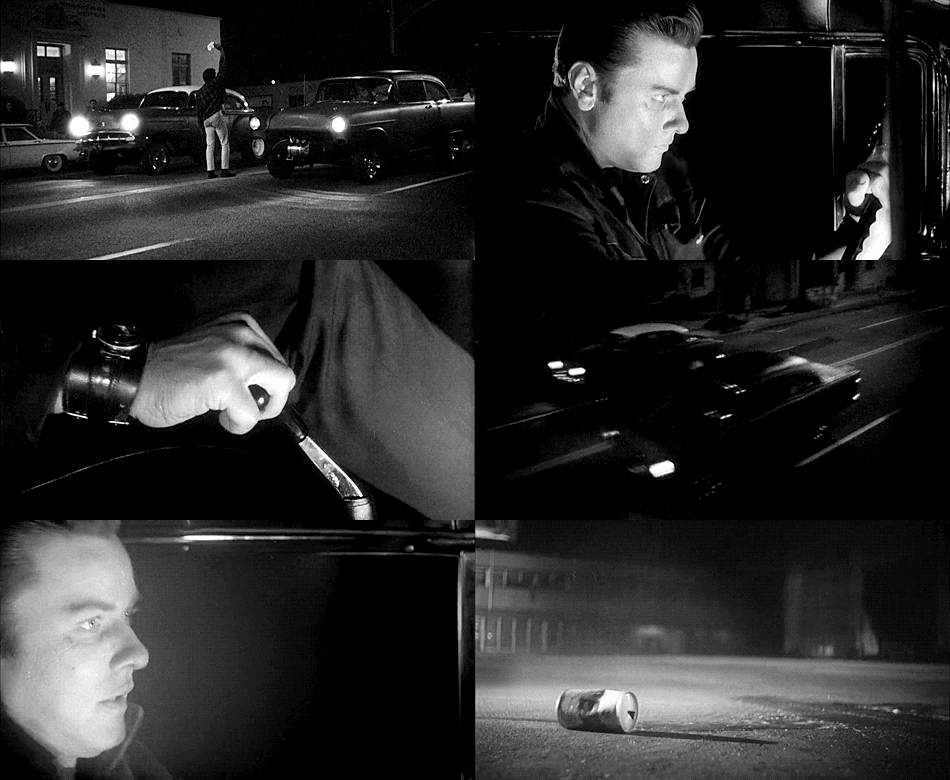
‘“Peter was at the premiere of Pit Stop because I personally invited him,” explains Hill. “That was how he discovered Ellen. I was happy with Pit Stop but I did not really want to do a movie about car racing. I was just handed assignments and did the best that I could with them.” Certainly, as a journeyman director it was always Hill’s intention to try and subvert the material that he was given.
‘“I had the freedom to improvise,” he says. “I feel quite fortunate that I worked in the low-budget sector because it meant I did not have to deal with committees who wanted to impose their ideas and prejudices on my material. I had a free hand – much more so than I would have had if I was working for the studios. As long as you put the elements in there that producers like Corman knew they could sell, such as sex and violence, you could raise the picture a little bit higher than they expected and give the audience something intelligent to chew on.”
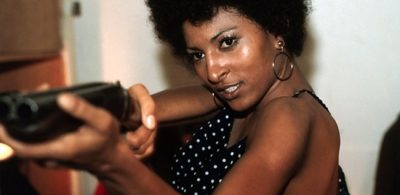
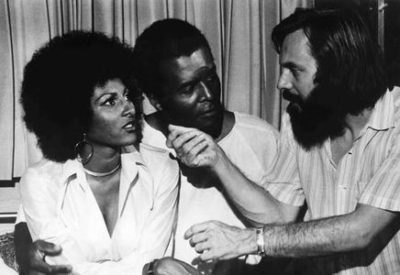
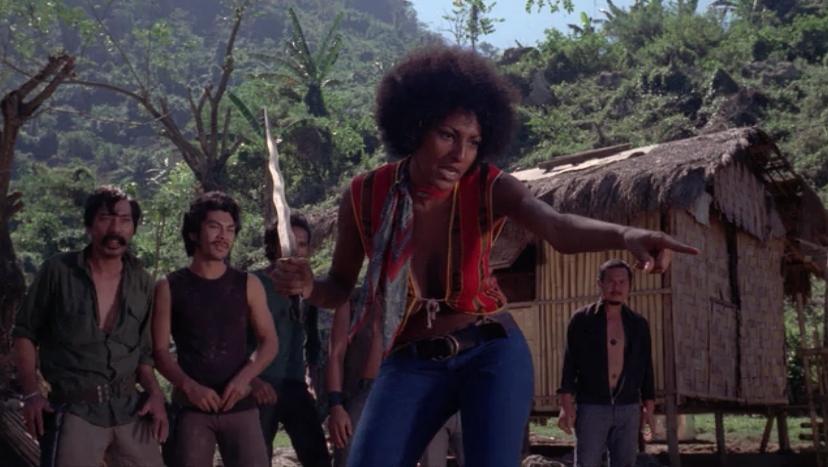
‘It was Hill’s discovery of Pam Grier – who was cast in The Big Doll House (1971) – that really cemented his place in history. Aside from the fact that The Big Doll House would kick-start the decade-long interest in shamelessly sexy “women-in-prison” pictures, it also gave the statuesque Grier an imposing and intense supporting role – one in which she easily overshadowed everyone else onscreen. “Pam’s part was not written for a black actress,” says Hill. “I just wanted to find an ensemble that worked well and I remember how Pam walked into the audition. Even though she had never done anything before, she impressed me with her personality and authority. Of course, she was also a great-looking woman and had all of this enthusiasm. She worked very hard – she was thoroughly professional and was totally dedicated to her craft.”
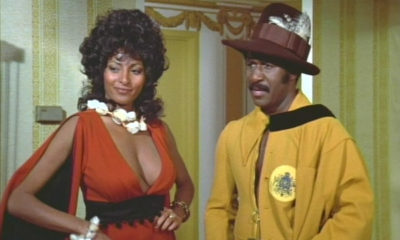
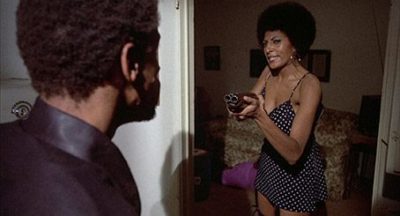
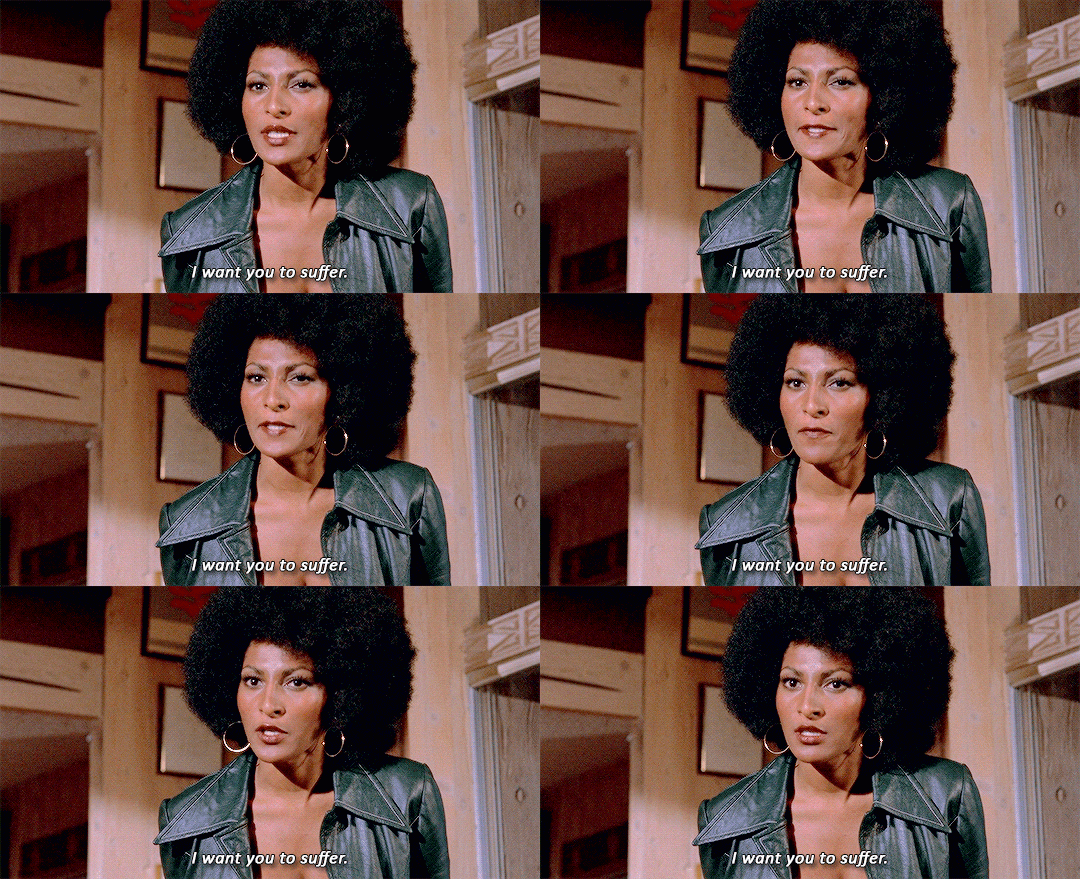
‘Hill began to write parts specifically for Grier (they did four films together in total, most famously the brutal action opus Coffy (1973)) and in doing so the director launched the first international black sex symbol. Grier represented a new breed of heroine – tough, resourceful and politically aware (in 1972’s The Big Bird Cage she plays a Marxist revolutionary), the actress paved the way for cinematic females who made their male counterparts look like big girl’s blouses. The fact that it was a black woman acting in this manner made it all the more mind-blowing for 70s audiences.
‘“Back then there was still a lot of discrimination,” laments Hill. “I remember when I began working on Coffy, I made a real effort to find black technicians. There were not many of them because it was a union film and there were not a lot of black people in the union. But we found a guy called Bob Minor – we gave him an acting part in the movie and he also did the stunt work. He learned on the job and eventually became one of the best in the business. Now he works as the stunt coordinator on blockbusters such as Charlie’s Angels and National Treasure. We also hired a black assistant director on Coffy. We made a major effort to get black people into the union and give them work.”
‘What was so outstanding about the thrillers that Grier and Hill embarked on together was that the they were giving the audience a femme fatale they could relate to – long before Sigourney Weaver in Alien or Jodie Foster in The Silence of The Lambs. To all intents and purposes, the rampaging nurse who Grier plays in Coffy was nothing more than an ordinary, white-collar worker driven to destruction after some local drug dealers kill her sister (it is also worth noting that Coffy predates the similar, city-based vigilante-action of Death Wish and Taxi Driver). “The remarkable thing about Coffy was that it pulled in a crossover audience,” says Hill. “It was very, very popular and it attracted a large white audience. Pam Grier represented the idea of black power. That was quite subversive back then. With Coffy I wanted to create a character that used her wits to get out of dangerous situations – she had to be someone that the average woman in the audience could relate to. And when you saw a black audience standing up on their seats and cheering at the screen it created a great feeling. I could never have predicted that sort of reaction.”
‘He may have changed the way that Hollywood perceived women (typically relegated to the role of passive sex symbols prior to Coffy) but Hill still wasn’t granted access to the A-list. “The general feeling was that these were just ‘black’ pictures,” sighs the director. “It didn’t matter to the studios that Coffy had reached number one at the box office. To them it was designed for black people to enjoy and some of the majors had quite a racist attitude towards these movies. I remember being told, ‘You might have had a big hit but it was with a black picture, so it does not really count.’” As a result, the filmmaker moved on to make 1974’s college sex comedy The Swinging Cheerleaders – predating the likes of Porky’s and American Pie and opening up the market in teen-orientated, coming-of-age satires. However, it would take years before Hill was considered a forward-thinking trailblazer.
‘“Jack Hill is the greatest,” enthused Quentin Tarantino back in 1995. “Pam Grier was Marlene Dietrich to his Josef von Sternberg. I think that Hill is a really terrific director. His scripts are very funny, he is a really talented man and I am a big fan of his work. He was the Howard Hawks of exploitation filmmaking.”
‘The man himself is just happy that – nearly three decades since he last stood behind a camera – a new generation is finally seeing how important his work was. “I always wanted people to feel positive at the end of my films,” he enthuses. “I was always careful to try and juxtapose humour with the violence and tragedy. I think I accomplished that, and perhaps that is why a generation or two later my films are still popular and in-demand while many of the mainstream movies I was up against at the time and, truth be known, I was quite envious of, are now forgotten.”’ — Callum Waddell
___
Stills
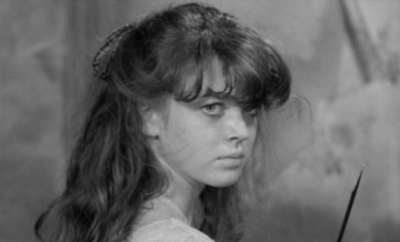
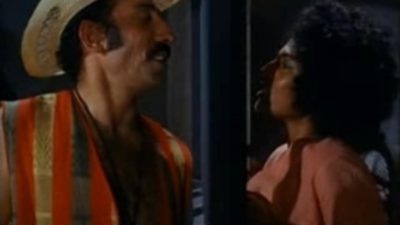
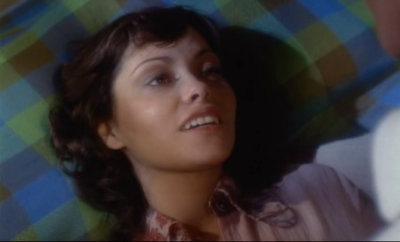
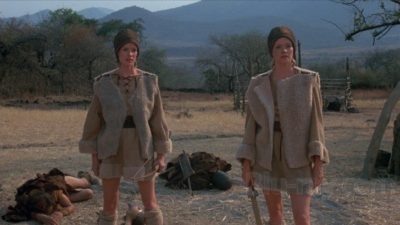
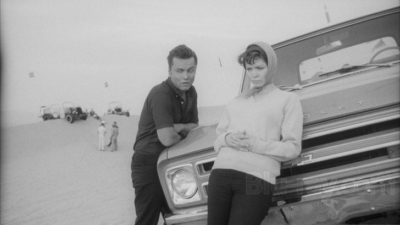
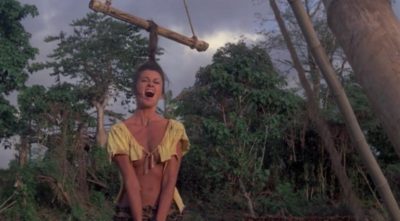
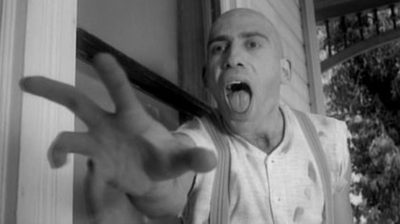
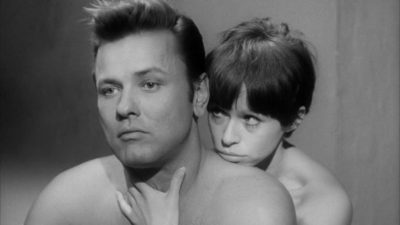
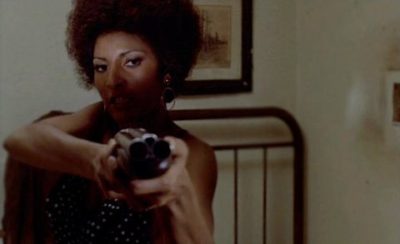
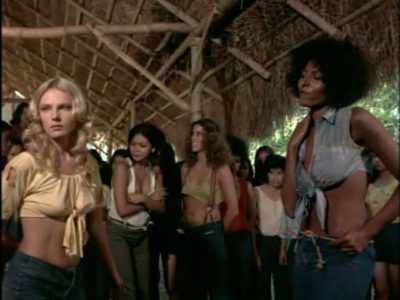
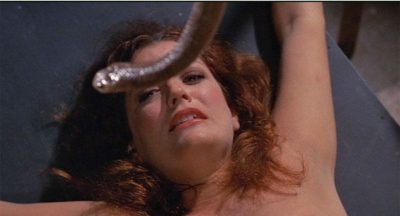
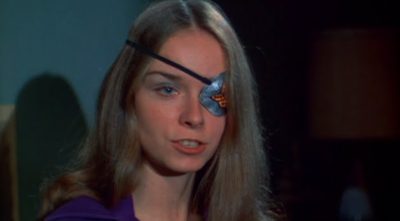
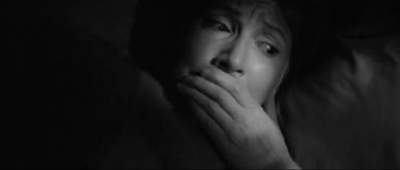
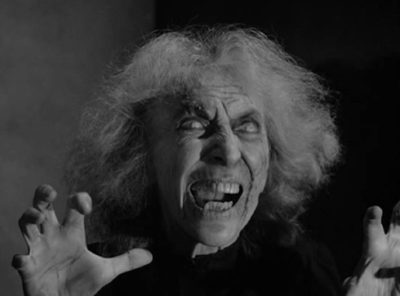
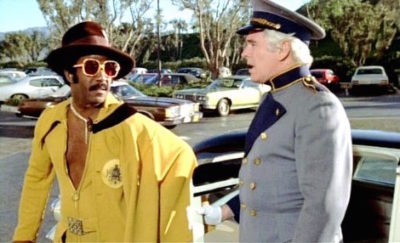
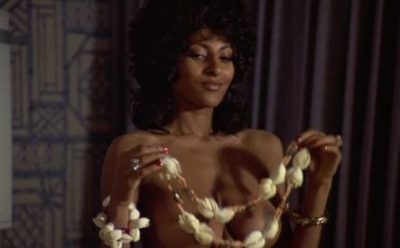
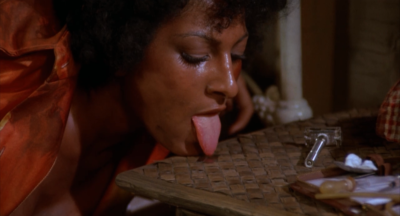
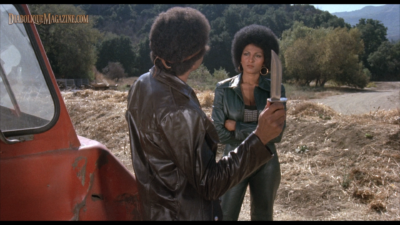
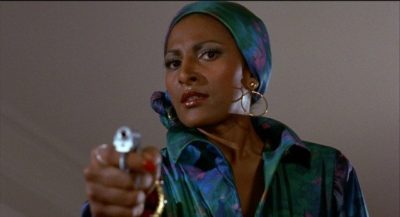
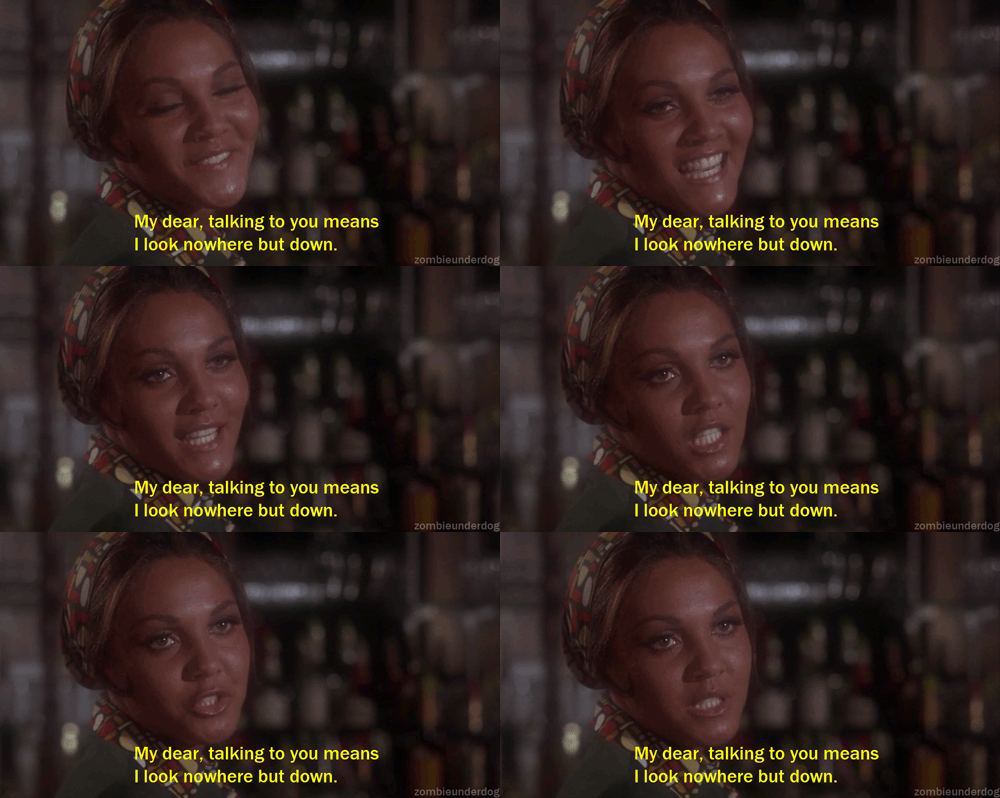
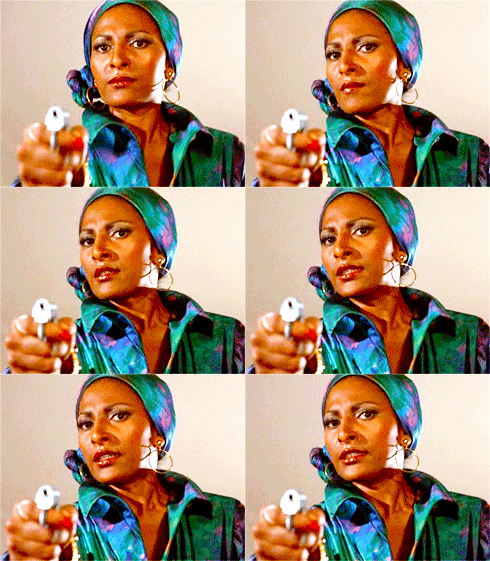
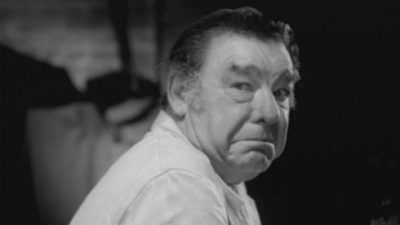
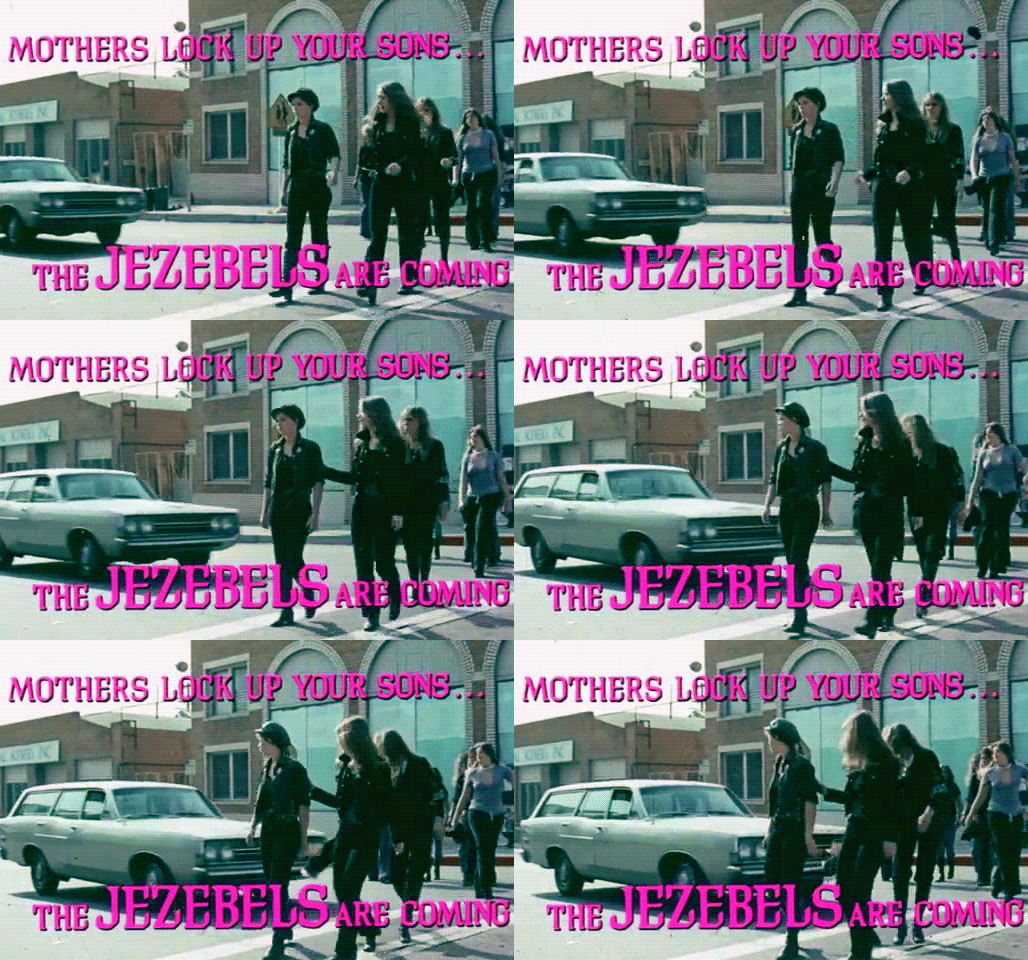
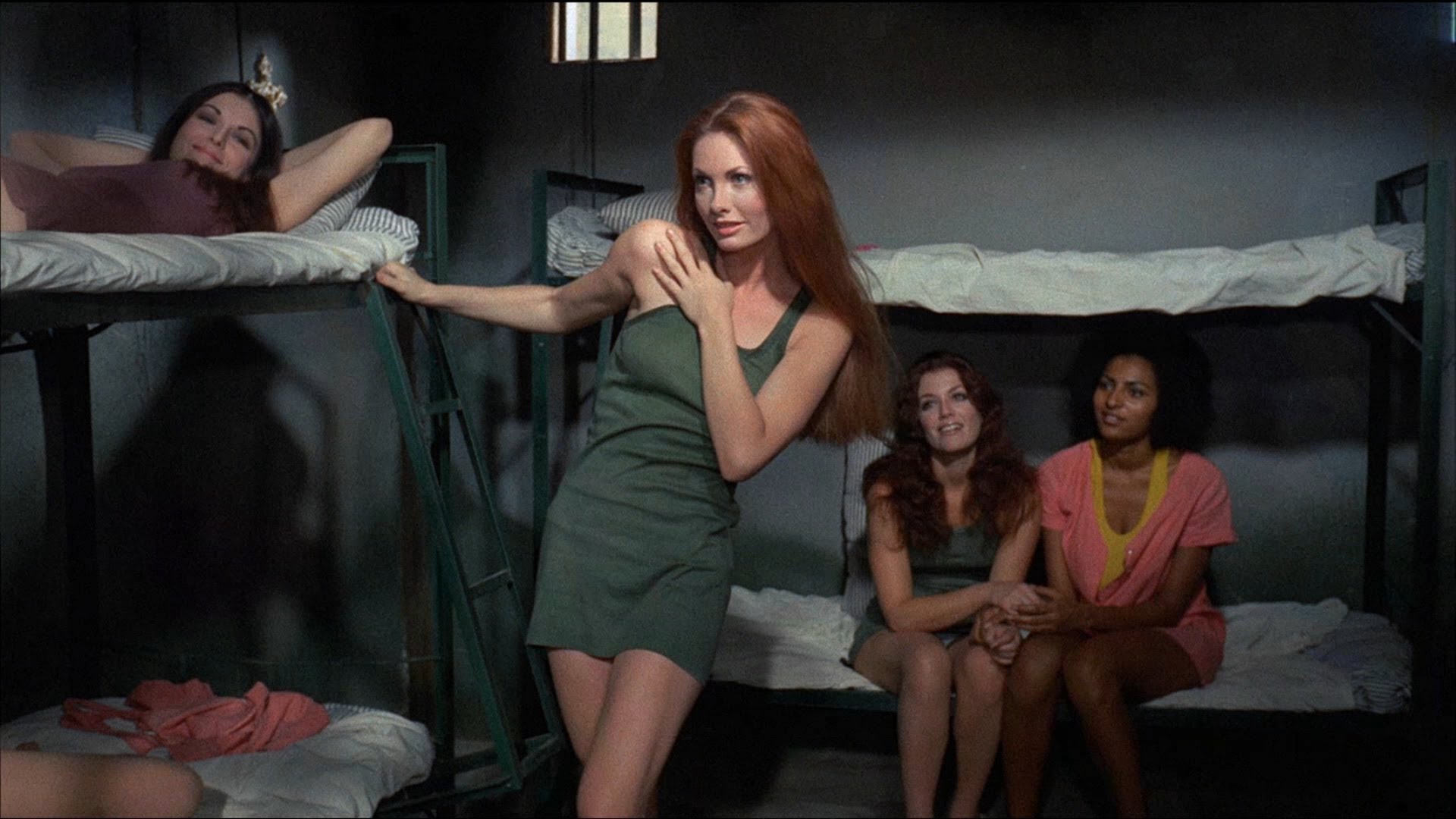
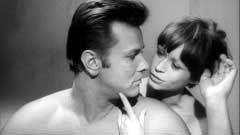
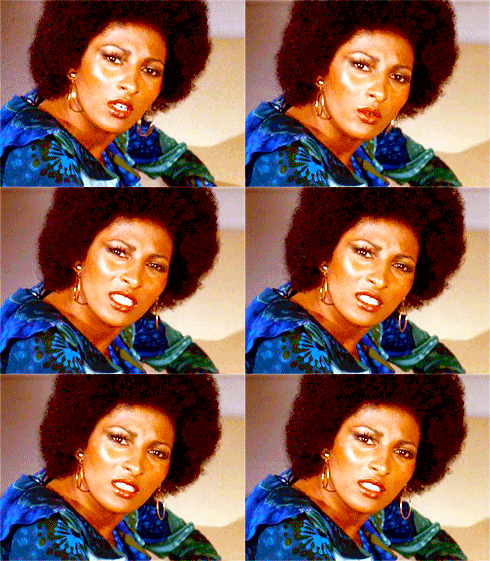
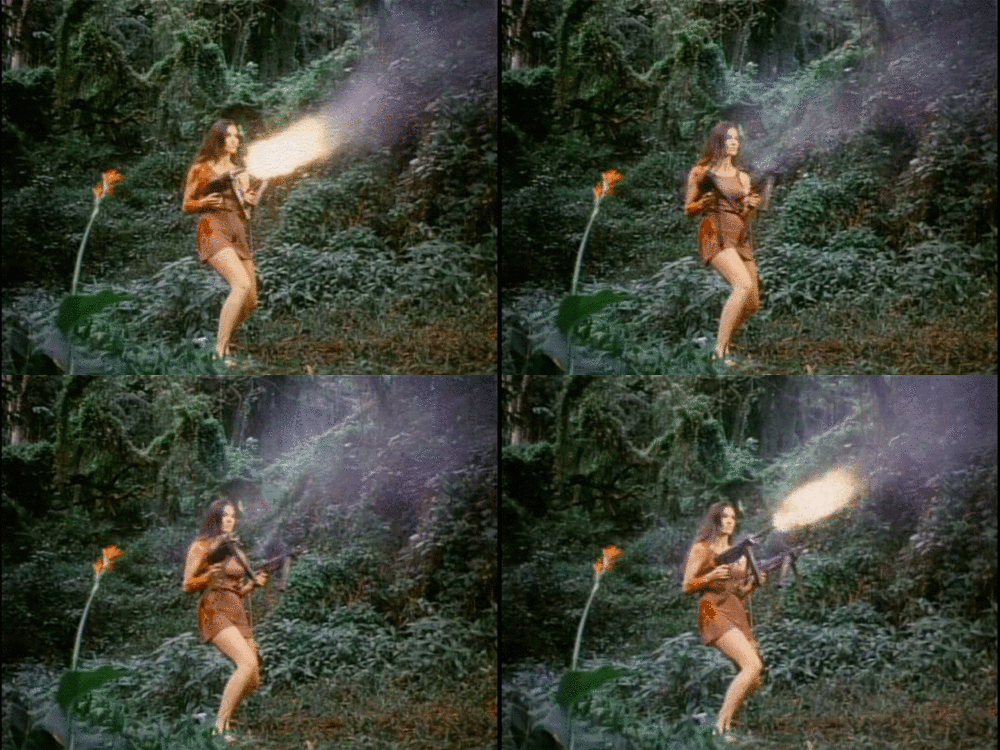
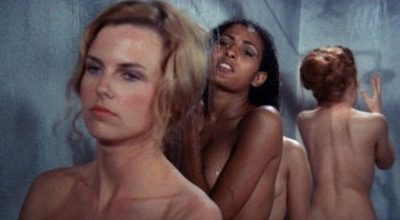
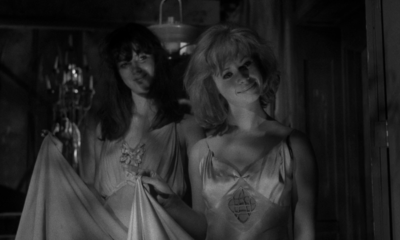
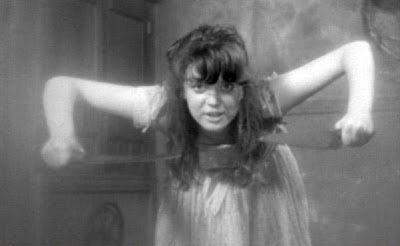
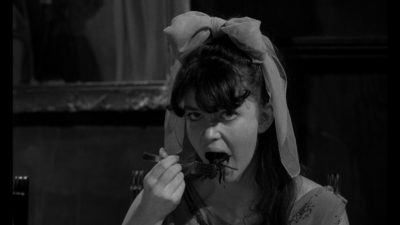
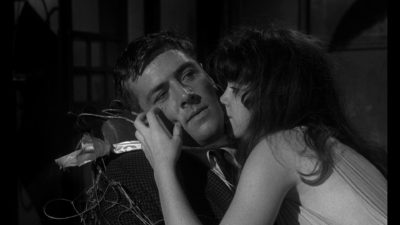
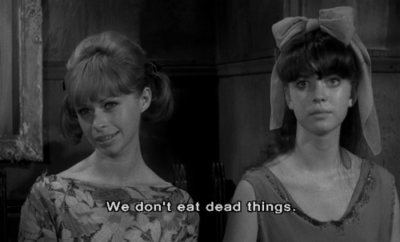
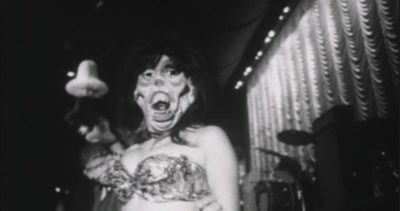
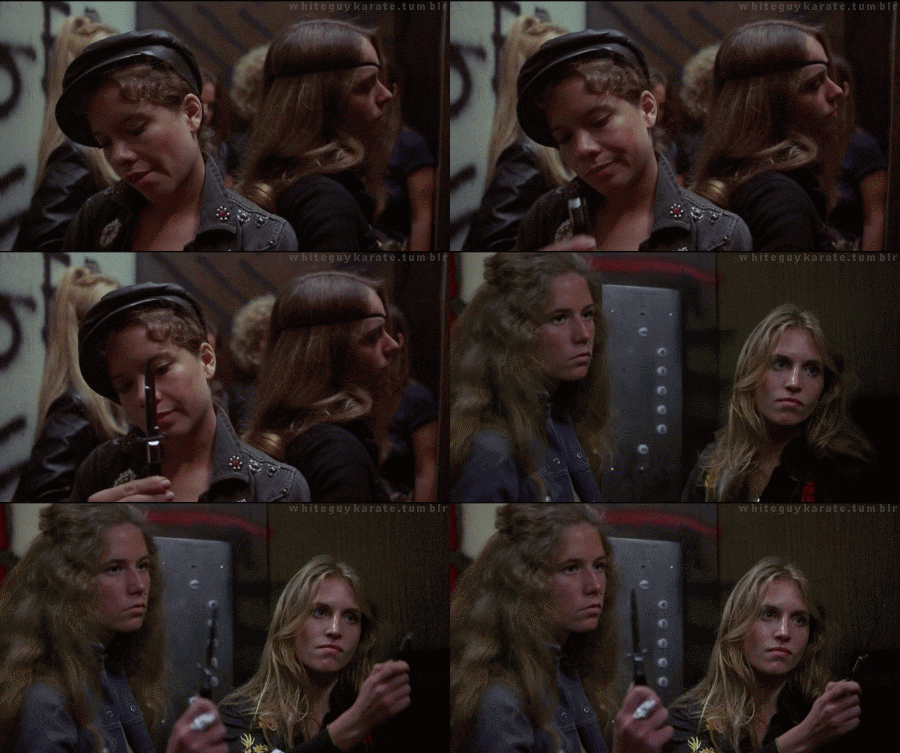
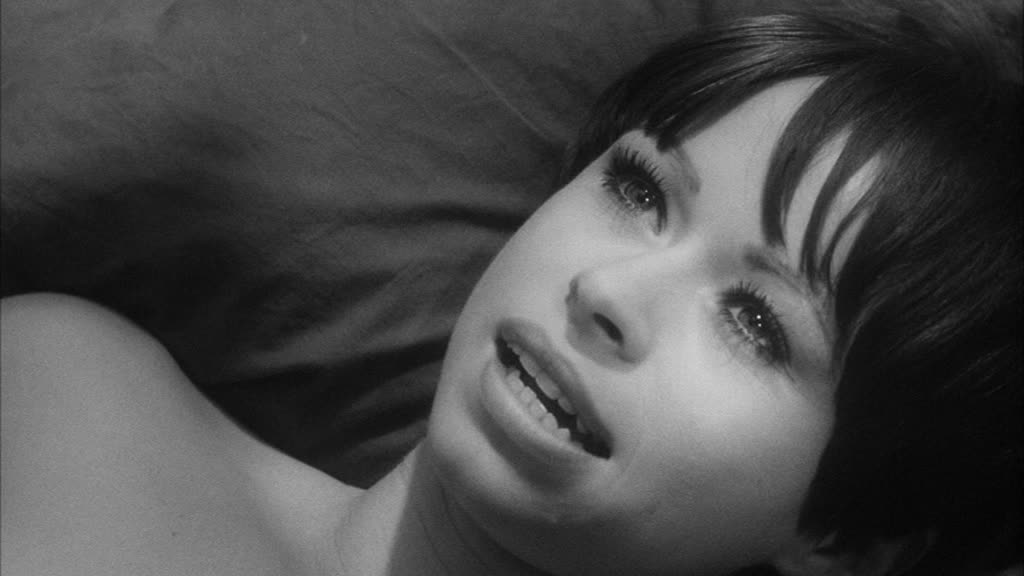
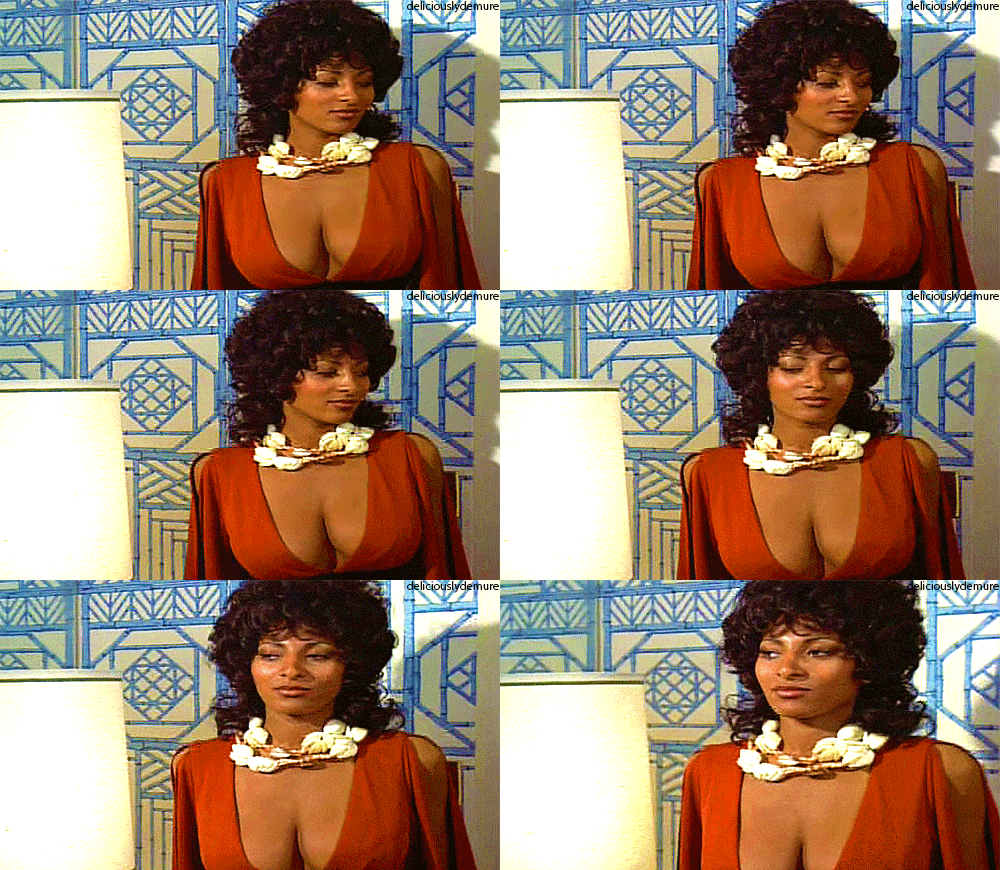
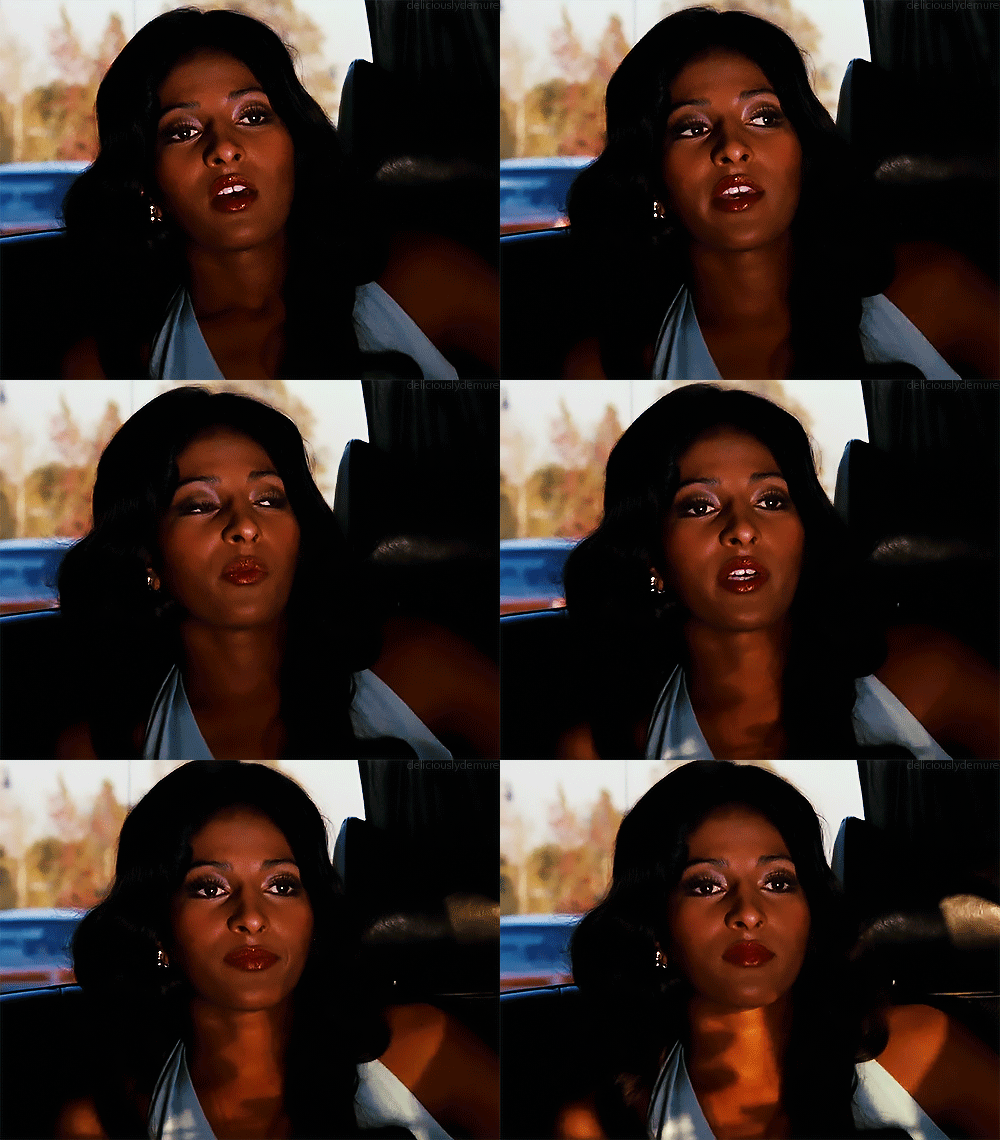
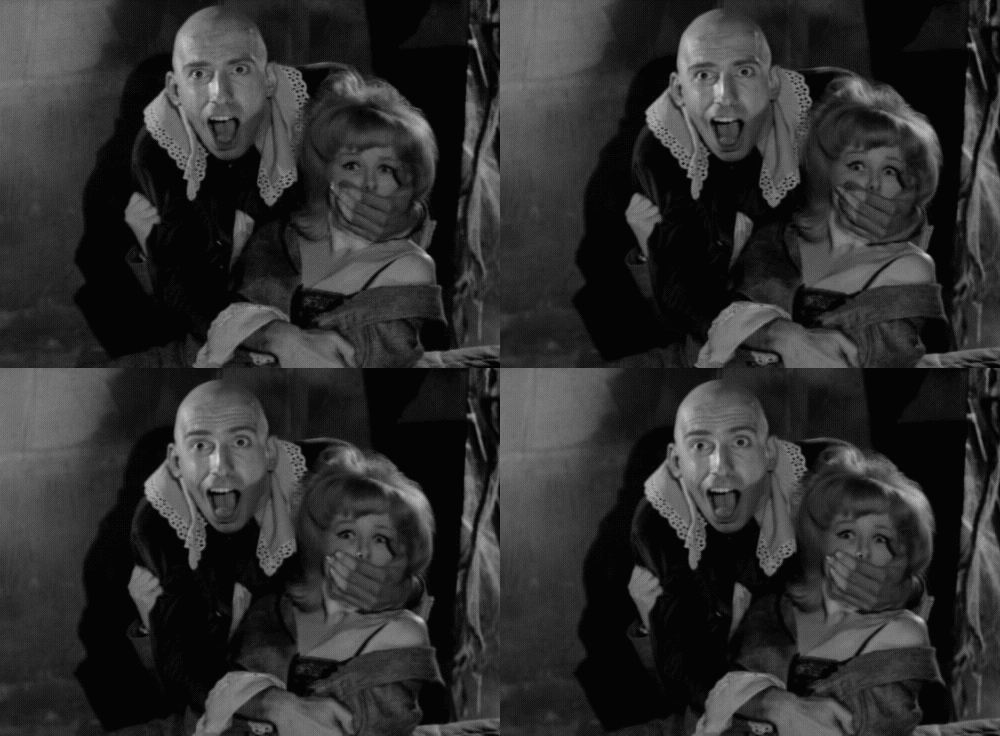
___
Further
Jack Hill @ IMDb
Spider Baby Online Shop – Official Spider Baby Merchandise
‘Switchblades and Suffrage – The Femsploitation Films of Jack Hill’
‘Filmmaker Jack Hill on becoming a blaxploitation cult hero’
‘JACK HILL: KING OF EXPLOITATION’
Video: Watch Jack Hill’s ‘Mondo Keyhole’ @ Fandor
Jack Hill @ mubi
Book: ‘Jack Hill: The Exploitation and Blaxploitation Master, Film by Film’
‘Videophiled Cult: ‘Spider Baby’ and the B-movie delights of Jack Hill’
Jack Hill @ Horror Cult Films
‘On My Shelf: Pit Stop and Spider Baby
‘Pam Grier: Interview with the Accidental Action Heroine’
‘An Interview With Sid Haig’
‘Jack Hill: An Interview’
Podcast: ‘Naked Lunch Radio #8 – Director Jack Hill special’
____
Jack Hill on …
Spider Baby
Coffy
Sorceress
Foxy Brown
Pit Stop
The Big Doll House
_____
Interview
from Film Monthly

Gary Schultz: I’m sitting here with Jack Hill the legendary cult film director considered to be the initiator of the women-in-prison genre of the seventies. As well, you helped to define the Blaxploitation genre and you discovered Pam Grier. But I guess at the center of it all you would be considered an independent filmmaker. Especially in the spirit of working on extremely low budgets with insanely short shooting schedules. Whew! That was a mouth full. How did you break into the film business?
Jack Hill: Well I went to UCLA to get my degree in music with the idea of learning to score films and that’s how I got into the cinema department. I had some experience with making films and editing them. I had some e
xperience with photography so I got into the cinema department and took a required writing course and basically I wanted to be a composer but the more I got into it the more my teachers got into it and encouraged me to go on. So I did a directing assignment that was a fifteen-minute film and then I did a student film which was a thirty-minute film called The Host. Students submitted scripts and each semester they would pick three that would be made into a twenty to thirty minute film. After that I got odd jobs writing, editing and doing photography. Then I got a job working for Roger Corman and started adding scenes to pictures that needed more running time and fixing things that didn’t quite work, shooting inserts and pick-ups. Various things.
GS: Not a bad way to start off.
JH: No, not all. Then I got a chance to do some more stuff. At about that time I met some people that wanted to finance a horror picture and they came across my script for Spider Baby and then I got to do it.
GS: That was your first feature directing?
JH: Yes.
GS: Many of your films have been said to define the so-called Blaxploitation genre? What were some of the difficulties or criticism you faced by working in this genre in the sixties and seventies especially coming off the climax of the civil rights movement?
JH: Well yeah, there weren’t that many difficulties…see it wasn’t called the Blaxploitation genre back then. They were just called black films. They had demonstrated that these pictures could make money and anytime that happens there’s people who want to hire people to do the work. The only comment that I can make about that whole genre is even though this was long after the civil rights movement there was still a lot of racism in the film industry. There weren’t many black people behind the camera and most of the black actors were just happy to be working because there were so few roles for them at that time. That’s why I’m very happy to have done Blaxploition films. It helped give black actors a chance to work, introduced black actors and black lifestyle into the mainstream film audience.
GS: How did audiences as opposed to critics receive your films back in the seventies?
JH: Oh they were both, Coffy and Foxy Brown major hits. Although often critics wouldn’t even go to see them. Critics just put it down; it’s a black movie. That’s another bit of racism. For example one reviewer referred to a role Pam Grier played in one of my films as being an unsympathetic black chick. Can you imagine somebody saying unsympathetic Jewish chick? I mean it was just an example of racism that people weren’t aware of. Actually it was unsympathetic black tart she was called. I mean nobody would say anything like that today.
GS: Out of all the many things I’ve read about you what always impresses me the most is how fast you shoot your films. I read that Spider Baby was shot in like twelve days. Foxy Brown was shot in seventeen days, one day ahead of schedule. Is there a method to this madness? Are you working with the same crew a lot?
JH: I never worked with the same crew twice actually. I never had that choice. Planning, Just careful planning. We didn’t run big overtime days like people normally do. We would run a ten to twelve-hour schedule. We would shoot very, very tight. With pictures like Foxy Brown I didn’t have a choice of an editor. Back then producers hated directors and they thought directors weren’t important. So I would shoot everything very tight and in way so that it could only be cut the way I wanted them to cut it. We had very little choices.
GS: What was it like starting your career off working with Francis Ford Coppola and Roger Corman?
JH: It was exciting. It was fun. There are always things going on when you’re shooting half dozen pictures a year. Roger would say, let’s make a movie about X, Y, Z and it would be in the theatre in four months. Roger was very, very good at getting the maximum out of very little means, which is something I learned from him. He was very good at making things look bigger than they really were and look like they had more to them.
GS: Filmmaking is cheating.
JH: Oh yeah definitely.
GS: You’re known as the man who discovered Pam Grier. She was in The Big Doll House and then you made Coffy and Foxy Brown. What did you see in Pam that made you realize her potential for being great in these films?
JH: She had what you really look for, authority and presence. She just had a natural stability to carry off a role. She stands out. I saw enough in her that I figured I would take a chance. It paid off.
GS: How has the positive endorsement of Quentin Tarantino affected your career?
JH: Well it’s been very helpful. Quentin is a very well known brand name and having his support has been very good. Over the last few years I’ve been writing new scripts doing the best work I’ve ever done. I’m not going back to what I used to do. That’s what got me out of the business in the first place. I didn’t want to make those kinds of pictures anymore and I was getting stereotyped. When you do something that is a success you are stereotyped into doing just that. People think that’s all you do.
GS: Cult movie fans although smaller audiences than the mainstream are so die hard and personal. Would you say that being revered as a cult director has helped or hurt the longevity of your career?
JH: Well for many years I didn’t have a career. Nobody knew my films and they were forgotten. Thanks to home video they have found an audience again. It’s always fascinating to see them find a new generation of audiences.
GS: I got to meet Sid Haig last August at the Chicago Comic Con. I was working with Artisan’s promotion department on their stink bomb of a movie House of the Dead doing zombie make up. On my lunch I got to meet Sid who was doing promo for the House of a 1000 Corpses. So we were in two different houses. Man, he was the most gentle, polite guy. I couldn’t believe he was the same guy playing all these degenerate characters all these years. Sid has appeared in nearly all of your films. How did you meet Sid and how had he found his way into so many of your pictures? Aside from the fact he kicks ass.
JH: Sid was in my student film The Host. A teacher of mine named Dorothy at the Pasadena Playhouse knew him. Sid was actually playing Othello.
GS: Sid playing Othello? I wonder if Rob Zombie knows about this?
JH: Anyway she called me up and said hey he’s really good. I met with Sid and I’ve been working with him ever since. Really I write parts for him.
GS: Are you guys still friends now?
JH: Oh yes.
GS: After Switchblade Sisters you made one other film under a different name and then you stopped making films. I heard you went on to write a novel or something.
JH: Yeah, I started working on a novel that was very ambitious and the more I worked on it the more ambitious it became. It turned into something that would have become a trilogy. And then stuff came up and I had to put it on the shelf because opportunities to do films came up. I had some stories I wanted to do that would only work on film. But I’m going to get back to it.
GS: I have read that you are looking to get into romantic comedies and break away from the whole mold that created Jack Hill the filmmaker.
JH: Well yeah, I’ve been there, done that. I have a romantic comedy that has found financing in England. And I have another script a friend of mine did that I did a rewrite on that’s been trying to find a home for twenty-five years and now it looks like it’s going to get m
ade.
GS: What are the titles of the features?
JH: The romantic comedy is called A Perfect Wife. And the other script is called Tangier, which is an action, adventure, comedy. It’s kind of a take on the Warner Brothers movies of the forties.
GS: Do you plan to direct these pictures?
JH: Well A Perfect Wife is a low budget film so I have no problem doing that. Tangier is probably going to be a twenty five million dollar picture. Unless I do another picture first nobody is going to hand me that kind of money. But I’ll be a co-producer on it.
GS: Any advice you can give to the up and coming generation of independent filmmakers?
JH: Pray for luck. My advice is forget it you don’t have a chance. If you can’t forget it and you won’t, then you have to give it one thousand percent. You have to make it your life. Spider Baby came together by shear luck. If it hadn’t been for that I don’t know if I would have done anything. If you keep playing you’ll come up with that number.
_______________
12 of Jack Hill’s 19 films
_____________
w/ Roger Corman, Monte Hellman, Jack Nicholson The Terror (1963)
‘Corman had the sketchiest outline of a story. I read it and begged him not to do it. He said “That’s alright Boris, I know what I’m going to do. I want you for two days on this.” I was in every shot, of course. Sometimes I was just walking through and then I would change my jacket and walk back. He nearly killed me on the last day. He had me in a tank of cold water for about two hours. After he got me in the can he suspended operations and went off and directed two or three operations to get the money, I suppose… [The sets] were so magnificent… As they were being pulled down around our ears, Roger was dashing around with me and a camera, two steps ahead of the wreckers. It was very funny.’ — Boris Karloff
the entirety
_____________
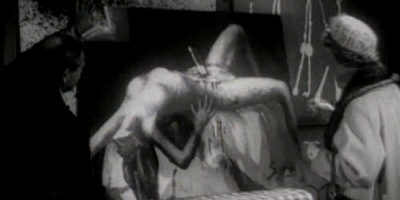
Blood Bath (1966)
‘Blood Bath is one of the most cockeyed creations ever to emerge from the Roger Corman camp. The nearest I can figure, Corman hired Jack Hill to make the movie. Then Hill was fired and replaced by Stephanie Rothman; she was charged to shoot new footage, but also to incorporate footage from a Yugoslavian vampire movie. Apparently footage was also taken from a movie called Portrait in Terror (which may be the same Yugoslavian movie? I’m not sure.) The theatrical cut of Blood Bath runs just about 62 minutes; to make matters more confusing, someone cut in about 10 more minutes of outtakes and other stuff to pad the TV version. William Campbell stars as a painter named Sordi. He works in a bell tower and lures beautiful women to his studio, kills them, covers them in wax, and paints their pictures. He also believes he is the reincarnation of his ancestor, and that the beautiful Dorean (Lori Saunders, credited as “Linda”) is also a reincarnation. He may also be a vampire, for some reason.’ — Combustible Celluloid
Trailer
Excerpt
_____________
Mondo Keyhole (1966)
‘A deranged sociopath relishes his attacks on women, but are they only fantasy, real though they may seem? A debauched classic of the “roughie” genre, complete with S&M; fantasies. Jack Hill is the auteur of this production, so put down your demitasse coffee cup, fasten your seatbelt and expect the unexpected!’ — Fandor
Excerpt
Excerpt
_______________
Spider Baby or, The Maddest Story Ever Told (1967)
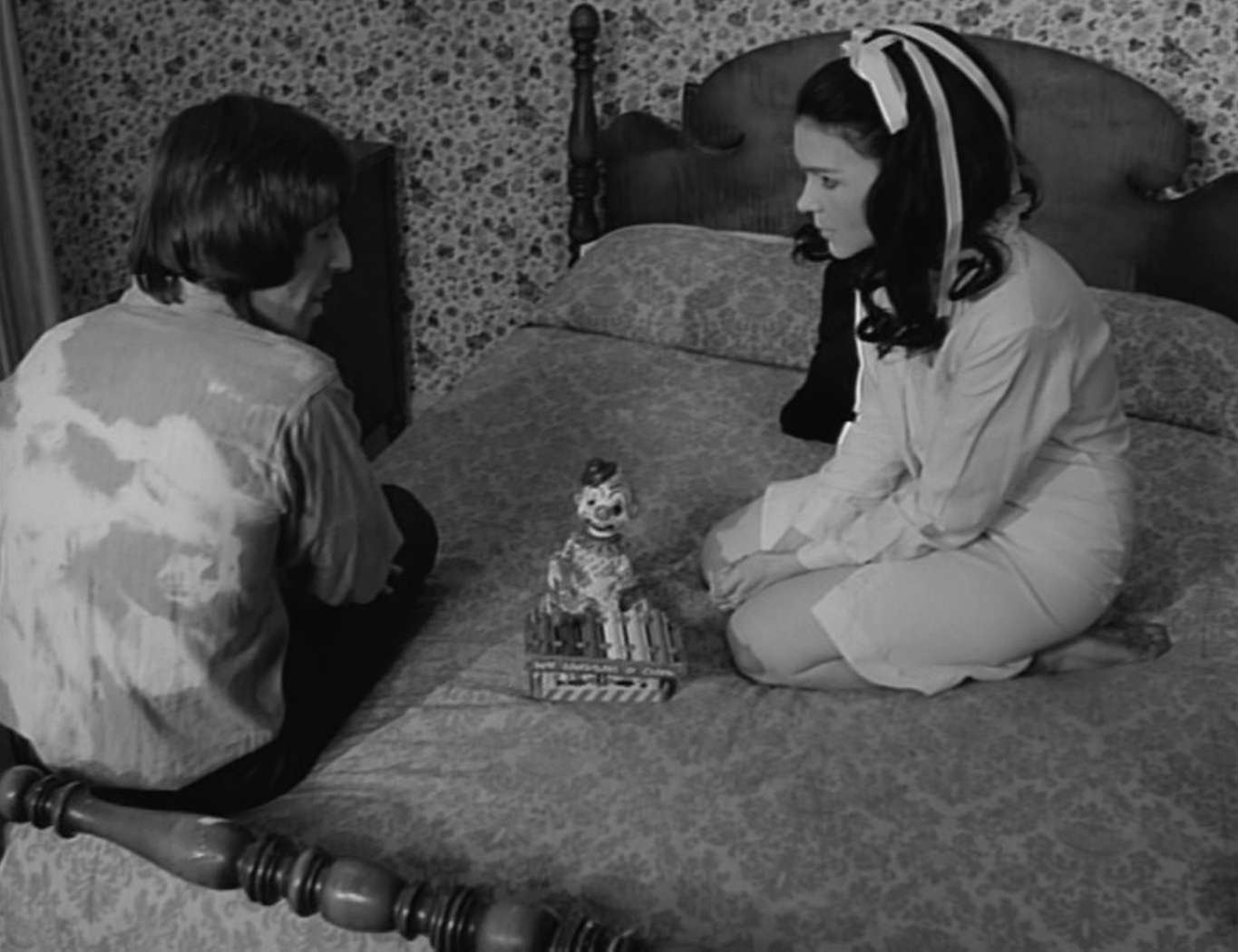
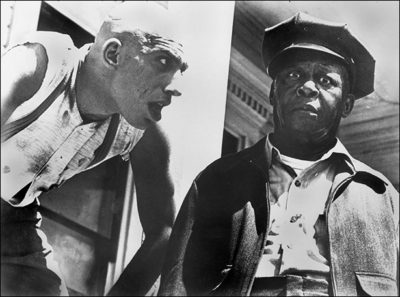
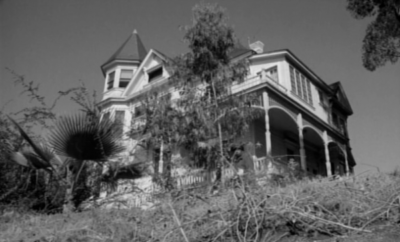
‘Jack Hill’s SPIDER BABY is a sweetly perverse 60s exploitation concoction pitched somewhere between THE ADDAMS FAMILY and THE TEXAS CHAINSAW MASSACRE, but made before the latter franchise existed. This is one of the ultimate cult films. Once seen, it’s never forgotten, and the legion of movies that were influenced by SPIDER BABY have sadly all ended up more well-known than the should-be-iconic original. It’s the type of movie that begs for a marquee Blu-ray release to give it the attention denied for far too damn long. Thankfully, that’s what Arrow does best, and now it’s time for horror fans to dedicate a few hours to adoring appreciation of the disc, followed by some well-warranted dancing in the streets. For those unfamiliar, Hill’s flick opens up with one of those post-PSYCHO B-movie prologues discussing an odd psychological disorder that will be delightfully exploited for the next 80-odd minutes. In this case it’s the “Merrye Syndrome,” a bizarre disorder that causes youngsters to regress into childish psychosis once they hit puberty. Conveniently, all the remaining Merrye Syndrome sufferers are limited to one family who share the syndrome’s name. Former family servant Bruno (Lon Chaney Jr.) now looks over the three Merrye siblings, two girls Elizabeth (Beverly Washburn) and Virginia (Jill Banner) – who like to engage in murderous games of “spider” (unlucky visitors to the family home are the bugs) – and Ralph (Sid Haig), a massive man-baby with a taste for house cat flesh. They’re a creepy lot, and in accordance with classic horror movie convention are unexpectedly visited by two lost family members (Carol Ohmart and Quinn Redeker) as well as a lawyer (Karl Schanzer) and his secretary (Mary Mitchel) who hope to claim the family home as their own. They unwisely decide to stay in the overnight and as expected, the family reunion doesn’t go well.’ — Fangoria
Trailer
the entirety
______________
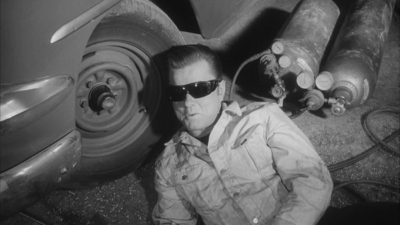
Pit Stop (1969)
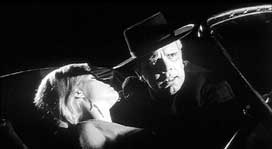
‘Pit Stop is an amazingly well-executed movie by the inventive Jack Hill, revealing the independent writer/director in one of his best moments, running hard on virtually all cylinders in this fascinating study of the inhumanity of winner-take-all competition, set against a backdrop of automotive icons from the trailer-trash side of the street: stock cars, wrecking yards, racetracks, custom cars, drag racing, dune buggies, oval track racing… and craziest of all, figure-8 track racing. Originally released as The Winner — an incredibly ironic title, given the film’s anti-heroic stance — the decision to rename it Pit Stop also appears misleading, as there isn’t one pit stop in any of the races in the entire movie. But then, pit stop also means a short rest, a chance to get recharged, get your bearings, and then get back into the race. For the lead character, Rick Bowman (played by Dick Davalos), the time of the movie is a pit stop for him, as he takes a little time off in the move from his prior career of drag racer to his future job of oval track stock car racer. Trouble is, this is a Pit Stop on the Highway to Hell.’ — Culture Court
Trailer
the entirety
_____________
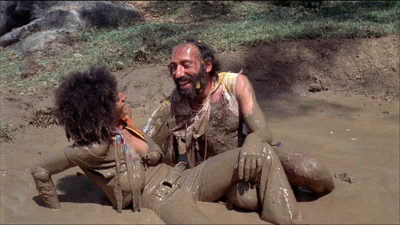
The Big Doll House (1971)
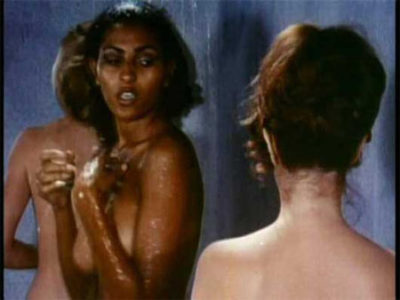
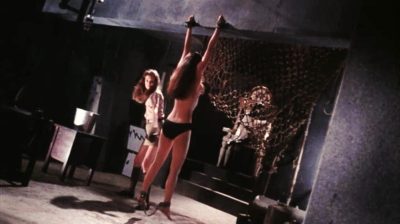
‘I’ve been a huge fan of Director Jack Hill (Spider Baby) since I first saw Coffy (1973) 15 or so years ago. The Big Doll House was Jack’s first real big hit for Producer Roger Corman and this was the film that sparked off a resurgence of the Women In Prison Exploitation subgenre. The plots for most WIP films are relatively simple: A group of women are thrown in a foreign prison for different crimes (often for no solid reasons. The real thrill of these genre films werent so much the intricate storylines, but seeing all the ultra-horny sexy girls in the shower or watching them fight! The Big Doll House is full of Exploitation thrills including mudfights, food fights, S&M; torturings including snakes and much more. The explosive climax of the film goes into overdrive as the women plan a breakout and uncover who the mysterious person behind the S & M sessions really is. The film was shot in The Phillipines and was co-produced by Eddie Romero, who was a popular producer-director known for his Blood Island films which were made around the same time.’ — Quentin Tarantino
Trailer
Excerpt
Excerpt
_____________
Snake People (1971)
‘An evil scientist runs a veritable army of LSD-crazed zombies.’ — IMDb
the entirety
_____________
The Big Bird Cage (1972)
‘In The Big Bird Cage, Pam Grier plays a woman named Blossom who, along with her boyfriend Django, knocks off a Filipino nightclub to finance a revolution (what the globals are revolting against we never find out), then breaks into a prison run by a sadistic warden where she frees the multi-ethnic female population in a spectacular, burn-it-all-to-hell escape. Grier’s indoctrination into the prison is memorable: on her first day in the outdoor mess tent, she tactfully asks her fellow inmates, “Which one of you dykes thinks she runs this place?” When one of them asks her who she is, she says, “My name is Blossom, but that don’t mean shit. All you have to know is that now I run this place. Any other questions?” A woman steps up and says, “Yeah. Where do you want to be buried…nigger?” Grier kicks her ass, then puts the period on the sentence: “And that’s Miss Nigger to you. Okay?” If this is up your proverbial alley then rest assured that the remainder of the film delivers on the same level. Critics have called this Roger Corman production a feminist movie, but it’s the kind of “feminist” movie where all the actresses wear cutoff hiphuggers and wet midriff shirts (when they’re not cavorting in the group shower). From the distance of twenty five years it’s also strange to look at what was considered correct in 1972: racism is bad, but faggot jokes are okay (the guards are all giggling sissies and would rather French kiss a cobra than mess with any of the inmates). Along with Grier and the lovely Anita Ford, The Big Bird Cage features another junkhead performance by long-suffering blaxploitation veteran Carol Speed and a wild turn by the great Sid Haig as the hippie adventurer Django.’ — George Pelecanos
Trailer
Q&A: Pam Grier, “The Big Bird Cage”
_______________
Coffy (1973)
‘Good as Bird Cage is, it is in 1973’s Coffy where the Hill/Grier collaboration begins to hit its stride. Pam Grier stars in the title role of a woman seeking revenge on the drug dealers who got her little sister hooked on H. As the Roy “Ubiquity” Ayers soundtrack kicks in (“Coffy is the color of your skin/Coffy is the color of the world you live in….”) you know you’re about to witness a classic of 70’s blaxploitation. And the picture delivers like Karl Malone, coming at you with big fros and big bellbottoms, righteous violence, a pimp named King George (Robert DoQui), and several scenes of Grier in all her And-God-Created-Pam glory (watching this film gives a two-word answer to anyone who’s ever wondered why there’s a pause button on the house remote: Pam Grier). With Sid Haig as Omar.’ — George Pelecanos
Trailer
Excerpt
Excerpt
________________
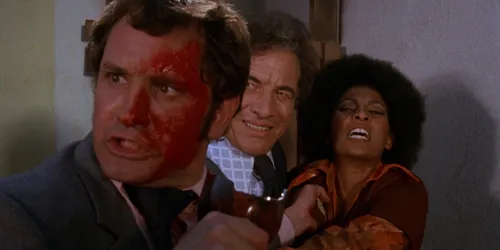
Foxy Brown (1974)
‘In Foxy Brown, the heroine’s boyfriend is exposed as an undercover government agent, and when the mob shoots him, Foxy gets a job at the syndicate’s most exclusive escort agency to take them down from the inside. The story takes a while to get ramped up, and the pacing’s a little slack, but there’s a good reason why Foxy Brown is generally (if wrongly) considered the 1970s Pam Grier film. Writer-director Jack Hill’s success as a drive-in movie-maker was largely due to how well he could work sex and violence into pictures without it coming across as overly sleazy. It’s not irrelevant to the popularity of Foxy Brown that Foxy dresses up as an expensive prostitute, seduces no-good louses, and then abuses and/or shoots them. But as handled by Hill, the sensationalistic elements seem both natural and marginal. Grier as Foxy would be fun to watch even if she kept her clothes on and her claws in.’ — The Dissolve
Trailer
_______________
The Swinging Cheerleaders (1974)
‘While Hill himself calls The Swinging Cheerleaders “a Disney sex comedy,” I doubt if Disney could have pulled it off. On the cynical side, it’s a skillfully blended montage of target-group-driven scenes. Jack himself calls it a “tissue of cliches”. We see a lot of firm flesh from young, nubile actresses. We see college football games (intercut with real footage — one of Jack’s big moneysaving moves — it’s just that he edits it in so well). There’s a token college “radical” who does grass and cocaine and turns out to be the story’s misogynist. Adults are dopes and worse: the football coach, the president of the alumni association, and a black prof (who’s screwing one of the cheerleaders in his office after class) are involved in fixing the football games and betting on the spread. We come to realize members of the football team are sensitive boys after all, and we all receive our demographic thumbs-up at the climax, when the cheerleaders and players — in full uniform — attack and overcome some evil campus cops who have kidnapped and likkered up the star quarterback so they’ll lose the last game.’ — Culture Court
TV spots
Excerpt
_____________
Switchblade Sisters (1975)
‘Jack Hill’s drive-in cult classic Switchblade Sisters is really one of a kind in the world of Exploitation cinema. It was originally released under the title “The Jezebels” back in the 1970s, but after Writer-Director Quentin Tarantino bought the rights to the film and released it under his great Rolling Thunder Pictures label on DVD in the mid 90s, he changed it back to its original slashingly cool name. The film takes place in a sort of parallel universe. Hill actually envisioned the film to have a sort of a post Nixon era apocalyptic atmosphere. The acting in the film is really well done for a low budget drive in film and Jack Hill really does have a unique style as an Exploitation autuer. He also manages to combine elements from several Grindhouse subgenres into the film including: women in prison and blaxploitation films. If you go through his filmography you will pick up that Hill always injects his work with a certain level of intelligence and depth. They are definitely Grindhouse fare, but at the same time, much more. This is just one reason why I’m such a fan of his films. The cinematography was done by a young Tak Fujimoto, who later went on to do many great movies including Silence of The Lambs.’ — Quentin Tarantino
Trailer
Excerpt
Excerpt
______________
Sorceress (1982)
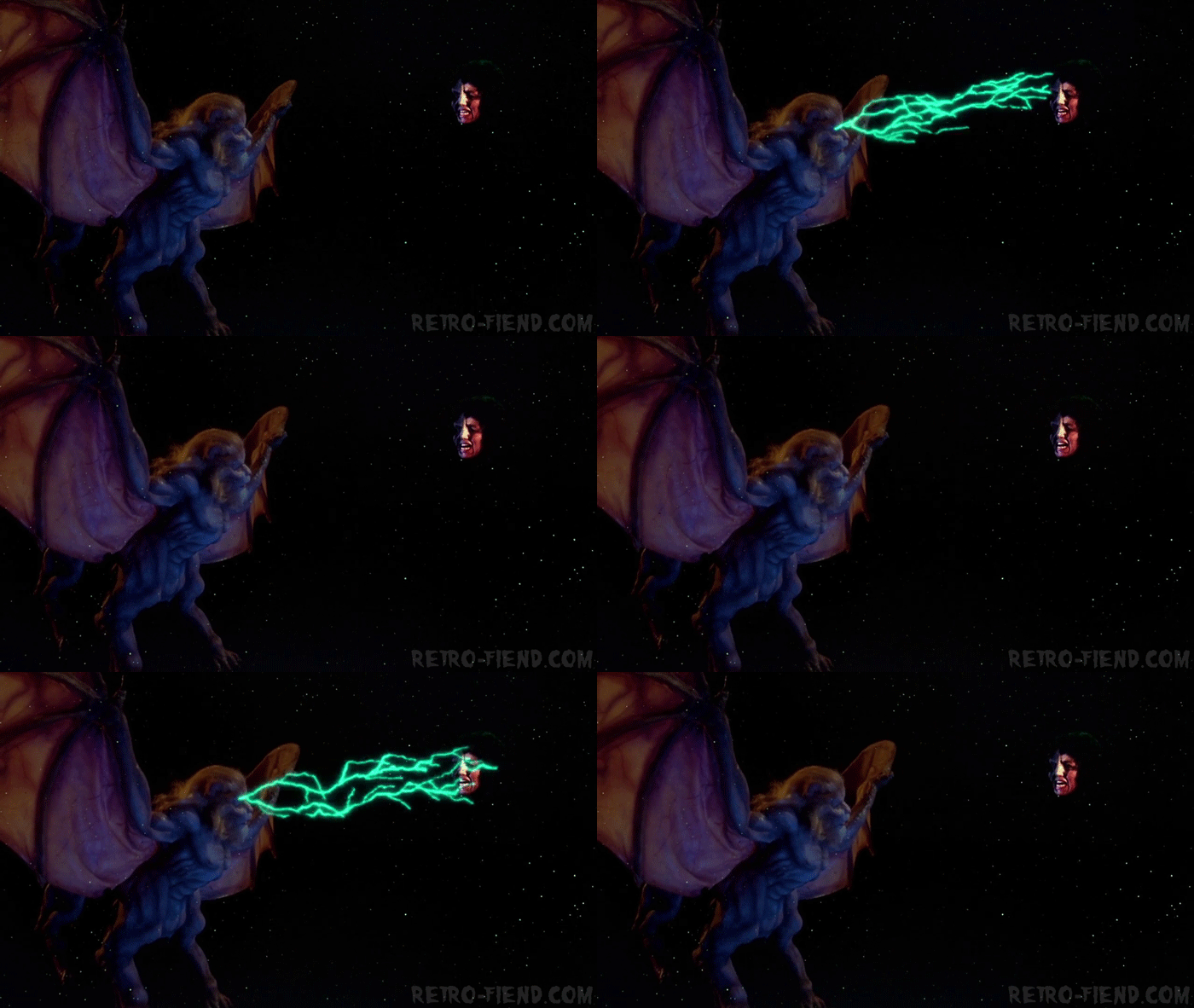
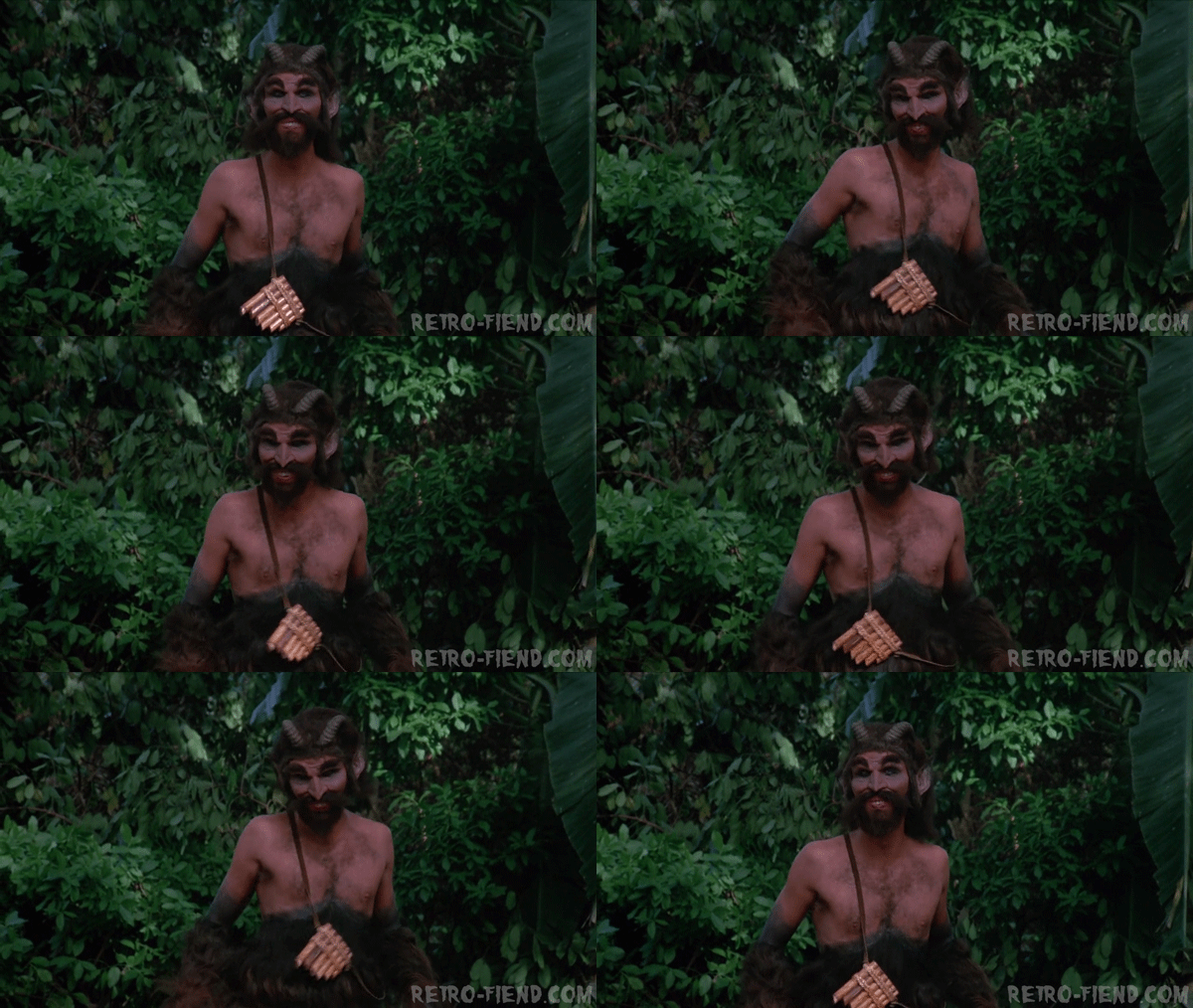
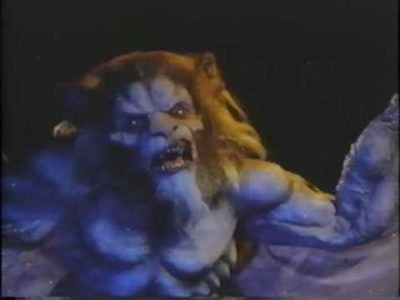
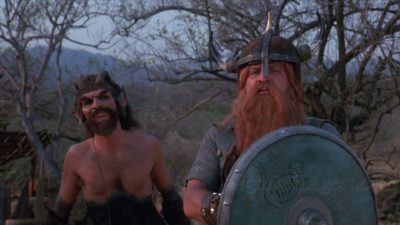
‘Jack Hill’s Sorceress is one of the greatest movies featuring twins confused about their gender ever made. The central conceit of this brilliant tale is that two girls, kidnapped from their sorcerer father as babies are raised as boys, despite the fact that they are really, really sexy blonde chicks with big knockers. Their father Traigon, returns from the dead in search of his virgin daughters because their blood will give him all the powers of the masters of the universe or something like that. The girls, (boys?), surrogate parents are killed Owen and Beru style, and before long they notice a Dwarf and a really creepy faun spying on them and their murdered parents. The weird airport cult wizard that rescued them as infants appears just in time to not save the day and walk into a bonfire. Thus begins the quest of Mira and Mara, to, I don’t know, keep Traigon and his evil endeavors at bay. This film really underscores the classic battle between the giant snake faced lady in the sky and the cool Lion-Dragon in the sky. The cheapest special effects are used to no avail in order to emphasize the lack of relevance that anything in this story has. Some boobs pop up. The faun bleats. The dwarf has a belly laugh as one twin loses her virginity to a curly headed doofus and the other, (who feels what her sister feels), lay on the ground and writhes around in orgasmic ecstasy.’ — Book of Dread
Trailer
the entirety
*
p.s. RIP James ‘Blood’ Ulmer. ** jay, Hi. Do you think that park would be as scary in person? I’m thinking … no? On the coast, gotcha. Or she and her family will surprise you with adoption papers? Thanks so much about ‘Flunker’. Yeah, I’m pretty okay with ‘Gold’. I worked on that for ages. I’m going to make your week the role model for my week. xo. ** Carsten, Yeah, I get why people find bars and especially dive bars romantic, and I used to really like and frequent hustler bars way back in the day, but not because I wanted to be around people drinking, of course. That place you went to almost sounds like a cafe, which makes its magnetism more understandable. No, we read the assigned texts on our own and then just talk about them in the Zoom club. I think most if not all of us prefer reading over listening. ** Bill, Thank you again. Yeah, I read that Spreepark was originally going to be rebuilt/restored but then they just gave up and mostly decimated it. Fools. That Artspace place sounds really cool. My next gig is seeing Stephen O’Malley and Kali Malone do music amidst an installation of Anthony McCall’s laser sculptures at IRCAM tomorrow. And I just bought tickets to see Chic! ** Adem Berbic, I think I might walk over to the cave today if it doesn’t start raining. A car certainly helps via exploring those places not to mention a good eye for active surveillance cameras and/or vicious guard dogs. ** Dominik, Hi!!! Email is a never ending leak. Bill looks, dare I say it, sort of embarrassing. I guess he always looked a little embarrassing, but it used to be a little cool and sexy too. Takakanonuma Greenland is a good pick. Me, I have to be predictable because I’ve talked about it so much, but I have to pick Pacific Ocean Park because I went there frequently as a kid and it’s kind of permanently fused with my dreams and imagination. Love wondering why every new store that has opened in his neighborhood in the past two years is a sports clothing store, G. ** scunnard, Hi, J! Good to see you. I’m fine. That’s funny, I too came across probably the same World of Sid and Marty Krofft thing in my feed to, but it was a day too late to stick in that post. I do know it ended up being CNN, thanks, I think, to that thing in my feed. New? Just winding up ‘RT’ screenings and getting ready to figure out how we’re going to make our new film. And wandering about. And you? What’s your recent life story? ** Larst, Thanks, got it! I might watch ‘Obsession’ tonight. Debating. Oh, okay. Everyone, Larst is also Laurence Livik, a superb writer and zine proprietor and other things, and he has a new book of poems just now out that I guarantee will feel like your destiny once you’ve read it, and here is where you can score it and read about it. So do that, folks. ** Sam F, That yellow brick road really photographs well. I hope it’s charismatic to the naked eye too. I don’t know about Garden of Monsters. Wow, how interesting. Obviously I’m going to go add online evidence of it my my knowledge. Thanks! Yeah, it was great to actually explore and begin to know and really like Baltimore as more than just where John Waters came from. Big day to you, sir. ** _Black_Acrylic, I don’t know Mr. Blobby’s single, but now I will. Yikes. I have middling expectations for ‘Obsession’ so hopefully I’ll find a way to find it agreeable. ** Alice, Hi! Well, yes, our conversation here inspired that post very obviously. So thank you for your big part in that. Paris also used to have an indoor amusement park called ‘Planet Magique’ in a big building near the Marais that is now the music/art venue Gaite Lyrique. Apparently the ruins of that park were extant for years, and my Paris friends tell me there used to be incredible indoor raves in there. Well, it’s nice that two structures from that China park survive although the context sounds pretty depressing. Plans this month? A bunch of different friends of mine are coincidentally visiting Paris around the same time later this month, so I’ll be hanging with them. Otherwise, just the usual stuff, I think. No travels in the works. Has it been almost a year? Crazy. Yes, that was lovely. ** laura w, Thanks. Yeah, Disneyland birthed a lot of parks all over the place. And Disneyland was birthed by my favorite amusement park in the world, Efteling in Holland. Walt Disney visited it and was blown away and used it as his role model. It is weird and inexplicable how few amusement parks there are around NYC. I suspect at least some of the French people who read this blog saw your Vuong-Louis comparison and said, ‘Ah, ha!’ Autofiction needs to take a multi-year nap asap. Or most of it. We’re still cool and wonderful here, but it’s supposed to scorch again next week. No! ** ⋆˚꩜。darbbzz⋆˚꩜。, Hey, bud! You made it! I did see ‘Backrooms’ and I liked it. The dialogue was sort of meh, but the rest was pretty terrific. Alice Cooper in the 70s from their first record ‘Pretties for You’ up through ‘Billion Dollar Babies’ are fantastic. What do you mean about where to start? You mean getting it or pieces of it published or … ? Enjoy Virginia. Never been there. It’s pretty in my mind’s eye. ‘Punching Flowers’ … I just did a quick search, and I couldn’t find it. ** Steeqhen, That yellow brick road park reopens once a year for a special event apparently. It’s in North Carolina, not California. ‘Fairyland’, I think that’s the film about my old friend the poet Steve Abbott? ** HaRpEr //, ‘The Death of Louis XIV’ is slow but very good. The House of Dreams … no. I don’t know it. Huh. Seems like I would. I’ll hunt down its information. I was really inspired by the ‘Our Gang’ comedies aka ‘The Little Rascals’ when I was a kid. They were always being really enterprising and starting theater companies and all kinds of wacky ventures. ** DonW, Hey. I should be here at least for your first Paris stint. Maybe the second too, I’m not sure. I’m in the 8th arr. near Place de Madeleine. The Pantheon and Le Marais are both good locales in which to ensconce yourself. Favorite album covers … huh, that is tempting. Happy day, dude. ** Uday, One could. I’m definitely not athletic, but I’m okay at sneaking around. Gorgeous O’Hara thing, obviously. Boy, he was good. I suppose Charli must be coming here. The distribution company that released ‘RT’ in France recently released some film by her or about her. Not the big one. We’re on the same horror page. ** Right. I thought some quality exploitation and a bit of horror was called for courtesy of today’s restored post. Prove me wrong? See you tomorrow.


 Now available in North America
Shit, Switchblade Sisters was screening at the Nickel place a few weeks ago but I let it pass me by. In a potentially neighbourly vein, I’ve also always meant to check out some of Larry Cohen’s stuff, if you think there’s something to that.
What the fuck? I pulled up another cinema I like to scope the listings, and they’re screening Blood Tea and Red String this weekend, with some Brakhage. So I guess you’ll get your review soon, @Bill. The whole thing is packaged up with some esoteric solstice stuff, and you know how I feel about all that, but so it goes.
Presently I’m wishing Time Machines by Coil had a runtime of one year so I could stay cocooned in it 24/7.
HEY DENNIS! Exploitation cinema is a total blindspot for me, so this was very enlightening. The concept of a precursor to American Pie is super interesting, I think sex comedies are always about treading the boundary of acceptable behaviour, so a version with different cultural mores sounds fun. Will absolutely check that out! Yeah, “Gold” was great, it might be your best stand-alone short fiction thing. I think it’s admirable how much you curate the writing you put out, your total bibliography is shorter than some books.
Oh, and I’m seeing a concert on Friday. One of the advantages of youth is how easy it makes ingress into these stuffier spaces – a really, really good classical concert for the price of a coffee, because of an under-25s discount scheme! Then, I should be aiming to see an exhibition in London of M.C. Escher, which is great. I grew up on a catalogue of his, so it’ll be cool to see stuff in person. Hope you’re well, adios!
Hi!!
Yeah, the look, especially the hair, is certainly not the best. I much preferred the way he looked in 2006 and 2009, but… you know. Personal preference.
Pacific Ocean Park was my guess—or love’s—but I thought I’d still ask. It does literally look like something out of a dream.
I hope love cracks your mystery! And while he’s at it: love telling me why the same thing is happening with hairdressers and barber shops here. (You can’t walk down a street without seeing at least three—how do they all have enough customers??) Od.
P.S. I’ll be away for a week or so because my mom is coming for a visit and then Anita and I will go to Nova Rock Festival. Wishing you a low-heat, lovely time ‘til then!!
I thought Obsession accomplished its goals pretty flawlessly. Just a classic Twilight Zone style “careful what you wish for” trope. Saw Backrooms last night. Mostly enjoyed it. I’m also really glad that these movies are very fucked up and doing so well. It gives me a little bit of hope.
Thanks for sharing my link!
Hi from super sunny Chania Crete
Out of his work the only ones I know are Coffy and Foxy Brown predictably
My favourite ever exploitation film out of the two I have seen is The Nude Princess starring Ajita Wilson and Tina Aumont
You guys Flunker commentary made me grab it again for another read yay
I recommend so much the new Kim Petras album which has restored my faith in everything and I play it all day long a rare but nececcasy glimpse of hope in my system and inspiration
It has a beautiful song called Brutalist about a destroyed building you can’t bring someone there no more because it is ruined and goes back to the far past to tell a story of her youth when the building was still alive and there, so touching
I recommend her album as a whole
A question, are the new pieces you are going to write for the new collection totes brand new or you will grab ideas from past workings of the mind?
Here’s hoping my email will pop up out of the billion emails like one in a billion emails tend to do and envelop u and I get an email back
Haha
Hi from ready to go to the gym but only if I don’t skip today’s leg day which I am going to do and just chill in my bed and read Flunker and other books
x
Spider Baby always puts me in mind of this scene from Father Ted where father Dougal imagines that character as being a figment of his dreams.
What with Obsession and Backrooms being so successful, it seems we’re in something of a horror renaissance right now. Maybe there is a thing of extreme history producing great artworks. I think maybe the 70s Hollywood heyday is a good example. Just trying to look for the positives here!
i like the idea of us currently being in a horror renaissance. i’ve always found it fascinating how that specific genre has the range it has. now there’s a lot more “middlebrow” horror but for years it was either the domain of incredibly critically acclaimed filmmakers and writers or just pure pulp. i am always very tempted to blame stephen king for “middlebrow” horror but his cocaine era stuff is at least very entertaining.
that theme park sounds so magical! it looks like a fairytale. i had no idea the dutch had it in them. how do you feel about disneyland paris?
i did grow up spending summers on the jersey shore and they’ve got a lot of boardwalks down there but that’s its own thing, i think. asbury park had kind of a cool decaying boardwalk vibe for a long time but the area had a big revival and now it’s all so different.
autofiction would be a much more palatable genre as a whole if people actually did interesting things with it but they so rarely do- one of the things i’ve always admired about your writing is that you wield autobiography like a weapon; it’s especially brilliant in frisk and guide. who knows, maybe you or i finally crack into my struggle and it’ll blow our minds and we’ll have to recant, who knows. on the plus side, it’s a good outlet for my voyeurism!
all the flunker talk forces me to admit: i love from here on. it was probably my favorite work of prose of 2024.
What a surprising tribute! A year & half or so ago I was out flat recovering from wisdom tooth surgery &, doubly pissed because I couldn’t smoke, put on a double bill of “Coffy” & “Foxy Brown”. I lapped them right up like the greasy comfort food that they are. Sure they’re a little clunky, & I forgot over the years how oddly square “Coffy” is, what with its anti-drug messaging. But these films coast on the sheer charisma, wit & sexiness of Pam Grier—& if Hill had done nothing other than discover & launch that screen goddess, he’d still be a legend in my book. But based on that interview he also sounds like a good, solid guy.
There’s a scene in “Foxy Brown” where Pam humiliates a politician by making him drop his boxers & then kicking him out into the hotel hallway with his tiny pecker on display to the passing guests, & some culture critic online likened that to the public embarrassment-tour Stormy Daniels gave Agent Orange. More power to Stormy, that poor woman’s been through enough, but she’s no Pam Grier. Who’s still to this day probably my biggest movie crush. So thanks for that Jack.
Hey Dennis,
I checked it out and it is indeed about your friend! I only read the synopsis and it seemed interesting — I didn’t even realize it was based (to some degree) on real events.
Backrooms was pretty good. People who are raving about it are pretty hyperbolic, and people who are hating on it are pretty jaded and obnoxious, but my opinion on it is completely correct, obviously! Kidding aside, I did enjoy it and was impressed about they took a concept that is best when it’s ambiguous and ‘loreless’, and made a full length film that did feel still unexplained by the end; sure they speak about theories and ideas of how it works but you’re still left unsure about its nature by the end. I also really liked some of those creatures, especially that dinner scene that felt like an homage to a Lynch scene like the In Dreams lipsync in Blue Velvet or the prostitutes in Inland Empire; a strange room of eclectic people.
I’ve been meaning to watch a lot more exploitation films, it’s a bit of a blank spot in my film knowledge, so I’ll add some Jack Hill films to my watchlist (although I’m sure there’s a few there already).
With all the smiley faces and UK techno songs sampling children’s TV, having a rave in Mr. Blobby’s house feels quite appropriate.
My DISCLOSURE DAY review came out today: https://artsfuse.org/330001/film-review-disclosure-day-broadcasting-the-truth/. I’m really looking forward to CAMP MIASMA, but due to a last minute appointment, it turns out I won’t be able to see it tomorrow.
The last few days were quite stressful because I thought my phone was shut off due to an overdue bill. It turned out that I had downloaded malware which froze it. It’s working again now.
Hey, Dennis, Good old Foxy Brown. Pam Grier’s a legend. I wonder if my streaming services have any Jack Hill films. I’ll poke around. I’ve been meaning to watch Radu Jude’s newest, not the Dracula one, but that does interest me. Long ago, I visited Sighisoara in Romania, home of the Vlads (dracula). Have you ever visited Romania? Totally worth it. I love it there. About Paris, the best dates to hang/coffee are the middle dates and probably not the bookmark dates, which will be eaten by travel or pre-travel, probably. So…um…Aug 15 or 16, or 22, 23, 24. I’ll shoot you an email. Meanwhile, I’ll be on “here,” since it’s summer and I have a bit more time on my hands. Pls let me know if there’s something I can’t miss (that’s not mentioned in guidebooks, internet, etc.). Thanks for the name of that museum. I think we’ll be down the street from that. Take care, Don
(oh man i didn’t know James Blood Ulmer died, that sucks)
hey dc!! i’ve finally gotten my shit together enough to sit down and say hello properly. as promised, me and mine, or the big two me-and-mines anyway:
1) i’ve pretty much finished my phd. i had my viva with Esther Leslie (_the_ Walter Benjamin authority… or one of the top 3) and Rob Gallagher (who is an excellent games scholar) about a month ago. they gave me a very hard time in a good way and they liked what i said. i have to write another 500-1000 words on methodology and research ethics by November, which should be piss easy but i’m procrastinating. (based on some stuff they said in the viva, i’m doing reading on postcritique to make my choices seem a bit more intentional, but a lot of postcritique is just kind of annoying.)
this also means that this is the first time i’ve been without any major responsibilities (research, caring, etc.) since 2020, which is incredible and also kind of like peering over a cliff edge.
2) my book is out!! https://www.brokensleepbooks.com/product-page/oscar-nearly-fragile-july which is amazing and odd in ways i probably don’t need to describe to you. it’s been getting a surprisingly positive response as well — well, surprising to me — obv it’s a weird, alienating, prose barely-poem thing, but it seems to have resonated with a good number of people, inc. some quite serious Poetry Names. plus, as a printed “thing” it’s come out really well, it looks and feels great.
i’m trying to get back into reading fiction and gearing up for new writing projects, though my mind hasn’t yet gotten out of the academic deadline-on-fire mindset. i’m also going through a bad period where something like half the things i encounter, esp. by people around my age, seem like total apex masterpieces to me, and i recognise that this should be super inspiring and hopeful and kicking me into gear and instead it’s kinda bumming me out that i don’t think i can hit those heights myself, not yet, at the very least. i recognise that this is very silly. comparison is the thief of joy, etc. i’m glad the masterpieces keep coming, i just want the bumming-me-out to stop.
p.s. have you come across Antonio Moresco’s THE BEGINNINGS? it was first published in Italy in 1998, but it’s only just been translated (by Max Lawton, who is so prolific in so many languages that it terrifies me) & published by Deep Vellum. it’s not officially coming out until the end of the month but shh i managed to get my hands on it early. i’m about two hundred pages in and it’s really excellent. the blurb describes it as “like watching a Bresson film with the sound off”, though idk if that’s the comparison i’d make… maybe Resnais or Duras would be more apt? if we’re playing French directors. it is, at any rate, Nouveau Roman adjacent and (its 650 pages notwithstanding) seems like it might be up your street.
Hey. I love ‘Coffy’ and ‘Foxy Brown’. I need to add ‘Switchblade Sisters’ to the list because that seems very up my alley. I will admit that I’m mostly only really into exploitation films that centre women for some reason. ‘Wicked Woman’ is one of my favourites. That’s a forgotten gem.
The little rascals, haha, that archetype lived on. I always liked shows as a kid about weird children up to no good. The low budget aspect of a lot of kids tv was probably lost on me when I was watching it. It’s funny how you don’t need all the artifice in entertainment when you’re a kid because your disbelief is naturally suspended. I try to maintain that even now.
I somehow came across this short film I made for school and downloaded to youtube when I was seventeen. It’s on a channel I no longer have access to. Some of the short films I made back then inspired some of the scenes in my novel but I purposely didn’t want to go back and watch them so that I wouldn’t be blinded by nostalgia or something when using some of the content in the book. This one is about a vampire, and it’s pretty terrible but I will admit that it’s imaginative. It made me so sad, it’s a very repressed and confused film where the titular vampire is treated horrifically by human beings haha. I was so happy I found it though because I thought it was lost forever. Since I’m on a break from my novel, I doubt it’ll affect anything. I was honestly so embarrassed that I had to skip some parts.
There is a yellow brick road in NC?? Ill have to check it out when I get back home
Agree about the backgroom, i figured the set design/asthetic would be more favorable to u.
SO excited because tomorrow (today for you) is the day I go to Busch Gardens and I was looking at the site today. Im very excited about the different themes. I love the German themed section and im so fucking thrilled to ride the carosoul! How fun that will all hopefully be, havent been to an amusement park in ages!
I suppose the punching flowers movie is just very elusive or lost media, huh.
So I have concluded that I definitly hate outdoor public pools, oh yes. Well it depends MY apartment pool may not be too bad,
but on vacation?
Oh yes, I love feeling like a caged animal in a zoo prisoned behind a gate with so many children, people etc Fences are oddly so impronisoning in that posititon
But the beach?
OH yeah, take me to the beach please! right here, right now, Night swimming yes, love it anytime.
ITs that openess, freshness of the moon slicing into thte waters edge.
Apologies for that unfleshed writing/book question.
I will have to elaborate on it more tommorow, very tired, just wanted u to know about Busch Garden tommorow.
See ya! : )
Not much to offer except I know a guy called Jack Hill and for the longest time I’d do a double take when he was brought up because he’s in my friends’ frat and the kind of guy who brings him up is not the kind of guy who’d know early cinema (with the exception of my close friend and sometime saviour S—). Surprised to see this Jack Hill still alive! I retain a certain fondness for unlikely nonagenarians.
Also wearing my Seven Poets Chosen by John Ashbery (For Tim Dlugos) t-shirt today! I was listening to the spoken word album English as a Second Language and thought hmmm that voice sounds familiar but I can’t place it and of course it was you, and I’ve grown quite fond of the poem since. The sound effects in the background really sell it.
Hi Dennis,
Laura is still resting and recovering, but she says that she is very happy with your 3 words.
And that “I love you” is allowed. It’s not boring!
Last week, she had a death omen. She was suddenly very sure someone, an artist specifically, was going to die.
The next day, Marjane Satrapi died, both sadly and unexpectedly. 🙁
But before she found out about that, Laura wrote three lines to guard you, just in case (even though she didn’t really think she had the power to intervene like that).
Here they are. You can do whatever you like with them. Take care * L+VK
Branch fades to black,
becomes sunbeam,
only you know.
Quality content right here. Appreciate it. useful tool
Jack Hill’s impact on female action heroes really can’t be overstated. It’s fascinating how his vision pushed boundaries and opened doors for future talents. I’m curious how much of his influence lingers in today’s films. I often check out forums dedicated to film history to dive deeper into these kinds of discussions.