—-

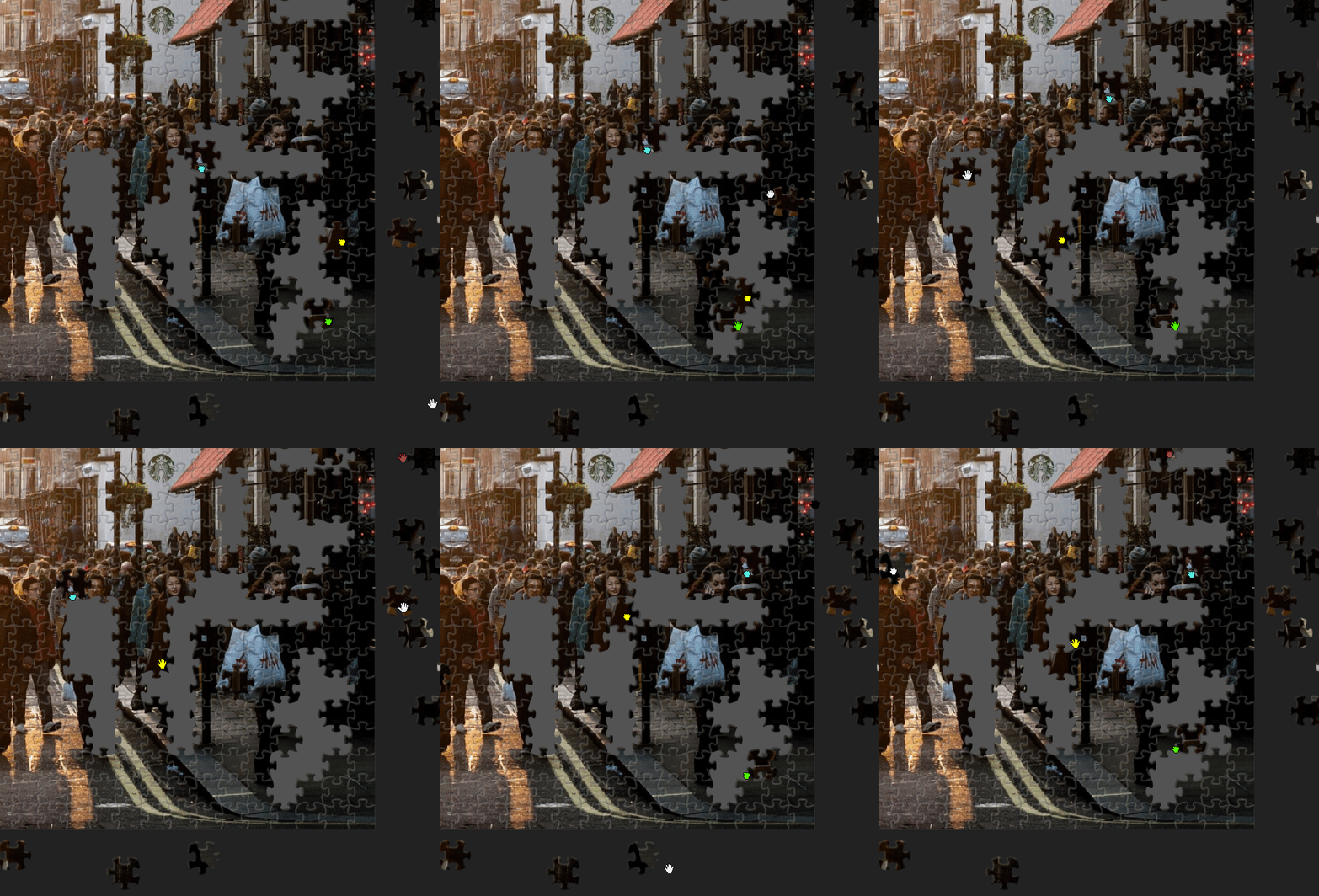
‘The origins of jigsaw puzzles go back to the 1760s when European map makers pasted maps onto wood and cut them into small pieces. The “dissected map” has been a successful educational toy ever since.
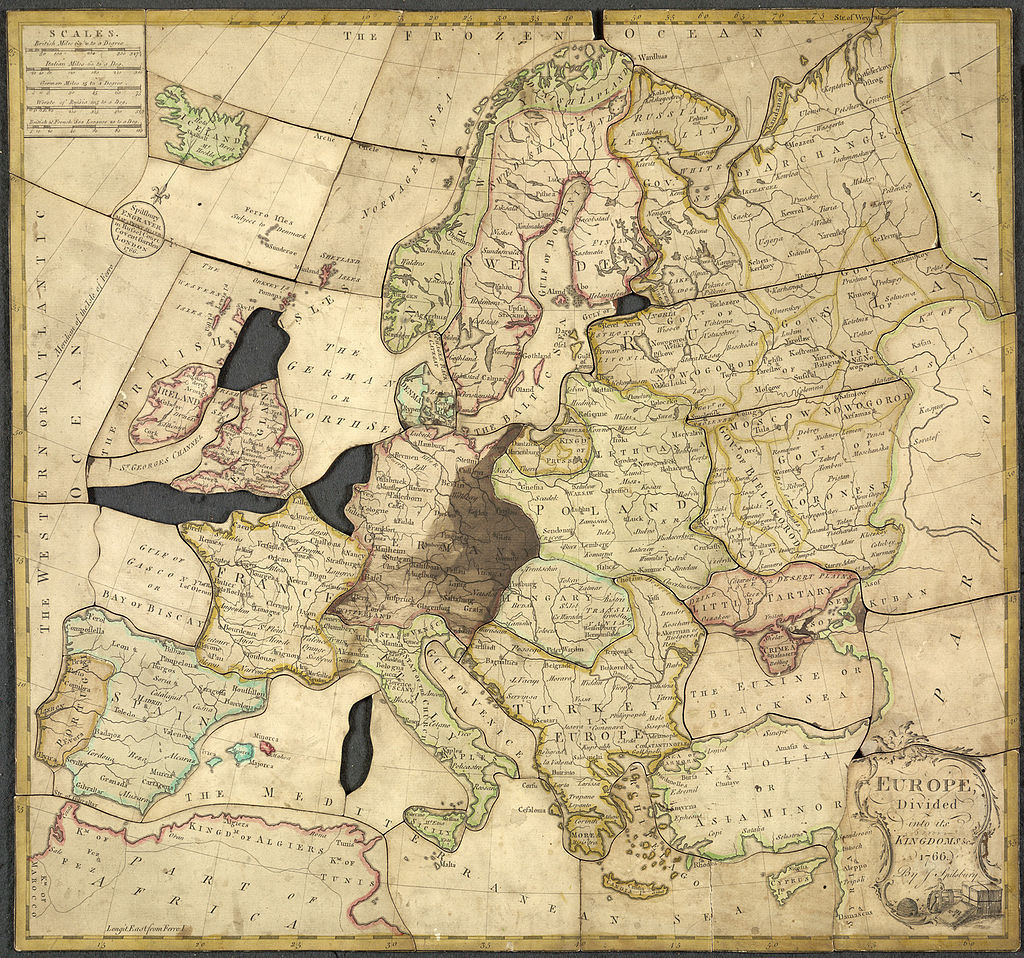
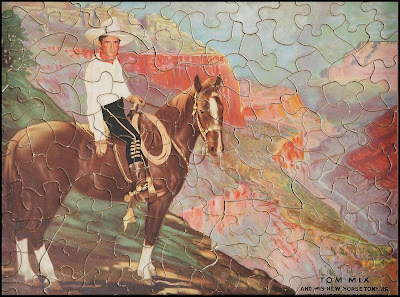
‘Puzzles for adults emerged around 1900, and by 1908 a full-blown craze was in progress in the United States. Most had pieces cut exactly on the color lines. There were no transition pieces with two colors to signal, for example, that the brown area (roof) fit next to the blues (sky).
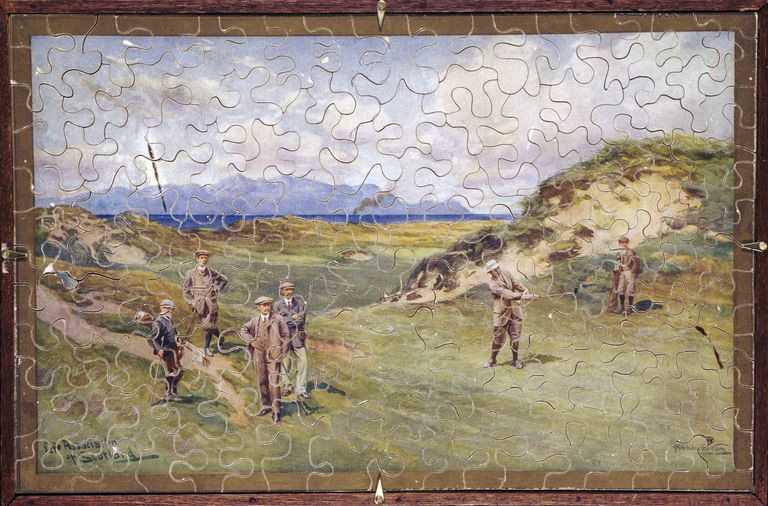
‘A sneeze or a careless move could undo an evening’s work because the pieces did not interlock. And, unlike children’s puzzles, the adult puzzles had no guide picture on the box; if the title was vague or misleading, the true subject could remain a mystery until the last pieces were fitted into place.
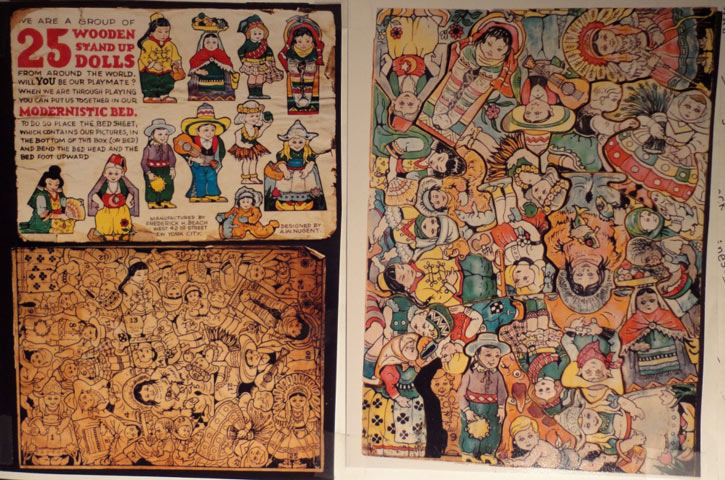
‘Because wood puzzles had to be cut one piece at a time, they were expensive. A 500-piece puzzle typically cost $5 in 1908, far beyond the means of the average worker who earned only $50 per month.
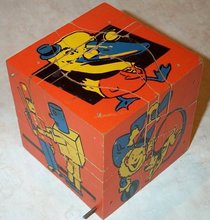
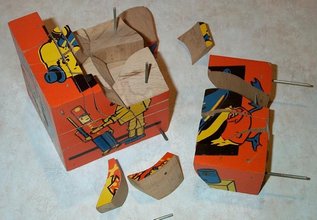
‘High society, however, embraced the new amusement. Peak sales came on Saturday mornings when customers selected puzzles for their weekend house parties in Newport and other country retreats.
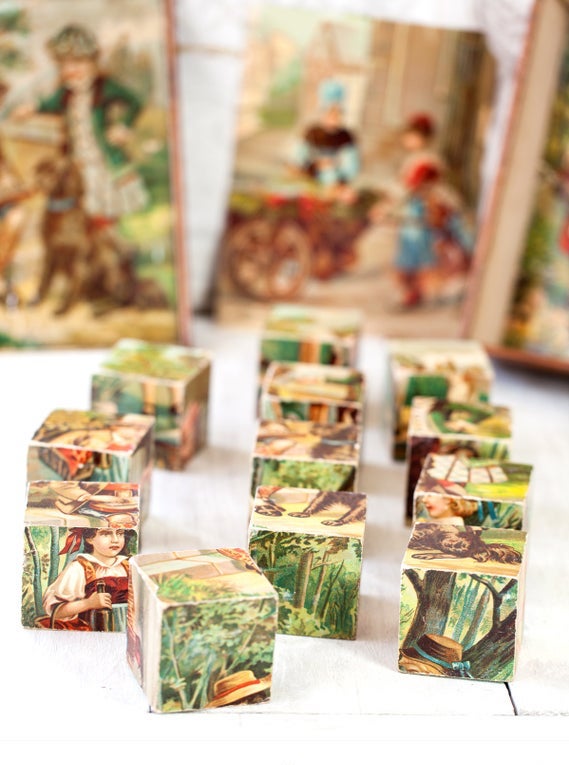
‘The next few years brought two significant innovations. First, Parker Brothers, the famous game manufacturer, introduced figure pieces into its “Pastime” brand puzzles.
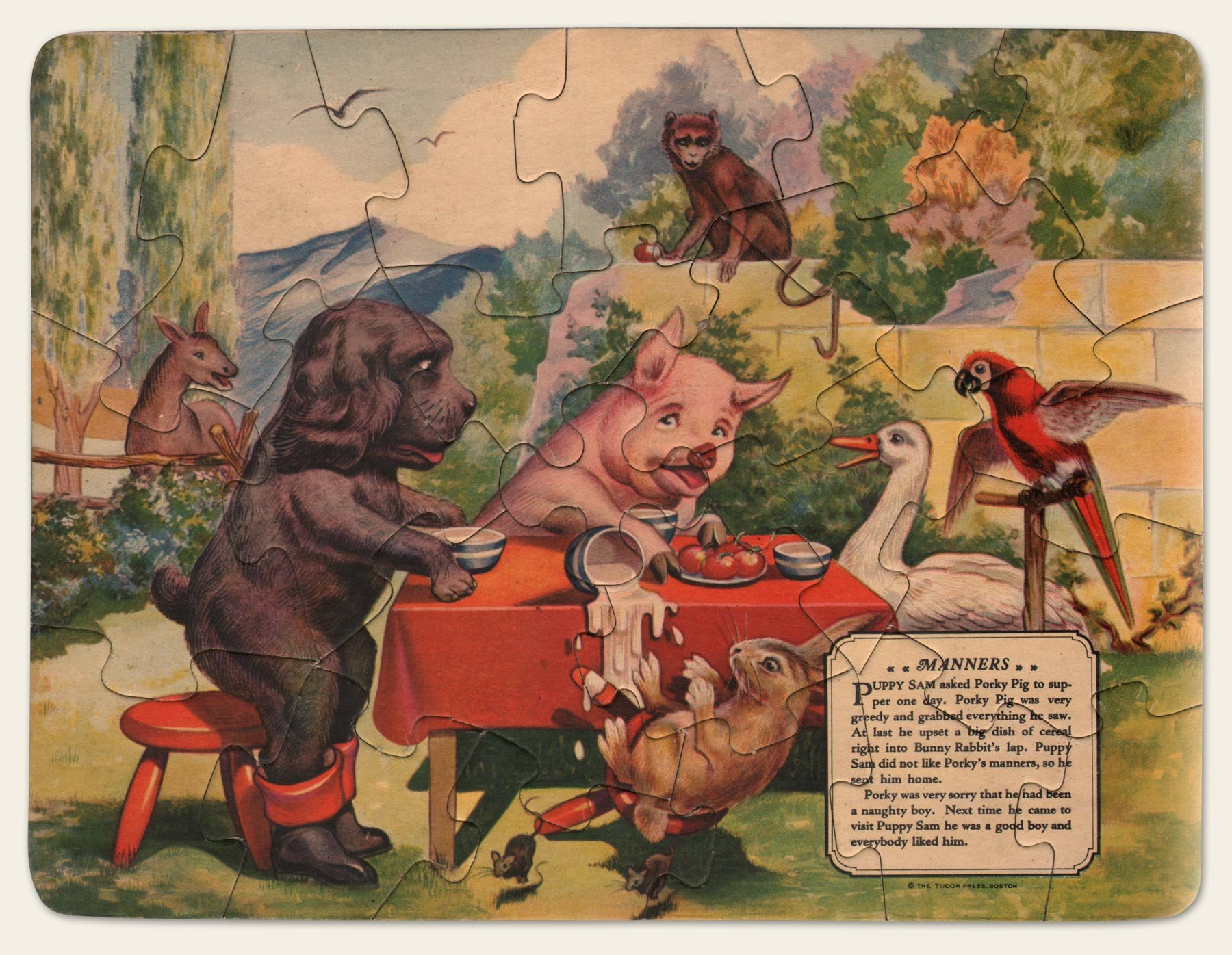
‘Figure pieces made puzzles a bit easier to assemble. But the fascination of pieces shaped like dogs, birds, and other recognizable objects more than offset the somewhat reduced challenge.
‘Second, Pastimes and other brands moved to an interlocking style that reduced the risk of spilling or losing pieces. Pastime puzzles were so successful that Parker Brothers stopped making games and devoted its entire factory to puzzle production in 1909.
‘Following this craze, puzzles continued as a regular adult diversion for the next two decades.
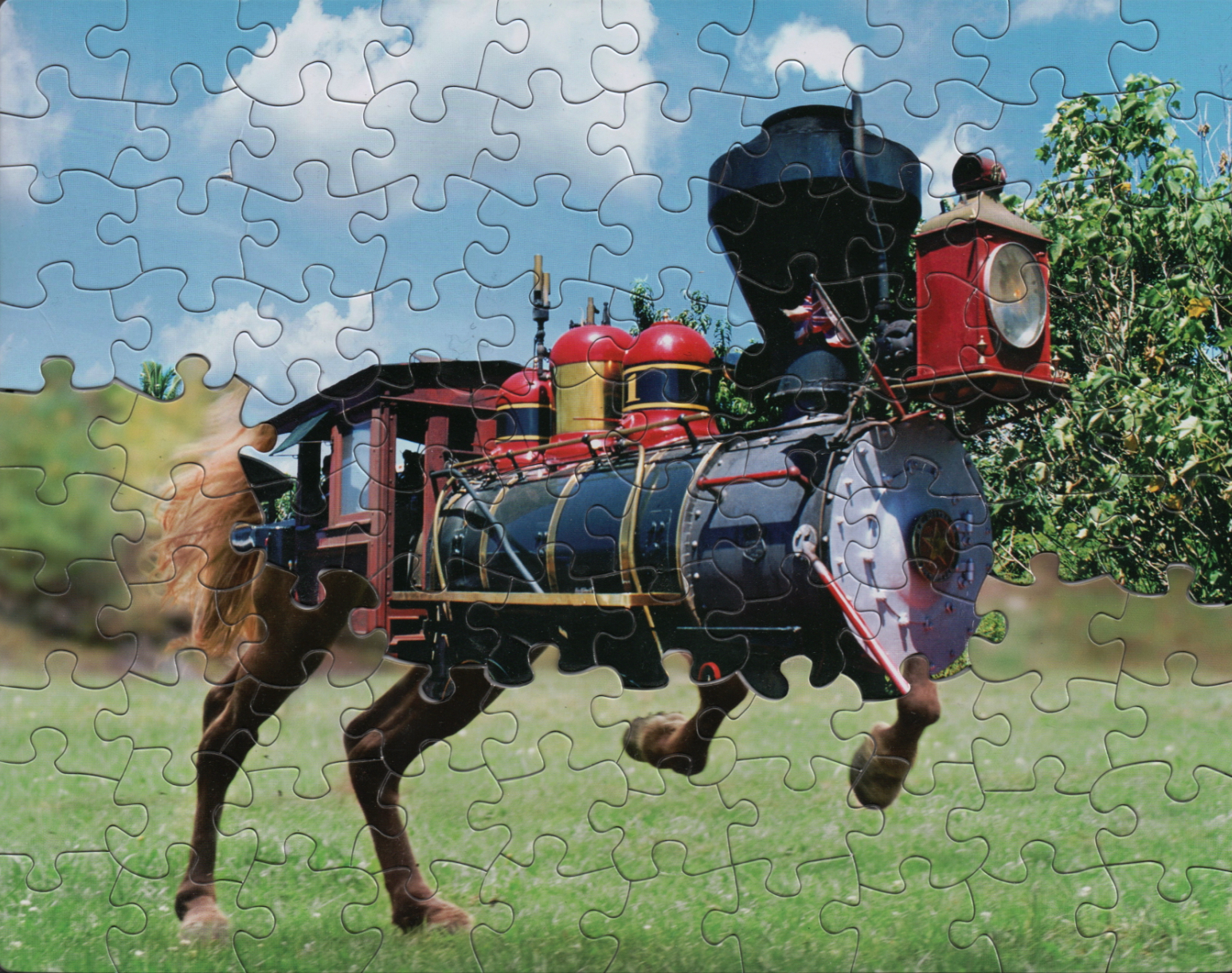
‘With the onset of the Great Depression in 1929, puzzles for adults enjoyed a resurgence of popularity, peaking in early 1933 when sales reached an astounding 10 million per week.
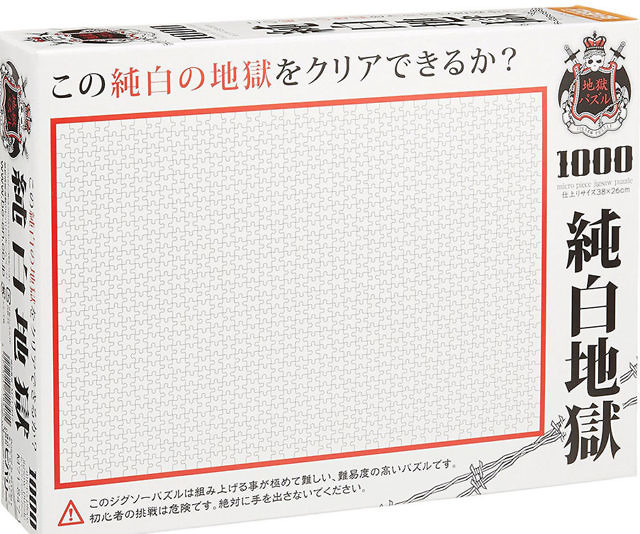
‘With incomes depleted, home amusements like puzzles replaced outside entertainment like restaurants and night clubs. Puzzles became more affordable too.
‘Many of the unemployed architects, carpenters, and other skilled craftsmen began to cut jigsaw puzzles in home workshops and to sell or rent them locally.
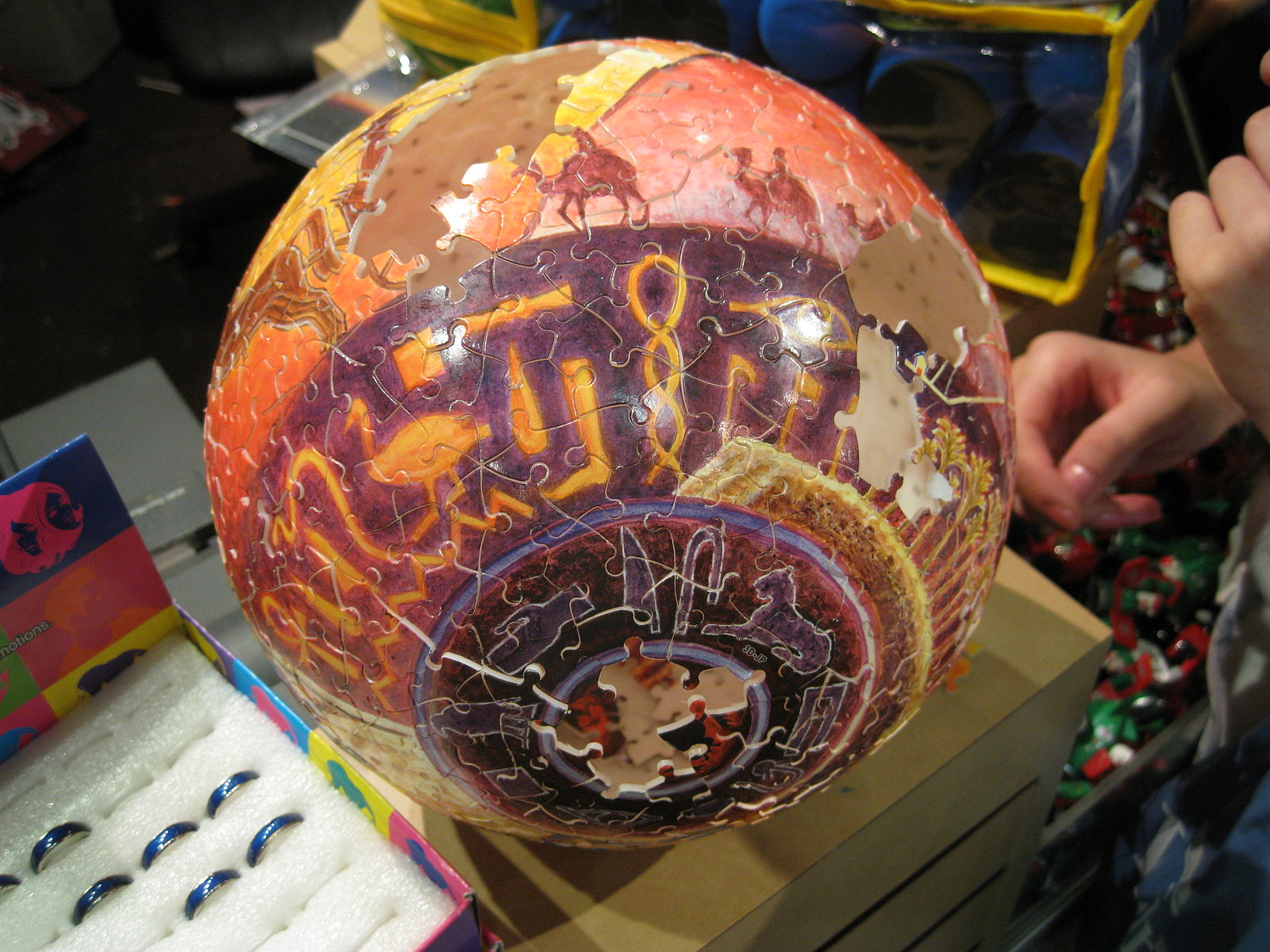
‘During the 1930s craze for puzzles, drugstores and circulating libraries added puzzle rentals to their offerings. They charged three to ten cents per day, depending on size.
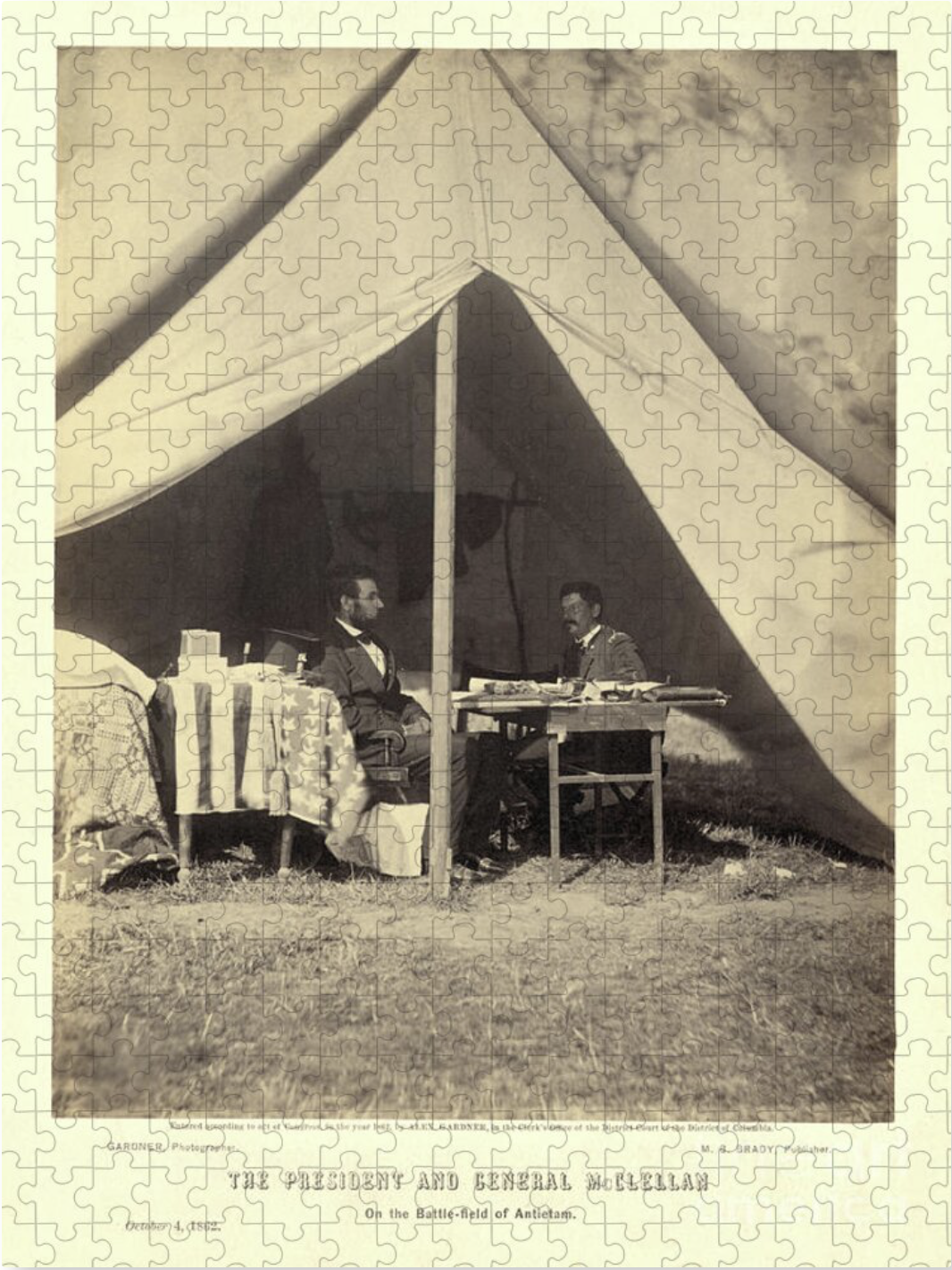
‘Another important development was the introduction of die-cut cardboard puzzles for adults. Mass production allowed the manufacturers to cut prices substantially.
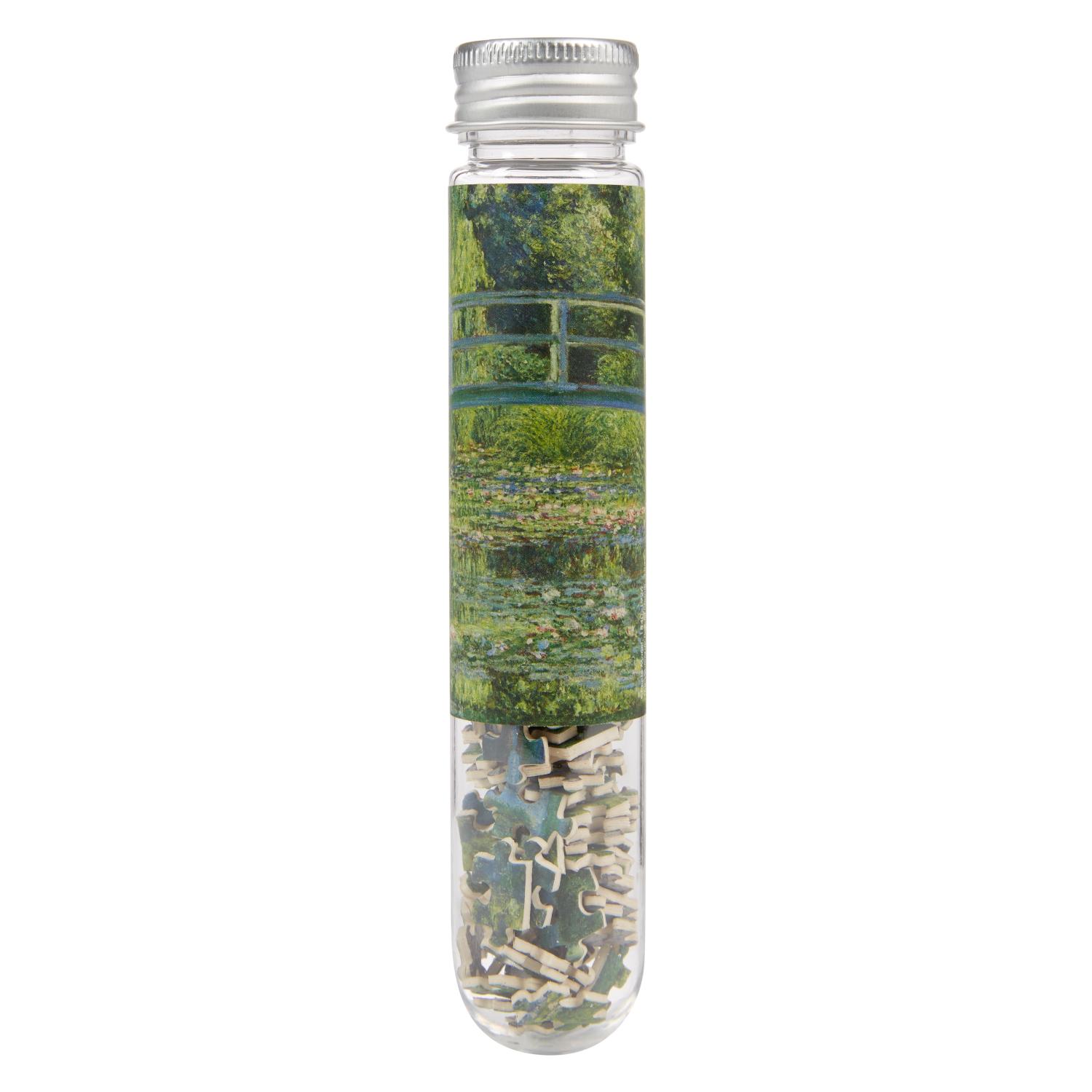
‘There was a vogue for advertising puzzles in mid-1932. Retail stores offered free puzzles with the purchase of a toothbrush, a flashlight, or hundreds of other products.
‘The autumn of 1932 brought a novel concept, the weekly jigsaw puzzle. The die-cut “Jig of the Week” retailed for 25 cents and appeared on the news stands every Wednesday. People rushed to buy them and to be the first among their friends to solve that week’s puzzle.
‘The Depression led to the birth of Par Puzzles, long dubbed the “Rolls Royce of jigsaw puzzles.” Frank Ware and John Henriques, young men with no job prospects, cut their first puzzle at the dining room table in 1932.
‘Parr marketed them to affluent movie stars, industrialists and even royalty. They specialized in customized puzzles, often cutting the owner’s name or birth date as figure pieces. They also perfected the irregular edge to frustrate puzzlers who tried to start with the corners and edge pieces.
‘After World War II, the wood jigsaw puzzle went into a decline. At the same time improvements in lithography and die-cutting made the cardboard puzzles more attractive.
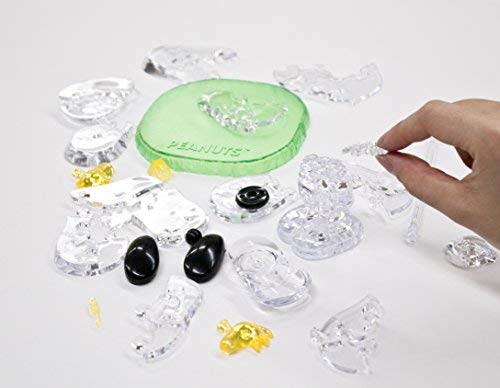
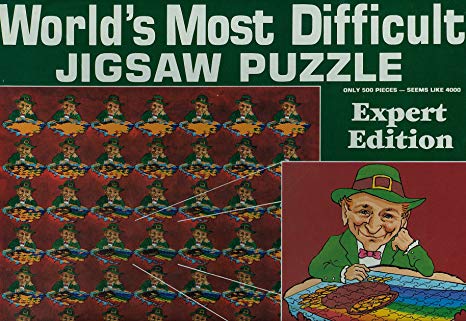
‘High quality reproductions of fine art were introduced on jigsaws. In 1965 hundreds of thousands of Americans struggled to assemble Jackson Pollock’s “Convergence,” billed as “the world’s most difficult jigsaw puzzle.”
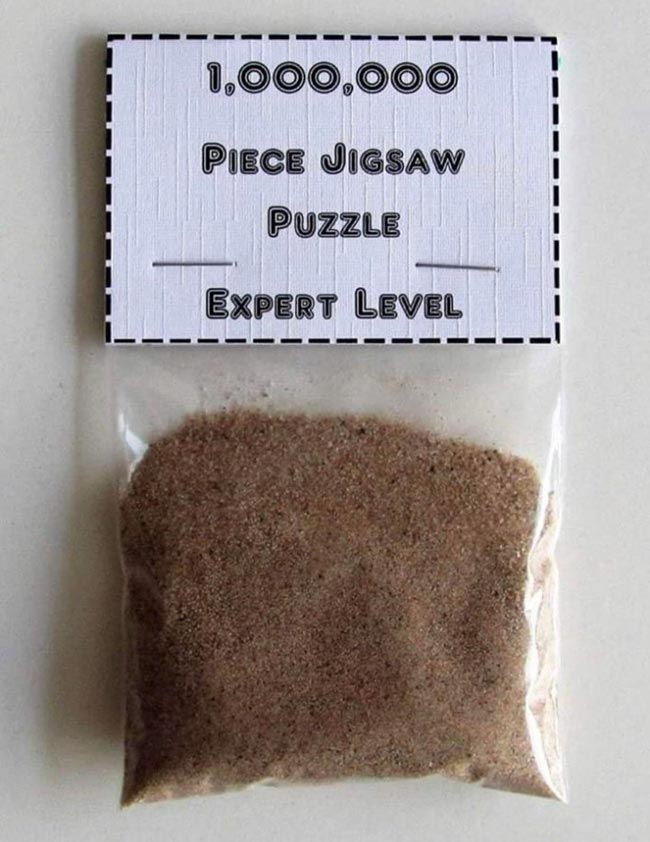
‘One by one, the surviving brands of wood puzzles disappeared. Parker Brothers discontinued its Pastime puzzles in 1958. By 1974, Par had retired from the business. The English “Victory” puzzles, easily found in department stores in the 1950s and 1960s, almost completely vanished.
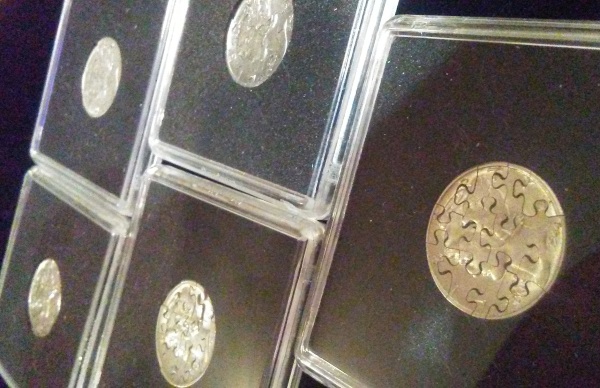
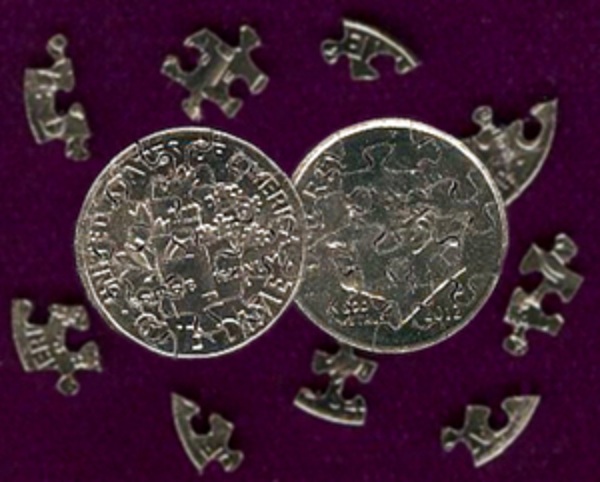
‘In the 1980s, Stave Puzzles succeeded Par as the leader in wood puzzles. Stave went several steps beyond Par, commissioning original artwork that was specially designed to interact with the cutting patterns.
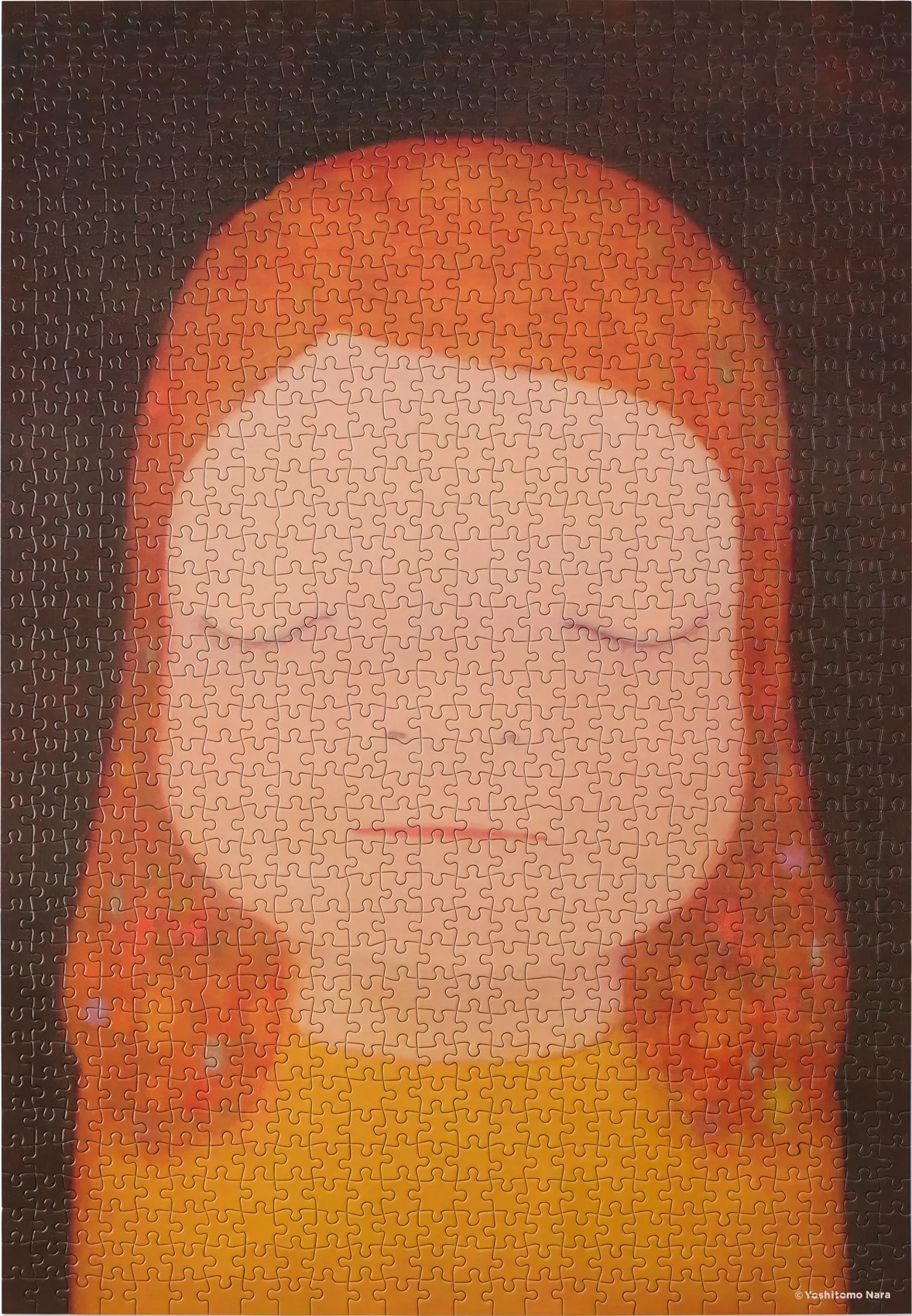
Yoshitomo Nara
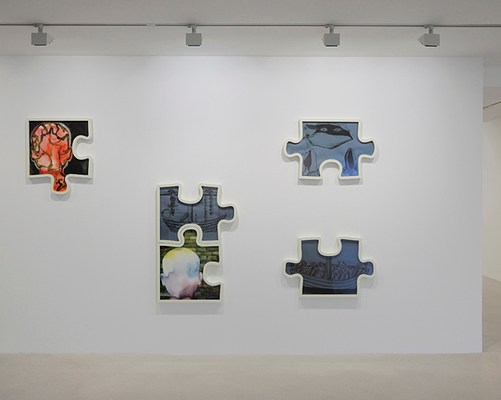
Francesco Clementi
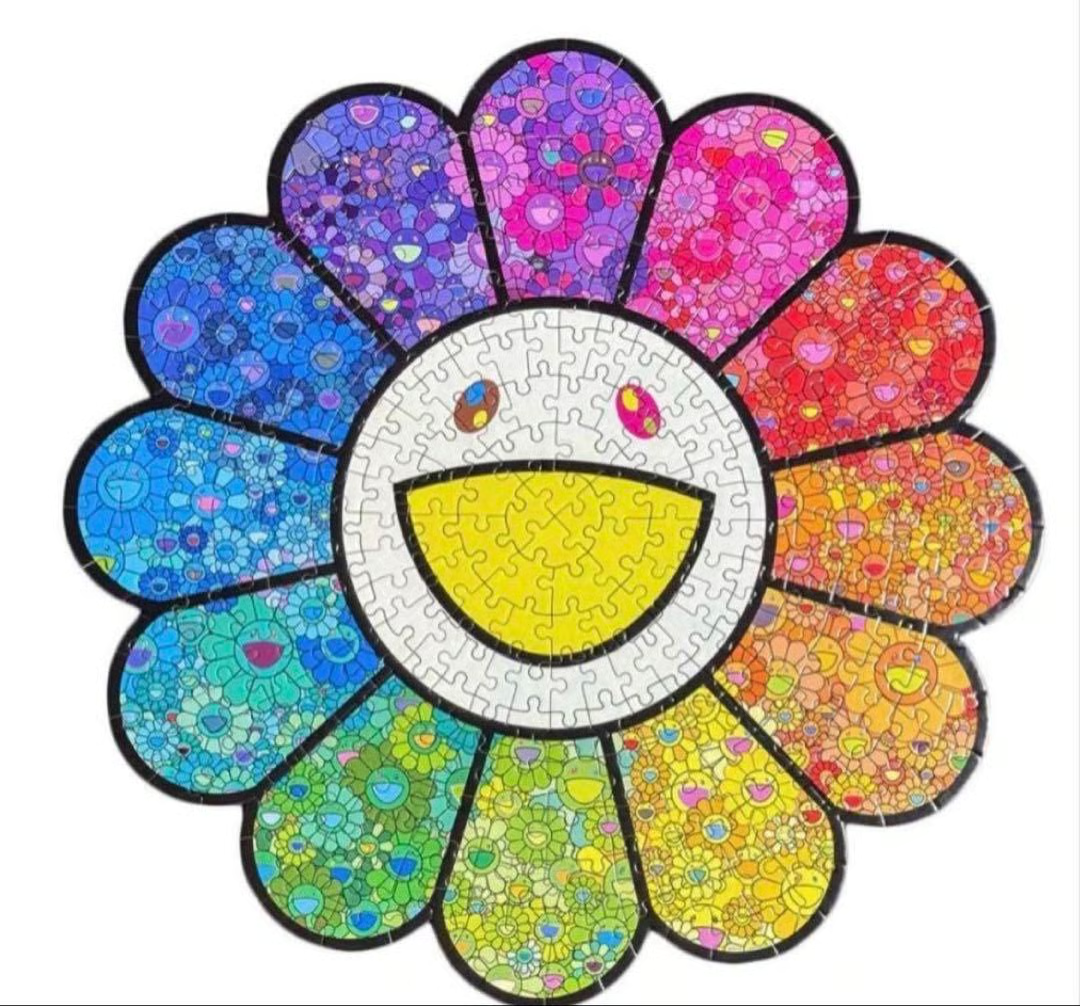
Takashi Murakami
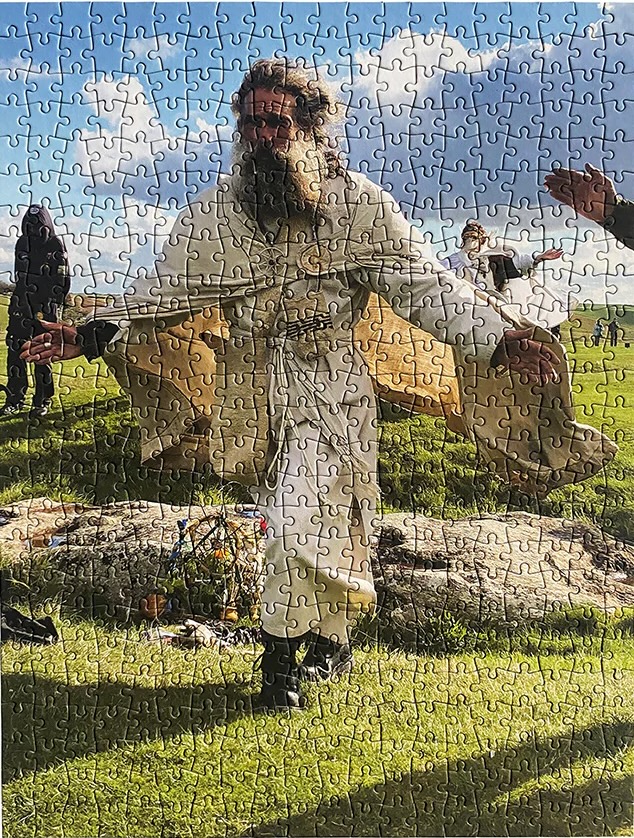
Jeremy Deller
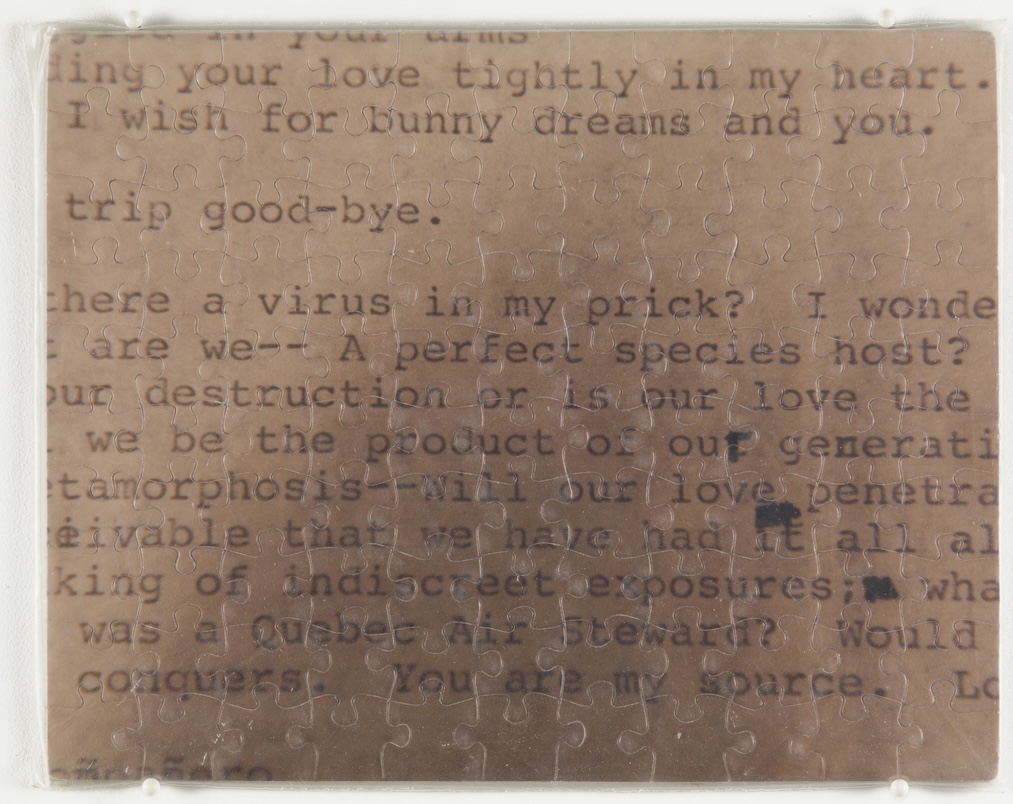
Felix Gonzalez-Torres
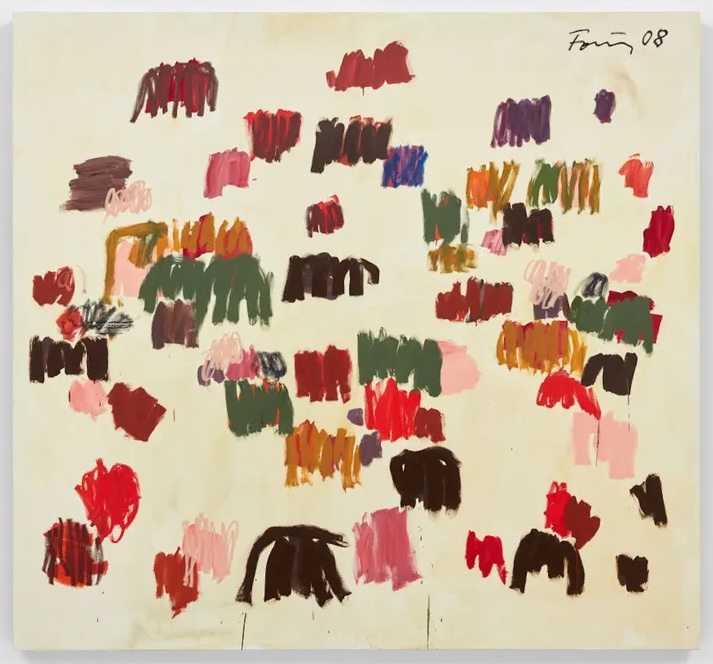
Gunther Forg
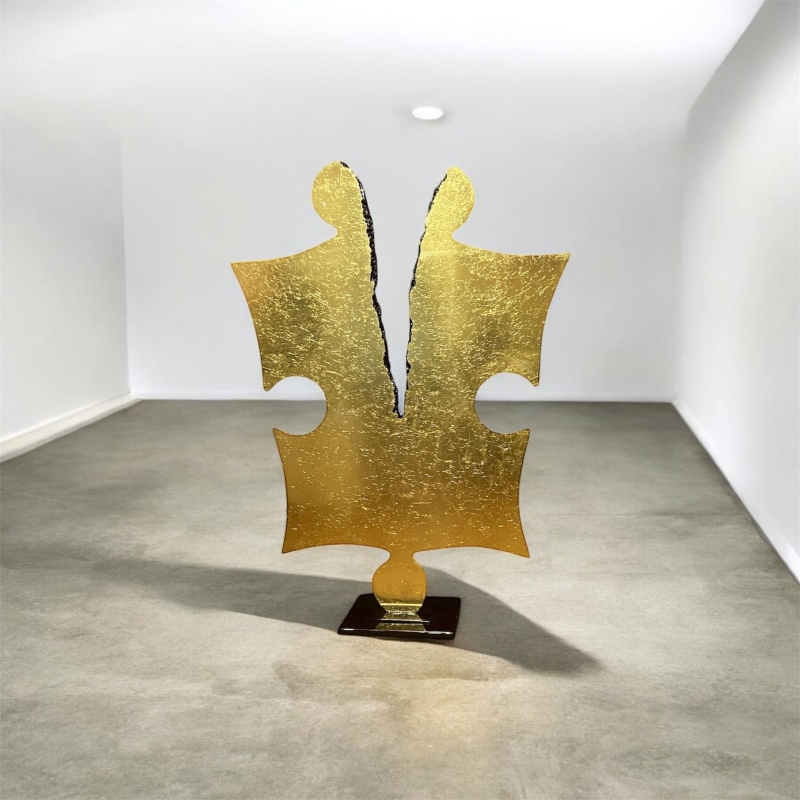
Fabian Delberghe
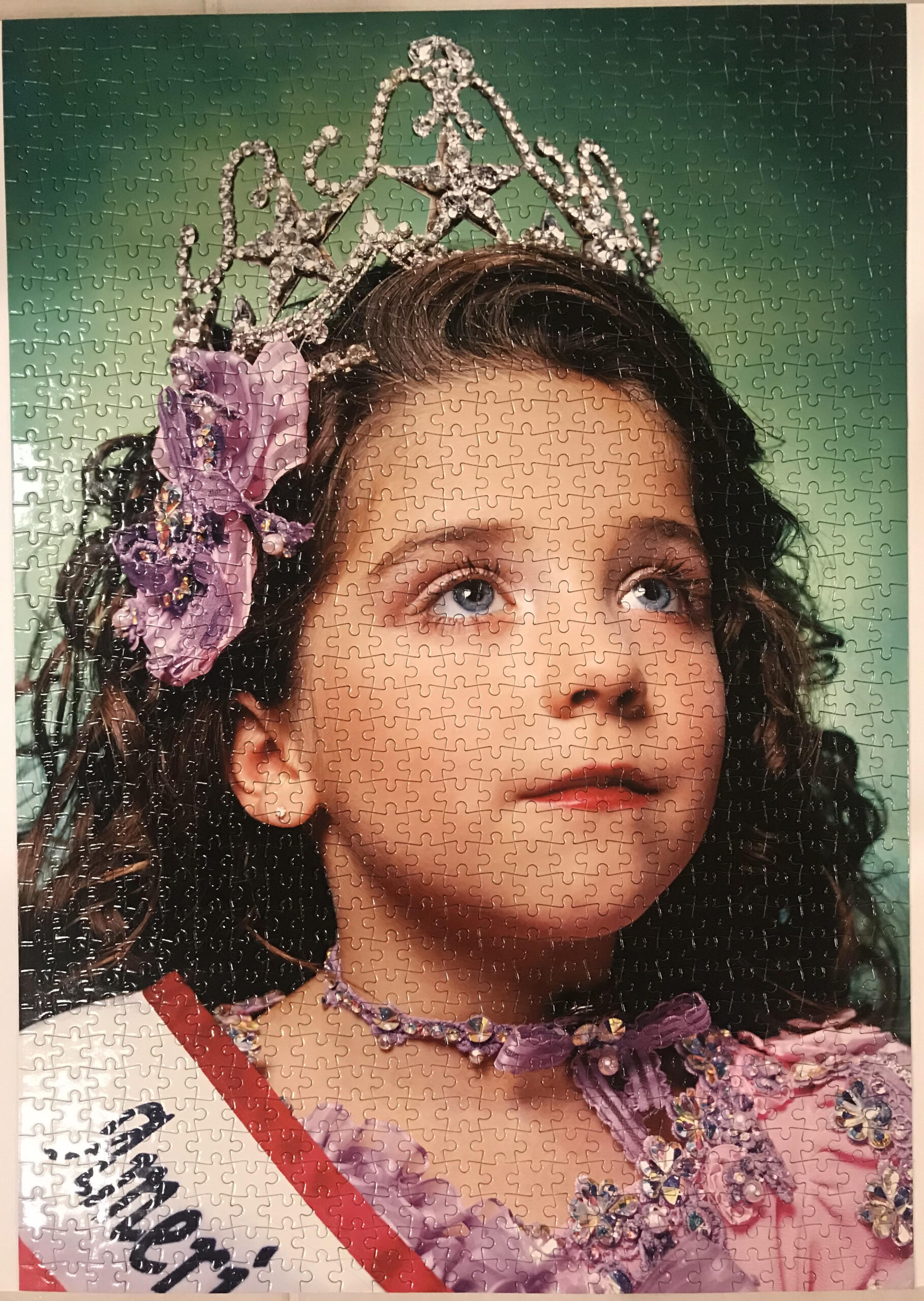
Andres Serrano
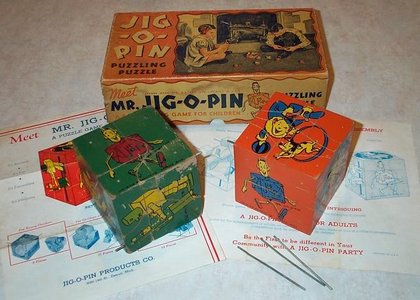
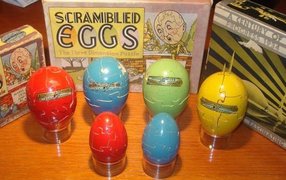
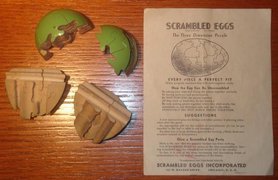
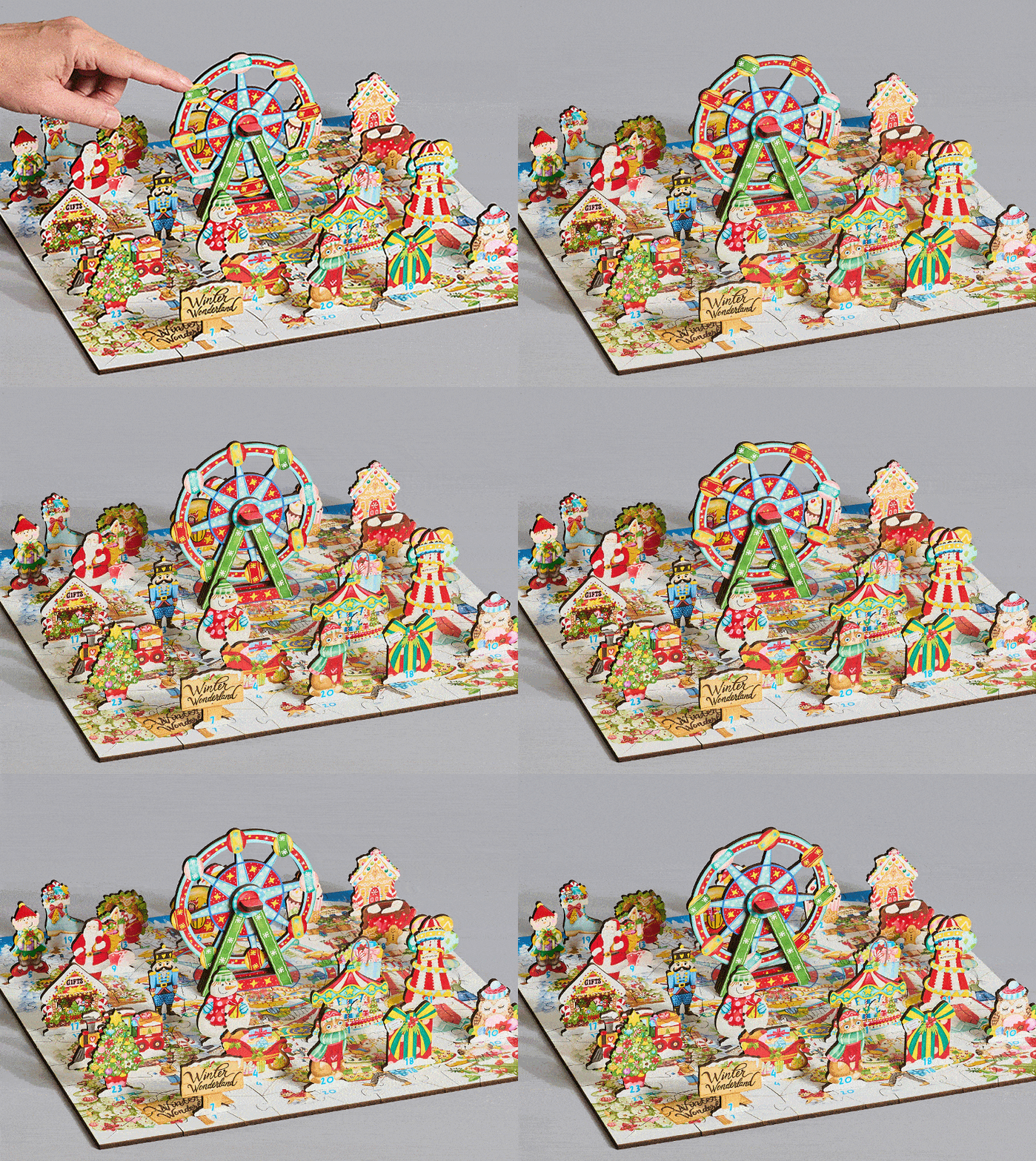
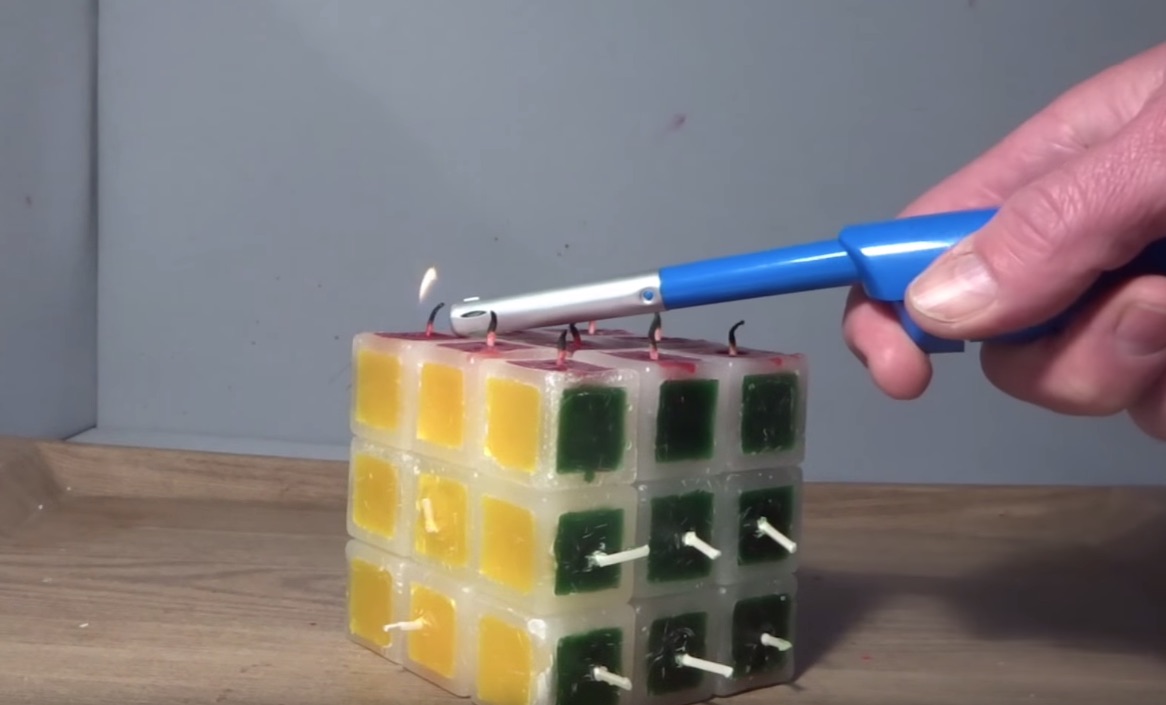
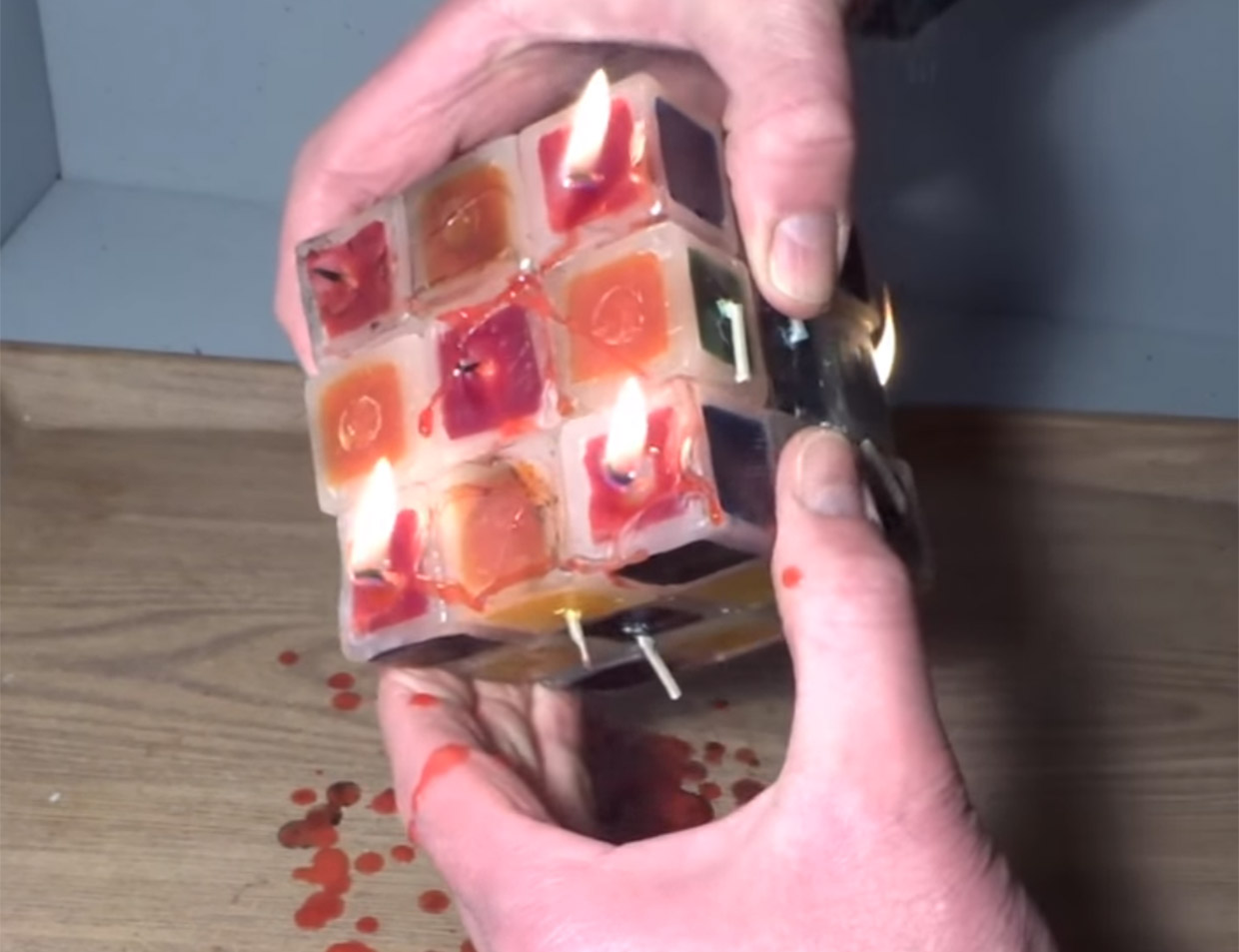
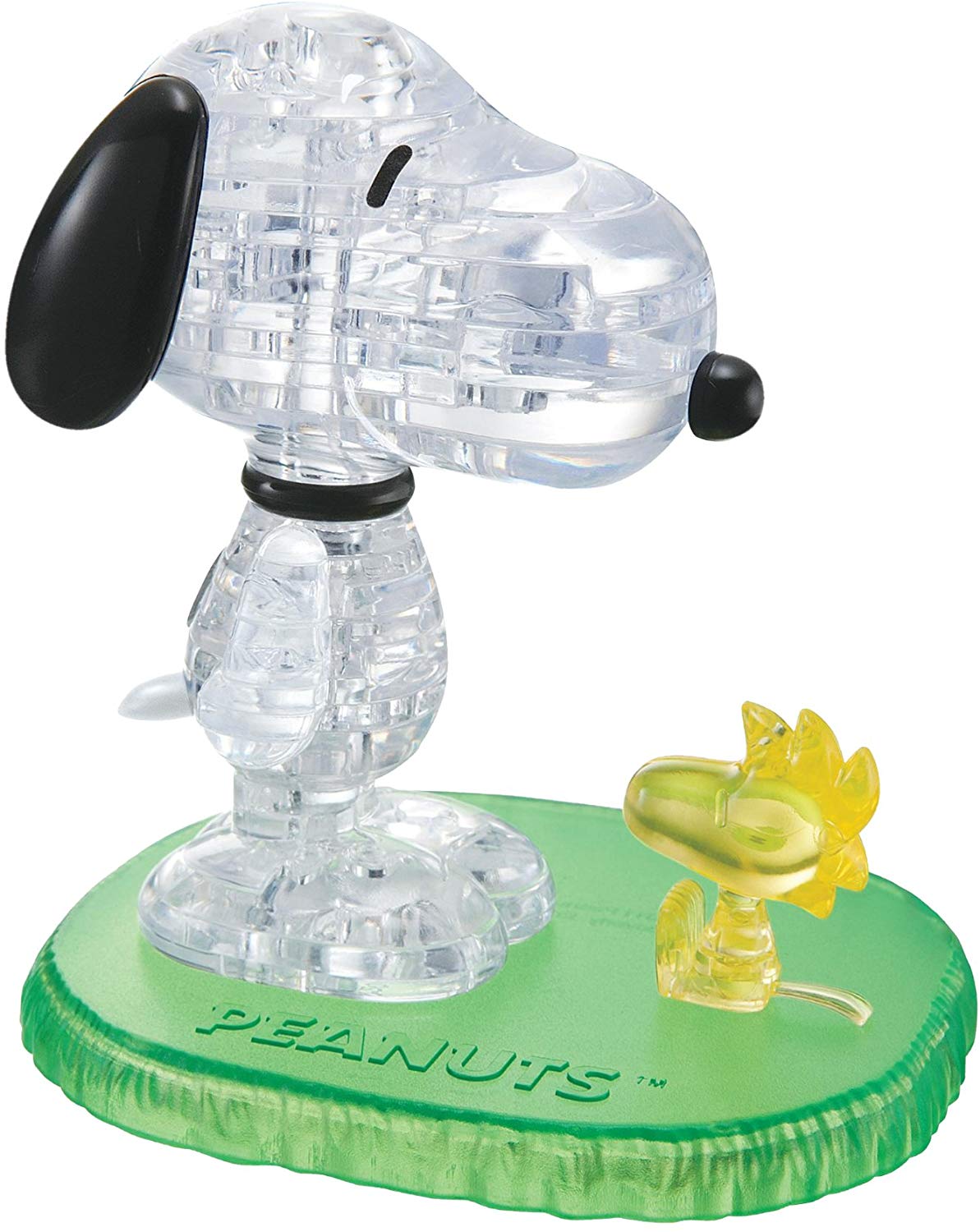
‘Experimentation with pop-up figure pieces led to three-dimensional puzzles and many trick puzzles that fit together in several different wrong ways, but with only one correct solution. — Anne D. Williams
—-
*
p.s. Hey. ** Poecilia, They’ll be so flattered and thrilled, trust me. Thank you again! ** _Black_Acrylic, Hi. Post-Jam Weller has yet to find my sweet spot. ** Carsten, I think the Stones wanted to be very successful pretty quickly. As soon as they started writing their own songs basically. I think there might two or three good tracks post-‘Exile’ but that’s it. ‘Goats Head Soup’ is where they started just knowingly fulfilling the expectations of what they thought Rolling Stone fans expected, and they never experimented again. ** Dr. Kosten Koper, Hi, sir. That’s interesting. I hadn’t pegged you as a Power Pop guy. But then people don’t peg me as one either. I’ll watch/hear The Embarrassment, thank you. I don’t know them from Adam. ** DonW, Hi. I saw one of the earliest Redd Kross gigs when they were about 15 years old. They were adorable. And they’re still doing it, yeah. And one of them is a current member of the almighty Melvins. I want to see that Bill Bartell doc. It’s by Dave Markey, who’s a cool filmmaker. We tried Clinton Street Theater and Tomorrow Theater, but not those two you mentioned. I’ll look them up and see if I can a contact for the programmers. We need those contacts to start. Thanks, buddy. ** Thom, Thanks, happy to collude. How did the story and prose poem work go? The latter’s premise is most intriguing. Good week starting to you. ** Måns BT, Hi, Måns! I’ve been good, up to the usual. We haven’t talked about what to do in Stockholm yet. I’ll check to see what’s up. Any suggestions would be highly wonderful. I know, sucks about the timing re: Gronalund. Really sucks. Zac sent the materials to the Zita people yesterday. Maybe you were cc’ed on that. Don’t worry about the Q&A. It’ll be fun. We’re nice and easy. I don’t know how long. Hm, maybe you can feel it out at the time and see if folks are still into it or getting antsy? I think ‘The Weaklings (XL) is o.o.p, but I’m not sure. If you remind me close to the time when we’re coming, I can bring you a copy. Thanks, pal. Excited! ** Steve, No, the haunt project is on the back burner until we get the new film locked in with a producer, I suspect. Yes, I think you’re mid-blizzard as I type if the news is correct. I hope you find a way to luxuriate in it. Cool, new episode! Everyone, Here’s Steve with his newest treat for us: ‘The latest “Radio Not Radio” episode is out now. This one features Grote Geelstaart, Mandy, Indiana, Microhm, Only Now X Jajiju, Xaviersobased, Young Posse, Kidene Fighter, DJ Artigo016, Seo, DJ Kanji, Herbie Hancock, Sepalot, Three 6 Mafia, ELUCID & Sebb Bash, Dessa, Problema, EsDeeKid, Spice, Project Future, B-Boys, Nilza Costa, Barry Walker Jr., Sleeves, Anjimile, Charli XCX, Holodec, Marielle V. Jakobsons, Jaymin, Fall of Saigon, Amon Düül, Red Crayola and Chris Watson.’ ** Joshua, Hey, Joshua” I’m happy the gig sat well with you. That Athens, Georgia music scene was so fruitful for a while. Also, Love Tractor, Oh-OK, Matthew Sweet, Elephant 6, B-52s, etc. I’m glad you like Chris Olsen’s stuff. He’s great. He’s also a fantastic sculptor. Cool about the upcoming job. I’ve always romanticised working in a library. Yes, I would live to hear more about your multi-media piece when it’s at a point when you feel like going into it verbally. Sounds really exciting! Great! Happy Monday (and beyond). ** Steven Purtill, Steven! Shoes are among the greatest masters of that form. Tragic that they were just a little too intelligent and formally concentrated to be the success that the world deserved. I’m good, and you too, I sure hope? <3 ** Danny Benair, Hi, Danny. Well, of course! Honored to have you here, maestro! ** HaRpEr //, Yes, as good as the recorded Quick were, the unrecorded Quick is exceedingly even better. If record companies hadn’t lacked foresight and guts, they would have been huge. I use last.fm too. Very useful. I love Emitt Rhodes. I did a post about him here years ago. One of the very major proto-Power Pop figures. Exciting to hear that Charlie Fox has something new coming out. I’ve been waiting and hoping. ‘This Young Monster’ is fantastic. I met him once, and he’s a really great guy. ** Antonia, Hi, Antonia! It’s so good to meet you! I know I’ve had Wiktor Grodecki’s films, or at least ‘Body Without Soul’ here in some context or other, but I don’t think I’ve done a post about him and his films. I’ll see if there’s enough online to do that. Thank you so, so much about my books and for all of your kind words. I hope you’ll hang out here again if you feel like it. Tell me more about you and what you do, if you wish. xo. ** Steeqhen, I’m so sorry to hear that. I hope you’re upswinging notably by now. ** Bill, Adam Mars-Jones, wow, flashback to the ‘gay lit’ boom early days. I don’t think I ever read him. Not sure if I should? ** Uday, Interesting. I assume people in the US are crying all the time these days. Unless they’re too freaked out to. Sorry, mess, horrible timing, on your internal cold and the external one. But I’m glad it occasioned you sharing that beautiful passage with me. I hope your chest is starting to sing again. ** ANGUSRAZE, Hey! I’m alright, thank you. Well, of course, on the bandcamp linking. Share the wealth and all of that. Sure, I’d love to premiere the video. Just tell me how you want to do that, and we’ll sort it. Thanks! It sounds tasty. Album: will do. Love back to you, sir! ** Okay. I guess you’ve already seen what I’ve cooked up for you today. See you tomorrow.


 Now available in North America








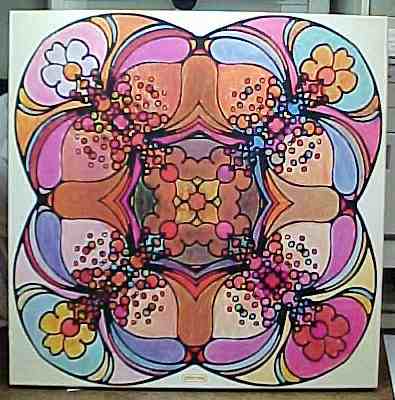


















That Felix Gonzalez-Torres piece, wow.
The only Mars-Jones I’ve attempted is Box Hill. I gave up after 50 pages of mostly spinning domestic details. So I wouldn’t recommend it for you.
Just started Amelie Ravalec’s “Japan Art Revolution”, on the 60s-70s avant-garde. Enjoying it so far, and it’s nicely produced like a lot of Thames and Hudson books. I was not a fan of Ravalec’s (talking heads-packed) doc on the same topic, but I think the book is a much better format for this.
[First?]
Bill
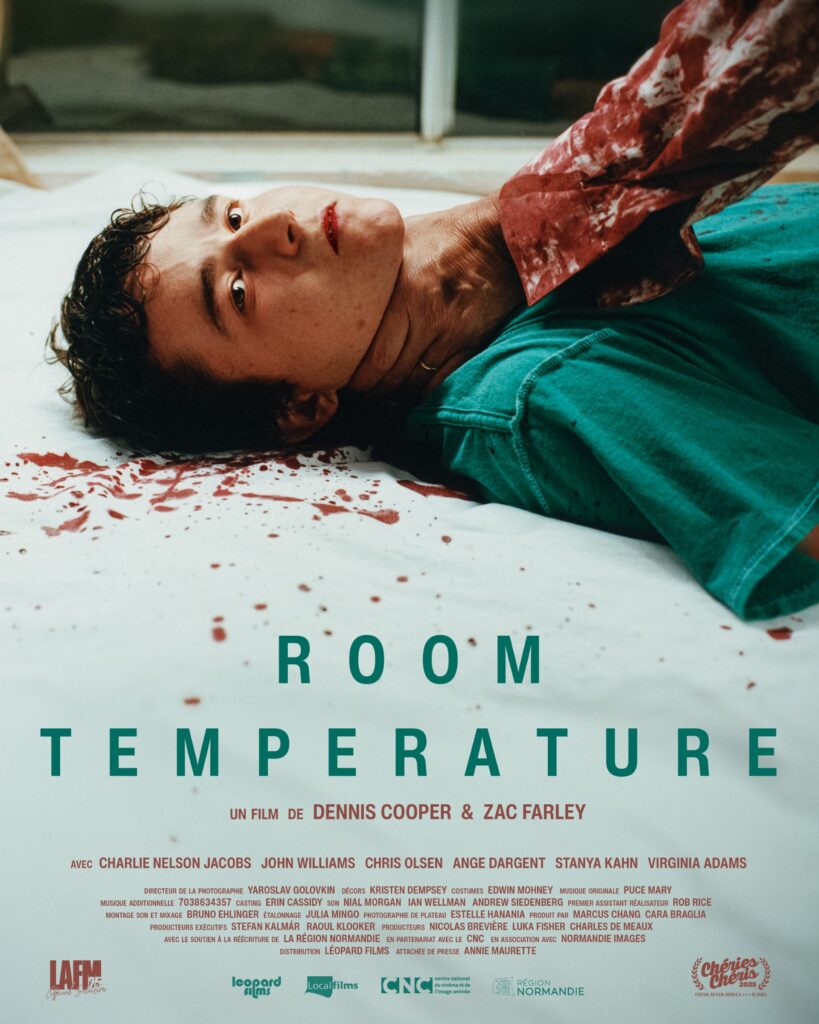
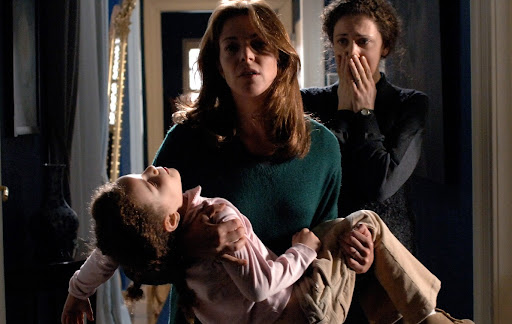
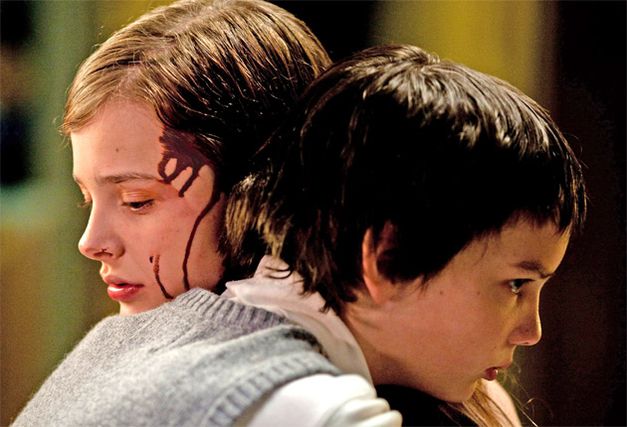
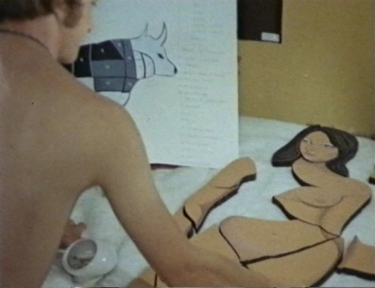
Is that top image from the film? Pieces was the name of a 1982 teen slasher/giallo thing that’s some enjoyable nonsense as I recall. “The co-eds of a Boston college campus are targeted by a mysterious killer who is creating a human jigsaw puzzle from their body parts.” Fun for all the family! There was a fair bit of crossover between US and Italian exploitation films in the early 80s with some interesting results.
oh if you mean the Pieces i mean, then it’s such highly enjoyable fuckery
Hey Dennis,
I’m doing slightly better, but been having panic attacks every few hours. I’m a big fan of jigsaws so thank you for this post. I think that perhaps my feelings are too extreme for the situation, but I’m also just so exhausted and depressed by so much that has happened, that I think I just need to sleep for a week or get on some strong anti-anxieties for a bit.
hi Steeqhen, sleep is almost a miracle it can fix so much! sorry you’re suffering tho. idk the details obvi but me i’m in the thick of long covid and my cortisol levels keep getting out of whack as they try to find their way back to normal so it’s an anxious bloody time almost everyday around here. i actually don’t love this shit for us, hope you get better super soon and remember, whatever it is, you’re just alive <3
Dennis –
The book club is through my friend who has a little bookstore. We all read the book then met last night at the store after hours. There were about 10 folks, none of whom I knew save the host, and everyone was super intelligent and polite and impressed the hell out of me. Malina impressed me too, but it wasn’t really connecting to where my head is at in the moment. I’m now reading An Apprentice by Lispector for an online bookclub with author Catherine Lacey. It’s my first Lispector and I’m already floored by her sentences.
Oh hey … the next issue of my zine is open for submissions through March 20th. The theme is Time Travel… detail are on the skullhum.com website… maybe you have something lying around that fits the bill? Otherwise if you could spread the word I’d be obliged! Thanks D!
-L
First thing that hit my mind looking at today’s post is (predictably) this killer Yoruba praise-line of my patron god Ogun: “who smashes someone into pieces that are more or less big”
I’m writing this from a hotel near Alicante after driving over here today. About 5 hours east, meaning closer to France, not far from Laura’s turf Valencia actually. Scoping out the living situation here, just to compare it with the Malaga region, where the rental market is a massive pain in the ass. I’ll be here until Friday or Saturday. Now that the sun is back & we have 20 Celsius weather again (70 Fahrenheit) I’m happy to be out & about.
@Carsten: fuck! if i were further along recovery-wise i’d have totally asked to drop by or asked you to visit lol. hopefully not before the end of the world. Málaga>Alicante imho, tho Valencia>Málaga. real estate is insane here tho, so i wouldn’t recommend unless you’re independently wealthy or whatever. hope you have fun tho! the wind is no longer blowing us away! ^_^
Hey Dennis.
Love the puzzles. I remember when I was in special learning classes, they tried to make me do puzzles to relax me, but I never found them that relaxing, so I always just went for the big autistic crushing machine because I preferred the pressure and feeling of being buried in hugs and soil. Made me wonder how they measure or know the effectiveness of those things, but O well.
I submitted two pieces to a writing magazine my dad sent my way today. I might make some money from it if they like my stuff. I’m not gonna hold my breath for it. I’m also seeing about re-applying to university, since while I don’t like academia and find it boring, I find it hard not to do stuff all day without taking a very soul-crushing and demeaning job. I would love to be paid to write if I could, but that’s never been feasible. I find the whole rigamarole to be tiring, and it’s no wonder to me how checked out some people are by it. Some part of me is too much of a parasite to find motivation in that kind of thing, I dunno. The only motivation that gets to me is the thought of people liking my stuff or me helping people find and create their own stuff. Most other things wear me out.
Wish you the best! Hugs!
excellent post today, really reallly love jigsaws… was doing a Banjo Kazooie playthru earlier this year, gotta get the jiggies… but anyway putting on good records while doing a jigsaw is truly a nice cozy experience. love when triumphant music starts playing and you get a great chunk of the puzzle figured out… great fun!
i didnt end up working on that prose poem as much, but today is still weekend for me! mostly was working on the story “above the trees” (i think i found a good way to kind of lift out of the objective observations and enter the “mind” of the ghost character, so thats good…) and talking with a couple friends about starting a collaborative zine. probably a mix of short stories, drawings, and “journal entry” type stuff. i think i will maybe contribute some less gnarly stuff subject matter wise to this kind of thing, and save the nastier stuff for a solo literary zine or chapbook type situation. im not really interested in shocking people per se, so maybe i keep it a bit lighter for a communal endeavor. not that im afraid to go to dark places, but i think some things would come accross better in a collection of stuff thats just my work.
and theres the fact that i kind of want to use a pen name… not a fan of my legal name, but its hard to decide… was thinking of using “Tam” instead of Thomas or Thom (sorta more gender neutral, like the way it looks, etc) but idk. thought about like “Tam Skott” or something, but i really dont know :'( i suppose I should have something picked by the time we get an issue out.
also I was curious, do you like The La’s? their stuff almost in a power pop kinda realm, and like a pre-cursor to britpop. just think its stellar stuff that nails that ideal guitar pop form.
enjoy your week!
The La’s are the best!!!!!
man The La’s are <333 i mean it almost feels wrong to say There She Goes slaps bc it’s like ‘i like Mozart and Beethoven hurrr’ (even if both are so liked for a reason). anyway, those intervals when he gets to ‘she calls my name, pulls my train’ etc, ugh, too good lol. i actually don’t know that it’s at least partially about shooting up but i sort of hope it is? the ambiguity really works for me
funnily enough, i think he said that he wrote that song before he tried heroin hehe… yeah its a sneaky song, the way theres no real verses, its almost all chorus, then that bridge just sneaks in with the same melody over a different set of chords… lotsa great tunes on that album tho, Son of a Gun and Liberty Ship hit soooo good
Son Of A Gun, sick! and right before heroin, ok, so it’s settled now 👩🏻⚖️ (i mean it might not be but it is for my purposes lol), def gorge song structure, all expectation and rapt and back to excitement ^_^
Power pop can be so child-like due to its semi-attachment to the early Kinks and Who and stuff, but the wit can be really risqué or satirical, and sometimes the arrangements pack so much of a glitzy punch that they feel like little orgasms. And I think pop is good for any mood, because I think pop music is ultimately about pining, even if the songs seem joyous. There will always be a part of me that yearns for a perfect pop song with a neurotic bent.
Yeah, apparently Rough Trade Books has acquired Fox’s novel called ‘Drool’ which is releasing in September. Exciting considering how little he has done in book form (though there are some great journalism pieces in different places).
I’m interested to check out the film work of Cameron Jamie after reading ‘This Young Monster’, particularly ‘Spook House’ which comes up a lot and is apparently scored by Melvins. I of course know his art but wasn’t clued in on the film stuff.
I love a jigsaw every now and again, especially when I’m sick. I did a lot when I was a kid and always wanted to frame them when they were done. But no, you just break it and put the box on the shelf forever.
hi Dennis!
your power pop post was great! there were a few bands i didn’t know in there and i took those down. such an interesting time idk, i just get really into it when we can sort of isolate the moment that a thing starts to become other things and highly mutant shit is everything for like a minute lol. i love it even as just a concept.
full disclosure tho, some of my fav power pop moments come from 80’s Rush when they decided to jump on the bandwagon. like the prog stuff was still there obvi, but Power Windows is huge to me and the power poppiness of it is largely why. =)
puzzles fuck me up so bad! like let’s falsify reality lol, or the representation thereof, and it all banks on this fuckhead piece of idk mountainside maybe which doesn’t fit anywhere even tho i went in knowing exactly what the end result should be, and is, if you take me out of the equation. one could totally make a case of trying to find the trees through the forest, which would technically interest me bc, uh, forest through the trees, right? still i think i only like making things where the end result has to be made too, not just, idk, won or whatever. if all i’ve got to do is understand, then just let me watch/read/listen, however actively.
speaking of! idk if i’ve ever told you how insane ‘the secret’ in The Marbled Swarm makes me. like ultimately i think that book is about its cover, all the houses and their inhabitants subterfuges for other houses and inhabitants until we get back to the narrator’s actual childhood home and ppl (where his dad might have killed his mum and made him play the part from then on, this i’m less sure of). this house and maybe even his brother’s mimicry are then yet another subterfuge for the guy’s own body openings and their passages, through which we get a bunch of glimpses of him, which ultimately reveal his basic unhappiness and sexual trauma etc. but still after all these years idt i know what ‘the’ secret is. drives me nuts lol.
like… i can take it in two directions: 1) the hotel room w the (maybe real but misplaced) swedes is a fiction, in which case whatever big truth is coming out is actually some sort of madness and we can basically forget it. this is my least fav possibility btw. 2) the hotel is real, the swedes are real, and he maybe confessed smth about his mother’s fate and his own fate thereafter. only why would he then be confused that ‘honesty’ came out of him when he was least ‘in need of saving’? kid seems p in need of saving to me lol. which again could mean a bunch of things, but time does a couple of funny things there at the end and then you seem to go on to discourage the reader from putting too much stock into a scared kid, clue-wise, maybe, or maybe not, so i’m like hmmmmm Dennis man you’ve been edging me for 100000 years here can we get to the wild end alreadyyyyy
tbf i still love reading for clues. it just sort of pisses me off i haven’t figured it out yet bc as a matter of fact Spanish as i first learnt to speak it was v much a marbled swarm which my father taught me lol. so i feel i should have like got it by now… i mean, your prose in that book is this massive pleasure, and it sort of accidentally vindicates my kindergarten experience where no-one understood a thing i said ever, or the underlying reason for saying it (the marbled swarm only works on kids after significant alterations, and adults don’t ever expect it from a child, so they just go in extra dumb mode and it’s all dead in the water).
anyway, this is all to say ugh maybe finish me off one of these days lol, i’ll probably keep rereading anyway, so nothing will be broken, nothing will be lost. i just need to know how smooth-brained i actually am. puzzles and mazes, man, they’re not the same thing… =D
in other news i’m having a bunch of fun writing lately. editing, really. i’ve got this theory which recently made someone basically stop talking to me lol, but i feel like drafting or whatever is a lot like subspace, you’re basically out of your mind, only verbal, only the verbiage doesn’t read as well after you come down, but at least eeeverything was possible. then editing is torture of a diff sort until you finally luck into smth like topspace, like, you’re in the zone but also keeping your shit together for everyone’s sake, bending things this way and that, joining dots… almost like horny engineering? anyway that’s sort of where i’m at rn, alhamdulillah for that as the past few weeks had been paaaaain. just added a bit to a scene which i think was super glaringly missing before, basically some blah blah to show off the weird complicity between victim and idk victimiser, boring word lol, how the feeling ebbs and flows and basically engulfs both, and the emotional whiplash when it really ebbs. alas i fear i might have conveyed this mostly by a specific Russian word which will make it v obvious to Russian speakers and blah to everyone else. i mean, hopefully there’s enough to glean from the rest of the exchange, but we shall see.
i’m weirdly unsurprised you appreciate Buffy =D i think when you read me it will be quite impossible not to clock a lot of Buffy in there, only from a diff angle and a diff ratio. but that’s probably where my thing’s technical fantasy placement comes from. and why i feel i’m making smth weird, like let’s unmake this thing but hopefully keep it fun, then let’s give it the aesthetics of narrative while plot is actually put in a corner. then let’s give what remains smth to say about the limits of language and the limitlessness of idk, love, or identification, which is so largely powerless, and the power of fiction, the price of which is that it’s, well, fiction. like how many words is one silence worth, and which one is more fictional… idek lol. but it’s def fun talking around smth, and talking through smth you will either never see the end of or which will end in, like, premature anticlimax.
anyway! script news? *orphan face*
i’ve been listening to a bunch of Bola de Nieve lately and only just realised we sort of play piano the same way. i’m less jazzy and less excellent obvi, but the way we pound away and run with it w zero delicacy is like, bruv we should have jammed or smth. might have ended up making organic Rhythmic Noise. now there’s just the what-if of it. sad. i would have loved writing for him.
but how was today for you? spill smth random ^_^
<3
Laura… pray tell wh-what is an “orphan face” … ? D-: sounds too ominous for casual internet natter
girl it’s the face your cats make when they want yr food like you know 🥺
Aha you mean like cat Oliver Twist thank you I understand now, because my first thought was Children of the Corn. 😅 ok
lol Children of the Corn is basically *underage televangelist face*, *gormless underage henchman face*, *might-be-turned-around performative underage face* etc =)
hello dennis!
ahh! i hope the visa is going well!!!
lasers on the floor? crazy. where do people get the money for that? and puzzles! i have solved one jigsaw puzzle in my life. a few years ago i had this really cute law student on my roster, and one time, after we…yknow, we did a bunch of blow and locked in on a 1000 piece jigsaw puzzle he had lying around until 6am. maybe i should try another one now that im sober…….anyway, sorry i dont have anything more meaningful to contribute today. hope your tuesday is swell!
dc comment
hello good friend. hmm. so yesterdays comment didnt send
although I have so much to add to it. be prepared for a time vortex of a comment where I comment from the past but also from the future.
There is so much I want to do in life. I want to learn video editing and make a visual/music video with SALEM’s better off alone with dissolving clips from The Doom Generstion, or Araki films in general. So much I want to do! But as of this moment, im doing some sewing/upcycling and hopefully I want to get back to making electronic music and then one day post pictures and poems on my website and then ofc a europe trip where I can go to a bunch of raves and
gasp gasp So much I wanna do!
Last night I heard some bands. One of those bands being the rhythm and blues band my crush is in. At this point its like I KNOWW they like me just, grr, I am very imaptient because they seem shy like me or something. Everytime we talked it was clear we were both very weird. Tthey did come up to me as I was talking to their band mate and said “ Darby is amazing”
Maybe they are shy. Advice on how to tell and how to possibly get closer?
On that topic of asking questions
Im seeing my friend 7 tommorow and I have a dilemma that I dont know if makes me a shitty person or not:
7 is like a bear but not muscular more tall and overweight, which I think I know your like more into skinny people (my crush is like very skinny) but as for 7 …..
for the longest itme ive wanted to sleep with them, because the thought of me 100lb cuddled up with my 200lb cuddly friend, it just has to happen…platonically.
Have you ever done something like that with a friend? Ive thought about them for the longest time and it seems right to do it now b4 im more serious with this other person
Added note from today:
I JUST GOT MY COMPETENCY RESTORED WOOOO THANK THE FUCKING UNIVERSE. It was so funny becasue everyone in the room seemed to be like, yeah they seem to have been very competent despite mental illness and of course my mom pitched in with the “she she she” after they respectfully had been saying “He” and then says “actually she started quite mentally unstable and having meltdown” and its liek duh fucking yeah I was a 17 yr old delusional fucking artist born to a unassertive neurotic christian mother who told me I was unstable and didnt want to help only like the concept of helping but not putting effort into it
First stop is T, so excited!!
zzzzz
I wrote alot sorry.
darbbzz⋆。°⋆❅*𖢔𐂂☃︎꙳ I forgot to mention yesterday that a simpler way to share image files can be on DeviantArt, but I hear that VGen and Cara are the strongest contenders to the online hub for artists.
Rest assured you don’t write an awful lot—in my unbiased and objectively correct, concise opinion without wordy redundancy ever 😜 Did you find out the HTML code for linking from a text?
My chest is very much starting to sing again. I just got out of my reading group meeting with a friend, which was refreshing because it’s the first time (or amongst very few) where they’ve been as serious as I have. It was supposed to be 9-10 pm but it is about 1:30 am when I write this. One could argue that this is what ‘it’ is about, and I would argue thus, at the expense of my languishing schoolwork which I’m finding increasingly hard to be motivated for now that I know what’s next. It’s hard not to feel like you’re in the future already, you know what I mean?
Also love today’s post. One of my friends has been having a bit of a crisis these past few days and loves puzzles, and I think I shall share some of these images with her.