_____________
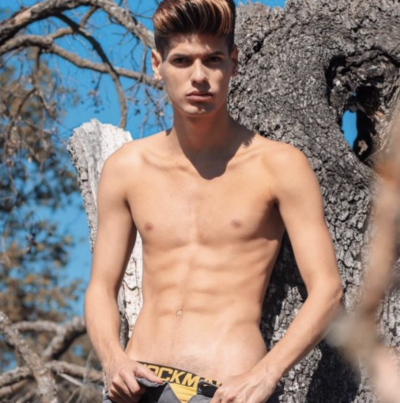
daddyslayer, 20
Portland
I’m super good looking & have a 6 pack & want to try things while I’m young and hot. I’m way too high rn to take pictures of myself and stuff, and that’s the only sober pic of myself that I had.
Guestbook of daddyslayer
daddyslayer (Owner) – Aug 7, 2020
I never feel guilty about being privileged.
desputschia – Aug 7, 2020
speaking as his former sugardaddy know that literally all he does when he’s not putting out is drink champagne and spend your money on things he doesn’t need
Dick L, Uncut
Orientation Gay
Body Average
Body hair Shaved
Piercings Yes
Tattoos No
Smoking No
Speaks English
Position Versatile
Kissing Yes
S&M Soft SM
Dirty No
Oral Versatile
Rate per hour 130 $
Overnight On request
_____________
godsaveus, 21
Rome
versatile pair of very hot, gifted, totally broke bitches due to this shitty time who are monogamous but will provide one or more men access to our bodies while we suck, rim, and fuck each other and we can subdivide and redirect our bods to men if we remain in close proximity to each other and if the offer is lucrative enough to deserve consideration.
Guestbook of godsaveus
ifuckyoubitch – Aug 10, 2020
They are ovens for a lot. Put anything in them, it comes back bigger and delicious.
Dick L, Uncut
Orientation Gay
Body Athletic
Body hair Shaved
Piercings No
Tattoos No
Smoking Socially
Speaks Italian, Greek, French, English
Position Versatile
Kissing Yes
S&M Soft SM
Dirty WS only
Oral Bottom
Rate per hour 250 €
Overnight 800 €
_____________
-headbang-, 19
Louisville
I’ve discovered that almost anything is hot as long as there’s financial compensation involved. Scenes and acts that would otherwise seem intolerable are appropriate when earning money is my motive. That changes me into someone else, someone that understands the fairness of (and even likes) whatever you do to me. And, by extension, my cock is changed, too — when it is purchased, so to speak, things that would never unsoften it become occasions to which it greedily arises.
At one point in what feels like the distant past I engaged in a long-term sex for gifts situation with someone I admired greatly. I documented the experience online on the dark web and gained about 10k followers in the process. When the situation ended, I lost confidence in what I thought I wanted and vanished from the online world for a long time.
I have retreated mostly to asexuality or “bisexual under specific conditions”. Ever since the failure of my previous long-term arrangement, I do not mix my professional and social worlds at all. In the past year and a half (December 31, 2018 – July 1, 2020) I can count my number of erections on one hand and I have not cum outside of one spontaneous orgasm on the way to work one morning.
Guestbook of -headbang-
MrCJPorter – July 28, 2020
Slowly undressed him and fit him with a black jock strap and black bow tie. I liked kissing him, getting head. Fucked him while he was sitting on my dick. Collected the black jock strap and black bow tie for dry cleaning. Should do me until late August.
Dick XL, Cut
Orientation Bisexual
Body Athletic
Body hair Smooth
Piercings Yes
Tattoos Yes
Smoking Socially
Speaks English
Position More bottom
Kissing Consent
S&M Soft SM
Dirty No
Oral Versatile
Rate per hour 150 $
Overnight 500 $
_____________
TeenRafael, 19
Bauru
Badly need cash. 7″ thick tool and hungry shaved ass up for grab. Your place or hotel 3:00pm – 4:00am. It’s also possible to buy me to marry.
Guestbook of TeenRafael
WhiteDick4You – Aug 9, 2020
He’s not a teen and his name isn’t Rafael.
TeenRafael (Owner) – Aug 5, 2020
‼️GET OUT‼️of my profile if: 1- You are ONLY looking for HOT SEX. 2- You are looking for a PERFECT person. 4- You are not PATIENT
micasaessucasa – Aug 4, 2020
I tried fighting his anxiety but couldn’t, anxiety level 999+
TeenRafael (Owner) – Aug 1, 2020
If you don’t like it I don’t want to know about it
weedguy – Aug 1, 2020
tired and stressed
Dick M, Uncut
Orientation Gay
Body Slim
Body hair Shaved
Piercings No
Tattoos No
Smoking Yes
Speaks Spanish, English
Position Versatile
Kissing Yes
S&M Soft SM
Dirty No
Oral Versatile
Rate per hour 80 $
Overnight 200 $
______________
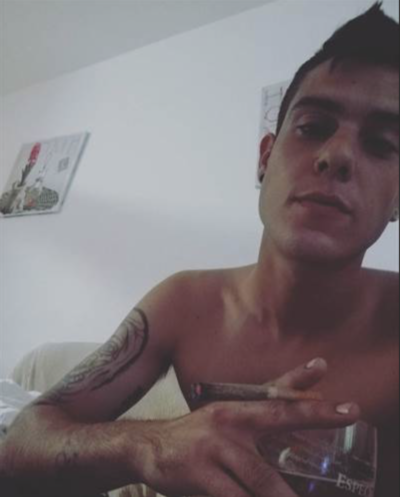
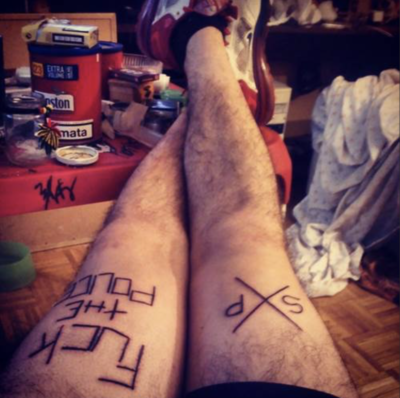
myassass0000, 24
Palm Springs
I love getting fisted and getting my ass eaten.
I have three gspots.
Please don’t destroy my jockstrap, it was expensive.
I have a great kind of sort of bubble butt.
Sunrise and Alejo in Palm Springs.
1st Punch: 18/11/18 👊🏻
1st Double: 05/07/19 👊🏻👊🏻
Guestbook of myassass0000
TopPigPervFF – July 27, 2020
His ass is insatiable, so I named it Audrey 2.
Dick M, Cut
Orientation Gay
Body Slim
Body hair Some
Piercings Yes
Tattoos Yes
Smoking Yes
Speaks English
Position Bottom only
Kissing Yes
S&M Yes
Dirty Yes
Oral Versatile
Rate per hour 200 $
Overnight 1500 $
_______________
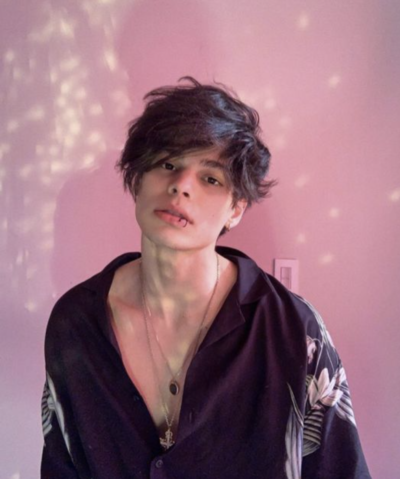
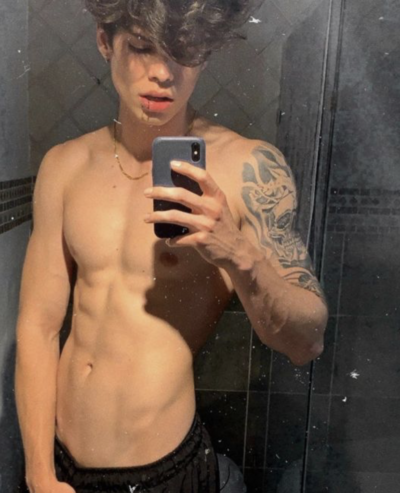
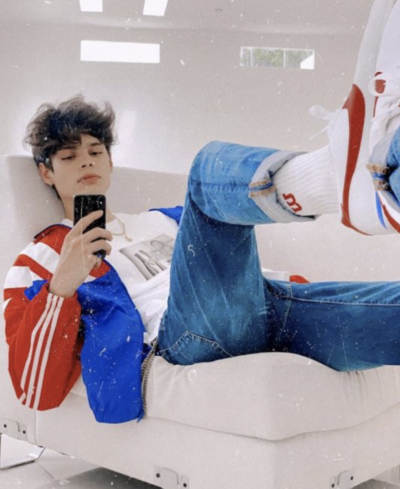
PragmaticLucifer, 20
Barcelona
Top only in anal due to having a penis implant that gets rock hard for as long as you want it.
It’s that adaption and ability to take in and process the immediate changes of ones future, then adjust course and correct for the missing pieces that was left behind and manage for a better tomorrow with or without someone in it that has made me the amazing person I am now.
Dick XL, Uncut
Orientation Bisexual
Body Slim
Body hair Shaved
Piercings Yes
Tattoos Yes
Smoking Yes
Speaks Spanish, English
Position Top only
Kissing Yes
S&M Yes
Dirty WS only
Oral Versatile
Rate per hour 180 €
Overnight 1000 €
_______________
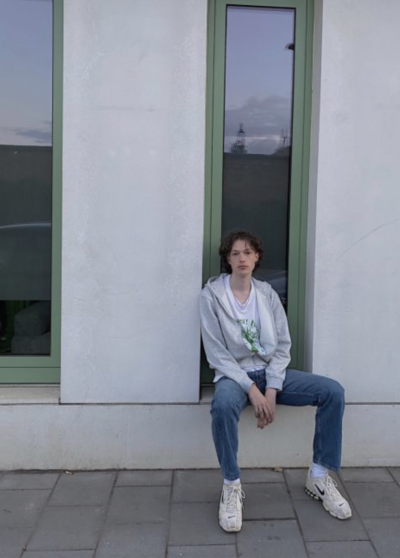
xxghostxx, 19
Barranquilla
Hello I am a anorectic boy impulsive and introverted.
I like to fuck I am very thin.
I don’t have a place to live and can therefore fuck anywhere.
I am looking the partners that accepts and likes me with my anorectic look and way of life.
I like cum inside my hole and eat everything when your cum do comes outside.
Discount if you’re from Islam.
Guestbook of xxghostxx
Bheng0723 – Aug 2, 2020
only for someone who does not use physical appearance as a basis
uglygod – July 31, 2020
He’s so thin his bones literally creak and clack together when you’re fucking him.
SirPhillip – July 21, 2020
Not to turn this place into Yelp or TripAdvisor, but he has the most incredibly delicious cum that he shoots in large volume. Could his anorexia have something to do with it? Any doctors out there?
Anonymous – July 18, 2020
why doesn’t such an AIDS radish go home to his mother’s pussy … who she’ll recognize by fucking herself with it
Bravo bitch !!!!
Dick L, Uncut
Orientation Gay
Body Slim
Body hair Shaved
Piercings No
Tattoos No
Smoking No
Speaks Spanish, Portuguese, English
Position Bottom only
Kissing Yes
S&M Yes
Dirty Yes
Oral Versatile
Rate per hour 1 $
Overnight 150 $
______________

Alexander-the-hot, 19
Leipzig
Hey!! I m damn beautiful to see. I can literally play any instrument musical or otherwise!
Guestbook of Alexander-the-hot
Alexander-the-hot (Owner) – Aug 12, 2020
I may be introvert but there are scary voices inside me.
Adrim – Aug 11, 2020
Don’t believe anything he says while you’re fucking him
Jake_Jizzpump – Aug 8, 2020
refreshingly unprofessional and awkward sex like a cute straight teen in a wtf mood gets fairly into it is surprisingly kissy-kissy acts cold hostile and guilty afterwards plan for a swift exit
Dick L, Uncut
Orientation Gay
Body Average
Body hair Smooth
Piercings No
Tattoos No
Smoking Yes
Speaks German, Hungarian, English
Position Versatile
Kissing Consent
S&M No
Dirty No
Oral Versatile
Rate per hour 230 €
Overnight 940 €
______________
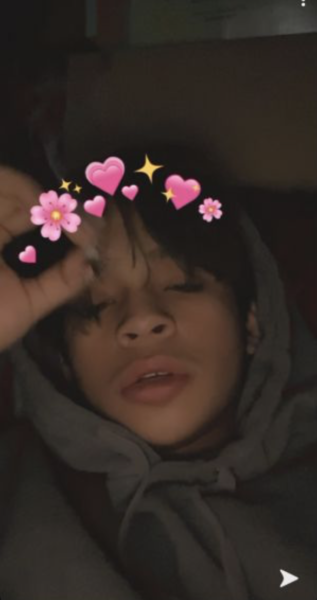
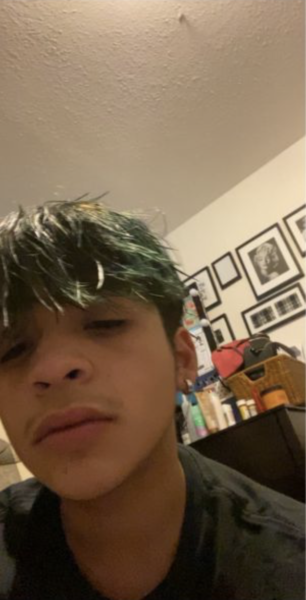
BelchingTurtle, 18
Federal Way
Cum vibe with me ugh
Guestbook of BelchingTurtle
BelchingTurtle (Owner) – July 30, 2020
I’m back because every time I start having fun with men on here someone has to become incredibly creepy to the point I have to escape and delete my account.
BelchingTurtle (Owner) – July 14, 2020
Don’t report, younger than it says I am🥺 hmu :)$$
Dick M, Uncut
Orientation Gay
Body Average
Body hair little
Piercings No
Tattoos Yes
Smoking Yes
Speaks English
Position Bottom only
Kissing Yes
S&M Soft SM
Dirty No
Oral Versatile
Rate per hour On request
Overnight 250 $
______________
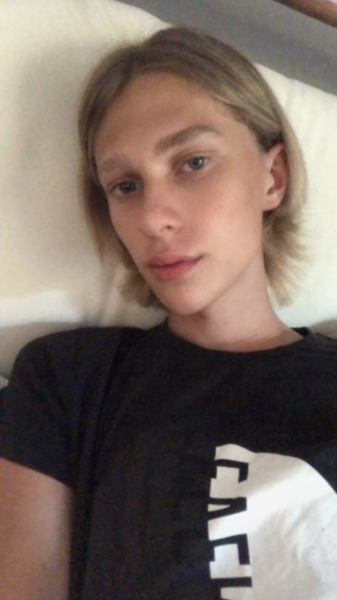
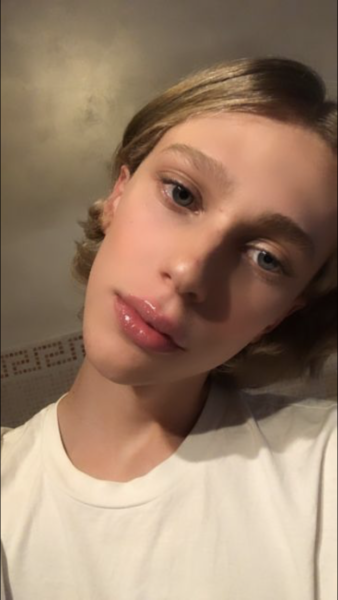
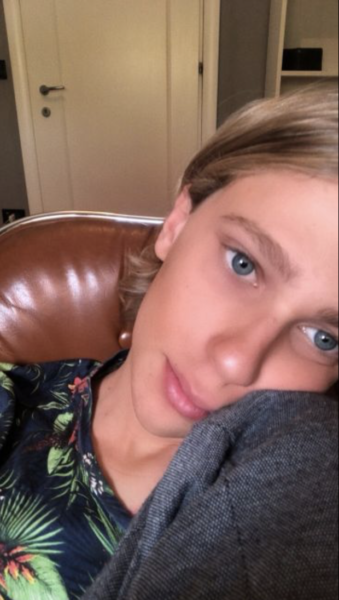
Stayinbed, 18
Halifax
Portstution exist since a very long time, and it seems to always have been a respecting thing among human communities. Always, except very recently. We have taken a path in which we pretend everybody is equal and every life deserve the same respect and have the same value. I think it’s wrong, twisted, and it’s part of the reason why so many people are sad in our society. Let cute guys be porstitues, and ugly guys be customers ! I proudly belong to the cute guy race, and I would not be happy pretending otherwise.
Guestbook of Stayinbed
KDrew – Aug 12, 2020
I am 100% inexperienced in paying for sex. It’s something I recently found out about myself. I basically had a dream where a boy who looked remarkably like you lay naked on my bed while I inserted wads of cash into his ass like it was a satchel. If you want the full details of that dream then let me know.
Stayinbed (Owner) – Aug 1, 2020
sigh ok Jim but it is not going to be cheap.
SexLover82 – Aug 1, 2020
Hi Caspian, I’m a friend of your mother. We have been in one another’s company in social settings for years. You’ve always acted like you think I’m a creep. I’ve always wanted to fuck you. I’m pretty sure you’ve always known and is probably why you think I’m creepy. But yes, fucking you has always been my fantasy that has never been fulfilled. Sometimes my desire for you feels like it’s burning me alive. Hit me back if you think money can make it happen.
RimPig – July 23, 2020
He love sex where he get to show how truly enjoying that dick in him then I pull out and eat his hole for the 100th time and he remind me of my granddaughter (long story).
Dick L, Uncut
Orientation Gay
Body Slim
Body hair Shaved
Piercings Yes
Tattoos No
Smoking Yes
Speaks French, English
Position Bottom only
Kissing Yes
S&M No
Dirty No
Oral Versatile
Rate per hour On request
Overnight On request
______________
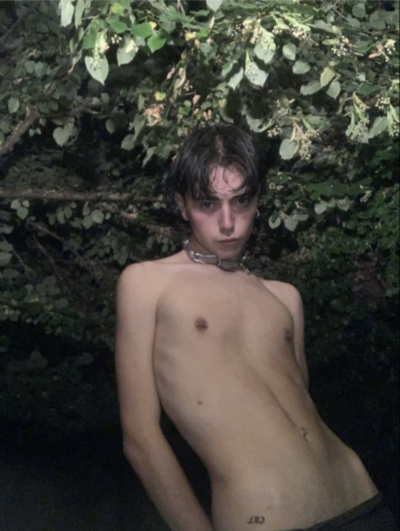
alex, 20
Lubbock
am alex i live in texas.i work in sonic company and i also working konagrill .lundry .i work four job a day.i love to fuck ass and i will them o fuck me hard. i am free for anything but.. i am ho. i am.
Guestbook of alex
Dommatcho – Aug 9, 2020
No muscles and not xl
blearyardal – Aug 2, 2020
I’m a pervert kinda geeza, who likes nothing more than getting baked with a cute fuckboy.
I’d once saw this boy getting off a bus, and the boner had been after me ever since.
The first thing I noticed about him is his smashing ears. You may find yourself awed by the callibre of his ears.
I work as a swordsman, helping children. This allows me to exercise my skills: wielding weapons and poking younguns.
And I’ll leave you with a quote from the one-and-only Harry Potter: “It seems as though I always knew I’d have to face him in the end.”
Dick XL, Cut
Orientation Bisexual
Body Slim
Body hair Shaved
Piercings Yes
Tattoos Yes
Smoking Yes
Speaks English
Position Versatile
Kissing No
S&M No
Dirty No
Oral Versatile
Rate per hour 80 $
Overnight On request
______________

CNcuteboy, 20
Beijing
strangle. choke,chloro. fainting. drink till unconscious. knock out with a punch. 100%passive
not interested in vanilla sex under any circumstance
Guestbook of CNcuteboy
CNcuteboy (Owner) – Aug 11, 2020
isn’t it beautiful that i drive you crazy psychologically then do it physically for that matter the shiver in your spine, every nerve of your skin gone insane the pleasure you would get strangling me comes Ten fold Higher
Derelt – Aug 10, 2020
Apparently if you’re Chinese this isn’t as unusual and out there as it sounds.
CNcuteboy (Owner) – Aug 10, 2020
i might be too pretty as a guy. also my age is too young for strangling? is it? what a wasteful thought! we don’t know who are the childish guys out there that are more older rather than us right? so keep it mind. stop being rude and toxic masculinity, it just made you like an A-hole.
Dick S, Uncut
Orientation Gay
Body Athletic
Body hair Some
Piercings Yes
Tattoos No
Smoking No
Speaks Chinese, English
Position Bottom only
Kissing No
S&M Yes
Dirty Yes
Oral Versatile
Rate hour $1000
Rate overnight On request
______________




mad3byang3l, 18
Debrecen
Hello everyone. I’m gay. Like all gays I like to suck and sit on faces and get fucked and sometimes get sucked. According to grandma a gorgeous boy.
Guestbook of mad3byang3l
Anonymous – Aug 6, 2020
Your grandma owes me 100€
Dick S, Uncut
Orientation Gay
Body Slim
Body hair Shaved
Piercings Yes
Tattoos No
Smoking Yes
Speaks Hungarian, English
Position Bottom only
Kissing Yes
S&M Soft SM
Dirty No answer
Oral Bottom
Rate per hour 20 €
Overnight On request
______________
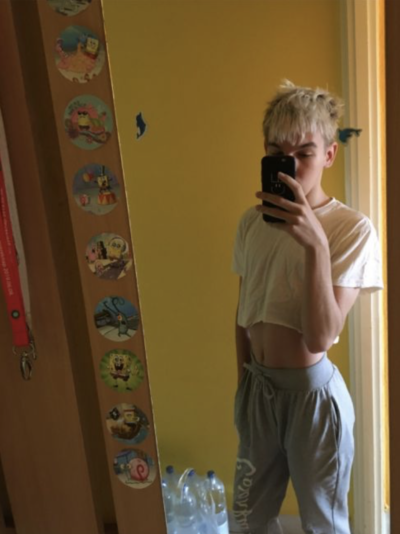
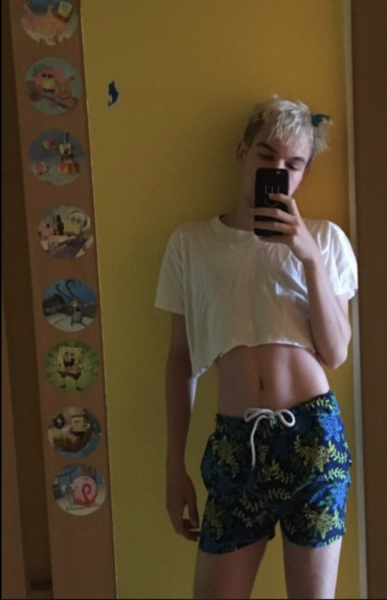
notpopularjay, 18
Houston
I’m just a dumb kid who can’t afford shit due to the pandemic… I’m very depressed well who isn’t! lol…😅 but I try to be positive you know despite all the financial problems and finding it hard to get a job😞 it would be nice to be paid to nail my ass🥺
Guestbook of notpopularjay
LovesFries – July 29, 2020
I have hired him as a sex doll for the weekend, and only allowing myself his saliva and cum. My hope is to lose 5lbs as a result.
zaddyy150 – July 24, 2020
1. Kpop anime and Drag Race, let’s say that his life is basically based on these three things.
2. Popping his clean sweet scented smooth boy pussy open missionary is a bombastic event.
Dick M, Cut
Orientation Gay
Body Slim
Body hair Smooth
Piercings No
Tattoos No
Smoking Socially
Speaks English
Position More bottom
Kissing Consent
S&M Soft SM
Dirty No
Oral Versatile
Rate per hour 100 $
Overnight 500 $
______________
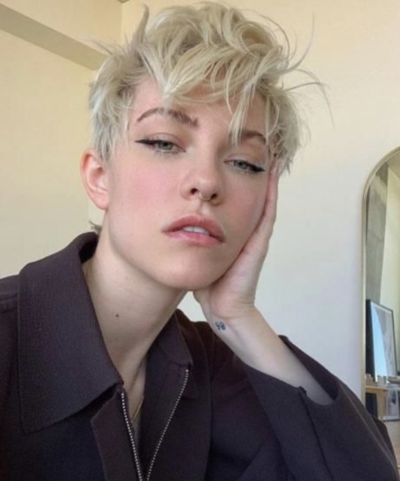

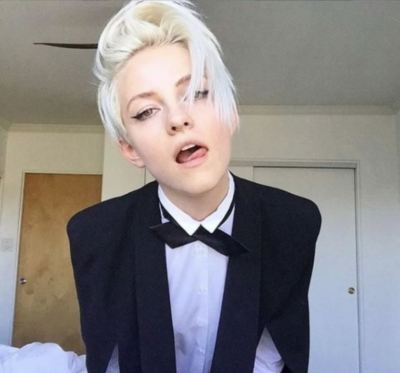

cutetwinkyvortex, 18
Athens
i’m a young kitty blonde twink addicted to having my dick, balls and butt licked for hours until i cum… my cock are better in good, it’s a beast… we all know my ass is the perfect and only word there needs to be said 👌… i want rich men to shove their faces between my legs and lick everything and when i say everything i mean it…
Guestbook of cutetwinkyvortex
otkspanking – July 22, 2020
He does indeed have a very pretty little ass but it’s counterbalanced by the fact that in person he looks, acts and even talks like Lucille Ball.
BillyBoy – July 21, 2020
youre cute hehehee
Vqueer – July 8, 2020
Don’t meet him for drinks or dinner, he is very whorish so discrete is not something he can do.
Dick M, Uncut
Orientation Gay
Body Slim
Body hair Shaved
Piercings No
Tattoos Yes
Smoking Yes
Speaks Croatian, French, English
Position Bottom only
Kissing Yes
S&M No
Dirty WS only
Oral Bottom
Rate per hour 250 €
Overnight On request
______________
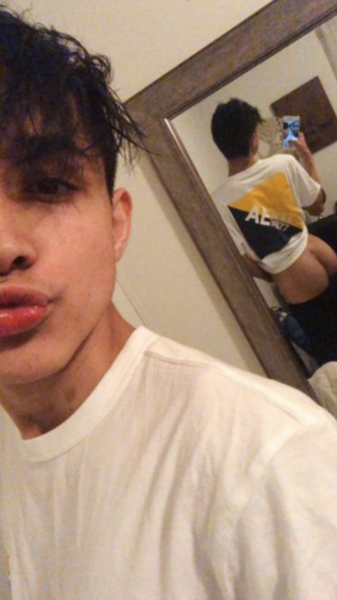
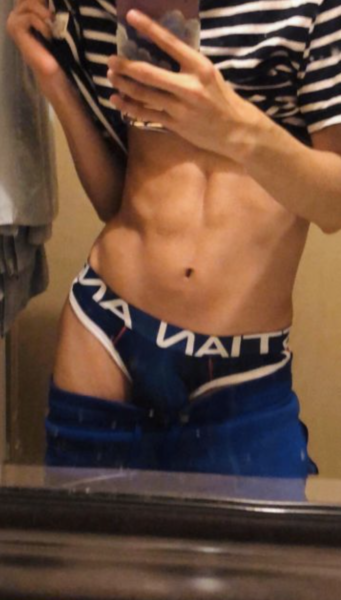
Trashytrashbag, 19
Berlin
Bottom boy, thin, smooth all over, and have a great ass with a tight, moist hole that loves wringing spongey tongues and milking dicks.
Love arrogant, selfish rich men that don’t hesitate to push make me take pop*ers and parTy until im a mindless slut and unload all their cum and saliva inside me.
For example an older man offers me $$$ and dr*ugs if I go with him to his home, then I lose control because I’m so high and he uses my hole hard to get off, eating it deep and fucking it raw until he shoots inside my ass. I deserve it because I’m so greedy.
Love sucking old dick when I can see a biohazard tattoo. Nothing gets me off faster than feeling a cock shooting its load in my ass whith a biohazard tatto in sight, to me it’s WILD.
… and if you “feed” (if your into it you know what im talking about) CONTACT ME, would love to taste what you give me 😉
Guestbook of Trashytrashbag
chooko – Aug 10, 2020
Trashytrashbag is the BRAND & he’s the CONVERSATION…. Can make up or break your mind by making baaad actions
Trashytrashbag (Owner) – Aug 4, 2020
It was nice to eat you
nowguy – Aug 4, 2020
I gratefully took advantage of his “feed” option and … there are no words. I gave him big hits of poppers and fed him dogshit and poop out of my infant daughter’s dirty diapers then watched him swallow the meal. Wow!
curveddicktop – Aug 2, 2020
His ass has a strong internal “grip” and he’s not afraid to use it!
Dick L, Uncut
Orientation Gay
Body Athletic
Body hair Shaved
Piercings No
Tattoos No
Smoking Yes
Speaks Farsi, English
Position Bottom only
Kissing Yes
S&M Yes
Dirty Yes
Oral Versatile
Rate per hour On request
Overnight On request
___________
iwantcake, 19
Curacao
Venezuelan living in curacao🇻🇪 🇨🇼 Skinny Legend 🍒 Arianator☁️ Poor asf (don’t expect)🤑 Obsessed with French vainilla latte♨️ Sometimes the people call me Channel N°1
Guestbook of iwantcake
iwantcake (Owner) – June 13, 2020
I don’t belong here. I lost my mojo. I get no joy.
Dick L, Uncut
Orientation Gay
Body Slim
Body hair Shaved
Piercings Yes
Tattoos Yes
Smoking No
Speaks Spanish, English
Position Bottom only
Kissing Yes
S&M Soft SM
Dirty No answer
Oral Versatile
Rate per hour On request
Overnight On request
___________
ASStronaut_destroyers, 18
Bucharest
couple of macho guys with cute fag boy who hangs out with us that we fuck and rent sometimes or will sell off (due to circumstances)
Guestbook of ASStronaut_destroyers
Niceman1 – Aug 9, 2020
All 3 of them are crazy as loons but I liked that.
MrStHi – Aug 6, 2020
The most real fuck in Bucharest
work-in-progress – Aug 3, 2020
Loved the fear in his eyes.
Anonymous – Aug 1, 2020
Their fag is pretty good stuff ahhaa 🙂
Dick M, Uncut
Orientation Gay
Body Slim
Body hair Smooth
Piercings No
Tattoos No
Smoking Yes
Speaks Romanian, English
Position Bottom only
Kissing Yes
S&M Yes
Dirty Yes
Oral Top
Rate per hour 100 €
Overnight 200 €
___________


Escortservice_Check, 20
Geneva
I don’t ever take myself to seriously I just don’t see a point we are all going to die someday. I currently have a full-time job as a software developer but I’m becoming dissatisfied. There is not a lot of things I really care about. people said I’d be happier if I cared more but personally this frees up my mind for things the mater to me.
Why am I on this site well because I was happy for a while and could enjoy masturbaying alone and had an okay social life but due to recent events I’ve had to spend quite a bit of time alone so naturally I got lonely. I’ve not really shared my body with anyone I didn’t know well first, I’m a bit of a private person. I feel like I’m looking more for something for an hour then a bit longer term.
I generally try not to lie to myself, but I do feel my emotions are disassociated with my logical brain and my values. I do feel I can be very honest when I’m drunk (drunk well writing this). I don’t really change when drinking just my cock is harder a bit. I consider myself Bi but I feel women are mostly full of shit and I hate that shit.
What is this site anyways is it a prostitution site? I don’t know I’ve not had a change to look around since I’ve gotta fill this stuff out.
P.S this is my box I’ll put in what ever I like.
Guestbook of Escortservice_Check
Escortservice_Check (Owner) – Aug 14, 2020
I’m having a big problem and I need help from more experienced bottoms please! I can’t douche properly. It sounds funny, but I’m losing customers because of this. Help me please.
sheep80-60 – Aug 11, 2020
First you have to jack off with him on snapchat and if he decides he likes jacking off with you more than being alone he’ll meet with you. I didn’t pass the test but after seeing him in the light and naked I didn’t really mind.
Dick XL, Uncut
Orientation Bisexual
Body Average
Body hair Some
Piercings no
Tattoos No
Smoking Yes
Speaks French, English
Position Versatile
Kissing Yes
S&M Soft SM
Dirty No
Oral Versatile
Rate per hour On request
Overnight On request
___________
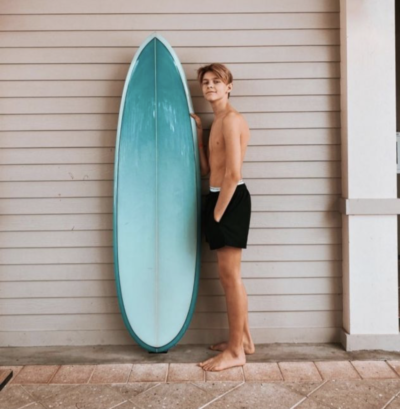
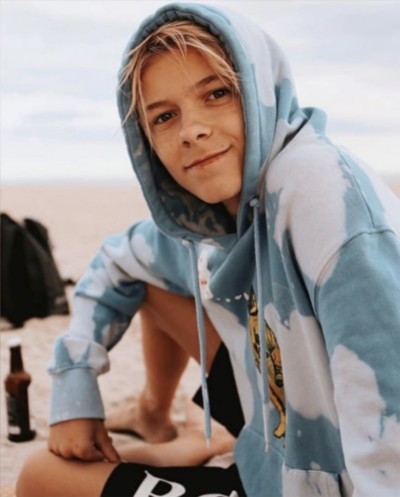
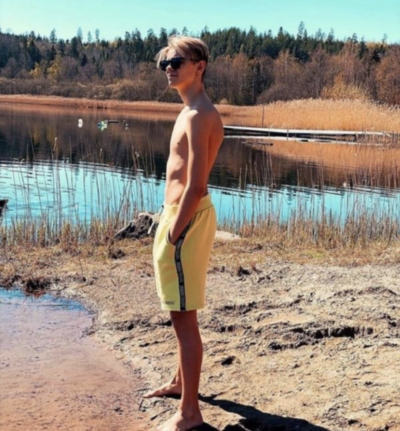
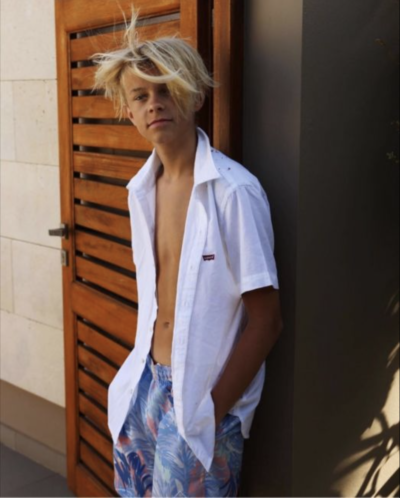
Abyys, 18
Soorts-Hossegor
I’m 17 year old from Saint Barth and hopefully i can get to Hossegor at the end of July ☀️ to surf🏄🏼♂️
This advennture will not be as it was planned, but i try to make it the best (I dont know if escorting is a good way for that..)
Im so much opened to meet new men, especially from another race, i wanna be multikulti, i never ever talked to an african american, or asian, australian guys in my life, i would love to spend time with new people around me, to spend so time together, talking, telling stroies, having sex, drinking some beer, and of course practice my english. (actually i never talked to anyone in english face to face)
Looking for free? Skip
Looking for anything related to free? Skip
Not multikulti? Skip
Won’t fuck, just showing me ur dick? Skip
And the list goes on:
…
…
…
…
Dick XL, Uncut
Orientation Bisexual
Body Athletic
Body hair Little
Piercings No
Tattoos No
Smoking No
Speaks French, English
Position More top
Kissing Yes
S&M No
Dirty No
Oral Versatile
Rate per hour 350 €
Overnight 1200 €
___________
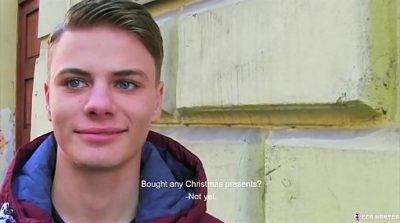
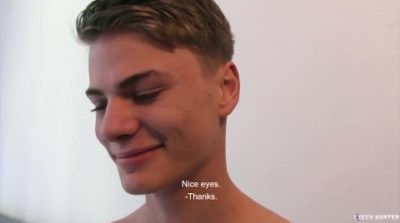




HansLeck, 19
Prague
I was star of Czech Hunter 497
“I totally hit the jackpot with this 19 years old cutie. I met him on his way home from school and I would do anything to get him in bed. He studied at a business academy, so I was surprised he had no idea how to bargain properly. I would have paid him so much more! He took me to his parent’s flat, fortunately all the family members were away. I had him just for myself. But this little angel with dreamy eyes wasn’t as innocent as he looked. He already had one gay experience, that’s probably why he was willing to do all this in the first place. And he was really into it! I’m sure his mom would be surprised to see her eldest son in action. The guy enjoyed my cock in so many ways and loved them all. He even managed to cum with my cock balls deep in his tight asshole. I simply loved him.”
FAQ
Is Czech Hunter fake? Yes
Do you really go to business school? No
Is cameraman attractive? No (but I don’t care)
Guestbook of HansLeck
Idinit – July 27, 2020
His ass is outstanding in its field
pivotaxez – July 22, 2020
1. He’s hungry 2. He’s bored. I can’t be more explicit.
fakecaptain – July 20, 2020
Sociable. Gin tonic fan. Gay but still a man.
MsXXXxx – July 16, 2020
Hes not totally perfect but parts of him are excellent.
Dick XL, Uncut
Orientation Gay
Body Slim
Body hair Some
Piercings No
Tattoos No
Smoking No
Speaks Czech, English
Position More bottom
Kissing Yes
S&M No
Dirty No
Oral Versatile
Rate per hour 200 €
Overnight 700 €
___________
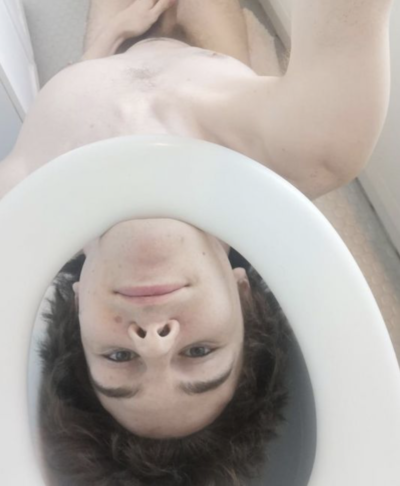
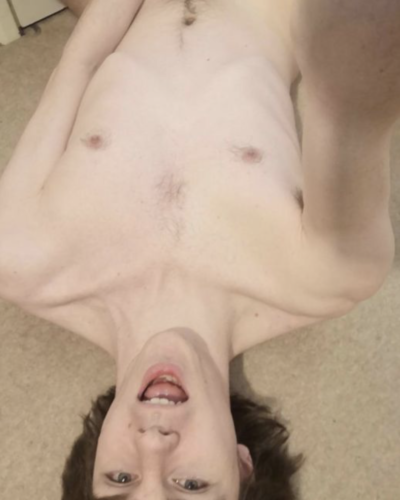
Sloshy, 19
Stuttgart
HAIL SATAN!
I just recently turned 19. I’ve been a live in sex toy for a wealthy man for 6 years. He said I could create an account to make friends with people online because I’m very lonely.
I will never be able to meet up with you.
My boyfriend (I never know what to call him) is a nymphomaniac and loves fucking me in inventive and even painful ways. He saved my life and gave me purpose and I am very loyal to him.
I’m very small, 5’4” and skinny, 105lbs. My dick is 4.5 inches full hard, and I am uncut. My boyfriend is a very large in shape man and his cock is 9.5 inches long and 7 inches thick. When he’s fully hard and rests his cock on my ass width ways, he’s bigger then my ass. He fucks me a few times every day, but and, without stretching me out, will ram his entire cock inside me and basically fuck my stomach.
He has a very large playroom with a lot of equipment. And a home made electric torture device that is extremely painful. He says it’s output is just under the voltage that would cause skin burning. He enjoys hooking my very very sensitive cock head up to it and making me scream.
If stories about a life of nonstop sex turn you on I can share what I’ve been through and my whole story. Again just looking for online friends. Again I cannot meet. 😍
Guestbook of Sloshy
Sloshy (Owner) – Aug 6, 2020
👉🏻Also selling:
1. My chastity cage – $45
(45mm base diameter)
2. My vibrator – $45
Both very used, boyfriend only stores the vibrator in the freezer to ensure that flies don’t get on it.
HAIL SATAN!
Dick M, Uncut
Orientation Gay
Body Slim
Body hair Shaved
Piercings No
Tattoos No
Smoking Yes
Speaks Polish, German, English
Position Bottom only
Kissing No
S&M Yes
Dirty Yes
Oral Versatile
Rate per hour On request
Overnight On request
____________


UndertakerEli, 20
Passaic
This is all new. This is all scary. Not quite sure how I got here, but while I’m here:
I’m completely full deaf. Just only learned to sign language, so I can’t talk and can’t hear either.
Guestbook of UndertakerEli
Standingthere – Aug 3, 2020
So you know in advance, first he has you write down a list of the sex acts you want. He reads the list and crosses out any he won’t do. If you’re still interested, he tapes the list on the wall by the bed and lies down holding a sharpie in one hand. When you’ve done a sex act, he crosses it out on the list with the sharpie. The sex continues until everything is crossed out. All that said, he’s so cute, he made me wish every cute boy was deaf and dumb.
Dick S, Cut
Orientation Gay
Body Slim
Body hair Shaved
Piercings Yes
Tattoos Yes
Smoking Yes
Speaks English
Position Bottom only
Kissing Yes
S&M Soft SM
Dirty No answer
Oral Versatile
Rate per hour 60 $
Overnight 200 $
____________
rugbyXXL, 20
Rovigo
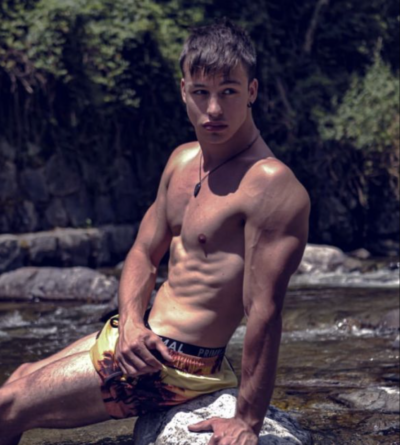
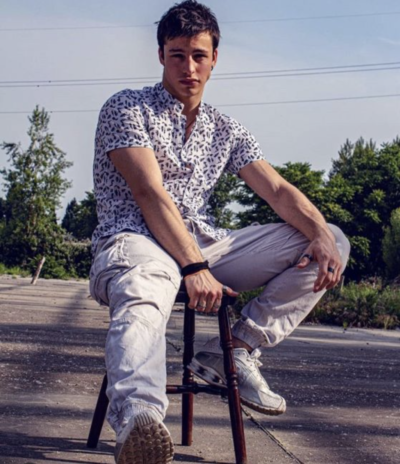
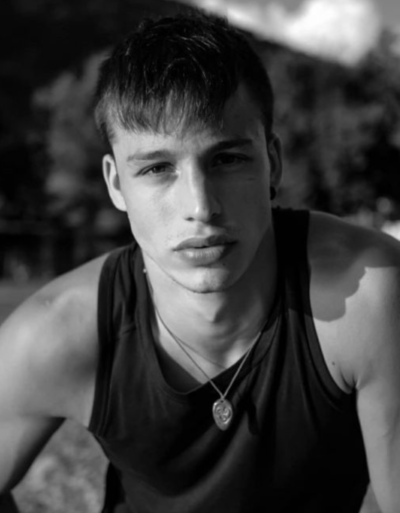
I prefer to be available only for exclusive, overwhelming and engaging mental and physical meetings with mature men, women and couples of a high socio-economic level, both as a character and as a person.
Therefore entrepreneurs, politicians and ecclesiastics are welcome, however I do not despise the rest of you as long as you can afford the company of a special person like me.
Guestbook of rugbyXXL
AnthonyXL – Aug 7, 2020
⚜️⚜️⚜️⚜️⚜️⚜️⚜️💎⚜️⚜️⚜️⚜️⚜️⚜️⚜️⚜️
👑👑👑👑👑HIS SERVICE👑👑👑👑👑👑
⚜️⚜️⚜️⚜️⚜️⚜️⚜️⚜️⚜️⚜️⚜️⚜️⚜️⚜️⚜️⚜️
Dick XXL, Uncut
Orientation Bi
Body Muscular
Body hair Smooth
Tattoos None
Piercings None
Speaks Italian, English
Position Versatile
Kissing Yes
S&M Yes
Dirty WS Only
Fisting Versatile
Safe Sex Let’s talk
Rate per hour On request
Overnight On request
____________
idontknowdude, 22
Paris
Ah hi me it’s 👀 LOUIS if you have between (37 and 65) ACTIVE-HUNG 🐷 contact me directly 👅📞 07 80 35 59 28 no other exchange possible than by phone 🌡️ (ass / mouth) 175% (passive) 🐖🕸️ at your disposal 🐖🐖🐖 1 hour 1 night 1 lifetime! Ol lol!🔥😀🔥🍭🔥🎅🔥🎁🔥💰🔥🥂🔥🆗🏳️🌈🍭📞🥂😀 I answer H24 👄
Guestbook of idontknowdude
charlesflores – Aug 12, 2020
Here some extra infos: Sex is not his real job. He is a artist. Since his field right now is in crisis, he started to think what other options he have and sex is the only thing he think of. He needs to party hard first to help him escape into a world he’s not really mentally in on a reg basis. But once he does you got sex and you support art!
Dick L, Uncut
Orientation Gay
Body Slim
Body hair Shaved
Piercings Yes
Tattoos Yes
Smoking Yes
Speaks French, English
Position More bottom
Kissing Yes
S&M Soft SM
Dirty No
Oral Versatile
Rate per hour 250 €
Overnight 800 €
______________
Steven, 18
Subang Jaya City Council
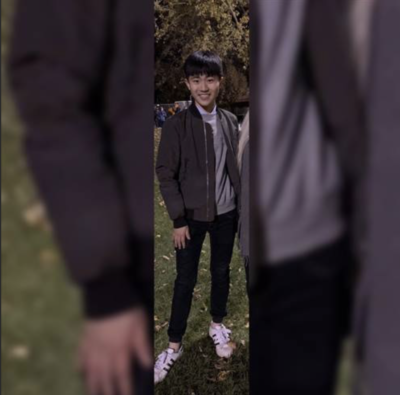
I wanna get fuck by you ,hot guy !
Guestbook of Steven
JohnFord – Aug 9, 2020
I didn’t want to cuddle after but he vehemently insisted so I did and it kind of ruined everything.
calvinnnnn – Aug 4, 2020
He eats cats
felipejulian – July 31, 2020
Highly recommended to those who lust for innocent looking Malaysian boys who have slept around a fucking ton.
Dick S, Uncut
Orientation Gay
Body Slim
Body hair Little
Piercings No
Tattoos No
Smoking No
Speaks English
Position Bottom only
Kissing Yes
S&M Soft SM
Dirty WS only
Oral Versatile
Rate per hour On request
Overnight On request
______________
I_Fuck_your_daddy, 22
Knoxville
I am not into Lang chat with you I don’t care about what you do in your office job or in your fucking holiday .i don’t married you 😏
when we meet you can’t say me hi or ask about my privat live .you need my cute butt hot cock scenty balls deep mouth and sweaty armpits and I need your money
.you have to use your time when you are with me every minute costs 2€ then use your time bitch and sniff my balls lick my armpits suck my cock plow my mouth throat ass.its made for your fetish life .
i am friendy with my friends and my family not with dirty pigs 🐖 I write and answer only 4 question when ? Where ? What ? How long ?
Into alof of party and fanracy depends of what you need .
a lot of guys ask me after how can have my smells take them home? I offer my underwear shirt shoes and socks price depends of how smelly are there.
Guestbook of I_Fuck_your_daddy
hereagain_ – Aug 10, 2020
you’re better off giving your pocket money to him rather than your real kids.
tryit2xs – Aug 5, 2020
After 50 yrs finally, had sex with a man (this one). Sniffed poppers until I could not feel my toes and lapped up cum his like it was water. It was nasty; it was exciting; It was a beginning; and I want more!
Sam251 – Aug 2, 2020
i bought his feet and nutted all over them for the camera and am selling videos !!
Dick XL, Cut
Orientation Bisexual
Body Athletic
Body hair Shaved
Piercings No
Tattoos No
Smoking No
Speaks English
Position More bottom
Kissing Consent
S&M Soft SM
Dirty No answer
Oral Versatile
Rate per hour 150 $
Overnight 2000 $
_____________

RapeOpferRuhr, 20
Herne
Do you like to take what you need?
TheRapeVictim is just right for you. Grope, get a blowjob, fuck, and misuse the victim according to your ideas.
After an initial consultation, the victim can become afraid of you but helpless, or disoriented as though secretly drugged, or rebellious and defensive. just choose your flavour then take what you want emphatically.
Use the victim alone, or use it in a group.
So what are you waiting for? Write quickly and book this very special experience.
Guestbook of RapeOpferRuhr
sex-fash – Aug 1, 2020
RaperRoy – July 27, 2020
Really cool number … Has kept to the agreements and has become a dream number that just got even better with rape. I have never had such a orgasm.
Masahistapo – July 12, 2020
You need a Therapist with Good service
Dick S, Uncut
Orientation Gay
Body Slim
Body hair Shaved
Piercings Yes
Tattoos Yes
Smoking Yes
Speaks German, English
Position Bottom only
Kissing Yes
S&M Yes
Dirty Yes
Oral Versatile
Rate per hour 80 €
Overnight On request
______________
Special-Top, 22
Vienna
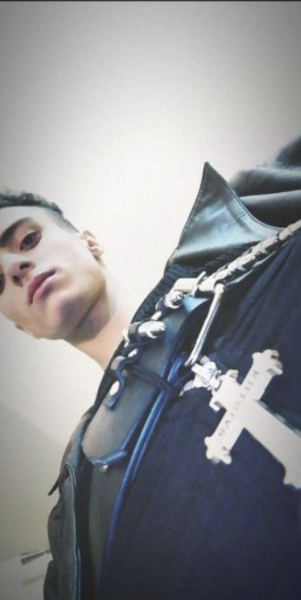
Special top….Not the usual masculine one…got it ? I love my big painted nails .d..im rude and arogant….I care about the sex andf thats all…
Guestbook of Special-Top
Special-Top (Owner) – Aug 3, 2020
If U know me STFU!
Timorws – Aug 2, 2020
Well-known big brand in saunas before the pandemic shit. For years he has been a user and of course a small boat has survived until today thanks to the stupid sisters (and I am one of them) who pocketed him waiting for us to fuck the injured … but hey … his -for-medium- dick does not get horny even minimal as much as he sees bags on his cell phone. All he does is waste your time with pointless conversations, waiting for you to decide that you will NOT eat his dick and get up to leave (after you have paid him first, of course). We fed a lot of girlfriends. You wake up!
Dick XXL, Uncut
Orientation Bisexual
Body Slim
Body hair Shaved
Piercings No
Tattoos Yes
Smoking Yes
Speaks German, English
Position Top only
Kissing No
S&M Yes
Dirty Yes
Oral Bottom
Rate per hour 100 €
Overnight 500 €
_____________
hornyasfuckrn, 18
Lisbon
Hi guys
Since a year I found out that the idea of being a prostitute makes me feel really good. But I was to young for all this. Now, in may, I turned 18 so I want to find out how everything works in this business.
I just want to say that I’m very shy and that I’m definitely not the person who wants to hook up for more than sex. I’m here to find out what i like and I hope you can help me with that.
I don’t know anything about this so it would be very helpful if you could ask and explain things that you guys do.
(Example: tell me in a story what it would be to be your “bottom”, then “more bottom” and then “versatile”. I don’t know the difference between them)
(Another example: What would you rate my ass out of 10?)
Again, I don’t know anything:
The only thing I know is that i am definitely not a top and that I like the idea of prostituting.
I hope you can help me!
Guestbook of hornyasfuckrn
hornyasfuckrn (Owner) – Aug 9, 2020
I’m just loving your ejaculating cocks: they give me the feeling of being useful and loved as if I have reached my destiny.
yourpassion – Aug 7, 2020
In the pic I had rated your ass a 9, having now rimmed/fucked you I would rate it a 6.5 to 7.
THICKBBC25CM – Aug 6, 2020
At least an 8.
Nikolas4A – Aug 6, 2020
9.5
Dick M, Uncut
Orientation Gay
Body Slim
Body hair Smooth
Piercings No
Tattoos No
Smoking No
Speaks Portuguese, English
Position More bottom
Kissing Yes
S&M No answer
Dirty No
Oral Versatile
Rate per hour 50 €
Overnight 200 €
____________

IHaveNothing, 20
Denver
I feel so empty and disconnected from the real world. I’ve made so many mistakes in my youth to the extent that I’ve lost faith in ever being happy or fulfilled. My life lacks structure and purpose, and, as a result, it has slowly unraveled into a shredded mess.
During my freshman year in high school, my friends were mocking me for still being a virgin. I hastily used Craigslist to find a local woman that night to take my virginity. She told me the meet her by a road half a mile from school, and I made the trek at 2am. A man grabbed me instead, pushing me behind a building. He both sodomize and fucked me until I bled. I walked back home crying, and I haven’t done anything sexual since.
I’ve wrangled with my sexuality and image of myself ever since. Although I only masturbate to pictures of women, there’s a dark urge inside of me that is hoping that I get molested again by a man.
I want to submit to men for money to protect my heart and to feel like I have control of my sexual identity. I’m too afraid and anxious to have sex with a woman. I think, however, that having sex with older men will be therapeutic. I don’t care what sexual acts that we do. I just need to be overwhelmed, scared, and vulnerable so that when I look at myself in the mirror I can say that I choose to feel that way.
I know that this is a lot to read before saying hi or naming my price, but I don’t want to talk to some who doesn’t understand what I’m looking for on this site.
Guestbook of IHaveNothing
avuncular – Aug 8, 2020
He has amazing feet especially the inner ankle area.
LORD_FIRE_2020 – Aug 2, 2020
Plan to spring for the Overnight rate because it takes him forever to get drunk enough and even then you still have to bully the heck out of him and then once nude fuck him as hard as you can.
Dick L, Uncut
Orientation Bisexual
Body Slim
Body hair Shaved
Piercings Yes
Tattoos No
Smoking No
Speaks English
Position More bottom
Kissing Yes
S&M Soft SM
Dirty No
Oral Versatile
Rate per hour 100 $
Overnight On request
*
p.s. Hey. ** David Ehrenstein, Hi. Yes, I very much remember that you have a copy of ‘AM’, and I hope you will keep it very much to yourself unless you’re thrown out on the street or something, ha ha. Not sure I understand the list of evaluations of those films. Everyone, Mr. E has written a think piece called ‘‘Sunset Boulevard’ of Broken Dreams’ for Los Angeles Blade and it looks to be about the film of the same name and COVID among probably other things, and you should read it, no? Here it is. Yes, i just now saw that Linda Manz. That’s so sad. I wish she’d been a lot more films, but she gave three legendary performances in three immortal films, and that’s more than a lot of prolific actors can say. ** Misanthrope, Sounds like David is settling into the job. Here’s to longevity. Big up on the speediness of your new computer. ** Sypha, Hi, James. The publisher claimed that the hardback cover of ‘MLT’ disturbed and offended people which had cut into the sales of the book, which I thought was a bullshit cover story for their own negligence, but I wasn’t given any choice. ** JM, Hey, Josiah! I’ve been thinking because the news says you guys have been locked down again? Eek. There are eerie rumblings here of a rise in cases and new restrictions likely to be put back in place. Oh fuck. That 11:11 book is a curious project. More a very interesting project than a totally successful one, but total success is such an overrated goal. Oh, wow, thanks for suggesting ‘The Sluts’, and I’m chuffed that they liked it. ‘Pedro Paramo’ is an excellent pick, obviously. The ‘Mindshaft’ package does look really good, right? I think mine is on my way. have an imaginatively explosive weekend. ** Bill, I had forgotten that you managed to see ‘Cupidon’. So cool. There’s talk of reviving it, and I sure hope they do. Yes, I heard the heat traveled over to the West Coast. Shame that sun wasn’t included in the travel ban. Speaking from the other side, you’ll feel so physically virginal when it’s over. ** Okay. Yes, it’s the middle of the month, and, yes, I of course invited a bunch of escorts to use the blog as their party space. Step inside. See you on Monday.
 Blake Butler Alice Knott
 Elisa Taber An Archipelago in a Landlocked Country
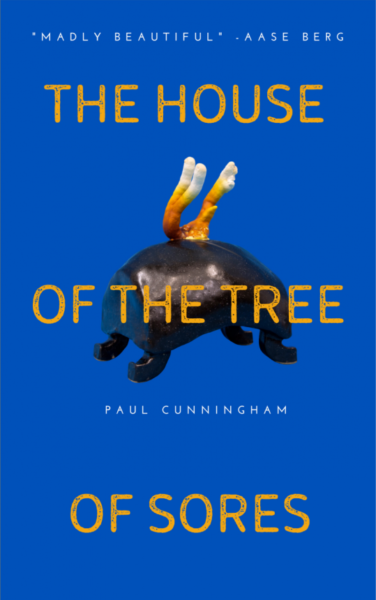 Paul Cunningham The House of The Tree of Sores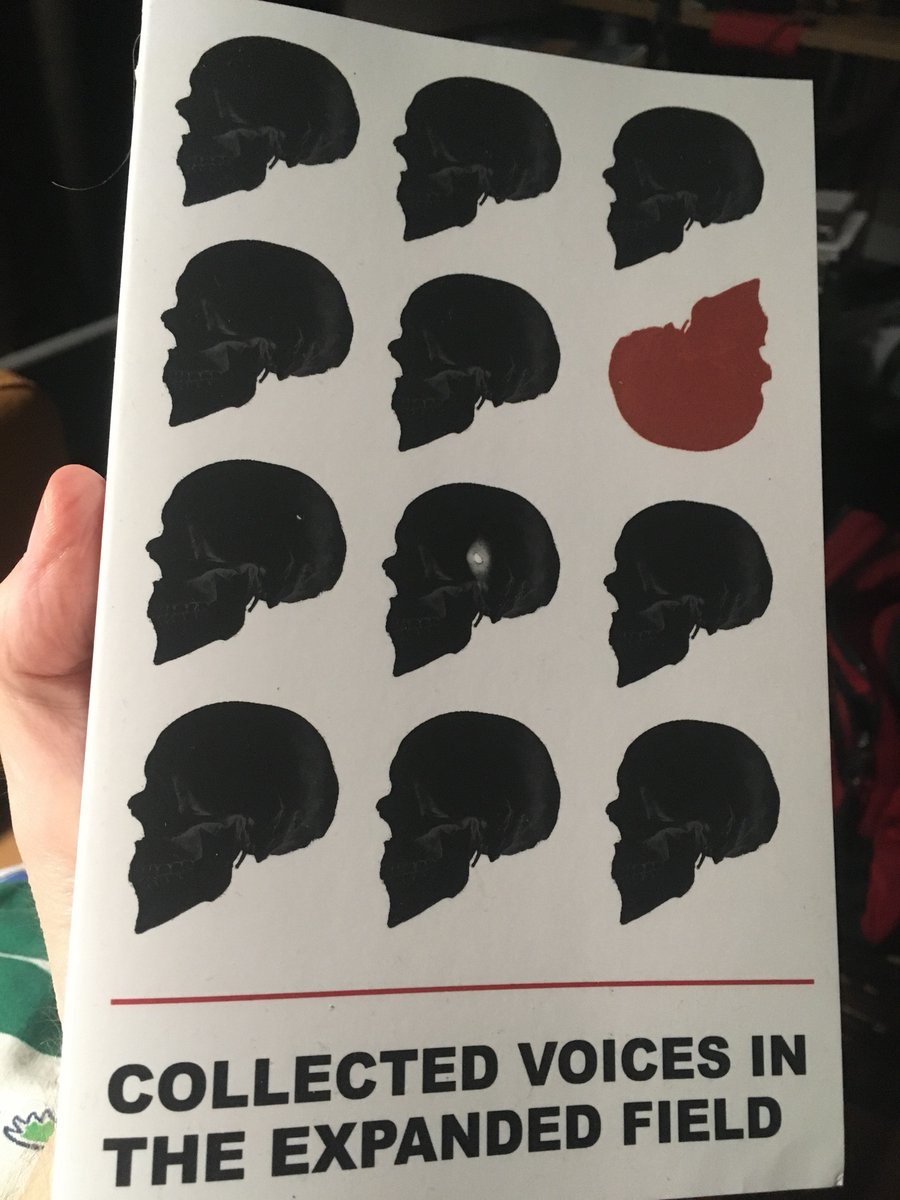
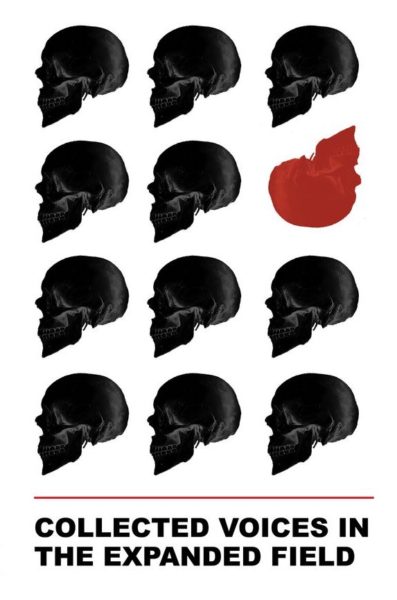 Various Collected Voices in the Expanded Field
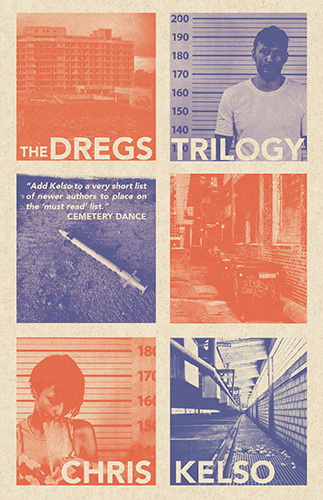 Chris Kelso The Dregs Trilogy



 Now available in North America