The blog of author Dennis Cooper

Author: DC (Page 783 of 1131)

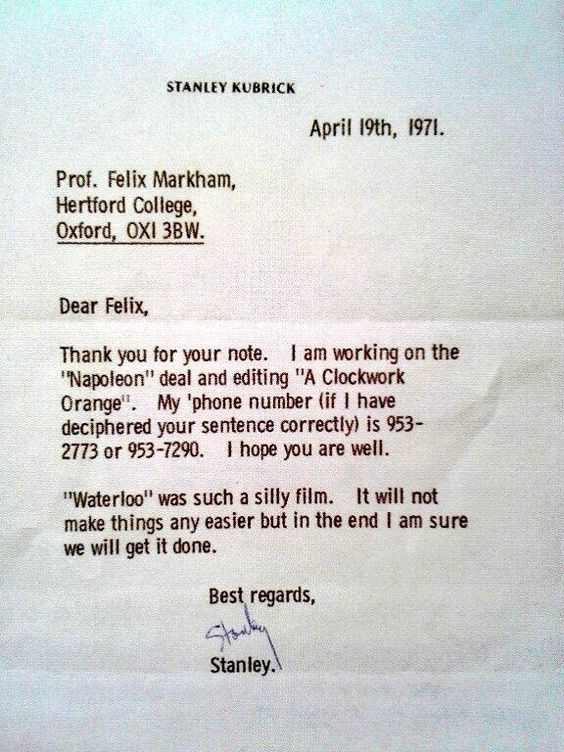
Web William presents … 6 things to do with Stanley Kubrick’s Napoleon *

* (restored)
____________
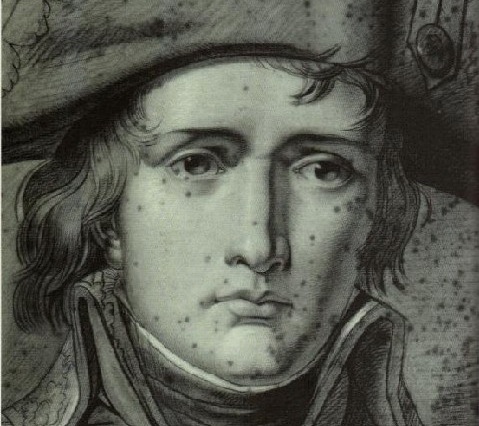
 

Stanley Kubrick’s Napoleon: A lot of work, very little actual movie
by Alex Godfrey

One night during the pre-production phase on A Clockwork Orange, Malcolm McDowell asked Stanley Kubrick why he was eating ice cream at the same time as his main course steak. “What’s the difference?” said Kubrick. “It’s all food. This is how Napoleon used to eat.”

Well that’s how McDowell tells it anyway. There are lots of near-mythical stories about Kubrick’s comprehensive research. That he was probably the most meticulous of film directors known to man is not open to debate, and Napoleon, the film he tried and failed to make for decades, is the best example of his attention to detail. Kubrick believed nobody had ever made a great historical film, and planned to change this with a three-hour epic, telling the story of the French emperor’s entire life.

Kubrick thought Napoleon was the most interesting man to have ever walked the Earth. He called his life “an epic poem of action”, thought his relationship with Josephine was “one of the great obsessional passions of all time”, and said, “He was one of those rare men who move history and mold the destiny of their own times and of generations to come.” Getting to work on the film in the mid-60s, after 2001 was released, he sent an assistant around the world to literally follow in Napoleon’s footsteps (”Wherever Napoleon went, I want you to go,” he told him), even getting him to bring back samples of earth from Waterloo so he could match them for the screen.

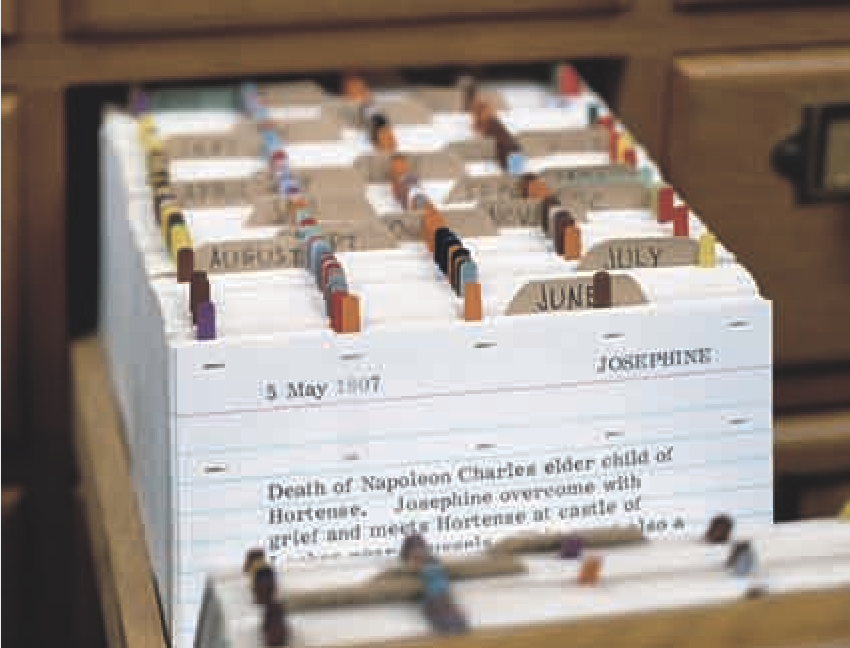
He read hundreds of books on the man and broke the information down into categories “on everything from his food tastes to the weather on the day of a specific battle”. He gathered together 15,000 location scouting photos and 17,000 slides of Napoleonic imagery.

He would shoot the film in France and Italy, for their grand locations, and Yugoslavia, for their cheap armies. These were pre-CG days, and he arranged to borrow 40,000 Romanian infantry and 10,000 cavalry for the battles. “I wouldn’t want to fake it with fewer troops,” he said to an interviewer at the time, “because Napoleonic battles were out in the open, a vast tableau where the formations moved in an almost choreographic fashion. I want to capture this reality on film, and to do so it’s necessary to recreate all the conditions of the battle with painstaking accuracy.”

(read the entirety)


____________


Script Review of Stanley Kubrick’s Napoleon
by Scott B

The title says it all: This is the epic story of Napoleon Bonaparte’s rise and fall, beginning in his childhood, following him through his education as a soldier, then examining the complex social, political and military factors that made him Emperor of France, as well as the reasons for his ultimate downfall.

Napoleon was a long-cherished labor of love for director Stanley Kubrick, who planned the film as his follow-up to 2001: A Space Odyssey. However, the sheer enormity of the production caused the money-men to get cold feet about the cost of the project – despite Kubrick’s proven box-office track record. The project never happened and Kubrick went on to other films.

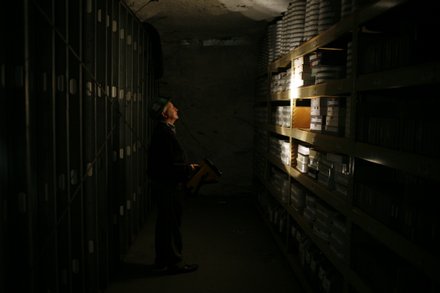
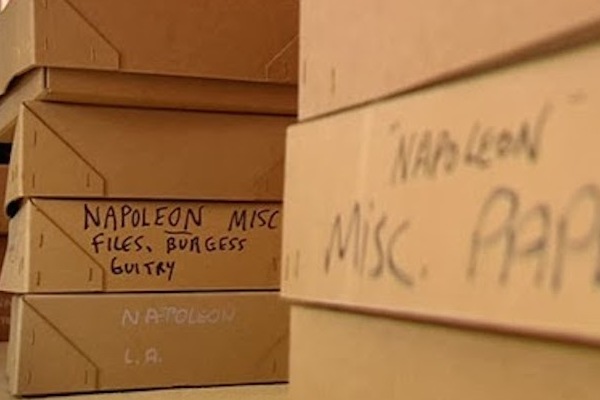
However, six years ago, the Napoleon script resurfaced – literally, since it was found by a United Artists executive named Jeff Kleeman in a salt mine near Hutchison, Kansas, where studios have safe-kept their archived materials for decades. Kleeman was quoted, in a Talk magazine article on the discovery of the script, as saying, “The last scene of Citizen Kane had nothing on this place.”

The script wasn’t circulated until after Kubrick’s death last year (it’s unclear whether or not this was at the director’s request). It has recently turned up on the Net – CLICK HERE to read the script and/or print it out for yourself.

THE GOOD:

By far the biggest strength of Kubrick’s Napoleon script is the maximum clarity with which it handles this most complex subject. A story that could have been nothing but a mess of dates, places and battles is instead vividly rendered in epic terms and precise details. It’s obvious that Kubrick, in his desire to tell the story, literally absorbed everything he could find about Napoleon and his era.
(read the entirety)


A short scene from the script of Stanley Kubrick’s Napoleon. Made with Lego.


____________
 

The greatest movie Stanley Kubrick never made
by Darryl Mason

In 1968, 40-year-old director Stanley Kubrick had the cinematic world at his feet and one big movie project germinating in his head.

He had started his career as the original independent filmmaker, at a time where it was nigh impossible to make movies outside the studios, and through the previous 15 years he had directed eight films — some of the most acclaimed, debated and controversial ever made. Spartacus (1960), Lolita (1962) and Dr. Strangelove or: How I Learned to Stop Worrying and Love the Bomb (1964) clearly demonstrated Kubrick’s ability to use pitch-black humor and great spectacle to tell tales of the true heart of man as few filmmakers had told them before. His films had been feted by critics as cinematic masterpieces or dismissed as overblown indulgences, and although all were profitable, they were hardly box-office triumphs.

But Kubrick’s latest film, 2001: A Space Odyssey, had proved to be both a critical and a box-office success. Kubrick knew he could now make almost any film he desired, and what he desired most was to bring to the screen his vision of the chaotic, war-soaked life of Napoleon. It was to be no mere Hollywood biopic; Kubrick planned to stage full-scale re-creations of the French ruler’s most infamous wars, and he wanted to do it on the same battlefields that Napoleon had fought on 150 years before.

Since his youth hustling chess games in Greenwich Village, N.Y., Kubrick had harbored a deep fascination with Napoleon’s life. It was, according to Kubrick, “an epic poem of action.”

“He was one of those rare men who move history and mold the destiny of their own times and of generations to come,” Kubrick told Joseph Gelmis in 1968 (for Gelmis’ interview anthology book, The Film Director as Superstar) as he geared up for the film’s production.

When 2001 picked up five Oscar nominations, including best director, Kubrick used the heat to marshal MGM into backing his new film. The studio coughed up development funds and Kubrick hired a team of researchers. He then plunged into a two-year odyssey to bring his Napoleon epic to the screen.

His first step was to view all the other films made of Napoleon’s life so far. There were many, an average of three a decade from the birth of cinema up to the early 1950s. Although Kubrick found many things he liked in the massive 1956 War & Peace, made in Russia, he abhorred Abel Gance’s much-hallowed Napoleon of 1927, which originally ran more than five hours and was shown in cinemas in a triple-screen presentation.

The film “has built up a reputation among film buffs over the years,” Kubrick told Gelmis, “but I found it to be really terrible. As far as story and performance goes it’s a very crude picture.”

Kubrick then hired a renowned Napoleon scholar, Oxford University professor Felix Markham, to serve as overseeing historical advisor, and purchased the rights to Markham’s own biography of the man. Though Kubrick used Markham’s book as a basis for his screenplay, he mainly bought the rights as a legal base to avoid “the usual claims from the endless number of people who have written Napoleonic books.”

(read the entirety)


____________


The Cinemascope Spectacular of Books
by Tobias Grey

“It’s impossible to tell you what I’m going to do except to say that I expect to make the best movie ever made,” Stanley Kubrick wrote to an associate in October 1971. Wily chess master that he was, the director rarely resorted to bombast. But in his third attempt to make Napoleon — a film that, according to his widow, Christiane Kubrick, “swallowed [him] up” like no other — he was willing to make an exception.

The director was on a mission. He was unimpressed by every Napoleon movie ever made, from Abel Gance’s 1927 silent to Marlon Brando’s mumbly Désirée. Kubrick — who by the time of his death in 1999 had assembled one of the world’s largest archives of Napoleon-related material — hoped to offer the most comprehensive vision of the emperor’s life, covering 50 years in three hours. And he had been trying to do that since 1967.

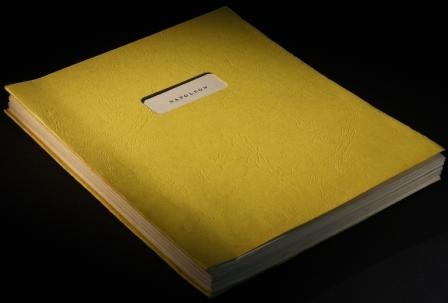
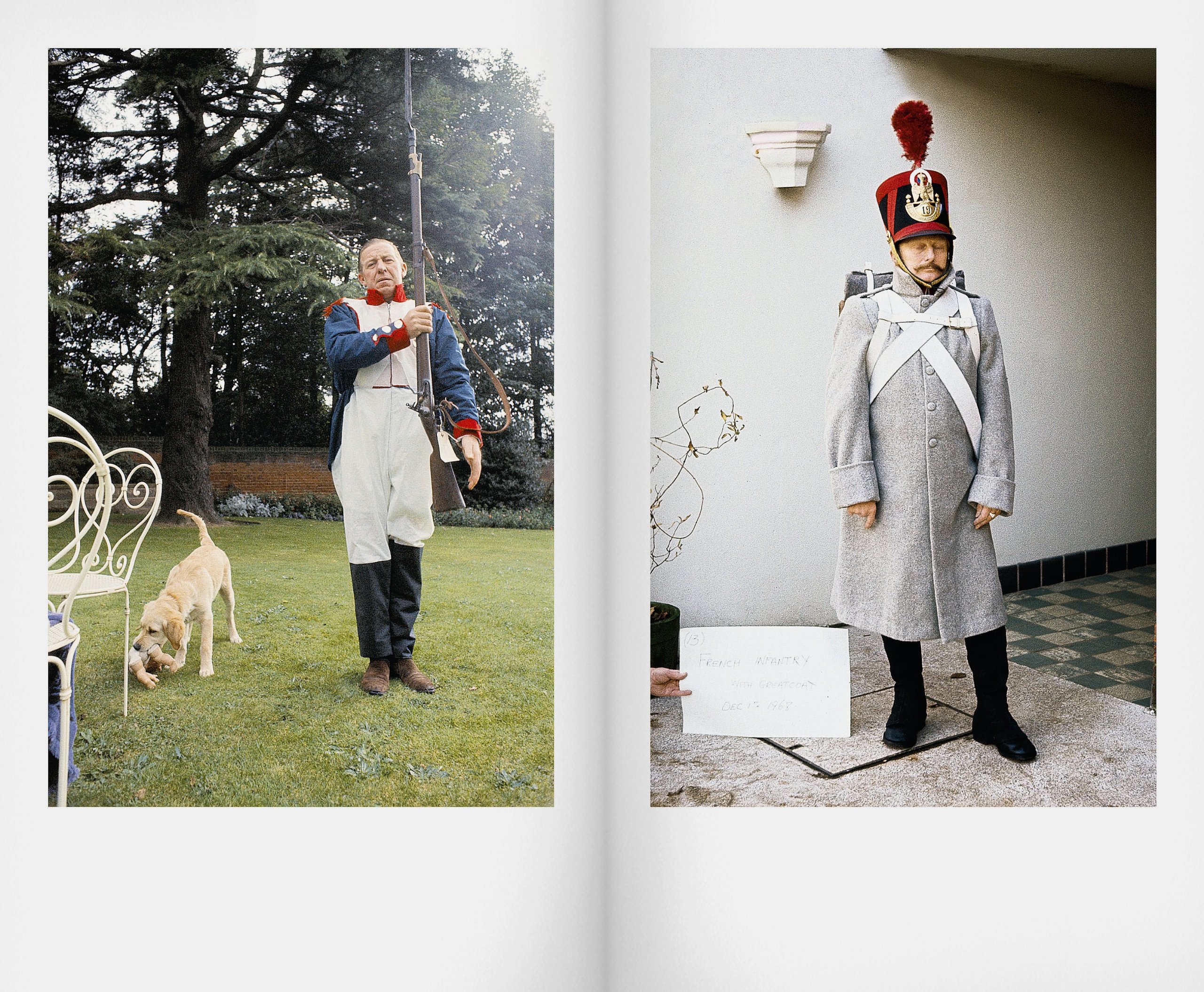
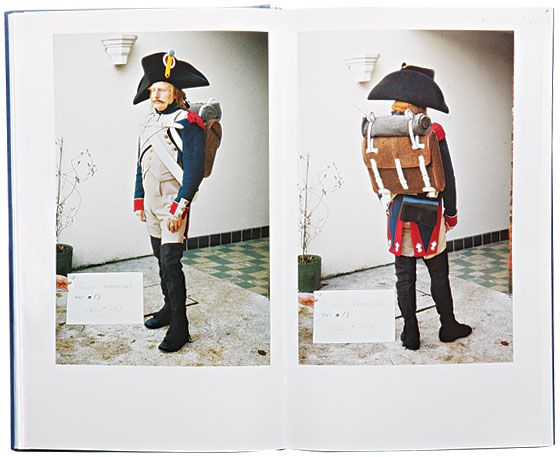
That obsession is laid out in staggering grandeur in Taschen’s new 23-pound tome Stanley Kubrick’s Napoleon: The Greatest Movie Never Made — a book as epic (indeed, it nearly is a coffee table) as Kubrick’s stillborn film, with a price ($700) to match. You have to see it to believe it, which is appropriate when you consider Kubrick’s obsession. “Stanley was besotted with this story,” says Jan Harlan, Kubrick’s brother-in-law and producer during the latter part of his career. “He was a political beast and fascinated with human folly and vanity. Napoleon was the perfect study object for that.”

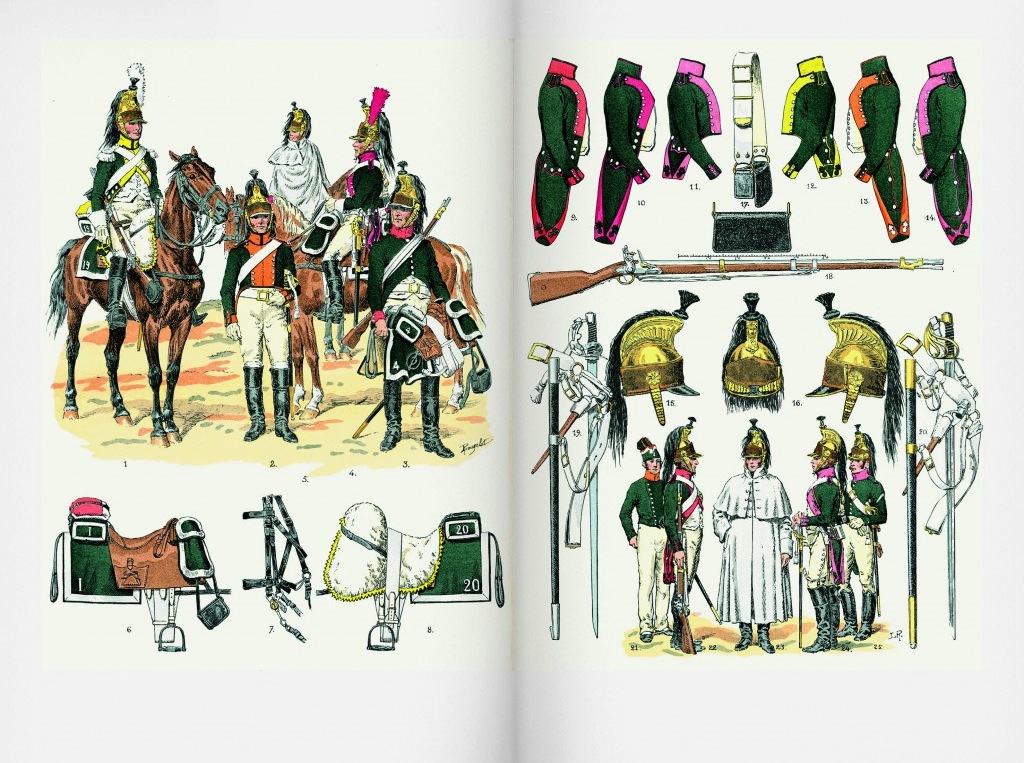
MGM had started preproduction on the film in 1967. At that time, Kubrick was the breakout genius behind Lolita and Dr. Strangelove, with 2001: A Space Odyssey just about to be released. The proposed budget? Reportedly, a cocky $5.2 million (equal to about $33 million today; in modern Hollywood, though, the film would undoubtedly cost well into nine figures). Kubrick had his eye on David Hemmings for Napoleon, with Peter O’Toole, Alec Guinness, Jean-Paul Belmondo, and Charlotte Rampling in supporting roles. But after sinking $420,000 into the project (costumes; location scouting in Italy, France, and Romania; arranging to borrow the Romanian army to stage battle scenes), MGM backed out in 1969, after financial issues and a change in leadership (some things never change). United Artists took it on for a bit, then bailed out. Dino De Laurentiis’s Waterloo stole some of Kubrick’s thunder, then bombed, and that was that.

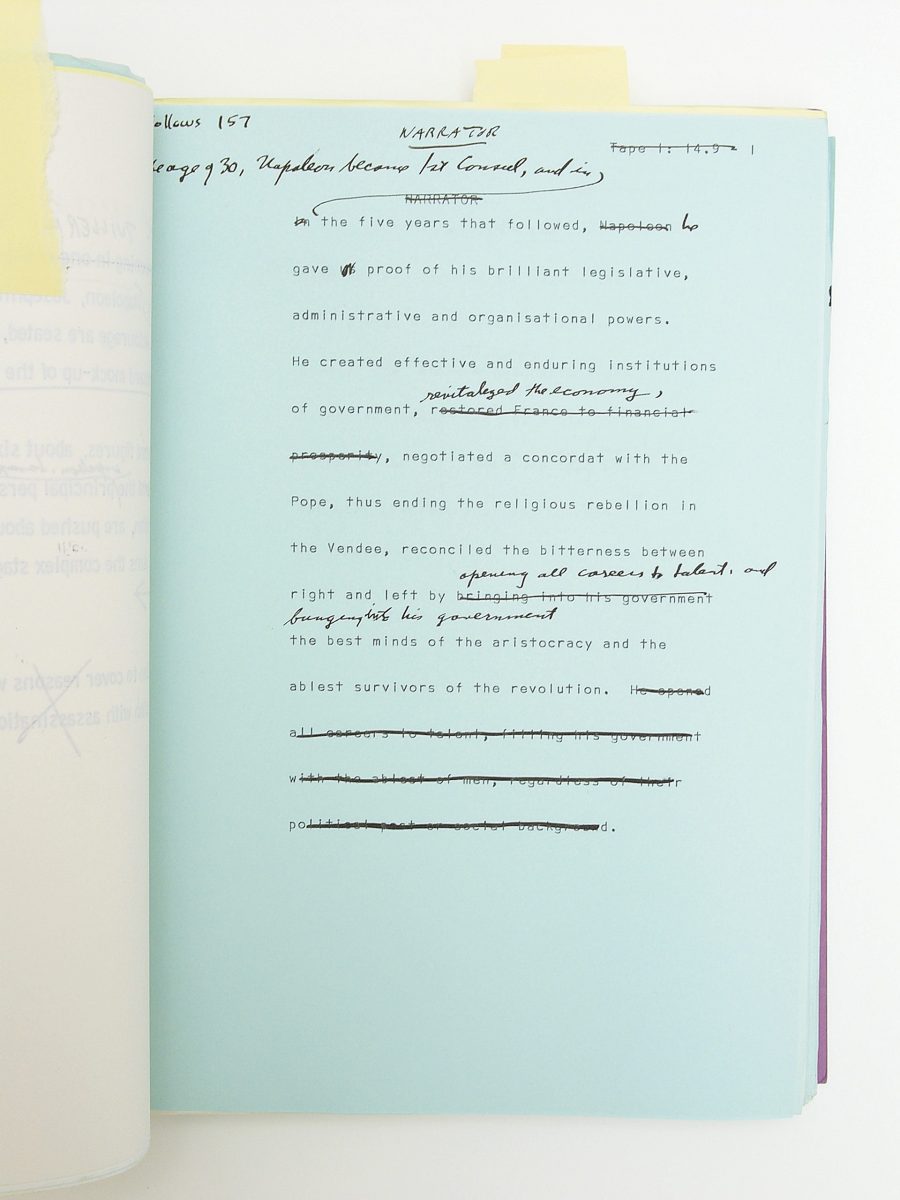
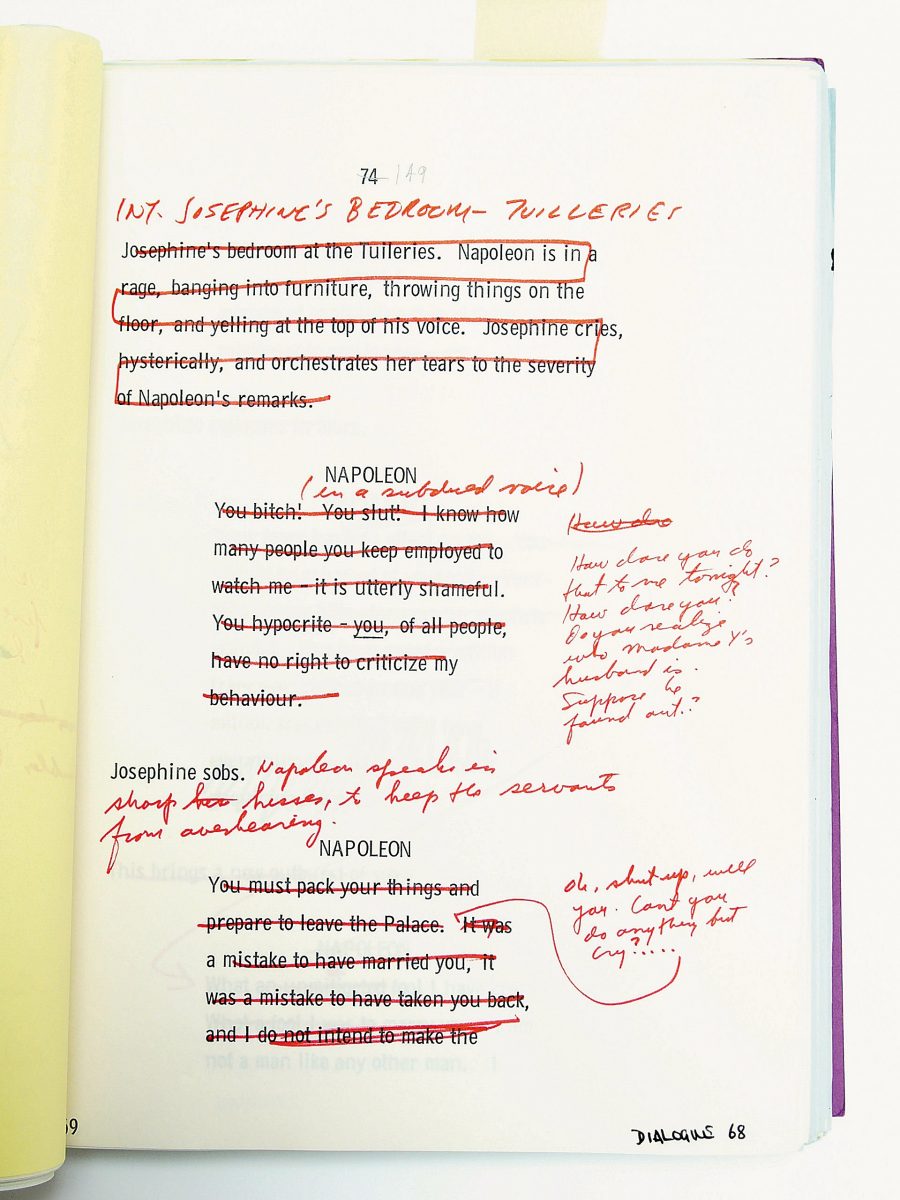
The book — edited by Taschen’s Alison Castle (who also put together 2005’s The Stanley Kubrick Archives) — offers a tantalizing glimpse into what might have been. The immense shell opens to reveal six smaller books, each with a different theme (costumes, locations, production) plus three small notebook-style volumes. There’s also a reproduction of Kubrick’s screenplay, the first he’s known to have written on his own. “It’s a very good script,” says Castle, “but also frustrating because he had to gloss over a lot of things. He put a huge amount of emphasis on the love story with Josephine.” Given how sexually charged their relationship is in Kubrick’s screenplay (Napoleon meets Josephine at — shades of Eyes Wide Shut — an orgy), it’s hard to picture Audrey Hepburn, the director’s choice to play her, in the role. (Hepburn turned him down.)

Harlan contends that the script was “a reader,” not a final draft, and that it would have been rewritten daily during rehearsals. “Stanley was not a great writer,” says Harlan. “He had no false pride in this area and hired writers to help him.” Perhaps, then, a central question would have been resolved. “Reading the screenplay, it is impossible to tell whether Kubrick likes Napoleon or loathes him,” says Jean Tulard, France’s leading Napoleonic historian, who contributed the essay “Napoleon in Film” to the collection. Several Kubrick biographers have written of how closely the New York–born director identified with his subject, including Full Metal Jacket co-screenwriter Michael Herr, who noted the defining traits they share: Both were largely self-educated outsiders who beat the system on their own terms, and both shared an aversion to so-called polite society. How tempting to imagine Kubrick’s empathizing with this passage from Napoleon’s memoirs: “It is very difficult because the ways of those with whom I live, and probably always shall, are as different from mine as moonlight from sunlight.”

(read the entirety)


____________


This article from eight years ago, Mar 12, 2000, describes the storage facility where a copy of a draft of Kubrick’s Napoleon script was found.
by Roxana Hegeman

The original film negative for The Wizard of Oz. A collection of New York newspapers dating to the assassination of President Lincoln. Secret U.S. government documents. Thousands of medical research biopsies encased in wax. All these — and so much more — are buried 645 feet beneath the Kansas prairie in a vast underground salt mine warehouse teeming with treasures and oddities from across the nation. “It’s a kind of Noah’s Ark — without the animals,” says Lee Spence, president of Underground Vaults & Storage, Inc.

The Hutchinson company has built a thriving business in the mined-out sections of the salt mine, where temperature and humidity stay at near ideal conditions for preserving paper and film brought here from around the world. The caverns, accessible only by a rumbling mine elevator, are safely beyond the reach of tornadoes, floods and earthquakes. These salt deposits — formed 230 million years ago as the inland sea that once covered Kansas evaporated — are now being wired with the latest technology to give companies around the world high-speed data access to records stashed within a prehistoric formation underneath Kansas wheat fields.

Wearing a hardhat and carting his requisite canister of oxygen, Spence steps onto the mine elevator — actually, more of a hoist with an aboveground operator to run it — for the minute-long ride. He flips off his flashlight for a few seconds, and blackness engulfs the lurching contraption. “See how black it can get,” he says. It is clear he enjoys showing off his realm to visitors. The flashlight back on, he aims the beam at a mass of wires running alongside the hoist. These link the world below to civilization above. This is how they run the lines down to link the computers, he explains. The elevator slows to a stop at the bottom, the equivalent of 60 stories below ground. The salt bed — discovered in 1889 while drilling for oil — is 100 miles long by 40 miles wide, and 325 feet thick. A miner greets him. “How’s the weather up there?” It is common question for those who spend their waking hours deep in the bowels of the earth. The temperature here stays at around 65 degrees Fahrenheit, and the humidity is between 40 and 45 percent year round.

For the next 30 minutes, it is the warehouse’s turn to use the elevator, and the mine’s conveyor belt and rock crushing equipment are mostly quiet now as he passes them. Spence quickly reaches a doorway below the sign for Underground Vaults and steps inside. The low salt ceiling and antique mining equipment greet visitors for a few feet, before opening up to 10-foot ceilings and a friendly receptionist answering the phones. For a moment, you could almost forget you were sandwiched inside a salt formation. The rough rock walls and ceilings are painted white to keep the salt dust down. The cement floors are level. There is a lunchroom with a refrigerator and microwave for workers. And bathrooms. The storage vaults use only a few of the caverns left behind from salt mining activities. The company has available 800 acres of mined-out space, but so far has used just 12 acres of it. Another 26 acres are under development now, Spence said.

(read the entirety)


____________


Creative Differences to resurrect Kubrick’s shelved Napoleon film
by Kevin Ritchie

Forty years after Stanley Kubrick abandoned his ambitious plan to make an historical epic about the life of Napoleon, U.S. production company Creative Differences has secured the rights from the late filmmaker’s estate and MGM to resurrect the project — in documentary form.

Produced in association with the Kubrick estate, Kubrick/Napoleon will examine why the legendary director of classic films like Lolita and A Clockwork Orange was compelled to spend three years exhaustively researching the French emperor’s life and will bring his annotated Napoleon script to life through CGI-commissioned storyboards.

An outline for the film promises “a multi-faceted look at the intertwined life of two tactical geniuses — Stanley Kubrick and Napoleon Bonaparte.”

The film will be executive produced by Jan Harlan, the producer of Kubrick films Barry Lyndon, The Shining, Full Metal Jacket and Eyes Wide Shut; written by Alison Castle, editor of the 2009 Taschen book Stanley Kubrick’s Napoleon: The Greatest Movie Never Made, and directed by Creative Differences president Erik Nelson.

“This is an epic story of one of the most important world historical figures as interpreted by not just one of the greatest filmmakers, but one of the greatest minds of the 20th century,” says Nelson. “So this is not just for Kubrick fans; it’s for anybody who has any kind of interest in history, human emotion and the creative process.”

The Los Angeles-and-Washington, DC-based production company is known for its historical documentaries as well as scores of cable series including Discovery Channel’s Time Warp. The company counts the forthcoming Discovery Channel mini-series Reign of the Dinosaurs and four Werner Herzog documentaries, including Cave of Forgotten Dreams and an untitled doc feature due this fall (which Nelson cryptically describes as “Werner Herzog’s exploration of the darkness at the edge of death row à la Bruce Springsteen”) among its credits.

Creative Differences is in the midst of pre-production on Kubrick/Napoleon and has already completed key interviews with the Kubrick family. The producers are looking for additional financing and are aiming for a 2012 release.

(read the entirety)


Stanley Kubrick’s Napoleon: The Greatest Movie Never Made


Film Histories Episode 25 – Kubrick’s Napoleon


Stanley Kubrick’s Napoleon – The Movie That Almost Was


Lost Kubrick – The unfinished films of Stanley Kubrick

—-

*

p.s. Hey. ** David Ehrenstein, Yeah, the fires. The house I grew up in in Arcadia is in a ‘prepare for evacuation’ zone. Yikes. ** Bill, Well, maybe you will. Me too. I saw a lot of pix of what SF looked like yesterday, and it was unbelievable. Was it really that Martian looking? Oh, thank you a lot for that link to the Szulkin movies. I didn’t know that. That site looks incredible! Will do (re: thoughts) once I’ve watched that sucker. Oh, and if you didn’t read Danielle’s comment,  she wrote (to you): ‘**Bill, if you want one, email her, she’d love to make up a fancy package for you!’ She’s Maryse’s twin sister. ** Danielle, Hello there, Danielle! I’m happy you returned! I’ve ridden millions and never had a neck problem. Sometimes on the really old or wooden ones you feel like you’ve been to a serial killer chiropractor afterwards, but that’s all. Wow, your husband sounds very cool, or at least a man with a brain after my own brain/heart. Well, come with Maryse when she heads over to Paris post-pandemic as promised, and we’ll go on a theme park road trip because there are sweet ones around Paris and my two favourite amusement parks in the world are only a 5 or so hour drive away. Oh, okay, I jumped the imaginative gun re: the cover. Wishful thinking. Ha ha, you’re very cool. I’ve just magically expunged all the coolness out of Paris if not France at large and am telepathing it to you as I type/you read. ** _Black_Acrylic, Hi, Ben. Excellent about your new story. And, sir, you are a most excellent and gifted creator of titles. ** brendan, Hi, B. You need to be hypnotised and take to Magic Mountain or even Knott’s Berry Farm. I must admit I do feel lucky not to be in LA right now basically 24/7, and it’s a sad feeling. Mega-survive, my pal. ** Corey Heiferman, Hi, Corey. Good to see you! Thank you. About my sentence. It was also very heartfelt. Yes, in all my theme park searching, I’ve never seen one in Israel, which seems utterly bizarre to me. Surely it’s a billion dollar idea just waiting for the right multi-billionaire mastermind. Man, I so hope everything turns out okay with your dad. That’s scary. Good pragmatism there on the job front, and no doubt a wise decision for multiple reasons. I think that podcast/blog idea is one of those billion dollar ideas I just mentioned albeit without the billion dollars problem. It does sound like you should seriously go for it. I look forward to Kaufman-ing with you once I know the drill in question. ** Jeff J, Hi. I’ve been on a handful of those coasters, most of which are superb. The only one that doesn’t live up to what its look promises is ‘Thunder Dolphin’. I … think the Kaufman will get a theater release here, but everything’s so weird now with COVID that I don’t know how all that works anymore. Normally it would/will. He’s very respected by the French, no surprise. Mystifying is the word. I like most of Gary’s novels quite a bit, maybe especially ‘Gone Tomorrow’. ‘Do Everything …’ is definitely one of the best. ** Joseph, Hi, Joseph! Good to see you, sir! Um, interesting, no, I don’t think ‘Murphy’ was on my mind when writing ‘The Marbled Swarm’, or not in my consciousness at least. I was trying not to think about other fiction. I was mostly thinking a lot about non-book things, like Alain Resnais’ film ‘Providence’. But that’s interesting. I’m doing pretty good, thanks. You? You sound pretty chipper. Well, ‘Parade’ being on that list was a no brainer, I have to say. Kudos and more kudos to you. ** Right. I thought I would restore this longish dead post made by someone named Web William. I can’t remember who that was. Web, if you’re out there somewhere, thank you again! I hope you all enjoy or re-enjoy the post. And I will see you tomorrow.

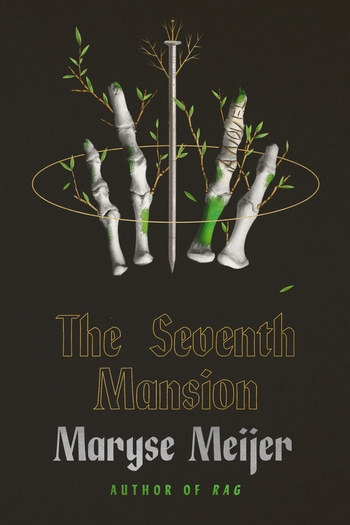
Please welcome to the world … Maryse Meijer The Seventh Mansion (FSG Originals)


How to Fuck Your Neighbor

‘Last year, Fred Rogers enjoyed a moment. The debut of the documentary Won’t You Be My Neighbor? was preceded by an unusually stirring trailer that went viral on YouTube, spawning dozens of “reaction” videos in which people — mostly men — watched and wept, while we watched and wept. The film has garnered rave reviews, and the publicity surrounding the 50th anniversary of Mister Rogers’ Neighborhood has led those of us who grew up with the Land of Make-Believe to indulge in some serious nostalgia. I myself saw the film twice, surrounded by hundreds of Rogers fans, singing and weeping together in a communal orgy of adoration, all the while wondering: What is this about? Why this man, and why now?

‘For me — and, I suspect, for many others — my crush on Rogers has something to do with seeing a man play, and make-believe, and talk openly about his feelings; it’s about what it means to see a man not acting like “a man” at all. And the excitement of that — political, ethical, and, yes, sexual. What would it be like, I wonder as I watch Rogers, to fuck a man who rejects masculinity? How does Rogers, embodying this alternative, make us think about sex, about who it is safe to do it with, and how, and why, and who we become when we fuck, and what hurts when we do, and what might feel good, and what never did, and why our sex is so often marked by violence, physical or mental or emotional. The Rogers phenomenon is about what masculinity might look like if one rejects its patriarchal construction; it’s about the fear of — and intense desire for — a radical alternative.

‘But before we think about what it means to be a man, let’s remember what it meant to be a young person. If you can remember being a child, you can remember, on some level, what it’s like to be a woman, if you aren’t one already. Children are children first and foremost; they aren’t girls first, or boys first, but not-adult — meaning: not yet fully human. The same is true for women under patriarchy; we are first seen, politically, as women, not as humans. “Men” and “man” are the generic, supposedly all-inclusive terms for the human race, our (now increasingly challenged) shorthand for person. Still, let’s think about who else is excluded from these universal terms: children. There are no children in Mankind or even Peopledom, only grown-ups. And you knew this when you were young; you felt, deep down, that you were excluded from the institutions of power that had absolute dominion — economically, politically, legally — over your body, your desires, your being. And you hated it.

‘Rogers remembered what it was like to be a child; he built a television empire out of this knowing. What he offered his viewers was a glimpse of a world in which they, as children, were first-class citizens of a neighborhood that sought to dignify childhood and its experiences by speaking not only to but with children. When Rogers called you “my neighbor,” and then called Mr. McFeely “our neighbor,” he did not make a distinction between you in terms of age. In fact, he made no distinction at all, except occasionally to say that you were on the other side of the TV screen and everyone else was not. But there was no power difference between you as a neighbor and all the other neighbors in the Rogers world. His guests were often young people, unaccompanied by their parents, given no lines to read, no set scenes to enact. And those young guests were treated in the same way Rogers treated his older ones: as interesting, capable, lovable folks. By refusing to act like a man — or, most of the time, like an adult — Rogers was speaking to the oft-unuttered desire of both men and women for an alternative to patriarchal masculinity. He embodied a radical way of being in relation to children — and, by extension, to women.

‘Andrea Dworkin, second-wave feminist anti-icon, writer, and literary critic, might be on the cusp of enjoying a moment of her own, having recently been the subject of a New York Times op-ed and a new edition of selected works, Last Days at Hot Slit. If Rogers performed a radical masculinity, Dworkin claimed a radical femininity, refusing to perform her gender in order to satisfy the patriarchal palate; she was loud, fat, indifferently dressed, un-made-up. She didn’t ask for permission to speak; she simply spoke, when and about what and to whom she wished. She demanded. She insisted. She refused to be “a woman” while insisting on framing her experience, sexual and otherwise, as being shaped most fundamentally by the female-ness of her body, by the hatred and violence directed at that body from deep within patriarchal culture. For Dworkin, women’s (and, ultimately, men’s) survival depended on the acknowledgment of this hatred and the consequent rejection of patriarchy.

‘There are no half-measures for Dworkin; either dismantle, entirely and completely, the conditions under which it is possible to imagine male supremacy, she urged, or die. And I think we may be in a sexual-political moment where more of us, men and women, are realizing that mere resistance to patriarchy isn’t enough. We’re hungry for a reassessment of figures like Rogers and Dworkin, who called out destructive constructions of gender by embodying an alternative. They asked, directly or indirectly, these questions: How were you hurt? How have you hurt yourself? How have you hurt others? Can you stop? Do you want to stop?

‘Rogers wanted children to feel that they were cherished, respected, precious to someone. He wanted you to feel that way. If only we could all remember this, as we type and read and “talk” through our screens — that there is always someone on the receiving end of our actions, and that that person wants to be seen, heard, respected, and cherished. Rogers made that clear to us every time he walked through his front door. He knew you were scared shitless on a fairly regular basis; he spoke directly to that fear, but also to the power he knew was inside you to confront that fear, to express it, to let it go. He knew you could grow with it inside you and still be okay. That you would be okay. That anger and rage and sadness and failure and desire are, as he put it, “mentionable and manageable.”

‘To all of us who feel trapped inside ways of being and thinking that degrade and constrain us, I would love to say: you will be okay. But I don’t know that you will be, that we will be. But I do believe that, as Dworkin and Rogers showed us, simply mentioning our pain is a first step toward liberation. Saying aloud that you are afraid. That you will never have good sex. That you will never be a real man. That you will never be a real woman. That you don’t know what you are or how to be or where you belong. That you are bad. That you are, and always will be, alone … ‘ — Maryse Meijer

(continued)


___
Further

Maryse Meijer Site
“MOST OF MY WORK UNSETTLES ME”
Maryse Meijer’s Rag by Daniel Felsenthal
Maryse Meijer Thinks You Should Track Down These Books by Women
INTERVIEW: MARYSE MEIJER
Maryse Meijer Just Keeps Creeping Us Out
CONVERSATIONS WITH CONTRIBUTORS: MARYSE MEIJER
Fiction Book Review: The Seventh Mansion by Maryse Meijer @ PW
DISTURBING POETRY
A Smile So Wide It Swallows
‘Fugue’, by Maryse Meijer
On Rag by Maryse Meijer
Rag, by Maryse Meijer @ The Believer
‘Evidence’, by Maryse Meijer
Maryse Meijer Sketches the Figure of Cruelty
‘ALICE’, BY MARYSE MEIJER
Fractured Fairy Tale
REFUSING TO FLINCH
Maryse Meijer on the Frivolity and Necessity of Clothing and Books
Buy ‘The Seventh Mansion’


___
Extras


Book Chat: “Northwood” by Maryse Meijer


This record will be a song by song response to a book of short stories written by Maryse Meijer called HEARTBREAKER


Maryse Meijer – short stories and article


____
Twinterview
from Electric Eel


When giving interviews leading up to publication of Heartbreaker, my debut collection of stories, I found myself answering the same handful of questions over and over again, leaving a trail of cookie-cutter sound bites to clutter up the interwebs. At a certain point, you might as well get a robot to do the job for you. So for this piece I decided to ask my twin sister, Danielle Meijer—an adjunct professor in the philosophy department at DePaul University, social justice advocate, dancer, and muse—the questions most writers dread. The result? A fascinating conversation full of inside jokes and egregious mutual admiration. Welcome to The Twinterview.

Maryse: When did you first realize I was a writer?

Danielle: I always knew you were going to be a writer, but I knew you were going to be a good writer around middle school, maybe? I remember how every time I read something of yours I had this excited feeling like, wow, this was written by my twin. I know there were things before that, in grade school, but I can’t recall specific stories.

M: I think up until the sixth grade it I was just doing stuff about cats and Star Trek characters. Then something happened—maybe reading Anne Rice and Kathe Koja—and things got a little more interesting.

D: There was a vampire story you wrote that was such a weird twist on the traditional concept, that demonstrated this insightful approach to themes of desire and loss and memory, something your average young person would not be writing or thinking about—or your average anybody, for that matter. It was just like, where the hell is this coming from? And your power of description was present at the start, too. I think that has always been the most striking aspect of your writing for me. I still don’t even know how you come up with those images—do you walk around and visually interpret the world that way or does it just happen when you sit down and write and you’re trying to think of how to describe something?

M: You mean how do I come up with metaphors and similies? That’s such a non-writer question to ask.

D: I’m not a writer!

M: It’s more the latter—when I’m working I’m trying, you know, to describe things. It’s not like there’s a rainstorm and suddenly I turn into Nabokov and think “oh, now the rain is crepitating on the leaves . . . ”

D: I have tried to write and have tried to describe a scene, and I literally cannot do it. It is a mysterious kind of skill. I get chills reading your work. We share almost 100% of our genes and so I should know more about how you are so good at writing and where it’s coming from, but I don’t.

M: Except you kind of do, because you are my muse, my editor—you’re the co-creator. You know exactly how it works!

D: I don’t actually think I am a muse. I don’t even think I contribute that much to your writing.

M: That’s so dumb, though. Because while I’m the one who might be doing the actual writing, you’re the one who is—and has always been—entering into the fantasy world with me, coming up with great storylines, characters, ideas…not to mention all the editing you do on every draft of everything I write.

D: We should probably discuss our paracosm here because I think that’s where the muse thing is coming from—two of the stories in the book are based on or inspired by our paracosm (which is a fancy term for fantasy world—The Brontes had one, for example). We’ve had paracosms off and on our whole lives, and what makes it special is that we’re in them together.

M: It’s a collaboration. And it plays out more in real time.

D: It feels more worthwhile and interesting than just sitting around day-dreaming. You never know what element the other person is going to introduce, or how they’ll use what you’ve created and turn it around. It’s like actual work of some kind is being done.

M: It’s totally work! We’ve probably created hundreds of storylines and thousands of characters over time. And I have to say that while I love writing, working a paracosm is even more involving, because I feel that I am the people we are creating. When I sit down to write—even if I’m playing off of characters or an idea we’ve developed together—it’s much more distant. As a writer, I’m an observer. Which is a role I relish. But I’m never in my characters’ heads, though I try to get close. The distance is always there. Maybe I became a writer because I wanted to legitimize, somehow, my obsession with fantasy and escapism. There’s nothing very glamorous about telling someone you really enjoy spending hours pretending to be other people with your twin sister. And no one will pay you to do it . . .

D: It’s funny how the adult world is intolerant of fantasy that isn’t commodified—you can’t have an intense fantasy world as an adult without being perceived as immature at best, or crazy, at worst. But if you create a video game, novel, poem, film, or you’re an actor—that is, if you are able to share your fantasies with the public and get paid for it—then that’s not only acceptable, that’s something to be respected and admired. And of course people love engaging in the fantasy worlds other people have created through video games, plays, movies, books etc.

M: This whole paracosm thing has taught me how to see as writer—gestures, expressions, a whole visual language. It’s even taught me, in many ways, how to feel. It’s like I’ve lived all these different lives, and there’s also the fact that I’ve had the great pleasure of seeing you create all these incredible people and dialogues and situations that I’ve learned so much from. I can’t get there through writing (or reading, for that matter) alone. I need to have you to play off of, I need to be challenged by you, to be inspired. So, I still hold that you are the muse. Accept it!

D: Well, fine, you’re welcome. I do think I’m a good cheerleader—maybe I push you to focus on certain themes, to develop or deepen your focus on something. Say you write about some girl flipping out, and I encourage you to write about more women flipping out, because the way you write about these women flipping out is working, and so when other people tell you to stop writing about women flipping out you don’t listen, because my voice telling you MORE FLIPPING OUT is way louder than the voices telling you to quit. And I think I generally steer you in the right directions (pats self on back).

M: That’s definitely true. Especially in terms of edits—if you tell me to cut something, I sure as hell better cut it, because if I keep it in I’m only making more work for my editor, who then has to tell me what you’ve already said. I always resist a little at first, because, like most writers, I’m sentimental about what I do, but I’ve never known you to be wrong.

Now that the stories are being pushed from our nest and out into the world, what do the initial responses/reviews get right? What do they get wrong?

D: I think people might overhype the “badass-girl” thing, maybe because they’re responding to the feminism that is very present in the book, and they (rightly) want to comment on it. There’s this tendency to want every girl to be a hero in order to counterbalance all the tragic stereotypes about women that surround us . . . but I don’t see any of your characters, male or female, as being role-models. Most of them are losers.

(continued)


__
Book

Maryse Meijer The Seventh Mansion
FSG Originals

‘When fifteen-year-old Xie moves from California to a rural Southern town to live with his father he makes just two friends, Jo and Leni, both budding environmental and animal activists. One night, the three friends decide to free captive mink from a local farm. But when Xie is the only one caught his small world gets smaller: Kicked out of high school, he becomes increasingly connected with nature, spending his time in the birch woods behind his house, attending extremist activist meetings, and serving as a custodian for what others ignore, abuse, and discard.

‘Exploring the woods alone one night, Xie discovers the relic of a Catholic saint—the martyred Pancratius—in a nearby church. Regal and dressed in ornate armor, the skeleton captivates him. After weeks of visits, Xie steals the skeleton, hides it in his attic bedroom, and develops a complex and passionate relationship with the bones and spirit of the saint, whom he calls P. As Xie’s relationship deepens with P., so too does his relationship with the woods—private property that will soon be overrun with loggers. As Xie enacts a plan to save his beloved woods, he must also find a way to balance his conflicting—and increasingly extreme—ideals of purity, sacrifice, and responsibility in order to live in this world.

‘Maryse Meijer’s The Seventh Mansion is a deeply moving and profoundly original debut novel—both an urgent literary call to arms and an unforgettable coming-of-age story about finding love and selfhood in the face of mass extinction and environmental destruction.’ — FSG Originals

Excerpt

Back to school. Glossy red brick, high ceilings. Fresh beige paint on the doors. Someone flicking a cigarette in Xie’s path as he comes up the steps, hood up. The cigarette hits his knee. Little spray of ash. Fucking psycho. He doesn’t look to see who said it. Picks up the butt, puts it in the trash. Locks his bike to the rack, the small of his back damp with sweat, too warm for the hoodie but he wears it anyway, every day, the same with his sneakers, no longer white at the toes, canvas showing holes at the sides. Too late to meet with FKK, the girls already in class so he checks his schedule, slides into the back of homeroom. Even the teacher’s eyes on him. Ratty pants and black hair and bright white patch on his bag that says Take Nothing, Leave Everything. Smell of linoleum, Lysol, chalk. Mountains beyond the windows. The teacher hands out some papers; he doesn’t look at them. Knee jumping beneath his desk. Shuffle to another class. Pants falling off hips. Didn’t you get enough to eat where you’re from. Something wet shoved down the back of his hoodie. Laughter. He goes to the bathroom, shakes raw hamburger from his clothes. Squiggles of meat on the floor. Tiny spot of blood. He scrubs himself with a damp paper towel, picks up the meat, folds it into the trash. Back in class, English, Mr. Matthews again. Xie opens his notebook. Last year he handed in an essay written in pencil: Meat is Murder. Matthews was furious. Why haven’t you formatted this per my directions? Long silence. Xie fingering the strap on his bag. Computers are toxic and they waste electricity. Was this acceptable at your school in California? No. Then why would you think it’s acceptable here? Xie didn’t answer. Well. No college anywhere is going to accept essays written in pencil. Handing the paper back. I’ll give you until tomorrow to turn it in according to the format specified in the syllabus. Next time it will be an automatic F. Xie got the F, then another, then another, until his father convinced the school to let Xie turn in handwritten homework, citing some doctor’s note from years before that said computer screens made Xie’s dyslexia worse. It didn’t matter. He cut as much class as he could get away with, reading in the bathroom, sleeping in the grass beneath the bleachers. Doing just enough work to keep from getting expelled but this is new, the cigarette butt, the meat; at worst last year he had been ignored, little cocoon of silence, fuck with no one and no one will fuck with you; but they all know, now, about the summer, about the farm, about Moore. He can still feel the hamburger on his skin, flesh against flesh; he shifts, folding his arm around his notebook, smudged skull beneath his thumb. Crown of leaves. Drop of water against the bone. At lunch he checks his bike: both tires slashed straight through to the rims. Wincing as he rubs his thumb over the torn rubber. Leni jogging up to him. Hey, we missed you this morning, where were you? Late, he says, and she sees the bike, flinches. Holy shit, she says, pink hair cut jagged to her chin, pale lips stretched across her slight overbite as she frowns, looking over his shoulder to see who’s watching. Nobody. Do you want to go to the principal? He waves his hand. Nah, it’s okay. They make their way to the parking lot. Jo already on the wall, hair shaved at the sides, plaid pants ripped at the thigh, sucking water from a Nalgene bottle as she checks her phone. Hey whores, she says. Leni hoists herself up on the wall, skinny ass next to Jo’s heavy one. Someone messed with Xie’s bike, Leni says. Jo grunts, unsurprised. I told you, you should’ve let me drive you. Xie shrugs, leaning against the wall. Eats trail mix from the pocket of his hoodie. They threw meat at me. Jo chokes out a laugh. They what? Hamburger, he says. Like, a pound of it. Raw. Faint unhappy smile. Disgusting motherfuckers, Jo mutters, shaking her head. A swig of water. Was it organic, at least? Leni elbows her. It’s not funny. Opening a pack of chips, frowning as she chews. I think we should tell someone. Jo snorts. Like anyone gives two shits about his bike. What are they going to do, call the police? We could, Leni insists. Jo rolls her eyes. Xie chews a handful of nuts. Wind blowing his hair into his face. Last year, on his first day, he’d stood in this same place, eating cold oatmeal from a thermos, when they’d walked up to him, Jo’s hand out: We’re FKK. They never explained the origin or meaning of that name; he thought it might be some dyslexic abbreviation of fuck. We saw you reading Frances Lappé, Leni had said. Are you vegan? He’d just nodded, speechless, as they took their places beside him, the same places they occupy now. The mountains gray beyond the lot. Jo rips a peanut butter sandwich into pieces. Gonna rain, she says, eye on the horizon. First fat drop plump on the hood of a white SUV. The bell rings. They slide off the wall. Tuck their trash in the bin. Xie goes up the steps. James Moore’s eyes on his back. Big banner on the brick: Welcome Back.

* * *

They had parked Jo’s car in the lot of an abandoned Waffle House and walked on foot, 1:00 a.m., to the Moore farm. Head to toe in black. Heavy gloves. Knit masks tight and hot on their heads. At the base of the mountains hardly any houses. No light on at the Moores’; easy to slip to the back, skinning beneath the windows. Do they have guns? Leni whispered. Of course they have guns, Jo scoffed, they all have fucking guns. Leni rolling in her lips, half a step back. Looking over her shoulder. Jo stopped at the gate, bolt cutters poised. Look, do you want to do this or what? It was Leni who’d sat in class with James Moore while his uncle gave a presentation about genetics and mink farming, highlighting their own fur production at a facility only fifteen miles from the school; Leni who’d cried while describing the picture of Ryan Moore and his nephew beside a pile of fresh silver pelts; Leni who said they should do something about it. But it was Jo who had thought of this—no petitions, no letters, no protest. Direct action. Do you? Jo asked again. No, I do, Leni said, wiping her mouth on her sleeve. I’m fine. Sorry. Jo glancing at Xie; he looked back, adjusting his gloves, pure acid in his gut. They cut through the chain. Slither of metal against metal. Behind the gate a huge concrete lot covered in straw and shit. God, Leni breathed. Whisper of fur in the dark. Slow steps closer. The mink curled in mesh-wire cells no more than ten inches wide, stacked on row after row of wooden platforms stretching a hundred feet or more to the back of the farm. They’d seen the aerial maps, had known what to expect, but it stopped them anyway, for a moment, to see in the flesh just how many animals there were. Jo put her hand against the front of a cage; the mink shifted inside, hissing. Smooth shine of eyes. Hi, babies, Jo whispered. We’re not here to hurt you. Slow hard press against the metal clips at the top of the box and the door sprang open, nearly hitting her chin. Come on, she said, reaching for the mink, go! The mink hurtled up the arm of her glove before leaping to the ground, scattering straw, claws against concrete. Xie and Leni running, each to the head of a row, snapping back the clips. Even through the gloves you could feel how soft those bodies were. Silver ghosts swarming beneath the gate. Xie’s hands so fast on the clips, trying to balance speed against silence. Sneakers slipping on straw, on shit, breath wet in the mask. He couldn’t see the girls but he heard them, felt them, moving in the same rhythm, the three of them a single machine. In the last row a mother and her babies, five or six, teeth bared; they would not leave their cage and Xie shook it, hard, trying to rattle them free, stifling a shout as one leapt at his face, the cage rocked free of its stand. He fumbled to right it but it fell, too loud. Fuck. Jo pointing to her watch, eight minutes up, Leni already sprinting to the road and Jo following but at the gate Xie stopped, turning to make sure they’d emptied every row, flashlight jumping in the dark. Faint scent of fur and the most. Beautiful sight. Pockets of night in the open mouths of the cages. The barn a black shadow against the mountains. Breeze stirring the straw. The almost alien sensation of joy: We did it. And then he was down, cheek straight to the concrete, Moore’s hard breath in his ear. Don’t move, motherfucker. Spit of blood catching in the black hairs of Xie’s mask, rattle of air and groan. Pain somewhere in the distance, waiting for him to feel it, but he felt nothing. Run, he thought, closing his eyes. Run. Run.


*

p.s. Hey. Today the blog is very pleased to help mark the occasion of the birth of the brilliant wordsmith Maryse Meijer’s new novel. Maybe you’ve read her work? Her story collection ‘Rag’ is a super big recent favorite book of mine. She’s a fantastic writer, and I greatly recommend that you investigate the evidence of her new novel and get your hands on it. Thanks! ** _Black_Acrylic, Hi, B. Ooh, look at you in Rome, so suave, man. And, yes. weirdly I had no idea yesterday was Argento’s birthday when I chose that day to relaunch Frank’s post. So that’s a curiosity right there. ** David Ehrenstein, I imagine Frank saw your thankful comment, and thank you from me. I hadn’t put two and two together about the ‘Inferno’ Leigh McCloskey being ‘Alexander’. Huh. ** Tosh Berman, Hi, T. I was sweating profusely and in existential pain about LA’s heat even way over here. I read that same issue of Mojo on my train ride back and forth to Rennes. I hear it has cooled down just a little there, and may that persist. ** Misanthrope, Hi. Yeah, you know me, nostalgia is one of my big enemies. Oh, right, sorry to have brow beat your poor mom about the traveling distance. I forgot. Utterly understandable. I need a haircut badly, come to think of it. ** Bill, Howdy. The one screening of the Cronenberg at the film festival was sold out, yeah. I guess it will get a theater run here too, though? I guess LA’s skies mercifully dipped into the temperature realm that you guys in SF are currently suffering from. What a world. ** Jeff J, Hi, Jeff. The play is a huge mess at the moment. I think I figured out why, and I just spent a couple of hours on the phone with Gisele giving her my advice about how to try to salvage the piece, and she seemed to agree. The piece had become a kind of empty style/atmosphere exercise, which is always a stage Gisele’s work passes through at some point because she concentrates on that and forgets about the content/text, but I think the balance can be righted. It’s not an unfamiliar problem/stage in her works’ development. At the moment, I think the TV series is a deader than dead duck, but we will know for sure on Monday, so the feature film is the plan now. My revision greatly simplifies and reduces the script to a point where it would be hugely less costly to make. Zac and I are hoping to get the script — which is sort of more of a cross between a treatment and a proper script — to her by this weekend, and then we’ll see what she thinks. I feel strangely very positive about it. Not sure about whether it will work as a fiction piece. Maybe. I’m concentrated on the script revision aspect, so I’ll have to go back and think about its possibilities as a stand alone text later. Yes, I’m going to get/hear the new Julien Calendar today. Excited, Everyone, Mr. Jeff Jackson: ‘Speaking of Dario Argento, Julian Calendar — [Jeff’s band] — released a new EP with a song inspired by his movie ‘Deep Red.’ There’s also tunes loosely inflected by disco, trip hop, and no wave. You can check it out here.’ Do that if you know what’s good for you. I think I only know the earlier Joan Jonas work, and I do like it, yes. But I haven’t looked back into that work for a while. Maybe I’ll start with the doc. Thanks, Jeff. ** JM, Hey, bud. I avoided the Guadagnino remake like the veritable plague. Nothing I heard about it did anything but dissuade me. ‘Circles’ is real! Everyone, the mighty Josiah Morgan’s new book ‘Circles’, as recently previewed here in the  SELFFUCK Day, is now available for your purchasing pleasure. Grab it here. Seriously. It is undoubtedly immensely grabbable. Congrats, sir! ** Steve Erickson, Frank’s Argento post originally appeared on February 17, 2011. Thanks for the Goblin hand-off. Everyone, Mr. Erickson discovered a video of Goblin performing the title theme to DEEP RED on Italian TV, and he is thoughtfully passing it along. ** Okay. Please glory in the textual pleasures of Maryse Meijer’s new novel until further notice. See you tomorrow.

« Older posts Newer posts »

© 2026 DC's

Theme by Anders Norén — Up ↑