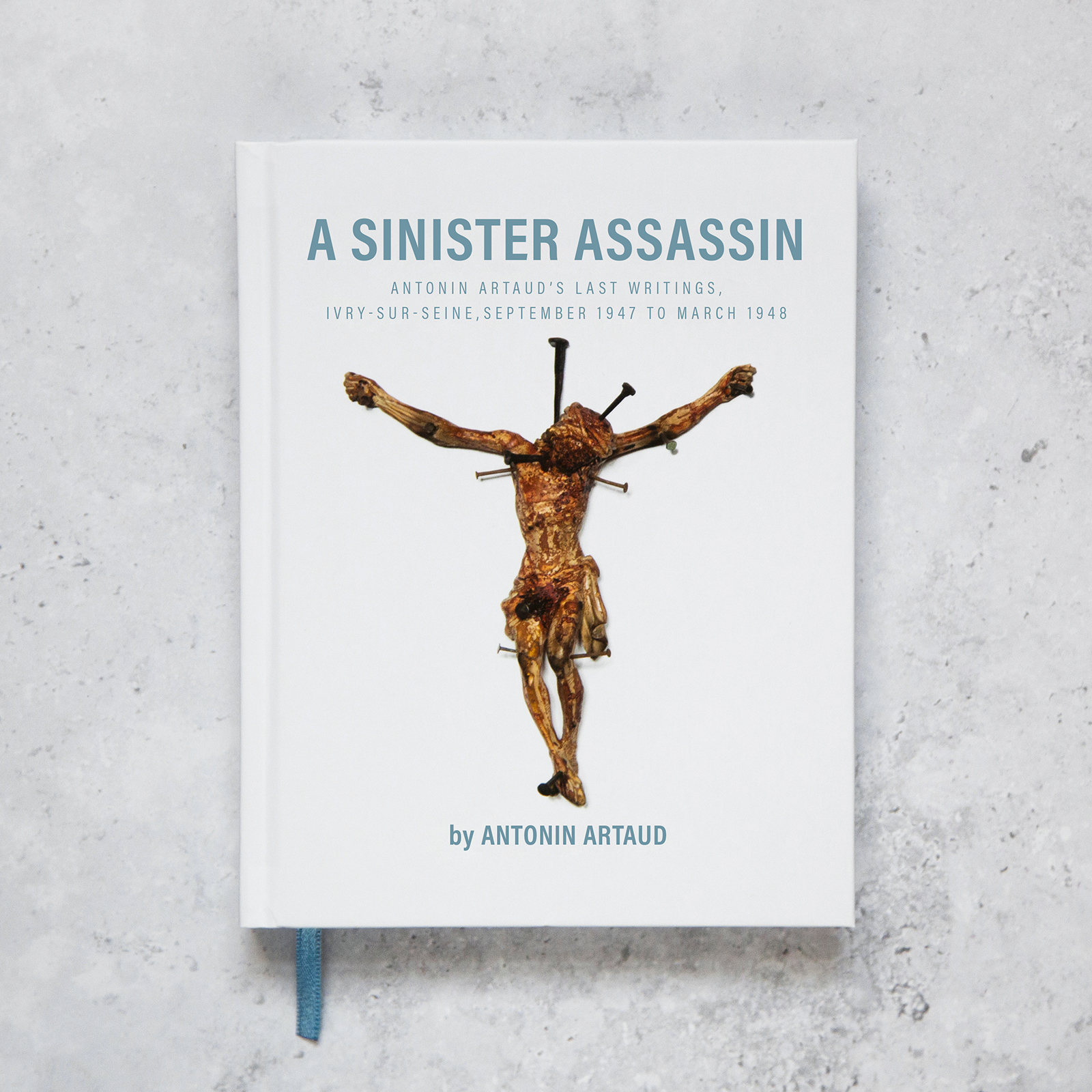
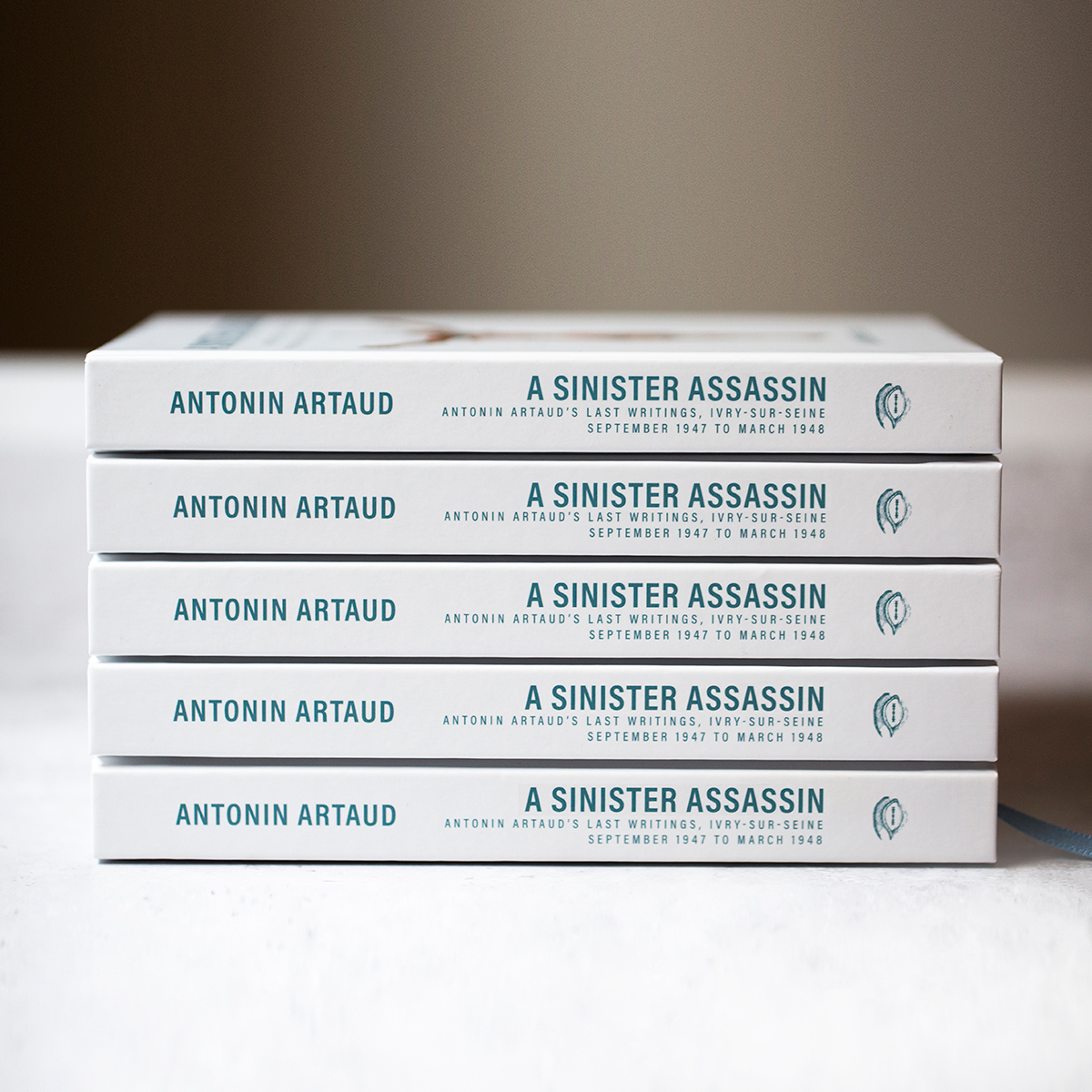
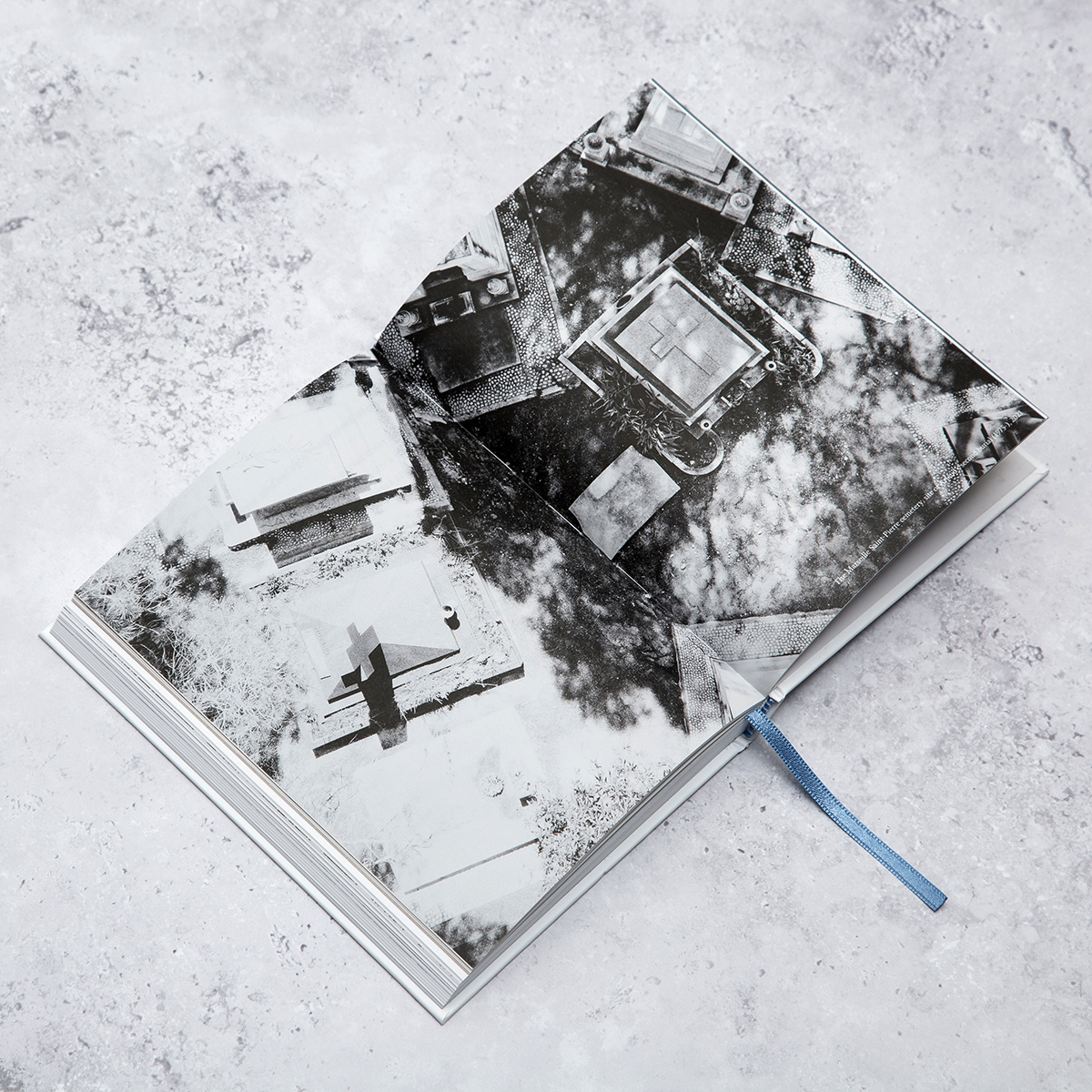
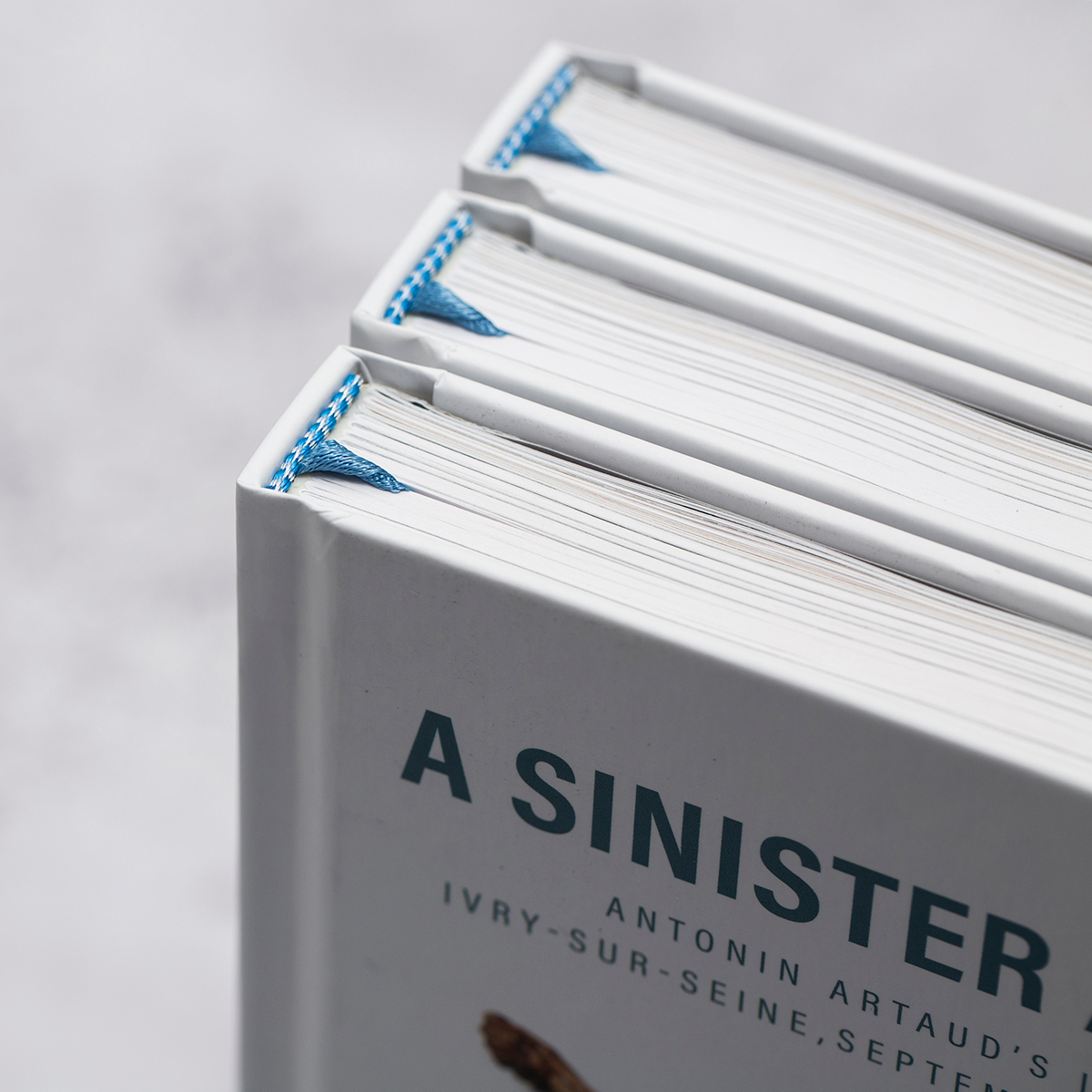
A Sinister Assassin presents new translations of Antonin Artaud’s largely unknown final work of 1947-48, revealing new insights into his preoccupation with the human anatomy, sexuality, societal power, creativity and ill-will.
—-That last work – mostly undertaken at a pavilion in the grounds of a convalescence clinic in Ivry-sur-Seine, on the south-eastern edge of Paris – is the most extraordinary element of Artaud’s entire prolific body of work. It is the element now most enduringly inspirational, for artists, filmmakers, musicians, writers, choreographers, and others inspired by Artaud, through its fiercely exploratory and combative forms.
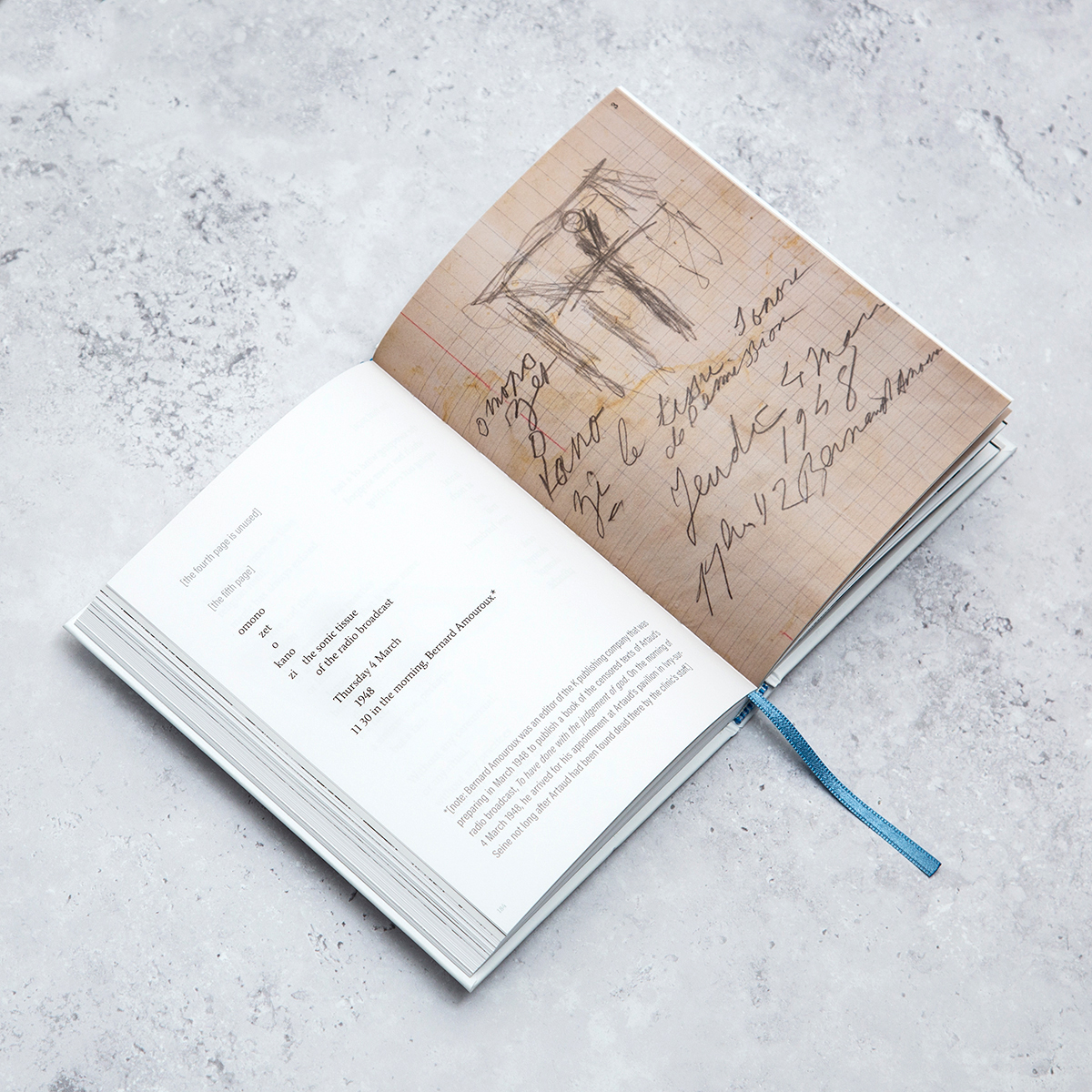
—-Drawing from extensive archival consultations of Artaud’s manuscripts, and from many original interviews with his friends, collaborators and doctors of the 1940s, this book brings together translations of the many manifestations of Artaud’s final writings: the contents of his last, death-interrupted notebook; his letters; his two final key texts; his glossolalia; the magazine issue which collected his last fragments; and the two interviews he gave to national newspaper journalists in the final days of his life, in which he denounces his work’s recent censorship.
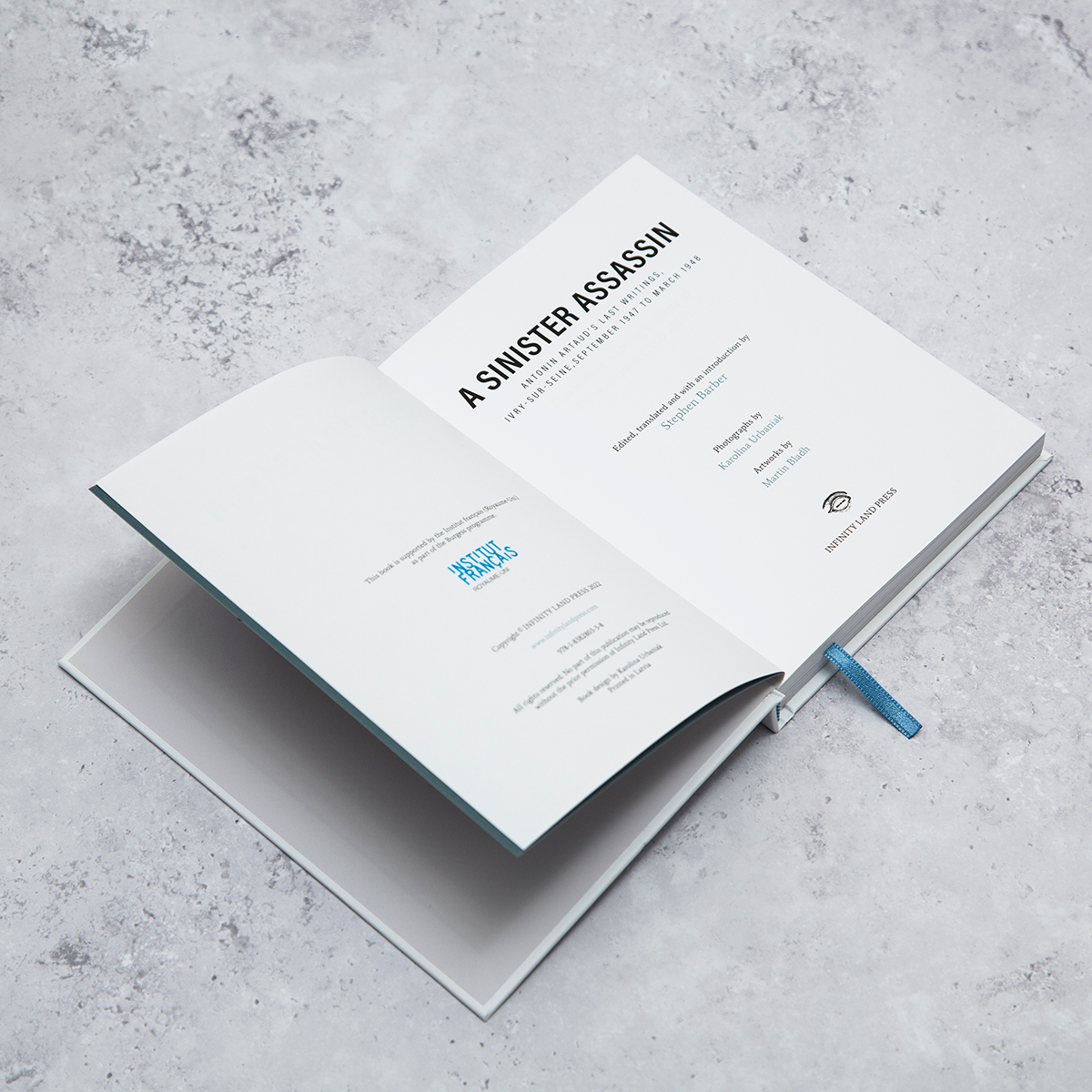
—-Edited, translated and with an Introduction by Stephen Barber, A Sinister Assassin illuminates Artaud’s last, most intensive work, for the first time.
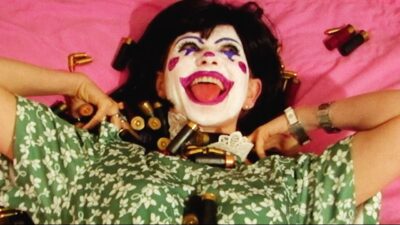
Illustrated by Karolina Urbaniak and Martin Bladh
Supported by

Hardbound, 224 pages, 190 x 148mm
Available from:
https://www.infinitylandpress.com/a-sinister-assassin
Introduction by Stephen Barber (extracts)
Antonin Artaud’s very last work, prior to his death in March 1948, is the most extraordinary element of his entire body of work – and is the element now most enduringly inspirational, for contemporary artists, filmmakers, musicians, writers, choreographers, and others inspired by Artaud – through its fiercely exploratory, extreme and combative forms, along with its dissolutions and negations of forms, focused above all on the human anatomy, as well as on sonic experimentation and on provocations for innovation in dance and performance. This book assembles Artaud’s crucial work from September 1947 to March 1948, when that work was concentrated spatially into its location at his pavilion in the grounds of a convalescence clinic in Ivry-sur-Seine, on the southern edge of Paris – and especially on the insurgent, fragmentary work of the final weeks of his life.
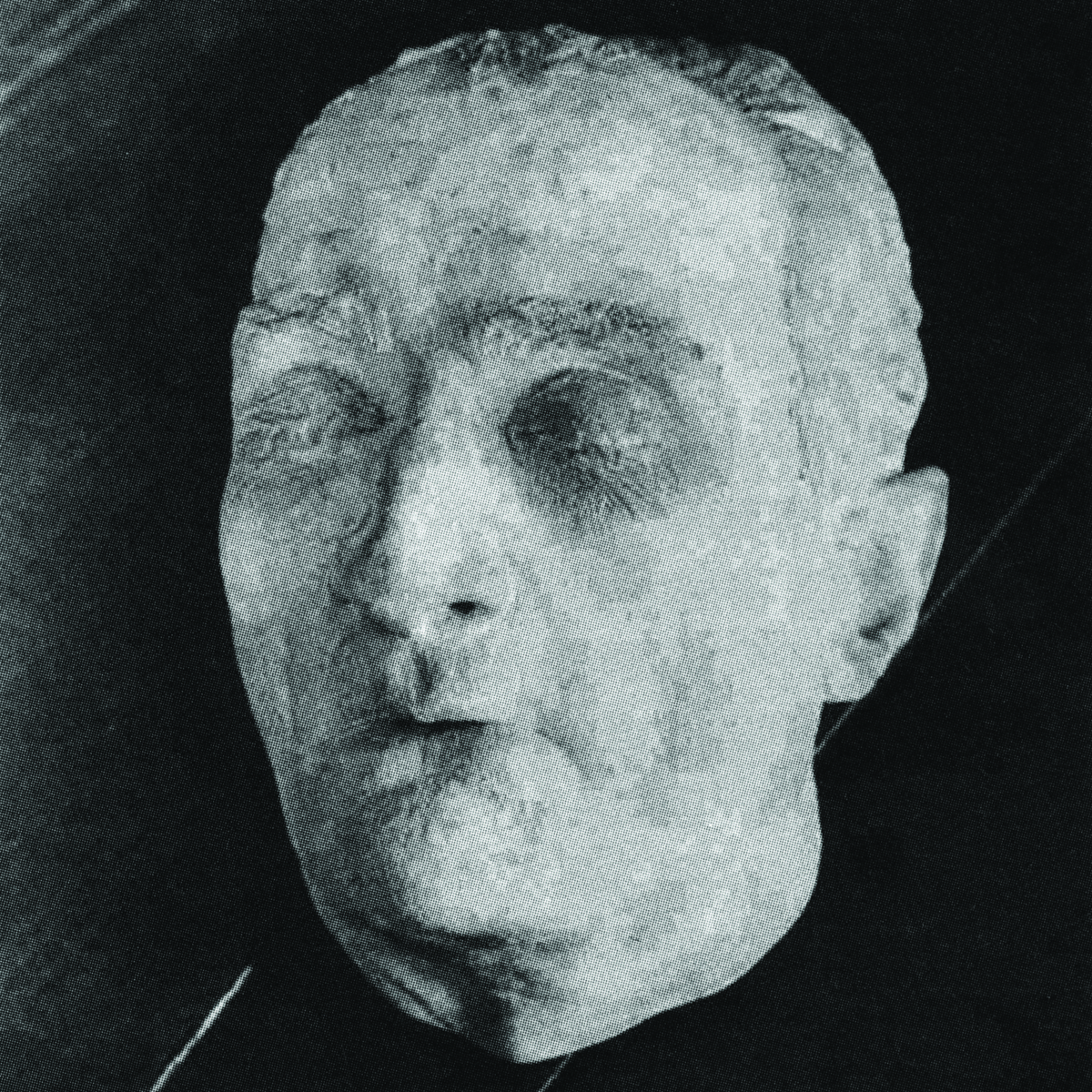
—-The now-vanished two-room eighteenth-century pavilion, where Artaud spent the final part of his life, was located within the clinic’s extensive and heavily-wooded parkland. At the same time, it held an urban location, positioned directly against a high street-wall at the southern edge of the clinic’s grounds, directly across the rue de la Mairie (now the avenue Georges Grosnat) from Ivry-sur-Seine’s town-hall, as is evident from a series of photographs of the pavilion taken by Artaud’s close collaborator Paule Thévenin and her brother Georges Pastier, in which the pavilion appears an abandoned, lost-in-time edifice, its exterior walls decayed and decrepit. Of the pavilion’s two rooms, only one was used by Artaud; as documented in photographs by Denise Colomb, it held a wooden bed pushed close to the large ornate fireplace, an armchair, and a side-table piled with notebooks, manuscripts and empty bottles, directly alongside two blocks of wood which Artaud hammered and hacked while writing and reading-aloud his work. The main room’s walls held Artaud’s own drawings, either pinned into them, or else enclosed in glass frames propped against the base of the walls.
…
In the last months of his life, Artaud appeared ancient, toothless and emaciated, though he was only 51 years old and his new friends, such as Paule Thévenin, perceived him as a still-young man, enduringly holding the residues of the startling facial beauty he had as a film actor twenty years earlier; he worked incessantly, and was able to out-distance anyone with his fast walking pace. Artaud appears to have been ill at the end of his life, either with intestinal or rectal cancer. He unequivocally told the Combat journalist Jean Marabini, in their interview a week before his death: ‘I know I have cancer’. The specialist Professor Mondor told Artaud at their consultation at Paris’s Salpêtrière hospital on 6 February 1948 that he had severe intestinal infections and needed rest; Mondor may have wanted to avoid giving Artaud a diagnosis of late-stage cancer. By contrast, Gaston Ferdière, Artaud’s doctor at the Rodez asylum, told me – perhaps implausibly – that he believed Artaud had no cancer at all (since he would have been able to identify it himself at Rodez in 1946), and that, in examining Artaud, Mondor must have mistaken compacted intestinal residues of long-term drug abuse for cancerous formations. In any case, no specific programme of treatment was proposed for Artaud, even if he had allowed it. His letters of his last weeks indicate that he was experiencing blackouts and haemorrhages at his pavilion. In a letter from Ivry-sur-Seine to another of his publishers, Marc Barbezat, on 16 February 1948, he writes that he has ‘just had 3 attacks here and I was found bathing in my blood,/a great pool of blood…’ Artaud appears to have died from an overdose of chloral hydrate; it’s uncertain if the dose he drank was intentional, and it probably was not. A lethal dose of chloral hydrate is variable and unpredictable; Artaud never regulated his intake, often taking very large nocturnal doses, as he confided to Prevel, and he could very easily have died on numerous previous occasions. Artaud’s approach to drugs was always to have the absolute maximum amount available to him at all times; often, in his notebooks, he demands the immediate delivery to him of drugs in quantities of many ‘tons’, and he continued in February 1948 to travel to Montmartre to acquire drugs from illicit dealers even after Mondor had given him a prescription authorising him to have an unlimited ‘official’ supply of opium.
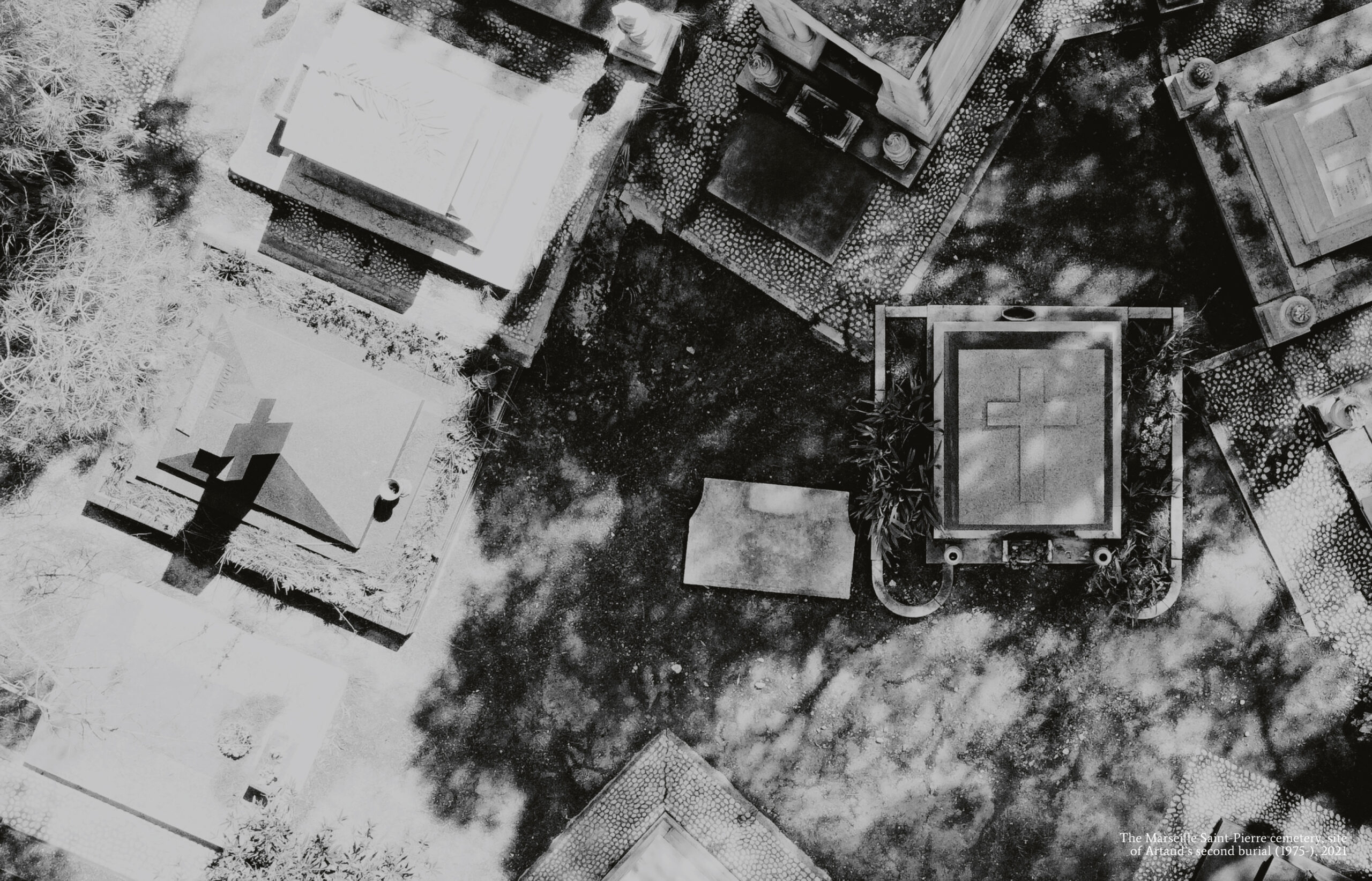
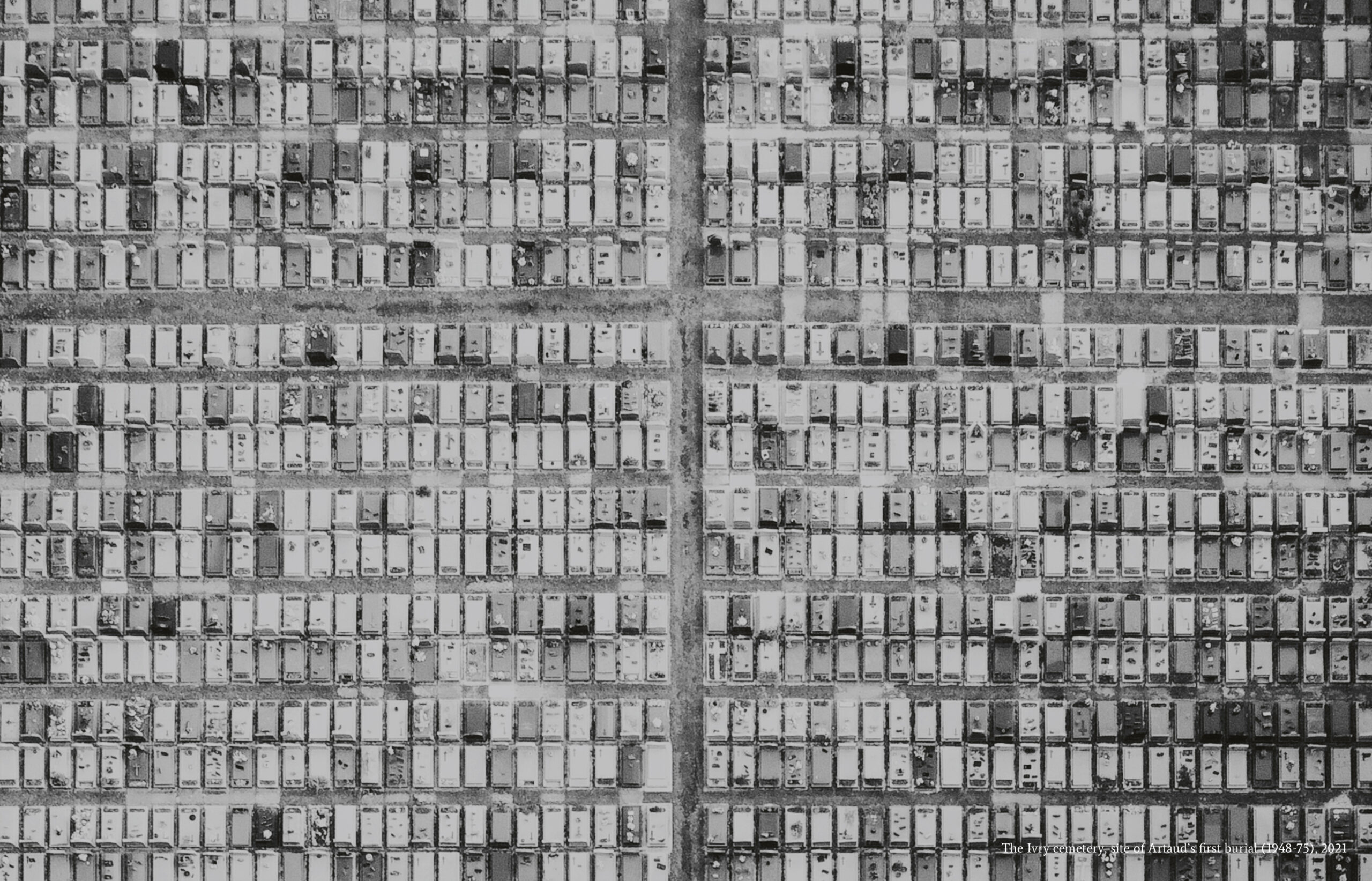
—-It was unusually cold in the Paris region around the end of February 1948, with snowstorms. On Artaud’s last night, 3-4 March, Ivry-sur-Seine was still frozen, with snow on the ground. Artaud appears to have died suddenly while getting dressed in the middle of the night, and was found in the morning with a shoe in his hand, stretched-out on the floor of the pavilion’s main room. He was initially buried in the local municipal cemetery of Ivry-sur-Seine, a short distance from his pavilion, wearing an old blue overcoat donated by a friend and with a bunch of violets placed between his fingers, but was disinterred in 1975, his bones mechanically crushed into fragments by a funeral company so that they could be transported in a small box, and moved from Ivry-sur-Seine to the Artaud family grave in Marseille’s St Pierre cemetery; in 2021, he remains there.
Final Fragments (extracts)
All of us are enveloped by a secondary humanity
a humanity that is malevolent and sinister
which draws its roots from within the bodies of everyday human beings
who at certain moments
realise they have become vampires
and brutally start to act as vampires.
Those people are among the ones who didn’t kill the beast in themselves as it was being born
they’re the ones who refused to detach themselves from the beast
because they were too attached to it.
That beast is a bottomless eroticism,
arising from the grim day of an eroticism of the world’s abysses
that you can discover, just by shutting your eyes.
It’s there that you can see the hideous world of lubricity convulsing
without any hole, without any distinction
all of it striated by lubricity.
it’s there that you can see emerge the obscene proposal
for a world without evaluation, nor morality
and that would be entirely occupied by evil.
It’s there, that the beasts
– who are wedded to the entire spectrum
of an over-colourised, sinister passion –
are endlessly born,
each of them out of the other,
through gaps in the air,
through drifting emptinesses in space,
it’s there, that sex unleashes its own laws
and liberates itself from the law,
you are not going to be able to see all this
unless you yourself exude and sweat-out a vile liquified atmosphere,
unless you weep from your anus and from your eyes,
unless you snort out an unidentifiable snot
which exudes from your nose as it does from your eyelids
which hurls out screams that are suffocated and beaten back as though being buried under the earth
screams from a swelling-up eczema suddenly dislocated from its state of ease.
November 1947.
…
The body is the body
it’s alone
and has no need of organs,
the body never is an organism
organisms are the enemies of the body
whatever things are created then go on all alone without the intervention of any organ
every organ is a parasite,
it covers up a parasitic mission
intended to enable the birth of a being which should never have existed there
Organs have only ever been made in order to give beings something to eat, while beings have been condemned in their very conception and have no reason to exist in the first place
Reality itself has not yet come into existence because the true organs of the human body have still not yet been created nor positioned into place.
The theatre of cruelty was created in order to complete that putting into place and to accomplish – through a new dance of the human body – a crushing of this world of microbes which is nothing but a coagulated abyss.
The theatre of cruelty is intended to make eyelids dance in intimacy with elbows, with kneecaps, with femurs, and with toes and you are now going to see all that
November 1947
…
I do not accept
I am never going to forgive anyone
that I’ve been whored alive
throughout all of my existence
and that
happened solely because of the fact
that it’s me
who was god
really, verifiably, god
me, a man
and not that so-called spirit
who was never more than the projection into the clouds
of the body of a man other than me
and he
proclaimed himself the
—Creator of the World
And the hideous story of that Creator of the World
you know it
It’s the story of that body
who pursued (he didn’t follow behind) my own body
and who, in order to appear foremost and to be born
projected himself through my own body
and
—was able to be born
through the eventration of my own body
from which he kept a fragment upon him
in order
—to be able to pass himself off
as me
Him
—a malevolent body
which all spatial dimensions wanted nothing of
me
—a body in the act of creating itself
and consequently not yet having reached the state of completion
but which was evolving
towards integral purity
and not towards integral impiety
as with that impiety of the so-called Creator of the World
who knew himself to be inadmissible
but wanting anyway, at any cost, to be able to live
could find nothing better
—in order to take on being
than to live at the cost of
—my assassination
In spite of everything, my body remade itself
against,
and by passing through, a thousand assaults of evil
—and of hatred
which, each time, deteriorated my body
and left me for dead
The Theatre of Cruelty (extract)
The human body was forced to eat,
forced to drink,
only in order to avoid
making it dance.
It was forced to fuck the occult
only in order to make it exempt itself
from pressurising
and from tormenting occult life.
Because there’s nothing
so much as that so-called occult life
that is in need of being tormented.
It’s there that God, and his being,
thought that they could flee from the demented man,
there, in the domain of occult life that is more and more absent
that’s where God wanted to make human beings believe
that everything can be perceived, and seized, through the mind,
when all that there is, that is existent and real,
is the physical exterior life
and everything that flees from that life or diverts itself away from it
cannot be other than the limbo of the world of demons.
And God wanted to make human beings believe in the reality of that world of demons.
But, the world of demons is absent.
It is not going to coincide with what can be proven.
The best means to cure yourself of it
and to destroy it
is to accomplish reality’s construction.
Because reality is not accomplished,
it’s still not been constructed.
The return of an eternal health
in the world of eternal life
depends upon that act of accomplishment.
The theatre of cruelty
is not the symbol of an absent void,
of some kind of horrendous incapacity of human beings to accomplish their lives for themselves,
It’s instead the affirmation
of a terrible
necessity that is, moreover, inescapable.
Upon the never-visited mountain slopes
of the Caucasus,
of the Carpathians,
of the Himalayas,
of the Apennines,
there take place every day,
night and day,
– and already for years and years –
horrendous corporeal rituals
where the blackened life
life that is forever beyond any control, and blackened
devotes itself to horrendous, repulsive feasting.
There, limbs and organs
– those reputed to be in some way abject
because they’re perpetually being expelled,
and forced away
beyond the capacities of external lyrical life –
are put to use in all the delirium of an unconstrained eroticism,
and in the middle of an outpouring
– more and more compelling
and virginal –
of a liquor
whose nature it’s never been possible to classify,
because, more and more, it is beyond the created, beyond the self.
(I’m not speaking especially about the sexual organ, or the anus
– which, moreover, are going to have to be hacked off and liquidated –
but also the tops of the thighs,
of the haunches,
of the loin-meat,
of the stomach, total and sex-less
and of the navel)
At this instant, all of that is sexual and obscene
because that’s never been able to be worked-at, nurtured, to render it beyond the obscene
and the bodies that are dancing there
cannot be separated from the obscene,
they’ve systematically wedded themselves to obscene life
but it’s now imperative to destroy
that dance of the obscene bodies
in order to replace them with the dance
of our own bodies.
For years now
I’ve been driven frantic
and been malevolently frozen
by the dance of a horrendous world of microbes
– exclusively sexualised microbes –
among which I’ve been able to recognise,
in those particular spaces’ life of forced coercion,
men, women
and children of modern existence.
I have been endlessly tormented by being eaten-up with intolerable eczemas
through which all of the abscess-bloated states of the erotic life of the coffin
accorded themselves a total freedom of action.
Artaud’s Last Letters (extract)
To Paule Thévenin,
24 February 1948
Tuesday 24 February 1948.
Paule, I’m very sad and disheartened,
my body is hurting me, everywhere,
but above all I have the impression that people were disappointed
by my radio broadcast.
Wherever the machine is
there’s always the abyss and the void,
there exists a technical interference which deforms and annihilates whatever you have created.
The poor opinions of M. and of A. are unjustified but they must have had their point of departure in that transition’s weakening of my work,
that’s why I’m never again going to get involved with Radio,
and from now onwards will devote myself
exclusively
to theatre
that is, in the way I conceive it,
a theatre of blood,
a theatre at which, at every performance,
corporeally
something is gained
not just for the performer but also for whoever comes to see the performance,
moreover,
you are not performing,
it’s an action.
In reality the theatre is the genesis of creation.
That is going to happen.
I had a vision this afternoon – I saw all those who are going to follow me and who still do not totally have their bodies because pigs like those at the restaurant last night are eating too much. There are those who eat too much and there are others who, like me, cannot eat any longer without spitting.
Yours,
——————-Antonin Artaud.
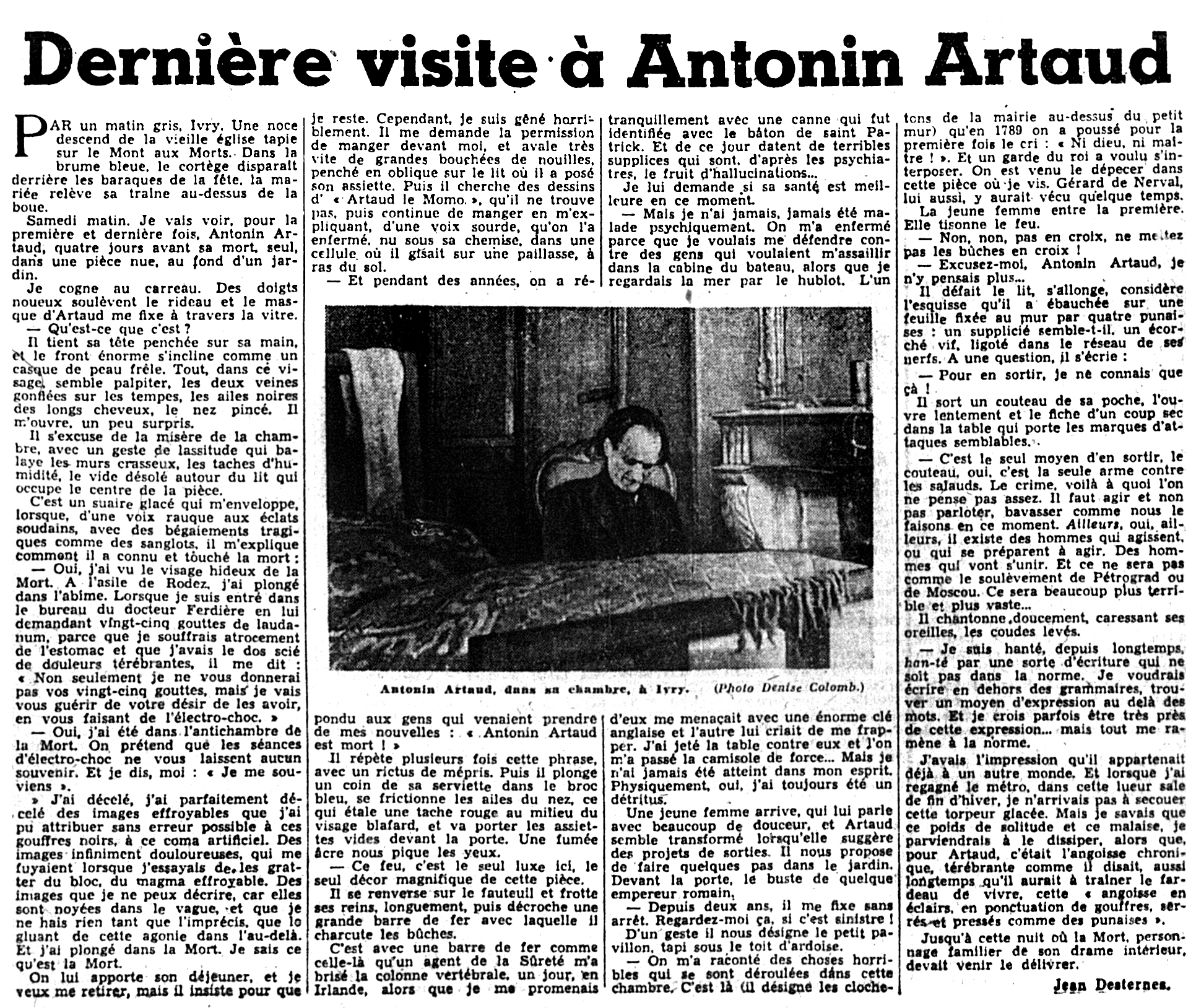
Last visit to Antonin Artaud (extract)
interview by Jean Desternes, published in
Le Figaro Littéraire, 13 March 1948.
On a grey morning: Ivry. A wedding party is coming down from the old church stuck up on the ‘Monument to the Dead’ hillside. In a blue mist, the procession disappears behind the huts of the fairground, the bride lifting her dress’s train above the mud.
It’s Saturday morning. For the first and last time, I am going to meet Antonin Artaud, four days before his death, alone, in a bare room, deep within a garden.
I hammer at the window. Knotted fingers pull up the blind and the mask of Artaud stares at me through the glass.
– What is it!
He’s holding his head inclined on his hand, and the enormous forehead tilts forward like a helmet made of frail skin. Everything, in that face, appears to throb, the two swollen veins on the temples, the black wings of long hair, the pinched nose. He opens the door to me, a little taken aback.
He apologises for the squalid state of his room, with a gesture of weariness which sweeps across the dirt-encrusted walls, the stains of damp, the desolate void surrounding the bed which takes central place in the room.
An icy sweat drenches me when – in a ragged voice of sudden bursts, with tragic stammerings like sobs – he explains to me how he has known and touched death:
– Yes, I’ve seen the hideous face of Death. When I was at the asylum of Rodez, I fell into the abyss. When I entered the office of Dr Ferdière and asked him for twenty-five drops of laudanum – because I was suffering atrociously with my stomach, and piercing pains were sawing away at my back – he replied to me: ‘Not only I am not going to give you your twenty-five drops, but now I’m also going to cure you of your desire to have them, by subjecting you to electroshocks.’*
– Yes, I was in Death’s waiting-room. It’s claimed by some that you remember nothing of electroshocks. But not me: I say: ‘I remember’.
– I was aware – I was perfectly aware – of horrendous visions that I was able to attribute without any possible error to those black and bottomless pits, to that artificial coma. Visions that were infinitely painful, and which fled from me whenever I tried to scrape them away intact from that terrifying magma. Visions that I cannot describe now, because they have become submerged into the uncertain, and there is nothing I detest so much as imprecision, as the glueing of that agony into the beyond. And I plunged into Death. I know what Death is.
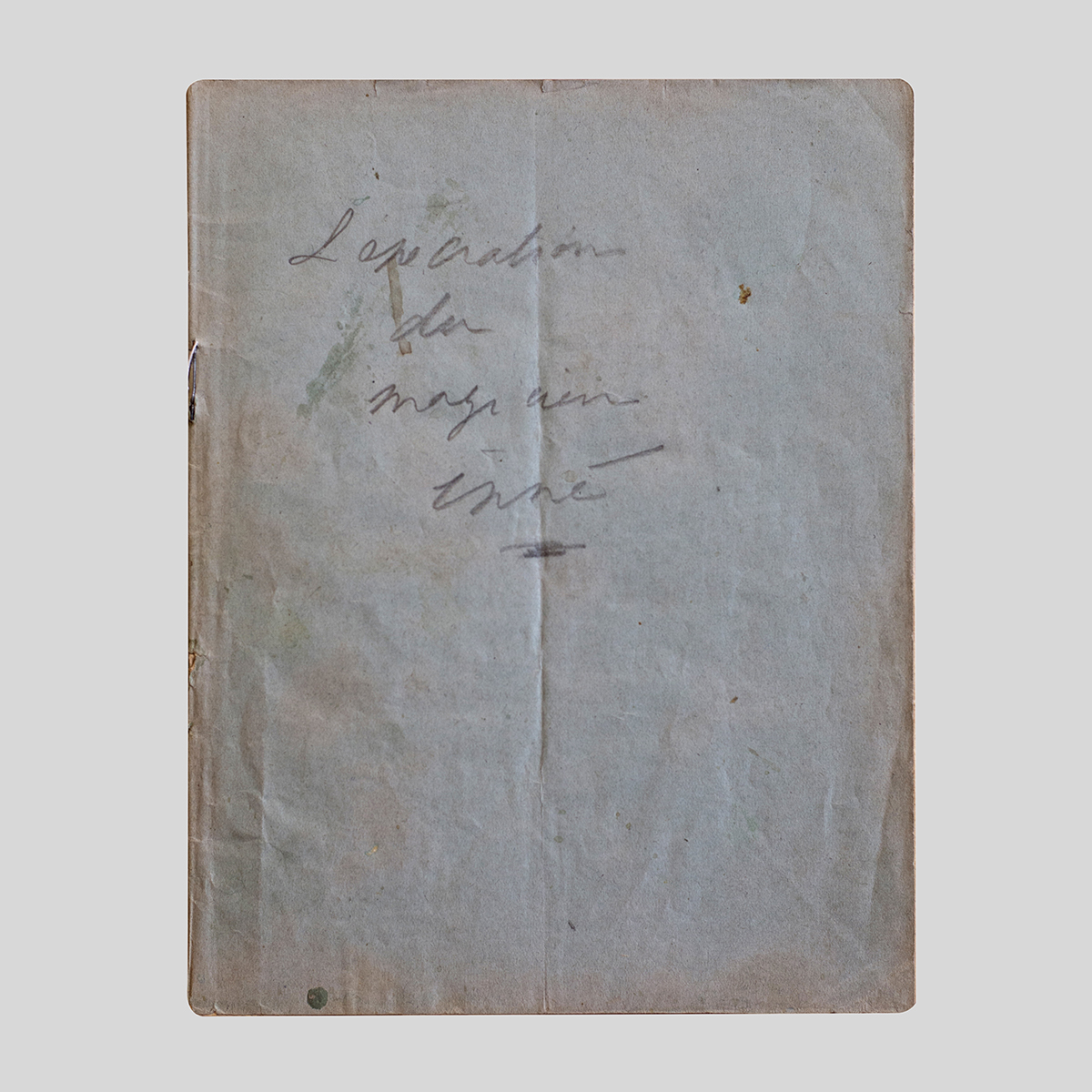
Artaud’s Last Notebook (extracts)
two fingers up against the forehead
—(the forefinger and the middle finger)
two fingers against the
—chest
the middle finger and the forefinger
comprise the action able to push away
—the evil of those
—low-down agitators
and I’m going to be remembering that
as for the sign that I’m
going to accomplish in order to recog
nise myself for myself,
that’s never had anything to do with anyone
except myself
because beyond the rare individuals that I’ve
chosen – because I myself
made them – I am the universal enemy
of all men
having, moreover, spiked all of them down.
…
god is going to be
—blown into oblivion
—by
an act of disintegration
—exerted in
—collaboration
—with
—my right
—ear
—and
—all that it holds
—by way of
—putrefaction
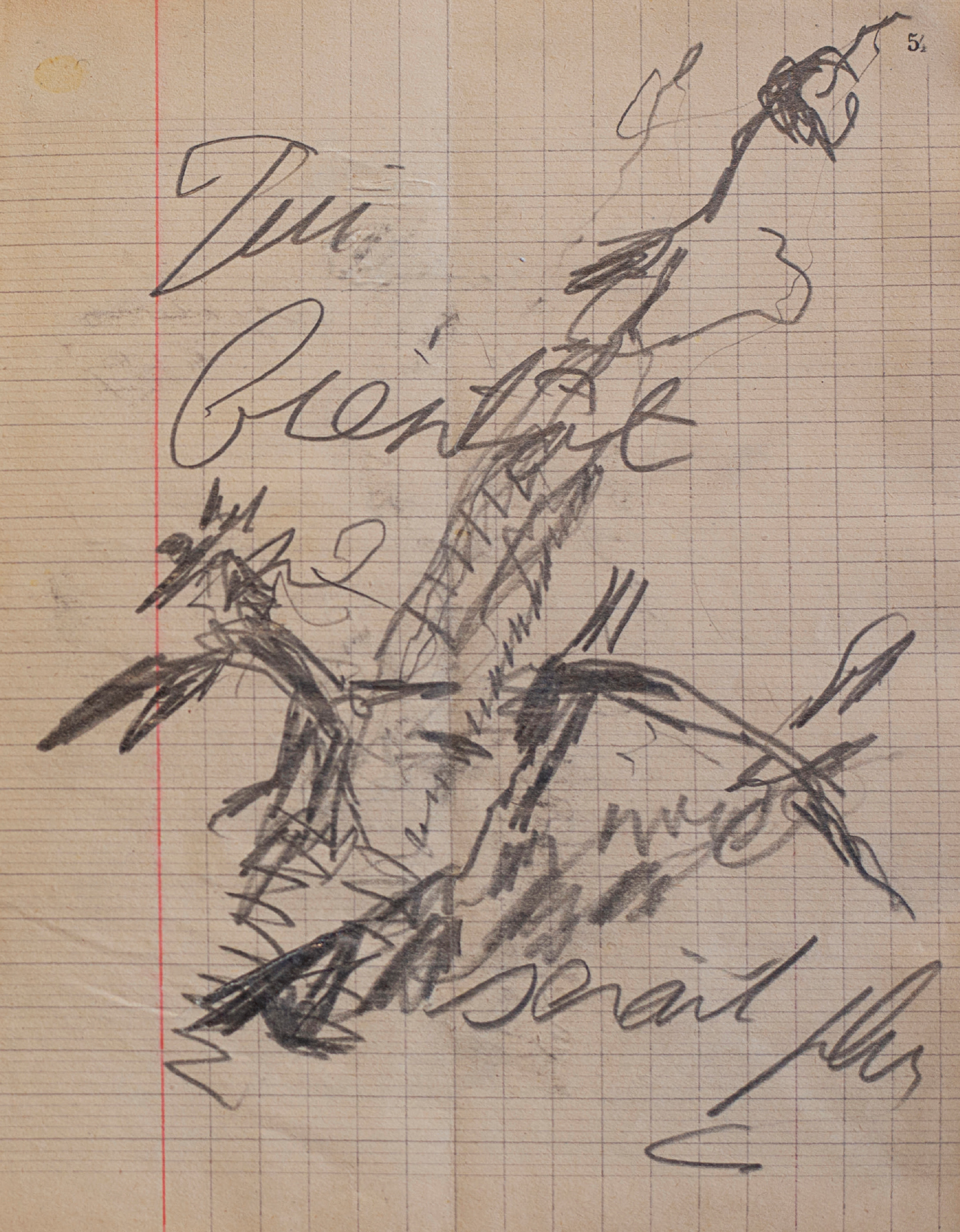
…
And they’ve made me
plummet
—into
—death
there, where I’m ceaselessly
eating
—cock
the anus too
—and
—shit
for all of my meals,
all those of the cross
…
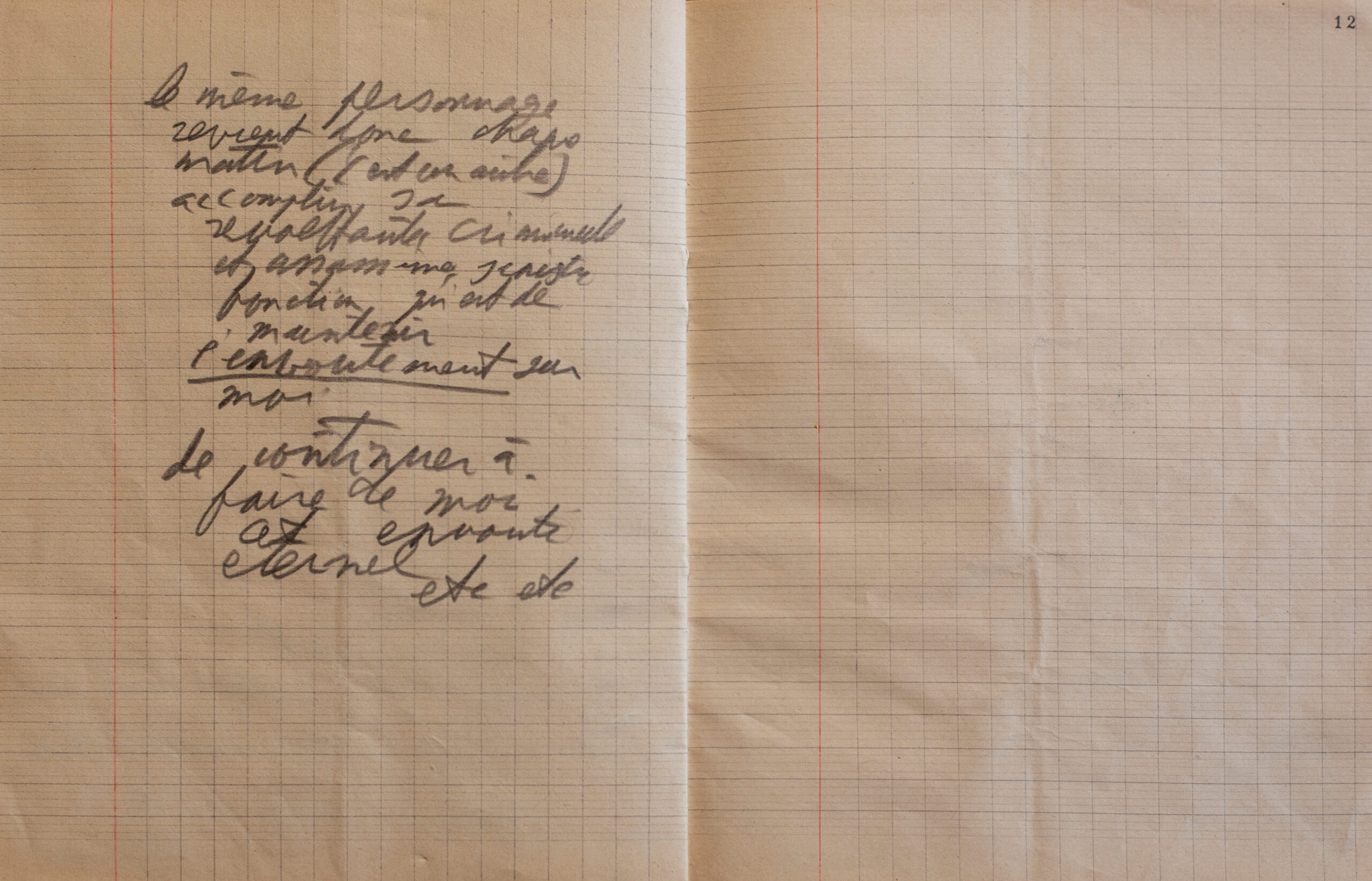
so, the same figure
returns every
morning (he is an other)
in order to accomplish his
—revolting, criminal
—and murderous, sinister
—mission— which is to
—maintain
the state of bewitchment cast upon
me
and to continue to
make of me
this eternally
bewitched man
———-etc etc
——
—-

*
p.s. Hey. This weekend the blog dresses up in its red carpet costume to greet and host the introductions for a new book of the late and previously non-English-ified writings of that literature exploding rapscallion Antonin Artaud via a book stunningly designed as always by Karolina Urbaniak and Martin Bladh at Infinity Land Press. It’s a serious keeper, and do spend the local portion of your weekend absorbing the hints and pieces on display plus buying it if that’s what your inquiries’ suggests. Thank you for the gift, Martin and Karolina. ** _Black_Acrylic, Hi Ben. Oh, gosh, yay, my ears, my ears! Everyone, ‘The new episode of Play Therapy is online here via Tak Tent Radio! Ben ‘Jack Your Body’ Robinson returns to bring you classic Italo, Dutch Acid and some Electroacoustic delights too.’ If you haven’t yet joined us enlightened members of the Play Therapy cult, wait no longer. Have the finest weekend humanly possible, maestro. ** Misanthrope, Thanks. Right, St, Patrick’s Day. They must celebrate it here, but it must generate much less merch and re-theming because I had no idea. Please pass along my utmosts to the great Rigby and Mieze please. ** David Ehrenstein, Hi. Hm, I don’t think I have a favorite witch. Maybe Witchy-Poo? ** Cal, Hi, Cal! Thanks, and obviously your creative juices bubbling cauldron-style would be that post’s benchmark. For some reason the cute.superficial visual approach to gore in Guro is really interesting and effective to me, and I still figuring out why. I’m doing good, a little unsettled, but all right. And you? I’m sorry for my mess-ups with us talking. There’s too much going on my head of late, and it’s waylaying me. Very warmest greetings! ** Dominik, Hi!!! Wow, thanks, awesome, I done good, yay. Yeah, I couldn’t pinpoint Hate’s identity in that equation either. Sky’s the limit, I guess. I hope and trust your love wasn’t inspired by a real life incident involving you. Love making people who are thinking of piercing their earlobes and fitting them with huge, lobe-destroying gauges realise what they’ll look like when they’re not young and foxy anymore, G. ** liquouredgoat, Howdy, Douglas! Thanks, pal. I’m very excited to read your new book, which I believe is winging its way to me as I type. How are you, my friend? What’s going on? ** Bill, Thank you kindly, Bill. I watched that folk horror doc last night. Quite good and interesting. And, yeah, I came out of it with a ton of fascinating seeming films I’ve never watched and am determined to. How’s your weekend looking and hanging? ** Brandon, Hey, Brandon. Awesome that you got to write. Are you happy with it? What is/was it? I had that same kind of experience with an actor friend being a good trooper in a disastrously awful play just the other day. Same ‘tude. I’m hoping to catch at least two seemingly good things this weekend myself. Compare notes come Monday? Have a great one! ** Billy, Hi, Billy! How are you? Thanks a bunch. Designing a department store window sounds kind of quite exciting in theory. Hard to get right, but I’ve seen a few bogglers. Right, Dorothea Tanning would have made sense in that post. I spaced on her. Your Kye Christensen-Knowles <-> Derek McCormack comparison is super interesting. Yeah, that makes the weirdest, best sense. I hope you are the Tarzan of your recent and ongoing life. ** Right. Have an Artaudian weekend, gang, and I’ll see you back here come Monday.






 Now available in North America