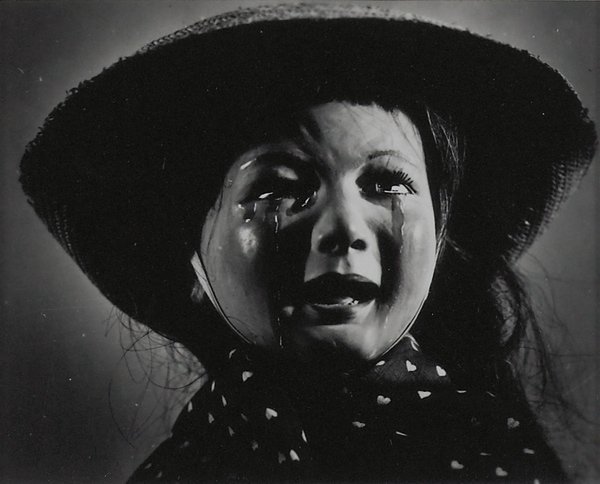
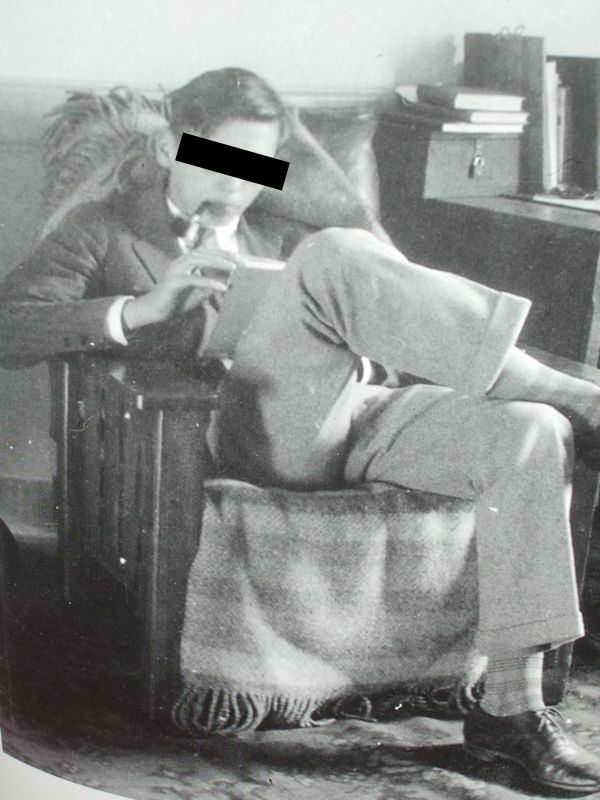
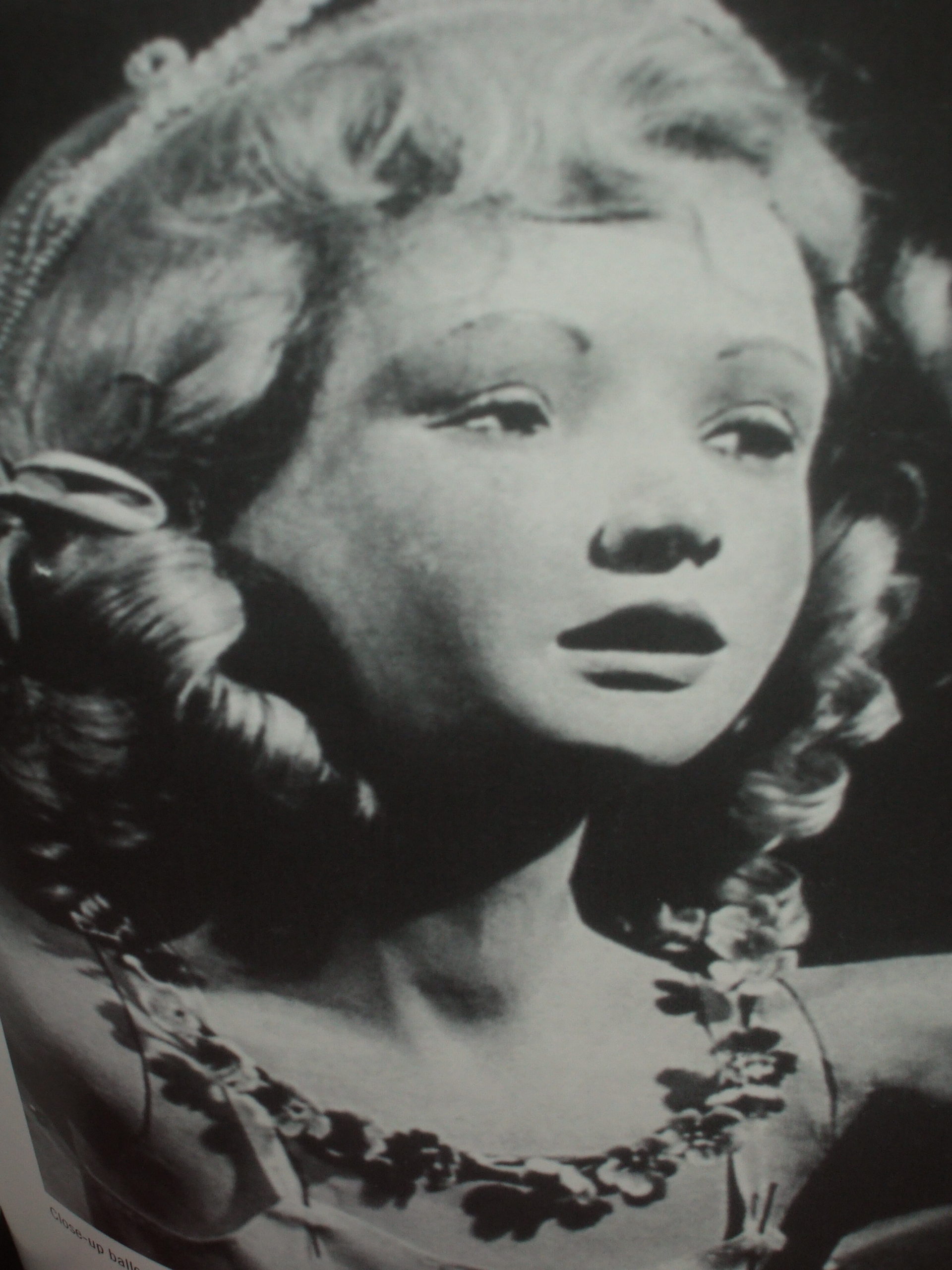
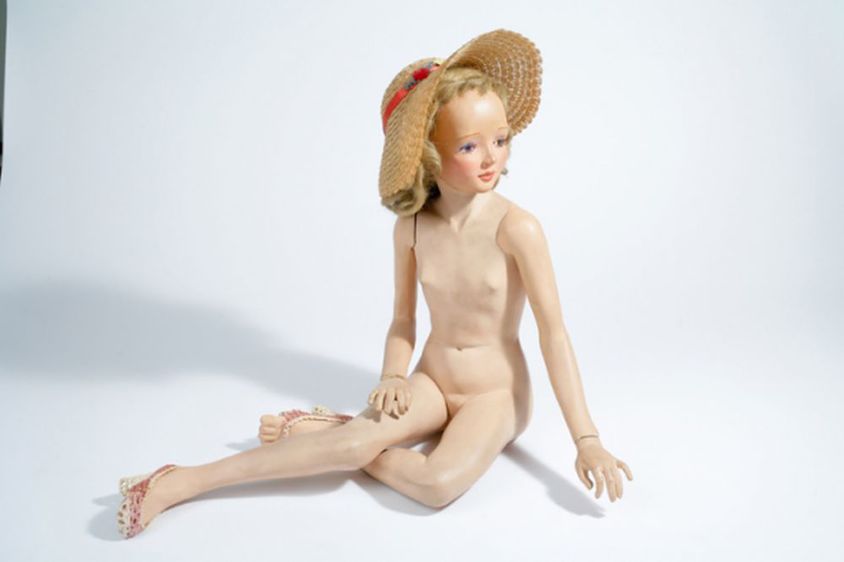
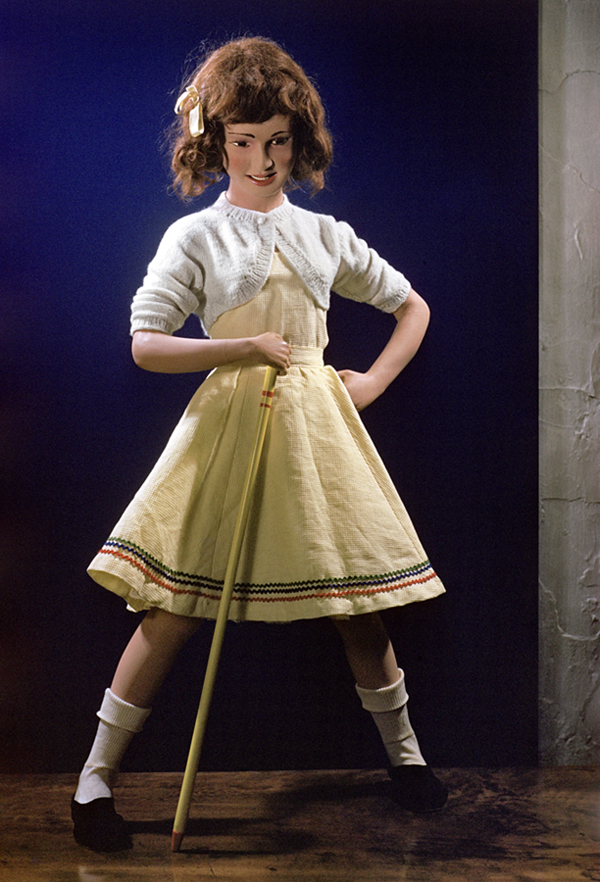
‘In 1993, Marion Harris, a New York art and antiques dealer, made the discovery of her life: In a booth at the Pier Show, a major antiques fair in New York, she came upon a collection of dolls and doll parts in boxes, along with stacks of old photographs. The material had been removed from a townhouse in Boston’s South End after the death of its elderly owner, a man named Morton Bartlett, a Harvard University dropout and Boston-based commercial photographer and graphic designer.
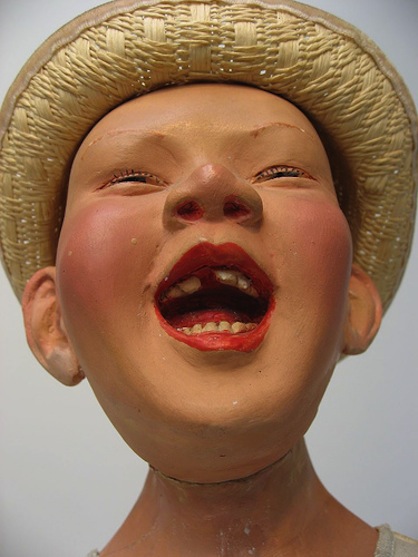
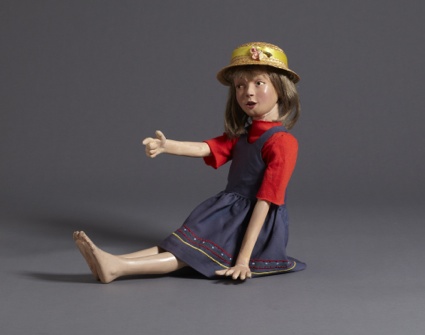
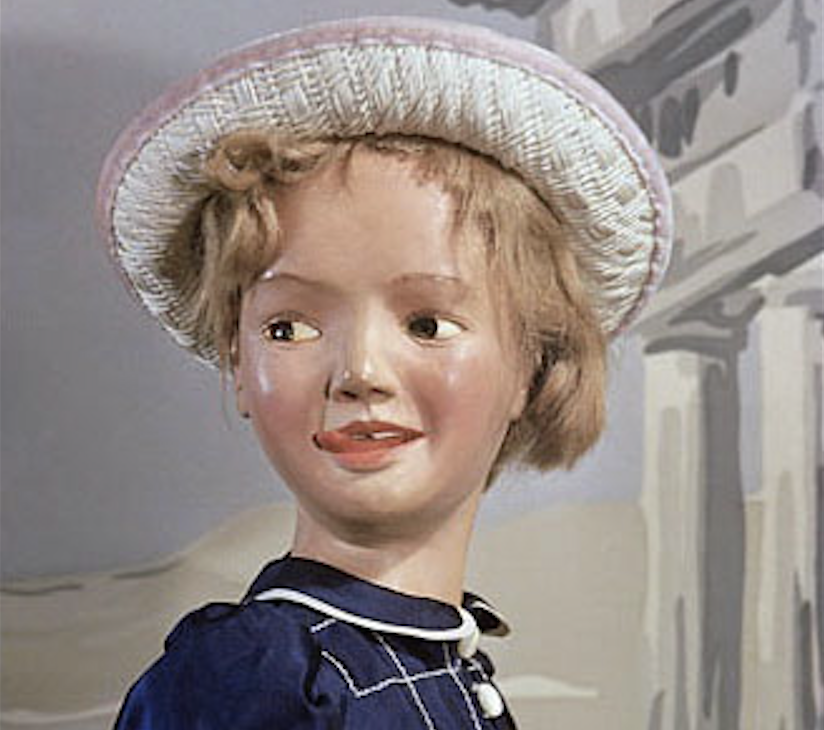
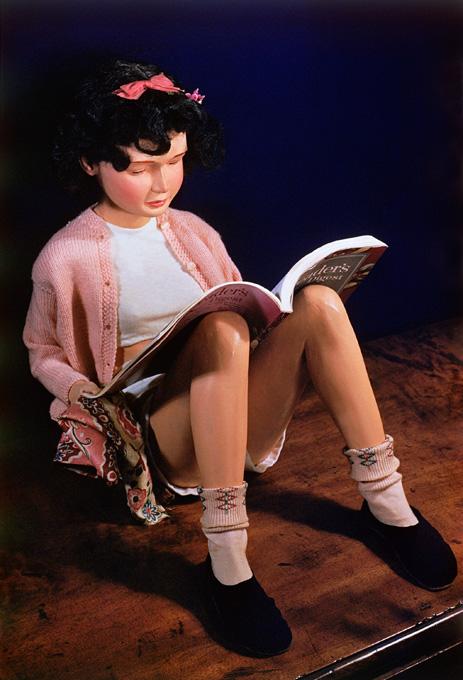
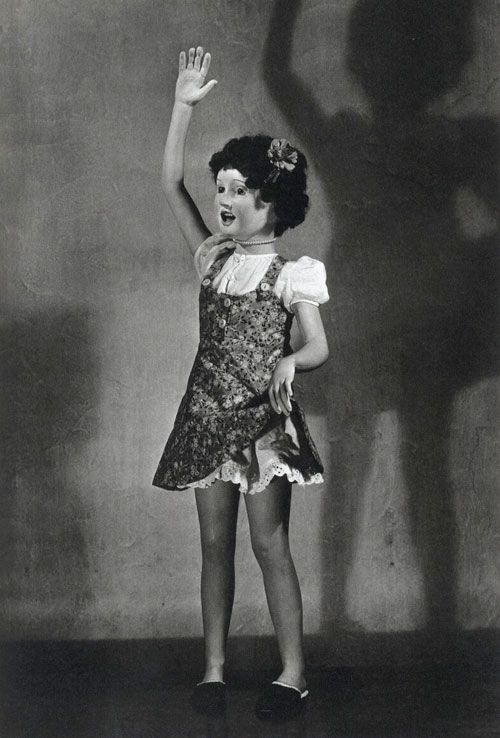
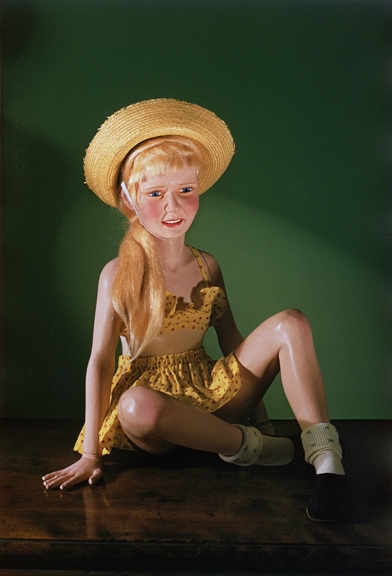
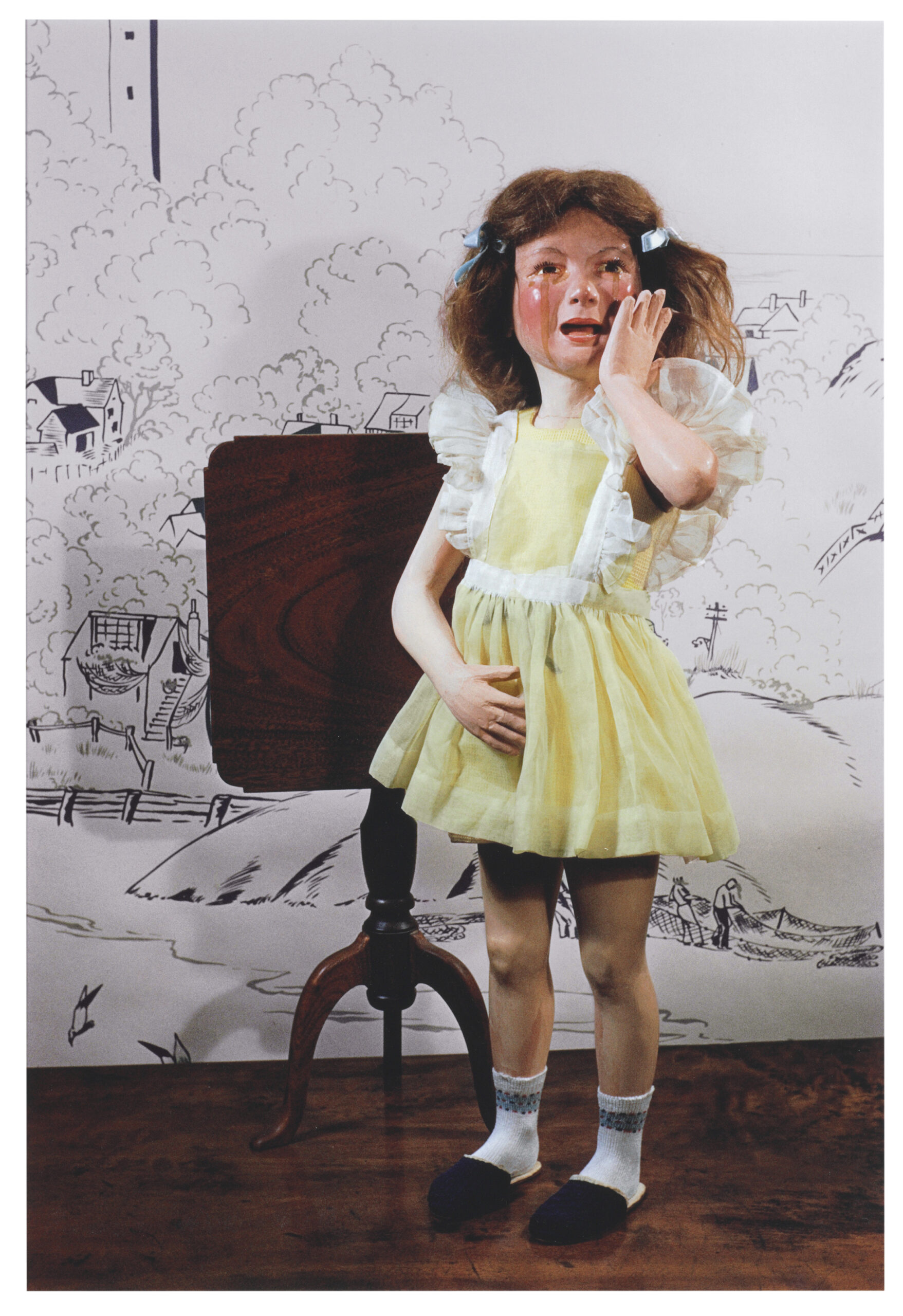
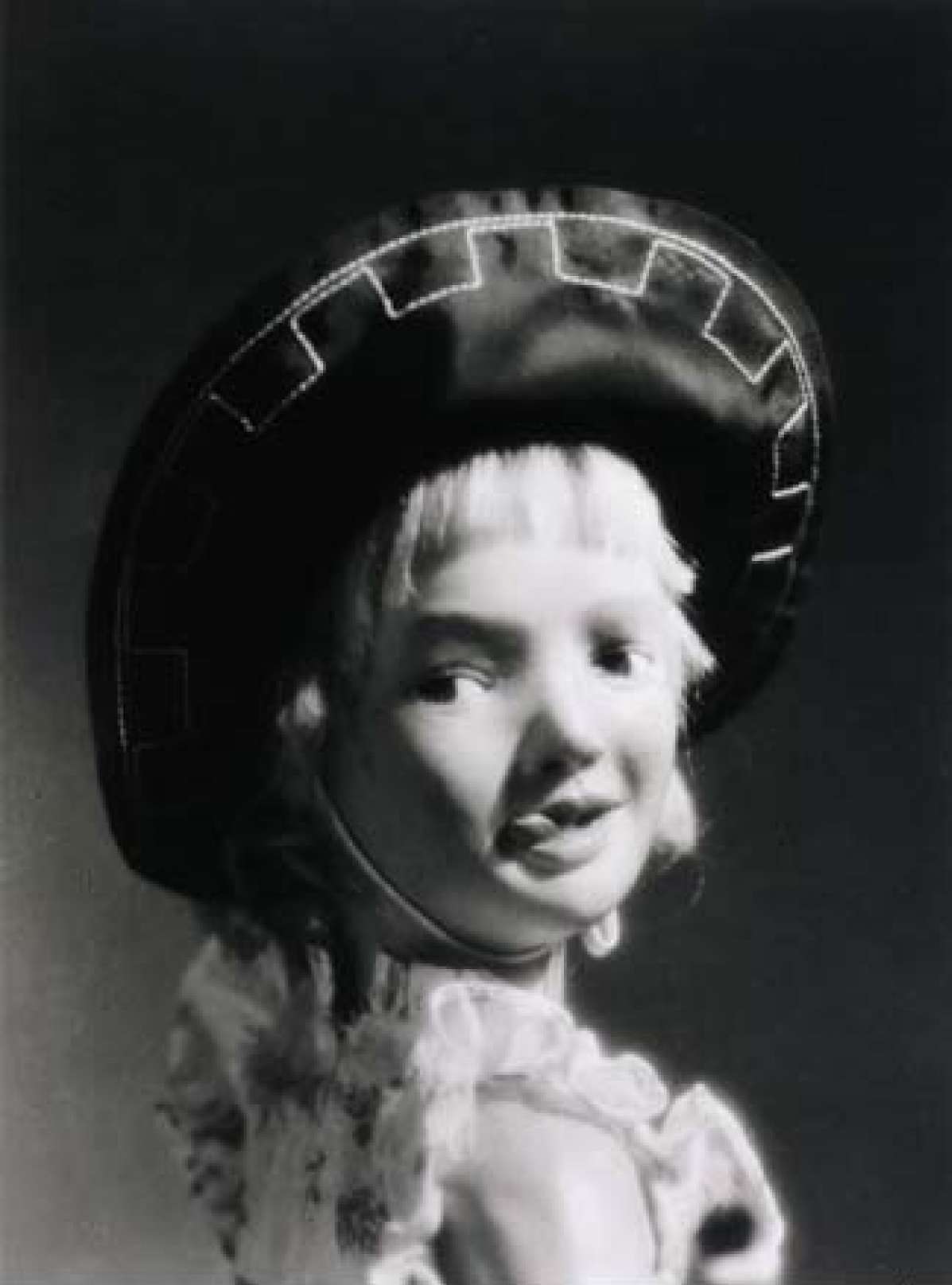
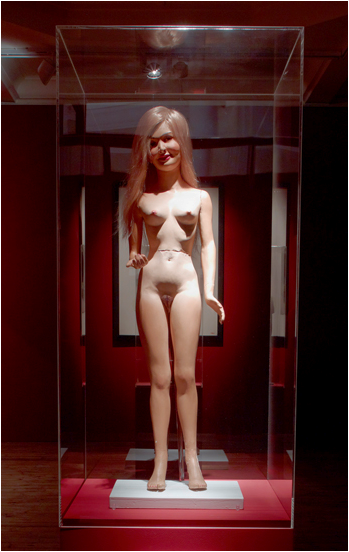
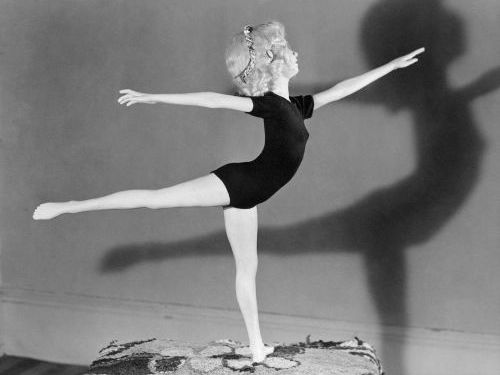
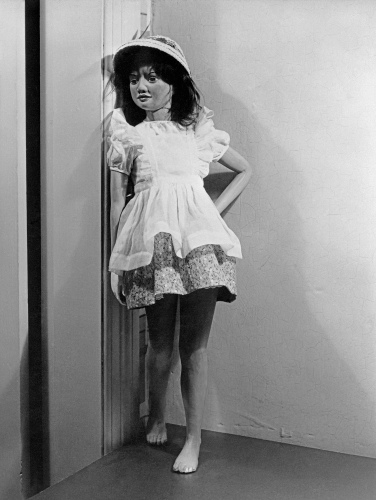
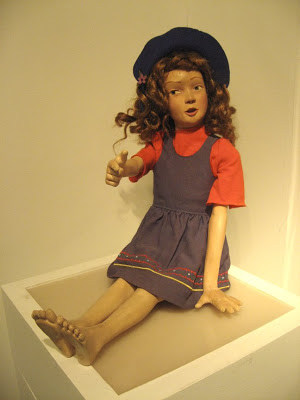
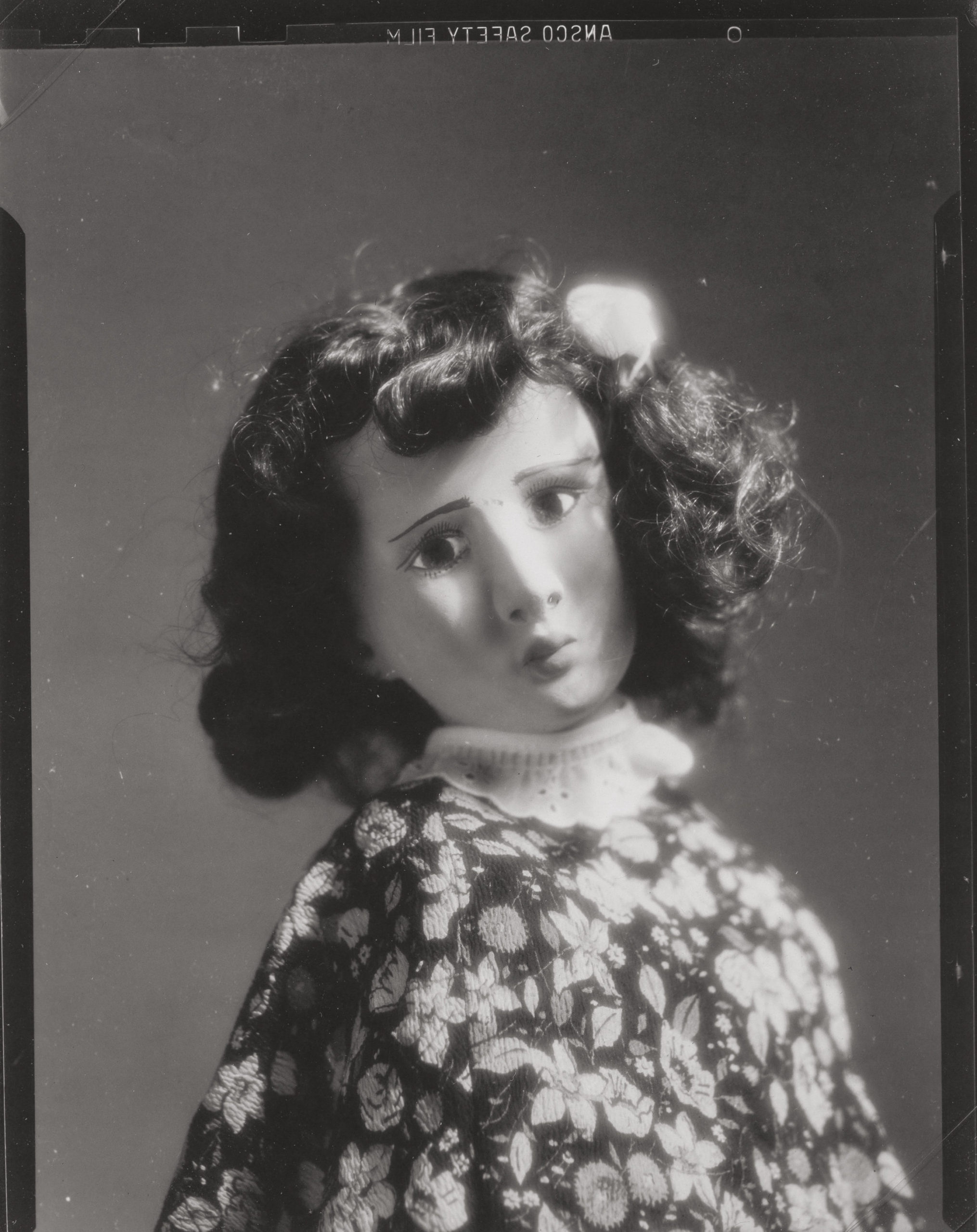
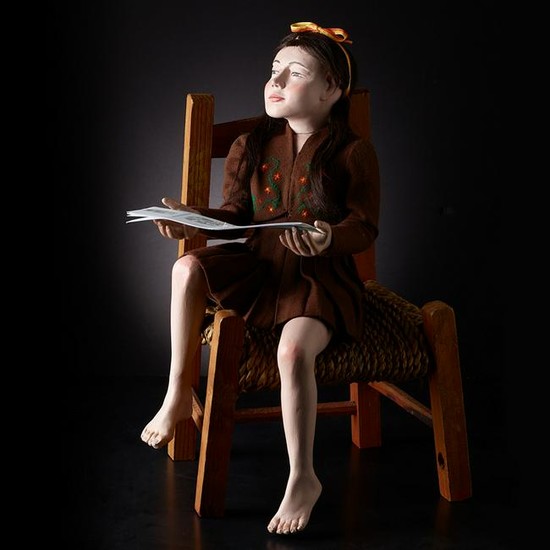
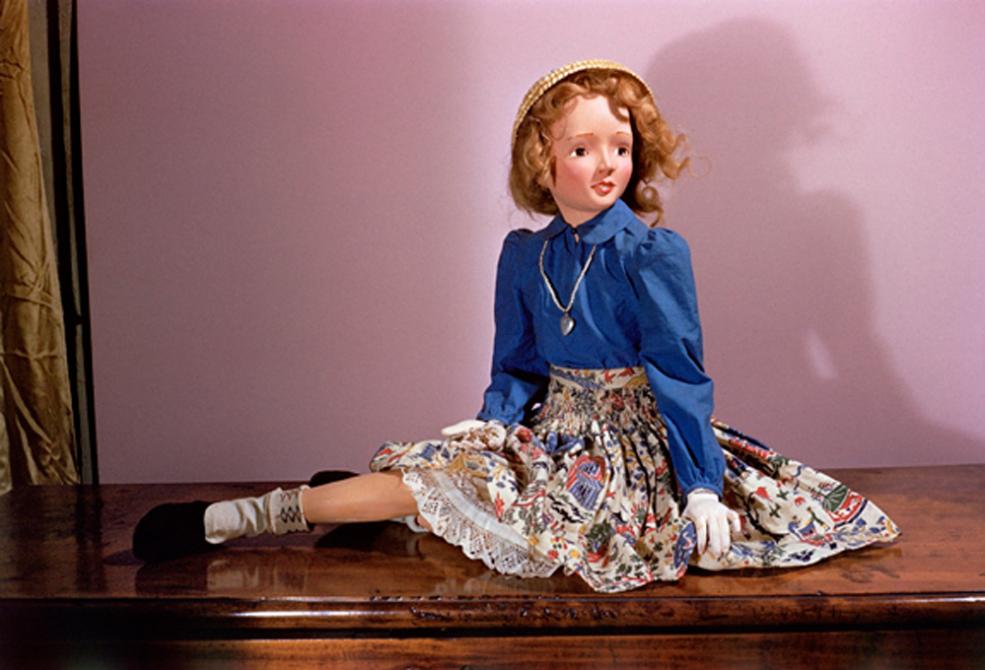
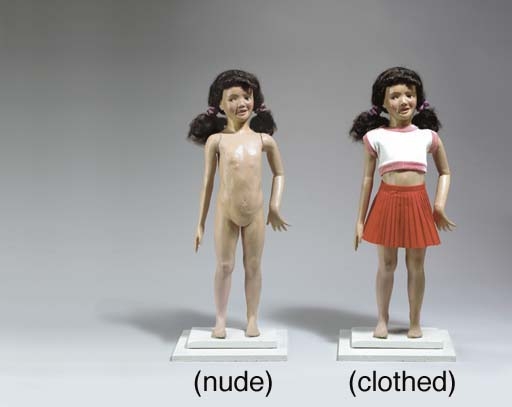
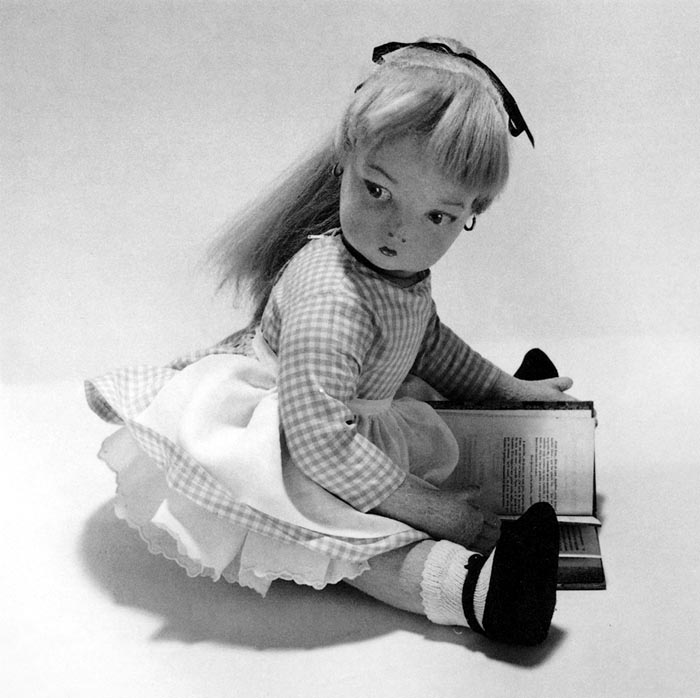
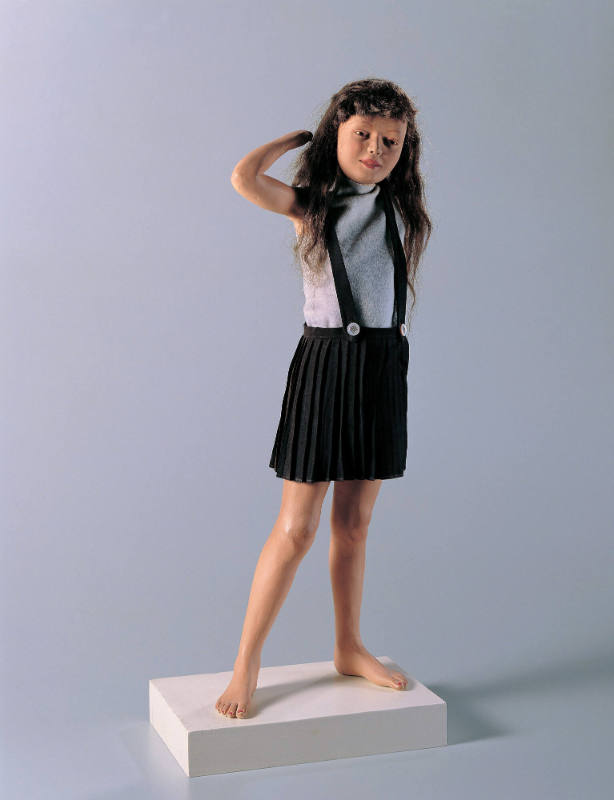
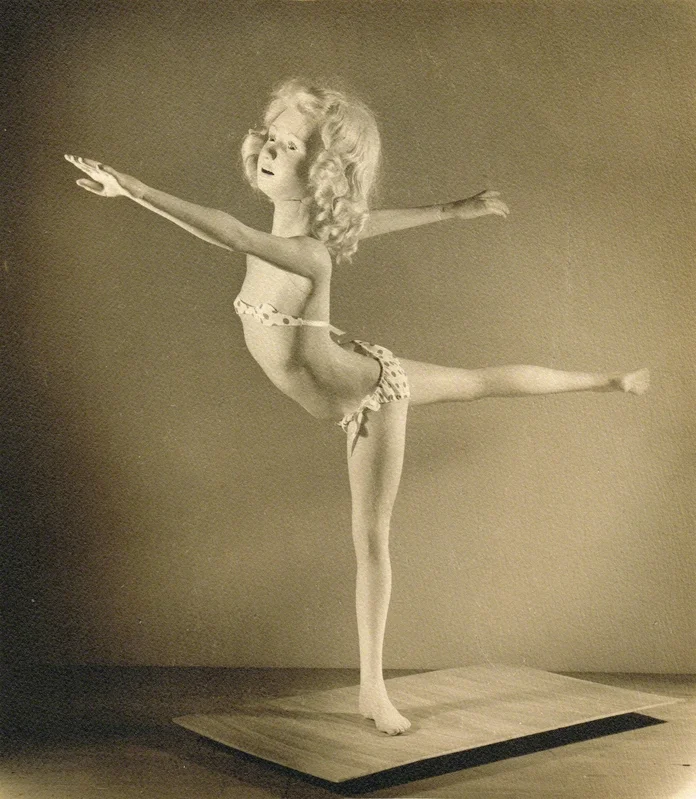
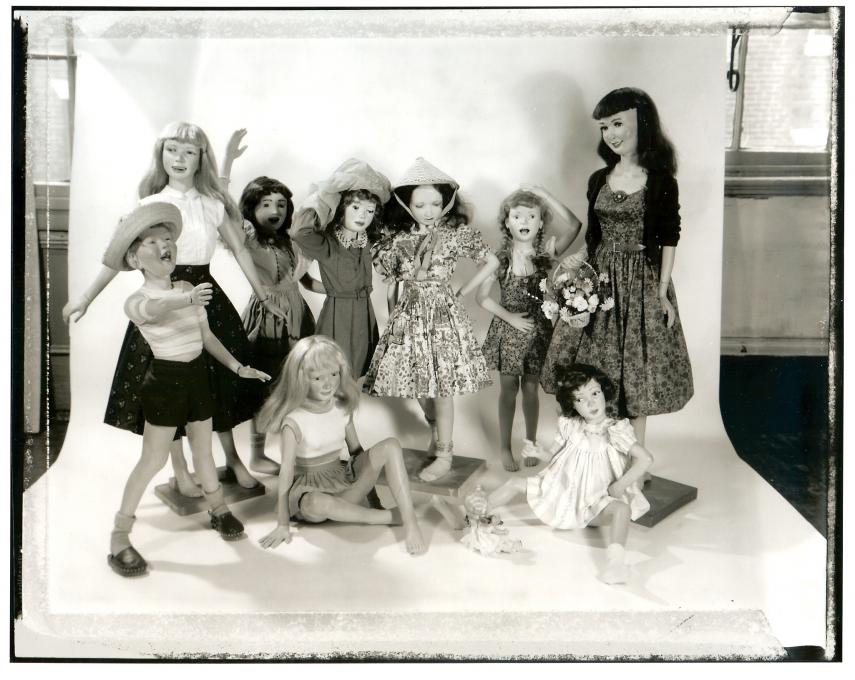
‘There were expertly tailored clothes for the dolls and hundreds of professional-quality photographs of the dolls in evocatively staged and dramatically lighted situations. In some of the pictures, the female dolls appeared nude, revealing all their anatomically accurate parts. The common perception, based on Bartlett’s work and sketchy information about his life, has been that he was a deeply eccentric, reclusive, lifelong bachelor who, working in near-total secrecy, sublimated his irregular desires into figurative substitutes for the love objects that he lacked in real life.
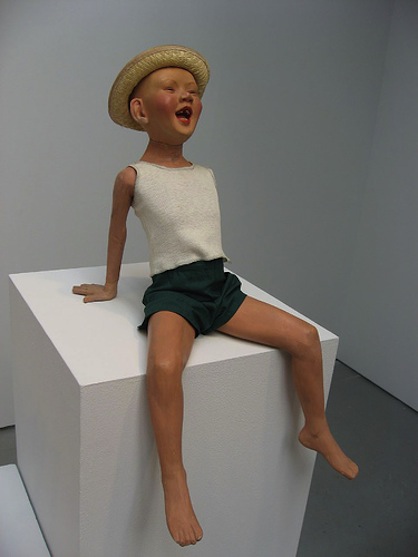
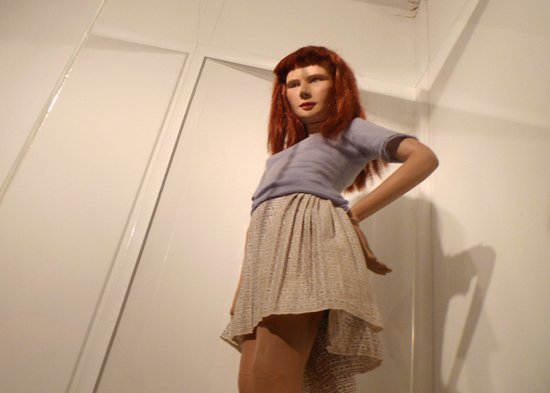
‘Whatever Bartlett’s real motivations may have been, what we have is the work he left behind. Bartlett invested a great deal of effort into making his dolls realistic. He used medical growth charts and anatomy books to ensure that his figures were correct in every detail. Yet the dolls are not feats of what would later be called “super realism.” They still have the artificial, toylike look of dolls and mannequins. This is a big part of their appeal — that they can seem so obviously unreal and yet so captivatingly alive at the same time.
‘In a brief autobiography Bartlett wrote for Harvard’s class of 1932 25th anniversary report — quoted in full in Harris’s book — Bartlett mentioned, “My hobby is sculpting in plaster. Its purpose is that of all proper hobbies — to let out urges that do not find expression in other channels.” He didn’t specify exactly what urges he had in mind, but one naturally wonders, was he managing forbidden desires by sublimating them into his art? Was he a real-life version of Nabokov’s Humbert Humbert, creating his own artificial Lolitas? Or was he externalizing a part of his own psyche — opening himself up to and setting free his own inner, feminine child?
‘Unless there comes to light some new material such as letters, a diary, or an abandoned novel, we’ll probably never know what Bartlett himself thought he was doing or what his deepest desires were. What we do know is that he created some beautiful, mysterious, and unnerving works of art — objects and images that continue to tease and beguile with Sphinx-like allure.’ — Ken Johnson, Boston Globe
____
Further
@ Wikipedia
@ Marion Harris Gallery
The Mysterious Life and Work of Morton Bartlett and His ‘Family’ of Dolls
Book: ‘Morton Bartlett: Secret Universe III’
Morton Bartlett’s secret dolls
Meet Morton Bartlett, The Harvard Man Who Secretly Made Life-Size Dolls
La famille composée de Morton Bartlett
Book: ‘Family found: The lifetime obsession of self-taught artist, Morton Bartlett’
Review of “Playthings: The Uncanny Art of Morton Bartlett”
morton bartlett’s likenesses of children
SINGULARITÉS : ABSENCES D’OEUVRE : HENRY DARGER, MORTON BARTLETT
GUY AND DOLLS: MORTON BARTLETT
Playthings: The Uncanny Art of Morton Bartlett
Les enfants fantasmes de Morton Bartlett
The Problem of Morton Bartlett
___
Extras
Short documentary
You are there: JULIE SAUL GALLERY – Morton Bartlett
____
Guy and Dolls
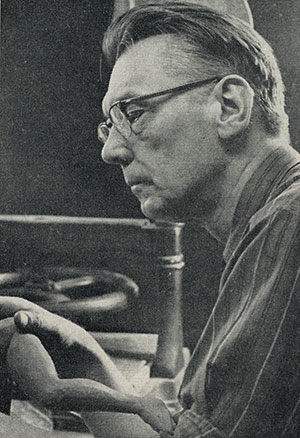
‘What of the darker questions about Bartlett? His longtime close friends Jean and Kahlil Gibran of Boston insist that he was neither an antisocial eccentric nor a psychosexual deviant. Moreover, they say he was not a naive outsider artist. (Kahlil, a well-known sculptor, was a cousin of Kahlil Gibran who wrote the famous book of poetry “The Prophet.”)
‘For almost 10 years, from about 1955 to 1964, the Gibrans and Bartlett lived in the same apartment building at 15 Fayette St., where Bartlett produced most of his dolls. When the Gibrans married in 1957, Bartlett was their best man. When their building was sold in 1964 and they had to leave, Bartlett and the Gibrans found new homes near each other in the South End, and they remained close until Bartlett’s death.
‘The Gibrans swear Bartlett was no pedophile. When it came to his romantic life, Kahlil Gibran, who still lives in Boston, says Bartlett dated women.
‘”Never did we see a young model or child in his studio or anything that would cast aspersions on his character,” said Kahlil during a recent telephone interview.
‘”He photographed Kahlil’s sculptures for his catalogs, and he used to come with us to art openings,” said Jean Gibran. “He knew all about art and artists — he couldn’t have been an outsider. He was a well-educated, well-rounded man, and there was nothing primitive or strange about him.”
‘As for the dolls, say the Gibrans, they were no secret. “We knew about the dolls. He wanted to get a toy company to manufacture them,” said Jean Gibran. “He thought they could become big sellers like the Barbie doll.” And what about the dolls’ anatomic details? “He was ahead of his time,” she said.
‘In fact, Bartlett had a direct connection to the toy industry, but apparently he never took advantage of it. He designed catalogs for M. Sharf and Co., a major Boston-headquartered toy distributor. In the ’50s and ’60s, the company was owned and operated by two of Bartlett’s former Harvard classmates who were brothers. Fred Sharf, a son of one of the owners and now head of the company (which is under a new name and no longer involved in toys), recalls visiting Bartlett’s studio in the ’60s to deal with the catalog’s production.
‘”I don’t remember ever seeing or hearing anything about dolls,” said Sharf, who is himself a major Boston-based collector of folk art. “When his work surfaced in the world of folk art, I was flabbergasted.”
‘Sharf doubts that Bartlett wanted to mass-produce his dolls. “You’d think we would have known about it, since we were in the toy business,” he said. “We could have put him in touch with Mattel or Madame Alexander Dolls if he’d asked. But he never did. I think his interest in dolls was strictly his own personal mishigas.”‘ — Ken Johnson
____
Show




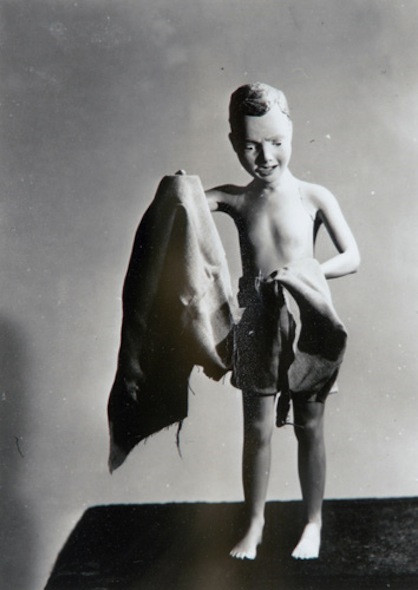
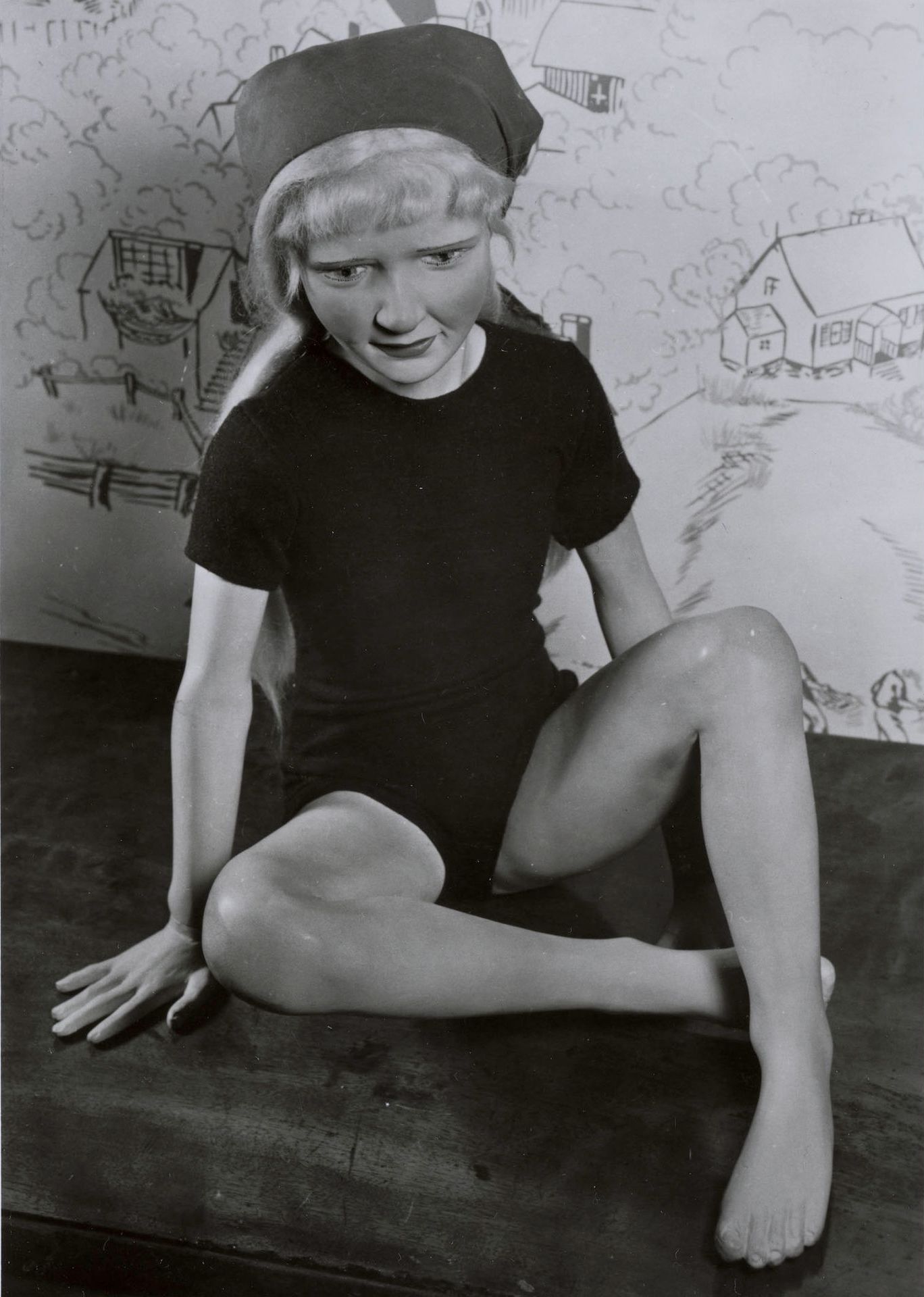
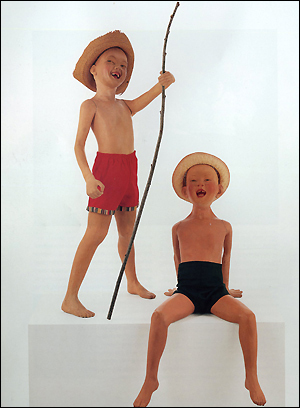
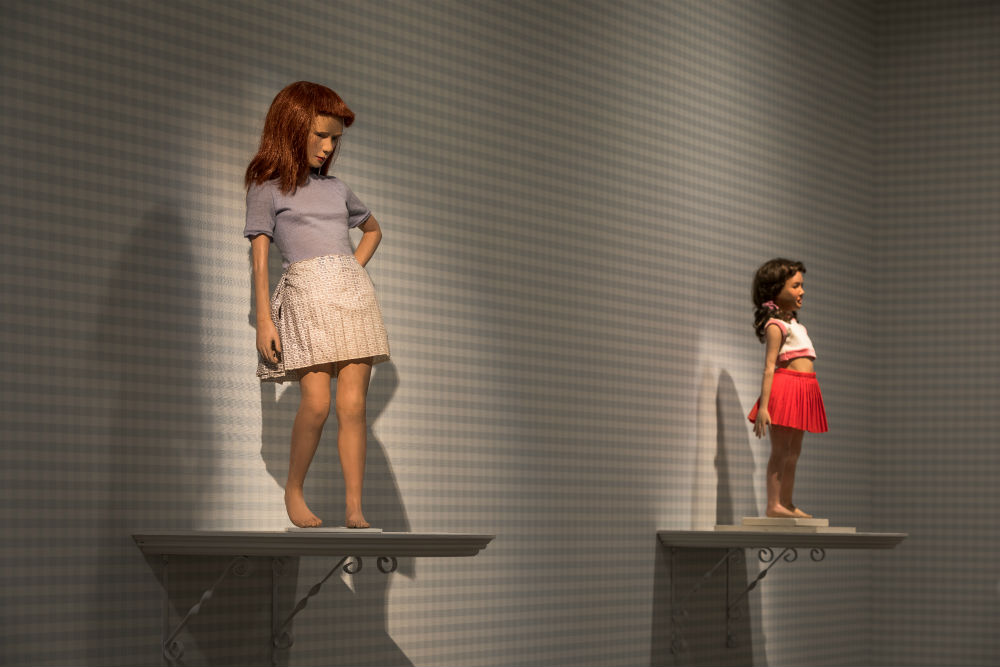
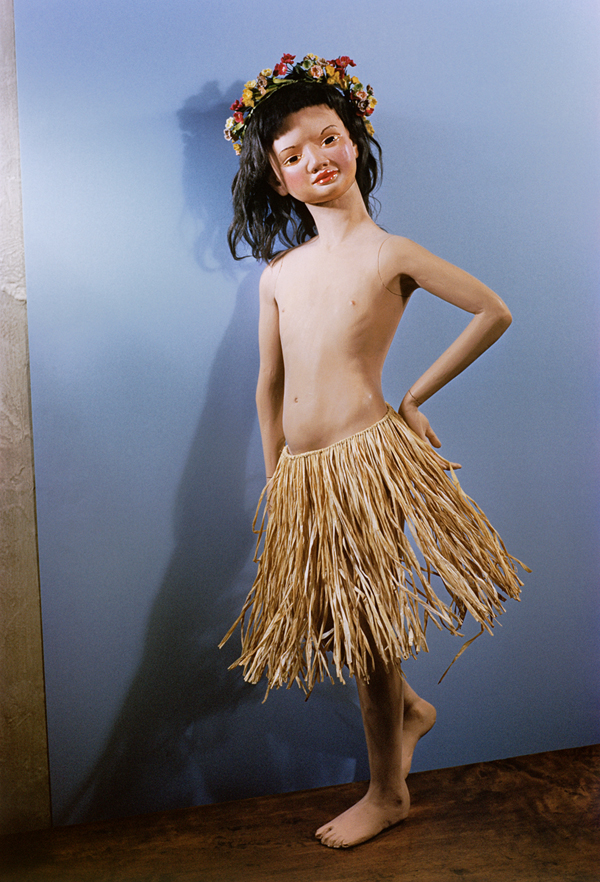
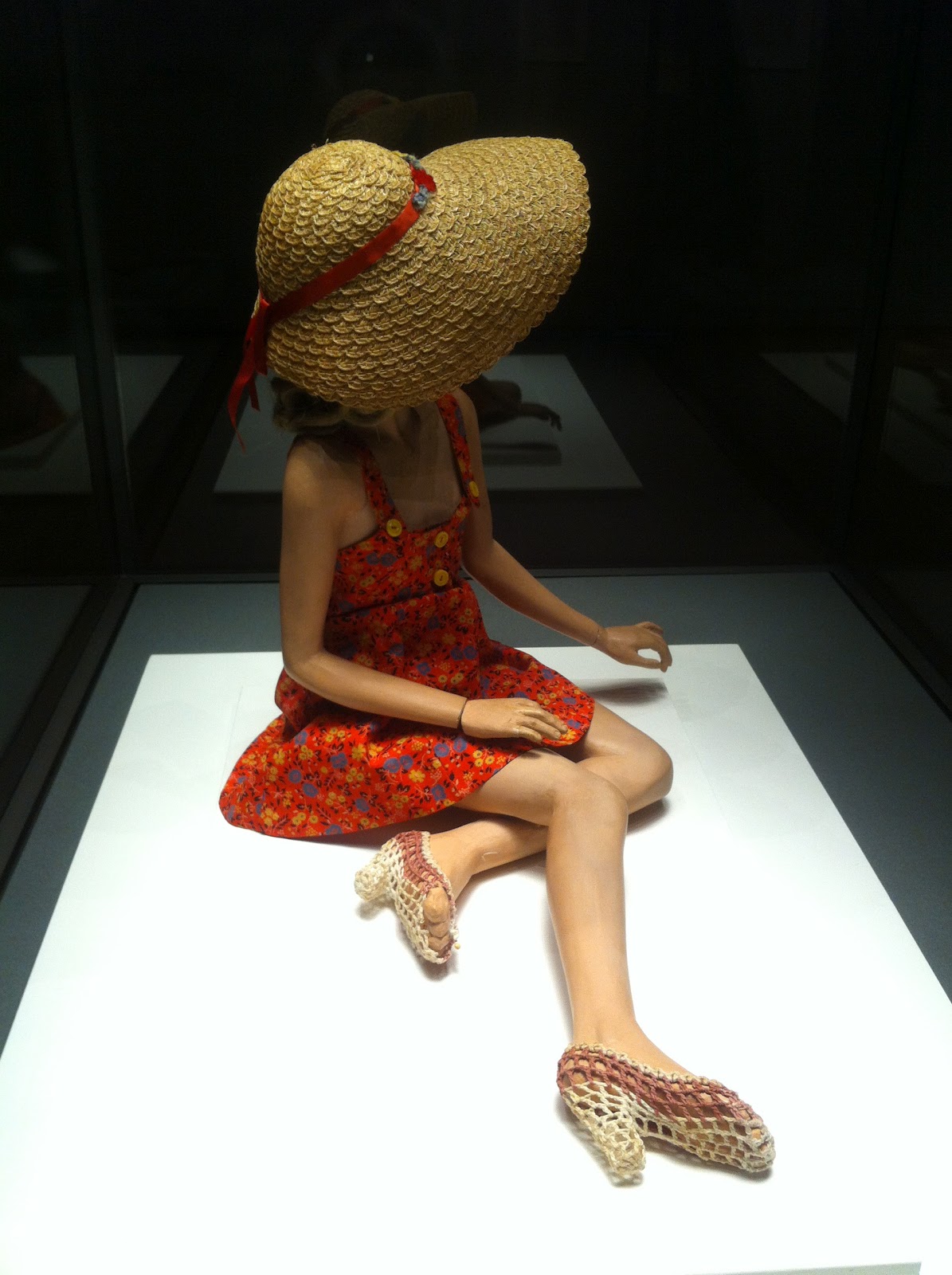
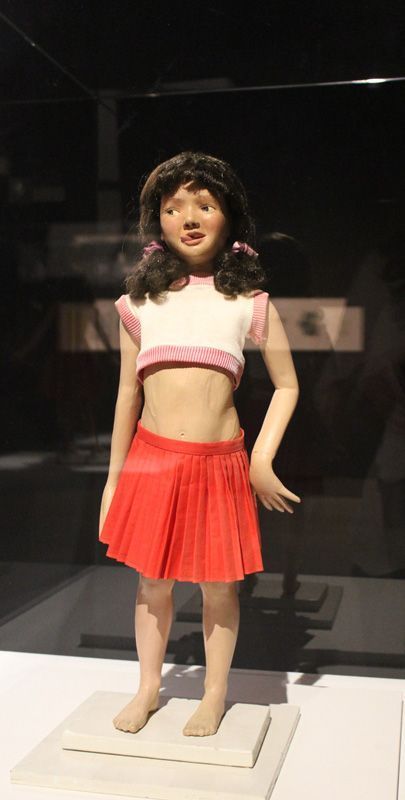

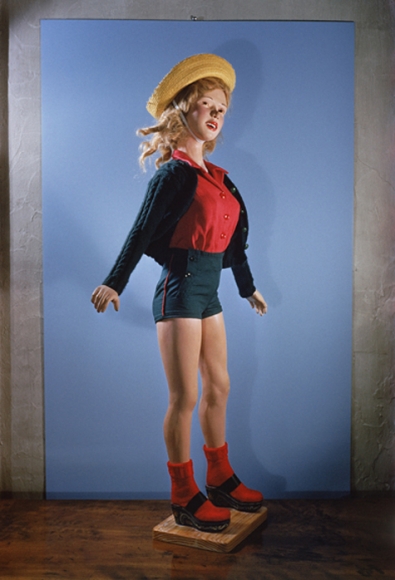









*
p.s. Hey. ** Dominik, Hi!!! My only and utmost pleasure. The thing is when the Pope is doing his thing they’re going to close all the streets and metros and probably stores in the area, and there may not be much else that I can do. We both know how merciful love is, so I’m sure he’s doing his best. That sounds extremely frustrating by the way. Love pointing at the sun and yelling, ‘You! What’s your problem?!, G. ** Steeqhen, To try to be totally fair to the guy, Franco was kind of funny in ‘The Disaster Artist’. Urgh about your wounds. It sounds like Freddie Kruger visited you in your dreams. I hope to see the ‘RE’ movie this week. To expect something that’s built for interaction to be the equivalent of something built to keep you sitting passively in a chair is lame. Never read ‘Narnia’, never read the Bible. Good luck to all that have a stake, I guess. ** Sam F, Well, let me lean forward in my chair and say, ‘Hi, Sam!’ Novel trade, cool. Cool that you guys know where the good stuff is. ** _Black_Acrylic, How did the Leeds Print Shop experience go? I saw a pic of you working away there on FB as I was waking up. Looked promising? ** Carsten, Hi. I didn’t like ‘Fight Club’ the movie mostly because its depiction of the double identity thing in the novel didn’t work at all, for me at least. But then I don’t see how it could work in a visual medium, and I’m sure Fincher did his best. I think my favorite Fincher film remains ‘Seven’. I enjoyed ‘Once Upon a Time in Hollywood’, but then I’ve enjoyed all of Tarantino’s films to one degree or another except for ‘Death Proof’. ** Bill, Spare, haha. ‘Kwaidan’, wow, I’d love to see that restoration. No sign of ‘Chronovisor’ here as of yet, but I will peel my eyes. Thanks, B. ** Alex Osman, My pleasure and honor thoroughly. And it was a hit (see: comments). I 100% also agree with whoever said that. Great to see you, great to have been able to grace my blog with your work. ** laura w, You made it back! And in one excellent seeming piece. Nice that the Pixies can still be fun live after all these decades. I’ve been okay, doing more of the usual. Weather’s nice. Oh, the metro trainwash. It was fun enough, fun to be in ‘secret’ bowels of the metro. We didn’t get to see an actual train getting washed, which kind of sucked, but the machinery was interesting. Welcome back. ** Adem Berbic, Hopes are all we’ve got this side of becoming caretakers, which almost never works. Ticket drop: October 1st. The smile that you send out returns to you, as the Beach Boys had written on the cover of their album ‘Smiley Smile’. ** DonW, Hey, bud. I have ‘That Figures’ near my left elbow, and it’s a pretty standard sized smallish book. Thin paper maybe? There are or were a couple of clips from ‘Fight Harm’ floating around, but, beyond that, not sure. Paris got under your skin, yes! Watch out, look what happened to me. Well, actually, I’m doing pretty alright under the circumstances. Nice to see you, sir. ** HaRpEr //, Hi. I’m really lucky because publishers often-ish send me their books because of the potential blog appearance and all of that. I wish presses could afford to have people on staff whose job is to be decent correspondents with people sending submissions because, yeah, the waiting and hoping sucks. In LA you can be young and dress in vintage punk gear and get an admiring grin. It’s true that with the actual aged vintage punk people, they do come off a bit fossilised. ** Okay. Morton Bartlett’s in the house today. See you tomorrow.



 Now available in North America
Leave a Reply