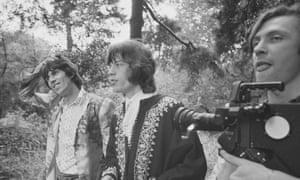
‘Peter Whitehead could justifiably claim to be one of Britain’s most distinctive and provocative film-makers. His film about the Rolling Stones, Charlie Is My Darling (1966), was a pioneering portrait of the group amid the whirlwind of fan mania, its on-the-road intimacy a precursor of Donn Pennebaker’s Bob Dylan film Don’t Look Back and a blueprint for countless future music documentaries.
‘In Tonite Let’s All Make Love in London (1967), Whitehead created what for many critics was the definitive document of swinging London in its period as a white-hot crucible of music, fashion and film. The many short music films Whitehead made in the 1960s foreshadowed the era of the video promo clip that blossomed in the MTV era of the 80s.
‘But by the time he made The Fall (1969), arguably his masterpiece, the intellectually restless Whitehead had moved beyond being merely an onlooker recording events with his camera and was pursuing his own inner journey through a period of violent social and political change.
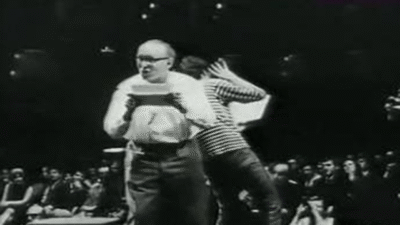
‘His most intensely creative period began in 1965, when he filmed the International Poetry Incarnation – a gathering of beat poets, including Allen Ginsberg and Lawrence Ferlinghetti – at the Royal Albert Hall in London, to make the 33-minute documentary Wholly Communion.
‘Word of this reached the Rolling Stones manager Andrew Loog Oldham, who invited Whitehead to film the Stones’ trip to Belfast and Dublin in September that year. The resulting Charlie Is My Darling had its first public screening at the 1966 Mannheim film festival, where it was considered for the gold medal (which was won instead by Wholly Communion). However, a clash with Oldham about the film’s portrayal of the Stones meant that it never went on general release.
‘Whitehead did further work with the Stones, including the promo film for the single Have You Seen Your Mother, Baby, Standing in the Shadow? (1966) and the audacious clip for We Love You (1967). The latter was shot the day before Mick Jagger and Keith Richards appealed against their drug convictions, and starred the two Stones and Marianne Faithfull in a remake of Oscar Wilde’s indecency trial. “My ambitions are very high – none higher – to be a genius in and with the cinema,” Whitehead wrote in a letter to Oldham.
‘Though he was a classical music enthusiast with little interest in pop, Whitehead understood its potency. He shot films with the Small Faces, the Beach Boys, Eric Burdon, Jimi Hendrix, Nico, the Beach Boys and Pink Floyd, and in 1970 he made a memorable concert film of Led Zeppelin at the Albert Hall.
‘While Tonite Let’s All Make Love in London made Whitehead the toast of the 60s in-crowd, the film also included critical remarks about the vapidity of the London milieu from Jagger, Michael Caine and David Hockney. Whitehead himself, a vehement opponent of US imperialism and the Vietnam war, had a theory that the invention of “swinging London” was “a CIA manoeuvre designed to make British counterculture appear inconsequential and impotent”, as he wrote in 2002.
‘Thus he was enthusiastic about Peter Brook’s invitation to film his experimental Royal Shakespeare Company play US, designed to challenge British apathy about the escalating Vietnam conflict. When the resulting film, Benefit of the Doubt, was screened alongside Tonite … at the New York film festival in September 1967, Whitehead was invited to make a film about the New York “scene”.
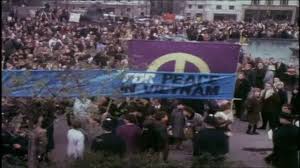
‘He was eager to oblige, but the project, eventually released as The Fall (1969), ballooned into a panorama of politics, violent protest and an anguished examination of the role of the documentary film-maker, as Whitehead became a participant in the 1968 student occupation of New York’s Columbia University. His filming schedule was bookended by the assassinations of Martin Luther King and Bobby Kennedy. He wrote that when he got back to London, “I had a nervous breakdown. Didn’t speak for three months.”
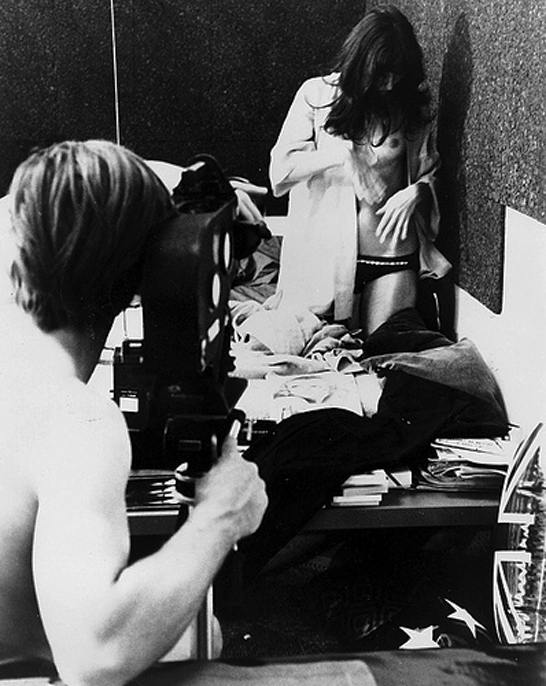
‘The traumas of making The Fall prompted Whitehead to move away from film-making. Though he made Daddy (1973), a sexual psychodrama about the sculptor Niki de Saint Phalle, and Fire in the Water (1977), a vehicle for his then partner Nathalie Delon, his attention now centred on breeding falcons. A student of ancient Egyptian mythology, he was obsessed with the story of Isis and Osiris giving birth to Horus the falcon.’ — The Guardian
_____
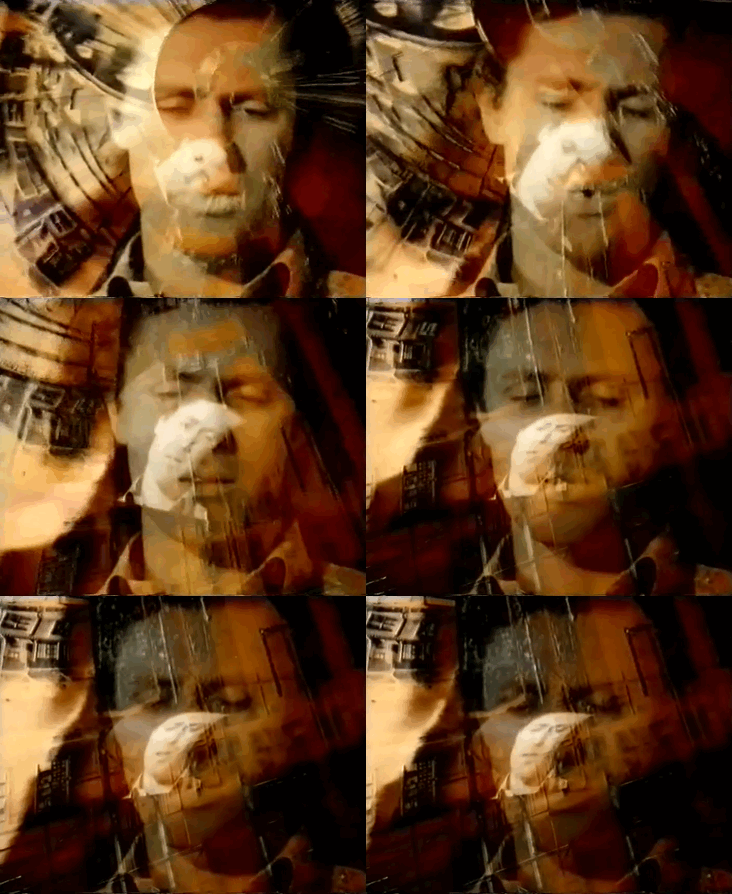
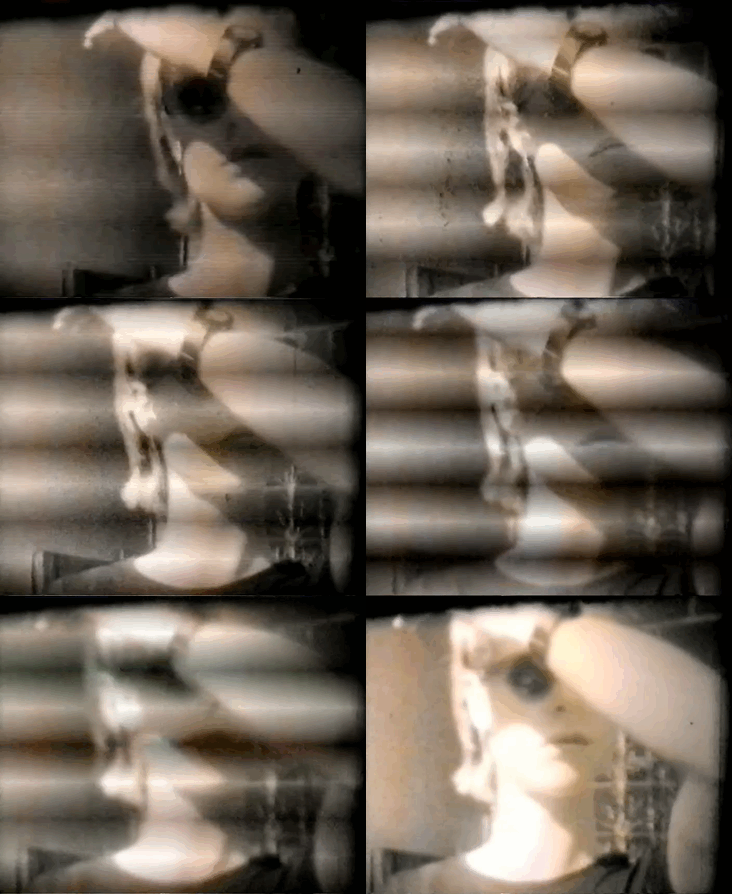
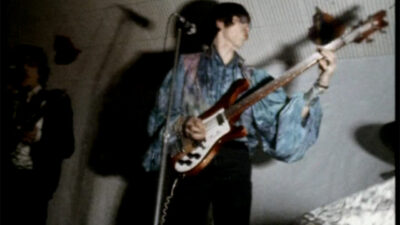
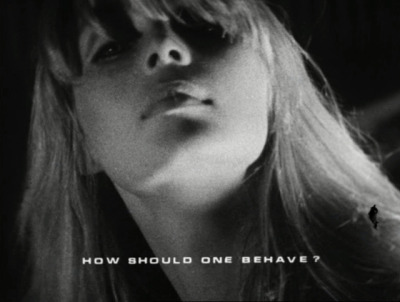
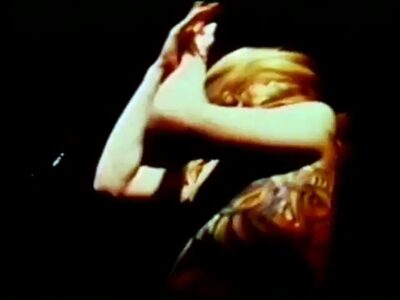
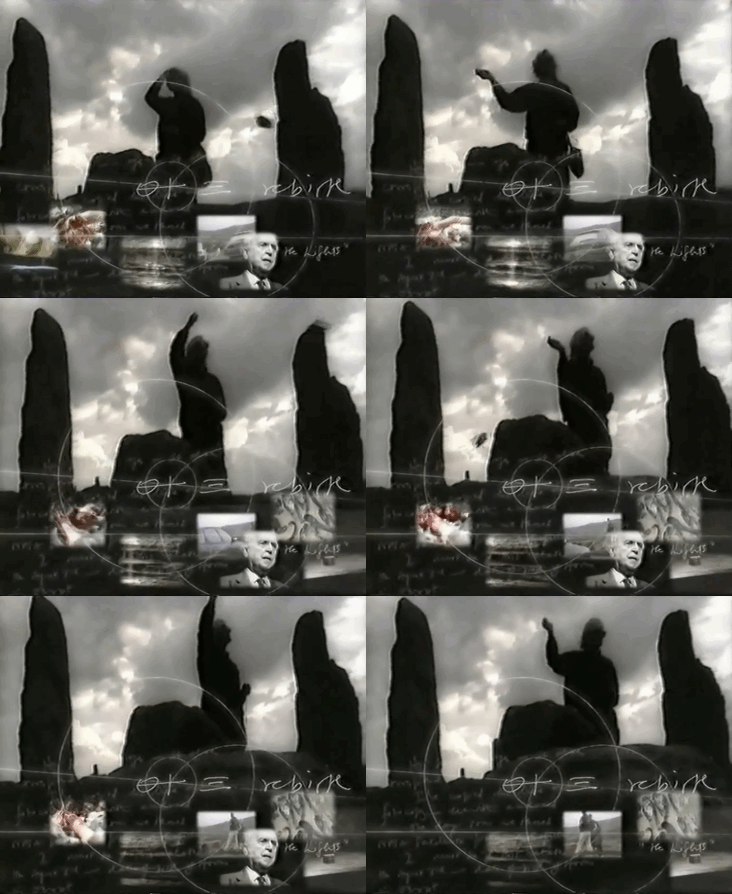
Stills



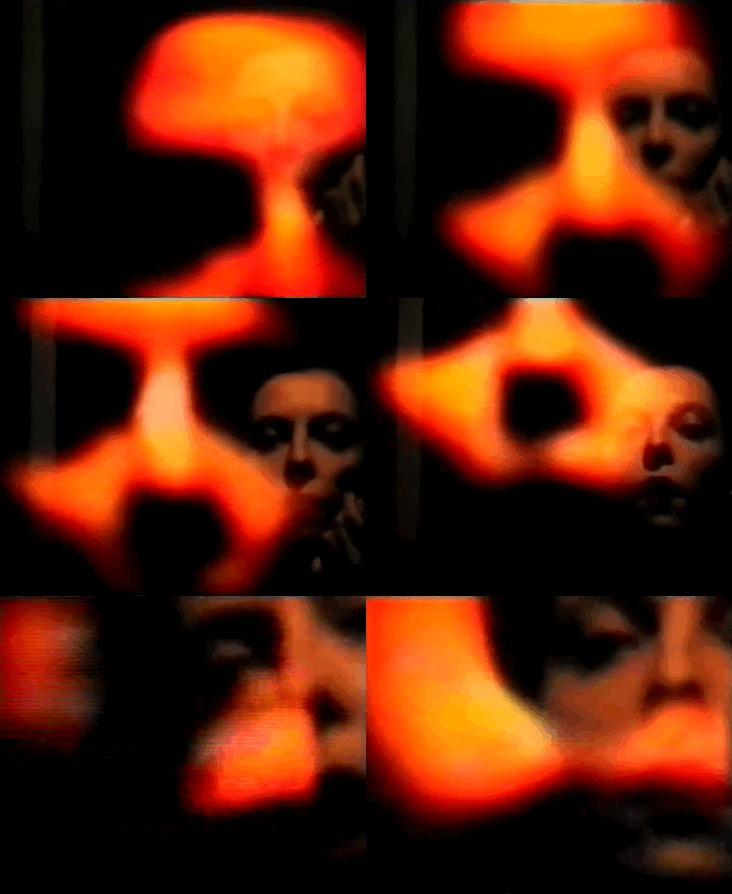


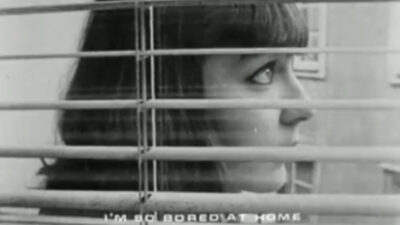
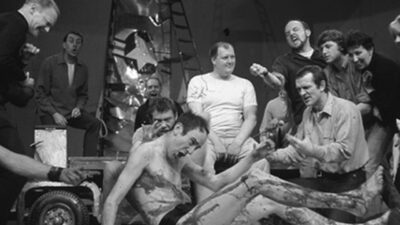



____
Further
Peter Whitehead Official Site
Peter Whitehead @ IMDb
Whitehead, Peter (1937- 2019)
Notes from Underground
‘The Films of Peter Whitehead’, by Robert Chilcott
Peter Whitehead – Réalisateur de ‘Pop Concerto’
Peter Whitehead et Niki de Saint Phalle : Daddy
DVD: Peter Whitehead and the Sixties
Peter Whitehead @ datacide
The Word and the Image: The Films of Peter Whitehead
Peter Whitehead, il filmmaker della lotta e del rock
Peter Whitehead @ The Sticking Place
From pop concerto to falconry – a beginner’s guide to Peter Whitehead’s world
PETER WHITEHEAD: REVOLUTION, REVELATION – PINK FLOYD LONDON 1966-1967
Peter Whitehead Was There
‘I’ve never been interested in the real world’
____
Extras
In the Beginning was the Image: Conversations with Peter Whitehead
The Move in a rare early interview by Peter Whitehead
Peter Whitehead Piece
_____
Interview
from Electric Sheep
CLF: What can you tell us about the film you’re now working on, Terrorism Considered as one of the Fine Arts?
PW: My new film can be considered The Fall‘s sequel since it enacts the end of representation. The protagonist is Michael Schlieman, a MI6 spy working in the terrorism section of the British intelligence. He disappeared and will publish his ‘confessions’ on the internet, revealing the truth about secret operations carried out by various governments. There is a parallel between the sinking of the French Greenpeace boat, the Rainbow Warrior, and the terrorist state murder of a Greenpeace photographer. Schlieman is now part of an eco-terrorist group… the central element of the film is the killing of an ideal victim. I want to investigate the CIA’s influence on English culture, which is based on misinformation. This new film is influenced by Thomas De Quincey’s novels, Confessions of an Opium Eater and Murder Considered as a Fine Art, and I’d say that it is about fear and control, or better still, about the fear that the state spreads in order to control. After having destroyed the Third World now we are also destroying this planet; Gaia is now, rightly so, revolting.
CLF: Can cinema participate in social struggles, or does it merely register/ document?
PW: Yes, partly it can but it’s just a little part. I think that avant-garde art always has to be directly and belligerently dangerous, destructive, but not towards itself, rather, towards the collective inertia. The true aim of art should be to cultivate acts of war… it’s not enough to paint words on walls, these walls need to be torn down.
CLF: Can you tell us more about the magazine you co-founded, Afterimage?
PW: I founded that magazine with Field and Sainsbury in 1970, we were mainly influenced by Cahiers and its political commitment and wanted to bring across the channel some avant-garde cinema such as Godard’s British Sounds (Peter Whitehead was the first one to translate Godard’s films into English) which remains little seen to these days. We were the first to publish the Manifesto of Third Cinema by Solanas and Getino in Europe besides reviewing Guney, Fassbinder and Herzog among others.
CLF: While watching the early Rolling Stones performances in Charlie is My Darling I felt that back then they were using a language that many found dangerous and hyper-kinetic. What attracted you most to that band?
PW: You got the point, the media back then was focusing on the style of the band while for me it was a matter of form or language, as you said. They were adopting the musical culture of the Afro-Americans, an oppressed minority, therefore that music was carrying a strong political message in itself. Jagger himself said, ‘music is one of the things that can change society, don’t let white kids listen to black music if you want them to remain how they are’.
CLF: I’ve just watched your first film The Perception of Life, and in spite of being poles apart from the rest of your production I thought that it somehow represented your cinema quite well. What do you think of that film?
PW: I have to admit that back then I didn’t like the film but, later on I got interested by the fact that it was all shot through a microscope, in other words I was not using the camera, I was using a microscope, and many sequences are shot through the oldest machines used by scientists. We were looking for what these scientists were seeing through those lenses. Perception shows how theories are determined by what is visible. You’re right, in a sense all my films are linked to the idea of using the camera as a microscope. I think that in all my films I enter a situation and I try to analyse it from the inside.
______________
14 of Peter Whitehead’s 21 films
______________
Wholly Communion (1966)
‘Now celebrated as the quintessential document of the event that marked the arrival of the counterculture in England, Wholly Communion was actually captured under highly restricted conditions – and was almost never completed. The First International Poetry Incarnation, an evening of American and British Beat poetry, took place on 11th June 1965; the film’s birth was as spontaneous as the event itself. Peter Whitehead had attended an intimate reading by Allen Ginsberg, at which was suggested the apparently foolhardy idea of booking the Albert Hall for Ginsberg and his contemporaries to gather and perform their poems. Yet after a few days’ organisation, 7,000 people of various hitherto unconnected subcultures arrived, with many turned away as tickets sold out.
‘Wholly Communion is perhaps the most distinctive British example of a documentary movement that attempted to capture reality while interrogating it: ‘direct cinema’. Whitehead’s camera draws attention to itself and the filmmaker’s presence by filming Gregory Corso’s reading from between two other poets talking during the performance. This technique emphasises the filmmaker’s subjectivity while also identifying the camera (and therefore the viewer) with the perspective of the audience present at the event.
‘Whitehead shows as much interest in the audience as he does in the poets. Exotic spectators such as the girl who dances with a flower to the cadence of Ginsberg’s oratory appear just as significant as the central performances. The sense of disintegration between audience and performance is most palpable when Whitehead’s camera searches the auditorium to train in on a poet in the audience who, in a state of intoxication, interrupts Harry Fainlight’s reading by crying out the words “Love! Love!”‘ — bfi
the entire film
_____________
The Rolling Stones: Have You Seen Your Mother, Baby, Standing in the Shadow? (1966)
‘Peter Whitehead’s promotional film for the single was one of the first music videos.’ — Wikipedia
_____________
Charlie is my Darling (1966)
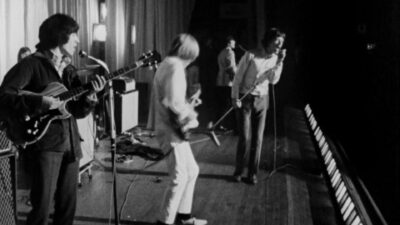
‘Whitehead catches the band while its feet are still touching the ground and while its members are still facing both the homey pleasures and the mounting terrors of a relatively un-insulated life, while their joy in making music and in having a limber jaunt together is still fresh and their success is still a lightly gilded serendipity. Whitehead, filming in black and white with agile, handheld cameras, gets some crucial things right. He wants to hear the Stones speak, and he keeps them aware of the camera, eliciting the unique mixture of the unguarded and the self-dramatizing that is the hallmark of cinema verité. The film captures some fine moments of performance, some revealing moments of offhanded intimacy, and others of purposeful reflection—and, over-all, it presents an astonishingly clear sense of the grandeur and decadence of Stones-ism.’ — The New Yorker
Trailer
Excerpt
Excerpt
_____________
Jeanetta Cochrane (1967)
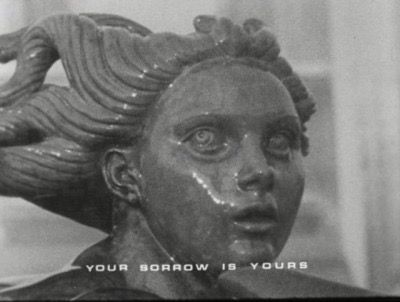
‘More consciously experimental than Whitehead’s other works, this film draws on a variety of sources, including sequences of London shot while Whitehead was at the Slade School of Art, glimpses of the singer and model Nico, and footage of the psychedelic underground nightclub UFO. There is also on-screen text, a voice critiquing it, and music from Pink Floyd, at this point still fronted by Syd Barrett–Whitehead’s old painting friend from Cambridge. The track here, “Interstellar Overdrive”, was recorded by Whitehead before the band signed to EMI and is much more exciting and beat-driven than the version they would later record for the label. There is no explicit link between the content of the film and the Cochrane Theatre, which is is named after, but the theatre was used as a venue for the Spontaneous Festival of Underground Films in 1966.’ — letterboxd
______________
The Rolling Stones: We Love You (1967)
‘The promotional film for the single was directed by Peter Whitehead. It included footage from recording sessions along with segments that re-enacted the 1895 trial of Oscar Wilde, with Jagger, Richards and Marianne Faithfull respectively portraying Wilde, Marquess of Queensberry, and Lord Alfred Douglas. Footage also appears of Brian Jones, apparently high on drugs with his eyes drooping and unfocused. The producer of Top of the Pops refused to show the film on that programme. A BBC spokesman stated the producer did not think it was suitable for the type of audience who watches Top of the Pops. He went on to say there was not a ban on it by the BBC, it was simply this producer’s decision.’ — Wikipedia
_____________
Tonite Let’s All Make Love in London (1967)
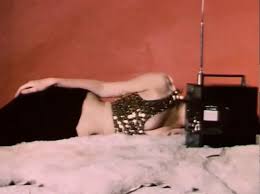
‘Peter Whitehead’s disjointed Swinging London documentary, subtitled “A Pop Concerto,” comprises a number of different “movements,” each depicting a different theme underscored by music: A early version of Pink Floyd’s “Interstellar Overdrive” plays behind some arty nightclub scenes, while Chris Farlowe’s rendition of the Rolling Stones’ “Out of Time” accompanies a young woman’s description of London nightlife and the vacuousness of her own existence. In another segment, the Marquess of Kensington (Robert Wace) croons the nostalgic “Changing of the Guard” to shots of Buckingham Palace’s changing of the guard, and recording act Vashti are seen at work in the studio. Sandwiched between are clips of Mick Jagger (discussing revolution), Andrew Loog Oldham (discussing his future) – and Julie Christie, Michael Caine, Lee Marvin, and novelist Edna O’Brien (each discussing sex). The best part is footage of the riot that interrupted the Stones’ 1966 Royal Albert Hall concert.’ — collaged
Excerpt
Excerpt (Eric Burdon & The Animals ‘When I was young’)
Excerpt
the entire film
_______________
w/ Denis Cannan The Benefit of the Doubt (1967)
‘Based on a play by Peter Brook, entitled U.S., is a critical look at the devastation and inhumanity of war. Whitehead adds to the original footage gathered from television news about the Vietnam conflict, a conflict that bled in all its fullness and divided the world into peace and imperialists.’ — film affinity
the entire film
_______________
Pink Floyd London ’66-’67 (1967)
‘Shot by movie maestro Peter Whitehead, this film features rare full length performances from the classic late 60’s Pink Floyd line-up at Sound Techniques London & material from the legendary ‘14 hour Technicolor Dream’ extravaganza in April ’67 at Alexandra Palace.’ — letterboxd
the entire film
_____________
The Rolling Stones: 2000 Light Years From Home (1967)
‘The clip, filmed and produced in 1967, has now been restored in 4K resolution and released digitally for the first time. The “promotional film,” as it was known back then, was directed by the late Peter Whitehead and shot on 35 MM film. The performance clip opens with closeups of the band members bathed in various colors, with Mick Jagger’s face painted, something he would do again for the “Jumpin’ Jack Flash” video, which was filmed the following year. The track, written by Mick and Keith Richards, was the B-side to the single “She’s A Rainbow.” It is believed Mick wrote the lyrics in prison during an incarceration from a drug bust.’ — kslx
_____________
Pink Floyd: Recording Interstellar Overdrive and Nick’s Boogie (1967)
‘The recording of “Interstellar Overdrive'” and “Nick’s Boogie'” was originally filmed for Whitehead’s film Tonite Lets All Make Love in London but weren’t used in the film’ — PF
_____________
The Small Faces & P.P. Arnold: (If You Think You’re) Groovy (1967)
‘The Small Faces, along with Immediate” artist P.P. Arnold and film director Peter Whitehead traveled to Camber Sands to film an Immediate Records promotion film. The 16mm colour film was later used for the promos of The Small Faces’ “Itchycoo Park” and they gave “Groovy” to P.P. Arnold. The Small Faces play on this track, basically making it a Small Faces’ record with P.P. Arnold guesting on vocals.’ — bbc
_____________
The Fall (1969)
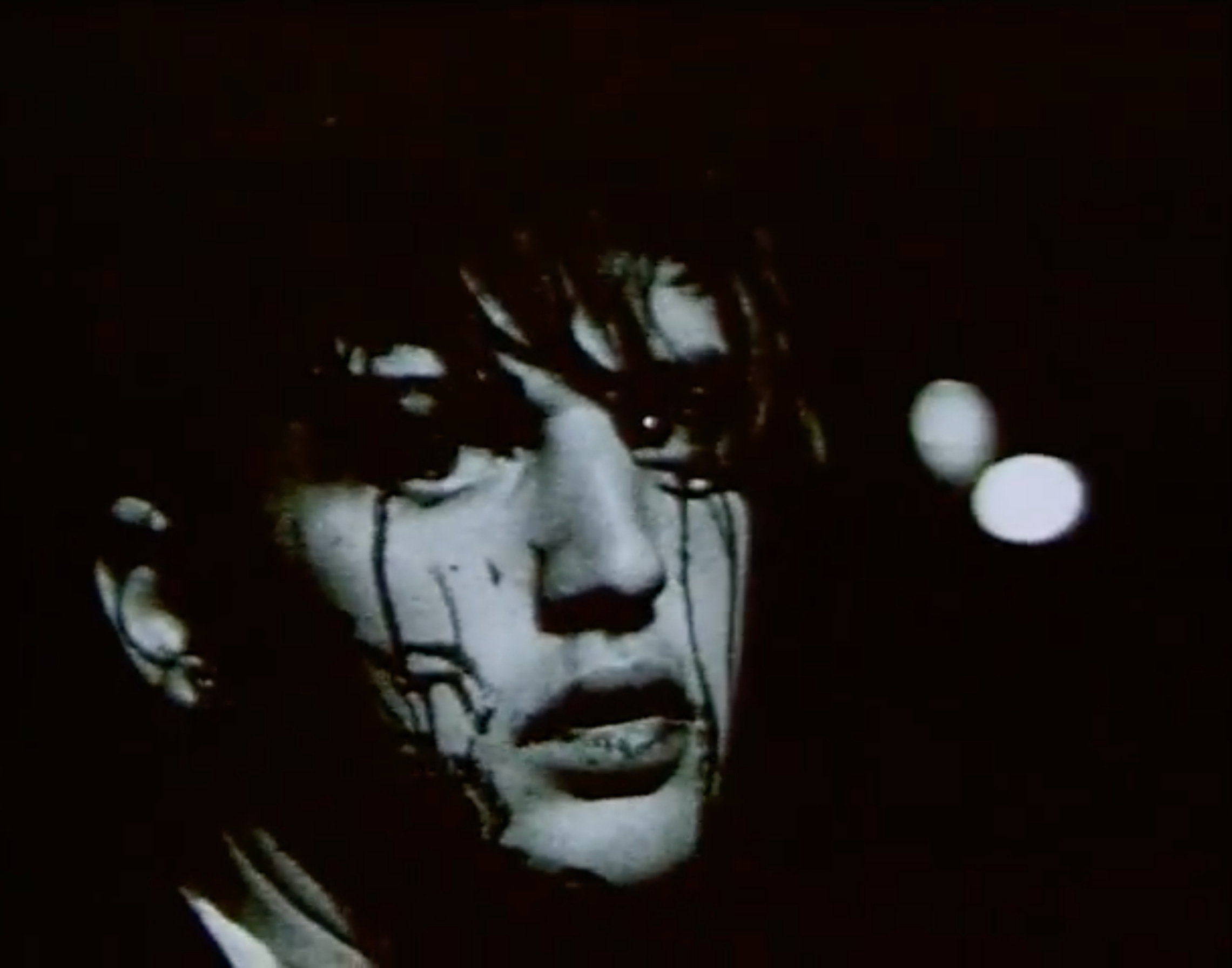
‘Between October 1967 and June 1968 he filmed in and around New York. Whitehead concentrated on some of the central figures of the civil-rights movement and counter-culture like Stokely Carmichael, Robert Lowell, Paul Auster, Arthur Miller and Robert Rauschenberg. He even managed to get behind the barricades of the radical students from Columbia University while police units insist on trying to break up the occupation of the campus. John Patterson (Vienna Festival Catalogue): ‘Whitehead was his own one-man film unit and was fond of asynchronous images and sounds, allowing new meanings and feelings to arise from the creative use of incongruity. The exemplar of his approach was the dizzyingly impressionistic essay-movie The Fall. Like many a 60s Englishman in America – Hockney, Boorman, Schlesinger, Peter Watkins – he came to the U.S. equipped with freshly-peeled eyeballs and saw a turbulent, vibrant, violent nation in ways Americans themselves often did not. The Fall is unlike any other record of the period – a time a lot like now, full of anti-war and civil-rights demonstrations and profound national self-examination – perhaps because its very obscurity has kept it fresh.’ — EH/iffr
______________
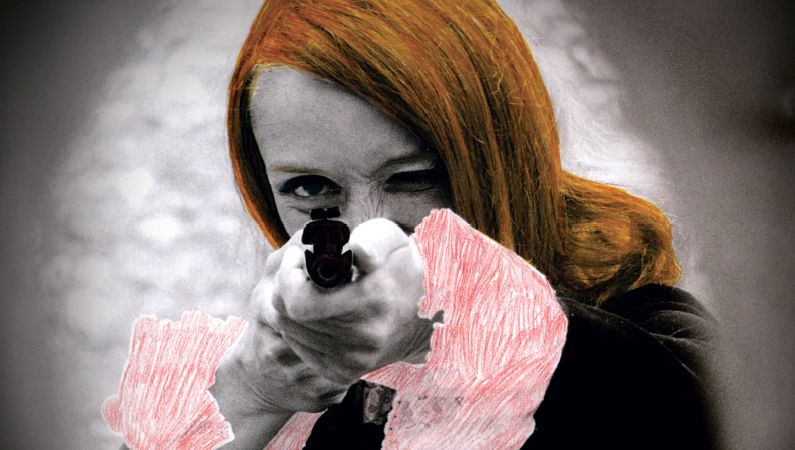
w/ Niki De Saint Phalle Daddy (1973)
‘Daddy, filmed in cooperation with movie director Peter Whitehead, discovers the connection between a father and little girl. Like the majority of Niki De Saint Phalle’s films, the flick combines autobiography with imagination, mixing erotic scenes of incest with a reverse of energy as the female character humors the daddy figure. Saint Phalle narrates the film, offering an almost psycho-analytical explanation of its content and explains the different inexplicable.’ — Letterboxd
______________
Terrorism Considered as One of the Fine Arts (2009)
‘My film is largely based on the recent novel of the same title. It is the first novel of a trilogy entitled “The Nohzone Trilogy”. The second novel is entitled “Nature’s Child” and the third “Girl on the Train”. The central element of the film is the killing of an “ideal victim”. I want to investigate the CIA’s influence on English culture, which is based on misinformation. This new film is influenced by Thomas De Quincey’s novels, “Confessions of an Opium Eater” and “Murder Considered as a Fine Art”, and I would say that it is about fear and control, or better still, about the fear that the state spreads in order to control. After having destroyed the Third World now we are also destroying this planet. Gaia is now, rightly so, revolting.’ — Peter Whitehead
*
p.s. Hey. ** _Black_Acrylic, Awesome, I hope your friend enjoyed it, obviously. Thanks again for pointing her there in any case. Interesting about that doc. I don’t have Netflix, but I’ll see if I can find it somewhere else. I’ve seen video of that Jeremy Deller piece, of course. ** Charalampos, The film Gregg asked me to be in was ‘The Living End’. I haven’t seen ‘Kaboom’. Hey back from you know where. ** Bill, Odd and intriguing it most certainly is. Kind of shocking that so many hadn’t seen ‘MOPI’. Or maybe shocking that I would have expected them too? You’ve seen the film made up of outtakes of ‘MOPI’? There’s some wonderful stuff in there, if you haven’t. It was put together by James Franco, but don’t let that stop you. ** Carsten, I think maybe things are such that an energetic film that doesn’t depend on CGI and color grading and has an inkling of a decent ideology seems pretty tasty. I liked ‘Sinners’. I thought it was solid and well done. We remain non-stormy as usual. ** Laura, I’m still poring, and it is fun among loftier things. Gosh, thank you about ‘Period’. It was a very complicated and difficult novel to write on many levels. Maybe not as much on a technical level as ‘The Marbled Swarm’, but second at least. And, obviously, there was a lot of emotion to wade through and try to regulate with ‘Period’. You can get ‘The Golden Fruits’ for free from Anna’s Archive. The Vista was closed for years but reopened a few years ago, now owned and somewhat directed by Tarantino. The only problem with LA is the parking situation can be so difficult. Well, and the traffic. But I’m a calm driver. I’m beset with horror and a terrible helplessness re: Minneapolis and ICE and a million other US endangering crap situations over here in Paris too, yes. I have an allergy to fabrics and dyes, and have to wear organic clothes which very much prevents me from being into clothes as a thing The night was pretty grayed-out from what I could see of it. ** Thomas Moronic, Hi, T! I obviously so agree. You good? You really, really good? xo. ** kenley, Yay on the editing. It went well, I trust? Fuck knows where that Ira Cohen thing is. I guess he must have an estate or archive or something? My all-time favorite gallery was called Feature in NYC. It’s defunct now, but there’s a book about it. In Paris, I go to a lot of galleries, and they’re all pretty hit and miss. I do really like a small gallery called Art/Concept. Among the bigger ones, Marian Goodman Gallery usually has good shows. Do you have galleries where you are, or any you like? ** Måns BT, Måns! Yes, we’re set! How about that? Yay, we’ll get to meet and hang and have fun. Oh, interesting, about Ellis. I think I remember his thing about the blog murder. On the Q&A, trust your instincts. It’d be totally good and more for us if it’s just us three talking, for sure. You made a short film! Excellent! I’ll go find kollektivtarbt on Instagram and follow you. Wait, I just did. I hope you had a good sleep, whatever that would entail. ** Steeqhen, I wasn’t into Jedward’s music, surely needless to say, but I was interested by their brand’s construction. I’ve heard of ‘Bulk’, but that’s all. Hm, maybe I’ll investigate further. Strange but totally understandable. It’s very hard being an empath in this world today. ** Steve, I can’t remember, but I’m pretty sure he’s into Houellbecq. Luck with the jury duty escaping. Just remember if all else fails, ‘anarchist’. ** HaRpEr //, With the Alt Right guy writers I’m familiar with, it really seems like repressed transphobia in particular exploding outwards. Having had the ‘outlaw writer’ tag on myself forever, it’s a yawn, but it could be worse. Haha, nice ending, very ‘DiV’ indeed. ** Uday, I think Gregg’s interest in putting me in a movie is long since dead. Not a problem for me. Wow, cool that you’ve already started the Sarraute. You would get the blog’s Gold Star of the Day if I gave them out. Sounds like first week jitters, but pray tell after you guys settle in. ** Right. Today the blog concentrates on the work of the groovy Brit filmmaker and music video pioneer Peter Whitehead if you’re interested in seeing what he’s about. See you tomorrow.


 Now available in North America
Hey Dennis,
I knew somewhat of Whitehead, though not enough! I have a bit of a blind spot when it comes to The Rolling Stones; Unlike The Beatles or The Beach Boys who har a distinctive “artsy” period, if the Stones had one, I was never informed.
One of my best friends used to be obsessed with Jedward, and ran after them when they saw them one time — they were in single digits at that point. They had a kids tv show for a bit, I can’t remember the exact point of its existence. I think it was like them helping kids do things ala Make A Wish without the terminal illness, but I may also be confusing that with Una from the girl group The Saturday’s TV show… maybe it was a prank show? Idk I was too old to be watching it and only caught glimpses. Speaking of the Eurovision, at some point after Ireland won so many, we started to not give a fuck and submit Jedward and my favourite Dustin The Turkey, who is this puppet from the 90s/00s who would be a bit of a Muppet character if they were more saucy and suggestive. Anyway his song, irlandais douze points, was just him shouting Ireland 12 points in French over a shoddy techno beat with female backup dancers. One of my favourite acts we’ve submitted.
With a bit of distance I can tell that Bulk kind of was a bit self-indulgent in metaness and really showed its influences, but I did enjoy it, especially from a technical standpoint. And I’d rather that millennial humour in something interesting rather than another Marvel movie. Idk if you ever watched Community, or anything by Dan Harmon (Rick and Morty), but it felt a bit like that but more British. Take that as you will.
Woke up late and I will be slightly late to work due to traffic, but I might offer to stay behind an extra bit if needs be. Was so exhausted and got so little sleep as I entered one of my nighttime modes where I go through discographies: Madonna’s Hard Candy which is an album I don’t care for but wanted to give a proper chance, a handful of my favourite Janet Jackson songs that I don’t give as much time to, and then as many deepcut Bjork tracks as I could queue. I feel like if I was to be asked who my favourite popstar is, I would have to say Bjork which feels so pretentious and as if I look down on pop music, but I actually really do love Bjork and her first 2-3 albums are pop albums that still seem to be highly influential to this day. Listening to Debut right now which isn’t my favourite by her (that would be Vespertine, followed closely by Post) but it also holds so much nostalgia for me… I was a big fan of It’s Oh So Quiet off Post when I was like 6 or 7, and then I got heavily into Debut when I was like 15, which will have been almost a decade ago in a year or two…
Sorry for the ramble, and excuse me if I come back after work to ramble some more!
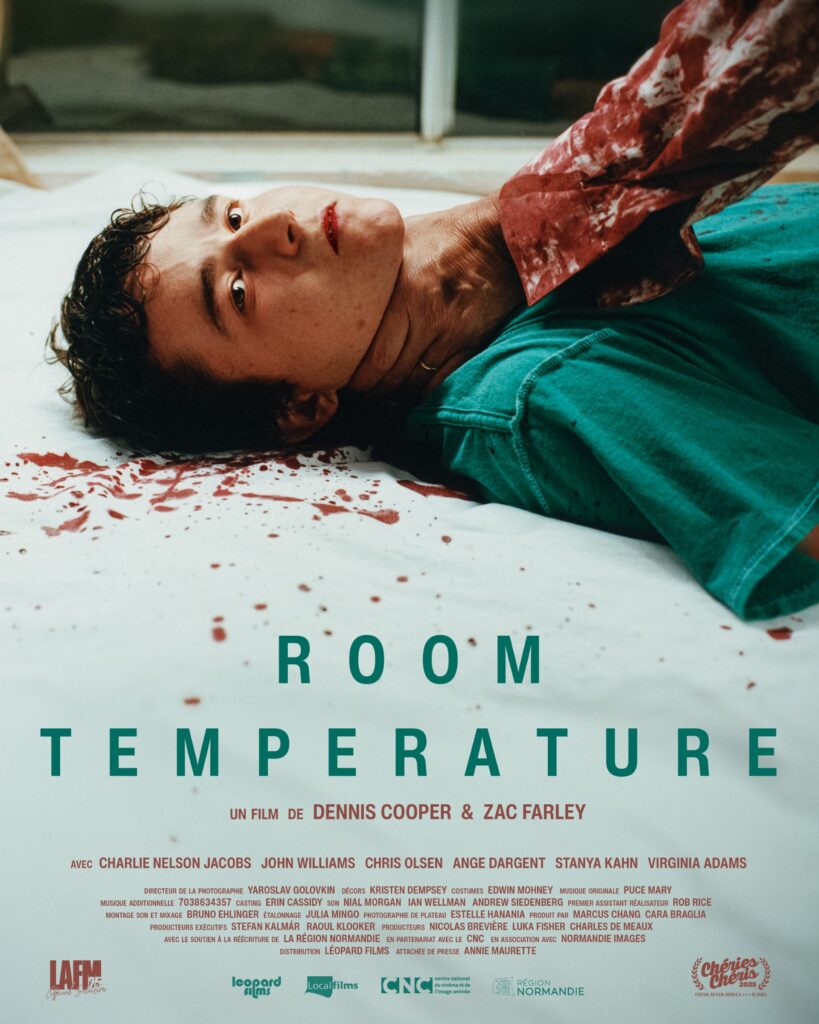
Morgan saw Room Temperature in Seattle last night and she thought it was great! Also says the cinema was sold out, happily enough.
Peter Whitehead is way before my time but evidently the guy was a trailblazer. The synopsis of his new film makes it seem very relevant indeed.
hi Dennis!
lol hope the poring has provided fun etc. ^_^
Peter Whitehead is so cool, esp coming from so called classical music. feel he started out almost comically British what w the empiricist stuff, then went to the US and became sort of an expressionist, tho he def was moreish before. i didn’t know about about his breakdown, which honestly was still quite British. me, i would have just ranted nonstop for three months, make it four. wonder what he’d be thinking rn, i mean he did get to witness a bunch of the ongoing hank-panky to say smth. anyway, he had such a good look too, p much what you’d hope from the idea of someone in that position at that time.
i see you could have been in The Living End? Dennis you should have! anyway you guys still should do smth together, i know what’s good lol and this would be good. ^_^
ty for being generous re: Period talk, know it’s not easy ya 3ami. but you did so well you sort of did what can’t be done. i def wouldn’t glaze you. <3
i’m weirdly not too fazed by LA traffic, like if i’d had a normal job it might have driven me bonkers but as it is i can just be zen or go through the tasbeeh or whatever. the amount of fines from parking w the wrong end facing out tho, fucking hell, what even is that country lol. but you’re a calm driver! that’s cool, means i could potentially ride w you one day lol. ever since i got ill i’ve got this phobia about both elevators and being driven around lol. it’s a control thing obvi, i like having it and i like losing it but anything in between just makes me super sick.
you’re basically next door to East LA and its super slay clown scene! next time you’re over yonder and you’ve got time to kill, you should def catch a show at The Elysian or more likely The Vault, then tell me if it’s still any good ^_^ v weirdly it turns out one of my fav actors of late used to be huge into the stuff and i might have even watched him, just wouldn’t have known what w him all done up. bit sad he might never be able to go back there, like, the whole art form is predicated on absurdity carrying performance from failure to failure and towards massive vulnerability, but the trappings of adoring fandom would probably fuck it all right up =/
omg Dennis if i were allergic to a bunch of fabrics idk what i’d even do. on the other hand you’re probably doing yourself a favour according to immune disruptor theory and all that so stay Nature’s Son etc. ^_^
cheers for sending me over to Anna’s! that’s a major improvement on how i thought this would end up going lol <3
i’m shook, no, shooketh that Vista Theater which i like loads now belongs to that toe-sucking zio, like, fr, gotta figure out if i can even go anymore, assuming i can literally go again lol this is ughhh
rn i’m worrying over this old LA friend who doesn’t know how her people in Iran are doing even if everyone’s been starting to finally make contact. she’s estranged tho, so for her it’s just silence. anyway, fuck the IR so hardcore.
now i’m iff to write for a while, this club kid called Kayden i think is about to really get it, everyone say bye to him other than in flashbacks lol.
more stars tonight maybe?
hugs!!
hi dennis!
editing is going swimmingly! i started out deeply scared and am now having the time of my life. it never occurred to me how much you can play around when you have something so longform. idk if you feel similarly?
thanks for sharing about peter. that stones in drag video is really fun!
ahh, ill check those out if/when i ever hop down to paris! meep—i know basically jackshit about the Art World, hence my question hahaha. sometimes i pop my head into daniel faria gallery or mercer union? i used to hit up xpace sometimes, a gallery affiliated with an art school. a lot of the work was…student-y (not that i could do better!), but there was some really cool shit now and then. i used to sneak into parties at this tiny gallery called 8-11 when i was 17 and had just moved here, but wahhhh it closed long ago. funny story, all the way back then, i met this one toronto art scene guy at 8-11, thought he was so gorgeous and funny and have since carried a decade long crush on him, and then i ran into him at the toronto room temperature screening back in november lolololol
i wrote a really long comment and it got lost, god curse my browser, ill write this again
but hey hows it going! on my end im okay a little busy and kind of sick as always, but i wont let it get me down.
my best friend handed me a copy of ‘asiye’s story’ which i started reading today. its an autobiographical book by asiye guzel: she was arrested and imprisoned for 5 years for being an editor for a left-wing newspaper, and the book is mostly about the rape she experienced in prison. torture is a very common thing in turkish prisons up to this day including sexual violence, but she was the first people to write about it in this way as far as i know. the books really short like 120 pages in english and im only at the beginning 30 but i love how she describes things, its really down to earth. i dont know how to explain it, but its very immediate. although theres also some parts like this at the introduction which i find beautiful as well:
‘Can you find your way on a starless night? Even if you have studied the road, can you walk it without going astray? How lucky you are if you can find it without hesitation. Bur you’ve got serious problems if you ger stuck, stumble, fall without the possibility of getting up. Everyone can find the road on a night when the stars are shining, but what if there aren’t any stars, or if your heart is so darkened you can’t see them. You stumble, fall, try to get up again, but you are stunned with pain. All your organs are wounds that won’t close. You can’t see the outstretched hands trying to pull you our of the darkness, because you are swiftly flowing towards extinction.’
im reading this book in english translated from the original turkish, which is kind of a rarity. it made me think about how in german language literature theres like really this niche of political prison lit thats either in original german and untranslated (70s and 80s RAF prisoners as like a most popular example but theres a lot from the 90s up to more recent) or translated into german (mostly from turkish since theres a huge diaspora here) and not into any other languages. its a shame since theres really some little gems of these kinds of books out there. it made me think, if you have any sort of interest in it all, i would have fun producing some rudimentary translations of some excerpts and highlight & present some of my favorite books of this kind.
but i would probably only have time to do it next week if i want to be realistic & disciplined w myself this weekend, lol. until then! xo
From filmmaker to falconer—why the hell not. I’m always intrigued by wild trajectories. Seems to me Whitehead’s life was more interesting than his movies though.
You’re right about the sorry state of film right now that makes something like “OBAA” stick out. Culture in general has been in a bloodless slump these past few years. Not that there aren’t incredibly exciting things being made here & there, but on the whole there’s a lack of drive & wild vision that I find quite depressing. Sign of the times I guess.
Dennis Dennis Dennis!
Funny thing: Elis actually saw one of your replies to my comments on here, screenshotted it, and posted it on his insta story. I feel monitored and kept on watch hahah. Scary if he’s reading this too…
Thank you for following kollektivtarbt, that made my day! Yeah we did make a short film! It’s called ’Vit Skog’ (white forest) but we may change that later on. Just joined a band today too, so lots is going on. We’re called Gerorisuto and are experimenting with different sounds and approaches, so that’s fun.
Tell me, are you reading anything of value right now? I need me a good book to delve into.
See you tomorrow buddy !
Måns
I’m done with jury duty, and I didn’t even have to quote Emma Goldman or Rudimentary Peni. I was considered for a case this morning, but the lawyer let me go. After that, I had a 2-hour lunch break and returned to sit around the courthouse for several more hours. I’m now exempt from this till 2030.
TERRORISM CONSIDERED AS ONE OF THE FINE ARTS is the film that sparked my interest in Whitehead. It emanates from such a strange state of mind.
Are any of these alt right dude writers talented?
Hi Dennis, hope you’re doing well. I’ve come back to report more of my thoughts on Oz as I’m now nearing the end of the 4th season: Rather surprisingly the show took a rather sharp and direct focus on a gay relationship between Season 3 and now, between Tobias Beecher and Chris Keller.
How’s looking into Mother Horse Eyes going? I can understand if it’s difficult to penetrate from afar.
Well yep, being a so-called ‘gender critical’ activist is really hip in the literary establishment right now. For them it signifies being about ‘asking tough questions’ and ‘not being afraid to have difficult conversations’ which is just a stupid front. Again, they’re claiming to be subversive when really they’re just so afraid of change and things that they don’t understand that, instead of opening their mind, they choose to make a boogeyman. Typical stuff. I’ve actually seen a couple of gay writers go in that direction which is pretty disheartening, but whatever.
As an obsessive Syd Barrett fan I’ve of course seen all of the Floyd footage, but was unaware about Whitehead.
I’m slightly embarrassed to admit that I’m having a bit of a Stones phase at the moment. I never had one before, though I was always interested in Brian Jones. As a kid it was always The Beatles and The Kinks. The Stones take longer to get into than a lot of their contemporaries. I always thought that a lot of the white boy blues stuff was sort of embarrassing, but that stuff works to its greatest effect on their most chaotic albums I think.
As I get older I have to accept that I love things like that rather than pretending that I’m too cool and modern for it. And I’m someone who always thought that the idea of ‘guilty pleasures’ is stupid, but everyone has blind spots I guess.
Oh yeah, slight aside, but I remember reading in an author bio that you were president of the Dave Clark Five fan club as a kid. Is that true?
Will definitely check out Whitehead’s work; very interested in a lot of his subjects.
MOPY is a great acronym for Private Idaho! Certainly has its MOP(e)Y moments. I’ve heard of the outtakes collection, but have never seen it. Doesn’t seem to be streaming on the regular platforms, but let me dig a bit.
Just found: https://www.youtube.com/watch?v=yi6gyE_GCDE
It’s beautiful. Some of the early 90s Chicago scene stalwarts appear in it, including Steve LaFreniere and T. Atkins. Steger, who’s also an excellent performance artist, doesn’t appear on-screen.
Bill