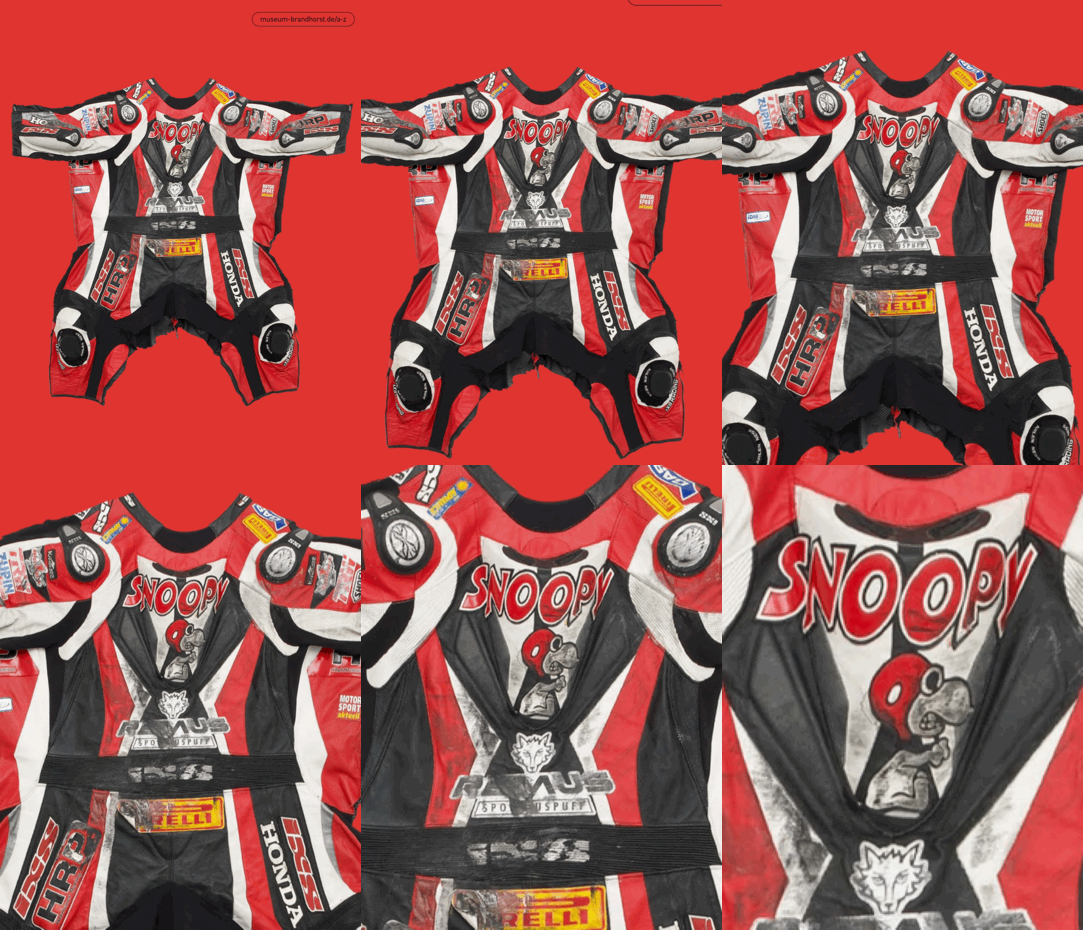
‘When she was young, Alexandra Bircken was an avid reader of the popular English magazines “i-D” and “The Face,” which cover fashion, music and youth culture. Expressing individuality and self-determination through fashion plays a very special role in these magazines.
‘Alexandra Bircken thinks a lot about the skin as a shell. For example, she is interested in how skins separate us from other things in the world, or how the surfaces of materials surrounding us can look, how vulnerable they are, or how they provide protection.
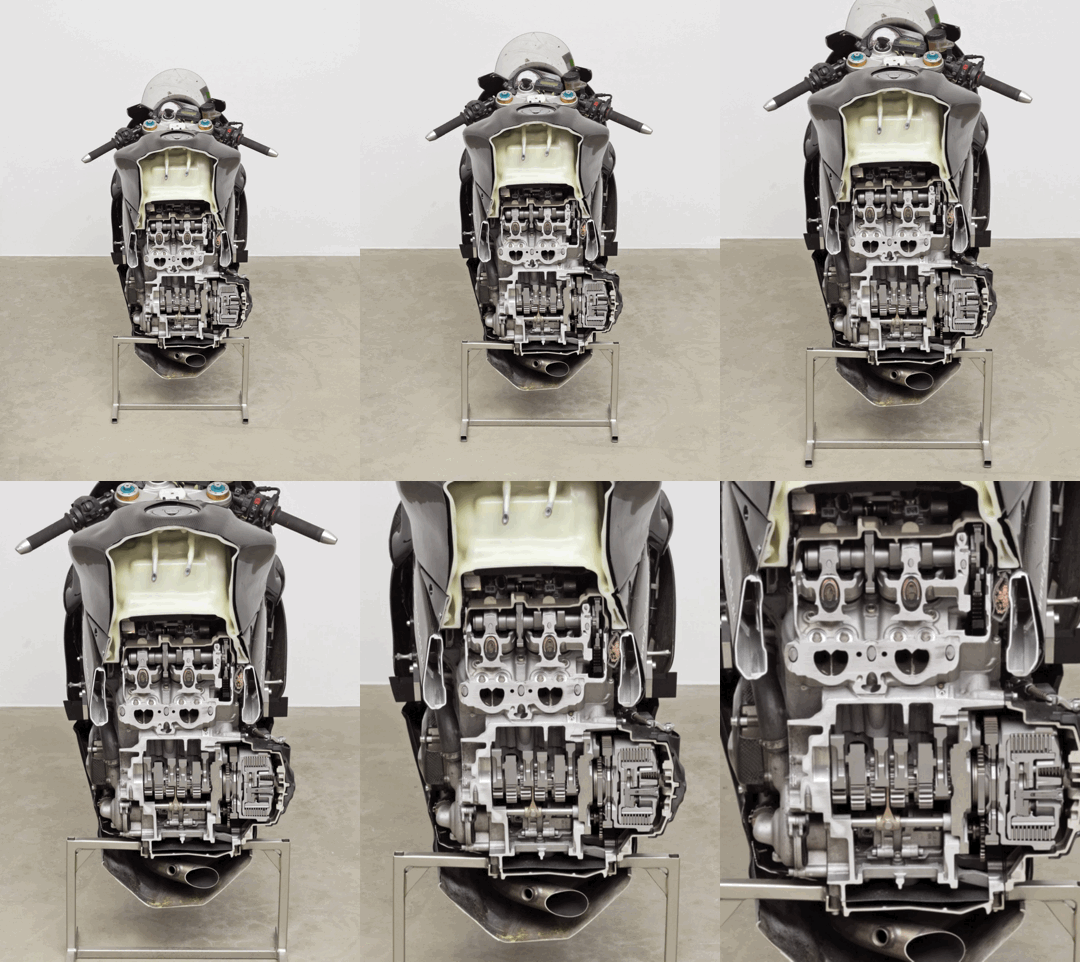
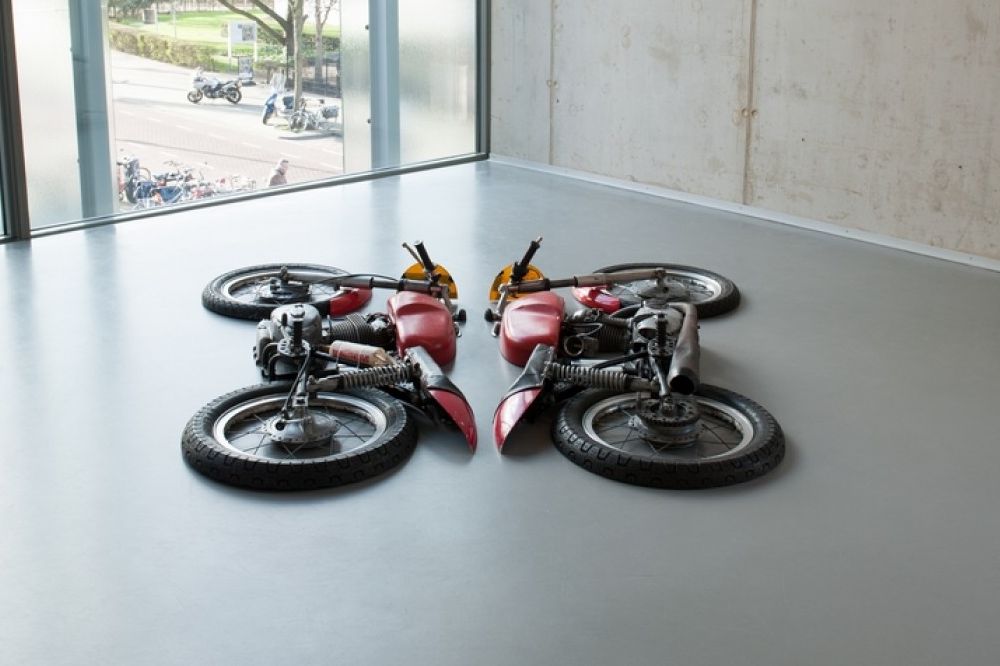
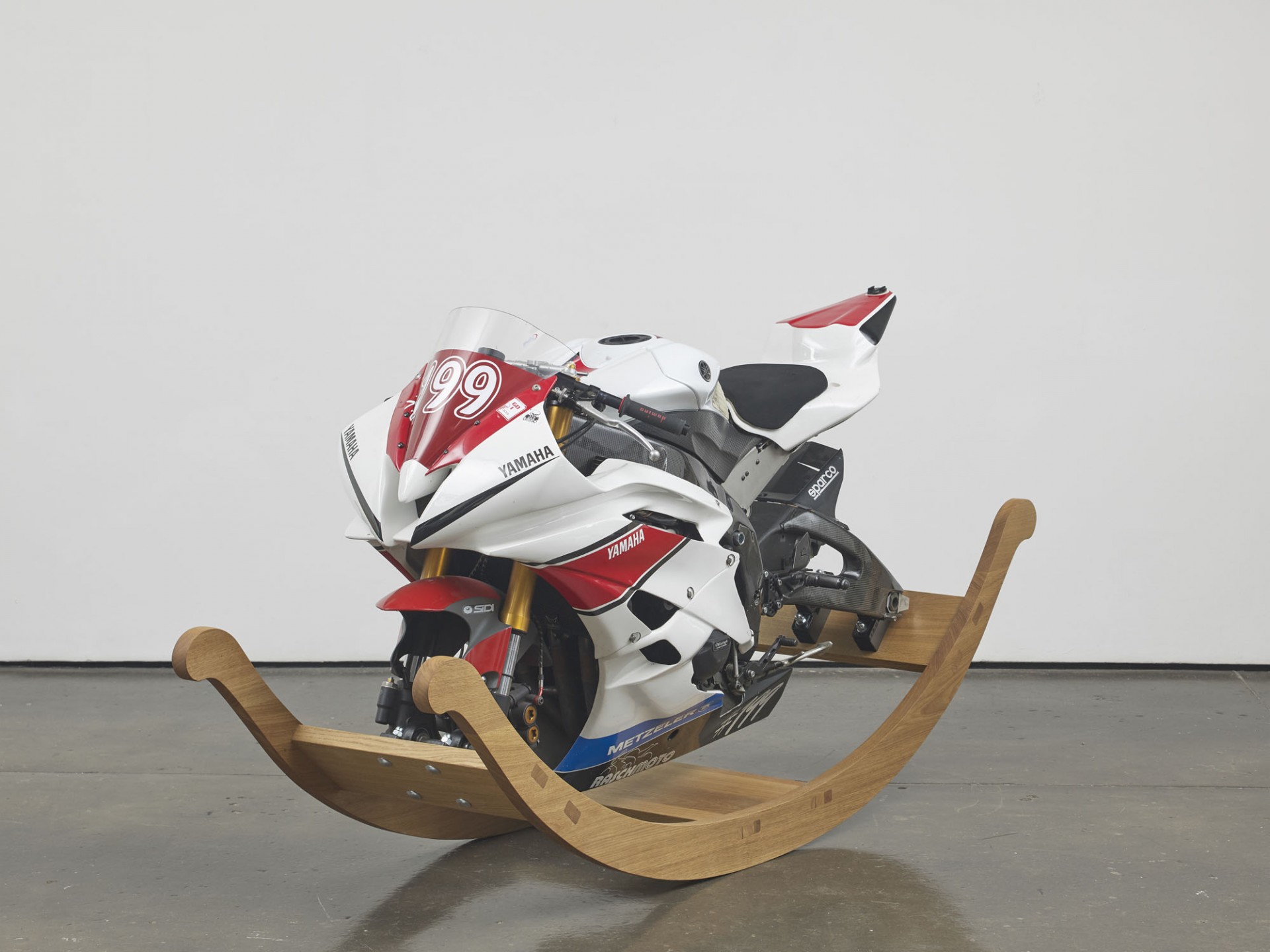
‘Sometimes she also focuses her gaze deliberately on the inside of bodies and objects. For example, she cuts open motorbikes or other machines with great precision, so that suddenly not only the exterior but also the interior of the object is visible.
‘After almost a decade as a designer, Alexandra Bircken decided to leave the fashion world. In 2003 she rented her small studio “Alex” in Cologne. But soon she started creating her first sculptures—Alexandra now regarded herself as an artist.
‘In machines and architecture Alexandra Bircken observes similar structures as in a body, e.g. a “skeleton” or “organs.” With her installations, she sometimes consciously intervenes in the existing architecture and creates works specifically for a particular space or place.’ — Museum Brandhorst
____
Further
Alexandra Bircken Site
Alexandra Bircken @ instagram
AB @ Herald St.
AB @ Contemporary Art Library
AB @ Maureen Paley
Buy ‘A-Z’, a Alexandra Bircken catalog
Alexandra Bircken on fashion, club culture and the fragility of flesh
Alexandra Bircken’s work threatens to spill messily from its frames
She just really likes handicraft.
The artist who makes work out of old Audi parts – and her own placenta
PRESENTATION: Alexandra Bircken A-Z
Artist of the week: Alexandra Bircken
____
Extras
Alexandra Bircken: ESKALATION (English)
Alexandra Bircken (German)
________
Interview
from Art Viewer
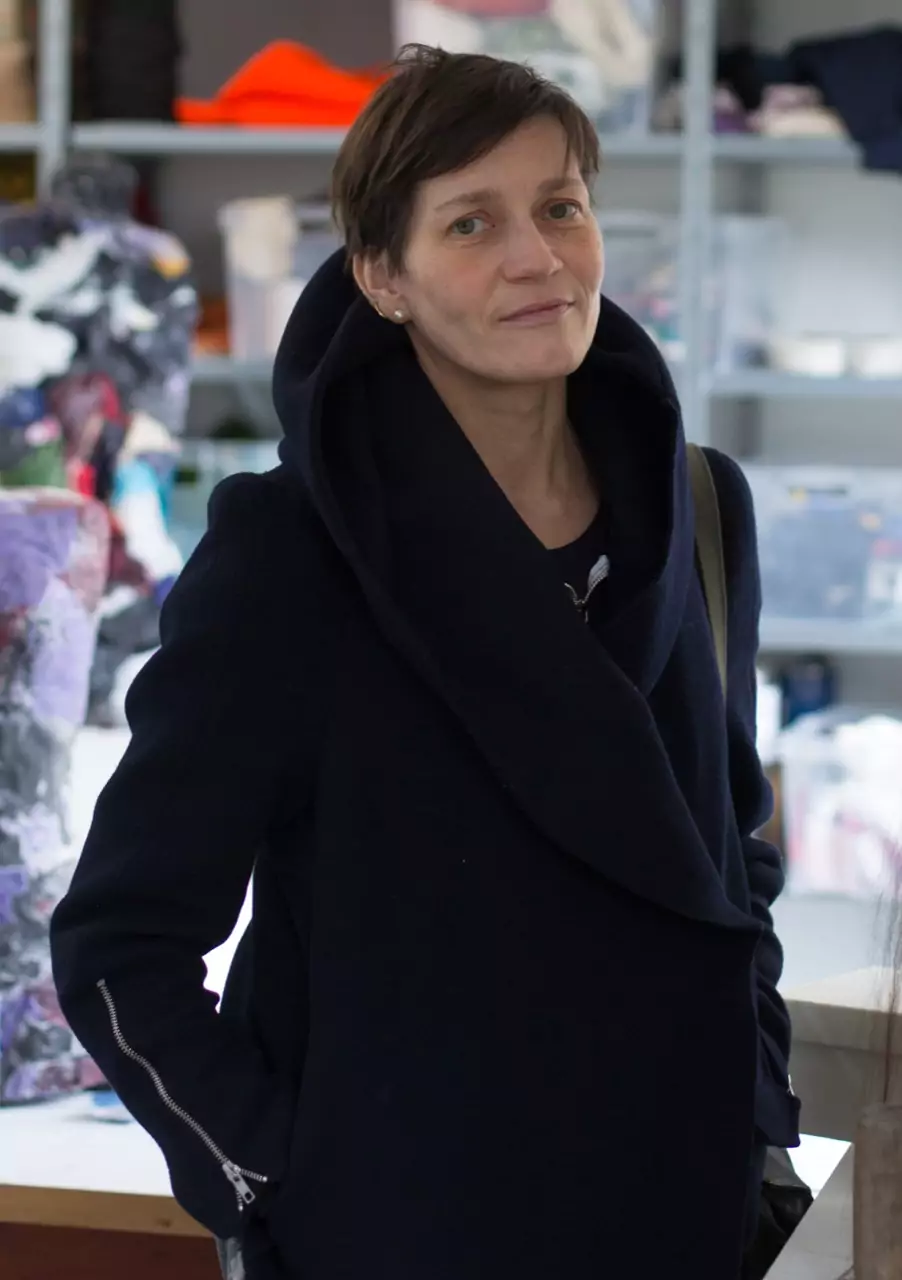
Alexandra Bircken: My interest in the body and corporeality has personal roots: as a child, I underwent several intestinal surgeries and spent a lot of time alone in the hospital. This early, existential confrontation with my own body left a lasting impression. I began to perceive the body not only as my own but also as something abstract—an object that can be observed and examined. Beyond this biographical experience, I am interested in the body as a universal element: something that connects us all, since every human lives in and with a body, however diverse those bodies may be. Moreover, bodies are not only containers of inner life but also alter egos. And it is precisely this moment of otherness that is crucial in art. Sculpture always means to me: something stands opposite you; you relate to it. What does it do to you? What function does it have in the space or in relation to other objects, or within itself?
Paul Bernard/Selma Meuli: Beyond the body, skin in particular is a recurring theme in your work.
AB: Skin is the surface we see when we meet and observe each other. At the same time, it is the largest organ of the human body and reveals a great deal about the body’s condition. Skin is also something we clothe or cover and adorn. In this sense, it stands for representation as well as protection, vulnerability, and pain—all aspects I address in my artistic work.
PB/SM: Your work also shows a particular interest in machines, revea-ling their anthropomorphic character in certain places. How do you perceive this strange analogy between the body and the machine, the organic and the mechanical?
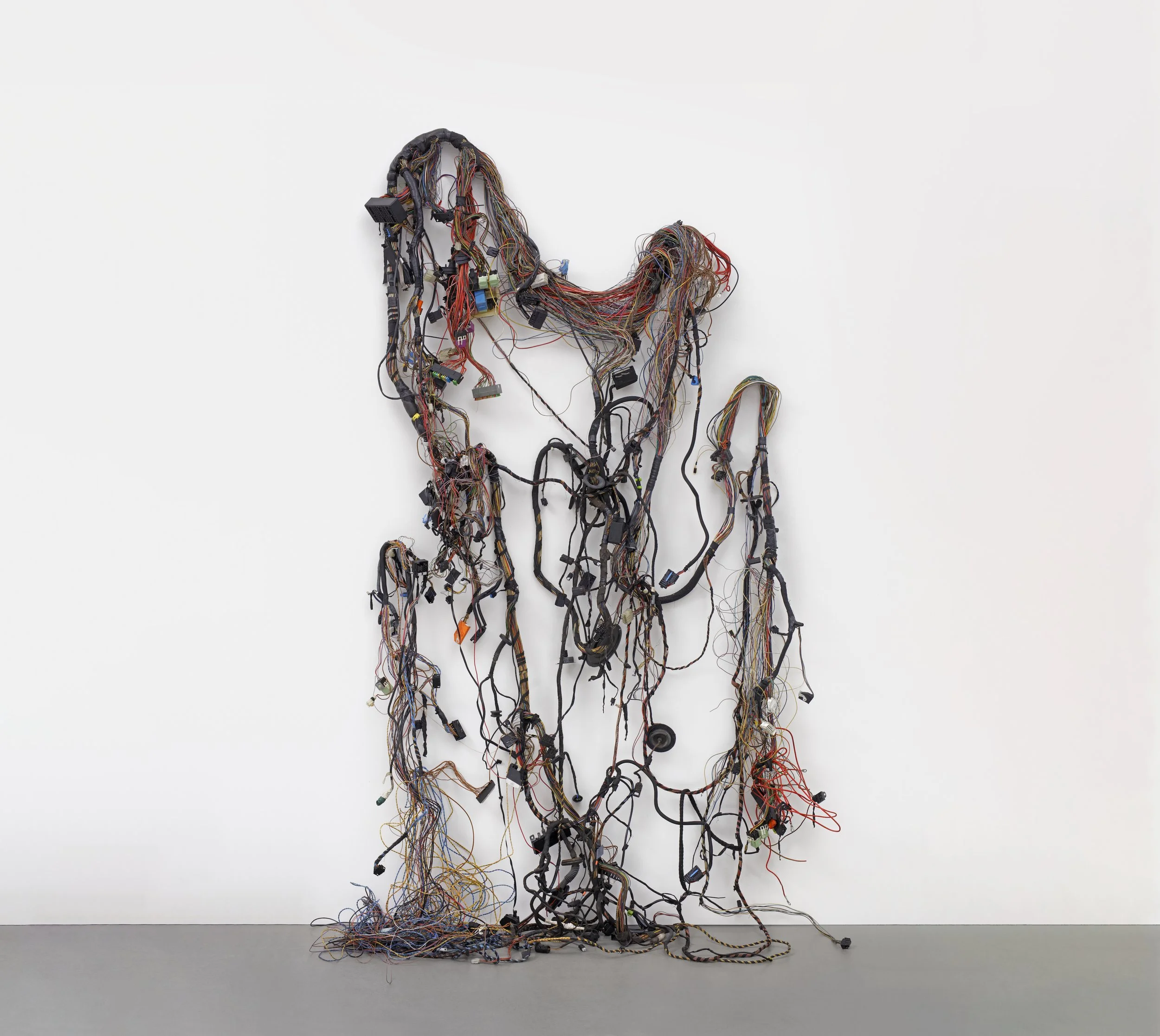
AB: Inside machines and engines, complex bundles of cables, known in German as «Kabelbäume,» (eng. cable harnesses) run through them. These highly branched structures resemble the human nervous or vascular system, both formally and functionally. Just as a network of fine veins extends from the heart through the human body, in a car, the battery serves as the central organ supplying power to electrical components—ignition, navigation system, radio, heating and cigarette lighter—through the cable harnesses. This transfer of organic principles to technical systems fascinates me and is a central motif in my work. The wall piece Efeu Elektro (2023) expresses this most clearly: the work consists of a rhizomatically grown cable harness that takes the form of an organic-technical sculpture.
PB/SM: This way of relating structures or systems that may seem foreign to each other appears to be a fundamental gesture in your artistic methodology. It is also present in your weaving works.
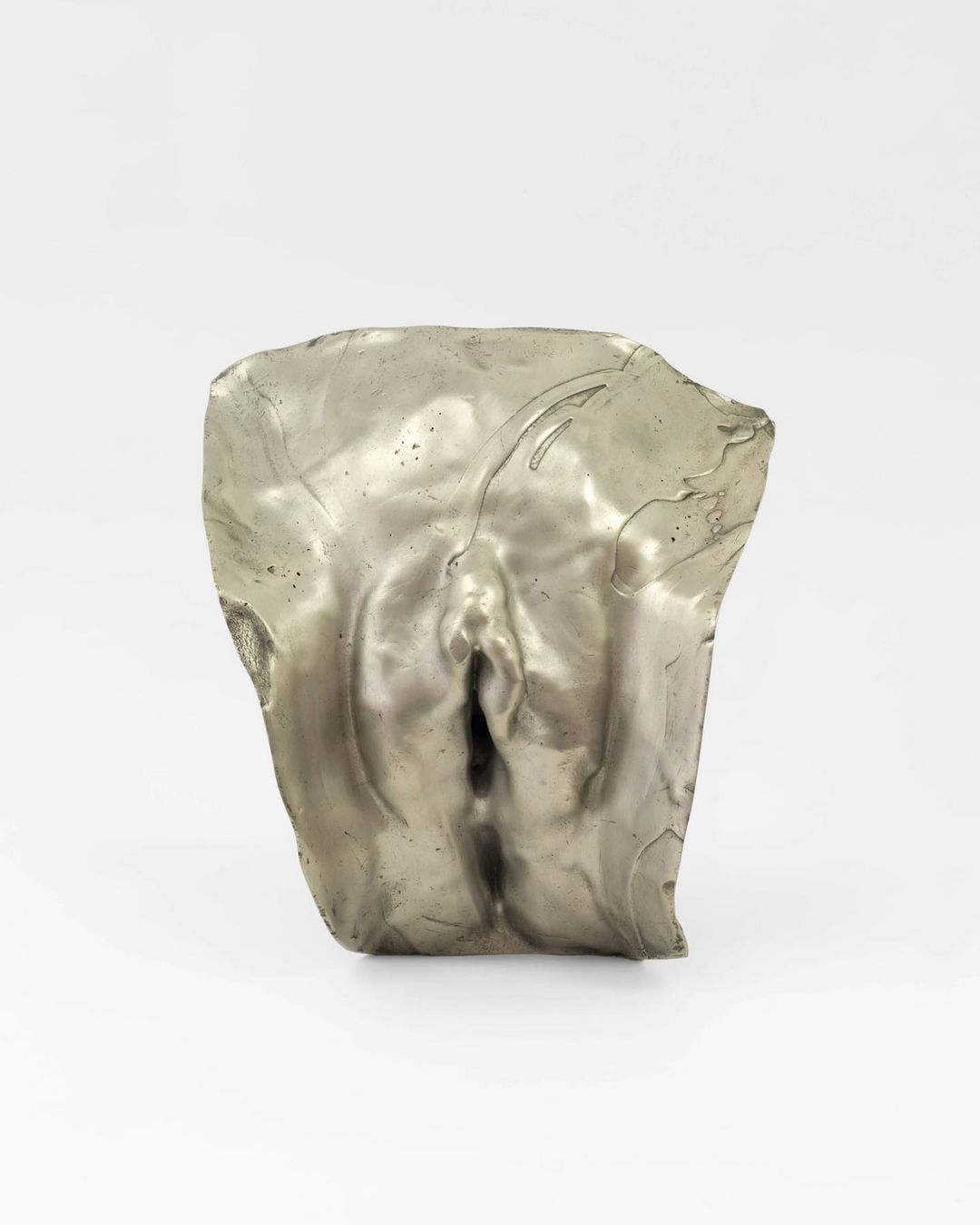
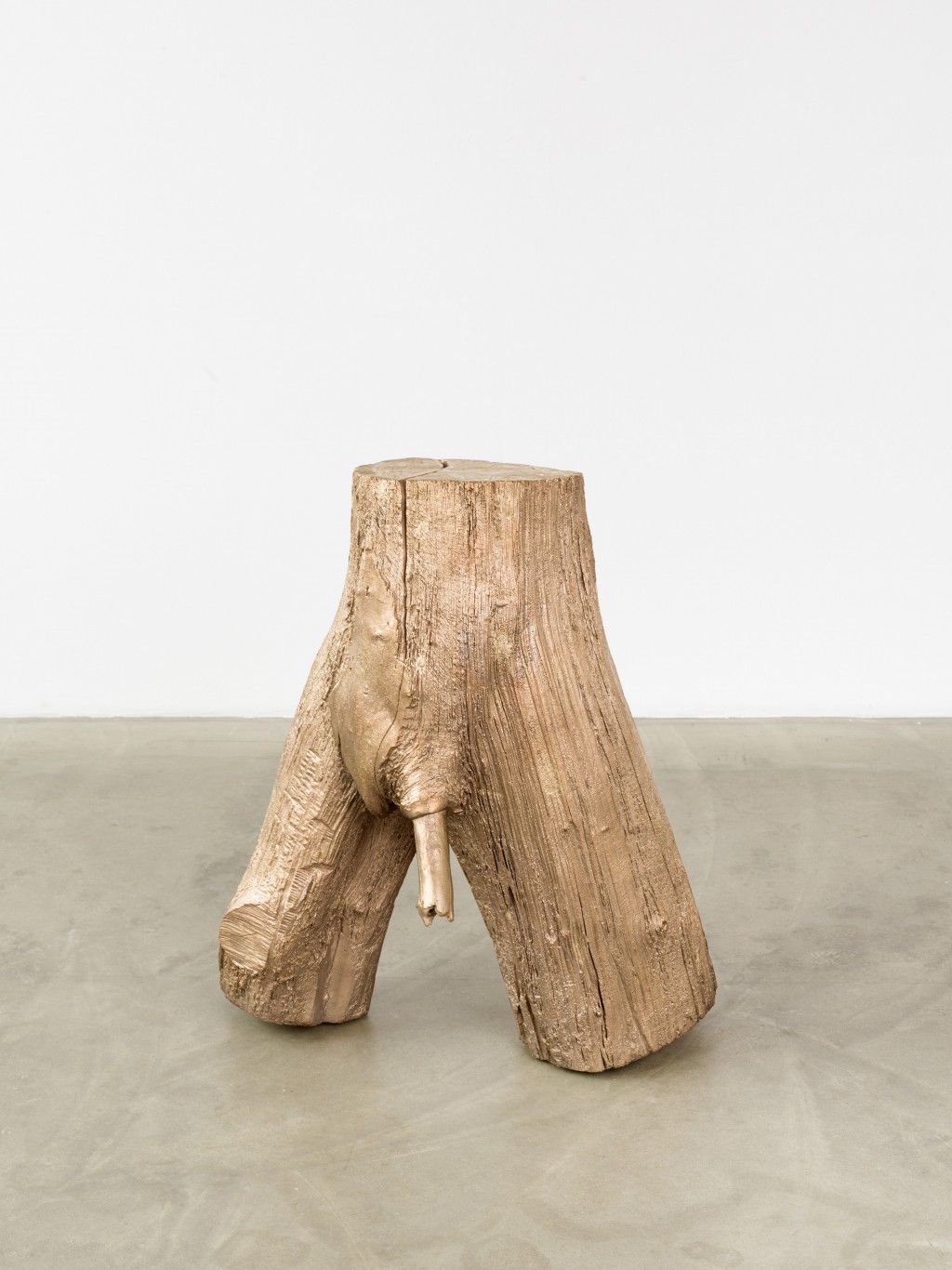
AB: In the works Picasso (2025) and Automatik (2024), both again made from car cables, I continue the approach of transferring systems—this time starting from the archaic technique of weaving. It’s less about analogies between body and machine and more about the encounter of different technical, cultural, and gender-specific regimes. Weaving is one of humanity’s oldest cultural techniques. In her «Carrier Bag Theory of Fiction» (1986), the American author Ursula K. Le Guin describes that the first human technology was not the weapon but a container: a bag, basket, or net used to gather food or catch fish. I found it particularly exciting to transfer a traditionally male-associated material—car cables, a symbol of an industrial, technicized world—into a textile technique that is historically female-dominated and much older. Despite the rapid technological progress that shapes our present, there are things that have hardly changed over millennia. Weaving is one of them— as is the technique of bronze casting, which I also use in several works in the exhibition, such as Trophy (2013), Chérie (2022) and Husky (2024).
PB/SM: The display in the corridor of the Parkett, showing snapshots, reference images, and material samples, seems like an intimate insight into your working process. Can you explain what is shown here?
AB: The showcases (Vitrine I-V, 2025), presented here for the first time, offer me a playful opportunity to relate collected impressions and materials to each other. The showcases thus form a kind of dynamic echo that reverberates back and forth between ongoing personal research and my works in the space. Similar to my sculptures, some showcases are more conceptually or thematically driven, while others suggest an associative approach—a kind of montage, in the cinematic sense of the word.
PB/SM: The horse is another recurring motif in the exhibition rooms. How do you approach this symbol of power?
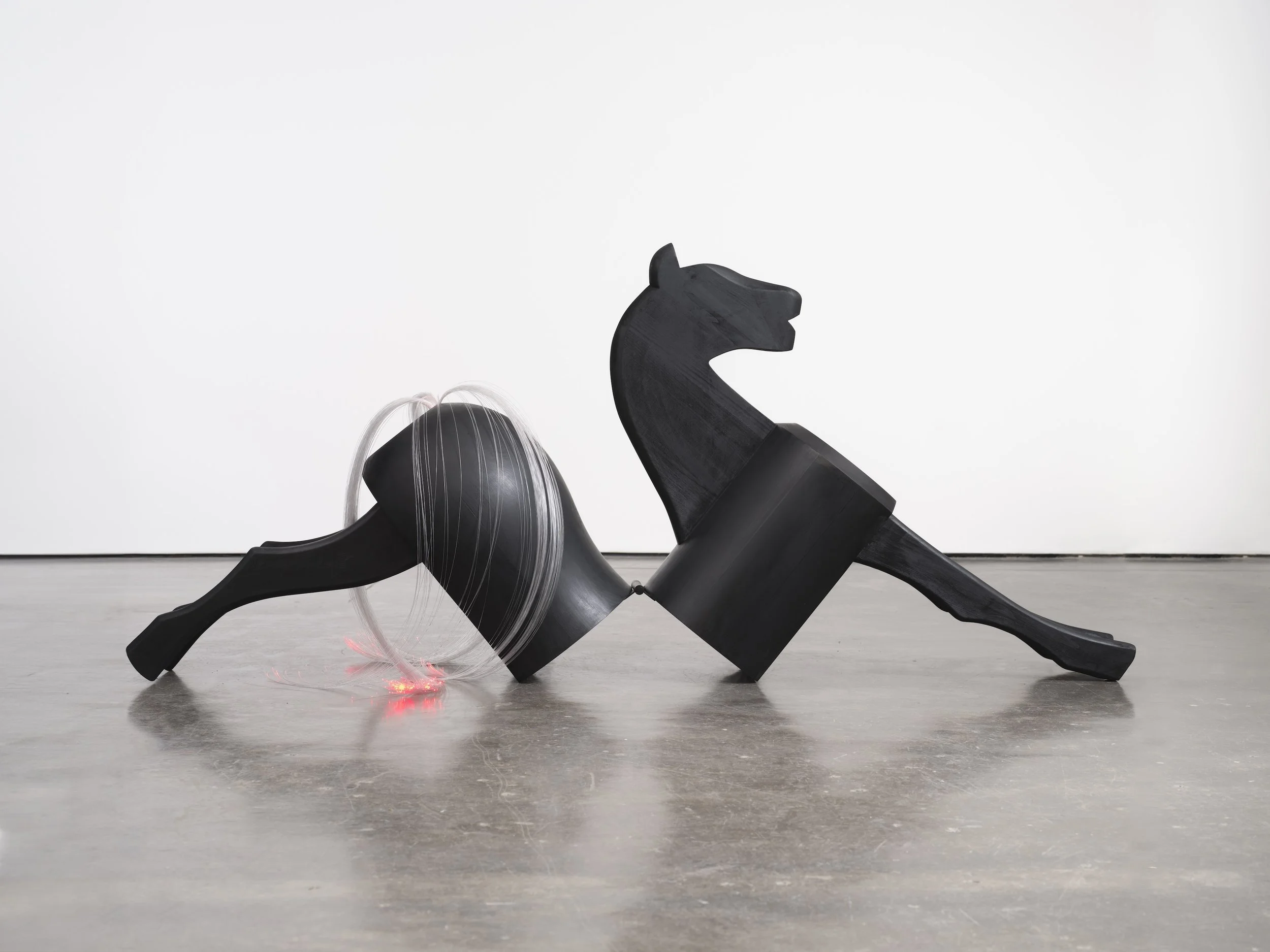
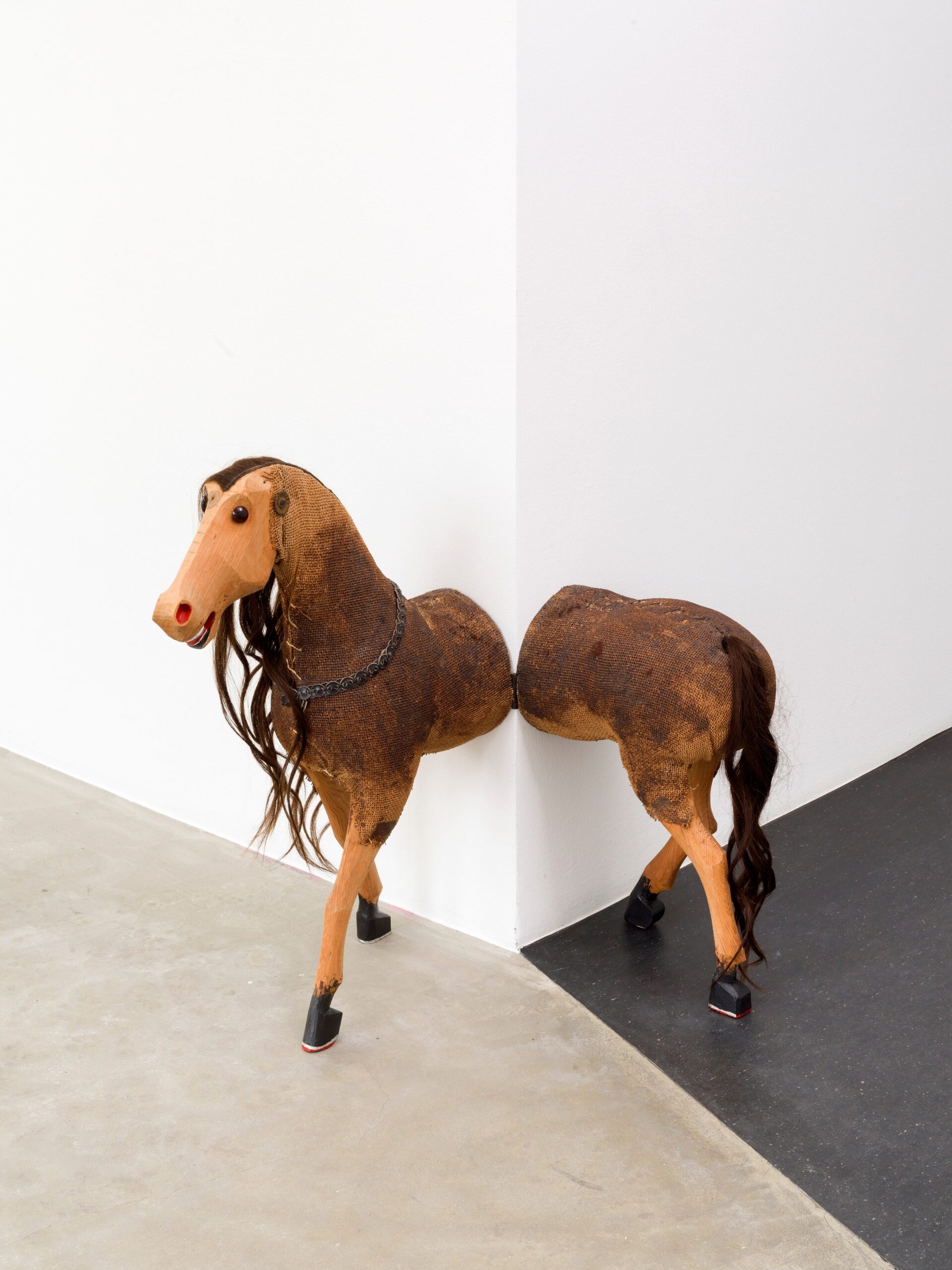
AB: Recently, I completed PS (Horsepower) (2024)—a large-scale horse sculpture in public space. The nine-meter-long, painted stainless steel sculpture is placed at a heavily frequented traffic junction in Munich and represents a vertically split toy horse held together only by a hinge. Munich is considered a car city, yet the cityscape is also characterized by numerous equestrian statues—a sculpture genre widespread throughout the Western cultural sphere since antiquity, traditionally symbolizing power, military strength, and progress. With the exception of statues dedicated to the resistance fighter Jeanne d’Arc in some French cities, these representations almost exclusively serve the representation of patriarchal and male-dominated historical narratives.
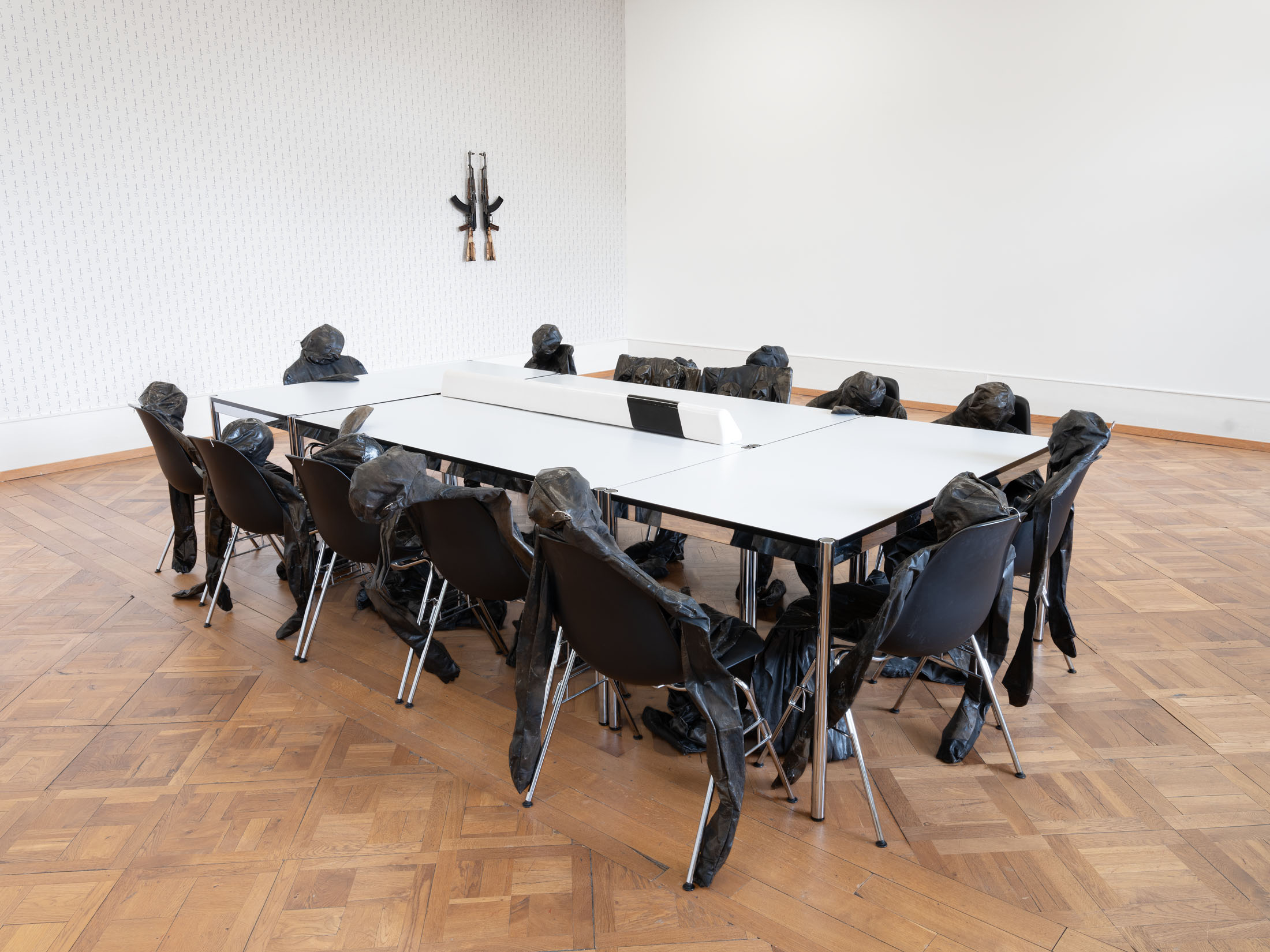
Against this backdrop, PS (Horsepower), as well as the derived sculpture Gebrochenes Pferd (Broken Horse) (2024) featured in the exhibition, can be understood as an attempt to question and literally deconstruct this specific sculptural tradition. The horse, traditionally staged as the bearer of the rider, is rendered dysfunctional: slowed in its movement, stripped of its original dynamism. Only the connecting hinge hints at a potential moment of transformation. The idea of dysfunctionality, or the deliberate braking of established systems, runs through other works as well—pieces that also indirectly reference the motif of the horse, such as Gebrochenes Pferd (Broken Horse) (2023), Paystation (2025), and Ulysses (2025). These sculptures are composed of sawn and re-collaged car engines and motorcycles—machines that have replaced the horse as a means of transport—and thus reflect both a technical and symbolic reversal of historical narratives of progress. Finally, this theme continues in the work I (2025), created specifically for the exhibition: the serially moulded ceramic delineators are also a reference to the limitation of mobility. Positioned in a grid in the Salle Poma, they form points of reference in the space.
PB/SM: You also reference other symbols of authority in your work, such as the so-called «Merkel rhombus,» a gesture characteristic of the former German chancellor. This gesture appears notably in the work Doppelhaushälfte (2021), where you associate it with a dollhouse standing on two legs.
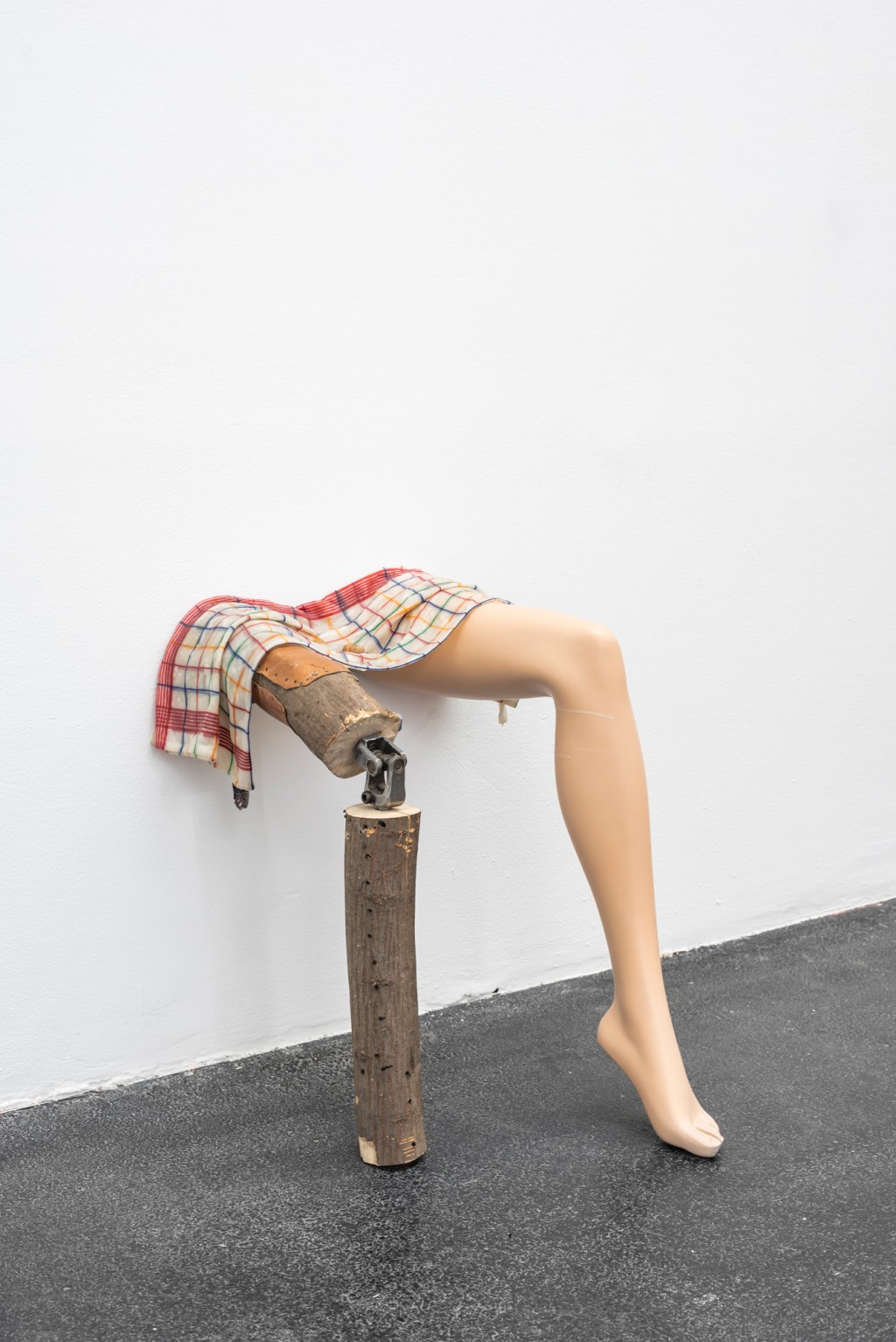
AB: In this figure, for which I combined various found objects—a mannequin leg, a branch, a dollhouse, a ball of yarn, and a hammer—it becomes clear how materials can generate new layers of meaning through their interaction. In Doppelhaushälfte, not only do different materials come together associatively, but also multiple cultural and political references. Angela Merkel’s hands, folded into a diamond shape in front of her stomach—incorporated into the sculpture as a photograph—have long become a recognizable symbol: a gesture of calm, control, and dignity in a political arena still dominated by white men. The German public—and especially the media—nicknamed Merkel «Mutti» (eng. «Mom»)—sometimes affectionately, sometimes ironically, and at times critically. The term alludes to her role as a seemingly maternal, calm, and caring leader, someone who knew how to listen and respond to people’s needs. This image of Merkel enters into a dialogue in the sculpture with a reference to Louise Bourgeois’ Femme Maison (eng. «Woman House»)—a series of drawings and paintings from the 1940s in which naked female bodies merge with houses, their heads concealed by architectural structures. In these iconic works, Bourgeois explores the traditional role of women as keepers of the home, while the outside world (and paid labor) remains gender-coded as male. The woman is enclosed and objectified in her corporeality; her identity vanishes behind architecture. This tension between body and symbol lies at the heart of the exhibition, as the chosen title «SomaSemaSoma» clearly suggests.
PB/SM: Can you tell us more about this title?
AB: The title refers to the ancient Greek words sōma (σῶμα), meaning «body,» and sēma (σῆμα), meaning «sign.» Both terms form the root of the discipline of semiotics, the study of signs. What interests me in this juxtaposition is the difficulty of translating between the body and language. Bodily experiences—sensory impressions, emotions, lived events—can never be fully conveyed through language. Language is an abstract, symbolic system that can only ever capture a fraction of what we experience physically and emotionally. This reduction creates an inevitable gap, a discrepancy between signifier and experience. It is this ambiguity—arising from the translation problem between body and meaning—that I explore in my sculptures. They negotiate the fragility and fragmentation of identity within a field of tension defined by materi-ality, symbolism, and political perceptions of the body.
PB/SM: This relationship between sculpture and language is also reflected in the titles you choose for your individual works. How do you approach that process?
AB: The titles don’t just name the works—they add another layer of meaning and visibility. It’s only through the title that many works can be fully experienced as independent pieces. Titles also allow me to playfully explore the contextualization or re-interpretation of the materials I use. Sometimes I choose humorous titles to cast the work in a different light and wordplays to evoke different meanings—Pinstrike (2021) or Paystation (2025) are typical examples. The title Ulysses (2025), for instance, refers on the one hand to the underlying material—a particular model of motorcycle—and on the other hand to the cultural and symbolic significance of the name. This interplay between reference and shifting meaning is something I find particularly fascinating.
___
Show
Storm, 2013
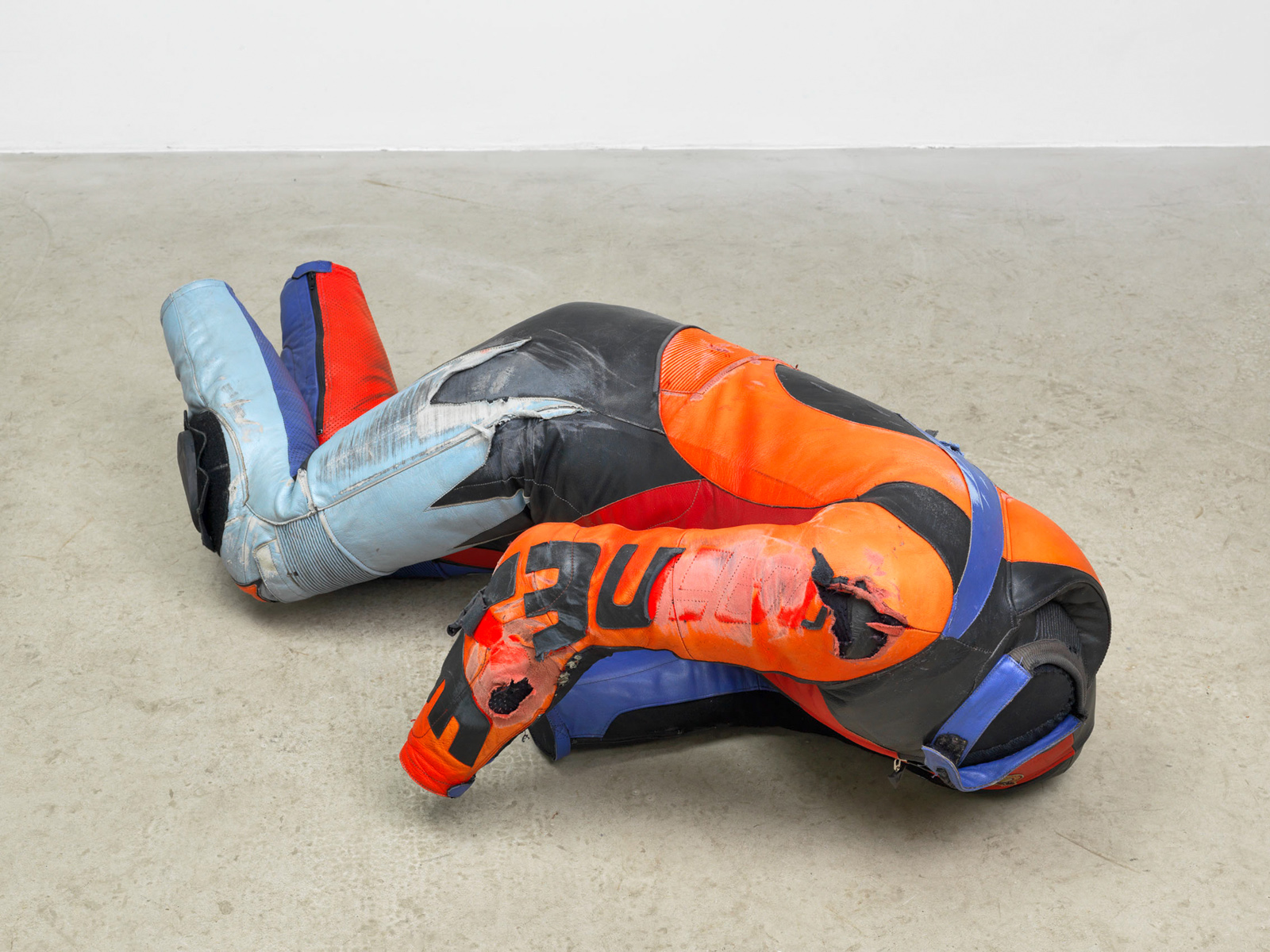
Gebrochenes Pferd (Broken Horse), 2023
Car engine
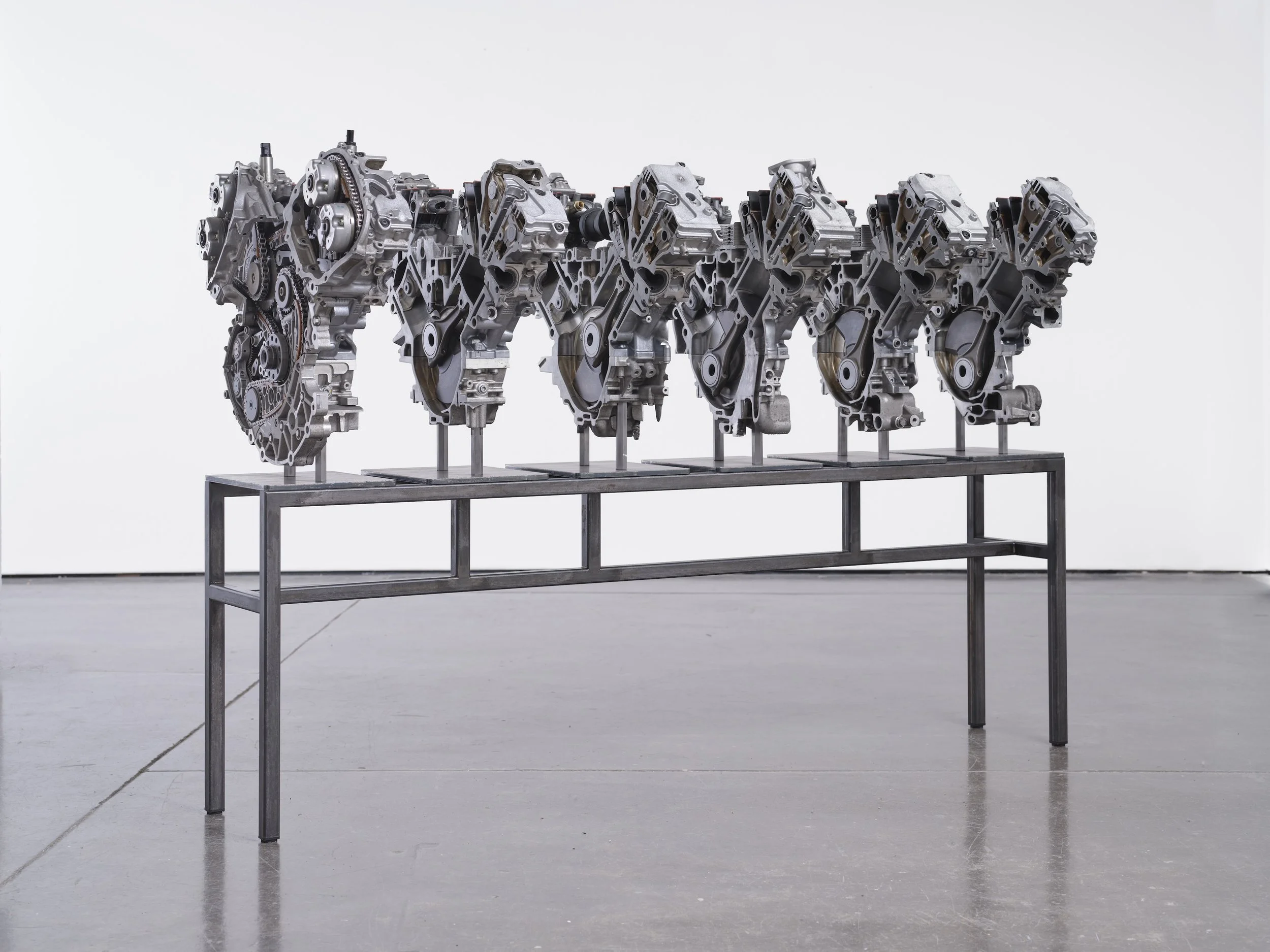
Gebrochenes Pferd (Broken Horse), 2024
Larch wood, black stain, LED optical fibre, cable, metal
My Space, 2022

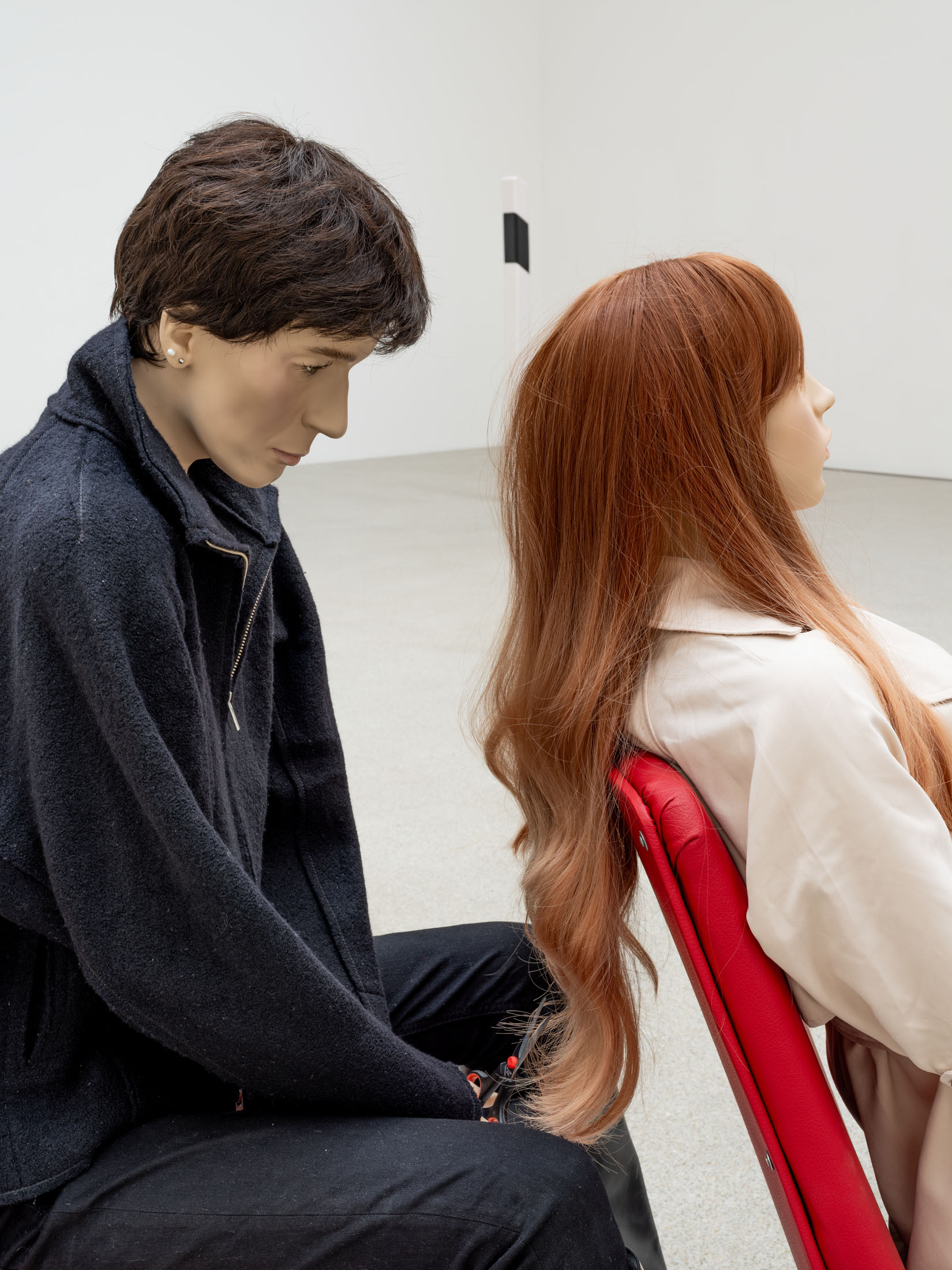
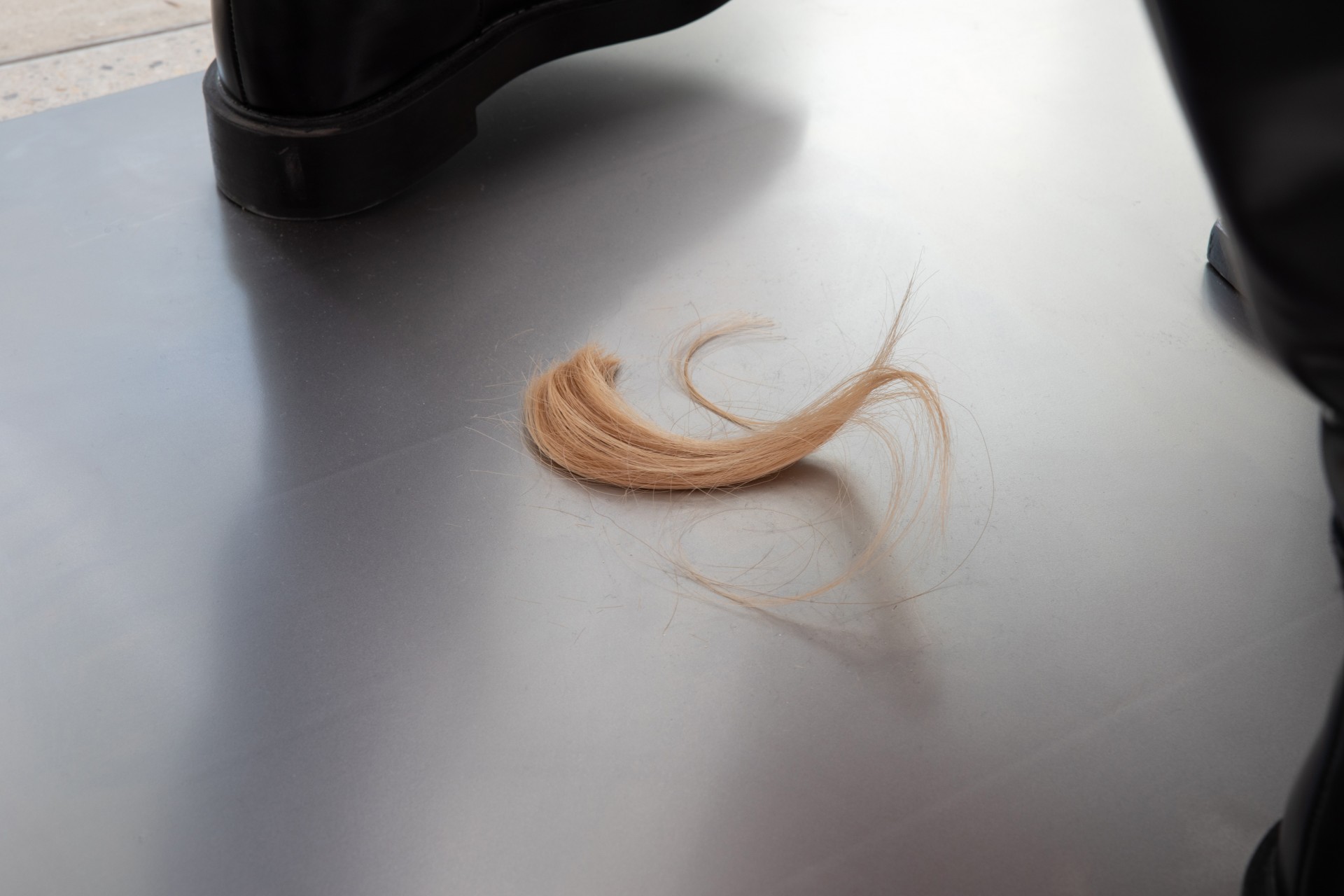
SomaSemaSoma, 2025
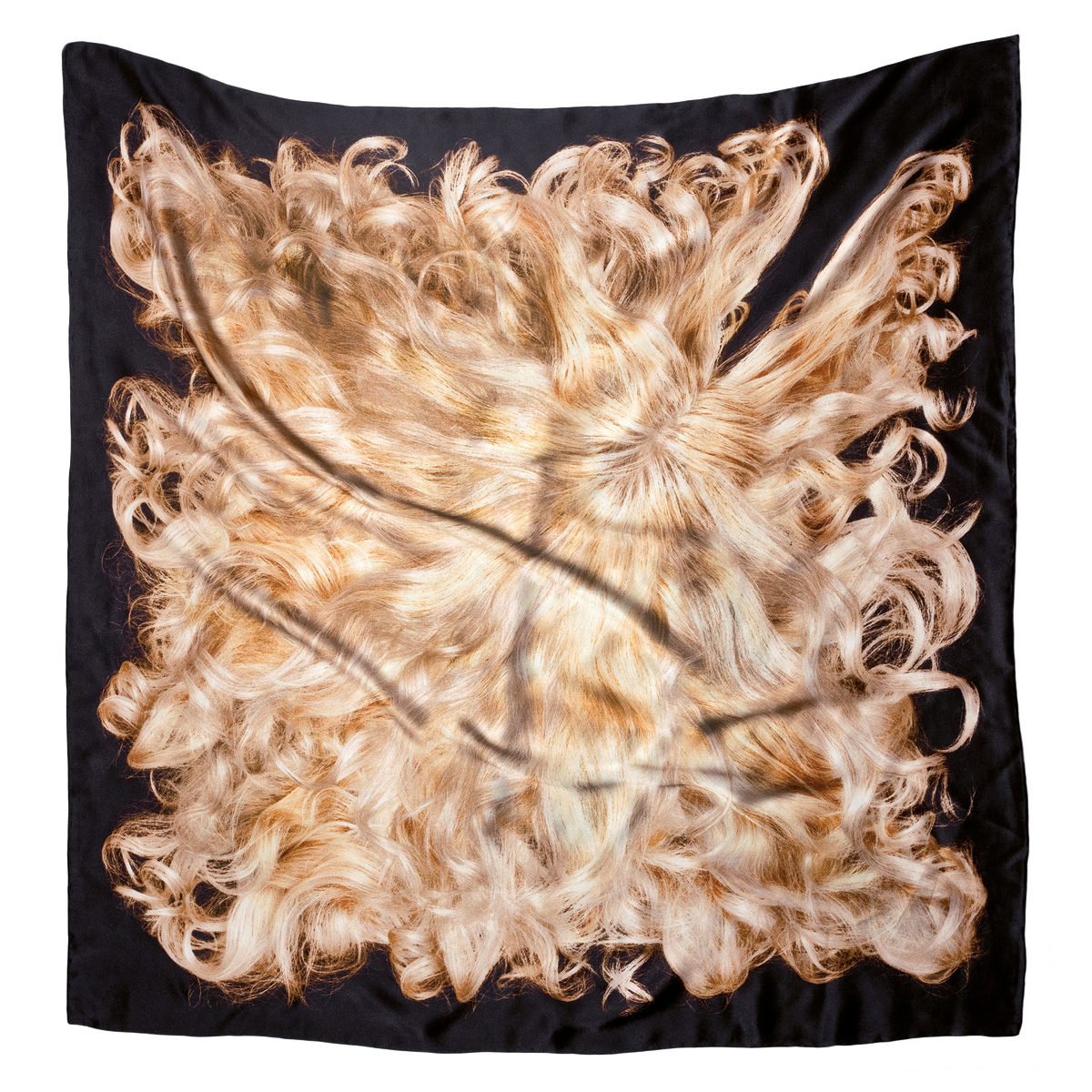
Blondie, 2010
Motorcycle, 2 parts: Part One, 2019
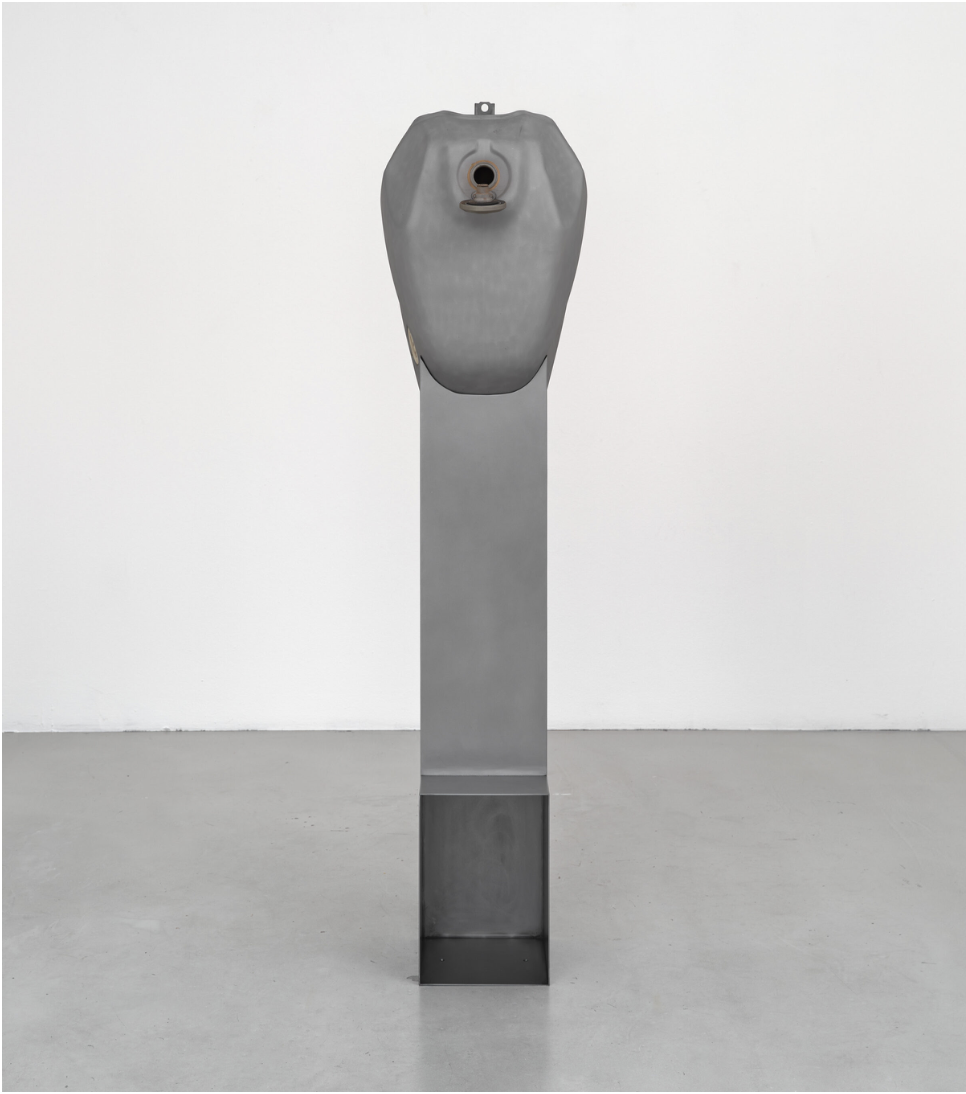
T3, 2023
Steel, Motorbike tank
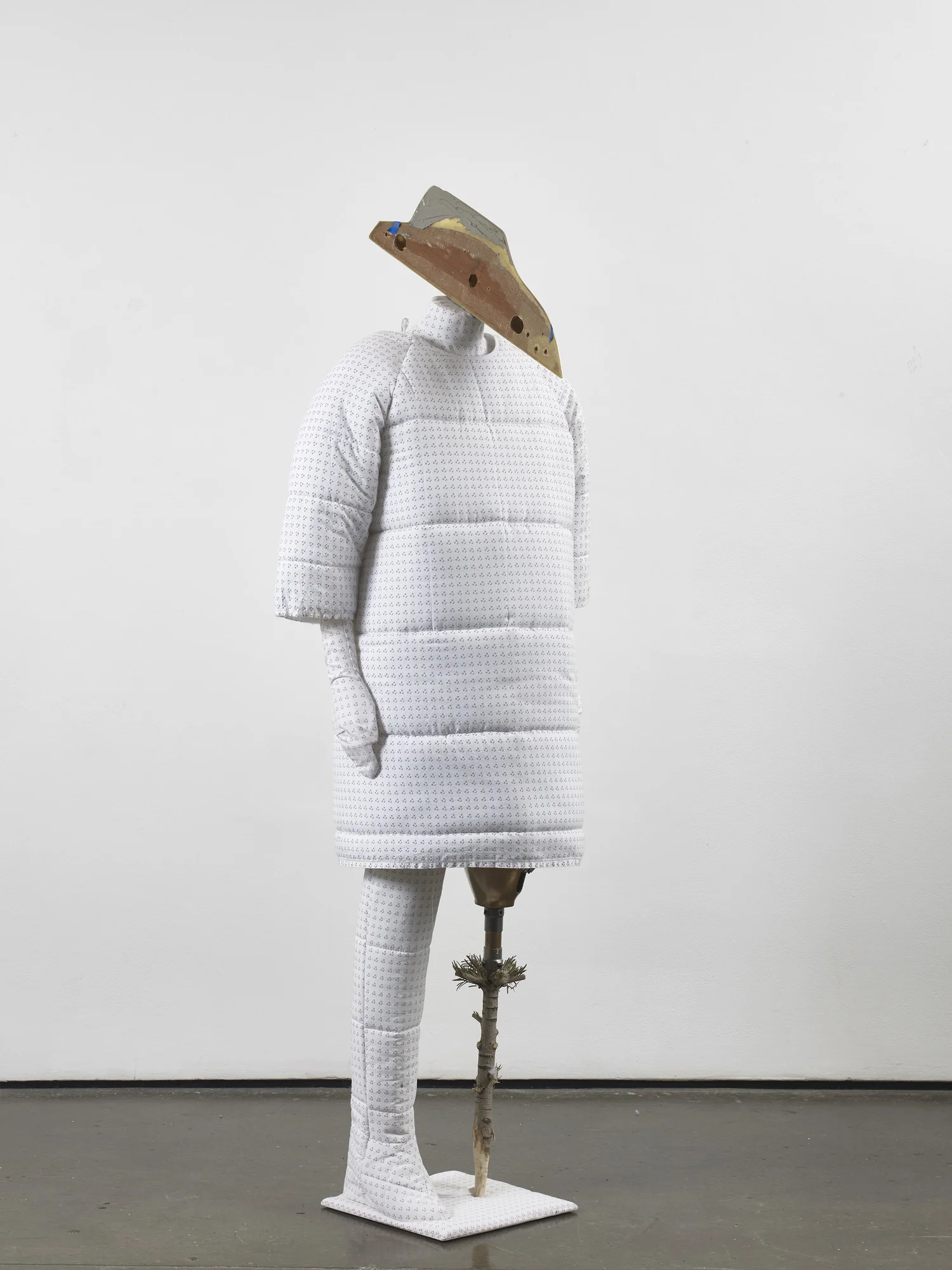
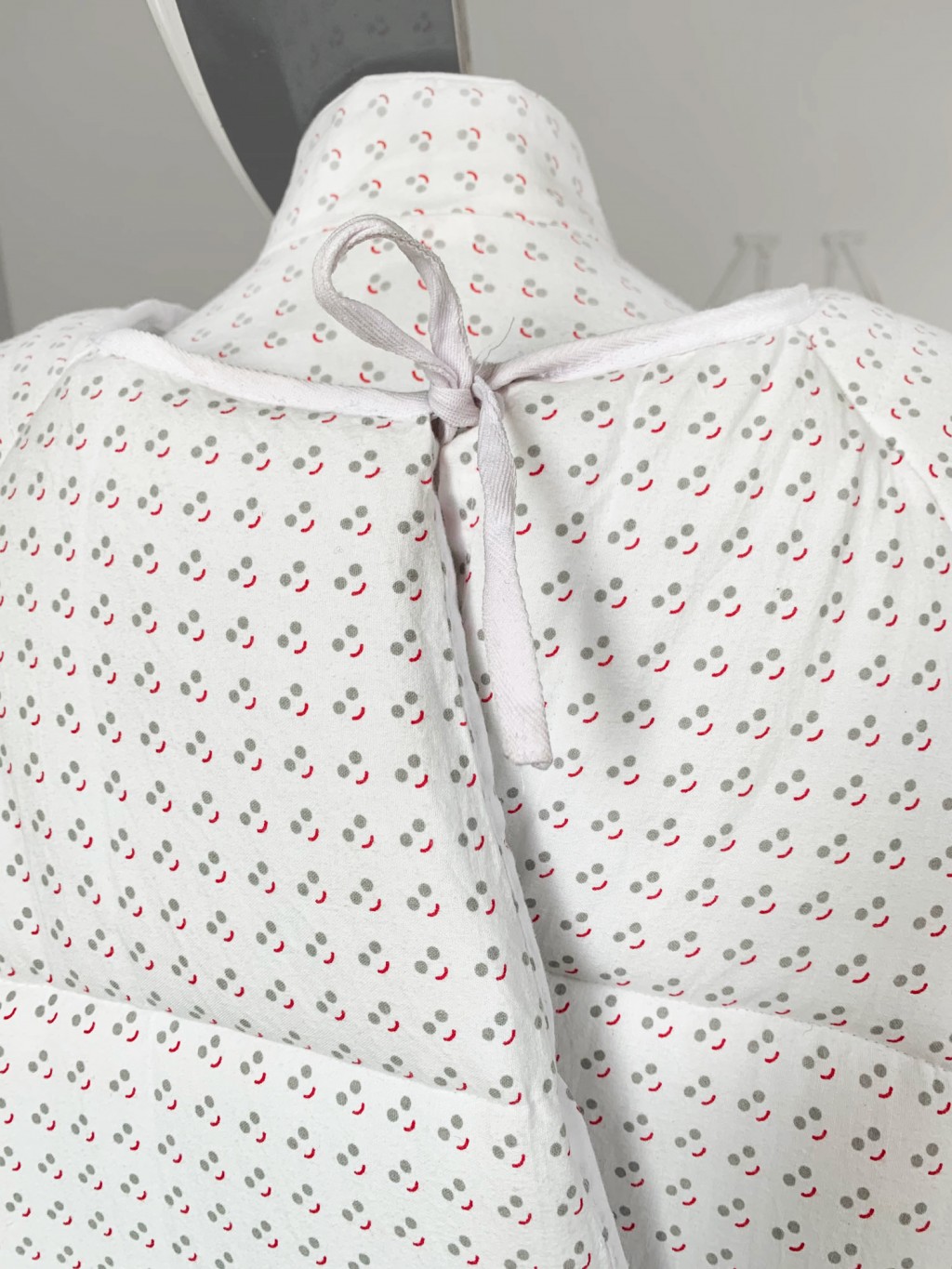
Deflated Figures, 2021
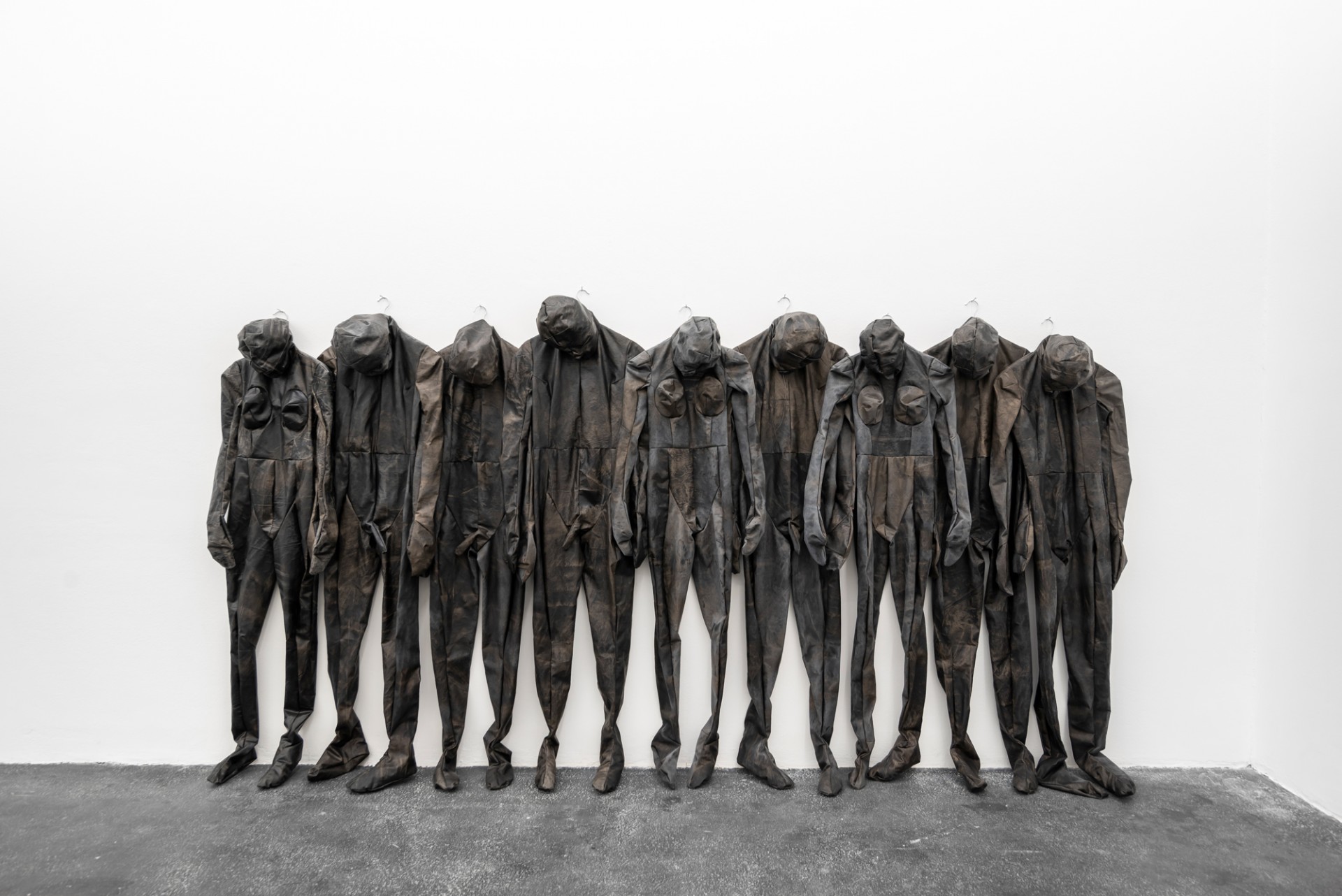
Musterung, 2023
Herald St, 2017
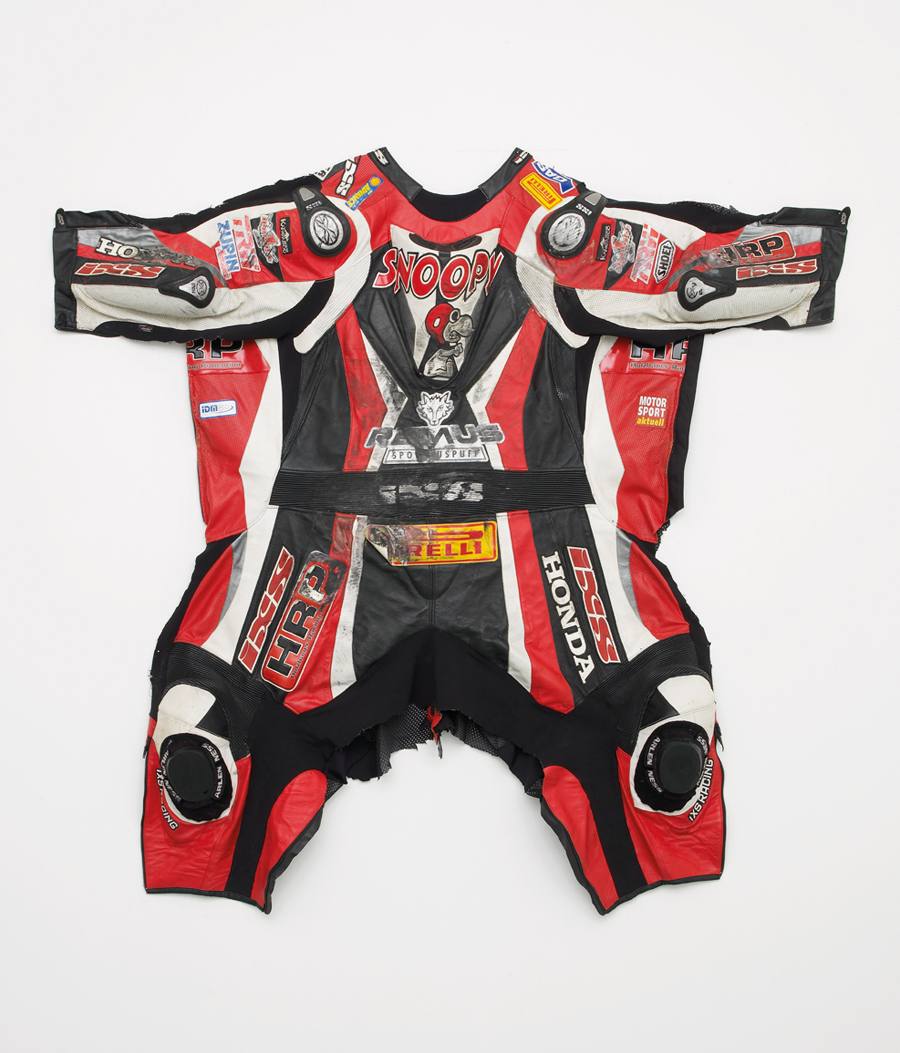
Motorbike suit and nails
Trophy, 2016
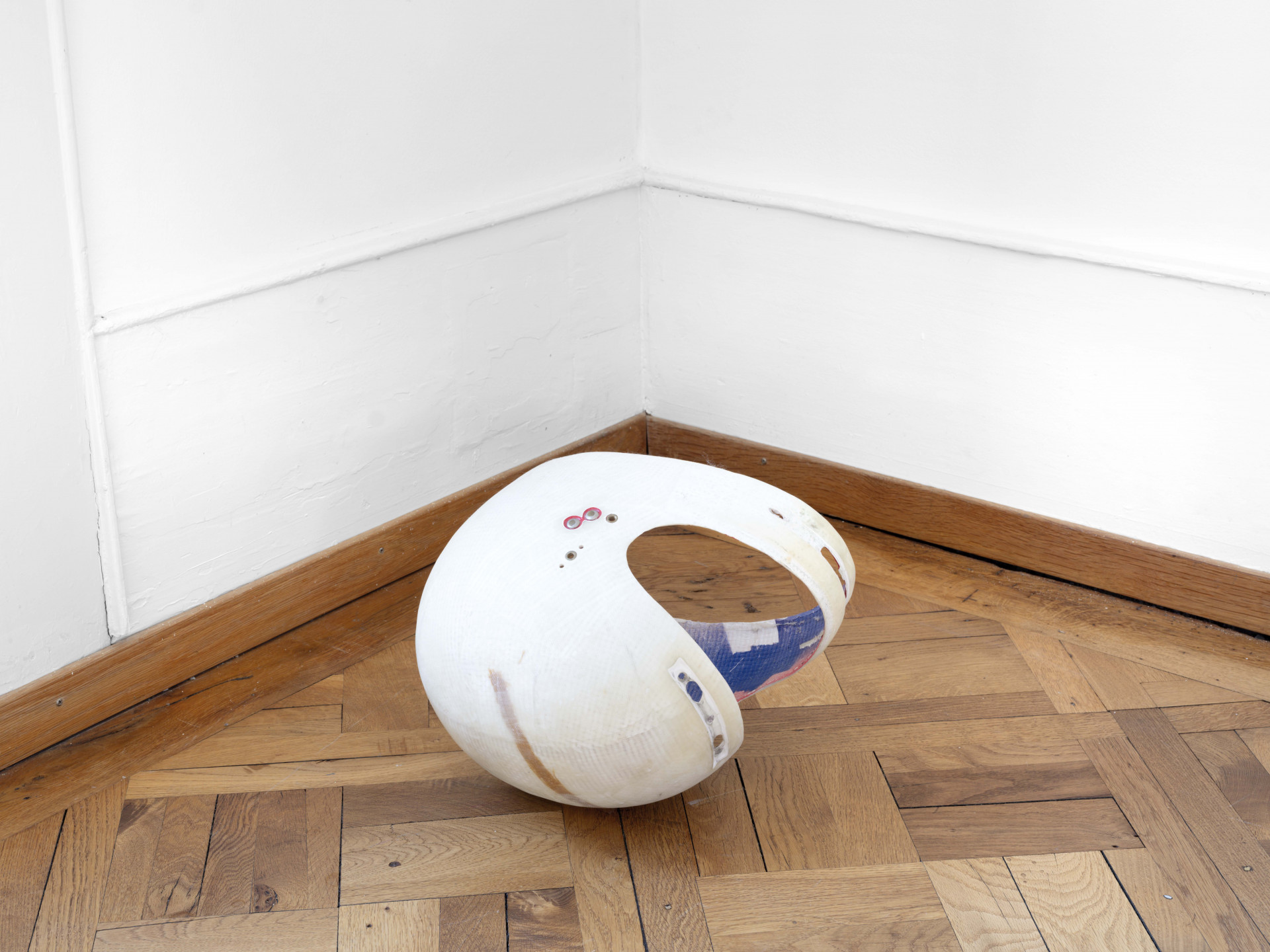
Present Absent, 2014
Cherie, 2023
The Doctor, 2020
Diana, 2022
Alexander, 2017
wood, gold leaf, gear stick
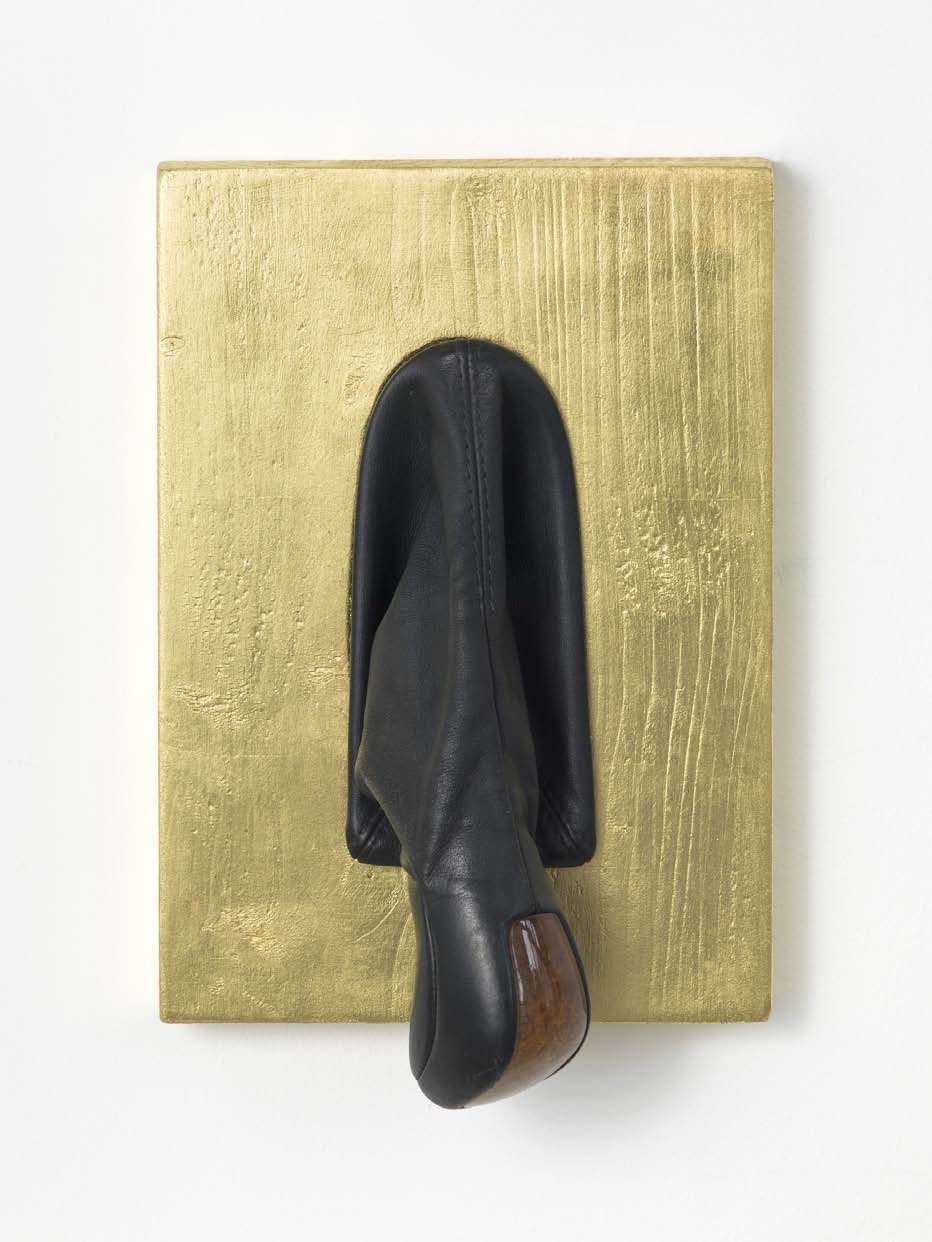
Warrior, 2020
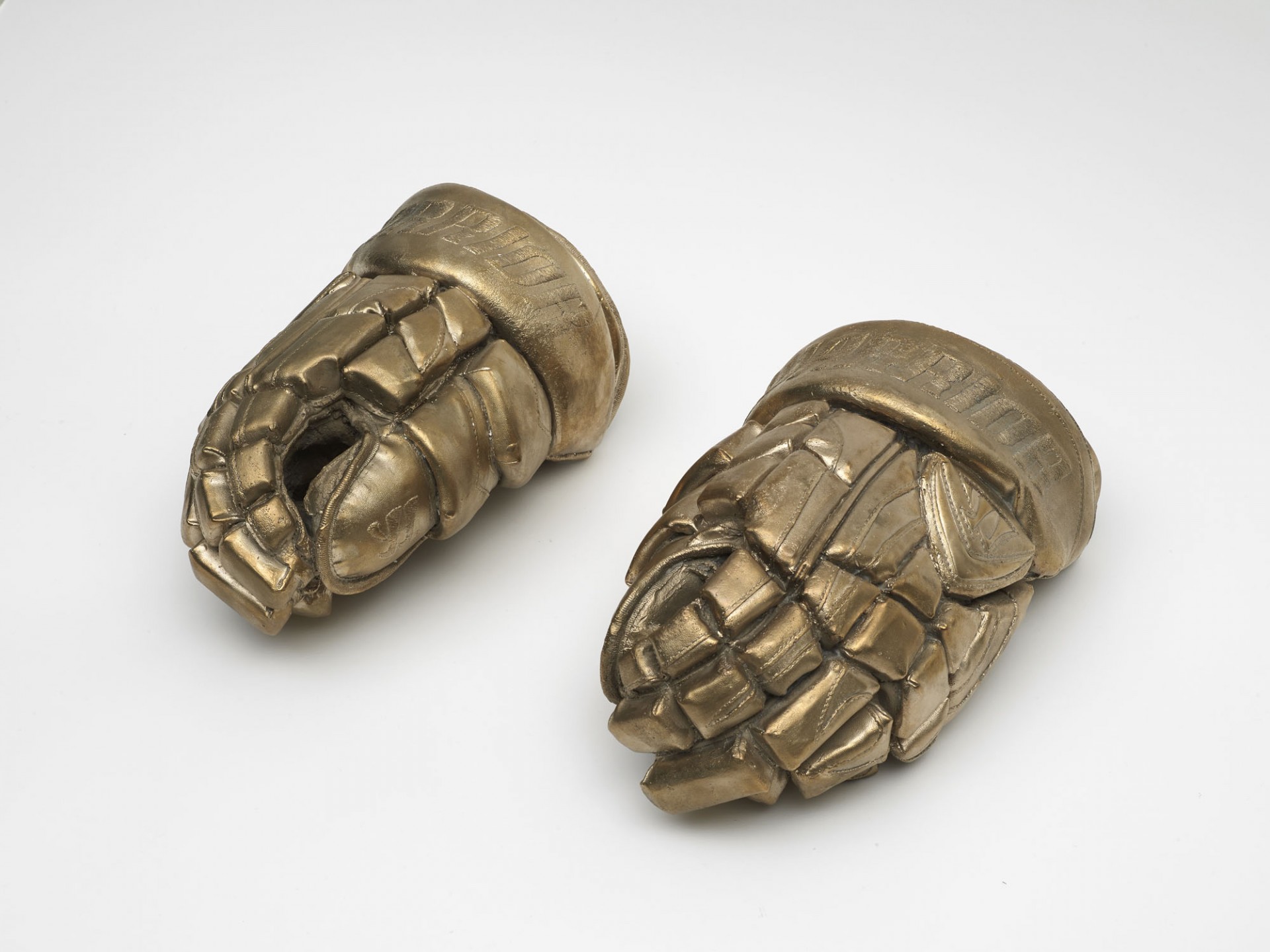
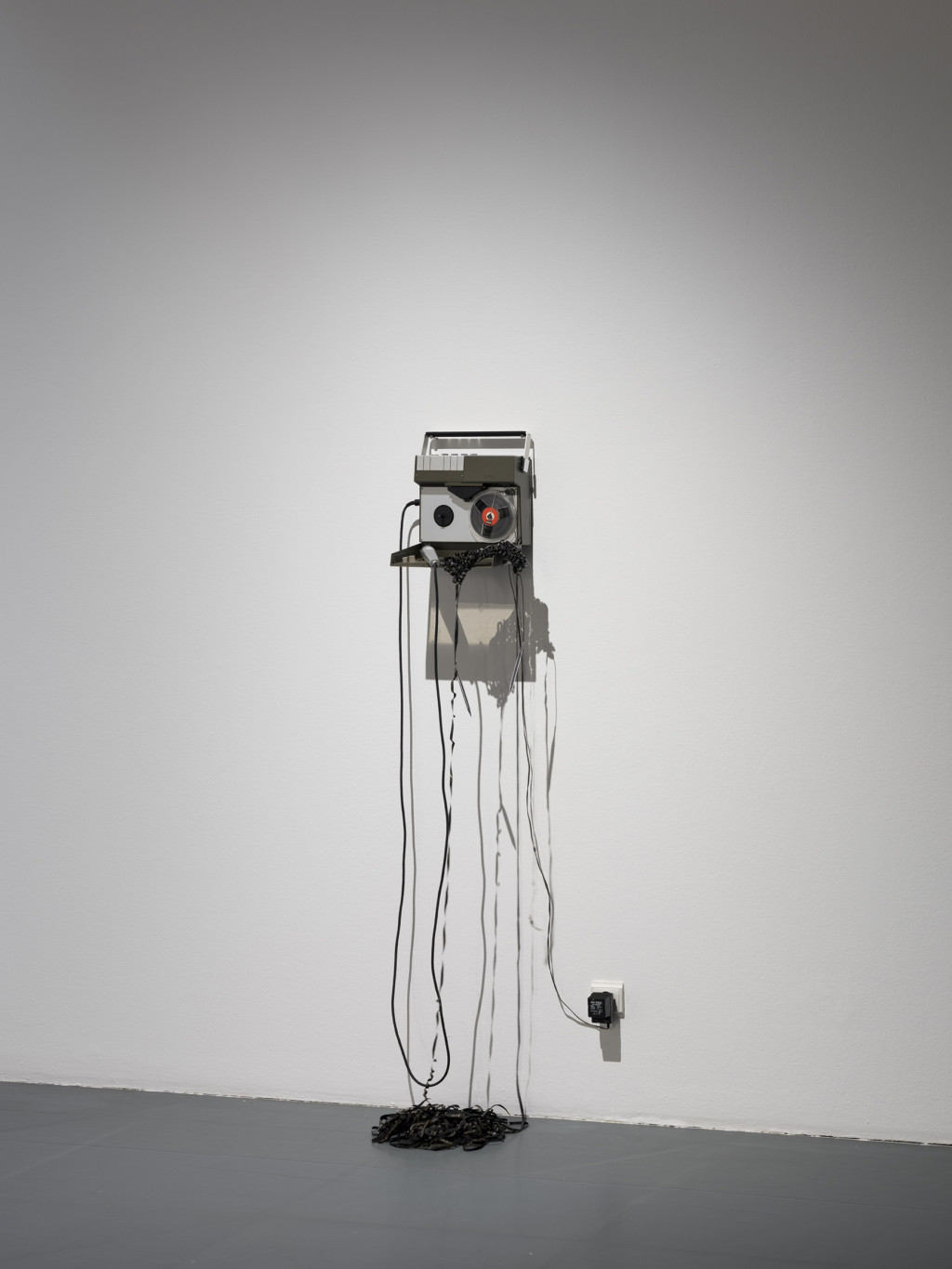
w/ Thomas Brinkmann Twitter, 2011
tape machine, tape, microphone, knitting needle
Loplop, 2019
Deine Beine, 2019
Efeu Elektro, 2023
Cable harness
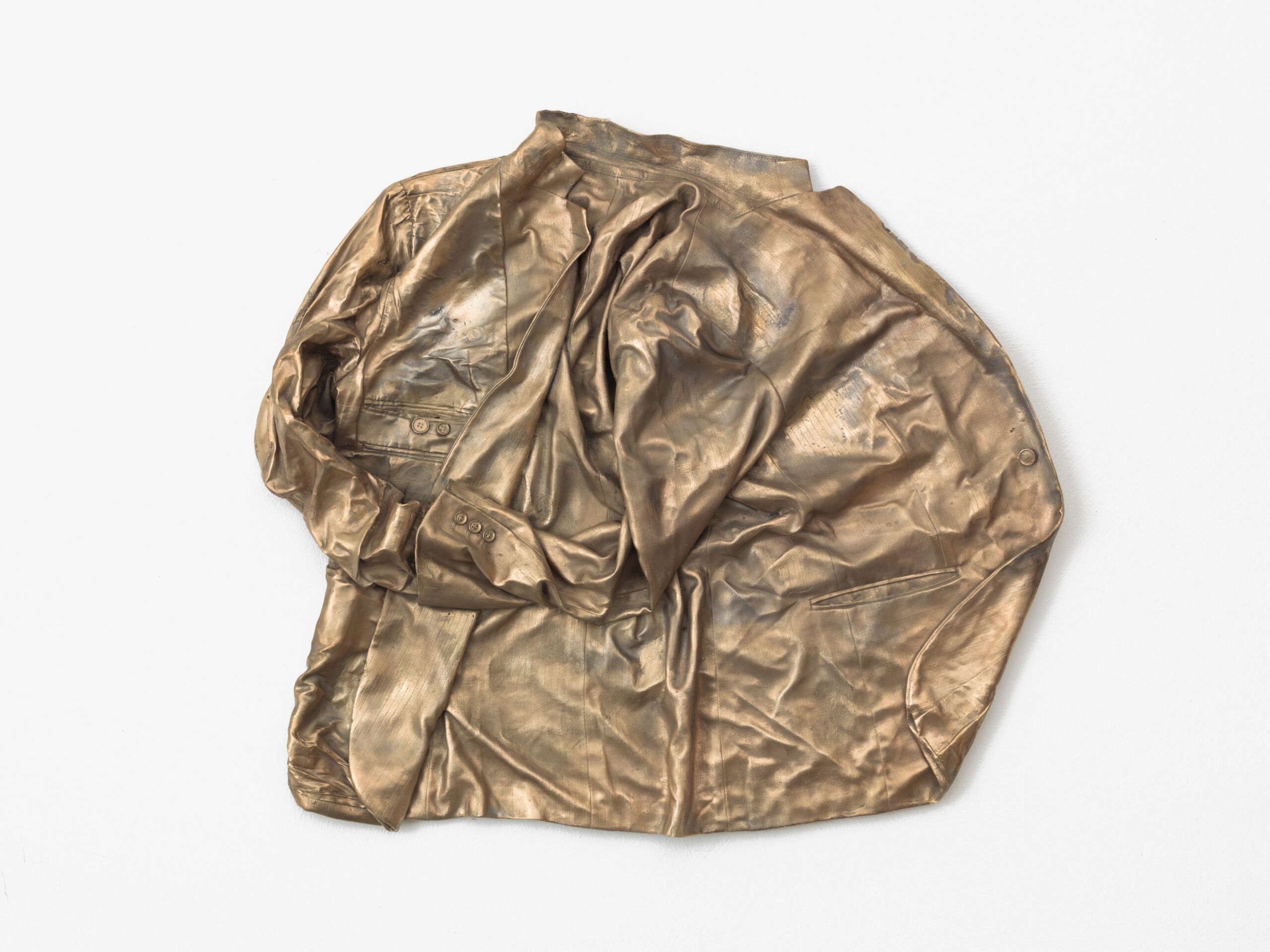
Klein’s Jacket, 2017
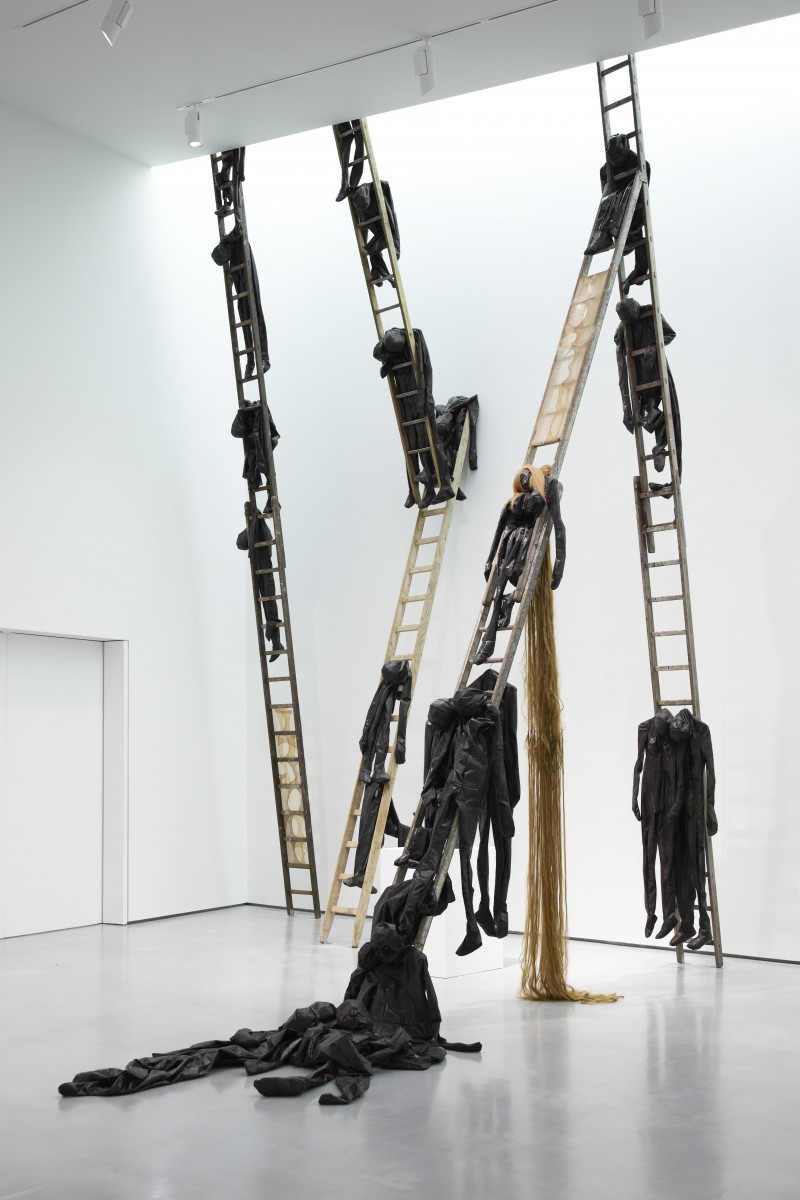
Deflated Bodies, 2014
*
p.s. Hey. ** kenley, Hi. Haha, ah, understood. Thanks for the link. I do know Sumac a little and like what I know. No, I haven’t seen ‘Vanderpump Rules’, and I don’t know that actor. I just liked the way the person shook their head, basically. Anyway, I’ll take a peek (at ‘VR’). ** Bill, Thanks. Seems like the SF Cinematheque would show her films if they haven’t. Nice about Steven Brown. ** Steve, Based on some videos I saw in my feed this morning of heavily wrapped people trudging around in the East Village, you guys definitely have gotten some snow by now. The Bow Wow Wow conversation was mostly me laying out my theories about the ways in which they were such a multi-layered project and him confirming and elaborating. Everyone, Mr. Steve Erickson says … ‘My latest “Radio Not Radio” show is out now.This one features Haram, End It, Vein.fm, Che, bleood, Seo, sidepeices, Zayok, Ari Falcao, Meryl, Didi B, Lady Saw, Nina Simone, Beverly Glenn-Copeland & Elizabeth Glenn-Copeland, Frederik Croene, Kris Davis, Cassie Watson Francillo, Julianna Barwick & Mary Lattimore, Hekura, Hildur Guonadottir, Here And Now, 801, Fauna, Dry Cleaning, Geologist, Maria BC, Gaute Granli and Ralph Towner.’ Sounds wild, I’ll be there. ** Dominik, Hi D!!!! Great to see you! I’ve been good. My health is totally A-okay now. The script is inching towards the finish line. Zoom book/film club was good. We ended up mostly talking about the Minneapolis horror, unsurprisingly. Enjoy your break. How are you going to enjoy it ideally? Apart from the ‘House of Leaves’ exploring. I’ve heard about ‘Pillion’, but I haven’t seen it. I guess I’ve been thinking it might be a little too gay with a capital G? What did you think? Love giving you undetectable ChatGBP abilities and a high speed button, G. ** Carsten, No, all the gifs I use on the blog and in my gif fiction work are found. For the book/film club we watched Costa-Gravas’s ‘Z’ and read an excerpt from Knausgård’s new novel. Finances and lack of bookshelf space lead to me skipping the After8 sale, at least so far. We have sunshine, but it’s that kind of whitish, freezing type. Which I like quite a bit, don’t get me wrong, but my heavy coat is staying buttoned. Functioning is becoming like trying to have a conversation at a Black Metal gig. ** _Black_Acrylic, A bit nippy here too. I’m so impressed by how often you eat pizza, you lucky dog. ** Charalampos, Hi. Weekend was good enough. Not in the world, but in my apartment, etc. I have seen that cover of ‘Triptych’, but it’s not the one I own. I own this extremely misleading looking one. Hi from the 8th. ** Bernard Welt, Hi, B! Ah, so you have something in common with a whole bunch of the sex slaves. Everything, and most immediately the Minneapolis thing, is so horrifying I don’t know what to even feel anymore much less say. As always, hoping against hope that it’s a tipping point, for god knows what though. I didn’t know or remember that Gretchen Bender was from DC. Wow. I don’t why wow, but wow. Did you ever go to Therme Vals before it got turned into an unaffordable, jam packed luxury destination. Boy, it used to be amazing. You’re not a freak in my book, but then who possibly would be? The escorts are usually on the big sites, I just have to spend laborious amounts of time finding the very rare ones who write an interesting profile text. I’m embarrassed to say this, but a bunch of posts from bears probably would gross me out. Paris in the fall! Mexico! Have you met up with Mark Doten when you were there (Mexico City)? ** Alice, Paris has a really good zoo. Zoos tend to depress me, but this one is vast and manages to convince you that the animals are okay with their incarceration. So it’s not enough if you write a moment that might incite possible viewers of the film, you have to incite anyone who reads the script? Maybe have a character kick a dog or cat? That’s guaranteed. Hm, I’ll have to think about a suggestion. Hollis Frampton’s book on filmmaking is great in that regard off the top of my head. ** beaujolais, Hey! Nice to meet you. Oh, gosh, that device is definitely intentional, but I wrote those books so long ago, and I would have to look at my notes and graphs to be able to explain whatever system I was using, and I don’t have them with me. I’m sorry. I agree with what you wrote, but the nature of doing this p.s. involves moving along at a fair clip such that I’m not sitting here at my laptop for a big chunk of my day, and I think an answer would necessitate a lot of thought and consequent thinking about how to articulate those thoughts, and I can’t do that right now. I’ll think about it after I’m finished here, for sure. It’s a great and honoring observation. If by chance you’re in Paris, let’s have a coffee. ** Lucas, Hi. My weekend was perfectly acceptable. Interesting about ‘About Ed’. I can see that. What I’m reading right now are two books that haven’t been published yet: a novel by Tracy Lynn Oliver called ‘Magician’ and the new novel by Wolfe Margolies. Both very good. Everyone, Cool new collage by Lucas is viewable here. Very nice! If it weren’t for attractive, seemingly unattainable people and the roiling emotion they inspire, I wouldn’t have written quite a bit of what I’ve written. So there’s that. ** HaRpEr //, I think maybe they were disapproving of your lack of self-confidence? ‘The Ice Tower’, no, not yet. I’ll write it down this time. ‘I think it’s more faithful to my outlook if I don’t force closure, just leave everything where it is.’: wise words, I think. ** Steeqhen, Someone else also pointed him out. I don’t know that show from Adam, for better or worse. Word on that ‘Silent Hill’ is very, very bad. And not fun bad. That makes sense about the job’s effect, yeah. ** Uday, Thank you. If they weren’t called ‘snow angels’, I might even try making one. And it would be ugly, no doubt. Luck with the interview today. What’s it for? ** horatio, Hi. No, I’m completely allergic to using gifs in online conversation. I don’t know how much money one would have to pay me to do that. They’re strictly for the blog and my gif fictions. The Shellac concert was satisfyingly fierce. Um, no, I don’t think I have favorite song by them, no. Strange. Two weeks: I’ll know when to start peeling my eyes. Thank you. ** Right. I saw some art recently by Alexandra Bircken, and I was intrigued by why I was charmed by it, and I ended up thinking about the nature of charm, and then I decided to give her a show in my galerie. See you tomorrow.


 Now available in North America
hi Dennis!
ugh, ships in the… late morning or whatever lol.
anyway, Alexandra Bircken, didn’t know her but i think i might love her now? so ty! <3 i don’t usually vibe well w gender theory in postmodern art (which fucks up a significant part of it for me, idk, imo postmodernity + identity politics mostly reads as a tweak contradiction as opposed to a cool contradiction) but Louise was fab duh, and these two in conversation is great.
her universality shit in the context of the signifier-signified is v cool to me obvi, like, modernist at heart, remember lol, and the ‘inside of things’ is super moreish even as a concept. bc things are still just ‘things’ even when dissected, right, unless the absence of anything un-thing in the aftermath of exploring and overdefining performs this magic spell and turns into its own presence (via witnessing? or regardless?). i like that.
sort of feel that way about broken machines a lot, and also about the malfunctioning body (unremarkable consequence of long term illness lol), like when smth which is supposed to be useful becomes useless, it gets soulful or whatever, bc that’s either what remains (nothing), or the adornment which becomes apparent thereof (i’m riffing off Quran a bit what w the adornment thing but Alexandra here might like it).
her skin thing is interesting too, like to me it’s this weird mutt of like difference and universality we’re covering up, uh, the recapitulated self? idk. this is v Oscar Wilde or whatever but i def feel more expressed when i’m clothed and more revealed when i’m naked. and in fact i can p much only write prose (idk why prose in particular) when i’m either looking like a dog in my rattiest biggest pajamas, meaning naked but not cold, or naked. i def feel more like myself naked but also i can forget about me? does that track lol.
now, ‘No’ – Too Many Cooks!! you know how at first you’re like huh cool, then after a while it’s like is this forever but eventually you settle back into it and sort of hope it doesn’t end =)
i have this v funny image in my head of stalking Maurice Blanchot and it’s like poor guy he just wanted to have his posthumous existence or whatever. judging from his correspondence + common sense, tho, he would have loved you. loved you weirdly, granted, but loved you.
Juliet Landau makes sense! she’s v cool lol
man, those toppy blokes, so interestingly… feminising of their partners, wild… like what do you think, is it a you’re asleep thing or a dead thing or do they just not like it when the other person likes it too (is it too gay…?) tho there are obvi ways around w guys at least…
think i only knew it was The Color of Love bc i saw it way later on and remembered… got to watch a bunch of stuff young just like that, tho, i mean through the cracked door lol. no way they didn’t know i was being weird somewhere there in the background but i think the idea was ok, it’s unofficial so we dgaf. my father and one of my uncles in particular, traditionally v into the avant garde (lol). most of the family does smth creative or other, often more than one thing, but in exchange i at least am a major dyscalculiac, uh, don’t ask me to count change, i’ll fake it =) on the other hand numbers all have these great colours and even more so in combination ^_^
where is it even fun to live in LA lately? and script news…? *extra whiny voice* me i’ve got to choose between writing a gory party scene over the next few days or a not actually super random porn script to then embed in the main thing. i’ve got no idea how to write a script but i’ll figure it out. weigh in a bit, which chapter should i do first?
love you!
oh! btw just finished Guide *lights cigarette* and i think this is my fav re-read of it so far.
my senseless notes go like this (in chronological order but out of context) (this time i clocked a bit of Deleuze since we’d just been talking about him):
Dlugos; good; lol; mate!; nice word; gorgeous!; sweet; called out; you want Russian imperfective mode love; ya salam Dennis; fucked in the mouth; so go on then; God, gorgeous; ugh let me; this tingles; fuck; oh; ew and aw; the twins, both worlds, maybe more idk; let his body speak, freaks; well, mate; he’s cool to me already; guessing games…; oh fuck you lot; just *what* is Luke; at the cost of general nonce-ing, emotional liberation etc; if he doesn’t fall everyone else might; sap; no-one can love us and if they can they’re twats and we don’t want them; bruh; sort of love the kid by now; siiiiigh; clucks tongue; the article, three worlds; that’s def him then, huh; beautiful; wuss; use; difference=monism; nooo kid; hm, someone or nah; Papá Noel lol; my heart; morally untackable, def love him; thought the same thing; inshallah, turned on and ded; weird what we can and can’t forget; fiction!; bruh what style is that astaghfirullah Dennis wtf; shh Silverchair just had shit producers; life gets bigger again; typo; mean; writing magik lol; bloody awful, romantic; ‘flower of this purple dye’; man; lol; sick; gonna cry no cap; tell me about it; ugh give here; a eto nechto; life gets massive now; how do you even feel about this…; but how long is at the time; ngl he’s not bad; gharibah jiddan… girl; did you now; eyeroll; the question; huh…; the latter, Dennis; yea; is that it tho? do i believe you?; so many worlds; comedown gonna suck; wuss!; fiction <3; wish the dwarf were tall af & healthy… ugh fairytales…; so much kindness; the point; the worlds don’t fit in dead Goof’s mole; lol; the virtual; lol; the past, so tricky; the work at play?; so fuck meaning then; ‘just a slob’; lol; gasp, the magik worked! best woo woo thing i’ve ever read?; vore that thought or whatever, man; Luke’s got internal diff; the past & the future are dead? the present is sus but at least it’s here?; never; this multiverse can only exist bc it’s so shaky; ain’t we all by now; ugh, Dennis, i totally love this; like Sun Roof but for someone; less fiction less God; spirit-nature, nature-spirit; whatever; hope…; together; the cross; uh; almost silence; only God writes now; gasp moan sigh ugh silence
ty!!
Thank you for this Alexandra Bircken day! Always interested in folk straddling the fine line between Fashion and Fine Art. Would explain my ongoing fixation with CDG for a start I reckon.
I get my weekly pizza fix from this Italian place called Franco’s by the Springs. They do this cool thing called Focaccia that I sometimes get, which is something closely related to pizza but not quite. I get him to fill that thing with whatever goodies might take my fancy.
Hi Dennis,
Haha Vanderpump Rules is probably one of the peaks of reality tv, as basically every cast member is irredeemable and trashy, which gives everyone a level playing field to be the hero and villain each season. It also is fascinating as it was a genuine group of friends and couples who had almost 5-10 years of history before the show ended, and thus the ‘drama’ is a group of dysfunctional, mentally ill, addicts fighting and cheating on each other. I know you’re not a tv watcher and don’t expect you to watch it at all haha, but someday I need to write a piece on it; the parallels between it and Shakespearian plays and Greek tragedies, the deep rooted misogyny of how the men treat the women, and how the show itself became a good template of how society shifted over the 2010s. Finishing off the ‘reunion’ (when they all meet up after the show airs and discuss what had happened in person) and one of the producers/staff members I recognize as a gay onlyfans/porn star, who made a whole thing about being fired from Bravo (the tv company) for it. Nothing too interesting, just funny seeing him almost ‘cameo’ in it, despite this being his job at the time…
Yeah ok I might just wait to pirate it at home someday, and have it as background noise whilst I do something of merit. I was looking through my letterboxd statistics, and I used to watch an average of 100 films a year, until 2024 when that number dropped drastically. I think in 2026 I want to get that number up again — not just for statistics, but because there’s a lot of great films (both recent and old) that I haven’t gotten around to. This year I also want to avoid my obsessive need with keeping track of what I do, which has gone from entertainment to a compulsion.
Maybe it’s too obvious to make the connection with this collection and Crash by JG Ballard, but I will anyway as I love that novel and the connection between the body and machine, comparing the inner workings with human insides, and the sexualization of the mechanical. We are truly only a few years or so away from people fucking machines — if you count vibrators, dildos, fuck machines etc, we’re already there!! The deflated skin suits are fascinating, disturbing and exciting and gorgeous. Turning the human form into a suit or an inanimate object, wow…
Hi!!
I’m really glad to hear you’re back to full health – and that the film script is slowly but surely making its way toward the finish line! The way you work is always so incredibly inspiring to me – you and Zac have a film that’s still being screened around the world, and you’re already almost finished with the next one’s script.
Eh, my plan was to read, but another fairly big job came in, so… This is a major downside of freelancing: having little work for a few months makes me unable to say no to any project that comes my way during busier periods. I’m not complaining – I’d rather have work than be in a constant money frenzy – but it’s not always as balanced a lifestyle as I’d prefer.
“Pillion” is kind of gay with a capital “G,” yeah. I did enjoy it a lot more than I’d expected, though – mostly because it’s being advertised as a feel-good comedy or even rom-com, neither of which I’m generally interested in, and it’s absolutely neither of those. I found it interesting from a psychological perspective, which is always a big draw for me.
Honestly, I could really use love’s gift right now, so thank you! Love asking Mother Nature to let the snow sludge and mud, mud, mud finally dry up and disappear, Od.
hey, random insert lol. i’ve been reading The Sky Was Empty and i like it a lot, so ty! and yeah, Pillion is v good, i didn’t decide right away but it is ^_^
“Functioning is becoming like trying to have a conversation at a Black Metal gig.” Beautifully put, my friend. Made me laugh with the shudder of recognition.
How was Costa-Gavras’ “Z”? First time watch? I’ve never actually seen it.
Saw my cousin off today after another half a day with him in Malaga. Was truly a great visit. He’s about 7 years older than me & even though we’ve always liked each other, we never spent that much time together in the past, often being in very different places locally but also inhabiting very different scenes. We realized that the past weekend is the most we’ve ever talked, & much of it heady stuff, including our respective dark periods & struggles. I’m very grateful for soulful experiences like that, were new bonds are made or older, shallower ones deepened.
Ah Tracy Lynn Oliver and Wolfe Margolies, I hear good things. I don’t know how you read so much; I go so slowly and honestly feel like I’m studying for an exam. I really went into Mallarmé for a while this winter and that was great.
Gretchen Bender wasn’t from DC but lived here for a few years and as there’s never been a very large community of artists in the avant-garde (or whatever), everyone met everyone.
I saw Mark Doten when he came to DC for Whites, but not in Mexico City. Next Mexico destination is Oaxaca in November, and it’s a big country, so lots else to explore. I don’t think we’ll be leaving the US, though it’s very hard now to see how one can help oppose the regime in any practical way from where I am or even could travel to. Meanwhile, the lunatics at State Department are saying they can cancel US citizenship for anyone who has dual citizenship (they can’t but they do lots of things they can’t) just as I’m applying for documentation of my Canadian citizenship–Canada liberalized the rules a few years back, and now apparently I have it through my mother, just need the paperwork. As you know very well, nationality-related paperwork is never just a matter of “just.”
The last couple of nights we have been watching a 4-hour HBO documentary on Mel Brooks, a sui generis genius who has done the world a great deal of good. It’s great to see him taken seriously, especially the metacinematic breakthrough of Blazing Saddles and his consistent furious satire of American Sracism and oligarchy. And launched the careers of Davids Lynch and Cronenberg. Golly. One night years ago we were standing in line at a ramen place with Diane Ward when she said, Mel Brooks is sitting right over there — in front of a Chinese restaurant, waiting to take food back to Carl Reiner and watch westerns together. I had to approach and say something. He said, “Let’s take a picture!” which we did, though what he really wanted was to meet the pretty lady, Diane. 99 years old (Mel, not Diane). I hope he lives forever and outlives those mobsters and homicidal maniacs that took over our country.
Sracism is a typo and not some branded form of racism.
hi dennis!
ahh, as @Steeqhen said, vanderpump rules is like greek mythology, and i’m sorry for the hell i may have unleashed upon your home if you decide to watch it. first 3 seasons are like, hamlet for girls with bpd. its really incredible.
bircken’s work is very charming indeed! i’m very taken by the bronze-cast pieces. maybe i have a new hobby? is bronze casting a thing a random 28 year old girl can do as a hobby? does anyone know? idk, i’ve always had a thing for casts and hollowed-out facsimiles. i remember when i was a kid, i wanted to ask my orthodontist if they could make a copy of the cast of my teeth to take home, lol. anyway, idk if you saw seven veils (new-ish atom egoyan w/ amanda seyfried)? there was a sort of interesting thing going on in that with the construction of one character’s headcast
also, im curious: when you find artists to showcase for your gallery posts, are you seeing their work mostly in person? or mostly online? or, idk, in your memory? would love to know!
I spent all day yesterday in my apartment. It was actually rather cozy- I sat around reading and listening to WFMU. I did go out today, and while there’s tons of snow left, it’s fairly easy to walk through the snowbanks and slush. Hope we get some melting in the next two days.
Since Saturday, it’s been hard to think about anything but Minneapolis. I’m inspired by the courage of the city’s people, but it’s hard to imagine how things can get substantially better.
I got an advance stream of Morrissey’s new album. For someone who fancies himself a controversial provocateur, he sure sounds like a low-energy legacy act. The lyrics are inoffensive, but there’s no spark here, just a dull mix of Jacques Brel/’60s Scott Walker crooning and funk.
Which Knaussgard novel are you reading? AFAIK, there are two in the pipeline awaiting English translation.
Hey. I had to take my laptop to a guy to repair it today. He told me he’s had to wipe the hard drive which is fine because everything is backed up. It’s actually a big relief because I remembered as I handed the laptop to him that my screensaver is a, hmm… provocative(?) image. It’s this, Avedon’s Factory Triptych: https://www.christies.com/en/lot/lot-6311483
I’d change it if I ever took my laptop to places where people would see it but I don’t. If I’m in public I just have my notebook/journal thing. Anyway, glad that’s wiped.
Anyway, I got a crazy phone call today. I might be on TV in the UK. I applied a couple of weeks ago to be on this UK show called Question Time which is a political panel show that involves members of the public, and they announced that they’re coming to the area I’m staying in at the moment. I applied as a joke expecting nothing but they called to say they were interested and just needed to review my social media profiles to see I’m not an extremist.
I thought it would be funny for me to be on tv and just act deadpan and see what I could get away with saying. The funny thing is that if chosen I have to ask a question in front of a panel of big political figures about something I’m passionate about. I very much don’t just want to be the token queer arts graduate that everyone can point and laugh at, so maybe, if I’m chosen, I can think of something interesting to do. Maybe I can pretend to be a fatalist, has a fatalist ever been a prop in political theater?
Hey Dennis. The interview went well, but was weird. It was for a doctoral programme and half of it felt like discouraging me from applying for a PhD at all and the other half felt like a recruitment effort. Yes the ‘angel’ in ‘snow angel’ is unfortunate, or would be if I didn’t associate the word with Charli XCX fans. I like the Galerie moderately, but was particularly struck by the whole skin-as-shell thing and spent much of the day thinking about it. Maybe a way out of that is thinking of how subcutaneous fat attaches to skin? As I write this a big chunk of snow fell off the windowsill of the room above me and shattered outside my window, alarming me even though it’s the fifth or so time it’s happened today. Largely hoping for toe recovery. It’s really starting to bum me out. But that’s ok; no being bummed out any more, or so I told myself. Hanging with my friends helped. Dinner with E— helped. Reading DCs helped.
Hey buddy my good bud
I hope ur. wrapped tight and comfy as a joint these dreary glacier days.
I feel very fat, let’s get that out the way I hate it wether it’s true or not, as there may be possible reasons contributing to this feeling which may or may not be just a “feeling” but I say it’s a feeling only because I have had disorderd thoughts like that before but also it may not be. Feeling because I’ve def been there.
Anyways, nice post.
I enjoyed this past stormy week/weekend did reading, finished that book on animal sounds and nature’s symphonys otherwise known as biophony. Started a book called: the field guide to demons, vampires and fallen angels etc. pretty good.
My mom cleans rich people’s houses so I accompanied her to this lawyer and doctor’s house “the Jollys” we’ve known for a good couple years, as I usually do with the goal of eating snacks from their huge motherfucking pantry while stoned, writing and reading in the big open window house. They have a huge everything, fridge, counter, sink. This time was very tranquil, since it rain showered faintly and I gazed past the big window and into the swampy area/lake shrouded in clouds. God imagine living like that! I went on a walk past the fountain, lulled by its lapping sounds, and stood on the bridge watching the faint rain form galactic ripples in the water. Love winter dreary days kinda oh!
heres a phto i took
https://xyzdarbz.wordpress.com/2026/01/25/ripple-in-the-galaxy-1-23-25/
Oh! And of course I got to say hi to a old friend not seen in a while, George the muscovy duck, I learned what genre of geese he is from a friend, unexpectedly.
Oh and I went on a night walk one cold day and saw DEERS! A baby one too I think.
George the Muscovy duck, what a title. We are chill he just stood by my as I read on the bench near the water.
Hmmm….magical week + sadder stuff blah blah.
How are you? What’s new with the film? Possible Charlotte updates?
Oh guess what, I’m seeing machine girl in March, that will be fun
have a good one !!