_____________
icantwalkstraight, 19
Very fucked up snuff boy looking for the The End. If you’re remotely interested in me, I’ll do it. After forced intoxication and hardcore power exchange and anything fucked up then my death please. Fuck you if you can’t deal.
Comments
icantwalkstraight (Owner) – Aug 3, 2019
I don’t care.
Anonymous – Aug 3, 2019
i saw you guys play in knoxville in february.
icantwalkstraight (Owner) – Aug 3, 2019
Yes.
Anonymous – Aug 3, 2019
are you the bass player of the band woundfuck?
_____________
JosieHeavenly, 22
I’m an aspiring author of ABDL eBooks. I plan to write & publish 486 Adult Baby & Sissy Baby eBooks on Amazon.
Soon you will be able to simply Google or Yahoo search my name “Josie Heavenly”.
Facts about me:
1) I live alone.
2) I seek someone to settle down with.
3) I’m usually right. But if I’m in the wrong (which is rare) I admit it and apologize for it.
4) Many within the ABDL fetish hate me personally; but I don’t give a flying fuck.
5) I’m right-wing (Brexit Forever!)
6) I have NO time for left-wing remoaners!
7) I’m English. NOT “British”.
8) If you don’t like that, you can eat my entire ass!
Comments
JosieHeavenly (Owner) – Aug 12, 2019
N I’m already crying );
JosieHeavenly (Owner) – Aug 11, 2019
Thanks to for all the messages and support last night ;{ i was in a really shit headspace n my anxiety exploded, this morning I feel a lot better n all your guys messages helped <3
hatefucker138 – Aug 10, 2019
Hi I’m Dean. I just fucked this obnoxious weirdo until Saturday was Tuesday. He talked a lot of fascist bullshit half the time but his butt stayed ripe so I didn’t give 2 fucks.
JosieHeavenly (Owner) – Aug 6, 2019
Please i just want a dom who will love me and give me forehead kisses and ˡᵉᵗ ᵐᵉ ʳᶦᵈᵉ ᵗʰᵉᶦʳ ᵗʰᶦᵍʰˢ ᵃⁿᵈ ˢᵘᶜᵏ ᵒⁿ ᵗʰᵉᶦʳ ᶠᶦⁿᵍᵉʳˢ
lks31ff – Aug 3, 2019
A grotesque waste of a perfectly hot human body.
JosieHeavenly (Owner) – Aug 1, 2019
I wanna do that rate myself thing but everything will be 0 because I’m dumb and ugly and lonely and idek anymore
JosieHeavenly (Owner) – July 29, 2019
😭😭😭 stoooop you’re amazingggg
Nsnsnd – July 29, 2019
why are you so cute, I wanna spoil you and stomp on your dick 🙁
JosieHeavenly (Owner) – July 25, 2019
Oh yea and also, say you’re sorry for using a bad word >w<
JosieHeavenly (Owner) – July 25, 2019
You’re amazing and I’d die to be beat up by you to be really honest
ryry – July 25, 2019
I want to beat the shit out of you, you’re so fucking annoying!
JosieHeavenly (Owner) – July 22, 2019
Weird* fug I wish I still had my pacis )));
JosieHeavenly (Owner) – July 22, 2019
I honestly don’t want to cum rn and it’s wired as im usually really horny
JosieHeavenly (Owner) – July 21, 2019
I need to be babied to take my mind off this anxiety ));

_____________
rhdhfye7yw347uherd, 21
Names Justin
Love when guys fart on me and are slobs
Love gassy new cuties
Can fart on your face as well
Don’t want to be your friend
19 years old
Comments
fdfjjsrtu45w8u45usj – Aug 21, 2019
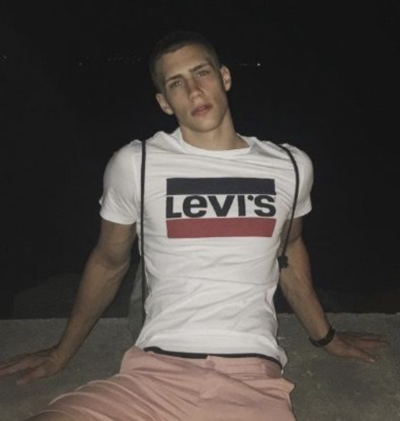
His ass does not disappoint.
_____________
PrettyAsPuke, 18
I like lazers
Likes: Lazers
Dislikes: Not lazers
Favorite music: Lazer sounds
Comments
TeenFlashEternal – Aug 11, 2019
i claim it.
Suicidesadist – Aug 8, 2019
I claim it.
justl00kingforfun – Aug 8, 2019
i claim it

______________
YoungStraightFag, 21
Young Slim straight boy out of school for the summer, want to party hard and be a faggot until September.
Chain use psychedelics, MDMA, K, X, solvent huffing, aerosols, but open minded to trying things.
After the party is in front of the party! DADDys welcome!
Have a GF so need to be discreet.
Also have fantasy of my GF being degraded and raped by men whilst shes at work.
Have some pictures of her too 😉
Comments
Tha_kingkong – Aug 26, 2019
Hey Straight Fag, After 57 years now I can say that boys were definitely made for the cocksucking and girls’ cunts are put on this earth to take good poundings from a horse tool like mine. So message me – let’s see what we can work out. I always need and want young male cocksuckers, especially since retiring. I will add here that I am fixed – so your girlfriend will not get preggers. I have to also say that my dick gets rock hard when I think about all the hot sex that I have had with boys fucked up on hallucinogens. The more tripped out that it gets, the trashier the scene gets, and the more I get off, lol…. I’m on a very fun journey right now of fucking boys’ girlfriends for them – then fucking forcing the boys to suck a couple loads out of this monster. And I am bi, so deal with it. Let me know if you want your girl to get this big horse cock/balls. I can fuck a hot steamy real cunt just as easy as a hot man hole. I love to talk shit to chicks too, so let me know. I will suck your cock nonstop after fucking your chick. I love fucking girls to death for their chickenshit closet boyfriends. These boys really DO need “how to” fuck their girlfriends, sex lessons. Just like I have always said, fuck them hard – with a purpose. No easy motion – but hard, rough fucking like you were a god damn bull. Girls’ pussies cum harder with that caliber of use. I do have a very huge thick cock, 12×9 and I do know how to use it. Even bigger with poppers/cock rings. Ex-military. I am a total dom top, and hopefully once you have this fucking horse cock, balls and nonstop sex drive you’ll be hooked for life cos you are kinda cute……
______________
ThisPureSex, 24
Maybe sounds wierd but I just know Im something special. Beautiful, sexy and the way I live. Im for sure something extra ordanary. Actully Will just pick a very few of you and not in a hurry, building up long term sex with only one. Im doing this because it tickles my heart.
With that Said money is a fetish thing with me this way. Will close this acount when find the right person after very few people Paying for access to me.
Will take a small Amount for the ones i choose in begining. To make sure that you feel that I Have the sex you always want, then later I Will take lots of money to know you want the best for me.
_______________
Fuckmehahaha, 18
I’m not normally one to preach about myself, however this section dictates I do so; I enjoy being alone, in solitude with my cigarettes, a pencil, some music and some paper is where my mind works at its best. However, this does not mean I don’t enjoy sex as that is also among my favourite things to do, you’ll normally find me at the forefront of the parties I attend being pawed and goosed by all the scariest men. I’m reckless. Which sometimes isn’t the best idea, but it’s enjoyable. But, speaking of, I’d rather hear about you.
Comments
ReignySlays – Aug 18, 2019
What’s the significance, if any, of the “R” on the padlock? Because that happens to be my first initial… 😉
-Storm- July 10, 2019
I fucked him at 13 too. And I wasn’t 13 at the time. Not even close.
XAgriasX – July 10, 2019
Oh.. right.. PPPhhheeewwww!
Fuckmehahaha (Owner) – July 10, 2019
He was 13 too.
Anheruvika – July 9, 2019
and illegal
XAgriasX – July 9, 2019
Uh oh my God.. that’s.. intense.
yourworstnightmare29 – July 9, 2019
I’ve been fucking him once in a while since he was 13.
XAgriasX – July 8, 2019
wwwaaahhhh? sssslurppppp
yourworstnightmare29 – July 8, 2019
17.
XAgriasX – July 7, 2019
“all the years” wait, how old is he?
yourworstnightmare29 – July 7, 2019
In all the years I have been fucking you, you never age.
Fuckmehahaha (Owner) – June 19, 2019
I respect Simone de Beauvoir’s intellectual work too much for that. And I’m gay bottom.
XAgriasX – June 19, 2019
We can all wish to have Simone de Beauvoir as our main squeeze
Anheruvika – June 19, 2019
Also trying to have a personal life like Sartre
Fuckmehahaha (Owner) – June 19, 2019
Yes, it’s the angular stone for many of the authors and works I like the most from the past decades and even nowadays. His legacy is priceless!
XAgriasX – June 19, 2019
Trying to understand Hegel. Trying to live like Max Stirner.



______________
bedofroses, 18
Hey, I’m just looking for something specific, ask me what and if you do not want it or you do not like it do not try to negotiate with me, I’m staying in my cause, I want what I want and you can not change anything with me. I’m not visitable and not mobile, you have to pick me up in your car and we will do it in the car.
Comments
bedofroses (Owner) – Aug 19, 2019
I’m cute. I know it’s my fault, sorry.
______________
CyberNecrodemon, 23
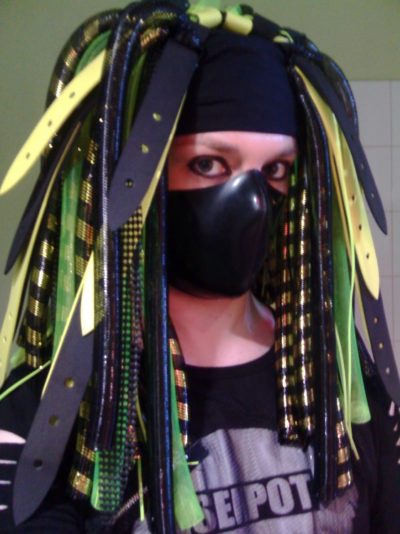
Hello! I am Cyber Necrodemon, get to know me!
Comments
CyberNecrodemon (Owner) – Aug 11, 2019
also available in “twink mode”

______________
marksomethin, 19
Wassup I want some one to take me to ur place for a few days a few weeks I’m down for it and ram they cock in my mouth I wanna be mouthfucked and cussed out and called a faggit I don’t fuck dudes nor do I get fucked I have a 10 inch cock so wassup I also like to be spanked I’m talking about a spaken with a belt
Comments
marksomethin (Owner) – Aug 15, 2019
Don’t lie you want me for a few days then just skull fuck me and kick me out and block me because I will not give up


______________
ThrasherGuy13, 19
– I have a obsessional neurosis (diagnosed)
– I have moodswings of doom (take it seriously)
– MtF sex surgery in 1 – 2 months
– Female voice training almost done
– I only like to listen to techno and russian hardbass 💃💃💃
– If you are traveling in Landau you will find me @ LGS, Marock pub, Unikneipe Fatal, or TunnelRave Landau. I am always at one or the other
– I am 1000% emotionally unreliable
– Kissing where my mouth is treated like food makes me happy 🙂
– I am looking for a tough man with tattoos and piercings 🖤 to help me throw my penis a farewell party that keeps it hard and cumming as often as possible
– Cheating on me is an absolute no-go, it makes me cut myself
– If you still want me, I’m really proud of you!
Comments
LongHairLover – Aug 6, 2019
Awesome, I will be hard literally every second until then 😉
ThrasherGuy13 – Aug 6, 2019
Will upload tonight
LongHairLover – Aug 6, 2019
You’re welcome man, mmm I look forward to drooling over them !!
ThrasherGuy13 – Aug 6, 2019
Thanks alot. Got a few more ill upload from this day
LongHairLover – Aug 6, 2019
Those are such delicious rapey photos of you man :-p
ThrasherGuy13 – Aug 6, 2019
So some say hehe
LongHairLover – Aug 6, 2019
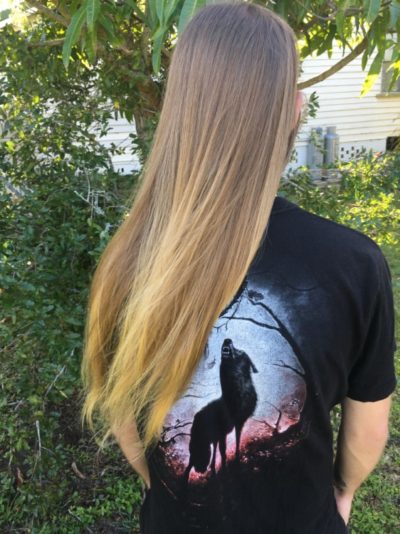
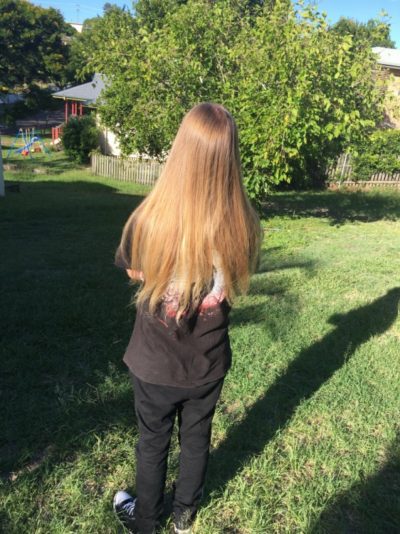
My god your hair is incredible

______________
RedHouseProductions, 21
Looking for a severely Sadistic man to play out a scenario on my unsuspecting son. That’s him.
Comments
RedHouseProductions (Owner) – July 23, 2019
He’s a prof fighter so you’ll need to pack a gun.

______________
Midnight_x777, 22
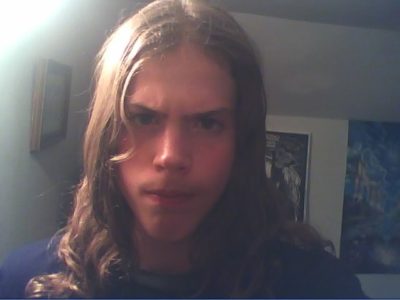
I use to be on here along time ago but cant remember login. I was called Kira…I was put out here as a shared sex hole by this shithead called lamont. Im from Cape Girardeau, MO, usa. I have green eyes and was in a one man horrorcore band known as Rejected Reflection. I am not with lamont anymore i hope he’s dead. currently seeking a cave to enter to escape the current psycho im hooking up with. i am twisted and freaky….i may teach you a few things. ive never had any diseases. the time with lamont was abusive tho and for which alot of my nerves are now dead in my face. but i survive….im a survivor of the night. the night is mine. Lets stand together in the darkest of hours! RISE!!!!
Comments
CountDarkness – Aug 12, 2019
🍿
Midnight_x777 (Owner) – Aug 12, 2019
my face is due to the abuse, neglect, and torture i’ve had no choice but to endure and take during my 22 years. i live in my own personal hell it seems. but itll end oneday when im gone and forgotten. this is the face of a man thats dying inside.
CountDarkness – Aug 12, 2019
hot face

______________
PitofTragedy, 19
Rebuilding dungeon. The end is near. New Pit Version 5.1 should be up and running around July 1.
*The Cells*
A Block – For those we want to have the medieval dungeon experience in a full size cell
C Block – aka “The Closet” – Bondage Behind Closed Doors
D Block – For the isolation prisoner
P Block – For the general prisoners and pups
Two sitting cells and one lying down cell
Stay tuned for more news about the progress on the new Pit.
We are probably the dungeon setting you seek if you are our type and looking:
— to be abused, beaten and serve out your masochistic fantasies or desires.
— to be shackled up and fucked and toyed and fisted silly.
— tweakers, tokers, junkies and popperpigs are only allowed in our dungeon. If you do not enhance your pleasure, we encourage you to look elsewhere.
Your possibilities (if we choose you):
– Single session (2-4 hours weekday evenings or 2-8 hours on weekends)
– Overnight stay (7 am release during week, Noon release on weekends)
– Weekend prisoner (Report Friday night, Release Sunday afternoon/evening)
– Long term incarceration (1 week – permanent) possible with planning.
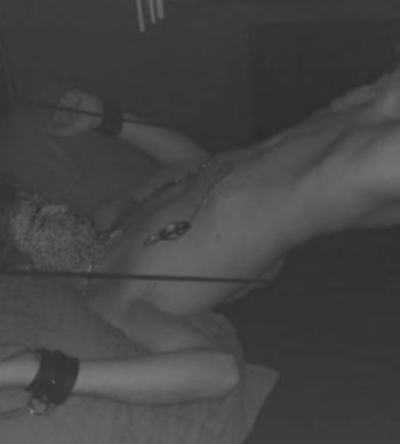
If you think you qualify – see the photo of our current prisoner to see our type – let us know and we will see if our schedule can accommodate you.

______________
AngelBlade, 18
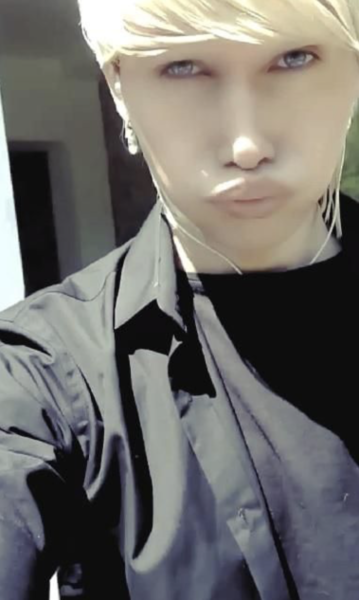
I want to be used tortured raped! No mercy. Use your baseball bat!! Electric torture I have no limits. I want the most dangerous guys rape me! No mercy as mean and rough and painful you can make it!!! I want you to go to prison for it. Rape knock me out. I want to wake up with a guy smashing me to pieces. Why?! Why?!??! Look at me!!!!!!!
Comments
AngelBlade (Owner) – Aug 20, 2019
I hate this shit!
Anonymous – Aug 17, 2019
Screams very loud. Use soundproof room or isolated location.
AngelBlade (Owner) – Aug 14, 2019
I know! I know! I KNOW! I KNOW!!!!!!!!!!! Don’t you think I KNOW?!?!?!
Davidjfisher – Aug 14, 2019
Christ! What have you done to your face?


_______________
LanceIsGay, 20
I’m not ready for my girlfriend or friends or family to know.
I do MMA. Well did. Now I keep to myself.
Comments
LanceIsGay (Owner) – Aug 7, 2019
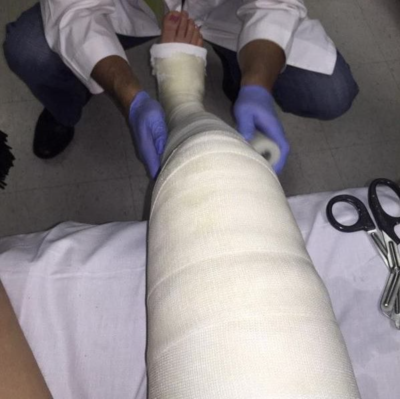
Guy from here broke my leg.
많을 수록 좋습니다 – July 30, 2019
Not that experienced, but willing to learn every single things.
Watched and knows very many plays and willing to do every single things.
LanceIsGay (Owner) – July 24, 2019
I like anything which make me happy.
MaxxCarnage – July 24, 2019
do you do breathplay (choke, noose, strangle, bagging, drowning, ect)?
_______________
VaginDeMale, 21
Im the kind of EMO that go too far. Im those kinds of EMO who only has EMO hairstyles, EMO that wears tight jeans & shirts. Im those kinds of EMO who slit their wrists for those fuck ups who hurt us. Im those kinds of normal EMO’s. Get it right.
Comments
MurderSuspect – Aug 1, 2019
I’m really into long-haired emo guys. But I’m not ready for a commitment right now.
VaginDeMale (Owner) – July 29, 2019
One of my screenplays was just optioned by Tim Burton’s production company!
EvilShaman – July 27, 2019
This object can offer a MASTER, and especially a true SADIST the opportunity to do what he wants without having to care very much about the consequences.
VaginDeMale (Owner) – July 23, 2019
I plan to be an independent filmmaker and have even written a couple of screenplays.
UnAngel – July 22, 2019
Just an emo mope who’s ass is thirsty AF, quench it however suits you. If you have HIV or STD and worry he’ll give a shit, don’t, forget about it.

________________
pirate, 22
I am a young cute boy, living in a small town of the biggest city of Pakistan, Karachi.
I am nothing special, of this I am sure. I am a common boy with common thoughts and I’ve led a common life. There are no monuments dedicated to me and my name will soon be forgotten, but I’ve loved some guys truly with all my heart and soul, and to me, this has always been enough…!! If people think its mistake & don’t wanna forgive me…its okay.
And ya, I AM GAY, I AM BOTTOM, I AM SLUT. I am not happy with what I am but I am trying to be happy and make others happy. I don’t like to discuss nor revive my past life. It was bad. The environment that surrounds me and the incidents I faced annoy me. I was not treated good. I was bullied a lot. I was called names. I was harassed. I was verbal abused. And sometimes, the bullies also beat me and used me in rapes. My life was made miserable by them. I couldn’t had screamed much louder for help as nobody might had listened, not even my family. Sometimes I felt like I should commit suicide, but couldn’t. Those bad events still happen with me in the present. I mostly live in depression and anxiety and try hard to get myself into this real world. The remarks, rejections, beatings, rapes I have received badly haunt me everyday.
I am looking ways to get out of the problems and make a new beginning and a new life. In my early-teenage period, I doubted that I am a homosexual, I realized but not accepted. I had internalized homophobia. Even prayers didn’t work for me. In my mid-teenage period, I accepted myself being a homosexual. After I turned 18, I accepted myself being a slut homosexual bottom. Now I try to accept liking being bullied, harassed, beaten, raped.
I like to make others happy, keen to make mistakes and very very silent, don’t talk with anybody, but due to some bad events and the evil things that’s happening since past, I go angry, depressed, secret, hidden, lonely, sad and very low. I am an introvert and feels difficult to trust and mix up with others.
I use this account to find someone special-my soulmate for life time relationship.
Comments
pirate (Owner) – Aug 22, 2019
will not do vagina to touch my mouth.

________________
handcuffs4life, 21
I live in southern Riverside County, just north of San Diego County – in the Temecula Valley area.
I have a special fondness for old vintage erotic photographs. (Note: There are excellent collections of such vintage photos in the Rottenberg Collection “Forbidden Erotica” and in 1000 Nudes-A History of Erotic Photography 1839-1939. Both are available on Amazon.). I also greatly enjoy classic erotic art. There are many outstanding drawings that I can relate to. I even enjoy fantasy artwork if they are also erotic. For instance I love the artwork of Frank Frazetta and Borris Vallejo.
I almost got killed by a weirdo on this site. I’m two months older and wiser now and ready again to find someone to pound the life out of me basically 🤷🏼♂️😈.
Comments
Anonymous – Aug 5, 2019
Go to 16 Doulton St, Corona and sneak down the right side gate and into his room. Then blast him with tina and poppers and get him fried and r@pe him and go nuts in his whore holes. Text a few friends to come over and let them r@pe and abuse his holes. Or that’s what I did.
________________
magic, 22
i want men to feed stuff in my mouth
scat
piss
puke
mud
snot
blood
food
drugs
my name ain’t magic for nothing

________________
wolfie, 19
So to say I’m 100% passive wouldn’t be quite true. I’m very assertive with my current girlfriend and with women in the past. I’ve been charged with domestic violence by three women I’ve dated and one of those cases is going to court soon.
I’m here because I’ve often wondered what it would feel like to be on the other foot, but not from a woman. From a man who would gain great excitement from breaking me down into a worthless passive cum slut if that’s the right term.
Comments
wolfie (Owner) – Aug 21, 2019
I am Astaroth Lucifer Satanis. (Yes this is legally now my name.)
wolfie (Owner) – Aug 19, 2019
This faggot is proud to announce that he is now owned by His Excellency the Honorable Master Dimmu Borgir. Words cannot describe how different we are: His Excellency is a dominant Superior, while this faggot is an object, a servant, a fag… who is so grateful to be under Master Dimmu Borgir’s authority.
To all Superiors, reading my profile: welcome and thank you for visiting me. Feel free to write me, but understand that this faggot is under the direct jurisdiction of Master Dimmu Borgir. He will decide if this fag can, will or must be in touch with other Superiors.
To all subs and slaves: GOOD NEWS: MASTER DIMMU BORGIR IS STILL LOOKING FOR FAGGOTS TO SERVE HIM. IT’S STILL NOT TO LATE TO DO YOUR DUTY AND MAKE YOUR DREAM COME TRUE. We definitely should talk. I can strongly recommend Master Dimmu Borgir. Text me, so you can get some advise about how to increase your chances to serve this Superior.
Noodles1234 – July 20, 2019
My bad…He’s right.
wolfie – July 20, 2019
it is the wrong hand, its worn on my right hand, photos in a mirror.
Noodles1234 – July 20, 2019
Actually not the wrong hand unless you’re from Russia
wolfie – July 20, 2019
cheers but not a wedding ring wrong hand
Noodles1234 – July 20, 2019
And you’re married (ring)

________________
RimBaudelaire, 21
I’d like to say that I’m so grateful to all men who have helped me find the confidence to knock the door of the BDSM community. A few years ago, I didn’t think I’d not only be able to show others I’m a masochistic slut, but also doing a simple thing as walking into a fetish store and buying gear.
Now, thanks to all those men –some of them will know I’m talking about them once they read it– you all have helped me know I’m not alone at all, that I’m part of a large fetish and friendly community where all of us can help and encourage one another to be who we want to be, to be who we really are.

________________
BeSomebody, 19
Hey hey, I’m Oscar, or Otty to my friends. But my guess is you don’t want to be my friend.
I think you want to hood or body bag or mummy wrap me & take me captive for fuck hole seeding by as many as captors as you wish excluding women.
I cant host but I can bag myself for pick up & transportation to wherever directed to so as to protect your anonymity & the location of impoundment.
I especially love surfboard cases that are insulated zipper bags cuz they can be holed out for breathing yet are strong & thick enough to keep me from being heard, moving around, & getting damaged during transportation.
Please release me within 72hrs of capture to be dropped off somewhere near original pickup/capture location, still inside the bod sack/zipper case but with the zipper unlocked for liberty restoration.
Comments
BeSomebody (Owner) – July 12, 2019
Could also possibly be into hypnosis then roid injections for rapid and unstoppable muscle growth.
MyBeltYourButt – June 30, 2019
If you want him to talk bring up aliens or Mothman.
________________
Crow, 20
I’m a Goth. I can only focus on the dark side of life. That’s just the way it is. I’m a poet, artist, intellect (not that that’s important). I live in a basement and have chronic depression. I need a haircut but my stylist isn’t available for three weeks. My greatest desire is to find a master whose brutality falls within the realms of gothic methodologies.
Comments
selfdestructivekid – July 27, 2019
I heard you quit heroin, you pussy.
Lord_Rayven – July 20, 2019
Most of the people on here live in a basement and have depression issues, so welcome.
Crow – July 19, 2019
♂
BlueMachine – July 19, 2019
I can’t figure out what gender you are
MoonMagic – June 28, 2019
i think your hair is fine
________________
Imtoohonest, 19
I’m looking for someone who would be into putting a noose around a straight guy’s neck, hoisting me up to my tiptoes and edging me until I cum or strangle out.
I find execution role playing makes the time super enjoyable for all involved.
I haven’t been fucked by another guy before. If someone is able push it up my sphincter, then that may be exciting.
I’m looking for sooner rather than later.
Oh my name is Vincent, not Vincent Van Gogh who had only one ear, I still have both.
Comments
Anonymous – Aug 17, 2019
just after i cut him down
Imtoohonest (Owner) – Aug 14, 2019
I told you I’m not interested. Stop embarrassing yourself.
jon – Aug 14, 2019
What’s your favourite song?
Imtoohonest (Owner) – Aug 14, 2019
Sorry man, I’m straight, so chill with that need shit. I’m a very open person, but respect me and I’ll do the same.
Imtoohonest (Owner) – Aug 14, 2019
Jon … Noooo just noooooooooo !!!! Helll noooooooooo !!!! *cutts your dick off and feeds it to my dog* !!
jon – Aug 14, 2019
i’ll become what you need – as often as you need, anywhere you need, as many times as you need. please?
______________
cutekitty, 18
ok so im finally 18 and all I am here to do is get kidnapped (my ideal is that I tie myself up in my backyard and a 18 or 19 year old comes, pours me in a bag and takes me home) im cute but i do have ADD, PSTD, psychosis, borderline schizophrenia
Comments
LustfulLucifer666 – Aug 5, 2019
I invite you to come and join my monthly Coven for Commited Satanists. BBQ, Spa tub followed by a ritual then an all night Sacrifice.
Anonymous – July 31, 2019
Piece of advice– the photo of you triggers fantasies of strangling you and I’m sure I’m not alone. I would choose another or balance it with others.
_______________
HungMuscleHunk, 24
name’s ronnie
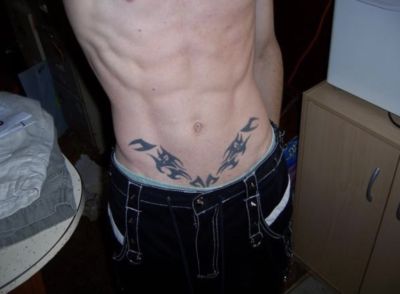
have 3 tattoos
my dick is for free
the target is 14/4,5 cm
with a foreskin
without any hair
a sensitive glans
you can write, draw on it
can be milked for hours
can be roped, pumped
can shoot or just leak
can swallow a dilator
Comments
Anonymous – Aug 17, 2019
WHERE were the mentioned muscles? Couldn’t see NOTHING!
________________
Cookandeatmyfeet, 23
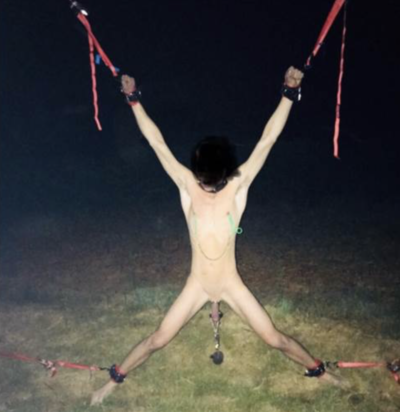
Piglet looking to be butchered into meat. Pieces of meat displyed on a counter top waiting to be sliced and cooked for dinner.
Comments
KLEATHER – June 2, 2019
Permanently no budy naked taid to the tree on isolation in a psychiatric hospital.
_________________
noahblond, 19
Art student based in Islington but I travel round UK for art.
Im not into men if you get me but im propa into prisoner/kidnap/hardcore stuff.
Hit me up if your down for somet.
Few limits tbh.
420 and i sometimes smoke and take pills and drink yh.
Fuckin good artist shown stuff at Whitechapel MPaley etc.
Ive talked to serveral person about this.
Major turnoffs >
I dont like to be naked
If you fck me pls do it in my speedos
Anyone wankin me
Comments
trip – Aug 3, 2019
Yo.. what’s in your nose.. a shower curtain hook?
noahblond (Owner) – Aug 2, 2019
Cool story bro, write a book ^.^
SkylerNeverForget – Aug 2, 2019
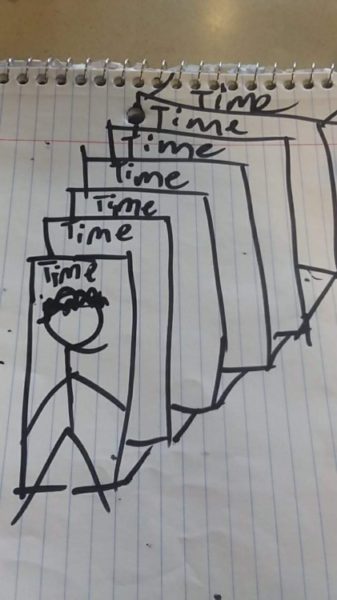
Life itself in its true form is similar to stop motion animation. Reality flickers on and off, the mind perceives it in a continuous film; subjective vs objective time. You can slip through the veil.
noahblond (Owner) – Aug 2, 2019
This int time travel moron, just how I perceive time itself, go to back to school.
StenchOfStolenInnocence – Aug 2, 2019
You could time travel by walking around the poorly constructed barriers.
noahblond (Owner) – Aug 2, 2019
Yeh
StenchOfStolenInnocence – Aug 2, 2019
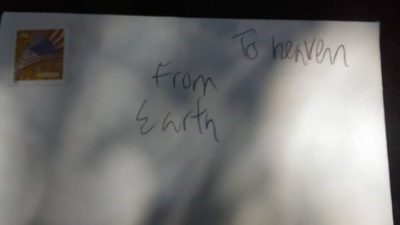
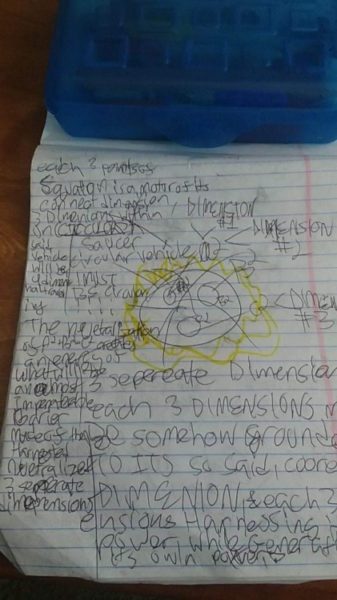
Is that your art?

_________________
AdamBaxter, 19
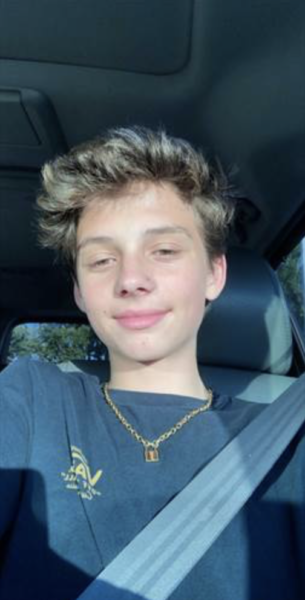
If you need a charming young butler and sparkling to soothe your loneliness, I am the twink of the situation.
At your service to prepare your meal (trained in catering), converse, have fun, cuddle … all in light clothing.
_______________
Californiaguy, 21
No one gives a f*ck. I have a heart condition I developed 2 years ago. The doctors dont know whats wrong with me so now i lay here in pain everyday. Sense iv become unwell iv had no support from any one, Iv been taken advantage of and made to feel like shit. Im alone and afraid most of the time. Before I became unwell I was on my way into nursing but now i live on $400 a month. I get a little better everyday but even when im better ill still know how cold the world is and i dont know if thats a world i want to live in. I feel like iv done so much for people when i worked in the hospital and well, karma has not been my friend. What I really need is a hug and someone to tell me everything will be ok.
Comments
Anonymous – Aug 10, 2019
He has a tiny, tight, cherry-pink asshole that’s so hot it could burn a hole in your retina.
_______________
Galgenboybln, 18
Yes, I’m looking for a gallows, but not because I want to kill myself, but because it’s cool.
If you don’t got one, keep clicking.
Comments
Anonymous – July 24, 2019
He’s only 16 years old and don’t think too much in him.

_______________
FISTME, 22
Gentleman, I’m a down to earth shy easy going boy here and I really don’t know what to say so yeah.
Comments
FISTME (Owner) – Aug 5, 2019
Also my morning breath smells like shit and I feel like a failure and want to go punch holes in walls because I’ll never really accomplish my dreams and I’m just gonna have to settle with being a fisthole and my parents are gonna be like ‘be more like ur sister’ and I’m gonna be like ‘bitch, I’m more of a woman than she ever was’ even though I don’t have gender dysphoria.
FISTME (Owner) – Aug 3, 2019
OK, did u know that poop should be a superfood, but we just can’t make profit off it? (Vitamins, probiotics, and a bunch of other good stuff) that’s why ‘other mammals’ are always licking their butt (which would be an awesome skill) and sniffing for the good stuff (cuz some shit is parasitic as fuck).
_______________
WienMitte_theMall, 20
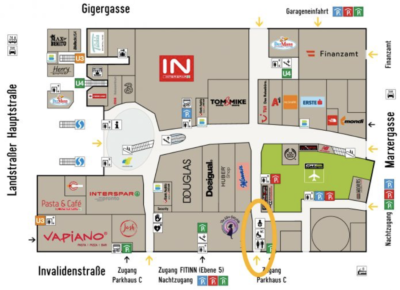
meet me on the ground floor …
if you are shy, you can just look … there is a lot of me to show …
If there is too much excitement, we can go on the 2nd floor.
Pix
1. about 100m behind the entrance, keep right
2. where you can find me…
3. he was end 40ies, chunk, shy … and left me behind like this
Comments
Greek-in-Berlin – Aug 20, 2019
You are a part of my craziest spot in my brain.
JPC1984 – Aug 14, 2019
I am his boyfriend. He is not on the masculine side of life but is always trying. He is also capable of conducting intellectually challenging discussions and claims to have never been dumbfounded. He is also Demisexual which makes it hard for him to love someone straight away without getting to know them better, look it up if you need to, I didn’t do the best to explain. He is also gay but closeted.
WienMitte_theMall (Owner) – Aug 12, 2019
Also very open to be randomly insulted!

_______________
EveryoneRocks, 20
I am Brian. I’m super small and skinny, about 5’0 and 90lbs. I’m smooth everywhere, all natural, I don’t have anything to shave.
I am into being beheaded. I’ll do play but what I want is to be really beheaded.
(yeah, it’s a weird fetish. yeah, it might scare people away. no, i don’t care :D)
My favorite meetup would be a tall muscle guy taking me into his room or to a couch. He motions for me to get closer and sit in his lap in his arms while he lays down on the bed or couch and comforts me asleep. I’m suddenly woken up when he pins me down and lays full weight on top of me, not caring at all if I can handle him or not. He starts kissing me, and then attacks my neck with his mouth, kissing, sucking and biting it super hard, leaving lots and lots of hickeys. Then at some point he produces a knife, a large very sharp knife like butchers use. He shows it to me then puts it to my neck. I pull his face down on top of mine and giuve him the hungriest wettest sloppiest kiss with all of my heart as he beheads me.
(I know this is just my bio but I wrote a really hot story along these lines and it deserves to be seen by the fetish community)
Let me know if you can do that… Also, if you can behead me. Cause I would love you “forever”.

*
p.s. Hey. ** Shane Christmass, Hi, Shane. Cool. Uh, okay, I’ll email you my address. Thanks. ** David Ehrenstein, Hopefully jebus is still in sight of this place and feels thanked. Ah, a new piece by you, great. Everyone, Mr. E has written about Chanya Button’s new film ‘Vita and Virgina’ (aka Sackville-West and Woolf), and do go see what he thinks. Also, as a reminder to you in the SoCal realm, David says the following: ‘My humungous emergency sale of DVDs, CDs, LPs and books at bargain prices continues apace. It also includes a beautiful gold=late framed mirror (a steal at $100.00 I will be at the address below 24/7 Please call come on over and shop til you drop. Write me at cllrdr@ ehrensteinland.com and make plans to come over. ** Bill, Hey. The only time I saw them live, it looked like they were out cold standing on their feet and singing and playing in their sleep. ** _Black_Acrylic, Every single time anyone has pronounced their name in my presence who seemed to know what was what, it was ‘trucks’. ** Steve Erickson, Hi. Discovering Laura Luna Castillo is on my agenda for this weekend. I’ve always found Tool ludicrous, but, hey, I’ll try again. No clear report that I’ve read on why they re-split, other than, yes, the usual/obvious that they either just hate each other or drugs. Okay, I’ll see if I can find a taste of ‘Dad’. Never heard of it. ** Misanthrope, Well, thanks. Right, Labor Day Weekend, I totally forgot. I hope there’s not some concurrent French equivalent here, or else I’ll just go stock up on cigs and food today in case. Sounds like fate re: the fiction writing class. Yeah, my poetry workshop teachers were always really supportive of my then very terrible poetry. I must have had a hungry look in my eye or something. It always seems weird to me that the young poets in my workshops who were actually really, really good and infinitely more talented than I was at the time just disappeared, which is to say I never ever saw their poetry published anywhere or ever heard of them again. Goes to show you how much it’s really ultimately about drive and wanting it badly enough, I guess. ** Armando, Hi. Okay. Oh, that’s a (relatively) sizeable budget. Or I mean that’s more than ‘PGL’ cost. Yeah, it would be basically impossible to crowdfund that much. My plans for today? Work on the novel. Going to an experimental film exhibit/screening tonight at the great Re:Voir. The novel is going very well as far as getting it in shape and toward the possible finish line goes. I remain a bit worried that it’s not going to work the way I want. But I’m trying to finish it, and then I’ll show it to a trusted person to read and find out if I’m on the money or off my rocker. Have a good weekend. ** Right. End of the month. The slaves arrive in selective bulk. You look through them, chuckle or feel horrified or get horny or all of the above, or none of the above if you skip out on the gift, and then we all reconvene here again on Monday. See you then.












 Now available in North America