_____________
youngCumdump, 19
Nuremberg
Date: 08.08.2020 in Nuremberg – Looking for TOPS to use my cumdump … Favorable prices!
Guestbook of youngCumdump
Grr1990 – Sept 8, 2020
If it matters whatsoever the cumdump is a Queer, leftist, vegan, singer of a punk band, into DIY culture and zines.
Lukele – Sept 4, 2020
God I love asses!
Anonymous – Sept 3, 2020
The same event has already taken place in the Czech Republic. Was very well attended, nine men packed into a small room jostling to get at the little one. The next top was knocking on me when I was still pounding him. Sweaty, beautiful ass, teenage as they get, withstands a ton of cock and his upper half does not complain. Sucks his ass juice off your cock when you want him to. You can’t beat the price! The “watchdog” gives instructions from time to time when it’s not hard and rough enough for him and sometimes sucks the little one while he is being fucked. After a quarter of an hour it was over, and no sooner you load the boy up than the next one is already balls deep inside him.
Dick M Uncut
Orientation Gay
Body Slim
Body hair Smooth
Piercings No
Tattoos No
Smoking Yes
Speaks Bulgarian, German
Position Bottom only
Kissing Yes
Oral Versatile
FF Passive
Dirty No answer
SM No answer
Rate per hour On request
Overnight On request
_____________

i_like_old, 18
Nashik
My type is you 😆❤
Guestbook of i_like_old
ilovecuteboys – Sept 5, 2020
he’s small and ugly and wants to be railed then cuddled
katz – Sept 1, 2020
If your really Justin bieber i’m looking to worship you. Toe to head. Inch by inch. Inside and out.
i_like_old (Owner) – Sept 1, 2020
I was hoping to have a stable relationship before starting sex. But to be honest, i can’t wait. I really need sex.
Dick s Uncut
Orientation Gay
Body Slim
Body hair Smooth
Piercings No
Tattoos No
Smoking No
Speaks English
Position Versatile
Kissing Yes
Oral Versatile
FF No
Dirty No
SM No
Rate per hour 60 $
Overnight On request
_____________
balkan_snuffer, 19
Zurich
We play. My rules. You want to know what kicks my mind and how I would like to have fun – watch the Serbian movie on google. If you want more fun I can organize three alpha friends and the play gets even more twisted, same ending. 4 for 1.
Guestbook of balkan_snuffer
alwaysexplore – Aug 23, 2020
How did you know my fantasy is to go back in time and get snuffed at a Spandau Ballet concert?
Dick XL, Uncut
Orientation Gay
Body Athletic
Body hair Some
Speaks English, Slovenian, Serbian, Serbo-Croatian
Piercings No
Tattoos A lot
Smoking Yes
Position Top only
Kissing No
Oral Bottom
FF Yes
Dirty Yes
SM Yes
Rate per hour 250 €
Overnight 1500 €
______________
BIG_FUCK_ALL_NIGHT, 19
Stuttgart
Looking for a person who can help me to get some weed
Guestbook of BIG_FUCK_ALL_NIGHT
Mitni – Sept 12, 2020
He’s been doing this for years and instead of getting better at it he’s gotten worse. As a 16-year-old (he told me 19) he did put out and he was hot in appearance, now he has longterm pot head baggy eyes and is very loagy and does almost nothing and you also get a lot of burping. I ended up fucking the friend he brought with him (although he did not care) for free and he was much better.
BIG_FUCK_ALL_NIGHT (Owner) – Sept 10, 2020
Also looking for a sugar father or whatever it’s called because I don’t have a job because of covid and I don’t wanna go back to school because it’s just not for me and I don’t wanna be out on the streets for when my lease is up in 2 months so having a sugar father by then would be bank
Anonfucker – Sept 9, 2020
Walk in, hand him the pot, let him get baked, slide your Cock in his asshole and relax.
Dick M Uncut
Orientation Gay
Body Slim
Body hair Little hair
Piercings No
Tattoos Yes
Smoking Yes
Speaks German, English
Position More bottom
Kissing Yes
Oral Versatile
FF No answer
Dirty WS only
SM Soft
Rate per hour On request
Overnight On request
______________
Zulema, 18
Barcelona
My name is Zulema that’s my stage name but they call me the imp because I behave very badly I’m an artist I like listening to Spanish music and dancing while painting naked and I only like to have sex in the morning.
Guestbook of Zulema
Zulema (Owner) – Sept 10, 2020
Please note, I naturally can only take on a top role with guys smarter than me.
Zulema (Owner) – Sept 6, 2020
Have you been wanting to open me? Invite me to stay the night in your guest room then set your alarm for 6 AM and come in and open me.
Dick L Uncut
Orientation Gay
Body Slim
Body hair Shaved
Piercings No
Tattoos No
Smoking Socially
Speaks Spanish, Portuguese, English
Position More bottom
Kissing Yes
Oral Versatile
FF Passive
Dirty No
SM No answer
Rate per hour 300 €
Overnight 1 €
______________

filipswift, 18
Traun
soo…hi?
so what am i looking for??? i don’t know lmao. i am kinda looking to have that teen romance from tv shows that everyone wants.
but until i find him, i’m open to letting older guys rent most of my stuff, so stream folklore (requirement!) and then hmu
Guestbook of filipswift
filipswift (Owner) – Sept 9, 2020
i don’t want to hear how much better music was when you old guys were young so shut up! janis joplin sings like a cow!!
ChrisBao – Sept 7, 2020
Wait on him a little while until the Taylor Swift album has been culturally absorbed because that’s literally all he wants to talk about.
Dick L Uncut
Orientation Gay
Body Slim
Body hair Smooth
Piercings Yes
Tattoos No
Smoking Yes
Speaks German, French, English
Position More bottom
Kissing Yes
Oral Versatile
FF No answer
Dirty WS only
SM Yes
Rate per hour 100 €
Overnight 450 €
______________
RainOnMe, 24
Bergen
First of all:
I really don’t like the stuff like sexual preferences and all that stuff you can put in your profile. If you’re generous enough you are gonna find out eventually. ^^ No one else has to know about that stuff in my opinion…
More about myself:
I am very shy with big social struggles (Oh yeah, if you asshole who said to me something like: “Oh, now I see what you meant with social struggles, you are behaving….” I am behaving in a certain way ONLY if you are being:
-Annoying
-Cheapskate
-Lovey dovey
-Needlessly pushy
-Over flattering
-Or otherwise being a pain in my… and not in the fun way
Sooooooooo, back on topic. Like I said: I have giant social struggles which can make it seem like I am not interested or something like that. I might be but sometimes it’s just that I either don’t know how to get my point across OR I just don’t know what to say overall.
Things to know about me:
-I am in a sexual relationship with mother (yes she’s in the photo) for now over a year, I have my own apartment and we have gone through quite a bit. So Yeah… I am definitely not looking for a new sexual parent. I am looking for someone who trades some cash for some intimate shit. Just know: Don’t expect a son you can fuck- That’s probably not gonna happen.
-I have huge social anxiety and aggression problems. The aggression problems kinda go hand in hand with social anxiety. It’s not something that should come up normally BUT I just wanna put it out there so you now what’s up.
-I am not gay. Or rather: I think it’s an absolutely boring topic to talk about. At least most of the times. So if that’s important to you: I am not your guy I guess.
-If I don’t text you for a while even though we’ve had sex or even quite a bit of sex: Please don’t think I am not interested anymore. I am just probably having a freak out about social interactions at that moment so it’s probably better if you just send me a text like: “Need some money?” Or even “€€€?” Just something to make me think about my needs not you. ^^
Soooooo… I think that’s quite a bit of text for now. I might come back later and add some stuff… If you’ve read through all of this and still want to fuck me: I congratulate you. You are apparently putting more effort into me than 95 % of the people on this planet (I am probably exaggerating quite a bit but most people don’t even want to know who they fuck anymore, so yeah…:/)
Oh, BTW! Since quite a few people have put that into their Bio but in reverse: If we have sex you can take pics and videos and all that shit and upload them wherever the fuck you like. XD It’s not like everyone I know doesn’t already know I’m insane. ;D
Guestbook of RainOnMe
RainOnMe (Owner) – Sept 8, 2020
Who the hell would leave me such review? Like seriously guys, haven’t even talked about this topic with someone. I don’t even give a shit what is going on in the USA.
Dick L Uncut
Orientation Hetero
Body Slim
Body hair Smooth
Piercings No
Tattoos No
Smoking No
Speaks Finnish, Norwegian, English
Position Prefer not to say
Kissing Prefer not to say
Oral Prefer not to say
FF Prefer not to say
Dirty Prefer not to say
SM Prefer not to say
Rate per hour On request
Overnight On request
______________
Christmastree, 18
Boston
They really dont get sluttier and greedier than me.
Im looking for an OLDER WEALTHY man ONLY who sees me, knows exactly what I am, knows exactly what Im worth, and wants to fuck me until my wallet is the size of a boulder and my brain is mush.
Please, no lectures. I know what I want! My love of money is extreme and I want to meet a man who is as turned on by going broke as I am by getting filthy rich.
I am money OBSESSED and it would be my ultimate dream to end up a pathetic, used sloppy messed up rich kid. My cute face completely hidden by gobs and gobs of cum. My slack mouth full of it gargling while cum gushes out of my ripped up hole and oozing down both of my legs… and be rich! GAWD!
Comments
JasonCF – Sept 7, 2020
He wants a million dollars but he says you can fuck him for up to two years.
Dick S Uncut
Orientation Gay
Body Slim
Body hair Shaved
Piercings Yes
Tattoos No
Smoking Yes
Speaks English
Position Bottom only
Kissing Yes
Oral Versatile
FF Passive
Dirty Yes
SM Yes
Rate per hour On request
Overnight On request
______________
onefreeplowjob, 22
Leeds
ONE FREE PLOW JOB WITH OUT CONDOM WITH EACH BOOKING OPEN MONDAY TO SUNDAY 6PM to 6AM APARTMENT LEEDS CITY CENTER
May I also recommend:
Foreplay: Everything you do before intercourse, like making out, holding each other while spooning, cute lil neck smooches, fingering, oral sex, spanking, humping, dirty talk, or even just sending a sext prior to pants coming off.
Cowgirl: A sex position where you have your legs on the outside of your partner’s hips and face them.
Deep Throating: A blow job technique where the giver puts as much of the penis into their mouth as they can (sometimes the whole penis) which can sometimes cause gagging or even vomiting.
Motorboating: The act of putting your face in between someone’s ass cheeks and moving your head back and forth quickly while making a raspberry sound with your tongue and lips (like the sound of a motorboat.)
Rusty Trombone: The act of performing a simultaneous rim job and hand job.
Creampie: The non-dessert definition is when semen visibly drips out of an anus after ejaculation during sex.
Shocker: When someone sticks their pointer and middle fingers inside someone’s anus, and then “surprises” them with a pinky finger in their urethra, hence “shocking” them.
Dirty Sanchez: An act where someone puts their finger into their partner’s ass, then wipes any fecal matter that may transfer onto their finger over that person’s lip, resulting in a poop mustache.
PAY UPFRONT. IF YOU SEE SOMEONE ON SOCIAL MEDIA WHO YOU KNOW IS ME, BUT THE NAME YOU KNOW ME BY IS NOT THE NAME DISPLAYED, DON’T MESSAGE ME THERE. WHILE YOU SHOULDN’T ASSUME ALL SEX WORKERS ARE IN “BAD SPOTS” SOME OF US ARE. IT WOULD BE MORE THOUGHTFUL IF I ELICIT YOUR QUESTION “ARE YOU OK?” WITH A WORRIED LOOK THAN “YAS! MAKE THAT MONEY BITCH.”
Dick M, Cut
Orientation Gay
Body Slim
Body hair Not very hairy
Piercings No
Tattoos No
Smoking Yes
Speaks English
Position Bottom only
Kissing Yes
Dirty Yes
FF Passive
SM Yes
Oral Bottom
Rate per hour 120 £
Overnight 1440 £
______________
the_blaster, 22
Berlin
You want to get a really nice, cute guy home and put your face under my hole and sniff my farts for …. mmmmm … let’s say 2 nice intense hours?
You want I should sit down and you attach your face to my hole and I feed you?
I have no job due to the pandemic but I do have a phone number. I will get to you where you believe and that is at your hotel.
Guestbook of the_blaster
HypnoGlory – Aug 27, 2020
He has a hydraulic system to make a caterpillar turn pale!
asslickingpig – Aug 24, 2020
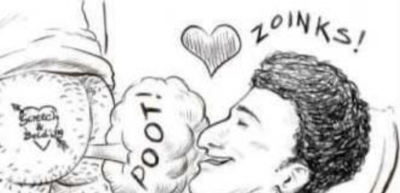
Please tell me the ass in that drawing bears no resemblance to yours.
the_blaster (Owner) – Aug 17, 2020
Began exploring this with a neighbor man when I was very young and found it to be wonderful because of the level of communication and intimacy it created between us. Although that relationship didn’t last, I wouldn’t mind finding a life long eater and sniffer to continue to explore our sexuality together as well as be a partner in other aspects of life.
Dick XL, Uncut
Orientation Gay
Body Muscular
Body hair Little hair
Piercings No piercings
Tattoos No
Smoking No
Speaks Danish, German
Position Top only
Kissing No
FF No answer
S&M Yes
Dirty Yes
Oral Bottom
Rate per hour 200 €
Overnight On request
______________
NotEvenLegalMyDudes, 18
Kansas City
Yeah, I’m just a sad 15 year old dude, here because I lack dopamine and I need something to do. Feel free to ignore me or report me, or we can send nudes to each other or whatever. I’m cool with anything tbh.
If you’re really, and I do mean REALLY desperate for meeting up, you gotta come to me because haha I’m broke and I have no money obviously, hint. I don’t really recommend that though, as uh.. I am 15.
Guestbook of NotEvenLegalMyDudes
NotEvenLegalMyDudes (Owner) – Sept 2, 2020
(Before we go any further I should say that if you ARE really desperate for a meeting my is body new and may need a bit of tweaking)
Dick M Cut
Orientation Gay
Body Average
Body hair Smooth
Piercings No
Tattoos No
Smoking Socially
Speaks English
Position Versatile
Kissing Yes
Oral Versatile
FF No
Dirty No
SM No
Rate per hour 50 $
Overnight 250 $
______________
heypeoplepeace, 20
Portland
I am a non-binary symbolically Intersexual human. I go by They/them/theirs pronouns and am Non-Role (Not a “Man”, not a “Woman”). I am also ethically and consensually polyamorous.
: I may be 18 years of age, but my physical, chronological age says nothing about how many lives I have actually lived and experienced. My soul, the very essence of who I am, is way ‘older’ than how many years I have been on this earth, presently speaking
“Just another human-shaped configuration of organic matter, processing consciousness. ”
-It’s been awhile since I had sex. I am trying to remember what sex is like (among other things).
*While I’m trying to remember here are some of my other interests/likes, in no particular order:
Photography, singing/song-writing, art & poetry, music, esotericsm, meditation, yoga, healthy living, green living, communal living, tiny houses, travel, activism, Mark Ruffalo, Joaquin Phoenix, nature, movies & TV shows, dancing, languages & cultures, the human condition, clothing, food, some sciences (like: social sciences, pathology, biology, forensics/forensic pathology, criminal investigations, anthropology, psychology, herbology, aromatherapy, to name a few), animals of all kinds, some mathematics, graphic design/game & world design, astronomy, astrology, animated & anime movies/TV shows, birth/natal charts & zodiac signs, permaculture, gardening/micro-greens, botany, marine animals marine life, flora & fauna, retro/vintage stuff, collecting and looking at old cameras, Volkswagen (older cars/vans for travel and minimalistic living), geology, glass blowing, welding, bdsm/fetish/kink community, martial arts, riding horses, Woodstock/music festivals, Burning Man, snow globes, philosophy, fitness, most insects, late night talks/walks (to no place in particular), strategic puzzles/games that stimulate the brain, wood work (like carving and watching/participating in the process), ancestral learning of ones backgrounds and cultures, tarot, languages, candles, sex positivity, rock climbing & hiking, satisfying videos & noises, organic living, road trips, intimate connections, sleeping/dreaming, rocks/gems/crystals, intersectional feminism, humanitarianism, philanthropists, behaviorism, and learning about skills that will make a difference regarding cultivating functional and healthy relationships/partnerships with people on an interpersonal and social level, Sherlock Holmes/deducing people and situations in my head (and people watching), tattoos & piercings (and the meanings behind them that is specific to an individual), coming up with design ideas for apparel, BTS, cybernetics & biotech, time travel & talking about life & death, mythology or things based on real things but turned into mythology, other trans-humanist things, horror movies, homeopathics & natural medicines, altruism, forests (trees, bees, everything green and in between!), DJ-ing & club events, playing pool/billiards, fusbol, Pac-Man & other Arcade Games, going to amusement parks, and overall, just enjoying what life has to offer and making what I currently have last as long as plausible.
If we’re being specific, for those who are curious (I do however need to know what I actually would like in order to have the sex I need for my identity and overall person ):
– You value my needs first and foremost, and want to get to know me
– You’re honest about why you would like to have sex with me, and are able to be open about what you’d like out of this possible connection
– You’re accepting of Cosplay (whether you are one or not), Fetish/Kink/or other preference-based, Alternative communities (among other tribes)
– You’re actually aware of what’s going on in me during sex, and want to talk to about how excited/sad/happy/other emotion I’m feeling about what’s happening.
– We can’t always control how we feel, and life is very unpredictable and strong connections can be made in unexpected places. So, I don’t actually expect anything, and am trying my best to keep an open mind about what could actually happen.
-I need people who will join me in taking the time to find a complete and genuine resolution to my body’s needs as opposed to avoiding conflict by settling for quick, temporary satisfaction.
– People who are extremely supportive of my sexual goals by showing patience and a positive outlook.
– People that complement my body and the path it is on, people who are realistic about the hard work it can take to build and maintain functional and satisfying sex by working together in a symbiotic partnership.
Life is a long and arduous journey towards identity & self-expression, and for that I am grateful to find myself along the way
Guestbook of heypeoplepeace
Phillip63 – Sept 11, 2020
Horrible. Won’t shut up. Covered with makeup and products head to toe. Made my bed look like a Jackson Pollock painting. Once the makeup’s rubbed off, he looks like overcooked pasta. My God.
Dick L Uncut
Orientation Gay
Body Slim
Body hair Shaved
Piercings Yes
Tattoos Yes
Smoking Yes
Speaks English
Position More bottom
Kissing Yes
Oral Versatile
FF No answer
Dirty No answer
SM Soft
Rate per hour On request
Overnight On request
______________

Racoon, 20
Bordeaux
Looking for a white colleague to help me lowkey fuck the hell out of this Arab boy.
#whitesupremacy
Guestbook of Racoon
Racoon (Owner) – Sept 3, 2020
Also im Italian American didn’t want to just put white and confuse anybody.
Anonymous – Sept 3, 2020
I like my Arabs like I like my coffee, ground up and in the freezer.
Dick XXL Uncut
Orientation Gay
Body Muscular
Body hair Slim
Piercings No
Tattoos Yes
Smoking Yes
Speaks Arabic
Position Bottom only
Kissing No
Oral Versatile
FF Passive/Active
Dirty No
SM Yes
Rate per hour 80 €
Overnight 500 €
_____________
skywalkeranakin, 18
Portland
Taught by father (who was always in out of prison) and older brothers to take a cock from an early age. Father taught his other sons to fuck me. Father now can’t get it up, though I still suck him off, and his friends. Other sons are deployed in military. Need cock, need cum, need money.
Guestbook of skywalkeranakin
kinkyfuckeryea – Sept 9, 2020
His demeanor is straighter than straight, like a Christian zealot jock, with a butt that turns the seat of his jeans into a Pritzker Prize winner, but once pantsed the hetero becomes a hertero, which is NOT A PROBLEM I might add.
Dick L Uncut
Orientation Gay
Body Average
Body hair Little hair
Piercings No
Tattoos No
Smoking No
Speaks English
Position More bottom
Kissing Yes
Oral Versatile
FF Passive
Dirty WS only
SM Yes
Rate per hour 100 $
Overnight 400 $
______________
lickmedad, 19
Dublin
Don’t follow your dreams, follow me.
Guestbook of lickmedad
lickmedad (Owner) – Sept 5, 2020
You neglected to mention it cost you 600 €.
Charlieb1488 – Sept 5, 2020
I got well more than 150€ worth out of him but it took four stiff gin and tonics and a bottle of poppers.

Anonymous – Sept 1, 2020
What kind of entries are they here? We have almost six thousand years of cultural history behind us and most of the time the rabble was silent and you didn’t know what they were thinking. Then came the Internet and guest books like this look like a city where garbage disposal has been on strike for two months. I think what I see in the pictures is very cute and sexy and the fact that you are not in the top 10% of the income pyramid and cannot afford 150 EUR an hour is hardly the fault of the escort. This is more likely due to the wrong career decisions of those morons who have posted these entries.
RyanReynolds – Aug 31, 2020
The stuff you’ve heard about him is not true…he’s way worse. Whatever fucks he gives are not in bed.
Oman_11 – Aug 31, 2020
curious to know who made this shaggy dweeb with a decent butt think he’s worth 150 €
helios64 – Aug 31, 2020
You’re not my type at all and I’ve heard mixed things about you but I’m told you give the best head and will brighten my day in a matter of seconds which is something I would not want to miss out on?
Psycoza – Aug 31, 2020
overpriced flamer that will take all your troubles and make them unforgettable
Dick L Uncut
Orientation Gay
Body Slim
Body hair Shaved
Piercings No
Tattoos No
Smoking Yes
Speaks English
Position More bottom
Kissing Yes
Oral Versatile
FF No answer
Dirty No answer
SM Soft
Rate per hour 150 €
Overnight On request
_____________

woahstormy, 23
Fulda
I offer here my willing Argentinian whore in a frenzy on Saturday August 8th, 2020!!!
I can pack his ass in lingerie, strings, jocks, ripped cut-offs, or I can deface it with instructive graffiti.
I let you fuck him everywhere: private, outdoor, stairwell, parking garage, toilet as you like.
I personally go craziest when see it in girl’s lingerie but it’s up to you.
Guestbook of woahstormy
woahstormy (Owner) – Sept 10, 2020
For those who order escorts and don’t pay, I’m a legally registered gun owner so don’t think about it.
Dick L, Uncut
Orientation Bi
Body Slim
Body hair Shaved
Speaks Portugese
Position Bottom only
Kissing No
S&M Yes
Oral Top
Fisting Passive
Safe Sex Never
Rate per hour 80 €
Overnight On request
_____________
MONSTERRR, 19
Caracas
I’m in the DblDigitClub. You MUST have AT LEAST 10” INCHES to be a member. Gets Hard and Stays Hard. My cock’s SO HUGE it won’t fit most people so I just mess around. Oh and I never cum.
Guestbook of MONSTERRR
Frenchwittyandplayful – Sept 8, 2020
Badly needs money and really hates what he’s having to do to get it.
Anonymous – Sept 4, 2020
I have wanted to meet him for a long time. I had not succeeded though. I was looking at the photos he was uploading and I was trying to imagine what those big pretty feet were trying to tell me about his cock. We made an appointment yesterday. He came home around 12 at night. I open the door and I was taken aback. I see in front of me a thin cute, small teenager sweating in the summer heat. While I dealt with my surprise and disappointment I told him to go to the living room and sit on the couch. He took off his Bermuda shorts and the T-shirt he was wearing and stayed just with his black briefs. His cock was erased through his underwear. But it was inflating madly. His legs are thin and hairless. The same with his chest. And yet that ever growing cock so wrong on his body and yet .. so right. It was as if he had come out of a comic book. I was beginning to have fun, I tell him to get up and stand right in front of me. I looked down at his black panties and suddenly the biggest and most beautiful cock I had ever seen in my life was thrown in front of me. Stone from the erection, full in the vein with a huge shiny prick head that was looking forward to fucking my mouth. I started licking. The taste of his cock was wonderful. After a few moments I stopped the mouthpiece and just looked at him ecstatically. I had in front of me a little golden boy with a god-hard cock like I had never seen before. I took him to the bedroom. He lay down and I licked his little sternum, his legs, his nipples and of course the most beautiful and largest cock in Caracas. The boy roared with his cock and after a while he threw his delicious juices in my mouth. I did not let a drop go to waste. Next time I will try to let him fuck me. As long as I find the courage, of course. Guys, those of you who lick skinny teenage boys, two-dimensional, with a huge God-hard cock is the ideal. I will also say it one last time. The most beautiful biggest and explosive dick in Caracas. Try it and you will remember me. Good summer to everyone.
Dick XXL Uncut
Orientation Bi
Body Slim
Body hair Little hair
Piercings No
Tattoos Yes
Smoking Yes
Speaks English
Position Prefer not to say
Kissing Yes
Oral Bottom
FF Active
Dirty No
SM No answer
Rate per hour On request
Overnight On request
_____________

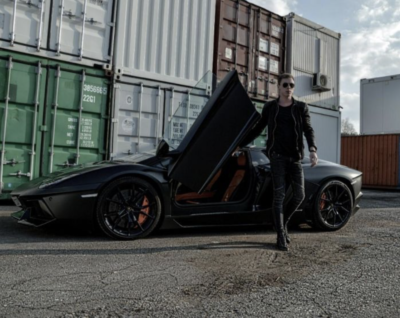

imaginativethoughts, 23
Hamburg
I’m new to this app. I hope I can find someone here who will pay me for the rest of our lives.
Guestbook of imaginativethoughts
imaginativethoughts (Owner) – Aug 25, 2020
Make sure your hands are clean if you want to touch my face.
Executive1 – Aug 22, 2020
I had a bad experience with this guy. In short, had a great time fucking him but made the mistake of having him to my place – he kept coming back to my house uninvited, showing up in the middle of the night, breaking in and crawling in bed with me, and it was bad. Made me stop hiring escorts for a bit to re-evaluate.
imaginativethoughts (Owner) – Aug 18, 2020
I’m only looking for a 24/7 type someone just because I think it’s for me, plus I hate working haha.
Dick L Uncut
Orientation Gay
Body Average
Body hair Little hair
Piercings No
Tattoos No
Smoking Yes
Speaks English
Position Versatile
Kissing Consent
Oral Versatile
FF Prefer not to say
Dirty Prefer not to say
SM Yes
Rate per hour 180 €
Overnight 800 €
______________
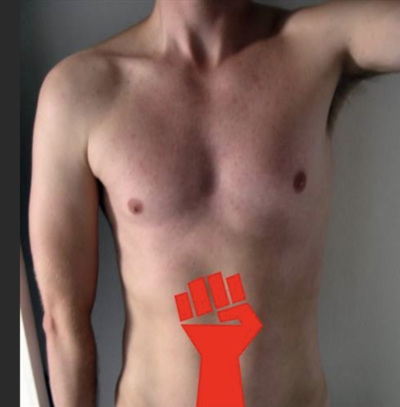
deeeeephole, 24
Los Angeles
I need to find a job, does anyone know of any?
(_._)
(_o_)
(_0_)
(_O_)
(_@_)
(_(@)_)
(_(👊)_)
(_(💪)_)
(_(👊👊)_)
Fist videos available 📼:
– in a pool with models
-in the locker room in the gym after workout
-in the woods of Trentino
– scary orgy
Dick M Uncut
Orientation Gay
Body Average
Body hair Shaved
Piercings No
Tattoos No
Smoking No
Speaks English
Position Bottom only
Kissing Yes
Oral Top
FF Passive
Dirty No answer
SM Yes
Rate per hour 175 $
Overnight 500 $
______________
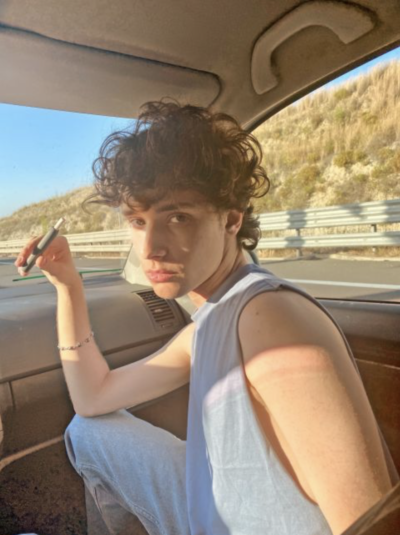
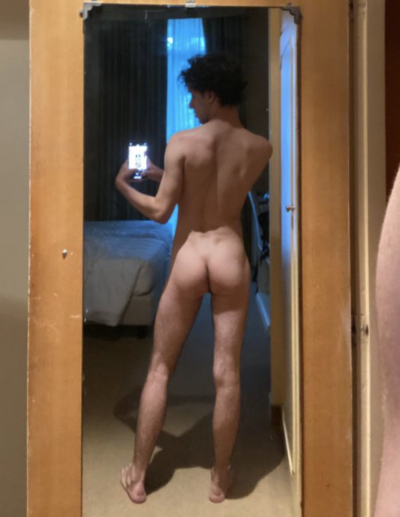
italianBoyInDenmark, 18
Vordingborg Municipality
I know how to make love on bed 🛌 but I don’t give you a guaranteed about my lust I m Maserati 🔱 everyone want to drive me but it not possible 🏎️ I have awful taste in music 🎷 I can only fuck you with Viagra and only if it works 𓂺
Guestbook of italianBoyInDenmark
AndrewGreen101 – Sept 12, 2020
speaking of his nose, if you’re into eating snot he has the most voluminous and delicious boogers, i couldn’t keep my tongue out his nostrils.
italianBoyInDenmark (Owner) – Sept 2, 2020
I would also like to say that even if the pictures turn you on, I’m not a doll. Roman big snout.
italianBoyInDenmark (Owner) – Sept 2, 2020
Relationship possible, however taking it slow having just come out of a relationship with a “XXL top” that actually was not XXL at all. Saddest part about the relationship is that I loved him. God the tears… 6 months invested for nothing.
Dick L Uncut
Orientation Gay
Body Slim
Body hair Smooth
Piercings No
Tattoos No
Smoking Socially
Speaks Italian, English
Position More bottom
Kissing Yes
Oral Versatile
FF No
Dirty No
SM Yes
Rate per hour 90 €
Overnight On request
______________
MasterMillerJames, 20
Somewhere on earth
I’m currently looking to buy a boy who’ll undertake the duties of being snuffed. I pay anywhere from $500 to $25,000 depending on the quality. The ideal boy will be aged 18 – 25 and preferably be smooth. The process will take a week, and he will have his own private bedroom during that time. Anyone with a boy for sale interested can message me.
ALL of the boys who are featured in the many photo’s on this profile are some of the people I have had the pleasure to snuff over the past 30 or so years. Yes, I know there are many people shown here. But I’ve been a lucky Bastard!
Guestbook of MasterMillerJames
Anonymous – Sept 11, 2020
Dude! Not again!!!
MasterMillerJames (Owner) – Sept 7, 2020
To you people who keep reporting me it doesn’t take long to make a new account so save yourself some time and just let me be me.
Anonymous – Sept 1, 2020
Likely story
Anonymous – Sept 1, 2020
I sold him someone (not pictured) in 1997. The guy vanished clean as a whistle. Very professional.
BlackEbony2 – Aug 30, 2020
ZOOOOINKS!!! LIKE WHAT THE HELL MAN
MasterMillerJames (Owner) – Aug 23, 2020
And has he been tweeting lately?
Anonymous – Aug 23, 2020
These laughable profiles you launch here every few months might be a tiny bit less embarrassing if one of your “kills” wasn’t active on Twitter.
Anonymous – Aug 23, 2020
there oughta be a law!
Dick Prefer not to say
Orientation Gay
Body Prefer not to say
Body hair Prefer not to say
Piercings Yes
Tattoos A lot
Smoking Yes
Speaks English
Position Top only
Kissing Yes
Oral Bottom
FF Yes
Dirty Yes
SM Yes
Rate per hour 250 $
Overnight 25000 $
______________
kenny, 18
Indianapolis
I’m a Virgin with same sex I’ve thot about it I just want uh suck a dick to see if I’m bi curious or what My first time I want $500 for 2 hour cuz I’m uhmazin
Guestbook of kenny
kenny (Owner) – Sept 5, 2020
That was horrible I’m not bi I’m over it Done
homas457 – Sept 5, 2020
We chilled at my place with some weed and edibles to calm his nerves. Once he was thoroughly spaced out, I pulled my pants down and he gave me his first ever blow job, very sloppy. After I was done with his mouth, we proceeded to the bed where I took off all his clothes and got him on all fours. Then with an “oh shit, oh shit” I gave him hit after hit of poppers until he didn’t seem to know where he was I grabbed his hips, driving my body into his. I covered his mouth and nose as I fucked him relentlessly. I put my hands in his mouth, using it like horse reigns as I pounded the living shit out of him. And then I came hard deep inside him. And just like that, I’d popped his cherry. And then it was over. An epic two hours to mark an epic occassion.
Dick M Cut
Orientation Bi
Body Slim
Body hair Little hair
Piercings No
Tattoos No
Smoking No
Speaks English
Position Prefer not to say
Kissing No
Oral Top
FF No
Dirty No
SM No
Rate per hour 500 $
Overnight On request
_______________
WitchMarks, 22
Fort Worth
I guess looking to be owned. I rather be owned once and for all tha hip around with different renters over the years so if you think your the one to make me forever hit me up.
I prefer to live the luxury lifestyle but then again a sleazy pig half the time. I have seen quite a bit on the internet so I can see what the life is like.
Guestbook of WitchMarks
WitchMarks (Owner) – Sept 12, 2020
Update I want to never be seen or heard from again and not be allowed to go outside.
WitchMarks (Owner) – Sept 2, 2020
Oh I have a very visible “nub” that protects my elongated tailbone; it looks like a small vagina above my ass, but it is not another hole. It looks like a Georgia O’keeffe flower made of flesh.
WitchMarks (Owner) – Sept 2, 2020
Update I am looking for experienced bottoms who could help me with how to prepare myself for anal sex. Because I know you give yourself an enema, but then what?
Dick L Uncut
Orientation Gay
Body Muscular
Body hair Some
Piercings No
Tattoos Yes
Smoking Yes
Speaks English
Position More bottom
Kissing Yes
Oral Versatile
FF Passive
Dirty WS only
SM Yes
Rate per hour 180 $
Overnight On request
_______________


1HourToCum, 22
Madrid
Please fuck me I am young married male but wife can’t play anymore she has a issue that can’t play but I am healthy and can play you bet your life but I have never taken it up the butt so please be gentle
Guestbook of 1HourToCum
mrmarsh – Sept 4, 2020
god i loved fucking you you hot pathetic little pussy arse bitch!!
AaronByers – Aug 31, 2020
Go round drop your pants go anywhere you want on anything you want. Fuck him , use him , and filth then leave it for him to sort out the after math.
Leland – Aug 25, 2020
go’won lads go give him the bucks, you dont wanna miss smashing in his hole!! trust me!!
1HourToCum (Owner) – Aug 21, 2020
I can also act as your guide while in Madrid and offer culltured conversation because both my appearance and demenour are completely heterosexual.
Anonymous – Aug 20, 2020
Rim him butt search him fuck him pass him around your friends. He has no stamina so he can’t do anything if you hurt him.
Dick L Uncut
Orientation Hetero
Body Average
Body hair Average
Piercings No
Tattoos No
Smoking Yes
Speaks Spanish, English
Position Bottom only
Kissing Consent
Oral Versatile
FF No answer
Dirty No
SM No
Rate per hour 45 €
Overnight On request
_______________
Youngneedold, 19
Bay Laguna
his name is Jay alagdon
from Bay Laguna Philippines
I’m his exboyfriend looking for someone new for him
He’s living in his family
He has 1 bother 4 sister and father, mother
He had work in a company online shop but now he stops to his work because there so many people coronavirus
He’s 19 year old this year he’s 20 year old his birthday December 03
I’m his exboyfriend but now I’m ready for him to have new boyfriend I want to find him one
I am 58 year old
He wants 50 year old to up
Guestbook of Youngneedold
Youngneedold (Owner) – Sept 7, 2020
That’s vile but I will admit you have a point
Anonymous – Sept 7, 2020
You want racist? That Philippino boys live longer than dogs and cats is one of Mother Nature’s biggest anomalies.
markies – Sept 6, 2020
He is very optimistic person and loves dancing and singing.
thickforboys – Sept 2, 2020
That qualifies yes.
lauren – Sept 2, 2020
Ok if you want to keep one of hundreds of interchangeably nice, obedient, effeminate, fairly cute Philippino boys around to tidy your house and fuck whenever you want I think he would make a good boyfriend.
thickforboys – Sept 2, 2020
Try us.
lauren – Sept 2, 2020
I went on a pleasant date with him that had a happy ending but I don’t know how to talk about it without sounding like a racist.
Dick M Uncut
Orientation Gay
Body Slim
Body hair Smooth
Piercings No
Tattoos No
Smoking No
Speaks English, Filipino
Position Bottom only
Kissing Yes
Oral Versatile
FF No answer
Dirty WS only
SM Yes
Rate per hour On request
Overnight On request
_______________

BadBoi4WhiteyDaddy, 24
Reno
I have a unabashed love for white men and I am looking for a white man to make me his boywife! Therefore that makes me heavily into traditionalist gender. I am very traditional and I am also very conservative. I want a husband who is interested in marriage, a home and family.
I have a deep attraction towards Caucasian men (guess you can call it racial fetish). As a Latino, I feel a sense of natural inferiority towards white men. I see them as superior and I find myself shy towards them. I have a fantasy of becoming “white owned” in carrying his American surname with pride. I will only want to be referred by my new surname so the entire world can know I belong to a superior White Man. If it is important to him, I will convert my religion for him and I will follow his political ideas for him. It will be my role as his supportive wife.
Like in the old stories of an exotic foreigner who is saved from her land by her White Hero. Taken and claimed by her White colonizer Savior and taught and instilled by Caucasian culture and values. She becomes the proud wife of her White Conqueror Husband. He is the Man of the House and his rules are law and to be respected. His authority is not to be questioned. And she wouldn’t want it any other way. To adopt his culture, to be taught the right way, the WHITE way.
My “obsession”developed when I was a boy. Watching how White American men are portrayed as heroes and rescuers. Always saving the world. The ones who make all the decisions. The ones who makes us safe. They are always praised for their sacrifice, patriotism and heroics. I find myself safer and protected with one. I want my superior White Savior Husband!
Dick L Uncut
Orientation Gay
Body Muscular
Body hair Smooth
Piercings No
Tattoos Yes
Smoking No
Speaks English
Position More bottom
Kissing Yes
Oral Versatile
FF Active/Passive
Dirty No
SM Yes
Rate per hour On request
Overnight On request
*
p.s. Hey. ** _Black_Acrylic, Yes, for sure RIP Diana Rigg. Coolness central. New episode! My day is no longer silence-doomed. Everyone, If you have not yet listened to the new episode of Ben ‘Jack Your Body’ Robinson’s ‘Play Therapy’ — his radio show/podcast — you are in for an exhilarating treat in the form of ‘ Italo Disco, Chicago House, Jamaican Dancehall and even some Psychedelic Trance too’. Here. And killer! Congrats about Leeds. The Marseilles team won some big match on the last night I was there, and the city went nuts, and walking back to my hotel constituted a very treacherous journey. ** David Ehrenstein, Hi. Thanks for the fill-in about the NYT. Yes, that is definitely something that’s happening prominently here, thanks in no small part to the pioneering of my friend/ collaborator the actress Adele Haenel who was the first prominent young actress to call out her abuse in the industry. So, yes, that dialogue is very much in the air. I assumed you must’ve known John. He’s a good pal of mine and just the nicest, most generous person pretty much ever. John says he’s done with making films, but I think if the opportunity aka funding arose, he probably would add at least one more title to his oeuvre. I’ve said this to you before, and I know you must have your reasons, but I don’t understand why you don’t share your sale on Facebook or whatever other social media you have. You’re hugely more likely to reach people in SoCal there, plus your friends there could share the info and alert yet others. I don’t know that there are so many people in LA who read this blog. It’s up to you, obviously, but it seems like you would have much more success finding interested buyers that way. ** Misanthrope, Hi, Georgey. Ha ha, yeah, I don’t even know why your Robbe-Grillet reference makes sense, but it does to me too now that you mention it. Huh. Happy Kayla’s birthday! Did she get her guitar? What else have you got planned du jour? ** G, Hi! Maryse directed you to eBay, but you can also watch ‘PGL’ VOD on Vimeo if you want. Here. The Marseilles events went really well. Zac and I were very happy. Oh, wow, thank you so very, very much about LCTG. I think you’re the first person who recognised all those texts from their original sources, cool. I don’t think of the LCTG scenes as adaptations really. It’s more that there were these dialogues in my fiction that I thought would work well and differently if they were spoken, so I stole them, ha ha. Anyway, thank you, that’s just wonderful to hear. ** Bill, Hi, B. Marseilles was really good. It’s an intense city. And with the COVID situation, even more. A lot of tension, exacerbated by high heat while we were there, but kind of a fascinating city. Well, it was great other than realising from all the walking that my broken toe is still very painful and I need to see a doctor, ugh. Thanks for the tip to ‘The Time Machine’. I’ll try to chase it down. ** Dominik! Big D! Hey! The ultimate sight for sore eyes! Oh, I’m so sorry you went through the anxiety but totally chill and understanding on my end. I’m pretty good. Lots of working on stuff and just got back from a good trip to Marseilles to show our films. Only bad thing is the COVID cases are suddenly skyrocketing in France, and we’re about to get new restrictions, and everyone’s pretty anxious about what they will be. Cool about the proofreading training gig, and that you’re so into it. Are you still thinking of relocating to Amsterdam? And, yes, I read the new SCAB yesterday, and it’s majorly great! Congrats!!!!! Very exciting. Everyone, Dominik’s great zine/site SCAB has a brand new issue out, and I read it yesterday, and it full of knock outs. There are things by local Josiah Morgan and other writers who’ve been featured here (Evan Isoline, Josh Peterson, Chris Kelso) and more and more. You are guaranteed to feel enlightened and jazzed if you click this and start poring. So, dude, I’m so happy to see you!!!!! Love erupting from every which way, me. ** David Bowman, Hi, David. Welcome to here, and thank you a lot for entering. Yes, why in the world I didn’t put the Big Star examples in that post back when I originally made it is a true mystery to the current me. Thanks! How are you? What’s going on? ** Ian, Hi, Ian! How very nice to see you! That’s awesome that ‘Berg’ ended up working its magic on you. Maybe it can be a short short story? I mean if it peaks before the 1000 word point? Micro-fiction is as diggable as ‘average’ length style if you ask me. I hope the post got you back into your story finishing. You can imagine me sitting across the room smiling encouragingly and staring daggers at you simultaneously if that would work. Safety is the byword, thanks. You too. ** Jeff J, Hi, Jeff. I kind of laid out the Marseilles trip up above somewhere. One great thing is that while there a possibility arose that, if it works out, would lead to a huge, huge help to getting our new film financed, made, etc. Super exciting. It’s not for sure, but it looks very promising. So that would be incredible because we’ve been pretty stuck what with the traveling restrictions and the limited funding possibilities here in France due to the film being in English. Gisele is reading the new script today, I think, so we’ll meet and talk about it this week. Hang in there on the voice hunt. You know how it is. It’ll come and more quickly the less concerned you are about it arriving. Oh, Pialat. Gosh, it’s been ages since I watched t=his films. The only ones I remember specifically seeing are ‘Under the Sun of Satan’ and Police’. I remember being impressed by them but not being excessively excited? Worth a dedicated revisit? ** Steve Erickson, That sound you describe is pretty much the main Mellotron sound. It’s not a hugely flexible instrument. But, yes, that sound is a dreamy one that can pretty much turn anything song that utilises it into an (at least) flawed beauty. The weekend went very well. The traveling was very easy and smooth. Nice to be in such a de-populated airport, and the flights were completely fine. Really no problems or stressfulness at all. I’ve heard about the existence of ‘The Monopoly of Violence’, but that’s all. I do like the films of Simon Liu’s that I’ve seen, yes. I should try to do a post about him. Noted. How’s the Tsai Ming-liang? ** Right. The 15th of the month = equals you-know-what as aways. See you tomorrow.
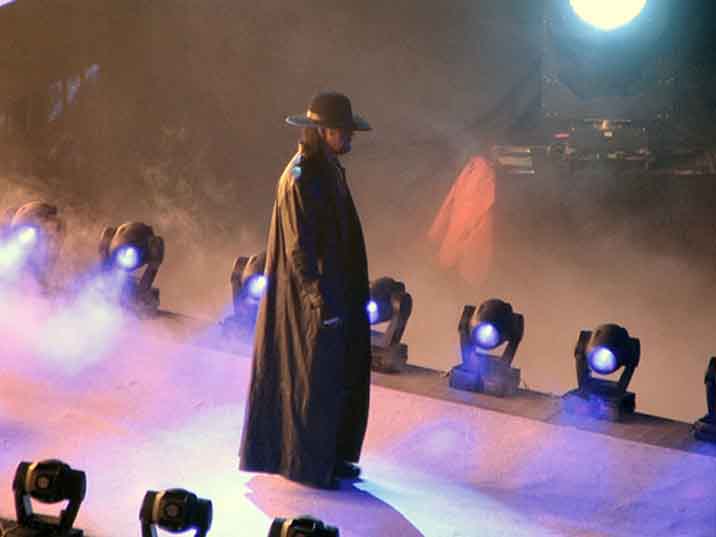
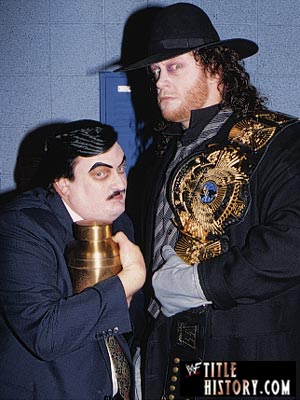 The Undertaker made his debut as a surprise member of Ted DiBiase’s Survivor Series Team at Survivor Series 1990. Despite rumors, he was not introduced as Kane the Undertaker. He was originally managed by Brother Love but a few months later Paul Bearer became his manager. In his first year in the WWF, he feuded with Randy Savage, the Ultimate Warrior, and Hulk Hogan. At Survivor Series 1991, the Undertaker won his first WWE Championship by beating Hulk Hogan.
 ‘The virtue of all-in wrestling is that it is the spectacle of excess. Here we find a grandiloquence which must have been that of ancient theatres. And in fact wrestling is an open-air spectacle, for what makes the circus or the arena what they are is not the sky (a romantic value suited rather to fashionable occasions), it is the drenching and vertical quality of the flood of light. Even hidden in the most squalid Parisian halls, wrestling partakes of the nature of the great solar spectacles, Greek drama and bullfights: in both, a light without shadow generates an emotion without reserve.’
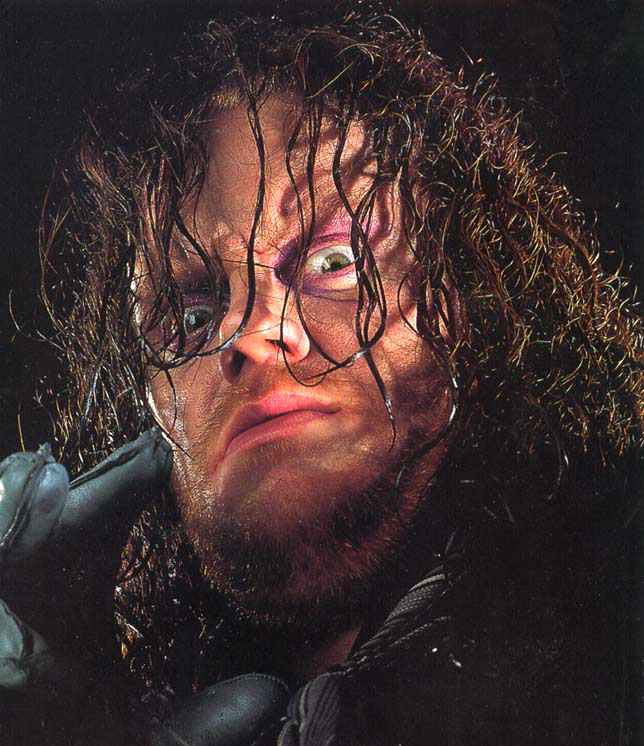 In the spring of 1991, Jake Roberts tried to hit Miss Elizabeth with a chair but the Undertaker stopped him. The Undertaker remained a fan favorite for the next seven years. During that era, he fought monsters like Yokozuna, Kamala, and even a fake version of himself. In 1996, Paul Bearer turned on him. When Undertaker regained the WWF title in 1997, Paul Bearer threatened him with a secret from his past. The secret was that Undertaker started a fire that killed his parents and badly burned his brother, Kane.
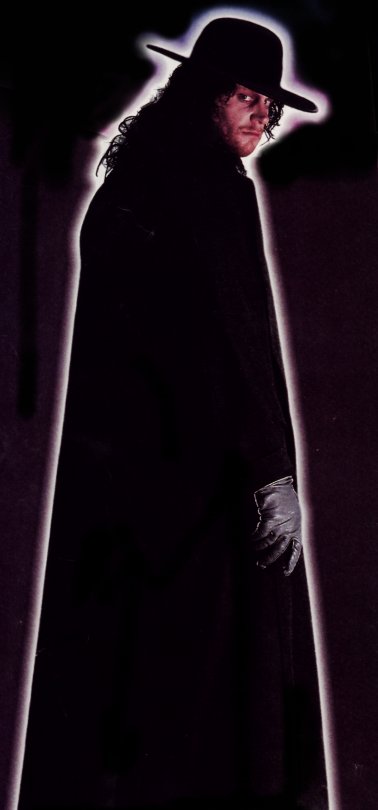 While the Undertaker was fighting Shawn Michaels in the first-ever Hell in a Cell Match, Kane made his debut and cost his brother the match. Undertaker refused to fight his brother until Kane locked him in a coffin and set him on fire. The two men fought for the first time at WrestleMania XIV. Over the years the men have feuded and befriended each other on countless occasions.
 After being a good guy for several years, the Undertaker became a cult leader and started sacrificing wrestlers on his symbol to satisfy the higher power. The person that he went after was Steve Austin and the WWF Championship. At the same time, Undertaker kidnapped Stephanie McMahon and tried to force her to marry him in a dark marriage. It was later revealed that the higher power was Vince McMahon.
 ‘It is obvious that at such a pitch, it no longer matters whether the passion is genuine or not. What the public wants is the image of passion, not passion itself. There is no more a problem of truth in wrestling than in the theatre. In both, what is expected is the intelligible representation of moral situations which are usually private.’
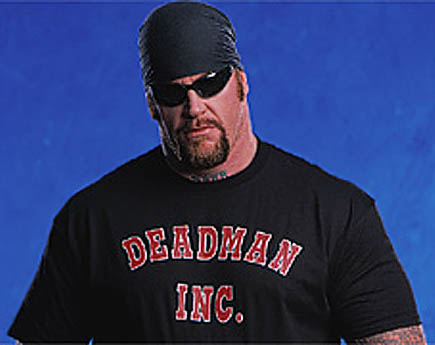 The Undertaker had another transformation a few years later. By 2001, he was a motorcycle rider and had cut his hair. He carried on with this gimmick for a few years. His biggest feud during this era was with Brock Lesnar. At Survivor Series 2003, Vince McMahon beat Undertaker in a Buried Alive match when Kane turned on his brother once again. When he returned at WrestleMania XX, he came back with his “dead man“ gimmick and reunited with Paul Bearer.
 The reunification with Paul Bearer did not last long. Undertaker saw his friendship with him could be exploited as a weakness. Paul was kidnapped and trapped in a concrete crypt. Instead of saving Paul when he had a chance, he decided to bury his manager alive. Despite this vile action, wrestling fans still cheered him. In 2005, he had a bloody series of battles with Randy Orton.
 In 2007, the Undertaker won the Royal Rumble for the first time. That victory gave him the opportunity to battle Batista for the World Heavyweight Championship at WrestleMania 23. Of all the records that Undertaker has, the most prestigious is his undefeated WrestleMania record. Undertaker won that match to claim his first World Heavyweight Championship.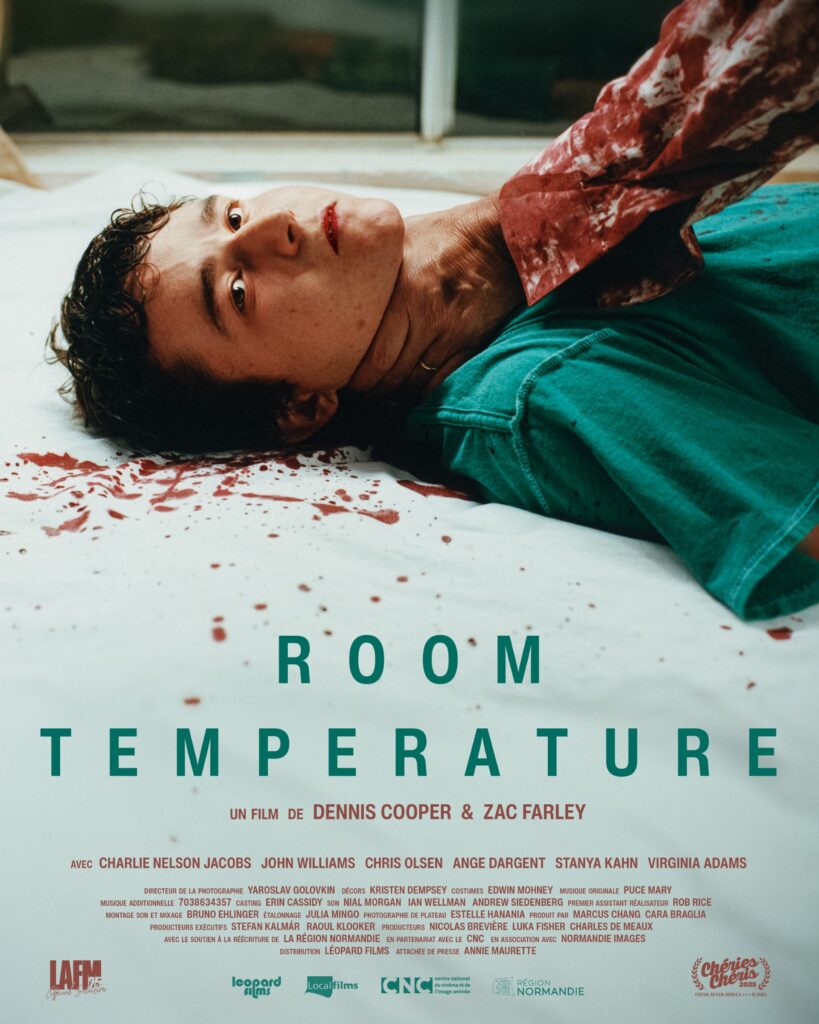


 Now available in North America