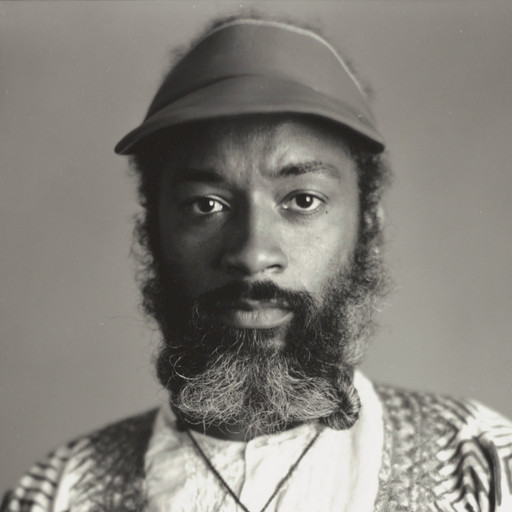
‘David Hammons once commented that “outrageously magical things happen when you mess around with a symbol.”1 For the past 50 years, Hammons has created a vocabulary of symbols from everyday life and messed around with them in the form of prints, drawings, performances, video, found-object sculptures, and paintings. Many of the results have indeed been outrageous, and most all of them have had a distinct kind of magic, derived from the transformation of everyday objects into allegories of the experience of the outsider in the contemporary world, whether an artist, a stranger, a madman, or, most persistently, a person of color.
‘Born in 1943 in Springfield, Illinois, Hammons moved to Los Angeles in 1963 to study art. After stints at Los Angeles City College and the Los Angeles Trade and Technical College, he began taking night classes at Otis Art Institute with realist artist and activist Charles White. Although he would finish his art education elsewhere, graduating from Chouinard Art Institute in 1968, Hammons retained a deep respect for White’s work and the example of his approach to art making.
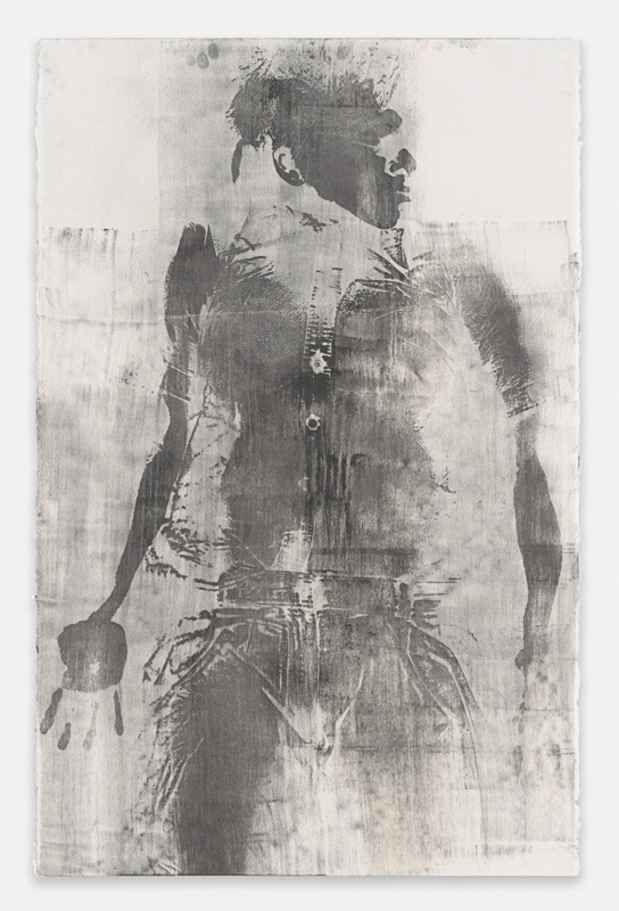
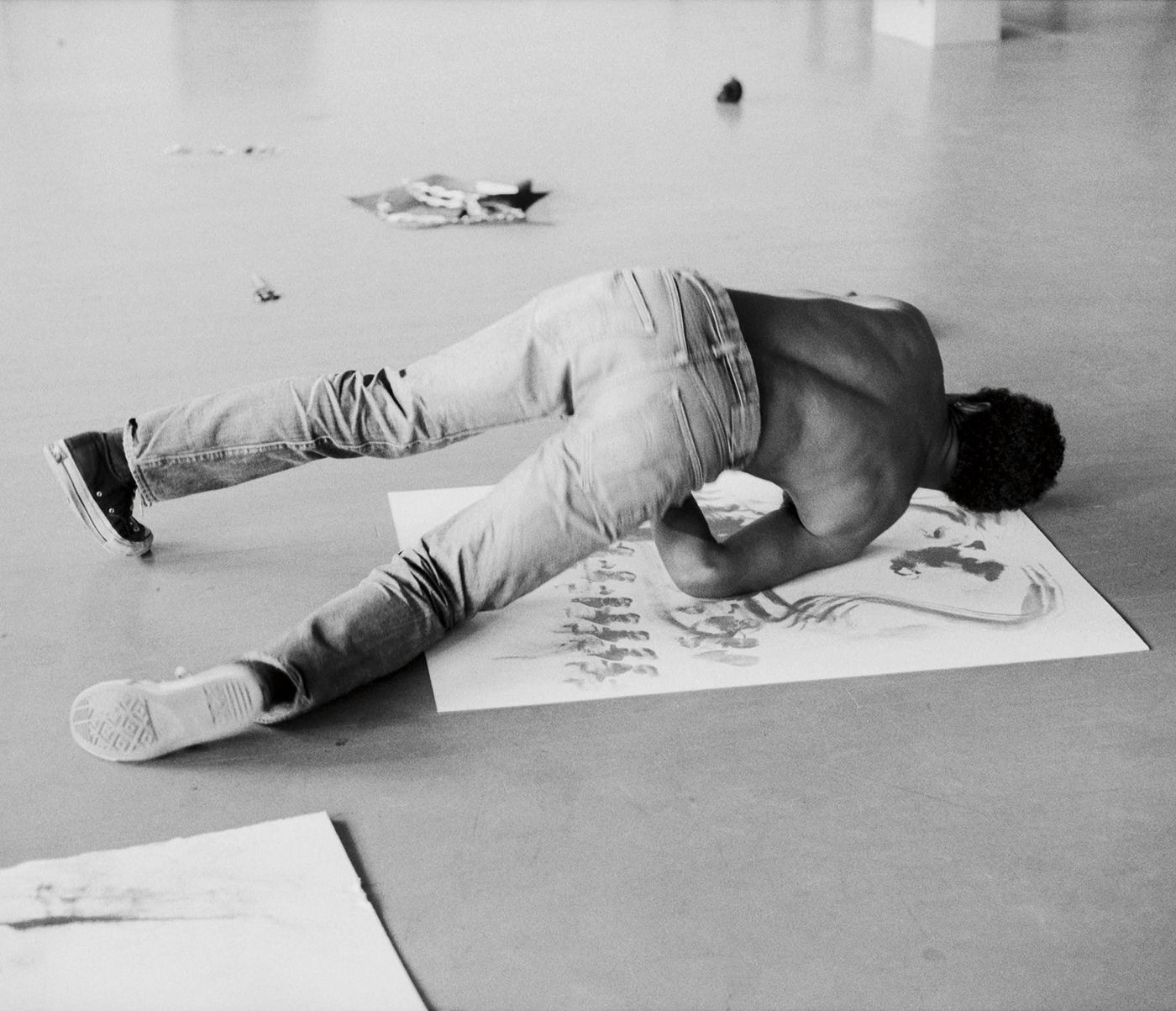
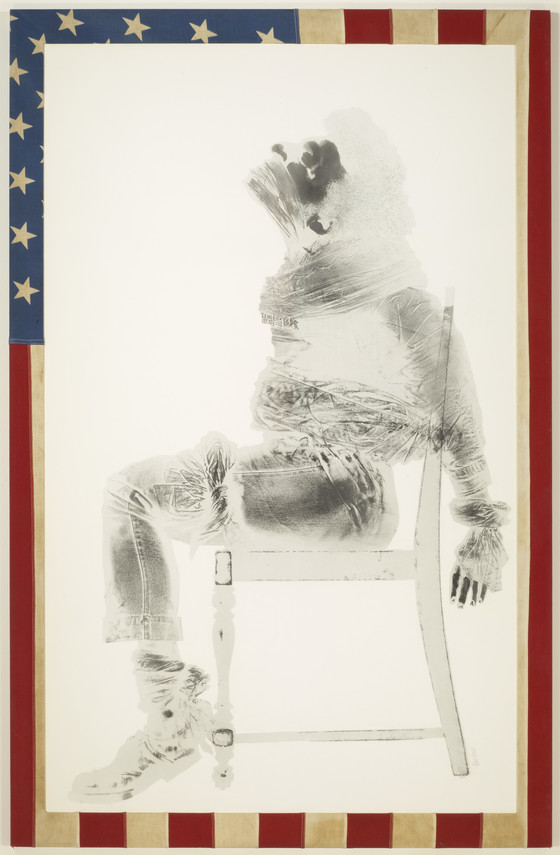
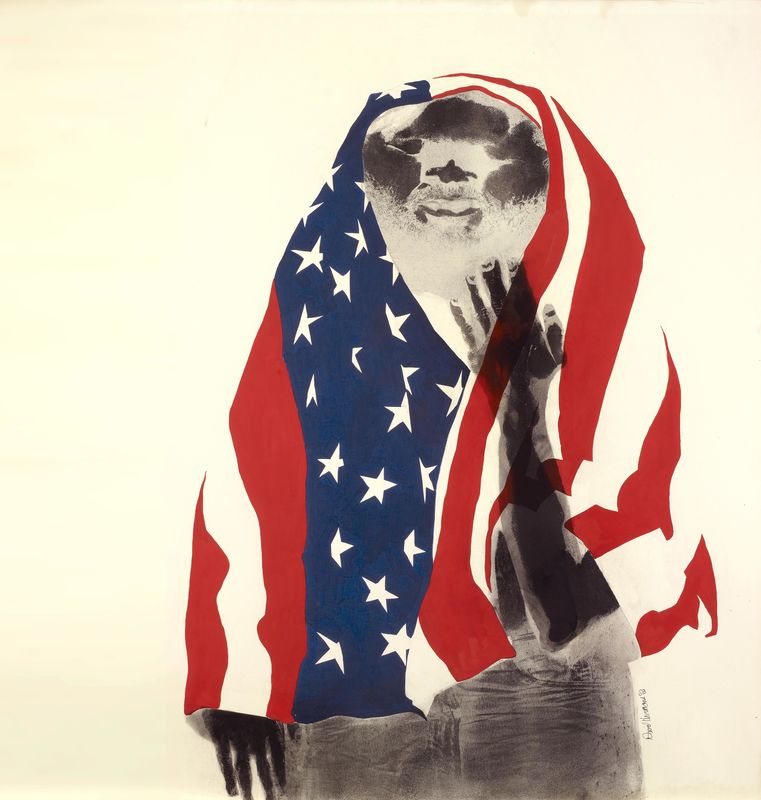
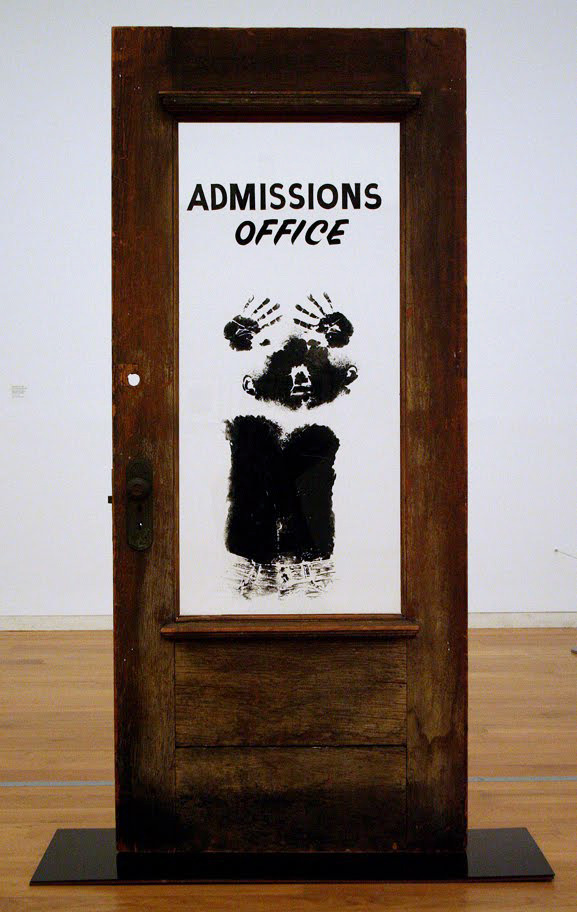
‘Although he did not choose to work in a traditional realistic style, Hammons translated White’s socially committed, hand-drawn realism into a contemporary realism of found objects and materials. Beginning in the late 1960s, he began to use his own body, greasing it, imprinting it on paper, and sprinkling the result with pigment and graphite to make Body Prints. These X-ray-like figures were punctuated with exacting details of skin, hair, clothes, and body parts created by the process of one-to-one transfer.
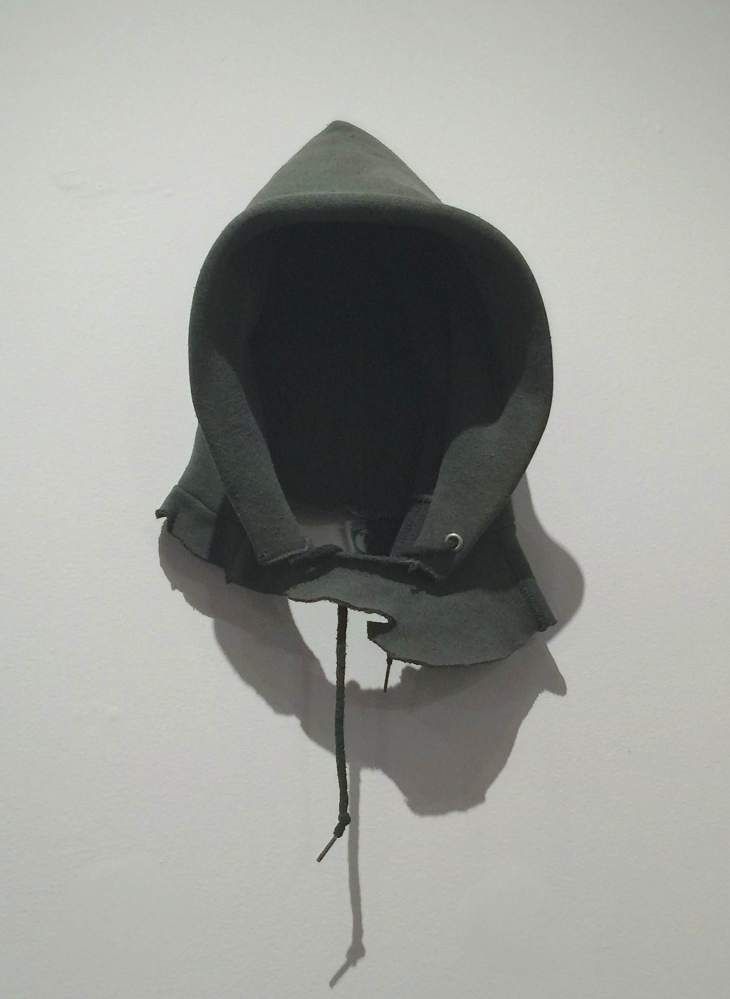
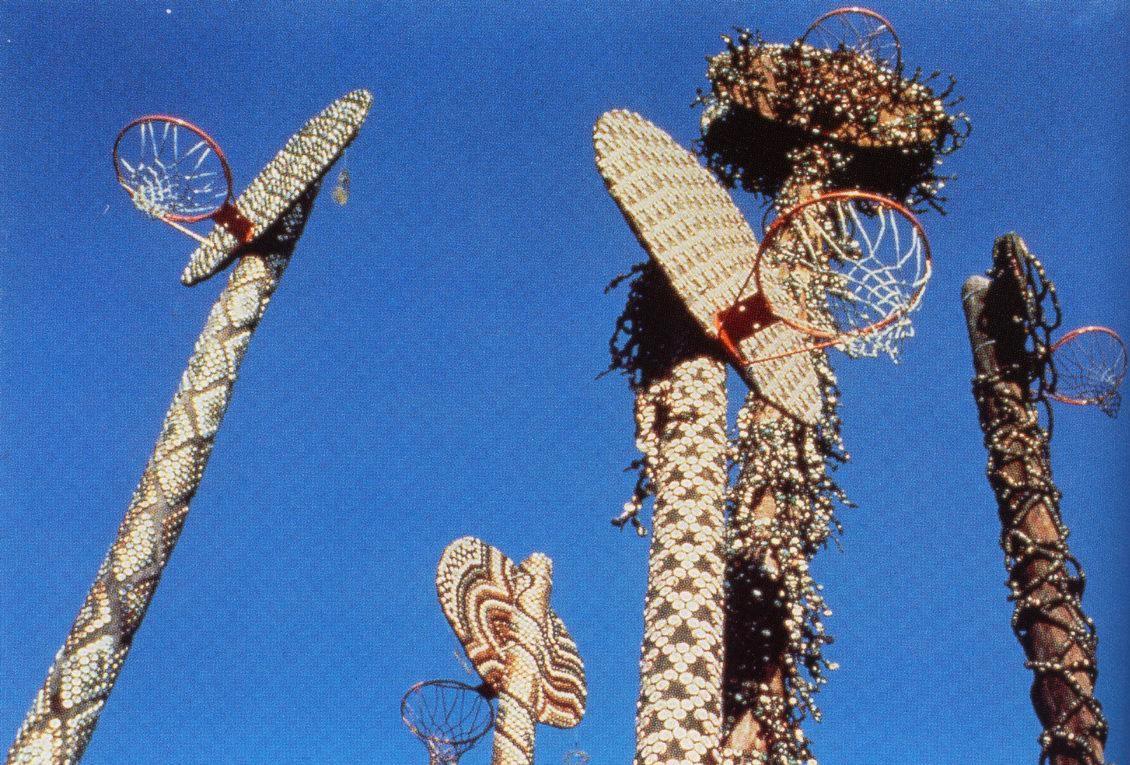
‘After relocating to New York in 1974, Hammons started his lifelong practice of making sculptures from the highly charged detritus of urban African American life, including hair gathered from barbershop floors, chicken bones, bottle caps, and empty liquor bottles. Public installations like Higher Goals (1983; 1986), a group of towering basketball hoops decorated with metal bottle caps bent to look like cowrie shells, or In the Hood (1993), a small sculpture made from a hood cut from a used sweatshirt and mounted on the wall like an African mask, are iconic examples of American Conceptual art. At the same time, they are sharply critical commentaries on the clichés of growing up African American in the US, from the nearly impossible aspiration of becoming a sports hero, to the danger of wearing everyday outfits that are somehow perceived as menacing.
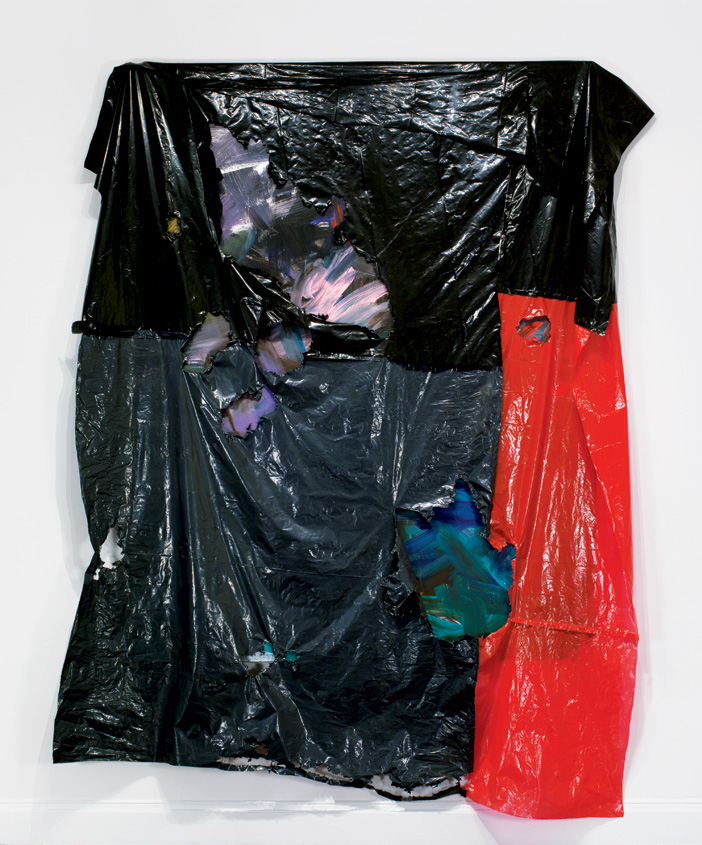
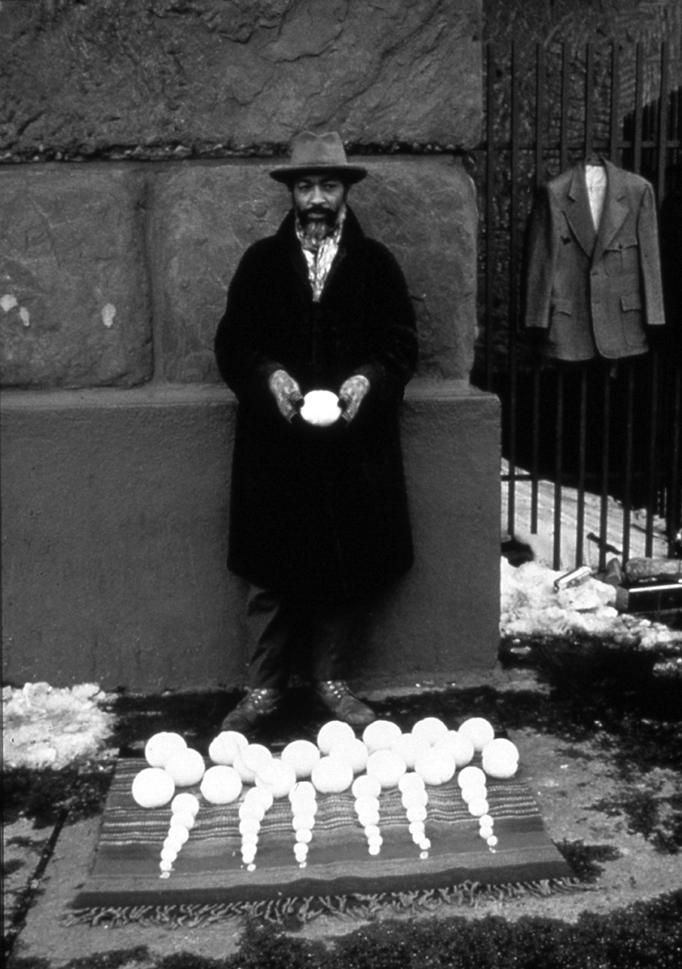
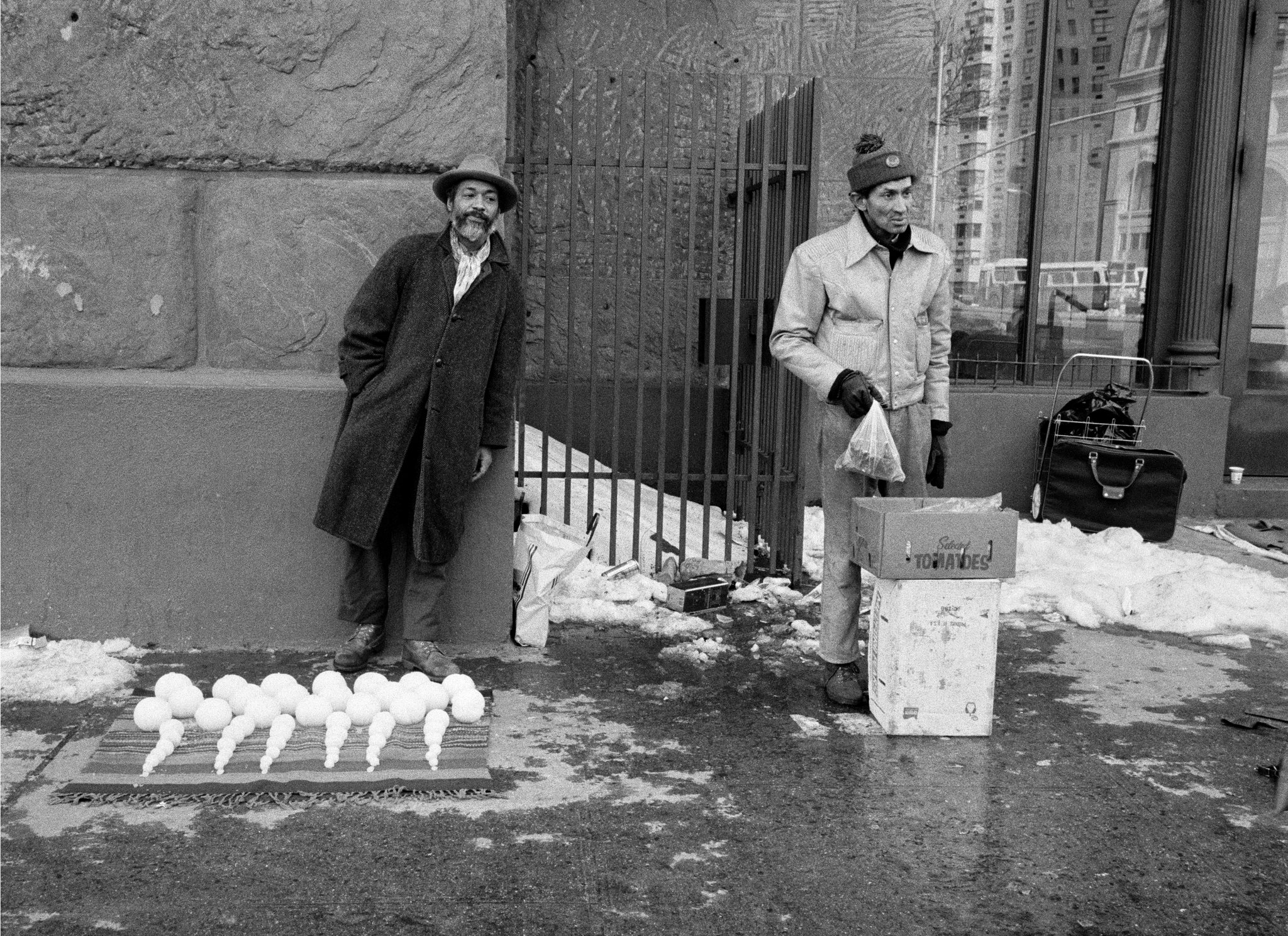
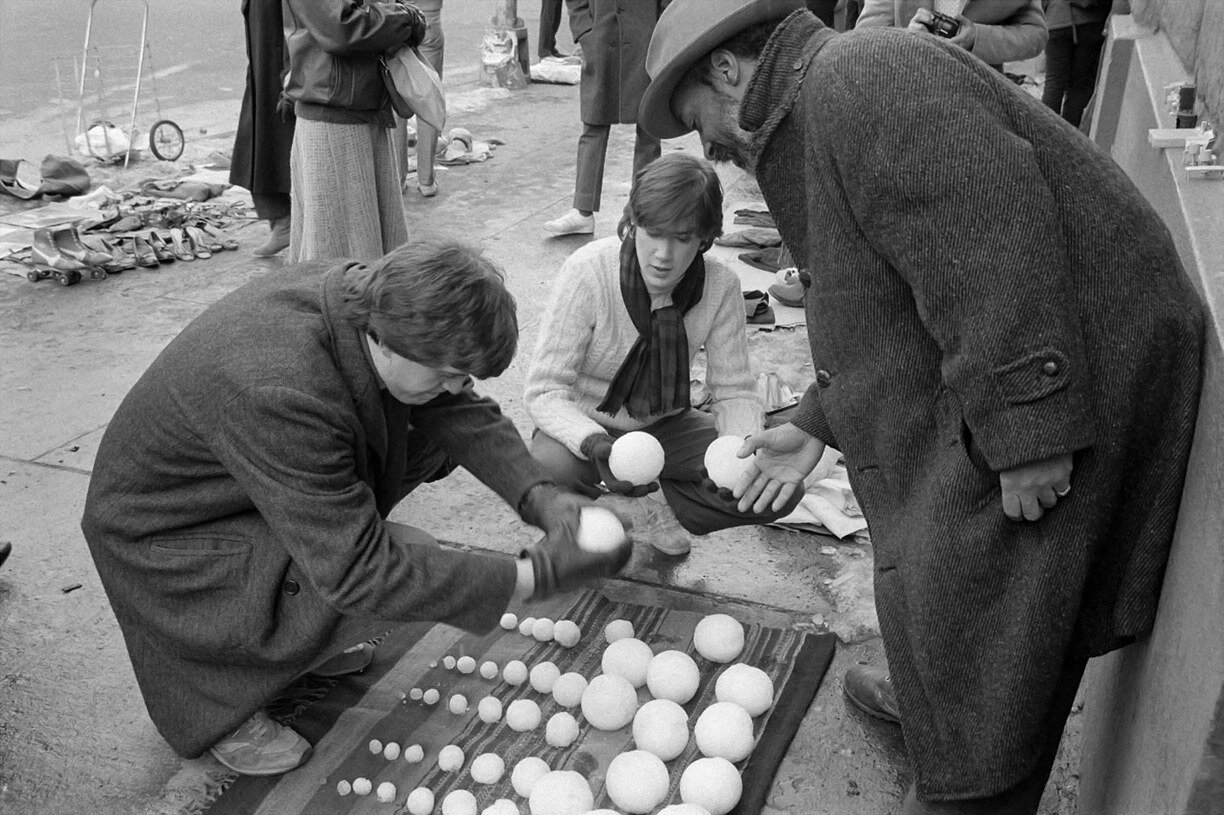
‘From landmark actions like his Bliz-aard Ball Sale (1983), in which Hammons sold snowballs of different sizes on a New York City sidewalk, to his most recent paintings whose surfaces are obscured by tarpaulins, burlap, or old furniture, such as Untitled, his work has contributed to an ongoing discussion about the role of the artist and the value of art in a world beyond the pampered precincts of the museum or gallery. Reluctant to participate in exhibitions of his own work, Hammons has fiercely guarded his status as a cultural outsider, while simultaneously continuing to produce work that reinforces his reputation as one of the most relevant and influential living American artists.’ — Laura Hoptman
Further
David Hammons Follows His Own Rules
DH @ Mnuchin Gallery
Looking at Seeing: David Hammons and the Politics of Visibility
Interview: David Hammons
David Hammons, Improvising Unpredictability
David Hammons : portrait d’un bad guy de l’art américain
Hammons All Around Us
From An Interview with David Hammons:
Artist a Day: David Hammons
For a Politics of Obscurity: David Hammons and Black Experimentalism, 1974-1989
“IF YOU FOLLOW THE DOTS,” says David Hammons, “ … “
David Hammons – The Little Things
That time when David Hammons held his Bliz-aard Ball Sale
DAVID HAMMONS Five Decades
For the First Time in 45 Years, an Elusive Artist Lets L.A. into His World
David Hammons (revisited)
Dawoud Bey on the brilliant art and mind of David Hammons
Seeing David Hammons
David Hammons – Hair is For Pulling
Trayvon Martin, David Hammons and How to Think About Hoods
Extras
A LOOK @ DAVID HAMMONS
David Hammons: Concerto in Black and Blue
Coming in Spring 2021: Day’s End by David Hammons
David Hammons | Ornette Coleman | at Hauser and Wirth
Hammons’s Revenge: David Hammons’s ‘Hidden Drawing (Jordan begins 8th season as No. 1)’
Interview
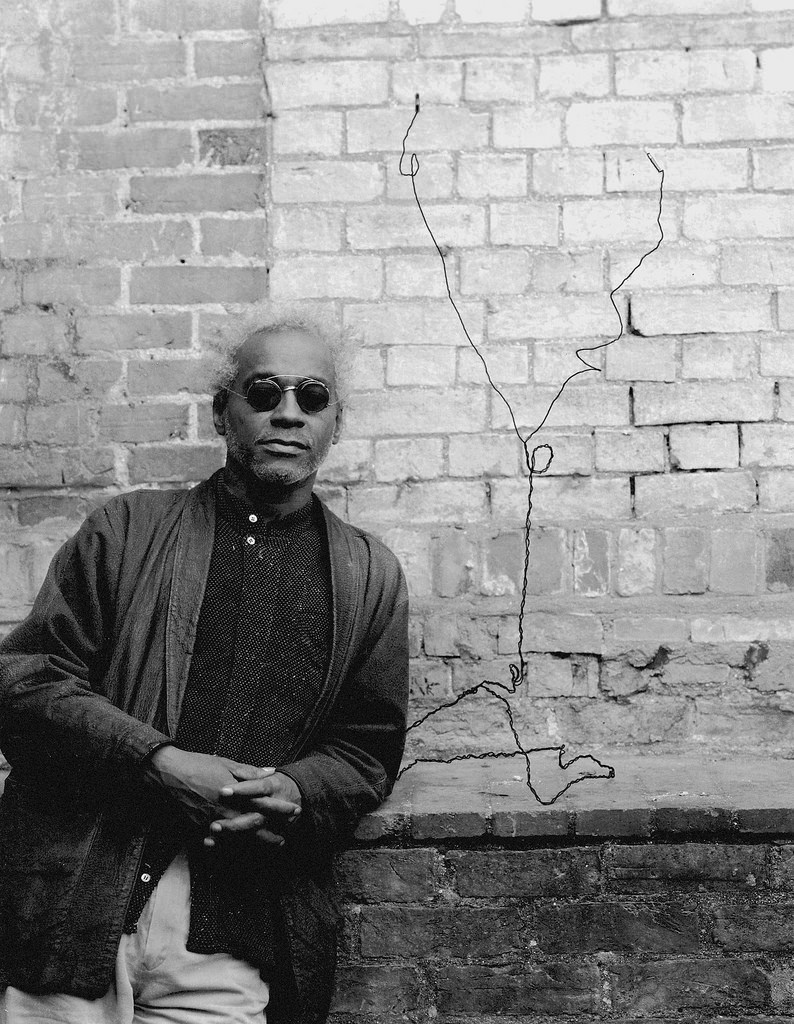
David Hammons: I can’t stand art actually. I’ve never, ever liked art, ever. I never took it in school.
Kellie Jones: Then how come you do it if you can’t stand it?
DH: I was born into it. That’s why I didn’t even take it in school. All of these liberal arts schools kicked me out, they told me I had to go to trade school. One day I said, “well, I’m getting too old to run away from this gift,” so I decided to go on and deal with it. But I’ve always been enraged with art because it was never that important to me. We used to cuss people out: people who bought our work, dealers etc., because that part of being an artist was always a joke to us.
KJ: You did pieces for a while that had dowels with hair and pieces of records on them. Like the piece you did for the Atlanta Airport.
DH: Those pieces were all about making sure the black viewer had a reflection on himself in the work. White viewers have to look at someone else’s culture in those pieces and see very little of themselves in it. Like looking at American Indian art or Egyptian art—you can try to fit yourself in it but it really doesn’t work. And that’s the beauty of looking at art from other cultures, that they’re not mirror reflections of your art. But in this country, if your art doesn’t reflect the status quo, well then you can forget it, financially and otherwise. I’ve always thought artists should concentrate on going against any kind of order, but here in New York, more than anywhere else, I don’t see any of that gut. It’s so hard to live in this city. The rent is so high, your shelter and eating, those necessities are so difficult, that’s what keeps the artist from being that maverick.
KJ: It’s funny though, because people always think that the starving artist is the most important one. That all the angst and starvation is what makes your art good.
DH: It does make your work good if you understand the starvation. Like Van Gogh said, he who lives in poverty and loves that poverty that he lives on will always be in the heartbeat of the universe. But you have to love the poverty, and there are very few people who love poverty; they want to get out of it. So if you are in poverty and dislike it, well then you have a real problem and it’s going to reflect in the work. But if you’re in poverty and enjoy it and can laugh at it, then you have no allegiance to anything and you’re pretty much free.
Anyone who decides to be an artist should realize that it’s a poverty trip. To go into this profession is like going into the monastery. To be an artist and not even to deal with that poverty thing, that’s a waste of time; or to be around people complaining about that. Money is going to come, you can’t keep money away in a city like this. It comes but it just doesn’t come as often as we want.
My key is to take as much money home as possible. Abandon any artform that costs so much. Insist that it’s as cheap as possible and also that it’s aesthetically correct. After that anything goes. And that keeps everything interesting for me.
KJ: Would you say that your work has any political element in it? By abandoning running after money, does the work become more political in a certain sense?
DH: I don’t know. I don’t know what my work is. I have to wait and hear that from someone.
KJ: Like who, regular people on the street?
DH: They call my art what it is. A lot of times I don’t know what it is because I’m so close to it. I’m just in the process of trying to complete it. I think someone said all work is political the moment the last brushstroke is put on it. Then it’s political, but before that it’s alive and it’s being made. You don’t know what it is until it’s arrived, then you can make all these political decisions about it.
Sometimes I do say, “this is going to be a political piece.” Like Soweto Marketplace that was at Kenkelaba House (“Dimensions in Dissent,” December 1985). Then trying to make it is so difficult, because I want it political and I want it conceptual and I want it visually interesting. I want it gloomy, I want it hidden away from the crowd. All these kinds of things come into play. So I’m dealing with about five different levels.
I’m learning a lot from Fellini, watching his movies over and over again. I think the movie people are much more advanced than other visual artists. They can make you cry, they can make you laugh, they can scare you. Paintings don’t do that, they used to but not any more because the audience knows the game too well. But it’s the artists fault because the artist isn’t researching and making the game more real. We’ve let filmmakers take the game from us because of our nonchalance.
If you know who you are then it’s easy to make art. Most people are really concerned about their image. Artists have allowed themselves to be boxed in by saying yes all the time because they want to be seen, and they should be saying no. I do my street art mainly to keep rooted in that “who I am.” Because the only thing that’s really going on is in the street; that’s where something is really happening. It isn’t happening in these galleries. Lately I’ve been trying to meet a new kind of people in this city and not the art scene. Otherwise you end up with, “Man, you shit’s baaad, your shit’s happening you’re the man,” all this absurd praise. You start flying and thinking that your shit don’t stink. I’ve invented a rule book for myself, that’s gotten me over all of this stuff. If an artist doesn’t have his own rules then he’s playing with those of the art world, and you know those are stacked against you.
I have all these safety valves that I use. Like if it’s on the ground, I pick it up and put it on a branch. It’s still outside of me, I just found it. One artist accused me of “showing a bad image of Harlem.” And I said, “I’m not showing anything, I’m just putting what’s on the ground onto a tree. I’m not responsible for the wine bottle getting there. All I’m doing is playing with it, activating it in some form.”
Selling the shoes and other things on the street I think is my personal best; those little shoes, that’s my best shot. I do it whenever I need a fix, I guess; when I know I need attention and want to make someone laugh. It’s like having an opening, when I do that piece because I interact with the people. And I don’t have to wait for these galleries. It’s a way for me to show people how I see the world. I get a chance to watch people interact. It’s interesting…if you have an item between you and other people, then they can relate to you. If you don’t have an item you’re enemy number one. But if you have an item between you then it cools them out and they can deal with you. It’s amazing how something like a little shoe can just turn someone’s head around.
KJ: Have you ever talked to people on the street—like when you had the bottle tree piece in the vacant lot next door to the Studio Museum, did you ever stand around there and listen to what ordinary people said about it?
DH: I was there one time and some people asked me what I was doing and somebody said, “He ain’t got nothing better to do.” And I thought, I didn’t have anything else to do, that was the reason I was doing that. So they ask the questions and answer them themselves. If you’re quiet or don’t have anything to say, they say it all for you.
KJ: Do you think everyday people have a greater grasp of what you’re doing than…
DH: Than I do.
KJ: …than you do or than other people who are politically astute, or versed in art?
DH: They’re the number one, because they’re already at the place I’m trying to get to. Sometimes I carry a whole arch of wine bottles around in the neighborhood. I walk from 125th up to 145th street and people follow me, ask me questions, give me answers, tell me what I can do. They just give me tons of information and I don’t give them any. I’m just carrying this piece around like it’s a log or something. Once, a woman said to me, “Mr., excuse me, but could you please tell me what that is?” I said, “What are you speaking of?” Then I said, “Oh, it’s just some wine bottles.” I play off it. I do this every once in a while to cleanse myself. It’s putting myself out there on the street to be made fun of. I think it’s important to be laughed at.
Black people, we have more problems with being made fun of than any other people I’ve ever met. That’s why it’s so important for us to be cool, cool, cool. If you’re not cool then you’re something else and no one wants to be that other thing. But the other thing is what I’m interested in, because you have to really work at getting to that other space. Black artists, we are so conservative that it’s hard to get there, you have to work at it, really, really work to be non-conservative. We’ve come up under this Christian, puritanical, European form of thinking and it’s there, deep rooted. It can be worked at, loosened up some, but it’s very difficult. What happens with my work is like I’ll be working on piece “A” but I’ll do some little aside things on my way across the studio to get to piece “A” and these aside things will be more important because they are coming out of my subconscious. These aside pieces will become more interesting and haphazardly loose and piece “A”, that I’ve been working on for months, will be real tight.
Doing these things in the street is more powerful than art I think. Because art has gotten so…I don’t know what the fuck art is about now. It doesn’t do anything. Like Malcolm X said, it’s like novocaine. It used to wake you up but now it puts you to sleep. There’s so much of it around in this town that it doesn’t mean anything. That’s why the artist has to be very careful what he shows and when he shows now. Because the people aren’t really looking at art, they’re looking at each other’s clothes and each other’s haircuts. In other sections of the country I think they’re into seriously looking at art. This is the garbage can of it all. Maybe people shouldn’t look at art too seriously here because there’s so much.
The art audience is the worst audience in the world. It’s overly educated, it’s conservative, it’s out to criticize not to understand, and it never has any fun. Why should I spend my time playing to that audience? That’s like going into a lion’s den. So I refuse to deal with that audience and I’ll play with the street audience. That audience is more human and their opinion is from the heart. They don’t have any reason to play games, there’s nothing gained or lost.
Show
In the Hood, 1993
Oh say can you see, 2017
Untitled (Body Print), 1979
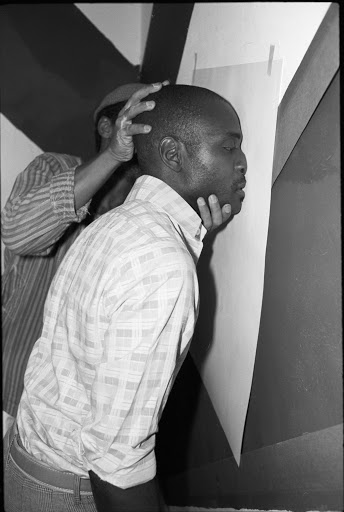
Untitled (Body Print), 1974
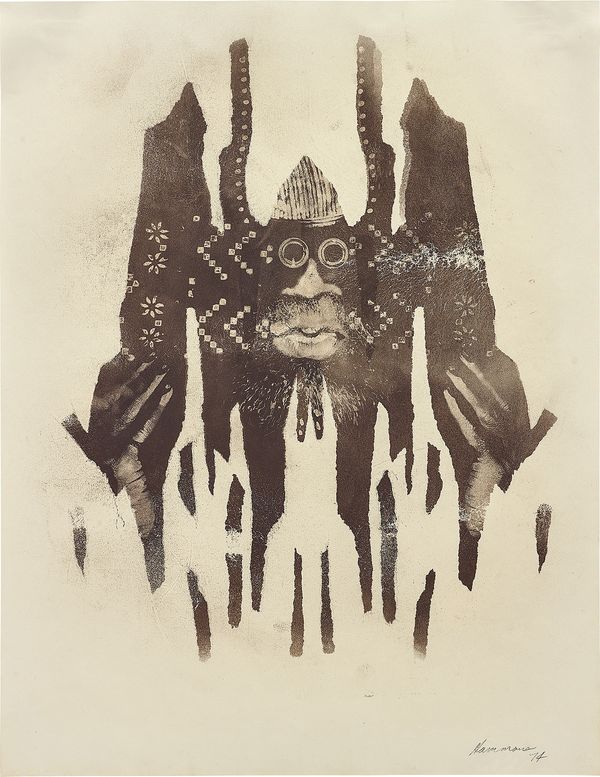
Injustice Case, 1970
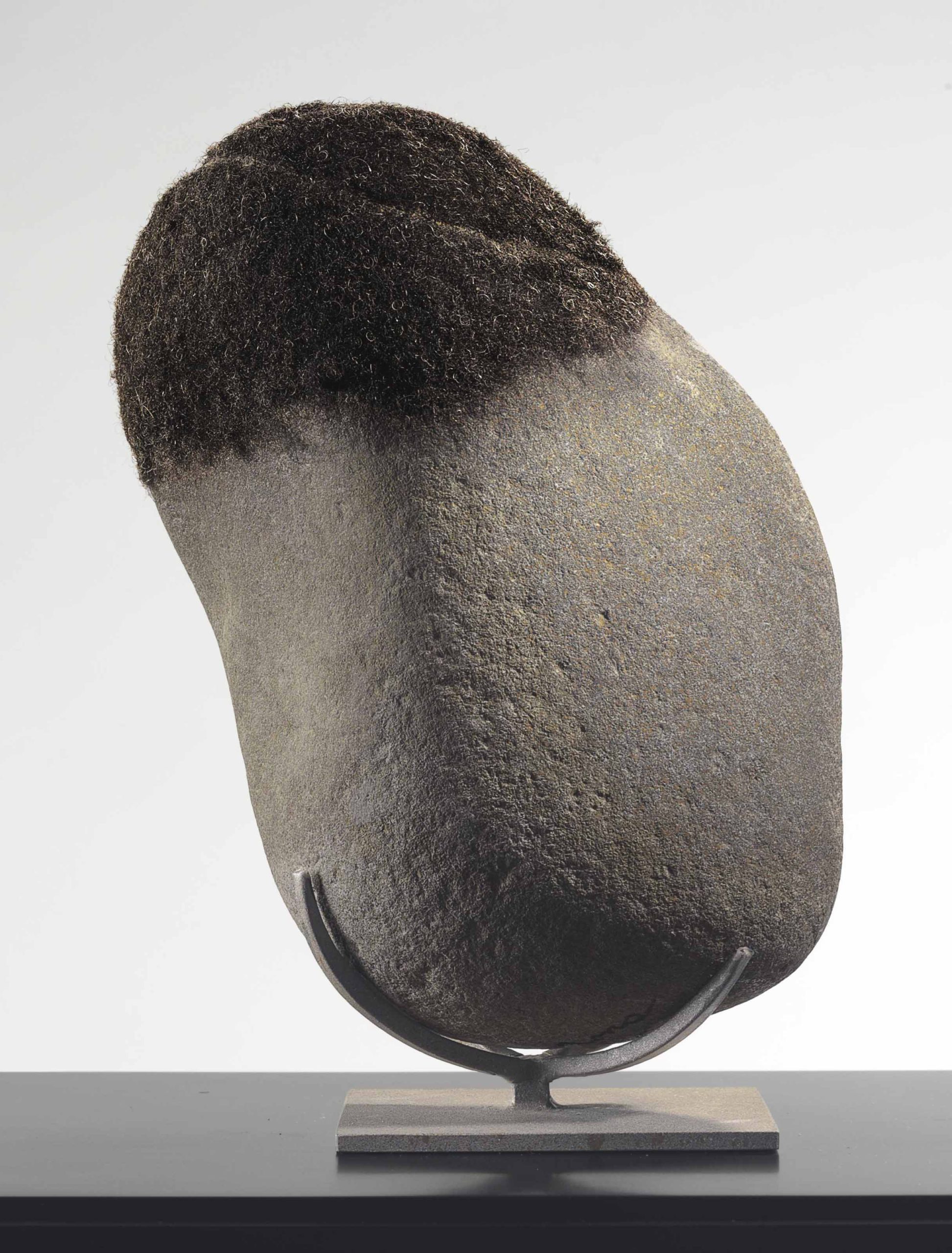
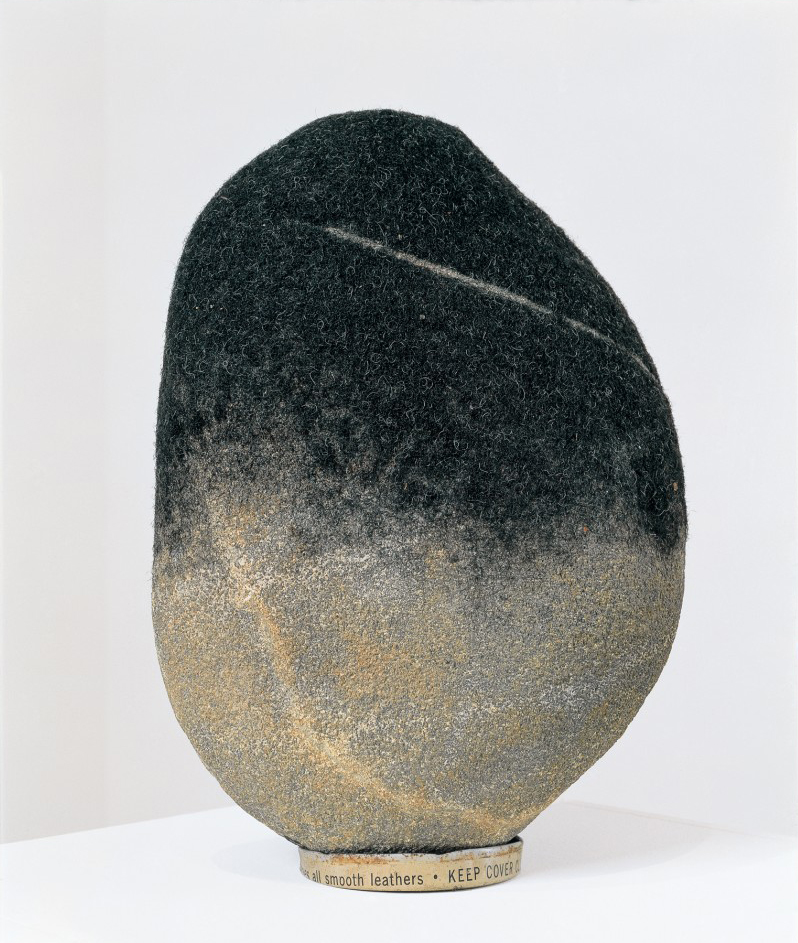
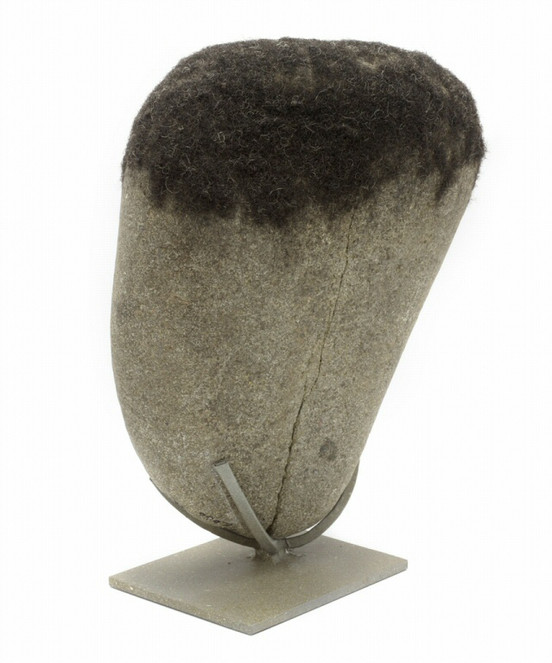
Rock Heads, 1998 – 2000
stone, hair, and shoe polish container
High Falutin’, 1990
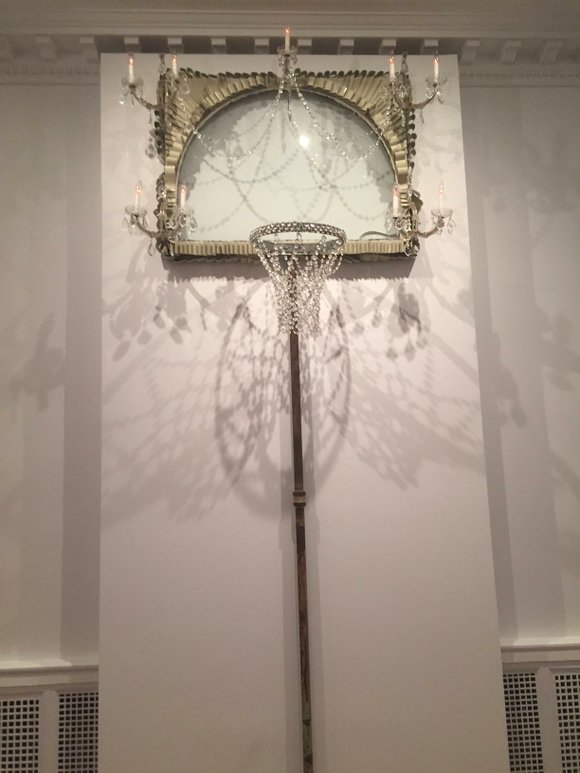
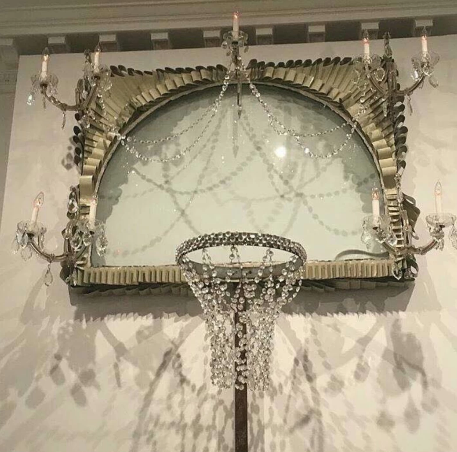
Untitled, 2000

Unexchangeable, 2012
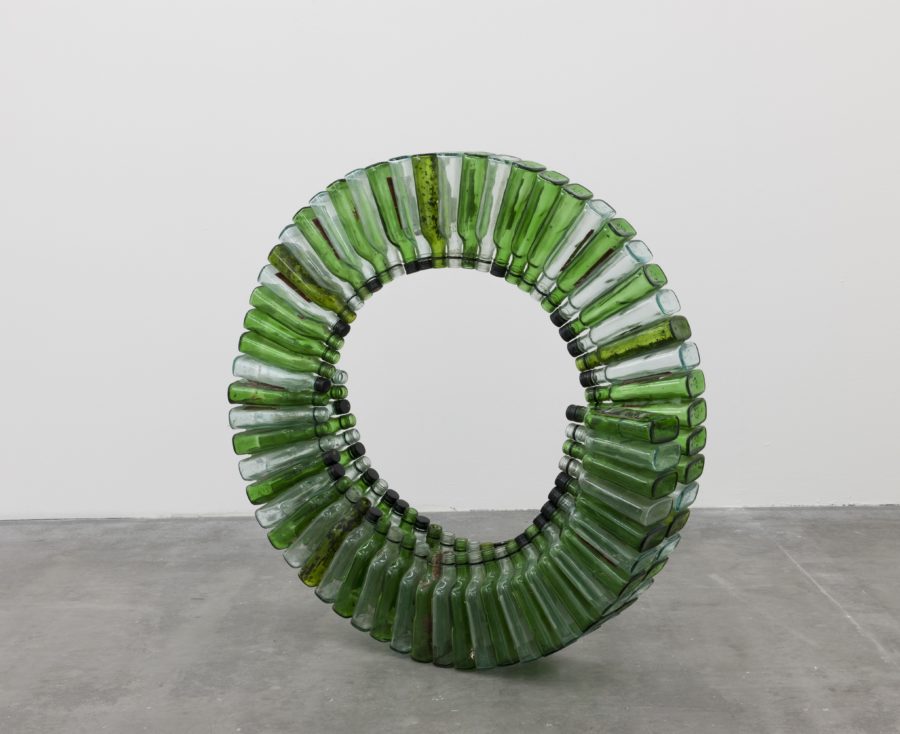
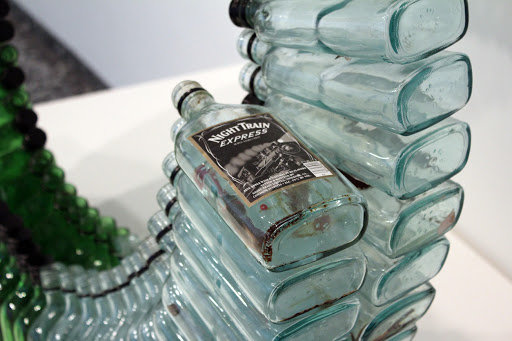
America the Beautiful, 1968
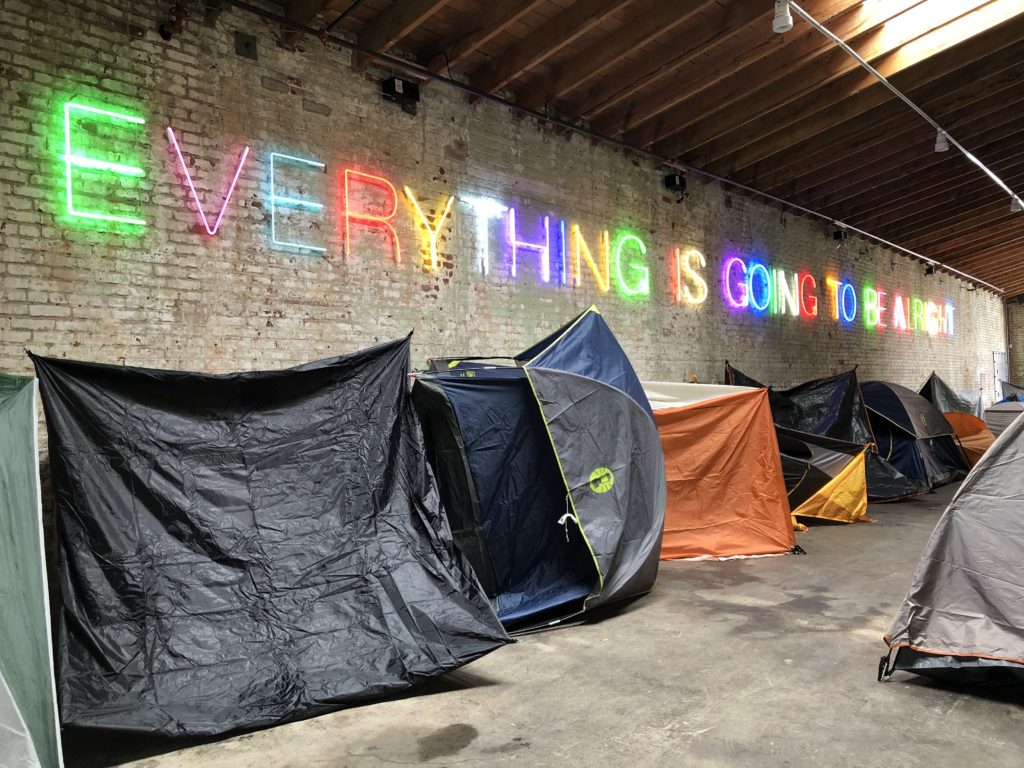
Everything Is Going To Be A Right, 2020

The Door (Admissions Office), 1969
Untitled, 2008
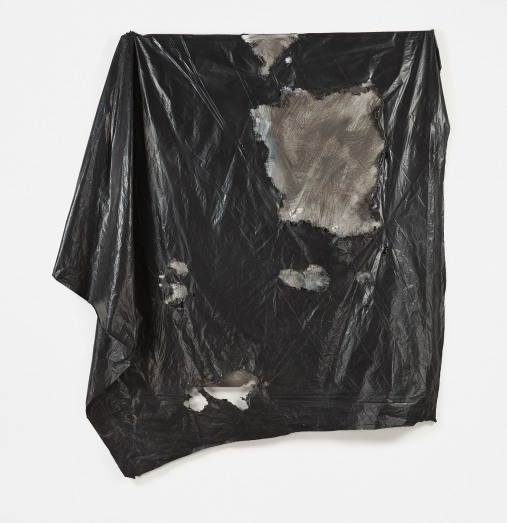
Untitled, 2010
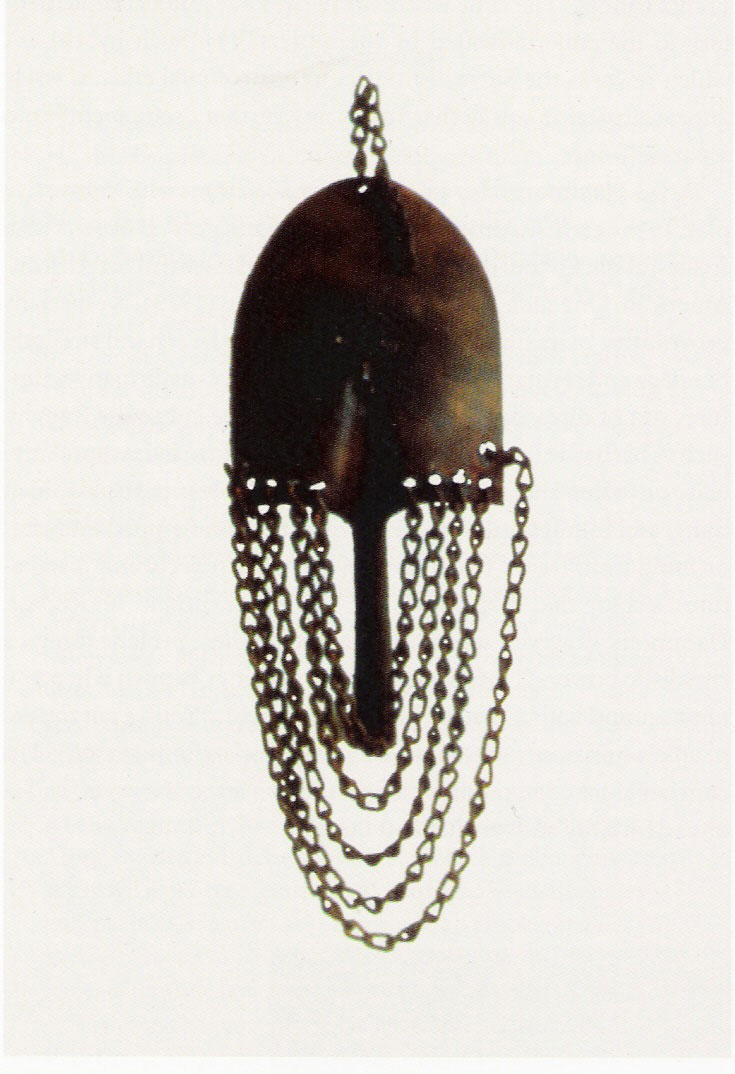
Spade With Chains, 1973
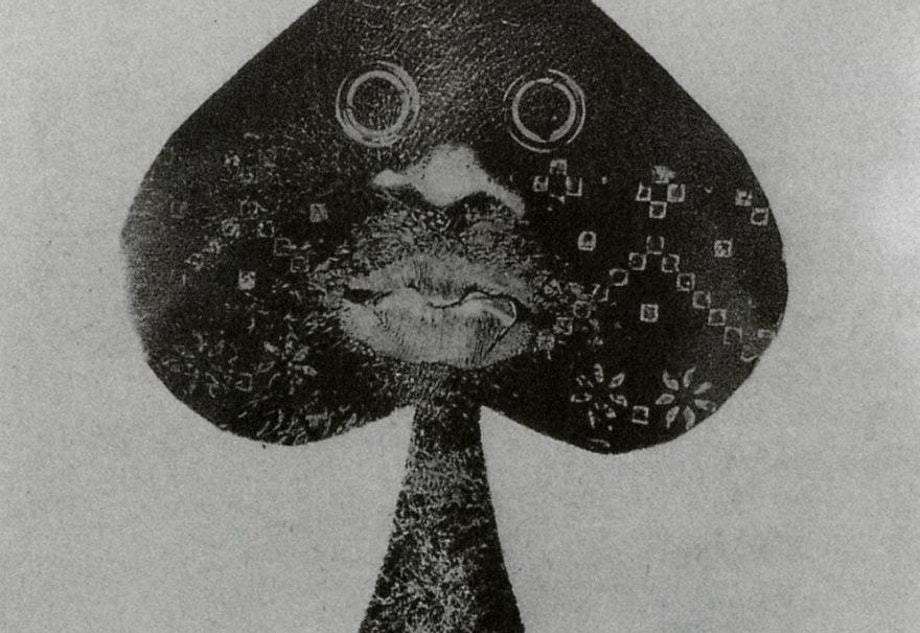
Spade, 1968
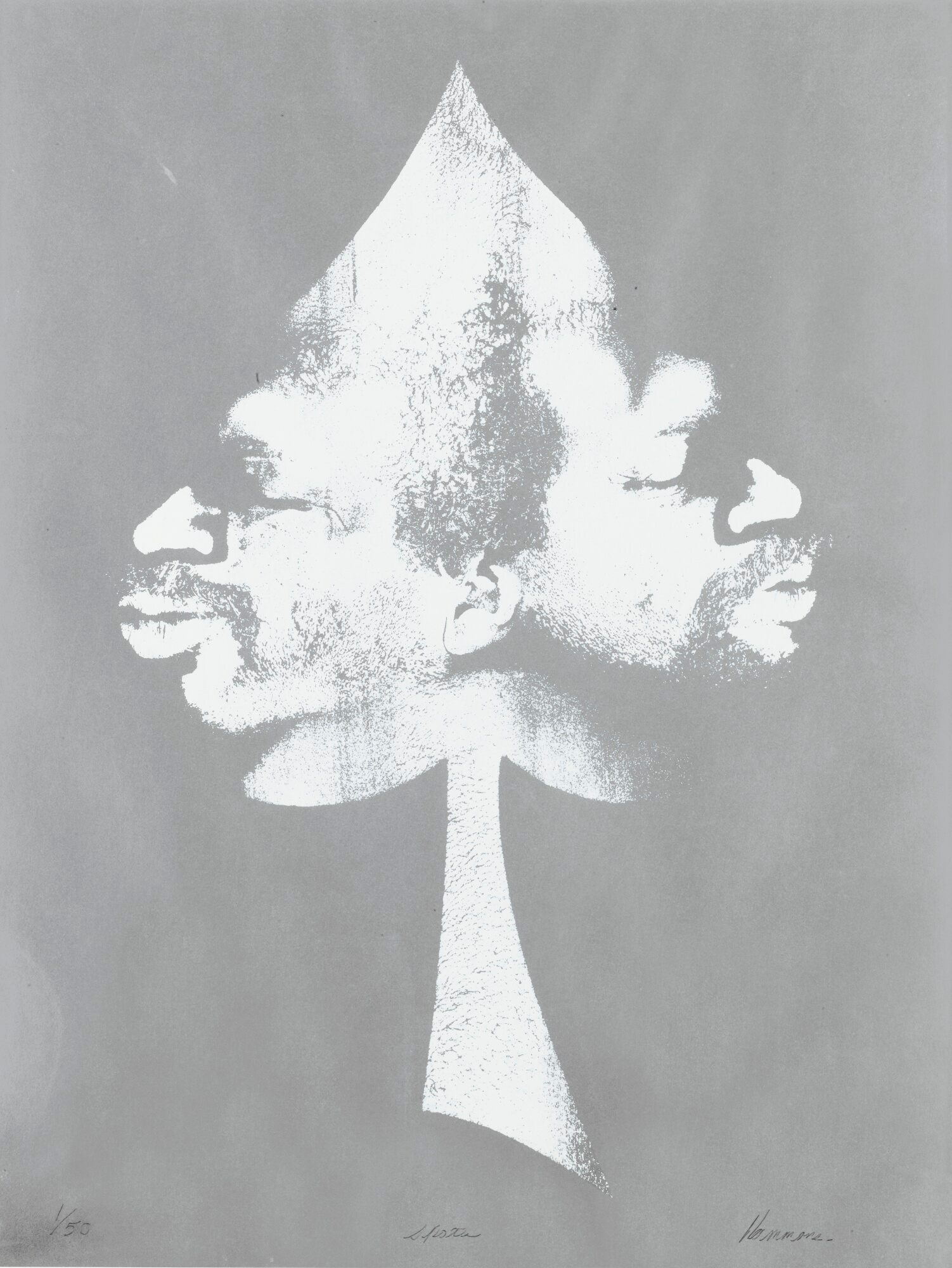
Spade II, 1972
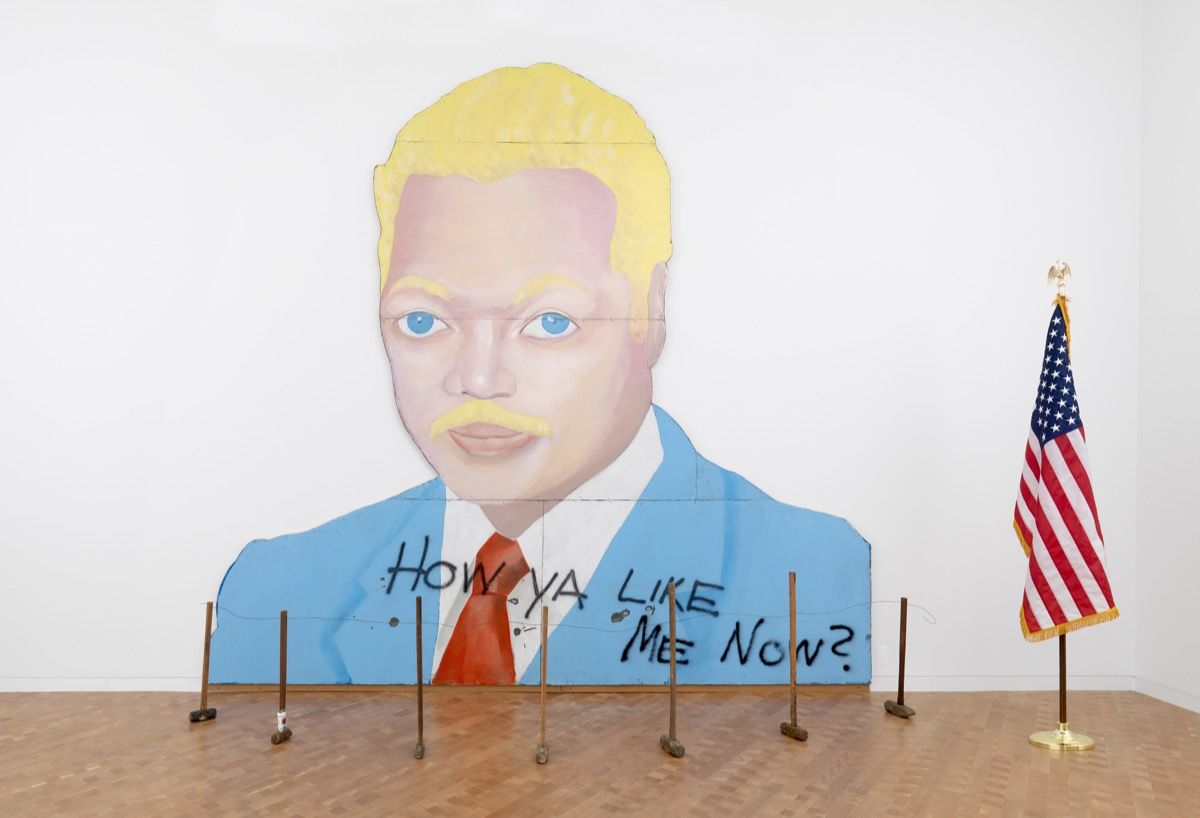
How Ya Like Me Now?, 1988
Bliz-aard Ball Sale, 1983
‘One wintry day in 1983, David Hammons peddled snowballs of various sizes. He laid them out in graduated rows and spent the day acting as obliging salesman. Calling the unannounced street action Bliz-aard Ball Sale, he inscribed it into a body of work that, from the late 1960s to the present, has used a lexicon of discreet actions and consciously ‘black’ materials to comment on the nature of the artwork, the art world and race in America. Although Bliz-aard Ball Sale has been frequently cited and is increasingly influential, it has long been known only through scant descriptions and a handful of photographs.’
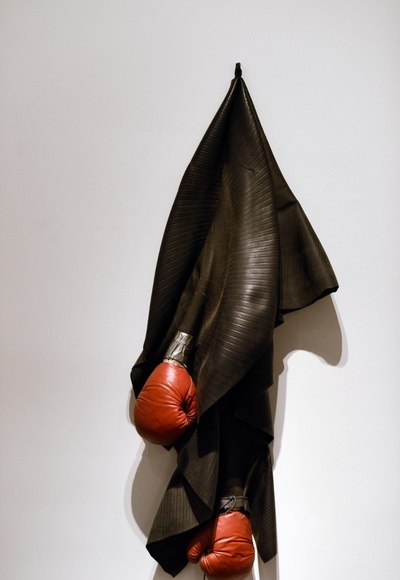
Champ, 1989
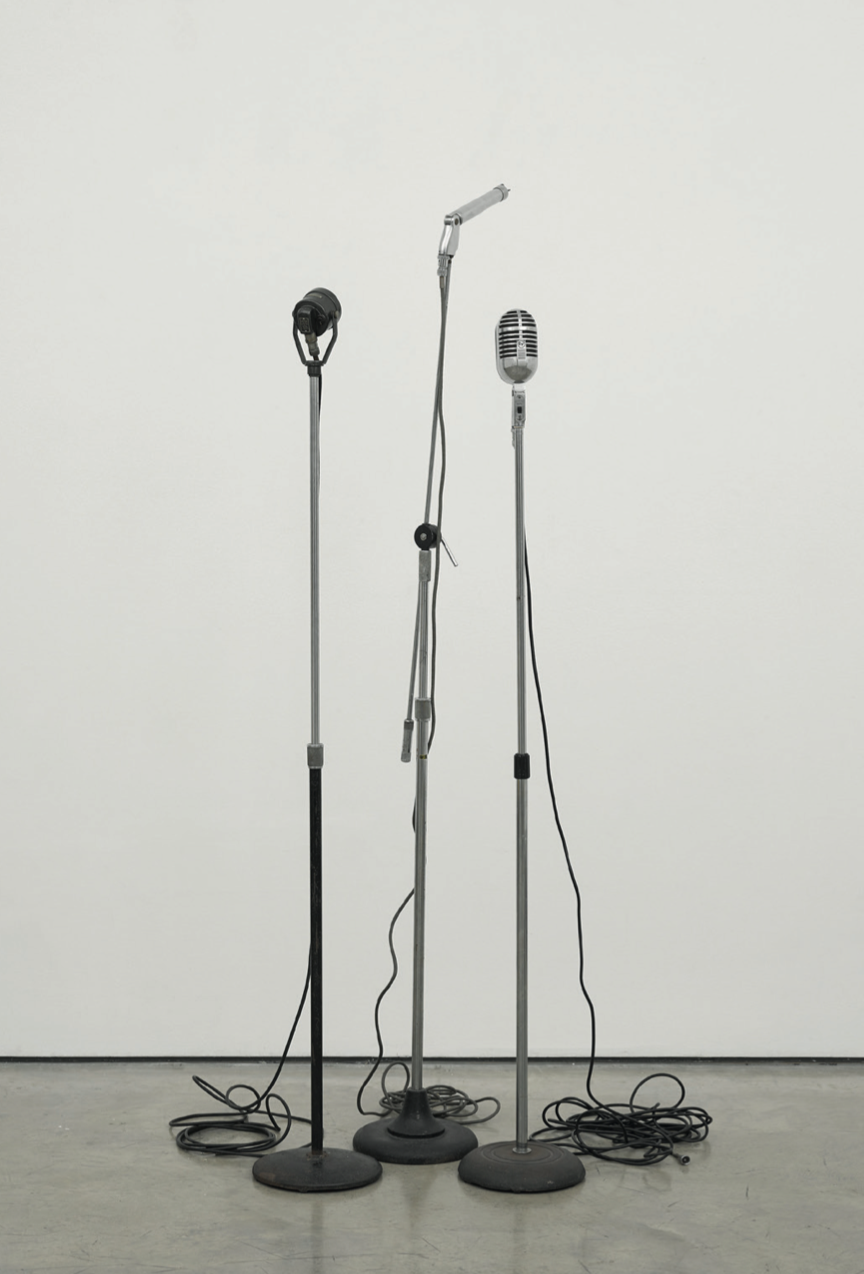
Which Mike do you want to be like, 2001
‘three microphone stands represent three Michaels – Jackson the performer, Tyson the boxer and Jordan the basketball player. The height of the stands is very high, taller than could be used by people.’
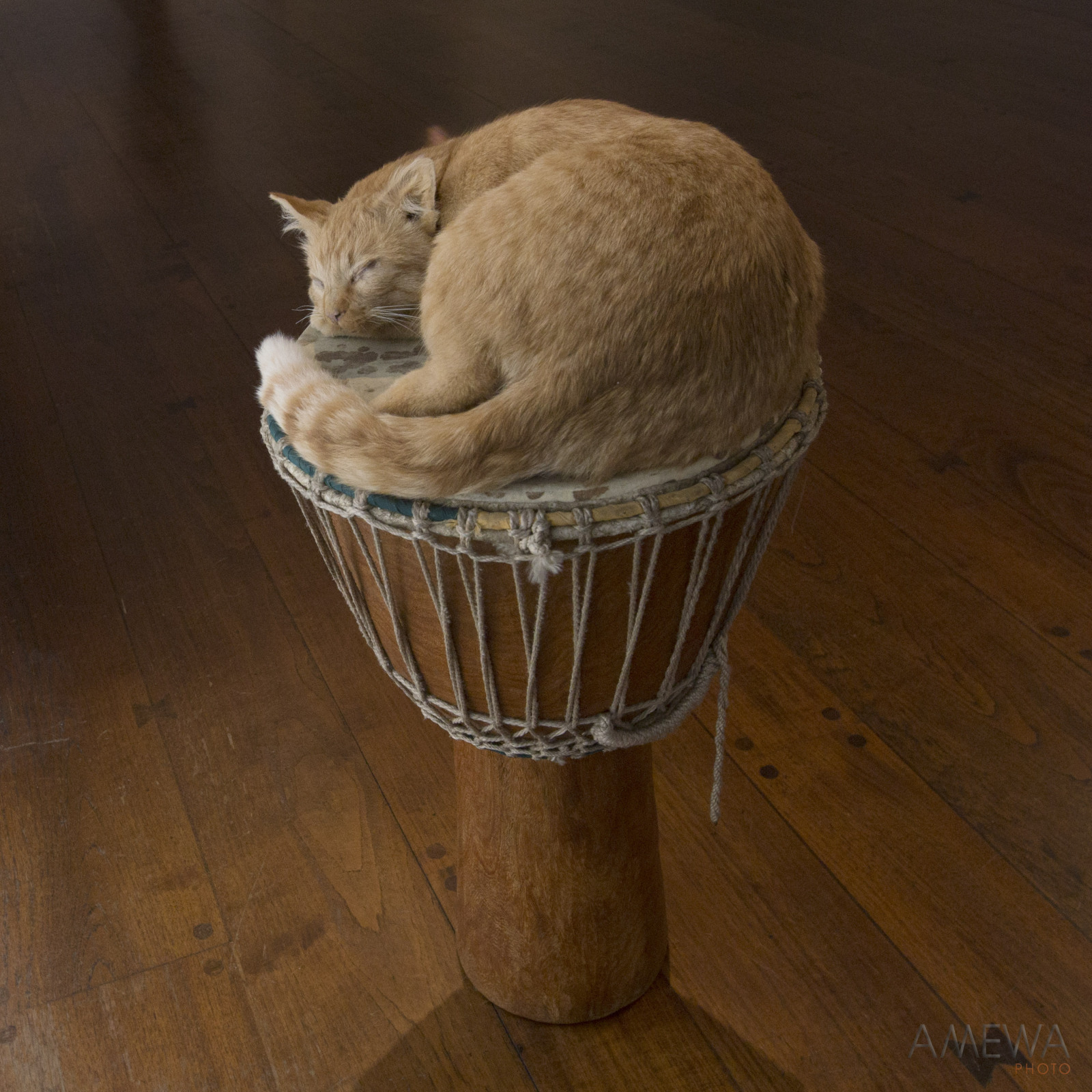
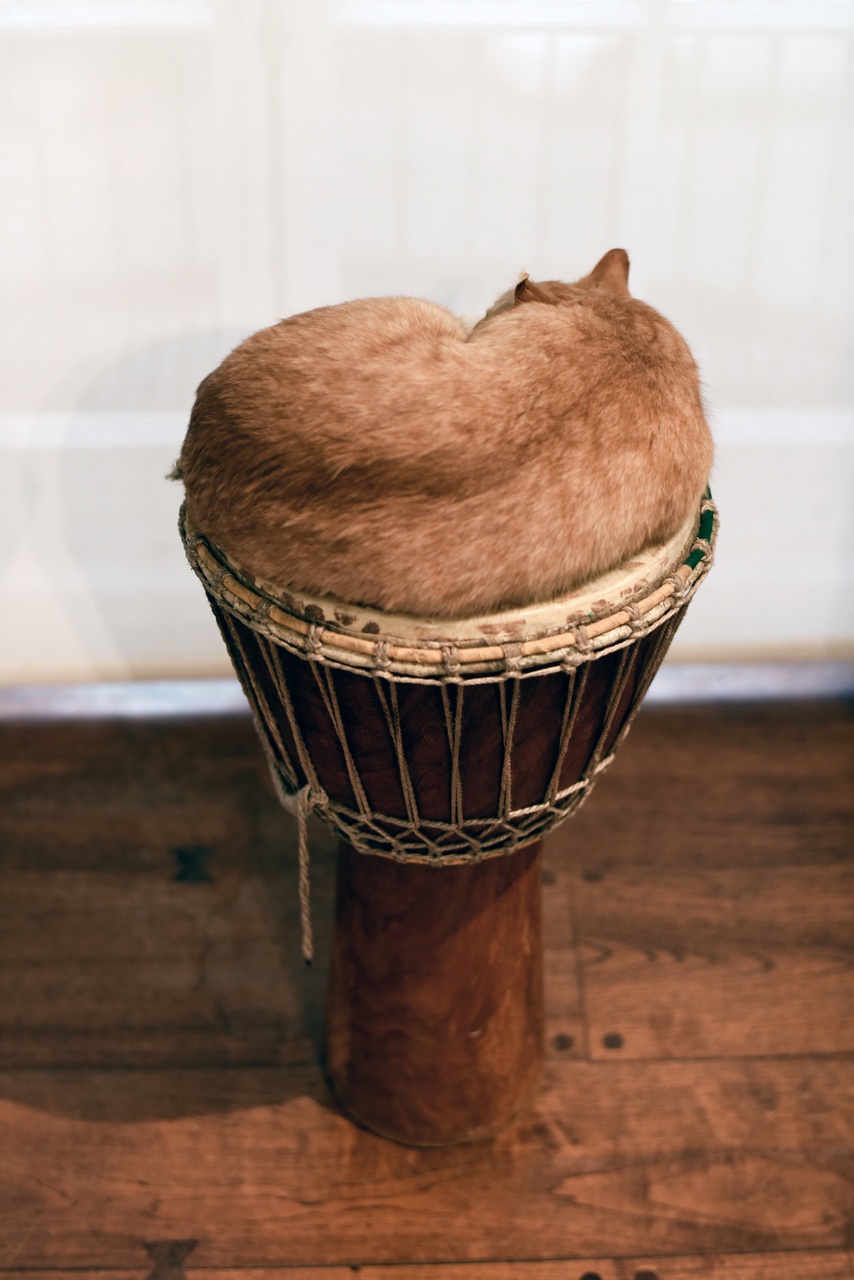
Standing Room Only, 1996
taxidermied cat on wooden drum
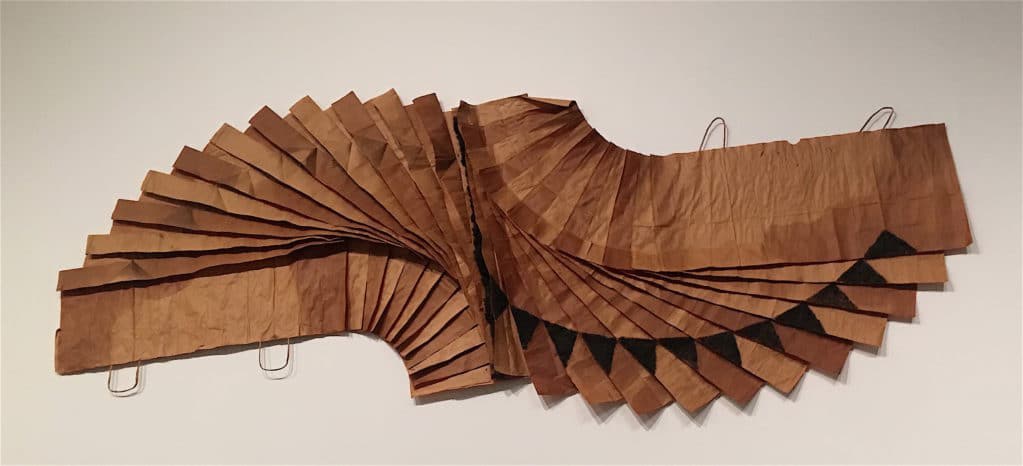
Bag Lady in Flight, 1982
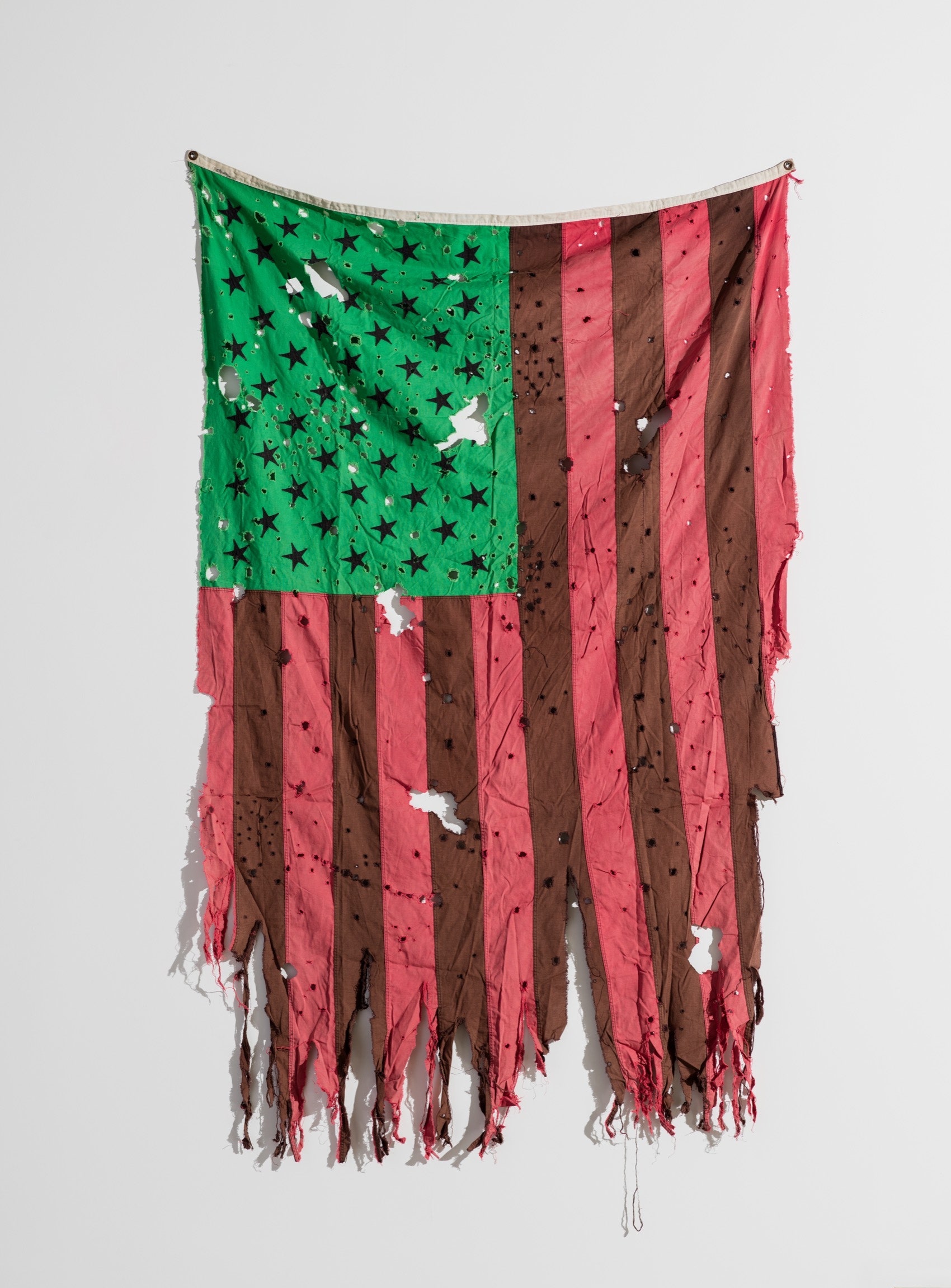
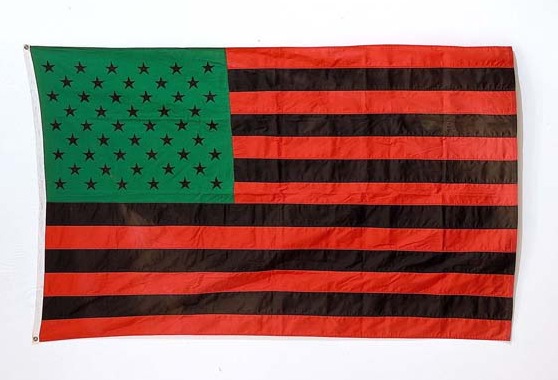
African American Flag, 1990
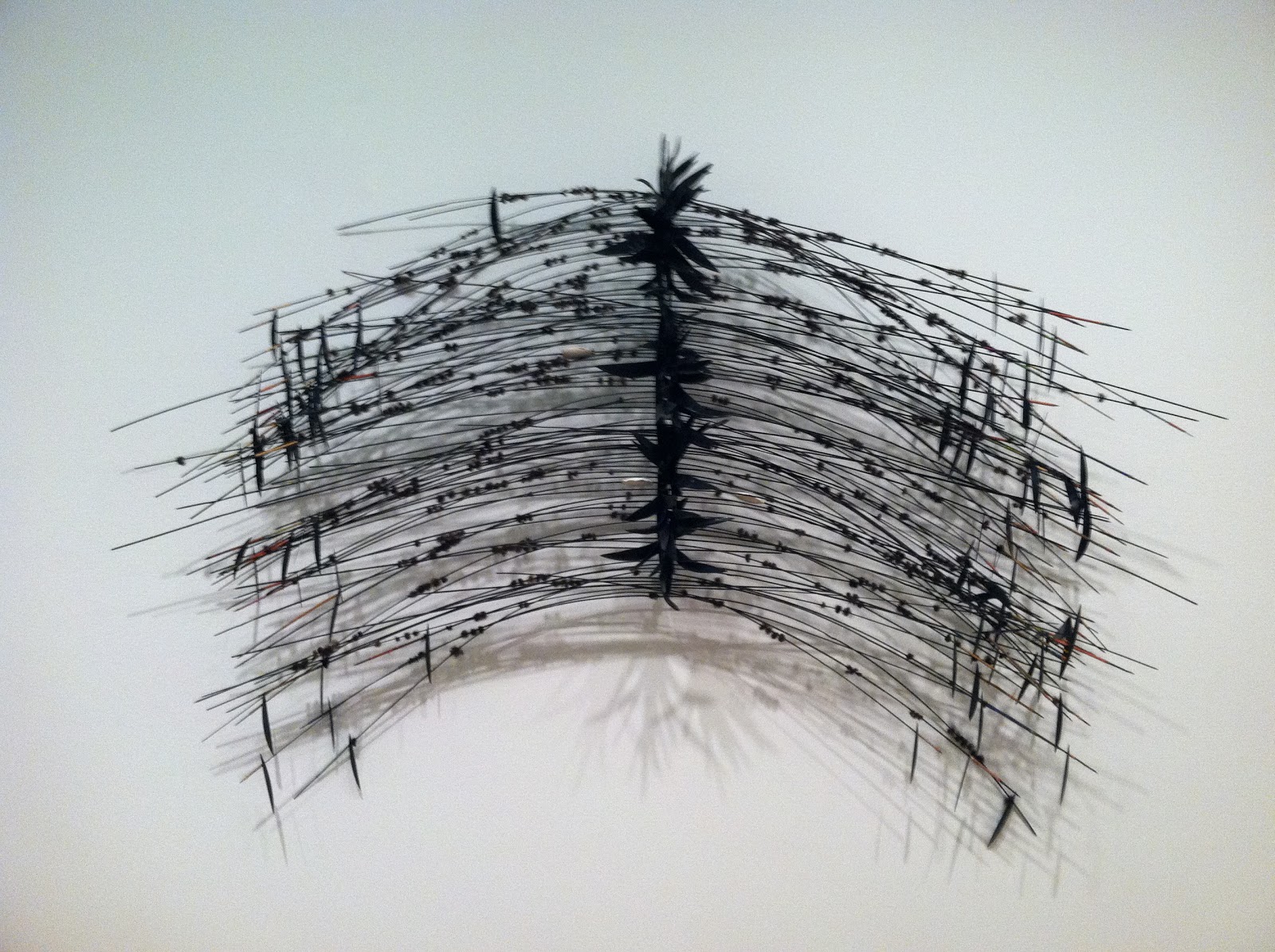
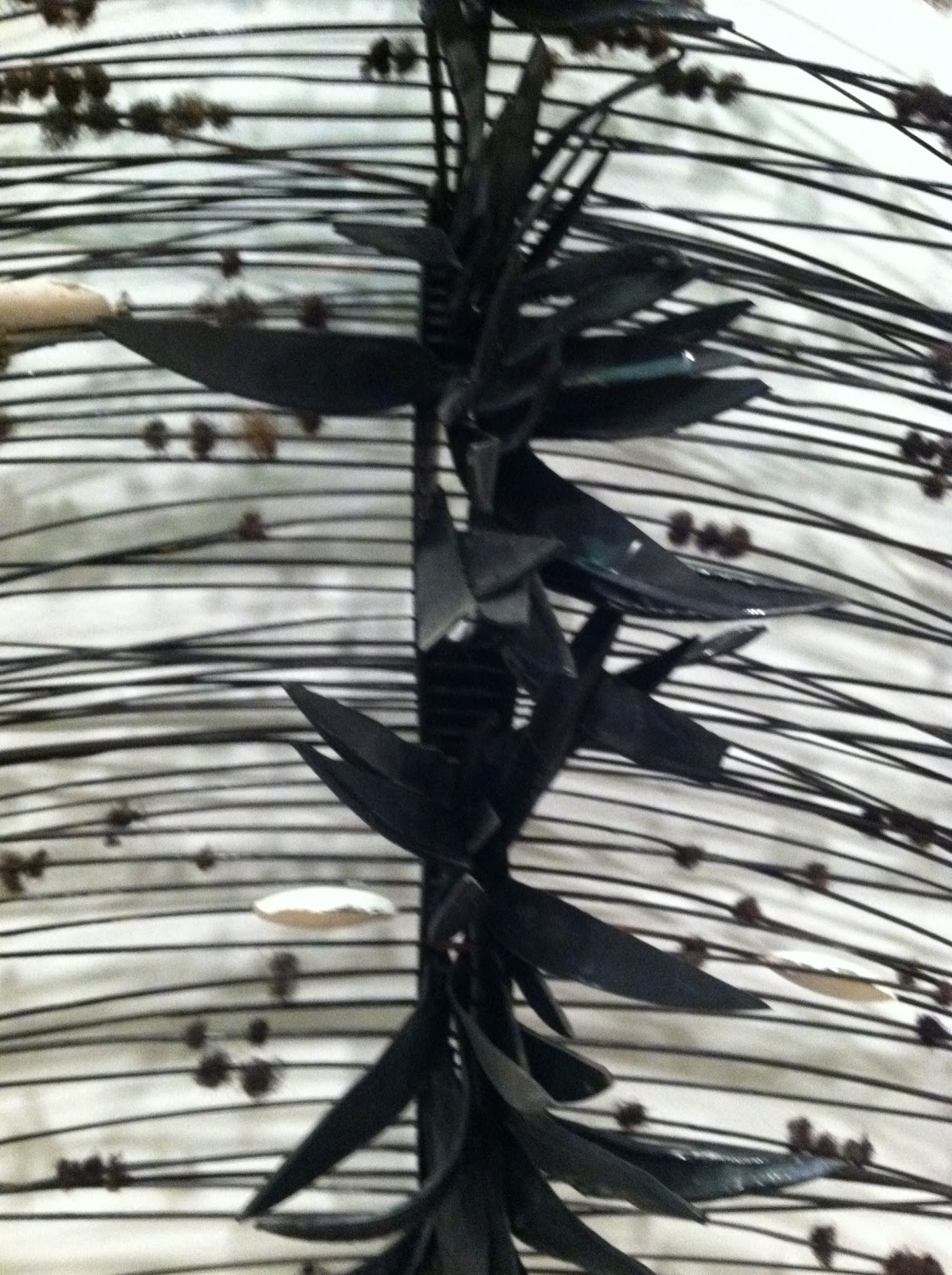
Flight Fantasy, 1978
phonograph record fragments, hair, clay, plaster, feathers, bamboo, colored string
Higher Goals, 1983
Day’s End, 2021
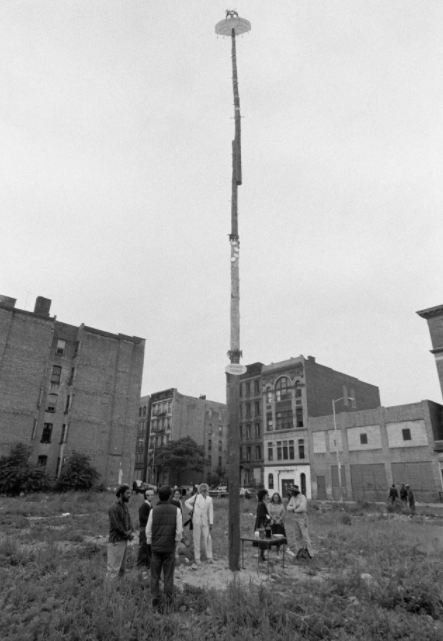
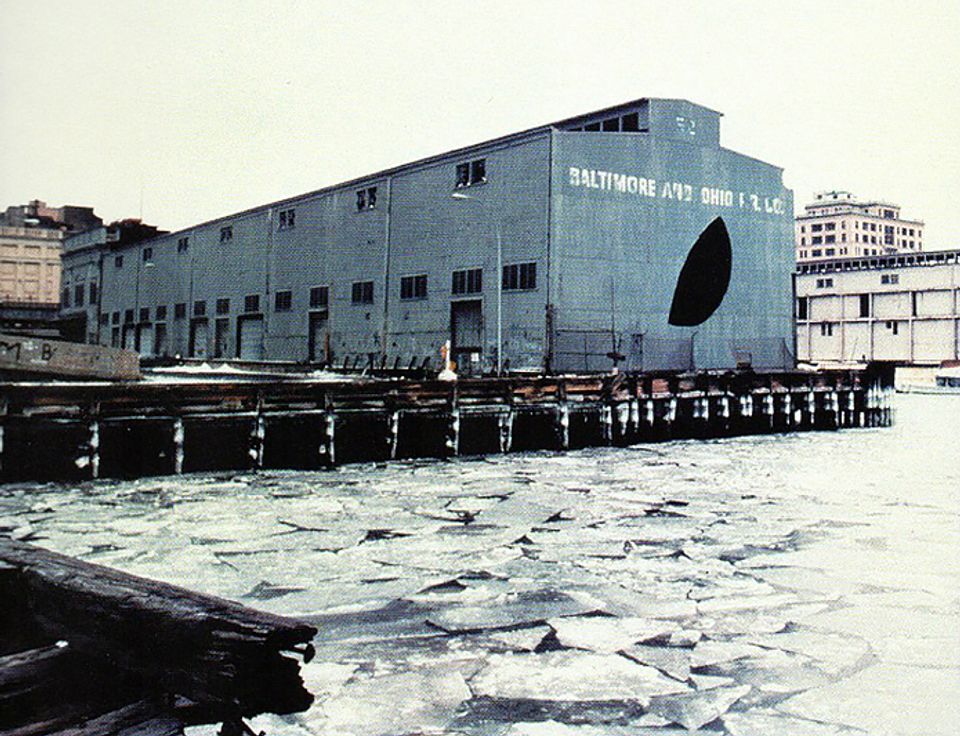
‘In the summer of 1975, the artist Gordon Matta-Clark sneaked into an abandoned warehouse shed on Pier 52 in Manhattan’s far west side and created the work Day’s End. Cutting holes into the walls and ceiling to let in the sun, and a trench through the floor that opened onto the river, Matta-Clark envisioned the piece as a space for the New York public to gather, a “temple” of light and water. But since the artist did all the work illicitly, police shut down the opening, a warrant was put out for Matta-Clark’s arrest and the city even filed a million-dollar lawsuit, although the claims were eventually dropped. So, aside from the young men of Chelsea’s gay scene who used the pier as a sunbathing spot and others who slipped into the warehouse surreptitiously, Day’s End never became the grand cultural nexus Matta-Clark hoped, and it was later demolished by the city.
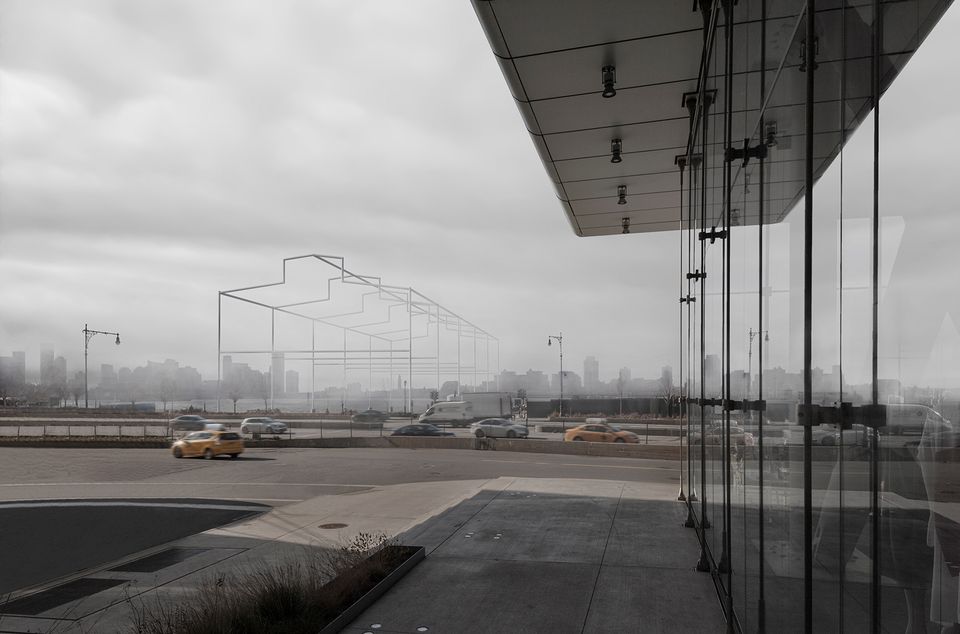
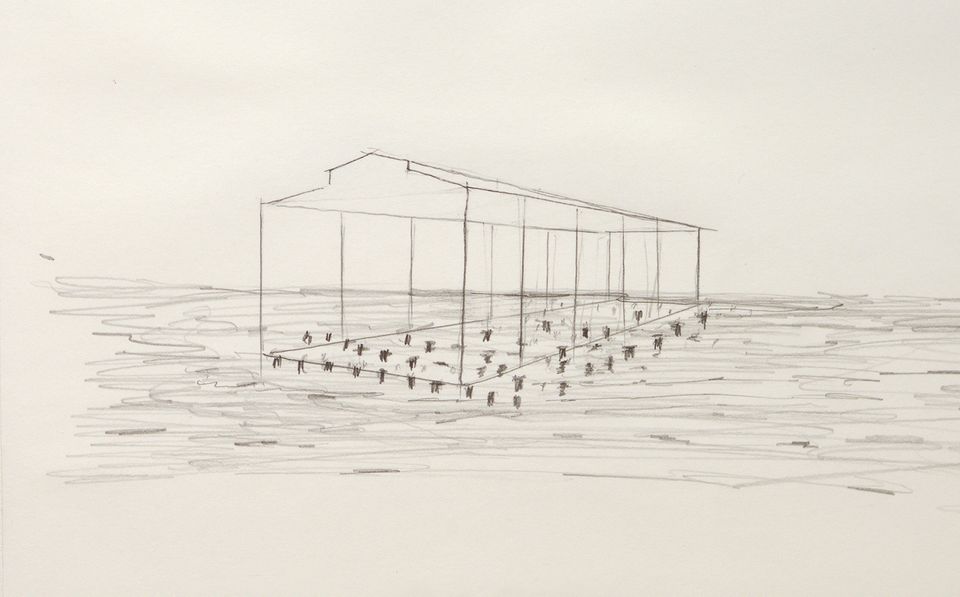
‘Now, the Whitney Museum and the artist David Hammons hope to pay tribute to Matta-Clark’s vision, as well as the Meatpacking District’s history, with a new public art proposal that was unveiled at a local community board meeting Wednesday night. Also titled Day’s End, as an homage to the original, the piece is a skeletal framework of the warehouse shed built from stainless steel poles anchored to the riverbed and the riprap of the adjacent Gansevoort Peninsula, which is due to be turned into a public park once the Sanitation Department moves out. The work seems to float above the river and its overall appearance shifts based on the weather and the time of day.’
Praying to Safety, 1997
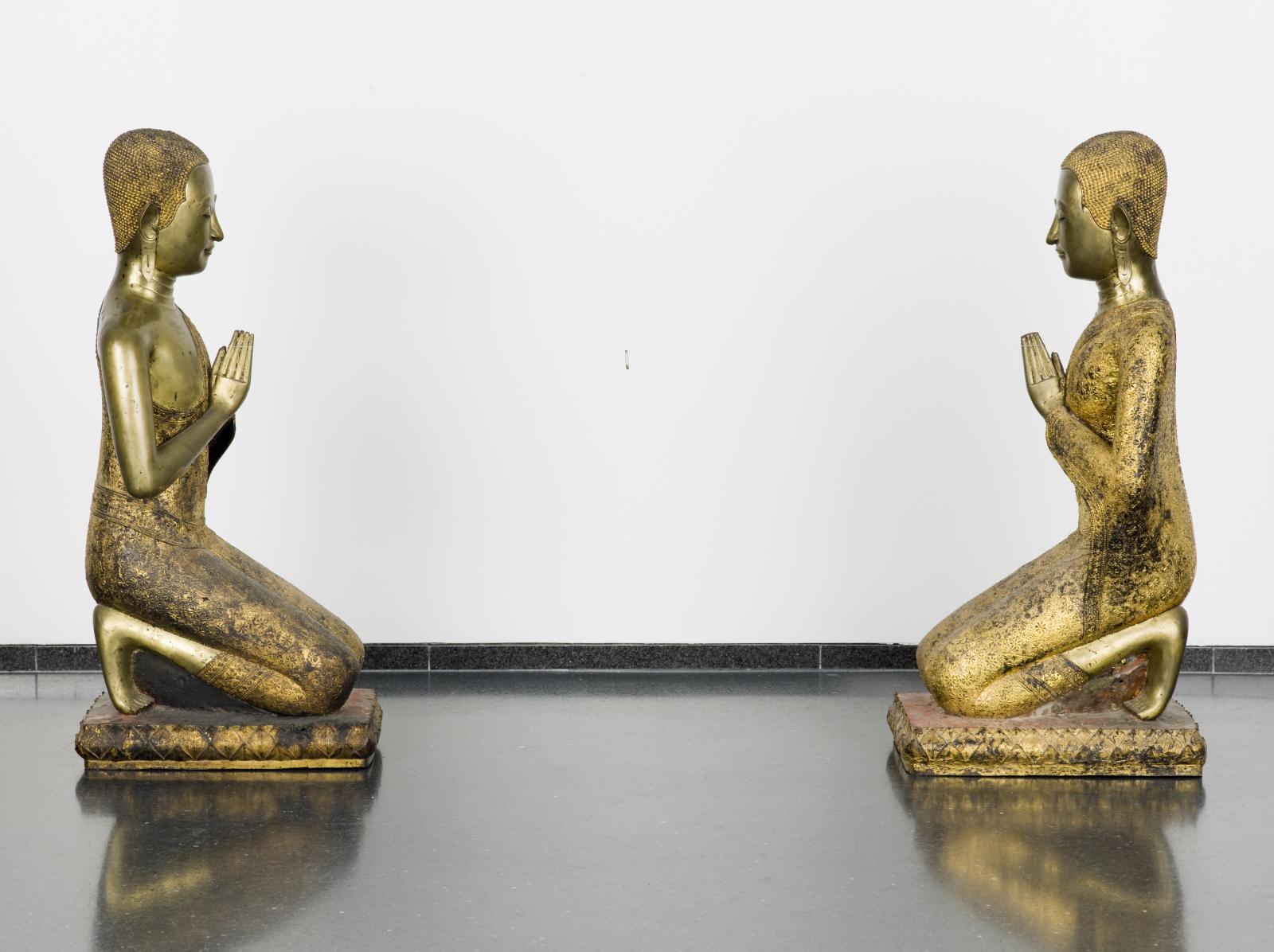
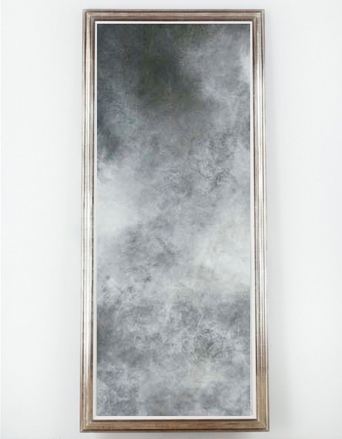
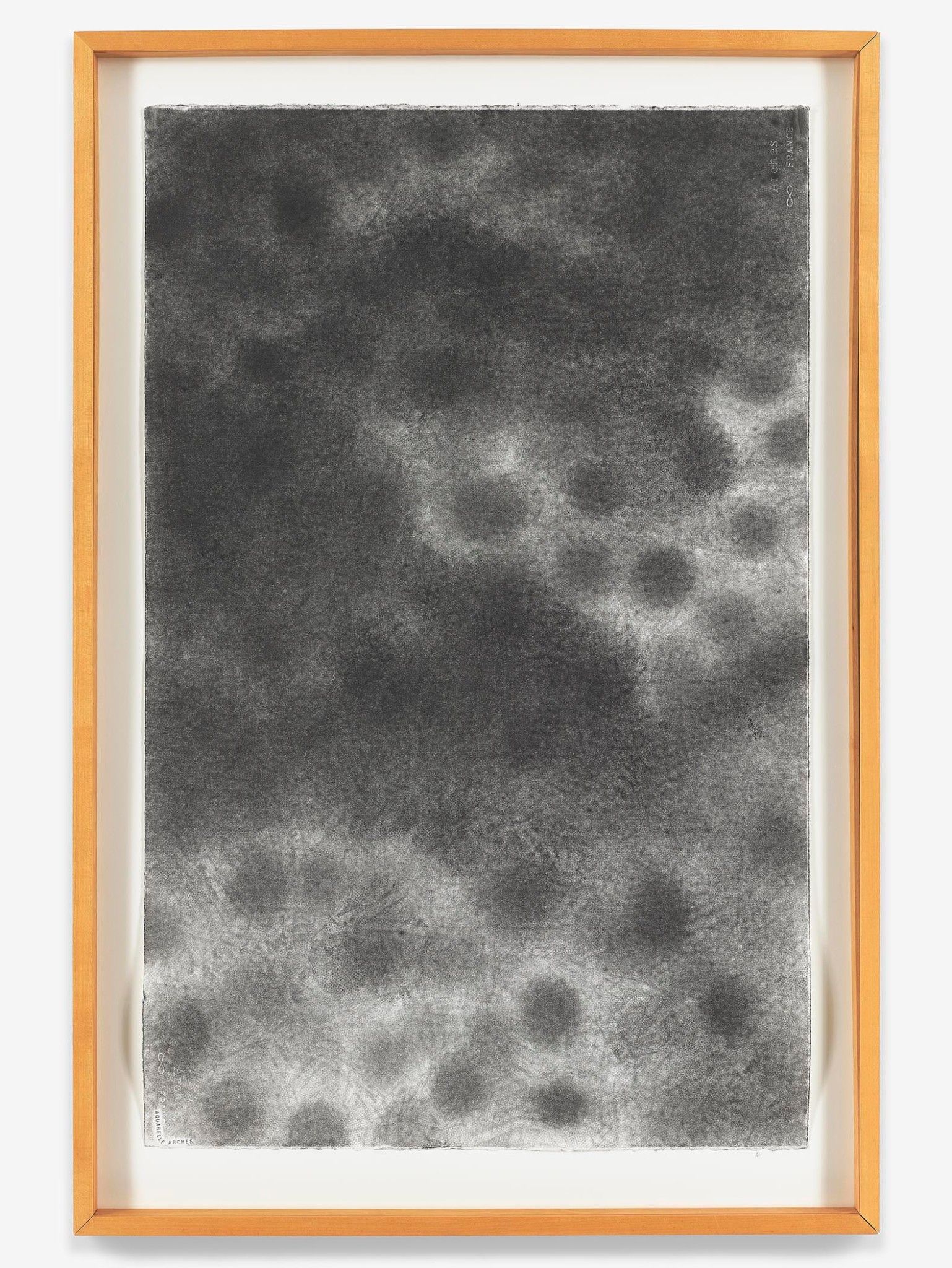
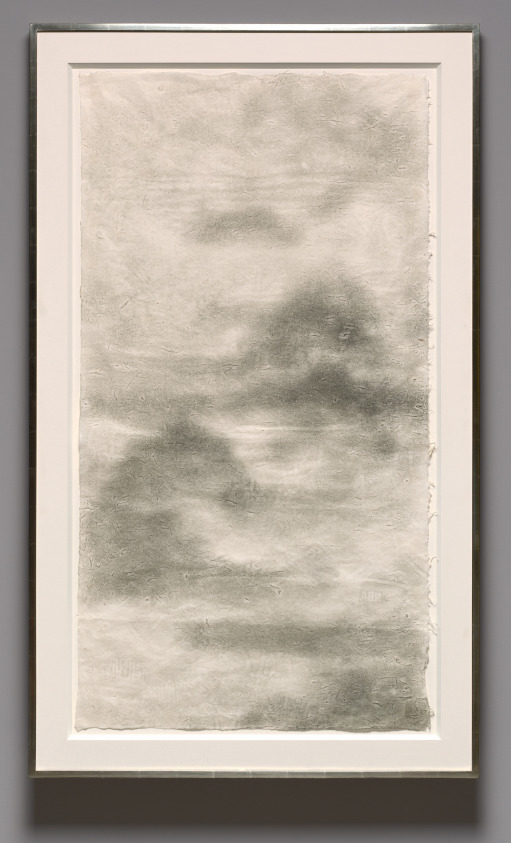
Untitled Basketball Drawings, 2002
‘In these works, Hammons made an abstract composition by bouncing a charcoal-covered basketball onto a sheet of white paper.’

Mobile Garden, 1998

Orange is the new black, 2017
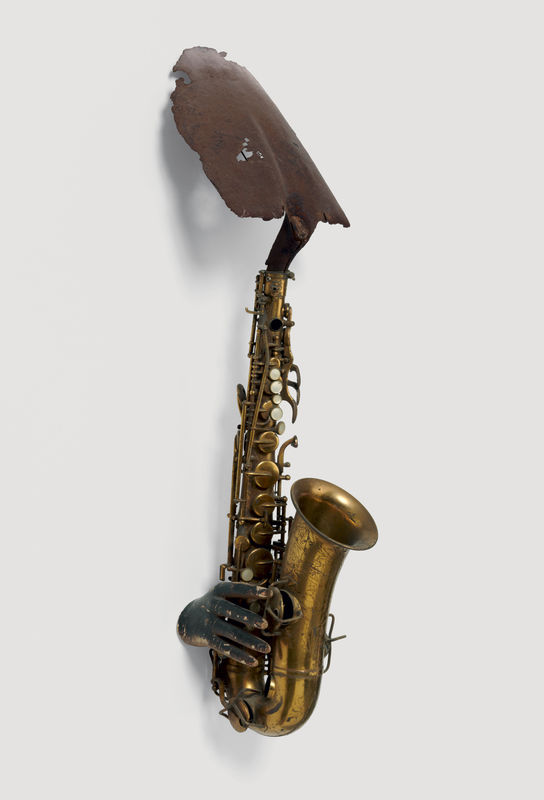
Bird , 1973
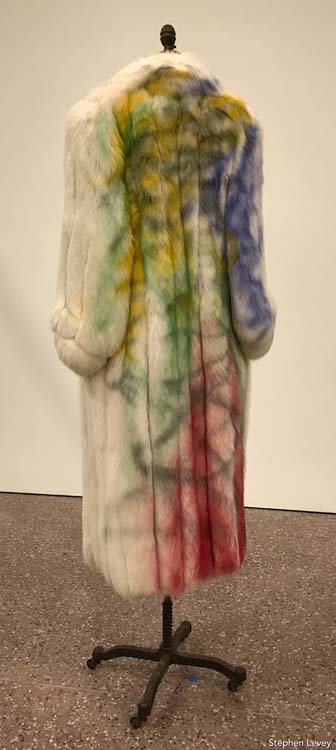
Untitled, 2007
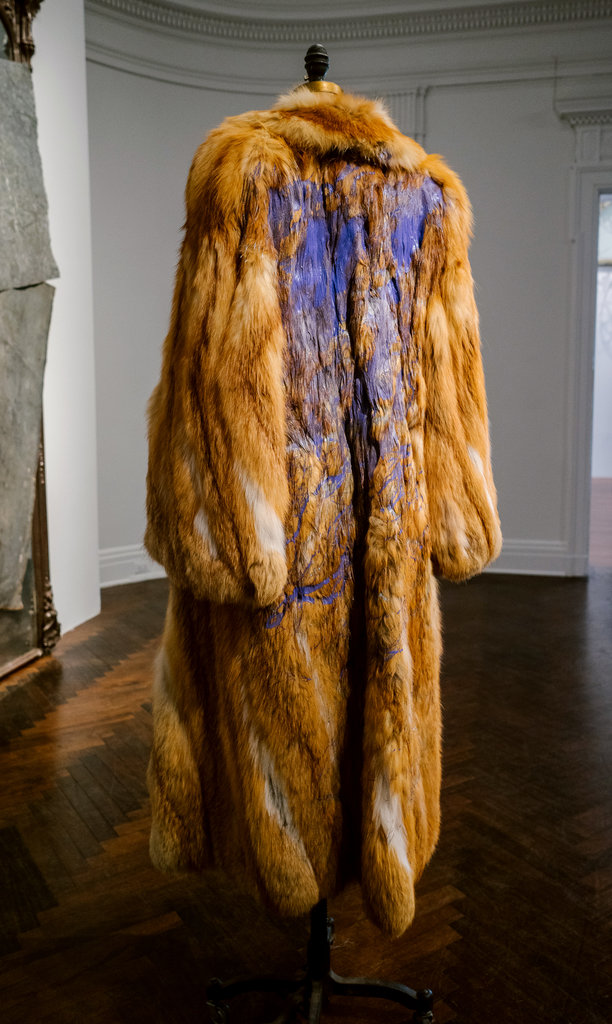
acrylic and spray paint on fox fur coat
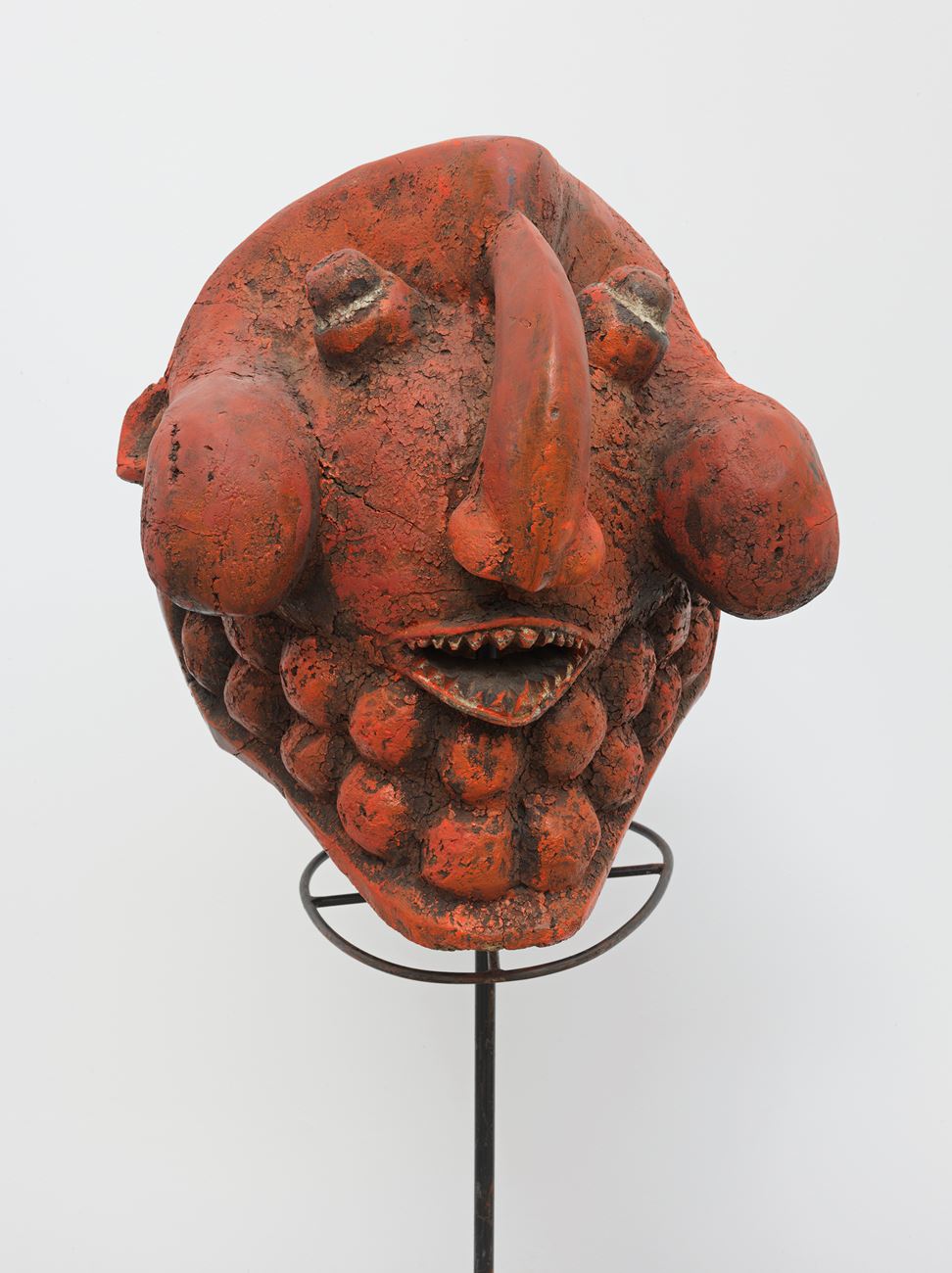
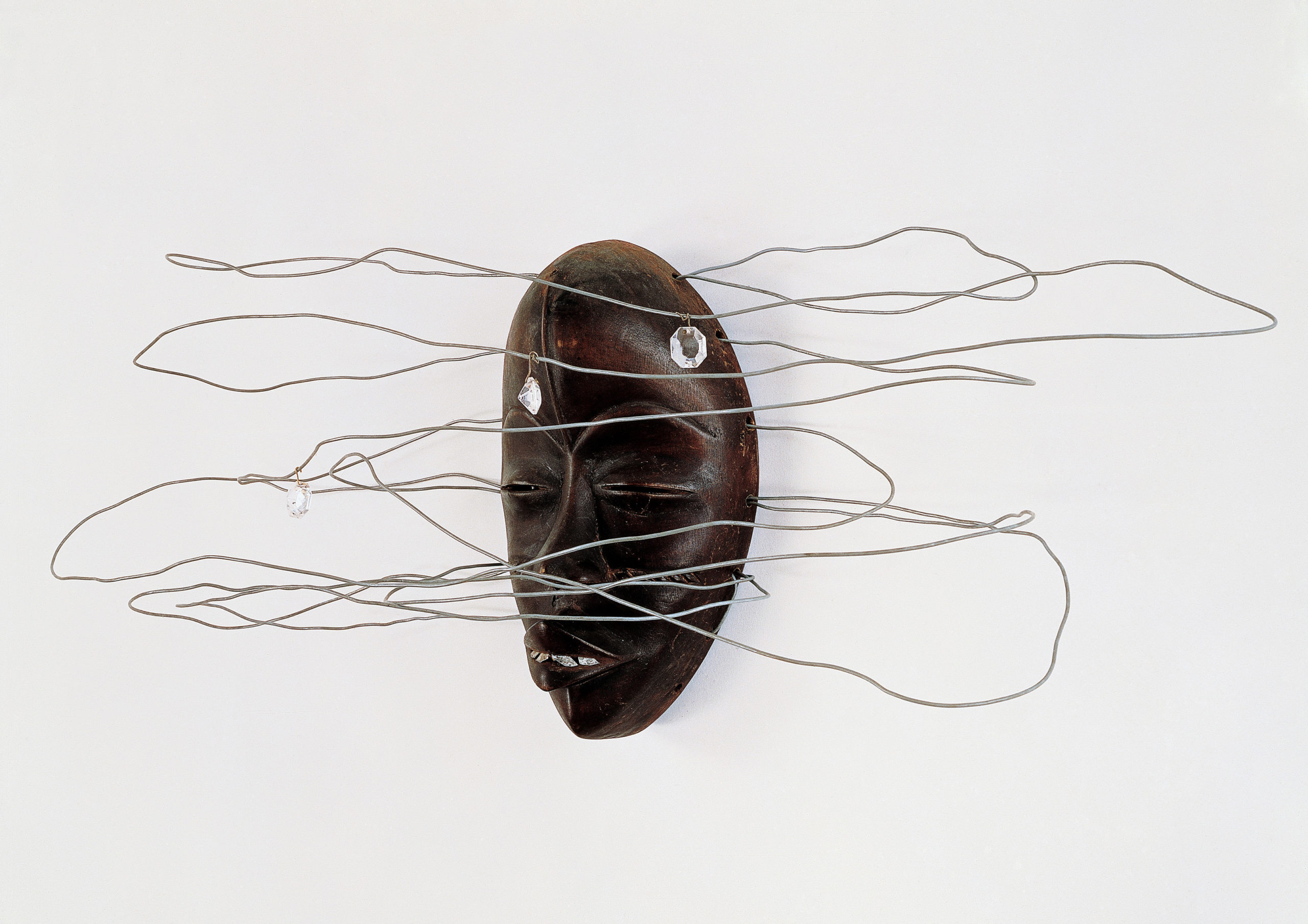
The Mask, 1997
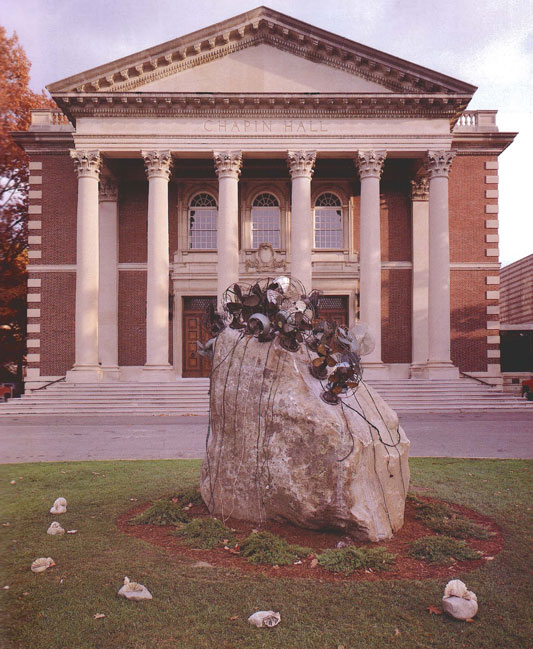
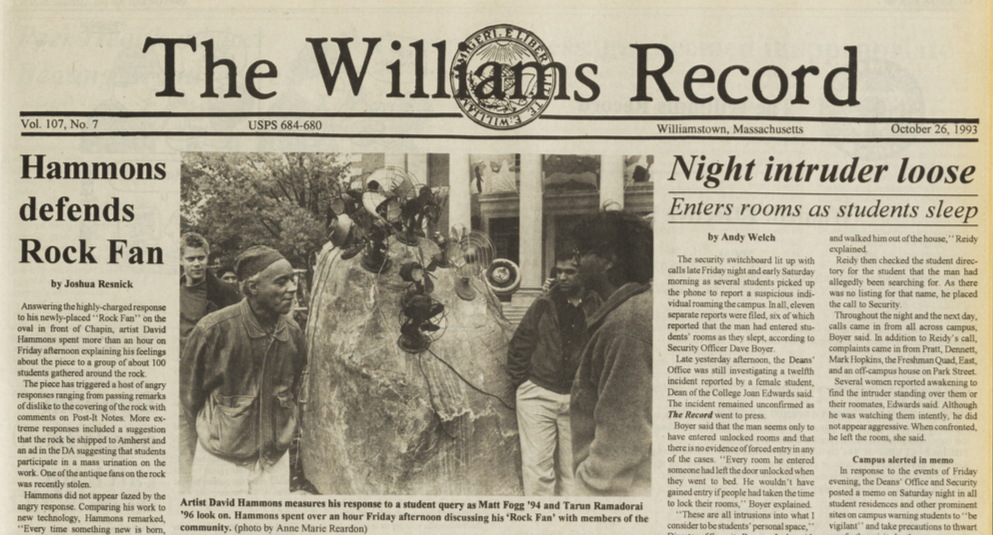
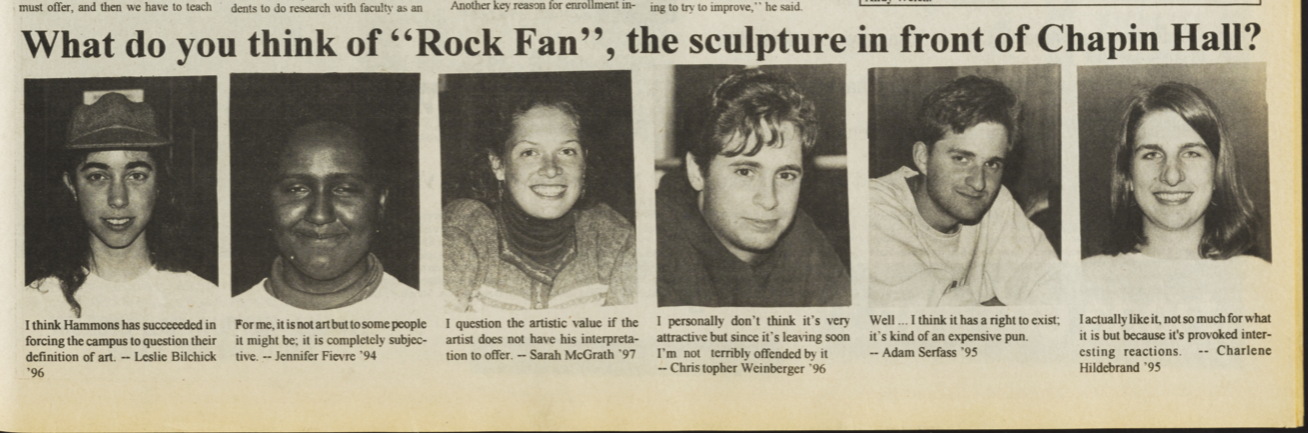
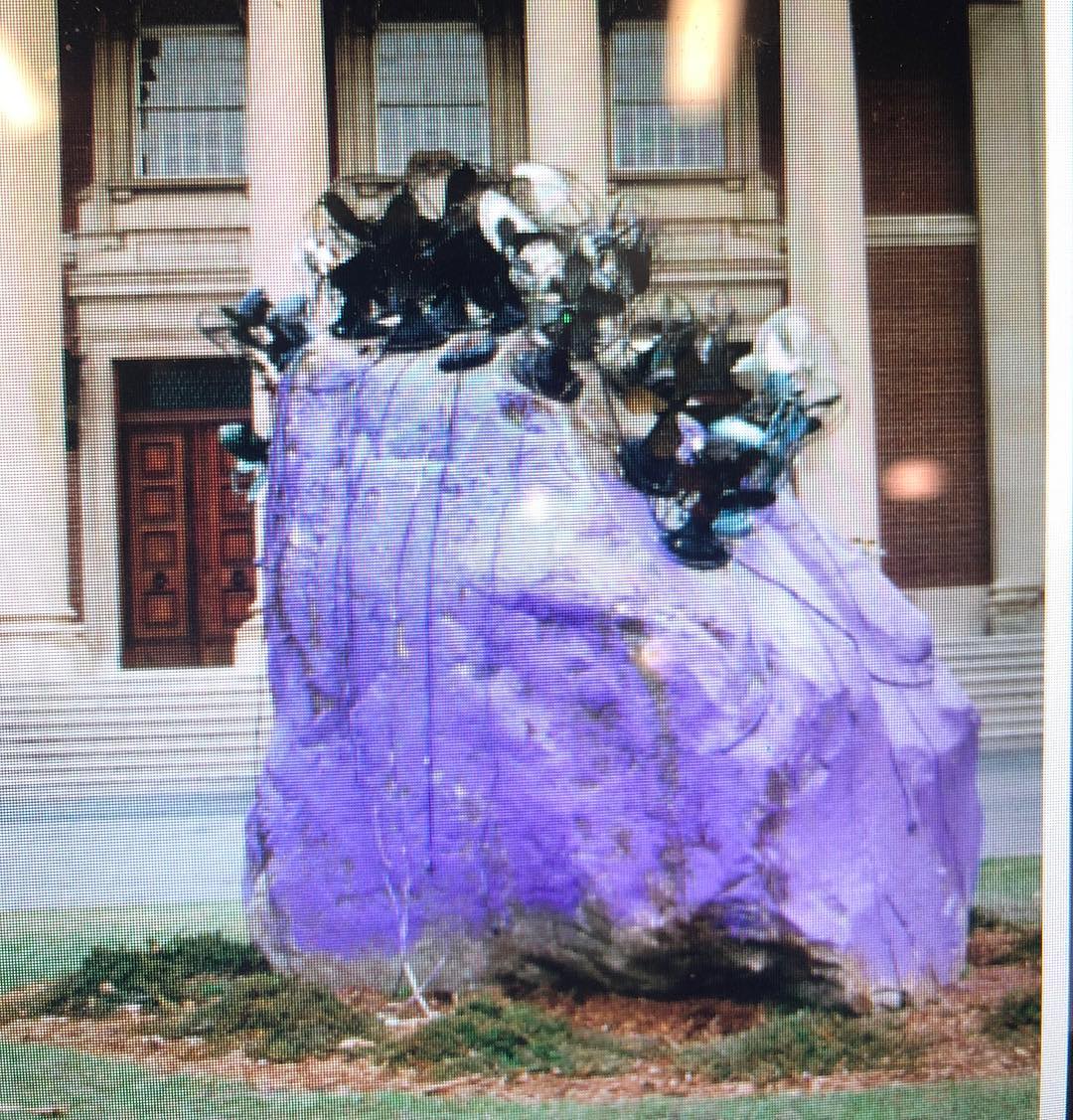
Rock Fan, 1993
‘And this is a piece at Williams College called Rock Fans.
‘This was protested. For about the last five months, they’ve been protesting this piece on their campus. And so some students made fans out of paper and put these little rock fans around the piece. It’s been vandalized and written about.
‘When the wind blows, the fans actually move. Someone said, “I don’t care how many fans you put on it, it’s not going to fly.”
‘And this is after Williams students painted the rock. Someone called me and told me that now they feel like it’s theirs, because they painted it their school colors.
‘It was removed in April, during Spring Break. The fans went back to me. I haven’t found the rock.’ — David Hammons
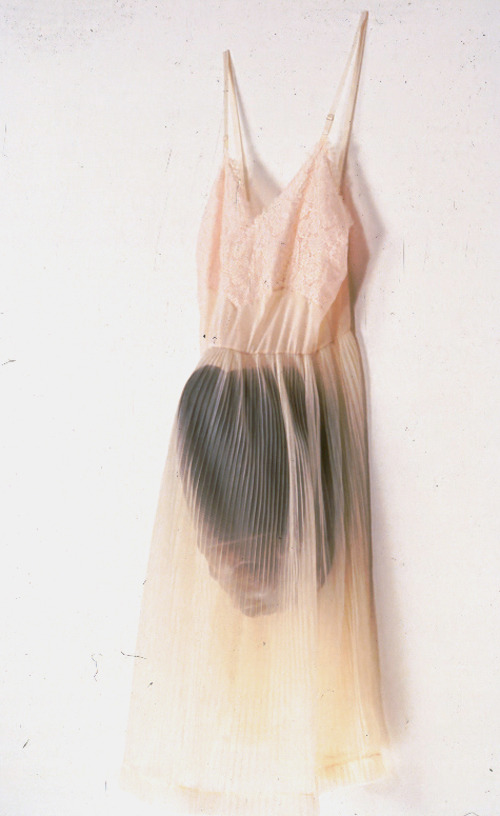
Freudian Slip, 1995
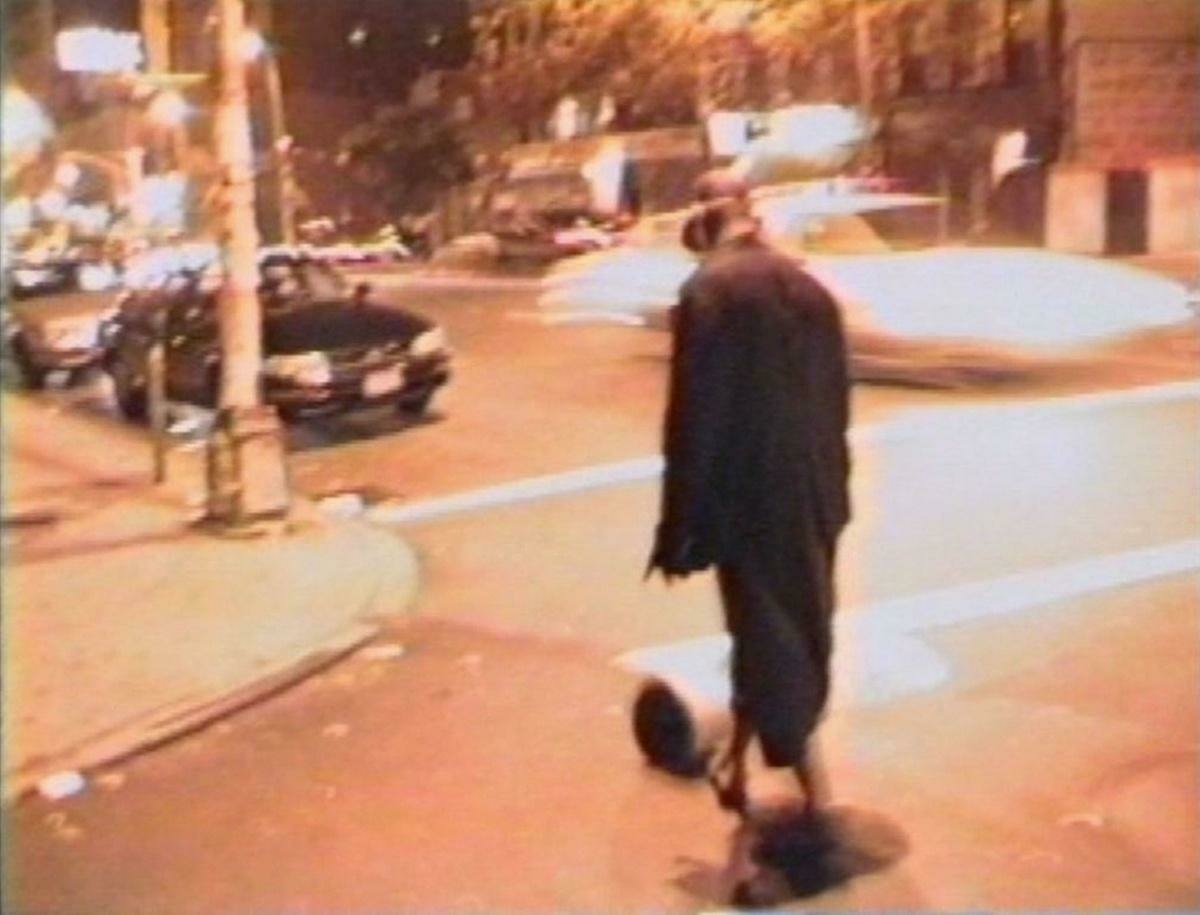
Phat Free, 1995
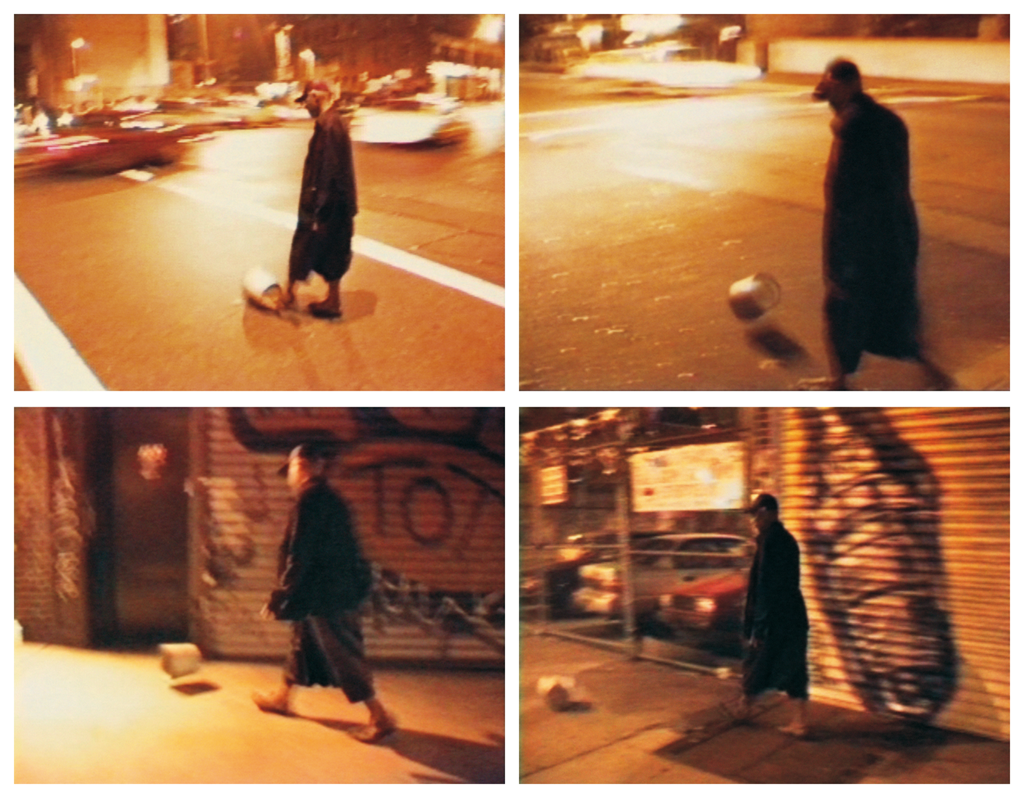
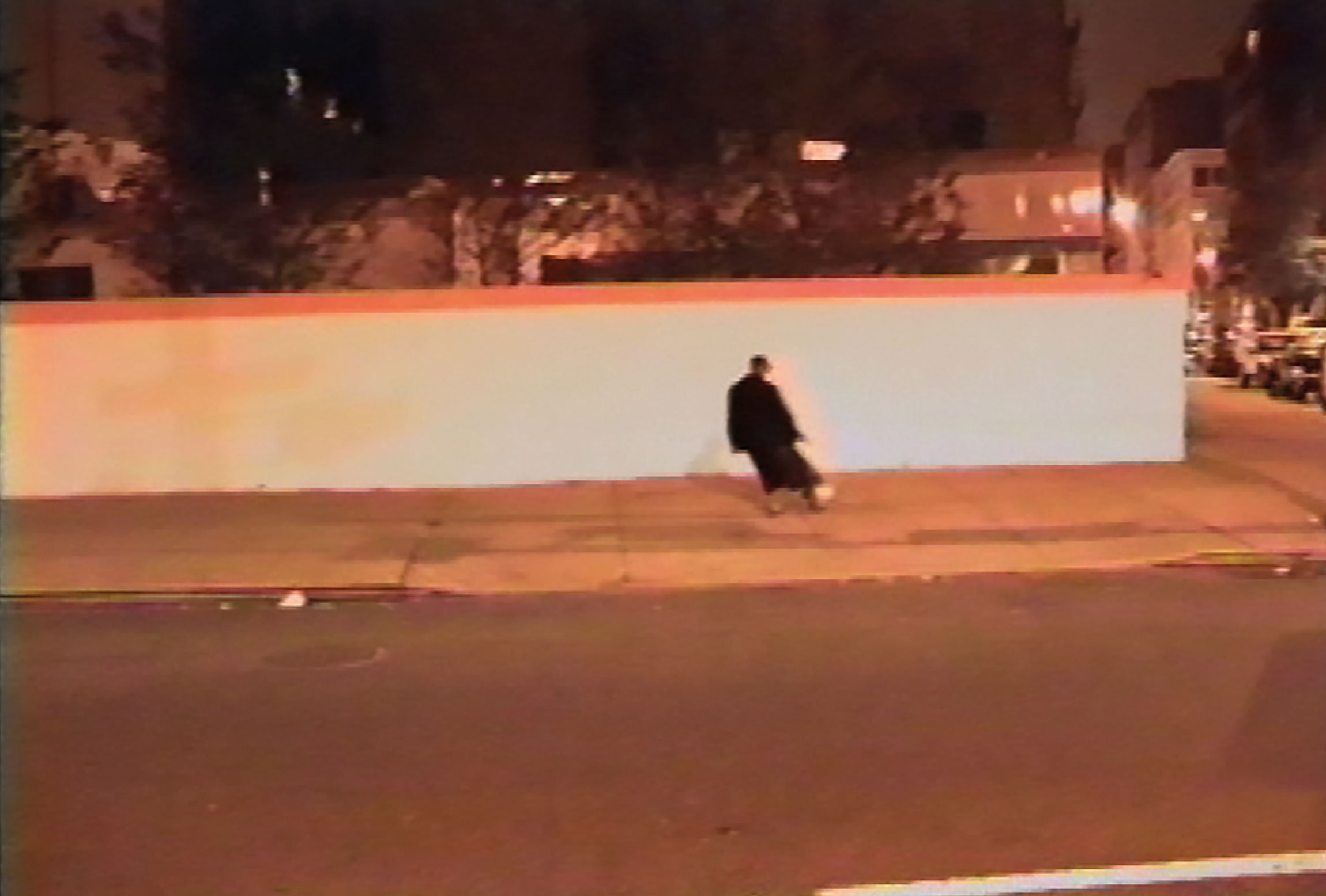
‘This work is a short colour video of a man kicking a metal bucket through the streets of a city at night. At the beginning of the film the screen is blank and a series of loud, metallic sounds can be heard playing in an intermittent rhythm. The screen remains blank for most of the first half of the film, with the metallic tones continuing and street sounds – including distant voices and traffic noises – progressively rising in the background. Footage then begins that shows a man from behind kicking a bucket along a street, revealing this to be the cause of the metallic noises. His surroundings are relatively empty, although some cars can be seen. Street lights give the footage a strong orange glow and it is shot in low resolution, making it difficult to discern many details in the scene. The man is wearing dark, baggy clothes and his face is never presented clearly, and although in most of the shots his full form is shown with the street scene around him, at some points the camera focuses on his feet as if seen from above. The man walks along the pavement, occasionally crossing roads, and the film ends with him kicking the bucket up into the air, catching it in his hands and then walking out of shot.’
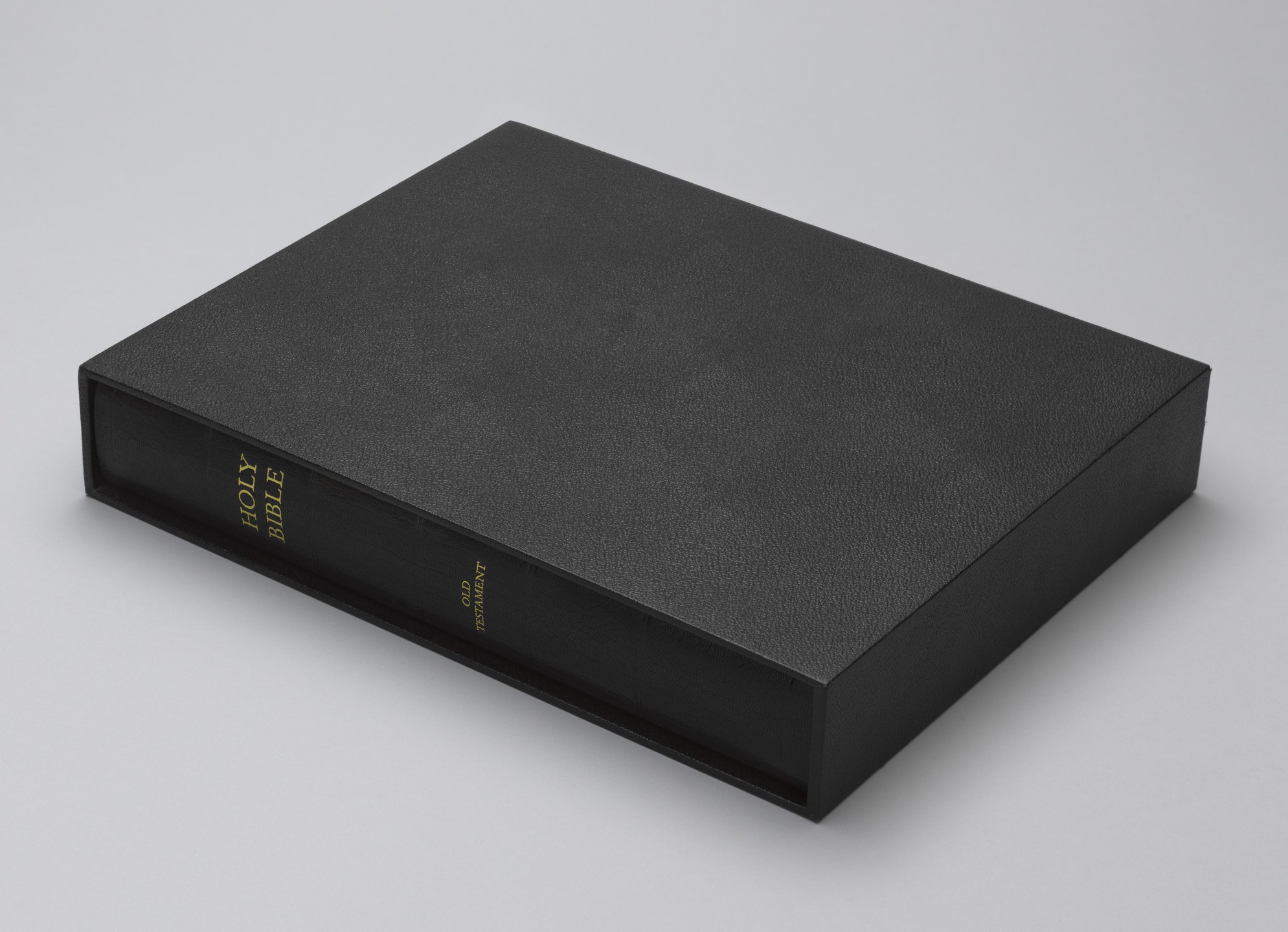
The Holy Bible: Old Testament, 2002
‘Hammons’ Holy Bible: Old Testament is a limited-edition artist’s book that consists of a 1997 softcover edition of The Complete Works of Marcel Duchamp, by Arturo Schwartz, that has been rebound to resemble a Bible.’
Higher Goals II, 1986

*
p.s. Hey. ** Zak Ferguson, Hi. Yeah, just decide what you want to do re: the post and hit me up when you’re feeling like doing that. No, I haven’t read the Nilsen book. I was voraciously interested in those kinds of killers when I was younger, but I maxed out on that realm at a certain point, basically because I was looking for something remarkable and genius therein, and they themselves generally turned out to just be sociopathic assholes. That’s why I decided to write about the fantasy/idea and not the thing. I’m not surprised if his book is a slog. If you stick with it, I hope it gets better. My guess is those creepy drawings he did of his victims is probably the most interesting thing about him. Happy day, sir. ** David Ehrenstein, Hi. The stuff in ‘Hiroshima Mon Amour’ is nothing compared to what really happened. There’s film footage of the collaborators being brutally beaten and torn apart in the streets of Paris that is probably the most shocking thing I have ever seen. The French aren’t so into ‘cancelling’, they’re into endlessly debating that which would be cancelled in, say, the States. Everyone, If you’re the kind of person who would find pleasure in dancing on Rush Limbaugh’s grave, Mr. E’s FaBlog is offering you a dance floor here. ** Tosh Berman, Hi, Tosh. I didn’t know about those recordings. I’ll find them. Too bad you couldn’t find a way to show those films at Beyond Baroque. I used to show films sometimes there when I ran the series, and renting the equipment and the films was such a time consuming headache, although it was almost always worth it. ** Misanthrope, Hi. ‘Sticking yourself in a small room with a bunch of other guys for hours on end’ sounds kind of great. Well, depending on the guys. Nerds win. Most of the kids who are nerds in high school grow up to be artists or renowned scientists or Presidents of the United States, and the anti-nerdy kids grow up to be … adults who think their youth was the best time of their lives. To grotesquely generalise, of course. Until I got to about 8th grade and figured out I was an artist, I was considered the total nerd, weirdo of my schools. Ha ha. ** Dominik, Hi. LA’s skid row is still a bit intense, but it’s being turned into luxury hotels and so on day by day. Eight years! Love dressing up as a mutilated, gory dead body for Halloween and then deciding to keep that look permanently for the rest of his life, G. ** Bill, The cover art is by Michael Salerno, yes, but the design is by the publisher, although they just told me they’re going to change the design because it doesn’t look good in a thumbnail. I’ll have a look for ‘C.I.A.’. You never know. Thanks, B. ** _Black_Acrylic, Oh, Ben, holy moly! Crap, just from a bad reaction to the vaccine? I’m so, so, so sorry. That’s horrible. 6 weeks?! You sound remarkably chipper considering, which is good unless you were totally faking it. Man, I hope everything improves for you as much and as rapidly as is humanly possible. I don’t what I could do to help, but if there’s anything, do not hesitate to hit me up. Love, me. ** The Black Prince, Hey! I have not read ‘The Black Prince’, but I do like Iris Murdoch like any sane person must. As someone who’s had to wait for over a year from acceptance to publication with ‘I Wished’, the time does end up passing not too painfully. So hang in there. Main thing: awesome! New book! Poetry! You! Etc.! ** Jeff J, Hi, Jeff. I naturally assumed you’d know about the ‘Dream of the Red Chamber’ film. Funny, right? I’ll def. find ‘Wormwood.’ I bet Michael Salerno has it to be borrowed. He’s a fellow big Morris fan. I’m very excited to see the Sparks doc, for sure. And the Carax, of course. I’ve been hearing about that from Gisele and others who were tangentially involved for forever. ‘Angst in My pants’ is my favorite mid-period Sparks album, and one of my all-time favorite Sparks albums in general. It’s in my top 3 or 4 fave Sparks albums along with ‘Propaganda’, “Indiscreet’, and ‘Lil Beethoven’. ‘Whomp that Sucker’ from the same phase is also very good. ‘Sparks in Outer Space’ from later in that same phase is not very good. ** T, Hi, T. Great to see you! Oh, those donuts were very, very good. I keep wanting to go back and re-supply myself. Happy the post hit all those hot spots of yours, especially at the end of a long day. My great pleasure, of course. I hope everything is very interesting on your end. Is it? Take care. ** Brendan, Hey! Yeah, I almost literally kiss the sky Hendrix-style multiple times every day that I’m an artist. I’m all for that time machine. And you would have liked my friends. And you could have smoked a joint with the legendary George Miles. Big up. ** Bzzt, Hi, Quinn. Happy to hear that the personal part of the floundering is under control. Probably the best part to have organised. Your Brontez piece, cool. I’ll head over there immediately post-here. Everyone, Writer and dude deluxe Quinn Roberts wrote a thing on Brontez Purnell, author of the recently DC’s ‘loved’ book ‘100 Boyfriends’ @ the one and only Interview Magazine. Access. I’m good, thanks. New news … finally headlong into the fund-raising for Zac’s and my new film, which isn’t such huge news but I’m very happy to have that finally on the way. Otherwise, working, rain, curfew-hating, … Thursday love. ** Ferdinand, Thanks, man. I loved your piece and the drawing too. Kudos! ** Steve Erickson, I think ‘The Sluts’ should probably continue to wander the world on its own. Everyone, First, Mr. Erickson has reviewed FILMFARSI, ‘a documentary about Iranian genre films made between the 1953 coup and 1979 revolution’ here, and, secondly, in his words, ‘I wrote a song today based on a stretched-out vocal sample. It began as a 15-second bit of Autotuned self-harmonizing from a hip-hop song, but slowed down 10 times, it sounds more like a liturgal choir. (The song ends with the original sample.) The rest of the song was written around it.’ ** Brian O’Connell, Thursday’s greatest hits, Brian. I hope you like the post’s goodies or at least some of them. The ‘Nightmare’ franchise gets better after the first film, in my opinion. As you probably know, the second one is often described as the gayest horror movie ever made. I’m not sure if it deserves that tag, but it is odd and very good. I’m glad Twitter saw the err of their mistake. Weird. But, yeah, definitely seems like a plus move all in all. I don’t know ‘Tickled’. Documentary about tickling? Oh, I can find out, duh. My Wednesday was kind of nothing. I may have found someone to help me budget Zac’s and my new film. If so, it was a solid enough day. Today … probably not excitement central, but … ? Did any specialness raise its head during yours? ** Okay. Today I’m giving my galerie over to easily one of the greatest living American artists in my personal opinion, Mr. David Hammons. Take a stroll and see what you think, why don’t you? See you tomorrow.




 Now available in North America
