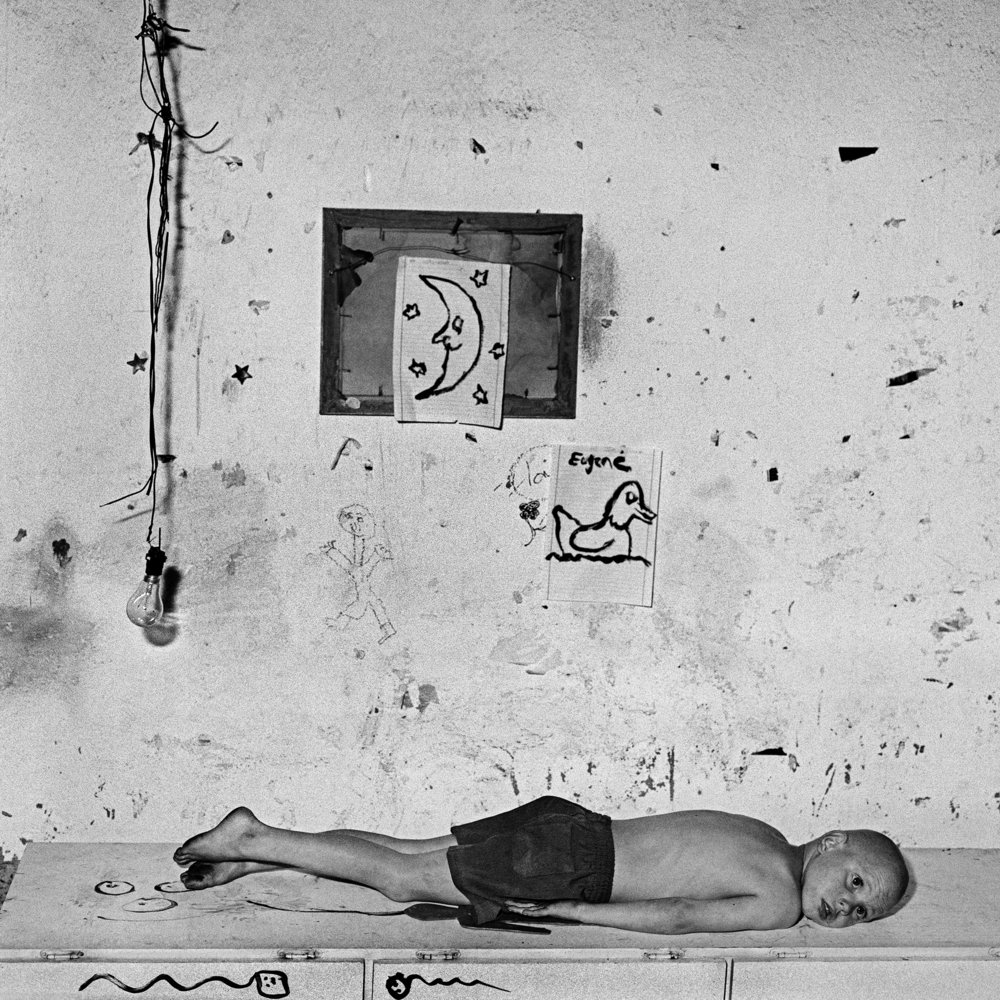
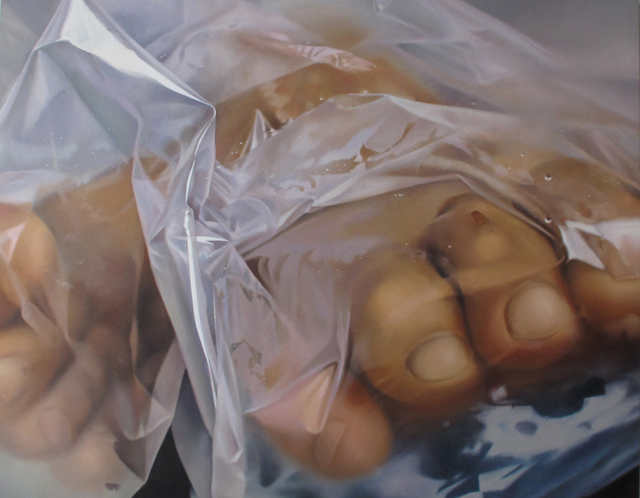
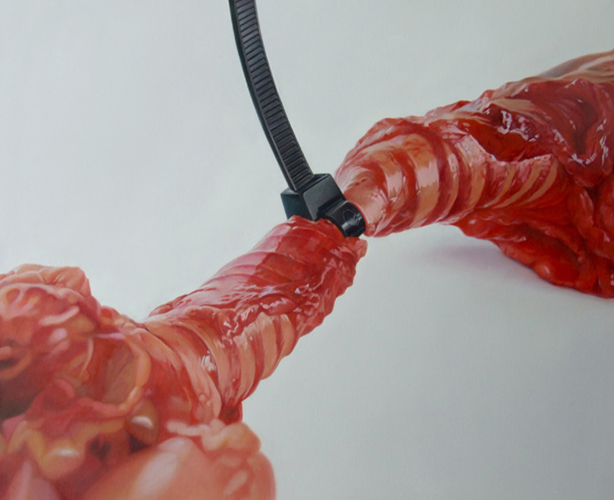
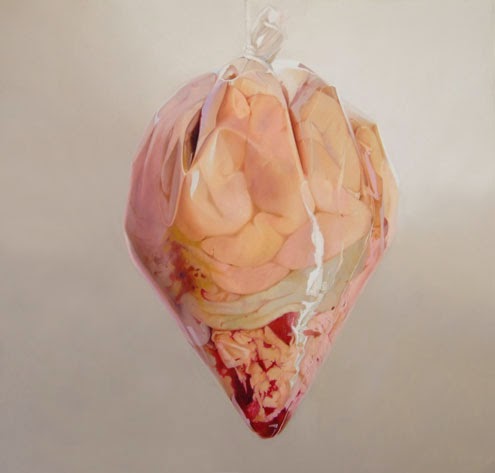
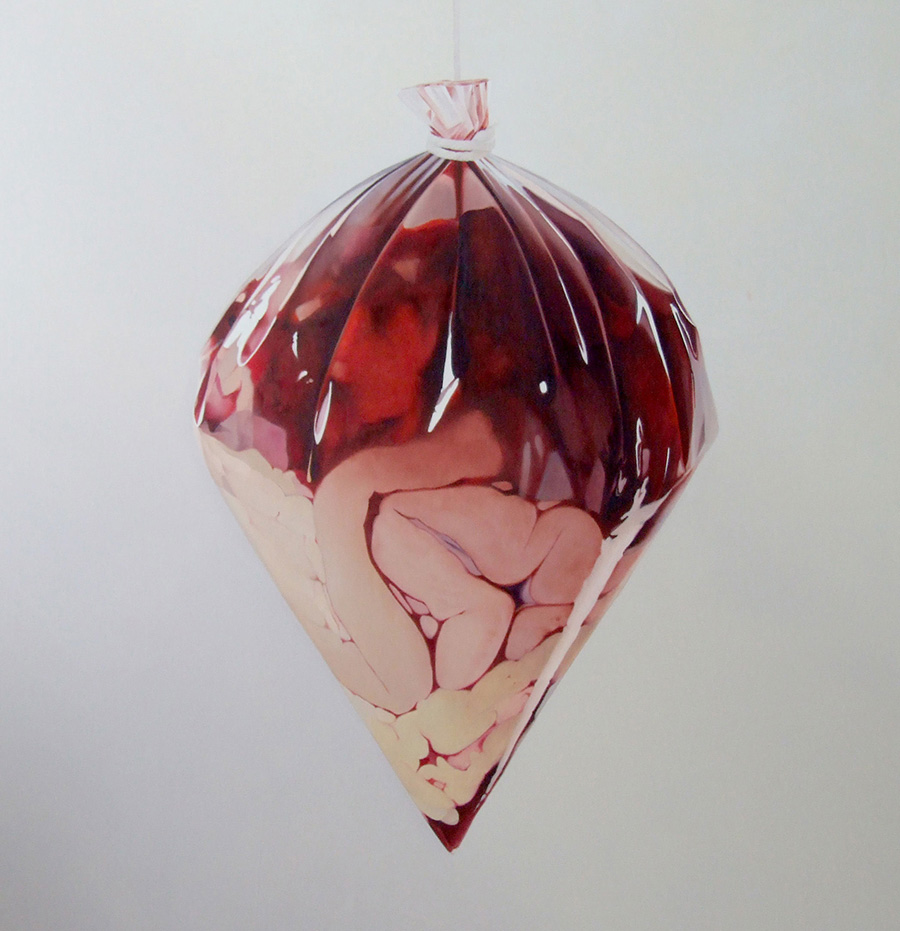
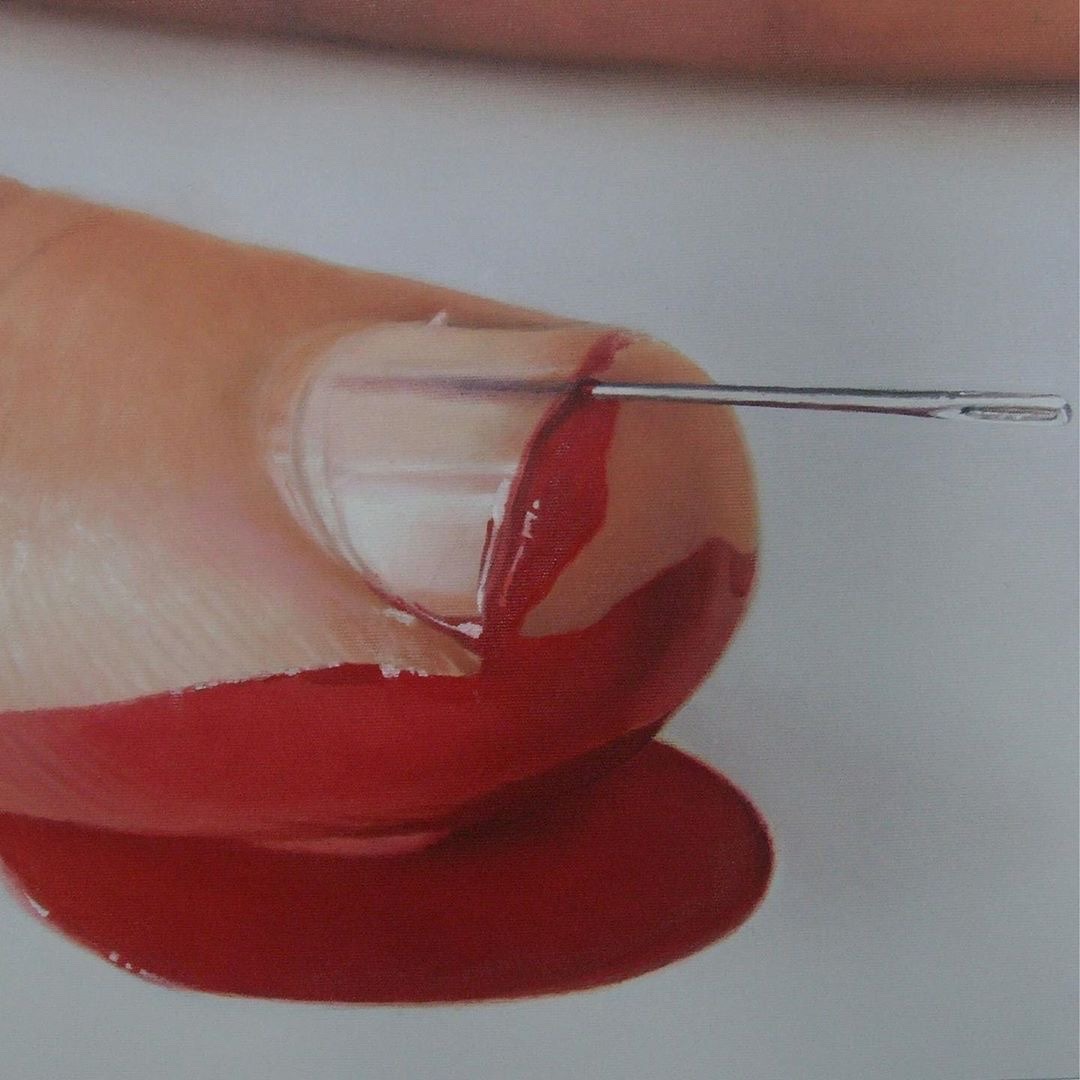
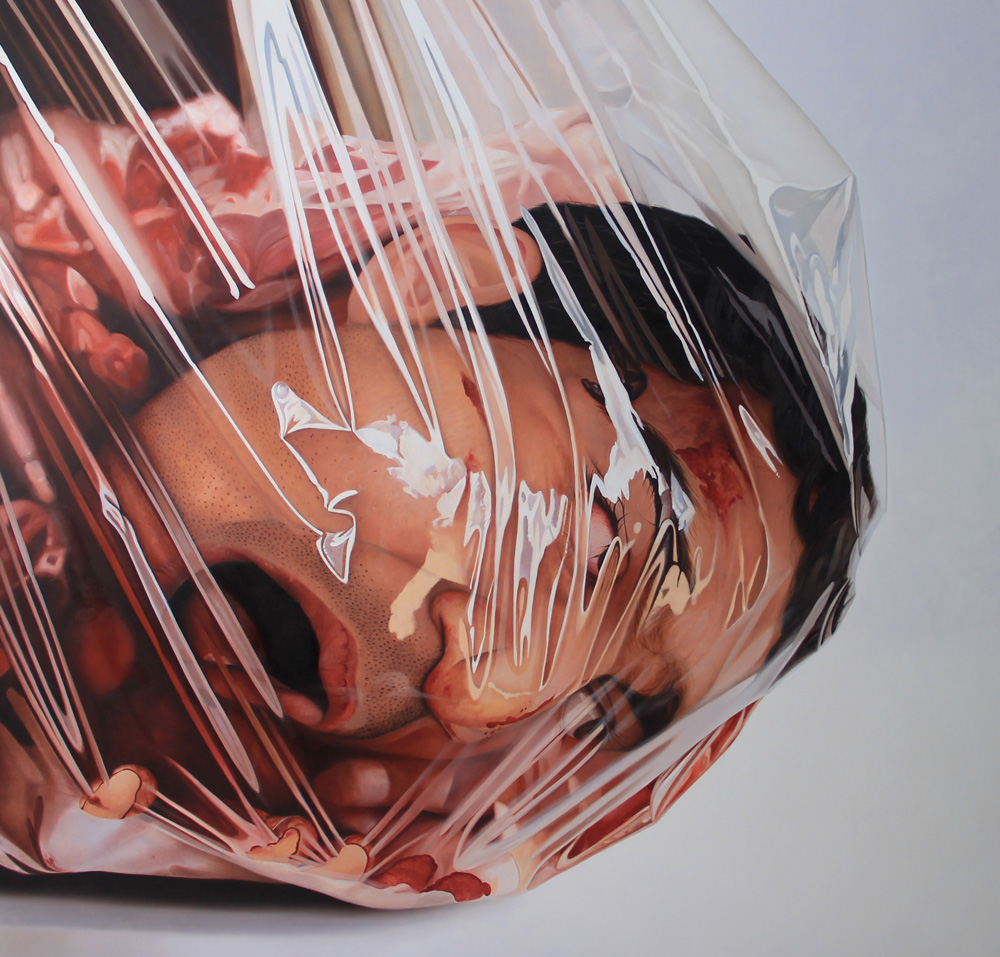
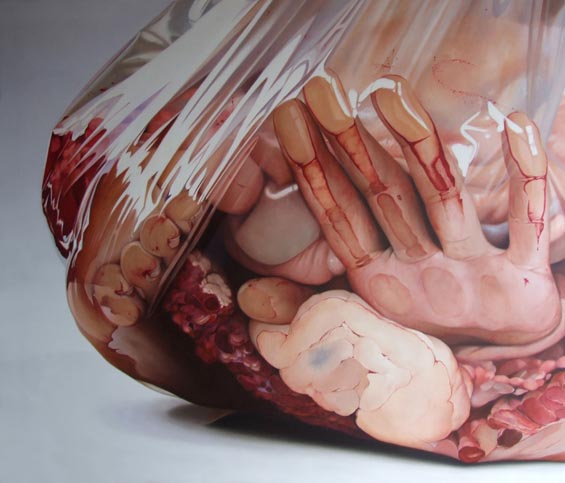
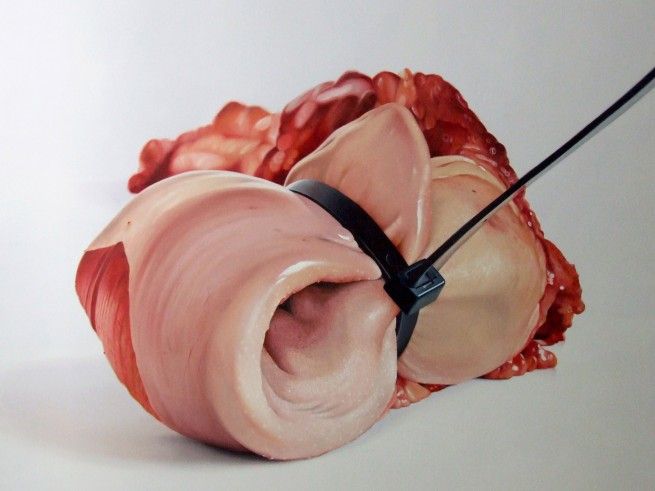
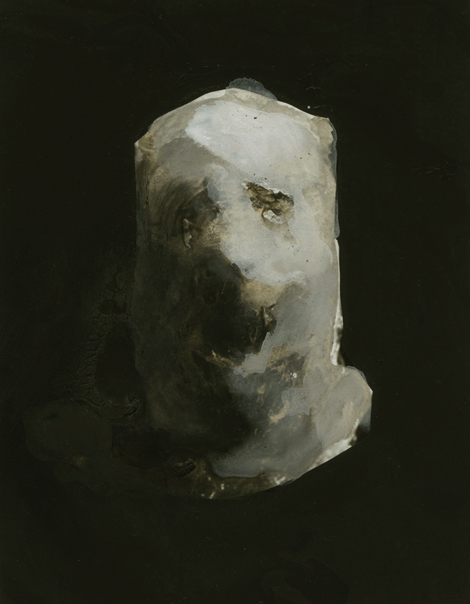
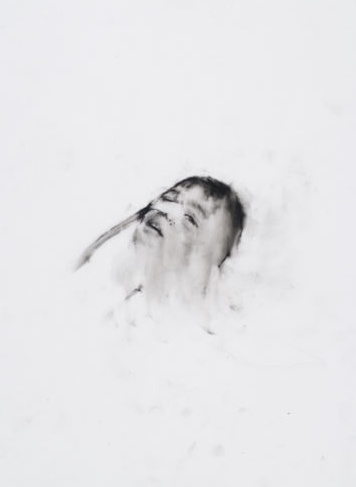
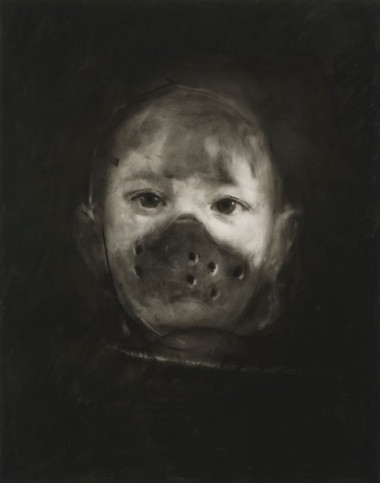
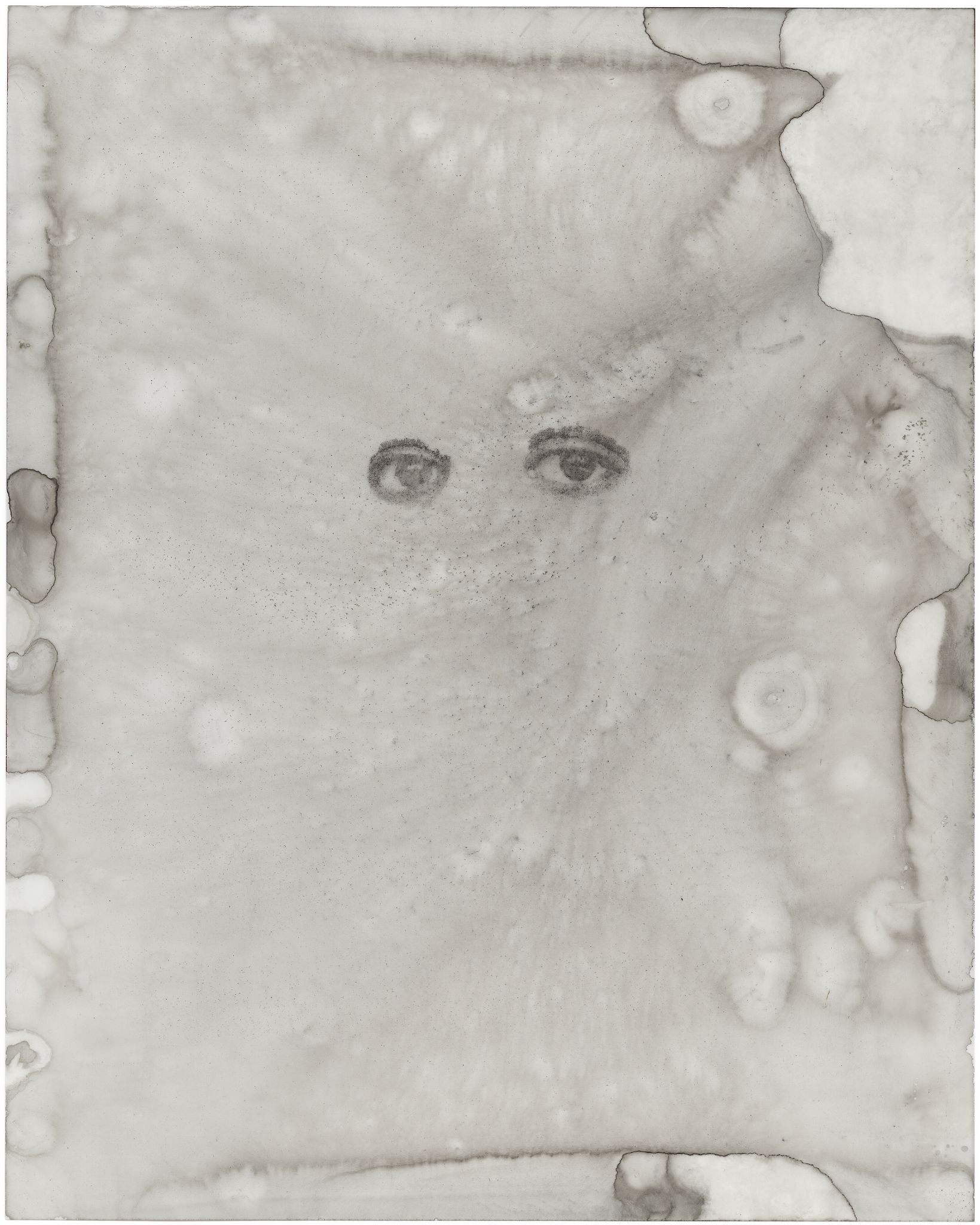
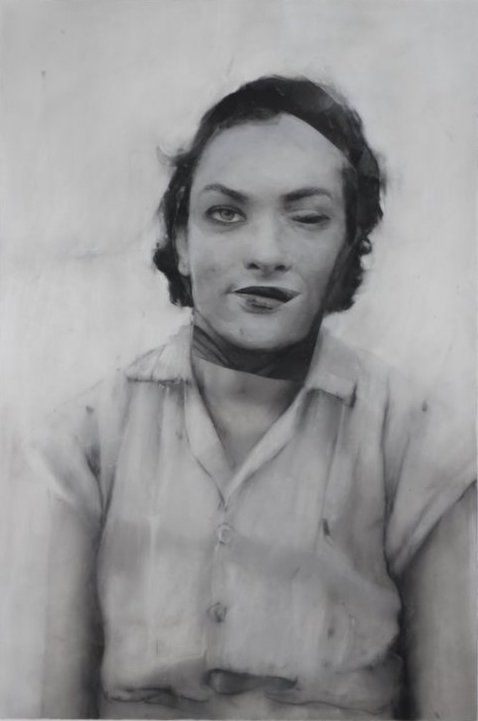
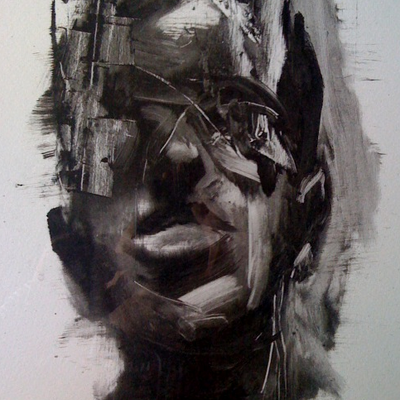
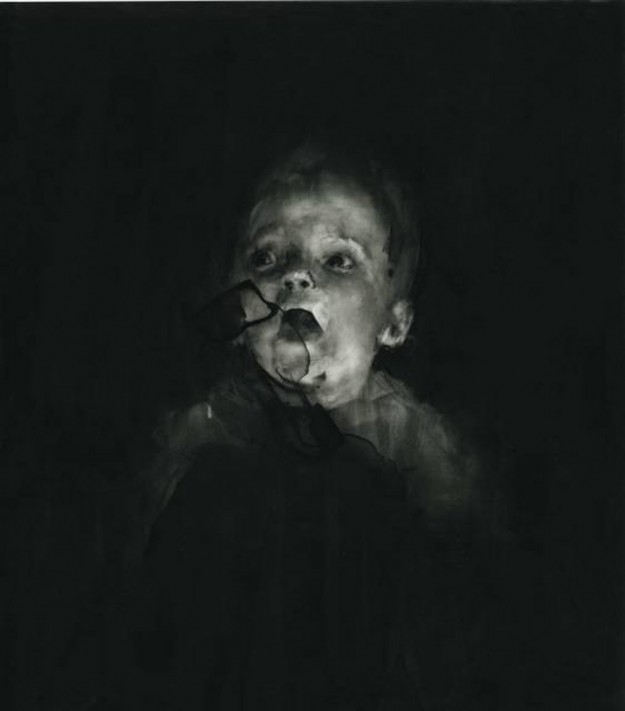
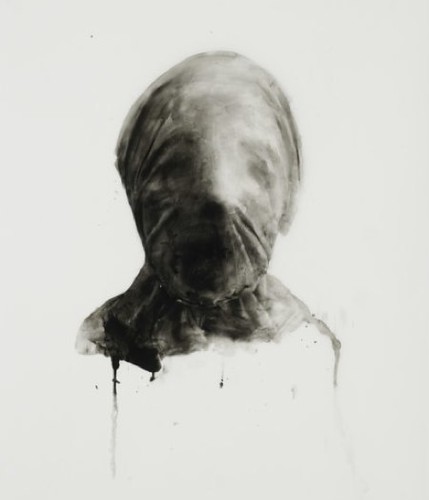
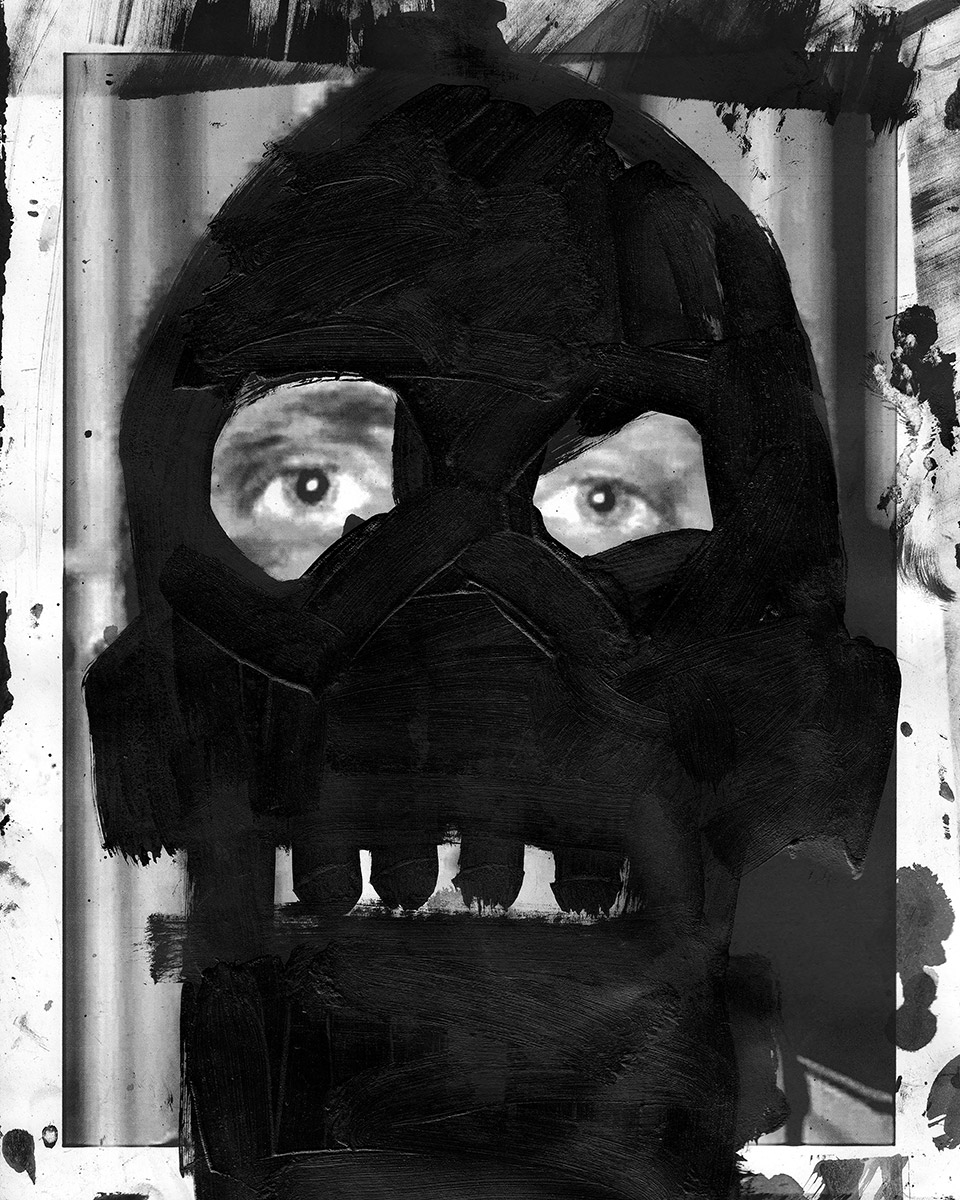
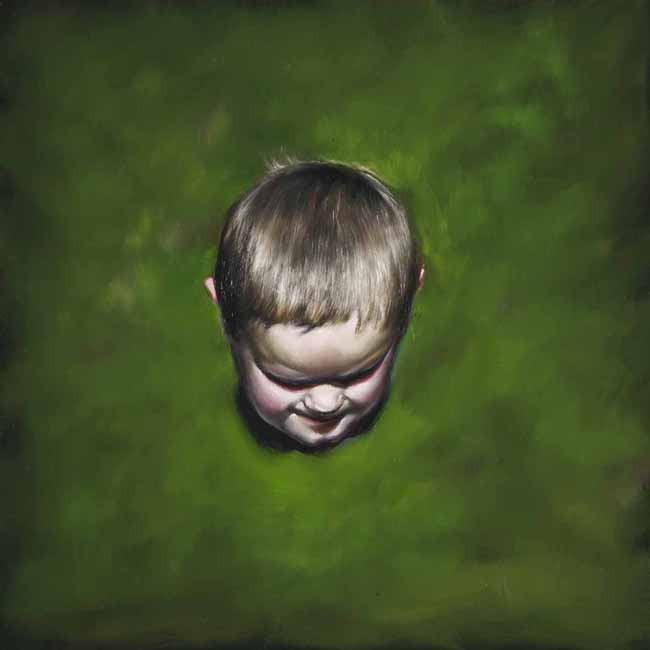
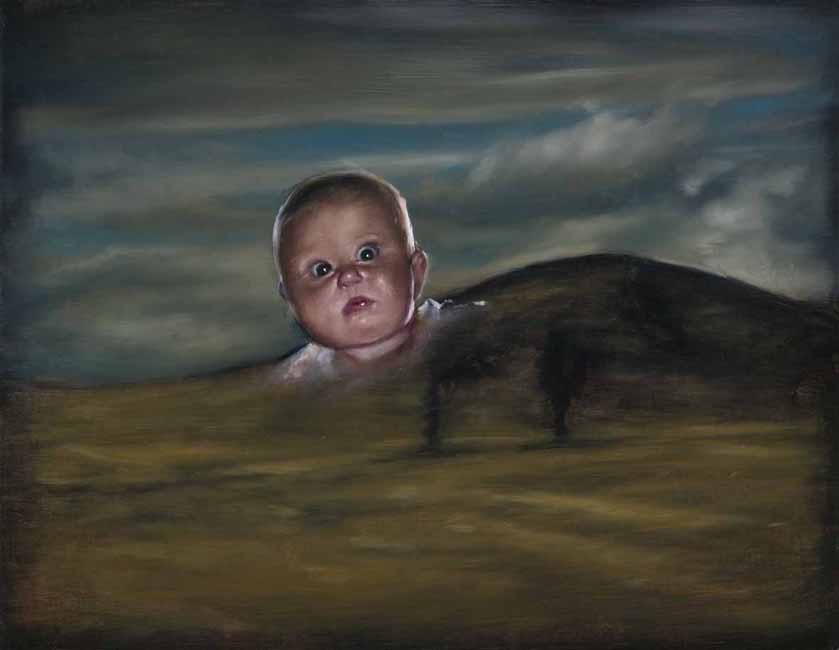
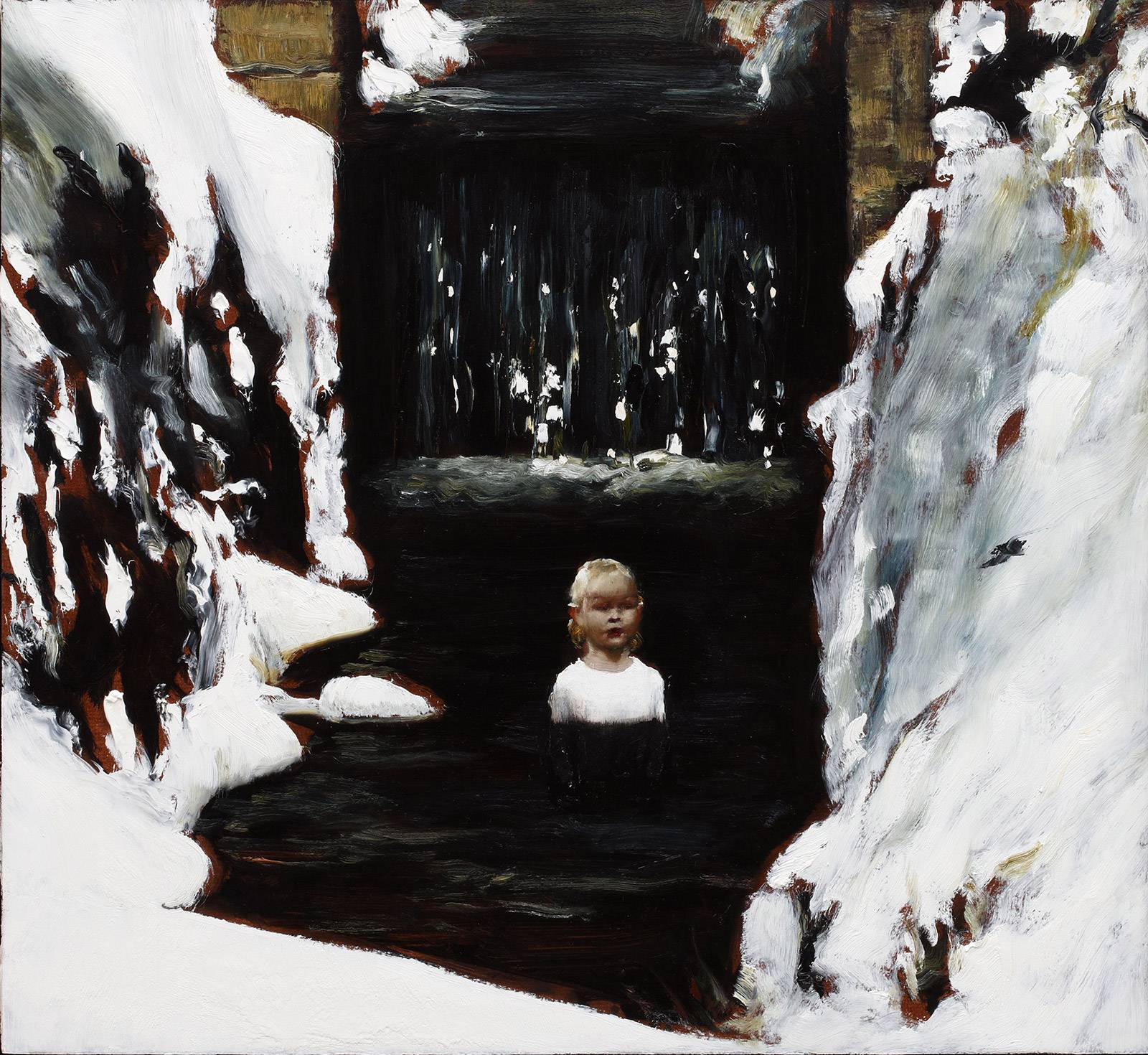
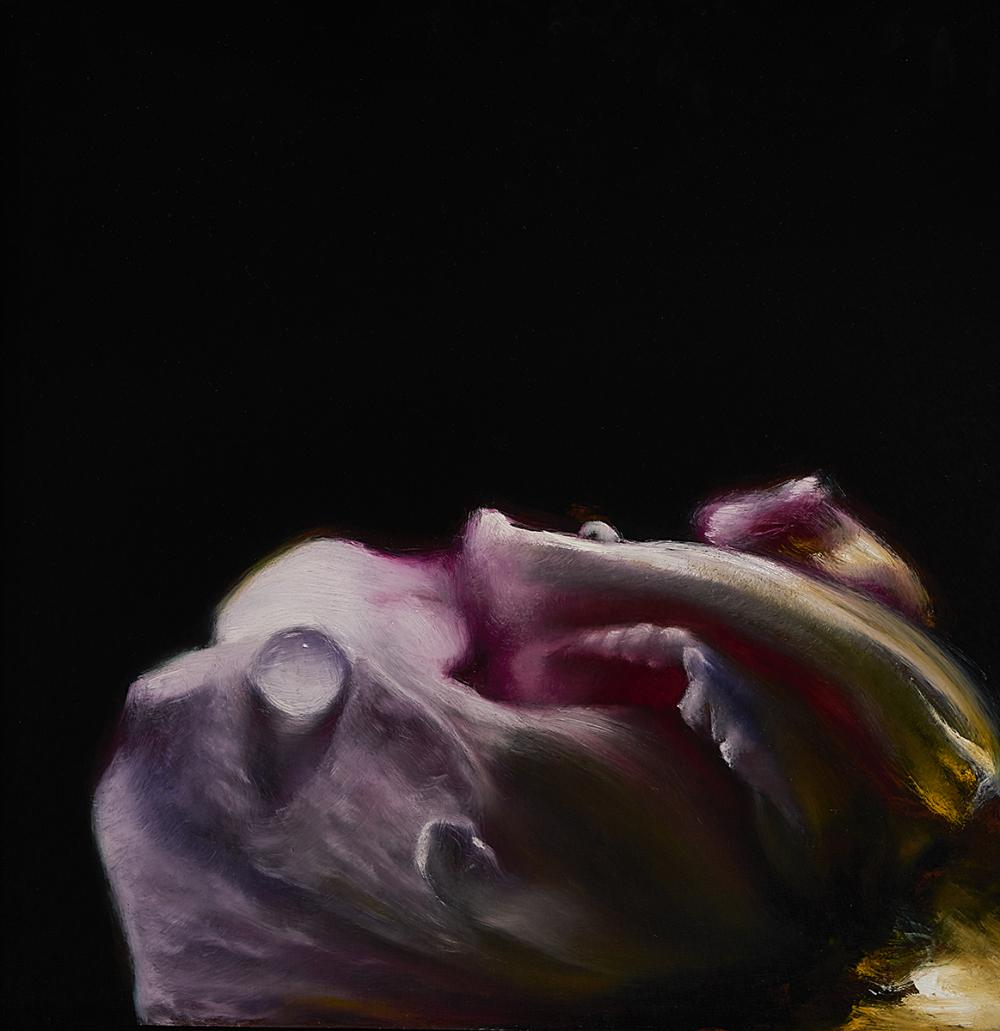
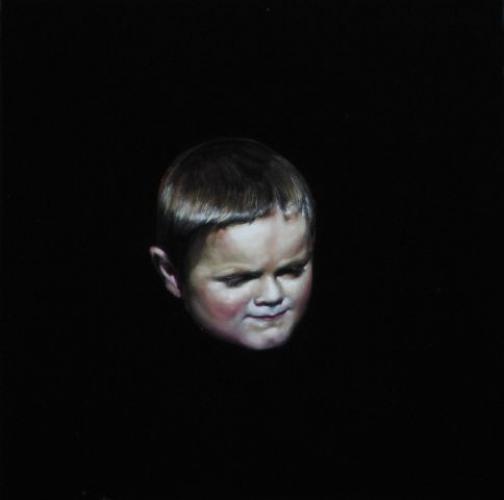
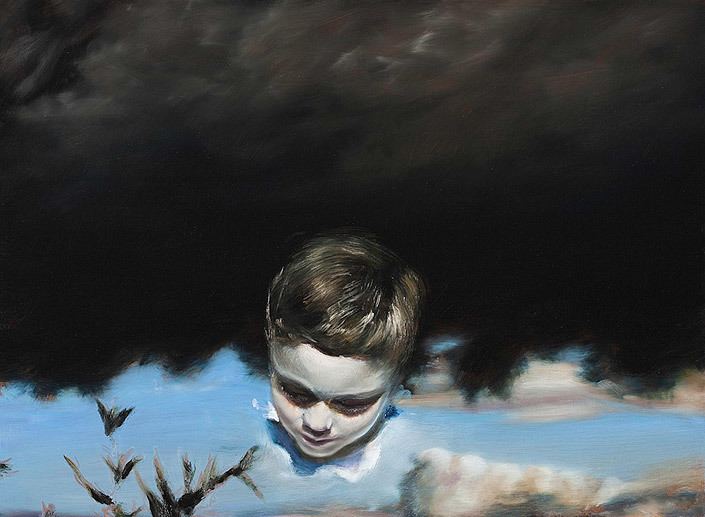
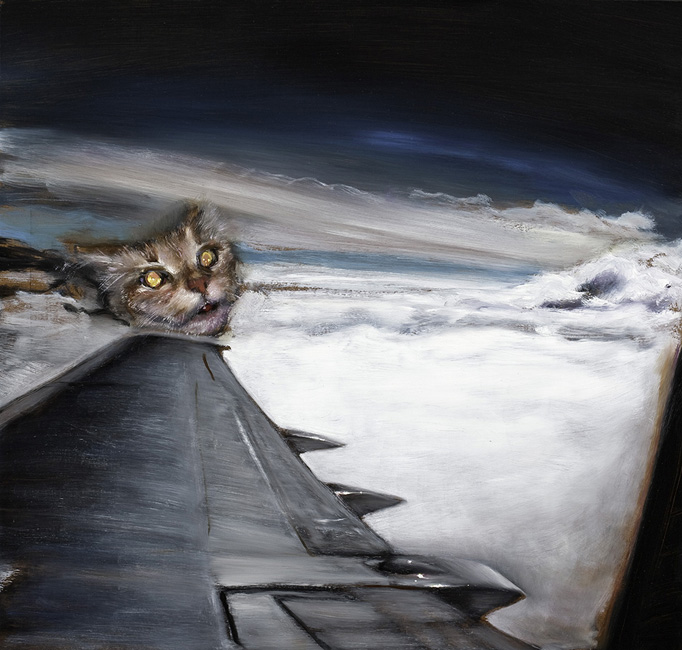
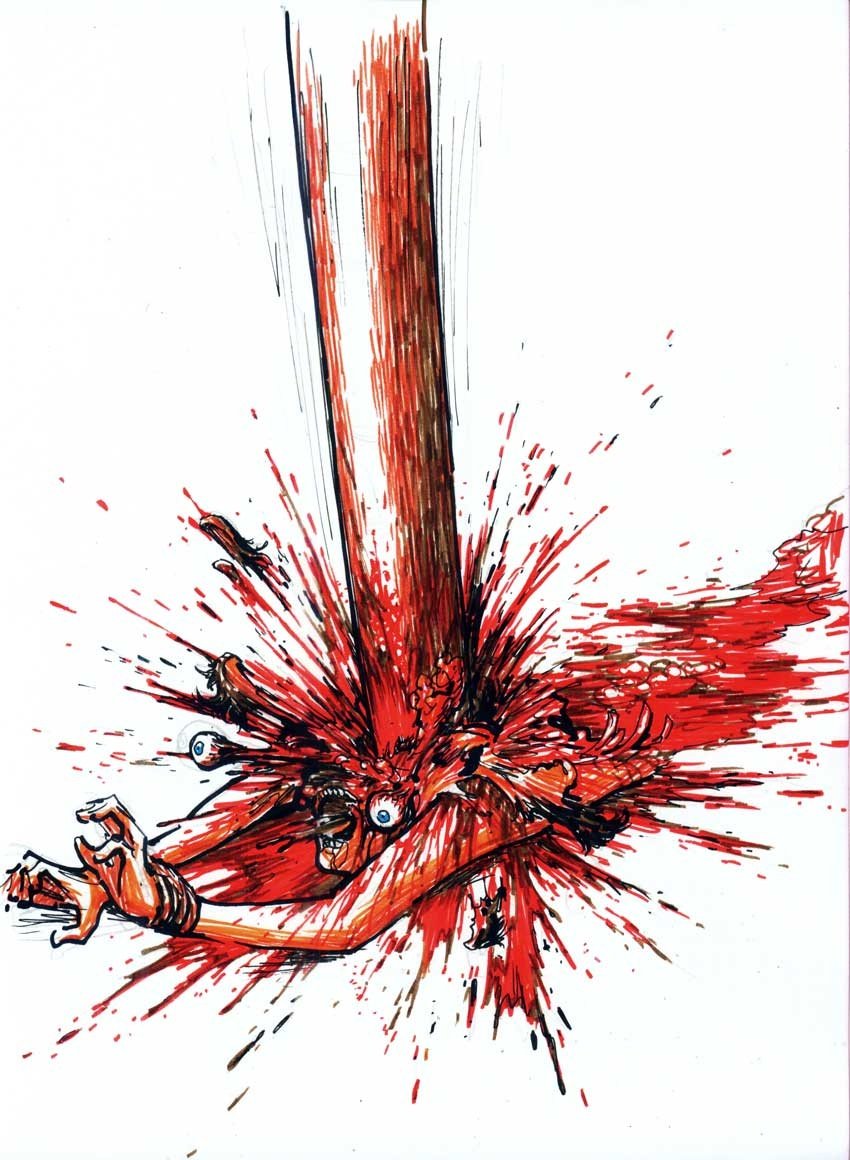
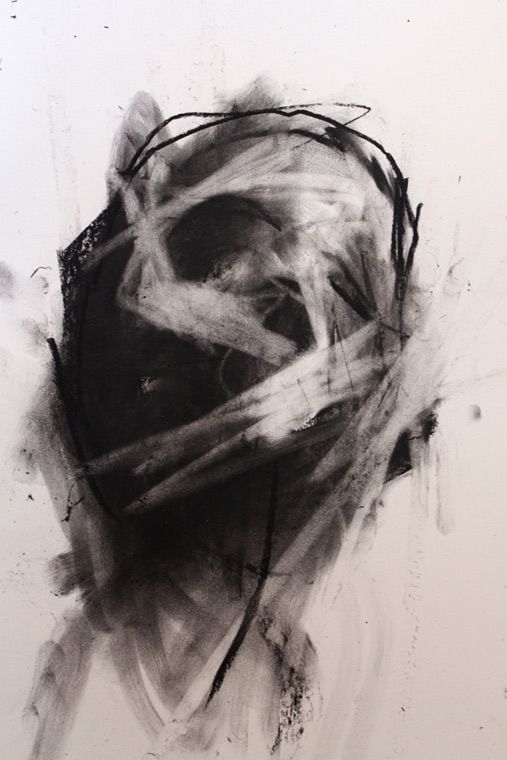
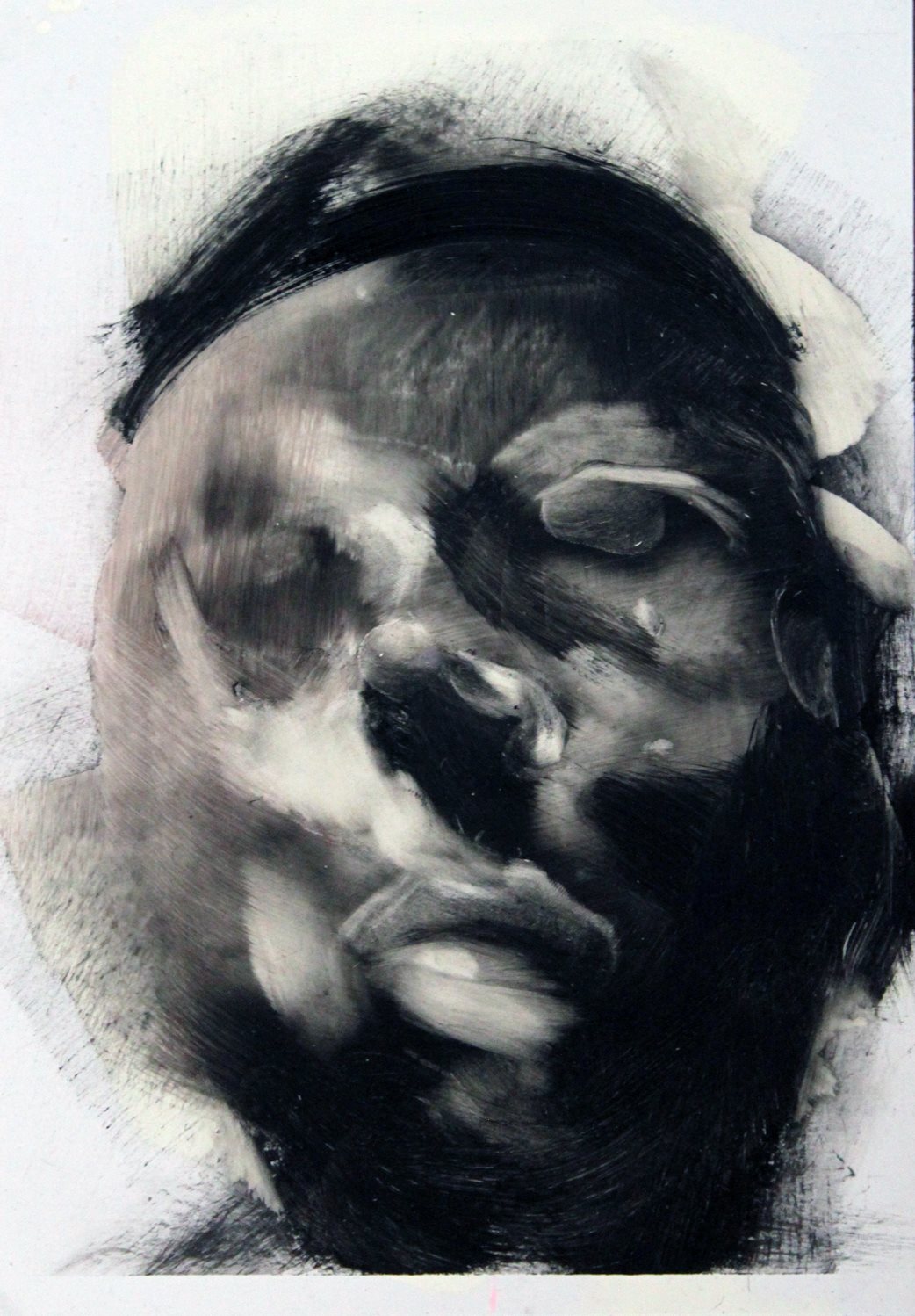
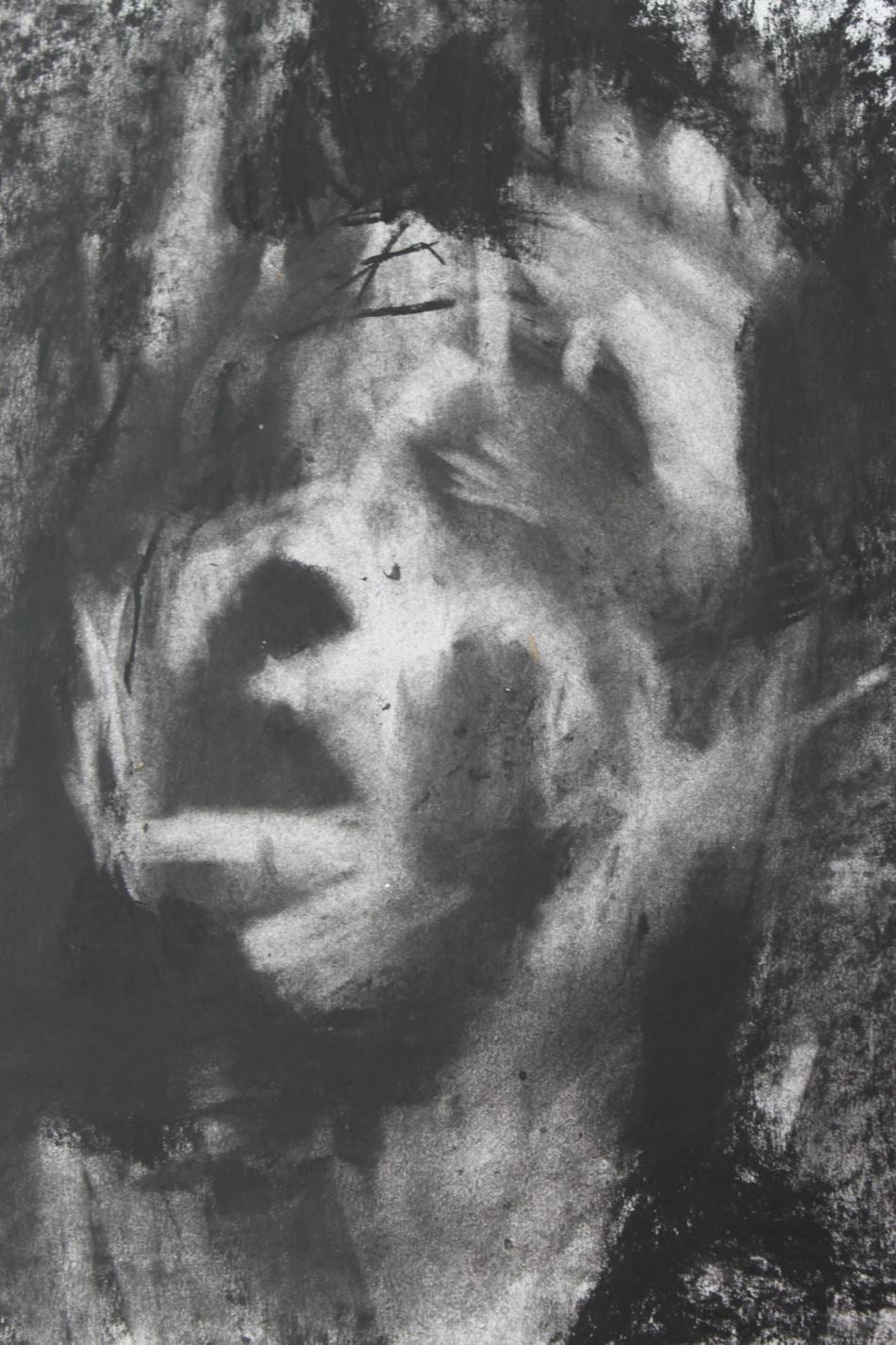
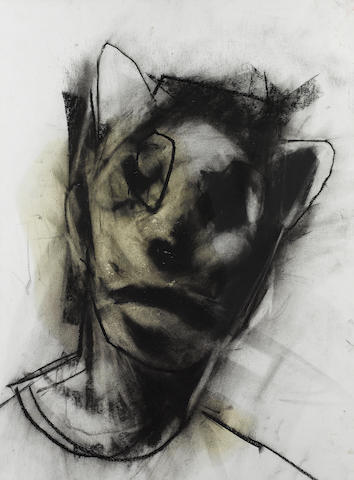
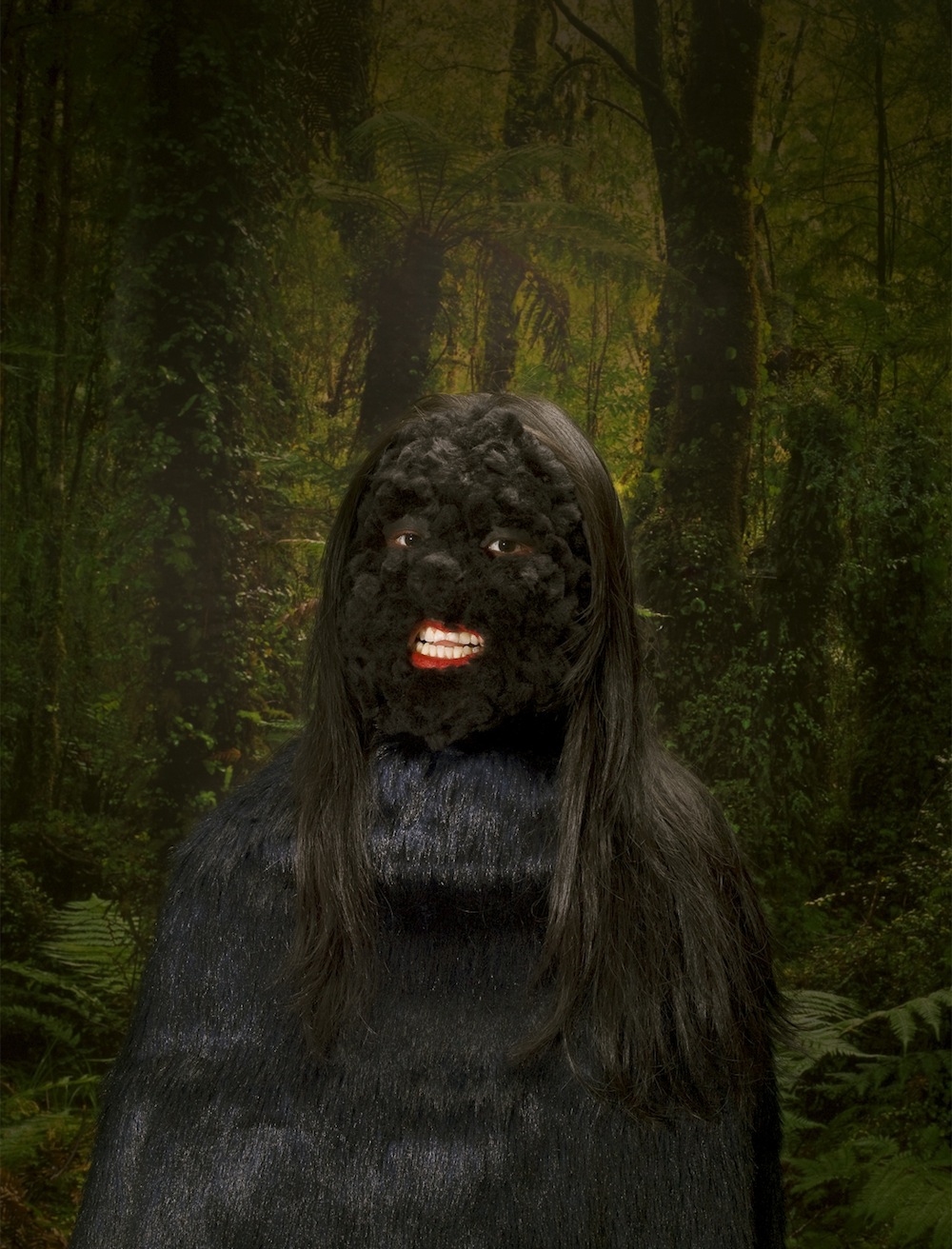
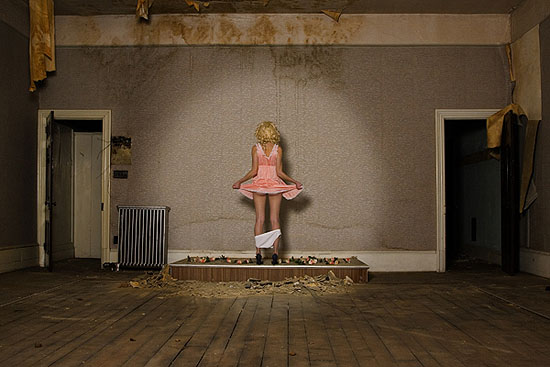
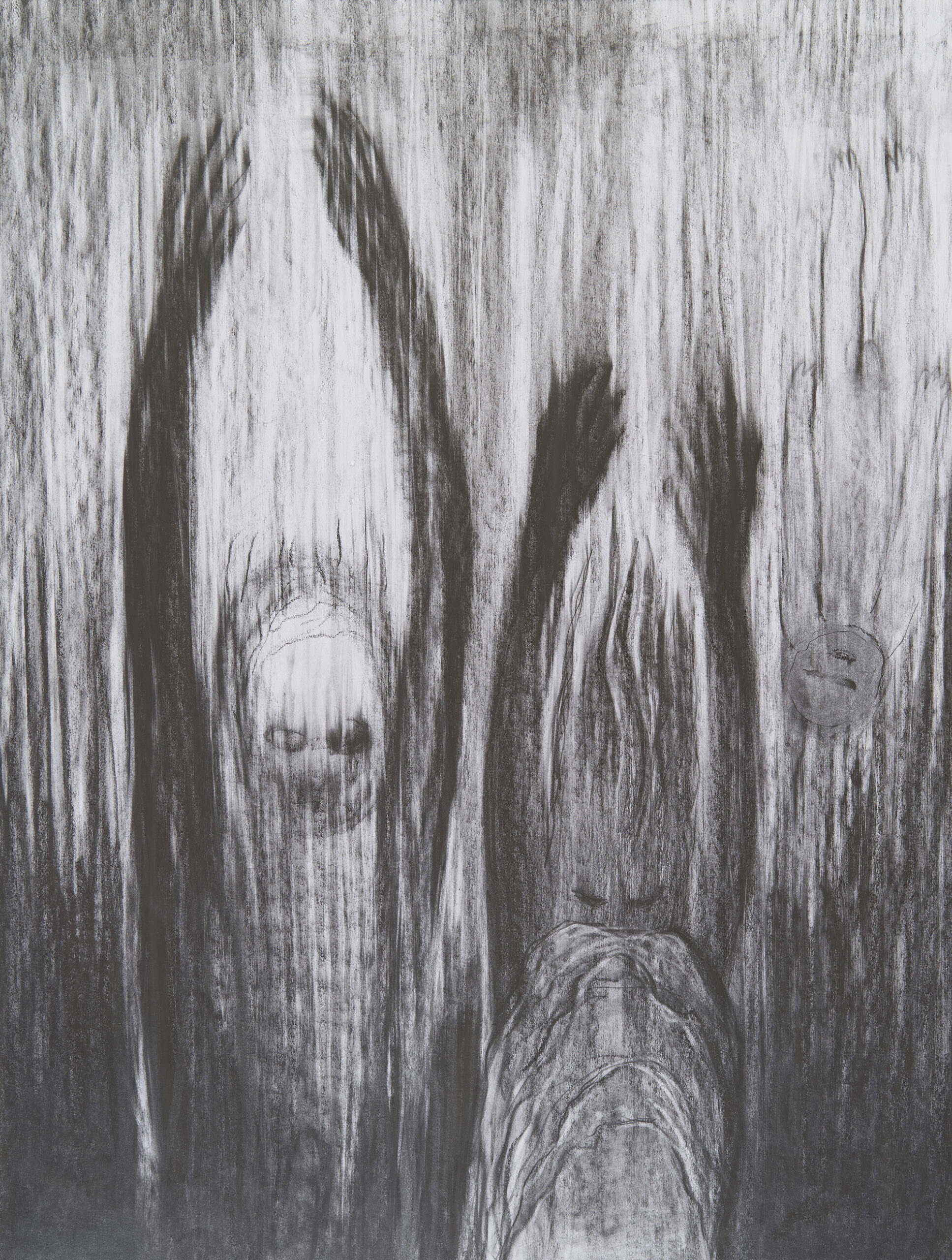
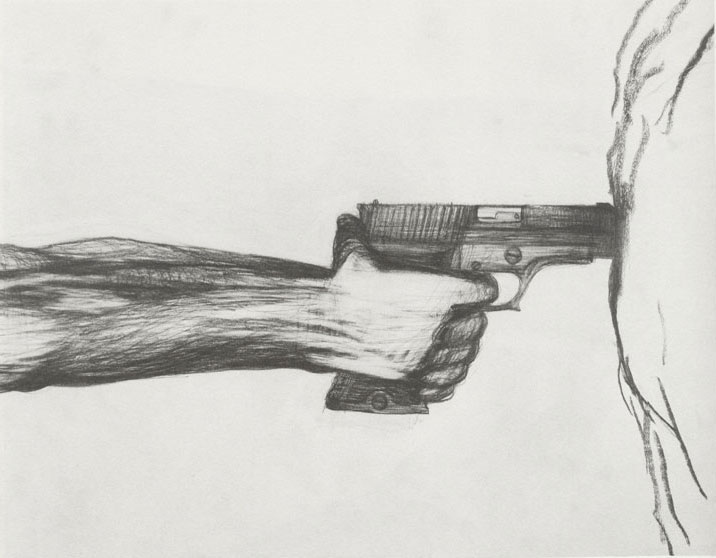
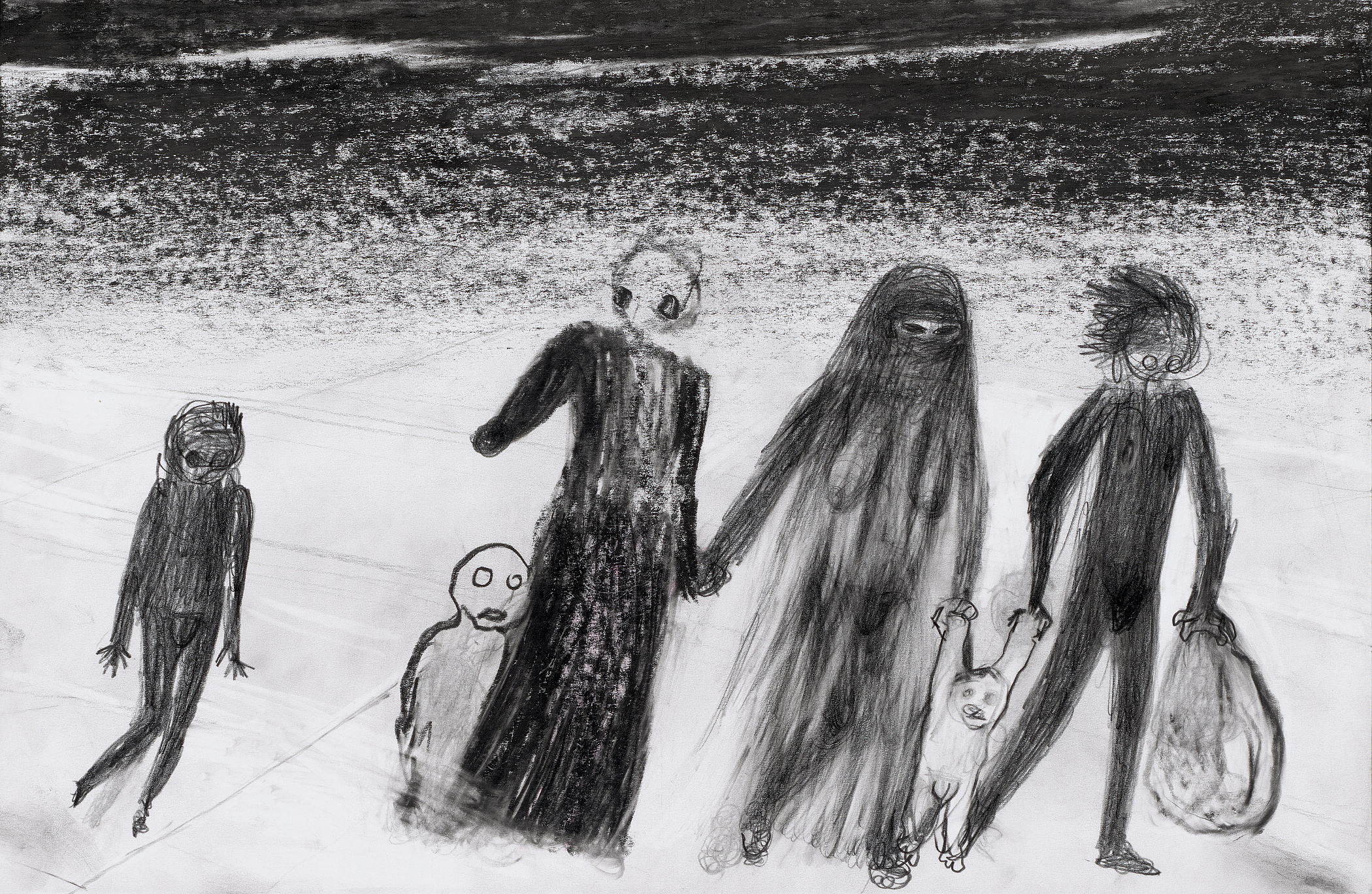
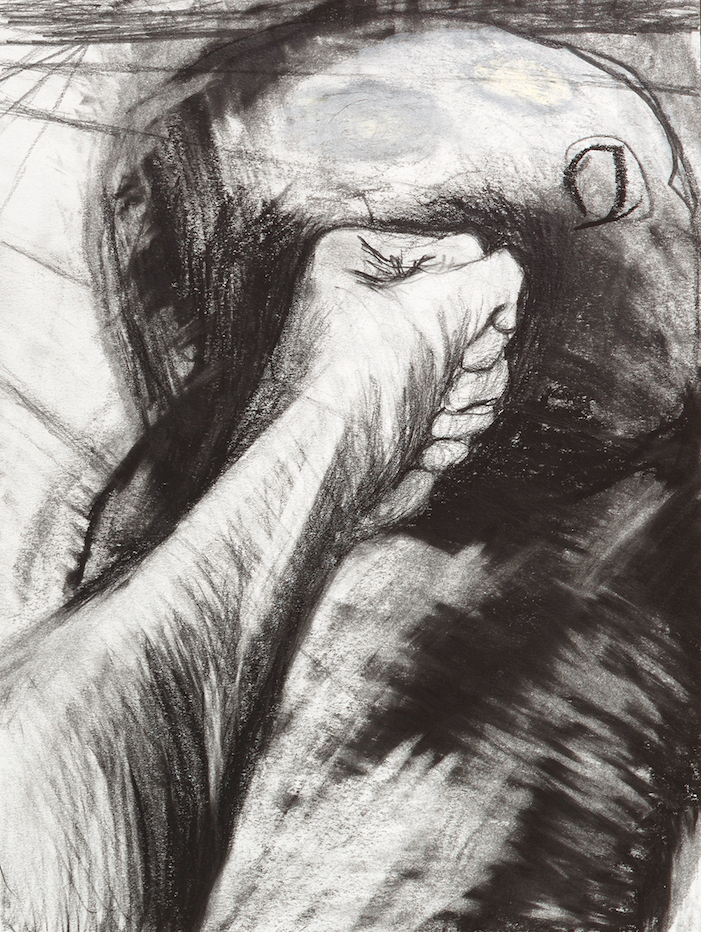
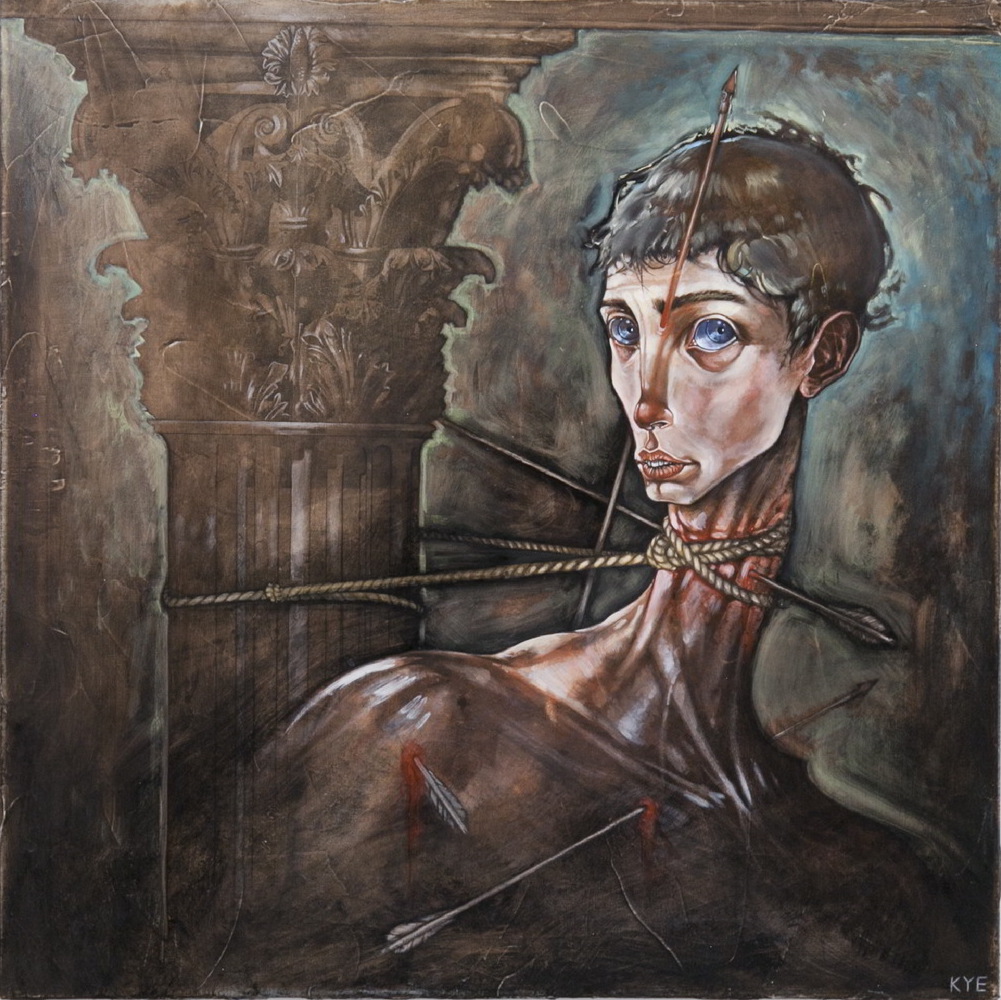
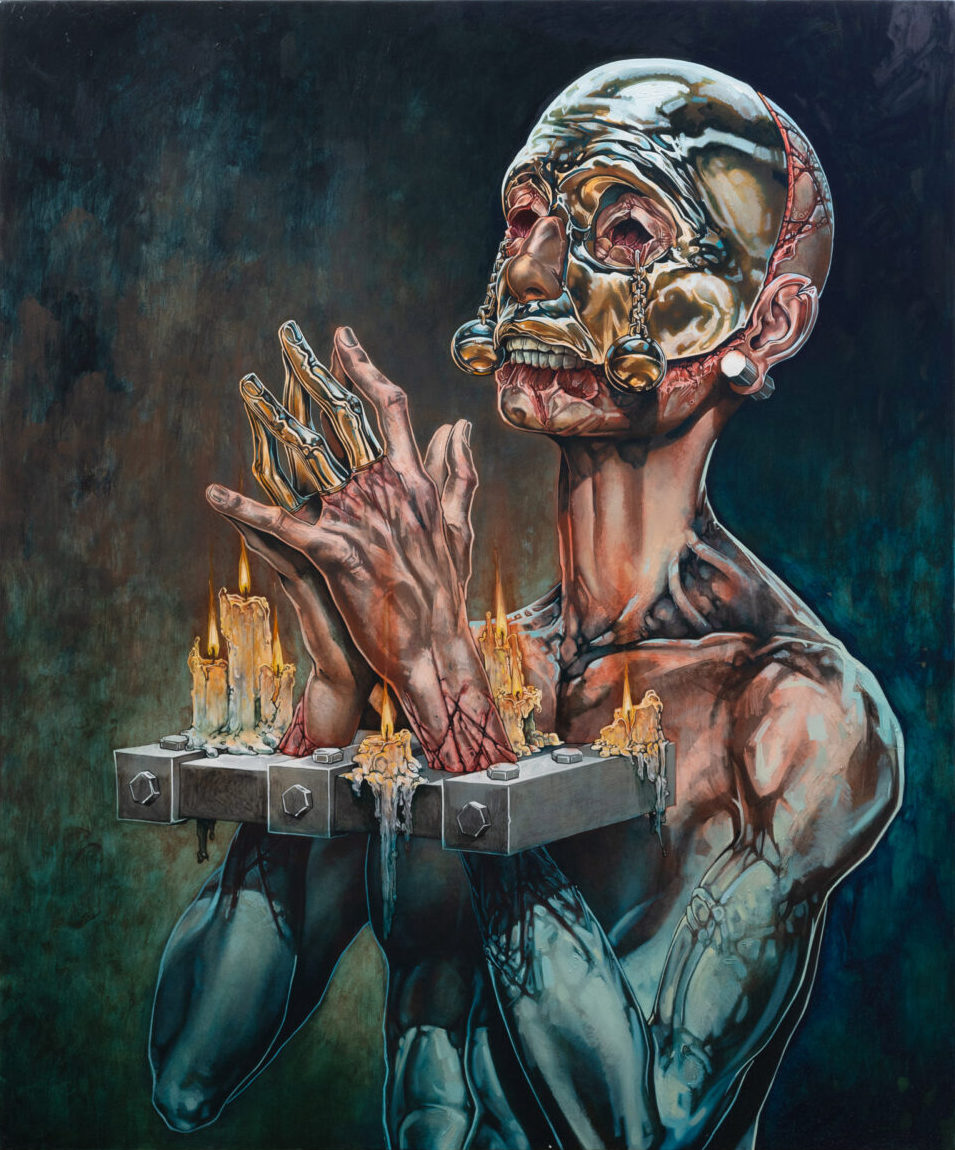
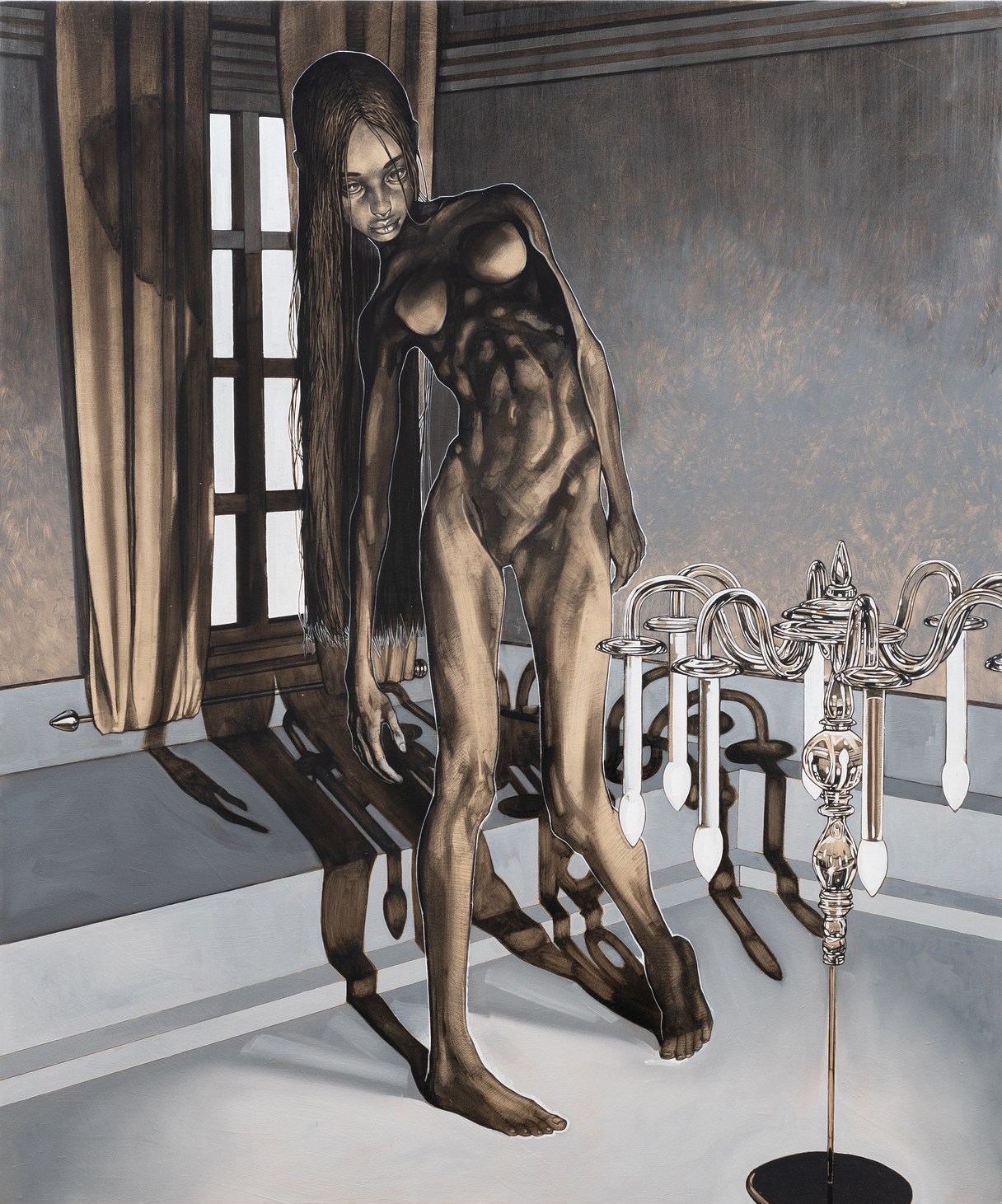
_____________ Kye Christensen-KnowlesVarious, 2020 -2021 oil and graphite on canvas
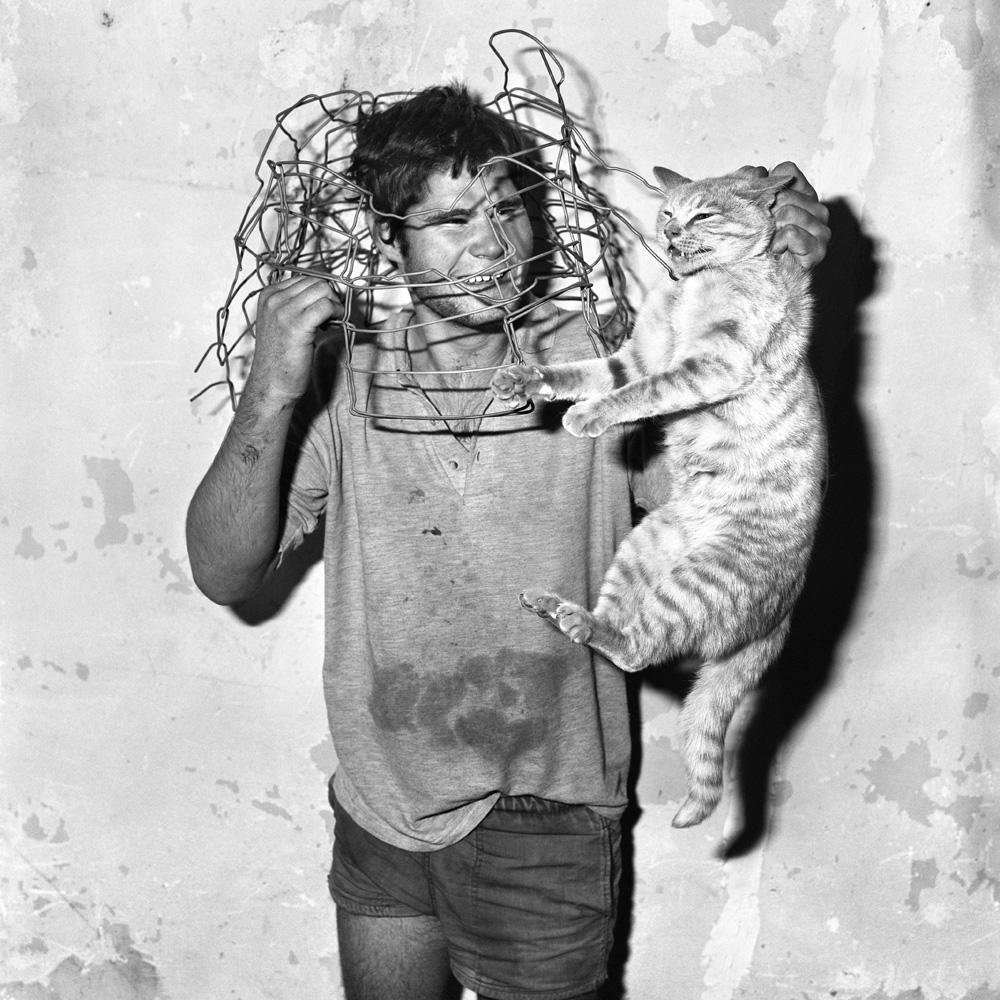
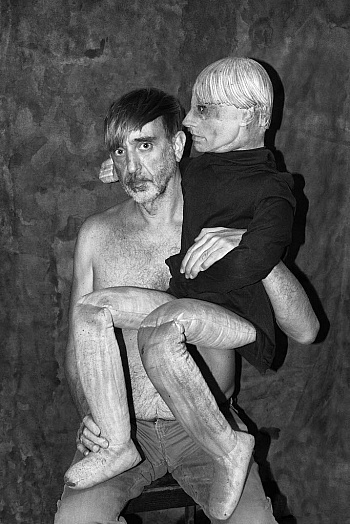
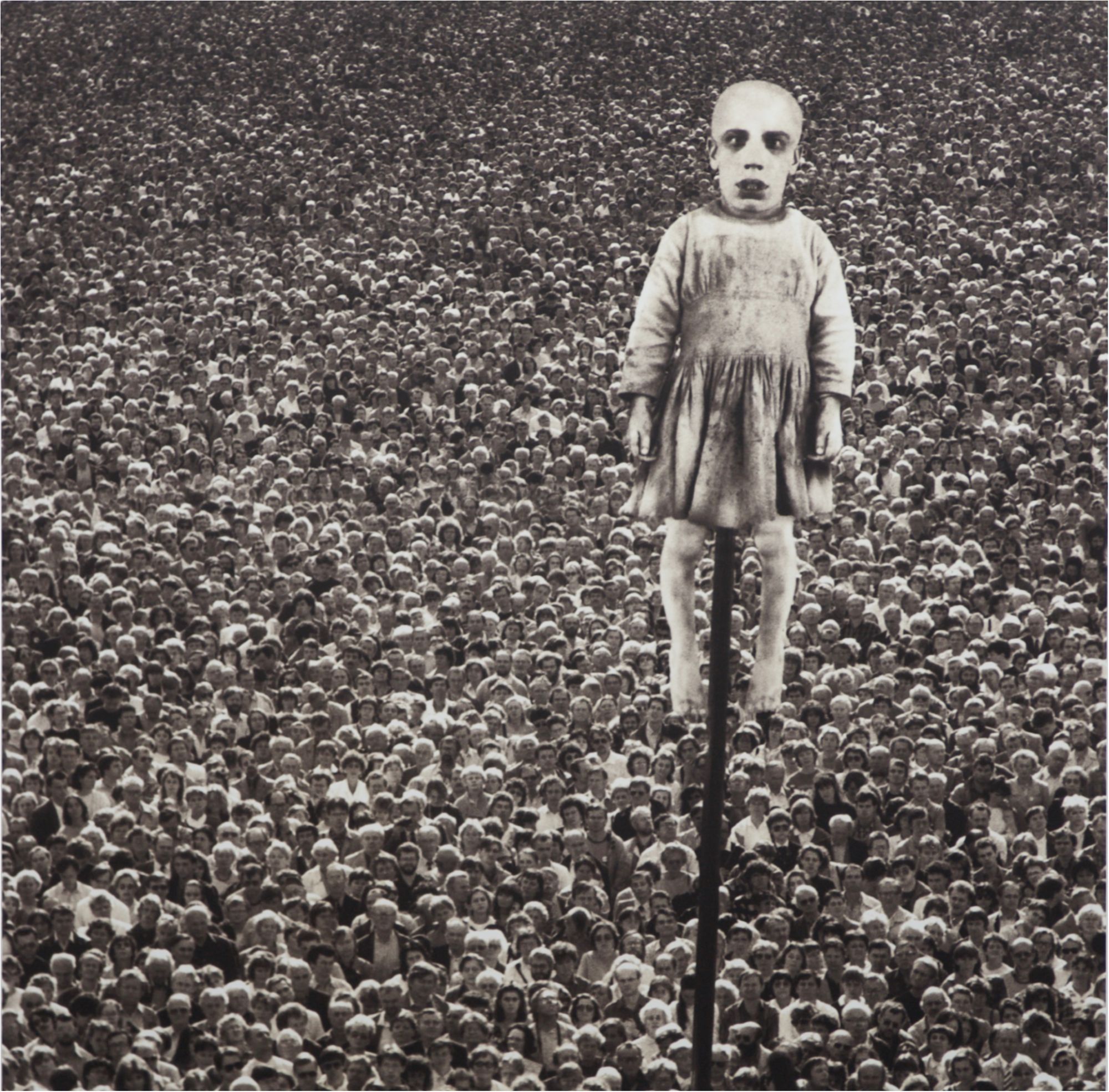
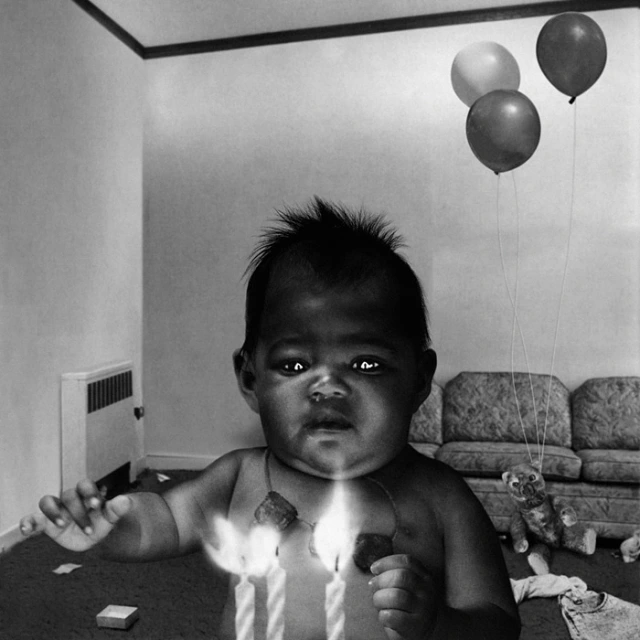
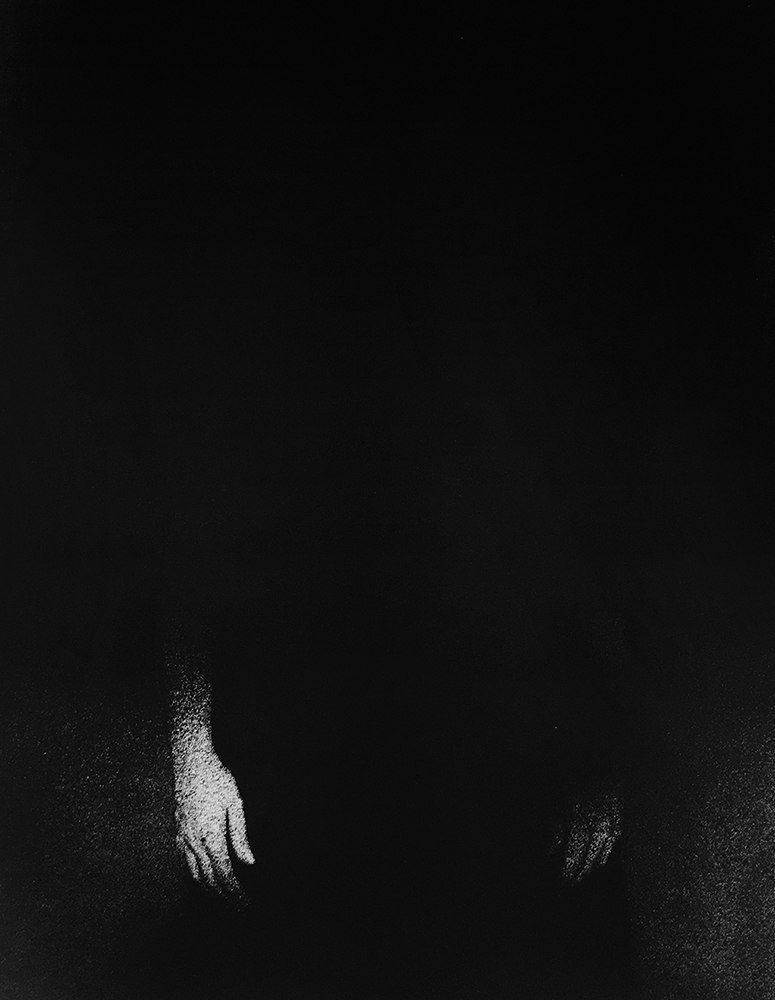
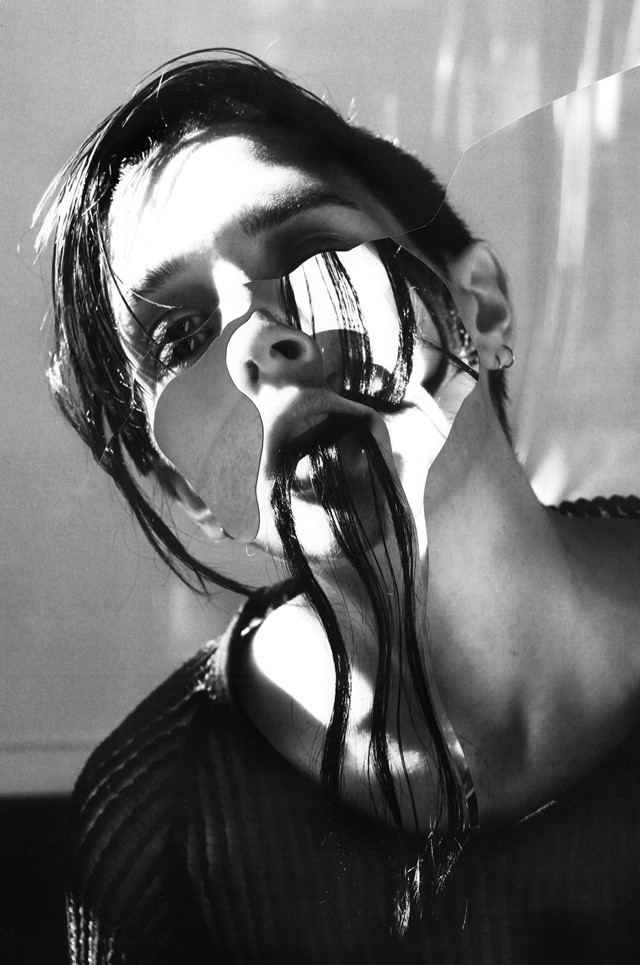
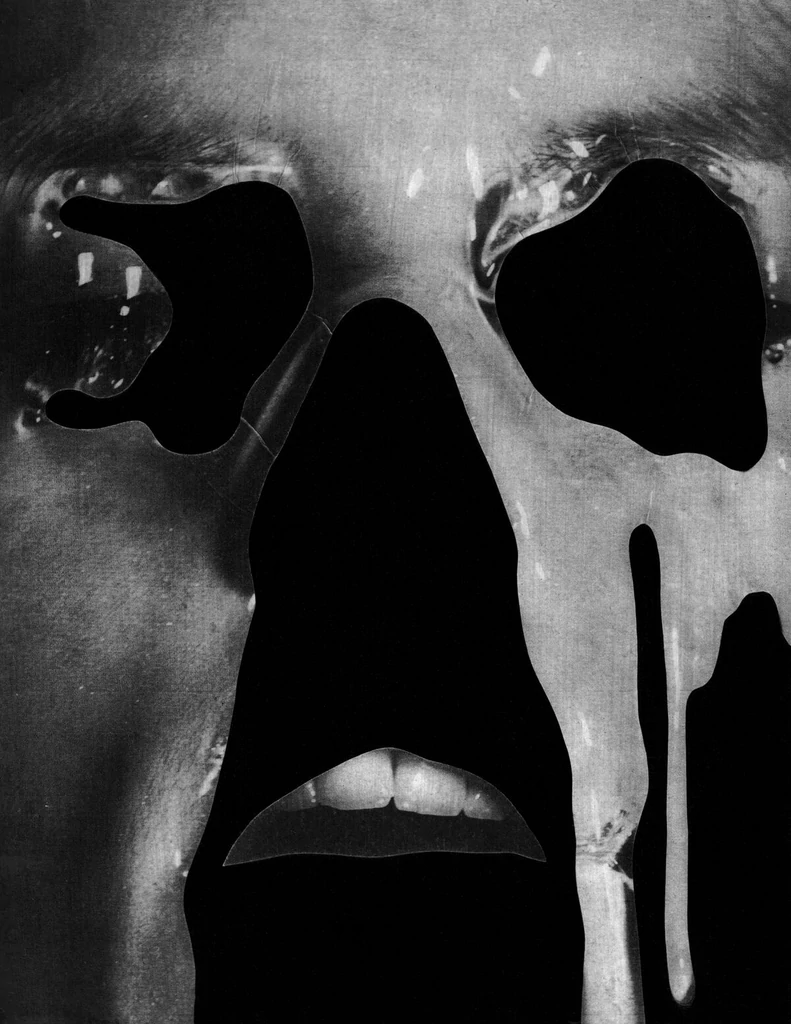
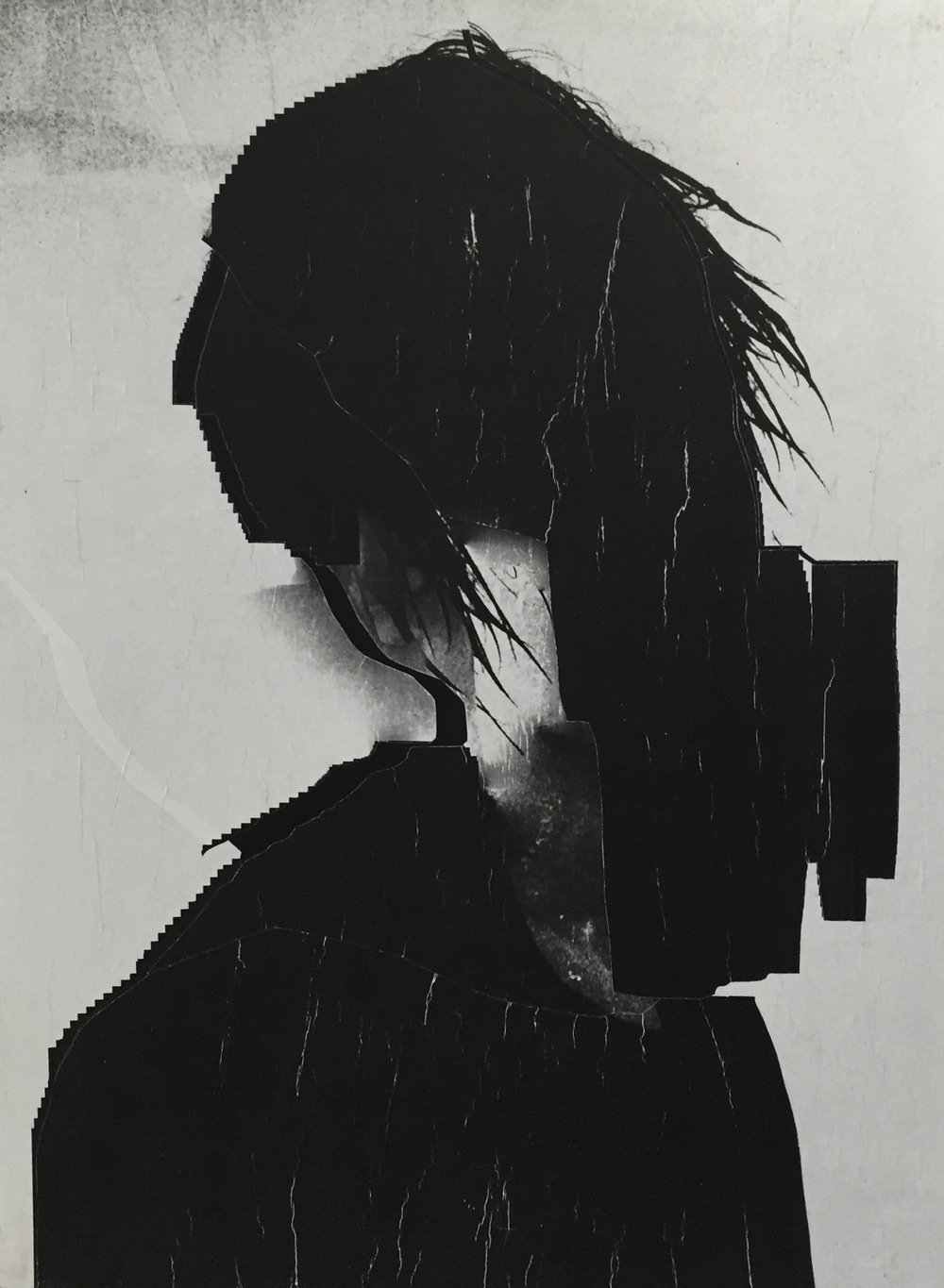
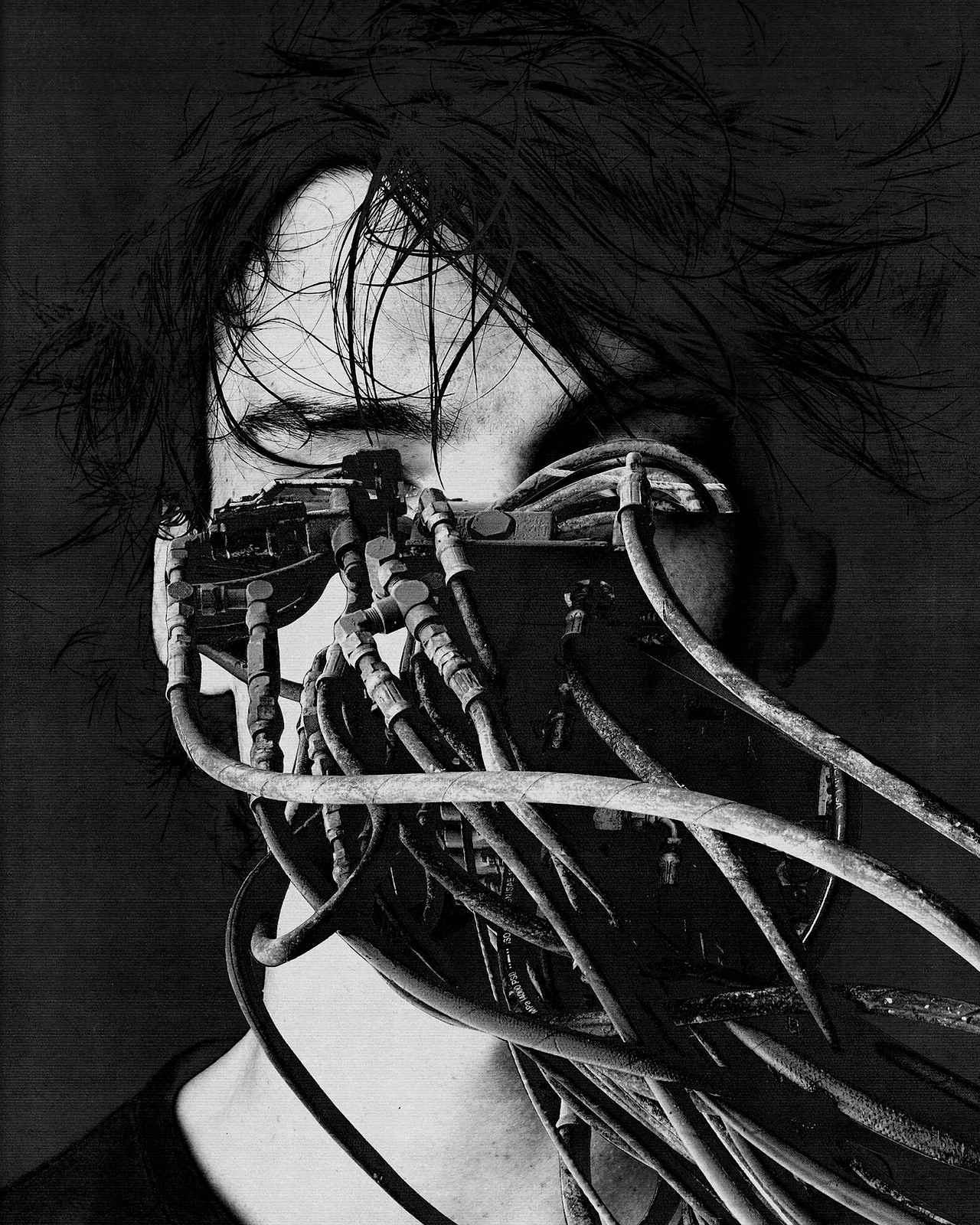
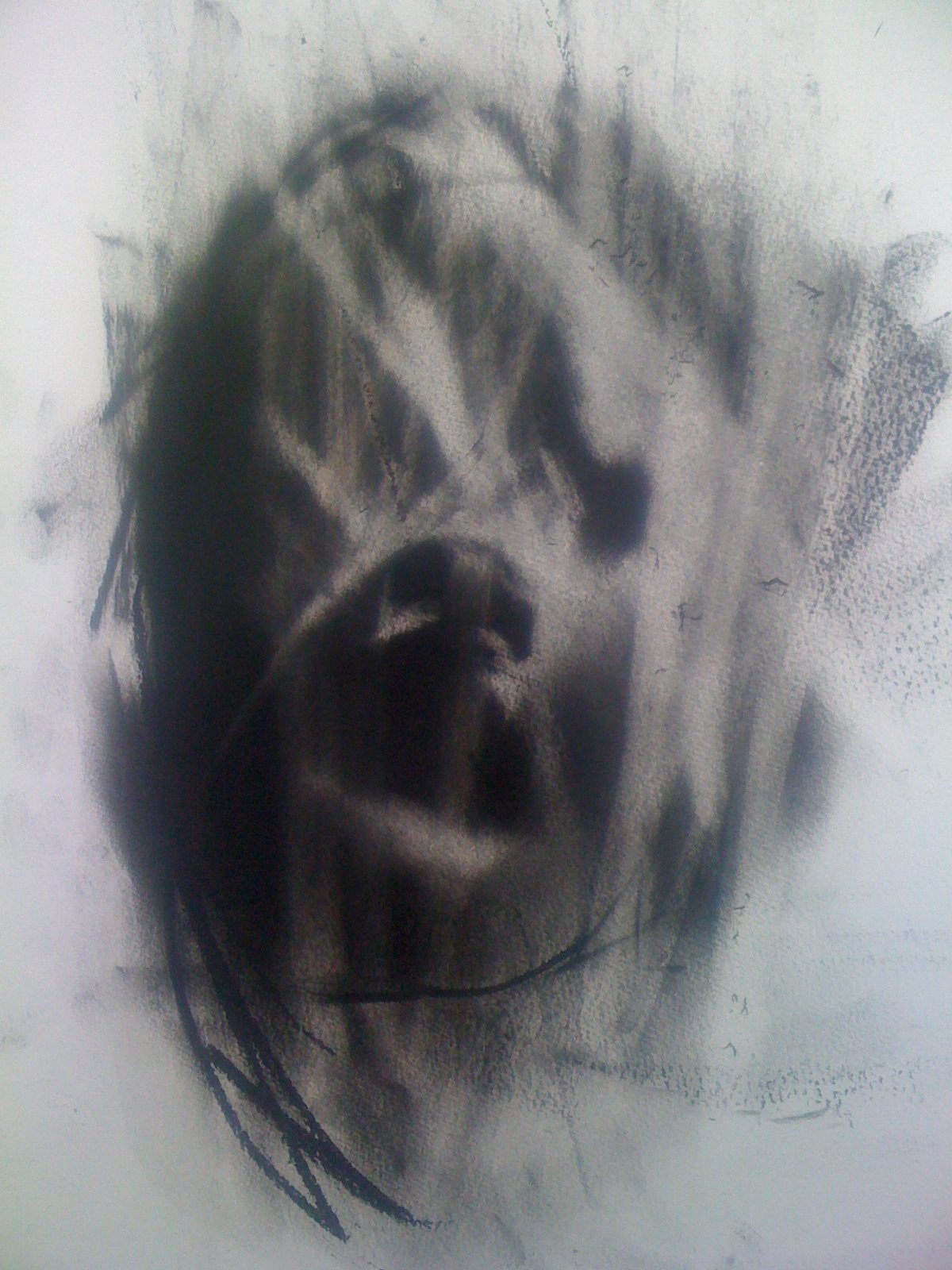
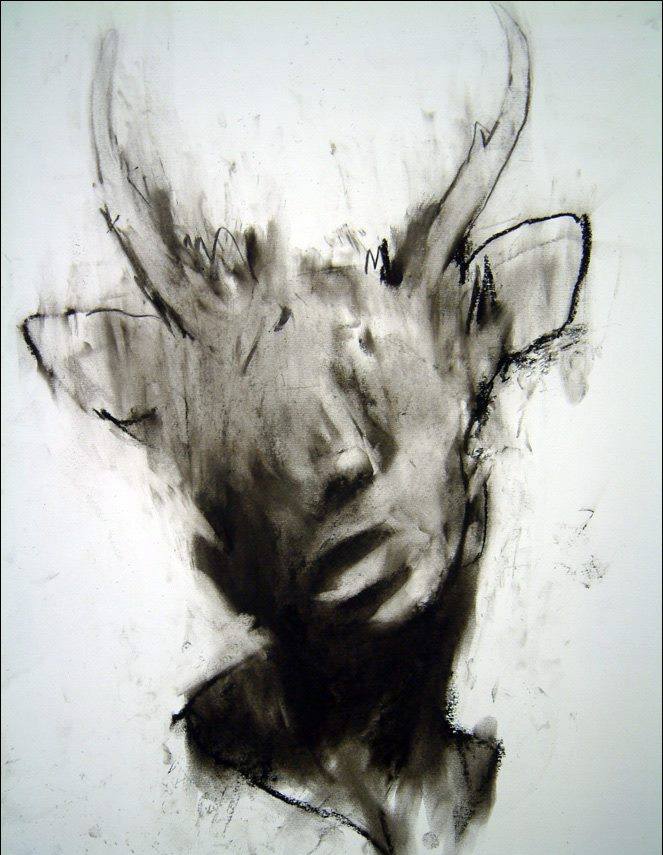
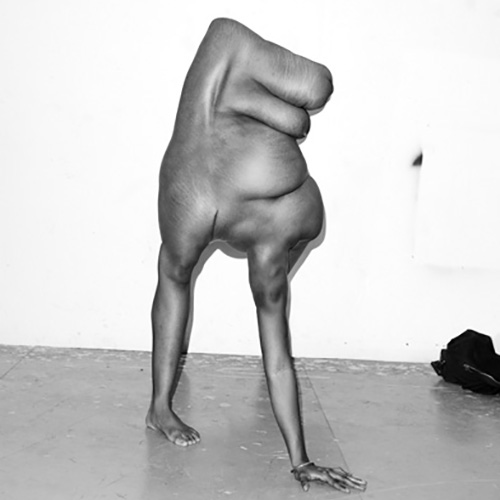
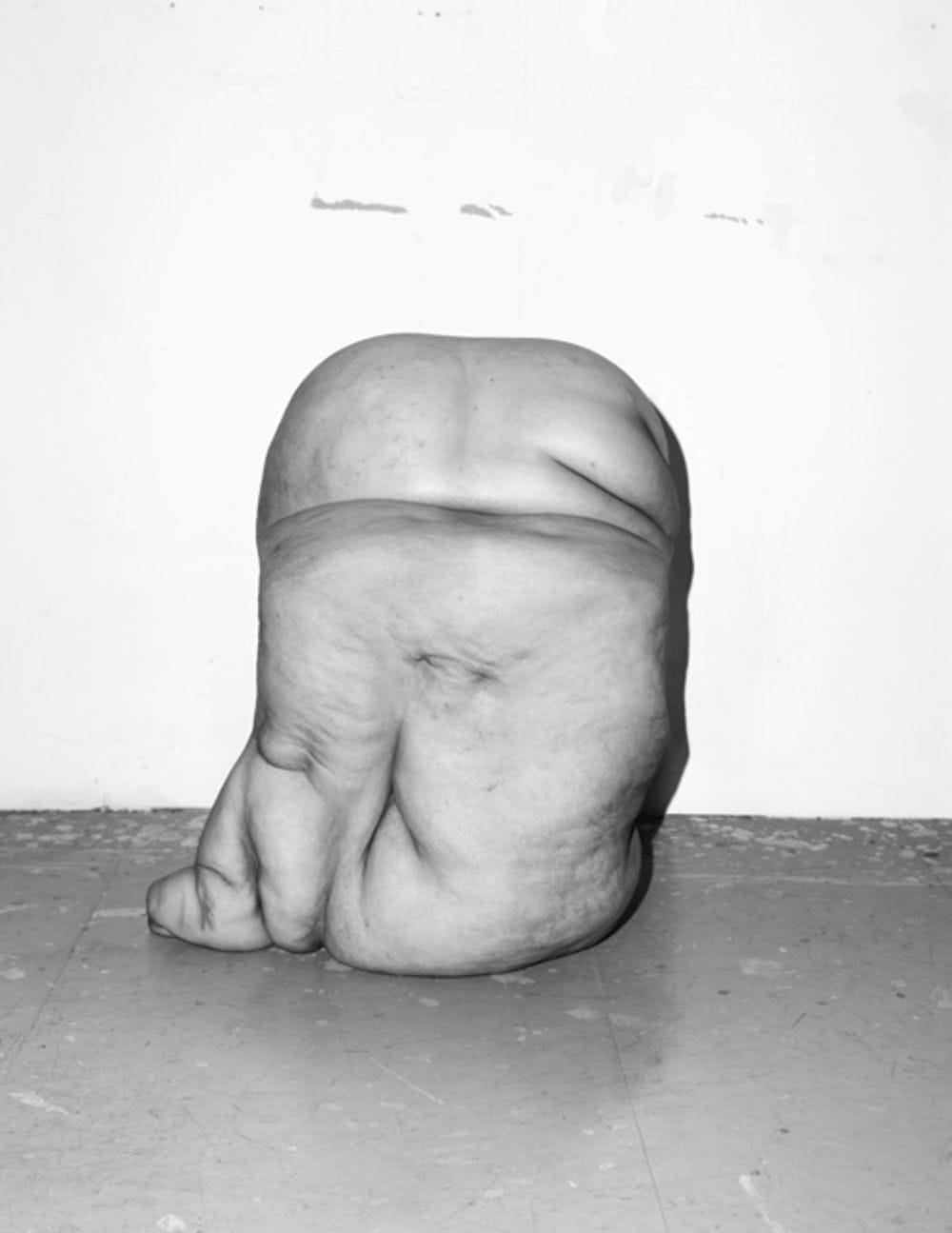
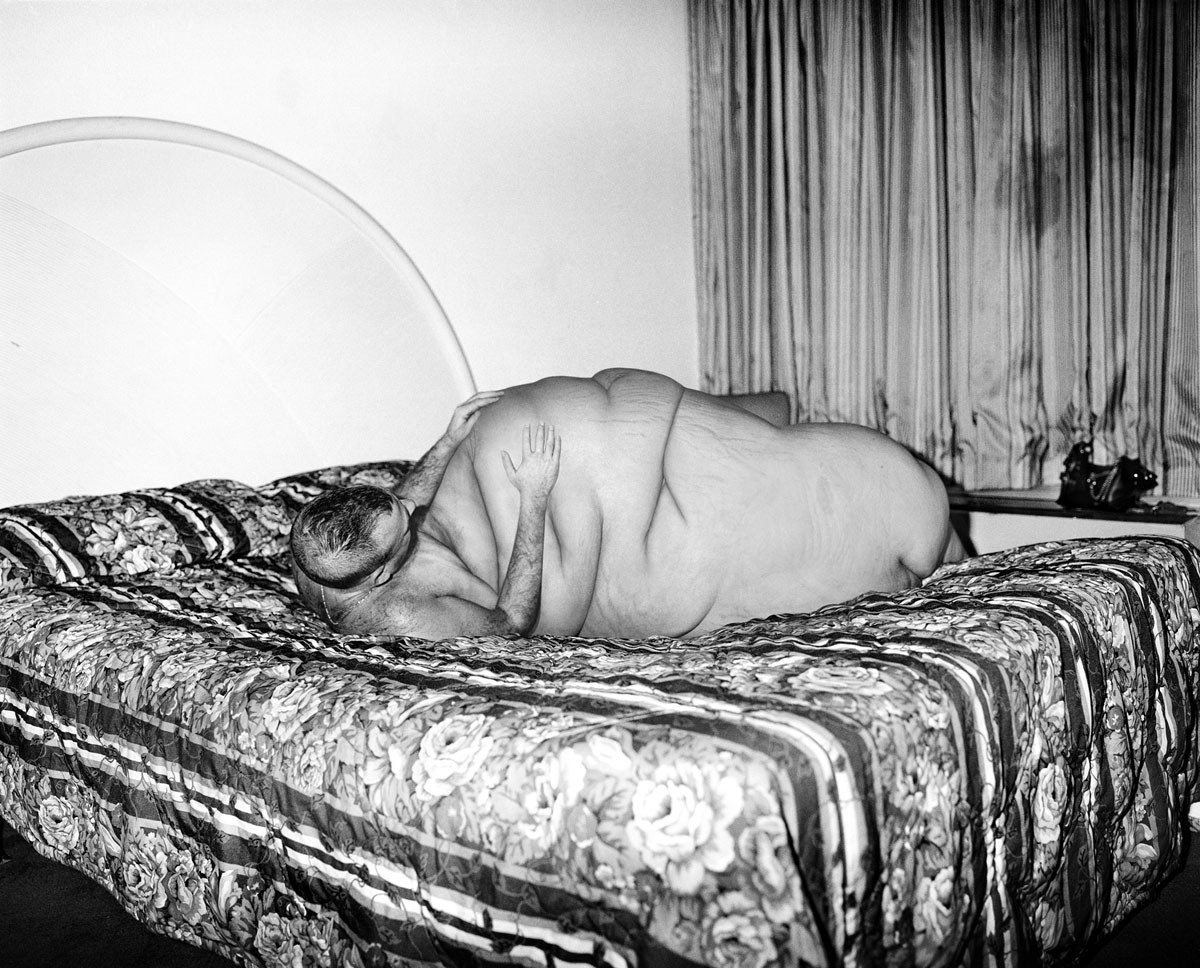
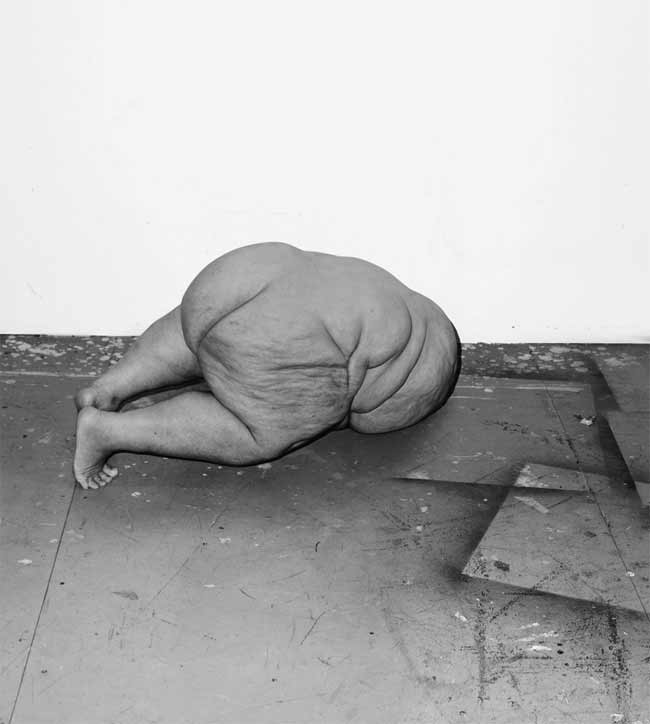
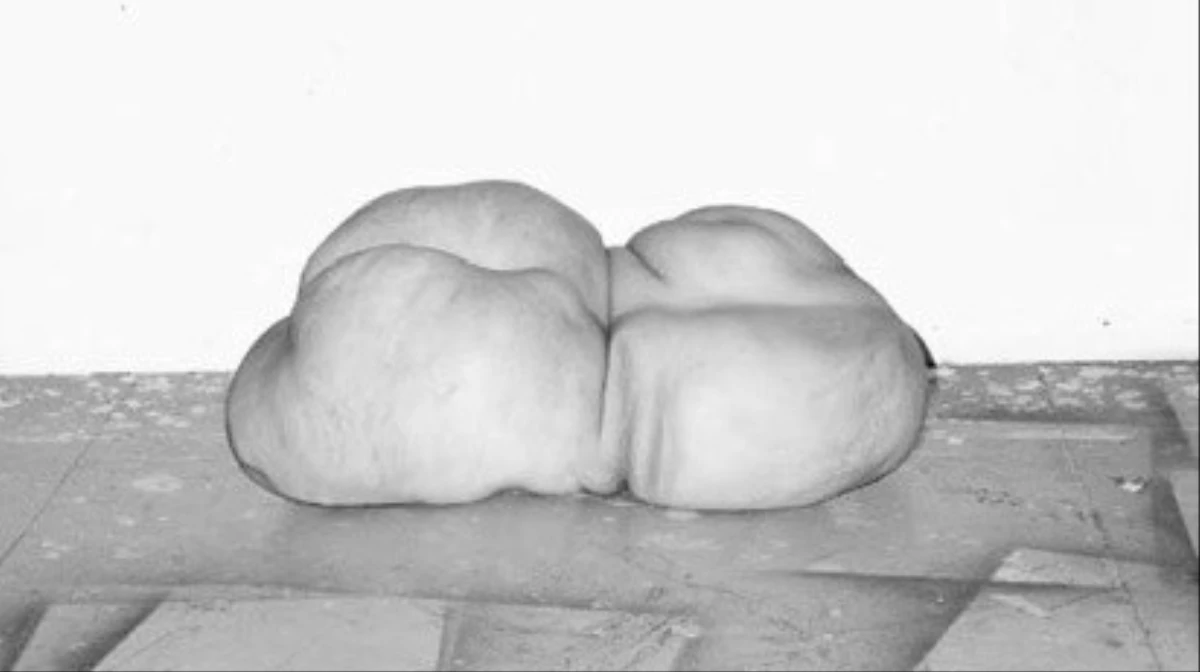
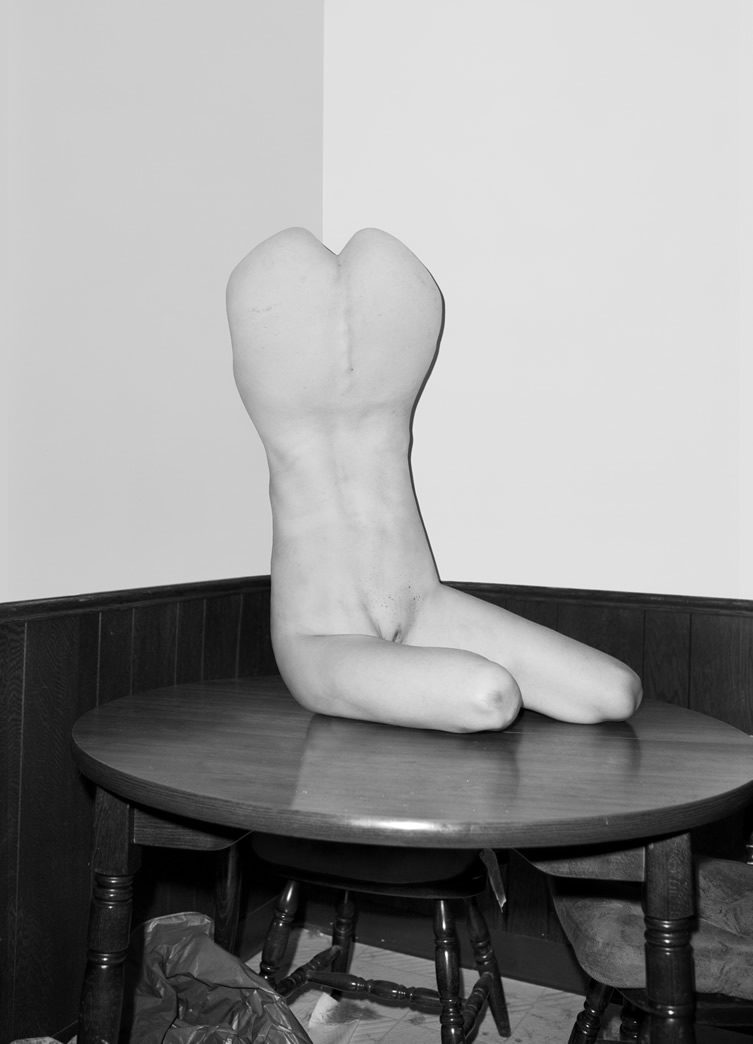
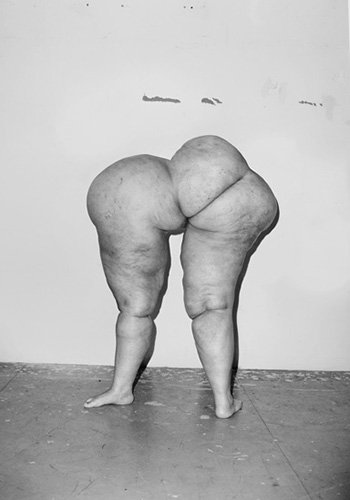
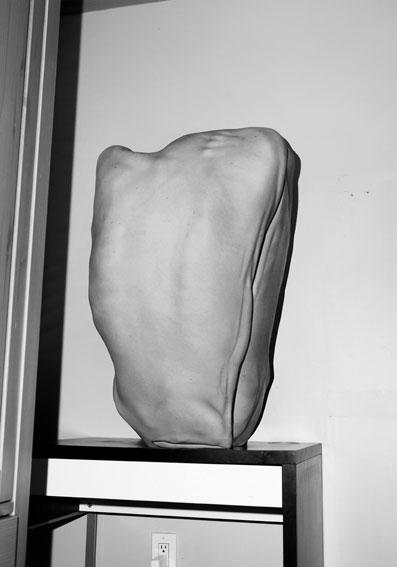
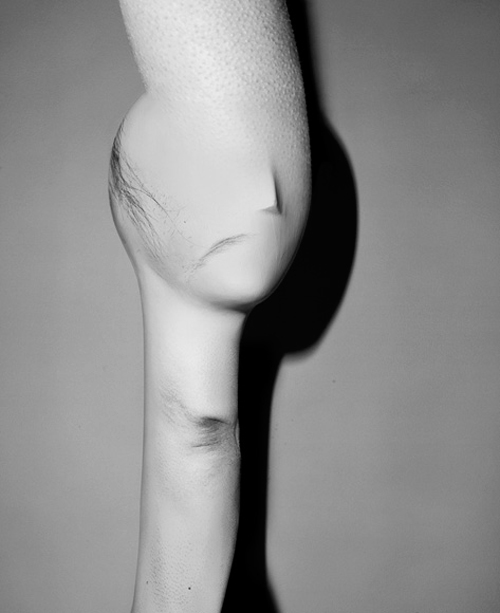
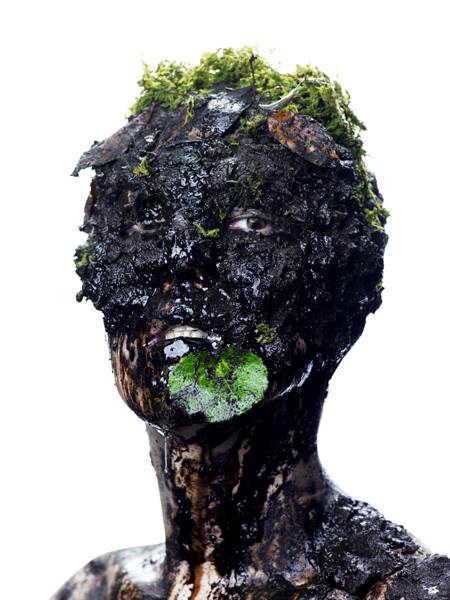
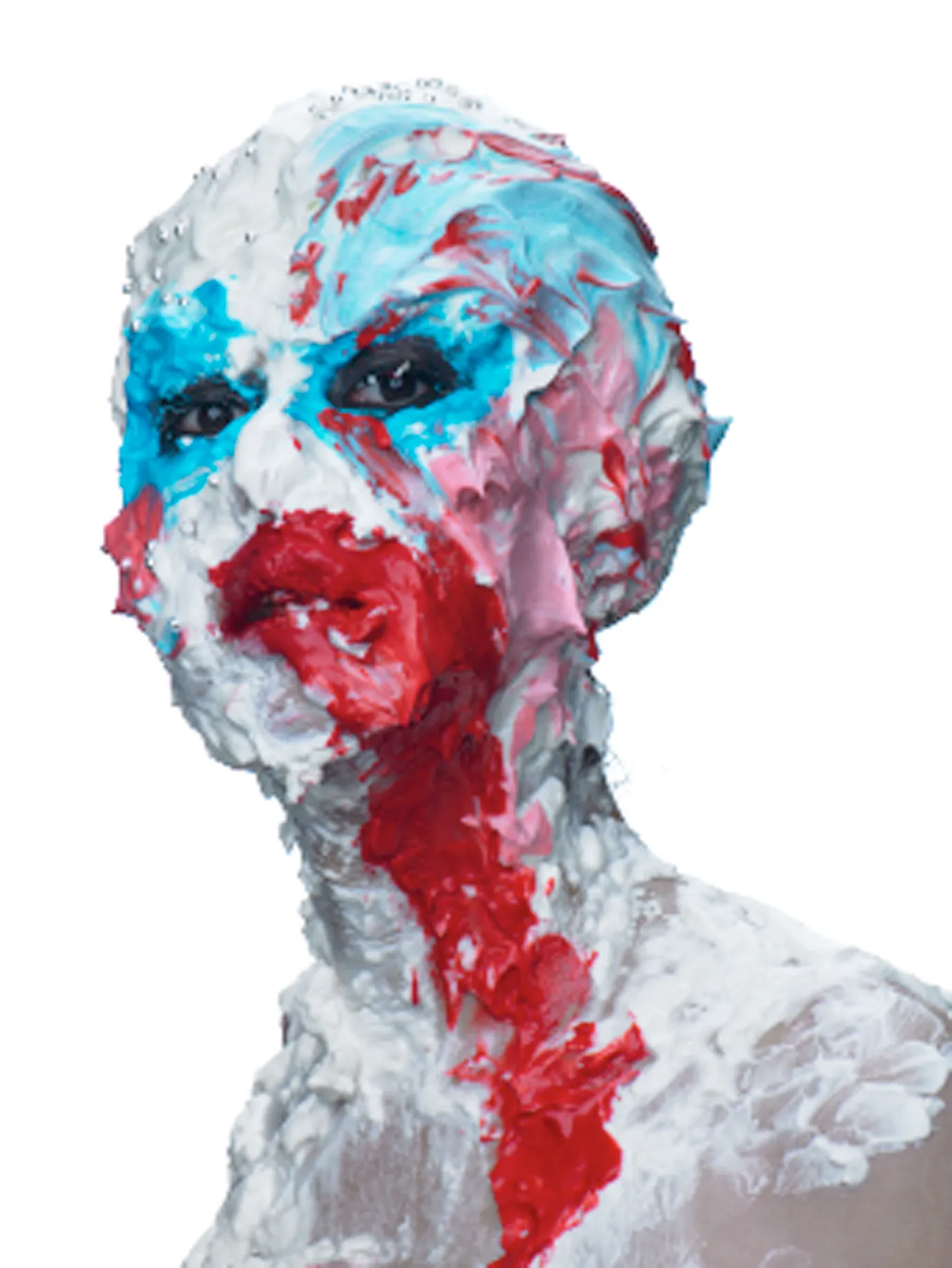
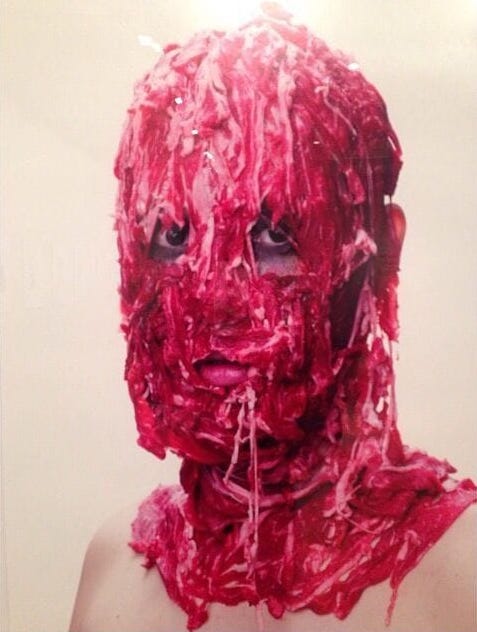
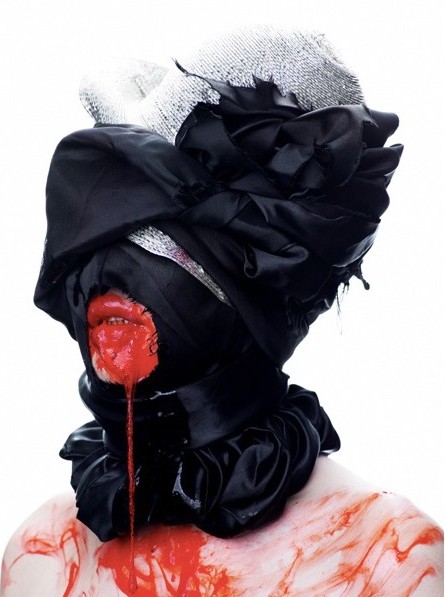
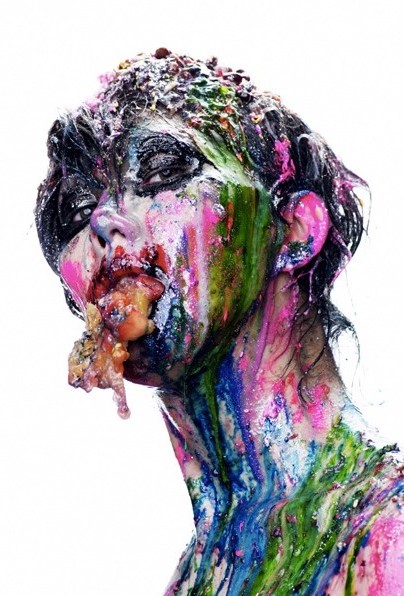
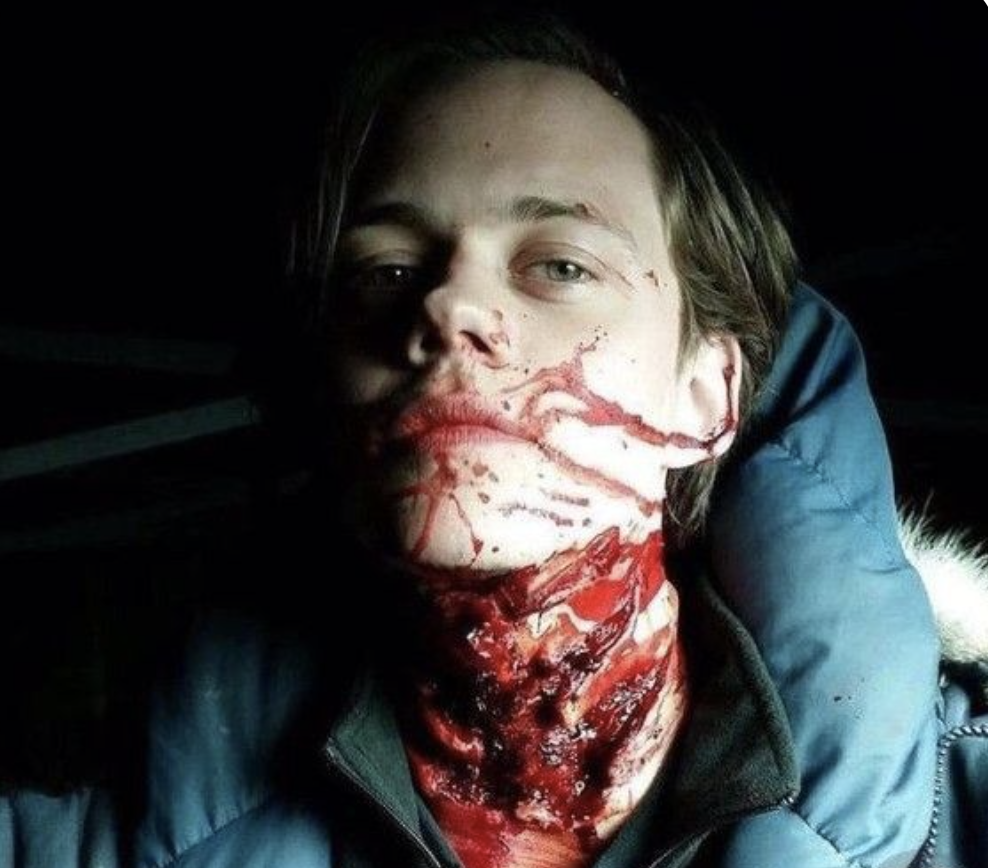
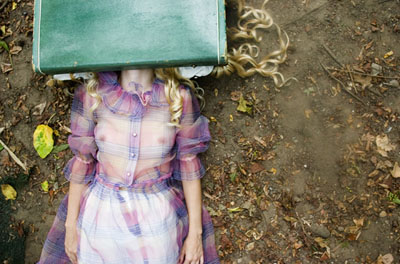
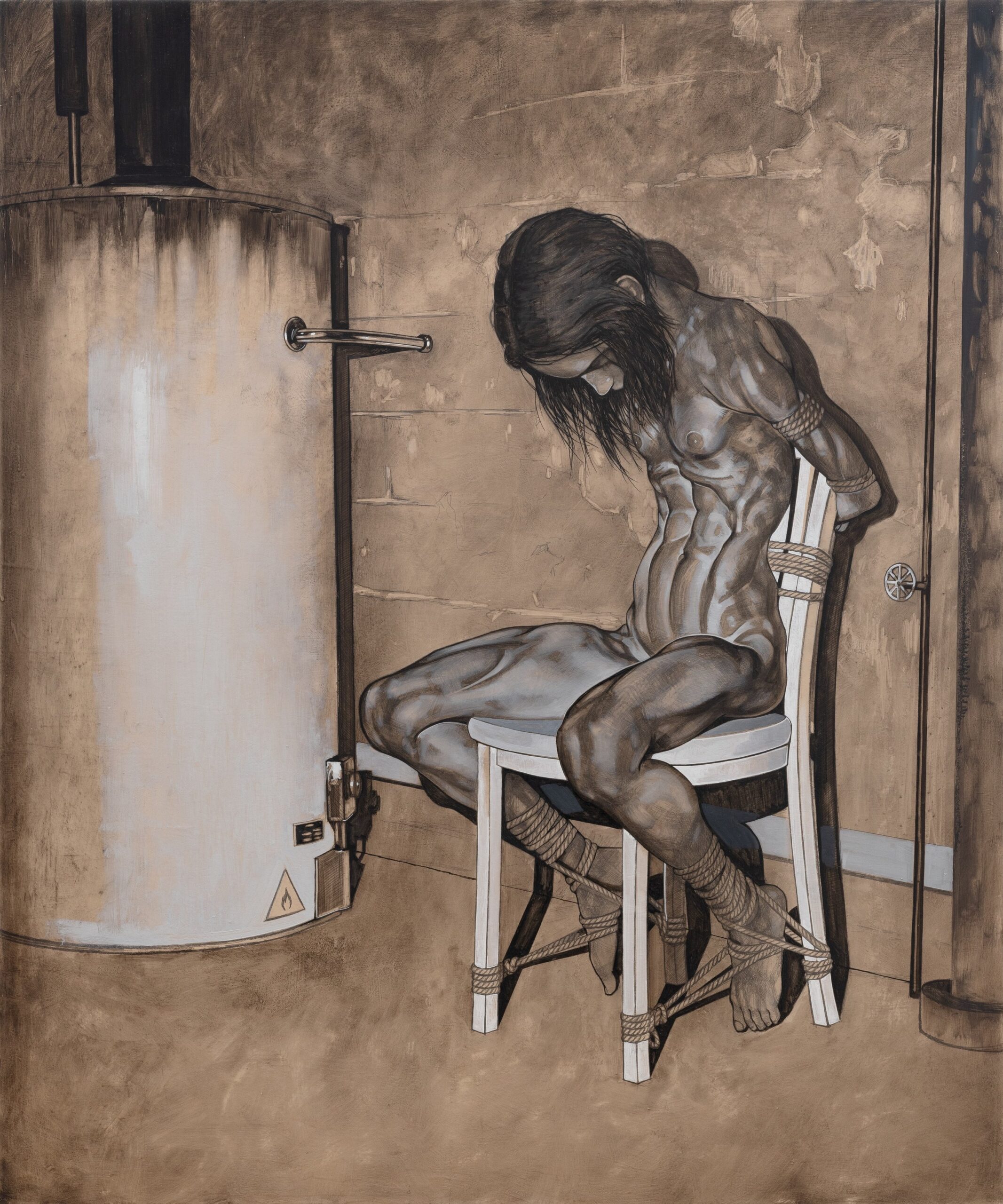
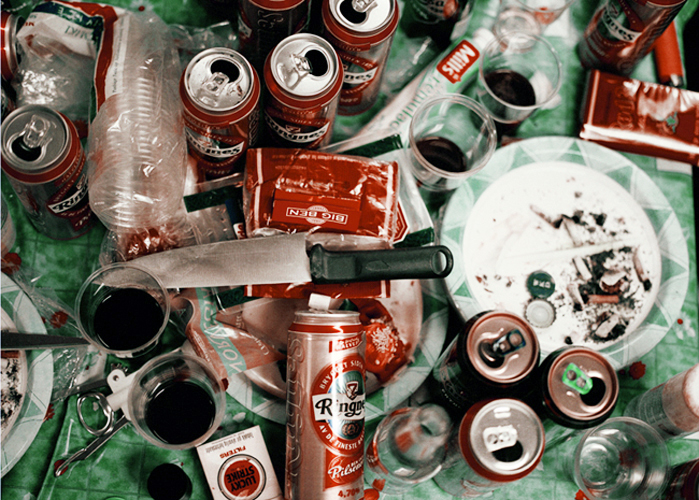
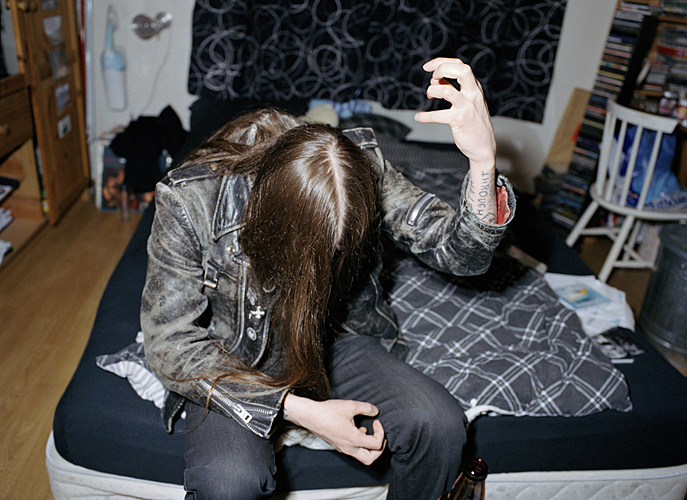
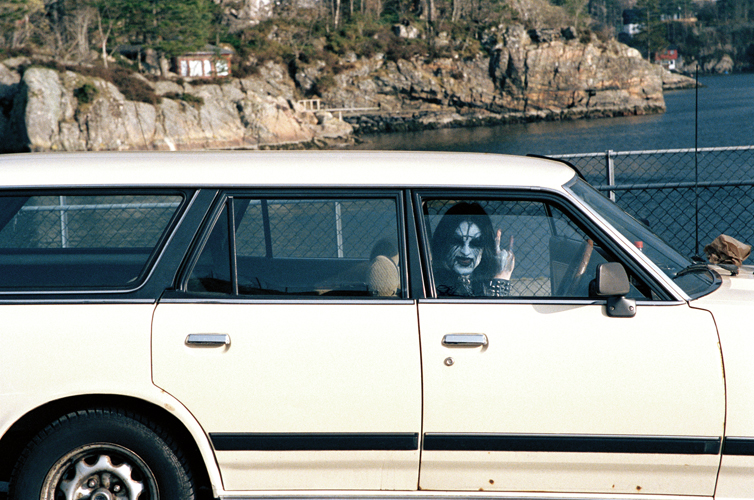
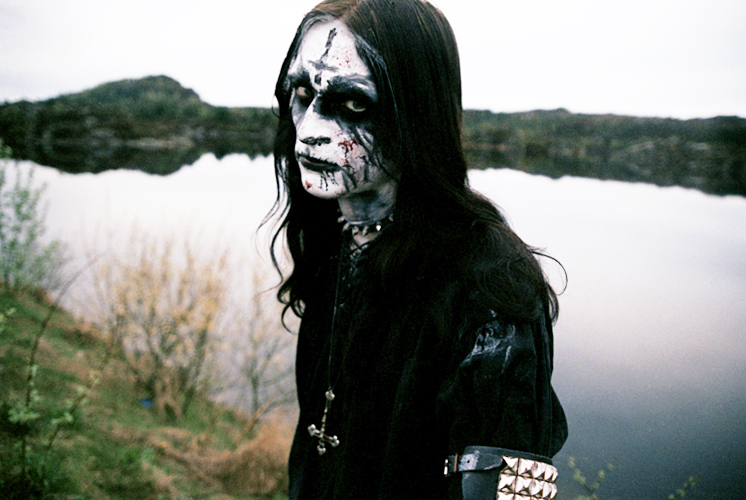
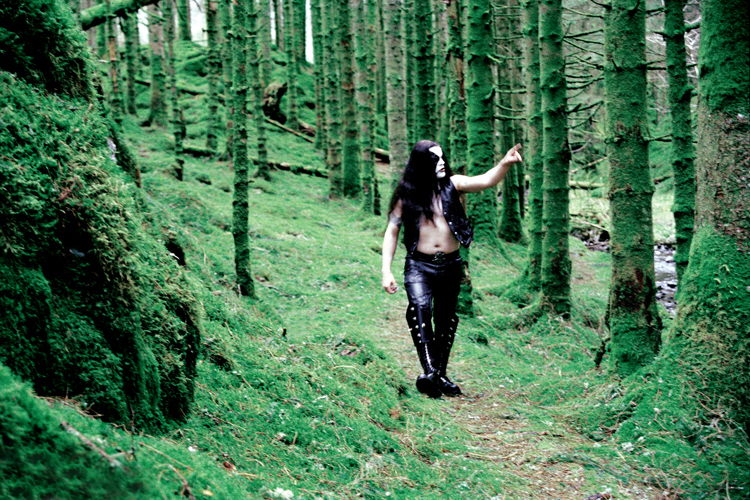
_____________ Peter BesteVarious, 2008 photography
*
p.s. Hey. ** Ilán, Hi. Well, of course. I can concur that things that happen to you that seem so minor that they barely register can end up being more crucial than the things to which you are attentive. Fascinating how the mind can circumvent one’s perceptions. Enjoy. See you ere long. ** Sarah Palmer, Oh, me too, I’m thrilled by what the students are doing, especially coming from the US where rebellions mostly get swallowed up by people’s iPhones. I didn’t end up going to PI (yet). I got sideswiped by the grand opening of my favorite Paris bookstore After8 in its new location which turned out to be marathon. The Wooster Group is sold out? Oh, no. I missed the window. And they’re doing one of their great pieces, ‘Symphony of Rats’. That sucks. Ah, thanks. I’m loving this chilly weather, which is making all the possibilities feel so warm. You? ** Jeff J, Hi, Jeff. Great to see you! Wonderful about the post. Thanks so much, man! The restored ‘The Devils’ isn’t here yet. I can only imagine it’ll get here. So curious. Even in its truncated form, I remember it being Russells’ seeming best film by kind of far. All good with you? Sure hope so. ** Adem Berbic, Hi. ‘TMS’ the most ketty of my novels … hm, makes a certain sense, I suppose. Sure, why not? Well, but maybe your redo would only increase your friend’s high opinion of the piece? They only know what you gave them, not how it could alter upwards and onwards? I’ve never shown my fiction to anyone until I think it’s complete and I’m confident of it, the one exception being a time I stupidly read part of ‘God Jr.’ when it was in-progress at reading. The audience was very enthusiastic in a way that made me think they were like that because the work didn’t have my usual sex/violence/drugs/etc. stuff in it and they were relieved or something. And a few people there were very critical of it, again seemingly because it was so different. Anyway, it confused me so much that I stopped working on the novel for a year afterwards. So, never again. It’s gloomy here, but in the most invigorating way. No fires, but quite possibly starting tomorrow. ** Dominik, Hi!!! Well, it was very family friendly, which maybe the French think something like Halloween needs to be? Definitely not up to US standards in any way. But, like I said, the Parc Asterix Halloween makeover, which I’ll be checking out soon, is pretty US-style. Or it was last year. Yeah, very strange phrase. I thought love might be able to pull it off. I sort of think of all religious movements as cults, but I’m such a non-believer. Love Suffering a Witch to Live, G. ** _Black_Acrylic, Lovely daydream there, fellow revolutionary wannabe! ** kitchencountertop, Hi, welcome. Nice to meet you. I know, the Kren/Tscherkassky tete-a-tete, such a score. I have seen a Bruce McClure projector performance, yes. In 2012 here in Paris. I think it was called ‘Scratch, Expanded’. It was amazing. He’s doing a number of them at the Rotterdam Film Festival next January, and I’m really tempted to go up there for that. Have you seen one? Thoughts? Thanks, cool to get to confer. ** Steve Erickson, Nice that your remix will be on an EP. Curious to hear it. Let me know what you think of the William Greaves. There seems to be a rise of interest in his work lately. Maybe his films got restored? ** laura w., ‘Rainbow Stories’ is my favorite Vollman. Although I think he’s always super interesting. I think his fiction is easily as good as his non-fiction. I only checked out the online ‘Backrooms’-related stuff after I saw the film, and it made me think less of the film. I think I have to totally agree with you in theory. I feel the same way about turning novels into films. There’s talk of republishing my early poetry books going on right now, but not ‘The Weaklings XL’ that I know of. That would be really nice. I was actually writing fairly decent poetry by that point. Thank you for wanting. ** HaRpEr //, Thanks for lifting yourself out of the chaos, and I’m so sorry to hear that about your surroundings. Oh, yeah, ‘Studying Hunger’ is great. Nice you’re reading it. It’s kind of her masterpiece maybe. Life improving vibes if such things exist. ** Uday, Hi. Yes the blog has a timeout problem sometimes. Don’t know why. It does that to me too more than occasionally. It’s a hassle, but if you’re leaving a long comment, you might write it in a doc or something first and then copy and paste. That might help? Sorry. ** Okay. More Halloween-relative stuff for you today. Note to Halloween naysayers: it’ll all be over in a week. See you tomorrow.
‘In 1964, the film lab “Wien Film” refused to print 6/64 Mama und Papa. When Kurt Kren handed in the original, the film grader said with an undertone of sympathy that, given the many cuts, one would not be able to make out anything, anyway. His worries were groundless: when Kren came to pick up the print, some people with flushed faces left the projection room, telling him to get out and never to come back again. A few months later, a similar scene took place at “Listo”, where 9/64 O Tannenbaum was not accepted. Kren ultimately found a place that took his films, based on actions by Otto Muehl and Guenter Brus: a house on Peter Kaiser Gasse in Jedlersdorf, a neighborhood in the East of Vienna, on the other side of the river Danube. There, in the 21st district, on the most remote outskirts of town, films were developed and printed in self-made contraptions reminiscent of washing-machine drums. The man who ran the business single-handedly intimated that he was used to explicit images owing to customers from the blue movie scene. The facts that the credits in a few Kren works from those days are slightly out of place and that the name “Kren” next to the copyright sign goes beyond the edge of the frame can be explained in this context. On request, credits were in-house productions, but they were made with a camera that had no view finder, for which reason slipped boards were none too unusual. There were no objections to the films’ content, formal and creative issues played a secondary role.
‘In his essay “On the question of form” dating from 1912, Wassily Kandinsky proclaimed that the “Great Abstraction” and “Great Realism” were equivalent. Kandinsky’s text marks the acme of a development in Western art that started in the late Middle Ages and can be followed stringently ever since the renaissance. It is a development that oscillates between two polarities: on the one hand, there is a type of painting that sets aspects of form and composition aside to depict nature as accurately as possible. On the other hand, there is the opposite type of painting that strives for the strict adherence to formal principles in all its idealizing styles. This longing for a lofty reproduction of reality, which concurrently seeks to express that which is hidden behind the appearances, unites a great variety of styles and artists, such as idealizing Classicism, Gauguin, Expressionism and Mondrian’s extreme formalization of the phenomenal world along the same lines of visual development. Kandinsky deals with what he calls the other genealogy of modern art which is based on “realistic” art striving to depict everything true to nature. However, when it turns away from space to represent the moment as we perceive it, it introduces the component of time into the structure of the picture, something reflected in the light application of paint, in sketchy freehand drawings: objects become volatile. The imminent renunciation of form found in Naturalism (the reproduction of phenomena the way they appear) eventually leads – via Impressionism – to a two-pronged approach ending in the disintegration of form: in Kandinsky’s free abstraction and in the extreme realism of the ready-made and comparable collages of objects from the workshops of the Dadaists. The Great Abstraction foregoes the mediation of the perceptual world and represents the creative media themselves; the Great Realism foregoes representation, substituting for it the object itself. To put it in a nutshell, the names Kandinsky, Mondrian and Marcel Duchamp map out the terrain wherein twentieth century art is located. As we all know, the aesthetic issues at stake in the conflicts between these positions in the visual arts also come to bear on cinematography with some delay. Their impact is all the more tremendous, and Kurt Kren’s contribution in this context is no less than outstanding, from a global perspective, too.
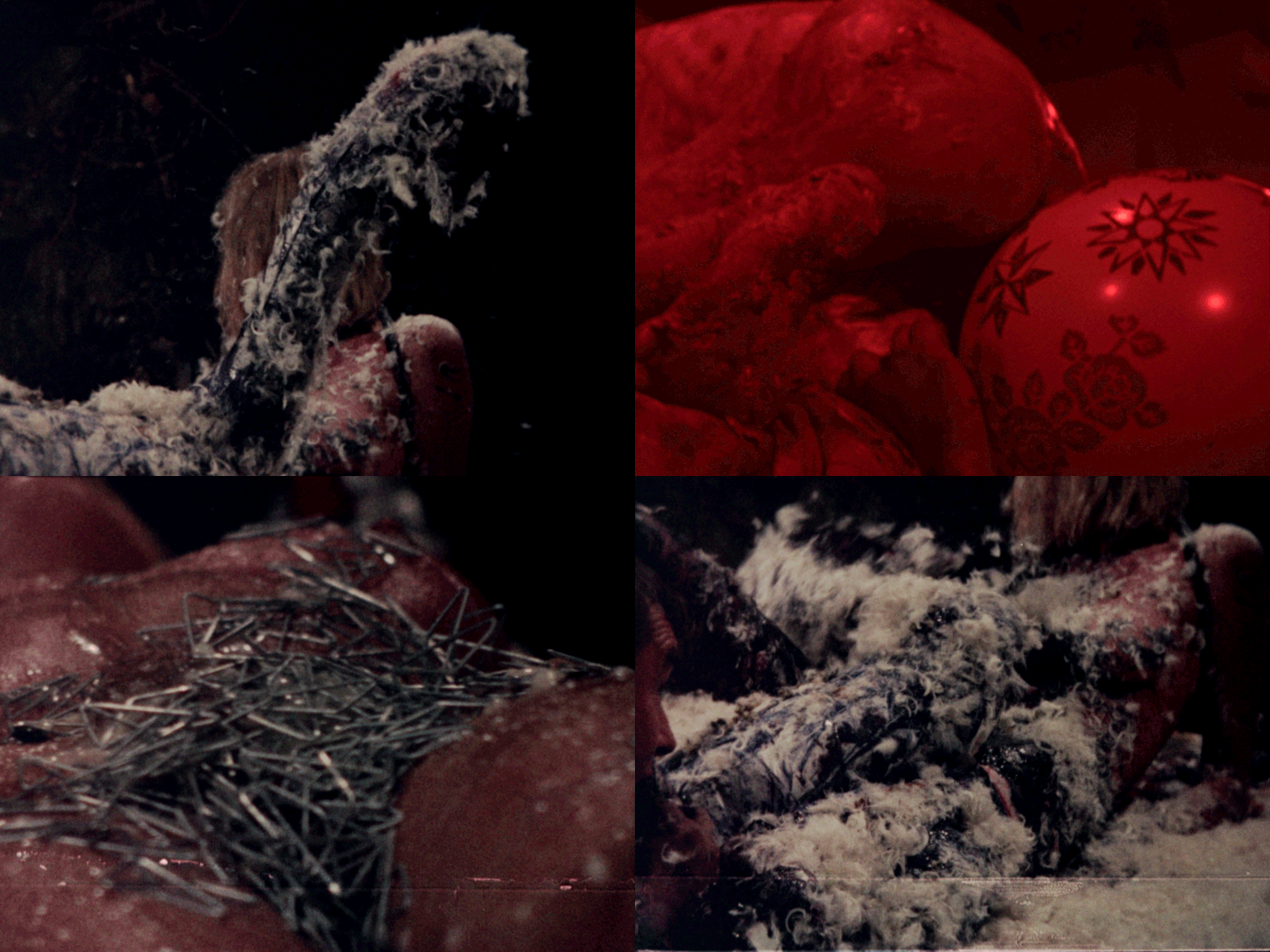
‘Guenter Brus and Otto Muehl: they depart from the easel painting and use the human body as their expressive central means in art. This common trait tends to obscure the fundamental differences between their actions. On the one hand, Brus and his grandiose pathos belong to the tradition of Expressionism. The way in which he uses paint gives it a continuing central function as a link between body, surrounding space and delimiting surfaces. On the other hand, Muehl is the Dadaist among the Actionists. His version of realism does not need the expressively fraught double bottom of a special world of signs (as in Brus’s surgical gauze, scalpels, scissors, razor blades and tacks). Muehl’s staged realities are still lives of paint, refuse and food in motion, spirited, and devoid of symbolic or allegorical allusions. Where Brus arranges a mise-en-scene of creatures suffering, Muehl is looking for fun.
‘Kurt Kren enters the picture amidst these two contrasting Actionist programs – and he, too, reacts in strikingly different ways. Ever since his second film – 2/60 48 Kopfe aus dem Szondi-Test – Kren had organized his material according to serial rules.*1* He counteracted the mimetic abundance of the film with brittle mathematical principles (the length of a take was determined from the sum total of the two preceding takes: 1, 2, 3, 5, 8, 13, 21, 34 frames). All his early films were edited in the camera by means of the single frame mechanism. Kren lastingly made his mark in the history of cinematography when he developed his flash-editing technique from his fifth film onward – 5/62 Fenstergucker, Abfall, etc. is characterized by cuts down to single frames. Here, too, the sequence was determined by serial patterns laid down in scores.
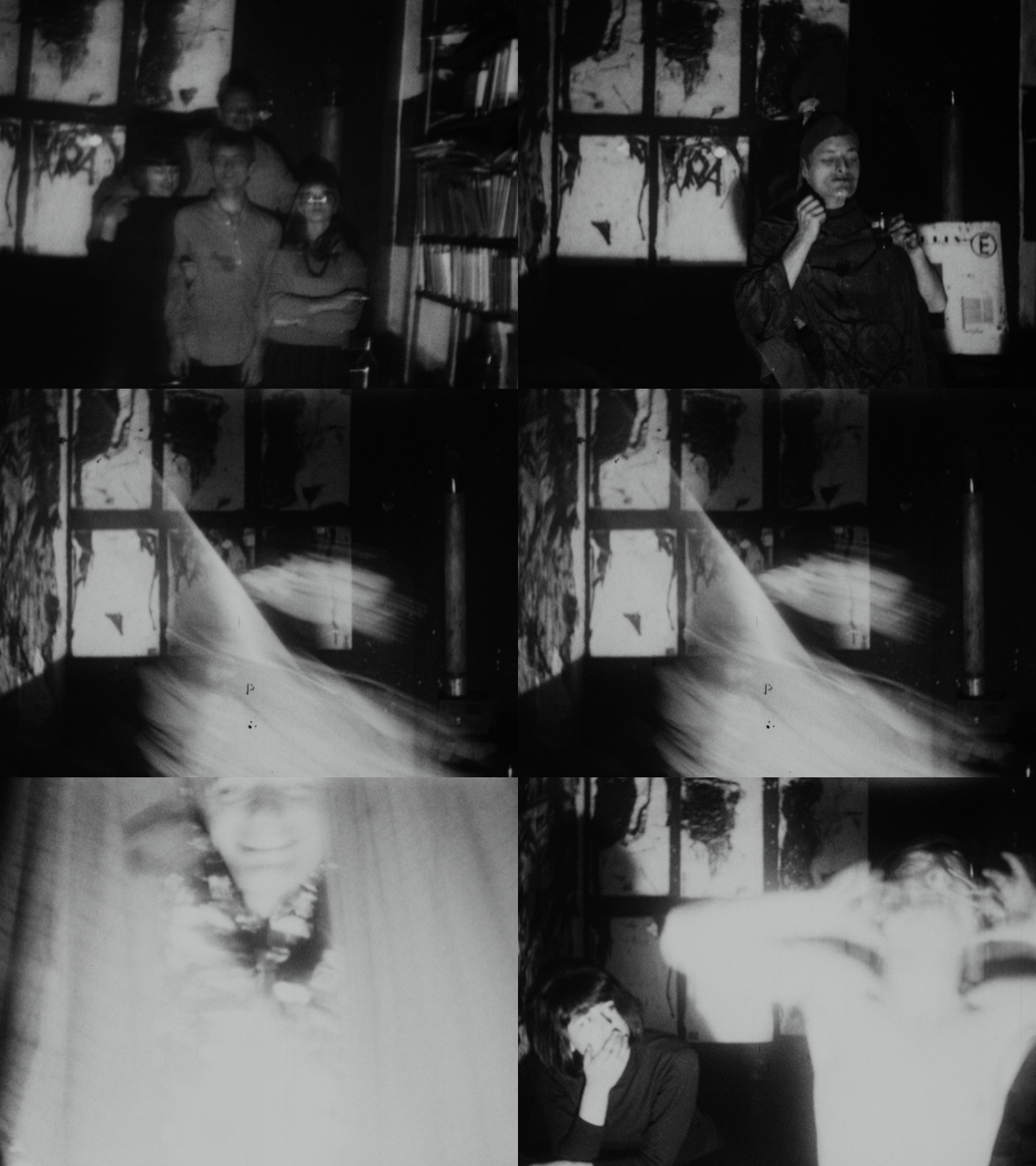
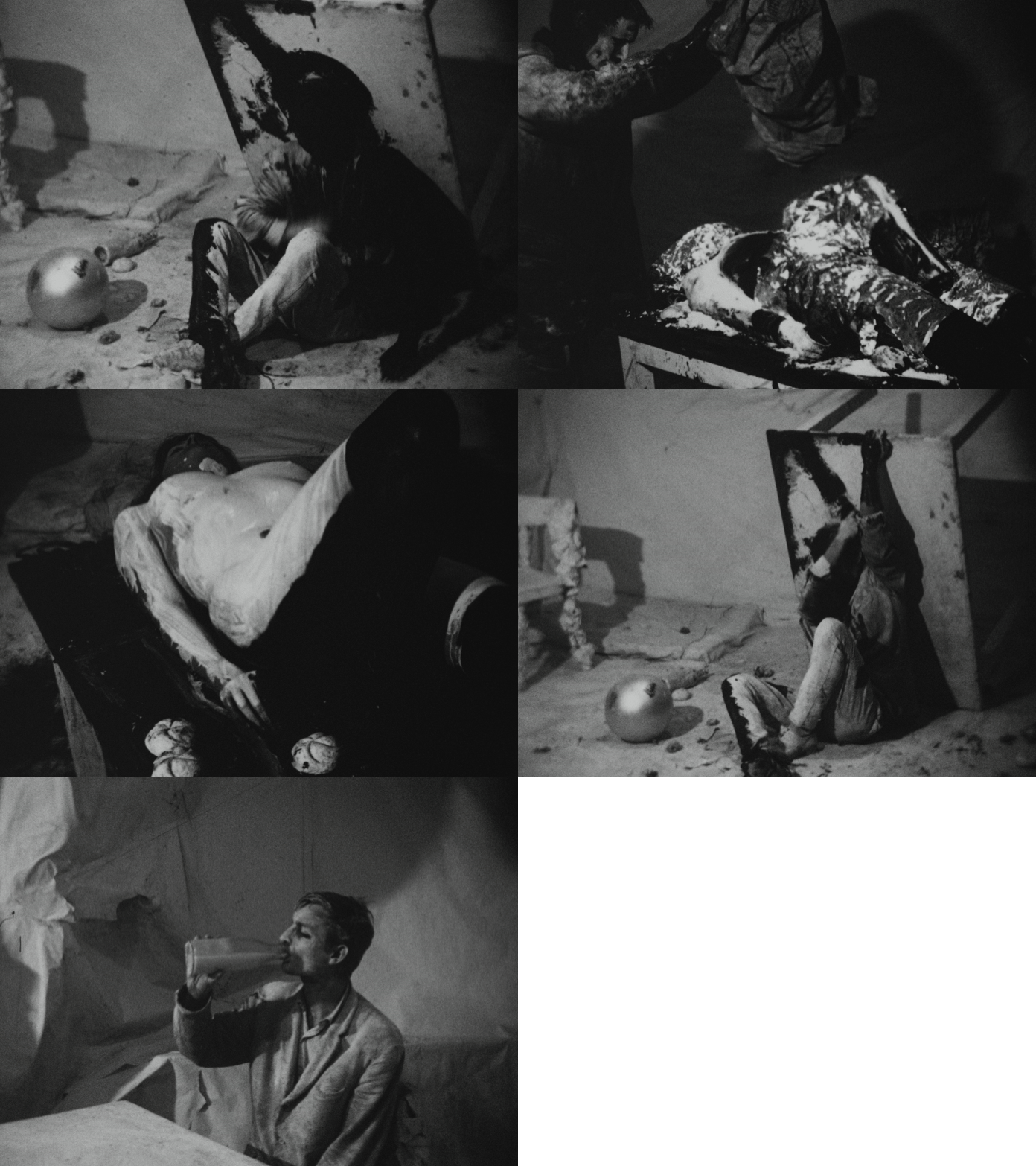
‘The serial flash editing technique is what Kren uses to create a contrast to “Realist” Muehl’s actions. Unlike single-frame editing in the camera, real editing enables a much more appropriate option to formalize within the sequence of images. A single-frame process in nature, as shown in 3/60 Baeume im Herbst, has no repetitions; each frame holds a new view in store. In the first action he filmed, 6/64 Papa und Mama, Kren’s editing leads to many interlocking continuous shots; central takes recur like a leitmotif, circular motion and networking can be observed throughout the film. Kren painstakingly weaves the fury in front of his camera lens into dense geometrical figures. Shot/countershot sequences alternate, jumping back and forth between single (!) frames, they turn the Actionist turmoil into ornaments, rigid geometrical patterns, the equivalent in time to what Mondrian used to distill on canvas in space. Then comes Kren’s first film with Guenter Brus 8/64 Ana – Aktion Brus. The expressive style Kren is suddenly confronted with makes him depart from seriality and flash editing. His response is the “Great Abstraction.” Free gestural photography corresponds to Brus’s pathos; Kren pumps images of Tachist disintegration onto the film strip. While flash editing had made Muehl’s actions rage, the repetitive qualities had ensured that the “moving ornament” was still legible. The single-frame process Kren uses to record Brus’s action as if writing with his camera makes the image almost less than discernible; 10b/65 Silber – Aktion Brus floats even more freely in the pre-representational haze of gestural traces. When Kren steadies his camera a little more for a change, he is less interested in the action than in the abstract traces left by the act of painting – the splashes of paint on the studio walls. Where Dadaist Muehl celebrates Naturalism taken to extremes, Kren responds by strategies of concentration as found in Mondrian, and Expressionism, for that matter. Confronted with Expressionism as continued in Brus’s actions, Kren resorts to the “Great Abstraction'”, clearing the board of all signs fraught with meaning. However, there are two exceptions to this rule: 9/64 O Tannenbaum featuring Muehl is characterized by the use of the single frame mechanism and a static camera; 10/65 Selbstverstuemmelung shows Brus in relatively long takes following an A-B-C-B-C-D-C-D-E-etc. pattern. These two films do without applying an aesthetic opposite in terms of structure, and as a result, they are comparatively documentary in character.
‘The dialogue with Modernism, which Kren had an important share in shaping, can be tracked down in most of his 49 films. Not even Dadaist realism is missing in 18/68 Venecia kaputt, in 27/71 Auf der Pfaueninsel, in 29/73 Ready-made, in his expanded movies. But let’s move on to Kren’s latest film, thirty years after he started.
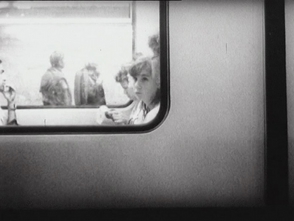
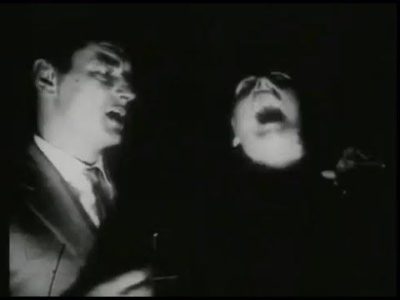
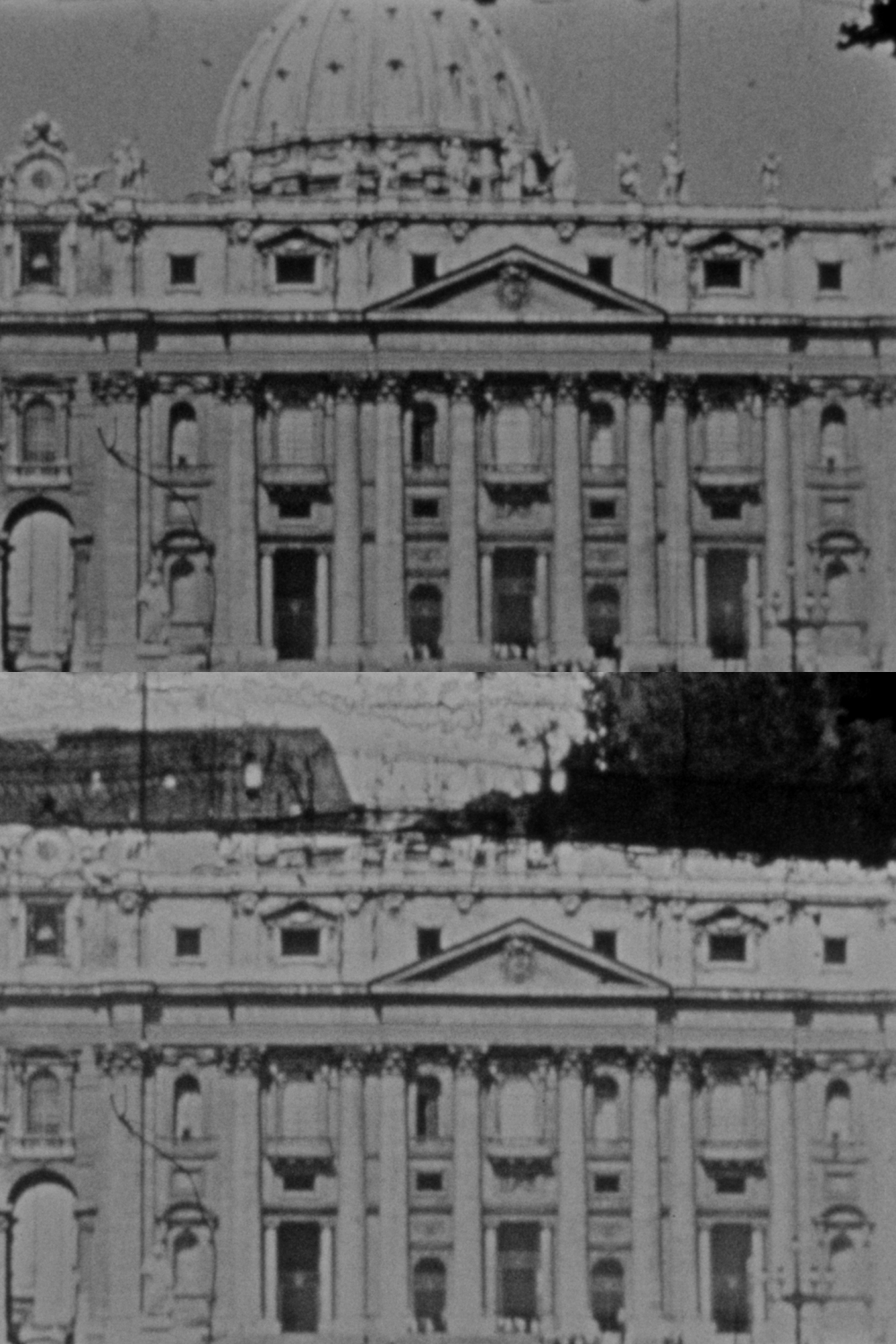
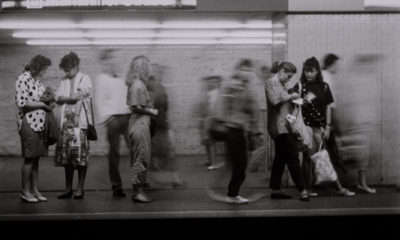
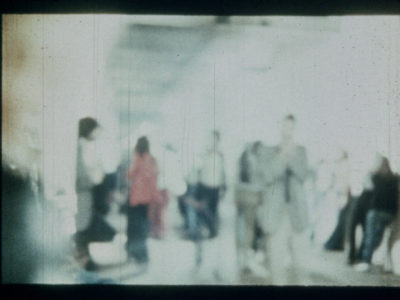
‘In 1995 Kurt Kren turned the centenary of the cinema into a commemorative year. The office “hundertjahrekino” commissioned him to make a trailer which he gave the title tausendjahrekino.*2* For several weeks, Kren filmed tourists in the square in front of St. Stephen’s in Vienna while they were taking pictures of the cathedral or recording it on video. He used frequencies of 2, 4 and 8 frames per second and touched the limits of his lens: maximum focal length (66 mm) and minimum distance (1.2 meters). The takes are usually two to four frames long, they do not follow any fixed rule. The soundtrack is a brief sequence from Peter Lorre’s movie Der Verlorene (FRG 1951) in which a drunkard recognizes a killer protected by the Nazis, accosts him and repeats over and over again: “We’ve met before, I don’t know where, but we’ve met before. . . ” “When the end of the film draws near, the same voice is heard again over the din of an air alert: ‘Everybody down to the heroes’ shelter, everybody die a hero. . . ‘. Kren associates the anniversary of cinematography with the Third Reich, which was to last a thousand years. ‘One Hundred Years of Cinema’ also means images ruling for one hundred years, images which have lost there referentiality and come to dominate reality. The question is whether the tourists will actually ‘have come to know’ St. Stephen’s Cathedral. When the voice on the sound track sends everybody down to the heroes’ shelter, Kren pans up St. Stephen’s, his camera shaking. At the end of the film he seems to seek the lost reality of the cathedral, but it has been bombed by the images.”*3* The technical-formal givens mentioned above arouse curiosity beyond such an interpretation. Tourists taking pictures of cathedrals and similarly large structures may inevitably move the onlooker to ask: “How do you get such a big building into such a small thing?” The trivial technical reply would be: infinity focusing and the longest focal length possible – a wide-angle lens. As regards the focal length of the cameras used, Kren positions himself (as said above) on the opposite end of the scale from the tourists: maximum focal length and minimum distance. But that is not the only point. Instead of seeking clarity by keeping his distance (infinity focusing), thus concerning himself with mimesis, he gets as close to reality as his lens allows him to. The low frequency of frames he works with stipulate long exposure times: in combination with a hand-held camera and telelens, this leads to rather blurred images. Again, we have arrived at the figure of handwriting on the way to Kandinsky’s “Great Abstraction,” and again, Kren wants to visualize the other side of the appearances.
‘What about the people whose outlines haunt Kren’s hazy shots? They all look at the cathedral through their view finders, at the sculptures in the round adorning its facade. These sculptures in the round of human bodies standing freely are precisely the objects via which perceptual reality began to enter the realm of art in the late Middle Ages. These sculptures were the first formulations of a program that was ultimately to be implemented by the Renaissance, and its visual echo is still refracted by every camera lens of this world. In tausendjahrekino, we witness a meeting with the “Lucy” of the photo, film and video generation: these Gothic fossils are to photographic mimesis what the first mother of humankind is to anthropologists. The only difference is that the participants in this family reunion on St. Stephen’s Square are not aware of the fact that they are related. “We’ve met before, I don’t know where, but we’ve met before… ” For Kren, this is tausendjahremimesis, and no end to it.’ — Peter Tscherkassky
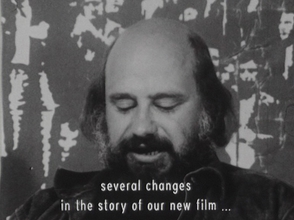
INDEX EDITION 001 – KURT KREN – Action Films (Trailer)
INDEX EDITION 002 – KURT KREN Structural Films (Trailer)
A Sentimental Punk: An Incomplete Kurt Kren Film Retrospective, Megan Hoetger Keynote
Film und mehr. Aus den Archiven von Kurt Kren und Ernst Schmidt jr.
_____ Interview
Peter Tscherkassky: In your first film An Experiment with Synthetic Sound (Versuch mit synthetischem Ton) the objects are out of focus and the images look as if they had been created by chance – this has nothing to do with the tradition of avant-garde cinema!
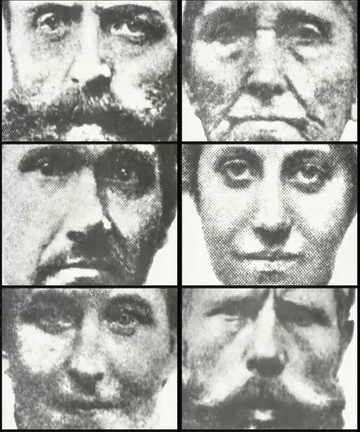
Kurt Kren: Those images had been carefully selected. Chance didn’t enter the game until the film 48 Heads from the Szondi-Test (48 Köpfe aus dem Szondi- Test). I wanted to make a film about human heads, and found the Szondi test. It was divided into six groups of eight different types, all of them numbered. I started playing with these numbers, created a notation for them, and filmed them using a single-frame technique, in other words, turned the mathematical series into images.
PT: What was the audience reception like?
KK: Good! People have always been interested.
PT: Your first and third film have sound, but your later films don’t. Why was this?
KK: I am more visual than audiovisual. In those two cases the sound didn’t quite fit in with the 16 mm film either. Moreover, there is the danger that the image and the sound start competing with each other. The rhythm of the visual has always interested me more. It can produce inner music within the spectators themselves.
PT: Your film 5/62: People Looking Out of the Window, Trash, etc. (5/62: Fenstergucker, Abfall, etc.) is the first one where you use flash editing. Could you tell us something about it?
KK: Flash editing was already familiar to me, I had tried it out before. But this film was the first time it was taken to the level of the individual frame. The rhythm was 1, 2, 3, 5, 8, 13, 21 and 34 frames. It involved a written score, which resembled skyscrapers.
PT: The second phase of your filmography – which really can be divided into different phases – begins after Fenstergucker and includes the Actionist films.
KK: Those films were never intended to be documentaries, although Mühl and Brus hoped they would be. They have made or let others make documentaries afterwards, but as a matter of fact I ruined the whole project at that time, by trying to make a new film myself out of the footage that was shot.
PT: Were the actions public, or staged for you?
KK: Not just for me – there were others shooting them as well. I did, however, have the right to say “Cut!” in order to reload, prime or focus my camera.
PT: One cannot help noticing the absence of Schwarzkogler and Nitsch from your films.
KK: I have later often regretted the fact that I never did anything with Schwarzkogler. But he was even more introverted than Brus. I never saw a single one of his actions. What comes to Nitsch, I had difficulties with the religious aspect of his actions, as I have no relationship with religion myself. I once filmed one of his smaller actions, one that featured Reinhard Priessnitz as well, but the film vanished without a trace. The films brought the actions to larger audiences. We even screened them at the Amerika- Haus in West Berlin, although it had to be kept secret from the officials. This was in 1966 or ‘68. They were screened often in Vienna also. The screenings at Künstlerhaus used to be sold out, with more people still queuing outside.
PT: I return to the Actionist films: 13/ 67: Sinus Beta clearly signals a change in your films. You mix other images with the footage of the actions, although Mühl and Brus are still seen in the long takes crawling and dancing in a childlike manner with the female model. It looks as if you consciously refrained from editing, opting instead to show it how it really…
KK: … was. It took place in the “Destruction in Art” Symposium in London, where I had been invited with my films. I found the editing method much more radical than the actions themselves. I prefer combinations such as Sinus Beta and others like that. The material goes together pretty well.
PT: If you compare this film with your earlier ones, you can see a logical development taking place. This is where it had to go, and this is the logical ending. Then you had those photographs of gestures…
KK: They were from a book on mimicry and gesticulation.
PT: Was that intended to be an ironic comment on the typical and at that point already familiar gestures repeated by the Actionists?
KK: That gets explained by the film itself. We were a loose group, and maintained an outward appearance, but there were significant disagreements inside the group. Moreover, I wanted to make different films, such as 17/68: Grün-rot (17/68: Green-red), the one with the shattered beer bottle. It is also a very erotic film.
PT: Yes, but the eroticism is very aggressive, like in the actions.
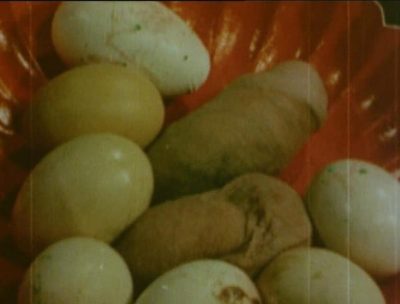
KK: I no longer made films with the Actionists, just some photos of Brus, her daughter and an egg, etc. But I had it in mind to make something about defecating, and I happened to meet Brus and Schwarzkogler in a café. Brus asked if I wanted to photograph him taking a crap, and I said no, let’s make a film instead. Combined with eating, drinking and urinating it became 20. September.
PT: It arouses strong reactions even today. People laugh, however…
KK: Yes, but it is quite a particular kind of laughter, like in Pasolini’s Salò. Then in 1968 was the episode with the National Bank of Austria. I used to work there, but I was never welcome. My father had arranged the position, they owed him that much, because the Wiener Giro- und Kassenverein had sacked him during the Nazi period. I was a black sheep from the very beginning, but I had the status of an official and therefore couldn’t be dismissed.
When I returned from my first trip to America I though I would manage somehow, and let them know that I would quit by the end of the year. After a while, in June, the “Art and Revolution” event, or the so-called university outrage, took place, and made the headlines in the Blauer Montag. My name was also mentioned in the headlines, along with citations from the Süddeutsche Zeitung of “girls from good families” running out from the theatre in order to throw up as a reaction to 20. September. The film was screened in Munich then. On Wednesday I was called into the department of personnel administration and given the notice, saying that I have been dismissed immediately. They would pay may salary until the end of the year, though. I should have withdrawn my own application to leave and sue them, that would certainly have earned me an early retirement with full pension, but I just wanted to get out.
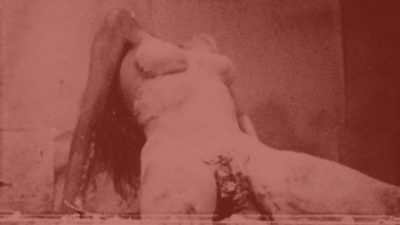
I turned on my heels and walked out of the bank. But after all it was a job where I could remain myself. During that time I wrote my scores, and also edited Mom and Dad (Mama und Papa) and Leda and the Swan (Leda und der Schwan). In the evenings I would return from work and brush the dust of the bank off my clothes. It was quite something else than being a museum attendant in Houston… and they had good food at the bank, too. But I thought: I will make it, somehow!
The problem is that nobody buys films – you can’t hang them on your walls as status symbols. We did, however, make small boxes covered with serigraphs together with the painter Wolfgang Ernst. They contained serigraphs of my scores, some of my photographs and one Super-8 print of one of my films each. We sold them for 150 Deutsche Marks from 1971 onwards. I heard one was auctioned at Düsseldorf recently for 1800 Marks…
PT: When did you move to the United States for real?
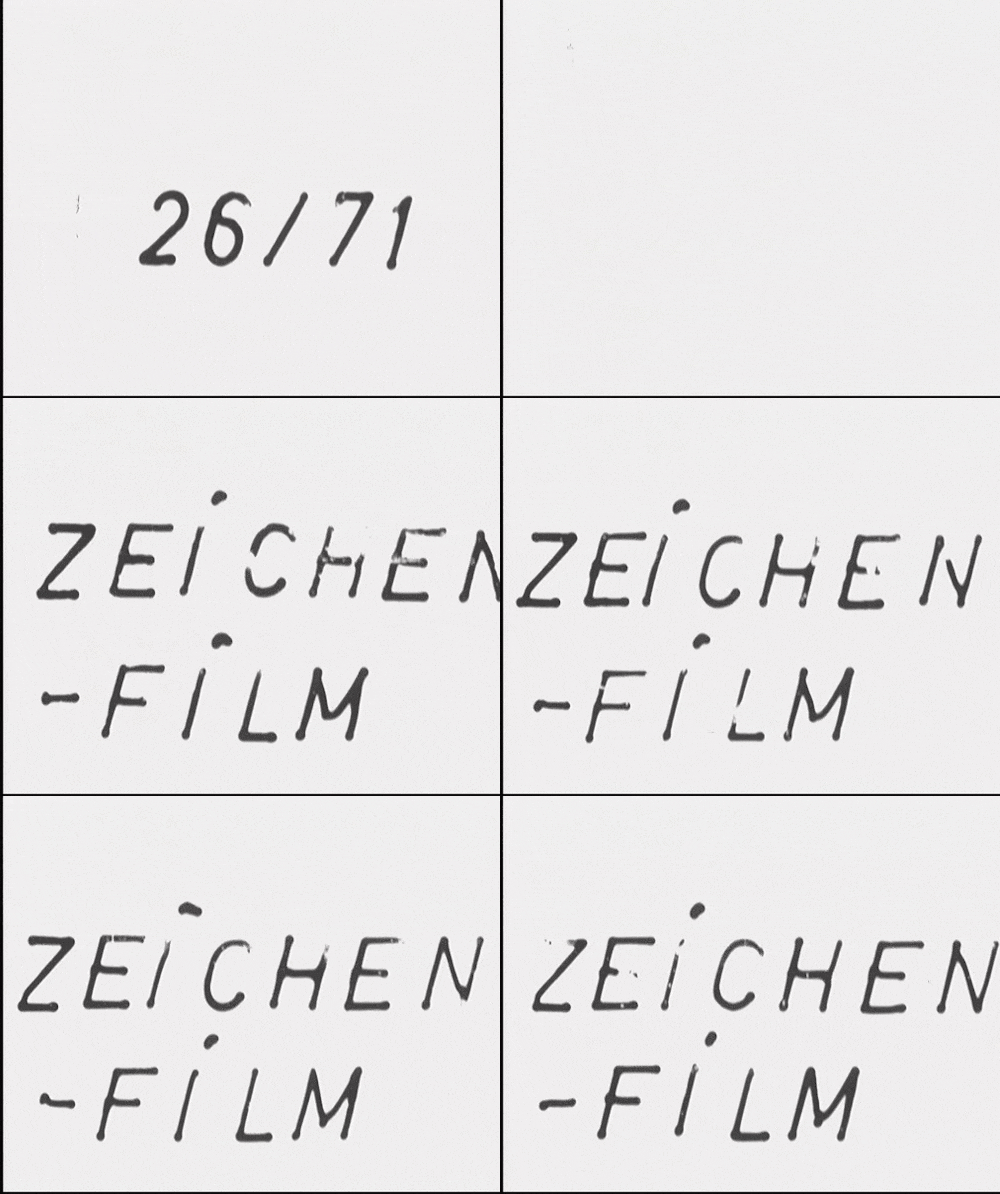
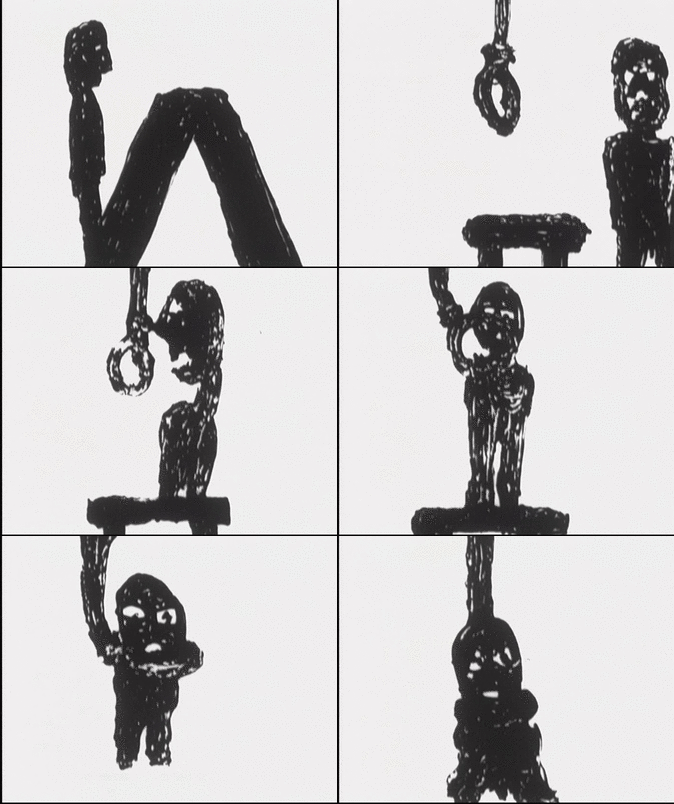
KK: In 1978, from Munich. I had sent a card with a picture of the heads from the Szondi-Test to about a thousand addresses. I received some replies, and criss-crossed across the United States. Just before I was to depart an event entitled “Film and Sexuality” took place. The police raided it and confiscated the films, including my film Cartoon: Balzac and the Eye of God (Zeichenfilm oder Balzac und das Auge Gottes). The public prosecutor described the film for pages and pages… although it runs only for a couple of seconds. They regarded it as a case of disturbance of public order and an infringement of religious whatever. It doesn’t startle anyone in the USA, however, because they don’t recognise the triangle as the eye of God – even though they have it printed on the dollar bill, right above the pyramid.
In any case, at the time I assumed the police got that one film only, but on the evening before my departure I found out that they had confiscated the entire reel that I was going to screen over there. Despite all this, I got married during my tour, just like in the film American Dream. We then came to Berlin via the German Academic Exchange Service, and after a year got divorced. The film tours went very well, until Reagan became president. His slogan, “Less government, more freedom” didn’t materialise in cinemas any more than it did in the social welfare services. The popular, so-called independent film reigned at the box office, because it brought in bigger audiences.
PT: Your own films of that time are very melancholic.
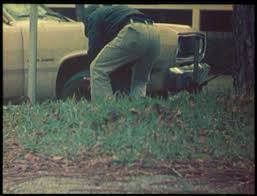
KK: Yes, my personal situation was completely chaotic and I looked for order through my films. I finished three films during that period, “bad home movies” as I like to call them. I always put in them a story about my cars, too. 40/81 Breakfast in the Grey (40/81 Breakfast im Grauen) was filmed when I spent time in New England with my friends, pulling down old houses ripe for demolition and selling the timber. I was the nail puller; I pulled nails out of boards.
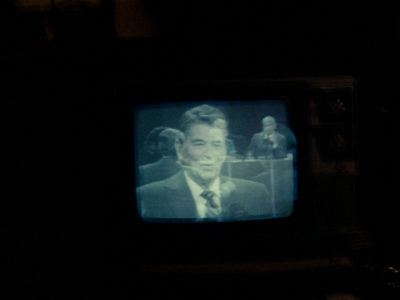
PT: Those images are very important and symbolic to me: crumpling, collapsing houses, something breaking down – it is very touching. The same applies to your film 41/82 Getting Warm: interior shots, America as you only can imagine it, a television in the middle of the room, turned on perpetually, next to an unmade bed with someone lying in it occasionally, sometimes empty… these are very sad images, but ones that still evoke a kind of homesickness. You used to live in your car at the time, didn’t you?
KK: I did. Reaganomics caused many people to lose their homes, their jobs, their cars, forced them to sit on the streets with their families. And me in my car, it was strange… The early winter in New England was quite cold, so I moved through California to Texas, arriving first in Austin. Parts of Getting Warm were shot there.
I would be standing in front of the Texas Employment Commission at seven in the morning; people who needed cheap labour used to call there. I still had my 300 dollar Thunderbird then, and it still looked decent inside, and the only reason I got hired often was that I could take in a couple of passengers. The bottom of the car would often scrape the ground. But eventually even those jobs became hard to find.
PT: How about 44/85 Foot’-age shoot’- out, your last film?
KK: It came about in the following manner: when I returned home in the evenings I was completely exhausted and unable to do anything. I laid down, and could have slept for a day or two, really. But, surprisingly, I received a letter from the San Francisco Cinematheque. They wanted me to make a film to be screened at the Chinese Theatre – with only a two weeks’ warning! A reel of colour negative was included with the invitation.
There I was, wondering what to do next. The stress of the situation made me furious: what are they doing to me, it felt to me almost like being raped. That is what the title of the film came from: a film duel, a footage shootout.
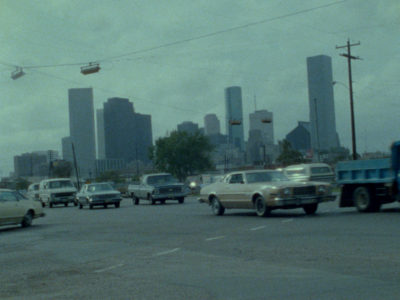
I was really worked up, and then I met Bruce Conner who was covering a story in Houston. “Forget it, they are out of their minds!”, he said, but I couldn’t do that. I just thought, “Shit, I’m going to do it now!” Furiously, I shot the Houston skyline with my camera – that’s all there is in Houston anyway – and then even the film got stuck in the camera. I ripped it out of the camera and shoved it in the express envelope that had come with it, complete with the address of the film laboratory, and mailed it away. They had added the music from Once Upon a Time in the West in ‘Frisco. It was less famous in the States. In Europe it is apparently known by everyone, and I hear they even use it in commercials.
PT: Could you imagine yourself doing teaching work?
KK: I hate school a priori. They only produce new teachers. All the Art Schools, they are just machinery producing new teachers. My advise to students: don’t make films – go straight on the dole!
______________ 19 of Kurt Kren’s 49 films
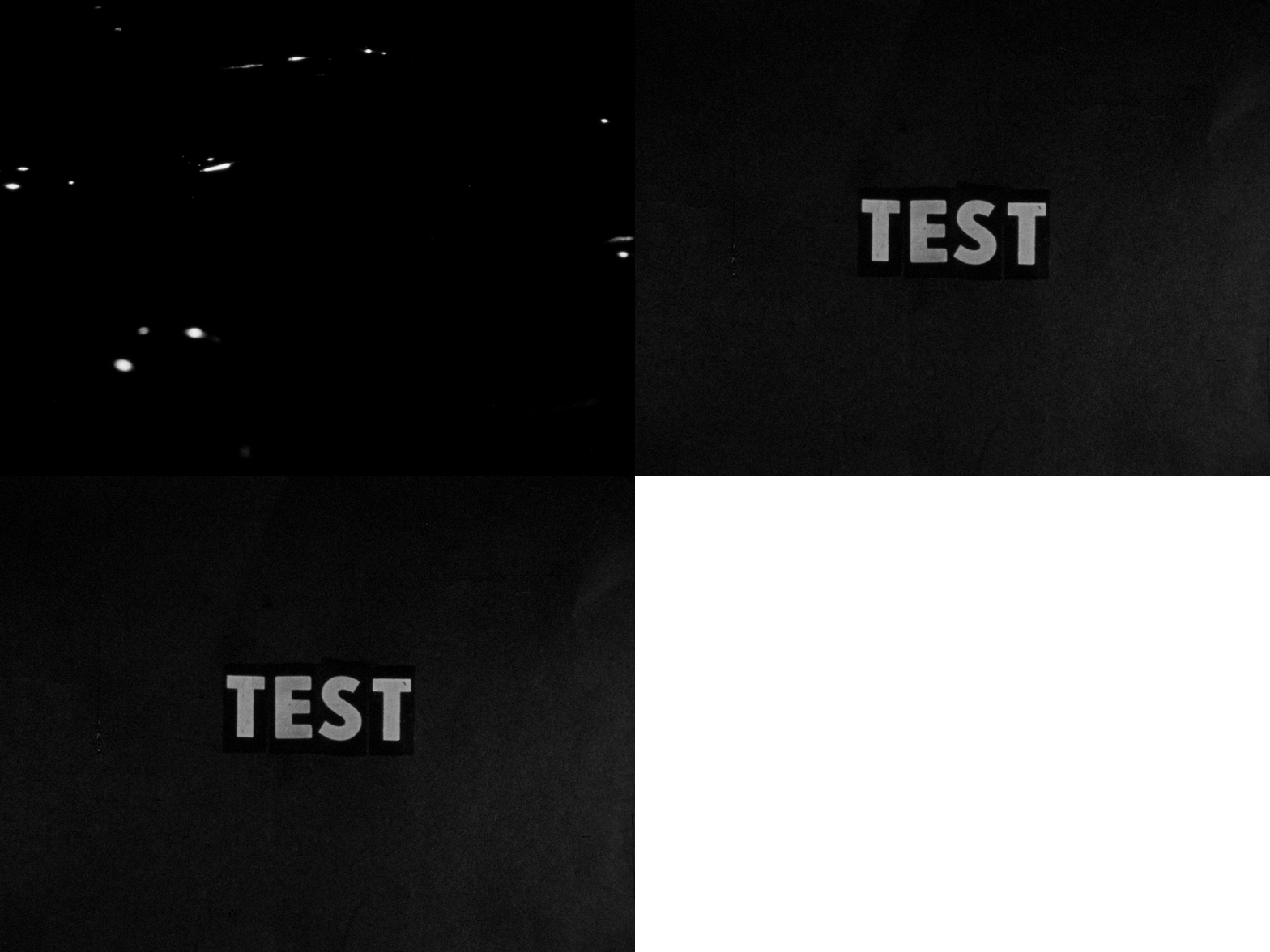
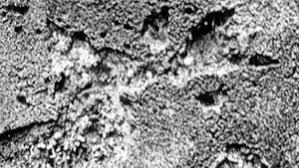
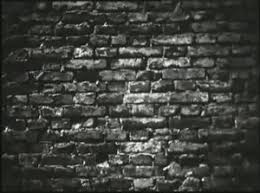
______________ 1/57: Versuch mit synthetischem Ton (Test) (1957) ‘Mostly dark, rejecting images which are repeated. A stone wall, the chamber of a revolver which is, at first not recognizable, a close-up of a cactus. The duration of the takes emphasises the photographic character of the pictures, simultaneously with a crackling, brutal sound.’— Hans Scheugl
the entirety
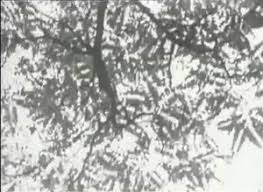
_______________ 3/60: Trees in Autumn (1960) ‘The first embodiment of (a) concept of structural activity in cinema comes in Kren’s Bäume im Herbst, where the camera as a subjective observer is constrained within a systematic or structural procedure, incidentally the precursors of the most structuralist aspect of Michael Snow’s later work. In this film, perception of material relationships in the world is seen to be no more than a product of the structural activity in the work. Art forms experience.’ — Malcolm Le Grice
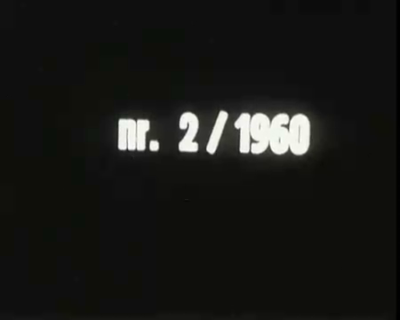
______________ 2/60: 48 Heads from the Szondi (Test) (1960) ‘A strictly serial, sequence technique: in various frame-sizes, the 48 portraits from the Szondi Test for “experimental diagnosis of human impulses” are shown in pre-specified lengths.’— IMDb
the entirety
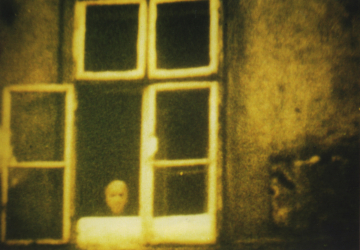
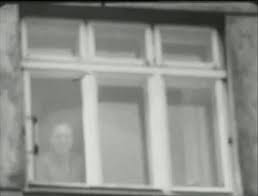
________________ 5/62: People Looking Out Of the Window, Trash etc. (1962) ‘Almost as if entering the picture frame by chance, mute characters lean out of Viennese apartment windows, simply to have a look.’— letterboxd
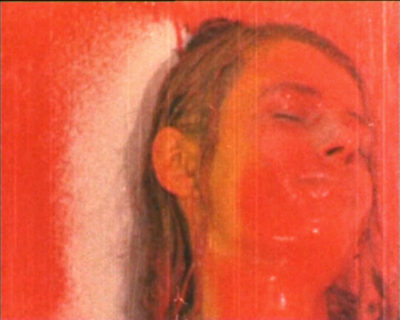
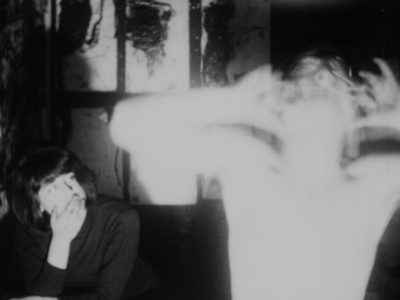
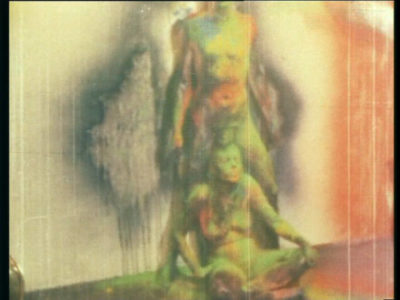
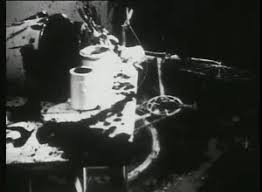
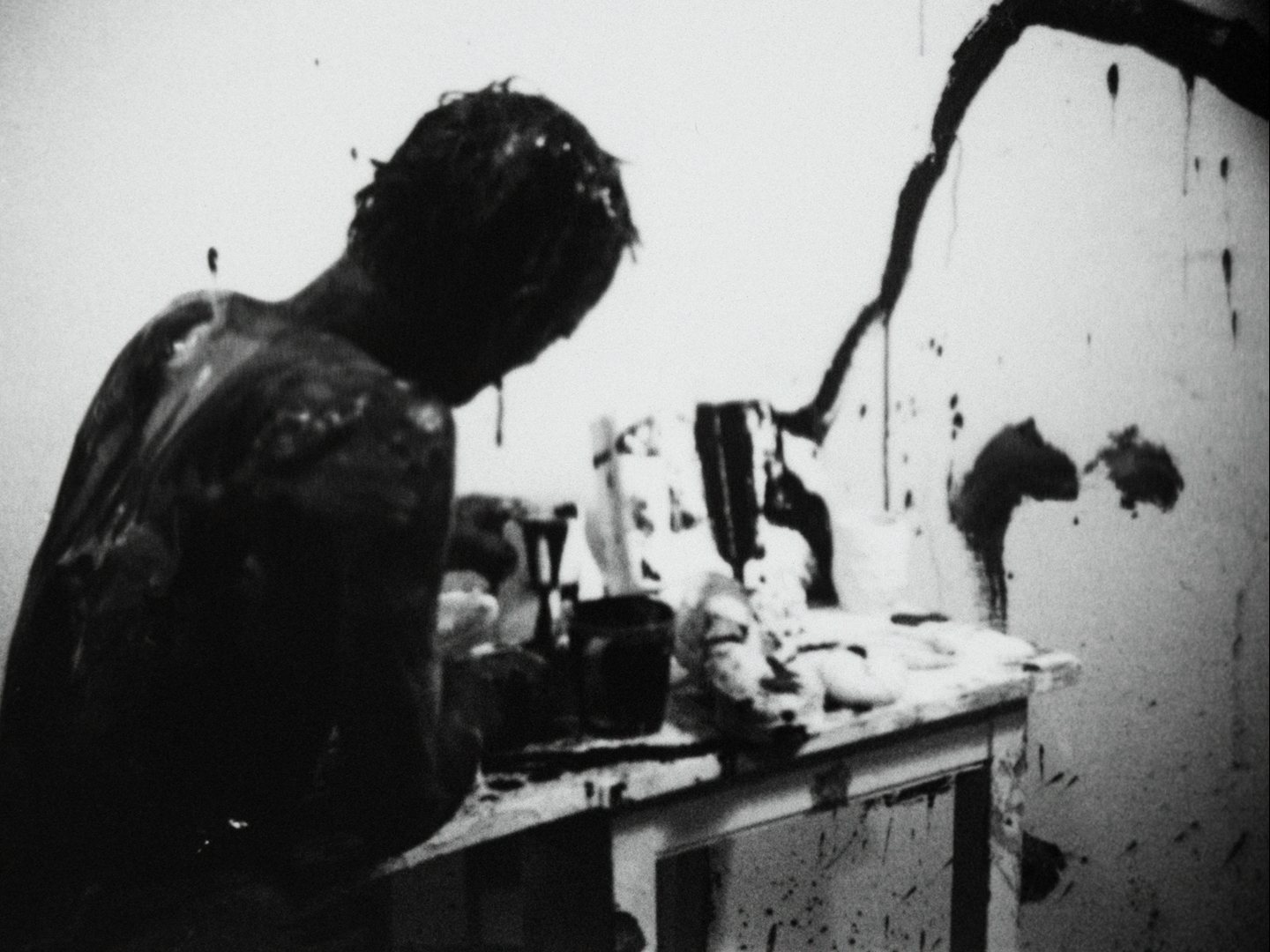
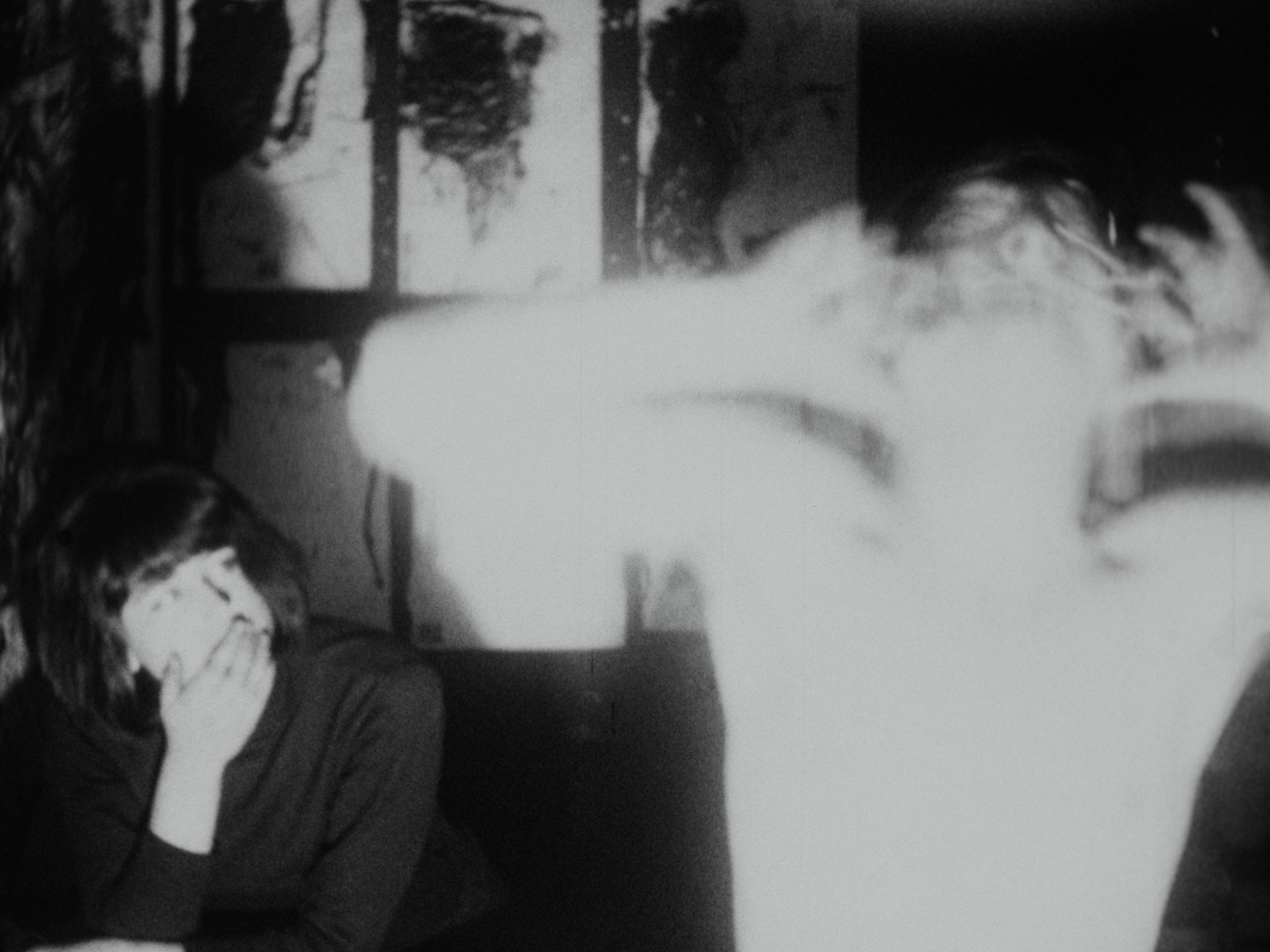
_______________ 8/64: Ana – Aktion Brus (1964) ‘Kren’s first film of an ‘action’ by Gunter Brus. This three-minute film was far more akin to the American-style ‘happening’ in that the content was not particularly extreme. It was built up from items such as broken bicycle parts, a nude model, pieces of furniture, and these elements were then obscured or transformed by having a layer of paint thrown on them.’— Filmow
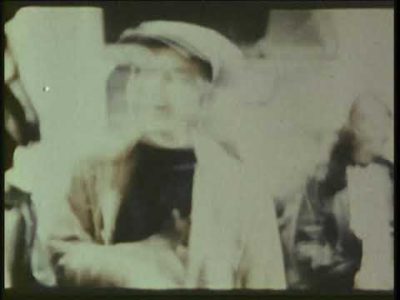
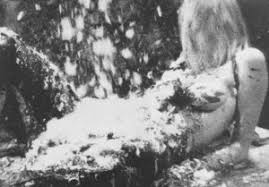
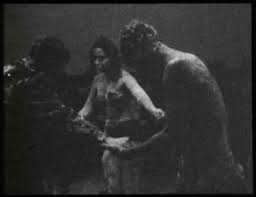
_______________ 6/64: Mama und papa (1964) ‘In the first action he filmed, 6/64 Mama und Papa, Kren’s editing leads to many interlocking continuous shots; central takes recur like a leitmotif, circular motion and networking can be observed throughout the film. Kren painstakingly weaves the fury in front of his camera lens into dense geometrical figures. Shot/countershot sequences alternate, lumping back and forth between single (!) frames, they turn the Actionist turmoil into ornaments, rigid geometrical patterns, the equivalent in time to what Mondrian used to distill on canvas in space.’— Peter Tscherkassky
______________ 10c/65: Brus wünscht euch seine Weihnachten (1965) ‘A kind of home movie made in Brus’ apartment. Brus’ Christmas wishes can be seen on a poster which he painted and which he holds for a short time in front of the camera.’— letterboxd
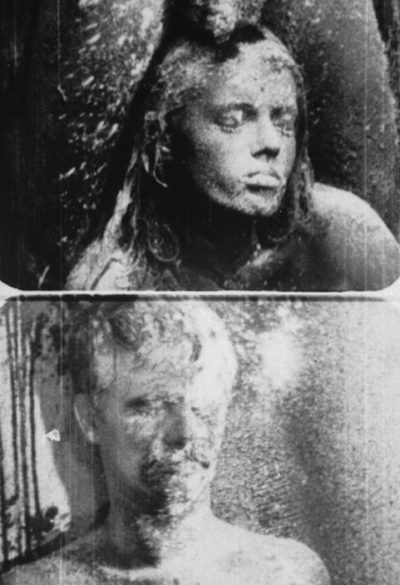
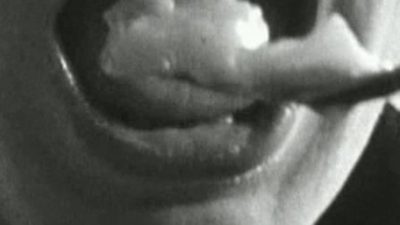
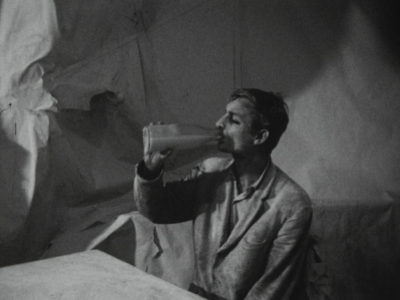
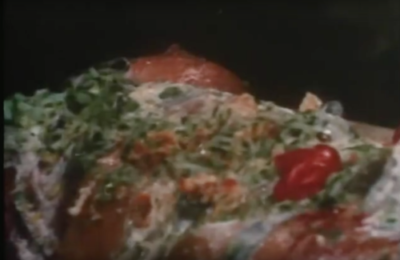
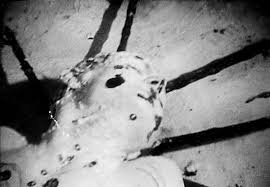
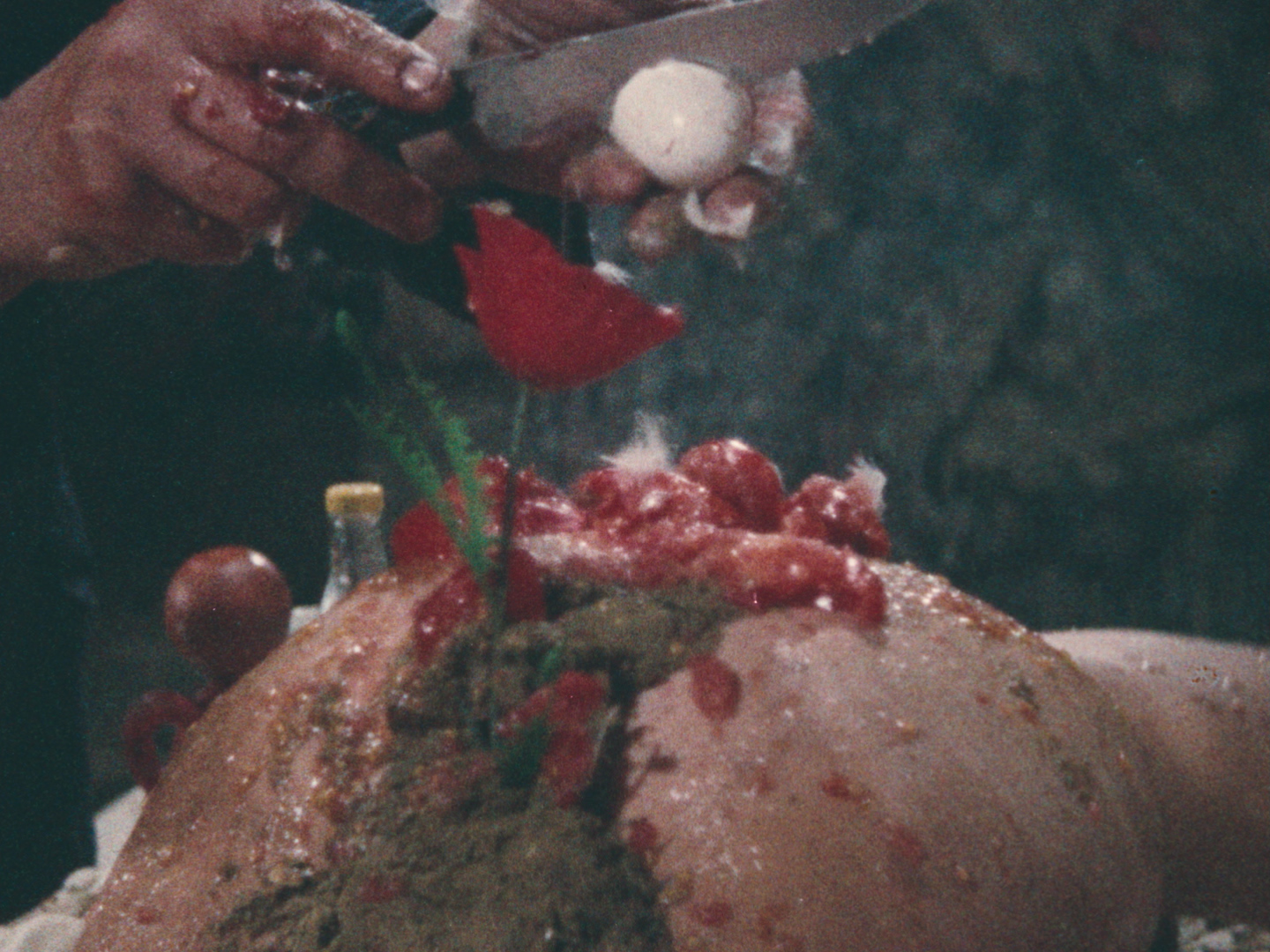
_______________ 10/65: Self-Mutilation (1965) ‘The theme of Self-Mutilation (also referred to as Self-Destruction) is self-explanatory. Kren’s 10th film of 1965 depicts a man covered in white plaster and dough inflicting pain or attempting to operate on himself. The whole thing is very graphic and deeply unpleasant to watch. That, of course, is the intention; to shock the viewer and challenge perceptions.’ — in arte matt
the entirety
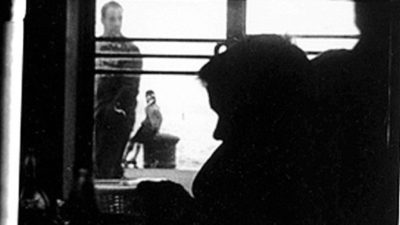
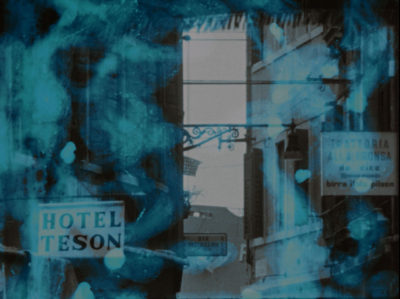
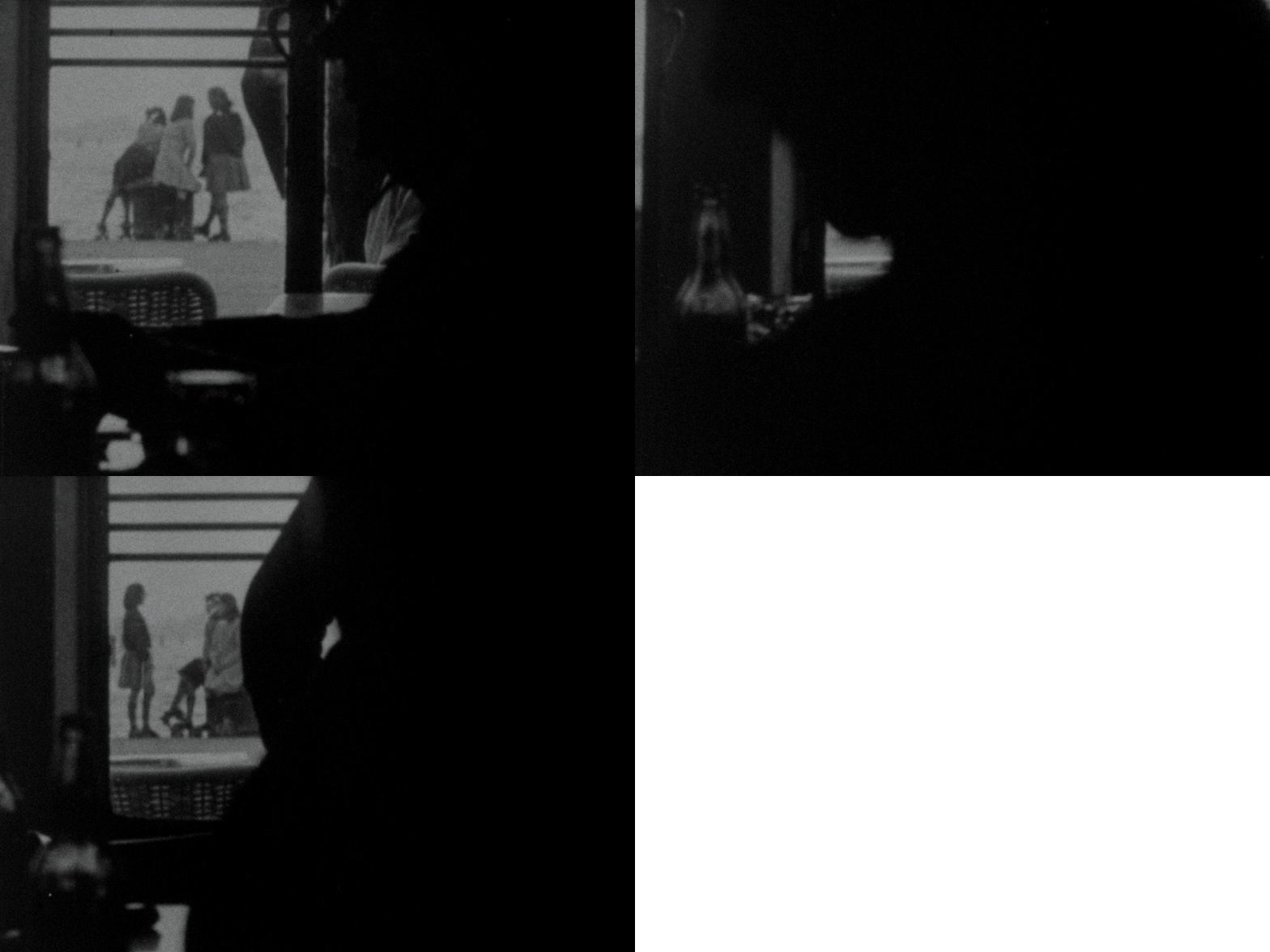
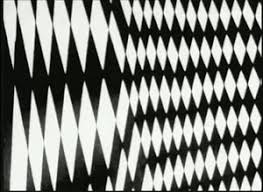
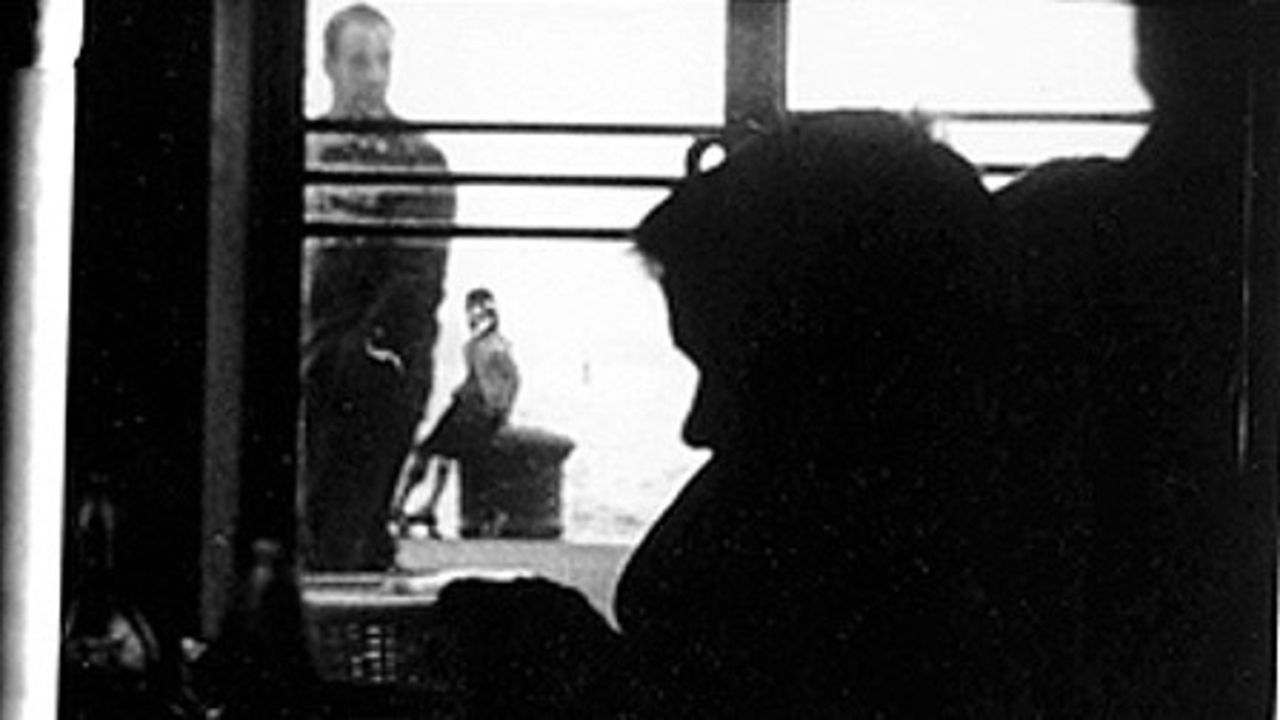
_______________ 15/67: TV (1967) ‘… Kren’s next important systematic film is TV (1967). In TV, the system is different in kind and pace from that which exists in much of his other work. Instead of operating primarily at the kinetic level, or with rapid perceptual rhythm, this film involves the audience in a conceptual and reflexive process. Five short sequences, each about eight frames long, are all shot from the same viewpoint in a quay-side cafe. They show a window, broken by the silhouettes of objects and people within the cafe and by the passage of people and a ship outside. Each shot containing some small movement is repeated in the film 21 times, in mathematically determined order. They are separated by short, equal sequences of black spacing, except that longer black sequences separate larger phrases of repeats from each other rather like punctuation. The significance does not lie in the mathematical sequences as such, but in how the viewer attempts to decipher the structure.’— Malcolm Le Grice
________________ 13/67 Sinus beta (1967) ‘The following can be seen: unpleasant photos from a book on facial expressions and gestures, some heads from the Szondi test, figures dodging the rain, a few glances from a tower down at the people below, and finally fragments of an action, which Kren captured on film in 1966 at the Destruction in Art Symposium in London. Sinus Beta is almost a sort of teaching film about bodily behavior in different situations. The film also produces – through the heterogenic photographic materiality of the primary elements – a cross-section of the methods, used in capturing the body in a still photograph. And so the roughly-grained photos from the book seem to be like the booty, which Etienne-Jules Marey shot with his chrono-photographic shotgun, while trying to make the bodily movements surveyable.’ — Michael Palm
the entirety
_______________ 17/68: Green Red (1968) ‘Kren filmed, in microscopic detail the reflection and refraction of the light in/on a glass bottle. However, the bottle itself (the whole body) is never seen. What is seen is much more the emanations of light from the glass and its clarity.’— Michael Palm
______________ 24/70 Western (1970) ‘Kurt Kren films an anti-war poster in extreme close-up moves to subvert the quick responses of viewers to its loaded imagery.’— Hans Hurch
the entirety
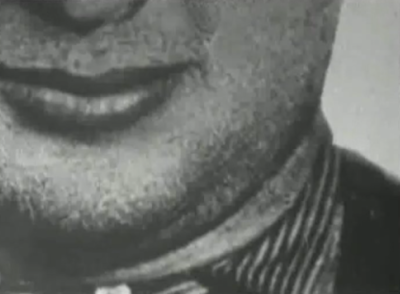
______________ 28/73: The Exposure(s) (1973) ‘A man’s head is seen in silent close-up using single-frame shooting and time exposure.’— letterboxd
the entirety
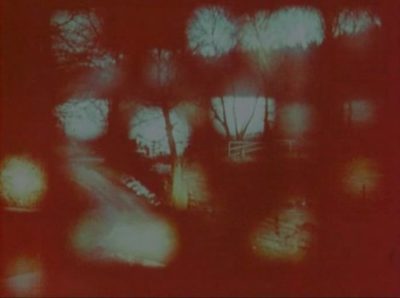
_______________ 31/75: Asylum (1975) ‘A meadow, a lake, the silhouette of a hill, trees. 21 days of the same view in Saarland. 21 days with five different cut-outs in a mask before the camera, which finally reveals a complete panorama. The landscape changes with the advancing seasons and becomes slowly delirious in its technical alienation.’— Claus Philipp.
the entirety
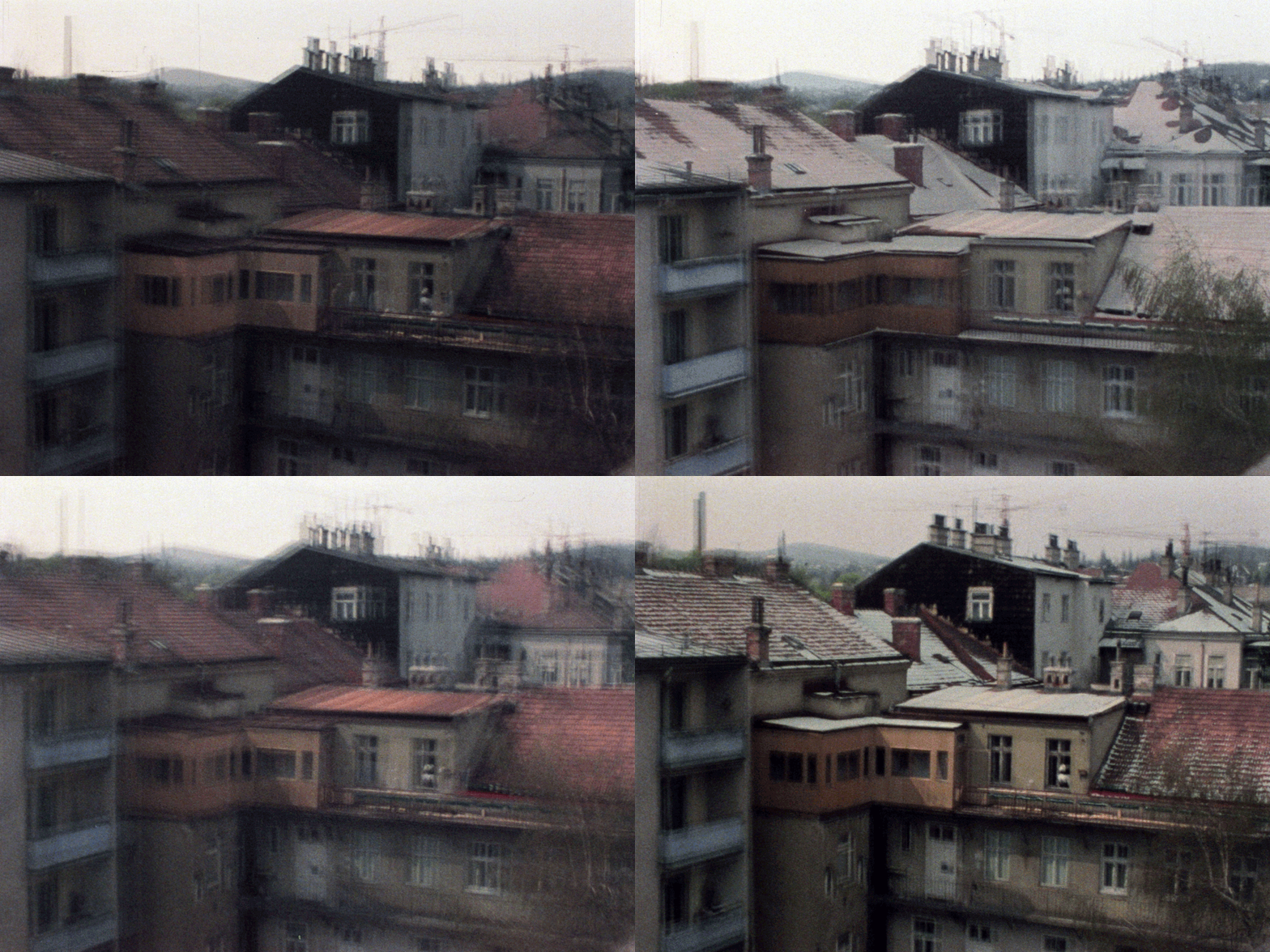
______________ 32/76: To W+B (1976) ‘I took a photograph of the view out of the window and had a very large negative made from it, which I fastened to the lens hood attachement in front of the camera. I tried to bring the negative into alignment with the real landscape which I could see through the camera. Then I filmed for months, changing the focus from near to far and then back again.’— Kurt Kren
the entirety
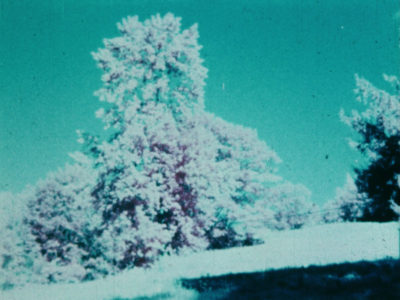
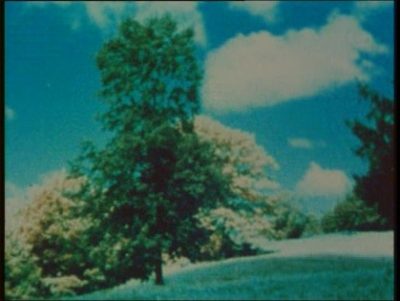
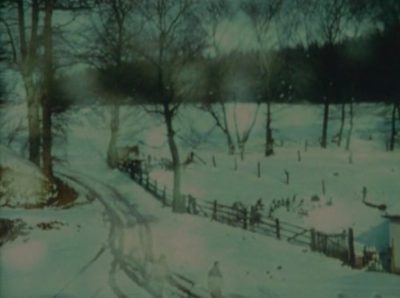
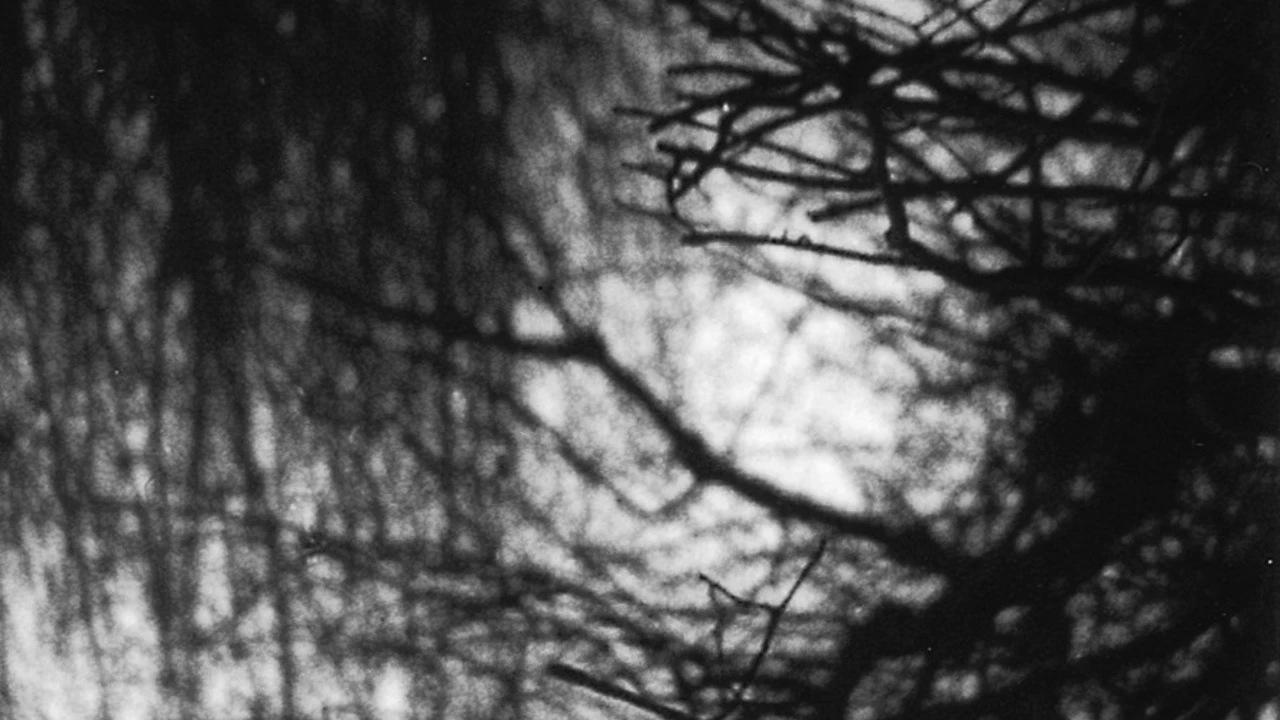
______________ 37/78: Tree Again (1978) ‘At the centre are takes which do not change – a tree in a field in Vermont, U.S.A. Since the film was shot over a period of fifty days, the single frame shots create a storm of pictures.’— Hans Scheugl
the entirety
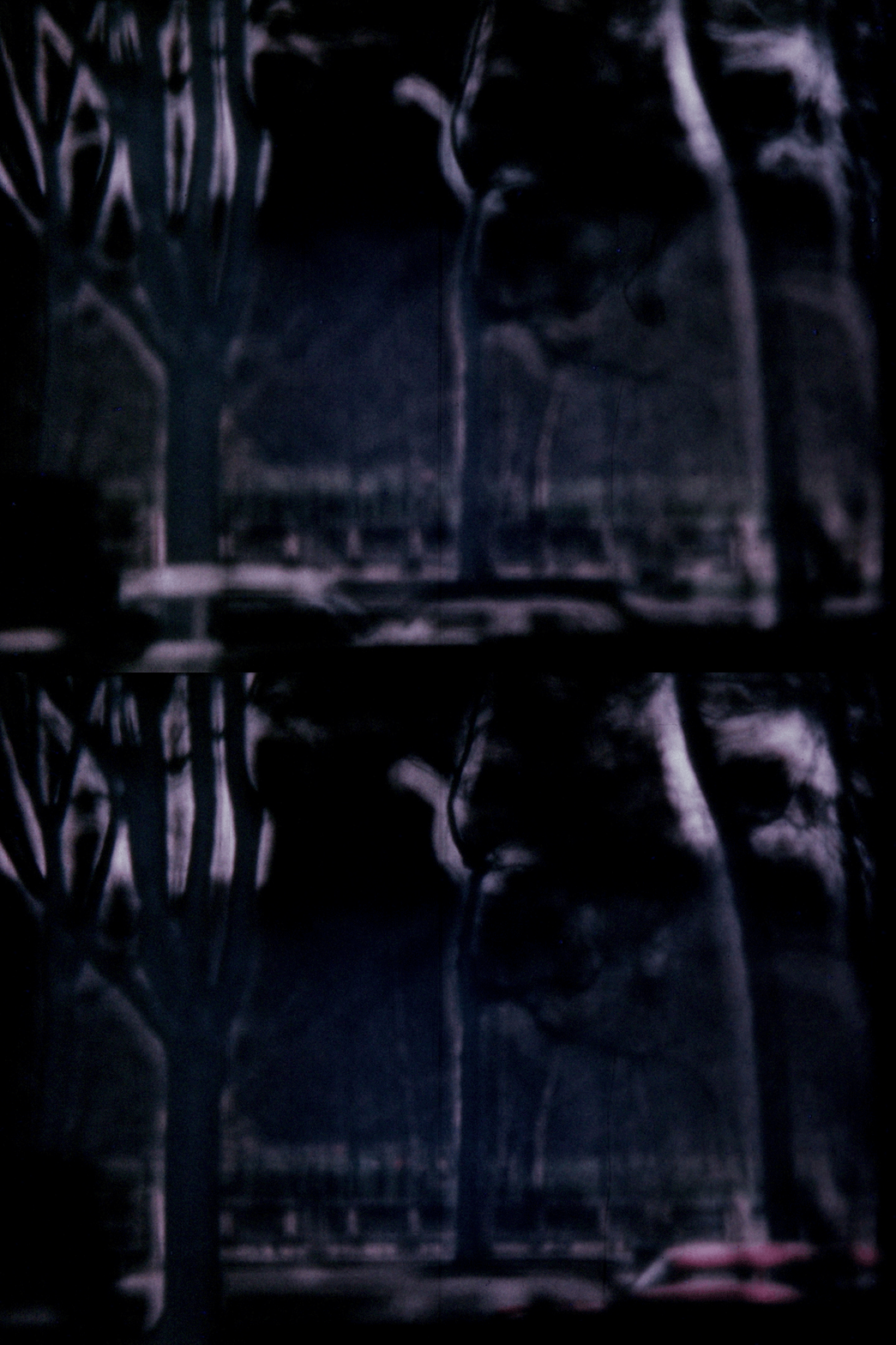
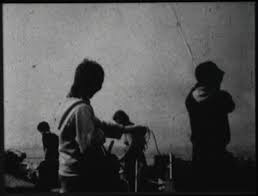
______________ 38/79: Sentimental Punk (1979) ‘It was in San Francisco at a punk festival. I was already high and the air was so thick in the rooms that you could cut it with a knife. I had a photograph camera with me; I stood in a corner of the entrance hall and took 36 pictures on slide film. At home I put the slides into a slide projector. I took out the lens and filmed the slides by filming directly from the projector – using single frames according to a certain plan.’— Kurt Kren
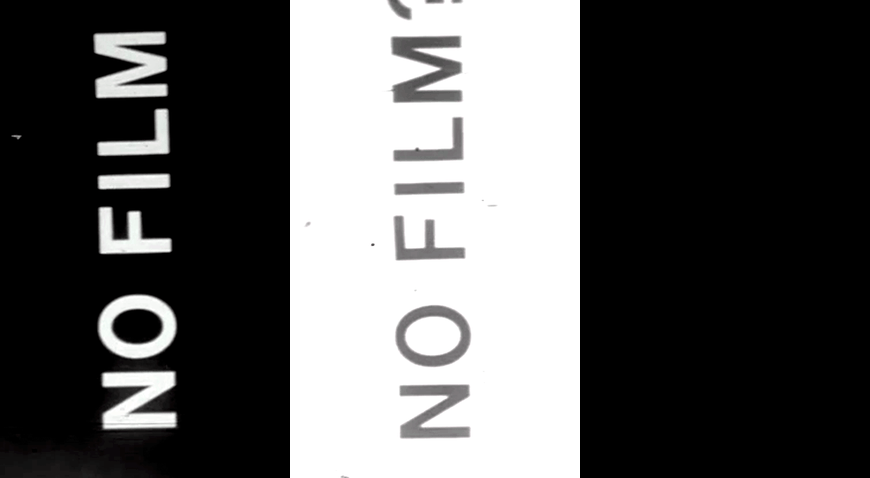
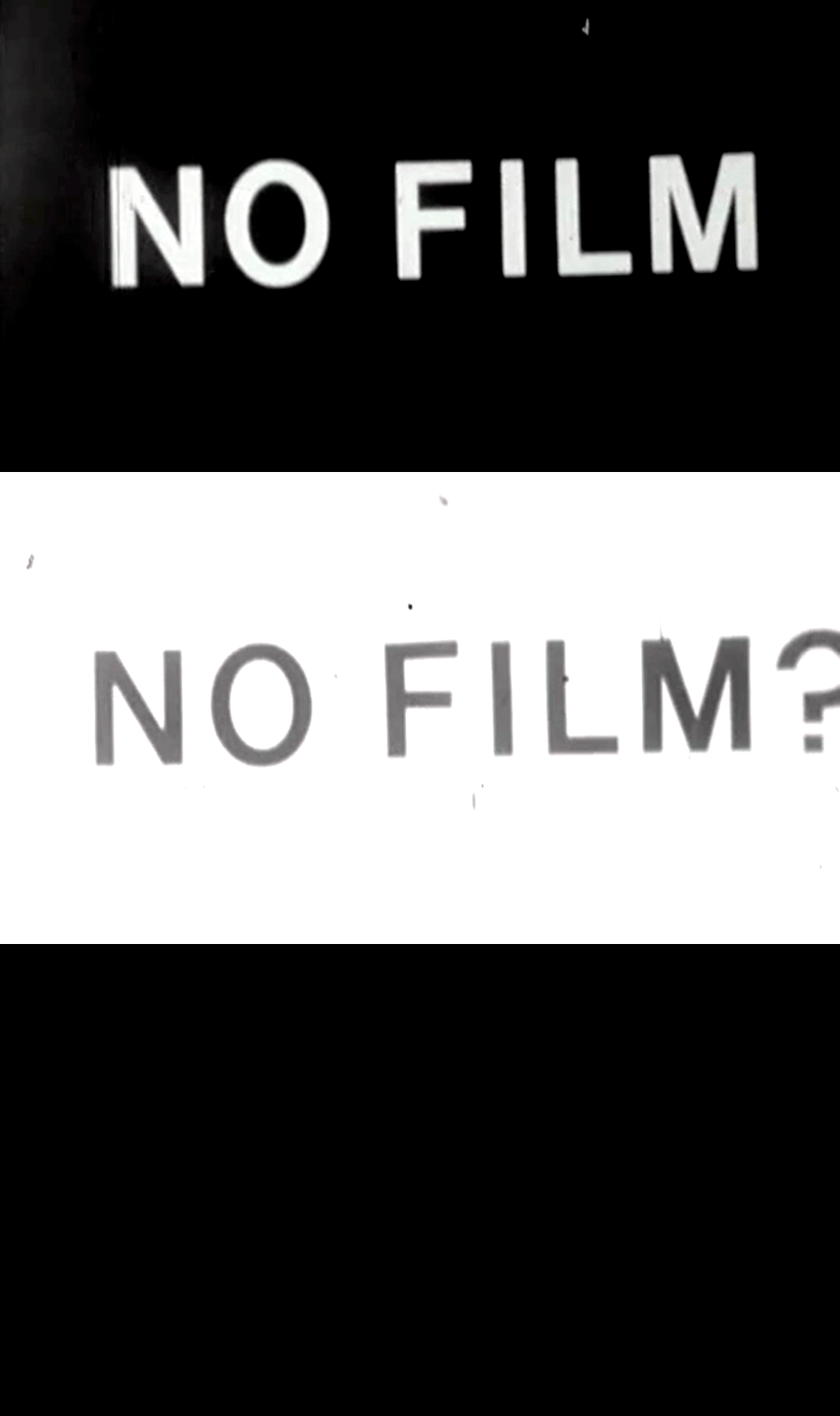
_______________ 42/83 No Film (1983) ‘It was a time when I was desperately unhappy that I wasn’t really doing anything, no more films. Wilhelm and Birgit Hein once took a photograph from a newspaper, saying that, although the image doesn’t move on the screen, it’s still film. I shot a few words – “No Film” – which don’t move either but are a film just the same. And so: no film. Question mark.’— Kurt Kren
the entirety
_______________ 47/91 Ein Fest (47/91 A Party) (1991) ‘This film was commissioned by the Austrian television ORF. Kren was asked to document the anniversary celebration for the program “Kunststücke,” a cultural magazine. He shot single frames of the events and used the actual recorded sounds as the soundtrack.’— Hans Scheugl
p.s. Hey. ** Ilán, Hi. Thanks. Well, it’s not really quality over quantity, since you’re quality too. It’s just the way the cookie may crumble. Zombies are definitely a little done at the moment. I haven’t gotten to the two books yet, but I certainly will. ‘Til soon. ** Dominik, Hi!!! Yeah, me too, boy and animals and ‘observed’ car accidents and fights sometimes. Yes, we did Le Parc de L’étrange. Mm, all in all it was fun. Most of it was like being at a fancy party at some wealthy person’s estate who trained orange lights on the trees and plays Danny Elfman music, which wasn’t so fun, but there was a scare zone, or rather ‘scare’ zone that meant well. Pick one … wow, tough. Maybe ‘Unknown’ (the one above ‘OOAK’), I don’t now why. Qixuan Lim is great, yeah. Love crossing his heart and hoping to die, G. ** Adem Berbic, Hey. Well, I think you know I am profoundly disinterested in Nihilism, so … The people I know who do K are all US-based and into the psychedelic-adjacent thing. Otherwise, like I said, I mostly see it referenced as a sex enhancer, but then I spend too much time on the escort and SM sites seeking entries for my posts. But a K plus T plus G combo seems to be very popular. ** Sarah Palmer, Hi. Oh, it’s okay, it’s already almost all cleaned up now, and the damage was kind of refreshing on the eyes. Right, the Schwitters, that too of course. I’m going to Paris Internationale today and hoping to be surprised. It’s not uncommon these days for theater things in Paris to have English super-titles, but it’s still uncommon enough that one needs to check in advance. I’m not sure if it’s officially in Festival d’Automne, but the great American avant-garde theater Company The Wooster Group is performing here around that time, and that’s a rare occasion. Let’s scour our days today and bring home some treasures. ** Bzzt, Hi. I look forward to the story. Lucky you being able to fade out the world at the moment. ** _Black_Acrylic, It’s true, but it does seem like a British medium, although the Dutch would probably disagree. ** Ricky Martin, Hi there, welcome. I haven’t seen ‘Cruising’ since it was first released a million years ago. I didn’t think it was all that good, but I can imagine it looks much better now. Hm. What do you think? ** laura w., I pretty much save every 3 hour movie for my next long plane flight entertainment, although I do’t know if the Holmes one will make the airlines’ grade. They’re pretty straight down the middle. There was a big scandal here in France recently because some novel that the critics went wild for and that was nominated for a big literary award turned out to be written with AI and now the literary establishment is horrified and embarrassed and having to do much public soul searching. I never read horror fiction and that’s one reason why. Of course I’m curious about the new Vollman. Its length is off-putting, but I’m sure I’ll read it. ** Carsten, No, because I’m totally glued to the news. Not knowing what’s going on seems scarier to me. So far it’s been curfews in two spots — Republique and around Les Halles. I haven’t heard or seen what that resulted in. Things are quiet right now, but there’s another huge protest on Saturday which I think the military and police are going to be all over. ** Steve Erickson, Enjoy the new laptop, natch. Everything is normal again here. The neighborhood damage is mostly repaired. Saturday is when the next big protests are, and we’ll see. Pop-less power pop. Curious. ** Uday, Hi. I don’t think I have baked goods on here very often. You must really dislike them. Miniature cameras, nice. I remember them. I guess they still exist and are probably even more miniature. I think Richard and Tom Verlaine were mostly okay with each other, or Richard told me so. ** Alden Nagel, Hi. Welcome to here, and thanks for entering. As Hugo already said, ‘Safe’ is in a short fiction collection called ‘Wrong’, which I think is still in print? ‘Idols’ was a book of poems. There’s talk currently of reprinting my early poetry books, but I’m not sure if that’ll actually happen. Thanks for asking. How are you? ** Hugo, Hi. Well, happy to have pleased that boy on the male actor front. We’re in London pretty briefly. So probably just the screenings and try to see old friends there who I haven’t seen in forever. And some art, if we’re lucky. Howdy! ** Thom, Thanks, man. GbV a joke band?! Never! Them’s fighting words. Whoever said that is a total ignoramus. The post: The best is to lay out the build of the post as you want it to look. You can do that in a doc or in the email itself. Indicate where images go, and send the images as attachments or in a google doc or something. Put the links for videos in the post text/build, and I’ll go get them and imbed them in the spots you indicate. Does that make sense? Thanks! Big wins on my end? Mm, nothing big in the last several days, but the week remains young-ish. ** Okay. What’s on your pre-set menu today are the fine films of Kurt Kren. See you tomorrow.


























 Now available in North America