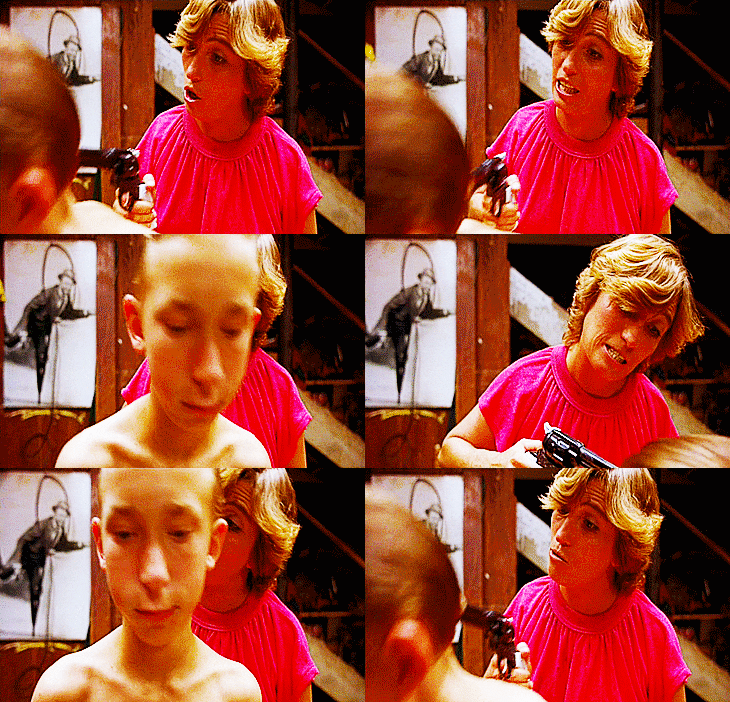
“All I want to see is pieces of fried bacon taped on walls, because most films just don’t do that.”
‘Harmony Korine has said a lot of things like that in a career of over twenty years. (He said that in 1999 to fast friend Werner Herzog at the Telluride Film Festival.) Plus, one of his most indelible inventions was in “Gummo,” his directorial debut, in which a kid savors a plate of spaghetti in the bathtub. I met Korine around the time that movie was released, and had the briefest of food moments, standing in a hotel hallway as he chased a journalist from the room rented for the day by “Fine Line Features: A Time Warner Company” by hailing a plate with a cold hamburger, and then the single-serving Heinz ketchup at the back of the door. As the older journalist scurried away, the twenty-three or -four or -five-year-old filmmaker greeted me with a grin: “I’m Harmony, I hear you’re from the South, too.”
‘“Gummo” is so Southern, I said. “Oh, it’s completely Southern, it’s totally, one-hundred percent Southern. I’m a Southern boy so how would it not be? I’d say ‘Gummo’ is an American film; it’s Southern, but it’s strange. But it’s a genre-fuck. I love the South, love it. I didn’t leave until I was eighteen. I had to move out to understand it. I couldn’t have made that film if I hadn’t left Tennessee for those four or five years.” (And with “Spring Breakers” and “The Beach Bum,” Miami is about as far South as you can go.)
‘He is not a “kid” anymore, hardly enfant, sometimes terrible. Now he is just-turned forty-six. A man who in middle age got his best reviews in 2017, for his offhanded yet precise performance as a middle-aged pepper-and-salt-bearded john in “The Girlfriend Experience.” (“I really want to touch you” comes off as needy but also keenly manipulative in Korine’s mouth.)
‘What is “Harmony Korine”?
‘A fierce and devoted lover of the Marx Brothers, not limited to on-camera Zeppo and off-camera Gummo.
‘A devotee of vaudeville: patter, patterns, sweet nonsense in tightly rolled patterns.
‘A connoisseur and bravura practitioner of deceptive advertising.
‘A confectioner of faux-biography, sugared anew at each and every publicity opportunity.
‘A collector of bad notices: in New York magazine, David Denby called “Gummo” “Beyond redemption… An instructive artifact of the late twentieth century, an example of extreme disgust with the media that expresses itself in the media.”
‘A collector of mentors: “Kids”’ Larry Clark; “Gummo” and “Julien Donkey-Boy” producers Scott Macaulay and Robin O’Hara; Werner Herzog; designer and Parisian patron of the arts, agnès b.
‘A film inhaler (always studious, never a student). For instance, among all the things that could be culled from the neon delirium of “Spring Breakers,” Korine was working his way through his feelings for John Cassavetes’ crime film “Killing of a Chinese Bookie,” Britney Spears’ “Everytime” and the dramas of little-known English filmmaker Alan Clarke, with movies like “Christine” and “Elephant.”
‘A fine eye for photography: Diane Arbus, Nan Goldin; his cinematographers Jean-Yves Escoffier and Benoît Debie.
‘A crack-up, a cut-up, a pastiche artist. A hodge-podger. A maker of media “combines,” to use the word the way Robert Rauschenberg did to describe some of his key visual experiments. A sprawl of lists of influence could be compiled, lists of lists, even. Books could be written, not all illustrated by Harmony.
‘An eye-opener to successive waves of young artists into the twenty-first century, art-school artists or not; hate or love, “Gummo” is a succession of WTF moments that say: you, too, can frag your fragmented, media-infused consciousness. (Even at the time of its release, Korine was fully invested in the elemental cliché of Andy Warhol’s lasting musical mash-up: “Velvet Underground put out their first album, and almost nobody bought it, but everyone who did started a band that sounded just like them.”)
‘A sum of other artists, but not their artistry: the form of his films remains a collation of parts, not a pre-fashioned fabric. Even the seductive surfaces of “Spring Breakers” gain power from fugue-like repetition, as if we were watching a video loop from a gallery installation, repeated, repeated.
‘A gallery artist.
‘A maker of lists.
‘A maker of lists, sparsely decorated, which have sold in galleries for substantial sums.
‘A filmmaker who understood what he was up to from the get-go. From our 1997 conversation: “The most subversive thing you can do with this kind of work, the most radical kind of work, is to place it in the most commercial venue. When Godard did ‘Breathless,’ the reason it became influential and changed the cinematic vernacular is that it came out in a commercial context. I only think things change when they’re put out to the masses, regardless if somebody dislikes them.”’ — Ray Pride
____
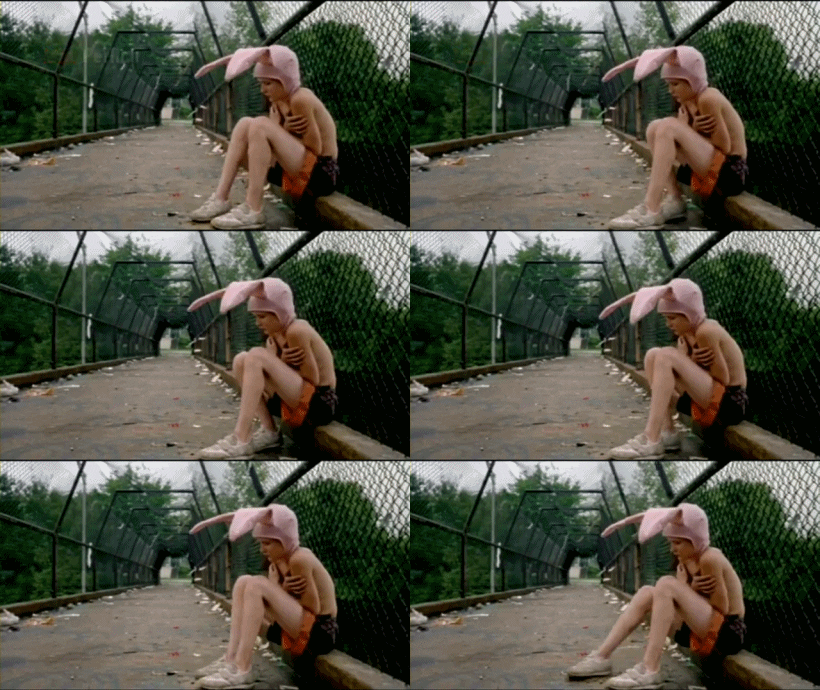
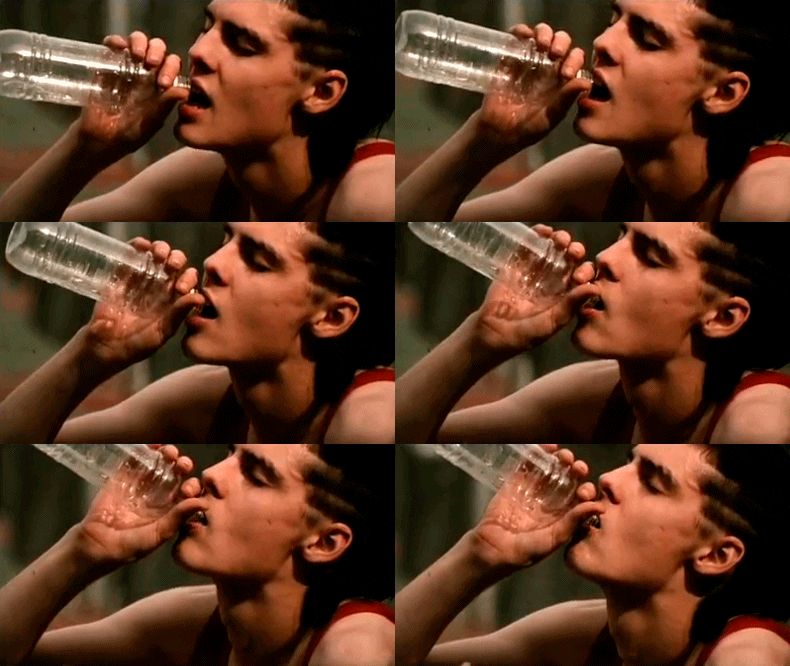
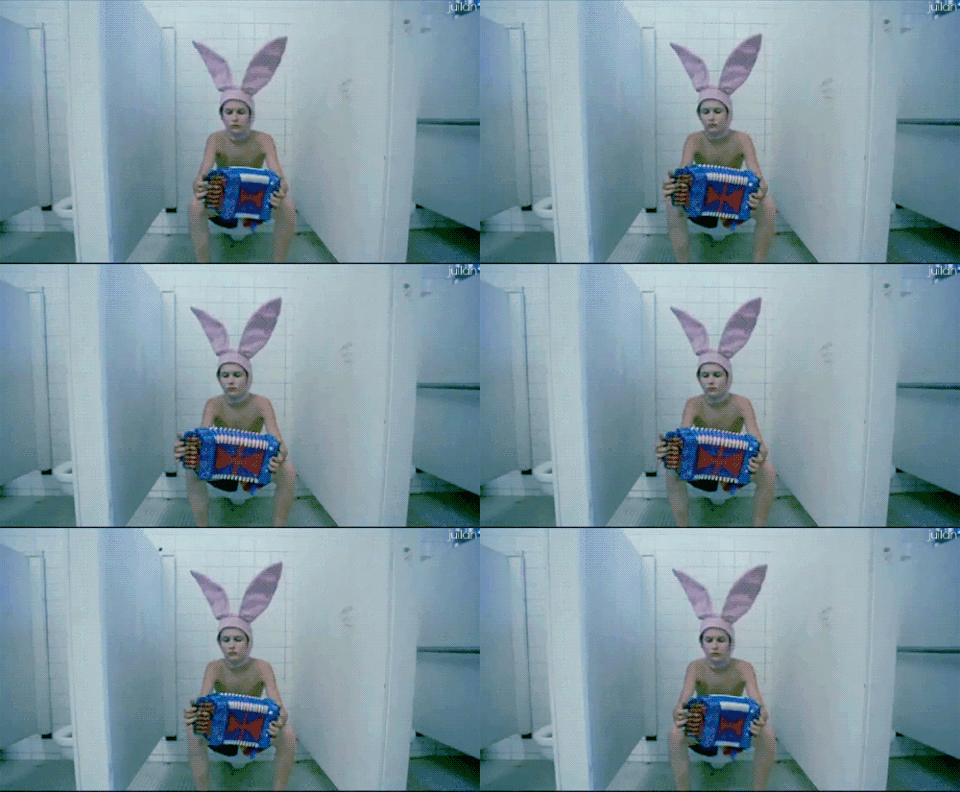
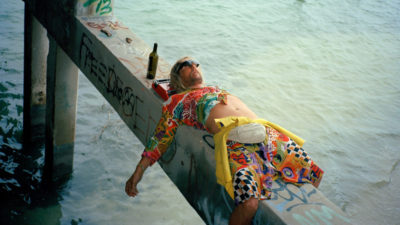
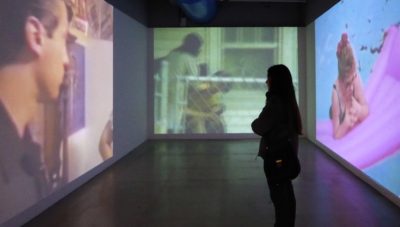
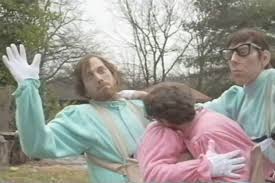
Stills


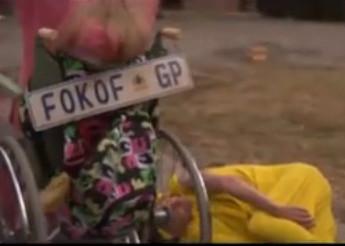
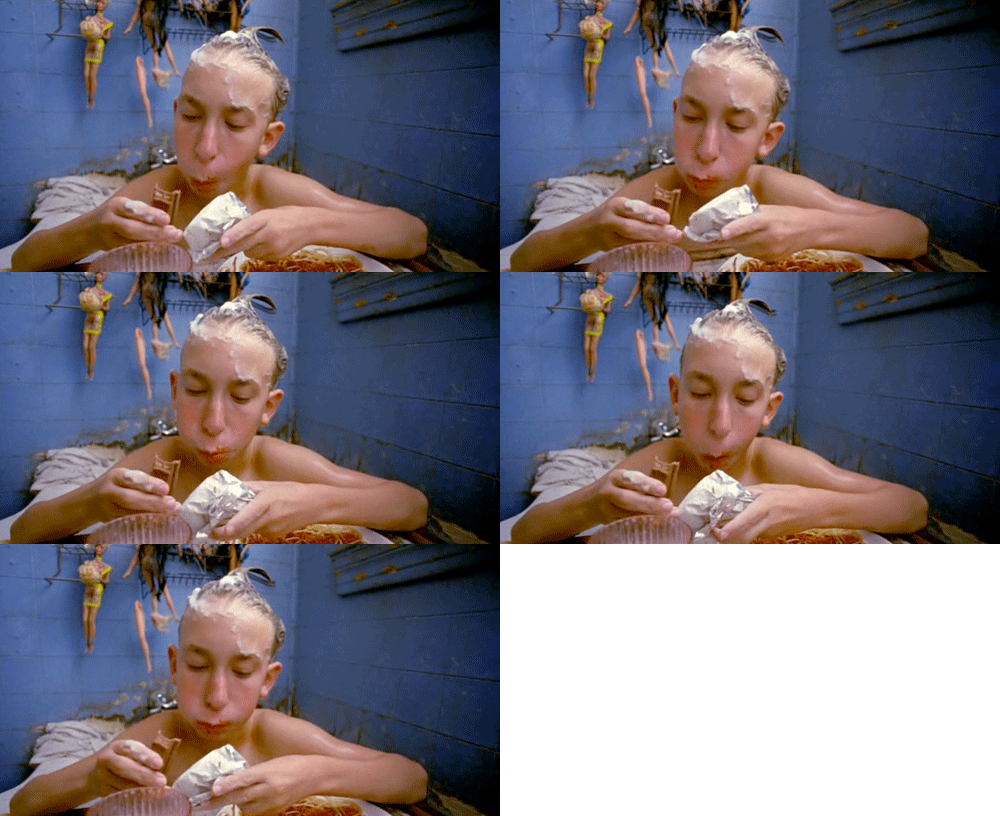


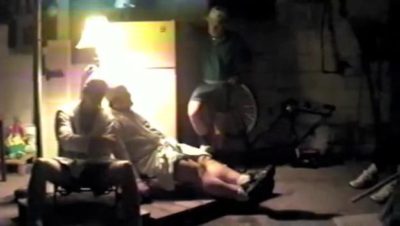
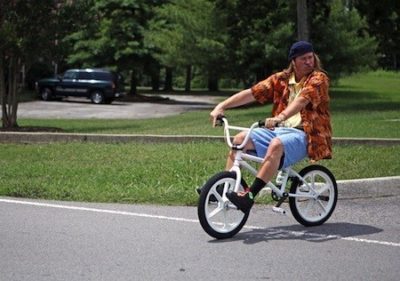




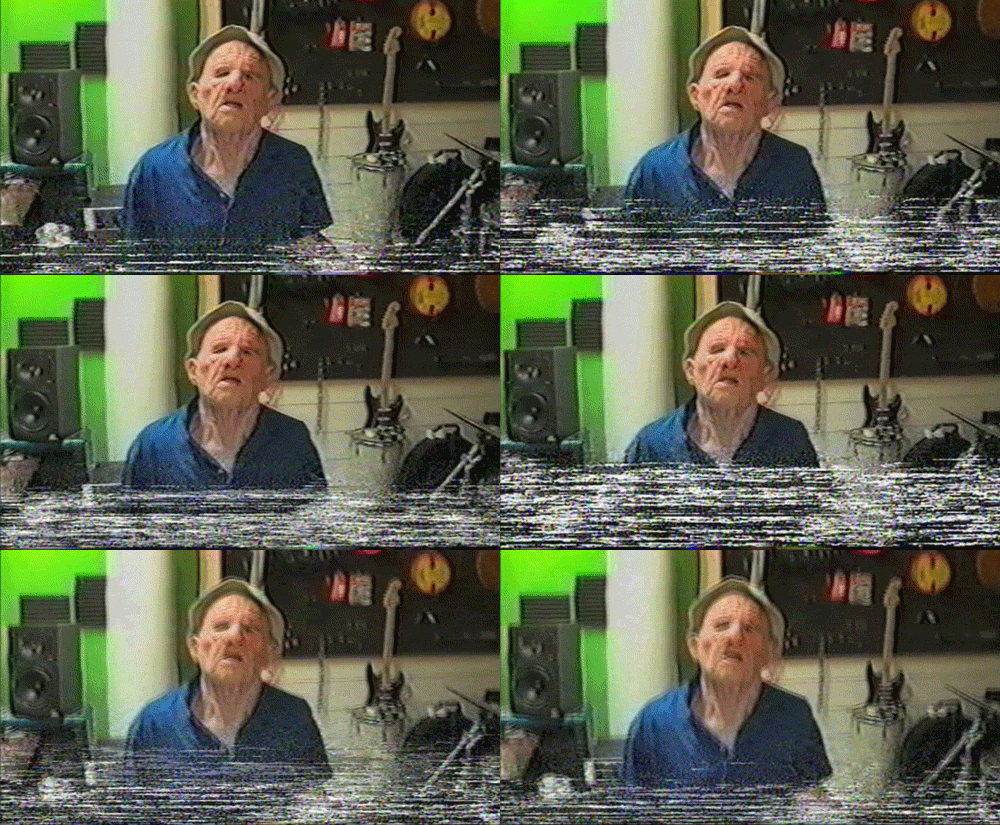

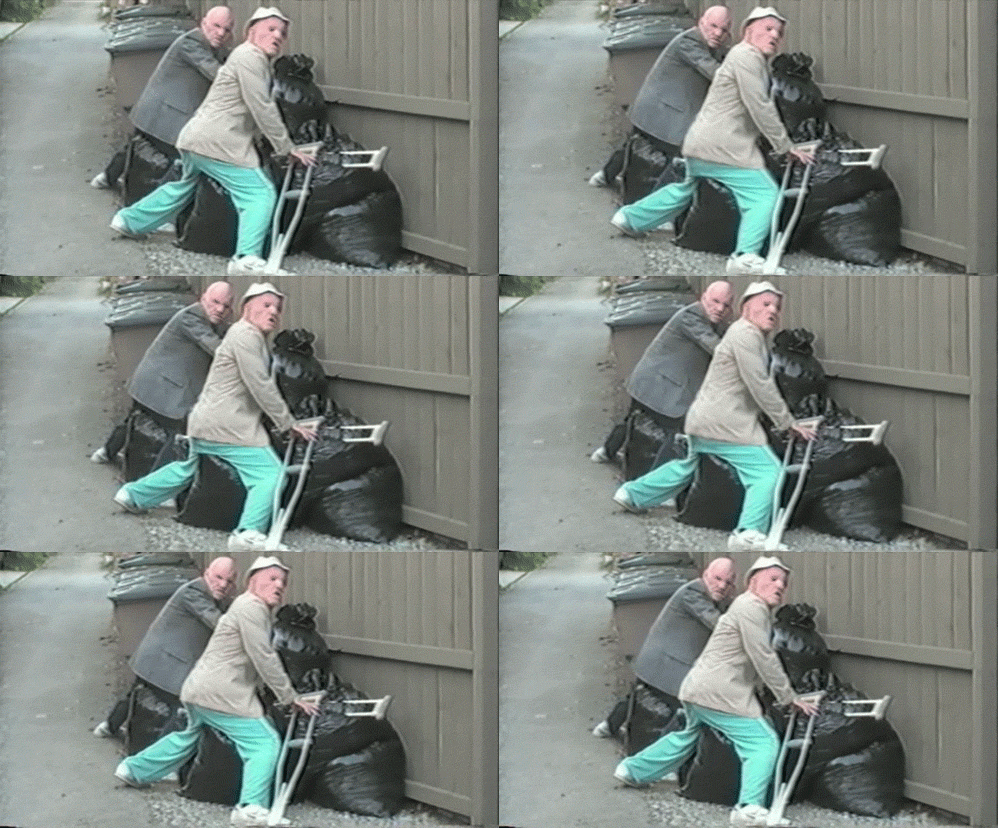

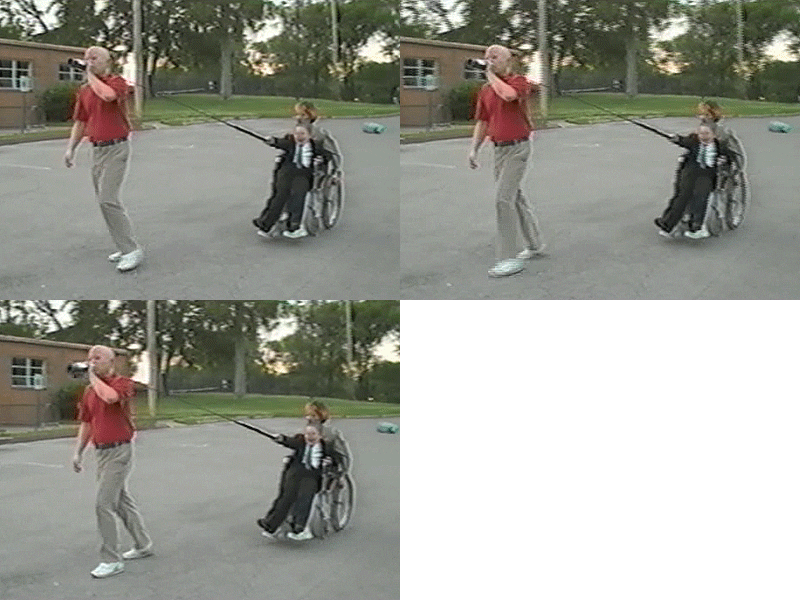
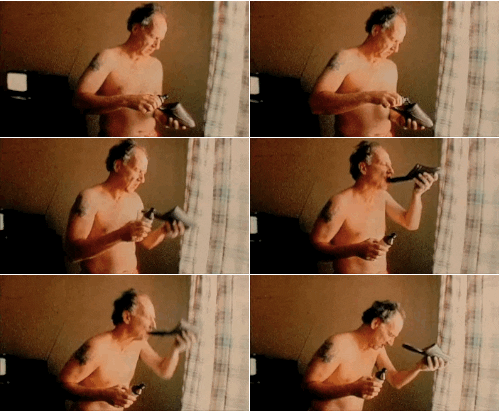
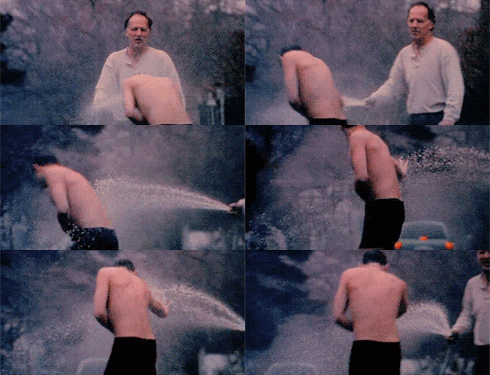
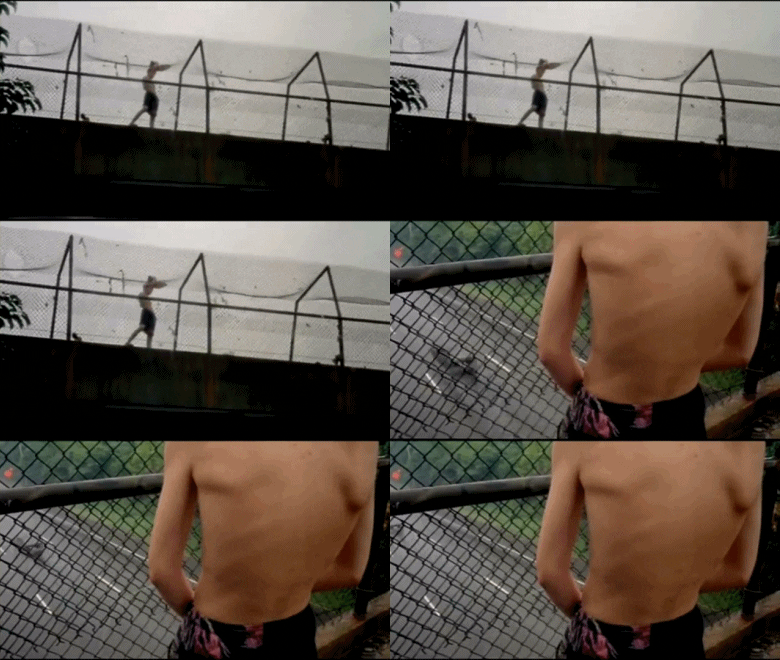






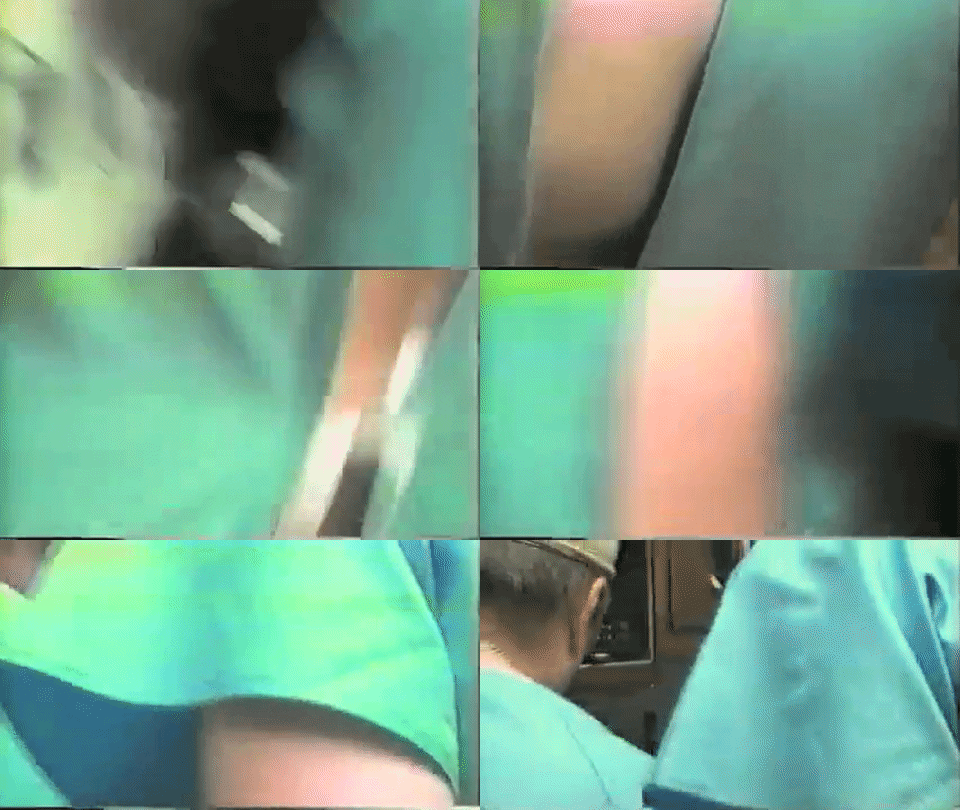

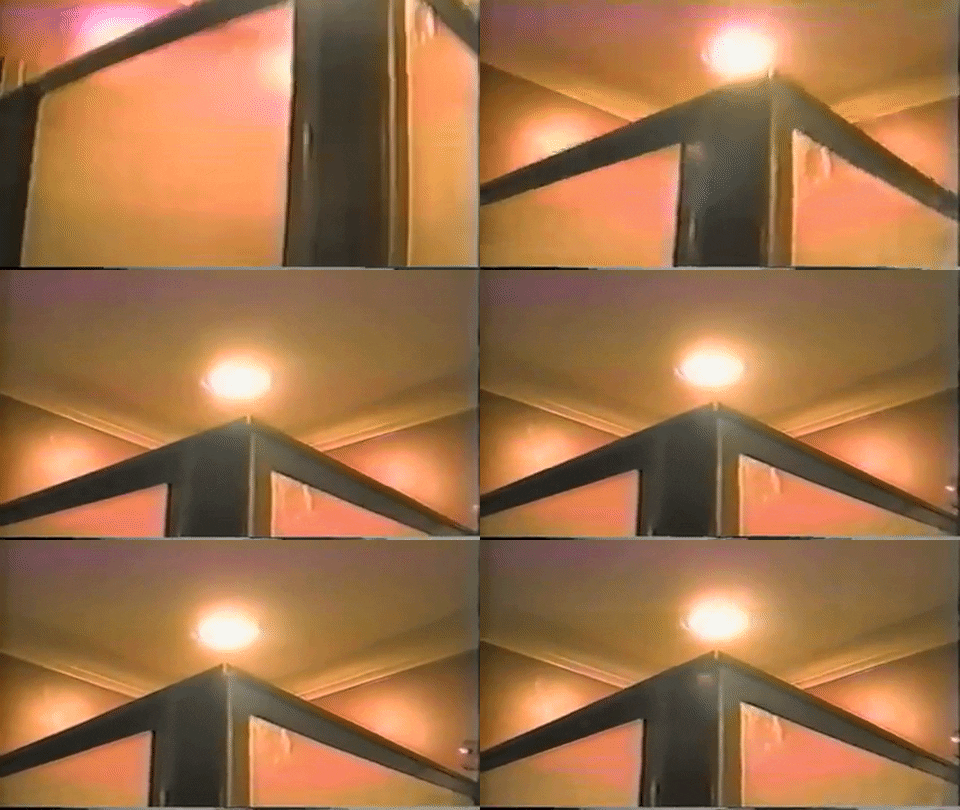










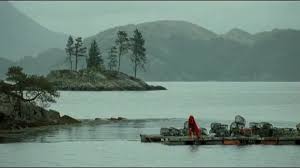
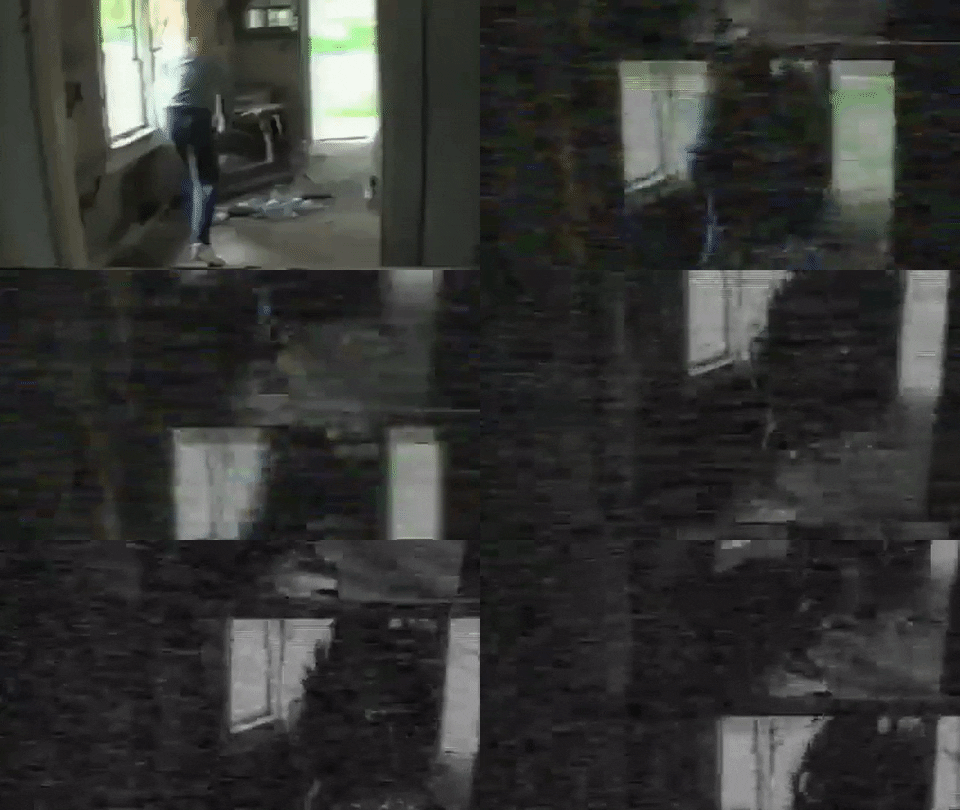
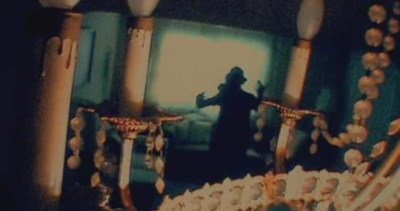
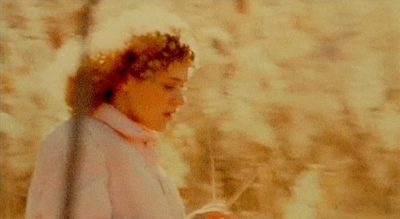
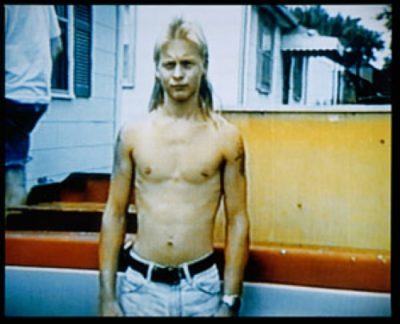
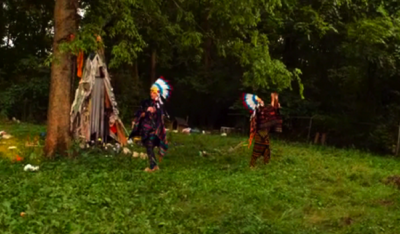

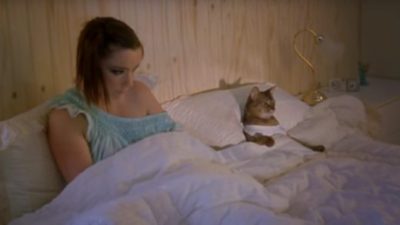

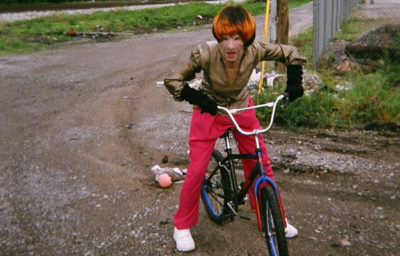

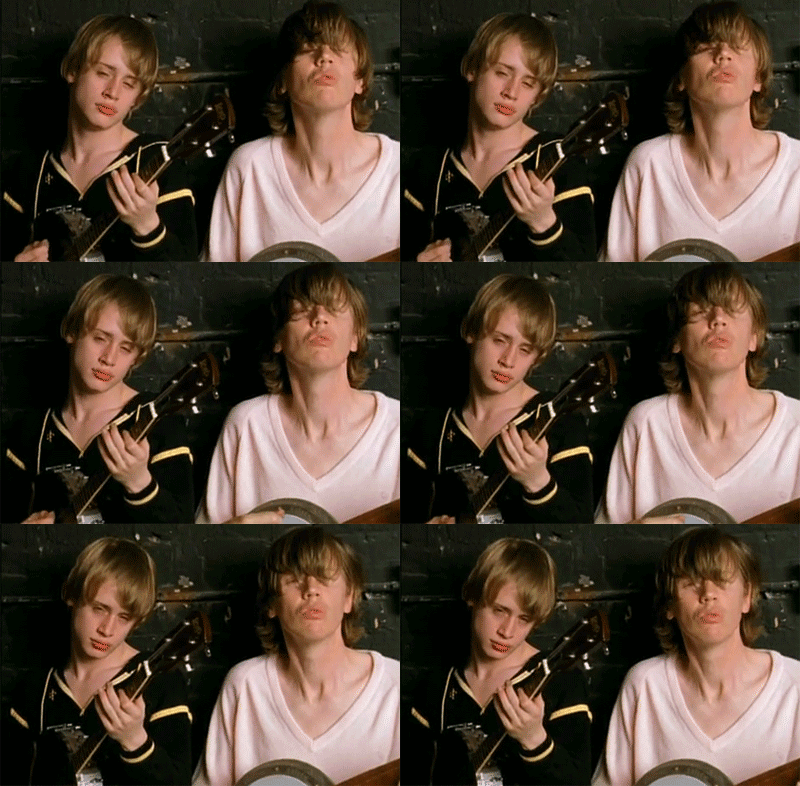

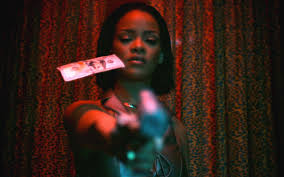


____
Further
Harmony Korine @ IMDb
‘I want to do extreme damage’: Harmony Korine’s third coming
Harmony Korne @ Gagosian
Harmony Korine @ ICONOCLAST IMAGE
Harmony Korine Is Back—and as Weird as Ever
Harmony Korine: “Avec mon cinéma, je cherche à créer une impression physique chez le spectateur”
HARMONY KORINE PLAYS DRACULA
Charlie Fox on Harmony Korine’s ‘Gummo’
Why Harmony Korine Likes Painting More Than Making Movies
Interview: Harmony Korine
Everything You Need to Know About Harmony Korine’s Filmmaking Style
I STILL LIKE TO MOW IT ALL DOWN: Harmony Korine
Harmony Korine in Conversation with Amy Taubin
Harmony Korine: “un film, c’est comme une drogue”
Director Harmony Korine on the Extremely Weird Music That Made Him
Harmony Korine On A Lifetime of Singular Art
A GUIDE TO HARMONY KORINE, THE WEIRDEST FILMMAKER OF HIS GENERATION
Imperfect Harmony
Harm Reduction
Harmony Korine: ‘I’m the Most American Director in the World’
Harmony Korine by Richard Bishop
_____
Extras
HARMONY KORINE: Raiders at Gagosian Beverly Hills
Harmony Korine | Cinéastes au Centre
Harmony Korine: On Filmmaking
Larry Clark and Harmony Korine on the Making of KIDS
The complete saga of Harmony Korine on Letterman
____
Interview
by Stephen T. Hanley
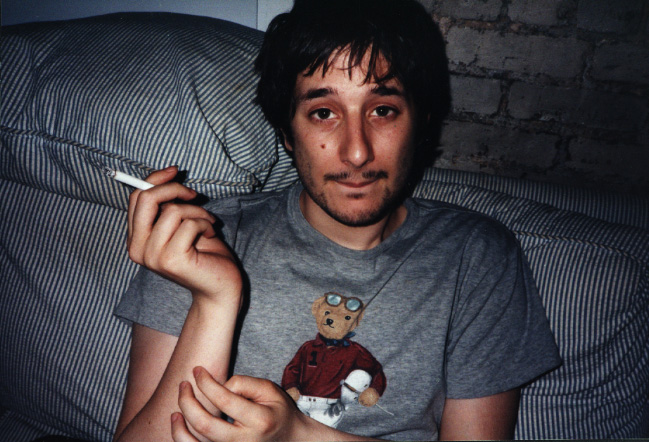
VICE: Let’s start with your directorial debut, Gummo. I’d imagine, after writing Kids, the studios were anticipating something vaguely similar, not a nonlinear art film.
Harmony Korine: Yeah, I don’t think there was any understanding before, or even after, on the part of the studios or people who financed the movie. I remember giving the script to Miramax, because the studio had produced Kids, and I don’t think any of them even made it past page eight. I knew the only reason I’d ever get a chance to make Gummo was because of the success of Kids, so when New Line Cinema financed it, it was more like, “Here, take this money, and hopefully you’ll have, like, the residue of the success of the last film.” But I was really focused on trying to create something specific that had to do with something that was a vision inside me.
I read that the TV show Cops was a big inspiration.
Yeah. I had a segment from the show that was about glue sniffers, which I re-edited so it was just a kid sitting on a stump with gold paint in his mouth. It was a repetition of him just saying the same thing over and over again and hearing the cops talk to him—a beautiful image of gold flecks of paint and dust flying out of his mouth. I thought I could contextualize that and put it into [Gummo], but we found his family, and he’d died, and the family didn’t want to give us the rights.
Cops was weirdly groundbreaking for its time—pre-internet, you didn’t see a lot of that kind of stuff in the media.
Yeah. Also, it was the first representation of what I’d seen growing up in the South in any type of media. There was no proper representation of, like, Southern culture or trash culture. The most exciting thing on the show was that they would kick a door down, and you would see heavy metal posters on the wall or some kid with a Bone Thugs-n-Harmony T-shirt listening to country music. It was the first time you’d see that kind of weirdness at the cross sections of pop culture. It was a really influential show because it was the first time people were seeing this.
You wrote Kids at 19 and were directing at 24. Was is it daunting making movies at such a young age?
It was fun. It was a surprise, maybe, to my parents or to the people who grew up around me because I was mostly a delinquent, but for me, it wasn’t a surprise because I knew I needed to make things at that point. It was exciting because I was finally getting to do what I wanted, but at the same time, it was crazy—I started getting into narcotics, and there was a wildness to it all.
In the late 1990s, you set about making the movie Fight Harm, where you’d provoke strangers to the point that they would beat you up. What made you want to make it and why was it never completed?
I just wanted to make what I thought would be the greatest comedy of all time. I thought there was always some essence of violence in the purest form of comedy, like WC Fields slipping on a banana peel, and I thought the repetition of getting into fights would be funny. I saw Fight Harm becoming one of the most popular things I could ever create, but really quickly—after eight or nine fights—it started to take its toll, and I ended it.
You stopped making art and movies from 1999 to 2007, after Julien Donkey-Boy. Where were you in those missing years?
I mostly disappeared. I didn’t really want to have anything to do with anything, really. I just wanted to live a separate life. I was obviously super enthusiastic about narcotics, and so I was probably coming out of that. I lived in London for a while… France and South America. I guess, in some ways, those are lost years.
Were you burnt out?
I don’t even know if I was burnt out. I always want to entertain myself, so when things become too serious I check out and go do something else. I don’t really care what it is—as long as I’m making something, I’m OK.
How were you entertaining yourself during that time?
Mowing lawns or shooting guns.
Were you making movies?
No, not really. At that point in my life, I was more drawn to a more criminal mentality.
Were friends concerned about you or urging you to get back into making things?
I don’t think so. Toward the end of that period, I was so lost and debased. I pretty much disconnected from everyone I knew.
You returned with Mr Lonely in 2007, which is such a sad movie. Did those years play into that sadness?
Yeah, probably. I was coming out of something, and there was a sadness to it.
That Iris Dement song you used in the final sequence is heartbreaking.
[Laughs] I remember watching the first cut of that movie; I thought, Holy fuck. I couldn’t believe I had spent so many years making something so sad.
You’ve said that you hardly watch any movies these days.
I maybe see ten movies a year. Before, I’d see ten movies a week. It’s weird because I still believe in them, but my perception of movies or the power of images has changed. I don’t even know why movies are two hours long anymore. Films are about emotions and poetry and transcendence—something enigmatic. Why does it have to be feature length? It could almost be a flash. My experiences with new movies don’t go as deep as they used to, but if I re-watch movies that meant a lot to me as a kid I still get really excited about them. I thought Mad Max was amazing. On the surface, it was so simple—it was almost like a video game. I thought it was best movie of last year.
We’re in an age where so much content is streamed. Do you still care about having your movies open in the cinema?
Always! For me, when making movies I’m always thinking about the cinema experience. That’s why I haven’t made television yet: Television is a writer’s medium. Not to say there aren’t good things in it, but television—no matter how good it is—is underwhelming. The size of it, and sitting in your living room. It’s pedestrian, whereas cinema is magic, it’s huge, it envelops you, and there’s something completely sensory when it works. Whereas television now is more relaxed; you can pause it and eat a hamburger.
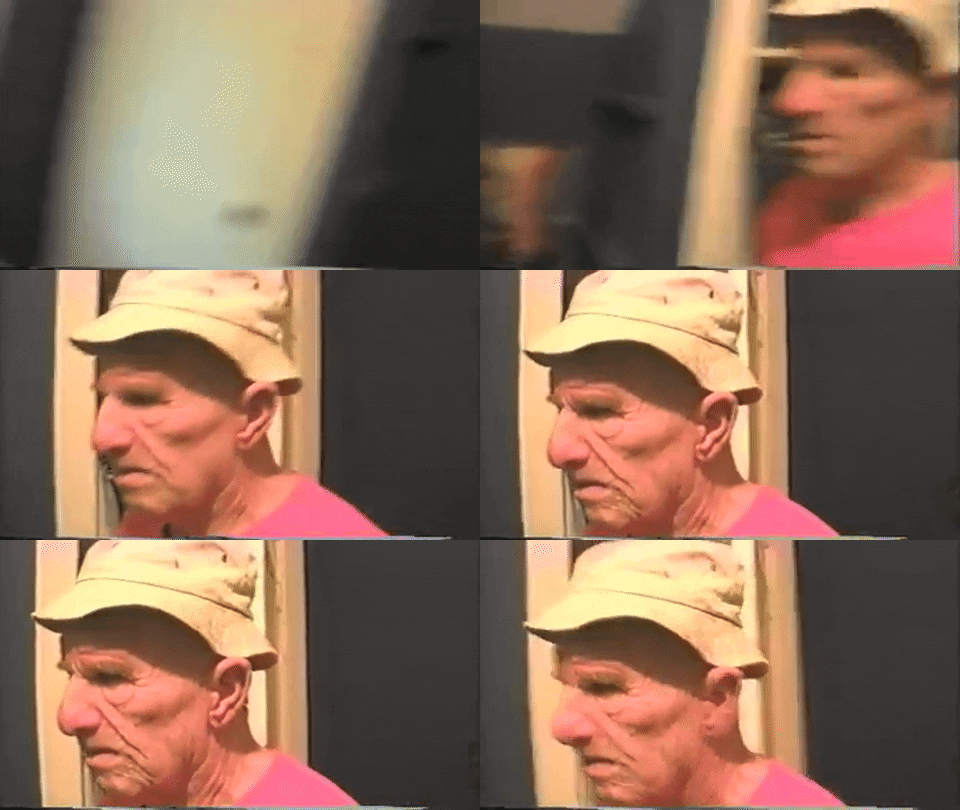
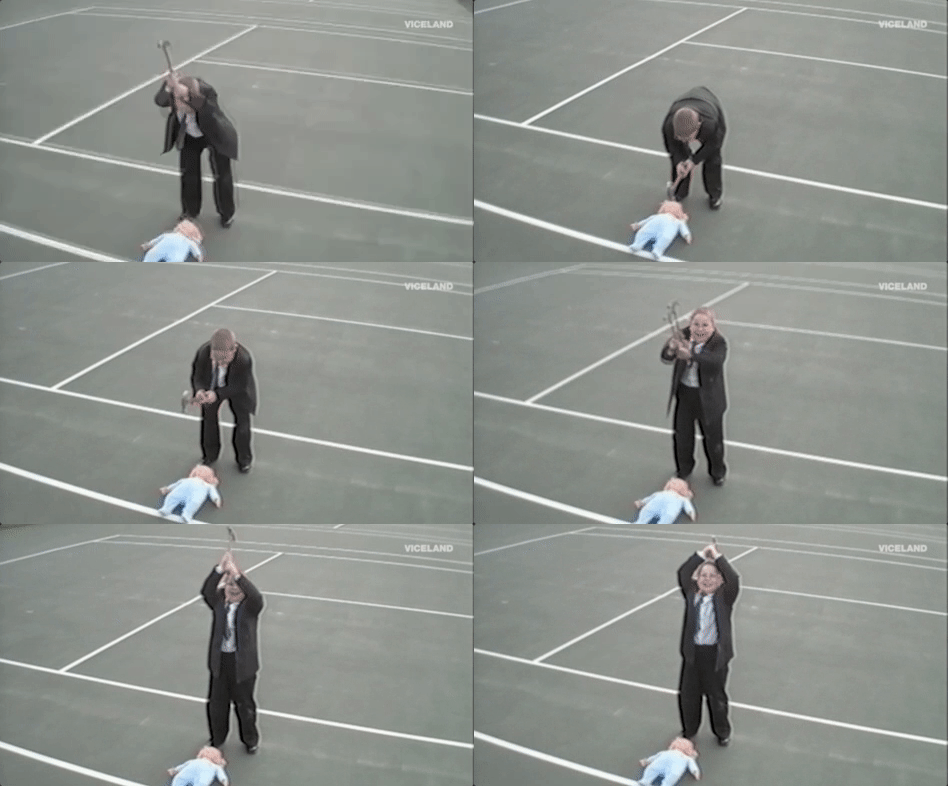
With 2009’s Trash Humpers, you shot on VHS using a bunch of video cameras you found in thrift stores.
Near my house in Nashville [as a child], there was an old person’s home; they lived in this basement and would only play that band Herman’s Hermits. I’d walk by at night and see some of the people were super horny; they’d be rubbing up against each other all the time. It was a highly sexualized thing, and as a kid, it would really freak me out. It’s one of those things that stuck in my head, so Trash Humpers was a continuation of that idea—of trying to make something that was visually really corroded and horrible, but at the same time had a real American vernacular to the imagery. I was trying to tap into the way things looked and felt growing up.
You edited everything on VHS tape decks, too, right?
It was in the middle of summer, and my editor was 90 percent blind. He was always shirtless, and he would just sit there and take pencils and start wedging them into the VCRs, getting these kind of beautiful glitches. We were trying to imagine, How do you make a movie that you can imagine was found in the guts of a horse or buried in the dirt? Now you can buy VHS apps for your phone and mimic what took us a really long time to do.
You often see indie directors like Gus Van Sant go from making small, left-field indie movies to big studio pictures, but Trash Humpers to Spring Breakers in 2013 was such a radical jump. Was that difficult to get off the ground?
The easiest part was the actors—that part was very easy. But every movie I’ve ever made has been hard to make. I’ve never had an easy experience.
Because of studios getting involved?
There are always those people—no matter what you’re making. It’s never commercial enough. No one is ever happy enough. There are always people who want to push you in that one direction. I know in my heart if it’s right, so I don’t doubt myself. People can have their opinions, and I will listen, but in the end, I will know I’m on the righteous path, so it doesn’t bother me. Everything is perfect, no matter what happens, even if I’m creating disasters—it’s all meant to be the way it is.
Your upcoming movie, The Trap, is about a boat-robbing crew in Miami, and you’ve spoken before about this idea for it to be ultra-violent and akin to a drug experience.
I’m always trying to get to a point where the movie-making is more inexplicable—an energy, rather than anything steeped in narrative. I was always trying to do something that was closer to a drug experience, or a hallucinatory experience, or something more like a feeling. There’s a language that I’ve been trying to develop for a while, so that was what The Trap was going to be a continuation of. But I don’t know if I’m going to make that movie. I was supposed to shoot in May, but I lose interest. It’s not that I’m not making it. I’m just almost done with another script. I’m going to make one of the two this year, I’m just not sure which one.
Let’s talk about your art. How long have you been painting?
I’ve always painted. I’ve made artwork for as long as I’ve been making movies, but over the last few years, it’s taken over.
Tell me about the Fazors series.
This series was just me trying to make artwork without a specific fixed point. There was a pattern that I started with, and I was taken by this—I call it “phasing.” They’re kind of sensory or energy-based paintings. I wanted to work with colors that were, like, cut from the sky or something. Again, they relate to the other stuff—the looping, phasing, trancing—and there’s a physical component. Like, if you look at them for a while, they wash over you.
And you chose to work on this huge canvas size?
I often do small stuff, but for shows, the size is almost like a movie screen—it feels like there’s something powerful about the size.
Do you go into the studio with an empty head and just start?
Sometimes. For this series, I worked on them for a long time—it took a year or so to make these. I’d just go into the studio every day and start riffing. The figurative stuff is more intuitive; there are specific characters I’ve been drawing since I was kid that keep coming up in these ones.
Finally, I have to ask about David Letterman saying you were banned from his show in 1999 for rifling through Meryl Streep’s purse in the green room while you were high?
The way Letterman tells that story, I don’t really believe it’s true. Truth is, I probably did eat a couple of pounds of shrooms right before, so my hallucinations were probably pretty on point, but at the same time, if you see a revolver in a purse, what are you gonna do? Do you know what I mean? You’re gonna pick it up and play Russian roulette.
__________
24 of Harmony Korine’s 28 films
__________
Gummo (1997)
‘Gummo is a painstakingly (creatively!) repellant heroin chic cine-scrap book which demands its brave viewers question if what they are watching contains any artistic or intellectual nourishment whatsoever. Or whether it’s all just a bunch of grotesque E numbers set to black metal ditties. This strategy in itself is what great art should do – dismantle its true identity, or at least coquettishly obscure it from outsiders. Like poking dog shit into the vol-au-vents just as they’re being carried into the society ball, the film retains the feel of a grand prank, like its raison d’être is not merely to steam-up the monocles of the conservative critical cognoscenti, but to force them to claw their own eyes out in abject opprobrium. And then it laughs when they do so.’ — David Jenkins
Trailer
Excerpt
Harmony Korine talks about Gummo
_____________
The Diary of Anne Frank Part II (1998)
‘A three-screen collage that serves as a companion piece to Harmony Korine’s “Gummo”. The same actors are featured, and similar themes are touched upon.’ — letterboxd
Excerpt
_____________
Sonic Youth: Sunday (1998)
‘In a creative meeting destined to blow at least a few minds, Sonic Youth tapped 23-year-old Harmony Korine, the young man behind “Kids” and “Gummo,” to direct the band’s next video, which will also feature Macaulay Culkin. The pioneering New York outfit teamed with Korine (the screenwriter of the disturbing “Kids,” and the director of the even more disturbing “Gummo”), last weekend to shoot the clip for “Sunday,” the first single from the band’s upcoming album “A Thousand Leaves.”‘ — MTV
the entirety
ALWAYS SEEMS TO MOVE SO SLOW – making of harmony korine’s “SUNDAY”
______________
Julien Donkey-Boy (1999)
‘Gummo and Kids were so controversial in their unvarnished view of marginalized life that they spurned a level of commentary that was rare in the pre-Internet discourse, prompting wide condemnation and occasional stalwart defenses in various columns. Julien Donkey-Boy did little to alter this trajectory. Opening at the Venice Film Festival, it played a single theater in Los Angeles before slipping quietly to home video, what little press it received largely baffled and hostile. Yet the film stands today as one of Korine’s most powerful works, the end of his first period of filmmaking and possibly his most tender work in spite of its extreme depiction of hopelessness in America.’ — Jake Cole
Trailer
Excerpt
“The Confession of Julien Donkey-Boy”
______________
David Blaine: Above the Below (2003)
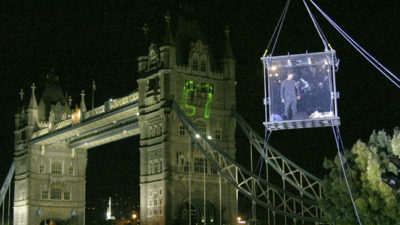
‘A TV-documentary directed by Harmony Korine. It in part concerns David Blaine’s 2003 stunt in which he was sealed in a transparent case suspended 30 feet in the air near the River Thames, London, without food, for a period of 44-days. Beyond that there are scenes of strange spectators and Blaine wandering the streets of London making pranks and so forth…’ — letterboxd
Trailer
_____________
Bonnie Prince Billy: No More Workhorse Blues (2004)
‘Another slice from the Greatest Palace pie, complete with a video from the disturbed mental chasm of Harmony Korine.’ — Drag City
the entirety
_____________
Cat Power: Living Proof (2006)
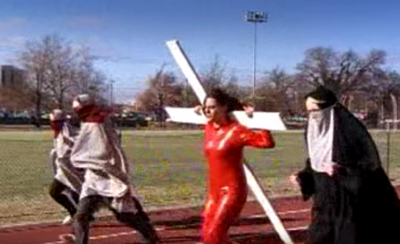
‘High school-set, MTV2-premiered clip for a track from Cat Power’s The Greatest. Chan Marshall appears in an “Oops I Did It Again”-style bodysuit with a wooden cross strapped to her back.’ — Fader
the entirety
_____________
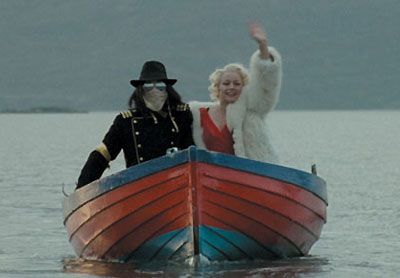
Mister Lonely (2007)
‘Mister Lonely, Korine’s 2007 tale of misfits as celebrity impersonators trying to assemble a show to confirm their own sense of destiny while living in a castle in the Scottish Highlands (led by Denis Lavant as “Charlie Chaplin” and the man who joins them, Diego Luna as “Michael Jackson”) is a work that requires the most patience of his oeuvre. Even compared to his bizarre video experiment Trash Humpers, which is about exactly what you think it’s about and is as damning a digitally splattered portrait of class marginality and white privilege and racism as any of his works, Mister Lonely doesn’t have the aggressive sensibility, the aesthetic or narrative middle finger, the bile that is frequently associated with Korine’s filmography. It is a balm, a strange rumination on the nature of identity, celebrity, liminality and the queerness of performance.’ — Kyle Turner
Trailer
Excerpt
Excerpt
_____________
Thorntons: Stuck (2007)
‘In 2007, American auteur Harmony Korine directed a television advertisement for the British chocolate company Thorntons. The commercial, entitled Stuck, sees Korine utilizing quick forward-reverse editing to create a series of repeated mini-movements.’ — Spencer Everhart
Excerpt
____________
Trash Humpers (2009)
‘Harmony Korine’s new film, Trash Humpers, afflicts everyone, the afflicted and the comfortable. It is a continuous, 78-minute afflict-a-thon. It sendeth acid rain on the just and the unjust. It is a downpour on those who admire good taste, and those who admire bad taste. George Clooney fans will have a fit of the vapours; old school John Waters fans will be yearning for a reprise of the Good Morning Baltimore number from Hairspray. It is an exercise in experimental provocation and in pure insolence, while sometimes being horribly funny and fascinating, reviving the spirit of Tod Browning’s Freaks and the ice-cold vision of Diane Arbus.’ — Peter Bradshaw
Trailer
Trash Humpers interview with Director Harmony Korine
______________
Mak and Plak (2010)
‘Mak And Plak is set in an anonymous basement where two Siamese brothers berate each other over and over while a man with a prosthetic face attempts to have sex with a refrigerator. Chaos ensues.’ — letterboxd
the entirety
_____________
42 One Dream Rush (2009)
’42 Below, the vodka brand from New Zealand owned by Bacardi, is the creative sponsor of One Dream Rush, a very short film festival based in Beijing, China. 42 films from around the world were chosen from a competition in which film makers were given 42 seconds on the dream theme. The 42 chosen directors include Kenneth Anger, Matt Pyke, Chris Milk, Arden Wohl, Asia Argento, Zhang Yuan, Michele Civetta, Florian Habicht, Taika Waititi, Yung Chang, Abel Ferrera, Sergei Bodrov, David Lynch, Larry Clark, Chan Marshall, Charles Burnett, Joe Coleman, Terence Koh, Carlos Reygadas, Zachary Croitoroo, Rinko Kikuchi, Mike Figgis, Tadanobu Asano, Griffin Marcus, Brian Butler, Rajan Mehta, Floria Sigismondi, Sean Lennon, Leos Carax, James Franco, Niki Caro, Lou Ye, Harmony Korine, Lola Schnabel, Mote Sinabel, Chris Graham, Jonathan Caouette, Gaspar Noe, Jonas Mekas.’
the entirety
______________
Act Da Fool (2010)
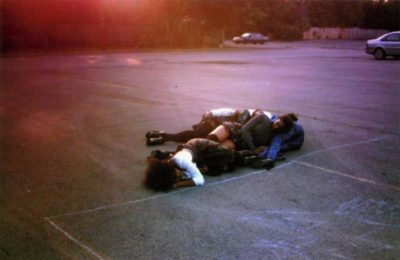
‘A series of hazy 8mm vignettes, accompanied by a soft, lilting voice over, in which girls skulk around schoolyards, spray graffiti, drink, smoke, pose and embrace, evoking the loneliness, confusion and overwhelming wonder of growing up.’ — IMDb
the entirety
____________
Blood of Havana (2010)
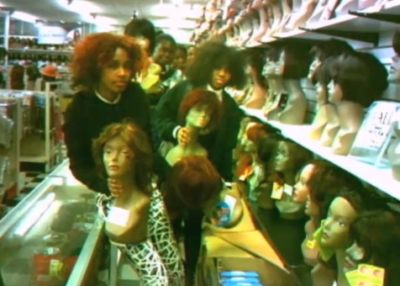
‘Shot on a Digital Harinezumi, the film features a disturbing and monstrous character walking the streets of Havana to meet people. The reading of a poetic, funny and false prophecy about communism and a new revolution coincides with a minimal and repetitive soundtrack.’ — letterboxd
the entirety
______________
Die Antwoord: Umshini Wam (2011)
‘Harmony Korine plus South African futuristic rap-rave white trashers Die Antwoord and “Silent Light” cinematographer Alexis Zabe equals “Umshini Wam,” Korine’s latest in short film absurdism. Only 16 minutes long, and translated as “Bring Me My Machine Gun,” the short feels like somewhat of a companion piece to Korine’s 2010 gloriously beautiful/ugly “Trash Humpers” in mischievous, fucked-up spirit, only instead of shot on butt ugly VHS, the picture is beautifully lensed on an anamorphic 35mm and looks gorgeous.’ — Indiewire
the entirety
_____________
Curb Dance (2011)
‘Dedicated to legendary filmmaker Jonas Mekas, Korine’s video feels like opening a trunk in a strange attic to discover an unfinished short story and a dusty music box.’ — Hyperallergic
the entirety
______________
Snowballs (2011)
‘Following last year’s Act Da Fool, here’s the latest Harmony Korine short film, Snowballs, for the designer Proenza Schouler.’ — Filmmaker Magazine
the entirety
______________
The Fourth Dimension (2012)
‘An immersive trilogy by Harmony Korine, Alexsei Fedorchenko and Jan Kwiecinski. The three filmmakers have created three unique stories that offer up their vision of this higher plane of existence, the Fourth Dimension. Each filmmaker takes his character on a journey that changes the way they see the world and themselves. And each filmmaker will offer a different perspective on what the Fourth Dimension is.’ — Vice
the entirety
The Fourth Dimension Behind the Scenes: Harmony Korine
_______________
The Black Keys: Gold On The Ceiling (2012)
‘The Black Keys’ “Gold On The Ceiling” is probably the most unstoppable rock anthem on their new album El Camino, and it already had a completely straightforward music video. So I’m not really sure how the duo decided to recruit the legendarily fucked-up filmmaker Harmony Korine to make his own utterly absurd and borderline-unwatchable clip for the song, but it happened. In Korine’s version of “Gold On The Ceiling,” the song is muffled, and it keeps cutting out to silence. The Black Keys, meanwhile, appear in furry baby costumes while being carried by giant guys in waxy Black Keys masks? Or something? And at the end, a couple of guys appear to be eating gold? I have no idea what the fuck is going on.’ — Stereogum
the entirety
______________
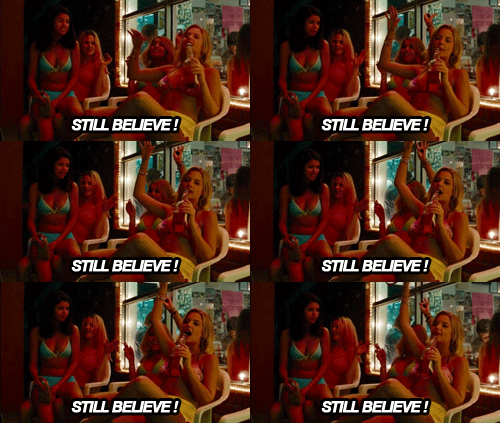
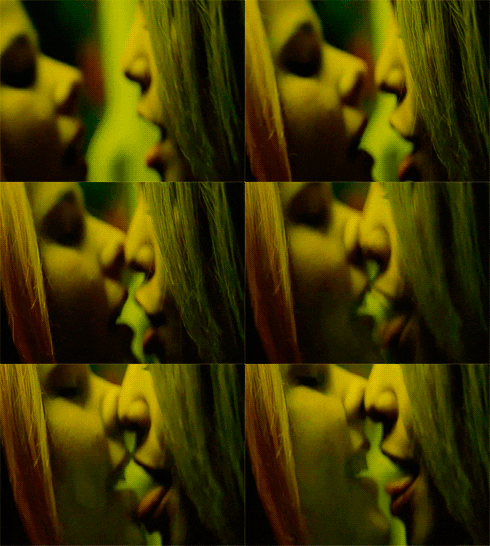
Spring Breakers (2012)
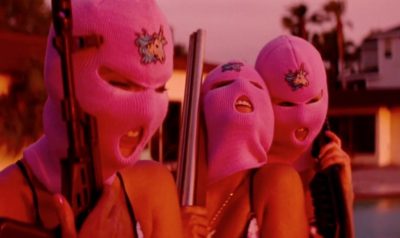
‘Spring Breakers is loaded with religious symbolism. Goody two-shoes Faith (Selena Gomez) and her friends Candy (Vanessa Hudgens), Brit (Ashley Benson), and Cotty (Rachel Korine) are the film’s “spring breakers” – four bored college girls from a small town trying to party their hearts out on the Florida beach. They are arrested while partying and Alien, a rapper/DJ/drug dealer they met, bails them out. He’s their sadistic savior, Christlike in everyone’s eyes save Faith’s. It’s no coincidence that she’s the first to return home, leaving the other girls behind. They’re Alien’s followers now, so traditional faith/Faith isn’t necessary. Franco and Korine collaborated closely on Alien’s behavior and dialogue, coming up with much of the latter during rehearsals. Instead of just being otherworldly, Franco and Korine made him God-like. He follows in the tradition of cult leaders and cool-guy Jesus stereotypes peppered throughout pop culture. He’s Manson-esque, with a mysterious way of talking and a penchant for revealing his bare chest.’ — Birth. Death. Movies.
Trailer
Outtakes
Making Of
_____________
Dior Addict (2014)
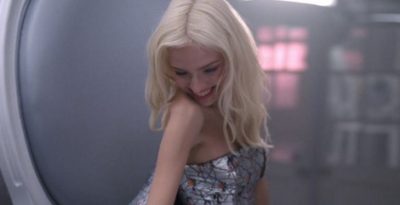
‘Harmony Korine, who caused what our grandmothers would call quite the stir with last year’s James-Franco-in-cornrows-starring “Spring Breakers,” shot a commercial for Dior’s Addict fragrance, and, guys, it’s pretty strange. What begins as your typical lounge time (in couture, of course) set to the strains of Die Antwoord soon becomes an actual trip through the looking glass. After some time rubbing the walls and looking at flowers and stuff, our blonde hero, model Sasha Luss, emerges, topless (?!), on the other side of the mirror again.’ — MTV
the entirety
______________
Rihanna: Needed Me (2016)
‘The just-released clip for her song “Needed Me” represents the third time that Rihanna has murdered a guy in a music video. In 2011, she tearily took a gun to a rapist for “Man Down,” triggering the Parents Television Council’s condemnation. Last year, she baited various ideologies of Internet commentators with her “Bitch Better Have My Money” video’s tale of kidnapping a woman and dismembering her husband, a shady accountant. Now, for “Needed Me,” she strides into a strip club and shoots a tattooed guy for unspecified reasons. Her apparent disinterest in the consequences to her actions within the world of the video is equal to her apparent disinterest to the consequences outside of it.’ — The Atlantic
the entirety
_______________
The Beach Bum (2019)
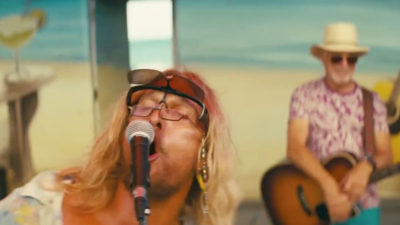
‘”Spring Breakers” was the gateway drug; “The Beach Bum” is the first full-fledged Harmony Korine movie for the masses. As Moondog, McConaughey is a gleeful, vulgar hedonist who roams Miami and Key West with a typewriter, delivering romantic poems at grimy bars while coasting on the support of his wealthy wife (Isla Fischer), who delights in his carefree existence. It doesn’t take much to connect the dots with Korine’s own messy trajectory, which found him recovering from a drug-fueled meltdown in the late ’90s by careening from New York to Europe and then back to hometown of Nashville. Eventually, he rebooted his lifestyle in Miami, where he has settled down with his wife, two children, and a community of creatives hip to Florida’s relaxed vibe. He said the exuberant backdrop opened up new artistic possibilities.’ — Indiewire
Trailer
_____________
Duck Duck (2019)
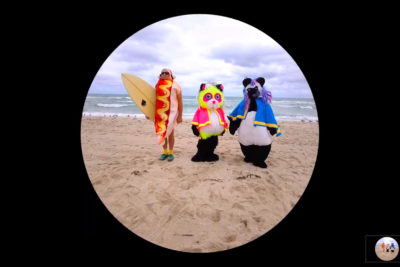
‘Harmony Korine premieres his latest short film, “Duck Duck” — shot through Spectacles 3, Snapchat’s wearable 3D camera. Korine experiments with Spectacles 3 as a cinematic tool, overlaying augmented reality onto three-dimensional scenes to weave a surreal, immersive narrative. Korine transforms Miami into an unbridled dreamscape of sound and color in “Duck Duck” — exploring the emerging disciplines of wearable cinema, augmented reality, and spontaneous storytelling. The film’s hybrid reality is brought to life through custom 3D Effects developed for the film, which will be available for all Spectacles 3 creators after its premiere.’ — Spectacles
the entirety
*
p.s. Hey. ** Paul Curran, Hi, Paul! Thanks. Yeah, it’s quite a good novel, and short too. I read about you guys locking down. Good that it’s a soft one, well, assuming that works. Ours just got extended until late April, urrrgggh. So great if the upside is that you can get your novel seriously along. Yeah, all of my friends who are locked in with their kids are semi-losing their minds and/or trying to keep their kids from semi-losing theirs. Hang in there, and big love! ** David Ehrenstein, Happy you think so too. ** Dominik, Hey, hey, D! That’s not a bad day you had there at all! I’m still trying to get my concentration up to speed enough to ward off the current stressful world and write. Not there yet. Me too about the film thing. There’s a wrench in the works because it turns out that one of our producers has coronavirus and is in the hospital, Jesus. My journey to the health food store was kind of interesting. People seem to be chilling out a bit and getting used to the situation, so the few people whose paths I crossed looked and acted much less terrorised. Still so strange, the emptiness and huge silence. I walked by the Opera Palais Garnier on my voyage, and the area around it is normally always packed with selfie taking tourists 24/7, so that whole area being a dead zone felt like dreaming. It was a fairly long walk, and I think I only saw maybe 9 people the entire time, and 5 or 6 of those were sleeping homeless people. Otherwise mostly just email and listening to music and blog post making, although I did do a long Skype meet up with my friend Lee in California who I’ve known since before high school and who is by far my longest lasting friend. That was great. He’s the only one of my early friends who, like me, ended up actually living out our ambitious artistic dreams. He’s an experimental music composer and musician. He’s also the only person in my life who knew and was friends with George Miles, and there’s something comforting in that. Anyway, the day was pretty okay. How’s your weekend looking, or, rather, how was it? All the love right back to you! ** Jeff J, Hi. I personally prefer his first novel to ‘Counternarratives’. It’s tighter and more concentrated or something. Thank you again about the night post. I’ll see what else I can come up with like that. No, I don’t think I know those Gould works. Huh, I’ll try to find them. Obviously don’t let weak and distracted dissuade you. That’s a natural starting place under the circumstances. I hope you find yourself digging in. So nice that your agent called to as about your new novel and liked your ambitions. That’s an awesome agent thing to do and not all that common, I don’t think? I do believe I’ve seen ‘The Cranes Are Flying’, but I’m completely blanking on what I thought. Interesting. I was making a post yesterday about the heyday of Power Pop, so I got lost in that genre, happily. My old friend Lee, who I talked to last night, turned me on to this quite excellent newish band Horse Lords, who I hadn’t heard before. Their album is pretty sharp. ** Bill, It’s the better of the two novels, I think. I much preferred it. And it’s very short, which doesn’t hurt. Yes, I heard BJ has Covid, and … I don’t feel much sympathy welling up in me, I must say. Oh, that’s really good about the theaters doing a streaming thing. SF Cinematheque just announced they’re doing the same kind of thing, and I’m excited for that. ** Steve Erickson, I can play games on my computer and will if it comes to that, but I really want to get away from my computer if at all possible. Very nice that your music making is progressing. Quarantine as recording studio = good job. I’d rather cut my head off and fuck myself in the neck than join Twitter. ** Armando, Hi, man! Uh, France is being very strict with the quarantining, and we are all being well behaved so far. What’s the situation where you are? Mr. Gluth’s praise for your novel is both well deserved and very high praise indeed! Today? Uh … maybe go to the supermarket as an excuse to get outside. Skyping with an editor of Artforum to talk about me maybe writing something for them. Phone some friends. That’s about it. Your day or, rather, weekend? Sanitised hugs. ** Okay. As with the Shelley Duvall Day a bit ago, I surprised myself to find that I had never done a Harmony Korine Day despite him being easily one of my top favourite filmmakers du jour. So spend whatever portion of your weekend that you delegate to this location being with Harmony’s stuff please. And I’ll see you on Monday.

















































 Now available in North America